Category: OS

In‑depth coverage of any OS, new features, privacy tools and ecosystem changes to keep your devices current and secure.

  • ColorOS 16.1 Rolls Out with Live Space, Redesigned Camera, MindPilot AI, and AirDrop Support

    ColorOS 16.1 Rolls Out with Live Space, Redesigned Camera, MindPilot AI, and AirDrop Support

    OPPO has released ColorOS 16.1, its mid-cycle upgrade that remains based on Android 16 and arrives ahead of the Android 17 update expected for eligible devices later this year. The release is a substantial one, covering everything from a new live activity system and a redesigned camera interface to AI assistant improvements and cross-platform file sharing with Apple devices.

    ColorOS 16.1 is rolling out to the Find X9 series first

    The update is currently making its way to OPPO’s Find X9 lineup, with the Reno 15 series and Find X8 series set to follow. Other flagship and mid-range models are expected to receive it in the near future as well. The Find X9 Ultra and Find X9s will ship with ColorOS 16.1 pre-installed in select regions.

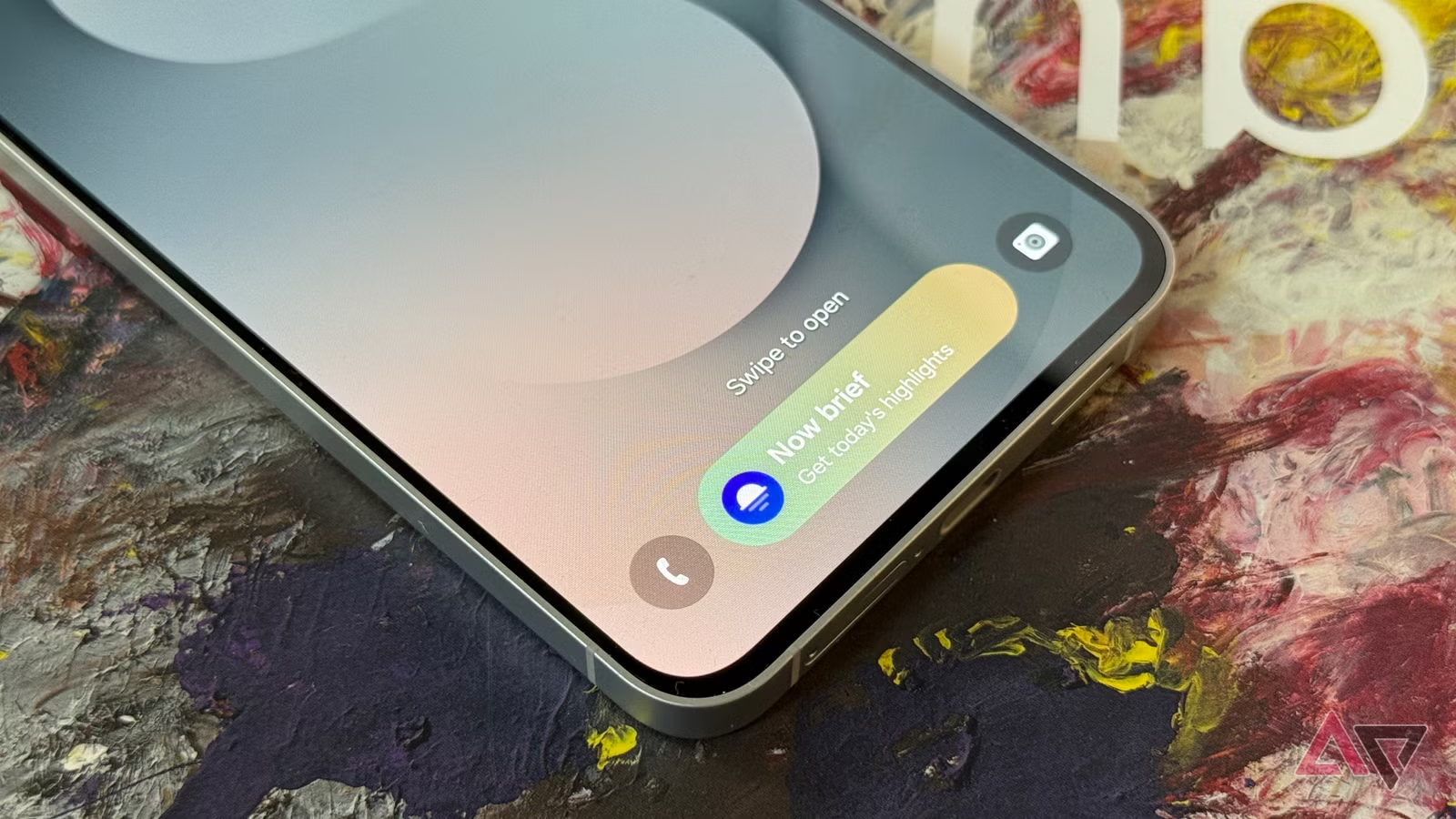
    The most prominent addition in this release is Live Space — a new live activity system displayed as an expandable capsule-style card at the bottom of the lock screen. It surfaces real-time updates for things like timers, music playback, food delivery tracking, and notifications, and users can swipe between active sessions directly from the lock screen without opening any apps. Live Space also integrates with Google Maps, extending its usefulness beyond basic notifications.

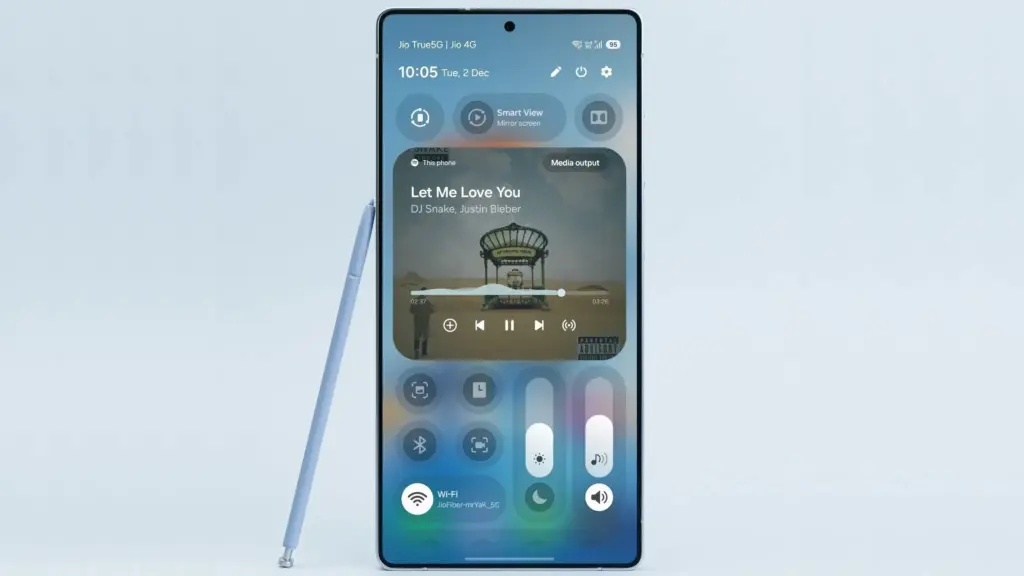
    System animations have also been overhauled across the board. App launches, closures, in-app scrolling, and general system interactions all feel smoother and more fluid. The Control Center and notification shade now feature stronger blur effects and cleaner transitions when pulled down, and touch recognition improvements help reduce the scrolling jitter that can creep into app interactions.
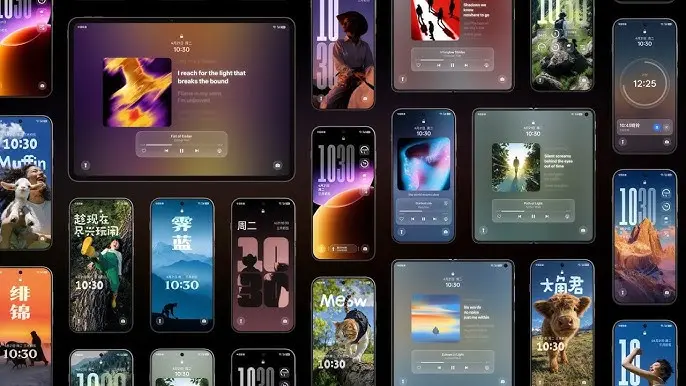
    ColorOS 16.1 update

    Live Space, redesigned camera app, and smoother system animations

    ColorOS 16.1 introduces a Contour Glow effect throughout Settings, adding a subtle shimmer animation around UI elements including Control Center toggles, the lock screen, widgets, and the search bar. A new Audio Sharing feature allows two audio devices — such as earbuds and other supported Bluetooth accessories — to connect simultaneously to the same phone and play audio through both at once.

    The Camera app has been redesigned with a noticeably different visual language, featuring translucent layers, glossy blur effects, floating cards, and bouncy animations throughout the interface. Settings no longer take over the full screen; they open inside pop-up cards instead, keeping the experience less disruptive. Devices like the Find X9 and Find X9 Pro also gain new Lumo-style watermarks within the camera app.

    On the home screen side, ColorOS 16.1 adds AI-assisted organization that automatically arranges apps by category — games, music, social media, and so on — or by icon color. The same color-based sorting is available inside the app drawer as well.
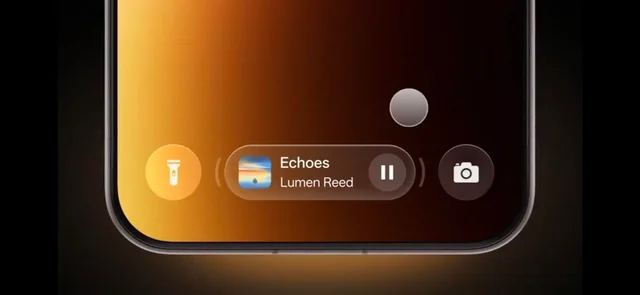
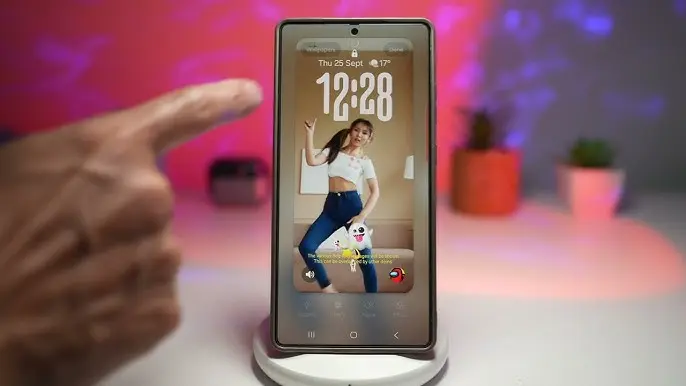
    ColorOS 16.1 lockscreen features

    AI improvements and AirDrop support

    Several AI features have been upgraded or introduced. Mindspace gains a new assistant called MindPilot, which supports ChatGPT, Perplexity, and Gemini directly within the app and responds to natural language queries. A new AI Menu Translation feature uses the camera to scan menus and foreign-language text and translate it on the spot, with the added ability to identify and convert different currencies — a useful tool for travel.

    The AI Bill Manager is a new addition that tracks expenses, income, daily averages, and monthly spending patterns. Users can set spending limits and query their financial data through the AI directly. Document Scanning has also been meaningfully improved — the system now automatically corrects wrinkles, shadows, glare, and blur in scanned images, handles handwriting, long paragraphs, and tables with greater accuracy, and saves documents directly to the Documents app. Multi-page scanning is faster as well.

    ColorOS 16.1 also adds AirDrop compatibility to Quick Share, enabling file transfers to Apple devices without requiring any third-party apps. This feature is currently limited to the Find X9 and Find X9 Pro. Additional changes include Caller ID and spam protection, a speaker equalizer, and OPPO Share.
  • Android 17 Security Features: Anti-Scam Calls, Theft Protection, and Privacy Controls Explained

    Android 17 Security Features: Anti-Scam Calls, Theft Protection, and Privacy Controls Explained

    Google is significantly raising the security bar for Android devices in 2026 with Android 17. The update delivers a broad sweep of security and privacy improvements targeting some of the most common threats users face today — financial fraud, physical device theft, and invasive app tracking.

    Android 17 tackles phone scams at the call level

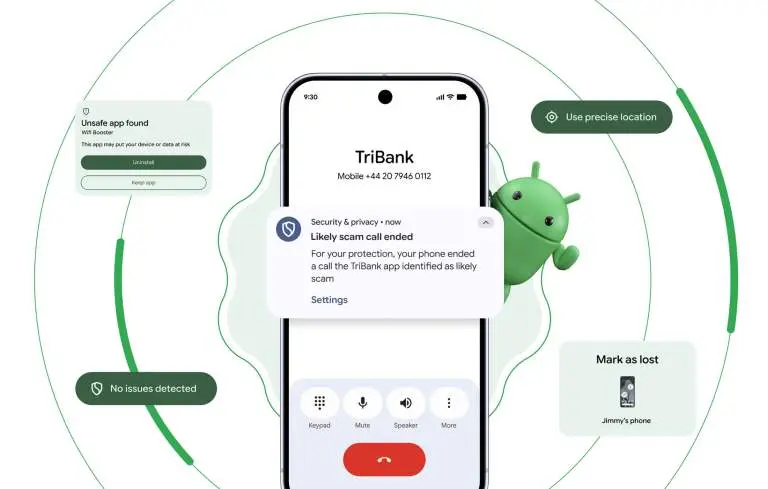
    One of the most persistent and costly attack vectors involves caller ID spoofing, where criminals disguise their number to impersonate a legitimate bank. This tactic contributes to nearly $950 million in losses globally every year. Google’s response is verified financial calls.

    android 17 scam protection

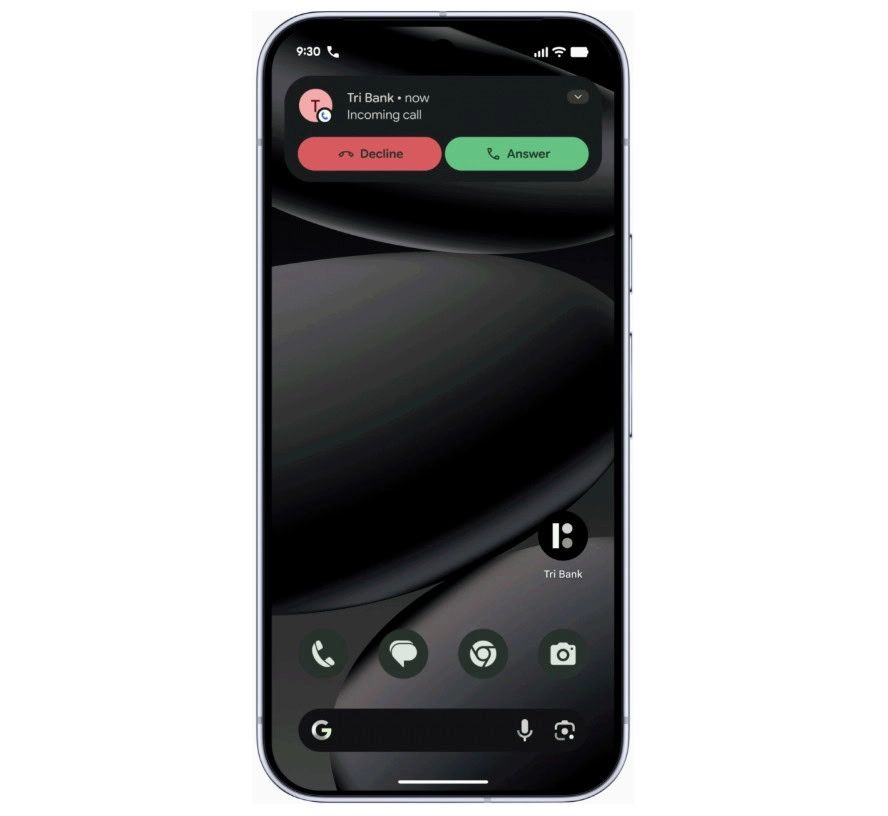
    On devices running Android 11 or higher, the system will work silently in the background alongside banking apps like Revolut and Nubank. When an incoming call arrives, Android checks with the bank to confirm whether the call is genuine. If it isn’t, the call is terminated automatically — before the user even has a chance to answer. The scam is blocked at the source rather than after the damage is done.

    Android 17 AI-powered app behavior monitoring

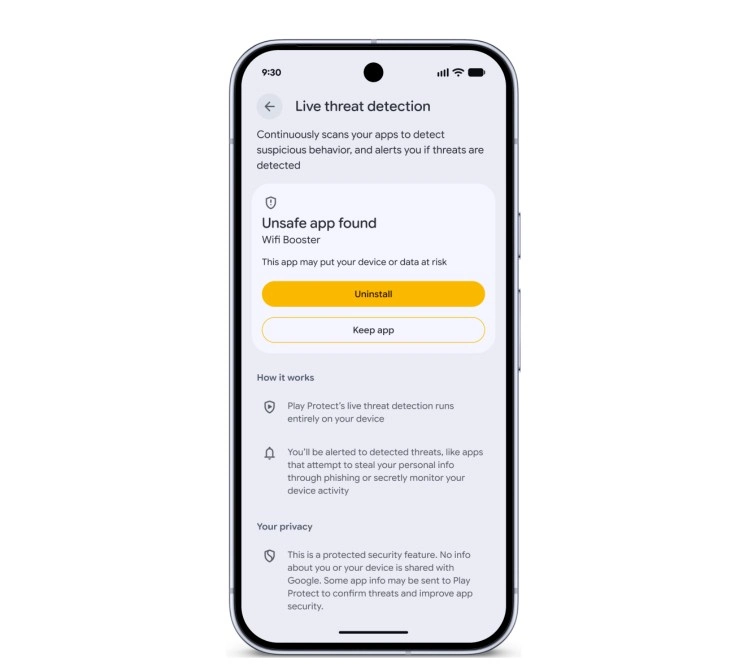
    Android 17 also makes the platform significantly better at identifying malicious apps after they’ve been installed. The updated Live Threat Detection uses on-device AI to continuously monitor how apps behave in practice. If an app begins forwarding SMS messages, attempts to conceal its icon, or tries to launch silently from the background, the system flags the suspicious behavior and alerts the user.

    android 17 app protection

    Chrome on Android gets a new layer of protection as well. At the moment an APK file is downloaded, Chrome will evaluate it against known malware signatures and issue a warning before the file even reaches local storage.

    Stolen phones become far less useful to thieves

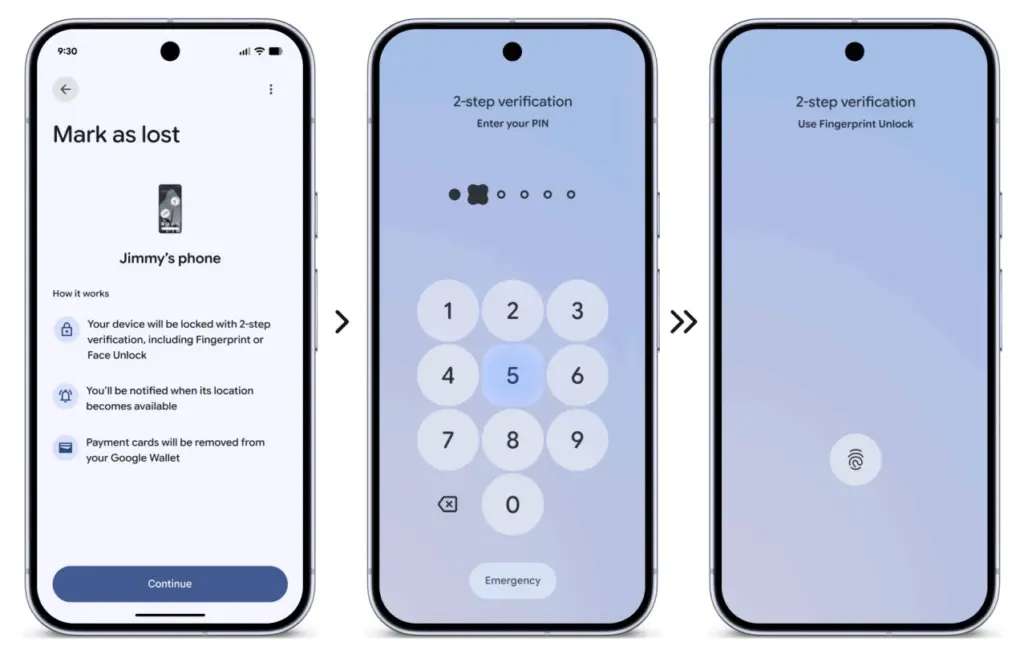
    Physical theft isn’t just about losing hardware — the data inside is often worth far more. Android 17 introduces a biometric lock for the “Mark as Lost” feature, meaning a thief who has obtained a user’s passcode still can’t disable tracking or regain access without a fingerprint or face scan.

    android 17 theft protection

    Google is also expanding its default-on theft protection features globally. New and upgraded devices will automatically enable Remote Lock and Theft Detection Lock, which use onboard sensors to detect when a phone has been grabbed and instantly lock the screen in response.

    More granular control over what apps can access

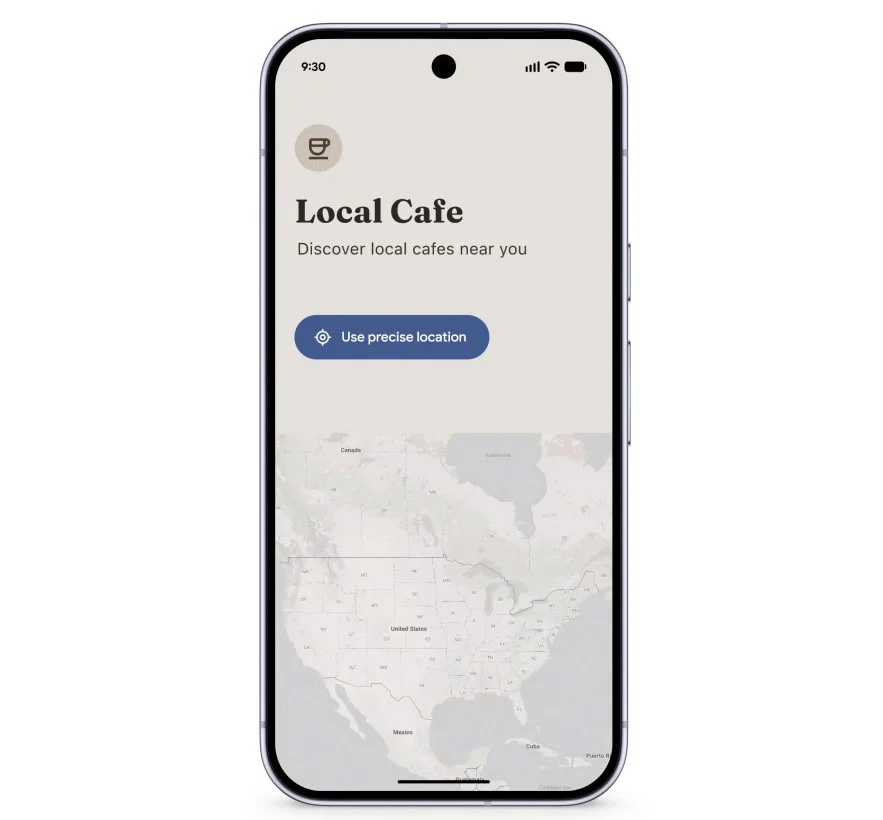
    Privacy permissions are getting more precise with Android 17’s new one-time location sharing. Rather than granting a café app permanent GPS access, users can share their precise location only for the current moment while the app is open — and nothing beyond that.

    android 17 apps acces

    A similar approach is coming to contacts. A new contact picker lets users share only the specific contacts an app needs, rather than handing over full access to the entire address book. Apps get only what’s necessary, nothing more.

    Verifying the integrity of Android itself

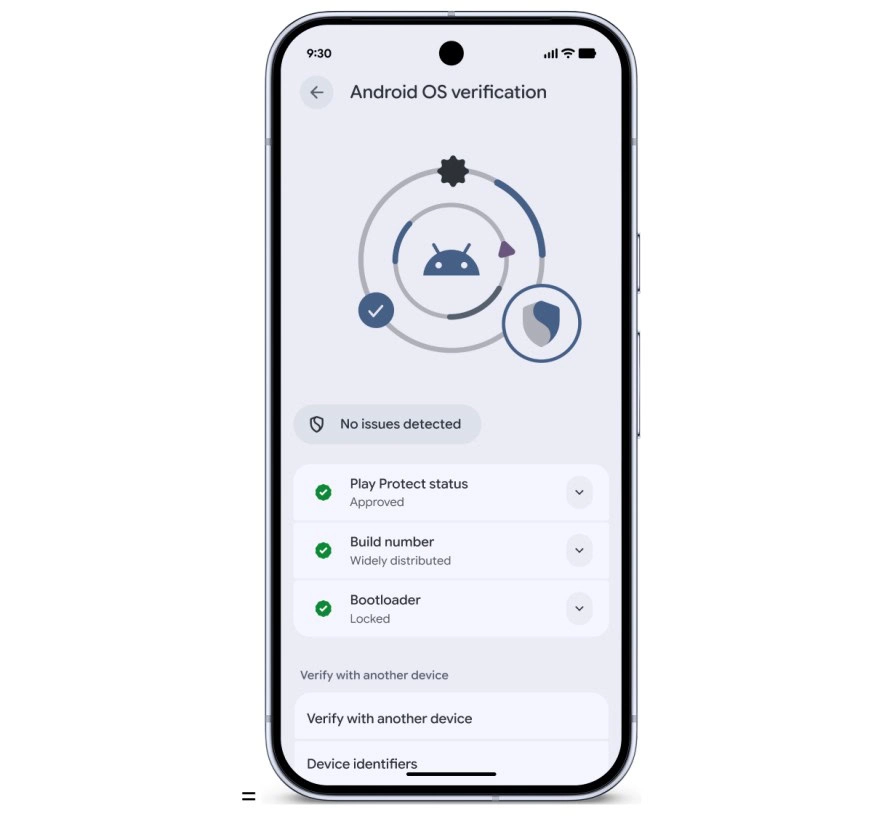
    Security also extends to the operating system at its core. Google has observed a rise in unofficial, modified Android builds designed to mimic legitimate software while secretly compromising user data. Android 17 addresses this with Android OS verification, launching initially on Pixel devices.

    android 17 protection

    The feature allows users to confirm that their phone is running an official, widely distributed build of Android. A public, cryptographically verifiable “Source of Truth” ledger provides proof that both the apps and the OS itself are authentic production versions — making it effectively impossible for a fake Android build to hide its intent behind a familiar-looking interface.

    Protecting against future threats

    Looking further ahead, Android 17 includes protections designed for threats that don’t yet exist at scale. OTPs (one-time passwords) will be hidden from malicious apps, closing off another common attack vector. Google also introduced Post-Quantum Cryptography in March, laying the groundwork for encryption that can withstand the computational power of future quantum systems — a forward-looking measure that reflects how seriously Google is treating long-term platform security.

  • Xiaomi HyperOS 3.1 Rollout Tops 85% Globally – Which Devices Are Still Waiting?

    Xiaomi HyperOS 3.1 Rollout Tops 85% Globally – Which Devices Are Still Waiting?

    Xiaomi has hit a significant milestone in its software rollout, with HyperOS 3.1 distribution now surpassing 85% globally. Built on Android 16, the update has reached nearly all eligible devices across the Xiaomi, REDMI, and POCO lineups — making it one of the fastest deployment cycles the company has executed to date.

    Every Android 16-capable Xiaomi device has received HyperOS 3.1, with only a handful of entry-level and mid-range models still in the queue. The speed of the rollout reflects Xiaomi’s broader push toward software consistency across its increasingly large device portfolio.

    What HyperOS 3.1 Brings

    This isn’t a minor maintenance update. HyperOS 3.1 delivers several system-level changes spanning the UI, connectivity, and multitasking experience.

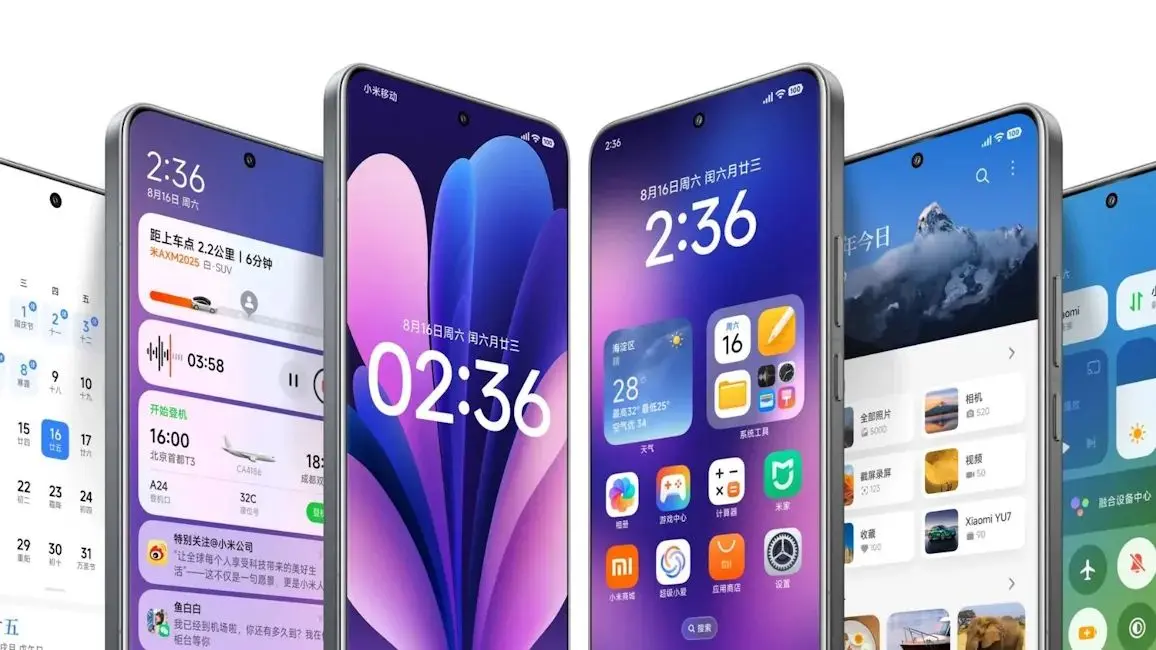
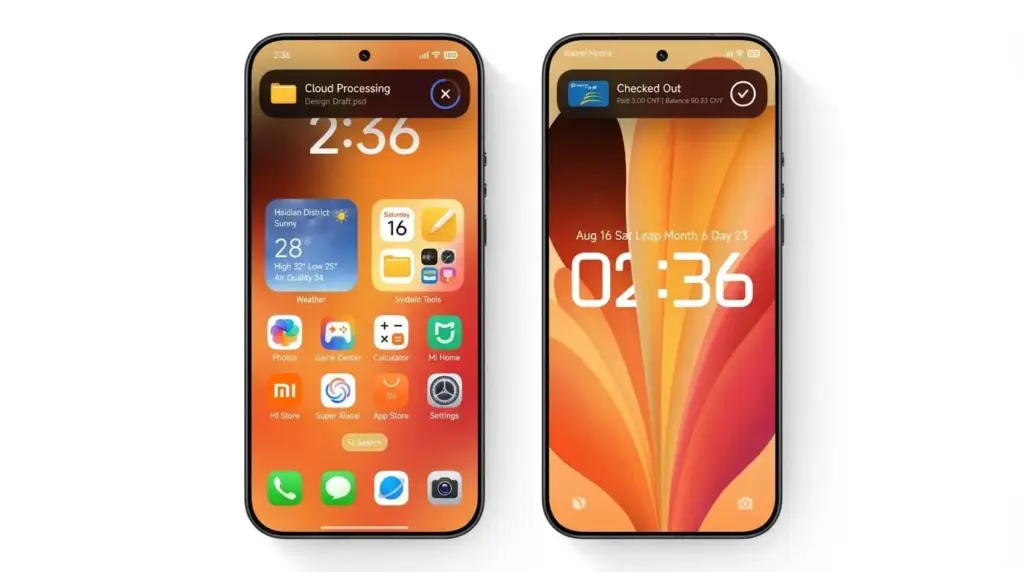
    HyperOS 3.1 visual changes

    Advanced HyperIsland Interface

    The HyperIsland notification layer has been further developed, now supporting real-time activity tracking for calls, timers, and media playback. Animations and transitions have been refined, and third-party app compatibility has been expanded. The result is a more dynamic and interactive notification system that positions HyperIsland as Xiaomi’s take on the kind of live activity UI that competing ecosystems have popularized.

    Enhanced Xiaomi HyperConnect

    Cross-device functionality gets a meaningful upgrade in HyperOS 3.1. File transfers between devices are faster, latency in device syncing has been reduced, and multi-device control — covering phones, tablets, and wearables — is more responsive. For users invested in the Xiaomi ecosystem across multiple device categories, this update makes the connected experience noticeably more reliable.

    iOS-Inspired Recent Apps Interface

    The Recent Apps menu has been redesigned with a horizontal, card-based layout that draws clear inspiration from iOS. Gesture navigation is smoother, and memory management is more visually transparent. The change fits into Xiaomi’s ongoing UI modernization effort under the HyperOS platform.

    Devices Still Waiting for HyperOS 3.1

    Despite the broad rollout, the following devices have not yet received the update:

    • REDMI 14C
    • REDMI A3 Pro
    • REDMI 13
    • REDMI 13X
    • REDMI Note 14 Pro 4G
    • REDMI Pad 2 Pro 5G
    • REDMI Pad SE 4G
    • REDMI Pad 2
    • REDMI Note 14 4G
    • REDMI A4
    • POCO C75 5G
    • POCO M6
    • POCO C75
    • POCO Pad M1
    • POCO C85 4G
    • POCO M7 4G
    • REDMI Note 15 Pro 4G

    These models are expected to receive HyperOS 3.1 in the final rollout phases. The delays are likely down to a combination of hardware optimization requirements, regional firmware certification timelines, and the additional tuning often needed for entry-level chipsets.

    With HyperOS 4 already on the horizon, the pace and breadth of the HyperOS 3.1 rollout points to a clear strategic shift – Xiaomi is no longer treating software updates as a routine obligation, but as a core part of building a unified ecosystem across its entire device range.

  • Xiaomi Reveals Android 17 HyperOS Rollout Timeline – Stable Builds Expected This Summer

    Xiaomi Reveals Android 17 HyperOS Rollout Timeline – Stable Builds Expected This Summer

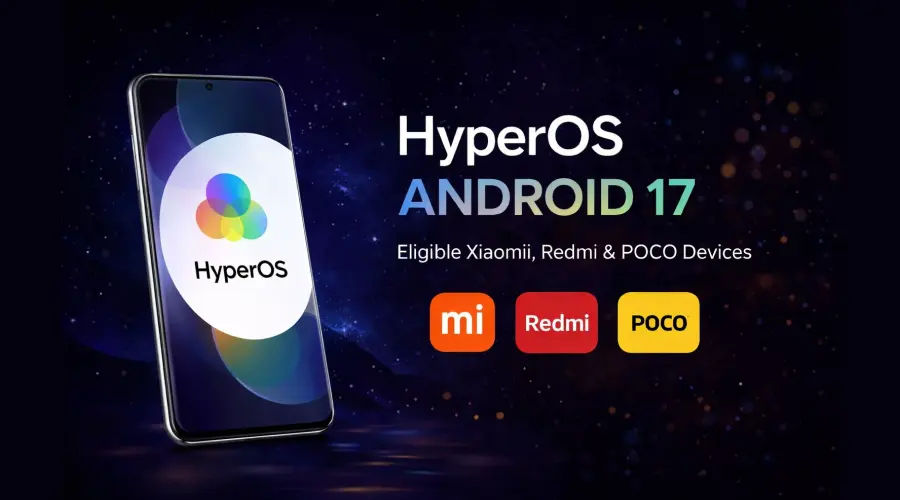
    Xiaomi has officially stepped up its Android 17 transition after publishing a developer adaptation announcement that appears to have indirectly revealed the company’s rollout roadmap. The notice urges developers to wrap up Android 17 compatibility work before July 1, 2026 — a deadline that strongly implies stable Xiaomi HyperOS builds based on Android 17 are arriving much sooner than most anticipated. The move puts Xiaomi alongside OPPO, vivo, and Honor as one of the most aggressive Android manufacturers in preparing their ecosystems for the new platform.

    hyperos android 17 update

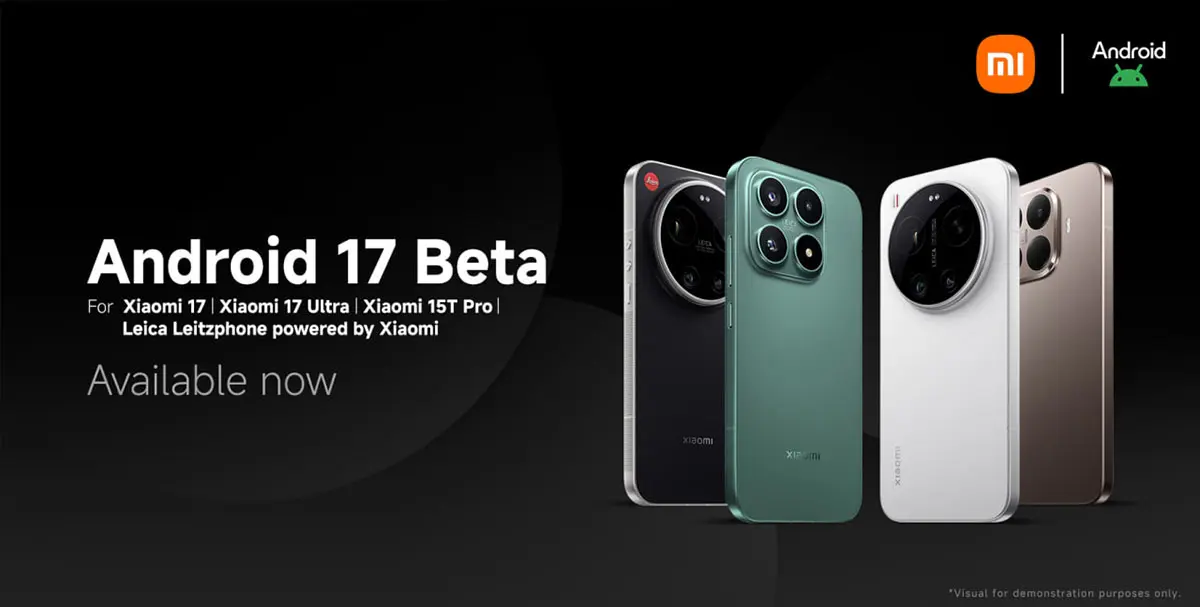
    Xiaomi already testing Android 17 Beta 2 on the Xiaomi 17 series

    According to Xiaomi’s official developer notice, developers with access to the Xiaomi 17 Ultra, Xiaomi 17 Ultra Leica Edition, and Xiaomi 17 can now install Xiaomi HyperOS 3.3 Developer Preview firmware based on Android 17 Beta 2. This is one of the clearest signals yet that Xiaomi’s Android 17 development has moved into an advanced stage. The company is pushing application developers to complete adaptation work before July 1, 2026, to ensure full compatibility with upcoming HyperOS builds.

    What the July 1 deadline says about Xiaomi’s roadmap

    Xiaomi hasn’t formally announced a stable Android 17 release date, but the adaptation deadline paints a fairly clear picture of what’s coming and when. Based on the company’s previous software release patterns, the likely Android 17 roadmap looks something like this:

    Expected Xiaomi Android 17 Timeline

    • May–June 2026 — Android 17 Beta testing phase, developer adaptation period, and internal HyperOS optimization
    • July 2026 — Final application compatibility verification, system stability improvements, and carrier and ecosystem preparation
    • Mid-July to August 2026 — First stable Xiaomi HyperOS 3.3 or 4 Android 17 builds, with an initial rollout targeting flagship Xiaomi devices
    • Q3–Q4 2026 — Wider rollout across Xiaomi, REDMI, and POCO devices globally

    The timeline makes clear that Xiaomi intends to keep HyperOS among the fastest-updated Android platforms in the industry.

    Xiaomi HyperOS Android 17 rollout expected to start with the Xiaomi 17 series

    The Xiaomi 17 lineup is shaping up to be the first stable Android 17 HyperOS platform. With Android 17 Beta 2 developer firmware already being distributed for these devices, the series is effectively serving as Xiaomi’s primary validation hardware for the new Android version. This mirrors Google’s own Pixel beta rollout strategy, where new flagship devices act as the initial optimization platform before broader expansion begins.

    Android 17 brings significant system-level changes

    The urgency behind the developer adaptation push also suggests Android 17 introduces platform behavior changes substantial enough to require early preparation. The likely changes include stricter background activity limitations, enhanced permission management, improved battery optimization, new security sandboxing features, updated notification behavior, advanced AI framework integration, and better optimization for large-screen and foldable devices.

    Apps that don’t adapt in time risk crashes, background execution failures, notification delays, or UI instability on Android 17 hardware. That’s precisely why Xiaomi and other major manufacturers are pressing developers to act well ahead of stable releases.

    android 17 compatibility

    OPPO, vivo, and Honor join the Android 17 adaptation push

    The ecosystem preparation extends well beyond Xiaomi. OPPO, vivo, and Honor have each published official Android 17 adaptation notices with the same July 1, 2026 deadline for developers. OPPO has gone furthest in spelling out the consequences, warning developers that apps failing to meet adaptation requirements could face search warning labels, device compatibility restrictions, and potential removal from app stores. That’s a strong signal of how seriously Android manufacturers are treating ecosystem stability ahead of what promises to be one of the more significant Android platform transitions in recent years.

    Via

  • Honor Magic 8 Pro Becomes First Honor Device to Access Android 17 Beta

    Honor Magic 8 Pro Becomes First Honor Device to Access Android 17 Beta

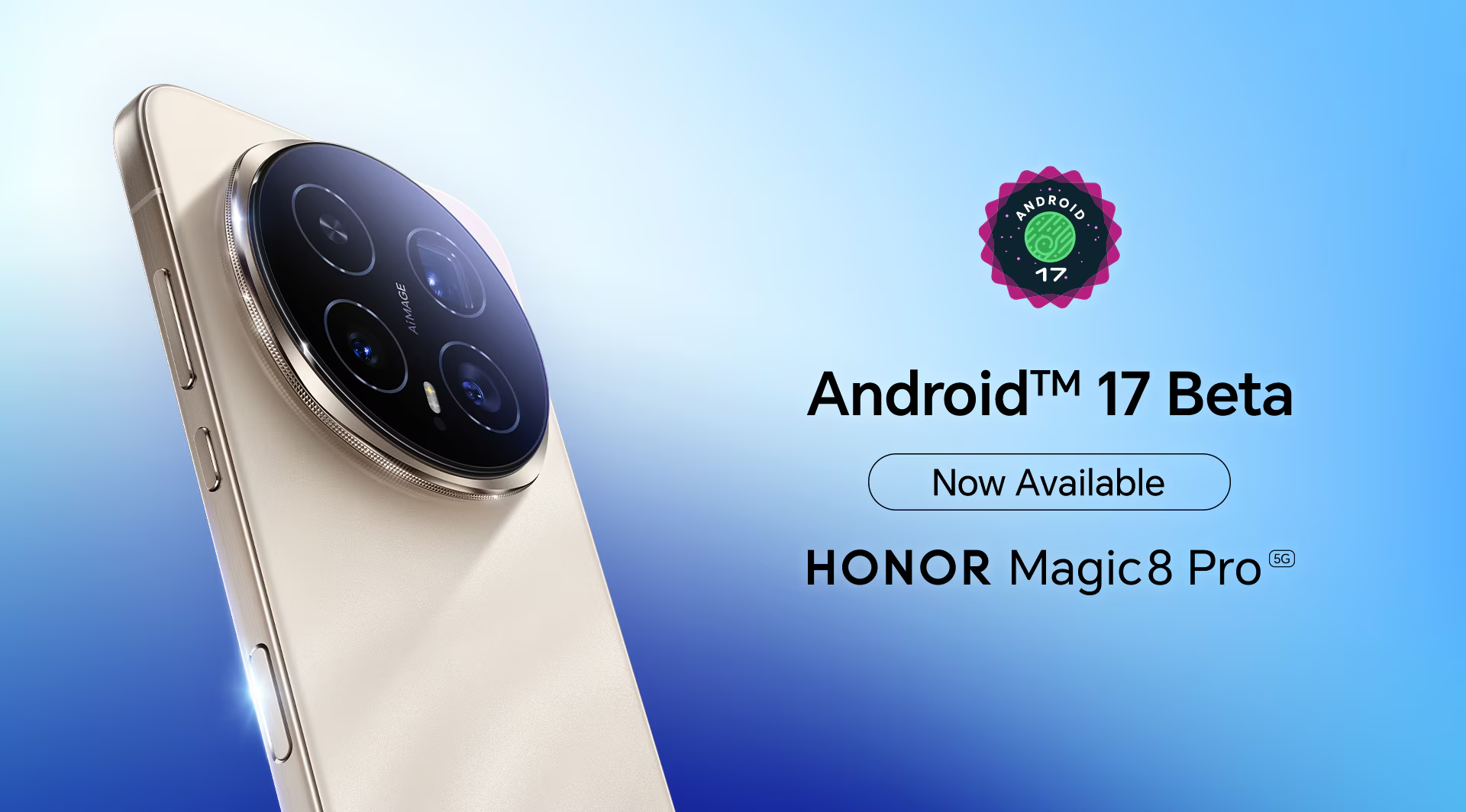
    Honor has announced that the Magic 8 Pro flagship is now able to access the first Android 17 Beta, making it the first device in the Honor lineup to get hands-on with the new software generation.

    The Magic 8 Pro launched globally with MagicOS 10.0 based on Android 16, and it now takes the lead as the first Honor device to venture into Android 17 territory. At this stage, the beta is aimed at developers and tech enthusiasts — it isn’t open to general users.

    The purpose of the beta access is straightforward: give developers the tools to explore the new OS, test how their apps behave on Android 17, improve application performance, and evaluate how well the latest Android 17 features integrate with the hardware. Once they’ve put the software through its paces, developers can share their findings on Honor’s global X page, covering anything from bugs and stability issues to performance observations and feature feedback — all of which feeds into refining the eventual public release.

    Honor Magic 8 Pro Becomes First Honor Device to Access Android 17 Beta

    Honor’s official message to developers was clear: “Get ready! Android 17 Beta is now available for all developers on #HONORMagic8Pro! We are excited to hear your thoughts on the new features. Share your experience.”

    As for what Android 17 actually brings, the developer beta includes a range of additions across productivity, customization, AI, camera, and privacy. Multitasking gets a boost through floating bubbles that can now be minimized and reopened independently for individual apps. On the camera side, the new RAW14 image format is set to enhance the AiMAGE experience with improvements to image processing, dynamic range, and color accuracy. Other additions include a customizable UI for a tidier home screen, a redesigned Photo picker with multiple layout options, and updates to the Quick Settings panel, among other changes.

  • GrapheneOS Accuses Google and Apple of Locking Out Rival Operating Systems Through Verification APIs

    GrapheneOS Accuses Google and Apple of Locking Out Rival Operating Systems Through Verification APIs

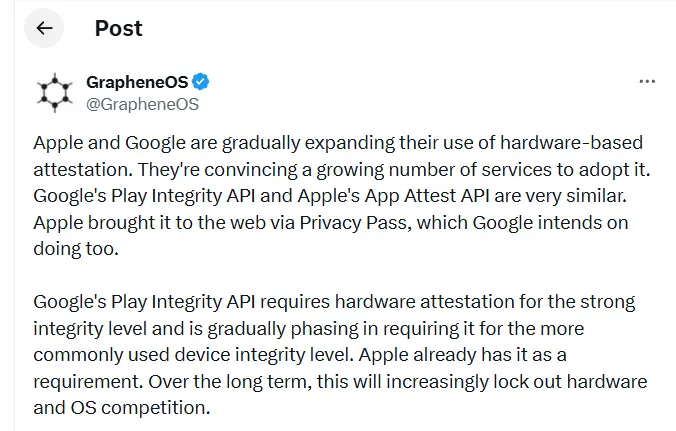
    GrapheneOS has published a lengthy thread on X accusing Google and Apple of gradually making the internet and mobile apps more dependent on their own platforms, devices, and software ecosystems.

    The project argues that tools like Google’s Play Integrity API and Apple’s App Attest are being marketed as security features when, in practice, they make it significantly harder for users to choose alternative operating systems. A growing number of apps and websites now check whether a user is running a trusted device and approved software before granting access. According to GrapheneOS, this trajectory could hand Google and Apple near-total control over which devices function properly online.

    GrapheneOS Accuses Google and Apple of Locking Out on X

    “Over the long term, this will increasingly lock out hardware and OS competition,” GrapheneOS wrote in the thread.

    Much of the criticism is directed at Google’s Play Integrity API, which Android apps use to verify whether a device is genuine, running certified software, and considered secure. Banking apps commonly rely on these checks to block rooted phones or devices running modified versions of Android. GrapheneOS argues that the same system also shuts out legitimate alternatives – including its own OS.

    “Google’s Play Integrity API bans using GrapheneOS despite it being far more secure than anything they permit,” the post states.

    “The purpose of these systems is disallowing people from using hardware and software not approved by Apple or Google,” GrapheneOS added. “This is wrongly presented as being a security feature.”

    reCAPTCHA concerns

    The thread also raises concerns about reCAPTCHA, Google’s widely deployed CAPTCHA system. GrapheneOS points out that Google’s verification systems require users to confirm their identity using a certified Android or iOS device. In some cases, that means scanning a QR code with a phone just to prove you’re a real person before accessing a site or service. GrapheneOS warns this dynamic could eventually extend to desktop platforms like Windows and Linux as well.

    “Control over reCAPTCHA puts Google in a position where they can require having either iOS or a certified Android device to use an enormous amount of the web,” the platform wrote.

    GrapheneOS also highlights that governments and financial institutions are increasingly adopting these same verification systems for payments, digital ID apps, and age verification services – deepening the entrenchment of Apple and Google’s gatekeeping role.

    “Instead of governments stopping Apple and Google from engaging in egregiously anti-competitive behavior, they’re directly participating in locking out competition via their own services,” GrapheneOS said.

    Neither Google nor Apple has publicly responded to the issues raised in the thread.

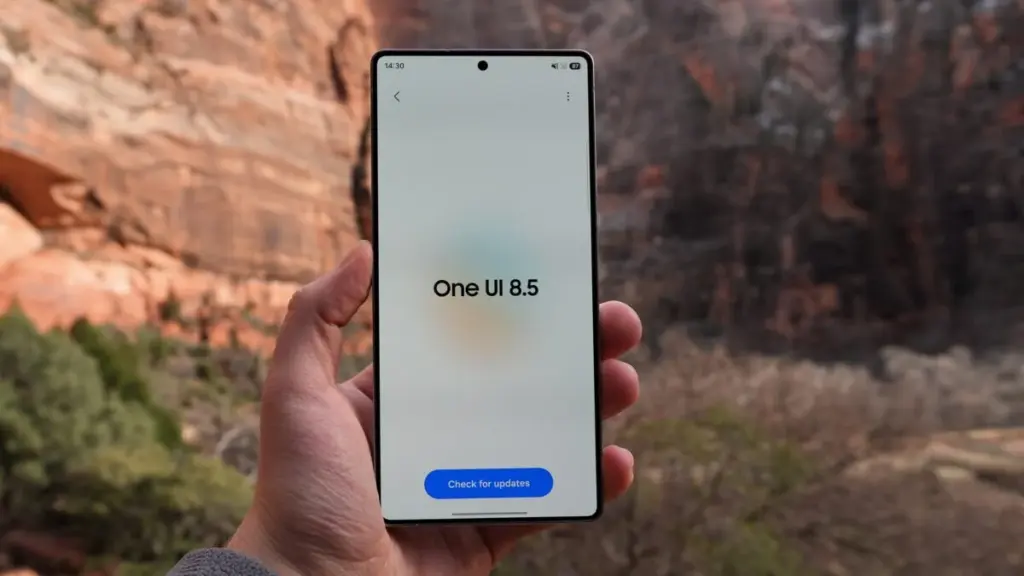
  • One UI 8.5 Starts Rolling Out to Samsung Galaxy S25 in the US – Here’s What’s New

    One UI 8.5 Starts Rolling Out to Samsung Galaxy S25 in the US – Here’s What’s New

    After months of beta testing, One UI 8.5 has begun rolling out to Samsung Galaxy S25 phones in the United States, bringing the 2024 flagship lineup up to speed with the features that debuted on the Galaxy S26 (via Android Authority).

    The update delivers a significant package of previously S26-exclusive features to S25 owners, including Agentic AI through Bixby, a series of visual changes, and an enhanced Quick Share app. Perhaps just as notable: the rapid arrival on S25 hardware – only a week after the update launched in Samsung’s home market of South Korea – suggests other eligible devices in the first rollout wave may not be far behind.

    One UI 8.5 Starts Rolling Out to Samsung Galaxy S25

    One UI 8.5 is a long-awaited upgrade for a wide range of Samsung phones

    Beyond the Galaxy S25 family (which includes the upcoming S25 FE), Samsung has confirmed the following devices are part of the first phase of the One UI 8.5 rollout:

    • Galaxy S24, S24 Plus, S24 Ultra, and S24 FE
    • Galaxy Z Fold 7, Flip 7
    • Galaxy Z Fold 6, Flip 6
    • Galaxy Tab S11, Tab S11 Ultra
    • Galaxy Tab S10, Tab S10 Plus, Tab S10 Ultra

    Owners of those devices should watch for notifications over the coming days, as the update is likely to follow shortly.

    On the technical side, the update weighs in at 4,408.31 MB and also bundles the April security patch – a little late, but the sheer volume of additions makes that easy to overlook.

    The One UI 8.5 excitement has been building for a while, and the end result justifies it. Despite not being a full version number bump, this update delivers what One UI 8 arguably should have been at launch. The headlining addition is Agentic AI, which finally brings AI-powered call screening to Samsung’s phones alongside the ability to edit images through text prompts and expanded AI Select functionality.

    Bixby also makes a meaningful return, now powered by Perplexity – a significant upgrade that makes Samsung’s long-running assistant considerably more capable than any previous iteration. The overhauled Quick Share app rounds out the major additions.

    One UI 8.5 has been a long time coming for anyone outside the S26 range, and with the rollout now picking up pace, it won’t be long before a much broader set of Samsung devices gets to experience it firsthand.

  • Android 17 QPR1 Beta 2 Arrives with a Focus on Bug Fixes

    Android 17 QPR1 Beta 2 Arrives with a Focus on Bug Fixes

    Android 17 QPR1’s latest beta build is centered almost entirely on bug fixes. Google first released the initial QPR1 beta in the third week of April, and just a couple of weeks later, it has now rolled out Android 17 QPR1 beta 2. Because the gap between the two builds is so short, this release mainly focuses on stability improvements rather than anything flashy.

    Android 17 QPR1 beta 2 lands for Pixel phones with bug fixes, OTA support, and a small Quick Settings tweak on Pixel 8 Pro.

    That said, a long list of fixes does not change the fact that Android 17 QPR1 is still at an early beta stage. Issues are still likely, so users who care most about stability should probably stay on Android 16 on their Pixel. Anyone who wants to test the newer software can still try Android 17 beta, which should be noticeably more stable than QPR1 beta. If you do install Android 17 QPR1 beta, sending bug reports to Google will help those problems get addressed faster.

    The OTA is already available for all compatible Pixel devices, starting with the Pixel 6 and running through the Pixel 10 lineup. Users can also download the OTA image and manually sideload it on a Pixel if they prefer that route.

    On the user-facing side, there does not seem to be much new on a Pixel 8 Pro, aside from a refreshed Quick Settings edit icon. Google may be holding back the bigger changes for later beta builds or for future QPR releases.

  • Samsung One UI 9 Leak Reveals New Adaptive Clock Font for Lock Screen

    Samsung One UI 9 Leak Reveals New Adaptive Clock Font for Lock Screen

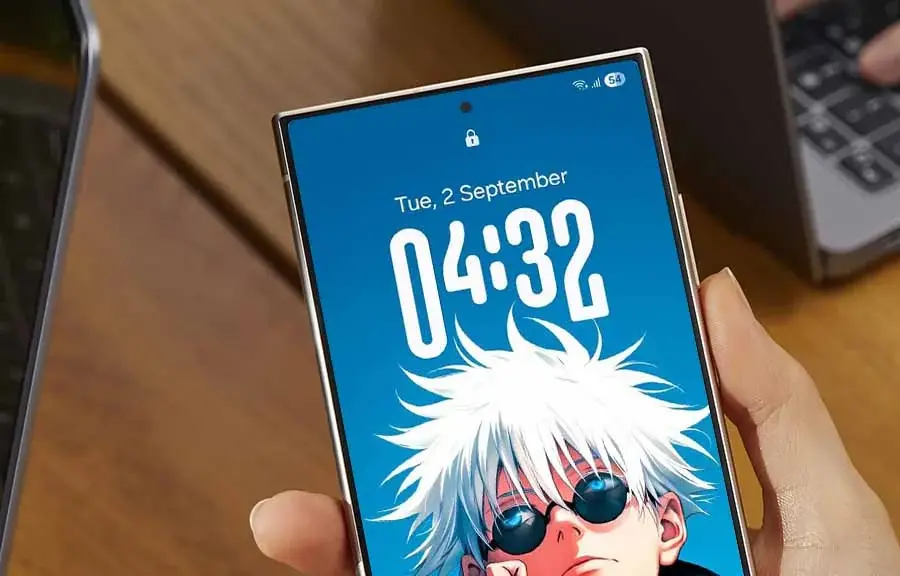
    Adaptive Clock was one of the standout additions in One UI 8, and an early look at Samsung’s One UI 9 suggests the feature is getting a notable upgrade with a brand-new font style.

    Samsung is currently working internally on One UI 9, which will be based on Android 17. It follows the One UI 8.5 rollout, expected to kick off later this month, with a Beta Program for One UI 9 likely arriving sometime in the second half of May 2026.

    X user Kailash shared an image showing off the updated Adaptive Clock in One UI 9. Where the current version adapts to wallpapers featuring a distinct object, the newer iteration extends that behavior to landscapes and regular wallpapers as well, broadening its reach considerably.

    samsung one ui 9 adaptive clock

    The clock itself appears in HH:MM format, with the new font applied to the two middle characters. Rather than a fixed style, the design shifts its appearance based on whatever wallpaper is set on the lock screen.

    Visually, the new Adaptive Clock font bears a resemblance to an existing clock style already available on One UI — the key difference being that the current one is static. The addition makes it clear Samsung wants to give users even more ways to personalize their lock screen experience.

    The new font has already been spotted in an internal build of One UI 9 and appears to be functioning as intended, making its inclusion in the official release look likely. That said, adjustments could still happen throughout the Beta testing phase.

    One UI 9 is built on Android 17 and will make its public debut on the Galaxy S26 series. A Beta Program will precede the wider rollout, with the stable version set to arrive alongside Samsung’s next-generation foldables, the Z Fold 8 and Z Flip 8.

  • Samsung One UI 8.5 Stable Update Starts April 30 – Full Eligible Galaxy Device List

    Samsung One UI 8.5 Stable Update Starts April 30 – Full Eligible Galaxy Device List

    After months of beta testing and a longer wait than many expected, Samsung’s One UI 8.5 stable rollout finally has a confirmed launch date. Samsung hasn’t officially published an eligible devices list, but based on the beta program’s reach and how past major releases have played out, every Galaxy device that received One UI 8.0 is expected to be covered.

    Why One UI 8.5 Is a Bigger Deal Than Usual

    Samsung’s point-five updates have historically been modest affairs – incremental patches targeting flagship Z and S series handsets. One UI 8.5 breaks from that tradition in a meaningful way. The rollout stretches down to Galaxy A, M, and F budget devices, which signals that Samsung is using this update to push Android 16 across its full portfolio instead of saving it for a major version increment. That strategic shift explains why the eligible device list this time around is notably longer than usual.

    Samsung galaxy One UI 8.5 update

    The visual changes are the first thing users will notice. Ambient Design brings blur effects to system UI elements and refreshed stock apps, continuing an aesthetic direction Samsung has been developing quietly across the past two generations. On the AI front, Bixby now integrates Perplexity’s search-focused model in place of Samsung’s own LLM back-end — a candid acknowledgment of where Bixby has consistently fallen short.

    Features That Actually Matter Day to Day

    Audio Eraser deserves more attention than it’s getting. It applies real-time background noise reduction across the entire system – covering YouTube, Instagram, and other third-party apps during playback, not just Samsung’s native software. That addresses a long-standing frustration that most users have simply accepted. Call Screening takes the work out of handling unknown callers by automating the process. Photo Assist picks up text prompt support, extending Samsung’s AI-assisted photo editing toolkit further.

    Full List of Eligible Galaxy Devices

    Galaxy S Series
    Galaxy S25, S25+, S25 Ultra, S25 FE, and S25 Edge
    Galaxy S24, S24+, S24 Ultra, and S24 FE
    Galaxy S23, S23+, S23 Ultra, and S23 FE
    Galaxy S22, S22+, and S22 Ultra
    Galaxy S21 FE

    Galaxy Z Series
    Galaxy Z TriFold
    Galaxy Z Fold Special Edition
    Galaxy Z Fold 7, Z Flip 7, and Z Flip 7 FE
    Galaxy Z Fold 6 and Z Flip 6
    Galaxy Z Fold 5 and Z Flip 5
    Galaxy Z Fold 4 and Z Flip 4

    Galaxy Tab Series
    Galaxy Tab S11 and S11 Ultra
    Galaxy Tab S10+, Tab S10 Lite, Tab S10 Ultra, Tab S10 FE, and Tab S10 FE+
    Galaxy Tab S9, Tab S9+, Tab S9 Ultra, Tab S9 FE, and Tab S9 FE+
    Galaxy Tab S8, Tab S8+, and Tab S8 Ultra
    Galaxy Tab S6 Lite (2024)
    Galaxy Tab A11 and Tab A11+
    Galaxy Tab A9 and Tab A9+
    Galaxy Tab Active 5 and Active 5 Pro

    Galaxy A Series
    Galaxy A73
    Galaxy A56, A55, A54, and A53
    Galaxy A36, A35, A34, and A33
    Galaxy A26, A25, and A24
    Galaxy A17 (4G & 5G), A16 (4G & 5G), and A15 (4G & 5G)
    Galaxy A07 (4G & 5G) and A06 (4G & 5G)

    Galaxy M Series
    Galaxy M56, M55, M55s, and M53
    Galaxy M36, M35, M34, and M33
    Galaxy M17, M17e, M16, and M15
    Galaxy M07 and M06

    Galaxy F Series
    Galaxy F07e
    Galaxy F56, F55, and F54
    Galaxy F36 and F34
    Galaxy F17, F16, and F15
    Galaxy F07 and F06

    Galaxy XCover Series
    Galaxy XCover 7 Pro and XCover 7
    Galaxy XCover 6 Pro

    Rollout Schedule

    Galaxy S25 series goes first – April 30 in Korea, May 4 for international markets. Galaxy Z Fold 7 and Z Flip 7 follow shortly after, possibly within the same April window. Galaxy S24 series along with Z Fold 6 and Z Flip 6 should arrive in early-to-mid May. Galaxy S23, S22, and mid-range A, M, and F devices can expect their updates through May and June. The full rollout should wrap up before Samsung kicks off One UI 9 beta testing, which is anticipated for the Galaxy S26 series later in 2026.