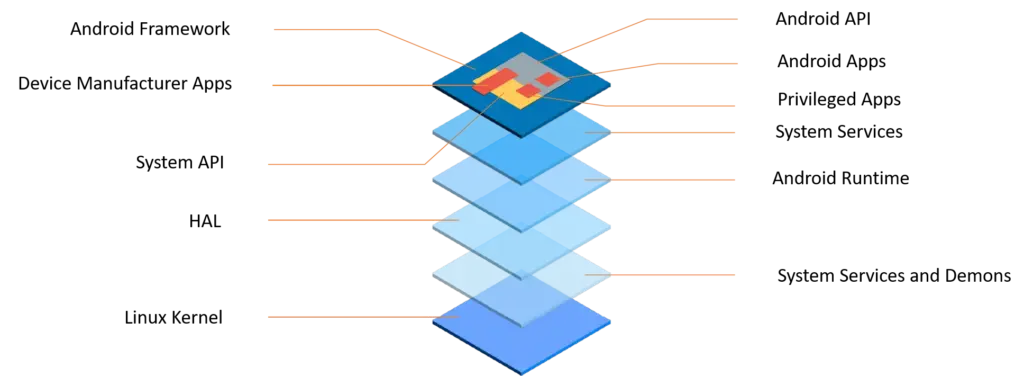
Google withheld the release of the Pixel device trees and hardware repositories, which are crucial for makers of custom ROMs, when Android 16 was released earlier this week. Some began to speculate that “AOSP is being discontinued” as a result of this. Despite Google’s denials, the Pixel modification appears to be deliberate.
Google made the source code for Android 16 available to the Android Open Source Project on Tuesday. In a significant departure from previous releases, the Pixel device trees and other code that were utilized to modify the AOSP release to fit particular (made by) Google hardware were not made available.
Custom Android ROMs will struggle to produce their OS updates without the Pixel hardware repos, which contain the device trees, driver binaries, and other components. Security (vulnerability) researchers may also be affected by this.
As a result, some community members conjectured that AOSP was being phased out. Seang Chau, the vice president and general manager of Android, said on Wednesday night that “AOSP is NOT going away” in general. Google has stated that it will continue to be “dedicated to AOSP updates,” speaking directly to developers.
The Android team’s statement does appear to indicate that Pixel device trees will no longer be available. A “reference target” that is “independent of any particular hardware, even those from Google” is what AOSP hopes to provide in the future.
AOSP needs a reference target that is flexible, configurable, and affordable – independent of any particular hardware, including those from Google. For years, developers have been building Cuttlefish (available on GitHub as the reference device for the project) and GSI targets from source. We continue to make those available for testing and development purposes.
Once more, Google is “dedicated to AOSP,” but the future will be more difficult for people who run custom ROMs.
Stay connected with the latest from Droid Tools—follow us on X @droid_tools, like our page on Facebook, check out our updates on Instagram, and follow us on Google News for real-time news, device tips, and mobile tech insights.
Only a few weeks remain until Nothing’s third significant smartphone release, and as anticipated, the pre-launch storyline includes equal parts carefully planned confusion and controlled leaks.
The form, functionality, and placement of Nothing Phone 3 remain unclear despite the device’s July 1 introduction date. It’s either the brand’s first attempt at a real flagship or a continuance of its affordable-premium recipe, depending on whatever official teaser or leak you read.
In any case, this is more than just specs. In 2025, design, interface minimalism, and possibly artificial intelligence will be the main topics of discussion in classic Nothing fashion. Here is everything we currently know about Nothing Phone (3).
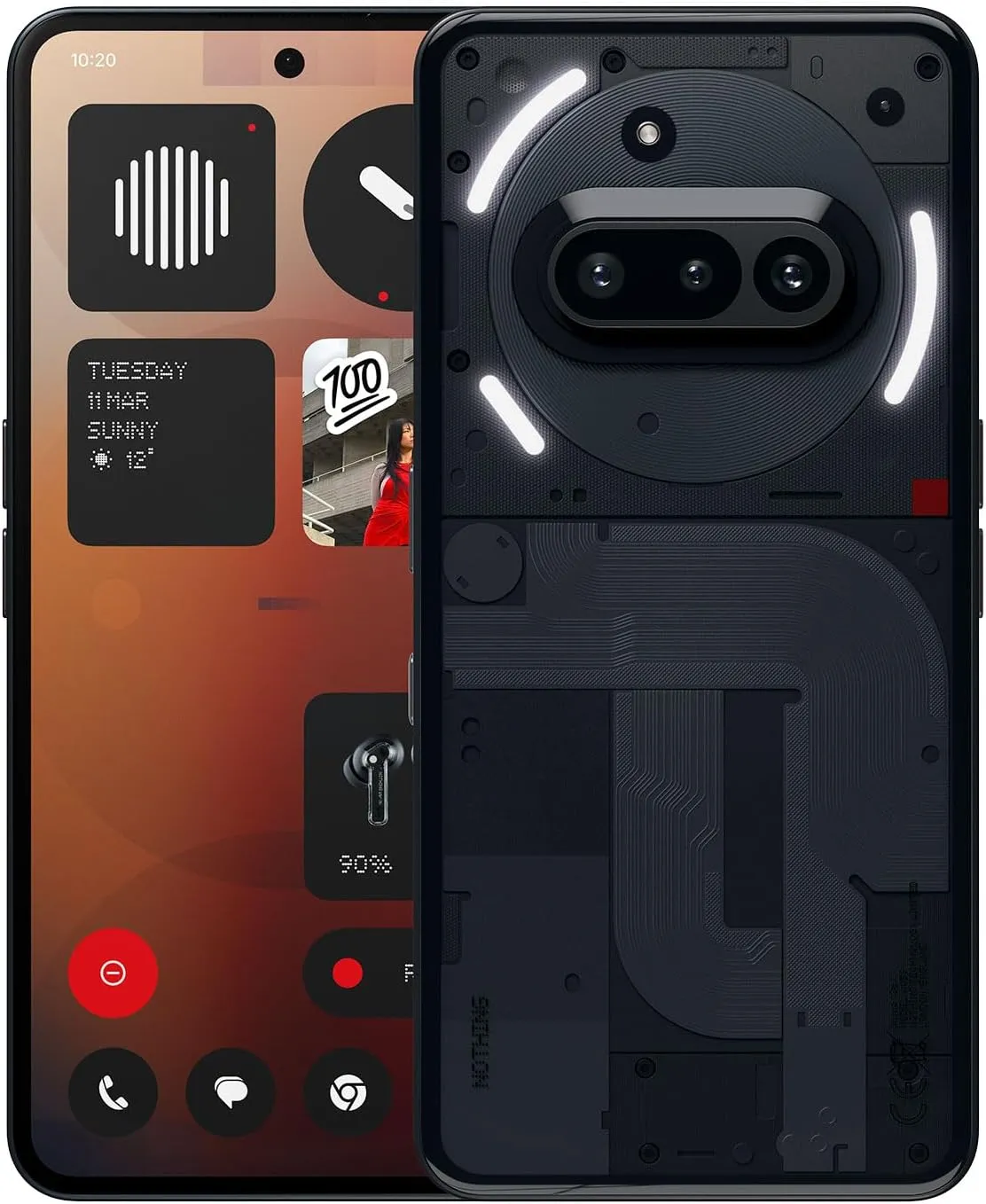
No more Glyph interface
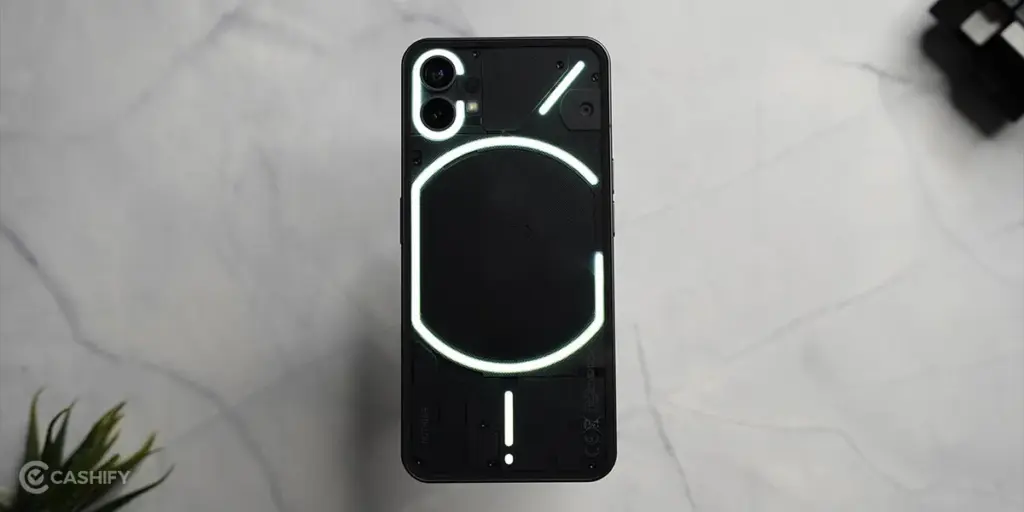
For a brand that has leaned so heavily on design for differentiation, it was surprising when Nothing publicly claimed it has “killed” the Glyph interface.
Together with a transparent back panel, these distinctive LED lighting strips have come to represent the brand. Additionally, they served as camera fill illumination, charging status lights, and notification indications.
The Glyph interface has turned into a more specialized function than a common one, though, and nothing seems to have recognized this. The company’s recent public confirmation that it is discontinuing the Glyph interface for the Phone 3 is probably due to this.
As with the Asus ROG Phone 9, the gadget might instead include a more customisable LED panel. Recent teases suggest that this could feature animations and icons in addition to simple glyph-like warnings.
Design
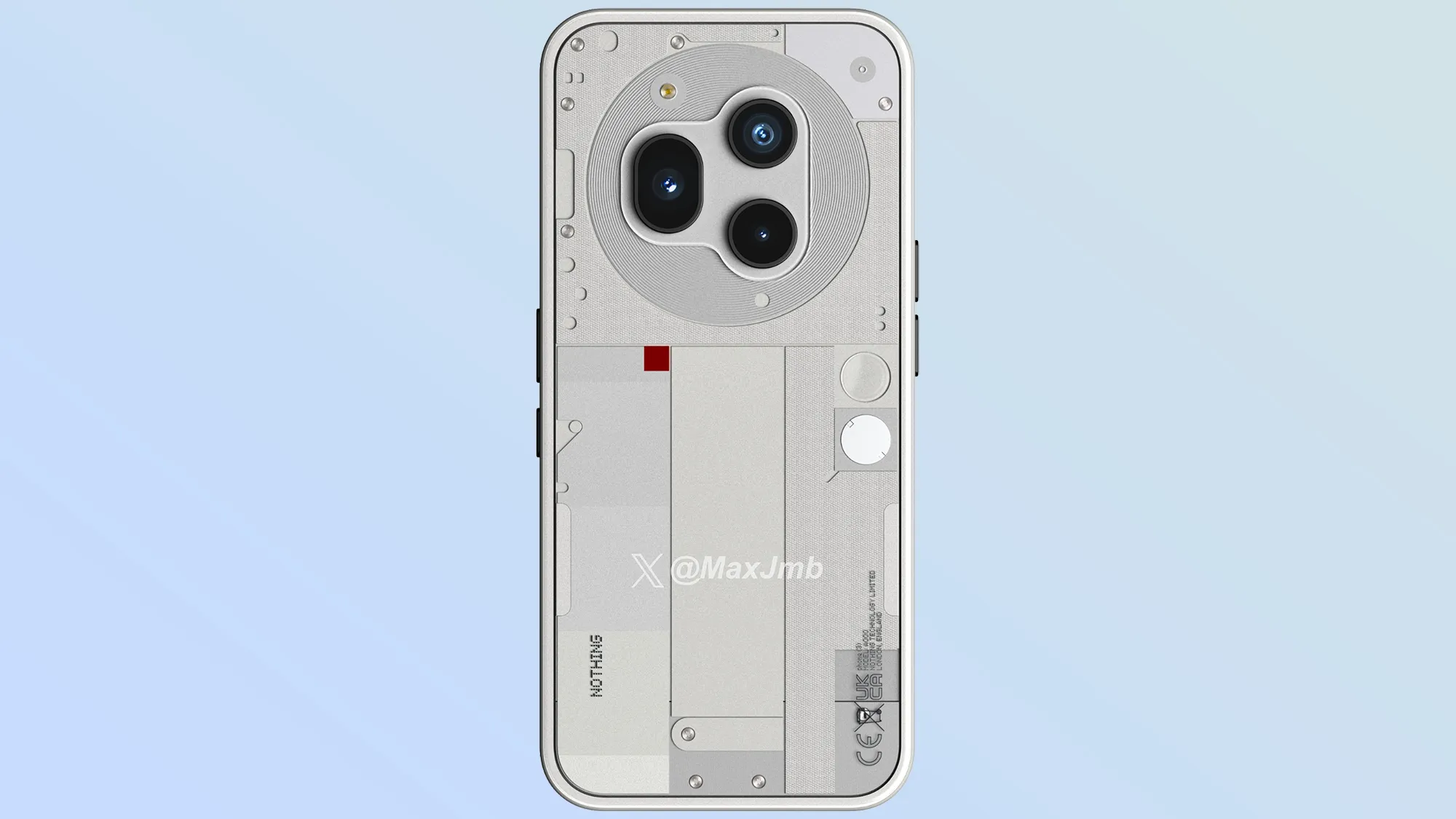
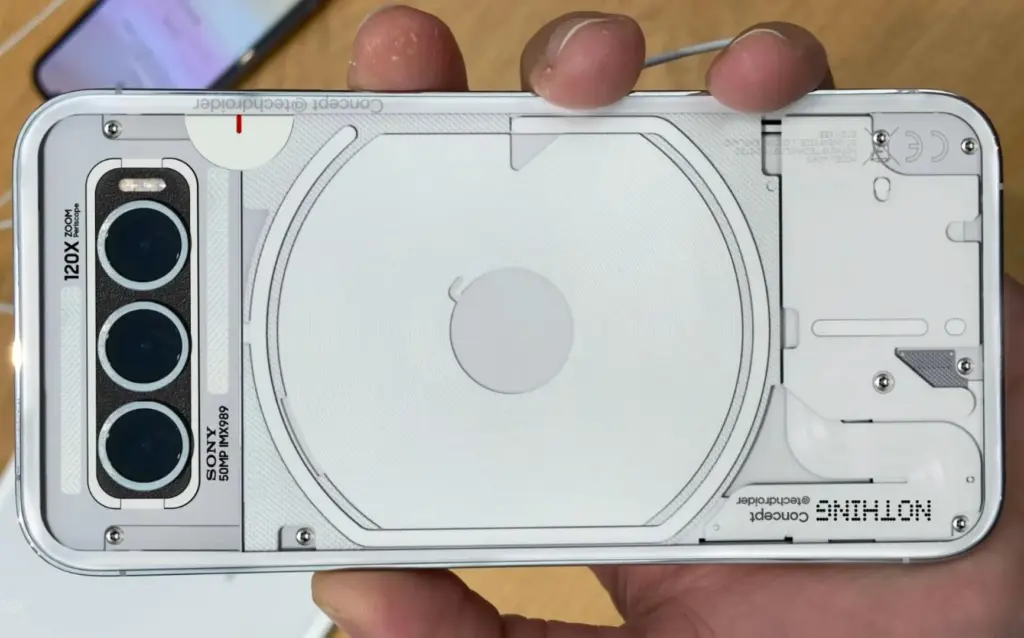
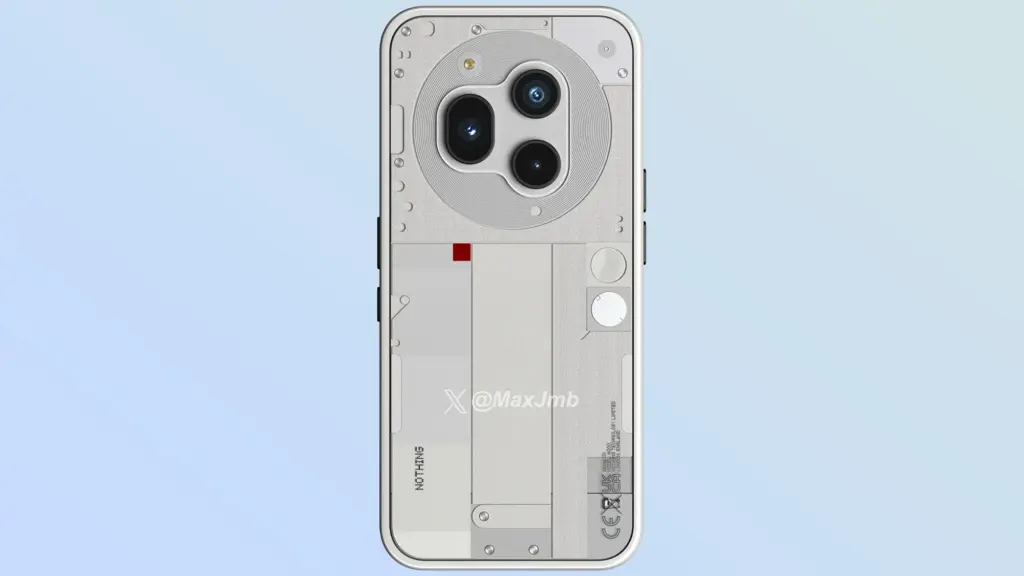
The Nothing Phone 3 differs significantly from its predecessor in terms of design. Recently, a leak revealed the entire design, which had the anticipated translucent appearance. However, it appears that there are more differences than commonalities.
Notably, there is no Glyph interface, and three cameras have been added to the back in an unusual configuration. At first appearance, it’s a daring and divisive look, but whether or not users would accept it is a different matter.
Specs
According to reports, the Nothing Phone 3 would have a 6.7-inch LTPO AMOLED screen with a refresh rate of 120 Hz. According to reports, the camera configuration consists of a 50MP primary sensor in addition to telephoto and ultrawide lenses.
The next device’s performance is arguably its most contentious feature. Since Nothing CEO Carl Pei has already said that the Nothing Phone 3 will be a flagship product, it is reasonable to anticipate a processor from the Snapdragon 8 series or perhaps even a MediaTek Dimensity chip.
It’s noteworthy to note that nothing has ever put delivering consistent performance ahead of aiming for the best specifications. Therefore, it wouldn’t surprise us if the Nothing Phone 3 ran on a flagship chip from a prior generation instead of the newest one.
A 5,000mAh battery, an improvement over the Phone’s 4,700mAh unit, is reportedly going to power all of this (2). It is anticipated that 20W wireless and 50W wired charging would be available.
Essential Key and Android 15
Depending on when the final build is released, the device is anticipated to come with Android 15 overlaid with either Nothing OS 3.0 or 3.2. According to Pei, this OS update will have a “cleaner” appearance and include AI into the user interface.
Nothing’s AI vision is dubbed “Essential Space,” a system-level interface that facilitates context-aware tasks, recordings, and snapshot management. With integrations like ChatGPT, the firm is already experimenting with AI in its earbuds to offer voice-activated assistants.
However, as with a lot of what Nothing promises, it’s still uncertain how useful AI will be in real life. It’s difficult to predict if this will be truly beneficial or merely superficial branding until we see it in action.
Is Nothing Phone 3 going to be a flagship?
The Nothing Phone 3 will adhere to the company’s basic principles of utilitarian aesthetics, minimalist design, and a purposefully simplified software experience, if the initial indications are any indication. However, it’s unclear how the business plans to define “flagship.”
Competition is intense at the upper end of the market, and factors like camera performance, AI integration, display quality, and long-term software support are becoming more and more important.
The lack of verified high-end capabilities like a telephoto lens, variable refresh rates above 120Hz, or real-time AI picture processing could keep it one step behind true flagships from Samsung, OnePlus, or Apple, even though Nothing’s design is unique.
Availability and pricing
On July 1, 2025, the Phone (3) will make its debut, right before Samsung’s summer Galaxy Unpacked presentation. According to reports, the cheapest edition of the Phone (3) with 12GB RAM and 256GB storage costs $799, or roughly Rs 68,320.
In comparison to the same model of the Nothing Phone 2, this is essentially a $100 (about Rs 5,560) price increase. In contrast, the more expensive 16/512GB variant will set you back $899, or around Rs 77,500. Finally, there will be two color options for the Phone (3): Black and White.
Nothing Phone (3a)
The Nothing Phone (3a) features a high-performance Snapdragon 7s Gen3 processor built on a 4nm TSMC process, 8-core, up to 2.5 GHz, and is equipped with WiFi 6, Bluetooth 5.4, GPS/Glonass/Galileo positioning.
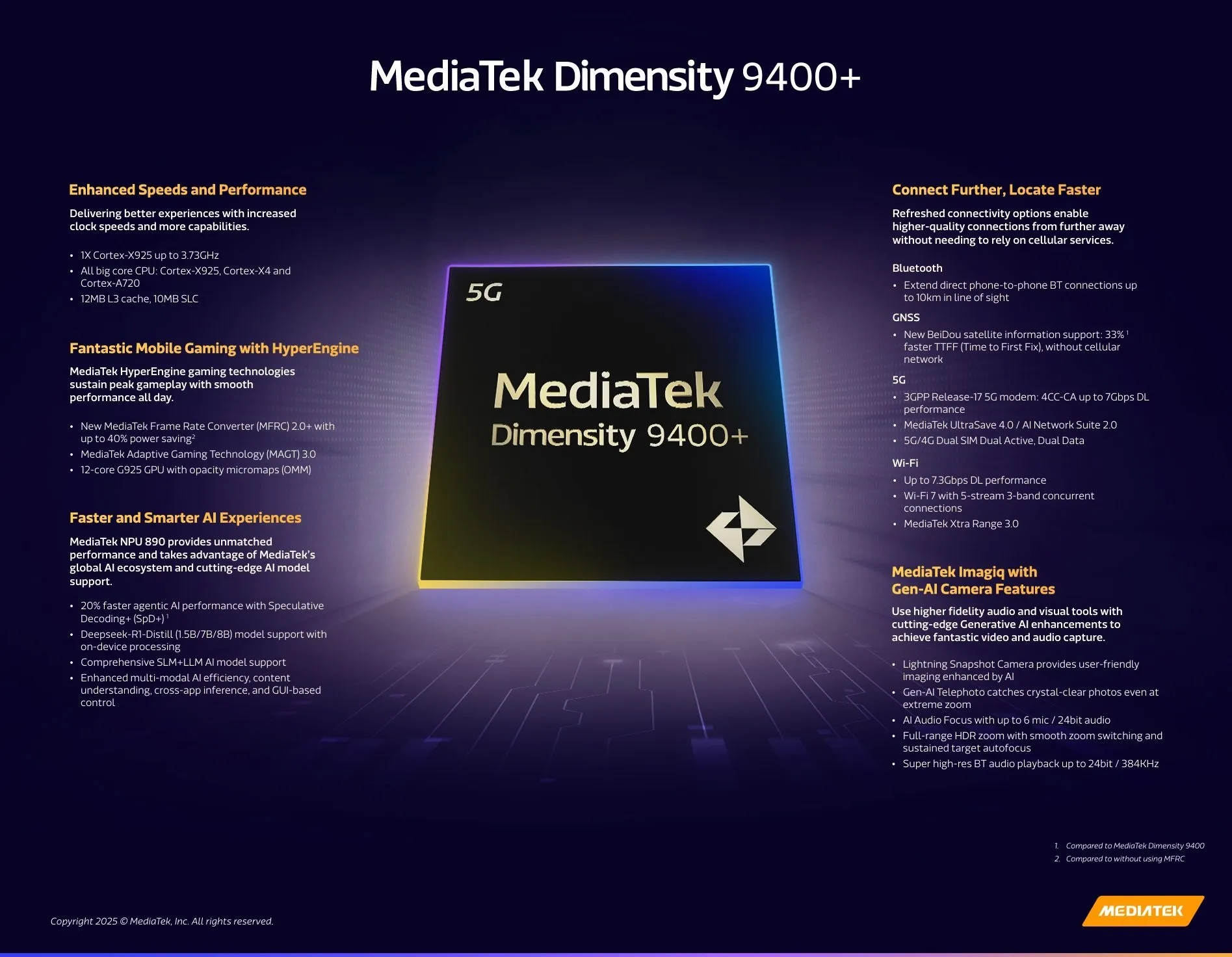
The flagship chipset, the Dimensity 9400+, was revealed in April as the replacement for the Dimensity 9400 from the previous year. It is constructed with TSMC’s state-of-the-art 3nm technology and has a powerful CPU and GPU that guarantee seamless operation even under demanding conditions.
To discover how the flagship-grade MediaTek Dimensity 9400+ chipset compares to its rivals, we’ll be examining its benchmark scores here.
Note: The Vivo X200s (powered by MediaTek Dimensity 9400+) underwent the following benchmark testing.
MediaTek Dimensity 9400+ AnTuTu score
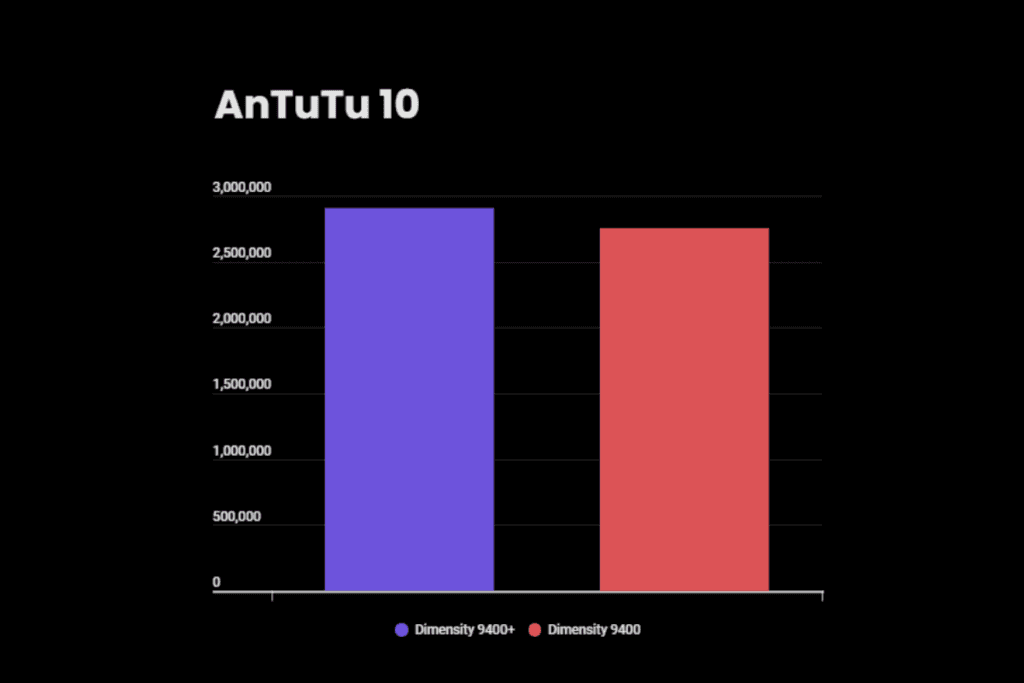
The Dimensity 9400+ receives more than 2.9 million points overall on AnTuTu v10. According to the breakdown, the CPU receives 625K points, the GPU receives 1.3 million, the memory receives 509K, and the user interface receives 459K.
In contrast, the Oppo Find X8, which is powered by the Dimensity 9400, has an overall AnTuTu score of about 2.7 million. There isn’t much of a difference between the two AnTuTu scores for the more recent chip.
Dimensity 9400+
Dimensity 9400
AnTuTu score
2,907,358
2,754,825
CPU
625,811
622,149
GPU
1,312,632
1,220,751
Memory
509,570
489,110
UX
459,344
422,815
Dimensity 9400+ Geekbench score
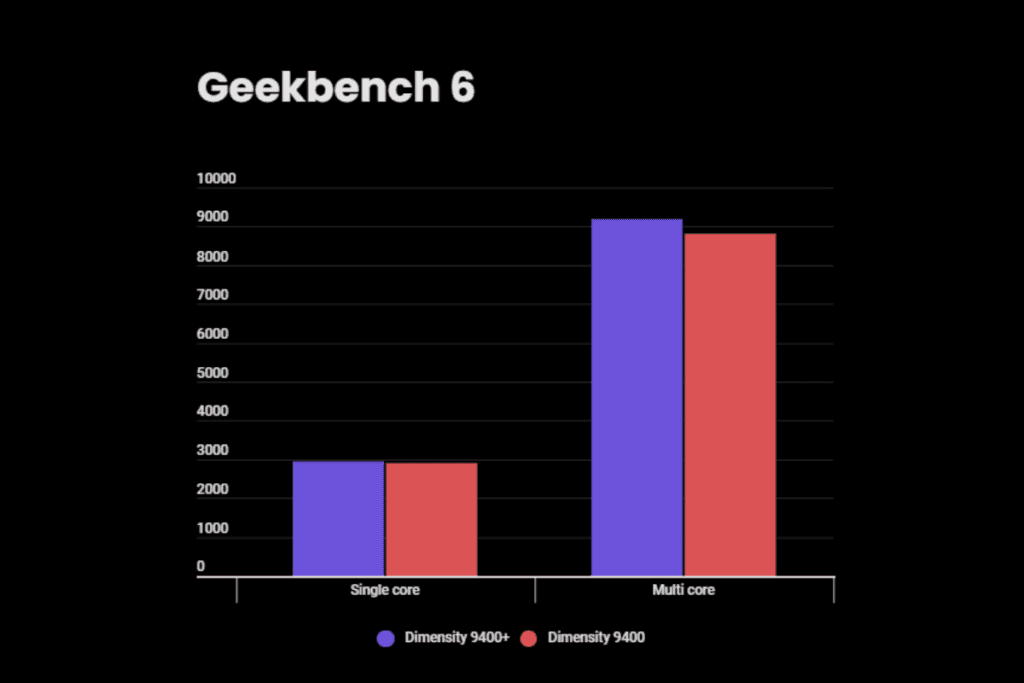
The Dimensity 9400+ receives 2,945 single-core and 9,184 multi-core marks in Geekbench 6. Once more, the Dimensity 9400, which boasts 2,904 single-core and 8,812 multi-core scores, is not a much better processor.
Dimensity 9400+
Dimensity 9400
Single core
2,945
2,904
Multi core
9,184
8,812
MediaTek Dimensity 9400+
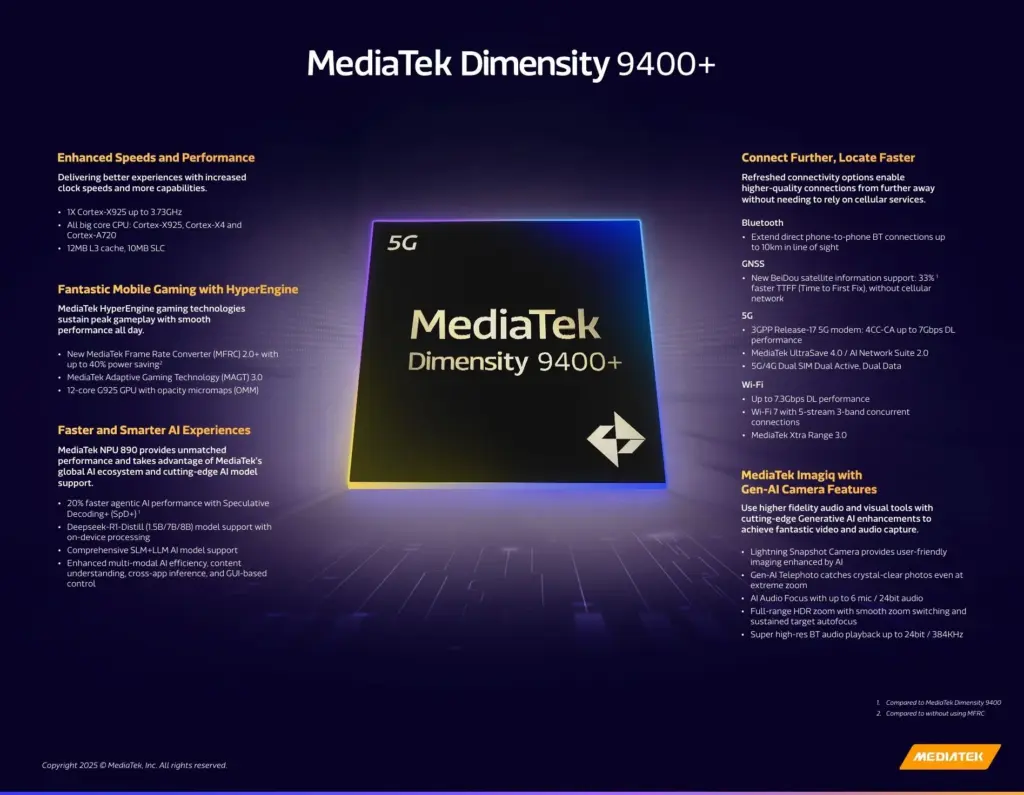
Compared to the Dimensity 9400, the Dimensity 9400+ isn’t much better. With the exception of a little boost in CPU speed for the big core, it still makes use of the same set of CPU cores—one Cortex-X925, three Cortex-X4, and four Cortex-A720. The manufacturing node (TSMC’s 4nm) and instruction set (ARMv9.2-A) remain unchanged.
The Mali-G9125 Immortalis MP12, which is based on ARM’s fifth-generation GPU architecture, offers no improvements at all. The MediaTek Frame Rate Converter tool has been improved, though not significantly. In well-known games, the updated version can provide twice the effective frame rate while also increasing power efficiency by up to 40%.
MediaTek would undoubtedly not miss out on the widespread use of agentic AI, as the Dimensity 9400+ offers a 20% quicker agentic AI performance than its predecessor with Speculative Decoding (SpD+). With on-device processing, the chip fully supports the DeepSeek-R1-Distill (1.5B/7B/8B) model.
With the exception of the newer Dimensity 9400+ chip, which increases phone-to-phone Bluetooth connections from 1.5km to 10km, connectivity isn’t getting any major changes. Everything else is the same, so it has a 3GPP Release-17 5G modem, Bluetooth 6.0, and Wi-Fi 7 (peak speed 7.3Gbps).
Dimensity 9400
Info
Announced
April 2025
Process node
3nm (TSMC)
CPU
1 x Cortex-X925 — 3.73GHz 3 x Cortex-X4 — 3.3GHz 4 x Cortex-A720 — 2.4GHz
GPU
Arm Immortalis-G925 MC12 MediaTek HyperEngine Gaming Ray tracing support
NPU
MediaTek NPU 890
Camera
MediaTek Imagiq 1090 ISP Up to 320MP single camera Up to 8K/60fp video recording Features: Gen-AI Telephoto, Full range HDR zoom, real-time AI segmentation in video
Stay connected with the latest from Droid Tools—follow us on X @droid_tools, like our page on Facebook, check out our updates on Instagram, and follow us on Google News for real-time news, device tips, and mobile tech insights.
As seen by the Android 16 QPR1 Beta 2 update, the company is getting ready to expand the Battery Health Assistance function, which made its debut with the Pixel 9a, to additional Pixel devices. Serious problems including battery overheating and even melting during charging have recently been reported with certain Pixel phones. The tech giant is working hard to stop this, though.
Android 16 beta update brings ‘Battery Health Assistance’ feature
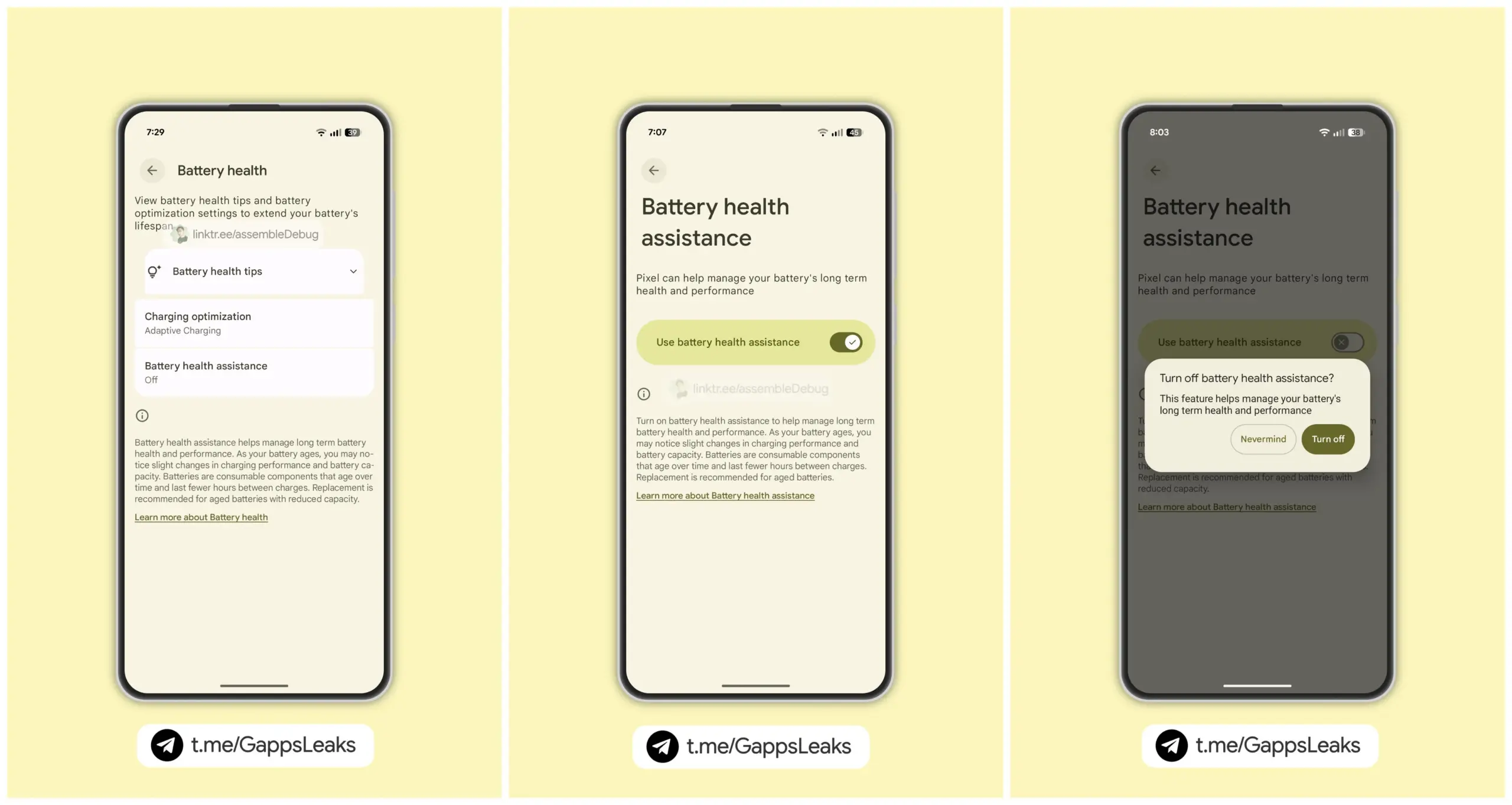
For those who are unaware, early this year, Google released the Pixel 9a with Battery Health Assistance, a charge management tool. This feature cannot be manually disabled because it is enabled by default.
Google’s support page states that Battery Health Assistance aids in controlling the long-term performance and health of a phone’s battery. Serious problems like battery deterioration, overheating, and even melting when charging can be avoided with its assistance.
After applying the Android 16 QPR1 Beta 2 update on their phones, a few users became aware of the new feature. To put it briefly, Google intends to eventually extend this feature to older Pixel models.
Google defines the feature as follows; ”Lithium-ion batteries are consumable components that eventually require replacement. As your battery ages, Battery health assistance helps manage its long-term health and performance. This software adjusts the battery’s maximum voltage in stages. It starts at 200 charge cycles and continues gradually until 1000 charge cycles. This helps stabilize battery performance and aging.”
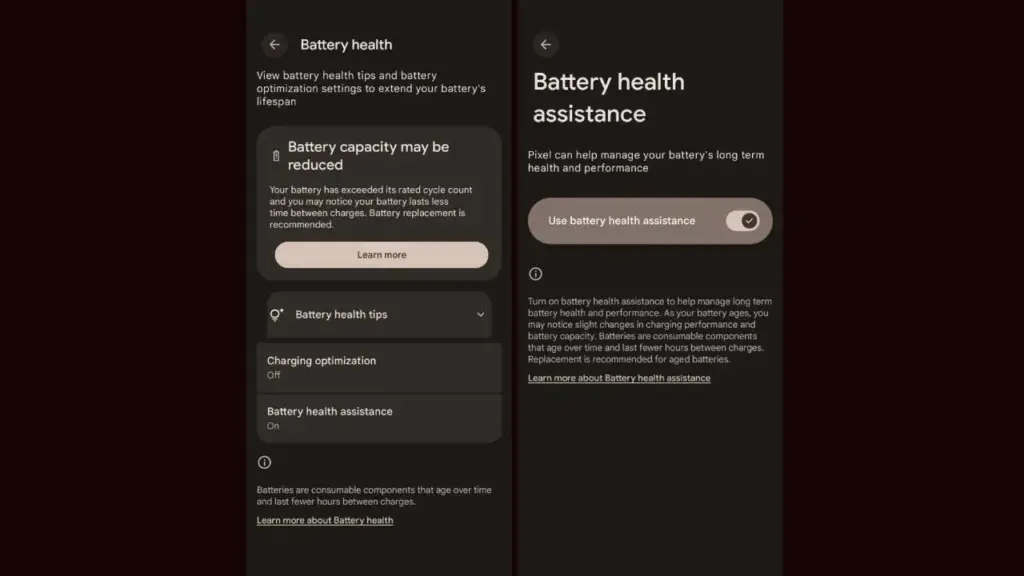
Images posted by customers who have tested Battery Health Assistance indicate that, unlike the Pixel 9a, the feature won’t be required. In other words, if you want to, you can turn it off. Google advises, however, that you keep it enabled at all times to preserve the functionality and health of your battery.
It’s crucial to have this feature to keep your battery from dying too soon.
On Pixel phones, the Battery Health Assistance feature may somewhat shorten battery life and charging speed. In the long run, nevertheless, it is really useful and protects the battery. This might stop the recent battery problems that some Pixel variants have been having.
Many stories of earlier Pixel models burning and even melting their batteries after charging have surfaced in recent months. Arielle, a user, even complained last week that her Google Pixel 6a melted and caught fire while charging. It is noteworthy that she was utilizing a third-party, non-OEM charger.
Google Pixel 9a with Gemini
Google Pixel 9a is engineered by Google with more than you expect, for less than you think; like Gemini, your built-in AI assistant, the incredible Pixel Camera, and an all-day battery and durable design
Stay connected with the latest from Droid Tools—follow us on X @droid_tools, like our page on Facebook, check out our updates on Instagram, and follow us on Google News for real-time news, device tips, and mobile tech insights.
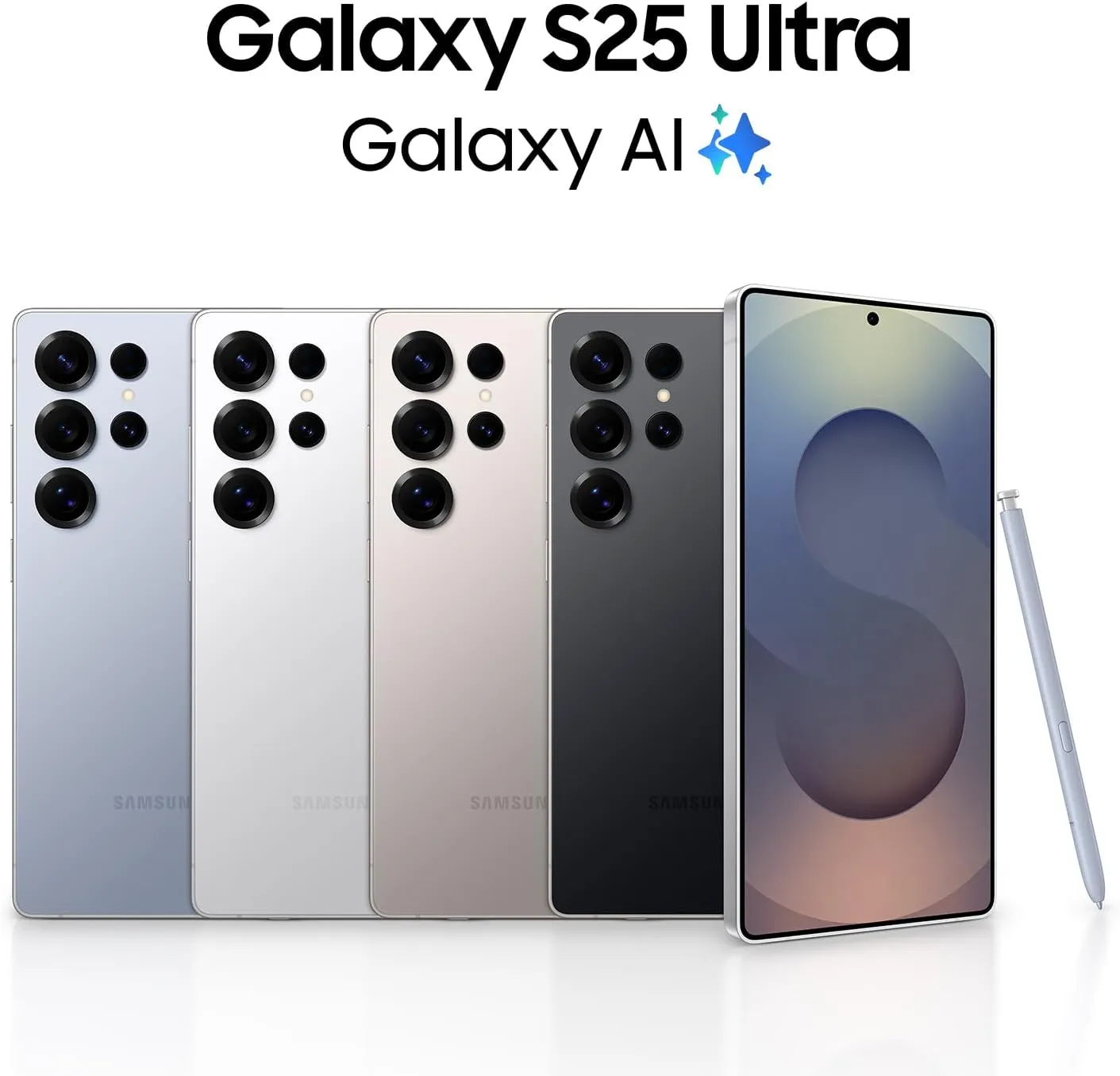
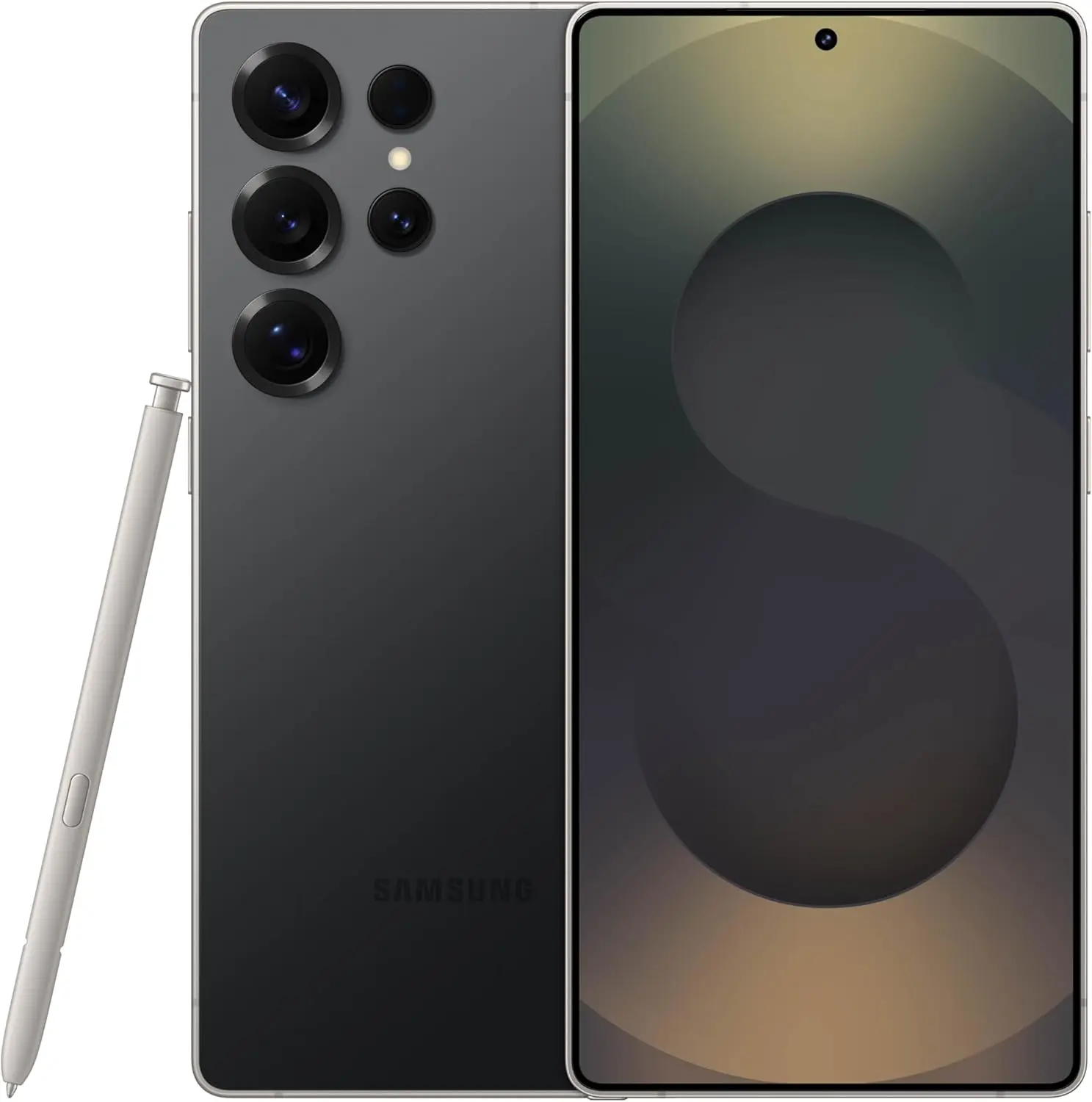
The Galaxy S25 Ultra is currently the best-selling phone on Amazon. Since its release in January 2025, it has been regarded by many as the greatest Android phone, surpassing even the iPhone 16 Pro. Amazon is selling it for $1,049, a record low price and $250 less than its original $1,299 price. Although it can sell out quickly, it’s also significantly less expensive here than at the official Samsung store.
Samsung Galaxy S25 Ultra
Streamline your day with an assistant that gets you. Ask it to Google search for a pet-friendly vegan restaurant nearby and text it to your friend— your Galaxy S25 Ultra handles multiple tasks with a single ask.
Experts believe that the Galaxy S25 Ultra is the greatest phone on the market right now since Samsung has advanced both software and hardware by incorporating artificial intelligence at every stage to provide a flawless user experience. The newest Snapdragon 8 Gen 4 processor, which powers the phone, provides blazing-fast performance for lag-free media playback and multitasking. Everything is a joy thanks to the enormous 6.8-inch Dynamic AMOLED 2X display’s brilliant colors and crisp graphics, whether you’re working or playing games.
It is perfect for businesspeople, influencers, and other individuals who use their phones constantly because of its long battery life, which allows you to use them heavily for an entire day (and possibly even longer) without worrying about running out of power.
Also, you will love its AI-powered camera system: With a 200MP primary sensor, a 50MP periscope telephoto lens with 5x optical zoom, a 12MP ultra-wide lens, and an additional telephoto lens for versatile shooting, the Galaxy S25 Ultra has a top-tier quad-camera configuration. The Audio Eraser camera removes background noise and produces beautiful footage in difficult low-light conditions. in order to revisit your most treasured memories with increased clarity and reduced distraction. Each picture appears polished and fashionable thanks to the portrait features, which are designed to enhance skin tones while maintaining natural texture.
The GalaxyS25 Ultra‘s extensive use of AI makes it an expert at simplifying your day in addition to photography: You may simplify your day by using features like “Multiple chores With One Ask,” which allows you to give your phone instructions to complete multiple chores simultaneously with a single request. For instance, you can instruct it to look for a vegan restaurant that accepts pets in your area and SMS a buddy the findings all at once. The Galaxy S25 Ultra is an appealing option for individuals looking for the highest level of performance and innovation since it combines smart AI capabilities with high-end technology, such as the Snapdragon 8 Gen 4 chipset and multipurpose camera array.
The Galaxy S25 Ultra is a fantastic choice at its lowest price ever if you’re searching for a high-end AI smartphone that simplifies your life.
Samsung Galaxy S25 Ultra
Streamline your day with an assistant that gets you. Ask it to Google search for a pet-friendly vegan restaurant nearby and text it to your friend— your Galaxy S25 Ultra handles multiple tasks with a single ask.
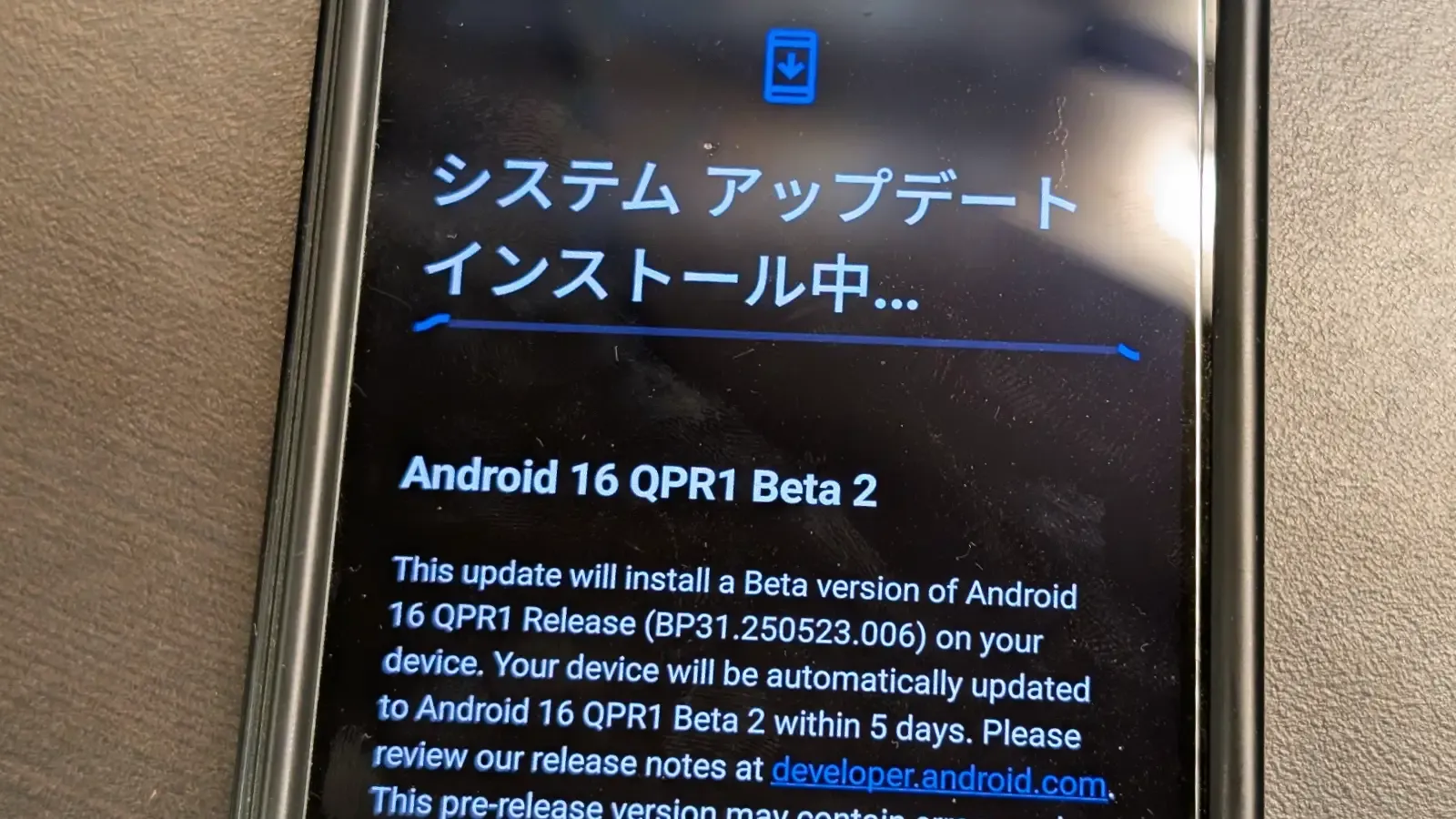
Android 16 has finally been made available to the general public by Google. The June Pixel Drop and Android 16 QPR1 Beta 2 are also available today, so this isn’t the only update. Here, we’ll concentrate on Android 16 QPR1’s second beta, which will be made available to the general public as Pixel Drop the next quarter.
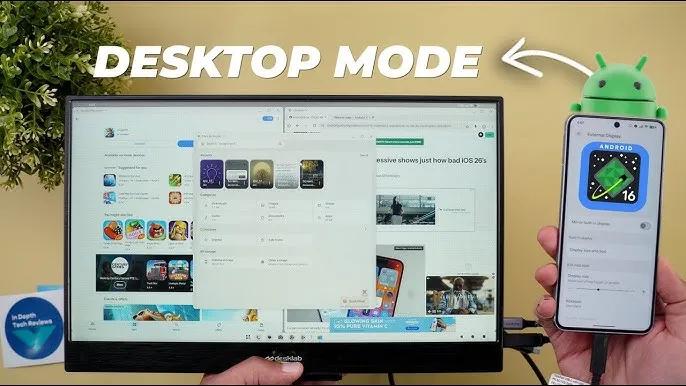
In late May, Google started testing the Android 16 QPR1. Some of the Material 3 Expressive changes were first made available in the first beta. In addition to bug improvements, the second beta offers developers a sneak peek into Dex-like desktop mode.
Desktop mode is inevitable in Android 16
Pixel devices using build number BP31.250523.006 can access the Android 16 QPR1 Beta 2, which is still based on the May security patch. The second beta, as previously said, is more akin to a bug-fix update that fixes a number of known problems. The known bug fixes are listed here.
Auto dark theme is not working
Now playing is crashing when selecting a track
Camera frequently fails to launch
Shortcuts for newly-downloaded apps aren’t automatically added
Home button not working on app list UI
“More wallpapers” button misaligned in wallpaper settings
Gemini fails to work on the lockscreen
The second beta of Android 16 QPR1 will be accessible via an over-the-air update if you have already installed the first beta on your Pixel phone. To test the new QPR beta and the next beta builds, you can simply sign up for the beta program if you’re on a public build.
Make care to backup crucial data and charge your smartphone to at least 50% before applying the update.
Stay connected with the latest from Droid Tools—follow us on X @droid_tools, like our page on Facebook, check out our updates on Instagram, and follow us on Google News for real-time news, device tips, and mobile tech insights.
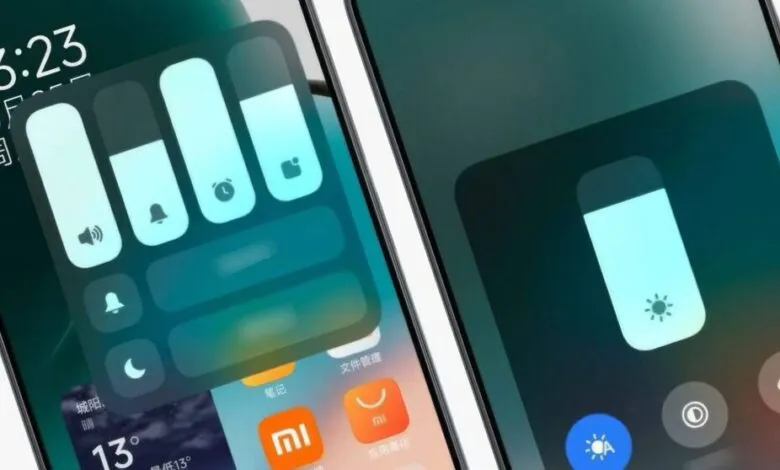
Xiaomi has started the release of the HyperOS 2.2 stable upgrade for its second batch of devices sooner than originally planned. Some devices have already received the update, rather than the previously announced June 20th start date. Camera 6.0 improvements, improved system animations, sophisticated lock screen customization choices, and system-level efficiency optimizations that take user feedback and changing usage patterns into account are all included in this update. The update strengthens the brand’s user experience across product lines and marks a significant leap in Xiaomi’s software architecture.
Devices that already received HyperOS 2.2
The following devices have successfully received the HyperOS 2.2 stable update:
REDMI Turbo 4 Pro
REDMI Turbo 4
REDMI Note 14 5G
REDMI Note 14 Pro 5G
REDMI Note 14 Pro+ 5G
These models now operate with the full HyperOS 2.2 feature set, including all integrated improvements and interface updates.
In the upcoming weeks, the update is planned for further high-end models:
Flagship Smartphones:
Xiaomi 13 Ultra
Xiaomi 13 Pro
Xiaomi 13
Xiaomi MIX FOLD 3
Xiaomi CIVI 4 Pro
Tablet Devices:
Xiaomi Pad 6 Max 14
Xiaomi Pad 6 Pro
Performance Series:
REDMI K60 Ultra
REDMI K60 Pro
REDMI K60
REDMI Turbo 3
Key features we found in HyperOS 2.2
Camera 6.0, which offers better computational photography and increased image capabilities, is introduced in HyperOS 2.2. Updated lock screen customization options offer a more adaptable user interface, and system animations have been further improved for greater fluidity. Additional system-wide improvements help to boost battery efficiency and overall performance.
Stay connected with the latest from Droid Tools—follow us on X @droid_tools, like our page on Facebook, check out our updates on Instagram, and follow us on Google News for real-time news, device tips, and mobile tech insights.
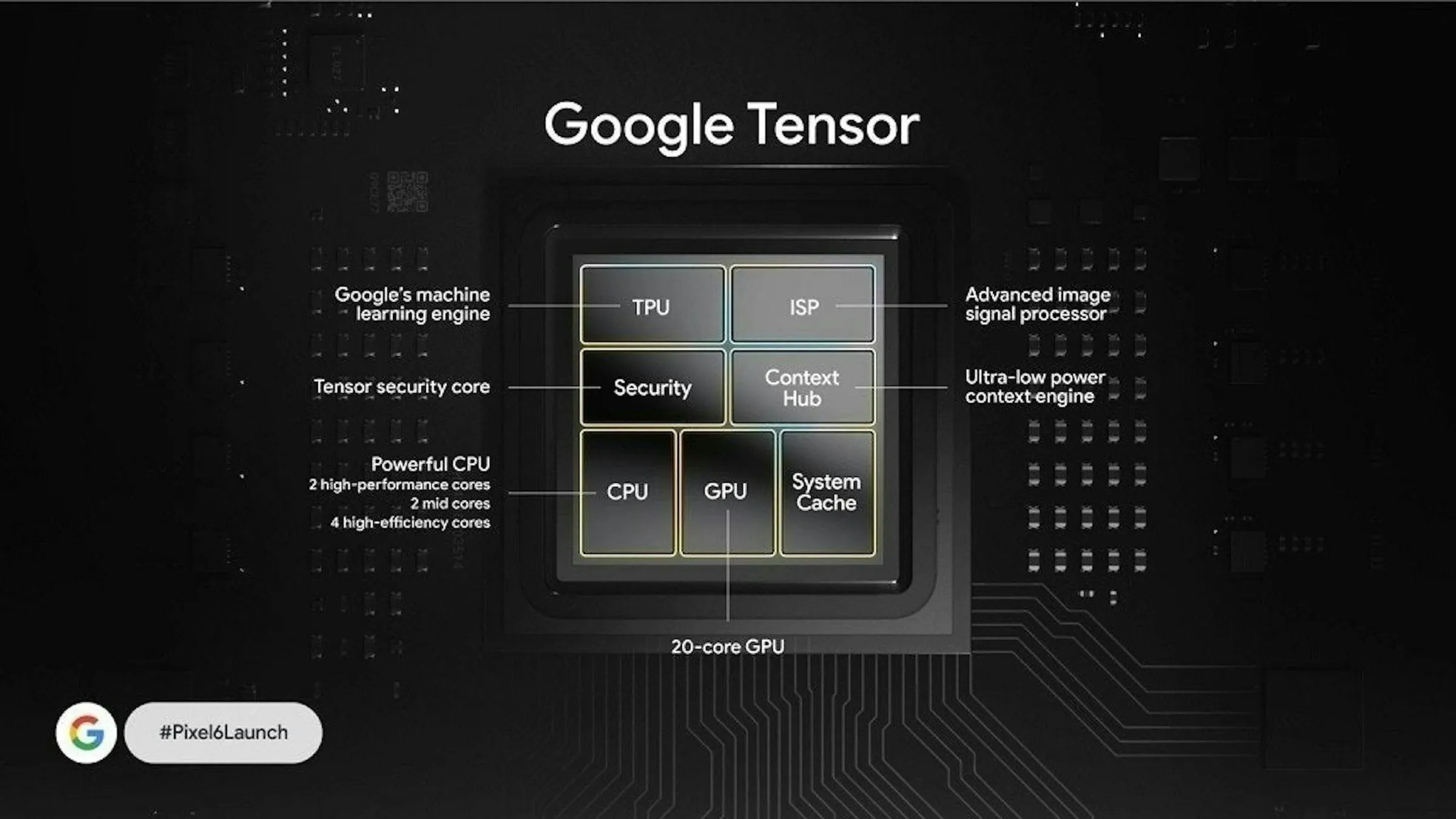
According to reports, Google’s Pixel 10 series will use the Tensor G5 as its next processor. According to reports, it will be manufactured under the codename “Laguna” under a multi-year agreement with TSMC, which would completely replace Samsung. There have been major architectural modifications in this flagship processor.
According to reports, the Google Tensor G5 has an 8-core CPU and makes use of TSMC’s 3nm node. One Cortex-X4 prime core at 3.4 GHz, three to five Cortex-A725 performance cores at roughly 2.85 GHz, and two to four Cortex-A525 efficiency cores at 2.4 GHz are typical configurations, though reports vary significantly. Using the Cortex-A725, the design prioritizes efficiency and long-term performance, which is further improved by the 3nm technology. The goal of switching to more modern efficiency cores is to enhance the user experience in general.
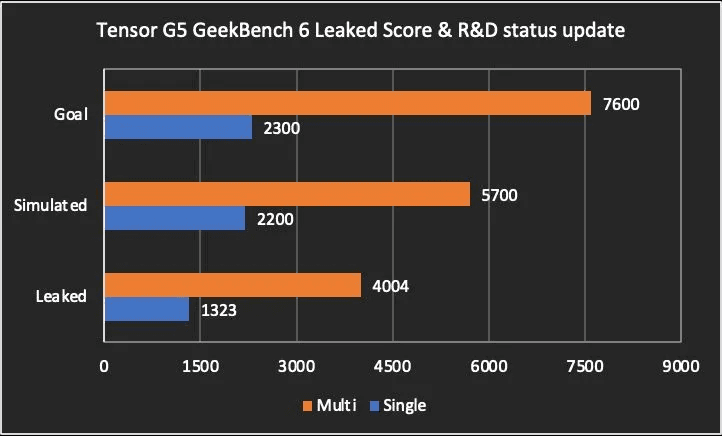
A single-core score of roughly 1323 and a multi-core score of roughly 4004 are displayed in the leaked Geekbench 6 results. These are preliminary findings, but they fall short of the Tensor G4’s scores (about 1950 single-core and 4741 multi-core).
There is potential for improvement through software optimization, as indicated by projected scores of 2200 single-core and 5700 multi-core, as well as a company objective of maybe surpassing 2300 single-core and 7600+ multi-core. Early software optimization or certain test setups could be the cause of the initial lower scores. In early incarnations, the emphasis on a more efficient production process may put power efficiency ahead of peak performance.
Despite architectural modifications and the switch to a 3nm technology, early benchmarks indicate that the Tensor G5 might not much outperform its predecessor in Geekbench 6. The particular setups of the testing devices or early software optimization may be to blame for this. In early generations, the shift to a more efficient manufacturing process may put power efficiency ahead of peak performance benefits.
The Tensor G5 is anticipated to include a dual-core Imagination Technologies IMG DXT-48-1536 GPU clocked at 1.1 GHz, whereas the Google Tensor G4 used an Arm Mali-G715 MP7 GPU. This marks a substantial shift away from Google’s prior dependence on Arm Mali GPUs. This points to a change in strategy, either motivated by discontent with Mali’s performance in some domains or a keen interest in the capabilities of the IMG DXT.
The highest level in the Ray Tracing Level System (RTLS), Level 4 ray tracing, is supported by the IMG DXT GPU, allowing for powerful visuals with low power consumption. This attempts to give the Pixel 10 more lifelike and captivating visual and gaming experiences. Users that value visual quality and game performance will find Level 4 ray tracing’s cutting-edge visuals appealing.
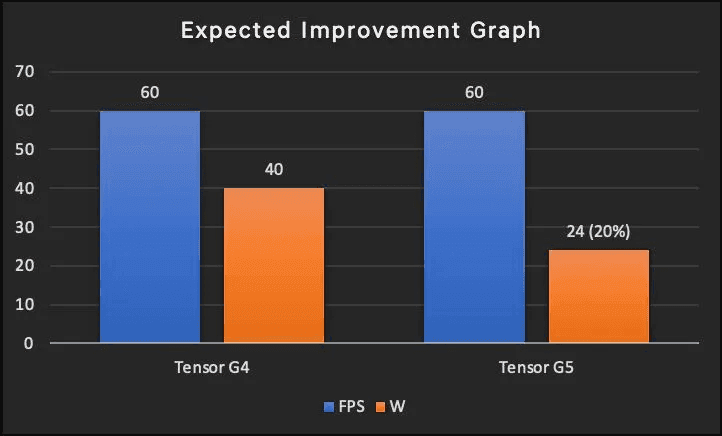
Power efficiency is a key component of the IMG DXT, and its successor, the DXTP, offers up to 20% more power efficiency (FPS/W). Although DXT is used by the Tensor G5, this suggests a common pattern in Imagination’s designs. By switching to IMG DXT, the Pixel 10’s graphics subsystem may become more power efficient, which could solve a persistent problem with Tensor-based devices’ short battery life. A major benefit would be increased power efficiency over the Mali-G715 MP7.
Stay connected with the latest from Droid Tools—follow us on X @droid_tools, like our page on Facebook, check out our updates on Instagram, and follow us on Google News for real-time news, device tips, and mobile tech insights.
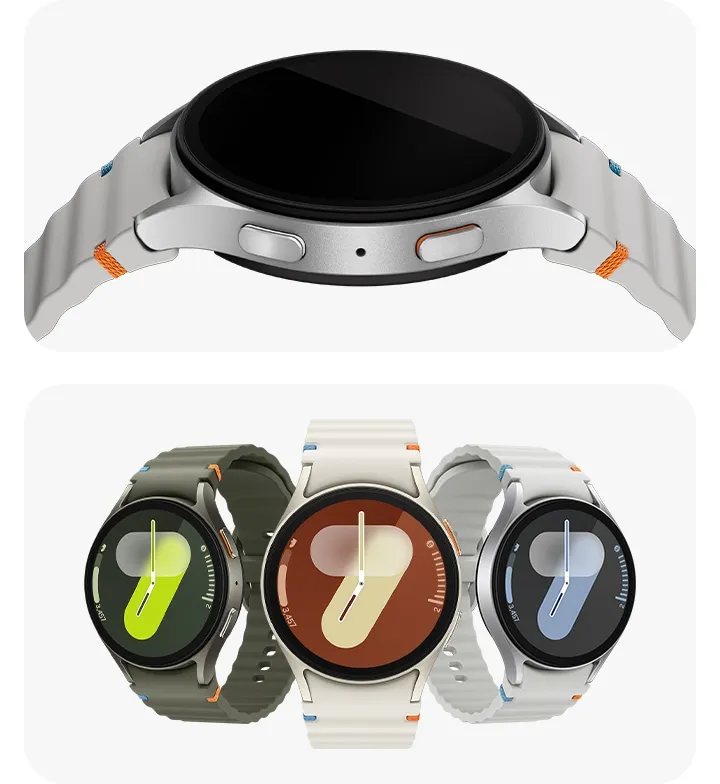
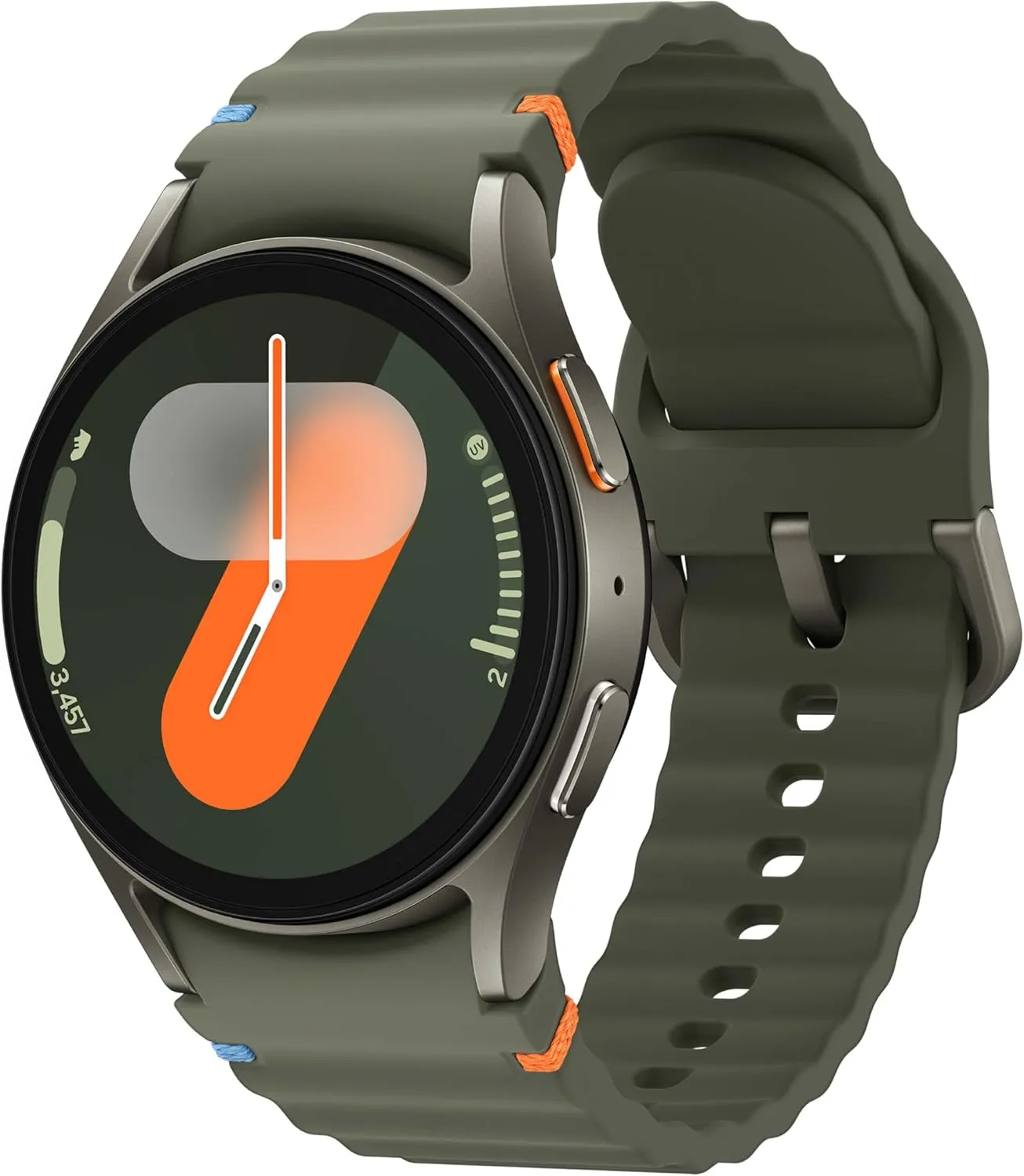
Price trackers report that the Samsung Galaxy Watch 7 (44mm Bluetooth) is now available for $229.99, the lowest price to date. It was previously available for $329.99.
Its seamless performance and health tracking are the main reasons for PCMag’s Excellent rating. This offer is worth taking into consideration if you’re already an Android user and want a wristwatch that prioritizes fitness and looks good on your wrist. Be aware up front that daily charging is a standard procedure for many smartwatches.
Samsung Galaxy Watch 7 44mm Bluetooth
Looking for a great way to bring out your personal best every day? Challenge yourself to excel on your next run or bike ride using tracking with Galaxy AI that lets you compare your current performance to your last one
The Watch 7 is designed to withstand more than just everyday use. It is 5ATM water-resistant, has an IP68 rating, and has undergone durability testing in accordance with military specifications. Outside, the 1.5-inch Super AMOLED screen is clear and easy to read. Samsung promised improved performance and efficiency over the previous generation with the Exynos W1000 processor update. With Samsung’s One UI 6 preinstalled on top of Wear OS 5, it offers minor enhancements including improved photo editing and widget controls. Along with 32GB of storage and 2GB of RAM, it has a dual-frequency GPS that maintains a strong signal even in urban areas and beneath trees.
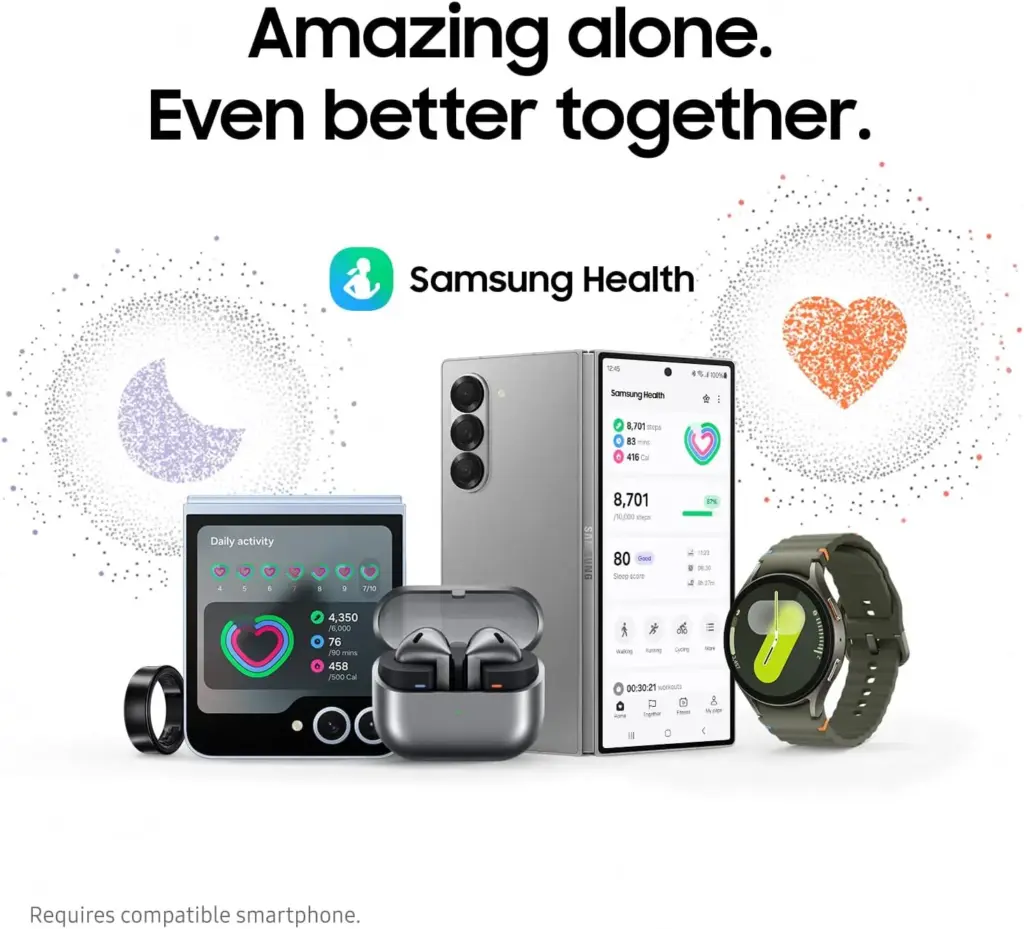
Health tracking is where it truly makes an effort to differentiate itself. Body composition analysis, FDA-approved sleep apnea diagnosis, and a new Galaxy AI Energy Score that condenses all of your exercise and sleep data into a single, convenient figure are all available. Standard features like blood oxygen monitoring, heart rate monitoring, ECG, and automated workout detection are still available. However, you’ll need a Samsung phone close by if you want the entire experience, including snoring detection and some of the AI wellness insights.
Here, battery life is the primary trade-off. Depending on settings, moderate use will take between 22 and 27 hours, thus overnight charging will be an option. The Galaxy Watch 7 offers a plethora of fitness and health functions in a stylish, long-lasting design, especially at this new low price, if you can live with that and already own an Android mobile (preferably a Samsung).
Samsung Galaxy Watch 7 44mm Bluetooth
Looking for a great way to bring out your personal best every day? Challenge yourself to excel on your next run or bike ride using tracking with Galaxy AI that lets you compare your current performance to your last one
Since Android 16 is now accessible on compatible phones, Google has made it widely available. According to the business, the OS will be preinstalled on new devices in “the next months.”
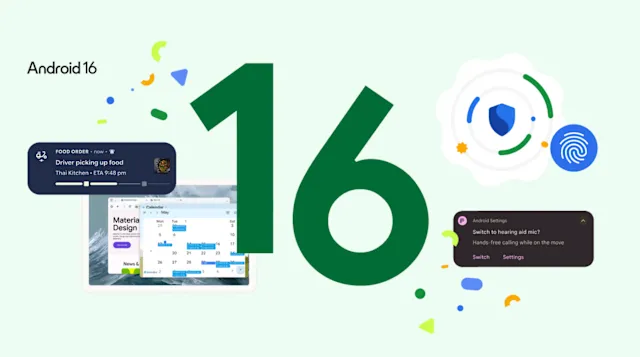
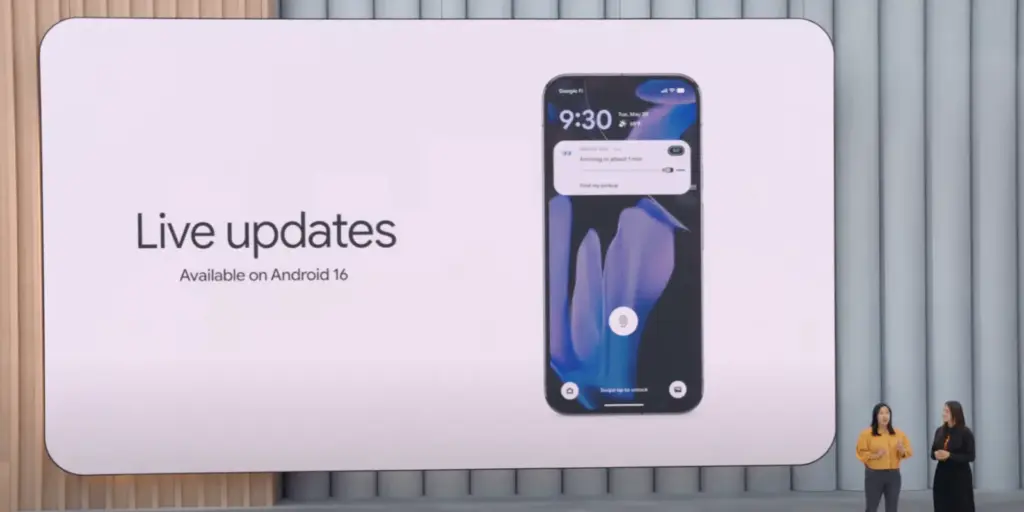
The update has a number of noteworthy features. Live updates in alerts may be the most significant. People won’t have to keep opening and closing the app to figure out why a burrito seems to be stuck four streets away thanks to this change, which will put a progress indicator in the notification for things like ride-sharing and food delivery.
Also, to cut down on clutter and pings, alerts from the same app will now be automatically grouped together. With a native control option, LE audio hearing aids are now supported. When utilizing one of these hearing aids in noisy environments, users can easily switch to the microphone on their phone for crisper audio.
Android 16 offers more protection for users
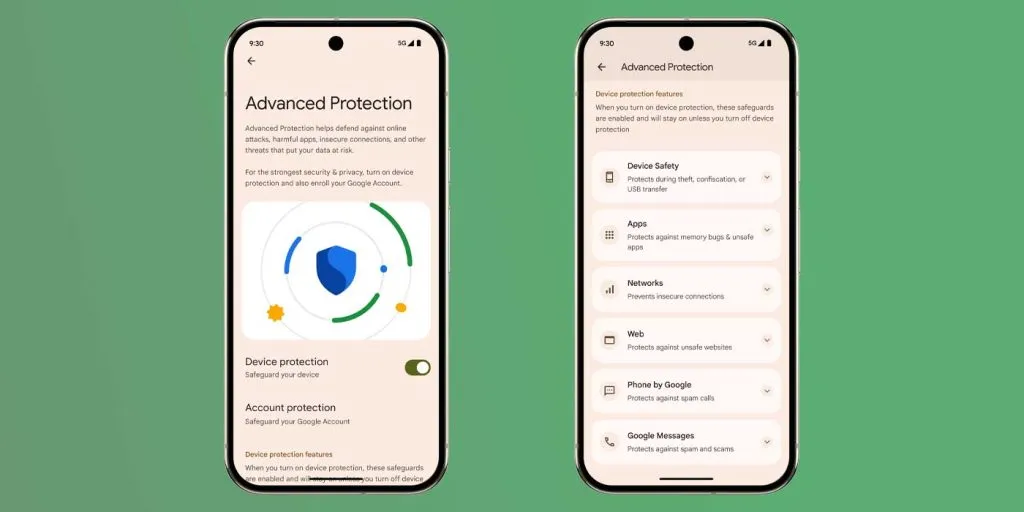
Users may now be protected from “online attacks, malicious apps, risky websites, fraudulent calls and more in just a tap” thanks to Google’s integration of all its security capabilities. New scam detection tools that were teased back in May are part of this.
A significant amount of new features are being added to shutterbugs, such as hybrid auto exposure, automatic night mode scene identification, and more accurate color temperature adjustments. Android 16 has integration with the premium Advanced Professional Video (APV) codec, and UltraHDR photos have been enhanced with support for HEIC encoding.
Although it isn’t yet ready, Google is finally introducing desktop windowing to Android. Android 16 QPR 3 Beta 2 is now previewing that feature, which will be made accessible to the general public later this year.
A nice upgrade to the Android environment with some useful improvements is also available. Improved RCS group conversations with personalized icons and thread muting capabilities are part of this. The AI-enhanced image editor in Google Photos now suggests possible adjustments. Wear OS devices can now pay for transit fares without opening a separate app, while Emoji Kitchen is getting additional sticker combinations.
Lastly, Google has provided information about the June Pixel Drop. Among the new features are more expressive video captioning and a Pixel VIPs widget that shows details about favored contacts.
Stay connected with the latest from Droid Tools—follow us on X @droid_tools, like our page on Facebook, check out our updates on Instagram, and follow us on Google News for real-time news, device tips, and mobile tech insights.