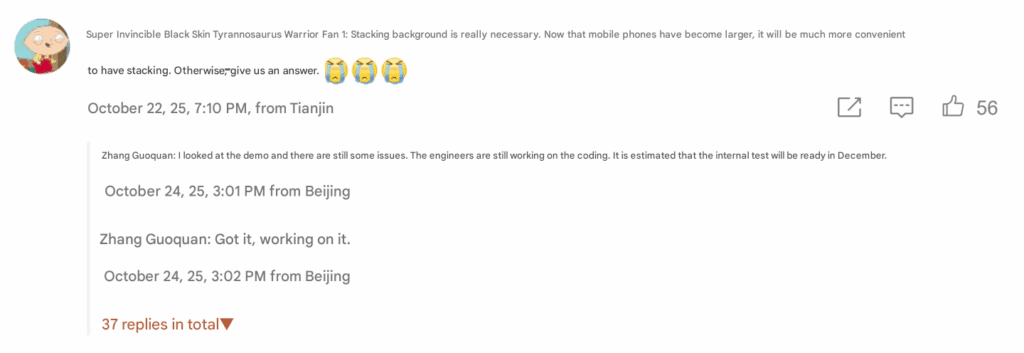
Zhang Guoquan, the director of mobile software for Xiaomi, has stated that the business will start testing the layered background interface in HyperOS internally in December. This impending update will improve Xiaomi phones’ multitasking capabilities by providing a more user-friendly and aesthetically pleasing background management experience. Through Zhang’s interactions with Weibo users, the functionality was made public, demonstrating Xiaomi’s ongoing dedication to enhancing the real-world user experience using HyperOS, the company’s unified operating system.
A Xiaomi devotee responded in a Weibo debate by calling for the inclusion of a stacked background interface, particularly given the larger screens of modern smartphones that necessitate more fluid multitasking capabilities. Zhang Guoquan replied, “Received, working on it,” to the comment. He then added that the functionality is currently in the demonstration stage but still undergoing optimization. The code is now being finished by programmers, and internal testing is expected to start in December.
Stacked Background Interface?
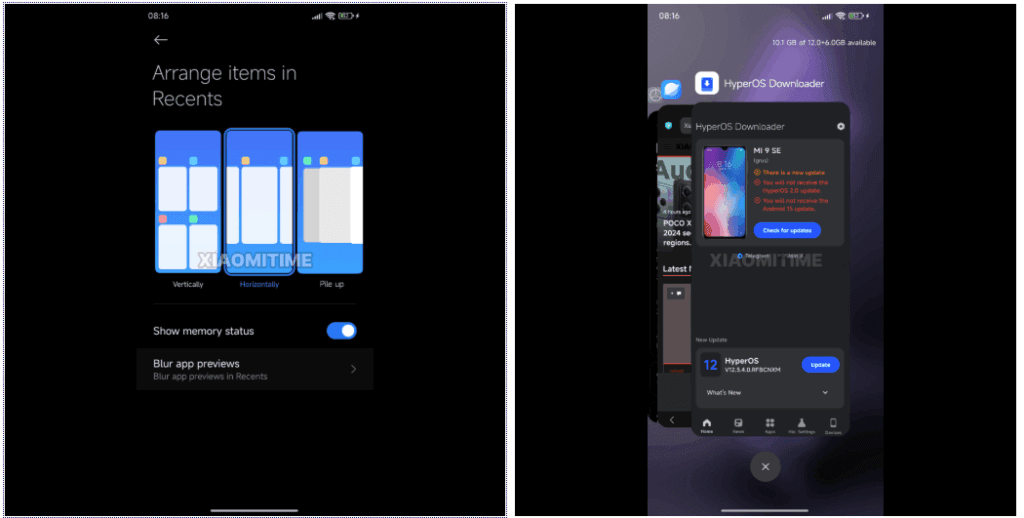
Users can see running apps as a deck of cards arranged on top of each other, from largest to smallest, depending on which card is accessed first thanks to the stacked background interface. Similar to the multitasking interfaces found in webOS (2009) and later in Apple’s iOS 9, users can swipe up to close apps or left or right to navigate between them.
In place of conventional grid-patterned task lists, this structure provides an interactive and spatial method of managing applications. It makes it possible to maximize screen real estate, which is particularly helpful on devices with large screens like the Xiaomi 15 Pro and Xiaomi Pad 7.
Originally developed in webOS, stacked multitasking was first used on phones like the Palm Pre, which also popularized features like wireless charging and gesture navigation, which are now commonplace on the majority of contemporary smartphones. This kind of multi-application management became popular once Apple adopted the UI in iOS 9.
With HyperOS, Xiaomi appears to be bringing back these antiquated ideas while modernizing them with fluid animations, AI enhancements, and improved performance scaling.
It is anticipated that the stacking interface will be included in HyperOS’s 2025 upgrades, maybe in the feature package that comes after HyperOS 3.1. When public testing starts, Xiaomi customers should anticipate smoother animations, more fluid multitasking, and better use of display real estate. These features are in line with Xiaomi’s overarching goal of using Xiaomi HyperConnect to build an intelligent, connected user ecosystem.
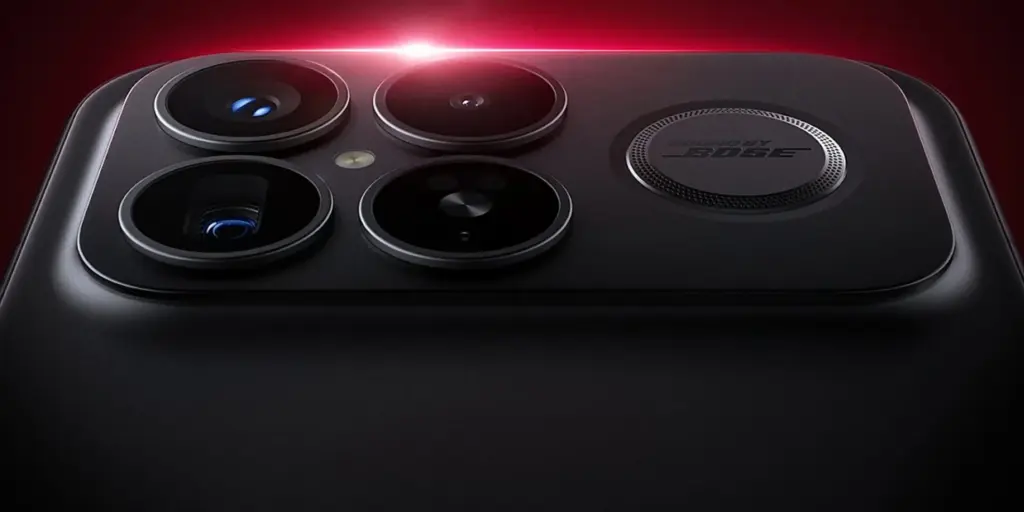
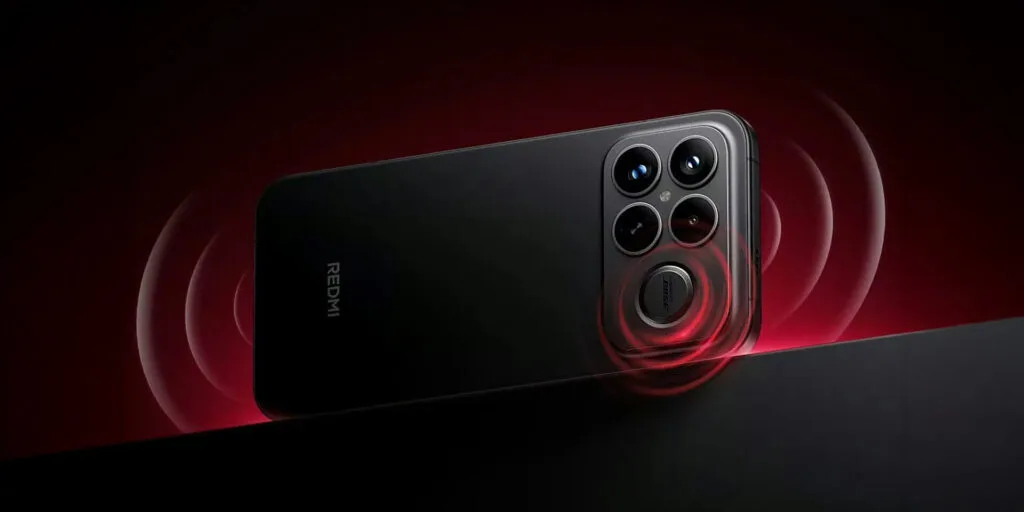
Redmi is going to cause another upheaval. The Redmi K90 Pro Max, which will come with a significant upgrade, will formally launch on October 23 at 19:00 (China time), according to the company. The Light Hunter 950 sensor, the same flagship-grade camera seen on the Xiaomi 17, will be available on a Redmi handset for the first time. Put another way, high-end photography is on the verge of becoming popular.
Light Hunter 950 brings flagship-level imaging to Redmi phones
A 1/1.31-inch ultra-large sensor, the Light Hunter 950 can capture remarkable light and detail. By utilizing DXG High Dynamic technology and supporting a 13.5EV dynamic range, it guarantees sharp, colorful images even in challenging lighting conditions.
Additionally, it has a 1G+6P glass-plastic hybrid lens and a precision coating technology from Redmi that reduces glare and improves sharpness. In actuality, this means that the Redmi K90 Pro Max performs extremely well, matching Xiaomi’s flagship phones. This is a daring move for a phone that costs less than $600.
The Xiaomi Group President, Lu Weibing, claims that the Redmi K90 Pro Max is “the most powerful phone in the 4,000 yuan+ segment,” or around $550. This puts it in direct competition with upper-mid-range rivals like the Samsung Galaxy S24 FE and OnePlus 13R, which frequently provide performance but lack innovative cameras.
Redmi’s approach is straightforward: provide premium camera performance and power to customers who won’t pay too much. The K90 Pro Max has the potential to completely change our expectations for a mid-range smartphone, if initial impressions are accurate.
The Xiaomi Group President, Lu Weibing, claims that the Redmi K90 Pro Max is “the most powerful phone in the 4,000 yuan+ segment,” or around $550. This puts it in direct competition with upper-mid-range rivals like the Samsung Galaxy S24 FE and OnePlus 13R, which frequently provide performance but lack innovative cameras.
Redmi’s approach is straightforward: provide premium camera performance and power to customers who won’t pay too much. The Redmi K90 Pro Max has the potential to completely change our expectations for a mid-range smartphone, if initial impressions are accurate.
Flagship imaging meets affordability: a new era for photography
Redmi is bridging the gap between mid-range and premium smartphones more quickly than ever before thanks to the Xiaomi 17’s main camera technology. This is about changing perspective, not simply about specs. A phone that costs less than $600 and has a camera that can compete with a flagship? Redmi’s reputation is based on disruptions like that.
We may stop considering “cheap” phones as compromises in 2025 if this trend keeps up.
Estimated Global Pricing
China price: from ¥4,000 (~$550)
Estimated European retail: around €640 (incl. VAT & import)
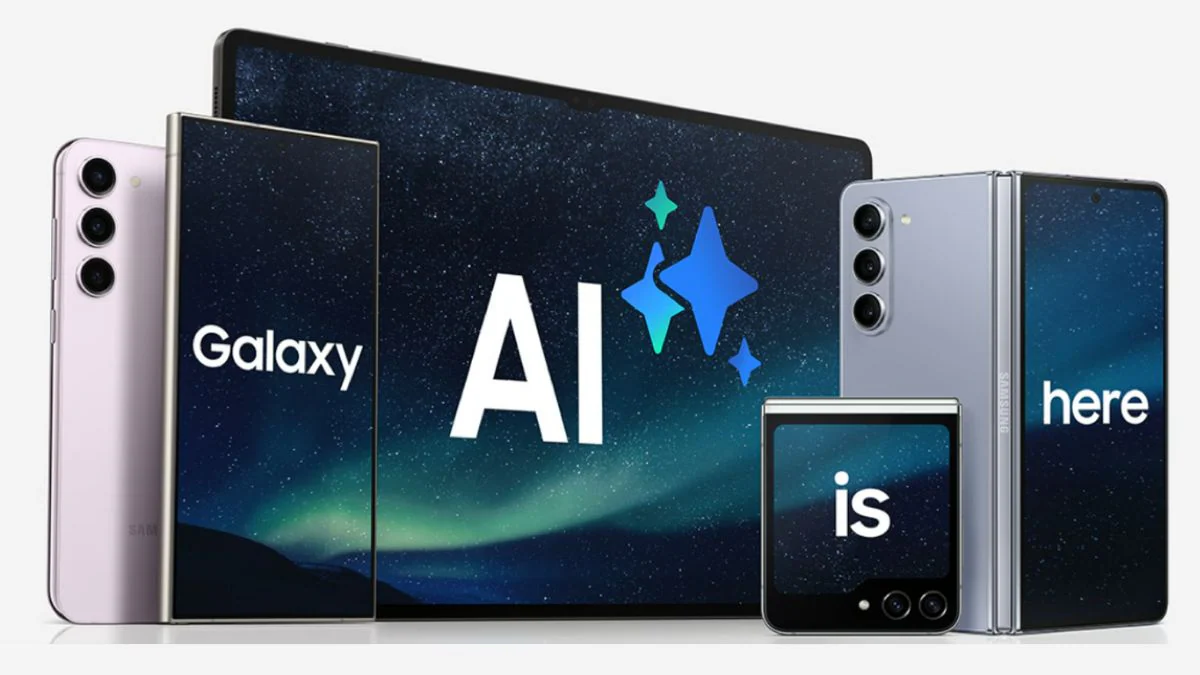
Samsung is already rolling out One UI 8, its version of Android 16, to all Galaxy phones that support it, but the upcoming major update may be much more important.
At least four new Galaxy AI functions may be included in One UI 8.5, according to a report from the Korean website ETNews.
But you may have to wait a long time. The Galaxy S26 series phones are expected to get OneUI 8.5 in January or February 2026, with a broader rollout to follow in the coming weeks and months.
They would be the first new Galaxy AI features in more than a year, if that is the case. Here is what you have to look forward to.
Meeting assistant
Has somebody ever met with you using a language you don’t understand? I’m not referring to ROIs and KPIs, though Galaxy AI might be able to assist you with that as well—a real foreign language.
Meeting Assistant was created with certain situations in mind. Theoretically, it can identify what is being spoken, precisely transcribe it, and then translate it in real time into your target language. If all goes according to plan, this may be quite helpful in some meetings, as well as in situations like interviews and press conferences, if you connect headphones.
Touch assistant
Similar real-time translation capabilities are provided by Touch Assistant, but only for text that is displayed on the screen. You can choose to translate a passage of text by simply selecting it as though you were going to copy it.
Although it’s unclear exactly what this means, ETNews claims that Touch Assistant also “organizes it for easy reading.”
Smart clipboard
You can move text without being restricted to the most recent item you copied by using the clipboard feature, which is available through the Samsung Keyboard.
By employing AI to recommend actions for any material that shows up, Smart Clipboard seeks to improve this. For instance, you could want to add particular words or phrases to your favorites, summarize a lengthy text section, or translate anything that isn’t in your system language.
Social composer
Do you like sharing content on Instagram but find it difficult to think of a clever caption? Social Composer can assist you.
It can analyze your uploaded photos, identify the people or things in them, and then provide a variety of textual descriptions about them. Along with a more thorough description and even links to any products it recognizes, this can also include a caption.
A big Galaxy AI leap for free?
Whether all of these capabilities will be available on One UI 8.5 in the format ETNews has outlined is still up in the air.
It could, however, significantly improve the Galaxy AI experience on your phone. Will it be able to match the Google Pixel phones’ Gemini-powered experience? We’ll find out in time.
Additionally, Galaxy AI might not always be free, even though Samsung has not indicated that it will charge for certain services.
Although the One UI 8 update is already available for a large number of Samsung Galaxy phones, some models have a different situation. Samsung has put impacted users at risk by formally discontinuing software support for a number of devices. What that entails for Galaxy owners is as follows.
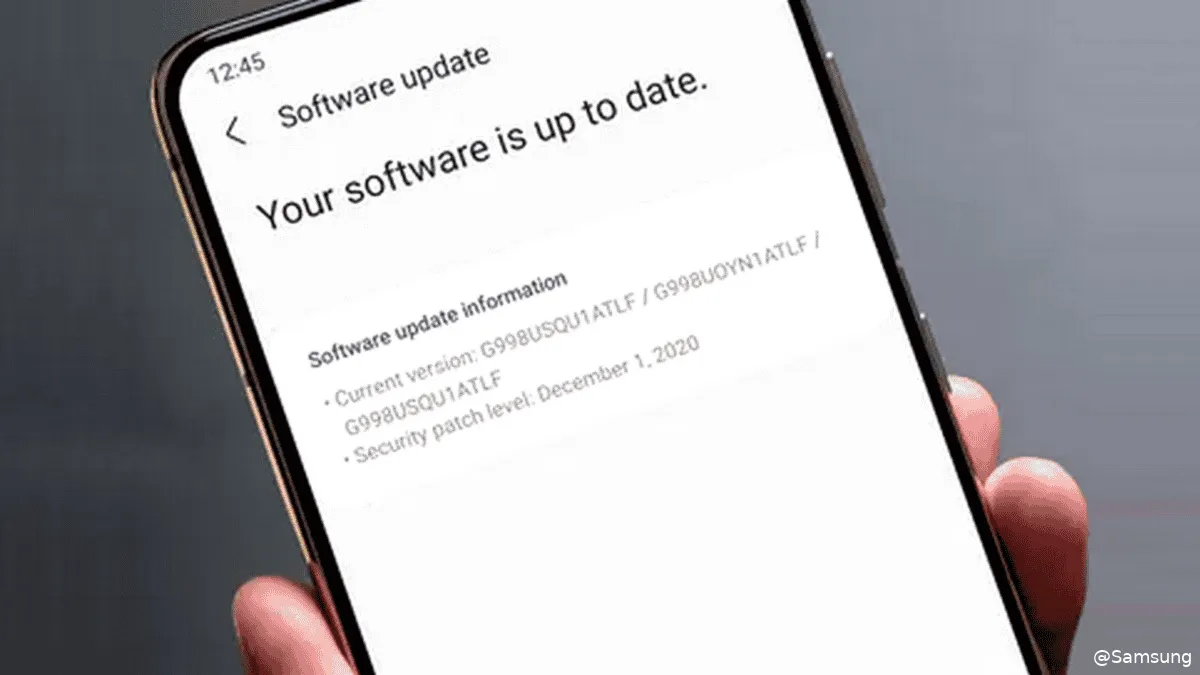
Samsung recently posted the most latest software schedules for Galaxy devices on its support page. Notably, some models now receive security upgrades every three months instead of every month. This includes the low-cost flagship Galaxy S21 FE, which will no longer receive monthly security fixes but rather three-monthly ones.
Android 16 via One UI 8 is still scheduled to be released for the Galaxy S21 FE in the upcoming weeks. It won’t receive Android 17 or One UI 9 next year because this will be its last significant update. Samsung might still release One UI 8.5, though, and it will probably be based on Android 16.1.
Final update rolls out to these Samsung Galaxy phones
The mid-range Galaxy A52s and low-cost Galaxy A03s have been taken off the support page as devices that are on the chopping block. June of this year saw the most recent security update for both. They won’t receive the September or October patches, based on their removal. The Galaxy F42 and M32 are also no longer on the list.
The Galaxy Tab A8, which was released in early 2022, might be the next in line. By the end of this year or January of the following year, it might get its last update.
These Samsung may be at risk
These devices will lose out on important security updates that guard against changing cyberthreats, even if they might still get software updates and small patches from the Google Play Store. Outdated devices are more susceptible to assaults that could jeopardize personal data or even result in financial loss if these patches are not installed.
The September security update, for example, fixed a number of vulnerabilities, including a number of high- and medium-severity problems. There have been reports of some of these being used in the wild.
Because risks are constantly changing, regular updates are crucial. Up-to-date software is just as important for staying safe as new hardware.
Upgrading to a newer gadget is the easiest solution for impacted consumers. Although it is feasible to keep using unsupported phones, users should be aware of the hazards. One strategy to lessen risk is to steer clear of banking and financial apps on mobile devices.
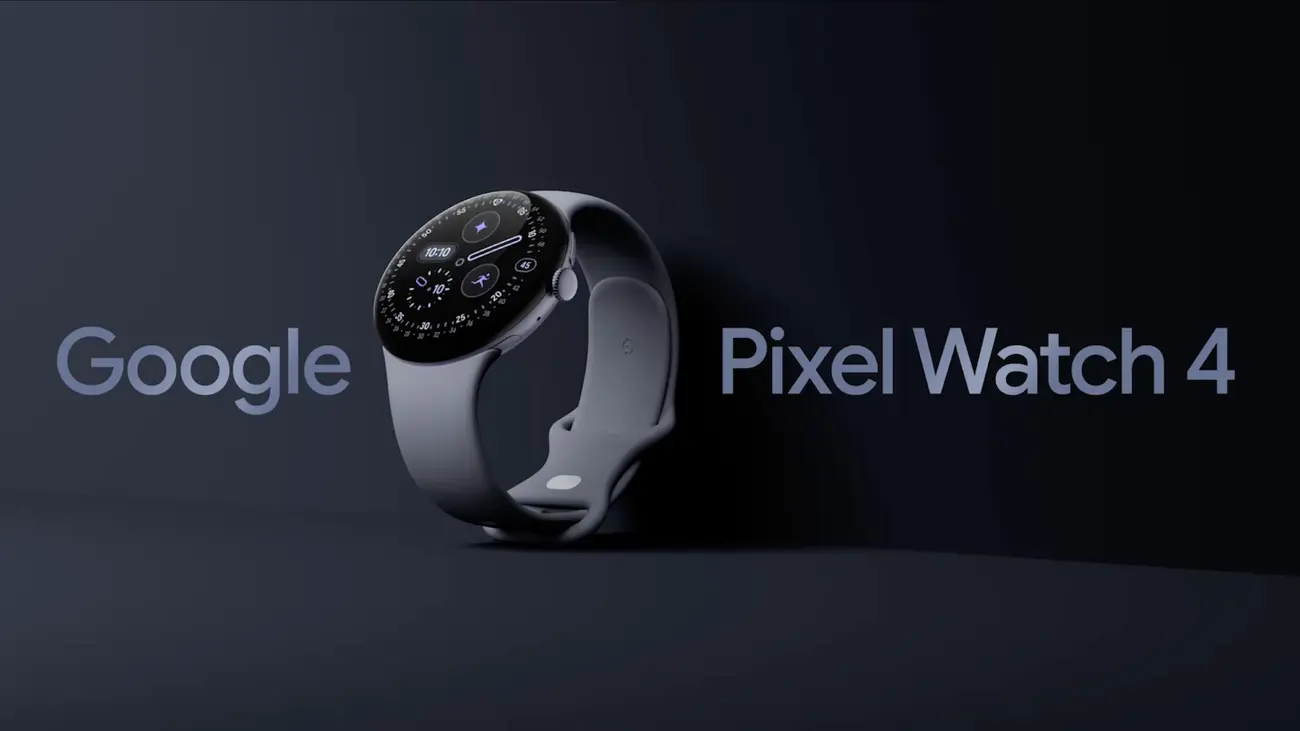
Since Google is on its fourth generation of the Pixel Watch, time flies, if you will, and smartwatches are an essential component of our everyday digital environment.
Even though Google has been producing wearable software for a long time, it took some time to enter the market, but the Pixel Watch soon became one of the top substitutes for the Apple Watch.
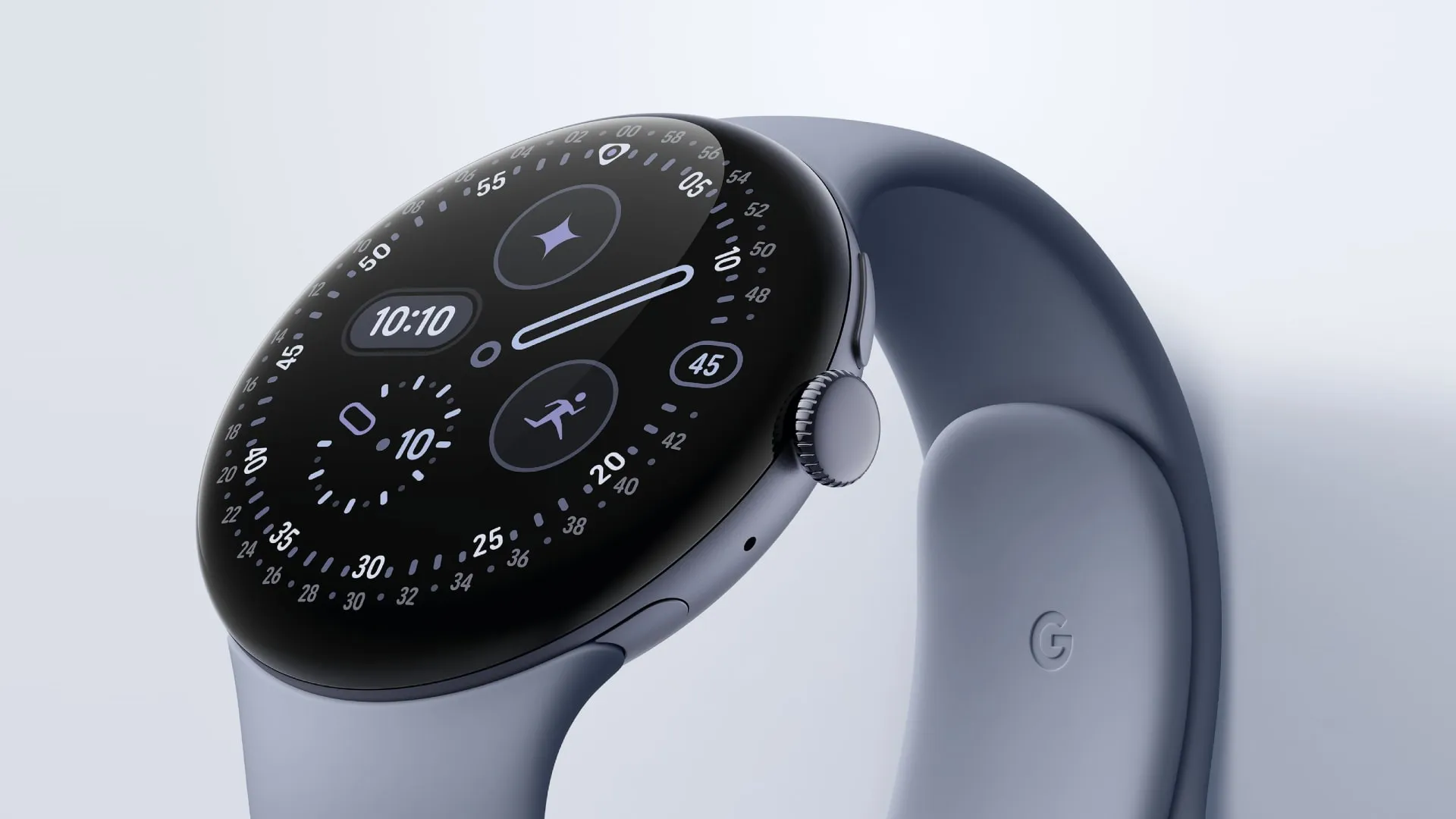
Although the Pixel Watch 4 and the previous model may look very similar, this is not a bad thing because Google has made a number of changes and improvements that are difficult to notice at first sight.
The Pixel Watch 4 may be the greatest Wear OS smartwatch of the year, as Samsung’s Galaxy Watch 8 series has been somewhat of a letdown. To discover out, I’ve been using it for almost three weeks.
Design
The Pixel Watch 4 bears a striking resemblance to the original, as well as to the Pixel Watch 3. We frequently demand design overhauls as tech reviewers, but in this instance, I don’t believe one is presently necessary.
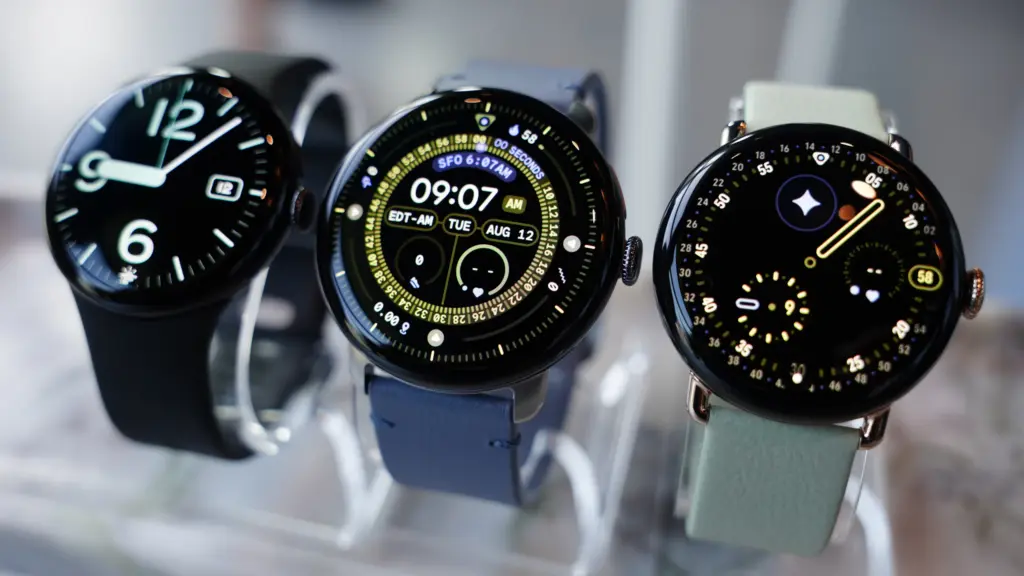
Google rectified a significant issue and released a bigger size last year. You can choose between 41- or 45mm models this year, and we are testing the larger one here in the new Moonstone design, which I think has a smart yet simple appearance that appeals to both genders.
If you choose the correct model, you might be able to match this color, along with some of the other colors, with the Pixel 10 phones. However, because Champagne Gold is only available in 41mm and Moonstone is only available in 45mm, it’s not that simple.
The Pixel Watch 4 is quite comfy to wear all the time. The aluminum body, which weighs only 37g for the larger version, and its sleek design are a match made in heaven.
You have the digital crown on the side to access your apps and scroll, as normal. There is also a button above it to view your recently used apps, however I never seem to utilize it.
Before we continue, there are two more design components to discuss, and the first one turns out to be better in person than anticipated.
In order to accommodate a new dock, Google has shifted the charging pin connectors to the side. These appeared to have been deliberately excluded from pictures of the watch. Many people, myself included, were concerned that they might appear rather unattractive as a result, but thankfully they don’t.
Since Google redesigned the device to be repairable, even though it still looks roughly the same, the other design element is unseen as such.
Fans have requested that, and now the Pixel Watch 4’s screen and battery may be swapped out if necessary. If you have an accident or want to replace the battery to prolong the device’s life, that’s fantastic news. You could even do it yourself.
The Pixel Watch 4 can now be fixed at home because it is fastened together with screws rather than glue. Even its IP68 water and dust resistance need be maintained.
It even received a 9 out of 10 for repairability from Ifixit, which referred to it as “the best repairable smartwatch on the market.”
Although you probably won’t need this feature anytime soon, it’s important to note that the Pixel Watch 4 has Gorilla Glass 5 rather than sapphire glass like some of its competitors.
As a result, it is less scratch-resistant, but it should withstand drops and impacts better. We haven’t experienced any issues with watches that have been in use for a year or longer, and the same glass has been used in watches from earlier generations.
Google Pixel Watch 4
he Google Pixel Watch 4 is a stunning display of precision craftsmanship, with Gemini, your built-in AI assistant, Google’s longest-lasting battery, and comprehensive tools for next-level health and fitness performance
You wouldn’t notice the Pixel Watch 4’s new screen beneath the glass front, showing how well it conceals its improvements. The Actua 360 AMOLED screen has a domed display and is referred to by Google as the “first-of-its-kind.”
It truly differs significantly from both its predecessors and others. You can see what’s available from the side thanks to its slight fish-eye vision, which is similar to what you get from glass beer pumps at bars.
It’s not so spectacular, but the experience is enjoyable and the “active area” is bigger than it was previously.
The resolution and dynamic refresh rate of 1–60 Hz are among the specifications that are essentially the same everywhere. At 3000 nits, the new peak brightness is comparable to several “Ultra” category smartwatches.
While I’ve been testing the Pixel Watch 4, the weather has been not that sunny, but on one particularly sunny day outside, I used it without any problems.
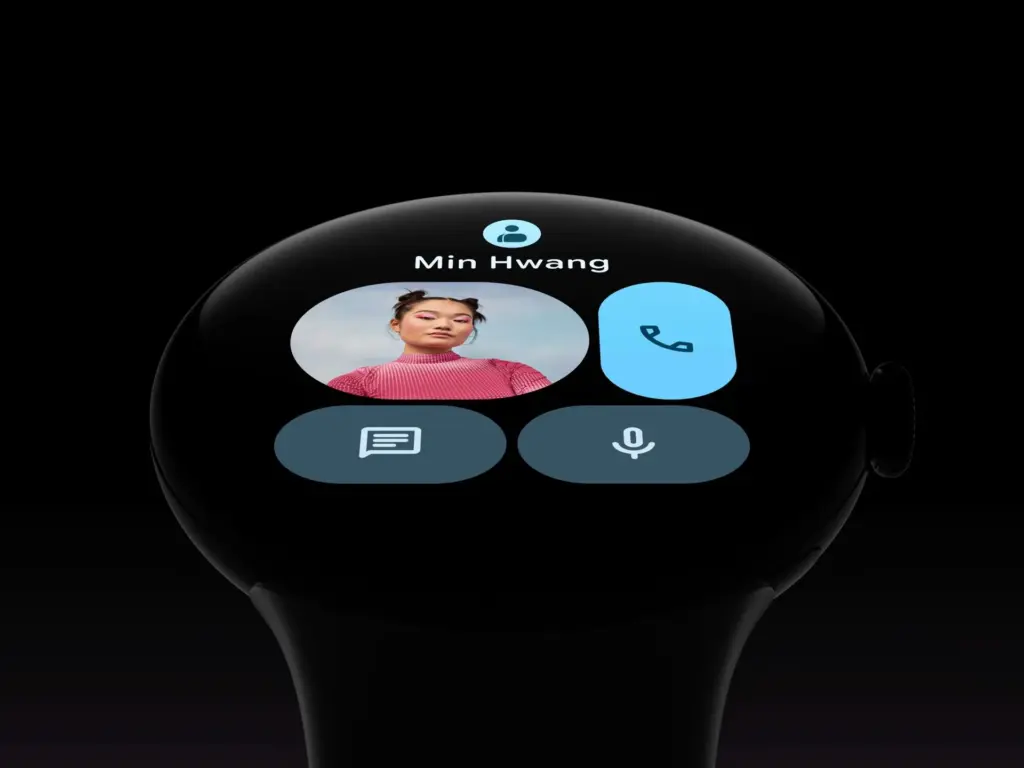
The Pixel Watch 4’s left-side speaker is respectable and more than capable of picking up Gemini’s responses. If you would like, you can also use it to make a phone call.
Google Pixel Watch 4
he Google Pixel Watch 4 is a stunning display of precision craftsmanship, with Gemini, your built-in AI assistant, Google’s longest-lasting battery, and comprehensive tools for next-level health and fitness performance
The Pixel Watch 4 features a the new operating system, WearOS 6 in addition to a new processor, Qualcomm’s Snapdragon W5 Gen 2.
Sometimes things don’t happen quickly. It may take a moment or two to load certain apps, like Spotify, and call out Gemini, but this usually happens on the first time. You’ll also need to exercise patience if you’re connecting to a Nest camera’s live stream.
Similar to Pixel phones, the Pixel Watch 4 features Google’s Material 3 Expressive design language and the most basic version of Wear OS 6 (Samsung, for instance, puts One UI 8 Watch over the top).
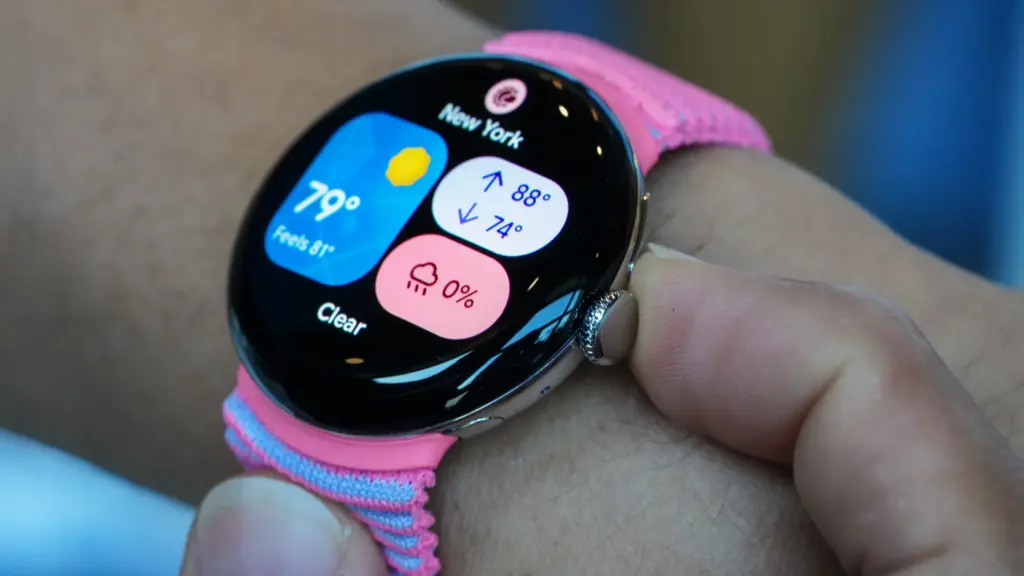
With optimized designs, animations, vibrant colors, and more, it performs incredibly well on the smartwatch. In my view, part of it appears too young on phones, yet it feels more modern. A dozen watch faces are pre-installed, but adding additional is simple.
Once more, the tiles on either side of the watch face – which are effectively widgets – provide instant access to features and information and may be tailored to your specific needs.
The experience is further improved by a new haptic feedback engine, which makes everything from scrolling to notifications clear and responsive.
On the Pixel Watch 4, Gemini takes the role of Google Assistant (the AI bot is being implemented on all devices). If you’d like, you can even configure it to wake up with a wake-to-wake command.
Although I’ve seen that I use the watch much more than my phone, it can be challenging to understand its limitations. Naturally, it can respond to requests, but this option is only a shortcut to my current heart rate, even though the welcome guide that came with it stated that it could “inform you about your heart rate.”
Additionally, there are AI capabilities like Smart Replies that try to provide tailored recommendations based on your writing style. When someone asks what coffee they would like, the Google Store example shows a selection of two coffees.
I’m lucky that this works with WhatsApp, which is where I send all of my messages, but it doesn’t seem to know me well. I was given three different ways to request a black coffee, which is the only type of coffee I don’t consume, in response to the coffee question. All it said in a group chat was “hahaha.”
It’s also important to note that Smart Replies only function on Pixel phones.
Some safety features include fall detection, loss of pulse detection, check-in, crash detection, and emergency SOS, but I haven’t required any of them. Please take note that satellite connectivity requires the LTE models.
Google Pixel Watch 4
he Google Pixel Watch 4 is a stunning display of precision craftsmanship, with Gemini, your built-in AI assistant, Google’s longest-lasting battery, and comprehensive tools for next-level health and fitness performance
It performs all the functions you would anticipate from a top smartwatch, but Google hasn’t improved the tracking sensors from the Pixel Watch 3.
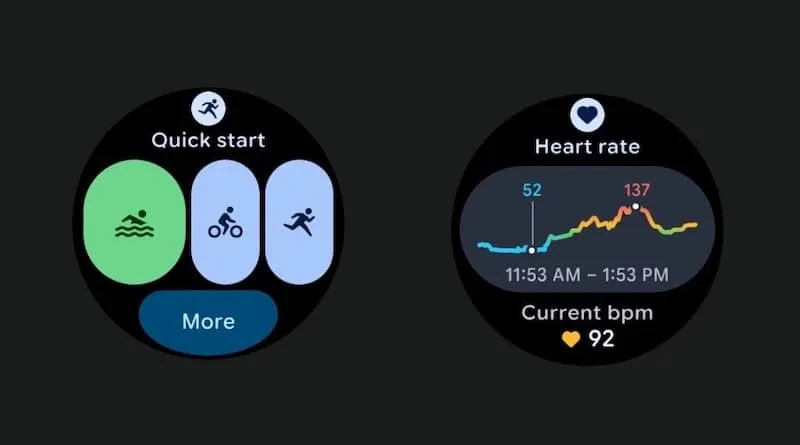
The default watch face displays the steps, calories, floors, and other metrics along the border of the larger 45mm screen. The Fitbit app, which is due to undergo a major revamp, also includes information on skin temperature, heart rate, blood oxygen levels, and other aspects of exercise.
Google Pixel Watch 4
he Google Pixel Watch 4 is a stunning display of precision craftsmanship, with Gemini, your built-in AI assistant, Google’s longest-lasting battery, and comprehensive tools for next-level health and fitness performance
You may explore many areas on the Pixel Watch 4 and the Fitbit app on your phone, which provides you with a comprehensive picture of your activities. Everything in my testing, including sleep tracking, which provides you with a score and a summary of your night, is correct.
To get “advanced insights, personalised recommendations, and energizing workouts,” you will need Fitbit Premium, which costs £7.99/$9.99 per month or £79.99/$79.99 per year. One of the best features of Fitbit Premium is the Readiness score, which considers all the data to determine how much you should take that day.
Fitbit Premium is available for free for six months with the Pixel Watch 4, so you can at least give it a try before determining if it’s worth the money. Morning Brief, which provides you with a summary of your calendar, sleep patterns, and weather, won’t require it.
Via Fitbit, Google does a great job of presenting all the information and helping you achieve your goals.
You may focus more on things like the Cardio Load metric and the Fitbit phone app, which offers a plethora of workout videos and a running coach (though I haven’t been able to try the AI personal health coach because it’s only available in the US), if you’re more of a fitness enthusiast than I am.
If fitness is a top priority for you, you can choose a Garmin or something similar, but for a more popular wristwatch, I think the Pixel Watch 4 performs admirably.
It can automatically track several of the 52 sports that are available for activity tracking. The selection is a little odd given that pickleball (whatever it is) is right there and boxing is AWOL, but other watches can do many more, frequently much over 100.
Dual-band GPS is now available for more precise tracking during walks, runs, and other activities. I discovered that it picked up a signal in a matter of seconds. It recorded my walks around the neighborhood with a good degree of precision, even though I don’t live in a dense forest where technology has a greater influence.
The bodily reactions feature (as well as equivalent features on competing watches) that tracks your emotional state hasn’t convinced me yet. This still looks basic, though, as it seems to identify an elevated heart rate—which might be caused by nearly anything.
Along with the ability to record your mood—whether it be joyful or anxious, for instance—you will receive a message. The few “feelings” I could choose from meant that I was rarely able to choose how I truly felt, and when I could recall what I was doing at the time, it was usually something routine like getting my kid ready to leave the house.
Google Pixel Watch 4
he Google Pixel Watch 4 is a stunning display of precision craftsmanship, with Gemini, your built-in AI assistant, Google’s longest-lasting battery, and comprehensive tools for next-level health and fitness performance
You can use the Pixel Watch 4 for up to 30 or 40 hours (41 and 45 mm, respectively) with the display always on thanks to Google’s ability to squeeze a little larger battery into both sizes.
With Battery Saver enabled, this lasts for 48 or 72 hours, although you should avoid using the watch in that mode unless absolutely necessary.
The purpose of your smartwatch will determine how long its battery lasts. We’ve been testing the 45mm model, and with less use, we can get two days and nights on a single charge, sometimes even more.
Regular charging is necessary for users who use GPS to track intense exercises every day, use the screen in direct sunlight, and use other battery-draining features.
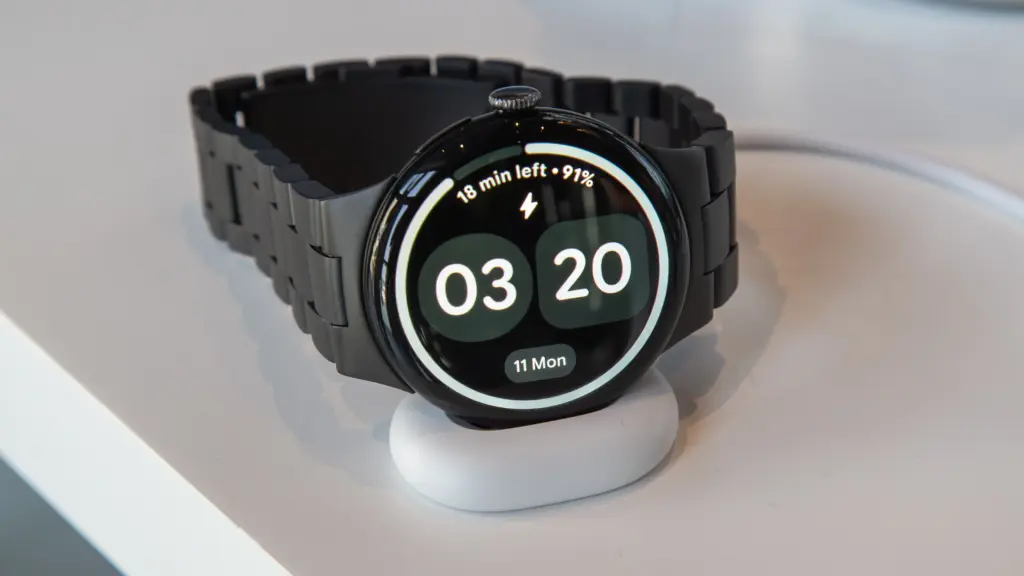
When you do, though, it’s incredibly quick, and Google’s new Quick Charge Dock is a lot more stylish option than the earlier chargers.
Although the dock is modest and might use some weight to maintain its flatness (cable management is crucial in this situation), I still greatly like it over the prior version or other competitors. The screen will indicate whether the other end of the cable is plugged in or whether the contacts are not perfectly aligned. It will also display the time and remaining battery life when charging.
Even for the 45mm with a larger battery, charging is remarkably fast (25% faster than the Pixel Watch 3); our testing even surpass Google’s claims in this regard. I watched it go from completely dead to 50% in 15 minutes and 89% in 30 minutes.
One important aspect of the Pixel Watch 4 is that the battery can be changed, as stated in the design section. You might even feel comfortable doing it at home. If you want the item to endure many more years before you need to upgrade, this could be essential.
Google Pixel Watch 4
he Google Pixel Watch 4 is a stunning display of precision craftsmanship, with Gemini, your built-in AI assistant, Google’s longest-lasting battery, and comprehensive tools for next-level health and fitness performance
The Pixel Watch 4 is priced at £349/$349.99, which is the same as its predecessor despite the numerous improvements.
Naturally, that will result in the WiFi/Bluetooth model’s smaller 41mm size; hence, it will cost more to add LTE connectivity or go with the larger 45mm.
Pixel Watch 4 (41mm Wi-Fi) – £349/$349/€399
Pixel Watch 4 (41mm LTE) – £449/$449/€499
Pixel Watch 4 (45mm Wi-Fi) – £399/$399/€449
Pixel Watch 4 (45mm LTE) – £499/$499/€549
In spite of Google, you can get it via US retailers like Amazon, Argos, Currys, Very, John Lewis, and Best Buy.
It’s fairly priced, falling between the Samsung Galaxy Watch 8 (£319/$349.99) and the Apple Watch Series 11 (£369/$399). To get the most out of Fitbit, you may need to purchase Fitbit Premium, as previously suggested.
Google Pixel Watch 4
he Google Pixel Watch 4 is a stunning display of precision craftsmanship, with Gemini, your built-in AI assistant, Google’s longest-lasting battery, and comprehensive tools for next-level health and fitness performance
With just a few minor problems, the Pixel Watch 4 is, in our opinion, the greatest Wear OS watch available.
Although you may disagree, it’s the most attractive watch, and Google did a fantastic job of making it repairable so you can change the screen or battery – possibly at home.
The interface looks and functions fantastic, the new Quick Charge Dock is a blessing, the domed screen is a treat, the performance is generally smooth, and there are many smartwatch, fitness, and health capabilities.
Gemini still needs more improvement, and Smart Replies are limited. In addition, the OnePlus Watch 3 offers a more durable smartwatch at a lower cost.
However, if you’re searching for a flagship smartwatch that does almost everything well, the Pixel Watch 4 is a great all-arounder and comes highly recommended.
All specs
Wear OS 6
41 or 45mm
Actua 360 display, AMOLED, 1-60Hz, 3000 nits peak
Snapdragon W5 Gen 2
2GB RAM
32GB storage
Heart rate monitor
SpO2
ECG
Skin temperature
Microphone
Speaker
Wi-Fi 6
Bluetooth 6.0
Satellite SOS (LTE models)
Ultra Wideband
Dual-band GPS
eSIM
NFC
325/455mAh battery
Quick Charge Dock
Gorilla Glass 5
IP68/5ATM
31/37g
Google Pixel Watch 4
he Google Pixel Watch 4 is a stunning display of precision craftsmanship, with Gemini, your built-in AI assistant, Google’s longest-lasting battery, and comprehensive tools for next-level health and fitness performance
A number of well-known devices will not be included in Xiaomi’s stated plans for the Android 16 update. Rather, the last significant software update for these models will be HyperOS 3, which is based on Android 15. With this choice, a sizable section of Xiaomi’s product lineup—including certain flagship and mid-range models—will no longer receive updates.
This strategy is in line with common Android industry standards, which call for limited device support. Xiaomi will focus on improving HyperOS for compatible devices in the future, guaranteeing continuous feature additions and system enhancements.
The Redmi series also includes several models that will not advance beyond Android 15:
Redmi Series:
Redmi 12
Redmi 12 5G
Redmi 13C
Redmi 13C 5G
Redmi 13R
Redmi K Series:
Redmi K50 Ultra
Redmi K60
Redmi Note 12 Series:
Redmi Note 12 4G
Redmi Note 12 NFC 4G
Redmi Note 12R
Redmi Note 12S
Redmi Note 12T Pro
Redmi Note 12 Turbo
Redmi Note 13 Series:
Redmi Note 13 4G
Redmi Note 13 4G NFC
Redmi Note 13 5G
Redmi Note 13R Pro
Xiaomi flagship phones reach the end of software updates
With HyperOS 3, a number of flagship devices are also expected to approach the end of their update cycle:
Xiaomi 12 Series:
Xiaomi 12
Xiaomi 12 Pro
Xiaomi 12S
Xiaomi 12S Pro
Xiaomi 12S Ultra
Xiaomi 12T Series:
Xiaomi 12T
Xiaomi 12T Pro
Other Flagship Models:
Xiaomi Civi 3
Xiaomi MIX FOLD 2
With inspiration from Apple’s “liquid glass” design language, HyperOS 3 is anticipated to bring new interface elements and provide a more sophisticated user experience. An improved control center editor with more customization possibilities will be included of the upgrade. According to Xiaomi’s timetable, HyperOS 3 will be released in September.
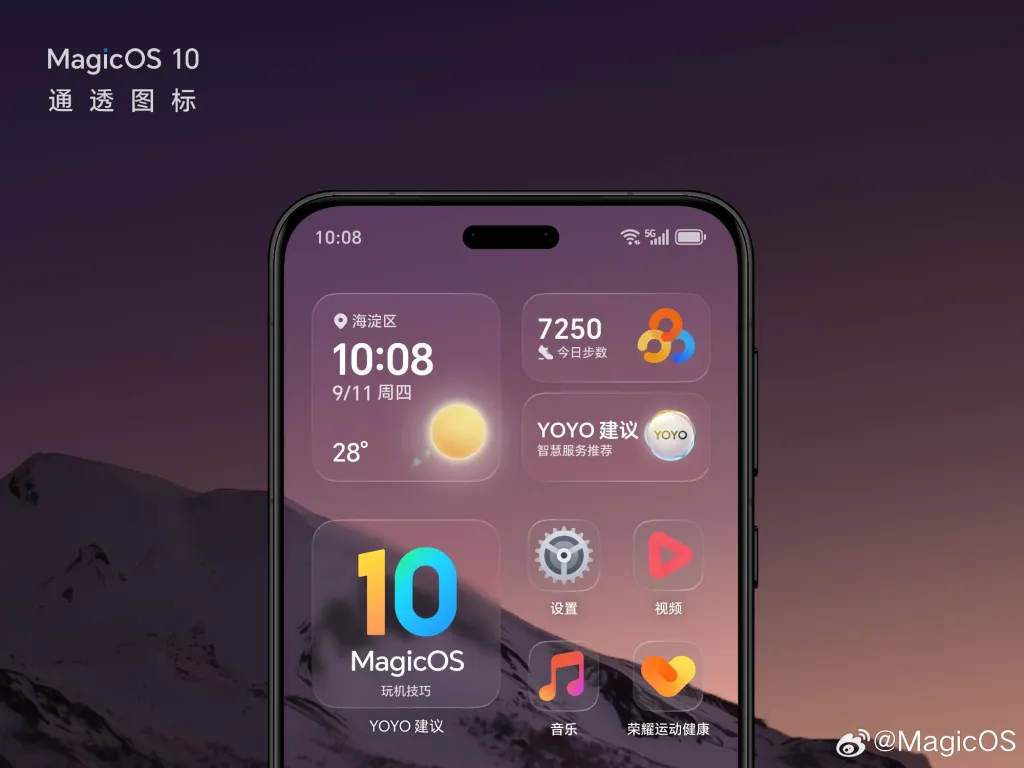
The MagicOS 10 upgrade plan has been released by Honor, and these are all the models that qualify for the new software rollout. The business has also disclosed the precise release dates for every model, from flagship phones to low-cost phones.
On October 15, MagicOS 10 made its debut alongside the Magic 8 series. The company discovered new AI capabilities and a number of intriguing features with the updated software version.
Honor also released the list of devices that qualify for the MagicOS 10 software update. The new version will be available this month for a few flagship devices, including the Magic V5 foldable, the Magic 7 series, and the digital 400 models.
Later, the new software version will be tested on other phones, such as the Magic V3 series, GT phones, and others. It is likely that the MagicOS 10 rollout will be completed by the first quarter of the next year.
You must participate in both public and closed beta testing in order to upgrade the official MagicOS 10 features. By registering for the Beta Program and downloading the build through Settings > System & Upgrades > Software Updates, you can install the testing versions.
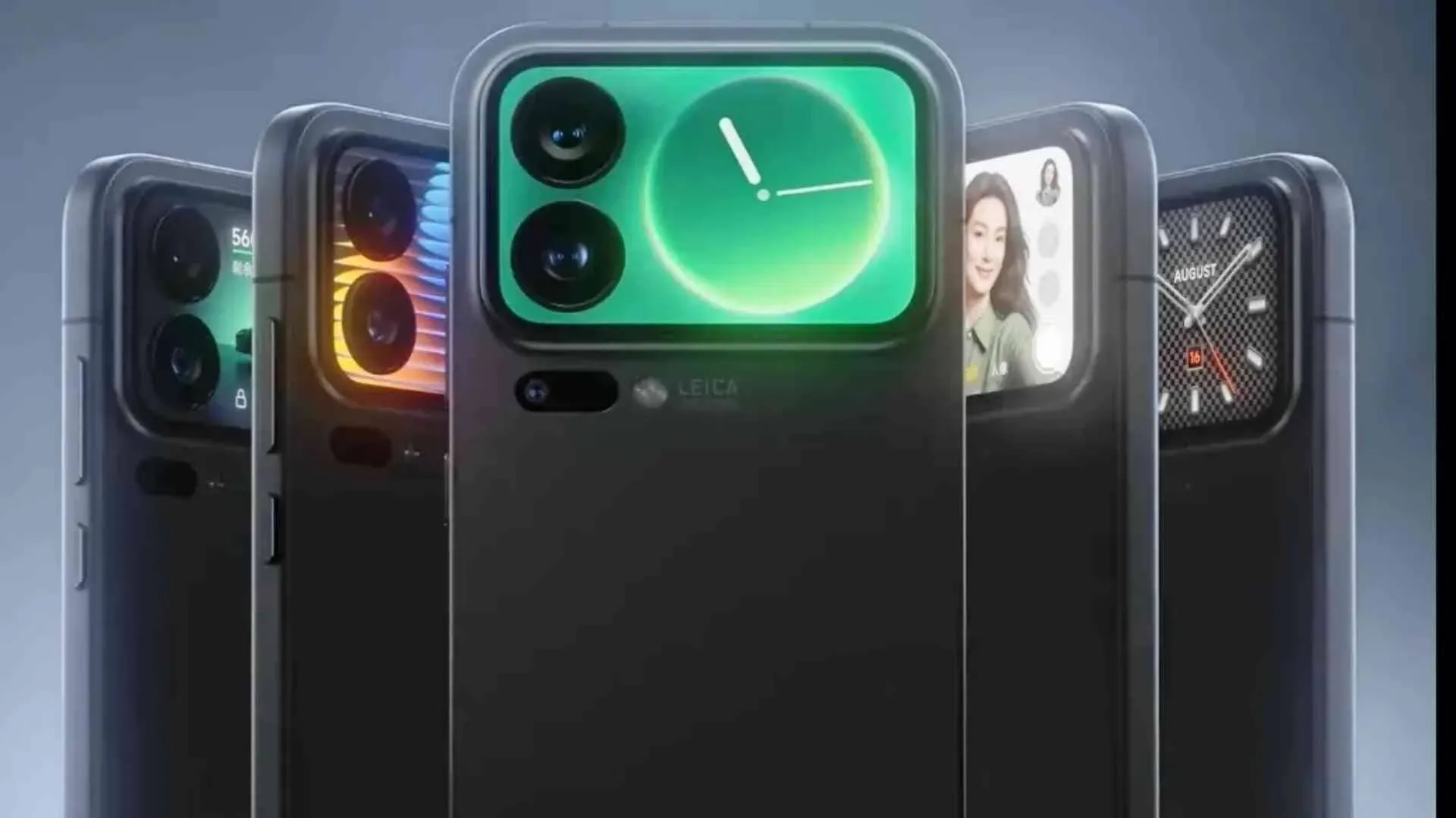
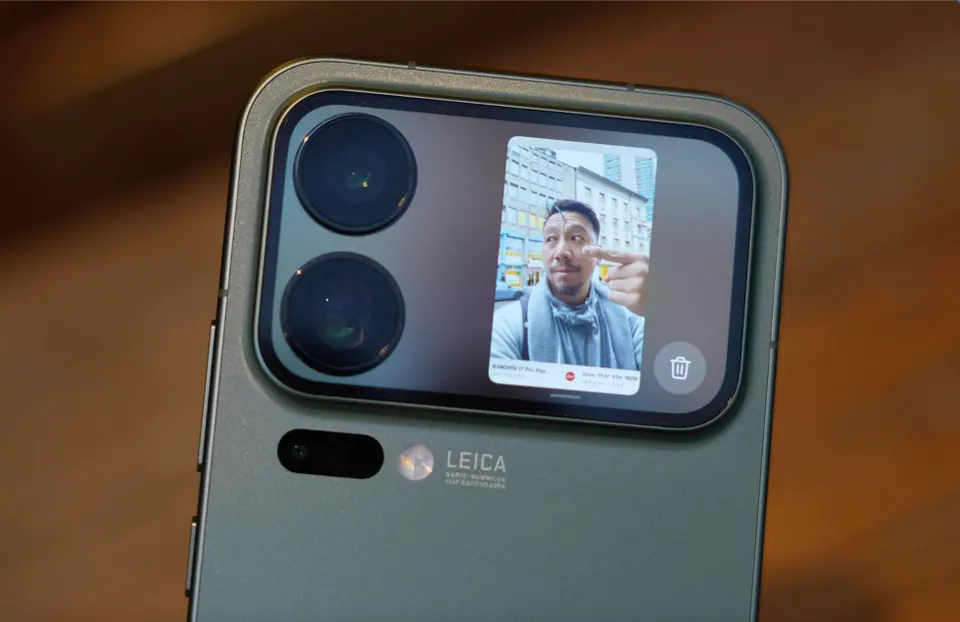
It’s difficult to release a genuinely unique smartphone in 2025, but Xiaomi succeeded. The Xiaomi 17 Pro and 17 Pro Max, which have extra screens on the back, were released by the firm, and it seems that this decision was successful.
Lu Weibing, the president of Xiaomi, stated during a livestream (source in Chinese) on Weibo that the business will keep using Dynamic Back Displays in its upcoming flagship devices. According to him, the business already has plans to boost its R&D expenditures in order to guarantee higher-quality displays for Xiaomi’s upcoming smartphones.
The choice was made in light of the Xiaomi 17 series’ success, which the company says was enormous and witnessed a 20% rise in sales over the previous year. The Xiaomi 17 Pro Max, which broke the first-day domestic sales record, is the biggest hit.
What is the secondary display used for?
The Xiaomi 17 Pro and Xiaomi 17 Pro Max, in contrast to Apple’s iPhone 17 and 17 Pro Max, make use of the so-called camera plateau and have secondary displays atop it. It is a 2.66-inch OLED screen with a resolution of 904 x 572 pixels, a refresh rate of up to 120 Hz, and a brightness of up to 3,500 nits. It has a selfie viewfinder, a few widgets, customizable wallpapers, and other features like the cover screen of contemporary flip phones.
It wouldn’t be shocking to see a larger screen with more features on what might be the Xiaomi 18 series, especially in light of Xiaomi’s most recent announcement. According to Lu Weibing, the business is updating the displays from the current generation. One of them ought to equip the gadget with a real-time translating function.
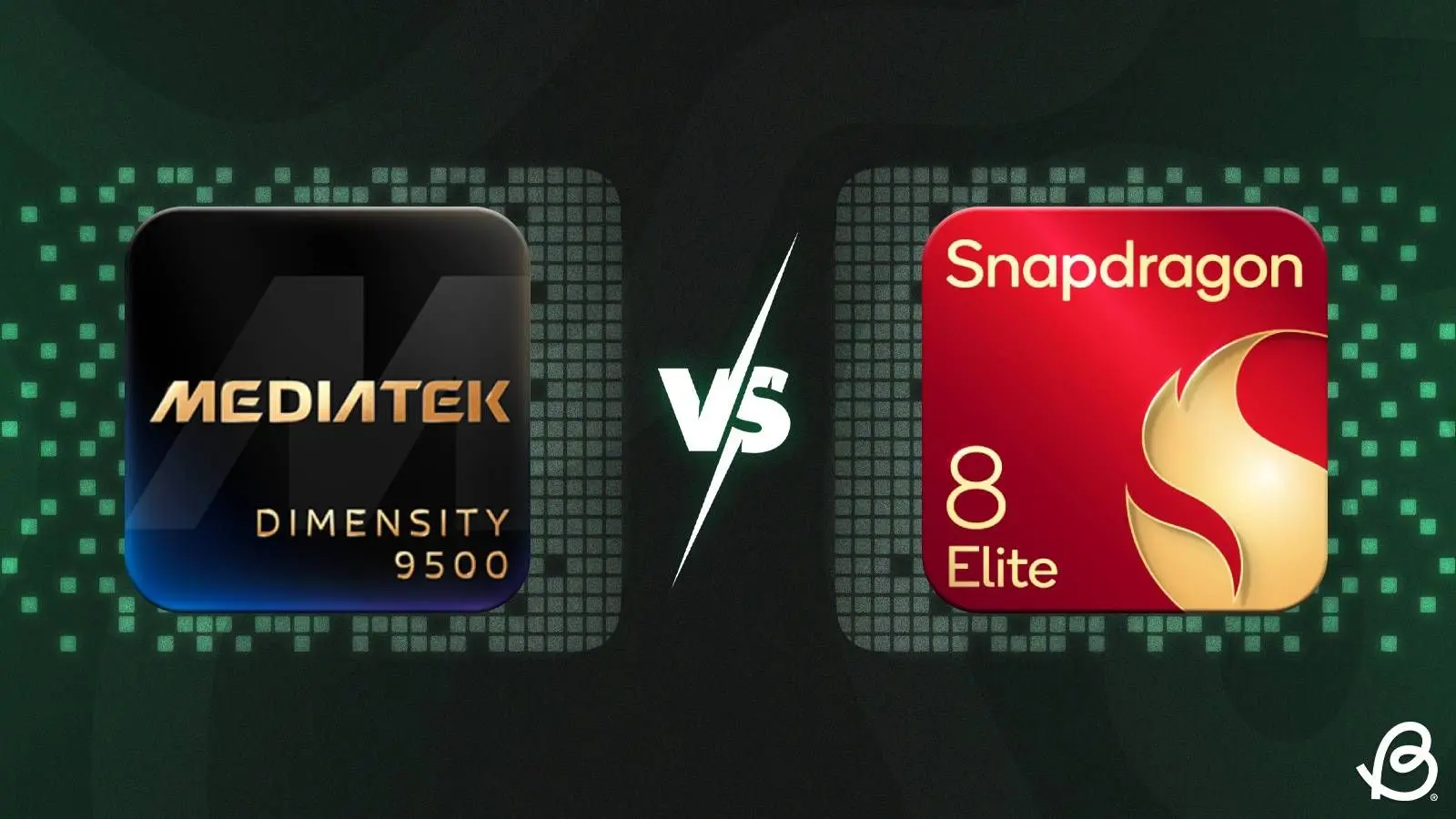
Similar to its predecessors, the MediaTek Dimensity 9500 maintains its competitiveness and occasionally even surpasses Qualcomm’s Snapdragon 8 Elite Gen 5. At least if the Xiaomi 17 Pro Max and Vivo X300 Pro’s recent benchmarks are any indication.
Earlier this week, Vivo introduced the Vivo X300 series, the company’s first phones to use MediaTek‘s top Dimensity 9500 processor. Early benchmarks of the SoC on MediaTek’s test device revealed a modest inferiority to Qualcomm’s, but more recent ones suggest the situation is more nuanced.
Vivo X300 Pro vs Xiaomi 17 Pro Max AnTuTu benchmark
The Vivo X300 Pro and the Snapdragon 8 Elite Gen 5-powered Xiaomi 17 Pro Max have now been tested side by side under nearly comparable settings, and their AnTuTu benchmark results have appeared online. Unexpectedly, the Vivo gadget outperforms the Xiaomi, scoring 3,956,885 overall compared to 3,731,077 for the Xiaomi. In actuality, the latter score is higher than what that phone achieves on the current AnTuTu list.
Though not significantly, the Vivo X300 Pro also performed better on the CPU, GPU, and memory tests. Additionally, even though the Vivo’s battery is much smaller, both phones’ battery life decreased by 5%. But the Xiaomi 17 Pro Max remained colder.
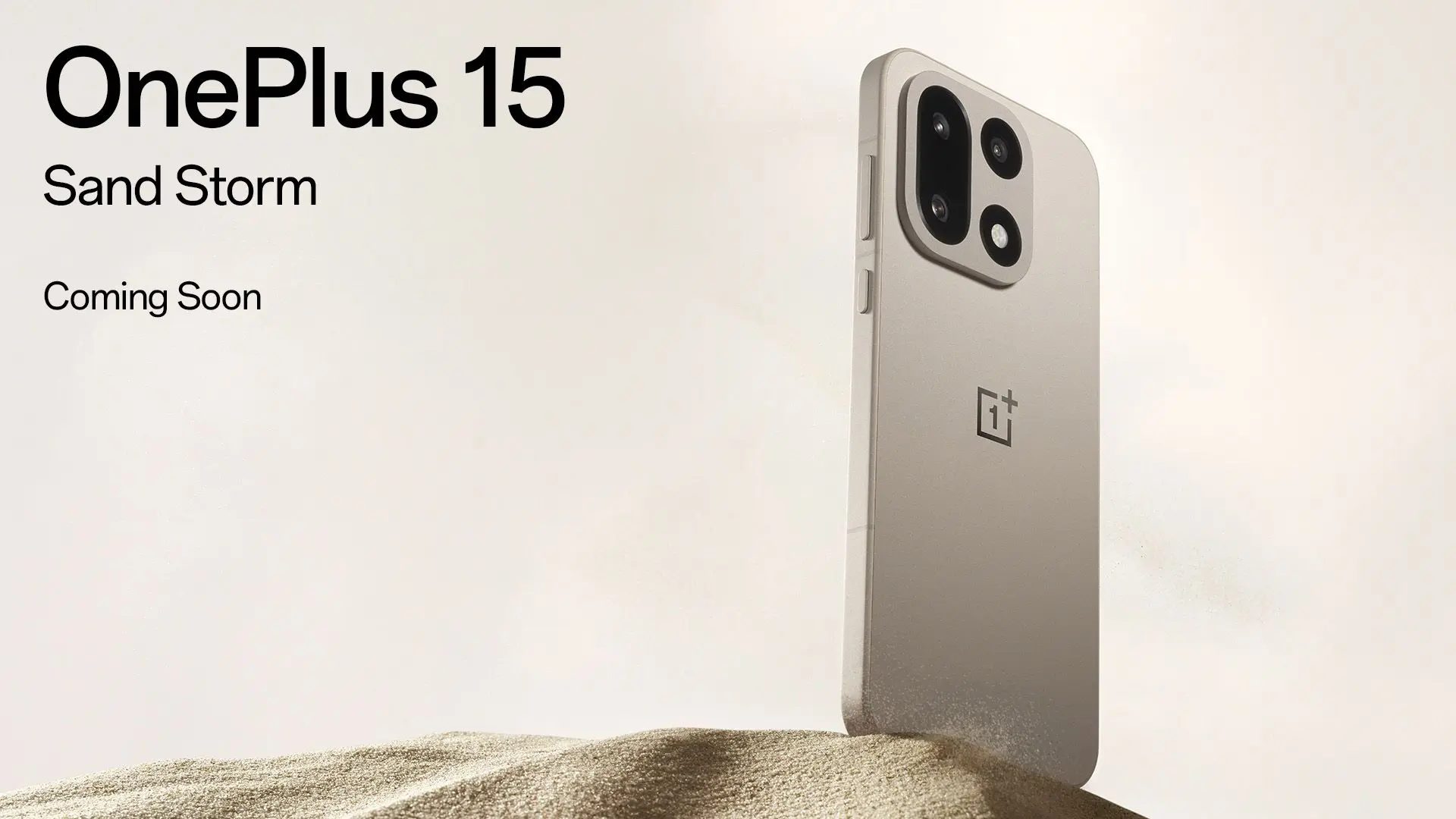
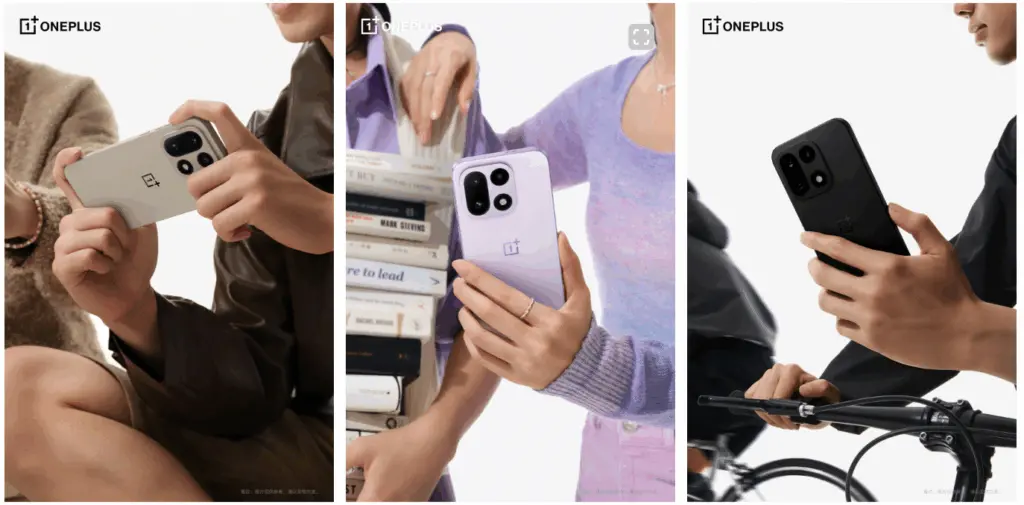
The OnePlus 15 will be released later this month, according to OnePlus, with a Chinese release date coming before the worldwide launch. In addition, the device’s three new hues are being shown.
According to OnePlus’ Weibo tweets, the OnePlus 15 will debut in China on October 27. The OnePlus Ace 6, which looks to be a more affordable “flagship” in the same ballpark as the OnePlus 13R, will make its debut with the gadget. In contrast, the OnePlus 15 would be a “Ultra Performance” gadget with a 165 Hz screen.
The Chinese launch of the OnePlus 15 precedes the anticipated early worldwide release date based on the current plan.
Additionally, OnePlus has unveiled the three new color options for the OnePlus 15, with “Misty Purple” being the most notable. According to the Chinese post‘s translation, the other two are “Original Sand Dune” and “Absolute Black.”