Author: Robert Haba

  • How does Samsung Knox Vault works

    How does Samsung Knox Vault works

    Almost all Samsung Galaxy smartphones come with Samsung Knox pre-installed, and it serves as a security solution for device owners to make sure that both their smartphones and their data are protected. It goes beyond what TrustZone, a Trusted Execution Environment (TEE) that Samsung uses on its smartphones, previously provided by combining hardware-backed security with software. On more recent Samsung flagship smartphones, Knox Vault is an option that runs completely independently of the main processor.

    Like TrustZone, Knox Vault safeguards your biometrics, cryptographic keys, and passwords. The distinction is that Android asks a TrustZone applet to validate the fingerprint or password on your behalf when you unlock your phone, even though TrustZone runs in parallel with Android on the same core application processor. Your biometric data and passwords cannot be stolen, even if your Android installation has been compromised. Knox Vault goes a step farther and serves as a beefed-up substitute for TrustZone.

    knox social X3lp

    TrustZone vs Knox Vault, difference?

    On the SoC, a TEE is a secure area that manages sensitive data. Any modern smartphone has TEE because it is required for devices launched with Android 8 Oreo and higher. Anything outside of the TEE is regarded as “untrusted” and is limited to viewing encrypted content. For instance, content that is DRM-protected is encrypted using keys that are only accessible by software operating on the TEE. The content can be decrypted by the TEE and then shown to the user, while the main CPU can only see a stream of the encrypted content. Another TEE is Knox Vault.

    In the case of Knox Vault, Samsung says that it “extends” upon the protection offered by TrustZone. Knox Vault is a replacement for TrustZone according to Samsung, and the company describes the difference in the following way in a blog post:

    The way I think of it, TrustZone was a great safe in the middle of your bank’s branch office. There are a lot of people you don’t necessarily trust walking by the safe, doing day-to-day work that doesn’t require physical access to the safe. The secure processor in Samsung Knox Vault is more like Fort Knox: a safe securely placed far away from the bank, isolated from whoever walks into the branch.

    How Samsung’s Knox Vault works
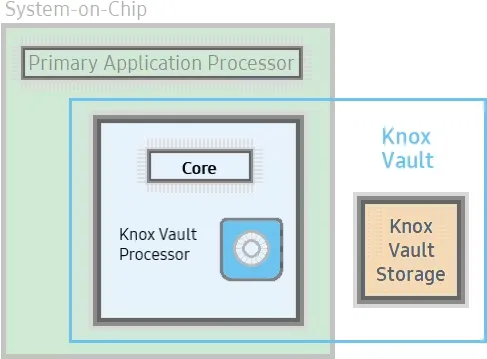
    knox vault

    Knox Vault extends the security that TrustZone already offers, and Samsung phones from the Galaxy S21 and above have it. Knox Vault can:

    • Store sensitive data such as hardware-backed Android Keystore keys, the Samsung Attestation Key (SAK), biometric data, and blockchain credentials.
    • Run security-critical code that authenticates users with increasing timeouts between failures and controls access to keys depending on authentication.

    Knox Vault isn’t just a software isolation, it’s a physical isolation from the chipset on your smartphone. It’s an independent processor on the SoC with storage physically separate from the rest of the SoC. Because of this physical isolation, Knox Vault is even protected from side-channel attacks that target other software running on the primary processor.

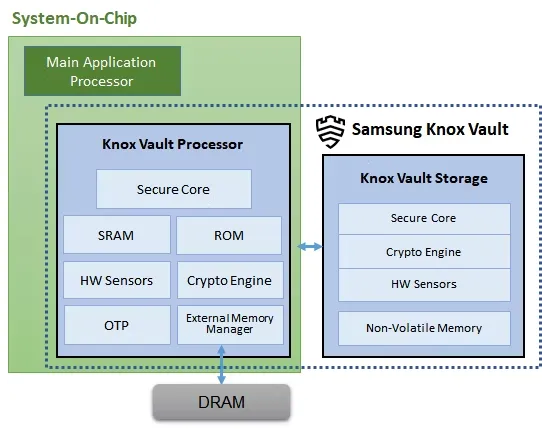
    Knox Vault’s architecture
    knox vault architecture

    Knox Vault is made up of the following:

    • Knox Vault Subsystem: implemented as part of the SoC
    • Knox Vault Storage: an integrated circuit physically outside the SoC

    How Knox Vault protects itself from attacks

    If someone has physical access to your device, you should act and prepare as if it’s only a matter of time before they gain access to the protected data stored on it. Samsung says that with Knox Vault, that may not necessarily be the case. It’s resistant to hardware attacks such as the following:

    • Physical probing to disclose data
    • Physical manipulation of the circuitry to deactivate security mechanisms
    • Forced information leakage
    • Hardware side-channel attacks such as differential power analysis to disclose data
    • Fault injection to bypass security mechanisms.

    As well, the Knox Vault Processor communicates with Knox Vault Storage via a dedicated I2C (Inter-Integrated Circuit) bus. Traffic on this bus is encrypted and transmitted with an authentication code to prevent eavesdropping on communications, and those communications are also protected against replay attacks.

    Knox Vault Subsystem

    It is intended for the Knox Vault Subsystem to function independently of other SoC components. The Knox Vault Processor, SRAM, and ROM make up its own safe processing environment. Additionally, it offers improved security and data protection from a variety of hardware-based threats by monitoring the environment and hardware state using a number of security sensors or detectors, such as:

    • High and low temperature detectors
    • High and low supply voltage detectors
    • Supply voltage glitch detector
    • Laser detector

    When the Knox Vault Processor starts, the ROM code is loaded into SRAM. While the ROM code loads the Knox Vault Processor firmware, with the help of the modules running on the SoC’s main processor. The software stack of the Knox Vault Processor has its own secure boot chain.

    The Knox Vault Subsystem also includes a dedicated random number generator and its own Crypto Engine. The Knox Vault Processor can access system DRAM through the External Memory Manager. This monitoring cannot be affected or bypassed by any application on the Knox Vault Processor, and physical intrusion will initiate a device lockdown sequence.

    The crypto engine provides the following cryptographic functions:

    • AES encryption/decryption
    • DRBG random number generation
    • SHA hashing
    • HMAC keyed-hashing for message authentication code
    • RSA and ECC key generation and services

    Knox Vault Storage

    The Knox Vault Storage is a dedicated non-volatile memory device that stores sensitive data such as the following:

    • Cryptographic keys such as Blockchain keys and Device keys
    • Biometric data
    • Hashed authentication credentials

    Just like the Knox Vault Processor, the storage is also safeguarded against physical and side-channel attacks. It has a secure core to do the following:

    • Execute the ROM code
    • Provide cryptographic operations for public key algorithms (RSA, ECC) and SHA algorithm with software libraries
    • Safely store data in dedicated SRAM and ROM

    Samsung phones that support Knox Vault
    knox security platform

    Certain Samsung Galaxy tablets and smartphones, including the Samsung Galaxy S21 and later models in both the S series and the Fold series, feature Knox vault. Particularly for users who may rely on their smartphones for sensitive data storage or other enterprise usage, the level of security offered is intended to give you entire trust in your smartphone’s ability to house personal data.
  • No CPU throttling for Galaxy S23 – improved cooling system

    No CPU throttling for Galaxy S23 – improved cooling system

    You may or may not remember Samsung tipster Ice Universe pointing out that the low Geekbench results for the Galaxy S23 line suggested that the overclocked Snapdragon 8 Gen 2 chip powering the Galaxy S23 devices was not functioning properly. A benchmark test called Geekbench is used to evaluate and compare the central processing unit CPU of chipsets used in smartphones (it works with processors on other types of devices, but we are focused on handsets for this story).

    The Galaxy S23‘s single-core Geekbench score was comparable to other smartphones powered by the same SoC, as we noted approximately a week and a half ago. However, the multi-core scores fell short of expectations, which is strange given that the overclocked Snapdragon 8 Gen 2’s X-3 high-performance core should result in higher Geekbench scores than other models using the chip’s stock configuration.

    galaxy s23 snapdragon

    Previous Geekbench tests hinted that Samsung was throttling the CPU of the Snapdragon 8 Gen 2 for the S23 line

    And since none of the multi-core Geekbench tests for the Galaxy S23 line topped a score of 5,000 (something that other phones running the latest Snapdragon application processor (AP) did, it led to concerns that Samsung must be throttling the processor on the Galaxy S23 series which is something that would be done if the chipset was overheating.

    galaxy s23 geekbench

    Let’s explore the Snapdragon 8 Gen 2 chipset that powers the Galaxy S23 range in more detail. There are two variations; the Motorola X40 and OnePlus 11 will use the 4nm process node and the X-3 high-performance core, which has a 3.2 GHz clock speed. Samsung Foundry will produce the version for the Galaxy S23 range utilizing its 4nm production node and an X-3 high-performance processor clocked at 3.32GHz.

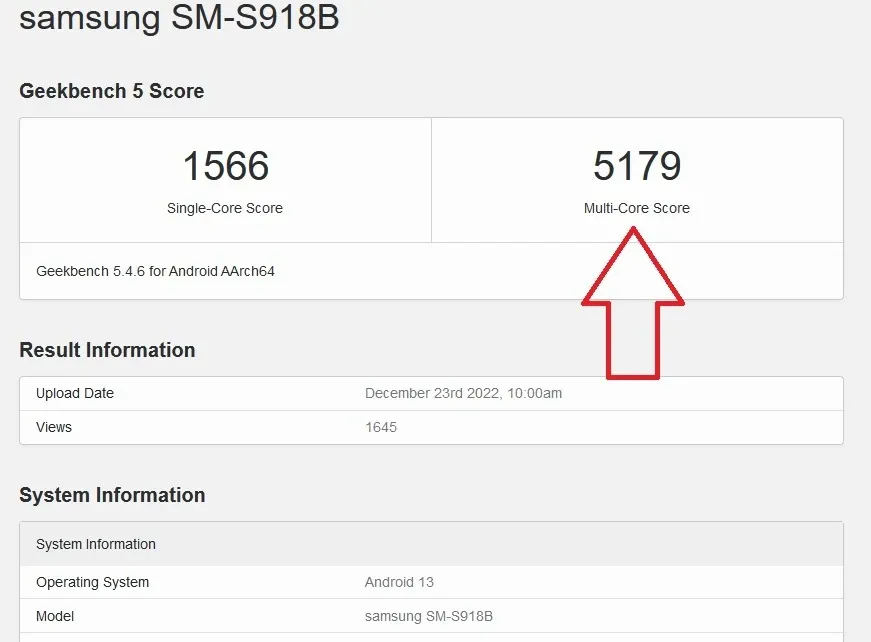
    However, a recent Geekbench test on the Galaxy S23 Ultra resulted in a multi-core score of 5,179, finally crossing the 5,000 threshold, according to Android Headlines. This suggests that any thermal issues that would have compelled Samsung to reduce the processor’s speed may have been resolved.

    The cooling system on the Galaxy S23 model will reportedly be enhanced and 1.6 times more effective than the cooling system on the Galaxy S22, according to a Twitter tipper by the name of Ahmed Qwaider (@AhmedQwaider888). The cooling system on the Galaxy S23+ will be 2.8 times more effective than the one on the Galaxy S22+, while the cooling system on the Galaxy S23 Ultra will be 2.3 times more effective than the one on the Galaxy S22 Ultra.

    The new chipset and cooling systems should keep the Galaxy S23 line from overheating

    The upgraded cooling systems will be able to prevent the Galaxy S23 series from overheating during periods of high usage without the need to throttle the processor, which is the bottom line. Furthermore, if your flagship phones’ overclocked Snapdragon 8 Gen 2 chipsets are going to be throttled in any case, what would be the point?

    The tipper notes that the Galaxy S23 models’ battery life would increase and less heat will be produced as a result of the upgraded Snapdragon 8 Gen 2 SoC and better cooling system. Additionally, he claims that the performance of the Neural Processing Unity (NPU) would increase by 60% due to the enhanced usage of artificial intelligence (AI) features, and that the performance of the CPU will increase by 36% compared to the Snapdragon 8 Gen 1 chip used in the Galaxy S22 series.

    The Samsung Galaxy S23 series is rumored to be pre-installed with the One UI 5.1 interface which includes newer Android 13 features that were released by Google with the Android 13 Quarterly Platform Release 1 that was dropped early last month. The One UI interface is designed to make it easier for users to reach on-screen elements that are usually placed out of reach of users sporting a large-screened phone. This is done by keeping most of the elements near the bottom of the display.

  • Xiaomi 13 Pro vs  iPhone 14 Pro Max –  Snapdragon 8 Gen 2 wins real-world gaming testing

    Xiaomi 13 Pro vs iPhone 14 Pro Max – Snapdragon 8 Gen 2 wins real-world gaming testing

    After making its debut in November, the new Snapdragon 8 Gen 2 is now slowly making its way into the market. The new Xiaomi 13 series is powered by the company’s flagship processor, and the Xiaomi 13 Pro has just been put to the test in a competitive gaming environment.

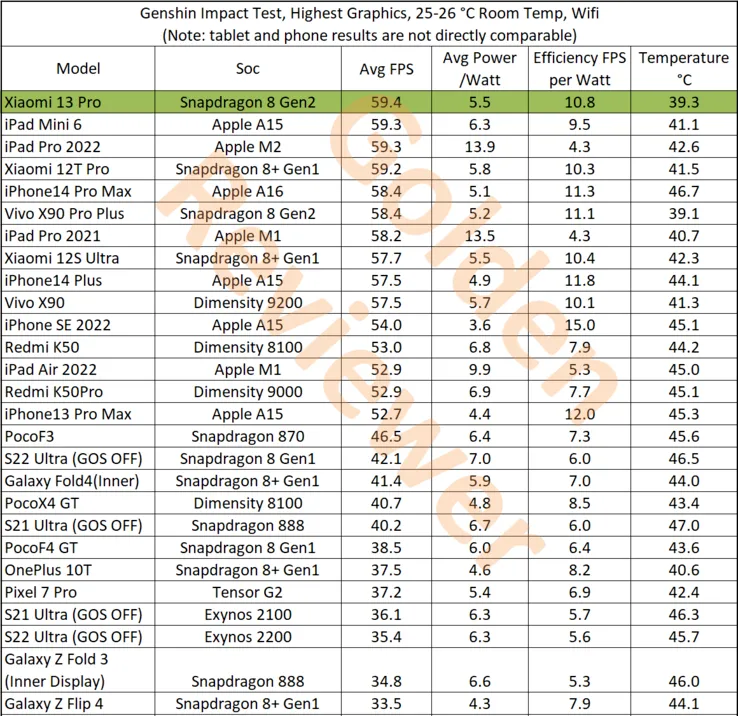
    This test, conducted by Golden Reviewer on the well-known game Genshin Impact, demonstrates the Snapdragon 8 Gen 2 in the Xiaomi 13 Pro’s performance, which easily exceeds all competitors. The Xiaomi 13 Pro has the highest tested raw performance, averaging 59.4 frames per second (FPS). Comparatively, the Dimensity 9200 on the Vivo X90 achieves 57.5 FPS while the iPhone 14 Pro Max and its A16 Bionic accomplish 58.4 FPS.

    With higher efficiency scores and lower power consumption than the Dimensity 9200, the Xiaomi 13 Pro and Snapdragon 8 Gen 2 also outperform it in terms of efficiency. However, the iPhone 14 Pro Max does have a slight edge in some areas. Most impressively, though, is that the Xiaomi 13 Pro achieves these performance benchmarks while remaining cooler than every other tested tablet. It only reaches a maximum temperature of 39.3°C. In contrast, the iPhone 14 Pro Max achieves a maximum temperature of 46.7°C, while a tablet like the iPad Pro 2022 only hits 42.6°C.

    Snapdragon

    Source: Golden Reviewer

  • What role Cybersecurity plays in electronic devices

    What role Cybersecurity plays in electronic devices

    It is widely known that the security of networks, devices, and information from cyberthreats is referred to as cybersecurity. This involves safeguarding against criminals, hackers, and other harmful agents who may attempt to acquire unauthorized exposure to networks or seize sensitive data. 

    Measures to defend against inadvertent data loss or destruction due to human mistake, hardware or software malfunction, or natural catastrophes are also included in cyber security. If you are someone interested in being a part of Cyber Security, then we strongly recommend you to enroll in Cyber Security Course!

    In this blog we will be discussing cyber security and what role does it play in electronic devices:

    Why do we use Cyber Security?

    Cybersecurity is absolutely crucial because it protects people, organizations, and government from destructive assaults and data breaches. Cyber security protects against worms, spyware, and other dangerous software while also simultaneously preventing data access. Forgery, extortion, and other internet frauds are also protected by cyber security. It also helps to secure data integrity and confidentiality, as well as defend against data breaches.

    Today’s cyber security sector is largely concerned with defending devices and systems from attackers. While the bits and bytes driving these efforts might be difficult to visualize, the implications are much easier to consider. Many websites would be practically impossible to enjoy if cyber security specialists did not work ceaselessly to prevent denial-of-service attacks. 

    Without strong cyber security measures, it would be relatively easy to destroy modern-day necessities such as electricity systems and water treatment plants that keep the globe operating smoothly.

    Cybersecurity

    Who is a Cyber Security Professional?

    A Cyber Security Professional is someone who is in charge of securing computer systems, networks, and records against hostile assaults or illegitimate access. They are in charge of developing, executing, and administering safety procedures to safeguard an organization’s computer networks, systems, and data against cyber attacks. They often develop security rules, monitor networks for suspicious behavior, investigate security breaches, and provide technological solutions to improve security.

    What Role Cybersecurity Plays in Electronic Devices

    Cybersecurity is an important feature of electronic equipment because it protects them from malicious assaults and manipulation. Cybersecurity may be used to stop online criminals from gaining access to sensitive data like passwords, credit card numbers, and personal details. It also assists in safeguarding against viruses and other undesirable apps that might impair a device’s functionality. Cybersecurity solutions such as encryption, two-factor authentication, and firewalls can help safeguard devices from hostile attackers. Additionally, people should be conscious of the dangers of utilizing electronic devices and exercise good cyber hygiene by using secure passwords and updating their software.

    Cyberspace does not exist in isolation. The actual hardware of semiconductor chips, which are present in all contemporary electronics, computers, communications networks, and other essential infrastructure, is used to construct all cyber systems. Since these processors are getting faster, more affordable, and more potent, autonomous systems, the internet of things (IoT), and artificial intelligence have emerged as important future technologies.

    Absolute faith in hardware is no longer an option as the globe grows more dependent on cutting-edge technologies for national security and economic success. In the end, the basis for digital trust is hardware. The cybersecurity of a system can be fatally undermined by a compromised physical component, which can also compromise all other levels. As a result, hardware security focuses on safeguarding systems against vulnerabilities at the physical layer.

    Computers are more than just laptops and desktop computers. Many electronic gadgets, from mobile phones and tablets to video games and auto navigation systems, are computers. While computers provide more capabilities and capability, they also pose new dangers. Attackers may be able to target previously “safe” gadgets because of technical improvements. An attacker, for example, may infect your phone with a virus, take your phone or cellular service, or access the data on your device. These activities not only have repercussions for your personal information, but they may also have major effects if you store company data on the device.

    So, What kinds of gadgets are at risk?

    Any electrical device that contains a computerized component is prone to software flaws and vulnerabilities. If the gadget is linked to a network or the internet, which an attacker might be able to access, the hazards rise. Keep in mind that a wireless connection adds these hazards as well. An attacker can use the outside connection to send information to or take information from your device.

    But, you can always take some precautions to prevent it all and ultimately protect yourself:

    • Keep physical security in mind

    Physical access to a device facilitates an attacker’s extraction or corruption of data. In public or easily accessible places, never leave your device alone.

    • Maintain software updates

    If the manufacturer provides software updates for your device, install them as soon as possible. Installing these will prevent attackers from exploiting known flaws or vulnerabilities.

    • Make use of strong passwords

    Choose gadgets that allow you to password-protect your data. Choose passwords that are difficult to guess for criminals, and use separate passwords for different applications and devices.

    • Turn off remote connection

    Some mobile devices have wireless technologies, such as Bluetooth, that allow them to communicate with other devices or computers. When not in use, you should disable these functionalities.

    • Encrypt your files

    Check to determine if your device allows you to encrypt files containing personal or business information. Encrypting files ensures that unauthorized individuals cannot examine data even if they have physical access to it. It is critical to remember your passwords while using encryption; if you forget or lose them, you may lose your data.

    Future of Cyber Security

    It is obvious that cyber security will continue to be a major focus and investment subject in the coming years. Risks will grow along with technology, and firms and governments must stay up.

    Encryption and two-factor authentication will be used in both proactive and reactive cyber security measures in the future. As the internet of things expands, so will the demand for security, as these devices become increasingly vulnerable to attacks.

  • OnePlus 11 #leak reveals what’s in the box, and the phone’s key specs

    OnePlus 11 #leak reveals what’s in the box, and the phone’s key specs

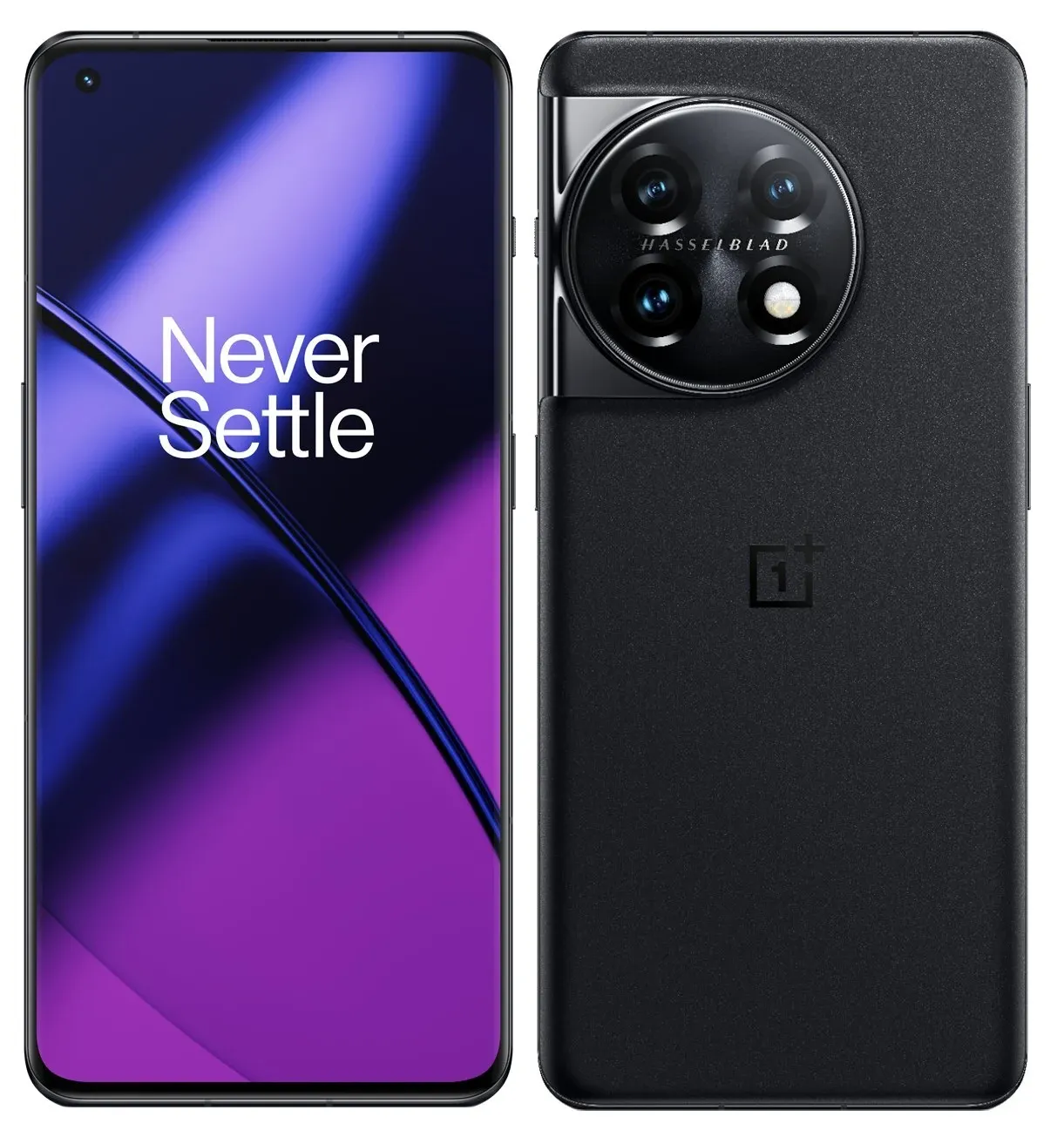
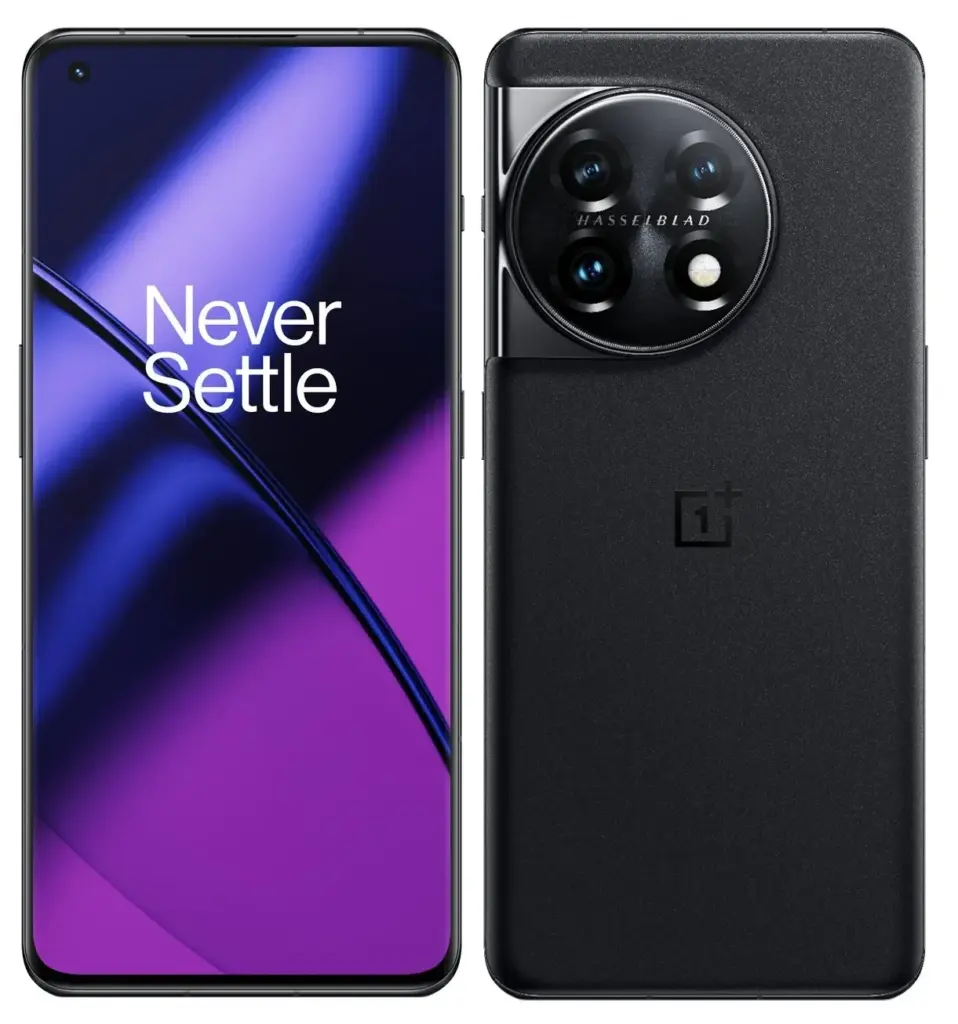
    The OnePlus 11 is scheduled to be revealed in China on January 4 before going global on February 7 in India. Despite the fact that we have already seen images of the phone, the one and only Evan Blass has added some new shots and information to his Twitter page. Before many of today’s tipsters even knew what a smartphone was, Blass has been providing trustworthy photographs and information about impending products.

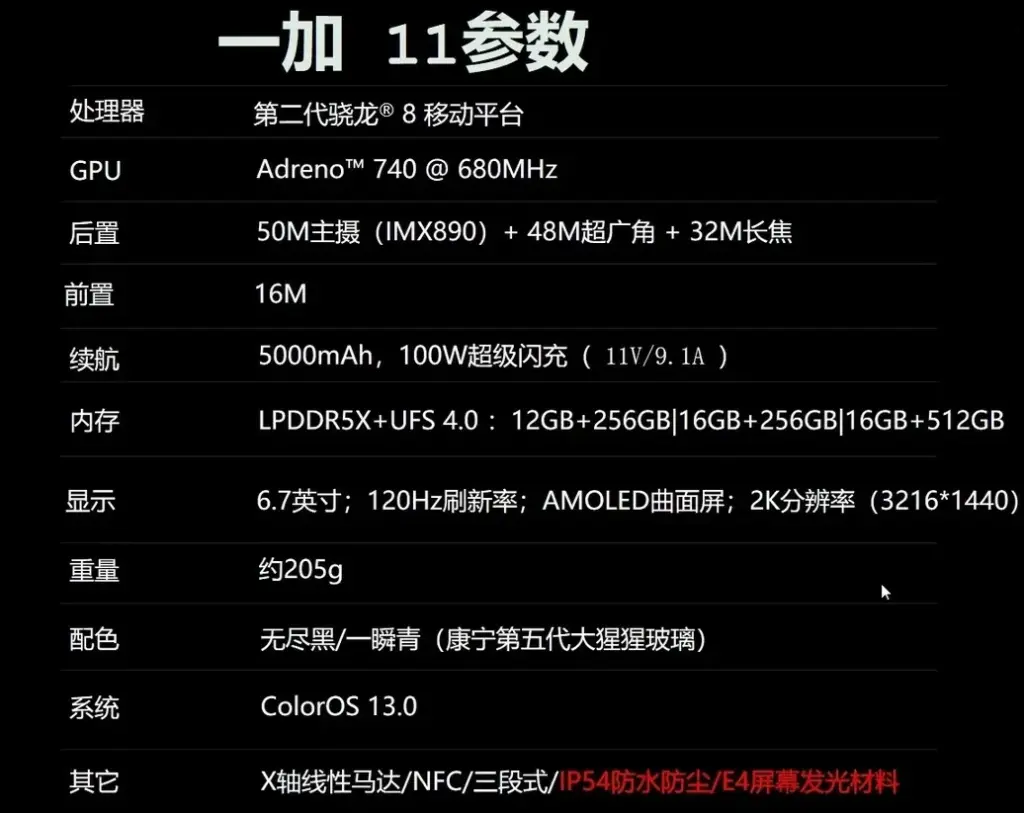
    According to the tweet, the OnePlus 11 will feature a 6.7-inch AMOLED curved display with a QHD+ resolution of 1440 x 3216. The Snapdragon 8 Gen 2 SoC will be under the hood with the following configurations offered: 12GB of RAM with 256GB of storage, 16GB of RAM with 256GB of storage, and 16GB of RAM with 512GB of storage. The phones will employ the fastest LPDDR5X RAM chips with UFS 4.0 storage. OnePlus has spared no expense as far as this aspect of the phone is concerned.

    The primary camera on the back of the phone will be powered by a 50MP Sony IMX890 sensor. A 48MP ultra-wide camera and a 32MP telephoto lens with a 2x optical zoom are also included in the array. The 16MP front-facing camera is used for selfies and video calls. A 5000mAh battery with a 100W quick charging capacity keeps the lights on. The phone will have an IP54 rating, which will protect it from sporadic sprays of water and dust. Don’t intentionally immerse the phone.

    ColorOS 13.0 will be pre-installed on the OnePlus 11 when it is unveiled in China. Its foundation is Android 13. The phone weights 205 grams and is available in Green and Black

    Blass’ leak also includes an image showing what will be inside the OnePlus 11 box. Besides the phone, there is a protective cover, a SIM tray pin, a manual, a charger (!), and a USB-C charging cable.

  • Huawei rebranded to support 5G and escape U.S. restrictions

    Huawei rebranded to support 5G and escape U.S. restrictions

    The Huawei Nova 9 SE was released in March, and of course, the specifications of the device had to abide with the limitations imposed on Huawei by the US. This indicates that the 6nm Snapdragon 680 4G SoC powers the phone. You see, a current export regulation forbids foundries employing American technology from exporting chips to Huawei, even if those chips are created by the company itself, preventing Huawei from having its devices enable 5G.

    In order to get around this, Huawei has filed a patent for parts that would be used by an ultra-violet lithography device (EUV). There is only one business in the world that makes this equipment, and that company, ASML, does not send EUV machines to China. This machine etches circuity patterns on a silicon wafer that are thinner than the width of a human hair. In order to cram billions of transistors into a chip, smaller designs are required. A chip becomes more powerful and energy-efficient as its transistor count increases.

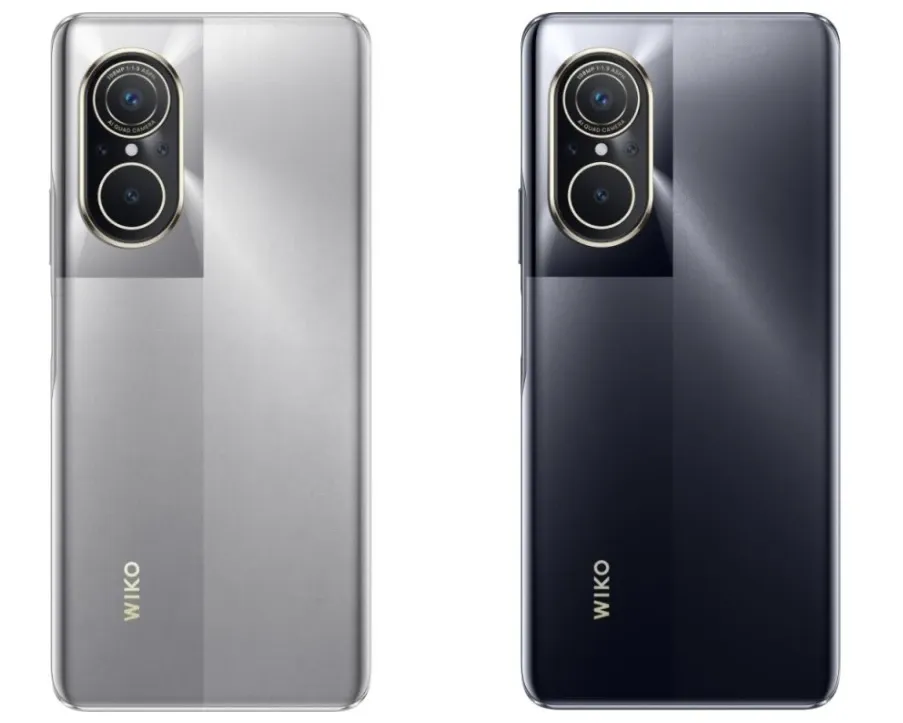
    huawei wiko rebrand

    Huawei might make a significant comeback in the smartphone industry if it can construct its own EUV machine, which is something that isn’t totally evident right now. Its ecosystem, app marketplace, and operating system are all unique. Huaweri only need cutting-edge chips, and if it develops its own EUV, it might be able to assist SMIC, China’s top foundry, in producing chips that are compatible with the silicon offered by TSMC and Samsung Foundry.

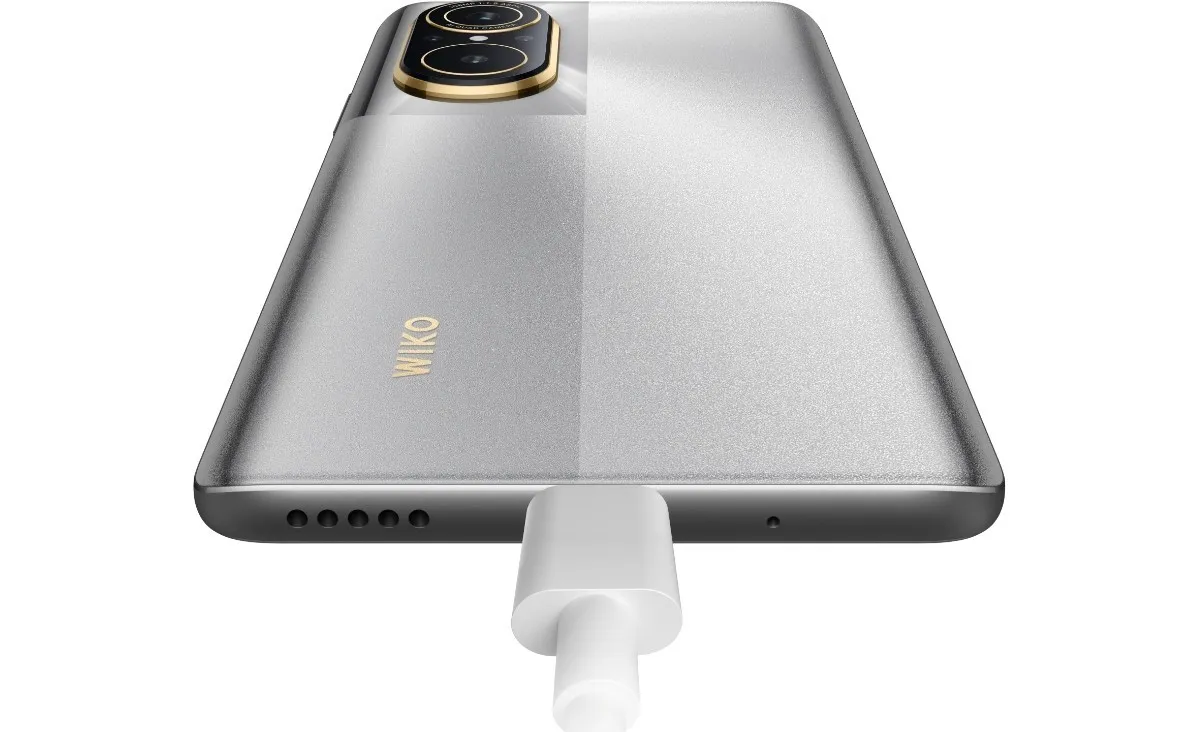
    According to GSMArena, a French company using the Wiko brand name is trying to make a comeback in the marketplace by rebranding the Huawei Nova 9 SE as the Wiko 5G. The phone uses a chipset that Huawei doesn’t have access to, the Snapdragon 695 SoC which does feature 5G support. The Wiko 5G, like the Nova 9 SE, sports a 6.78-inch LCD display with an FHD+ resolution of 1080 x 2388 and a 120Hz refresh rate.

    wiko phone

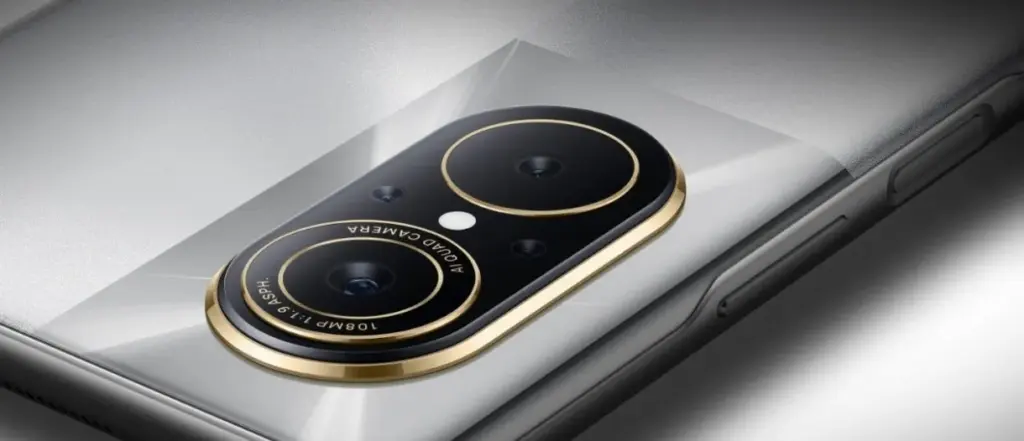
    The Wiki 5G features 8GB of RAM along with either 128GB or 256GB of storage. Keeping the lights on is a 4000mAh battery with 66W wired charging. The rear camera array is intriguing as it comes with a 108MP Primary camera, an 8MP Ultra-wide camera, a 2MP Macro camera for extreme close-ups, and a 2MP depth sensor. The front-facing selfie snapper weighs in at 16MP. The handset is pre-installed with HarmonyOS which means that software updates for the device will be coming straight from Huawei.

    The price for the Wiko 5G is 1,999 Chinese yuan ($287) for the model with 128GB. The model with 256GB of storage is priced at 2,199 Chinese Yuan ($315).

  • Google’s Incredible Christmas Deal for Global Users

    Google’s Incredible Christmas Deal for Global Users

    The rush to find the right presents may become a true race against time when the holiday season enters full swing. Thankfully, Google has offered a simple solution along with some fantastic Christmas promotional deals. Here are the interesting offers that are available over the Christmas season, ranging from savings on Google’s premium smartphone, the Pixel 7, to Google limited series.

    google deals

    Pixel 7 Pro Holiday Sale

    The most recent Google smartphone release is the Pixel 7 Pro. The incredible deal to get a Pixel 7 Pro for $120 cheaper than the retail cost begins on December 25 and runs until January 10 of 2023. Utilize the opportunity to purchase a reasonable present for your relatives or friends. When you purchase this smartphone, make sure to download any send anywhere file transfer app to shift all of your favorite photos and clips to enjoy the highest quality experience. The Pixel 7 offers all the features you could want in a smartphone and more, along with outstanding technology. All of the benefits of the OLED screen are there in the sleek form, which also conceals some excellent technology.

    Pixel 6a Discount Package

    The Pixel 6a is evidence that you don’t need to spend a lot of money to have a good phone. At a fraction of the cost of comparable smartphones, the gadget has a powerful Tensor engine and unique Google software. It does, however, get better. Get a $120 discount on the Pixel 6a from December 25 until January 5.  The Google Pixel 6 is the enhanced version of the Google Pixel 6a, and its greater price is justified by the phone’s bigger 6.4-inch OLED screen and the faster refresh rate. If you can afford it, the increased price tag is well worth it for the Google Pixel 6.

    Choose the Best Affordable Deal

    Google’s holiday sales will make the greatest products from the digital giant more affordable than ever, whether you want to upgrade your gadgets or are seeking the perfect present for a loved one. Don’t think twice about taking advantage of the chance, and make sure you don’t miss the window of opportunity to start the new year with the finest Google has to offer.

  • Awesome specs and crazy price – Motorola X40 is finally official

    Awesome specs and crazy price – Motorola X40 is finally official

    Specs

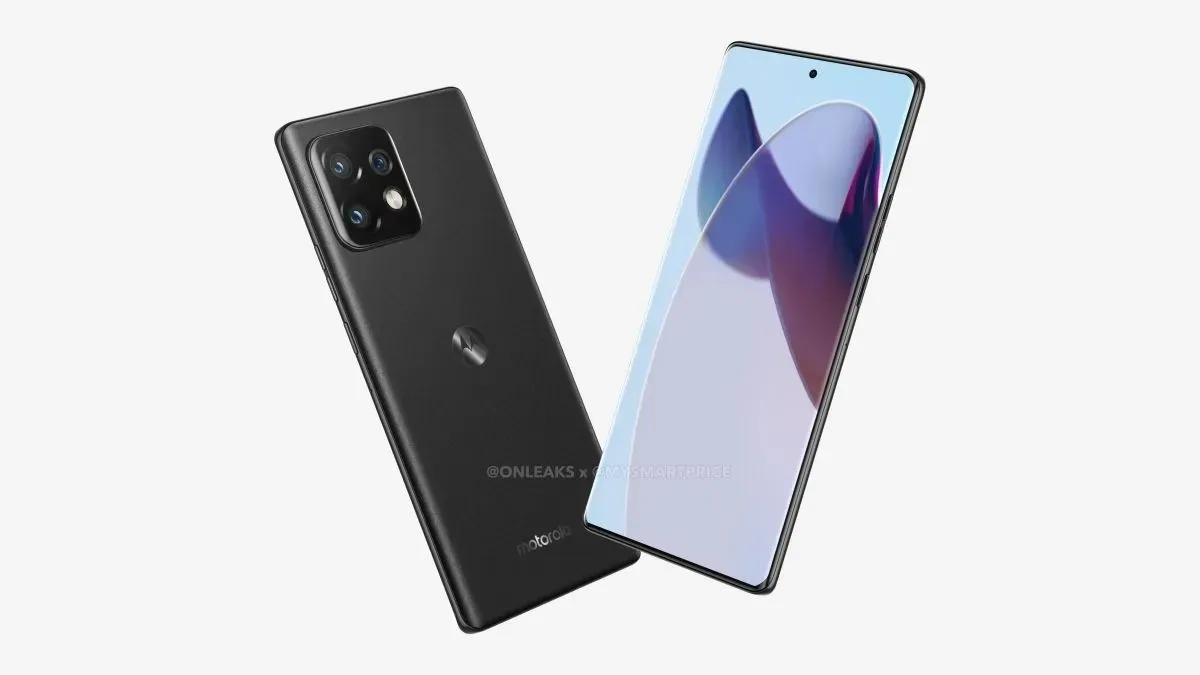
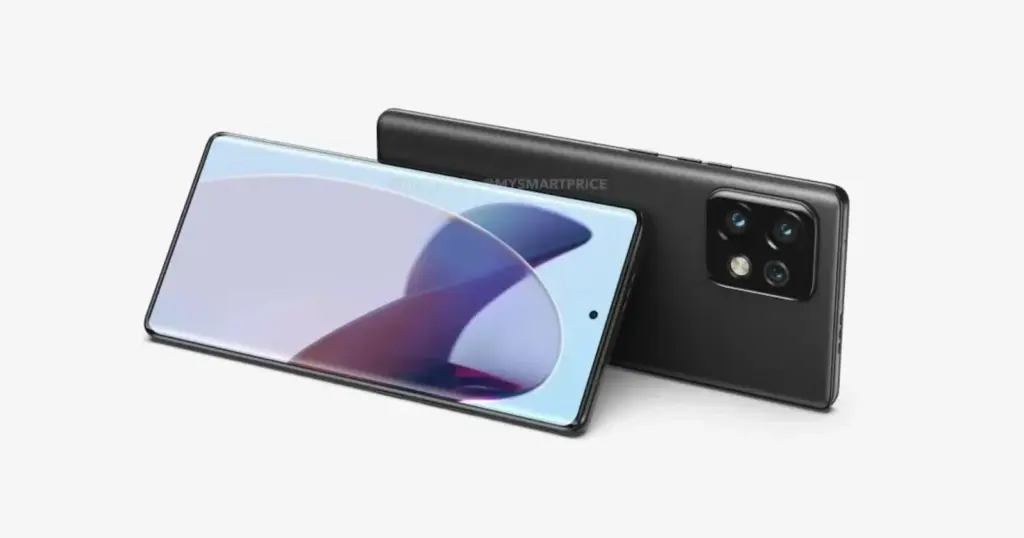
    The long-rumored, relentlessly teased Motorola X40 is now a reality. The Xiaomi 13 series and the Vivo X90 Pro Plus arrived at the Snapdragon 8 Gen 2 party before Motorola, but the X40 has many positive specs.

    To begin with, Motorola is now providing a 6.7-inch OLED screen with a display refresh rate of a whopping 165Hz. That is not the quickest refresh rate ever achieved on a smartphone. Device refresh rates of up to 240Hz have been observed in the past. However, the average flagship’s maximum frequency is 120Hz. Motorola is attempting to entice gamers with a combination of a more cheap price, the potent Adreno 740 GPU, and a modest Full HD+ resolution that won’t be as resource-intensive as QHD+ panels found on other flagships by maintaining the refresh rate at par with phones like the ROG Phone 6 Pro.

    Motorola X40

    The Motorola X40’s 125W charging is another impressive feature. It also has wireless charging, but it’s dismally weak at only 15W, compared to 50W on the X30 Pro (Edge 30 Ultra worldwide), the flagship from the previous year. However, many people should be able to get by with the cable charger because it can top off the phone’s 4,600mAh battery to 50% in just 7 minutes.

    The Motorola X40 has three lenses: a 50MP main sensor, a 50MP ultrawide lens, and a 12MP camera with a 2x optical zoom. Given that the Edge 30 Ultra from the previous year had a 200MP camera on board, the phone’s muffled camera specifications suggest a Pro version may be in the works.

    Motorola X40 price and availability

    When it comes to price, the X40 occupies a highly desirable position among flagship models. The 8GB RAM + 128GB storage option is available for just 3,400 Chinese yuan (about $490). Additionally, it is available in versions with 8GB and 256GB of storage for 3,700 yuan (about $530), 12GB and 256GB for 4,000 yuan (about $573), and 12GB and 512GB for 4,300 yuan (about $616).

    China will start selling the phone on December 22. It is anticipated to make its debut early in 2019.

  • December security update rollout for Samsung Galaxy S20 series

    December security update rollout for Samsung Galaxy S20 series

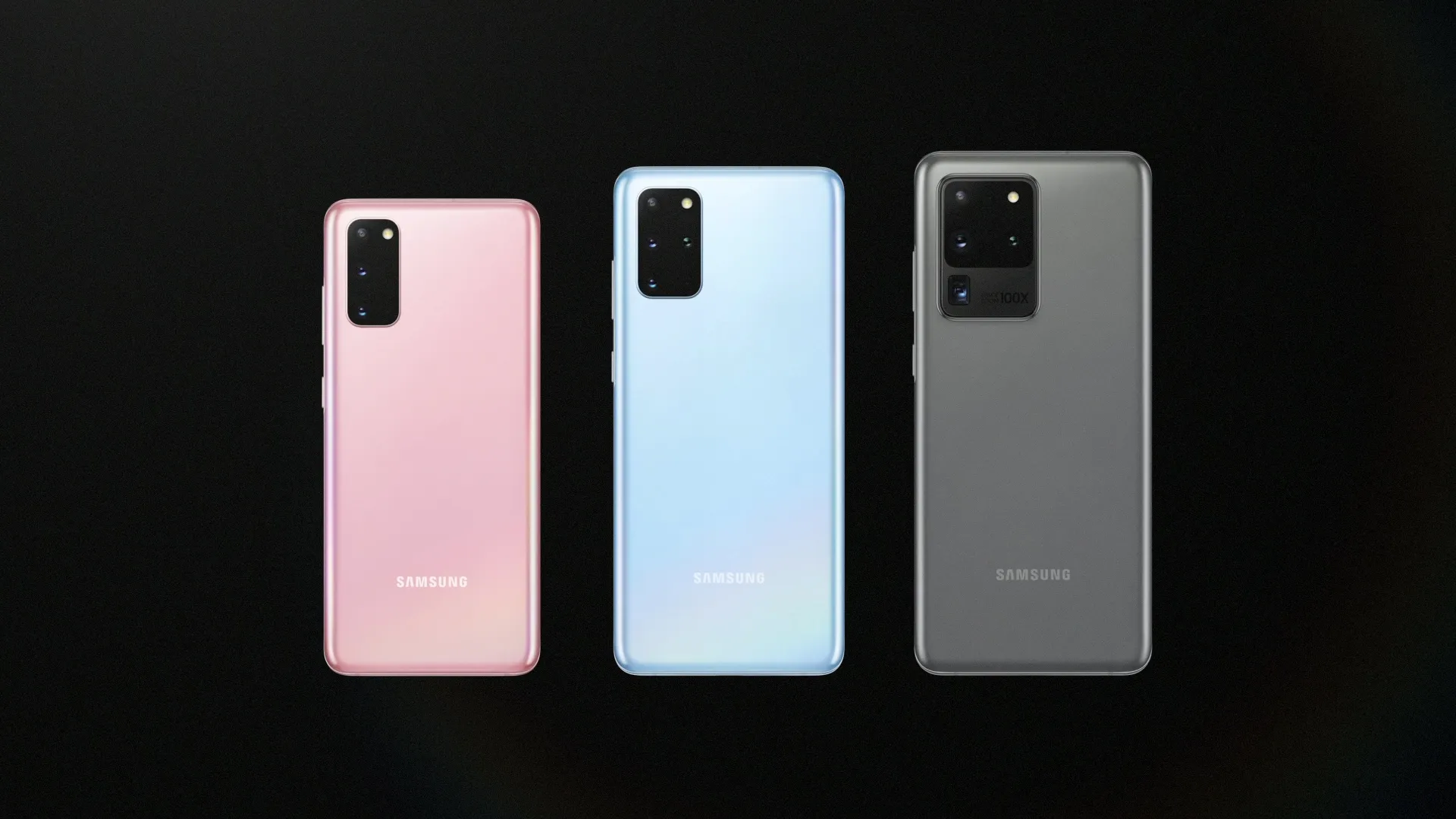
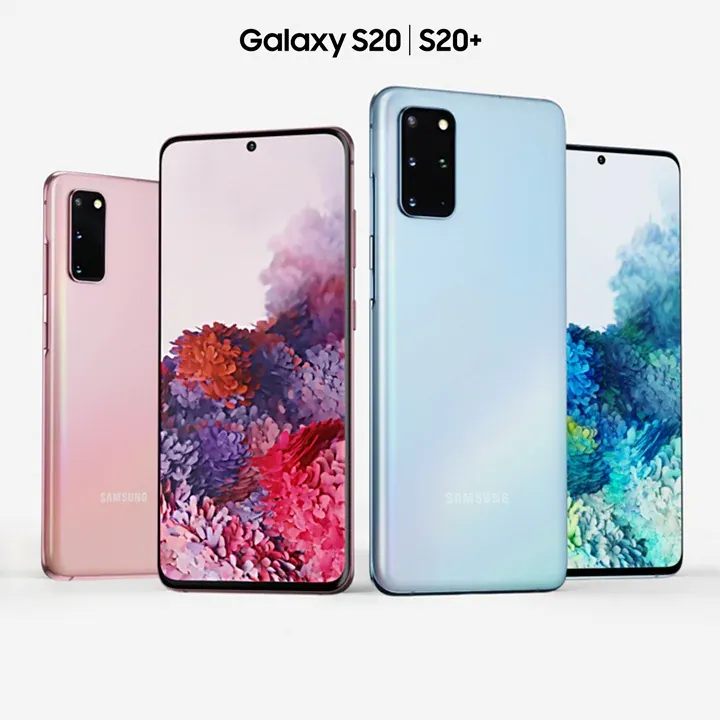
    Samsung Galaxy S20, S20 Plus, and S20 Ultra updates

    Starting with devices in Europe, Samsung has started distributing the December security update to the Galaxy S20 series. SamMobile claims that certain countries, including Austria, Bulgaria, Croatia, Czech Republic, France, Germany, Greece, Hungary, Italy, Luxembourg, Poland, Portugal, Romania, Slovakia, Slovenia, Southeast Europe, Spain, Switzerland, the Baltic states, the Netherlands, and the UK, have access to the update. Firmware version G98xBXXSFGVK7 will be installed on all devices in the series. The patch from December will address 67 security flaws.

    galaxy s20 series

    Previous Samsung Galaxy S20 series updates

    • November 7, 2022: The Galaxy S20, Galaxy S20 Plus, and Galaxy S20 Ultra are receiving the stable version of One UI 5. At the time of writing, the major OS update is only available in Switzerland and Germany. Other markets should follow soon.
    • November 1, 2022: The latest security update for unlocked versions of the Galaxy S20 and Galaxy S20 Ultra is rolling out for users in the US. According to SamMobile, this is the October 2022 security update and comes with firmware version G98xU1UES3FVI6. The new update will fix a variety of privacy and security issues and may also provide stability and bug fixes.
    • September 15, 2022: Samsung has rolled out its September security update for the Galaxy S20 series. According to SamMobile, the LTE versions will receive firmware version G985FXXSFFVHA. As for the 5G variants, they will get firmware version G986BXXSFFVHA.
    • July 28, 2022: The August 2022 security update is arriving for the Galaxy S20 series in Germany (via SamMobile). As usual, the update is expected to hit other countries in Europe before coming to other parts of the world. Firmware version G98xBXXUEFVG5 will be coming to the Galaxy S20 5G, Galaxy S20 Plus 5G, and Galaxy S20 Ultra 5G. The LTE versions will instead be getting firmware version G980FXXUEFVG5.
    • July 11, 2022: Samsung has started rolling out the July 2022 security update to Galaxy S20 series devices in Europe (via SamMobile). The update is firmware version G98xxXXSEFVF4 and appears to only contain the security patch with no other new features.
    • May 12, 2022: Samsung has started rolling out the May 2022 security update to carrier-unlocked Galaxy S20 series devices in the US (via SamMobile).
    • March 28, 2022: Samsung has started pushing out the One UI 4.1 update to the Galaxy S20 series in some parts of the world.In the US, the update is going out to carrier-locked models with firmware version G98xUSQU2FVC5 (h/t SamMobile). It also adds the March security patch to the phones.
    • January 31, 2022: Samsung pushed the February update to the Galaxy S20 series ahead of time. Firmware versions G98xFXXUDEVA9 and G98xBXXUDEVA9 came to 4G and 5G devices, respectively (h/t SamMobile).
    • January 13, 2022: Samsung rolled out the January 2022 security patch to Galaxy S20 devices in the US. Per SamMobile, the update included firmware G98xU1UES2DUL2 and ten fixes from Samsung, with an additional 52 from Google.
    • December 28, 2021: Samsung kicked off the stable Android 12-based One UI 4 rollout to the S20 family starting in Switzerland (h/t XDA-Developers).
    • November 10, 2021: According to Droid-Life, the Galaxy S20 series is now receiving the November Android security patch through the Verizon network. Usually, a Verizon rollout means most other countries/variants are getting it at the same time. Unfortunately, the security patch appears to be the only thing that’s new in this rollout.
    • September 30, 2021: Next month’s security update is rolling out now to the Galaxy S20 lineup in South Korea. Per SamMobile, the update carries firmware version G98xNKSU1EUI3 and should have some other fixes included aside from just the October 2021 patch. However, we won’t know what’s included until the rollout comes to other countries.
    • September 17, 2021: The Galaxy S20 trio gained the September 2021 Android security patch across the world, including unlocked and carrier-locked models. According to SamMobile, the update brought firmware version G98xxXXSADUH5.
  • Sunbird – brings iMessage on Android

    Sunbird – brings iMessage on Android

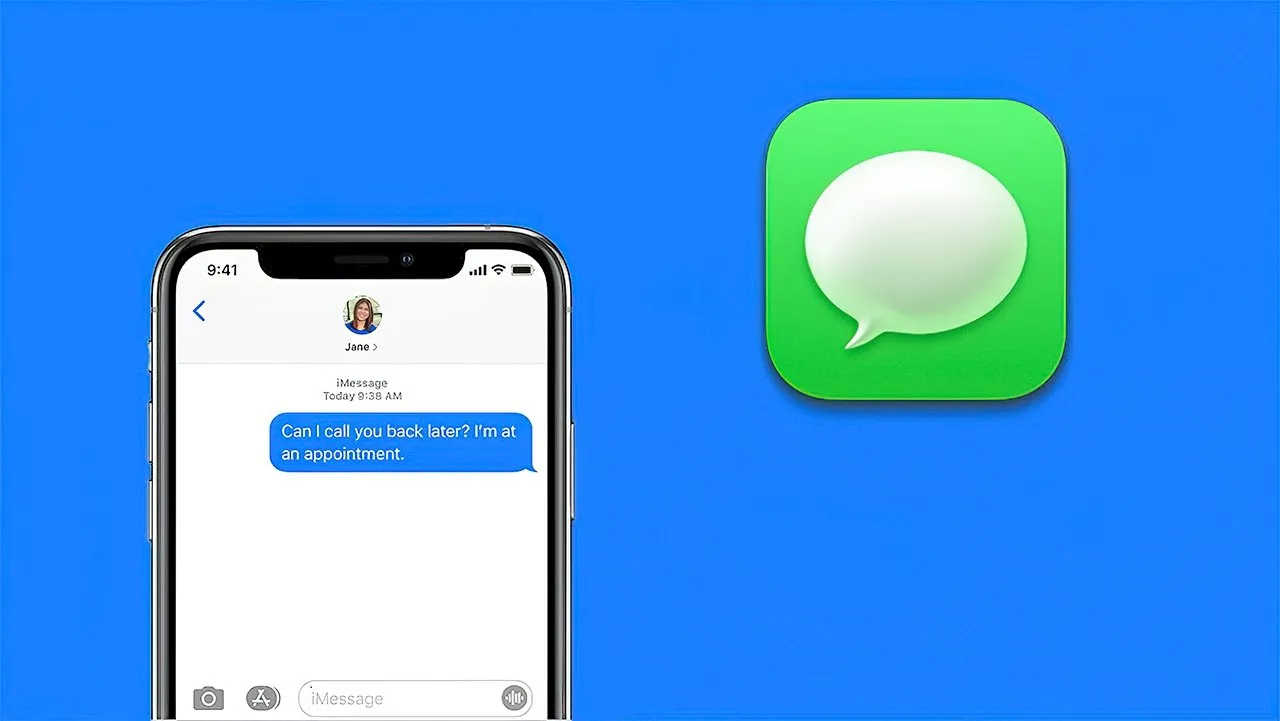
    iMessage has long been the primary distinction between iPhone and Android users (well, here in the US anyway). It’s created a massive rift between the two platforms because iPhone users have their own exclusive space to hang out where Android users are at best annoying and at worst downright prohibited.

    Many businesses have made an effort to address this issue. Despite its wealth and influence, Google has chosen to publicly mock the entire issue and urge Apple to implement RCS. By charging customers to link an Android handset with a real Apple device, like a Mac or even an iPhone, Beeper provides iMessage to Android.

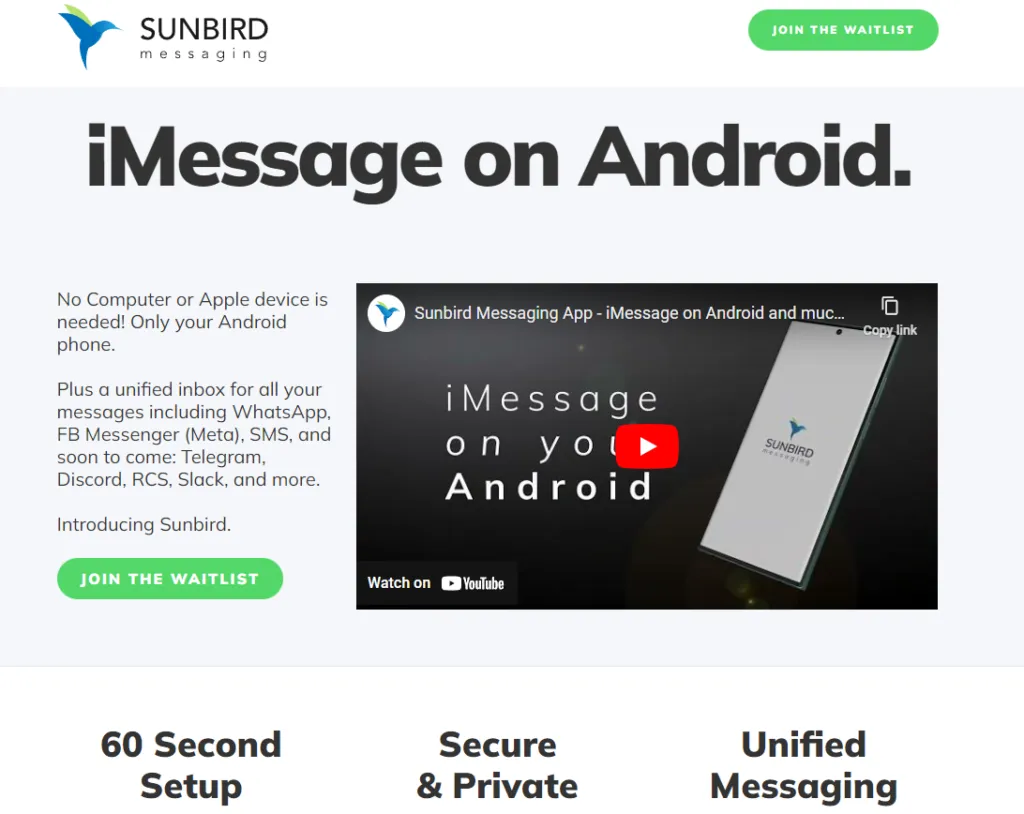
    Sunbird, though, is looking to be the one true app to rule them all. Today, the company gave Android Authority a rundown of the app (which is still in alpha) and how it works.

    sunbird imessage

    Sunbird: iMessage on Android

    A pre-recorded screencast showing a Samsung phone interacting with what appears to be an iPhone via iMessage was displayed during the company’s presentation. Blue bubbles, Emoji replies, typing indicators, etc. were all present. It appeared as though the Samsung phone was an iPhone in all respects.

    But the business never displayed what the iPhone saw. The fact that it was a pre-recorded film just added to our natural skepticism. We eventually received early access to the Sunbird app from the company so that we could test it out for ourselves.

    The good news is that Sunbird and my Apple ID might be linked. I was able to hypothetically connect the two by logging into Apple via the Sunbird app. My subsequent attempts to send iMessages were unsuccessful. Whether it was text, a picture, or a vCard, my messages were simply never delivered to my intended receivers.

    Sunbird and I tried to troubleshoot together, but we were unsuccessful. If we are successful in getting it running in the future, we will let you know.\

    Does it work and what will it cost?

    Sunbird has no intention of making its iMessage-to-Android technology open-source. Therefore, we were not given a thorough explanation of how this program functions (or at least should work).

    However, based on what the business did state, it appears like it has expanded on the Beeper approach, which involves connecting an Android phone to an Apple-based system. The first is that each user does not require their own connected gear. Sunbird has developed a method that enables tens of thousands of users to connect to a single computer. Second, the company has also discovered a way to maintain end-to-end encryption using this technique, something Beeper and similar companies are unable to do. Once more, Sunbird withheld its method of operation.

    Thankfully, if and when it does work and launches to the public, Sunbird says the app will be free — for a while. Early birds will get access to iMessage on Android and not have to pay a dime. In the future, the company could monetize the app by charging for other connected services, such as Telegram, Signal, or other chat apps.

    In the meantime, we’ll continue working with Sunbird to get the app up and running on our own devices.