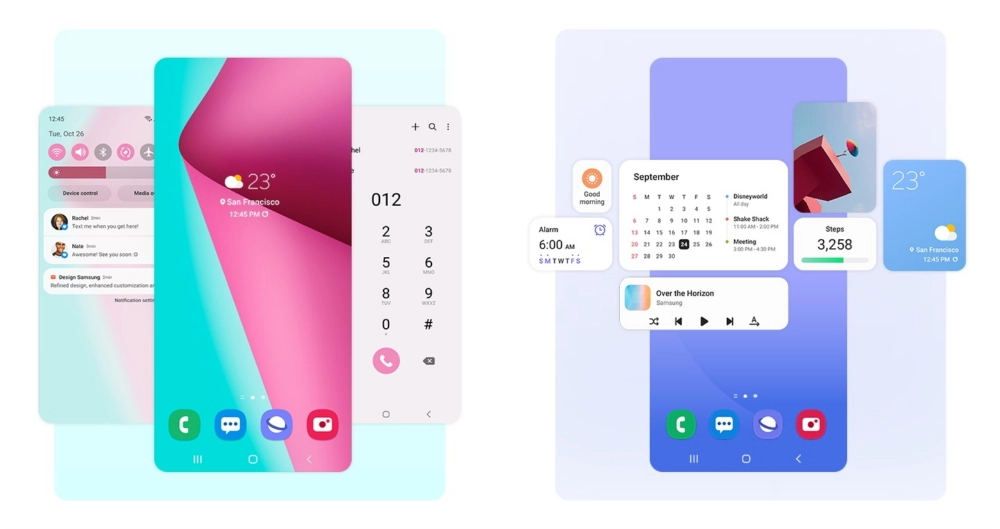
Samsung’s deployment of One UI 4, which is based on Android 12, has been lightning fast. This year, the firm made a first by launching beta programs for all of its major flagship smartphone lines, including the Galaxy S, Galaxy Note, Galaxy Z Flip, and Galaxy Z Fold. It then went on to release the stable update for devices like the Galaxy S21, Galaxy Z Flip3, and Galaxy Z Fold3 (although with some issues), and now the S20 and Note20 series are following suit.
In less than 48 hours, Samsung overcame a snag that stalled the One UI 4 deployment for its 2021 flagships, released a stable upgrade for the Galaxy Z Fold2, and began rolling out Android 12 to the S20 and Note20 (per SamMobile). In comparison, OnePlus has only recently stabilized Android 12 on its 9 series flagships, while Motorola and Sony have yet to release even a single upgrade – Samsung is clearly gaining ground. However, we hope that the firm conducts its due research to ensure that these updates work as planned and are not hampered by compatibility concerns, as we witnessed with the launching of the S21.
As we speak, Samsung’s stable One UI 4 software is coming out to the Galaxy S20, S20 Plus, S20 Ultra, Note20, Note20 Ultra, and even the S20 FE, so there’s a good possibility you’ll be ditching Android 11 by 2022. Users in Switzerland have already reported receiving Android 12 over the air, but owners of the S20 and Note20 in other regions of the world could anticipate the software to arrive in the next few days (unless Samsung has reason to halt the release). To see if the update is available for your phone, go to Settings > Software update > Download and install.
If you’re perplexed by Nokia’s phone lineup and its penchant for decimal points, there’s some good news. HMD Global has redesigned the Nokia phone lineup for 2021, and it’s significantly simpler and more oriented — if not exactly what you were hoping.
The Nokia phone lineup for 2021 is divided into just three categories, all of which are based on longevity. The X-series is the flagship model, with more advanced features, a two-day battery life, three years of OS updates (including regular security updates), and an extended warranty. The mid-range G-series shown above is intended to be more affordable, with three days of battery life, two years of OS updates, and three years of monthly security fixes. The C-series targets newcomers with a “all-day” battery and two years of quarterly security updates, but no OS enhancements are promised.
The Nokia X10 and X20 (pictured at middle) headline the 2021 models, although they’re low-to-mid-range phones. Both use 5G-capable Snapdragon 480 chips and sport 6.67-inch 1,080 x 2,400 displays. The X10 starts things off with a 48MP main camera, a 5MP ultra-wide cam, a 2MP macro cam, a 2MP depth sensor, and an 8MP hole-punch selfie shooter. You’ll also get between 4GB and 6GB of RAM, with 64GB to 128GB of expandable storage. Spring for the X20 and you’ll upgrade to a 64MP main camera, a 32MP front cam, and configurations that scale up to 8GB of RAM and 128GB of storage.
The Nokia G10 and G20, meanwhile, are decidedly more modest entries to the 2021 line. Both use MediaTek processors (G25 in the G10, G35 in the G20) and revolve around 6.5-inch “HD+” screens. The G20 boasts a camera setup similar to the one in the X10, albeit in a teardrop notch for the front cam, while the G10 makes do with a 13MP primary camera and drops the ultra-wide sensor. You’ll get 4GB of RAM and up to 128GB of expandable space on the G20, but the G10 starts with 3GB of RAM and 32GB of storage.
The C10 and C20 (below) run Android 11 Go edition and are clearly designed to occupy the no-frills places in Nokia’s 2021 selection. The displays are largely similar to what you’ll find in the G-series, but you’ll get basic Unisoc quad- (C10) and octa-core (C20) chips, 1GB to 2GB of RAM, 16GB or 32GB of expandable storage, and single front and rear 5MP cameras.
You won’t have to wait long to get your hands on any of the Nokia 2021 smartphones, at least in some parts of the world. The G10 will be the first to arrive in the UK, with a late April delivery date and a price of £109.99. The G20 will be available in May for £129.99. The X20 will be available at the same time, with a starting price of £299.99. The £249.99 X10 (plus a lower-priced version from Three) won’t be available until early June, but the C20 will be available for only £79. There are no plans to ship the C10 to the United Kingdom.
Nokia availability in US.
As you might have noticed, none of the 2021 Nokia phones announced so far are high-end devices. Unfortunately, there’s no equivalent to the 9 PureView or other models that would compete with rival flagships. That’s not necessarily an issue if you’re more interested in raw value than speed. However, we’d add that phones like the Realme 7 5G offer 120Hz displays and other perks for similar money. While Nokia’s battery life and lengthier support are important considerations, they’re not the only factors in your purchase.
Android 12 DP2 just picked up its second bug-fixing update, bumping things numerically to DP2.2. This latest release includes a lot more fixes than DP2.1 did, including a fix for video encoding issues that I ran into, a crash tied to the Bluetooth section of Settings, disappearing widgets, and a failure to save Wi-Fi passwords, among others.
Android 12 Developer Preview 2.2 (April 2021)

If you’re already running a Developer Preview build, you will automatically receive an over-the-air (OTA) update to Developer Preview 2.2.

This minor update to Android 12 Developer Preview 2 includes the following fixes:

-Fixed an issue that sometimes caused the Settings app to crash when a user tried to access Bluetooth settings. (Issue #180962266)
-Fixed an issue that caused widgets to be removed from the home screen after a user installed an OTA update.
-Fixed an issue that caused notifications to be sent about low Bluetooth call quality even when call quality was currently unaffected.
-Fixed an issue that caused WiFi network passwords to not be saved in some cases.
-Fixed an issue that caused the notification shade to be activated when typing on the on-screen keyboard.
-Fixed an issue with Codec 2.0 that could cause apps to crash on some devices.
-Fixed an issue that could cause videos to be encoded incorrectly when shared.
-Android 12 Developer Preview 2.1 (March 2021)

This minor update to Android 12 Developer Preview 2 updates WebView to fix an issue that caused some apps to crash.-
Some say that a problem with gesture navigation that was supposed to be resolved in a previous release remains in DP2.1, but no note was made of whether or not another patch for that issue is included in this release. It’s also likely that some unnamed changes slipped into this update — that happens from time to time, so we’ll keep an eye out.
The update is already rolling out via the traditional means for those that have installed a prior Android 12 Developer Preview. Compatible phones remain the same: The Pixel 3 series, 3a series, 4 series, 4a series, and Pixel 5. OTA images are also available for manual sideloading/deconstruction if you prefer to install it yourself.
If you’re doing it for the first time, we still recommend you wait until the Android Beta Program starts, but we have instructions here if you’re willing to assume the risks.
Earlier this year, MIUI 12 made its debut, and Xiaomi has completed rolling out the stable update to most devices in its portfolio. The new skin of Xiaomi offers a variety of new features, including an enhanced dark device-wide mode, AI-assisted calling features, Interactive Always-on Display, new visual interface, system animation tweaks, and much-needed privacy updates.
Xiaomi is shifting its focus to the update to Android 11 now. MIUI 12 based on Android 11 is beginning to roll out, with the stable upgrade now rolling out to the Redmi Note 9 Pro and Mi 10. Some of the best cheap Android phones are produced by Xiaomi, and it is good to see the manufacturer carrying out the update to Android 11 earlier than normal.
Android 11 on MIUI 12 update: rolling out to Redmi Note 9 and Mi 10
The stable MIUI 12-based Android 11 update is now rolling out in India for the Mi 10 and Redmi Note 9. Once we have more info on an update timeline, we’ll update the story, but now with the stable build for the Redmi Note 9 series, it shouldn’t be too long before Xiaomi starts delivering Android 11 to its older smartphones.
Xiaomi has finished rolling out the MIUI 12 update to most of the phones in the list below. So if you are using any of the devices in the list, head to your phone’s settings to manually download MIUI 12:
Xiaomi Mi 10 Pro
Xiaomi Mi 10
Xiaomi Mi Note 10 Lite
Xiaomi Mi 9
Xiaomi Mi 9 Pro 5G
Xiaomi Mi 9T
Xiaomi Mi 9T Pro
Redmi K30
Redmi K30 5G
Redmi K30 Pro
Redmi K20
Redmi K20 Pro
Redmi Note 9
Redmi Note 8 Pro
POCO F2 Pro
POCO X2
Xiaomi Mi Mix 3
Xiaomi Mi Mix 2S
Xiaomi Mi 9 SE
Xiaomi Mi 8 Explorer Edition
Xiaomi Mi 8
Xiaomi Mi 8 UD
Xiaomi Mi CC9
Xiaomi Mi CC9 Pro
Xiaomi Mi CC9 Meitu Edition
Redmi Note 8 Pro
Redmi Note 7 Pro
Redmi Note 7
Redmi 10X Pro 5G
Redmi 10X 5G
Redmi 10X 4G
MIUI 12 global update: Full list of eligible phones
For devices sold outside of China or India, Xiaomi has a standalone ROM, and these global units have their own release timetable. As of now there is no indication of when these phones will begin receiving the Android 11 update, but Xiaomi has finished rolling out the Android 10-based MIUI 12 release to all of these devices:
Xiaomi Mi 9
Xiaomi Mi 9T
Xiaomi Mi 9T Pro
Redmi K20
Redmi K20 Pro
Xiaomi Mi 10 Pro
Xiaomi Mi 10
Xiaomi Mi 10 Lite
Xiaomi Mi Note 10
Xiaomi Mi Note 10 Lite
Xiaomi Mi Note 3
Xiaomi Mi 8
Xiaomi Mi 8 Pro
Xiaomi Mi 9 SE
Xiaomi Mi 9 Lite
Xiaomi Mi 8 Lite
Xiaomi Mi Mix 3
Xiaomi Mi Mix 2S
Xiaomi Mi Mix 2
Xiaomi Mi Max 3
POCO F1
POCO X2
POCO F2 Pro
Redmi Note 9 Pro
Redmi Note 9 Pro Max
Redmi Note 9
Redmi Note 9s
Redmi Note 8 Pro
Redmi Note 8
Redmi Note 8T
Redmi Note 7
Redmi Note 7 Pro
Redmi Note 7S
Redmi Note 6 Pro
Redmi Note 5
Redmi Note 5 Pro
Redmi 8
Redmi 8A
Redmi 8A Dual
Redmi 7
Redmi 7A
Redmi 6 Pro
Redmi 6A
Redmi 6
Redmi Y3
Redmi Y2
Redmi S2
MIUI 12 comes with a lot of interesting features, so while you’re waiting for the OTA to download on your phone, be sure to take a look at all the new additions in our feature breakdown.
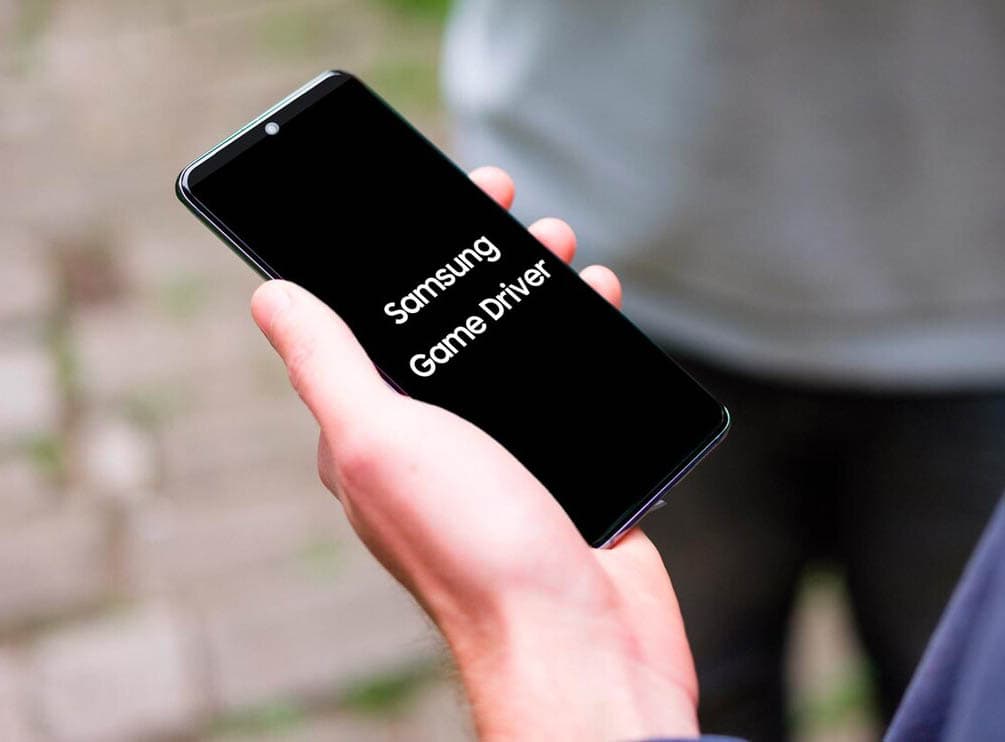
Samsung revealed today the launch of a new app for Android: GameDriver. By clicking here (Adreno/Qualcomm models) or here (Mali/Exynos models), you can find it on the Google Play Store.
The software doesn’t seem that noteworthy at the start. On a select few Samsung Android phones, it claims to deliver better gaming results. However at the moment, it supports just a handful of games and you have to play those games on a Galaxy S20 or Note 20 computer.
Samsung hopes that on more of its phones, the new software will eventually work and be compatible with more games. It only operates with two smartphone families and three games right now: Call of Duty: Mobile, Black Desert, and Fortnite. There are some enormous names, but they are still a very small choice.
However the big deal about GameDriver is that it will allow Samsung to issue hardware driver updates without a system-wide update having to be released. That means that the Play Store will come with GPU tweaks and upgrades. As slow operating system updates are typically partly the responsibility of carriers, who need to test and accept updates before pushing them to consumers, this knocks down a major barrier.
However, Play Store updates are much less stringent. Samsung could, potentially push an update in a matter of days or even hours to all of its GameDriver users. That is terrific news.
The Android November security patch has just begun rolling out, and for Pixel users afflicted by a bug that silenced their starred contacts in Do Not Disturb (DND), it has something fantastic in tow. The issue should now be solved. When it’s necessary, no more missed calls from your loved ones. Make sure you go to your device settings and hit the update button if you have encountered the issue.
A few Pixel owners took to the Google support forum following the initial Android 11 update. They complained that their phones didn’t ring for starred contacts anymore, even though they set up the feature that way on Android 10. That had serious consequences: One affected person reported that their elderly mother couldn’t reach them while she was lying on the floor with a broken ankle.
There were a few troubleshooting tips, such as ensuring that via your volume rocker menu you haven’t switched off all warning sounds and some elaborate workarounds that included activating repeat callers. You can get into the specifics in the following paragraphs if you’re interested, but you really should just click your Pixel update button to get rid of the issue once and for all.
Solution 1: allow repeat callers
Many people could remedy the problems with a workaround posted by forum user Frank Longest. He writes that starred contacts could ring his Pixel 4 again after he turned on “allow repeat callers.” You can find that option by searching your phone settings for that term or by going to Sound -> Do Not Disturb -> People -> Calls. This will also allow non-starred contacts to reach you when they call twice within 15 minutes, so it’s not ideal.
If that doesn’t do the trick, forum user Titusz Rónai reports that you might also have to go to the Phone app info (tap and hold the icon in your launcher and look for the circled i symbol), and then Notifications -> Incoming Calls -> Advanced -> Override Do Not Disturb. However, this might cause the Phone app to always ring, regardless of who calls you.
Solution 3: factory reset
You can also have to reset your phone in the factory if none of these steps help, but this is the most drastic and time-consuming path. Make sure you’ve backed up all of your data in the cloud or on another computer to do so. Then, look for “factory reset” in the settings of your Pixel phone. Because we don’t know exactly what the culprit is, after resetting and restoring your phone from an Android backup, it’s entirely possible that the issue continues, so you may even have to start from scrap entirely. Your last resort really ought to be this solution.
Recently, one of Huawei ‘s officials confirmed in an interview that the company is planning for the EMUI 11 user interface to become the last in the firmware sequence of the manufacturer’s firmware before transitioning to its own operating system. So, it’s interesting to see which devices from Huawei are going to update to EMUI 11.
The full list of models that will receive the update can be found on the company’s official timeline. And note that this is the Chinese edition of EMUI 11.
All of these devices are the first devices to get the patented HongMeng OS (Harmony OS) operating system, with a high degree of likelihood. Note that Huawei aims to move its devices to operating systems that are proprietary. EMUI 11 is, in reality, a transitional firmware version. It will mark the change to their own OS for the company’s gadgets.
HongMengOS 2.0 beta is already ready for different devices at the moment, including TVs and smartwatches. We expect that on mobile devices, this specific firmware update should arrive. On this matter, we are waiting for official comments from the organization.
A new report from MyDrivers cites an interview with Wang Chenglu, head of software development at Huawei Consumer Business Group. The interview raised the question of how the company plans to replace EMUI 11 with the Harmony (or HongMeng in China) operating system. To this, Chenglu replied that EMUI 11 already uses the same framework as HongMeng; the same system scheduler, and other similar elements.
It can be understood from these terms that the new version of EMUI, based on Android 11, was developed specifically as a transitional version, which prepares the devices for the adoption of the first public HarmonyOS update.
The new version of the firmware, HongMengOS 2.0 beta, is currently ready for different smart devices: TVs, watches, etc. It is suspected that smartphones would have to come with this unique version of the firmware. We’re going to wait for formal statements.
Xiaomi, one of the smartphone market’s most significant manufacturers, regularly upgrades its MIUI firmware and introduces new features. It introduced many technologies and significant characteristics to Xiaomi and Redmi phones with MIUI 12 and continues to add new ones. New features are not open to everyone. These features, provided to some users on the Chinese forum of MIUI, will be open to all in the future.
With the new update coming to MIUI 12, it is now easier to change themes. 2 large boxes were placed at the top, light and dark. There are many options such as timing just below.
Although some sites also write this as the MIUI 13 feature, this will be an MIUI 12 update. It is too early to leak about MIUI 13. A style that makes it easy to use with one hand is preferred. You can use the options by swiping up or down.
MIUI 12 offers you an option to return to the old style if you like the notification style of MIUI 11 more. This choice can, however, be hard to find. Finding this setting is a lot simpler with the latest update. Renewed the interface for modifying the notification window.
We can say that the Notes application has revolutionary features. With the new update, objects such as brushes and pens have been added. You can now draw a picture.
Nokia phones from HMD Global come with some of the cleanest Android builds around, but that still does not make it the quickest company to upgrade its smartphones. As the company posted and then removed a roadmap on when we can expect the new software to reach the Nokia lineup, with the last phones expected to get the update in Q2 2021, it looks like the same will be true for the Android 11 launch.
Fortunately, the tweet was saved by Neowin, who first came forward with the news that would otherwise have gone unnoticed. It looks like phones from the last two years are on board, as with recent Android update updates, which is the cut-off date that Nokia normally promises with newly launched phones.
First in for the update are the Nokia 8.3 5G, the 2.2, the 5.3, and the 8.1, slated to receive the update in Q4 2020. They’re followed by the 1.3, the 4.2, the 2.4, the 2.3, and the 3.4 in Q1 2021. The Nokia 3.2, 7.2, and 6.2 are supposed to get the update a little later, between Q1 and Q2 2021. You’ll find the Nokia 1 Plus and the 9 Pureview last in line with a Q2 2021 estimate. The 2018 flagship Nokia 8 Sirocco is nowhere to be seen, unfortunately — it launched with Android 8 back in the day and got updated to Android 10 this year.
It’s unclear why HMD Global decided to pull the tweet, as nothing further has been communicated by the company. That’s why you’ll need to take this timeline with a grain of salt — we don’t know if the plans have changed in the meantime. In a worst-case scenario, it’s possible that fewer phones will see the update than stated in the tweet, but the dates might also be incorrect. Either way, the timeline still gives us a rough idea of when to expect which updates.
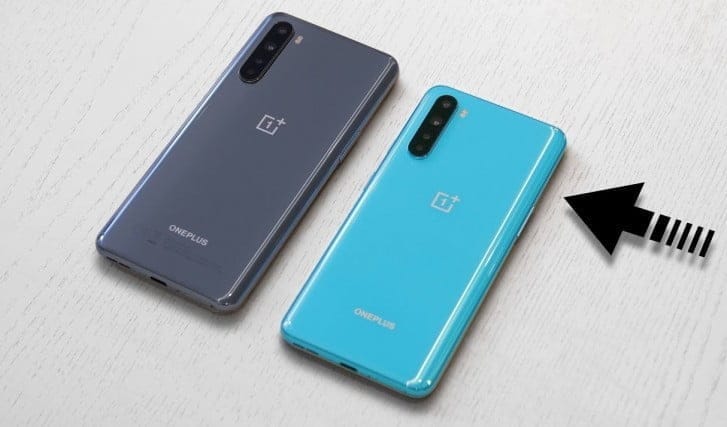
OnePlus runs one of the most public-facing app testing activities among the handset manufacturers we cover at Android Police and it is not shocking to see another beta testing community launch, this time for its newest handset, the Nord.
The company invites up to 200 Nord owners who are willing to provide timely input through a OnePlus Slack channel on features on future OxygenOS builds for the Nord. Ideally, already involved and vibrant, prospective participants would need to have a OnePlus Forum account and need to be comfortable with backing up their data for occasional picture flashing. They would also need to sign a contract for non-disclosure.
This survey can be filled out by those who are involved. Setting up the closed beta community would pave the way for more secure open beta photos that can be flashed on their own by any user.
It’s very odd to see such a commonly available beta structure for a €300 handset, regardless of the fact that we are dealing with OnePlus here.