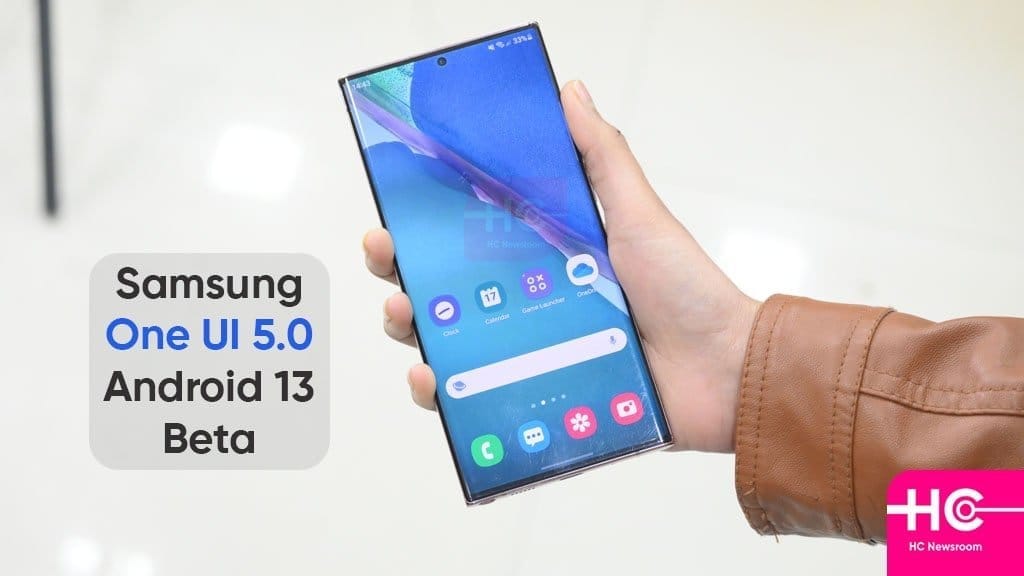
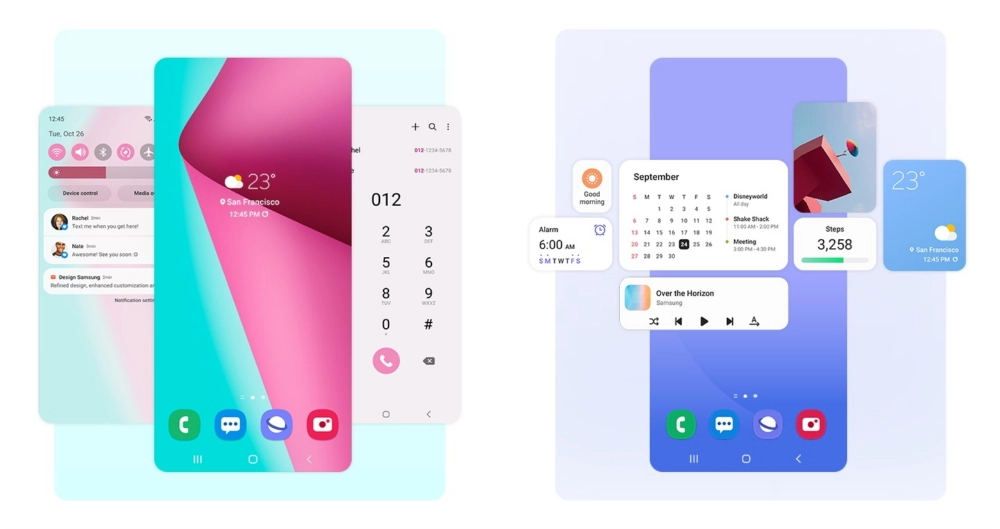
Samsung launched the One UI 5 public beta earlier this month for the Galaxy S22 series, and as of right now, it is also available for the Galaxy S21 models. One UI 5 is based on Android 13. For these, it appears that the beta testing has already begun in Korea and the UK.
You must use the Samsung Members app to find the conspicuous One UI 5.0 beta program banner, tap it, and register your information and device to participate. Normally, you won’t have to wait more than a few minutes after that to receive an update message.
The build number for the beta in question is G99xBXXU5ZVHE, where “x” varies depending on which member of the S21 trio you have. Please take note that the beta is only only accessible for SIM-free, unlocked devices if you’re in the UK and want to give it a shot. When it will appear in operator models is unknown.
One UI 5.0 will undoubtedly see a ton more beta builds, and if you’re signed up for the testing program, you’ll get each one as soon as it’s available via an OTA update. One UI 5.0’s “stable” final release for the S22 family is anticipated for mid-October. The S21 models presumably won’t receive it at the same time, but it shouldn’t be delayed.
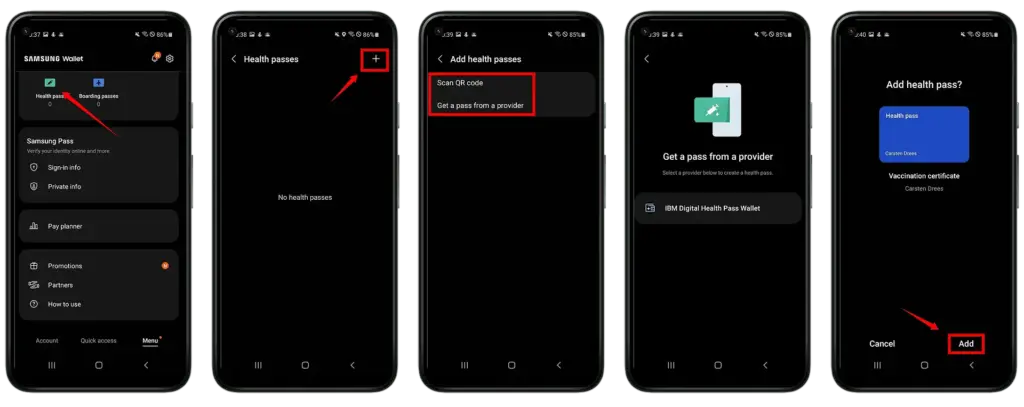
For Galaxy devices, the Samsung Wallet is the ideal way to save all of your credit cards, loyalty cards, and other cards in one location. However, did you know that you may save your immunization record here as well? You can see how it functions in this brief tutorial from Droid Tools.
If you frequently travel, you are aware of the problem: Each nation on the planet, and even certain states, has its own method for showing the status of vaccinations on mobile devices. Particularly if you currently use wallet apps to store credit card information and the like, practical solutions for keeping immunization passes include Samsung Wallet. Let me quickly go over everything you need to do.
Then select whether you want to scan a QR code or receive a pass from a provider. (The latter currently only works with the IBM Digital Health Pass Wallet).
Scan the QR code of your proof of vaccination, or select a screenshot of the code.
Confirm the process at the bottom right by clicking Add.
That’s it! From now on, all you need is the Samsung Wallet app to prove your vaccination status. If you open the Health Passport there, the QR code is displayed together with your name, date of birth and vaccination history.
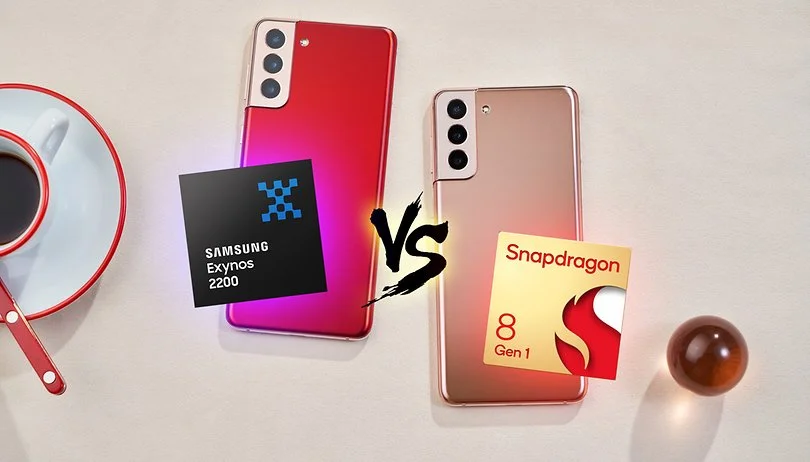
Which of the various Samsung flagship phones you receive depends on where you reside. While Exynos chips produced in-house are available in some markets, Qualcomm’s Snapdragon CPUs are available in others. And this has been the case for years, with a few extremely rare exceptions like the Galaxy S6 in 2015, which was Exynos-only. Despite having on paper comparable or even superior specifications than their Snapdragon counterparts, Exynos chips are generally thought to be inferior. You’ll be relieved to learn what Samsung might accomplish in the coming year if you reside in Europe and have been envious of those in North America and China who have Snapdragon phones.
Famous supply chain expert Ming-Chi Kuo claims that the Samsung Galaxy S23 may completely exclude Exynos CPUs in favor of Snapdragon processors in all markets next year (via 9to5Google). Even for users in Europe, Qualcomm would end up being the exclusive source of chips for Galaxy S23 smartphones.
Samsung has been experimenting with Snapdragon a lot more recently, most notably by introducing the Galaxy S22 with the Snapdragon 8 Gen 1 in India, a country that has historically favored Exynos. If this change is real, everyone in the world will receive a Galaxy S23 with a Snapdragon processor.
What justifies this? It appears like Samsung is simply coming clean to avoid more embarrassment in 2019. Exynos 2300, which is expected to launch as the Snapdragon 8 Gen 2, will not be able to compete with the SM8550 chip because Qualcomm built it to conform to TSMC’s design specifications. Although embarrassing would be a strong word, the Exynos 2200 launch was a bit of a disaster, and this year’s Exynos-powered Galaxy S22 phones received a ton of unfavorable press. Samsung appears to be trying to avoid that happening again.
Does this indicate that Samsung has finished producing chips? Most likely not. A custom, Galaxy-only SoC is allegedly being created by the firm, but that won’t be available until the Galaxy S25 in 2025, according to rumors. While Samsung Semiconductor refocuses its efforts on that unique chip, it’s possible that we’ll see a few generations of Samsung phones that only use the Snapdragon processor over the course of the next couple of years. But as of right now, all of this is just conjecture. We’ll have to hold off and see.
The launch of Samsung’s One UI in 2018 was undeniably a watershed moment for phone user interfaces. While the initial iPhone had shortcomings, it was clear that it had won the hearts and minds of the globe when everyone from OnePlus to Google copied much of its design. We’ve been fans since the beginning, but there’s one area where it’s always been difficult to look at, and that’s animations.
Samsung’s One UI is a mix of openness and closeness. Things are continually speeding, flowing, expanding, and contracting to an extreme degree. In fact, the animation bloat was so awful that Samsung included a feature named “Reduce Animations” at one time, almost as if they realized it was excessive.
It’s difficult to quantify how much that feature lowered everything, but we always advised you to enable it. Then Samsung took it down one day! If you wish to lessen animations, you must first activate developer options and alter the phone’s animation scales. That’s not tough, but we don’t like the fact that Samsung removed our earlier straightforward option.
Anyway, SamMobile believes that Samsung is set to dramatically increase the UI speed in One UI 5.0, which is positive and relevant news. One of the primary issues on the One UI 5 agenda, according to their sources, will be to improve UI navigation speeds and animations so that they are smoother.
We don’t have an official debut date for One UI 5, however Samsung usually releases new One UI updates alongside the latest Android version. For example, we were able to test One UI 4 with Android 12 before it was rolled out to all of Samsung’s finest phones by the end of 2021. If Samsung holds another developer conference in the fall, it could be a nice opportunity to preview the new One UI.
Finally, while we have someone in Samsung’s orbit’s attention, can we get a vertical app drawer already? For us, Samsung, it’s long past time to make the switch.
In 2022, we’ve already seen a lot of fantastic phones. The Galaxy S22+ is a terrific all-around phone, while the S22 Ultra marks the return of the Note series and the S21 FE establishes a new benchmark for budget flagships.
This year, Samsung fired the initial shot, but Chinese makers aren’t far behind. I’m excited to watch what OPPO does this year; the brand’s Find and Reno series have seen a 50 percent year-over-year rise in sales in the previous 12 months, and it’s gaining traction in major western markets like the UK.
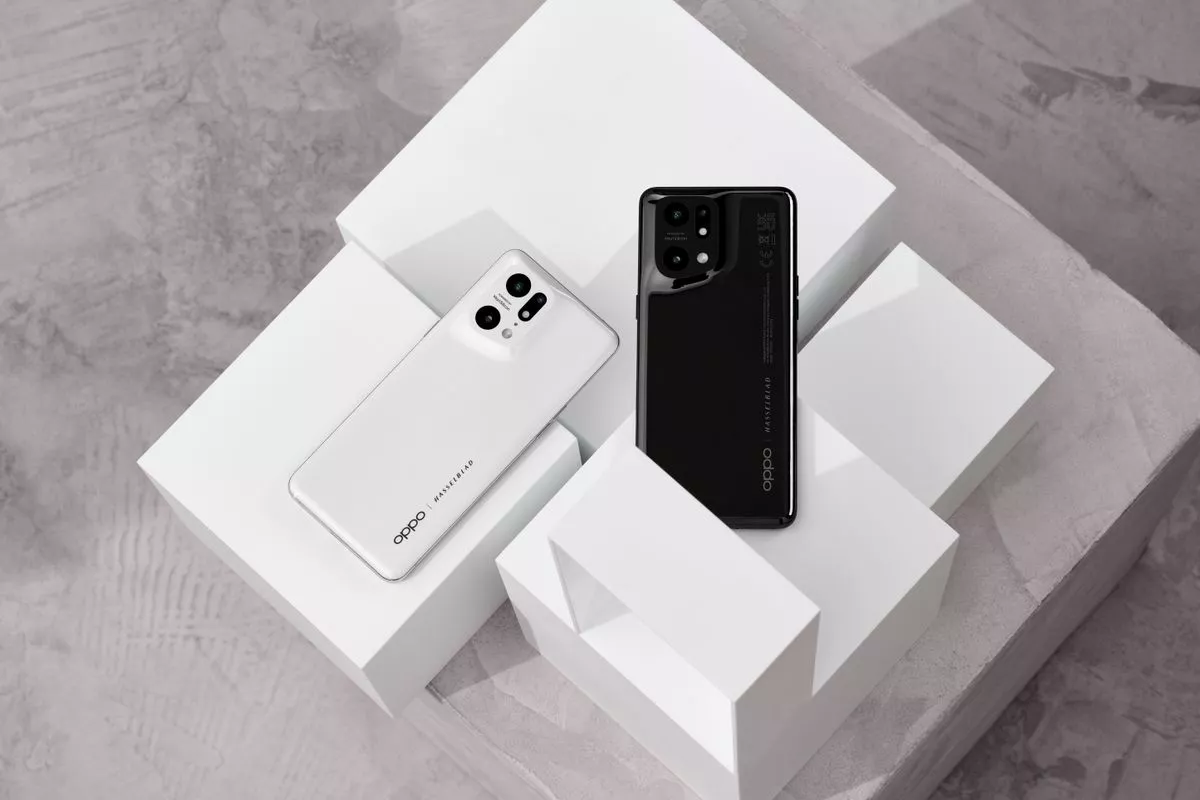
With this year’s Find X5 Pro, OPPO hopes to continue that trend. The phone, which is aimed squarely at the Galaxy S22+, is now available in global markets. It has a similar look to the Find X3 Pro from last year, but it has a number of intriguing new features under the hood, including OPPO’s in-house image NPU, the MariSilicon X. There’s also a Hasselblad connection, improved internals, and new charging technology that supports up to 80W wired and 50W wireless charging.
Does the Find X5 Pro have what it takes to compete with Samsung’s best? With the Galaxy S22+ giving a solid overall package, does the Find X5 Pro have what it takes to go up against the best? Let’s have a look.
Release
The Find X5 Pro was announced at Mobile World Congress on February 24, and it is now available for pre-order in the UK, with sales beginning on March 24. Here’s a breakdown of when the Find X5 Pro will be available worldwide:
Spain/Switzerland/Belgium/Netherland: March 14
Italy: March 17
Germany/Portugal: March 21
France/UK: March 24
Australia: April 7
New Zealand: March 31/April 7
The Find X5 Pro will be available in Asia-Pacific, the Middle East, and Africa after April, according to OPPO. The Find X5 Pro, like other OPPO phones, will not be available in North America.
The Find X5 Pro comes in only one configuration, with 12GB of RAM and 256GB of storage, and costs £1,049 ($1,365) in the UK. There are several freebies available if you pre-order: the Enco X wireless earphones (which are great), an OPPO Watch Free smartwatch, a 50W AirVOOC wireless charging stand, and a Kevlar Aramid Case. The pre-purchase freebies are worth £373 ($485), so if you’re interested in the Find X5 Pro, you’d better place your order by March 23.
OPPO also offers a normal Find X5 model with an FHD+ 120Hz AMOLED screen, Snapdragon 888 processor, identical cameras to the Find X5 Pro, and both wired and wireless charging options of 80W and 30W. This model, which costs £749 ($975), includes a glass back and 8GB of RAM with 256GB of UFS 3.1 storage.
The camera bump on the Find X3 Pro blended smoothly into the chassis last year, and OPPO is continuing that trend with the Find X5 Pro.
This year, the impact is a touch stronger, which makes the phone stand out even more than normal among the glass-and-metal designs that now dominate this category.
Overall, the Find X5 Pro gets a lot right in terms of design. The ceramic back is fabulous and it is more resistant to tumbles, the phone feels great to hold and use, and although it is heavy, it is well-balanced. This may just be my favorite phone design of 2022, and that white color option in particular looks very distinctive.
Performance
It wouldn’t be right for a flagship to arrive in 2022 without Qualcomm’s latest chipset, thus the Find X5 Pro is powered by Qualcomm’s 4nm Snapdragon 8 Gen 1 processor. There’s also a larger multi-tier cooling system to guarantee the phone doesn’t overheat during gaming sessions, and I didn’t notice any thermal concerns during my week with the phone.
There’s not a lot to say about the Snapdragon 8 Gen 1 processor. It performs admirably in almost every situation, and I don’t see that changing for at least a few years. The Find X5 Pro breezes through day-to-day work with ease, and the technology on offer is overkill for most use cases.
In terms of memory and storage, the Find X5 Pro comes in a single 12GB/256GB combination, which I like because OPPO now includes 256GB of storage as standard on its mid-range and high-end handsets. Although there is no microSD card port, the internal storage should be sufficient for most people.
Another feature I like is the haptic engine; the Find X5 Pro has a vibration motor that delivers excellent feedback. And like everything else about the phone, it is inherently customizable — you can adjust the vibration intensity and pattern of feedback from the settings. OPPO did a brilliant job here, and I want the same motor to make its way to the OnePlus 10 Pro and other BBK offshoots of the Find X5 Pro.
When it comes to connectivity, you’ll find Wi-Fi 6E, Bluetooth 5.2, NFC, AptX HD audio codec, and global 5G bands with a 360-degree antenna design. While the Find X5 Pro isn’t launching in North America, it has the requisite Sub-6 5G bands for the region. Here’s the breakdown of all the 5G bands: n1/2/3/5/7/8/12/13/18/20/25/26/28/38/40/41/66/77/78/79.
And finally, the Find X5 Pro includes IP68 dust and water resistance, giving it the ability to withstand the elements. You’re getting all the hardware features you could want in a flagship, and the Find X5 Pro holds its own against the best Android phones.
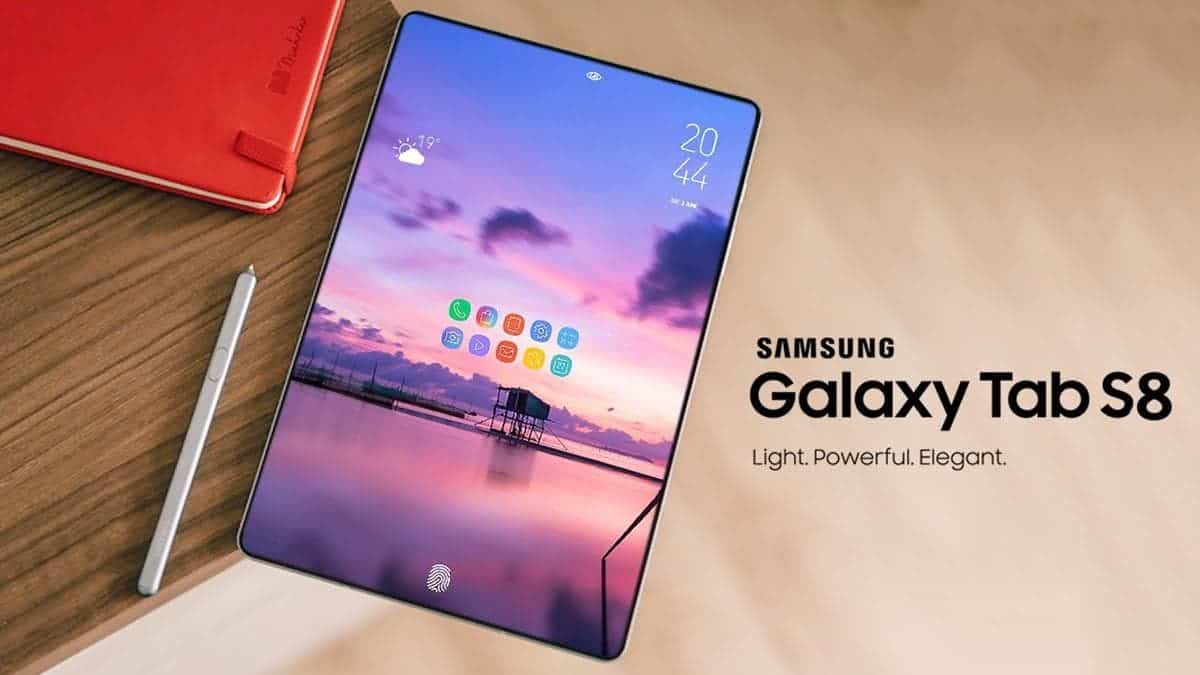
Samsung, with its Galaxy Tab S series, is one of the few manufacturers interested in selling high-end Android tablets. The forthcoming Tab S8 series has been leaked a few times in recent months, due to regulatory filings and numerous renders, but thanks to a fresh revelation from WinFuture, we may finally know everything there is to know about the tablets.
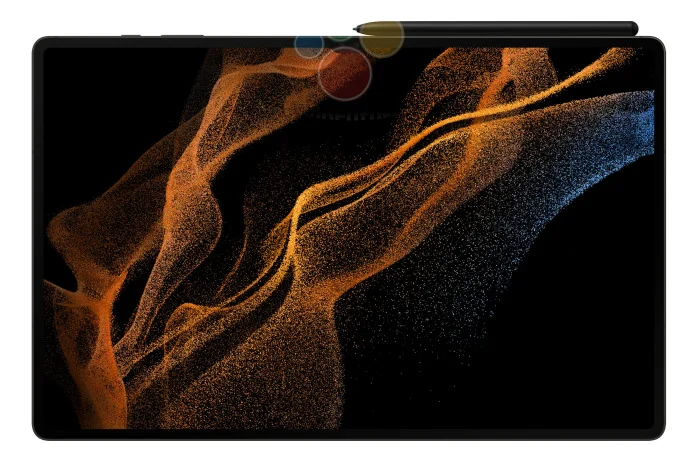
The Galaxy Tab S8 series includes precise specifications and a few press renders, according to WinFuture. Samsung appears to be sticking with three variants this year, as previously reported via leaks: the Tab S8, Tab S8 Plus, and Tab S8 Ultra (there was no Ultra for the Tab S7). According to reports, all three tablets will come with a Snapdragon 8 Gen 1 processor, dual rear cameras (12MP primary and 6MP ultra-wide), Wi-Fi 6, a microSD card slot, Bluetooth 5.2, optional 5G, USB Type-C 3.2 Gen 1, fingerprint readers, Android 12 with One UI 4.1, and a S Pen.
The screen size is the most significant distinction between each tablet. The Tab S8 will reportedly have an 11-inch LCD screen with a resolution of 2800 x 1752, while the Tab S8 Plus will have a 12.7-inch AMOLED screen with a resolution of 2800 x 1752. The Tab S8 Ultra will boast a gigantic 14.6-inch AMOLED display with a resolution of 2960 x 1848 pixels, whereas Apple’s iPad Pro series only goes up to 12.9 inches. The Tab S8 Ultra, on the other hand, will have a notch at the top (in landscape mode) that houses two 12MP cameras, which seems ridiculous.
Pricing information is not yet known for any of the tablets, but the base Galaxy Tab S7 was $649.99 at release in the United States, and the Tab S7 Plus with a 12.4-inch screen was $849.99 at launch. If the prices are similar this year, it might be best to wait for a sale — even with Samsung’s custom DeX interface, there just aren’t as many tablet-optimized apps available on Android compared to. iPadOS.
Samsung’s deployment of One UI 4, which is based on Android 12, has been lightning fast. This year, the firm made a first by launching beta programs for all of its major flagship smartphone lines, including the Galaxy S, Galaxy Note, Galaxy Z Flip, and Galaxy Z Fold. It then went on to release the stable update for devices like the Galaxy S21, Galaxy Z Flip3, and Galaxy Z Fold3 (although with some issues), and now the S20 and Note20 series are following suit.
In less than 48 hours, Samsung overcame a snag that stalled the One UI 4 deployment for its 2021 flagships, released a stable upgrade for the Galaxy Z Fold2, and began rolling out Android 12 to the S20 and Note20 (per SamMobile). In comparison, OnePlus has only recently stabilized Android 12 on its 9 series flagships, while Motorola and Sony have yet to release even a single upgrade – Samsung is clearly gaining ground. However, we hope that the firm conducts its due research to ensure that these updates work as planned and are not hampered by compatibility concerns, as we witnessed with the launching of the S21.
As we speak, Samsung’s stable One UI 4 software is coming out to the Galaxy S20, S20 Plus, S20 Ultra, Note20, Note20 Ultra, and even the S20 FE, so there’s a good possibility you’ll be ditching Android 11 by 2022. Users in Switzerland have already reported receiving Android 12 over the air, but owners of the S20 and Note20 in other regions of the world could anticipate the software to arrive in the next few days (unless Samsung has reason to halt the release). To see if the update is available for your phone, go to Settings > Software update > Download and install.
If you enjoy mobile photography, particularly on Android devices, you should be aware of the GCam app. The Google Camera (GCam) app does not require any introduction because it is one of the best third-party camera apps for a non-Pixel Android device. Whether you have a mid-range or flagship Android device with a better camera, most images will lack crisp details and color accuracy if you don’t have the Google Camera app. We’ve included a link to download Gcam for all Samsung Exynos devices [GCam ZCam APK] below.
If you don’t know, you might be wondering why Samsung Exynos? Because the majority of Samsung devices (global) use Exynos processors, users are unable to find a compatible or stable Gcam app for those specific models. While Snapdragon-powered devices are more developer-friendly than Exynos variants. As a result, you will receive GCam ported APK files for the majority of Snapdragon Samsung Galaxy devices. However, you can download a ZCam ported APK file of GCam for the Samsung Galaxy Exynos variant from the link provided below.
We all know that Samsung Galaxy smartphones have excellent cameras with a variety of modes and features such as Portrait mode, Slow-Motion mode, Panorama mode, improved hybrid zooming capability, and more. While newer Samsung Galaxy devices also include super steady video recording, night mode, sharp daylight images, up to 8K video recording, up to 100x hybrid zoom, and other features. However, when it comes to the Google Camera app, no other stock camera apps stand out from the crowd.
With the help of powerful software development, the Gcam app delivers a stunning color contrast ratio with a better dynamic range, exposure level, etc. It features a simple camera interface with loads of advanced settings, Google Lens integration, Night Sight mode, Portrait mode with focus slider, Slow-Motion, HDR+, HDR+ Enhanced, Playground (AR Stickers), Lens Blur, PhotoSphere, RAW image option, improved video stabilization, etc.
The GCam app also provides better edge detection in portrait shots, nice shadow & depth in low lighting conditions, and color levels that are close to reality, all of which contribute to capturing a better image. At the time of writing, ZGCam Exynos had shared ZGCam 692. (latest version). This developer deserves all of the credit. Now, without further ado, let’s get to the download link and installation instructions.
Now, enable Unknown Sources options from the device Settings > Security or Privacy.
Tap on the GCam APK file again to install it.
Launch the GCam app and give all the required permissions.
You’re done.
We hope you’ve found this article useful and you can now use the GCam ported app on any of your Samsung Galaxy Exynos variant devices. Feel free to ask in the comments below for any queries.
Google has a similar ecosystem to Apple. Its users can choose from a large choice of items to meet their various tech needs. The IT behemoth has kept evolving, producing new product after inventive product. It started as a search engine and has now moved into the smartphone market with its mid-range models.
Details about the Google Pixel 6 are scattered all over the web. According to the latest reports, for the upcoming Pixel 6, Google is ditching Snapdragon.
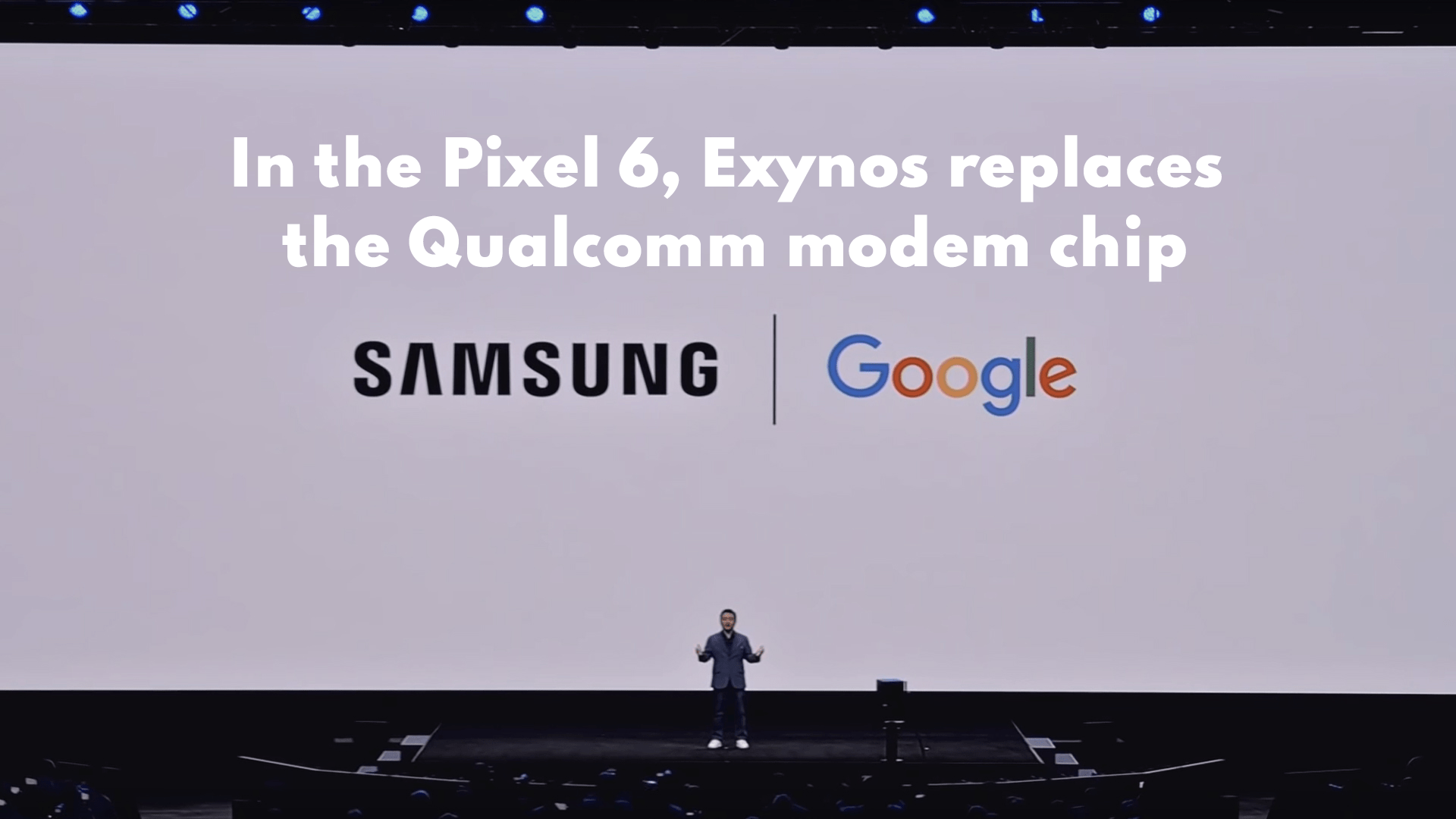
Exynos replaces Qualcomm’s modem chip
Google has used Qualcomm as the sole producer of not only its Snapdragon CPUs but also its modem chips, for all previous iterations of the Pixel series. The Qualcomm Snapdragon 765G SoC and the Snapdragon Qualcomm X52 modem enable 5G connectivity on the Pixel 5.
The reliance on Qualcomm chips is unsurprising, given that the United States is one of Google’s largest client bases, and Qualcomm has had a rigid monopoly on wireless chip technology in the country for the past 20 years. Qualcomm modem chips have been used solely in all smartphones sold in the United States, a reality that has become even more apparent with the introduction of 5G.
Qualcomm has the greatest 5G networking technology out of the only three 5G modem chipmakers in the world, adopting a variation called Millimeter Wave (MMW), which can now harness the fastest speeds on 5G networks even carry out processes such asSMS Share swiftly.
After Qualcomm, MediaTek, a Taiwanese fabless semiconductor business, and Samsung are the other two 5G-capable chip makers. One of Samsung’s newer Exynos 5G modems, the Exynos 5123, appears to have progressed far enough to interest Google’s attention.
With Samsung’s Exynos 5123, the Pixel 6 will be the first smartphone in the US to use a non-Qualcomm wireless modem, shattering Qualcomm’s stranglehold across the country. Additionally, this will be a new kind of triumph for Samsung, as it will be the first time its Exynos modem processor will be seen in a non-Samsung phone.
Collaboration between Google & Samsung
On the Pixel 6, the modem chip isn’t the only Samsung component we’ll see. On the contrary, the lengths to which Google has gone to incorporate Samsung’s technology into its current Pixel flagship has led some to speculate that the two tech titans are working together, though neither has confirmed this.
Apart from the modem, the Pixel 6’s display, camera, and processor will all be Samsung-made. Samsung’s main camera was confirmed to be either the GN1 or the more current GN2 ISOCELL sensor in some previously released code. The display is believed to have a 6.4-inch 90Hz AMOLED screen manufactured by Samsung. And the SoC, which will power the upcoming smartphone, will be the 5-nanometer Tensor chipset, which was built by Google but will be manufactured entirely by Samsung.
It seems that the two tech companies have joined forces for the Google Pixel 6. If that is indeed the case, we have high expectations for the device. We’ll have to wait for official statements from both companies to acknowledge these rumors.
Google’s ecosystem is similar to Apple’s. Its users have access to a wide range of products for all of their technological needs. The tech juggernaut has continued to evolve, releasing innovative product after another. It began as a search engine and has now expanded into the smartphone industry with its mid-range smartphones.
Details about the phone are being gradually unveiled and we have just discovered another interesting feature.
Google Pixel 6: Brief Overview
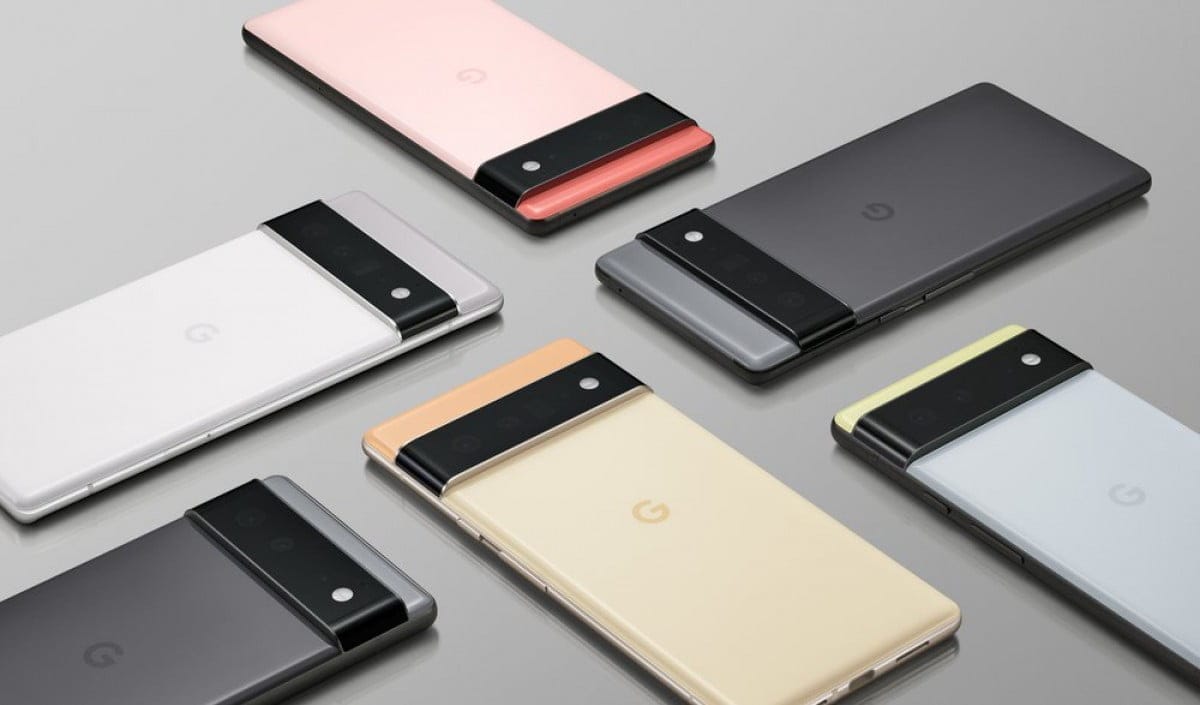
Google has released official rear shots of the Pixel 6 and Pixel 6 Pro, with the design correlating with many leaked versions and exhibiting a substantial departure from previous Pixel devices. The Pixel 6 Pro will have a similar look to the Pixel 6, but instead of two lenses on the back, it will feature three.
According to rumors on the internet, the Google Pixel 6 Pro will have a 6.67-inch or 6.71-inch display, making it somewhat bigger than the Pixel 5. It also boasts a bigger screen than the Pixel 4 XL, which only features a 6.3-inch display.
The Pixel 6 Pro is rumored to boast a Quad HD+ resolution and a 120Hz refresh rate, putting it in direct competition with the Samsung Galaxy S21 and S21+, as well as the OnePlus 9 Pro, although nothing has been confirmed as of yet.
Tensor, Google’s system-on-chip, will be included in the Pixel 6 Pro; learn more about it here. The chip has a new security core module and Titan M2, and it’s meant to run all AI and machine learning applications, including computational photography and real-time translation. It will be able to do functions likeiOS transfer with ease.
Samsung’s Camera Sensor
Google did not reveal many details about the cameras when it previewed the Pixel 6 and 6 Pro, merely stating that the regular model will have two sensors and the Pro variant would have three. It did say that the Pixel 6 would be able to capture 150 percent more light, and reports suggest that both models will contain at least a 50MP wide-angle primary sensor.
Last year, Samsung launched the ISOCELL GN1, a 50MP camera sensor with pixel-binning for 12.5MP pictures and a combined pixel size of 2.4m. If this is the sensor that will be used in the Pixel 6, it will be a significant upgrade above the 12.2MP Sony sensor that has been used in almost every Pixel’s main camera.
Furthermore, because the device’s Google Tensor chip is reported to be created by Samsung using the company’s 5nm process, the Pixel 6 could include a lot more Samsung. The modem is also rumored to be produced by Samsung, and while there’s no information on the OLED display, it wouldn’t surprise us if it was as well.
Summing Up
No definite release date has been given for the Google Pixel 6 but is expected to be released sometime this fall. The Google Pixel 6 seems quite impressive and the collaboration with Samsung is sure to bring a lot of high-end features on board. We will have to wait for further details to determine if this device will be a hit or miss.