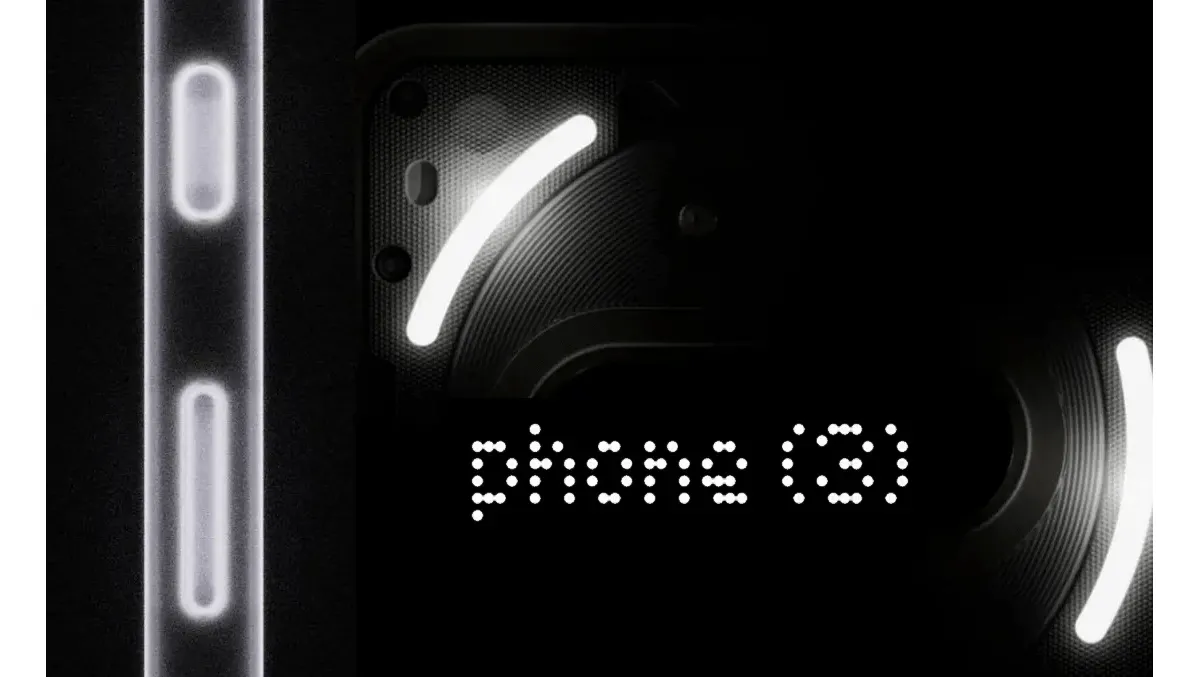
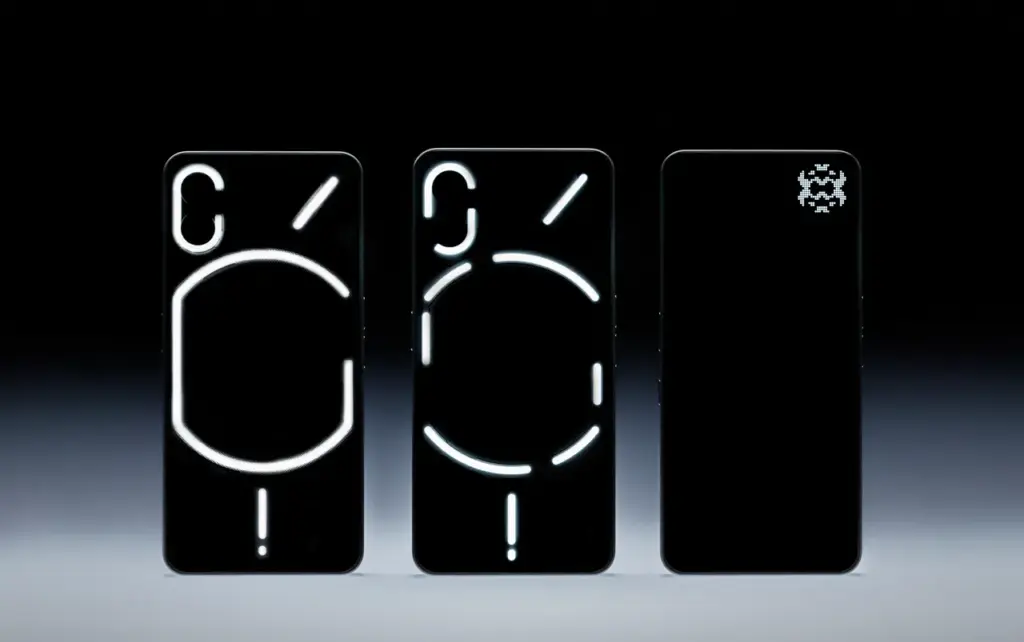
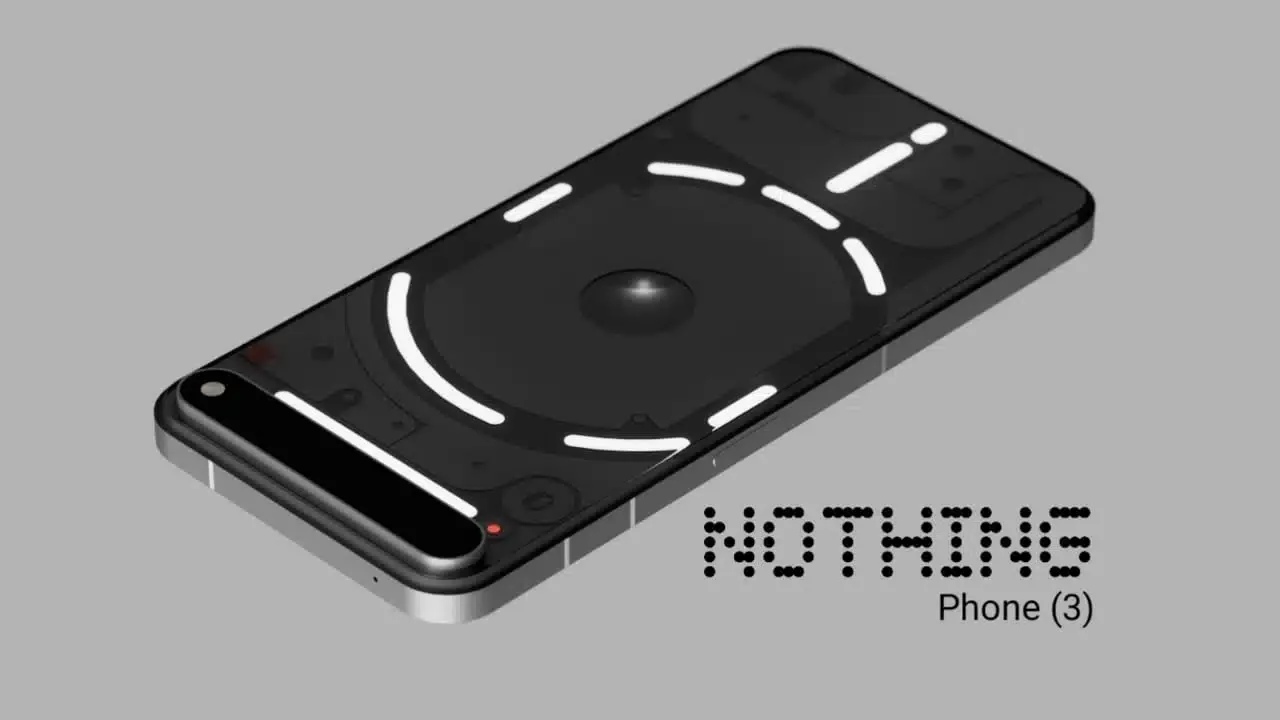
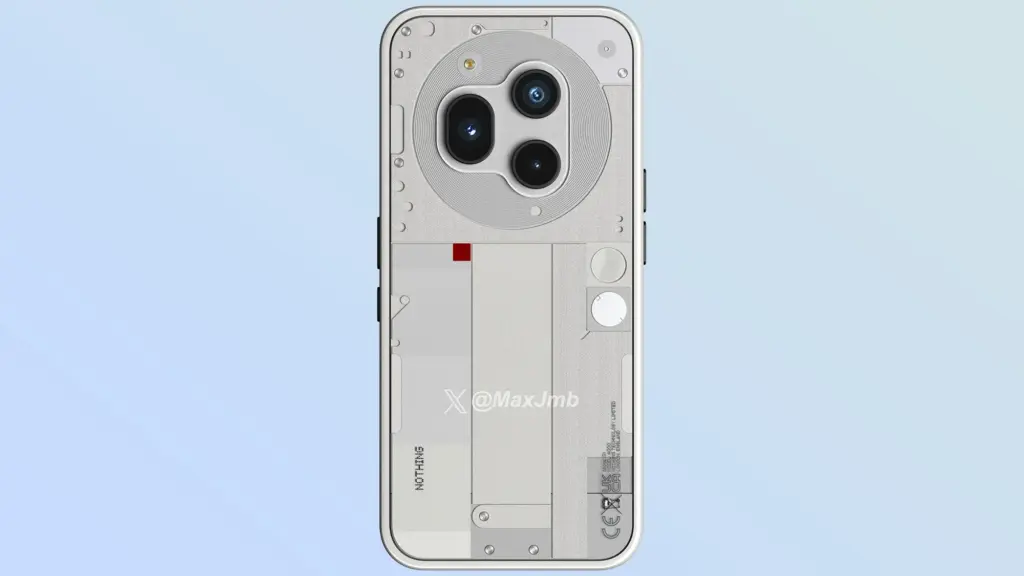
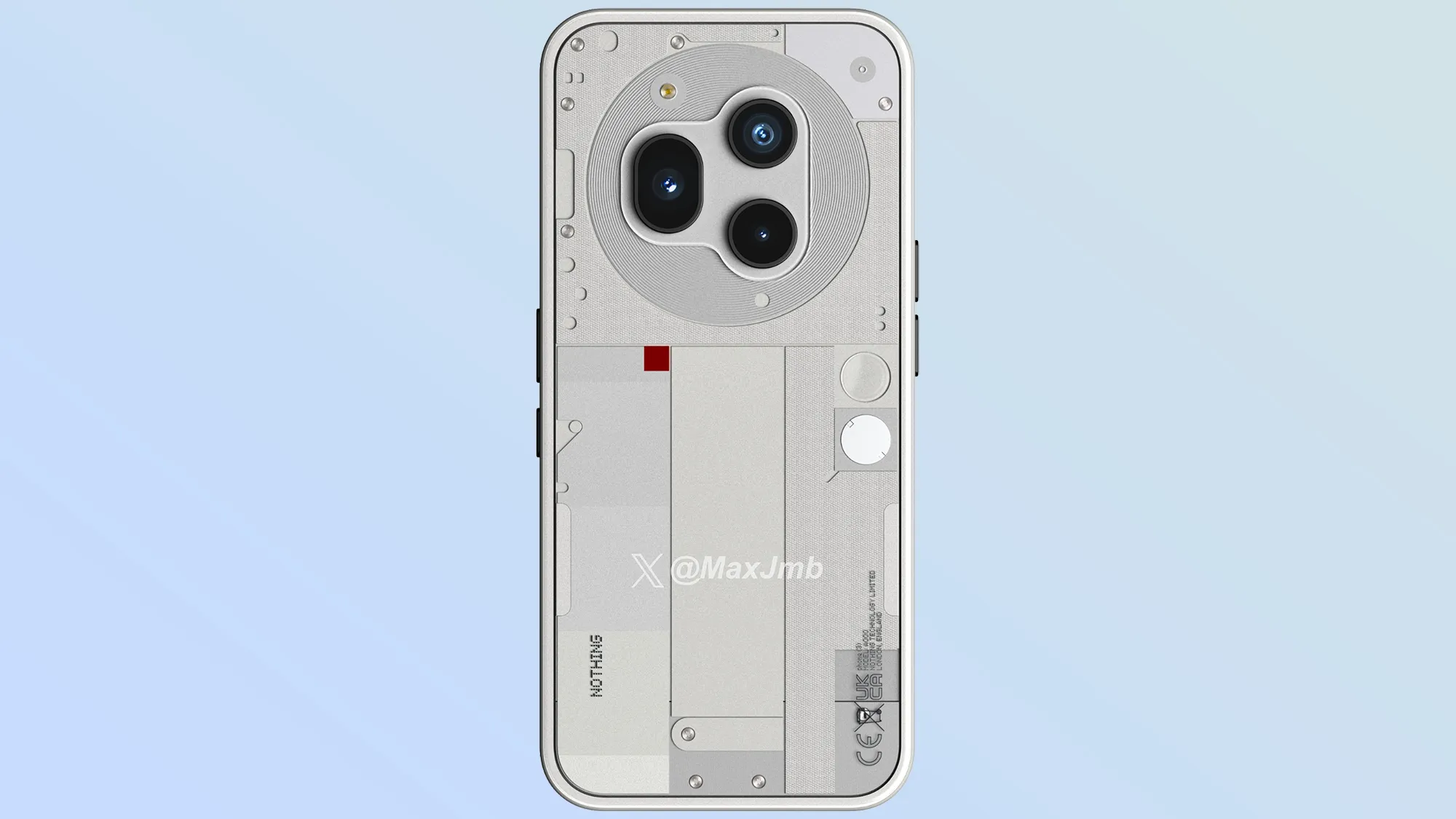
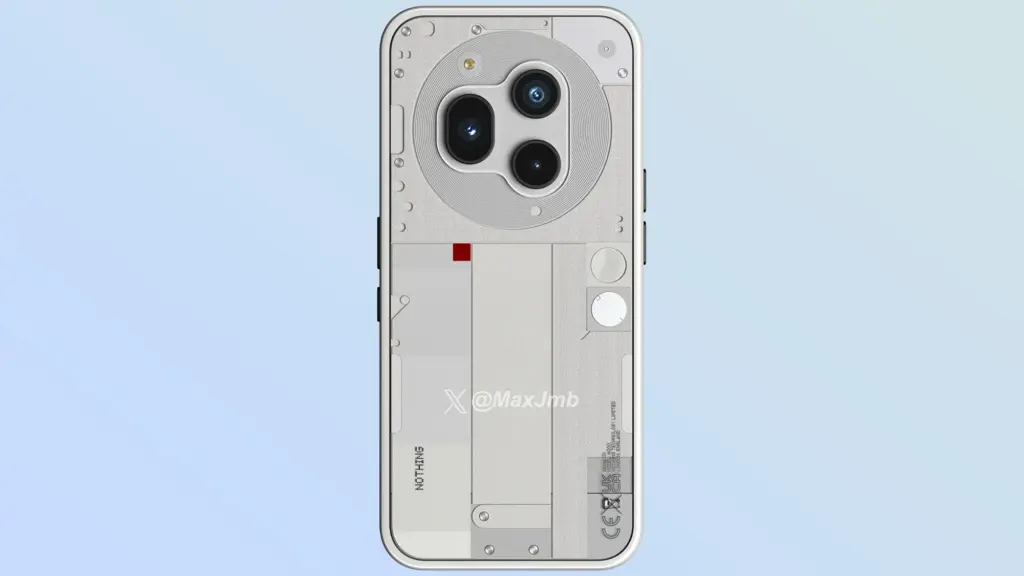
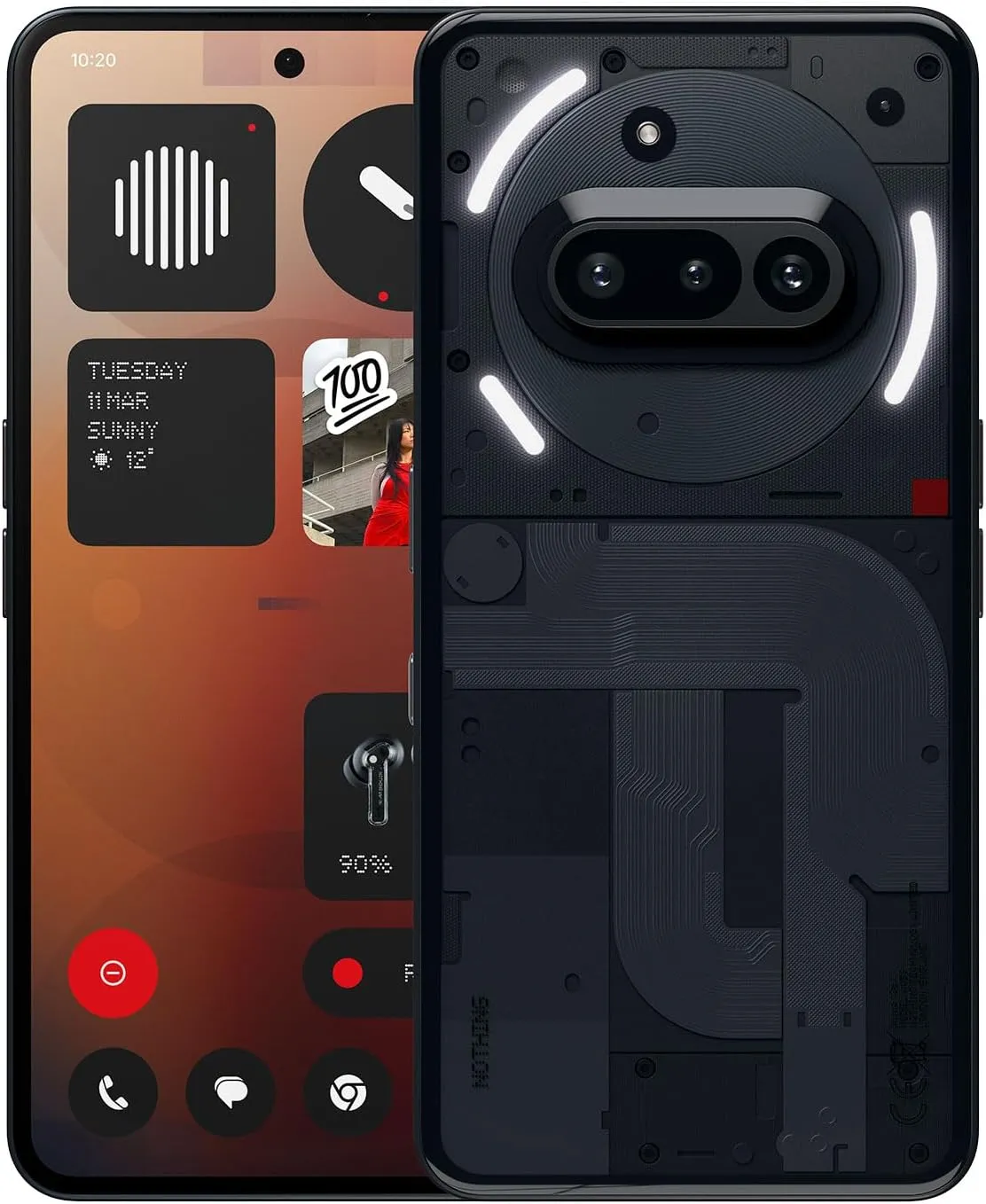
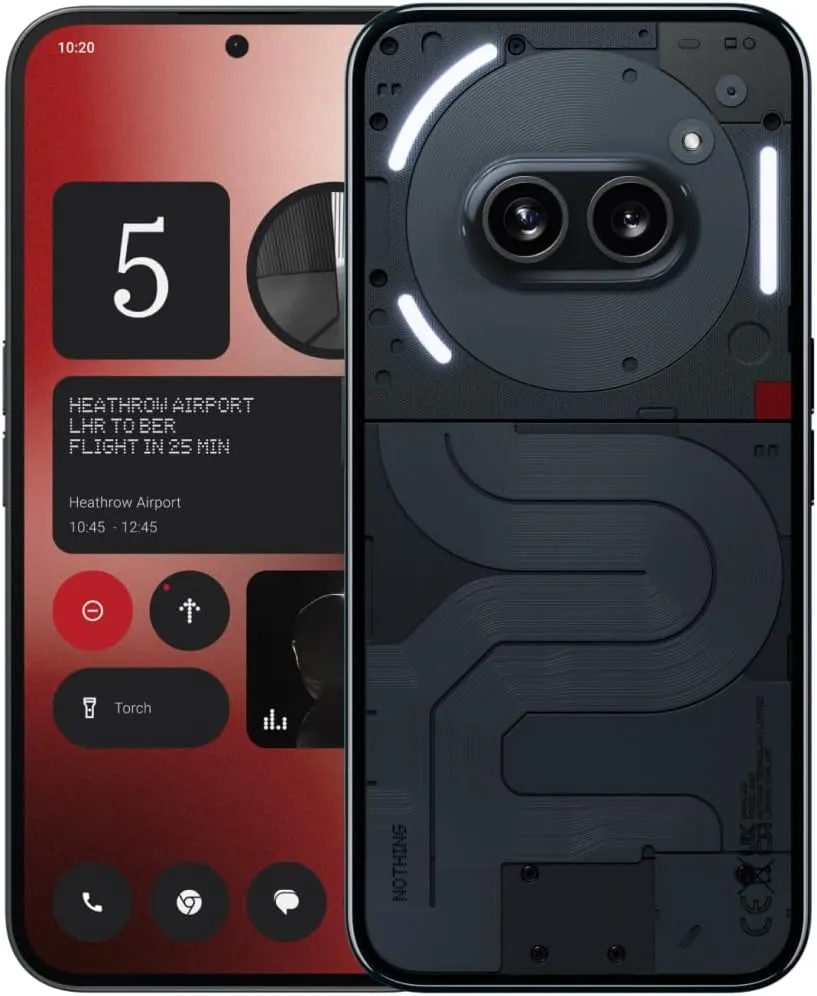
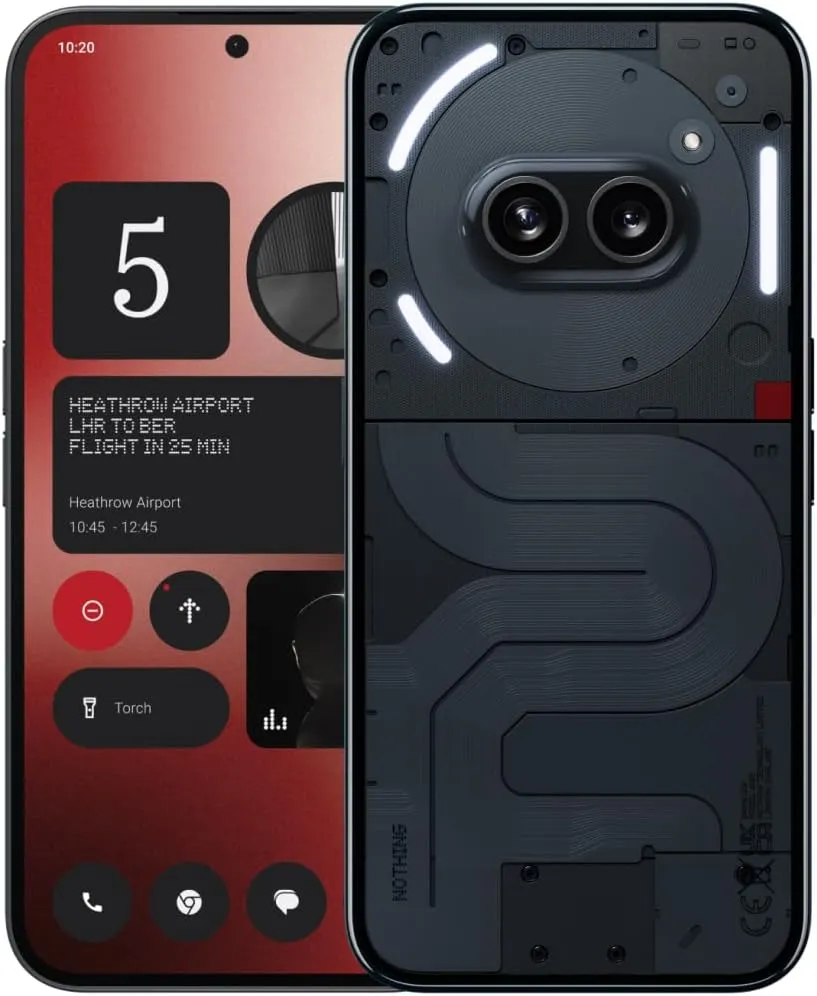
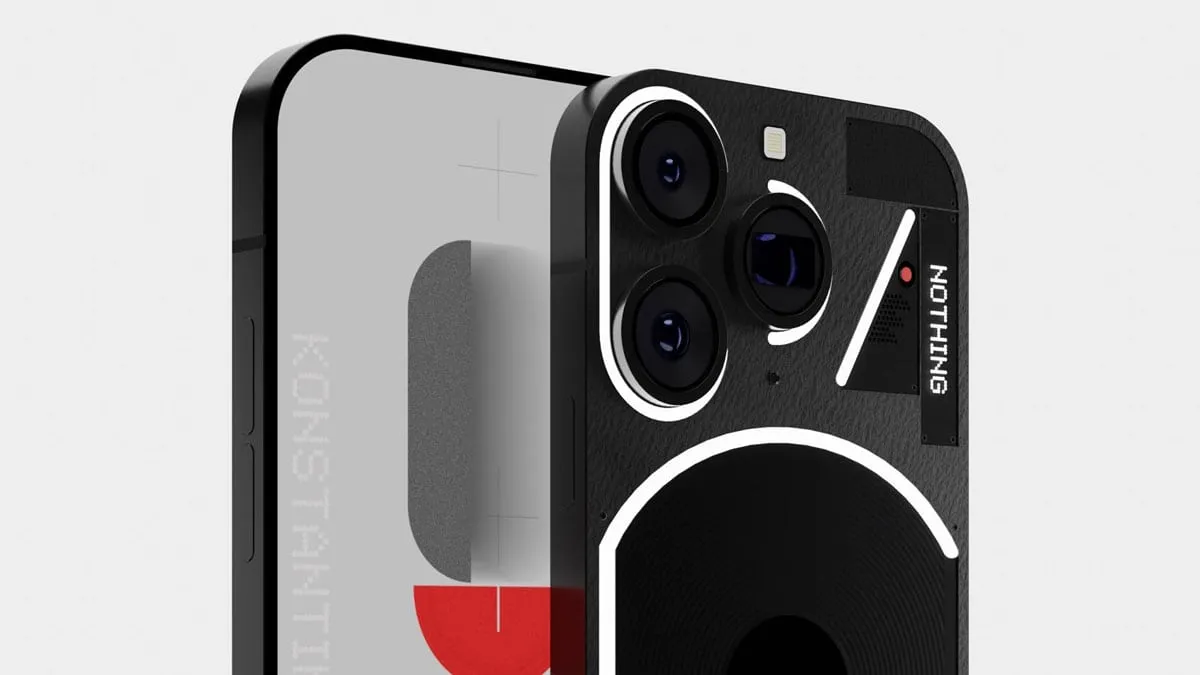
Nothing has formally announced that their next phone, the Phone 3, will be available on July 1st, 2025. Numerous details about the Nothing Phone 3 have already surfaced online, including its features and characteristics. According to an official teaser released by Nothing, the device would use an LED effect in place of Glyph. The Snapdragon8S Generation 4 is the only one of several upcoming improvements on the Nothing Phone 3, according to Gadget Bits’ X handle.
Nothing Phone 3 launch
On July 1st, 2025, Nothing Phone 3 will launch, following the success of Nothing Phone 2. The sale will begin on July 1st, however no official teasers have been released. The offer will be available on the official Nothing website, as well as on Amazon, Flipkart, and other online retailers.
Features and Specs
The Nothing Phone 3’s display features a 6.7″ screen and a 1.5K LTPO OLED panel. Nothing’s Phone 3 will have a display that supports 10802392 pixels. The display has a refresh rate of up to 120 Hz and a brightness of up to 3000 nits. The phone is 163.577.5*8.4 mm in size. Given that the present phone weighs 201g, consumers should have no trouble carrying it. Glass has been included onto the front and rear of the gadget to provide protection. Nothing Phone 3’s IP64 certification offers dust and water resistance.
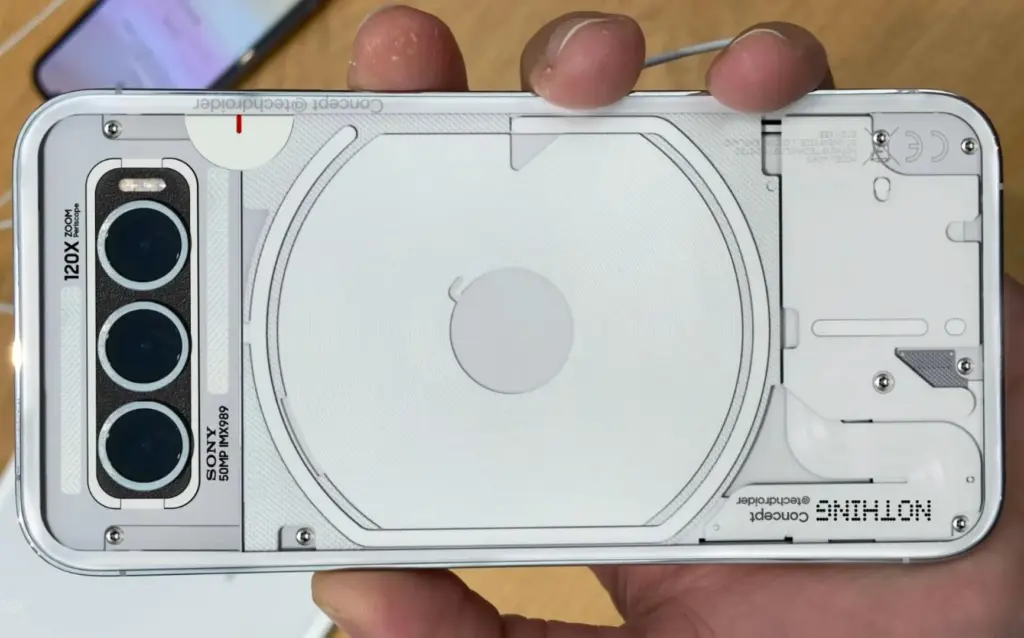
The Phone 3’s triple-lens back camera has 50MP primary, 50MP telephoto, and 50MP ultra-wide lenses. A 3x optical zoom is included into the telephoto lens. One of its unique features is the Glyph matrix, which will be positioned in the top right corner of the device to provide a clear view. Users may shoot selfies and make high-quality video calls thanks to the 50MP front camera. The front camera can capture 1080p video at 30 frames per second. We may anticipate that focusing may be an option on the front camera.
The current phone is equipped with a Qualcomm Snapdragon8S Generation 4 chipset. Nothing OS 3.5 and Android-15 support the base.
The largest improvement is the larger battery capacity of the Phone3, which is approximately 5150mAh. There is a significant charge rate associated with this upgrade. Additionally, it enables cable charging with fast charging up to 100W. This phone also has the option of wireless charging. Additionally, it will offer wireless charging in reverse, which is ideal for gamers.
For some potential users, it offers a significant improvement in eSIM capability, something that the previous Nothing phones did not offer. Additionally, it is said that Nothing’s Phone 3 will feature NFC.
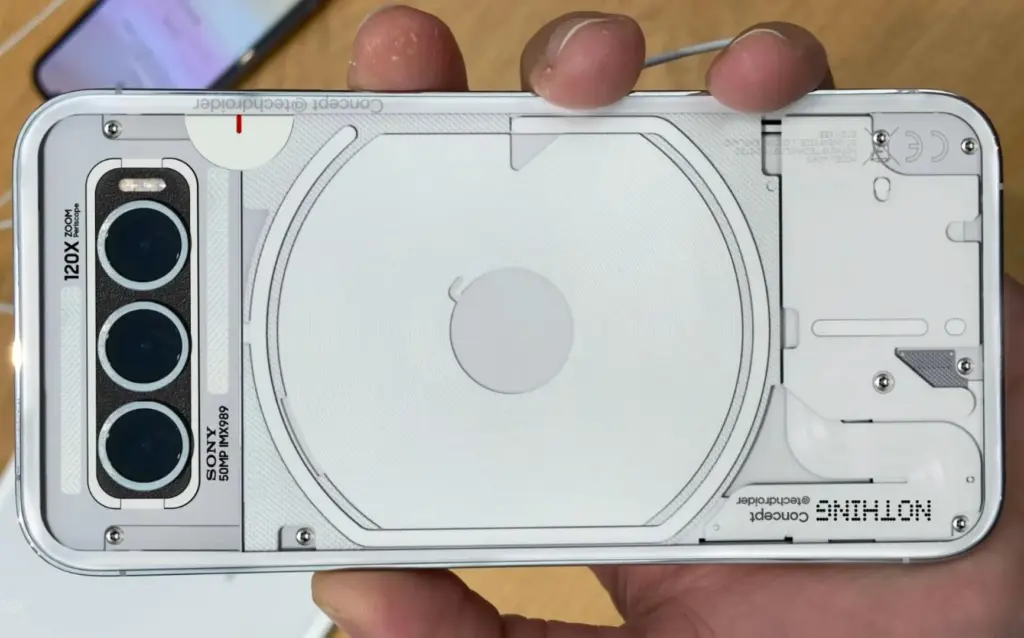
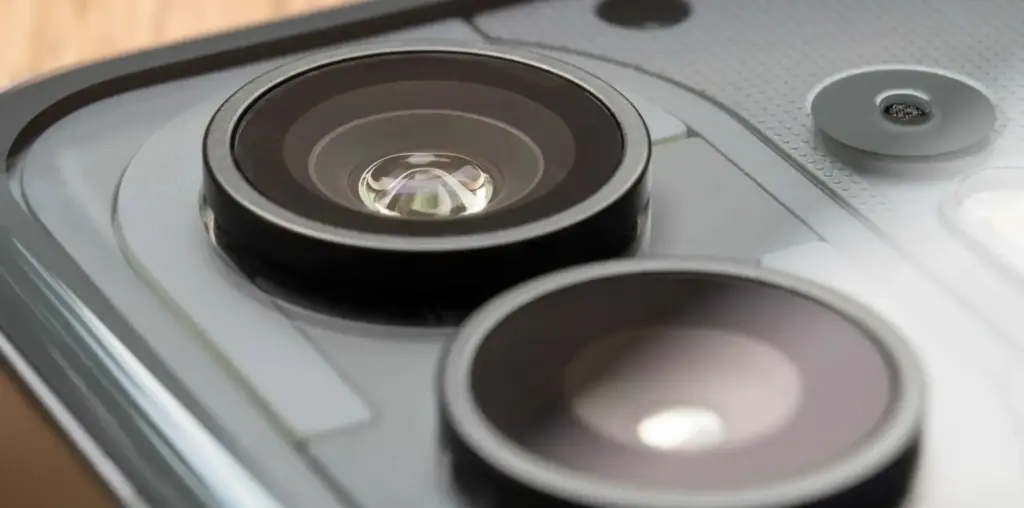
Although the camera design is not shown, the blurry image of the Phone 3 that was released in the X grip gives a glimpse of the back-camera look. Continue to visit our websites for additional updates on Nothing Phone 3 modifications and enhancements.
Stay connected with the latest from Droid Tools—follow us on X @droid_tools, like our page on Facebook, check out our updates on Instagram, and follow us on Google News for real-time news, device tips, and mobile tech insights.
A mid-range gaming PC used to boast about having sixteen gigabytes, but a common sale slip now attributes that amount to a rectangular glass slab that fits in your pocket. A pre-Independence Day fireworks show for spec hunters, Walmart’s business section quickly revealed details about Nothing’s next Phone 3, including 16 GB of LPDDR5X, 512 GB of UFS 4.0, and a July first street date. This is also the first time Nothing is formally bringing its phone to the US borders.
Nothing Phone 3 price and specs
The price of that top-tier configuration is anticipated to be $899, whereas a 12 GB/256 GB device costs about $799. Finally, AT&T and T-Mobile 5G capability is available to North American customers, removing the import-phone issues that plagued previous versions. This high pricing betrays Nothing’s confidence that, if the focus switches from camera count to brain horsepower, hardware alone may overtake established titans.
According to reports, Qualcomm’s next Snapdragon 8 Elite has 60 TOPS of on-chip AI grunt, but if Android continues to remove tensor weights, the hungry silicon will still lag. While you doom-scroll, translate, and sketch-to-image simultaneously, a seven-billion-parameter language model is residing in sixteen terabytes. When the Gemini Nano failed to load on 8 GB Pixels, Google realized the limit; it would be better to go overboard than to subsequently apologize.
AI is coming to Nothing
AI-generated wallpapers, offline transcription, and a ChatGPT-lite that never spills a byte outside of your SIM are all features you can expect to see at the keynote. The true magic will be subtle: frame buffers, tensor cues, and next-step suggestions finally coexisting in memory, resulting in perceptual haptics that feel instantaneous and predictive caching. RAM will be the new battery in 2025; consumers won’t feel any pain until it runs out.
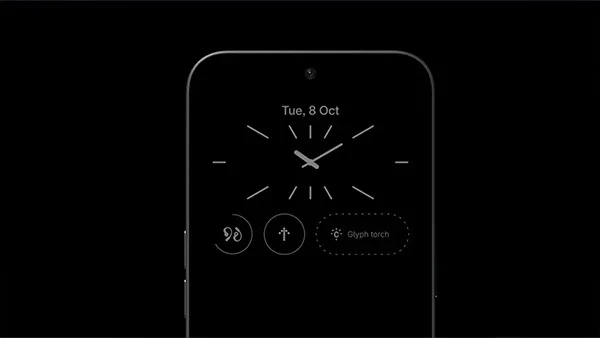
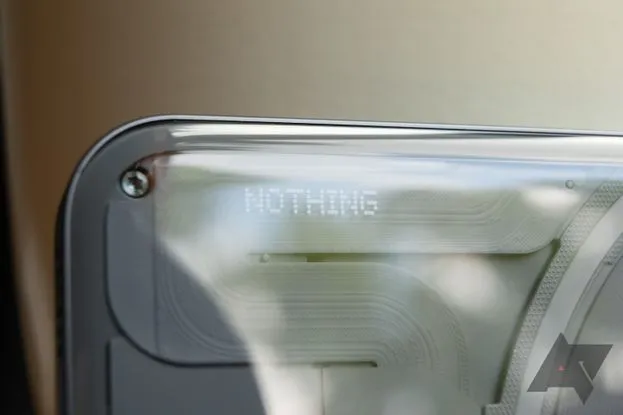
However, realistic theater and performance theater must share the focus. Its recognizable Glyph light bars have not been given a death certificate. In dim subway trains, two generations of Morse-code strips became cult favorites, but improvement necessitates development. The Glyph Matrix is a transparent rear plate with a dotted halo of individually programmable LEDs that can scroll text and trace icons and emoticons.
We don’t know for sure, but it appears that the wireless charging coil has also been removed in the ultimate bear hug due to the Glyph Interface’s demise. Rumor has it that the new Glyph Matrix occupies the space that was previously occupied by the wireless charging coil, which essentially became a crucial component of the flagship phone’s iconic design. The matrix seems to be the ideal location for the circular light grid, but there is no reliable way to tell if it actually replaces the Qi2 coil.
Mischief ensues when that canvas is combined with on-device AI inference. The LEDs may turn into a silent progress bar as diffusion models create an illustration, pulse in harmonic waves that reflect the mood of your playlist, or remain inactive until a predictive engine determines the alert is actually worth looking at. At last, hardware transforms from a ringtone to ambient UX.
Ambition rarely moves by itself. Whatever watt-hour benefits come with the anticipated 5,000 mAh battery could be erased by more than two hundred LEDs using power in addition to a more demanding NPU. Moving the coil could result in reduced wireless charging speed or the complete elimination of reverse charging. While you wait for an AI recipe recommendation, your pocket might serve as a hand warmer if the temperature calculations are incorrect.
The arc is still pointing ahead. Smartphones used to compete on the basis of megapixels, then refresh rates; in 2025, neural FLOPS and programmable lumens will choose the winners. Phone 3 outlines a future in which the interface and hardware literally light up one another by fusing 16 GB of breathing room with a light-spewing, AI-aware rear panel. The concept pushes the industry toward gadgets that think more deeply, glow more intelligently, and feel distinctly alive, even if the first Matrix flickers.
Stay connected with the latest from Droid Tools—follow us on X @droid_tools, like our page on Facebook, check out our updates on Instagram, and follow us on Google News for real-time news, device tips, and mobile tech insights.
Only a few weeks remain until Nothing’s third significant smartphone release, and as anticipated, the pre-launch storyline includes equal parts carefully planned confusion and controlled leaks.
The form, functionality, and placement of Nothing Phone 3 remain unclear despite the device’s July 1 introduction date. It’s either the brand’s first attempt at a real flagship or a continuance of its affordable-premium recipe, depending on whatever official teaser or leak you read.
In any case, this is more than just specs. In 2025, design, interface minimalism, and possibly artificial intelligence will be the main topics of discussion in classic Nothing fashion. Here is everything we currently know about Nothing Phone (3).
No more Glyph interface
For a brand that has leaned so heavily on design for differentiation, it was surprising when Nothing publicly claimed it has “killed” the Glyph interface.
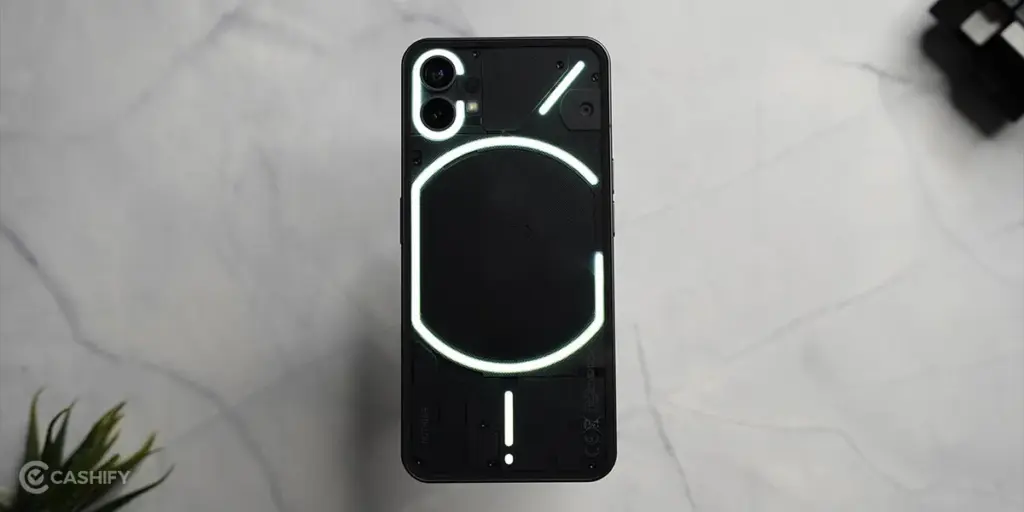
Together with a transparent back panel, these distinctive LED lighting strips have come to represent the brand. Additionally, they served as camera fill illumination, charging status lights, and notification indications.
The Glyph interface has turned into a more specialized function than a common one, though, and nothing seems to have recognized this. The company’s recent public confirmation that it is discontinuing the Glyph interface for the Phone 3 is probably due to this.
As with the Asus ROG Phone 9, the gadget might instead include a more customisable LED panel. Recent teases suggest that this could feature animations and icons in addition to simple glyph-like warnings.
Design
The Nothing Phone 3 differs significantly from its predecessor in terms of design. Recently, a leak revealed the entire design, which had the anticipated translucent appearance. However, it appears that there are more differences than commonalities.
Notably, there is no Glyph interface, and three cameras have been added to the back in an unusual configuration. At first appearance, it’s a daring and divisive look, but whether or not users would accept it is a different matter.
Specs
According to reports, the Nothing Phone 3 would have a 6.7-inch LTPO AMOLED screen with a refresh rate of 120 Hz. According to reports, the camera configuration consists of a 50MP primary sensor in addition to telephoto and ultrawide lenses.
The next device’s performance is arguably its most contentious feature. Since Nothing CEO Carl Pei has already said that the Nothing Phone 3 will be a flagship product, it is reasonable to anticipate a processor from the Snapdragon 8 series or perhaps even a MediaTek Dimensity chip.
It’s noteworthy to note that nothing has ever put delivering consistent performance ahead of aiming for the best specifications. Therefore, it wouldn’t surprise us if the Nothing Phone 3 ran on a flagship chip from a prior generation instead of the newest one.
A 5,000mAh battery, an improvement over the Phone’s 4,700mAh unit, is reportedly going to power all of this (2). It is anticipated that 20W wireless and 50W wired charging would be available.
Essential Key and Android 15
Depending on when the final build is released, the device is anticipated to come with Android 15 overlaid with either Nothing OS 3.0 or 3.2. According to Pei, this OS update will have a “cleaner” appearance and include AI into the user interface.
Nothing’s AI vision is dubbed “Essential Space,” a system-level interface that facilitates context-aware tasks, recordings, and snapshot management. With integrations like ChatGPT, the firm is already experimenting with AI in its earbuds to offer voice-activated assistants.
However, as with a lot of what Nothing promises, it’s still uncertain how useful AI will be in real life. It’s difficult to predict if this will be truly beneficial or merely superficial branding until we see it in action.
Is Nothing Phone 3 going to be a flagship?
The Nothing Phone 3 will adhere to the company’s basic principles of utilitarian aesthetics, minimalist design, and a purposefully simplified software experience, if the initial indications are any indication. However, it’s unclear how the business plans to define “flagship.”
Competition is intense at the upper end of the market, and factors like camera performance, AI integration, display quality, and long-term software support are becoming more and more important.
The lack of verified high-end capabilities like a telephoto lens, variable refresh rates above 120Hz, or real-time AI picture processing could keep it one step behind true flagships from Samsung, OnePlus, or Apple, even though Nothing’s design is unique.
Availability and pricing
On July 1, 2025, the Phone (3) will make its debut, right before Samsung’s summer Galaxy Unpacked presentation. According to reports, the cheapest edition of the Phone (3) with 12GB RAM and 256GB storage costs $799, or roughly Rs 68,320.
In comparison to the same model of the Nothing Phone 2, this is essentially a $100 (about Rs 5,560) price increase. In contrast, the more expensive 16/512GB variant will set you back $899, or around Rs 77,500. Finally, there will be two color options for the Phone (3): Black and White.
Nothing Phone (3a)
The Nothing Phone (3a) features a high-performance Snapdragon 7s Gen3 processor built on a 4nm TSMC process, 8-core, up to 2.5 GHz, and is equipped with WiFi 6, Bluetooth 5.4, GPS/Glonass/Galileo positioning.
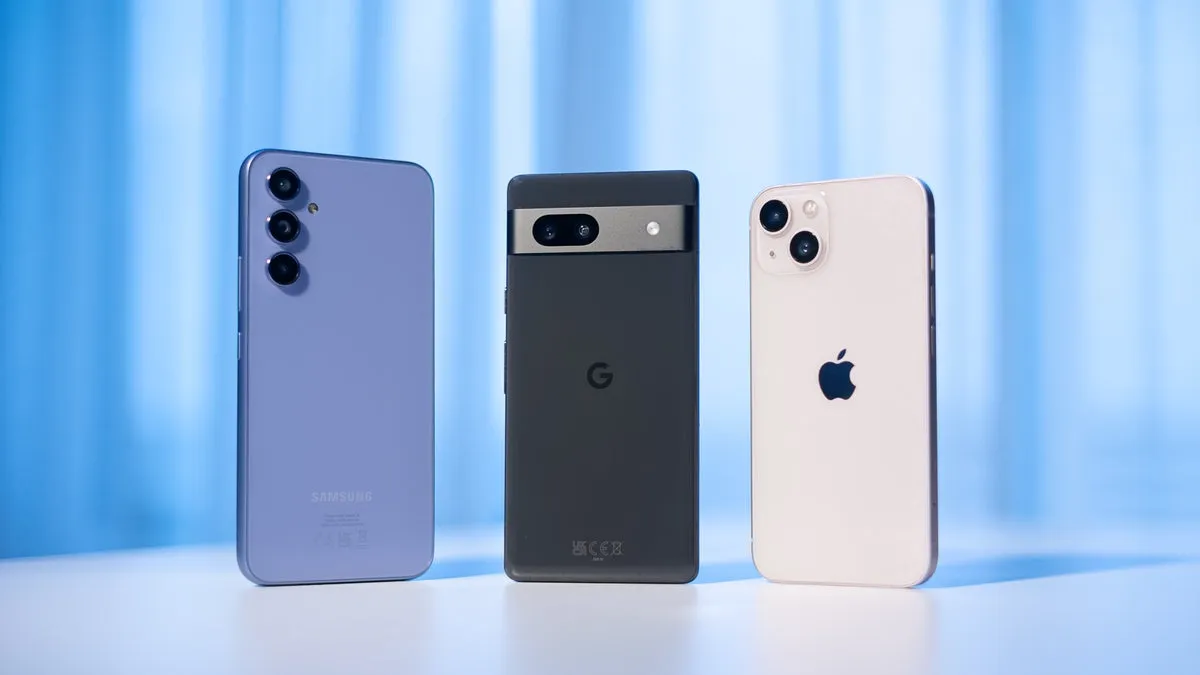
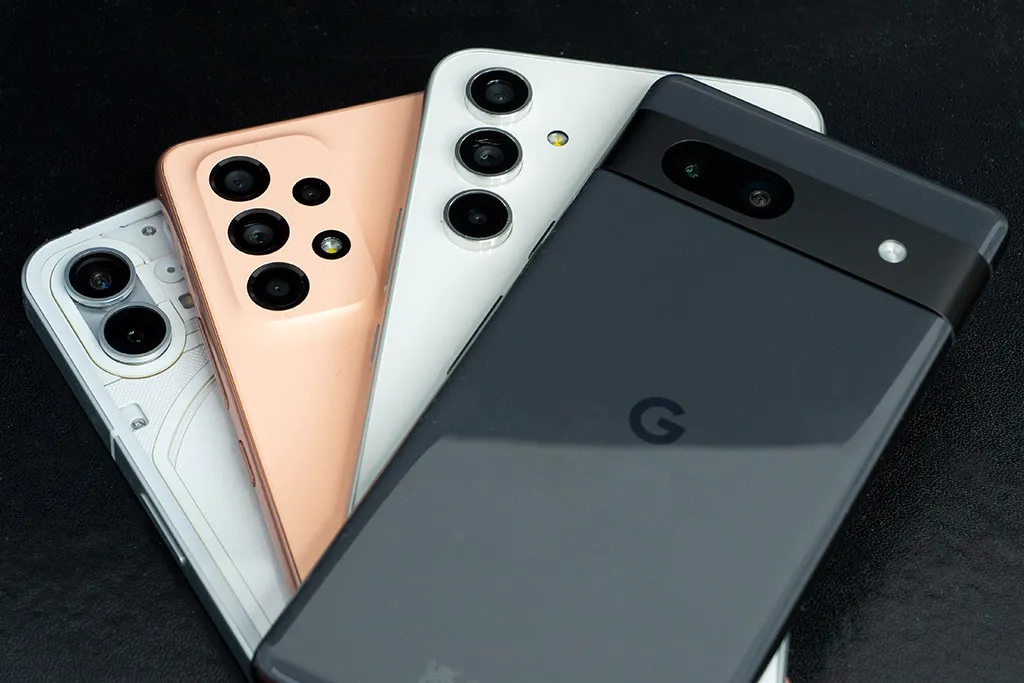
In 2025, the budget smartphone market is more competitive than ever, offering impressive features, solid performance, and sleek designs at wallet-friendly prices. Whether you’re a student, a casual user, or just someone who loves getting the best value for money, there’s a perfect device out there for you. In this guide, we’ve rounded up the best budget smartphones you can buy in 2025 — all under $400 — that deliver big on performance without the premium price tag.
This is a thorough guide to the top smartphones under $400, which include features like outstanding cameras, slick 120 Hz screens, and potent gaming-ready SoCs with 5G.
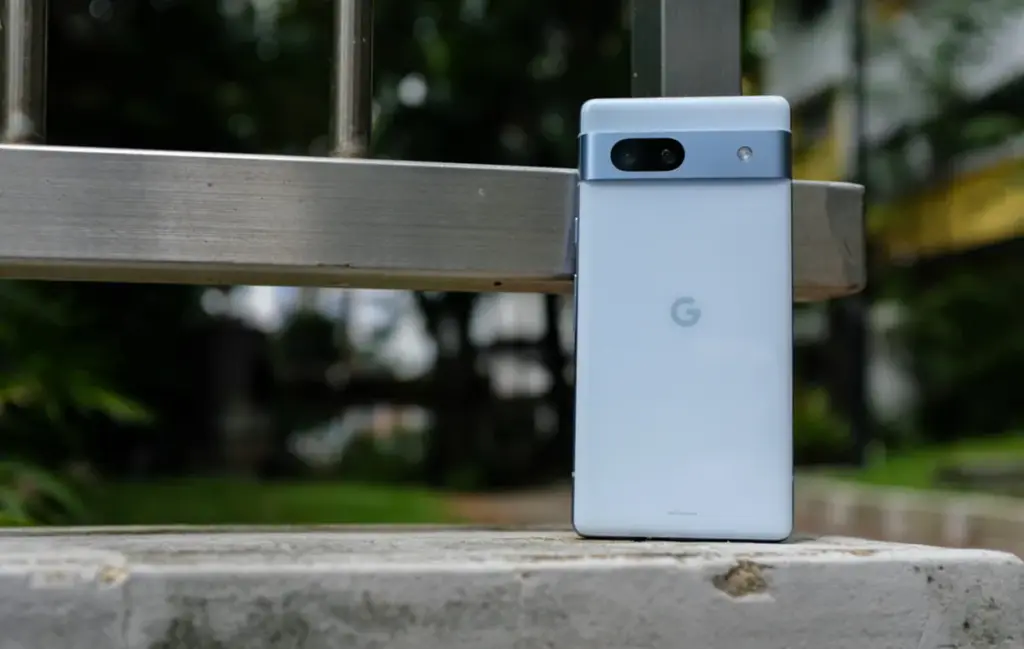
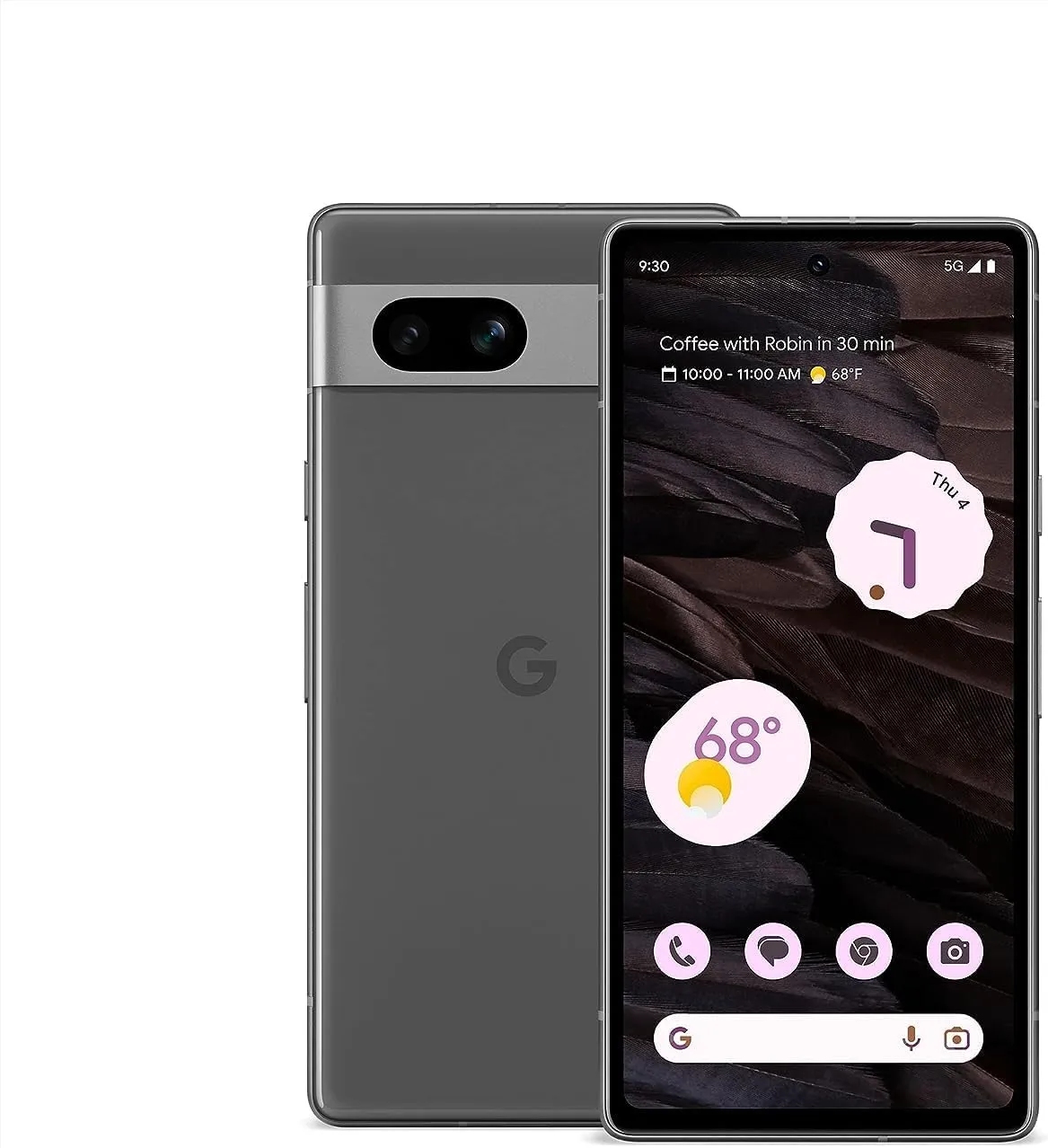
Google Pixel 7a – great camera, good battery life and updates
With 128 GB of storage, the Google Pixel 7a, which was released on May 10, 2023, costs less than $400 on Amazon. Its Tensor G2 processor, which Google has included, improves the performance of machine learning-based features, making it a great option for anyone looking for a small Google phone in 2025.
Among smartphones under $400, the Pixel 7a stood out with a 5-star rating in our assessment. It is the most affordable model in the Pixel 7 series, with features including wireless charging, 8 GB of RAM, and a refresh rate of 90 Hz.
With a 64 MP primary camera, a 13 MP ultra-wide lens, and a 13 MP selfie camera, the camera system has been much improved over its predecessor. Google’s sophisticated camera software guarantees that images captured with the Pixel 7a uphold the Pixel series’ excellent quality standards.
Google Pixel 7a
Pixel 7a has a 24-hour battery life and supports fast charging up to 72 hours with Extreme Battery Saver turned on.
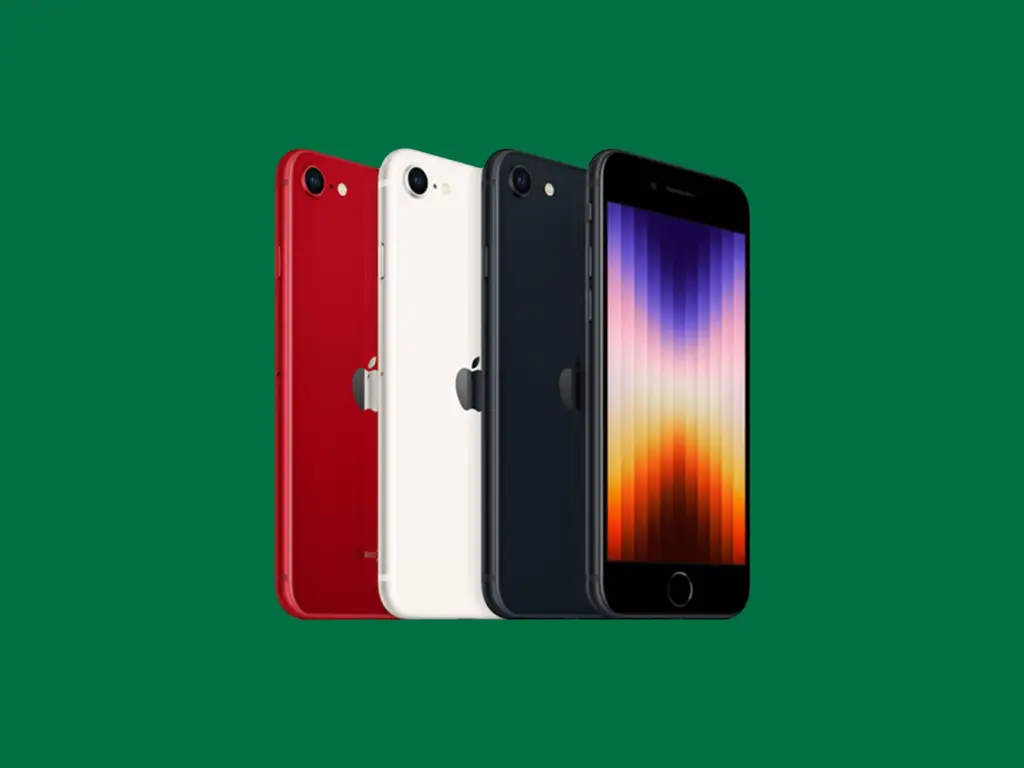
Apple iPhone SE (2022) – if you are in the Apple ecosystem
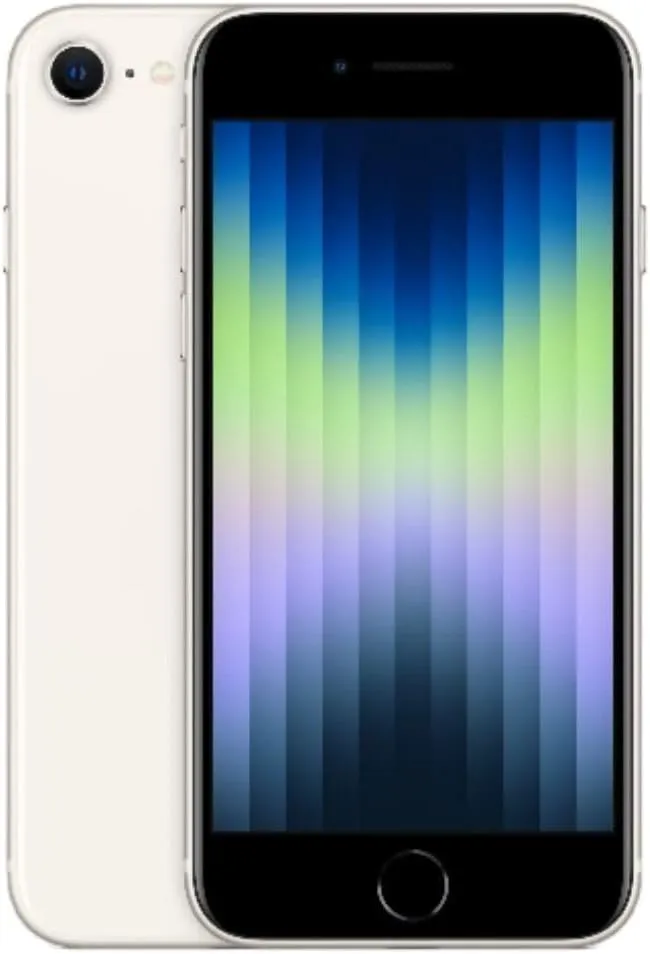
It is difficult to choose an Apple product under $400, but we firmly believe that the iPhone SE (2022) is the best option. Apple essentially discontinued the SE range in 2025 with the release of the iPhone 16e (review). Apple’s entry-level model is now the 16e, the company’s first new name since the 2020 “mini.”
Currently, the iPhone SE (2022) is only available through online retailers like Amazon. This budget iPhone features the powerful A15 Bionic chip, although it brings minimal upgrades compared to its predecessor. It offers a 12MP camera within a casing nearly identical to the iPhone SE (2020)—which itself resembles older models like the iPhone 8, 7, and 6s—and includes IP67 water resistance.
The most notable enhancement is 5G connectivity, which puts the iPhone SE (2022) on par with other smartphones under $400 on this list, aside from the improved SoC and more RAM (4 GB). After testing, we discovered that, despite certain issues, the gadget is still a great option for iPhone purchasers on a tight price.
Software support for the iPhone SE (2022), including complete iOS updates and security fixes, should last until roughly 2027 or 2028, according to Apple’s past trends. However, based on Apple’s future choices, precise timetables might change.
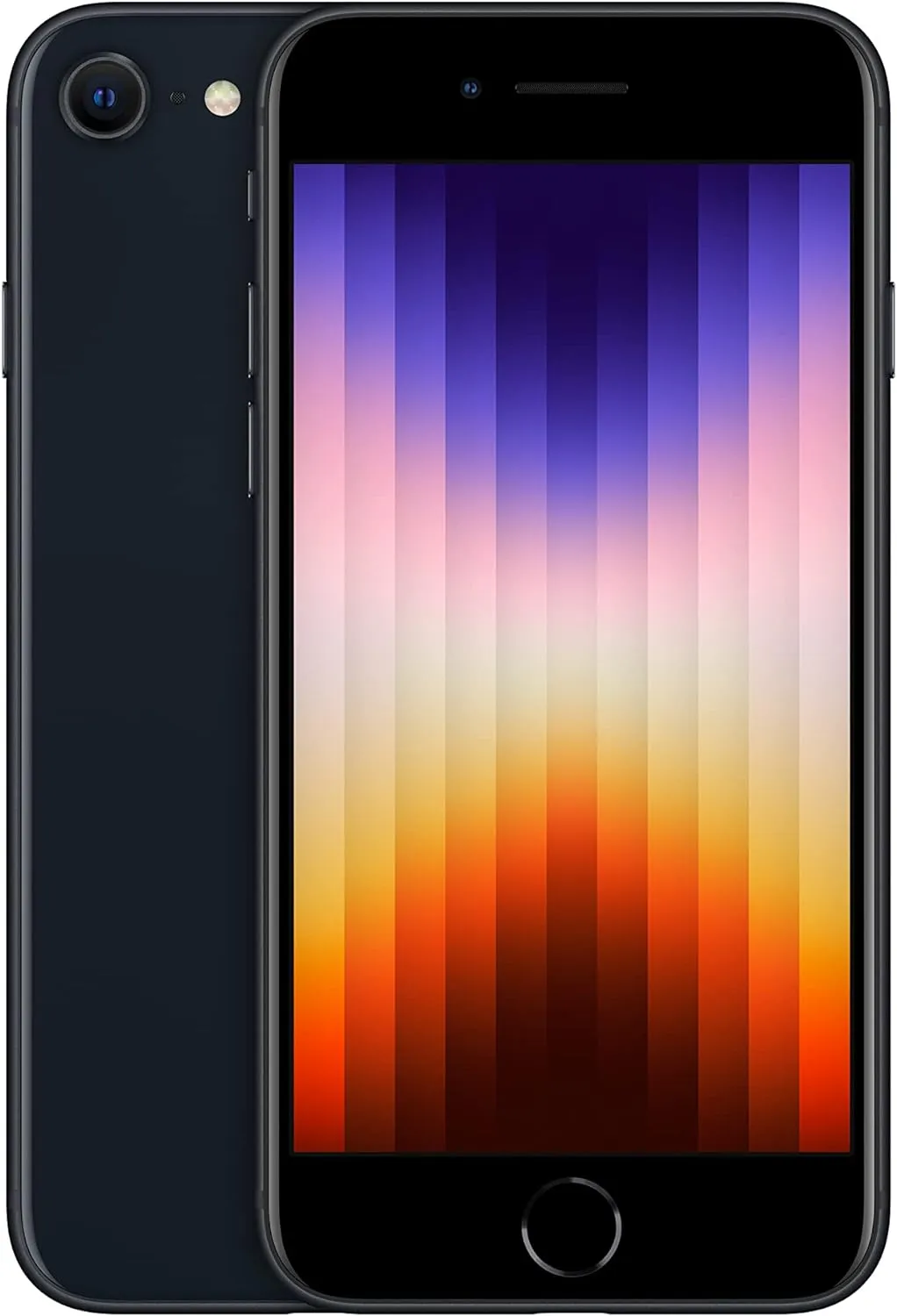
2022 Apple iPhone SE
Advanced single-camera system with 12MP Wide camera; Smart HDR 4, Photographic Styles, Portrait mode, and 4K video up to 60 fps
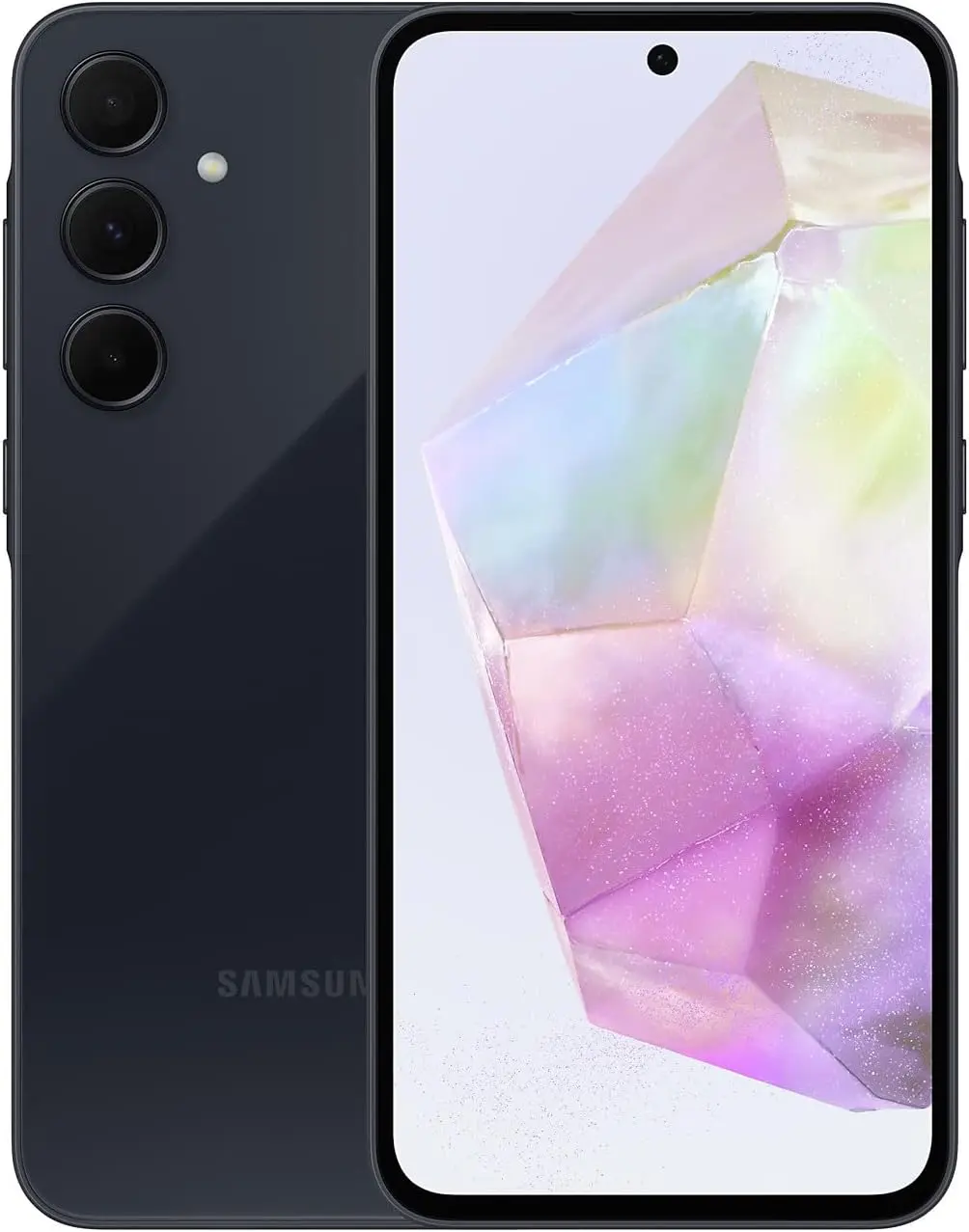
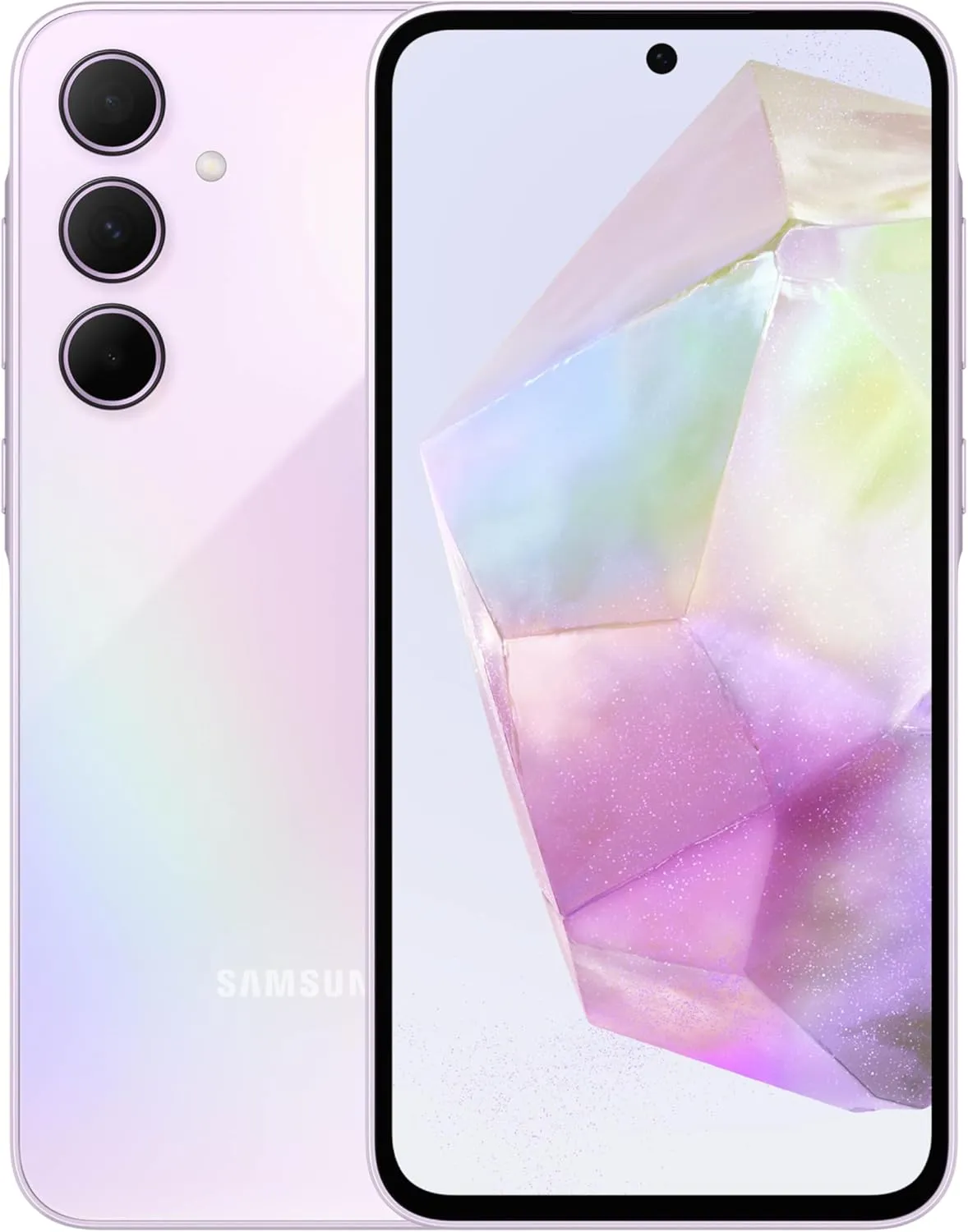
Surprisingly, Samsung chose not to distribute its well-liked Galaxy A55 in the US in 2024. As a mid-range substitute, the company instead unveiled the less expensive Galaxy A35.
In actuality, both models offer balanced camera capabilities, dependable battery life, and comprehensive software support, making them very comparable in terms of performance and specifications. The Exynos 1380 processor, which was used in the previous Galaxy A54 model, ensures seamless performance for daily use and light gaming on the A35.
Samsung has committed to providing software upgrades for the Galaxy A35 through 2029, making it the phone with the longest security support on this list. Although some more recent models provide even longer support, none of them now live up to this promise at this price point.
Samsung Galaxy A35 5G
6.6” FHD+ Super AMOLED w/Corning Gorilla Glass Victus+ – Resolution 1080 x 2340 pixels 256GB 8GB RAM – MicroSD up to 1TB
Nothing’s newest low-cost smartphone, the Phone (2a), has a great design and well-balanced specs, making it one of the most attractive mid-range phones.
It delivers endurance with four years of security patches and three guaranteed Android updates, together with a positive user experience with Nothing OS. Although the most recent Snapdragon chipset is not included, performance remains dependable.
The Phone (2a) has the longest battery life in its pricing range thanks to its large 5000 mAh battery that supports 45W rapid charging. The remarkable 17 hours and 2 minutes of runtime that our battery testing revealed allowed for comfortable two days of use between charges and comparatively quick recharging.
The primary compromise is the camera’s poor quality, especially in dimly lit areas. With its appealing screen, reliable performance, and very long battery life, the Nothing Phone (2a) is a well-rounded mid-range choice.
Nothing Phone (2a)
Nothing phone (2a) boasts Co-engineered with MediaTek,the custom Dimensity 7200 Pro processor delivers the best performance with optimal power consumption. NOTE:Only these carriers’ 5G network bands are supported,please check the bands before buying: T-Mobile n41,n66; AT&T n5,n66; Google Fi n41; Verizon Wireless n5,n38,n66; Cricket Wireless n5.
Our crew has carefully tested the top picks for our list of the best smartphones under $400, and we have added extra mentions to help you make an informed choice. Although this guide focuses on key aspects, I strongly advise reading our in-depth reviews before making a purchase.
We mainly took into account regular consumers looking for a balance between cost and usefulness while making this budget-friendly choice. To make sure you are selecting the greatest smartphone, I advise you to look over our larger list of top smartphones if flagship-level features or cutting-edge performance are important to you.
User Experience (UX). Smartphones priced around $400 often provide reliable performance for daily work, multimedia consumption, and casual gaming. Expect CPUs from the Qualcomm Snapdragon 7 series or MediaTek Dimensity range, which offer outstanding value even though they are not the most recent generation.
Battery life and display quality are also important. We selected smartphones with batteries ranging from 4,500 to 5,000 mAh, which can last a full day. While charging speeds in this price range are moderate, often between 10W and 15W in the United States, these devices provide adequate endurance. Display technology is constantly advancing, with many devices offering Full HD+ resolutions and refresh rates of up to 120 Hz, including the increasingly popular OLED screens.
Although the camera’s performance is suitable for most daily uses, there are certain limits to consider. Higher-megapixel sensors are common, although their quality differs greatly from flagship models. We suggest care when using multi-camera systems, as extra lenses such as macro or depth sensors may have limited practical applications.
Software and carrier compatibility are other important issues. Smartphones in this category often receive fewer software updates—one to two major Android versions after launch—so double-check the device’s update policy before purchase. Additionally, check compatibility with your carrier, especially if purchasing unlocked smartphones.
Uncertain about which budget smartphone to buy with $400 to spend? With features like 120 Hz screens, top-notch cameras, and gaming-ready SoCs with 5G, we have compiled a list of the best smartphones available for $400 or less. Here are our best choices for cellphones under $400 without further ado.
Take a look at the table below if you are pressed for time and just want our best pick for a $400 smartphone. Before choosing, read the descriptions below or look through the available reviews for a more thorough understanding of our best choices.
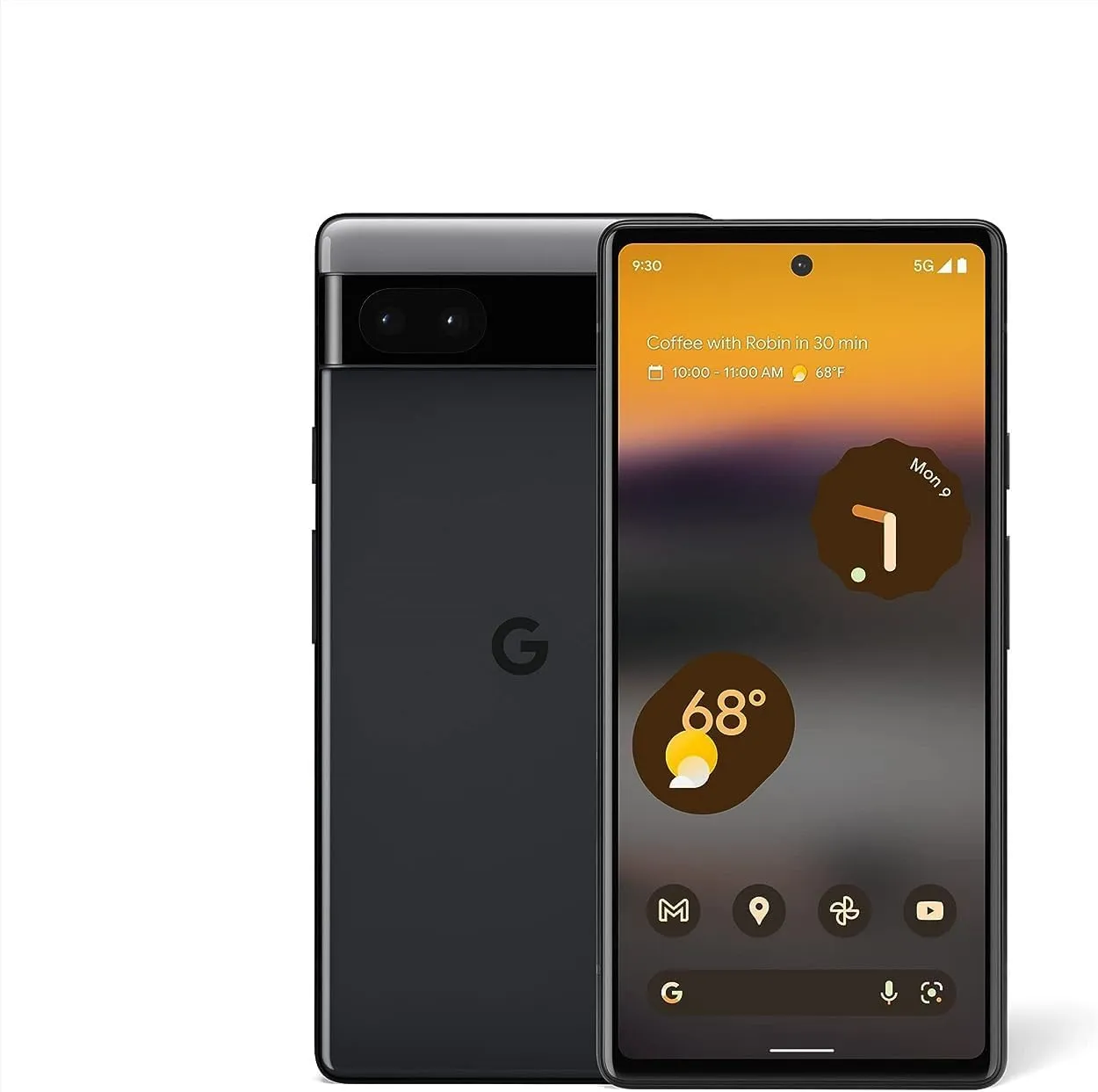
Google Pixel 6a
Although the Google Pixel 6a has been on sale since July 21, 2022, it is strangely still available on Amazon for $399 with 128 GB. The Pixel 6a appears to be the greatest choice for people looking for a smaller Google phone in 2024 since it is loaded with Google’s proprietary Tensor processor, which improves the performance of machine learning-based functions.
Even though the phone only has one internal storage choice and a 60 Hz refresh rate, it was already quite obvious from my assessment that it was the best smartphone under $400. Furthermore, among all the smartphones in the Pixel 6 series, the 6a is the most affordable.
The Pixel 6a has a very basic camera suite module, but considering that Google’s main strength is its camera software, it does not truly fall behind the competition. Thus, you can be certain that the images captured with the 6a will have the quality seal of the Pixel series.
Google Pixel 6a
The Google Pixel 6a has been available for purchase since July 21, 2022, but surprisingly the device can be found on Amazon for less than $399 with 128 GB.
Consider checking the Google Pixel 7a prices before making a purchase. The device might be available at a similar price on your preferred e-commerce platform.
Apple iPhone SE (2022)
Without hesitation, we suggest the iPhone SE (2022) as an Apple substitute. The new low-cost iPhone, which comes two years after the iPhone SE (2020), has a potent A15-bionic but is not much better than the original. A 12MP camera and IP67 resistance are included in a chassis that is quite similar to that of the iPhone SE 2020 (and iPhone 8/7/6s).
Aside from the SoC (and the additional 4GB of RAM), the true change is 5G connectivity, which enables the device to finally take use of the newest connectivity technologies, just like the other sub-$400 handsets on this list. The iPhone SE (2022), which we have already examined, is undoubtedly a fantastic option for anyone searching for a reasonably priced iPhone.
Apple iPhone SE (2022)
We suggest the iPhone SE (2022) as an Apple substitute. A 12MP camera and IP67 resistance are included.
Strangely, Samsung decided not to release its top-selling Galaxy A55 model in the US in 2024. The South Korean company replaced it with the less expensive A35 model as a mid-range market substitute.
In actuality, the two phones are rather comparable in terms of features and performance, offering a comprehensive package that includes cameras, software support, and battery life. Smooth performance for everyday work and even some games is promised by the A35, which inherits the Exynos 1380 CPU from our last suggestion, the Galaxy A54.
With Samsung guaranteeing patches through 2029, the Galaxy A35 is the phone on this list that will continue to receive security upgrades for a longer period of time. Even longer support is beginning to be promised by more recent phones, but none at this price point.
Samsung Galaxy A35
128GB Unlocked Android Smartphone, AMOLED Display, Advanced Triple Camera System, Expandable Storage, Rugged Design, US Version, 2024
Nothing’s newest low-cost smartphone is called the Phone (2a). Although its technological specifications are well-balanced, its appearance is what really makes it stand out; according to my colleague Antoine Engels, it is the most attractive mid-range smartphone of 2024.
The Phone (2a) is the autonomy champion in its price range thanks to its 5000 mAh battery that supports 45 W rapid charging. The smartphone lasted an amazing 17 hours and 2 minutes on our battery assessment. Without recharging your phone, you can easily go two days (2a). Additionally, it has the benefit of charging at a moderate pace.
The photo quality is not very realistic, especially at night, so I think that is the only major compromise you will have to make. The Nothing Phone (2a) is a well-balanced mid-range smartphone that boasts a stunning screen, respectable performance, and, most importantly, an impressive battery life.
Expectations for mobile devices costing up to $400
In the US, mid-range phones fall somewhere between affordable models and high-end mid-range phones, albeit offering a respectable price-performance ratio. You may discover older or lower-specified devices at this pricing. They may lag in terms of camera, performance, and design even though the majority feature 5G.
Power and performance: Investing in a sub-$400 device will at least guarantee that the SoC can tackle the most recent games. Here, you should expect SoC’s that are at least one to two years old and offer good performance for daily tasks.
Cameras: In the mid-range, models like the Samsung Galaxy A35 have 50-megapixel main cameras, but don’t match the Galaxy Ultra’s photo quality. The primary issue in this range is with the cameras, especially “Quad cameras” that use low-quality macro and depth sensors. Unfortunately, the telephoto camera often gets compromised.
Battery & charging: Batteries in this price range are typically between 4,500 and 5,000 mAh, but charging speeds are subpar. Devices from Honor and Xiaomi offer over 60W fast-charging, but they aren’t available in the US. Here, 10W to 15W is decent. Wireless charging is rare at this price point.
Display: In terms of display, we can expect FullHD+ screens with high refresh rates (except for Apple), and OLED displays are getting increasingly popular, with nice color reproduction and impressive contrast levels.
Age and support: At this price, be wary of devices older than two years due to limited software updates. Most will receive only one or two updates beyond their initial OS. Hence, Android 10 devices will become outdated after the launch of Android 14 in 2023, for example.
Carrier compatibility: In this price range, not all devices are compatible with every carrier. Many are designed for GSM networks, common outside the US. If you’re on a CDMA network like Verizon, ensure compatibility. However, with 4G LTE and 5G, this issue is diminishing.
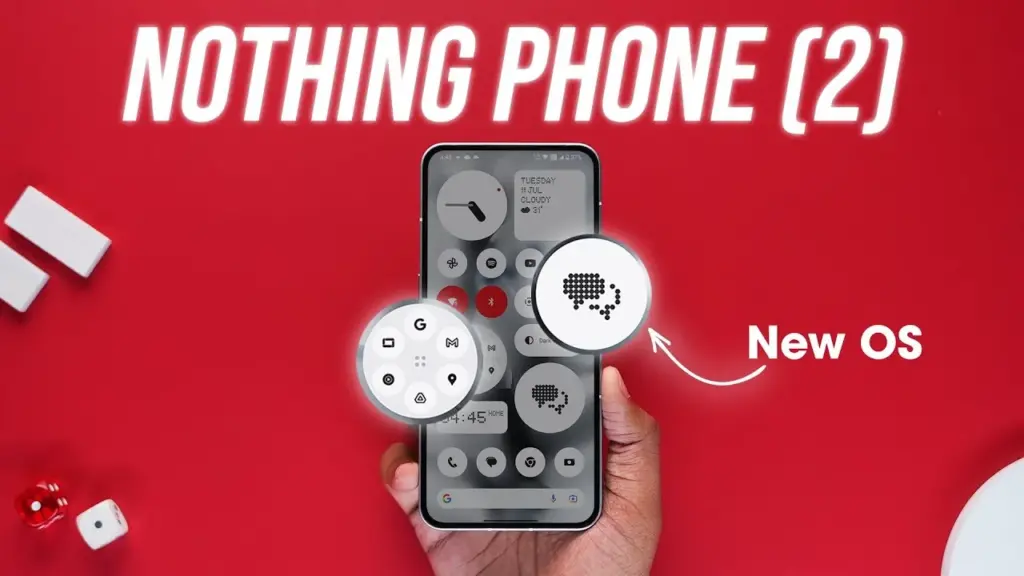
Through the Nothing OS 3.0 Open Beta program, which debuted on the Nothing Phone (2a), Nothing was among the manufacturers who initially released Android 15. The company is launching a number of enhancements to the Nothing Phone 2 today and intends to release more devices over the course of the year.
Pop-up View, Lock Screen, and AI App Drawer
A new AI-powered smart app drawer that automatically sorts and arranges apps into folders according to use is one of the noteworthy features. One of the most requested additions is the ability for users to pin apps to the top of the app drawer.
The upgrade simultaneously improves the connectivity layout, widget library, and quick settings. The editor can now be opened with a long press on the lock screen thanks to gesture support. Nothing is expanding the lock screen’s widget space.
In relation to widgets, new clock face styles have also been added. There is a new social widget on the home screen where you can communicate and share with contacts, and everyone can see the reactions.
The pop-up view on Nothing phones is another improvement pertaining to the user interface. Nothing OS 3.0 makes it easier to resize and move the pop-up window. Users can also pin incoming notifications to the edge for easy access and swipe down to open the pop-up display.
Better camera
The system has been improved further. In particular, Nothing claims that Nothing OS 3.0 has a faster camera app launch. In a similar vein, processing times for HDR images have been decreased. Additionally, you may anticipate that the update will improve the Nothing Phone (2)’s low-light camera performance.
Elsewhere, the update includes the native Android 15 changes such as auto-archiving of app data to free storage space, predictive back animations in select apps, and app prioritization.
Official releases
On its roadmap, Nothing has not disclosed when the other Nothing devices would receive the Nothing OS 3.0 Open Beta. As a result, by December of this year, the update should be available on the Phone (2a) Plus, Phone (1), and CMF Phone 1.
The company did not say how many additional betas are anticipated before the stable release or when the public will be able to access the firmware version. Using beta software on your primary phone is not something we advise.
However, you can visit Nothing’s Community page to try Android 15 beforehand. The procedure entails manually verifying the update ina the Settings app after downloading and installing the APK. Nothing warns that going back to the prior version of Android is not advised once you are in the beta.
Surprisingly, Android 15 was not made available on Pixel phones. Chinese company Vivo outperformed the whole Android ecosystem by releasing a solid Android 15 update first, following the stable AOSP release without a Pixel OTA update. Check to see if your phone is set to receive Android 15 if you do not already own the pioneering (and specialized) Vivo X Fold 3 Pro.
The developer versions of Android 15 could be tested on a few phones even before Google declared it had achieved “platform stability.” In order to choose which phones should receive the upgrade first, brands like Honor, Nothing, OnePlus, Oppo, Xiaomi, and others established their own official test programs.
Google
The Pixel phones will be the first to get the upgrade because they are the flagship model for the Android operating system. Additionally, there are more Google phones eligible for the upcoming Android update this time around because the Pixel 9 phones were released prior to the 2024 release of Android 15.
Google Pixel 6
Google Pixel 6 Pro
Google Pixel 6a
Google Pixel 7
Google Pixel 7 Pro
Google Pixel 7a
Google Pixel 8
Google Pixel 8 Pro
Google Pixel Fold
Google Pixel 9
Google Pixel 9 Pro
Google Pixel 9 Pro Fold
Google Pixel 9 Pro XL
Google Pixel 8 Pro
Unlocked Android Smartphone with Telephoto Lens and Super Actua Display
After many years of poor updates, Samsung has started fulfilling its pledge to improve phone support. Customers may now know how long their phones will be updated to protect them from security dangers according to the South Korean company’s transparent software strategy.
At SDC 2024, Samsung did, however, declare that the One UI 7, which is based on Android 15, would not be made available to the general public until early 2025. However, the Koreans also mentioned that by the end of 2024, the One UI 7 beta will be accessible for public testing by developers and testers.
Galaxy phones promised to receive Android 15:
Samsung Galaxy A05
Samsung Galaxy A05s
Samsung Galaxy A14
Samsung Galaxy A14 5G
Samsung Galaxy A15
Samsung Galaxy A15 5G
Samsung Galaxy A24
Samsung Galaxy A25
Samsung Galaxy A33
Samsung Galaxy A34
Samsung Galaxy A35
Samsung Galaxy A53
Samsung Galaxy A54
Samsung Galaxy A55
Samsung Galaxy A73
Samsung Galaxy S21
Samsung Galaxy S21+
Samsung Galaxy S21 Ultra
Samsung Galaxy S21 FE
Samsung Galaxy S22
Samsung Galaxy S22+
Samsung Galaxy S22 Ultra
Samsung Galaxy S23
Samsung Galaxy S23+
Samsung Galaxy S23 FE
Samsung Galaxy S23 Ultra
Samsung Galaxy S24
Samsung Galaxy S24+
Samsung Galaxy S24 Ultra
Samsung Galaxy S24 FE
Samsung Galaxy XCover 6 Pro
Samsung Galaxy XCover 7
Samsung Galaxy Z Flip 3
Samsung Galaxy Z Flip 4
Samsung Galaxy Z Flip 5
Samsung Galaxy Z Flip 6
Samsung Galaxy Z Fold 3
Samsung Galaxy Z Fold 4
Samsung Galaxy Z Fold 5
Samsung Galaxy Z Fold 6
SAMSUNG Galaxy S24
256GB AI Smartphone, Unlocked Android, 50MP Zoom Camera, Long Battery Life, S Pen
We expect that Xiaomi will further enhance its update program to meet (or surpass) Samsung’s, but only time will tell as the Chinese behemoth is presently switching from MIUI to HyperOS.
To find out which phones are promised the Android 15 upgrade, we may currently rely on the company’s official list of security updates. Furthermore, we highlighted in italics Xiaomi models that are not included in the Android Enterprise program but are promised the Android 15 update.
Xiaomi phones in the Android 15 beta test:
Xiaomi 13T Pro
Xiaomi 14
Xiaomi devices promised to be updated to Android 15:
Poco F5
Poco F5 Pro
Poco F6
Poco F6 Pro
Poco M6 Pro 5G
Poco X6
Poco X6 Pro 5G
Xiaomi 12
Xiaomi 12 Pro
Xiaomi 12 Ultra
Xiaomi 12T
Xiaomi 12T Pro
Xiaomi 13
Xiaomi 13 Lite
Xiaomi 13 Pro
Xiaomi 13 Ultra
Xiaomi 13T
Xiaomi 14 Pro
Xiaomi 14 Ultra
Xiaomi 14T
Xiaomi 14T Pro
Xiaomi Redmi 12
Xiaomi Redmi 12 5G
Xiaomi Redmi 13C
Xiaomi Redmi Note 12
Xiaomi Redmi Note 12 Pro
Xiaomi Redmi Note 12 Pro+
Xiaomi Redmi Note 13
Xiaomi Redmi Note 13 5G
Xiaomi Redmi Note 13 Pro
Xiaomi Redmi Note 13 Pro 5G
Xiaomi Redmi Note 13 Pro+ 5G
Xiaomi Pad 6
OnePlus
By introducing really intriguing phones in 2023, like the OnePlus Open, OnePlus was able to quiet its detractors and equal Samsung’s flagship software update program.
While we are very confident which flagship OnePlus devices will get Android 15, the same cannot be said for the Nord mid-range versions.
OnePlus phones in the Android 15 beta test:
OnePlus 12
OnePlus Open
Android 15 is anticipated for OnePlus phones:
OnePlus 9
OnePlus 9 Pro
OnePlus 9R
OnePlus 9RT
OnePlus 10R
OnePlus 10 Pro
OnePlus 10T
OnePlus 11
OnePlus 11R
OnePlus 12R
OnePlus Nord 3
OnePlus Nord CE 3
OnePlus Nord CE 3 Lite / Nord N30
OnePlus Nord CE4
OnePlus Open
6GB RAM+512GB, Dual-SIM, Voyager Black, US Factory Unlocked Android Smartphone, 4805 mAh Battery, 67W Fast Charging, Hasselblad Camera, 120Hz Fluid Display
Even though the Japanese manufacturer has not actually committed to an official update program, Sony has been very reliable when it comes to Android updates despite having a limited phone range. The Xperia phones listed below are anticipated to get the Android 15 update:
Sony Xperia 1 IV
Sony Xperia 1 V
Sony Xperia 1 VI
Sony Xperia 5 IV
Sony Xperia 5 V
Sony Xperia 10 V
Sony Xperia 10 VI
Sony Xperia Pro-I
Asus
In 2023, the Taiwanese company’s dedication to Android was momentarily called into question, and Asus swiftly refuted reports that the Zenfone line may be discontinued. The list of Zenfone and ROG phones that will receive the Android 15 update is extremely limited due to its small flagship lineup and short update strategy, which typically only includes two Android upgrades:
Asus ROG Phone 7
Asus ROG Phone 7 Ultimate
Asus ROG Phone 8
Asus ROG Phone 8 Pro
Asus Zenfone 10
Asus Zenfone 11 Ultra
Motorola
An outlet was able to search through Motorola’s website for the potential candidates after the company revealed the complete list of its handsets that will receive the Android 15 update. This contains the most recent Motorola foldable smartphones as well as a number of Moto G mid-range variants.
Moto G Power 5G (2024)
Moto G 5G (2024)
Moto G Stylus 5G (2024)
Moto G34 (5G)
Moto G35
Moto G45
Moto G55
Moto G75
Moto G85
Motorola Edge (2023)
Motorola Edge+ (2023)
Motorola Edge (2024)
Motorola Edge 40 Pro
Motorola Edge 50
Motorola Edge 50 Fusion
Motorola Edge 50 Neo
Motorola Edge 50 Pro
Motorola Edge 50 Ultra
Motorola Razr (2023) in the US / Razr 40
Motorola Razr+ (2023) in the US / Razr 40 Ultra
Motorola Razr (2024) in the US/ Razr 50
Motorola Razr+ (2024) in the US / Razr 50 Ultra
Nothing
Nothing, a startup brand, has started its Android 15 beta program. Nothing OS 3.0 is the version of the upgrade. It was revealed that Android 15 will be available for all Nothing Phone variants, including the CMF Phone 1.
Nothing Phone (2)
Nothing Phone (2a)
Nothing Phone (2a) Plus
Nothing Phone (1)
Other brands
In addition to the models above, these brands are also taking part in the Android 15 public beta test:
Honor
Honor Magic 6 Pro
Honor Magic V2
Vivo
Vivo managed to beat not only Samsung but also Google at its own game. The Chinese brand released the stable Android 15 update before other brands to its Vivo X Fold 3 Pro smartphone, with its FuntouchOS 15 release. The next phones should be the ones that were in the beta program:
The UK, Europe, Japan, and India all had access to Nothing’s initial phone, which was appropriately dubbed Nothing Phone 1. I felt envious as a tech nerd from the US. Beyond its distinctive style, Nothing’s first phone was universally praised as a good gadget at a fair price. Nevertheless, the competition in the Android market isn’t quite as diversified here as it is in the locations where you can readily buy the Phone 1. We felt as though we were being left out.
I’m happy that the Nothing Phone 2, the company’s second phone, is now available in the US. It retains the general vibe of the Phone 1, but in a larger, more robust package. After using the phone for a few weeks, I’m a fan, but even at its $599 starting price, the Phone 2 won’t appeal to many Android aficionados due to its shaky 4G compatibility on Verizon and average camera quality.
It was shipped in a high quality carboard box, known as cutie carton in some places.
Network and availability
On the business website, you may order the Nothing Phone 2 right now. The entry-level model with 8 GB of Memory and 128 GB of storage costs $599 in the US. For $699 or $799, you may increase to 12 gigabytes of Memory and 256 GB of storage. Although the $599 version with eight GB of Memory is only available in gray, it is available in either white or gray.
The Phone 2 is approved for use on both AT&T and T-Mobile, however it is only currently offered directly from Nothing. It lacks network certification for Verizon. It’s still compatible with Verizon, and sub-6 5G connectivity will be great. Nevertheless, the LTE band 13 capability needed for Verizon’s 4G connectivity is absent from the Nothing Phone 2. The Nothing Phone 2 won’t likely function for you if you’re on Verizon (or an MVNO that uses its network) and rely on 4G connectivity.
Nothing Phone design and display
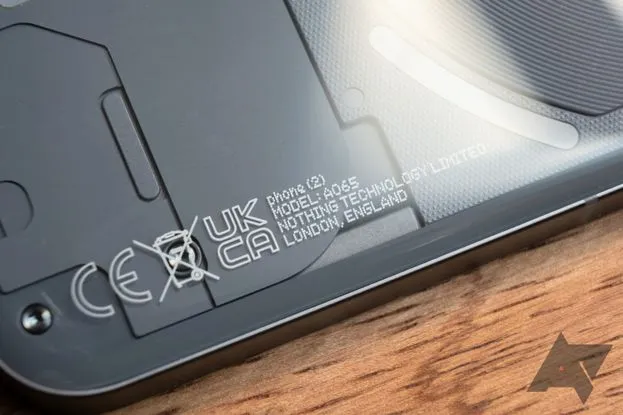
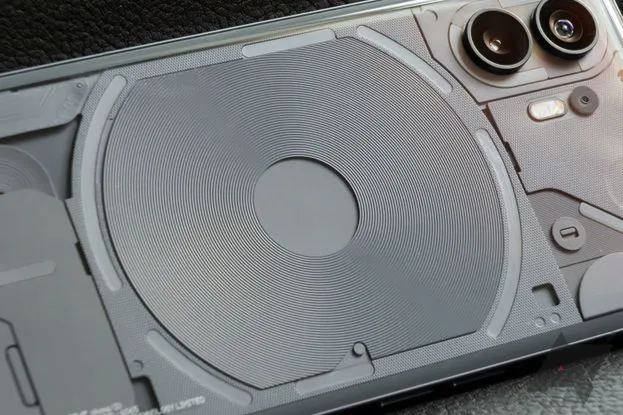
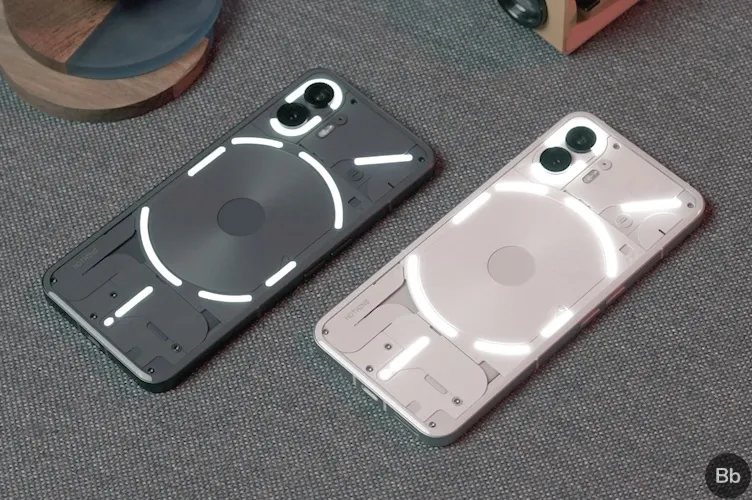
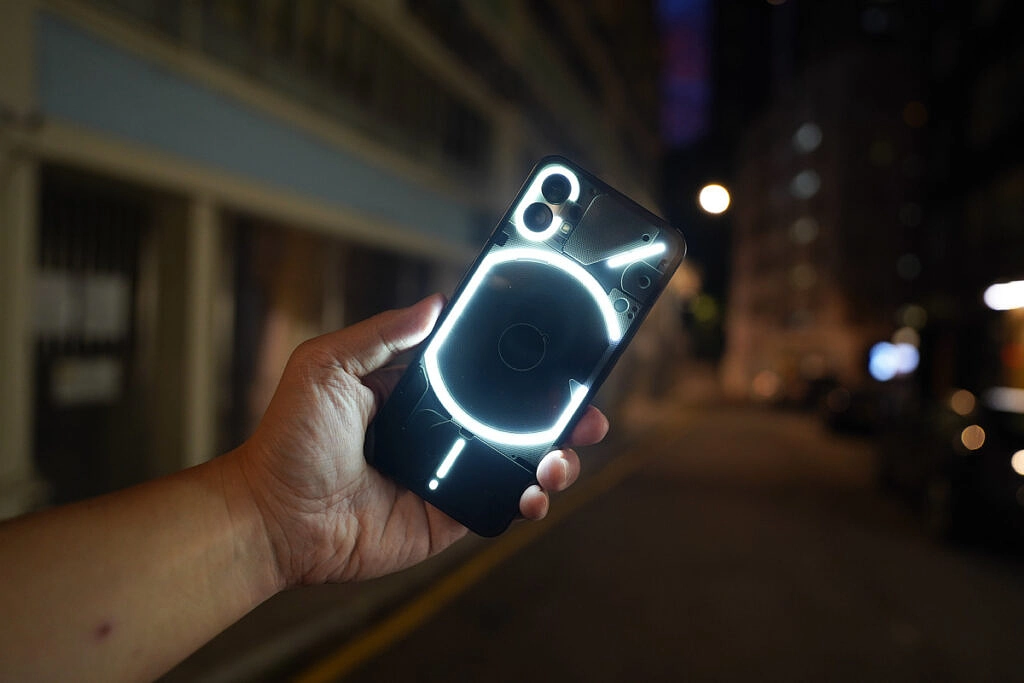
The translucent rear of the Nothing Phone 2 mimics that of the Phone 1, revealing some swanky internals and Nothing’s distinctive Glyph user interface. The biggest variations between one version and the next are the size (the Phone 2 has a 6.7″ display, which is somewhat larger than the Phone 1’s 6.55″ panel) and color selections. The Phone 2 is available in white and the type of smokey gray you can see in the photographs, as opposed to the Phone 1, which was only available in white or black.
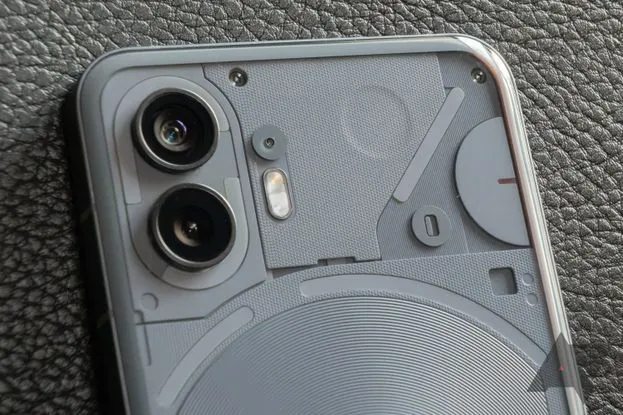
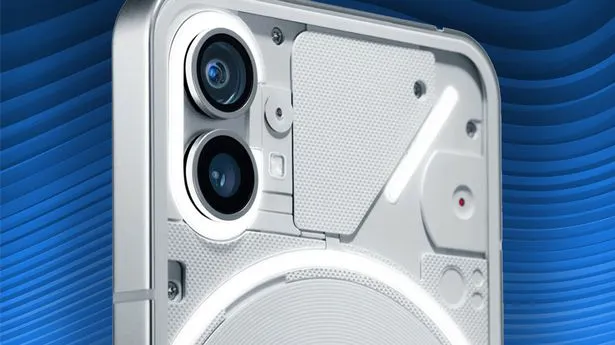
The components inside the transparent back panel have more roughness than they did in the Phone 1, which makes the Phone 2 even more aesthetically pleasing. Light plays on the tiny bumps and ridges in intriguing ways, highlighting another new detail that is highlighted by the gray hue. The Phone 2’s rear panel curves slightly at the edges to meet the flat metal frame, in contrast to the Phone 1, which had flat glass on the back (nothing refers to it as “pillowed glass”). Personally, I believe the flat rear of the Phone 1 had a cleaner appearance.
This time around, the Glyph lights on the phone’s back have a slightly modified layout and more independently configurable zones than the Nothing Phone 1 did. Even so, they still only emit one color of light; these are not tiny RGB strips.
Except from those variations, this design is extremely similar to the Nothing Phone 1. Nothing suggests this was done on purpose; the business wants to establish a strong, recognisable visual identity that can be carried over to upcoming gadget generations. There, I am powerless to gripe. Nothing’s design language is still distinctive and eye-catching in comparison to the majority of other phones available today, even though it hasn’t changed significantly year over year.
The hardware feels quality, too: there’s no creaking or flexing, the buttons are clicky, and the haptics are nice and firm, if a little loud. The phone is IP54 rated, so it’s splashproof, but you still try not to submerge it in water.
There’s an optical fingerprint sensor near the bottom of the screen. The scanner is just a touch lower in the display than I’d like, but it’s a good one: it’s faster and more reliable than the sensors in Google’s Pixel 7 phones, though not quite as quick as the ultrasonic scanners Samsung uses in its flagships.
Software and performance
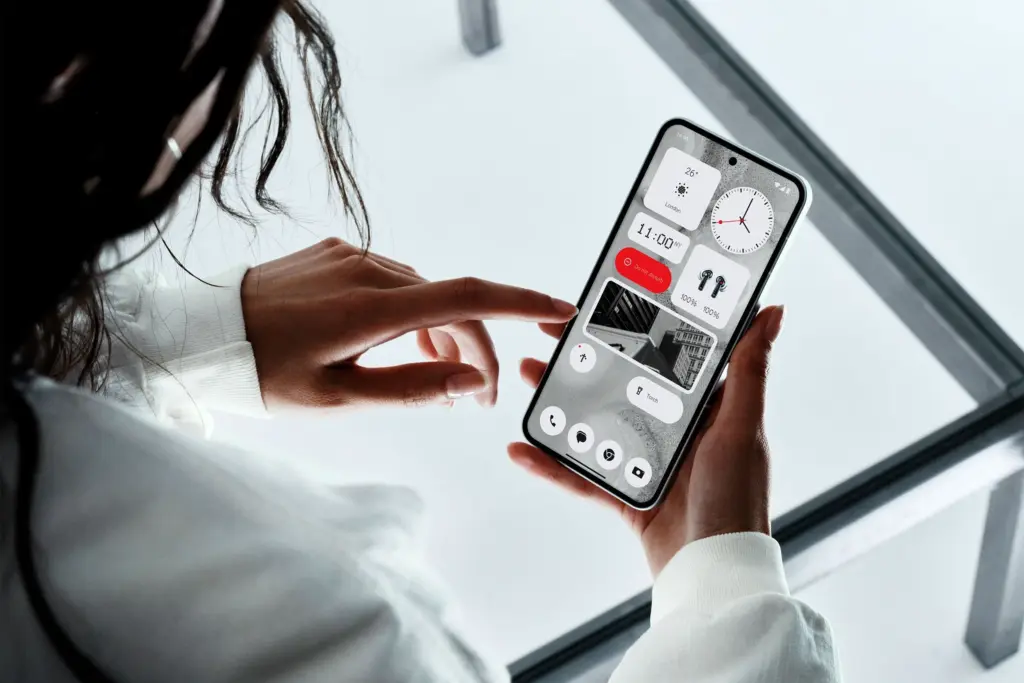
In the Phone 2, nothing’s software basically looks the same as it did on the Phone 1. The UI here feels a lot like Google’s version of Android because the firm gave Android 13 the same light touch of customization that it gave Android 12. If you still find that to be too strange for you, you can initially set up the phone with stock Android rather than Nothing OS.
Nonetheless, I enjoy Nothing OS since none of the modifications it makes are intrusive or feel forced. The Phone 2 primarily uses Google’s system apps, including Phone, Messaging, Calculator, Clock, and others, however there are a few widgets with the Nothing brand and a few apps with Nothing’s distinctive dot-matrix design. Thankfully, there is no bloat, such as pre-installed social networking or games, or programs that perform two functions at once (looking at you, Samsung).
You have the choice to add Nothing’s widgets on your lock screen, but I’m not sure any of them are worthwhile enough to trade notification space for them. I also wish it wasn’t just limited to Nothing’s widgets. On your home screen, you can also choose to enlarge specific app and folder icons so that they take up four instead of one space. Moreover, Nothing’s launcher features a feature that can force all of your program icons to appear in monochrome, even if they don’t yet support dynamic themes. Standard icons, appropriate Material You theming, and unique icon packs from the Play Market are also options.
Nothing guarantees four years of bimonthly security updates and three years of Android updates, which will cover the Phone 2 through Android 16. But, Nothing has only been a company since 2020, and just last year did it release its first phone, making it difficult to anticipate how long-term support will be. But, the Phone 1 hasn’t yet fallen behind in upgrades, so I’m optimistic Nothing will succeed.
The Nothing Phone 2 is powered by a Snapdragon 8+ Gen 1 chipset and either eight or 12 gigs of RAM. The 8+ Gen 1 was Qualcomm’s 2022 flagship CPU, found in devices like the Samsung Galaxy Z Fold 4 and the OnePlus 10T. It’s not as powerful as this year’s Snapdragon 8 Gen 2, but the Phone 2 is still a remarkably snappy device. Apps don’t feel remotely slow to open, multitasking works great, and gaming performance is reliably smooth.
My review unit is the $699 model that comes with 12 GB of RAM, but I don’t think most people would miss those four extra gigs. If you happen to need more than 128 gigabytes of storage, the added RAM is nice headroom to have, but otherwise, you should be safe with the $599 base model.
Glyph interface
The Phone 2 features the Glyph interface from Nothing. The fundamental idea is the same: LED strips are hidden beneath the clear rear glass. They glow when you receive a notice. With Nothing’s Glyph Composer function, you can assign various notifications different light patterns and make your own ringtone/Glyph combinations. When you place the Nothing Phone 2 face down, the Flip to Glyph function from the Phone 1 makes a comeback as well. Your notifications are hushed, allowing the Glyph lights to take over.
But, there are a few useful new additions. Any app’s notification channels can be set up as Essential Notifications, which causes one of the Glyph strips to illuminate and remain illuminated until you view or dismiss the notifications. The Glyph lights become far more practical for this reason alone; you can keep your phone face down and still determine, at a look, whether it requires your attention.
There is a new Glyph Timer feature that, interestingly, only works with timers that are set from a specific widget or the phone’s settings and not through the Clock app. It uses one of the Glyph strips as a type of progress bar for timers. Moreover, Nothing has developed an experimental function for the Uber app that uses the Glyph interface to display the status of your ride. Although I haven’t had the opportunity to try it, I assume I would still be closely monitoring the screen of my phone if I were waiting for a ride.
In all, the Glyph lights don’t add a ton of utility; a single notification LED on the back of the phone would more or less accomplish the same thing. But they look cool, and they don’t detract from any other aspect of the phone. It might be a gimmick, but at least it’s a harmless one.
Cameras
The Nothing Phone 2 has two 50-megapixel rear cameras: one primary at f/1.9 and one ultrawide at f/2.2. Photo performance is mixed.
In good light, the Phone 2 typically takes good pictures. Colors look natural, detail is sharp, and shadows are refreshingly dark — while many smartphone cameras aggressively brighten darker areas in photos, the Phone 2 is content to let them fall to near-black a lot of the time. I appreciate that.
In increasingly difficult lighting situations, things become a little trickier. Nothing’s picture processing may use improvement, despite the Phone 2’s use of tried-and-true camera hardware (the primary shooter utilizes the same sensor as the OnePlus 11). It’s common to lose detail in both highlights and shadows in settings with strong contrast.
In low-light conditions, the cameras also frequently employ unnecessarily lengthy exposures. The fact that a longer exposure results in a brighter image is sort of advantageous. But, I’ve seen single exposure shutter speeds as slow as 1/5. Even with optical image stabilization, it can be challenging to take a crisp handheld photo at such slow speeds.
Another sporadic issue is shutter lag. The Phone 2 frequently takes a second or more to really capture a picture once you hit the shutter button, even in somewhat good light. Although it’s not often a problem, I have occasionally lost images of moving objects due to an unanticipated gap of half a second before the phone shot the picture.
Battery and charging
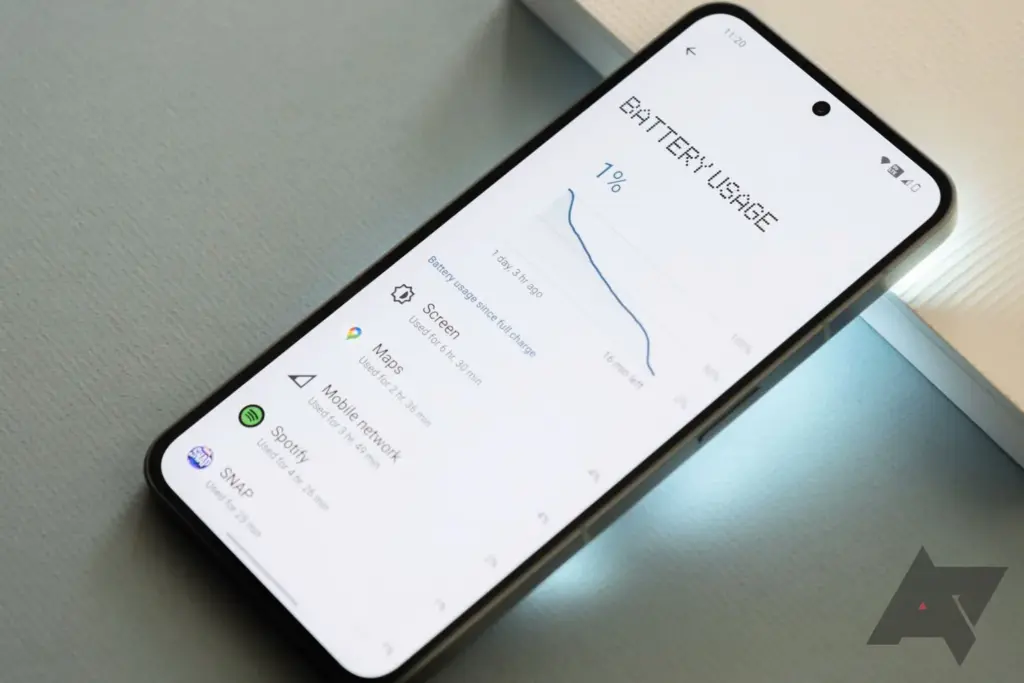
The 4,700mAh battery that powers the Nothing Phone 2 easily lasts me for at least a full day of use. I regularly get six or more hours of screen time over the course of 24 or more hours without a charger. This number holds true even when battery-intensive activities like gaming and Google Maps navigation are included. I wouldn’t be at all surprised if the Phone 2 could go for a full 48 hours between charges with moderate use.
Nobody claims that the Phone 2’s 45-watt fast charging system can charge the battery from 0% to 100% in less than an hour. Nevertheless, to achieve that speed, a PPS charger must be able to produce power at 2.25 amps, which not all can. The maximum charging current at 5A is 15 watts. At 15 watts, a full charge takes roughly one hour and fifteen minutes. The Phone 2 also features reverse wireless charging at up to five watts and wireless charging up to 15 watts.
Conclusion
Given the Nothing Phone 2’s excellent performance, reasonable price, and generally respectable cameras, it’s simple to draw comparisons with the smartphones OnePlus produced during its “flagship killer” era, which was later led by Nothing founder Carl Pei. The same enthusiast customers who like OnePlus’s early phones will likely be attracted to this one, in my opinion: those looking for a reasonable, fascinating alternative to more mainstream options. I’m curious to see how the Phone 2’s general availability in the US will effect the upper-midrange market it is competing in because it will expose it to a larger group of these aficionados than the Nothing Phone 1 did.
Like Nothing, you should always pack your parcels like a pro with quality boxes secured with tape or benzi adezive.
We’ve learned a lot about the incoming successor to the Nothing Phone 1, which is likely to be the most unusual phone of 2022, over the previous few months. We still didn’t know when we would actually see the phone land, though. Happily, we now are aware.
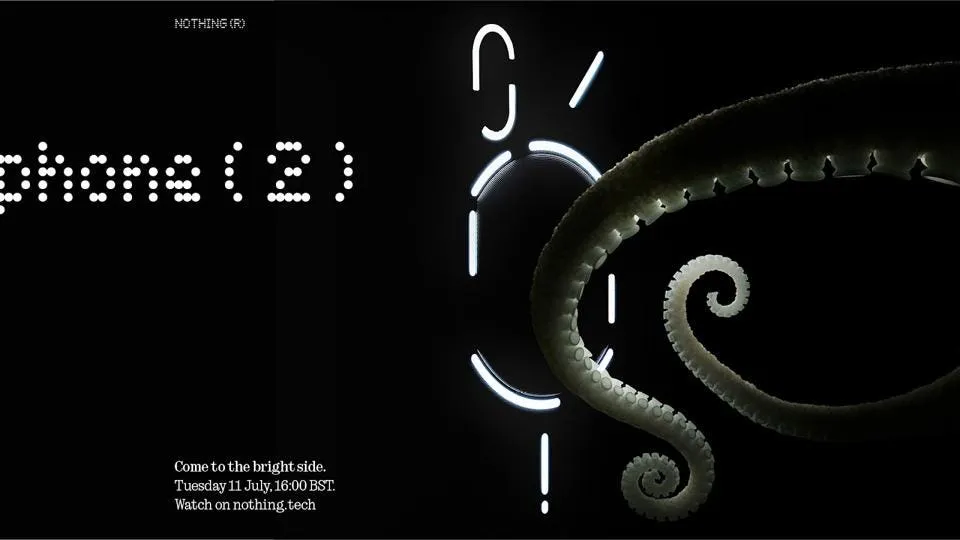
The official launch date for the appropriately called Nothing Phone 2 is July 11, 2023. On that day, at 11:00 ET, Nothing will broadcast the announcement live on YouTube through its website. See the authorized teaser image down below.
The Nothing Phone 2 launch date is now set in stone.
As with all of its other goods, Nothing uses an animal in its advertising for the Nothing Phone 2. You may recall that the Nothing Phone 1 featured a parrot, the Nothing Ear 2 a rhinoceros beetle, and the Nothing Ear 1 a ladybug. The octopus appears to be the symbol for the Nothing Phone 2 launch date and related marketing materials.
It’s interesting to note that this advertisement features The Glyph, the phone’s backlight, in its revised form. These exactly match the rumored Phone 2 renders that we saw a few weeks back and that Carl Pei dubbed “f a k e.” That render appears to be more accurate than Pei would have us believe.
In either case, on the day of debut, we should learn everything there is to know about the Nothing Phone 2. We already know that it will have a 4,700mAh battery and a Snapdragon 8 Plus Gen 1 CPU. Also, we already know that it will undoubtedly visit the United States. When the Nothing advertising machine ramps up, keep checking back for more verified information that will likely be released daily.
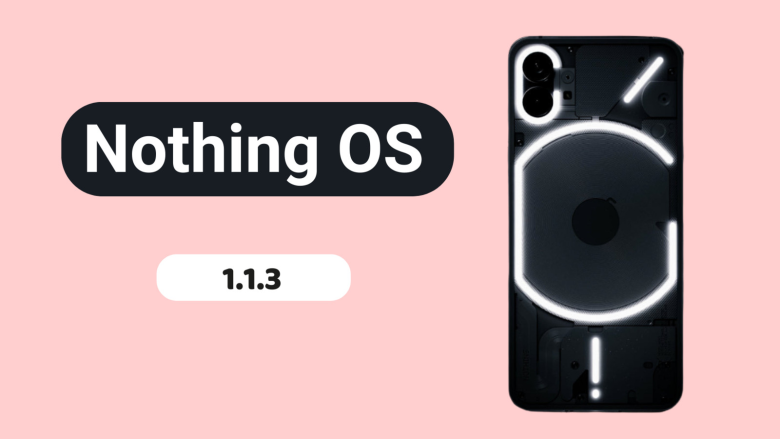
Nothing released Nothing OS 1.1.2 for the Nothing Phone (1) at the beginning of this month, and today, roughly two weeks later, we receive yet another upgrade.
Nothing OS 1.1.3 is already being sent to Nothing Phone (1) devices all around the world, and it includes numerous bug fixes and camera enhancements.
When using the front camera, you can anticipate improved photo clarity, quicker Night Mode and HDR photo processing times, richer color saturation when using the ultrawide, less noise and more sharpness when zooming, and images will automatically be adjusted to “optimal color and brightness” when using Glyph lighting. A further reminder to clean the camera lenses is included.
The Google Adaptive Battery may now be enabled to “intelligently optimize battery life,” and the fingerprint verification UI for third-party apps has been updated.
Finally, a number of problems were resolved, including those that resulted in stuttering in apps like Twitter, Play Store, and others, ineffective mobile hotspot functionality, and lock screen crashes after pressing on a notification and attempting to unlock with a fingerprint. Minor UI aspects have also been improved.
The rollout might be staged, as it usually is with such things, and it might take a few days to reach every Nothing Phone (1) out there. There will be a 64MB download when it does come. Our thorough, in-depth review of the Nothing Phone (1) is available for reading if you’re curious to learn more.