Tag: smartphone

  • Honor Sees Huge 25% Growth in Q1 2026 — What’s Driving the Surge?

    Honor Sees Huge 25% Growth in Q1 2026 — What’s Driving the Surge?

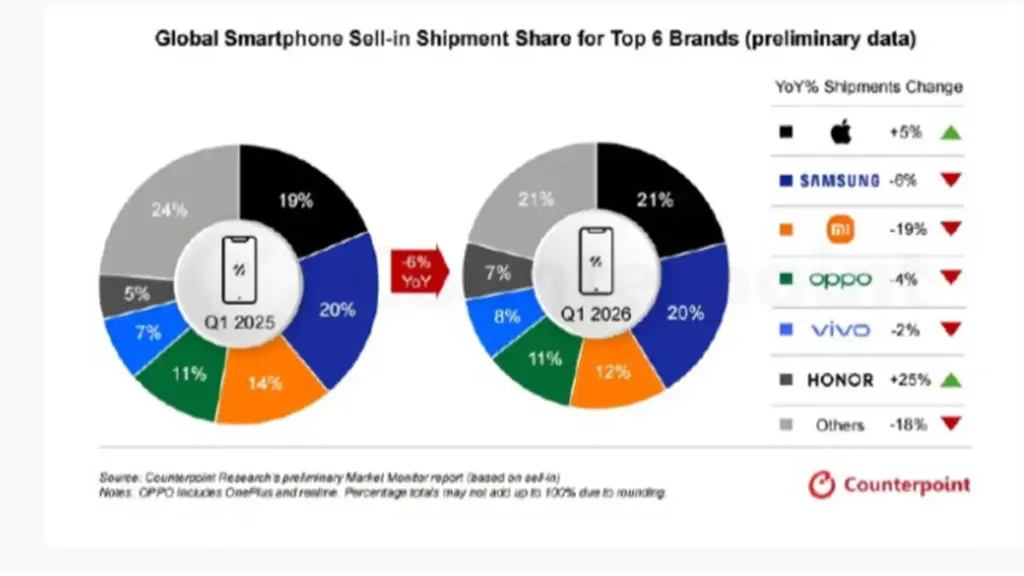
    The global smartphone market had a rough start to 2026 – but Honor didn’t get the memo. New data from Counterpoint Research shows Honor shipments grew 25% year-over-year in Q1 2026, making it the only smartphone brand besides Apple to post positive growth in a quarter where the overall market contracted 6%.

    Apple led all brands with a 5% YoY increase, buoyed by strong iPhone 17 series demand and the budget-friendly iPhone 17e. Honor followed close behind — a remarkable result for a brand still expanding its global footprint.

    honor growth

    What’s driving Honor’s momentum?

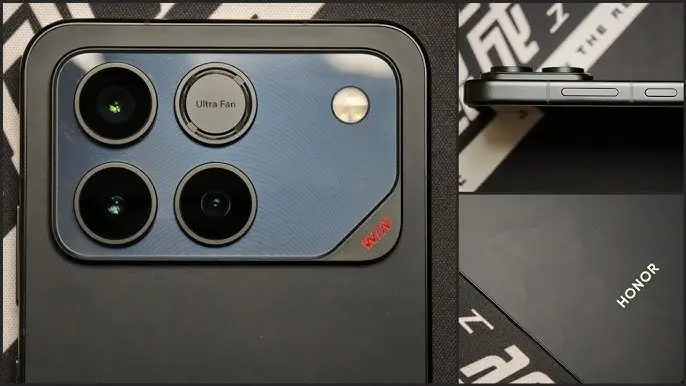
    The Magic 8 series has been a key growth engine, but Honor’s boldest move came at MWC 2026: the debut of its ROBOT PHONE, which generated significant buzz and positioned the brand at the cutting edge of smartphone innovation.

    “Q1 2026 was a big win for Honor,” said Guan Haitao Thomas, Global CMO at Honor. The numbers back him up.

    The rest of the field

    Samsung holds 20% market share but saw shipments fall 6%. Xiaomi dropped from 14% to 12% market share — a 19% year-over-year decline. OPPO and Vivo round out the top five.
    Counterpoint flagged ongoing pressure from DRAM and NAND memory chip shortages, combined with weak consumer demand, as headwinds the entire industry must navigate in the months ahead.

    What’s next for Honor?

    The company isn’t slowing down. Honor is preparing to launch its 600 series and will unveil its “N Series Elevated” lineup next week, promising several flagship-tier upgrades.
    In a market defined by consolidation and decline, Honor is moving in the opposite direction.

  • Quishing #alert – FBI warns smartphone users about fake QR codes stealing money

    Quishing #alert – FBI warns smartphone users about fake QR codes stealing money

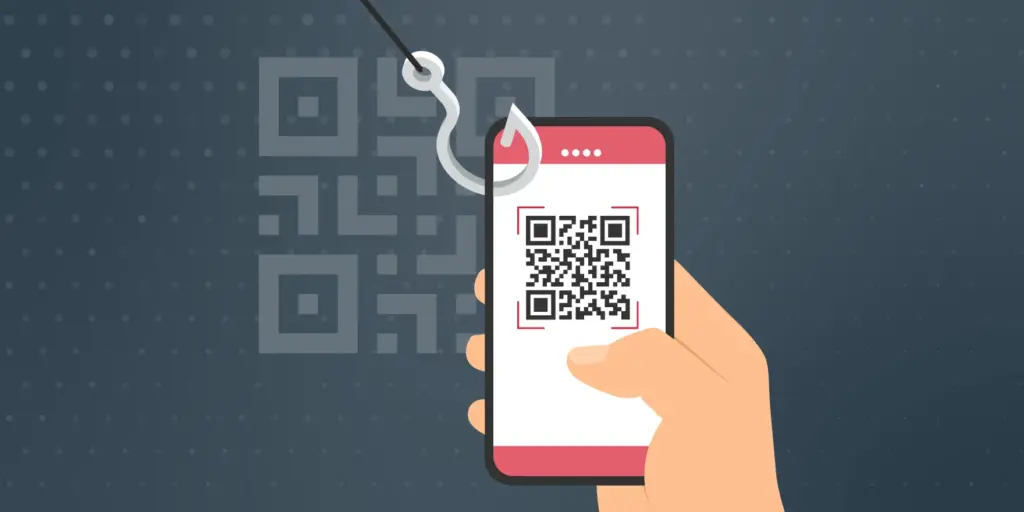
    Smartphone users are now being alerted by the FBI and cybersecurity organizations to a new fraud called “Quishing,” which includes malicious or phony QR codes. Particularly vulnerable are those who often utilize QR codes for logins or payments; some victims have lost thousands of dollars. Here’s what you should know and how to protect yourself.

    The FBI and other federal authorities have recently expressed concern over the increase in QR scam attacks, sometimes known as quishing, in which unwanted parcels show up at people’s doorsteps. These packages frequently contain QR codes that, when read by the camera on mobile phones, cause victims to install malware or be redirected to phony websites. Your device may be compromised as a result, and your personal information may be taken.

    Quishing scam alert

    Online retailers are targeted by Quishing

    The most recent worry centers on these frauds that prey on people who frequently transact online. In order to steal your data, attackers are creating QR codes that point to dubious websites. These scams can also compromise your bank accounts and phone, enabling scammers to steal your money, according to the Brandenburg Consumer Advice Centre (VZB).

    In one scenario, scammers pose as legitimate customers interested in buying a product. They ask the seller to scan a QR code to start the transaction rather than giving money straight to the seller. By directing the victim to a phony PayPal login screen, this code may fool them into inputting their account information. This strategy is a type of phishing on websites.

    With zero-click tactics that don’t involve any user engagement, some attacks are become even more hazardous. Usually, high-profile people like politicians, journalists, attorneys, and activists are the target of these.

    Cyber Security Coach Online security specialist Alex East cautions that hackers might post phony QR codes in both public and private areas, such convenience store payment terminals or gas pumps. During normal transactions, these codes have the ability to reroute customers to malicious websites.

    Quishing alert - warning

    Ways to stay safe

    VZB recommends users to exercise caution when making digital transactions to prevent becoming victims of QR code frauds. It’s crucial to confirm that the vendor is the one displaying the QR code before paying, as opposed to scanning one that has been supplied by another party. Always look for indications of questionable activity on the website you are sent to, such as misspelled domain names or odd layouts.

    Scanning QR codes from unwanted parcels, email attachments, or public places should generally be done with caution as they may direct users to fraudulent websites. It’s even better to stay away from scanning QR codes completely unless you know exactly where they came from.

    It’s also strongly advised to strengthen account security using two-factor authentication (2FA), particularly when money is involved. Consider using passkeys, a more secure login option that is already supported by many websites and apps, for even more security.

    Security features on both iPhones and Android smartphones, such as warnings for phony websites and fraud detection in calls and messages, can aid in spotting scammers. To get the most protection, make sure these features are turned on.

  • Redmi’s new phone packs a massive 8500mAh battery — what it means for users

    Redmi’s new phone packs a massive 8500mAh battery — what it means for users

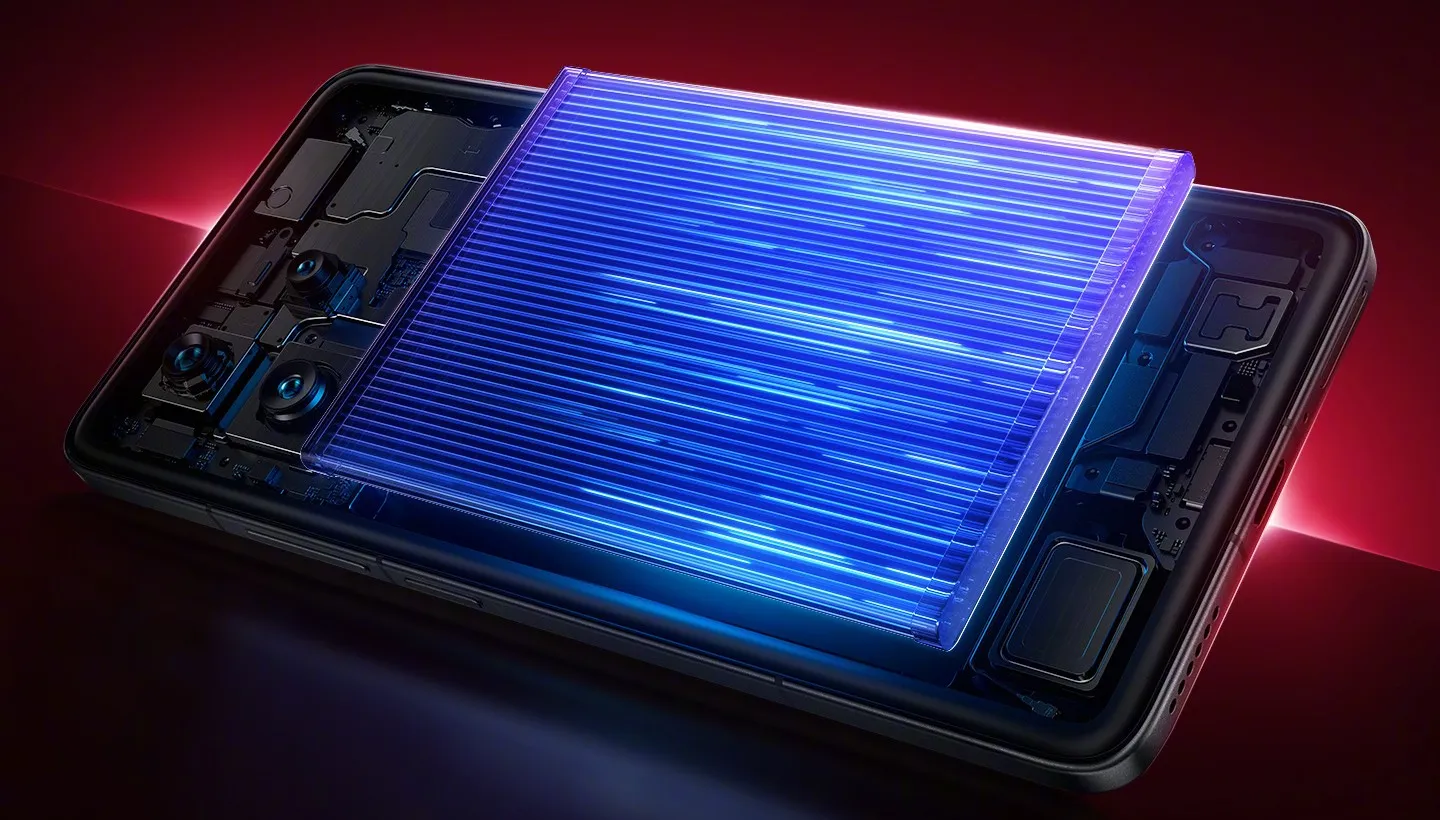
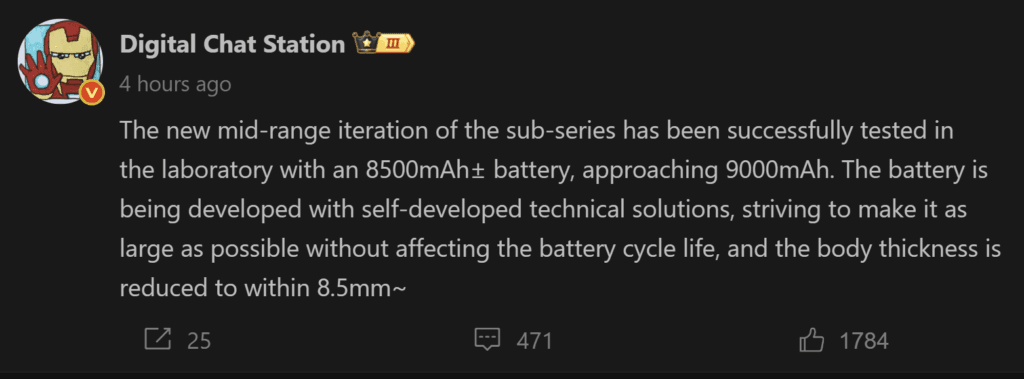
    Industry insiders are paying attention to Redmi’s aggressive strides in the smartphone battery market. The business is secretly testing a new phone with an 8500mAh battery, which is a big improvement that might establish a new benchmark for mid-range phones. According to preliminary lab data, they may even be pushing the boundaries of 9000mAh. In terms of power capacity, this will place Redmi far ahead of the competition if it is successful.

    Redmi’s engineers are accomplishing these figures without sacrificing design, which is astounding. The goal is to create a device that is less than 8.5 mm thick while keeping a thin profile and guaranteeing long-term battery life. For professionals and business users, that means spending more time being productive and less time worrying about charging.

    Ekran goruntusu 2025 08 07 123336
    Ekran goruntusu 2025 08 07 123306

    Bringing first high capacity battery to a smartphone

    Technically, Redmi’s R&D team has successfully developed an 8500mAh single-cell battery, and they have 9000mAh in the works. Today’s flagship phones often have 5000–6000mAh, thus this innovation gives them a big competitive edge.

    The emphasis is not solely on higher numbers. To ensure long-term dependability, the patented technology strikes a balance between power density, device form factor, and cycle longevity. In other words, companies can anticipate improved device lifespans, less downtime, and longer operational intervals between charges.

    How this shapes the smartphone market?

    Consider the Redmi Turbo 4 Pro. It is already a powerful device thanks to its 7550mAh battery, quick 90W wired charging, and thin 7.98mm aluminum frame. Nevertheless, the 8500mAh battery of the upcoming generation would revolutionize the market by surpassing existing leaders like the K80 (with its 6550mAh battery) and establishing a new standard.

    According to leaks, the next Redmi Turbo 5 may have an OLED screen, a battery that is more than 7000mAh, and a Dimensity 8500 processor. These anticipations would be exceeded with the release of the 8500mAh model, providing Redmi with a significant competitive advantage over high-end rivals while preserving affordability, which is essential for enterprise adoption.

    Redmi is still dedicated to making cutting-edge technology affordable while maintaining high-end features. This development is worth keeping a careful eye on for anyone in need of dependable, all-day power, including managers of mobile workforces.

  • Do you plan to purchase a phone that uses a silicon-carbon battery? The catch is this:

    Do you plan to purchase a phone that uses a silicon-carbon battery? The catch is this:

    We can never have enough battery life. The older generation still longs for the days when a single charge was sufficient to power your feature phone through a hectic week, even if the majority of smartphones from the last few years will easily last you a day or perhaps even two.

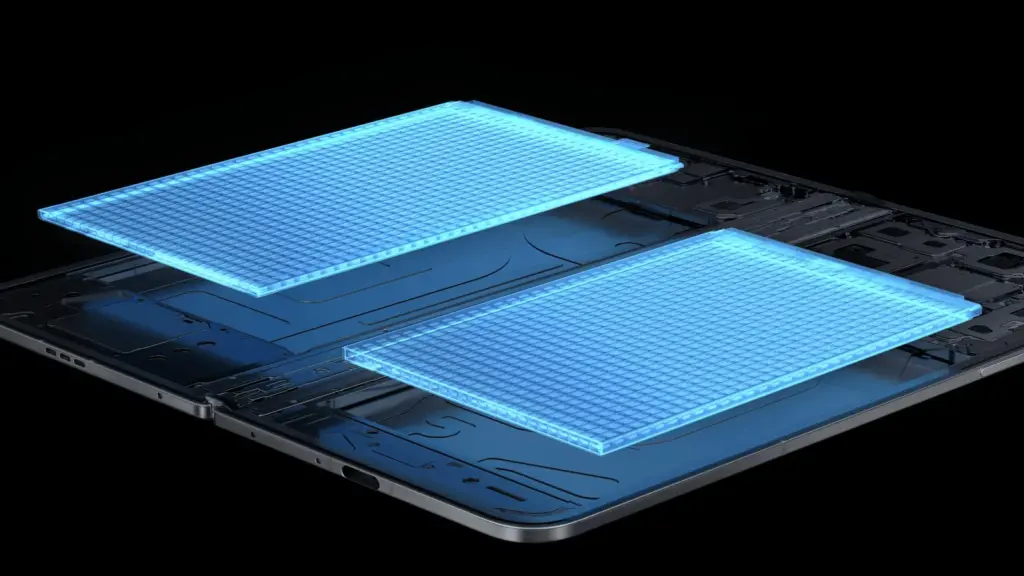
    Many of the top flagship smartphones of today come with innovative silicon carbon batteries thanks to the efforts of battery engineers. Because of this, they may promise even greater battery capacities without having a larger or thicker chassis. What a huge victory.

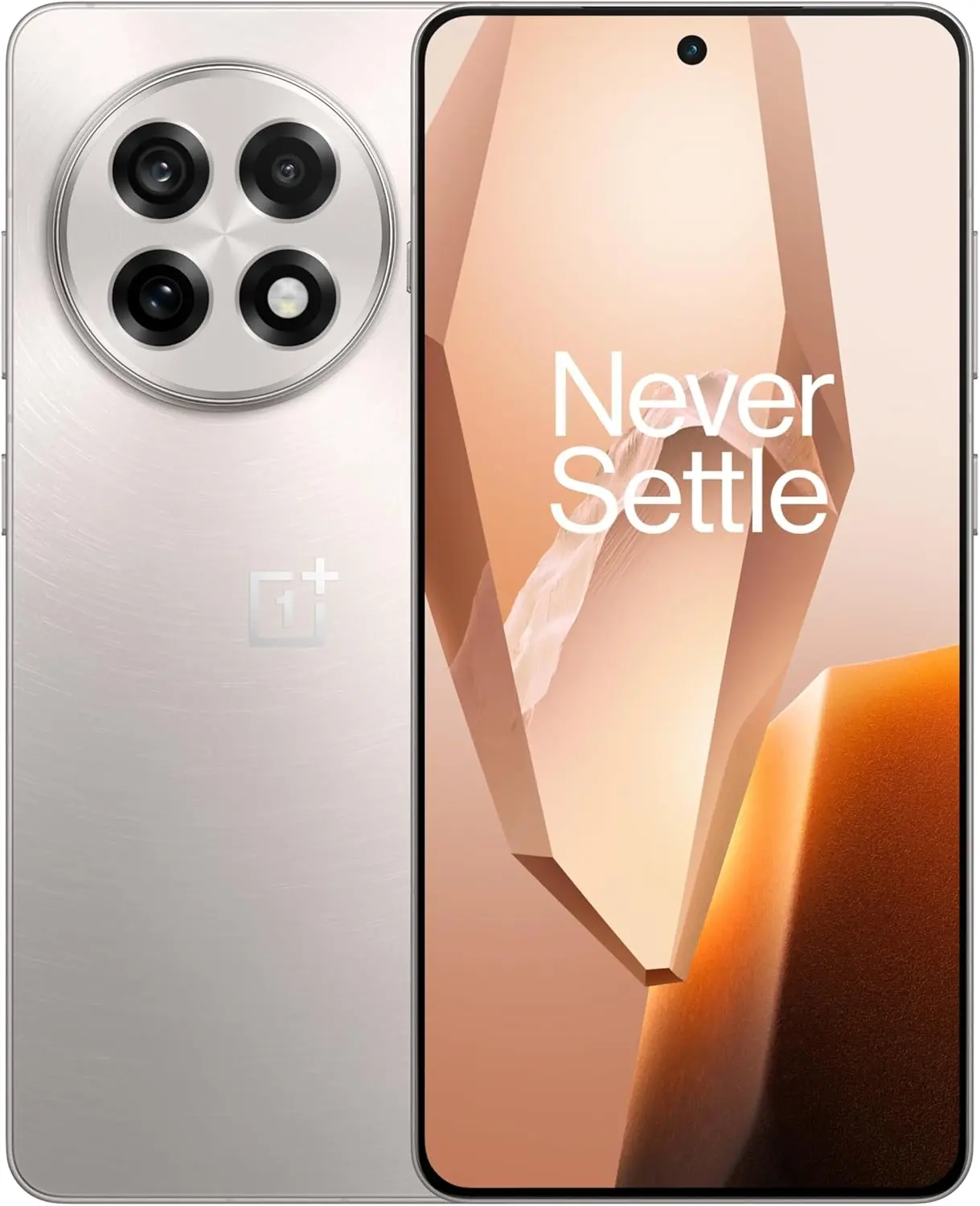
    For instance, the OnePlus 13 has a 6,000mAh silicon-carbon battery, which is more than the 5,400mAh cell from the previous year. In China, the Xiaomi 15 Ultra has a massive 6,000mAh battery capacity, up from 5,400mAh the year before (and a still respectable 5,400mAh for worldwide markets, up from 5,000mAh). The smaller variants also enjoy comparable improvements. The vivo X200 series, OPPO Find X8, and Honor Magic 7 Pro are all brand-new flagship devices with silicon power cells. The technology has here in full force already.

    Unfortunately, silicon-carbon battery technology hasn’t yet been included into the newest devices from Apple, Google, or Samsung. Maybe by 2026, we’ll see these brands go on board. However, is it better to remain with the more recognizable Lithium-ion models or to jump right in and purchase a phone with a silicon carbon battery?

    silicon-carbon battery

    What differentiates Li-ion batteries from silicon carbon batteries?

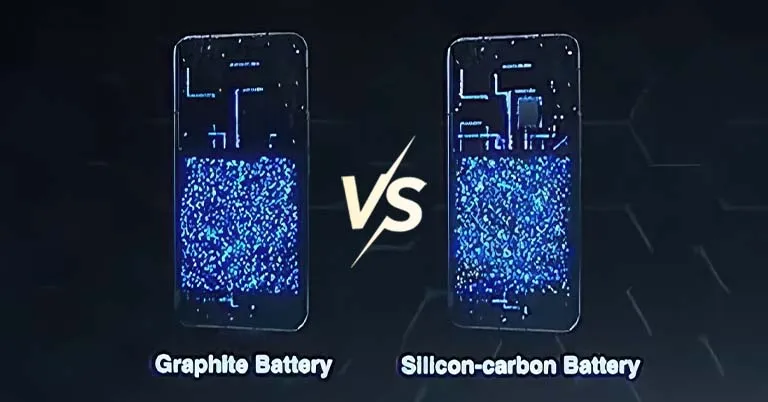
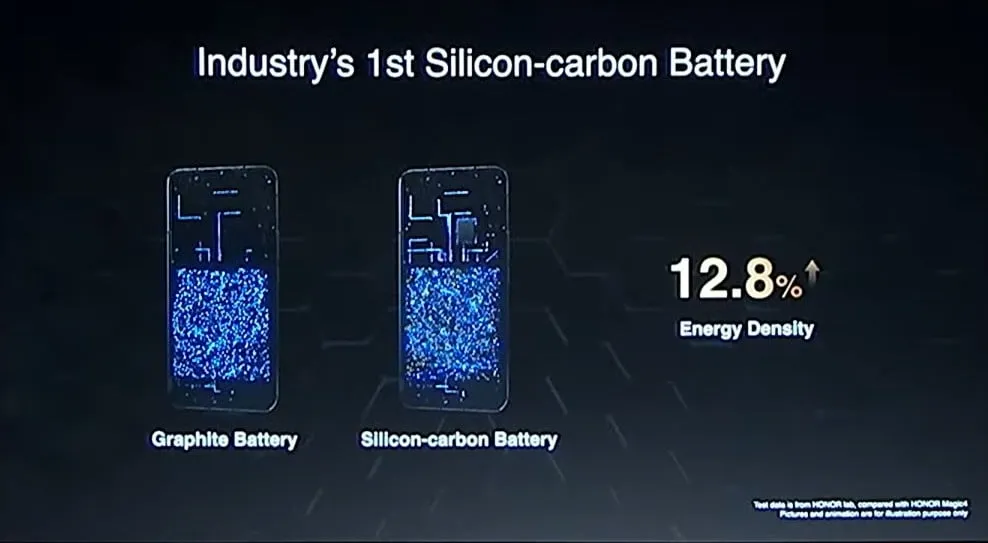
    Rather of being a completely novel idea, today’s silicon-carbon (Si/C) Li-Ion batteries are essentially an advancement of conventional lithium-ion technology. By adding silicon, which has a substantially higher energy storage capacity than graphite (372 mAh/g compared to about 4200 mAh/g for pure silicon), they alter the traditional graphite anode. Because of this, silicon has long been a promising material for increasing battery capacity.

    Pure silicon anodes, however, face many difficulties. Extreme expansion is the most troublesome; when fully charged, the structure can inflate by up to 300%. The battery experiences extreme mechanical stress as a result, shortening its lifespan and leading to structural breakdown.

    Over time, lithium loss and decreased capacity result from silicon’s strong reaction with the electrolyte, which breaks and reforms the Solid Electrolyte Interphase (SEI) layer with each cycle. The aggressive expansion exacerbates this. Another drawback for battery longevity is that silicon has lesser electrical conductivity than graphite, which can reduce charge and discharge rates and increase losses from internal resistance. This can lead to increased heat.

    To address these problems, a silicon-carbon (Si/C) composite is utilized rather than pure silicon. The SEI layer is stabilized and its expansion is lessened by the structural support that carbon offers. Depending on its silicon concentration, a well-designed Si/C battery may restrict swelling to just 10–20% during charge cycles, whereas conventional graphite anodes only increase by about 10%. Additionally, carbon increases electrical conductivity, which guarantees better lithium-ion flow and higher efficiency.

    The trade-off is that Si/C anodes are unable to fully realize the 10x capacity improvement of pure silicon. Rather, depending on the silicon percentage, they provide a very modest energy density increase of 10–20%. Si/C batteries are an engineering problem since higher Si content enhances capacity but also causes swelling and complicates manufacture. There are restrictions and trade-offs associated with Si/C batteries, but there is no such thing as a free lunch.

    The benefits and cons of batteries made on silicon carbon

    battery 1600x900 1

    Any increase in smartphone battery capacity is obviously beneficial, and Si/C batteries are a godsend for power users who want devices that can endure much longer than a single day of intensive usage. It should come as no surprise that so many of the most potent flagship phones available this year have the technology.

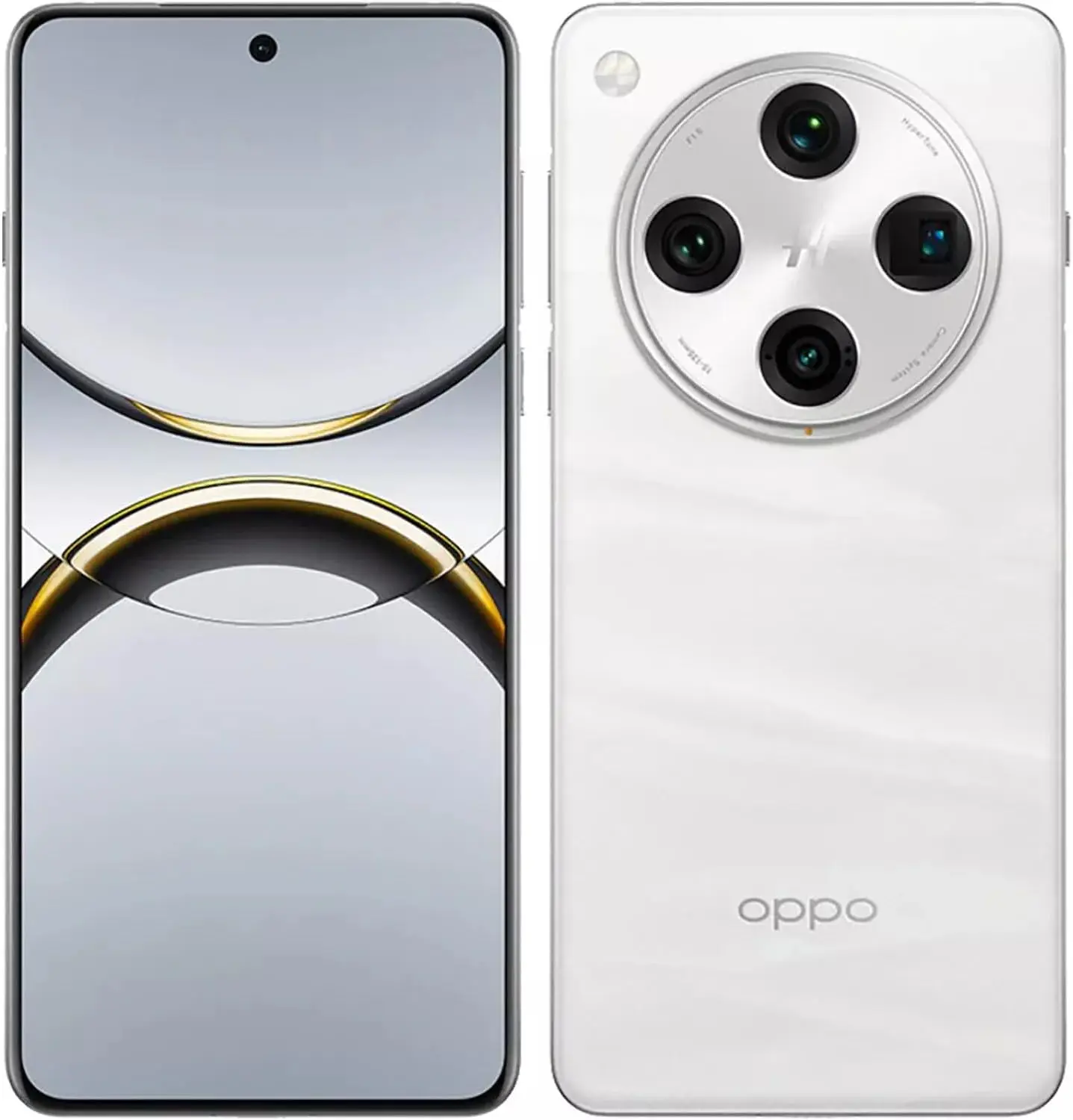
    After more than a month of everyday use, I can vouch for the OPPO Find X8 Pro’s 5,910mAh Si/C Li-ion battery’s exceptional longevity. I frequently get two days of moderate use out of a single charge, have plenty of fuel left over after a day of chasing the kids, and in lighter weeks, I’ve occasionally gone far into 48 hours without needing a charger.

    On the other hand, Si/C is advantageous for thinner gadgets, such lightweight and foldable phones. Thin or small smartphones could surely benefit from this new battery type to maintain decent capacities in more constrained form factors, even though the Galaxy S25 Edge might not be Samsung’s first Si/C smartphone. The technology has already been used to fit a sizable 5,700mAh battery into a 5.2mm folding design in the Vivo X Fold 3 Pro. Despite being 5.6 mm thick, Samsung’s Z Fold 6 only contains a standard 4,400mA battery. This trend toward higher capacities has also been embraced by the latest Chinese clamshell phones.

    Whether silicon-carbon batteries will outlast their more conventional lithium equivalents is the main question that remains. It is evident from the foregoing trade-offs that Si/C will not outlast the most robust graphite-based Li-ion cells now available on the market. Lower silicon concentration can nonetheless provide batteries with a marginally larger capacity that have a comparable lifespan to conventional Li-ion cells. With only a slight but welcome increase in capacity to control the silicon content, this appears to be what we’re seeing in today’s most advanced smartphones.

    Because Si/C batteries are pushing the limits of energy density and charge rates, smartphone manufacturers may also be becoming more cautious when it comes to fast-charging temperatures in an effort to prolong battery lifespans. In other words, manufacturers are merely attempting to make sure their phones can withstand the promised updates for the next five or more years.

    However, because of its increased capacity, stronger diffusivity of lithium, and decreased chance of plating the anode, Si/C is actually a godsend for faster charging. Additionally, bigger capacities make it easier to follow the 80% charge guideline without worrying about running out of juice in the middle of the day. If you want to keep your phone for many years to come, silicon need not be a negative thing.

    Do you want to purchase a phone that uses a silicon-carbon battery?

    The newest smartphones will undoubtedly benefit from Si/C Li-ion batteries, which will also likely extend the battery life of your wearables, tablets, laptops, and even electric cars. The most cutting-edge phones of today already heavily rely on silicon cells, which allow for even greater capacities or slimmer form factors without sacrificing battery life.

    But at the moment, you’ll need to look around at Chinese companies to find one, like the OnePlus 13, which is really amazing. Apple, Google, and Samsung, three US giants, have not yet embraced this new battery technology. We may have to wait until their 2026 flagships or even later before they join the celebration, as they might not even get around to it this year.

    However, if you intend to retain your smartphone for more than five years, it might be wise to wait and see how the longevity issue develops. Any long-term purchase will eventually require battery replacements, but Si/C Li-ion cells may require more frequent replacements, particularly when fast charging is used. This can turn out to be an unwanted extra expense for early adopters because they are more costly to make. We will need to wait and find out.

    Similarly, if you’re on a tighter budget, it might not be worth it to buy a phone just because it contains a Si/C Li-ion battery. The technology is mostly limited to premium smartphones and innovative form factors due to its trickier production process, and it may take a few years before it makes its way into the mid-range market. Although silicon carbon batteries provide advantages, a 12% increase in capacity is not always worth the extra $100.

    Stay connected with the latest from Droid Tools—follow us on X @droid_tools, like our page on Facebook, check out our updates on Instagram, and follow us on Google News for real-time news, device tips, and mobile tech insights.

    OnePlus 13 – 512GB
    $999.99$929.99Amazon
    OPPO Find X8 Pro Dual
    $1,579.00Amazon

  • Best budget smartphone you can buy in 2025 – under $400

    Best budget smartphone you can buy in 2025 – under $400

    In 2025, the budget smartphone market is more competitive than ever, offering impressive features, solid performance, and sleek designs at wallet-friendly prices. Whether you’re a student, a casual user, or just someone who loves getting the best value for money, there’s a perfect device out there for you. In this guide, we’ve rounded up the best budget smartphones you can buy in 2025 — all under $400 — that deliver big on performance without the premium price tag.

    This is a thorough guide to the top smartphones under $400, which include features like outstanding cameras, slick 120 Hz screens, and potent gaming-ready SoCs with 5G.

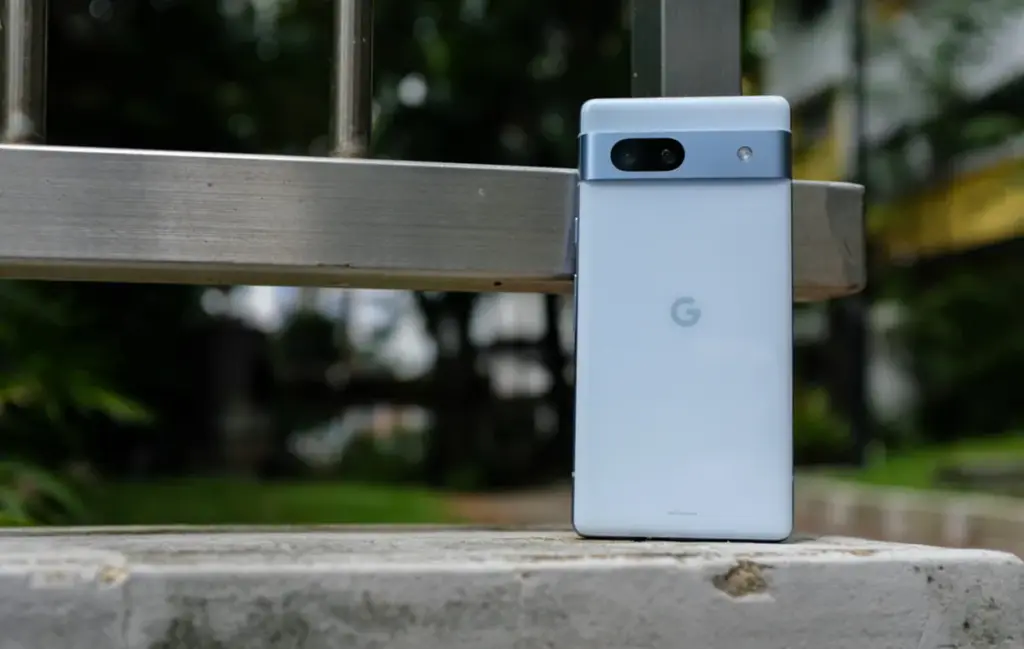
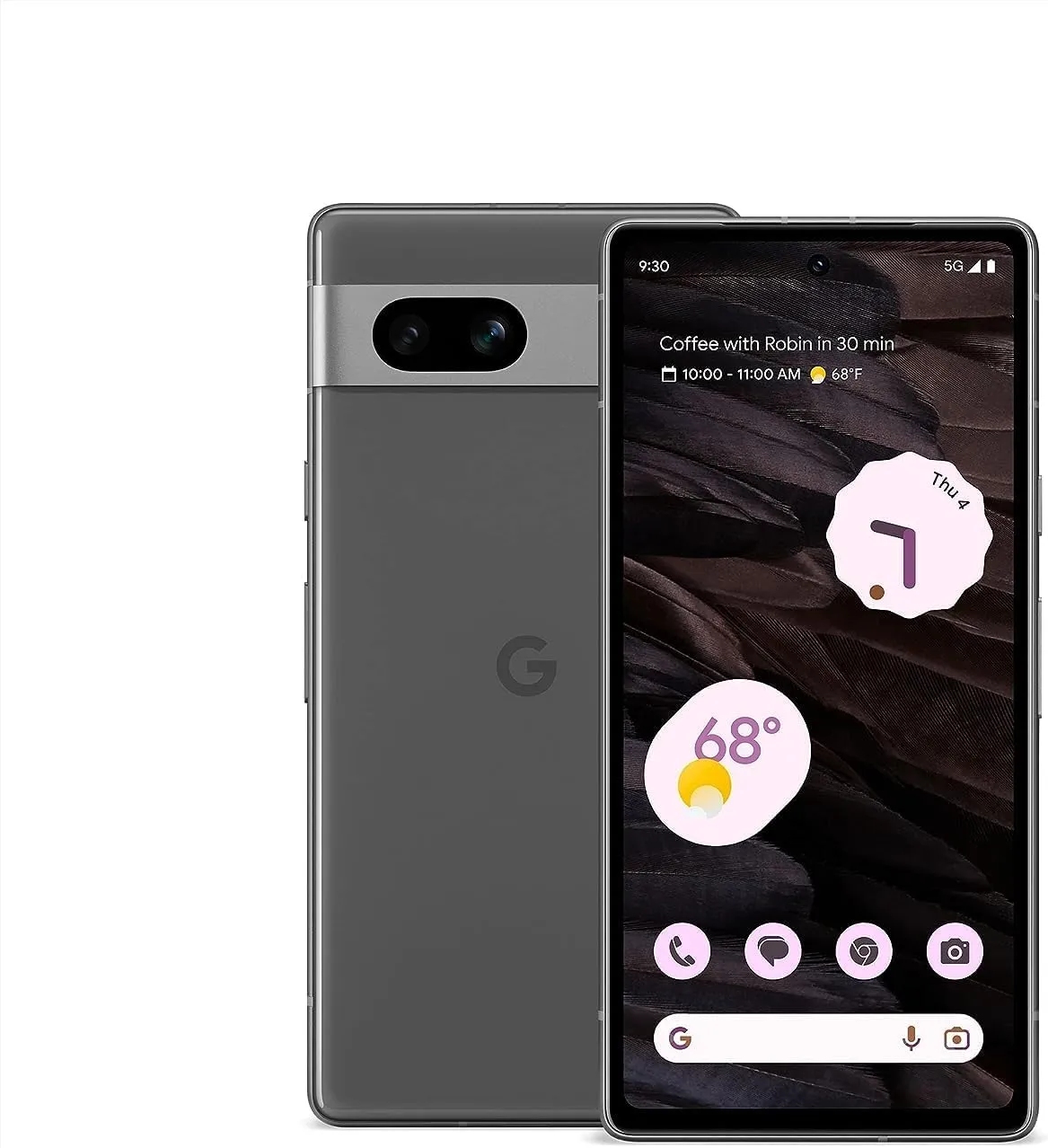
    Google Pixel 7a – great camera, good battery life and updates

    Google Pixel 7a 1

    With 128 GB of storage, the Google Pixel 7a, which was released on May 10, 2023, costs less than $400 on Amazon. Its Tensor G2 processor, which Google has included, improves the performance of machine learning-based features, making it a great option for anyone looking for a small Google phone in 2025.​

    Among smartphones under $400, the Pixel 7a stood out with a 5-star rating in our assessment. It is the most affordable model in the Pixel 7 series, with features including wireless charging, 8 GB of RAM, and a refresh rate of 90 Hz.

    With a 64 MP primary camera, a 13 MP ultra-wide lens, and a 13 MP selfie camera, the camera system has been much improved over its predecessor. Google’s sophisticated camera software guarantees that images captured with the Pixel 7a uphold the Pixel series’ excellent quality standards.

    pixel 7a from Amazon

    Google Pixel 7a

    Pixel 7a has a 24-hour battery life and supports fast charging up to 72 hours with Extreme Battery Saver turned on.

    $499.00$327.00Buy on Amazon

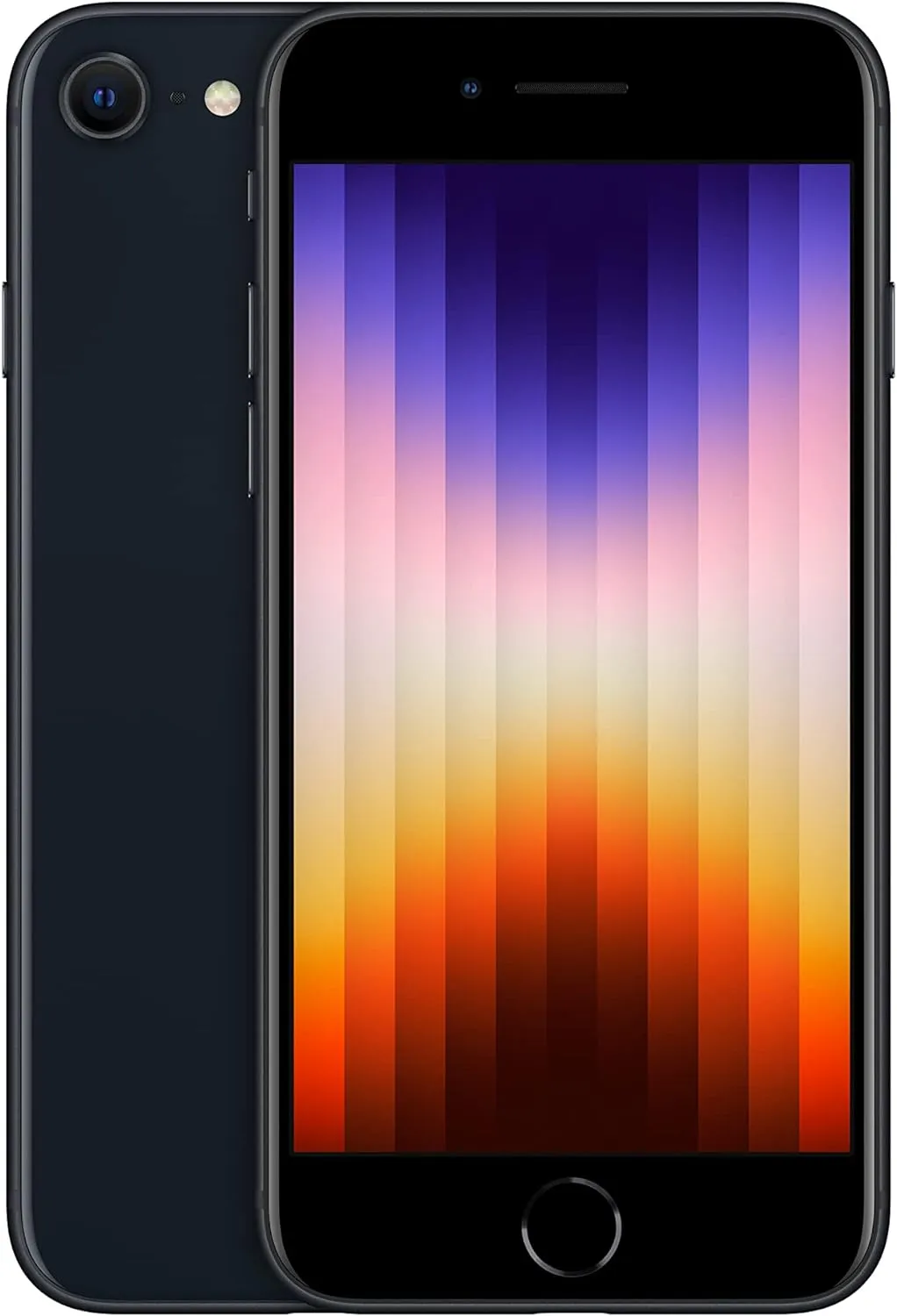
    Apple iPhone SE (2022) – if you are in the Apple ecosystem

    Apple iPhone SE (2022) budget phone under $400

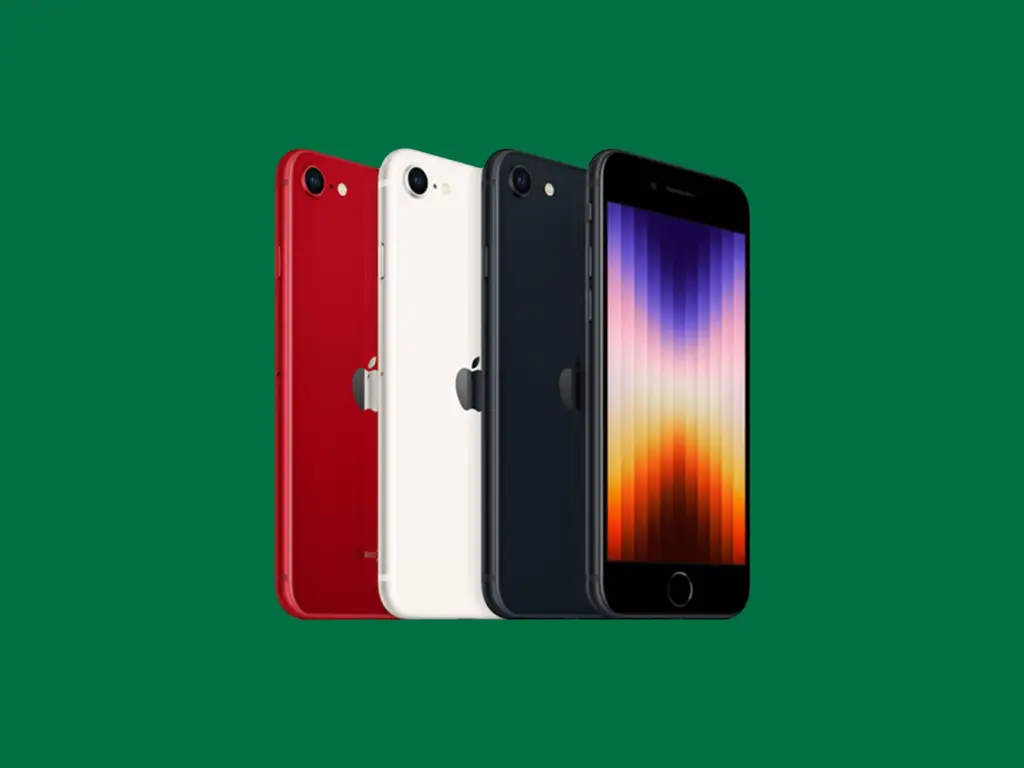
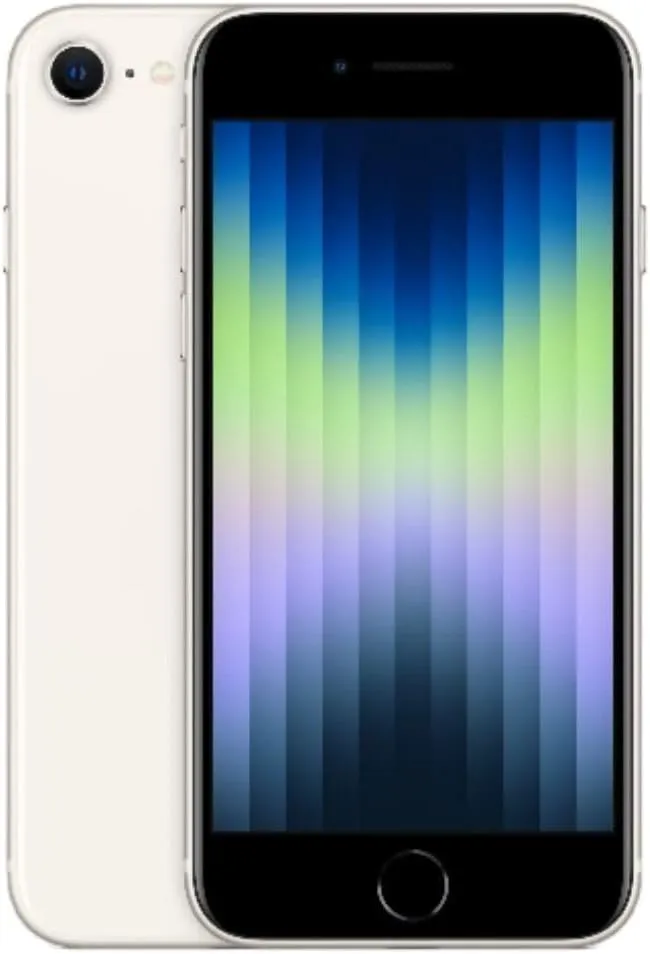
    It is difficult to choose an Apple product under $400, but we firmly believe that the iPhone SE (2022) is the best option. Apple essentially discontinued the SE range in 2025 with the release of the iPhone 16e (review). Apple’s entry-level model is now the 16e, the company’s first new name since the 2020 “mini.”

    Currently, the iPhone SE (2022) is only available through online retailers like Amazon. This budget iPhone features the powerful A15 Bionic chip, although it brings minimal upgrades compared to its predecessor. It offers a 12MP camera within a casing nearly identical to the iPhone SE (2020)—which itself resembles older models like the iPhone 8, 7, and 6s—and includes IP67 water resistance.

    The most notable enhancement is 5G connectivity, which puts the iPhone SE (2022) on par with other smartphones under $400 on this list, aside from the improved SoC and more RAM (4 GB). After testing, we discovered that, despite certain issues, the gadget is still a great option for iPhone purchasers on a tight price.

    Software support for the iPhone SE (2022), including complete iOS updates and security fixes, should last until roughly 2027 or 2028, according to Apple’s past trends. However, based on Apple’s future choices, precise timetables might change.

    apple iphone se

    2022 Apple iPhone SE

    Advanced single-camera system with 12MP Wide camera; Smart HDR 4, Photographic Styles, Portrait mode, and 4K video up to 60 fps

    Good choice
    $429.00$389.00Buy on Amazon

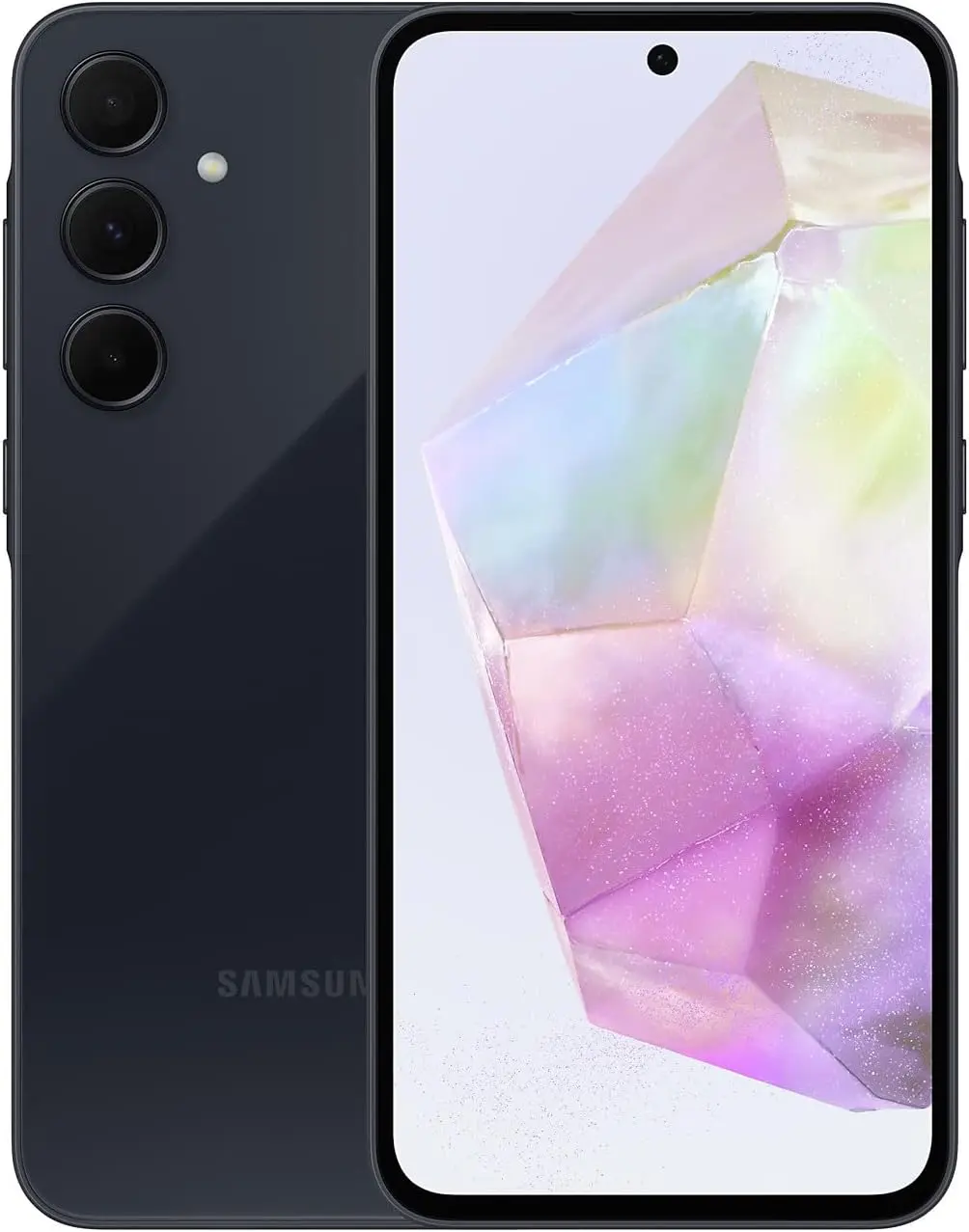
    Samsung Galaxy A35 – for Samsung lovers

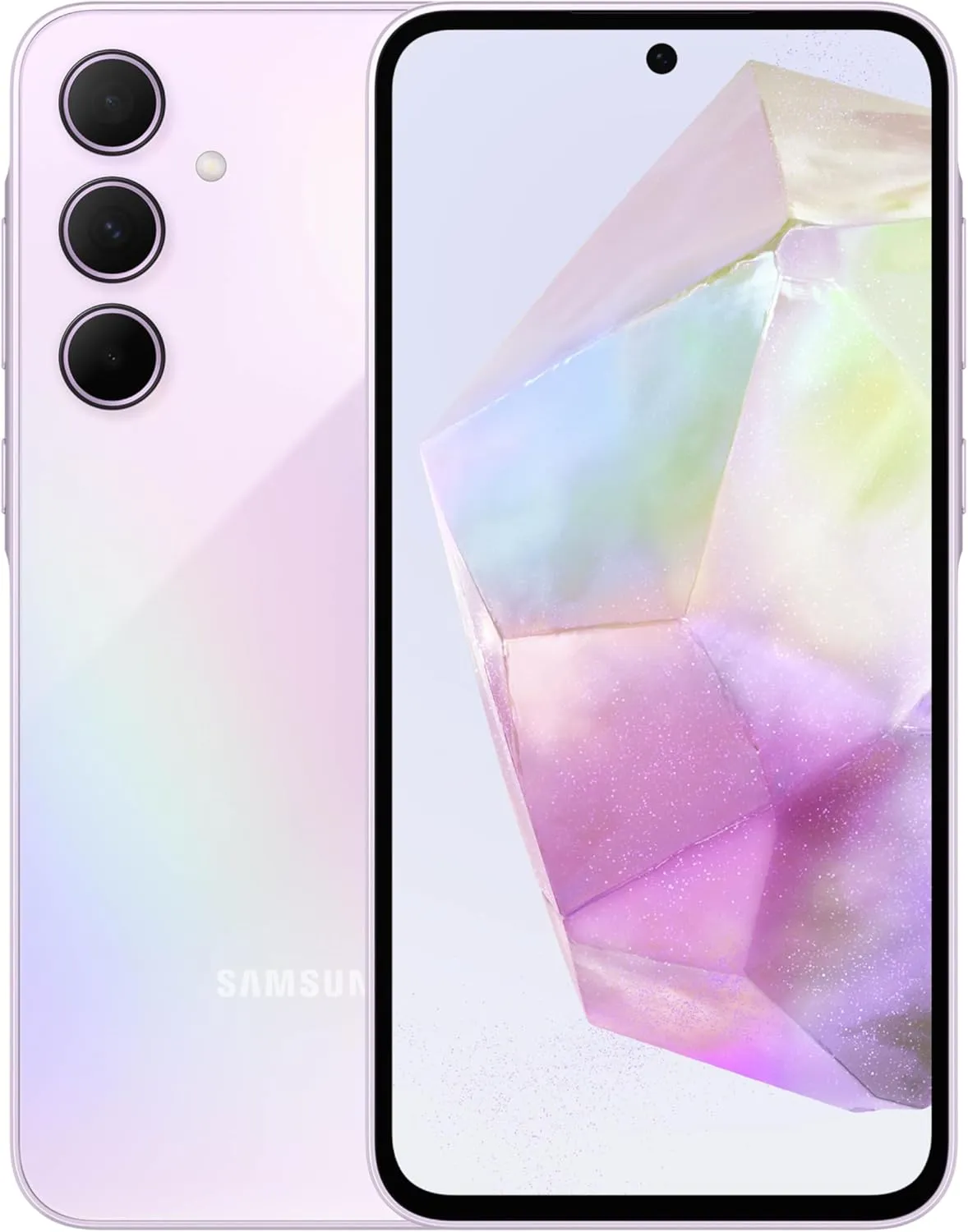
    Surprisingly, Samsung chose not to distribute its well-liked Galaxy A55 in the US in 2024. As a mid-range substitute, the company instead unveiled the less expensive Galaxy A35.

    In actuality, both models offer balanced camera capabilities, dependable battery life, and comprehensive software support, making them very comparable in terms of performance and specifications. The Exynos 1380 processor, which was used in the previous Galaxy A54 model, ensures seamless performance for daily use and light gaming on the A35.

    Samsung has committed to providing software upgrades for the Galaxy A35 through 2029, making it the phone with the longest security support on this list. Although some more recent models provide even longer support, none of them now live up to this promise at this price point.

    samsung a35 budget phone

    Samsung Galaxy A35 5G

    6.6” FHD+ Super AMOLED w/Corning Gorilla Glass Victus+ – Resolution 1080 x 2340 pixels
    256GB 8GB RAM – MicroSD up to 1TB

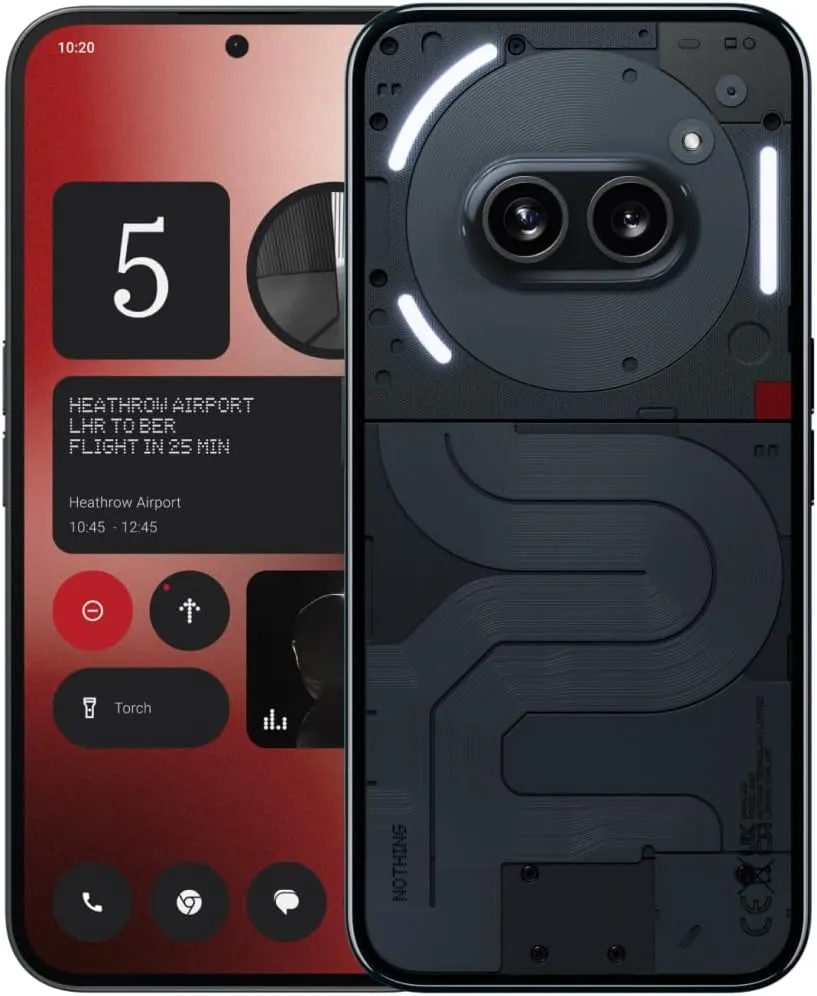
    Nothing Phone (2a) – great battery life

    nothing phone 2a

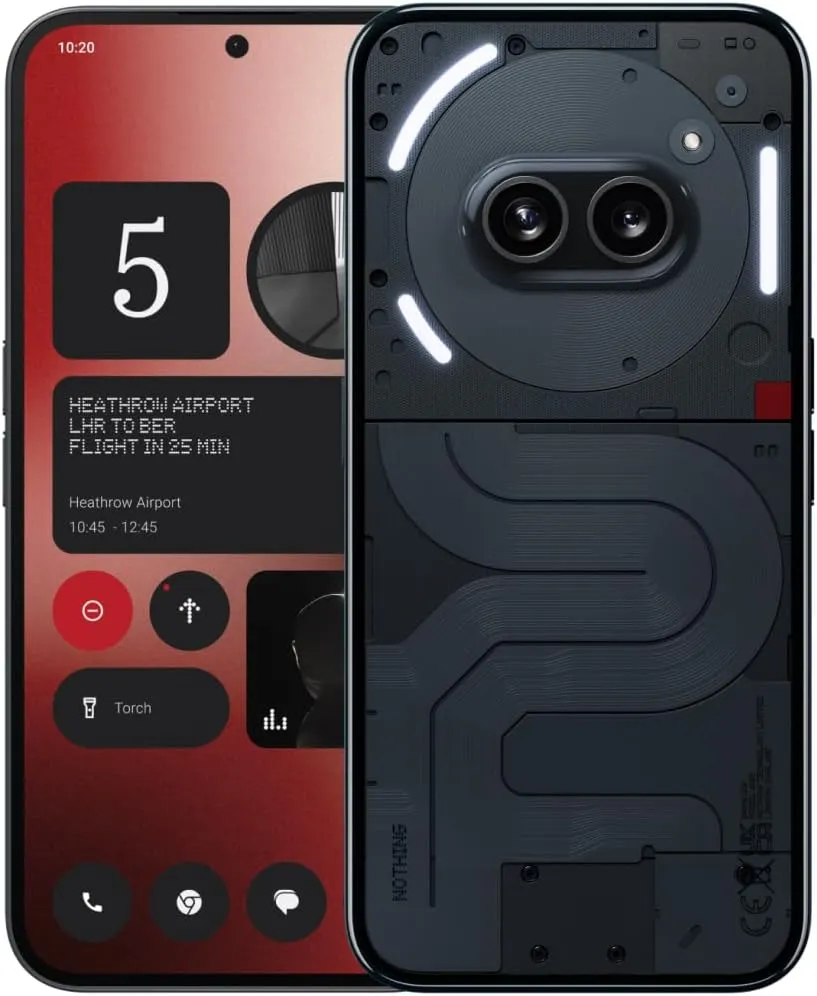
    Nothing’s newest low-cost smartphone, the Phone (2a), has a great design and well-balanced specs, making it one of the most attractive mid-range phones.

    It delivers endurance with four years of security patches and three guaranteed Android updates, together with a positive user experience with Nothing OS. Although the most recent Snapdragon chipset is not included, performance remains dependable.

    The Phone (2a) has the longest battery life in its pricing range thanks to its large 5000 mAh battery that supports 45W rapid charging. The remarkable 17 hours and 2 minutes of runtime that our battery testing revealed allowed for comfortable two days of use between charges and comparatively quick recharging.

    The primary compromise is the camera’s poor quality, especially in dimly lit areas. With its appealing screen, reliable performance, and very long battery life, the Nothing Phone (2a) is a well-rounded mid-range choice.

    nothing phone 2a 1

    Nothing Phone (2a)

    Nothing phone (2a) boasts Co-engineered with MediaTek,the custom Dimensity 7200 Pro processor delivers the best performance with optimal power consumption.
    NOTE:Only these carriers’ 5G network bands are supported,please check the bands before buying: T-Mobile n41,n66; AT&T n5,n66; Google Fi n41; Verizon Wireless n5,n38,n66; Cricket Wireless n5.

    Criteria for Selection

    Our crew has carefully tested the top picks for our list of the best smartphones under $400, and we have added extra mentions to help you make an informed choice. Although this guide focuses on key aspects, I strongly advise reading our in-depth reviews before making a purchase.

    We mainly took into account regular consumers looking for a balance between cost and usefulness while making this budget-friendly choice. To make sure you are selecting the greatest smartphone, I advise you to look over our larger list of top smartphones if flagship-level features or cutting-edge performance are important to you.

    User Experience (UX). Smartphones priced around $400 often provide reliable performance for daily work, multimedia consumption, and casual gaming. Expect CPUs from the Qualcomm Snapdragon 7 series or MediaTek Dimensity range, which offer outstanding value even though they are not the most recent generation.

    Battery life and display quality are also important. We selected smartphones with batteries ranging from 4,500 to 5,000 mAh, which can last a full day. While charging speeds in this price range are moderate, often between 10W and 15W in the United States, these devices provide adequate endurance. Display technology is constantly advancing, with many devices offering Full HD+ resolutions and refresh rates of up to 120 Hz, including the increasingly popular OLED screens.

    Although the camera’s performance is suitable for most daily uses, there are certain limits to consider. Higher-megapixel sensors are common, although their quality differs greatly from flagship models. We suggest care when using multi-camera systems, as extra lenses such as macro or depth sensors may have limited practical applications.

    Software and carrier compatibility are other important issues. Smartphones in this category often receive fewer software updates—one to two major Android versions after launch—so double-check the device’s update policy before purchase. Additionally, check compatibility with your carrier, especially if purchasing unlocked smartphones.

  • How to clear the cache on your Android device

    How to clear the cache on your Android device

    You are not alone if your Android device has started to lag. Many gadgets have the potential to slow down over time, but there are easy solutions to boost performance. Restarting the device is a quick fix that can resolve a lot of frequent problems. Clearing up cached data from websites and apps is another efficient way to increase speed and free up storage.

    With the use of simple steps, you will go through the process of clearing your Android device’s cache. Depending on the manufacturer and software customisation of your Android device, the steps described may differ, but the overall procedure is the same, and this guide should help you get started.

    View every application that is installed on your Android smartphone.

    To easily view all of the apps on your Android phone or tablet, launch the Settings app. Scroll until you see Storage, then tap on it. Next, check for the Apps option. On some Android devices, Storage may not appear, and you can navigate directly to Apps from the Settings menu.

    If you’re having trouble finding the Apps section, you can always use the search bar at the top of the Settings app to help.

    When you are in the Apps area, some Android versions make it simple to view which apps use the most space. Simply hit the three-dot menu in the upper right corner and select Sort by Size.

    Clear the cache

    Clear the cache of of the installed apps

    Select an app from the list to remove its cache. Just a heads up: I prefer using an app you installed over a system service like Android System Intelligence. I have had inconsistent outcomes with emptying the cache of system apps, thus it is recommended to only delete the cache for apps you added yourself.

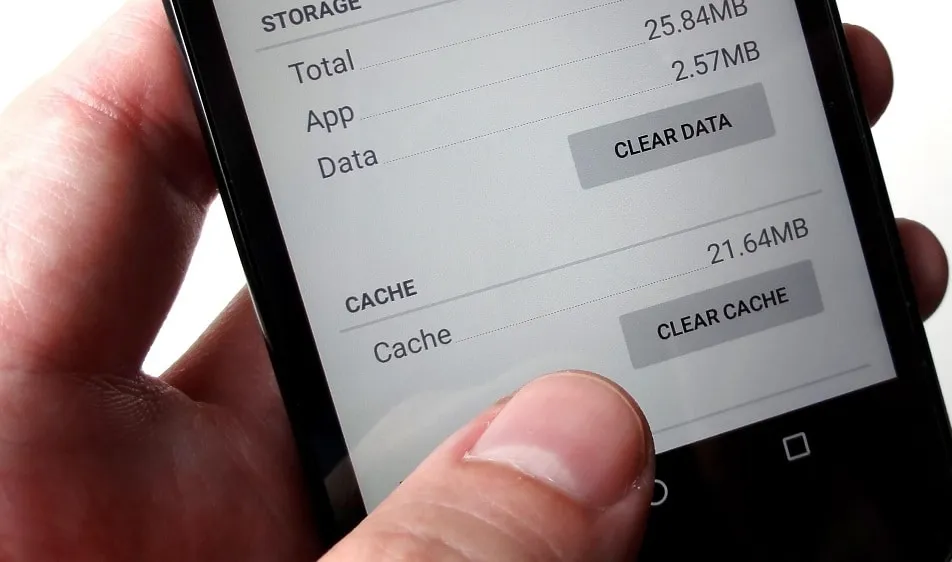
    When you open an app, you will see facts such as its size, user data, cache size, and total storage usage. At the top of the page, you will find two options: Clear storage and Clear cache.

    Tap Clear cache to clear the cache for that app. However, avoid tapping Clear storage because it will reset the app, requiring you to set it up again. Clearing the cache will not cause any problems.

    Continue to browse your list of installed apps, checking for any programs that take up a lot of space and removing their cache.

    If you are feeling particularly thorough, you might erase the cache for each app on your phone. However, it is a good idea to start with the biggest offenders, such as the Facebook app.

    Clear the cache from Chrome

    If Chrome is your primary browser, it may have accumulated a large amount of data, which can slow down your device. Here’s how to clear the cache.

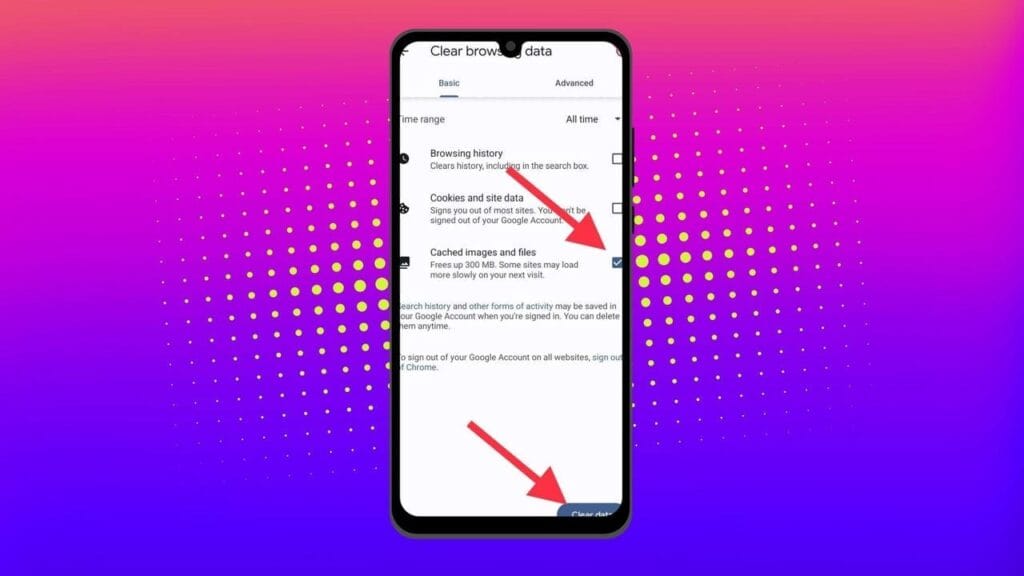
    Go to History settings in Chrome – Open the Chrome app on your Android device, press the three-dot menu in the top-right corner, click History, and then Clear browsing data.

    Choose the data you want to delete – The following screen will display a selection of alternatives, allowing you to select whatever data you want to erase from Chrome.

    You can also provide a timeframe for when you want the data cleared. Each option gives a brief explanation of what it does and how it may affect your browsing experience. For example, deleting cookies and site data will log you out of most (if not all) websites. Clearing cached images and files may cause Chrome to load images more slowly the next time you visit a website.

    clear the cache in chrome Android app

    In later versions of Chrome for Android, hitting the menu button displays the option “Clear Browsing Data”. When you select this option, a popup will display, allowing you to erase browsing data for a defined time period.

    If you choose More Options, you’ll be taken to the Browsing Data screen, where you can select the data to delete and choose the time range.

    What does cached data mean?

    Cache is temporary storage that stores data like as photos, files, and scripts from websites or apps you have visited in order to speed up their loading time. Clearing cached data, whether for Chrome or any other app, removes the files that have been kept on your device. For example, on Facebook, cached data could contain profile pictures, photos, and videos.

    Deleting cached data from the Facebook app removes these temporary files from your smartphone, which may cause the program to take longer to load content the next time you use it. However, this strategy will have no effect on the accounts you visit, the postings you make, or your personal information.

    Will deleting the cache remove all app data?

    No, emptying an app’s cache does not destroy crucial data such as login credentials or saved settings. It merely deletes temporary files that help the app load faster, so you do not lose any important data.

    Will deleting the cache make your Android device faster?

    Yes, clearing the cache can free up storage and remove corrupted or outdated files that may slow down your device, leading to smoother performance.

    How often should you clear your cached data?

    It depends on how well your equipment performs. If you are experiencing slowdowns or other problems, emptying the cache can be part of the solution. Otherwise, you may only need to perform it once every three to six months.

    Is the purpose of clearing the cache only to increase storage space?

    No. Clearing the cache is one of the first steps you should take when dealing with bugs or difficulties in an app. Cached files frequently get corrupted or outdated, and removing them causes the app to reload the cache, which can resolve the issue. As a result, deleting the cache can assist solve problems rather than simply free up space.

    Can you clear the cache for all Android apps simultaneously?

    There is no built-in method to remove the cache for all Android apps at once, but you can browse through the list and clear each app’s cache separately.

  • Top 4 compact smartphones to check out in 2024

    Top 4 compact smartphones to check out in 2024

    Smartphones come in many shapes and sizes, but choosing a good smartphone that is also tiny is a little more difficult.

    Smaller phones have traditionally been concentrated on the low end of the market because smaller displays are less expensive to manufacture, but we have seen a rebirth of small phones in the luxury end of the market in recent years with the likes of the Samsung Galaxy S24 and Asus ZenFone 10.

    However, it remains challenging to find a smartphone that is both tiny and provides a satisfying smartphone experience. That is why we thoroughly benchmarked each option on our list, with our reviewers switching SIM cards and transferring all apps and data to test real-world performance.

    We take into account screen size, dimensions, and weight, in addition to the usual performance, camera, and battery testing that we do with all smartphone reviews, and we have divided our list into categories – best small Android, best small mid-ranger, and more – to make the decision easier.

    It is definitely worth noting that our official definition of a small phone is one with a maximum display size of 6.1 inches; nevertheless, if there are any exceptions to this criterion in our selection below, we will make sure to explain why. If you have changed your mind and are now tempted by something a little larger, check out our list of the top smartphones and Android phones for more ideas.

    If you need a little phone but want to continue with Android, the Asus ZenFone 10 is your best option. It is not quite as little as the iPhone 13 mini, with a 5.9-inch 120Hz OLED display, but it is still modest in comparison to other Android flagships, which have 6.7- or even 6.8-inch displays. And, like with the iPhone 13 mini, do not be fooled by its diminutive size; this is a flagship smartphone with blockbuster specs.

    That contains the latest and greatest Qualcomm CPU, the Snapdragon 8 Gen 2, as well as 8GB or 16GB of RAM and up to 512GB of UFS 4.0 storage, allowing the ZenFone 10 to handle everything you throw at it with ease. Gaming was also enjoyable on the small phone, which managed to stay cool even throughout extended gameplay sessions.

    There is also excellent camera performance from a 50MP main and a 13MP ultrawide, particularly in terms of image stabilisation, and a 32MP RGBW selfie camera produces some of the best selfies we have seen this year. What actually distinguishes the ZenFone 10 from the competition is its highly customizable approach to Android 13.

    You may either use Asus’ ZenUI skin or something very similar to pure Android, with Material You and other UI customization options. It outperforms almost every other Android OEM, making it a pleasure to use on a daily basis. Add in a comfortable all-day battery life with a 4,300mAh cell, and you have got a fantastic tiny Android smartphone that will not break the bank.

    The Asus ZenFone 10 remains the smallest flagship Android smartphone available, but the Samsung Galaxy S24 is not only more powerful, but also has a larger screen in a body that is only slightly larger than the ZenFone’s.

    The 6.2-inch Dynamic AMOLED 2X screen is somewhat larger than last year’s 6.1-inch panel, but do not worry; this is feasible because Samsung reduced the screen’s bezels, leaving the form factor nearly equal to its older sister. That means it is not only larger while preserving a compact form factor, but it also has high-end features like an LTPO-enabled 120Hz refresh rate, HDR10+ support, and a maximum brightness of 2600nits.

    It gets a little confused in the chipset sector, with the Exynos 2400 chipset available in the UK, Europe, and other regions, yet the Snapdragon 8 Gen 3 for Galaxy is available in the United States.

    We evaluated the former, but we benchmarked the latter, and it is evident that the Snapdragon-equipped edition outperforms in GPU tests, but you will not notice a difference in regular use. It is fast and responsive, and it makes use of GenAI capabilities to deliver on-device translation, voice recording transcription, and other features. That could only get better with its improved seven-year OS upgrade cycle, which is the longest of any small-screen phone now available.

    The only disappointment is camera performance; while it is far from a bad camera setup, consisting of a 50MP main, 12MP ultrawide, and 10MP telephoto, it is been unchanged for the third year in a row, and as a result, there are more powerful options on the market – though many of these are attached to larger screens like Samsung’s own 6.8-inch Samsung Galaxy S24 Ultra.

    Still, if you are seeking for a reliable small-screen flagship that can handle just about anything, the Galaxy S24 is a compelling alternative.

    What if your budget does not cover flagship-level devices like the S24 or ZenFone 10? The Google Pixel 8a is our top pick for tiny smartphone aficionados on a tight budget.

    The Pixel 8a measures 6.1 inches, has a smooth 120Hz refresh rate, and uses Actua technology from the flagship Pixel 8 to improve brightness to 2000nits. It is also a lovely, compact size that feels well in the hand, especially with the Pixel 8a’s rounded corners.

    The Pixel 7a flexes its mid-range muscles in the camera department, where it uses the flagship-level Tensor G2 chipset to power a variety of AI features such as Super Res Zoom and Night Sight, as well as exclusive photo editing features that remove background distractions and sharpen blurry images.

    That AI goodness extends to the overall experience, with the Pixel 8a’s stock Android 14 littered with useful AI features to improve your day-to-day, from displaying upcoming calendar invites and the weather on the Home screen to Recently Played, an AI feature that detects music in your surroundings as you go about your day – a real boon for music discovery.

    The battery life is also good, but it is still only a one-day gadget, which is one of the drawbacks of more compact smartphones. Still, if you want a tiny phone on a cheap, the Google Pixel 8a in 2024 is the best option.

    If you are seeking for a really compact Android smartphone with a large-screen experience, a solid camera, powerful performance, and an all-day battery life, the Motorola Razr 50 Ultra (or Razr+ 2024 if you are in the US) is the best option.

    While the main 6.9-inch 165Hz pOLED panel is far from small, it outperforms some of the largest smartphones on the market. When folded, the external display measures only 4 inches. This is ideal for one-handed use because all corners are easily accessible with just your thumb.

    Not only is the external screen small yet highly functional, but the handset itself is only 15mm thick when folded, making it easy to sneak into your pocket or purse. You will not have to worry about scratches because the display is protected by Gorilla Glass Victus.

    Aside from the screens, the Razr 50 Ultra has two updated back cameras: a 50MP main and a 50MP 2x telephoto, with the latter replacing the ultrawide lens on the previous generation model. We were generally pleased with the new lenses’ performance, albeit the phone struggled with difficult photos such as brilliant sunsets, and HDR performance was occasionally hit-or-miss.

    The phone features the Snapdragon 8s Gen 3 chipset, which, while not Qualcomm’s most recent engine, is nonetheless powerful and performed well in our CPU and GPU benchmark tests when compared to the foldable competitors, with no significant differences in everyday use.

    Whether you want the tiniest smartphone possible or simply want to recreate the flip phone experience of the noughties, the Motorola Razr 50 Ultra is an excellent choice for the majority of people.
  • Budget smartphone? Best under $400

    Budget smartphone? Best under $400

    Uncertain about which budget smartphone to buy with $400 to spend? With features like 120 Hz screens, top-notch cameras, and gaming-ready SoCs with 5G, we have compiled a list of the best smartphones available for $400 or less. Here are our best choices for cellphones under $400 without further ado.

    Take a look at the table below if you are pressed for time and just want our best pick for a $400 smartphone. Before choosing, read the descriptions below or look through the available reviews for a more thorough understanding of our best choices.

    best budget phones

    Google Pixel 6a

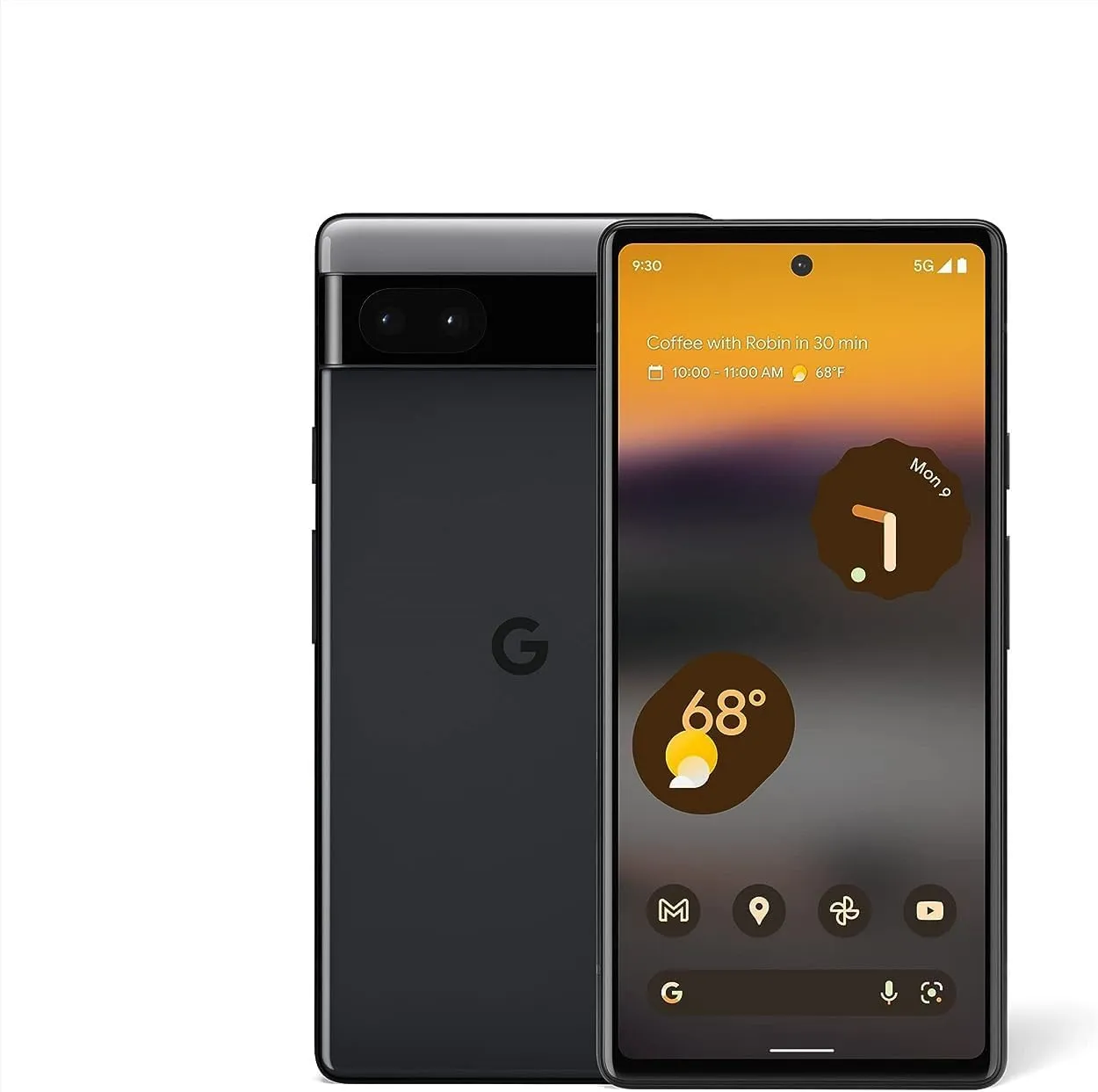
    Although the Google Pixel 6a has been on sale since July 21, 2022, it is strangely still available on Amazon for $399 with 128 GB. The Pixel 6a appears to be the greatest choice for people looking for a smaller Google phone in 2024 since it is loaded with Google’s proprietary Tensor processor, which improves the performance of machine learning-based functions.

    Even though the phone only has one internal storage choice and a 60 Hz refresh rate, it was already quite obvious from my assessment that it was the best smartphone under $400. Furthermore, among all the smartphones in the Pixel 6 series, the 6a is the most affordable.

    The Pixel 6a has a very basic camera suite module, but considering that Google’s main strength is its camera software, it does not truly fall behind the competition. Thus, you can be certain that the images captured with the 6a will have the quality seal of the Pixel series.

    pixel 6a on Amazon

    Google Pixel 6a

    The Google Pixel 6a has been available for purchase since July 21, 2022, but surprisingly the device can be found on Amazon for less than $399 with 128 GB.

    Best pick
    $349.00$329.99Buy now

    Consider checking the Google Pixel 7a prices before making a purchase. The device might be available at a similar price on your preferred e-commerce platform.

    Apple iPhone SE (2022)

    Without hesitation, we suggest the iPhone SE (2022) as an Apple substitute. The new low-cost iPhone, which comes two years after the iPhone SE (2020), has a potent A15-bionic but is not much better than the original. A 12MP camera and IP67 resistance are included in a chassis that is quite similar to that of the iPhone SE 2020 (and iPhone 8/7/6s).

    Aside from the SoC (and the additional 4GB of RAM), the true change is 5G connectivity, which enables the device to finally take use of the newest connectivity technologies, just like the other sub-$400 handsets on this list. The iPhone SE (2022), which we have already examined, is undoubtedly a fantastic option for anyone searching for a reasonably priced iPhone.

    iPhone se 2022

    Apple iPhone SE (2022)

    We suggest the iPhone SE (2022) as an Apple substitute. A 12MP camera and IP67 resistance are included.

    Good choice

    Samsung Galaxy A35

    Strangely, Samsung decided not to release its top-selling Galaxy A55 model in the US in 2024. The South Korean company replaced it with the less expensive A35 model as a mid-range market substitute.

    In actuality, the two phones are rather comparable in terms of features and performance, offering a comprehensive package that includes cameras, software support, and battery life. Smooth performance for everyday work and even some games is promised by the A35, which inherits the Exynos 1380 CPU from our last suggestion, the Galaxy A54.

    With Samsung guaranteeing patches through 2029, the Galaxy A35 is the phone on this list that will continue to receive security upgrades for a longer period of time. Even longer support is beginning to be promised by more recent phones, but none at this price point.

    samsung a35

    Samsung Galaxy A35

    128GB Unlocked Android Smartphone, AMOLED Display, Advanced Triple Camera System, Expandable Storage, Rugged Design, US Version, 2024

    Good choice

    Nothing Phone (2a)

    Nothing’s newest low-cost smartphone is called the Phone (2a). Although its technological specifications are well-balanced, its appearance is what really makes it stand out; according to my colleague Antoine Engels, it is the most attractive mid-range smartphone of 2024.

    The Phone (2a) is the autonomy champion in its price range thanks to its 5000 mAh battery that supports 45 W rapid charging. The smartphone lasted an amazing 17 hours and 2 minutes on our battery assessment. Without recharging your phone, you can easily go two days (2a). Additionally, it has the benefit of charging at a moderate pace.

    The photo quality is not very realistic, especially at night, so I think that is the only major compromise you will have to make. The Nothing Phone (2a) is a well-balanced mid-range smartphone that boasts a stunning screen, respectable performance, and, most importantly, an impressive battery life.

    nothing phone 2

    Nothing Phone (2a)

    Unlocked 5G Android Phone Dimensity 7200 Pro, 50MP Dual Camera Cell Phone, 6.7” AMOLED Display, 5000mAh Battery, NFC

    Very good choice
    $399.50$379.00Buy on Amazon

    Expectations for mobile devices costing up to $400

    In the US, mid-range phones fall somewhere between affordable models and high-end mid-range phones, albeit offering a respectable price-performance ratio. You may discover older or lower-specified devices at this pricing. They may lag in terms of camera, performance, and design even though the majority feature 5G.

    • Power and performance: Investing in a sub-$400 device will at least guarantee that the SoC can tackle the most recent games. Here, you should expect SoC’s that are at least one to two years old and offer good performance for daily tasks.
    • Cameras: In the mid-range, models like the Samsung Galaxy A35 have 50-megapixel main cameras, but don’t match the Galaxy Ultra’s photo quality. The primary issue in this range is with the cameras, especially “Quad cameras” that use low-quality macro and depth sensors. Unfortunately, the telephoto camera often gets compromised.
    • Battery & charging: Batteries in this price range are typically between 4,500 and 5,000 mAh, but charging speeds are subpar. Devices from Honor and Xiaomi offer over 60W fast-charging, but they aren’t available in the US. Here, 10W to 15W is decent. Wireless charging is rare at this price point.
    • Display: In terms of display, we can expect FullHD+ screens with high refresh rates (except for Apple), and OLED displays are getting increasingly popular, with nice color reproduction and impressive contrast levels.
    • Age and support: At this price, be wary of devices older than two years due to limited software updates. Most will receive only one or two updates beyond their initial OS. Hence, Android 10 devices will become outdated after the launch of Android 14 in 2023, for example.
    • Carrier compatibility: In this price range, not all devices are compatible with every carrier. Many are designed for GSM networks, common outside the US. If you’re on a CDMA network like Verizon, ensure compatibility. However, with 4G LTE and 5G, this issue is diminishing.

  • Top 5 Android smartphones with the best display

    Top 5 Android smartphones with the best display

    Over the last fifteen years, smartphones display have grown in size exponentially. It is funny how, while six inches was once considered the definition of a phablet, these days we can call a six-inch device compact. Along with larger screens come improvements in color fidelity, resolution, refresh rate, and other technical marvels that enhance the smartphone experience.
    Over the last fifteen years, smartphones have grown in size exponentially. It is funny how, while six inches was once considered the definition of a phablet, these days we can call a six-inch device compact. Along with larger screens come improvements in color fidelity, resolution, refresh rate, and other technical marvels that enhance the smartphone experience.
    When buying a new smartphone, it is important to consider the display specifications because people are consuming more and more content on their phones, whether it is through watching HDR movies and shows or binge-watching your favorite TikToks. Innovations have made it possible for displays to take on new forms, such as edge-to-edge, curved, and OLED, and competition has made these phones more affordable than ever.

    Here are five Android phones with some of the best screens in the market, ranging from incredibly clear 4K panels to the really fluid displays found in foldable smartphones. However, there are always a select handful at the top with the most advanced display technologies.

    Samsung Galaxy S23 Ultra

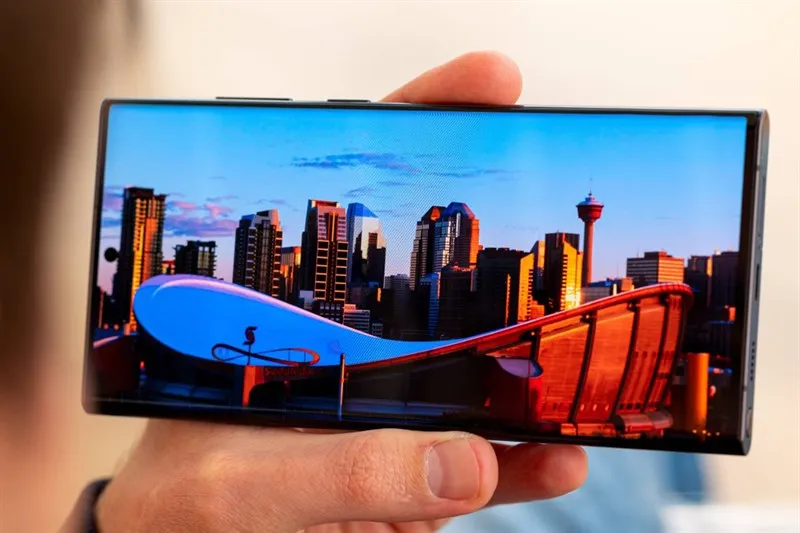
    s23ultra brightness 3 1280x853 8

    With its Ultra-series of phones, Samsung has polished the recipe with its many design advancements, such as folding panels or the overflowing edge displays in its previous flagships. Samsung has been the undisputed ruler in display technologies, and not just in its smartphones.

    With its tried-and-true build and design, the Galaxy S23 Ultra certainly plays it safe, but that does not mean it shys away from what may be the best all-around smartphone display: a massive 6.8-inch 2K AMOLED display that refreshes at 120 Hz and boasts great outdoor visibility thanks to its 1,750 nits of peak brightness. The nearly bezel-less, edge-to-edge panel with a centrally aligned hole-punch camera is just one of the many features that combine to create an immersive experience.

    With its robust specifications and S Pen, the S23 Ultra is an incredible phone—especially considering how well users have rated its battery life. It also boasts one of the best camera setups, with a 200-megapixel camera that can record 8K video and a dedicated periscope lens that can zoom up to 100 times.

    Samsung’s good track record with quick software updates and long-term support further make this phone a solid recommendation. As expected, all of this comes at a hefty price of $1,200, but there really isn’t anything like the Galaxy S23 Ultra in the market.

    Sony Xperia 1 V

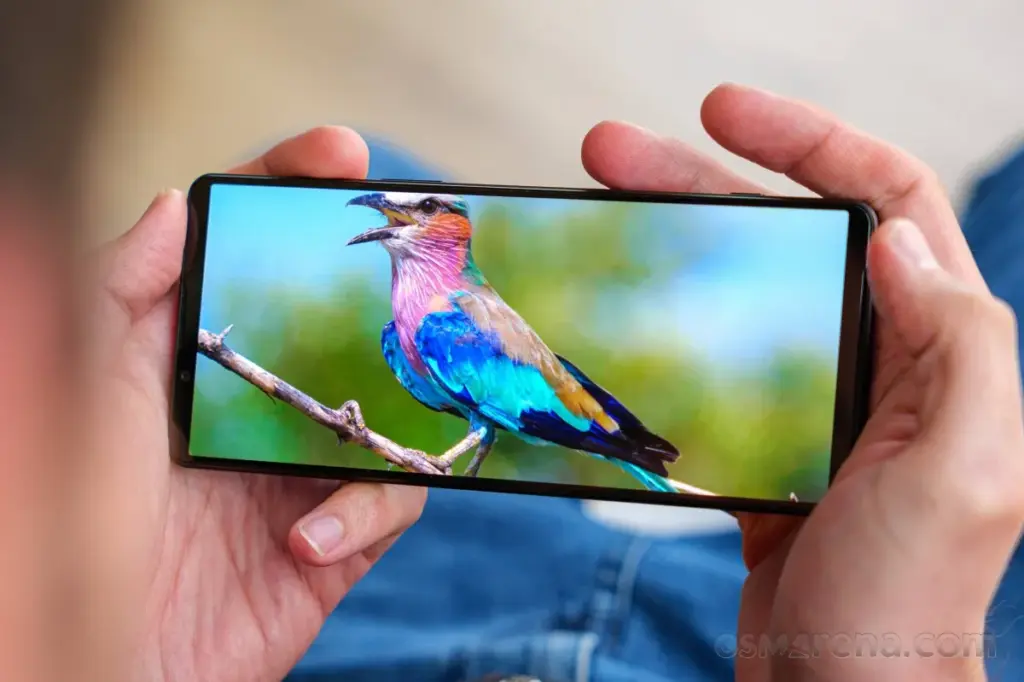
    sony 1 v display

    The Sony Xperia 1 V boasts a 6.5-inch 4K OLED display with a 120 Hz refresh rate and a 21:9 refresh rate, making it one of the only smartphones available with such an absurdly crisp resolution of 643 ppi. The display is typically slimmer and taller than most phones, making it perfect for scrolling through vertical videos or watching widescreen HDR content. Yes, Sony is still making smartphones in 2024, even though it is marketed towards a niche audience of display and camera enthusiasts.

    With a triple camera setup that uses Zeiss optics and Sony’s proprietary S-Cinetone video look, the Xperia 1 V runs on the Snapdragon 8 Gen 2 chipset and has 12GB of RAM and 256GB of storage that can be expanded further using the microSD card slot. All three cameras can record in 4K HDR at 120 frames per second and have the same autofocus technology as Sony’s professional cameras.

    The Xperia 1 V, touted as the ideal media powerhouse, boasts front-facing stereo speakers, a 3.5mm headphone jack that supports Dolby Atmos and LDAC for wireless earphones, and a sleek yet robust in-hand feel thanks to Corning’s Gorilla Glass Victus protection up front. However, the phone’s steep $1,200 price tag must be justified by its impressive display and camera features.

    Google Pixel 8 Pro

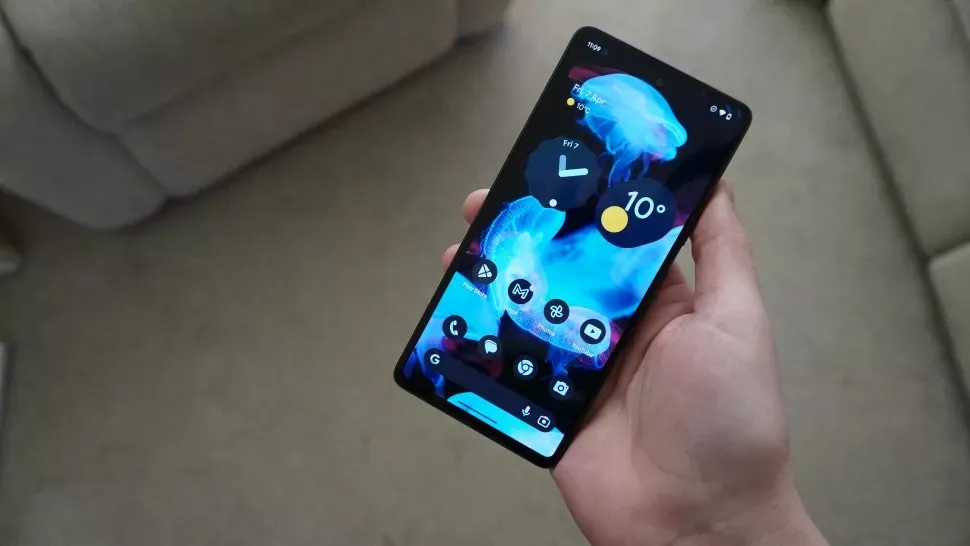
    pixel 8 pro display

    The improved display is one of the Google Pixel 8 Pro’s main selling points this time around, as the device still manages to be a great value for $1,000 even after a price increase from last year’s model. The Pixel 8 Pro boasts one of the brightest smartphone displays ever, peaking at 2,400 nits at maximum output thanks to the adoption of an OLED panel. When you combine that with its flat 6.7-inch 120 Hz display, you have yourself a winner.

    The Pixel 8 Pro offers a respectable movie-watching experience even without Dolby Vision thanks to its LTPO technology, which enables the phone to lower its refresh rate to as low as 1 Hz. This helps greatly preserve battery life, especially when using the always-on display. Android 14’s Material You design loves splashing colors throughout the user interface, and they do reflect really well on the HDR10+ certified panel.

    Though not the most powerful, the Tensor G3 chipset powering the phone is efficient and offers a seamless user experience because it has been designed specifically for Pixel devices. Pixels have always been known for their cameras and software, and the 8 Pro takes both of these aspects to new heights. Google’s computational photography has seen even more improvements thanks to the addition of software features. Exclusive Pixel-only goodies include AI-generated wallpapers, background noise remover, and a one-tap magic editor.

    OnePlus Open

    OnePlus Open 1

    Although OnePlus is primarily recognized for its flagship smartphones that offer a good balance between price and performance, its debut in the foldable smartphone market shows just how high-end the brand can go. The $1,500 OnePlus Open, the company’s most expensive phone to date, is still fairly competitive when measured against other phones in the same market.

    Both the 2K displays refresh at 120 Hz and have a ridiculously bright peak brightness of 2,800 nits. The cover display is a 6.31-inch 20:9 panel that can go as low as 10 Hz to save battery. When unfolded, the massive 7.82-inch nearly square display is immersive and surprisingly has the least visible crease in any foldable smartphone. Both panels are Dolby Vision compatible and provide a fantastic HDR viewing experience.

    The OnePlus Open’s fluid display, combined with OxygenOS’s smooth and fluid experience, makes for an unparalleled experience. The phone, in typical OnePlus fashion, is powered by flagship-grade internals, including the Snapdragon 8 Gen 2, 16GB of RAM, and 512GB of UFS 4.0 storage.

    The triple camera setup, optimized in collaboration with Hasselblad, makes the Open an excellent shooter as well. Being foldable unlocks unconventional use cases, such as multitasking with split-screen apps and floating windows.

    Asus ROG Phone 7

    asus rog phone 7 ultimate gaming

    With its ROG series of phones pushing the limits in terms of raw performance, Asus has been at the forefront of the smartphone gaming space. The ROG Phone 7 is no different, sporting one of the fastest displays on any smartphone along with a powerful Snapdragon 8 Gen 2 chip and up to 16GB of RAM. The phone’s robust internals are expected considering its gaming-focused design.

    You can set specific refresh rates for individual games, bypassing any default capped limits. The 6.78-inch 165 Hz AMOLED panel with support for HDR10+ and an impressive peak brightness of up to 1,500 nits provides an experience like no other handset when gaming. Pairing a touch sampling rate of 720 Hz with Asus’ rather bloat-free and stock Android user interface, this phone has perhaps the most fluid experience.

    Unlike most modern slabs of glass and metal, the ROG Phone 7 has a noticeable forehead and chin, preventing mistouches while gaming. This also leaves space for a dual front-facing stereo speaker configuration, allowing for an immersive multimedia experience. The ROG Phone 7’s cooler accessory not only promises better thermal performance but also has a subwoofer, a 3.5mm audio jack, another type-C port, and four tactile remappable buttons. 

    Asus has always placed a high priority on long battery life, and the ROG Phone 7’s 6,000 mAh battery offers remarkable endurance. Passthrough charging is supported, which allows the battery to power the phone without the need for additional charge.

  • ColorOS 13 will change how you use your smartphone

    ColorOS 13 will change how you use your smartphone

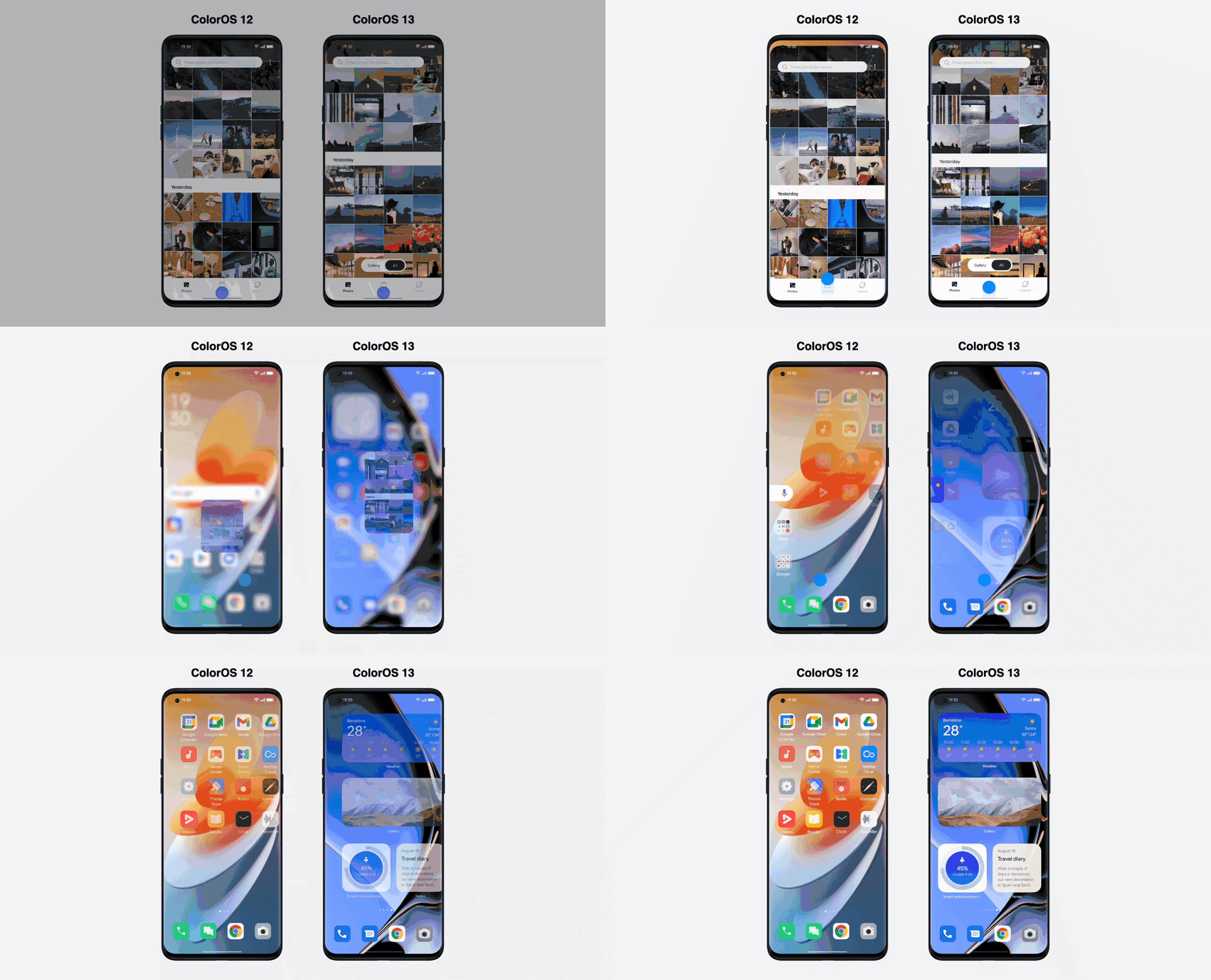
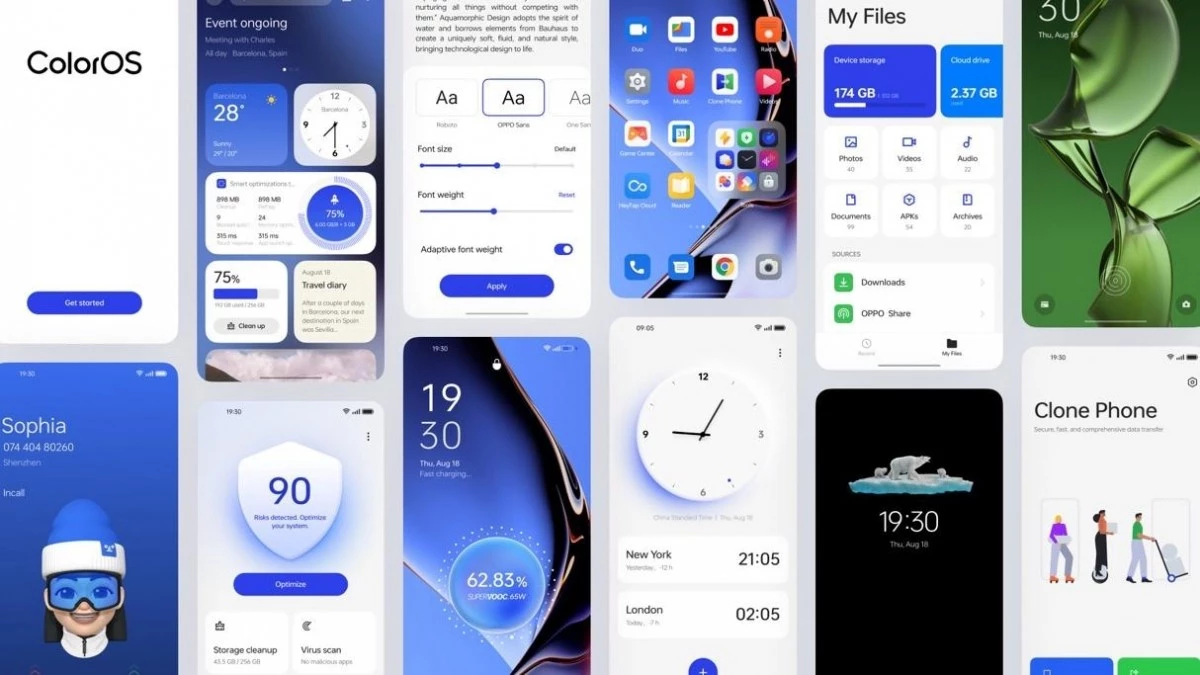
    Android 13 is here, and with it, OPPO has revamped ColorOS not only with Google’s latest update but a selection of new and better in-house features. ColorOS 13 has been updated for maximum efficiency and introduces cutting-edge smart capabilities to make the most of your apps and the technology in your phone, in addition to improved graphics and sophisticated customization tools.

    Here’s what you need to know about how OPPO’s latest technologies empower system performance and useful features in ColorOS 13.

    Dynamic Computing Engine

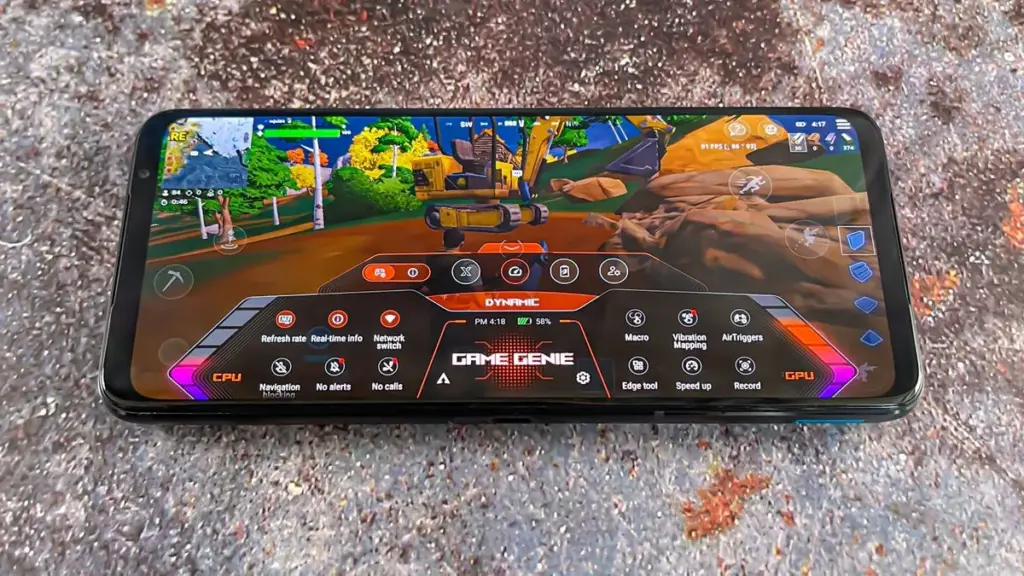
    High performance is now frequently taken for granted thanks to powerful processors and quick displays, but if recent chips are any indication, getting silky smooth performance still frequently comes at a cost to power consumption. The introduction of the Dynamic Computing Engine, an internal initiative to increase task scheduling effectiveness to boost performance and lower battery consumption, is one of OPPO’s key enhancements with ColorOS 13.

    More power

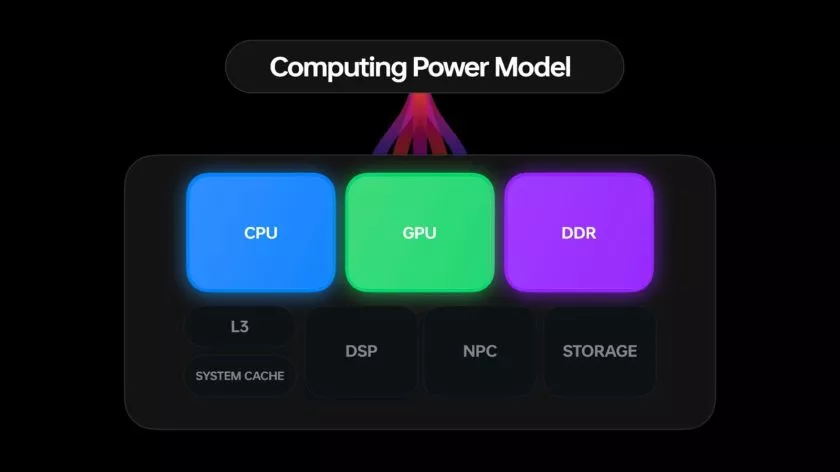
    Through what is referred to as OPPO’s computing power paradigm, the first half of the Dynamic Computing Engine strives to enhance common task scheduling. Three tiers of CPU cores seek peak performance, sustained performance, and low power consumption in today’s multi-core smartphone chipsets. Performance and power consumption of a phone are influenced by how apps and tasks are distributed around CPU cores.

    For example, running a background task on a large, powerful CPU would make it run more rapidly, but since it is a background process, you would only notice the increased power usage. So these kinds of operations should ideally be done on the lower power cores. To ensure responsiveness, it is best to use a strong CPU while starting a new app. The situation becomes trickier when balancing loads from multiple apps, all demanding CPU, GPU, and other resources at once.

    The developers at OPPO spent three years simulating millions of similar situations in an effort to remedy the situation. OPPO is able to precisely plan computational resources from hardware, such as CPU, GPU, and DDR, using a computing power model. To ensure snappy apps and all-day battery life, the resulting scheduling processing power model achieves the perfect combination of high performance and low power consumption.

    The proof is in the pudding: OPPO reports that its Find X5 Pro, equipped with this feature through ColorOS 13, can top an impressive 34 hours of battery life for doing everyday things. Their lab tests also showcase scenarios during which the Find X5 Pro can support up to 22 hours of video playback, 9 hours of continual gaming, and 8 hours of video calling.

    ColorOS 13 computing engine

    More speed

    The second aspect of the issue is performance limitations caused by running many apps simultaneously. The parallel processing engine developed by OPPO attempts to eliminate lag and interruptions brought on by memory use disputes. Processes must wait until the memory is free to access because “memory contention,” also known as locks, happens when many CPU threads attempt to access the same block of memory at the same time. This is a particularly troublesome bottleneck in multithreaded workloads and when releasing and swapping huge blocks of data into and out of RAM, like when relocating an outdated app to a swap partition to free up memory.

    The Dynamic Computing Engine has two approaches to this. First, OPPO parallelizes operations, such memory allocation and reclaim, breaking huge locks into smaller locks and helping apps to recover from a stall more rapidly. Second, the engine delays shifting programs to swap storage for a longer period of time, which reduces the possibility of massive locks in the first place. Therefore, the smartphone can now maintain multiple programs in the background, and users can switch between apps without experiencing slowness or losing the status of an app.

    Oppo ColorOs 13 Dynamic Computing Engine

    Additional computing technologies, such as Parallel Computing, High-Performance Computing, Intelligent Computing, and Device-Could Collaborative Computing, will be added to the Dynamic Computing Engine in upcoming versions. The Dynamic Computing Engine will continue to provide comprehensive enhancement to the fundamental experience in the upcoming years as a system-level technical solution.

    More Features

    It’s not just about making daily activities more fluid, effective, and battery-friendly with Color OS 13. It also makes use of these technological advancements to introduce some brand-new, sparkling features!

    Privacy is a priority

    Performance is excellent, of course, but a premium modern smartphone experience consists of much more than performance. Today, privacy is equally crucial, and ColorOS 13 offers some interesting new capabilities in this area as well.

    With ColorOS 13’s new Auto Pixelate feature, OPPO protects privacy with a self-created on-device AI system. Without access to the contents of your communications, Auto Pixelate can detect and automatically blur profile images and names in screenshots taken from Messenger and WhatsApp. Excellent if you want to share screenshots with contacts while maintaining user anonymity.

    ColorOS13 private files

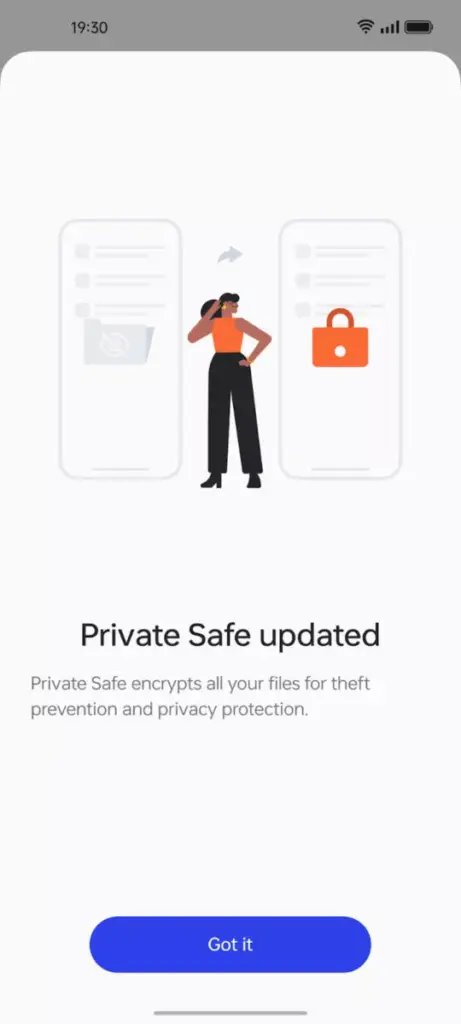
    Likewise, OPPO’s Private Safe for keeping critical documents, images, and videos is more secure than ever. The industry-standard AES algorithm now protects Private Safe directories. ColorOS 13 is OPPO’s most secure operating system to date when combined with Android 13’s built-in auto-clearing clipboard, Wi-Fi location concealing, and other privacy features.

    Improved always-on display

    oppo coloros 13 always on display

    If you think all of that is fairly clever, ColorOS 13 has a few other clever features in store that are intended to utilize the hardware and software of OPPO’s smartphone.

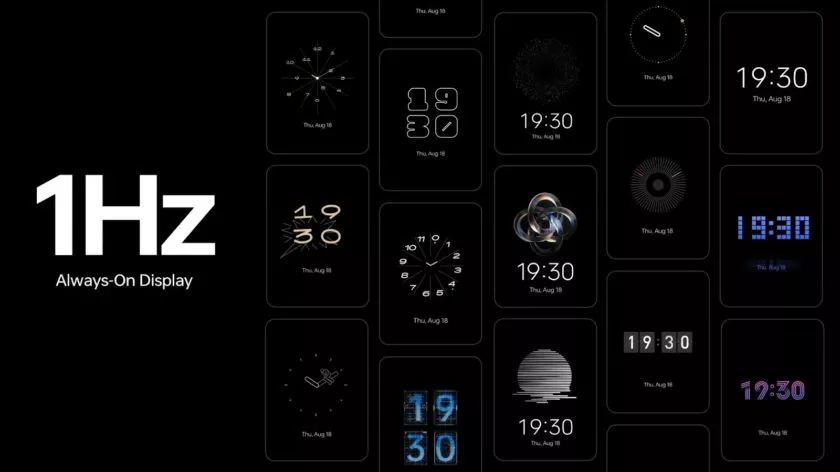
    The advantages of LTPO display technology have previously been demonstrated by OPPO’s premium smartphones, which can dynamically drop refresh rates to conserve performance while still offering silky smooth high refresh rates upon request. OPPO is utilizing LTPO2.0 with Always-On Display in ColorOS 13 to lower refresh rates to just 1Hz. Through Smart Always-On Display, you can still quickly check your notifications and use apps like Spotify without turning on your display. But in comparison to non-dynamic refresh rates, power consumption is further decreased by up to 30%.

    New UI

    Quantum Animation Engine

    ColorOS 13 also boasts improvements to OPPO’s Quantum Animation Engine. The introduction of behavioral gesture prediction allows ColorOS to anticipate multi-gesture operations, improving responsiveness for more complex interactions and ensuring a fluid and intuitive UI experience.

    New file transfer

    oppo coloros 13 tablet

    Additionally, OPPO Share has been improved to support a large number of additional file kinds without using up your data plan. Files can now be transferred between devices using OPPO Share as part of Multi-Screen Connect, regardless of their format or the hardware of smartphones. Users who use numerous devices might increase productivity by sharing their clipboards. Aside from supporting smooth communication between your smartphone and PC, Multi-Screen Connect also offers connectivity between your smartphone and the OPPO Pad Air.

    Overall, OPPO’s Dynamic Computing Engine promises to enhance not just the performance of individual apps but also crucial multitasking and power consumption characteristics.

    OPPO is rapidly establishing a distinctive personality for its Android handsets, as evidenced by ColorOS 13, which is much more than just an Android 13 upgrade. There is enough of innovation for consumers to get their teeth into with under-the-hood technological advancements and optimizations for peak performance and battery life, combined with user-facing improvements to multitasking, privacy, and the UI.