In 2025, a genuinely decent smartphone will no longer cost $1,000. Sure, spending a lot of money doesn’t hurt if you want to get the best, but there is also a lot out there that checks all of the necessary boxes while remaining reasonably priced.
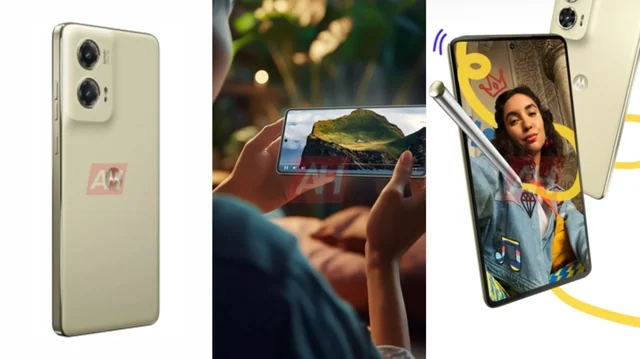
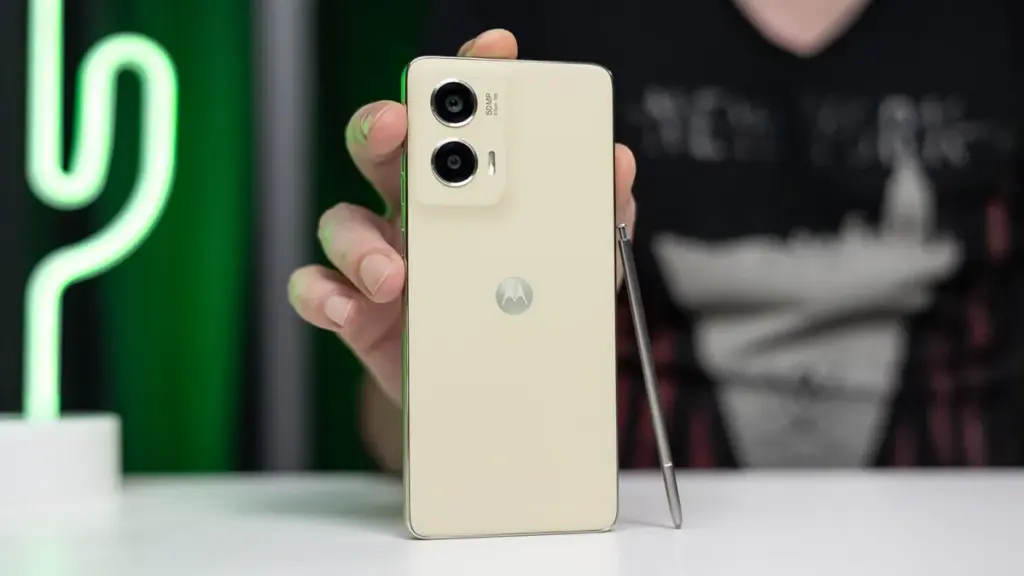
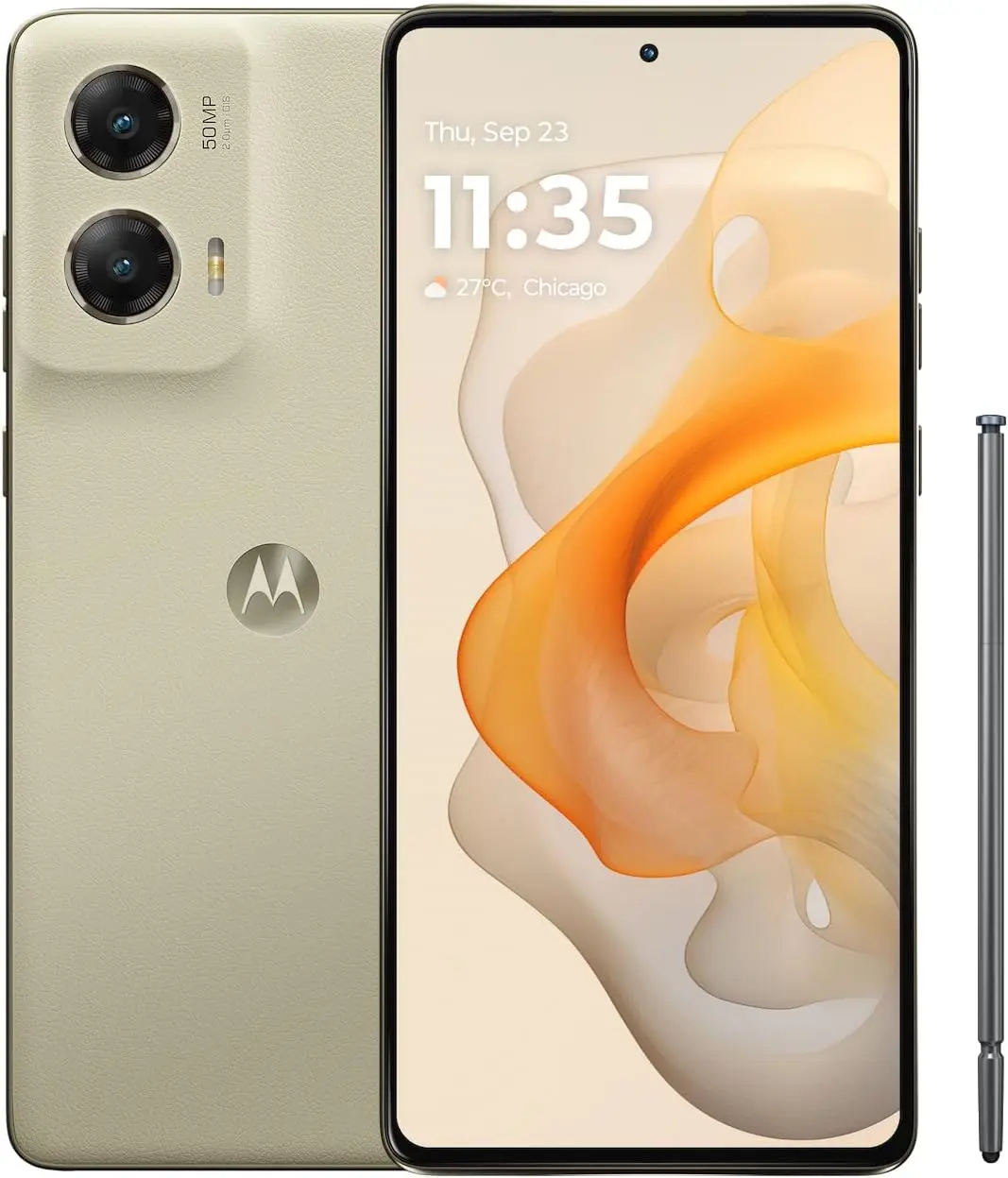
The Moto G Stylus 5G is one such option, with a huge and gorgeous pOLED display, excellent performance and battery life, and an included stylus, which is uncommon on smartphones nowadays. The greatest thing is that this phone is reasonably priced, owing to a generous $150 discount from Amazon, which puts it down to just $250 for a short time.
Why Moto G Stylus 5G should be considered?
Motorola is known for producing some of the best inexpensive phones on the market, and the Moto G Stylus 5G is one of its most appealing options. It has a sleek and attractive design, as well as an amazing 6.7-inch pOLED display with a max refresh rate of 120Hz.
You also receive a built-in stylus, allowing you to effortlessly jot down notes or sketch out ideas as needed. The Qualcomm Snapdragon 6 Gen 1 CPU, combined with 8GB of RAM, provides a speedy overall experience. You also get 256GB of internal storage and a microSD card slot that can be expanded up to 2TB.
This phone has incredible battery life, allowing you to go more than a day without charging. And when you do, you may choose between 30W wired fast charging and 15W wireless charging. There is a 50MP main camera and a 13MP ultrawide camera on the back, as well as a 32MP front-facing camera.
Perhaps most surprising, you receive a 3.5mm audio port, allowing you to listen to music with your favorite wired headphones or earbuds. The phone runs Android 14, and Google provides an amazing workspace. There is also access to some of the top apps available from the Google Play Store.
You get a lot of bang for your buck here, and at its recently reduced $250 pricing, the phone is even better. So, if you’ve been considering purchasing a new phone and want something that can do it all at a reasonable price, the Moto G Stylus 5G will be an excellent choice.
Motorola Moto G Stylus 5G
NEW built-in stylus. Jot notes, edit photos, sketch artwork, and navigate effortlessly with an improved stylus and updated software.
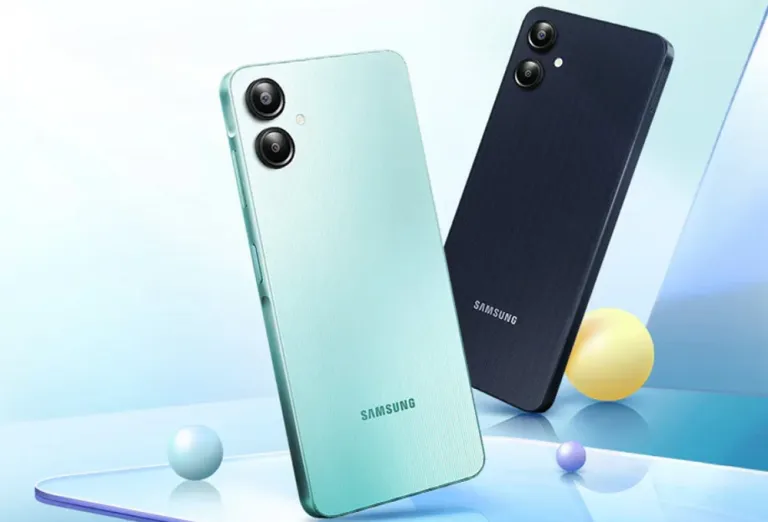
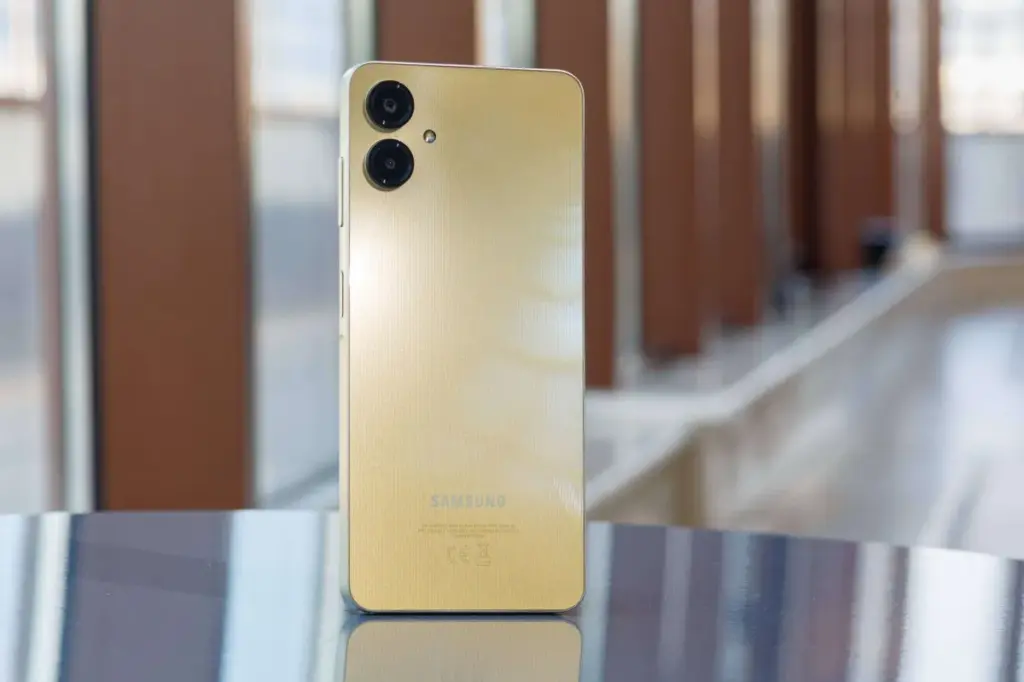
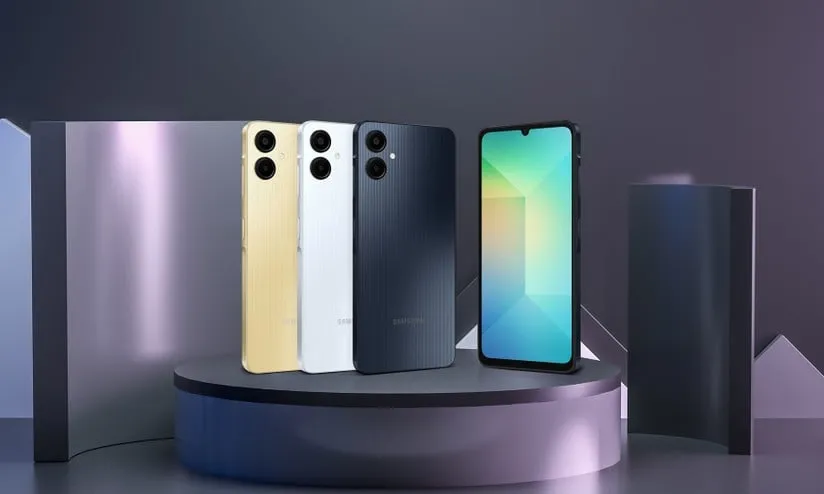
People are anticipating further gadgets in addition to Samsung’s most current Galaxy A mid-range smartphones, which were recently distributed to other nations. The Galaxy A07, the replacement for the well-liked entry-level Galaxy A06, is anticipated to launch shortly. Official listings have recently released information about its stronger specifications, which might make it competitive with its more expensive siblings.
Since the Galaxy A06 made its debut in August of last year, it is not surprise that rumors and leaks about its replacement are beginning to circulate. The gadget has now been seen on Google’s Play Console after first appearing on Samsung’s official website, where the SM-A075F model number was disclosed.
A Much Faster Processor in Samsung’s Galaxy A07
Samsung’s upcoming entry-level phone’s model number is confirmed by the listing, but more intriguingly, it provides information on the device’s main features and design, which seem to get minor to significant enhancements.
The Galaxy A07’s internal chipset is designated MT6789. It’s another moniker for MediaTek‘s 6 nm Helio G99 SoC, which is used in a lot of older mid-range handsets, if that sounds familiar. Its configuration includes an octa-core processor with six Cortex-A55 cores clocked at up to 2.0 GHz and two Cortex-A76 cores running at 2.2 GHz.
The Mali-G57 MP2 GPU processor falls into the lower end of the mid-range mobile silicon spectrum by today’s standards. It does, however, provide a promising improvement over the Galaxy A06’s Helio G85 SoC.
The Helio G99 is roughly 77% quicker in single-thread GeekBench benchmarks, and the multi-thread scores demonstrate an average performance increase of 40%. These numbers show a considerable increase and may result in notable improvements in the device’s real performance.
This is further aided by the Galaxy A07’s substantial 6 GB of RAM, which seems like a lot for a low-cost phone, though the exact amount varies by location.
New Design for Samsung’s Galaxy A07
Since the chip doesn’t support 5G, there might be another 5G version in the pipeline. Newer Bluetooth connectivity and faster LTE speed are to be expected, though.
An HD display will be one among the Galaxy A07‘s other features. The render also indicates that it will extend to the thick bezels and waterdrop notch. On the back panel, however, the floating lens design has been abandoned in favor of an elliptical camera module with two primary snappers. Additionally, the low-cost phone runs Samsung’s skinned version of Android 15, One UI 7.
Samsung Galaxy A07 Price
There’s no word yet on the exact release date of the Galaxy A07, but we should see the announcement with a less grand affair. At the same time, it’s unknown how much it will cost. All we know is that the Galaxy A06 with a 4GB/64GB setup was priced at about $110 in the USA.
Budget phones in 2025 are more powerful, stylish, and feature-packed than ever before. No longer just basic devices for calls and texts, today’s affordable smartphones offer high-refresh-rate displays, capable cameras, long-lasting batteries, and 5G connectivity—all at a fraction of flagship prices. Whether you’re looking for a reliable daily driver or a backup device that doesn’t break the bank, the 2025 budget phone market delivers impressive options that punch well above their price point.
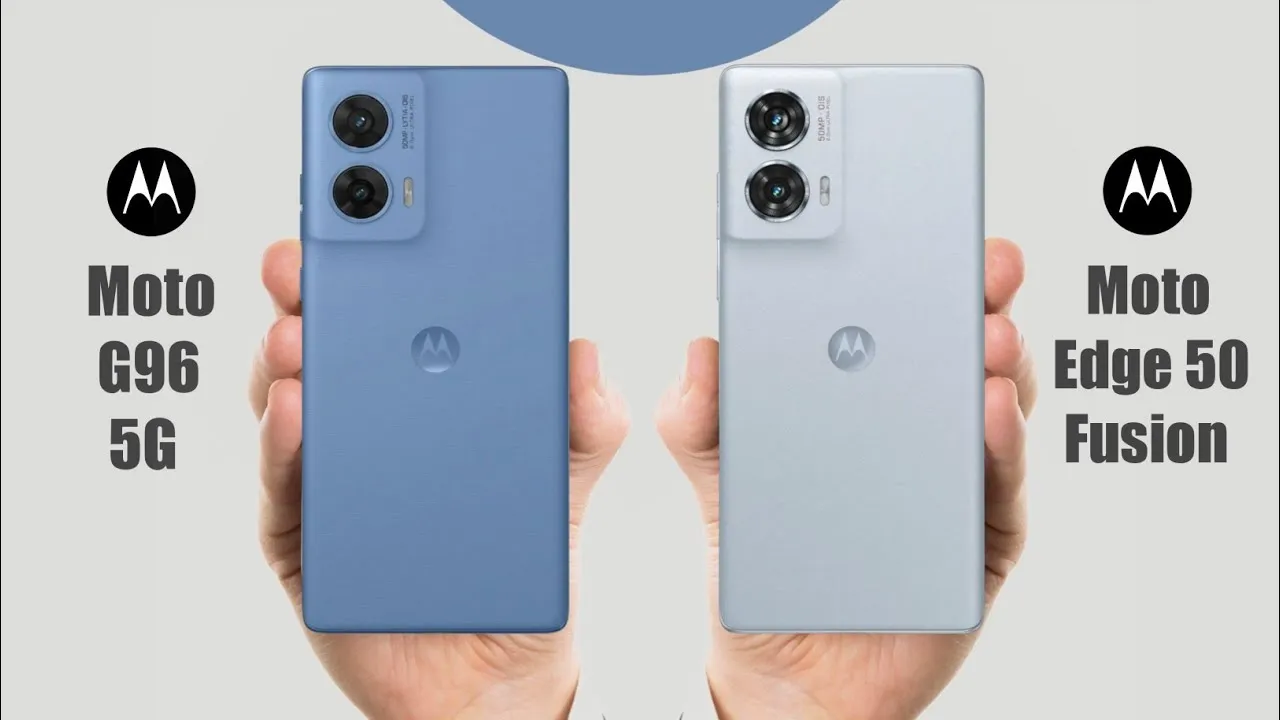
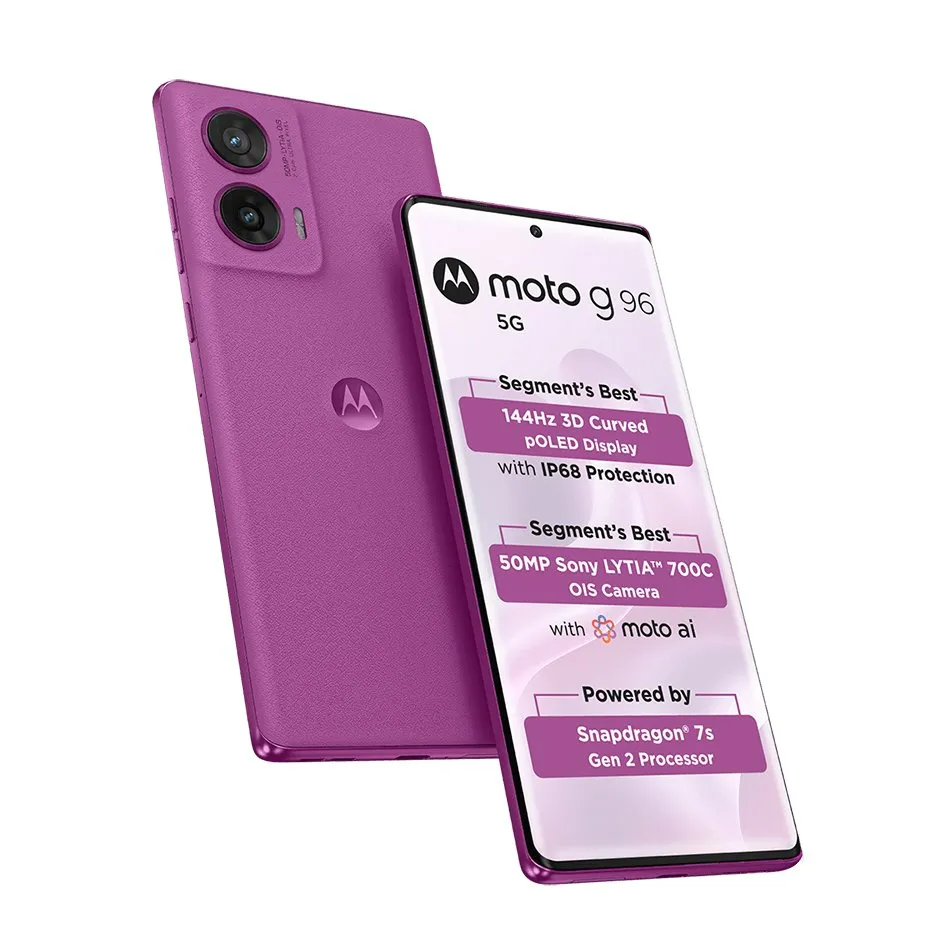
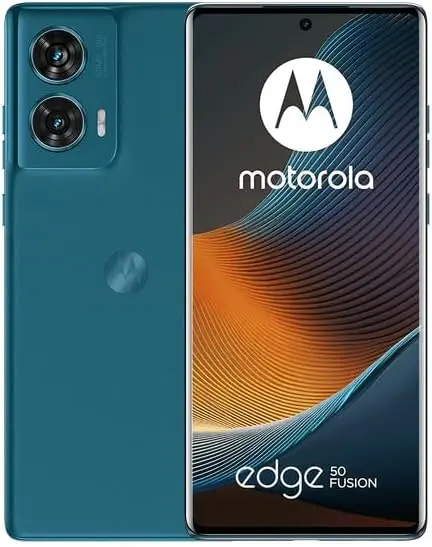
Motorola is renowned for producing high-quality, reasonably priced, mid-range phones with a ton of features. The Motorola Moto G96 and Moto Edge 50 Fusion are two of its most well-liked competitors in 2025. For consumers searching for affordable options, both phones are great options. Let’s see which one really sticks out in 2025 in this blog.
Specs
Before delving into the features of the Motorola Moto G96 and Moto Edge 50 Fusion, let’s take a quick glance at the specifications:
Specs
Moto G96
Moto Edge 50 Fusion
Display
6.67-inch Full HD+ Display
6.7-inch Full HD+ Display
Processor
Snapdragon 7s Gen 2
Snapdragon 7s Gen 2
Battery
5500mAh
5000mAh
Storage Variants
8GB/ 128GB; 8GB/ 256GB
8GB/ 128GB; 12GB/ 256GB
Rear Camera
50MP + 8MP
50MP + 13MP
Front Camera
32MP
32MP
Starting Price
around $210
around $220
Design
With their sleek shapes, curved screens, and bright OLED panels, the Motorola Moto G96 and Moto Edge 50 Fusion both have high-end finishes and looks. A 6.67-inch Full HD+ curved pOLED screen with a refresh rate of 144 Hz and HDR10+ for vibrant images is a feature of the Motorola Moto G96. A slightly larger 6.7-inch Full HD+ pOLED screen with a refresh rate of 144 Hz is featured on the Moto Edge 50 Fusion. Both are vibrant, sharp, and perfect for streaming or gaming. The Moto G96 has a minor advantage if you like a somewhat more contemporary, curved design.
Performance
Regarding the processor, the Snapdragon 7s Gen 2 is found in both the Motorola Moto G96 and the Moto Edge 50 Fusion. However, the Moto Edge 50 Fusion comes with Android 14, while the Moto G96 comes with Android 15.
With the newest Android and extended software support, the Moto G96 has the advantage of being more recent. Both are adept at handling everyday chores, gaming, and multitasking.
The Moto G96 has a huge 5500mAh battery that supports 68W rapid charging. Despite having a somewhat lower 5000mAh battery, the Moto Edge 50 Fusion has a 68W rapid charging capability.
Therefore, choose the Moto G96 if you want the longest battery life.
Camera
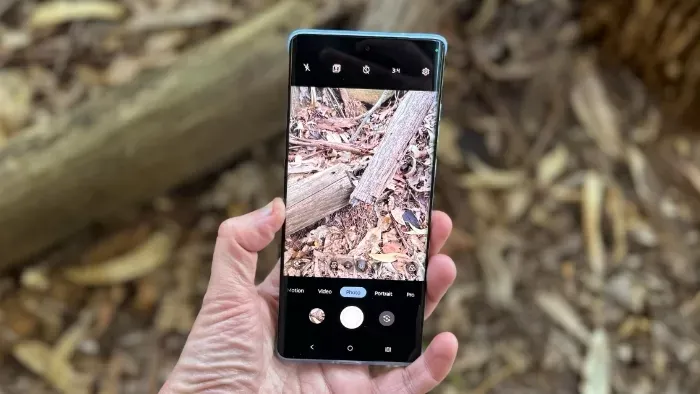
The 50-megapixel rear camera with OIS on the Motorola Moto G96 and Moto Edge 50 Fusion ensures steady and sharp images. Speaking of another lens, the Moto Edge 50 Fusion has a somewhat superior 13-megapixel camera than the G96, which has an 8-megapixel one. Both phones include a 32-megapixel camera on the front. The Edge 50 Fusion is superior for people who value wide-angle photography and a little more versatility.
Price
The Moto G96 and Moto Edge 50 Fusion are priced at $210 and $220, respectively, at launch. In terms of specifications, the Edge 50 Fusion has slightly more RAM and better cameras, while the G96 has a little superior battery and software at a lesser cost.
Which one should I buy?
That concludes the comparison of the Motorola Moto G96 and Moto Edge 50 Fusion. Both phones are fantastic, reasonably priced devices with good features. In any case, you’re getting a wonderful low-cost phone in 2025 that offers excellent value and performance. However, the Moto G96 is a better choice when looking at total features.
Feature
Best Pick
Design & Display
Moto G96 (for curved look)
Performance & Software
Moto G96 (newer Android)
Battery & Charging
Moto G96 (bigger battery)
Cameras
Edge 50 Fusion
Value for Money
Moto G96
Stay connected with the latest from Droid Tools—follow us on X @droid_tools, like our page on Facebook, check out our updates on Instagram, and follow us on Google News for real-time news, device tips, and mobile tech insights.
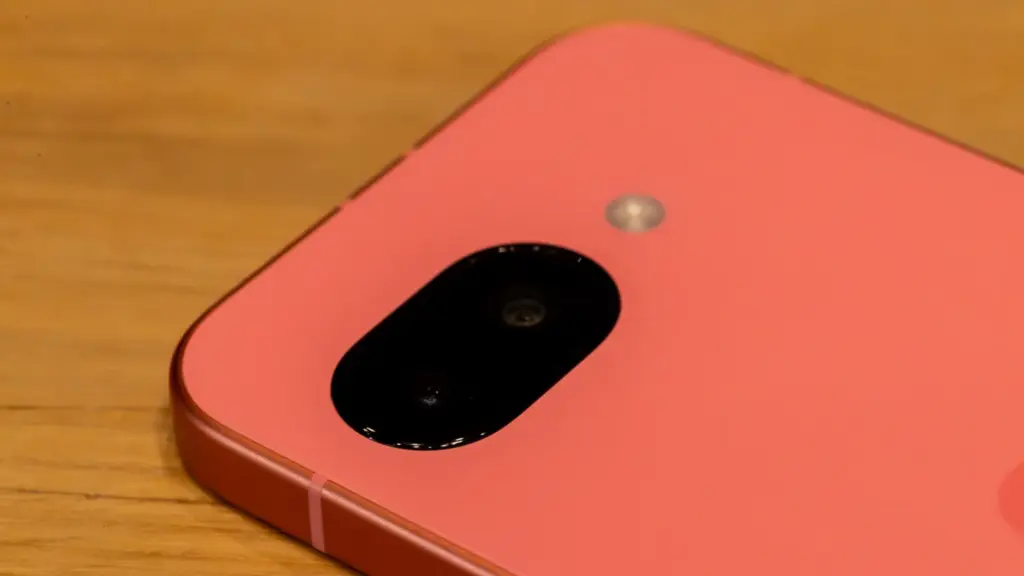
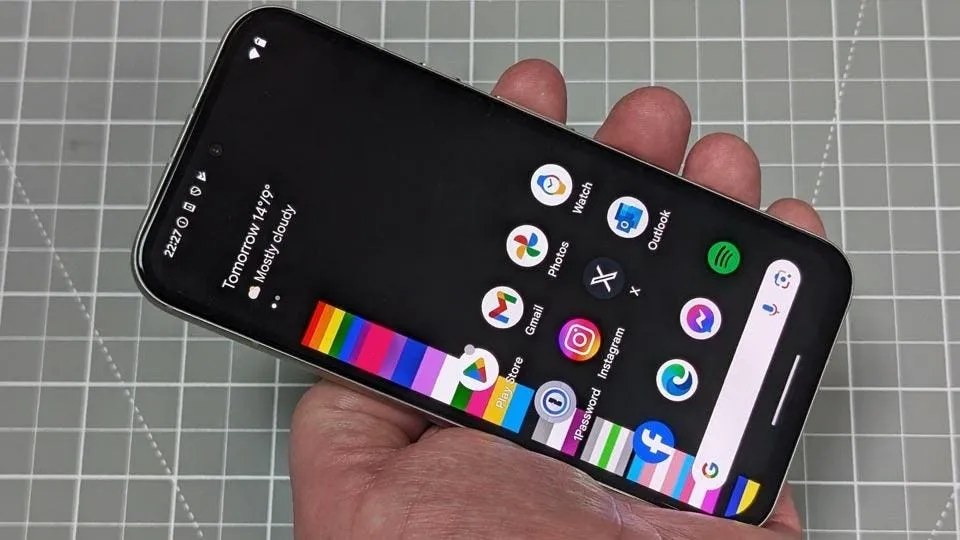
Despite a minor delay, the Pixel 9a is now available for purchase beginning today. I am still testing the phone myself, but so far, I am really impressed with what is clearly Google’s best A-series entry to date. Regardless of how you feel about the camera bar-less design or any of the missing functionality, the Pixel 9a has made me very enthused about Google’s latest value proposition. In fact, I believe it is the best Android phone to buy right now. Here’s why.
Google Pixel 9a with Gemini
Google Pixel 9a is engineered by Google with more than you expect, for less than you think; like Gemini, your built-in AI assistant, the incredible Pixel Camera, and an all-day battery and durable design
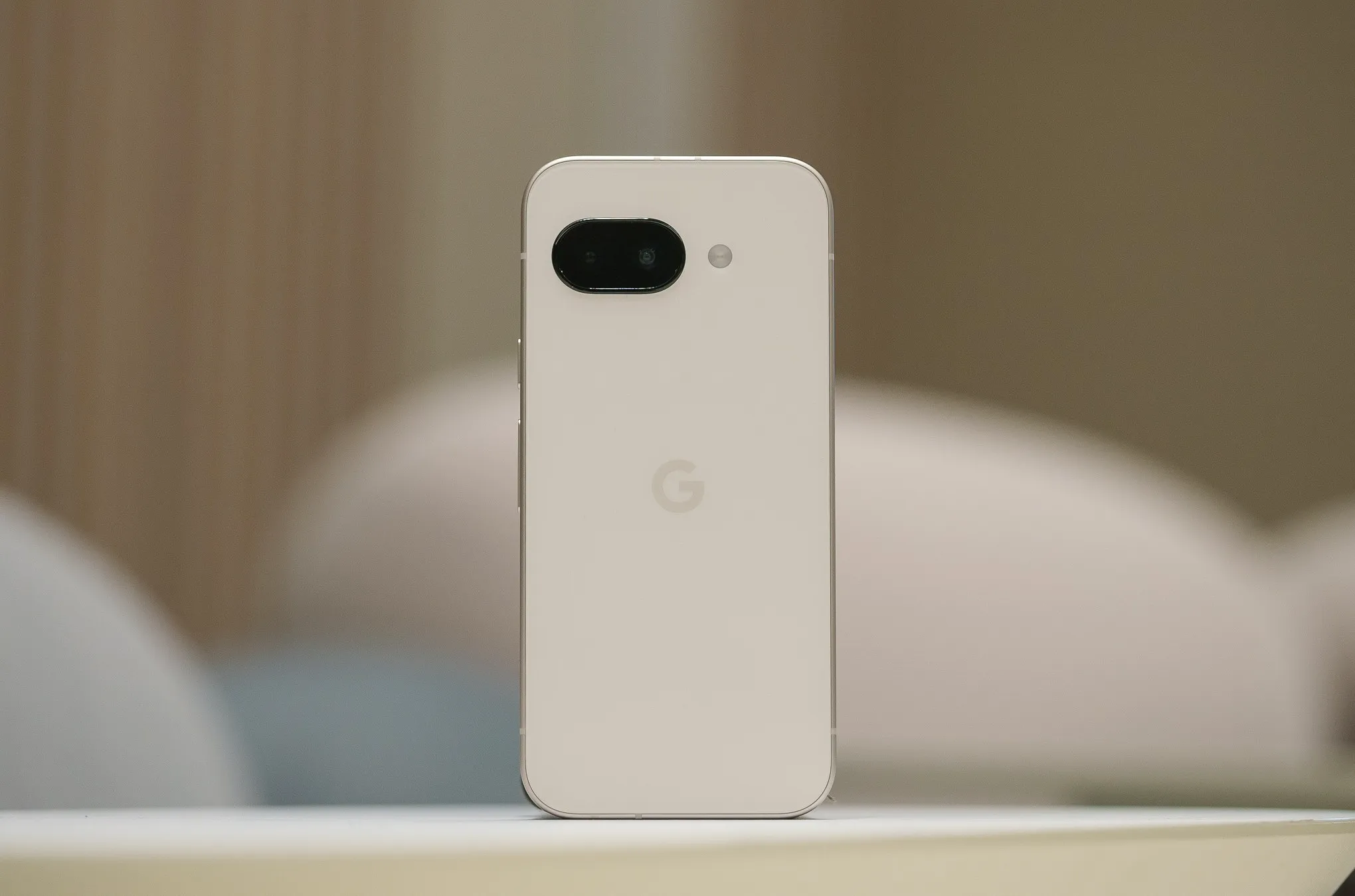
When I originally bought the Pixel 9a, I noticed myself resting my middle and forefinger on the bottom of the camera pill as a habit. I have since adjusted and do not touch the lens cover, which is reported to be slightly domed and inspired by “nature and water droplets,” similar to the Pixel Watch.
The new 48MP sensor is comparable to the one used in the Pixel 9 Pro Fold, but it is significantly smaller. It is a Pixel Camera, as detailed in our video review.
In our tests, we found that the Pixel 9a takes crisper photographs than the 8a from last year. This is most likely owing to an enhanced main camera sensor. While most people will not use both phones side by side or compare photographs in this manner, our gallery shows that the Pixel 8a has more contrast, whilst the 9a is pin sharp throughout the frame.
A lesser camera bump
Look, this is a minor request, but my request from late last year was completely successful. I had not realized how much I missed having a bump-free smartphone until I started using this one. While the elevated camera lip causes it to rattle somewhat on a table — strangely, it is perhaps the most a Tensor-powered Pixel has ever rocked on a table, excepting the Pixel 9 Pro Fold – it helps to make the phone seem so much more comfortable in everyday use.v
Look, this is a minor request, but my request from late last year was completely successful. I had not realized how much I missed having a bump-free smartphone until I started using this one. While the elevated camera lip causes it to rattle somewhat on a table — strangely, it is perhaps the most a Tensor-powered Pixel has ever rocked on a table, excepting the Pixel 9 Pro Fold – it helps to make the phone seem so much more comfortable in everyday use.
A great Google experience
This is the most loaded A-series Pixel we have seen thus far. It is strange to think that the Pixel 7a, a device that felt cheaper to handle than its price tag suggested, was released only two years ago. No one will mistake the Pixel 9a for a flagship smartphone, but the handset itself feels excellent in the hand. The matte polycarbonate back improves on the already superb build quality of the Pixel 8a, and the flat frame feels just as wonderful as it did on the original Pixel 9.
Google Pixel 9a with Gemini
Google Pixel 9a is engineered by Google with more than you expect, for less than you think; like Gemini, your built-in AI assistant, the incredible Pixel Camera, and an all-day battery and durable design
But, in my opinion, what truly counts is the display. While it is still protected by Gorilla Glass 3 — and yes, when you use as many different smartphones in a year as I do, you can really notice the difference in newer Corning glass applications — it is as good as the panel found on the ordinary Pixel 9. Hell, it may be the same panel used in the Pixel 9, as almost every specification, from size to brightness ratings, is similar. Regardless, it is one of the nicest screens I have seen on a $500 smartphone.
However, the rest of the phone is equally impressive. The speakers are solid, the haptics are good, and the buttons are satisfyingly clicky—all of this adds up to a surprisingly durable smartphone. Sure, it lacks some of the more modern features of Google’s flagships, like as the ultrasonic fingerprint sensor and the extra 4-8GB of RAM, but for $500, this is the most complete package we have ever seen from this firm.
A good design
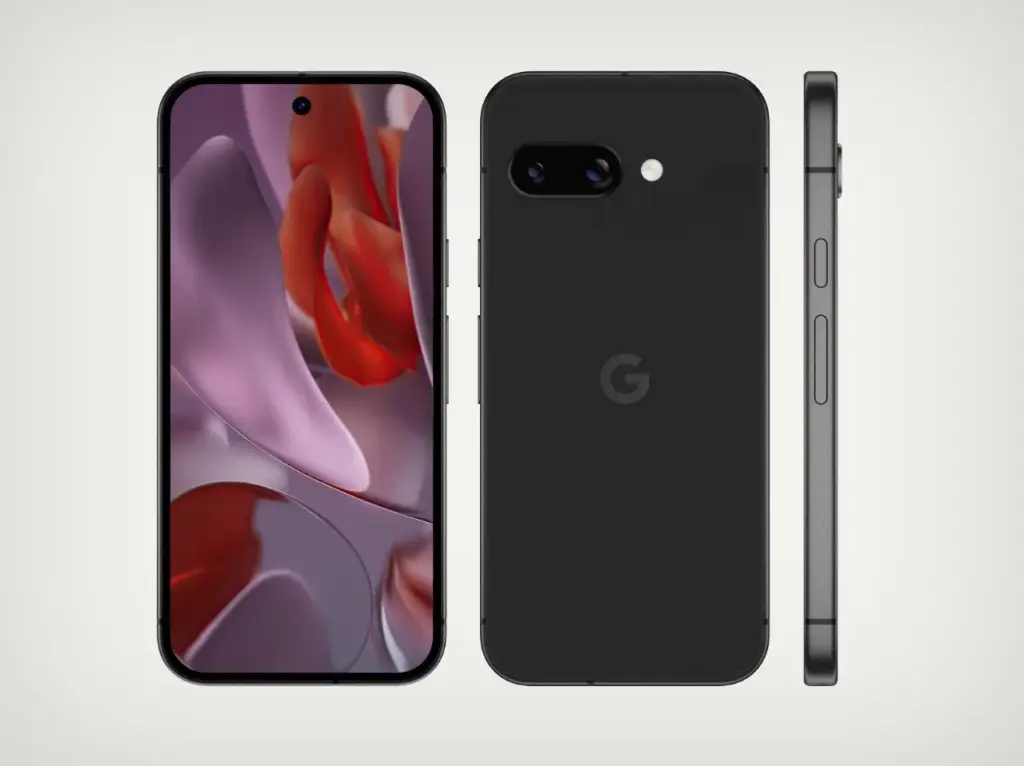
Okay, I get it. I was not sold on the design from the time I saw it, whether in leaked renders or hands-on photographs from our staff. The choice to remove the camera bar in favor of a flat (or largely flat) back irritated many people in this sector, as many viewed the Pixel team abandoning an iconic design for no apparent reason. Combined with the wider bezels and flat frame, I was not sure how I would react when the Pixel 9a arrived in my hands.
The answer, of course, is “totally fine,” as I truly enjoy the design Google chose here. It seems funny to celebrate something as easy as slipping a phone into your pocket, but the lack of a camera bar makes a significant difference here — it never got snagged on the lip of a jeans pocket, for example, and felt considerably smaller in my pants as a result. In our hands-on images, the wider bezels appeared to be exacerbated by the flat frame, but once the device was turned on, I stopped noticing the bezels almost immediately.
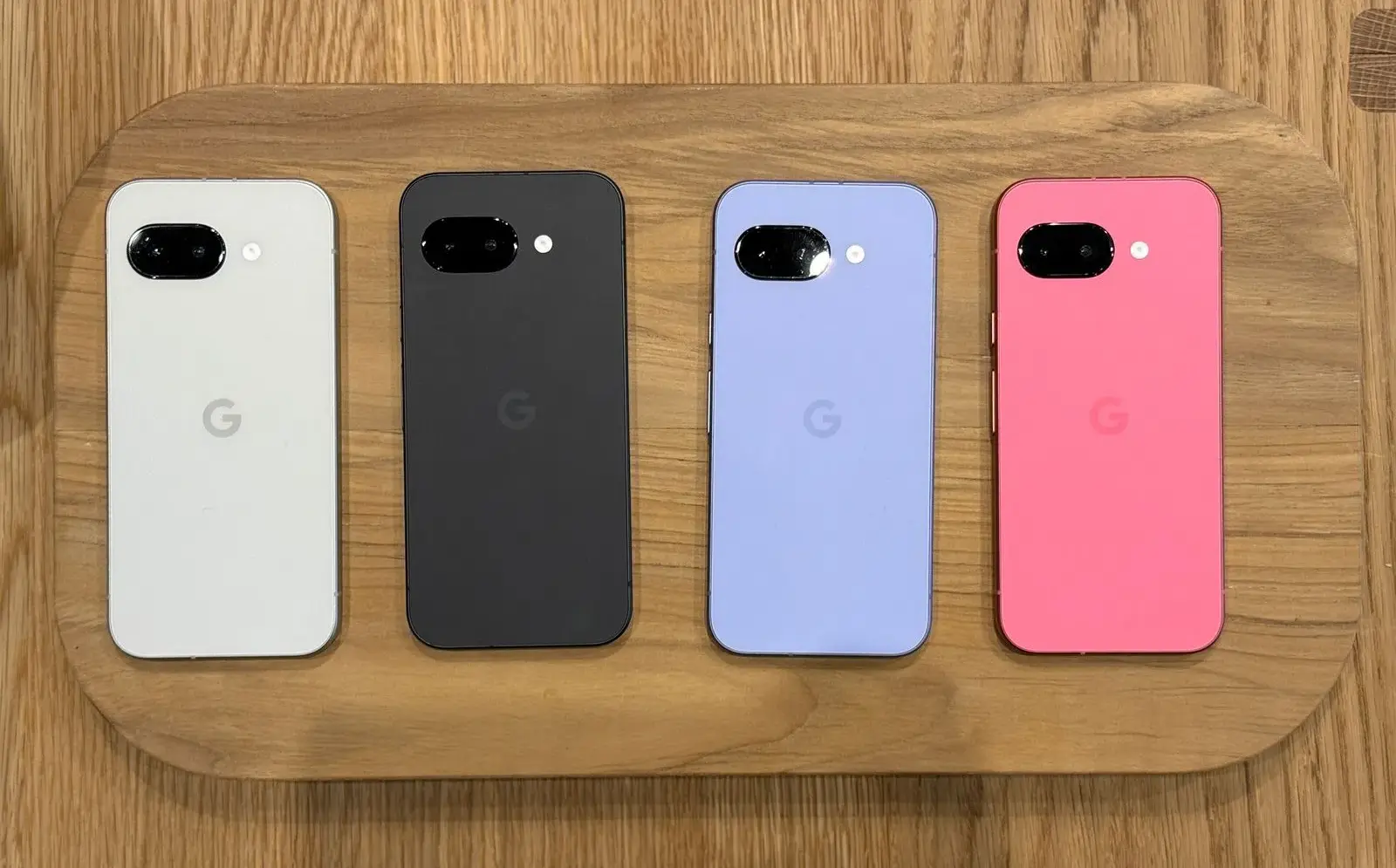
Obviously, the look and feel of any phone will be determined by personal preference. But if, like me, you never quite clicked with the Pixel 9a no matter how many times it appeared in various leaks and renders, I would recommend that you check see the phone in person before dismissing it completely. And I would be negligent if I did not mention the colors – I love the Iris color on my unit, and the Peony looks excellent as well.
Missing ai features? not many that you will use
Due to its limited 8GB of RAM, the Pixel 9a lacks a number of AI-powered capabilities seen in the mainline Pixel 9 series. Apps like Pixel Screenshots are completely vanished, while Call Notes has been removed from the Phone app altogether. While Google’s 2024 flagships shipped with its on-device Gemini Nano XS LLM, the Pixel 9a has a modified “XXS” model that removes multimodal capabilities in favor of text-only inputs. The end result is a lower-quality experience, but I doubt most people will notice.
Pixel Screenshots is a nice app, and I hope Google continues to improve the experience on the Pixel 10 and future. But I would be lying if I said I would been using it or Call Notes on the ordinary Pixel 9 for the past eight months. Your mileage may vary, of course, but I do not believe the absence of these apps is very noticeable in day-to-day use. Most people will get their AI experience via apps like Gemini or ChatGPT, which work wonderfully on the Pixel 9a.
Overall a pretty great phone
Google Pixel 9a with Gemini
Google Pixel 9a is engineered by Google with more than you expect, for less than you think; like Gemini, your built-in AI assistant, the incredible Pixel Camera, and an all-day battery and durable design
It is easy to dismiss a $500 smartphone as wonderful, but in my opinion, this is something to rejoice. Google’s efforts with the Pixel 9a feel like the culmination of several years of work to elevate the A-series from “surprisingly good for the price” to simply excellent.
Obviously, there are reasons to choose the Pixel 9 over this device — and if the prices are close enough, going with the older, more powerful smartphone feels like the right move — but at its core, this is a fantastic smartphone that will only improve if and when (tariff madness pending) it sees deals throughout the rest of 2025. For me, that is sufficient.
In 2025, the budget smartphone market is more competitive than ever, offering impressive features, solid performance, and sleek designs at wallet-friendly prices. Whether you’re a student, a casual user, or just someone who loves getting the best value for money, there’s a perfect device out there for you. In this guide, we’ve rounded up the best budget smartphones you can buy in 2025 — all under $400 — that deliver big on performance without the premium price tag.
This is a thorough guide to the top smartphones under $400, which include features like outstanding cameras, slick 120 Hz screens, and potent gaming-ready SoCs with 5G.
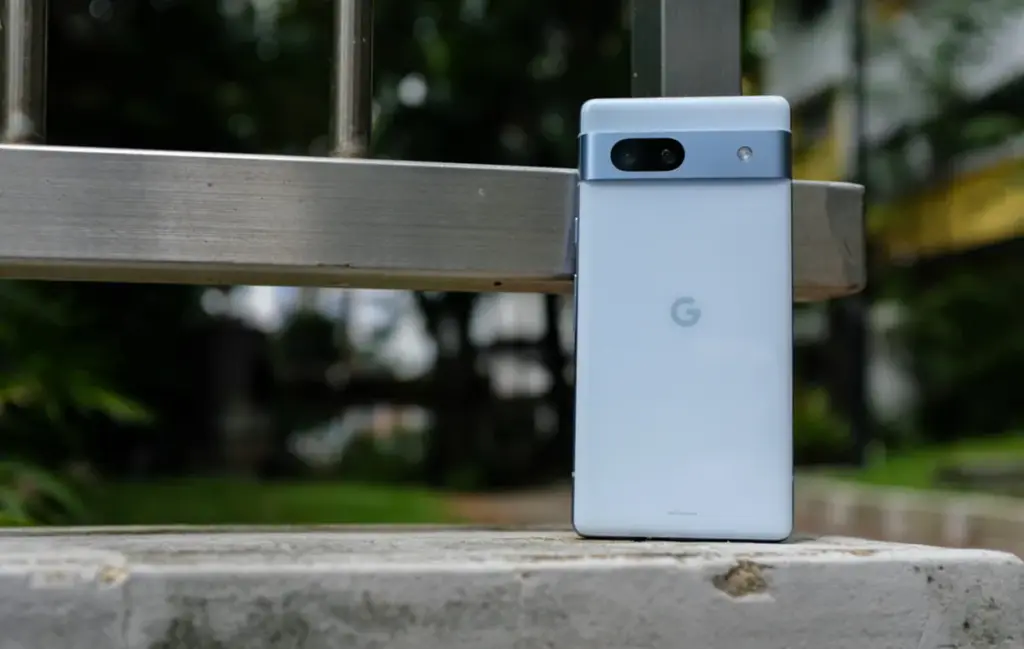
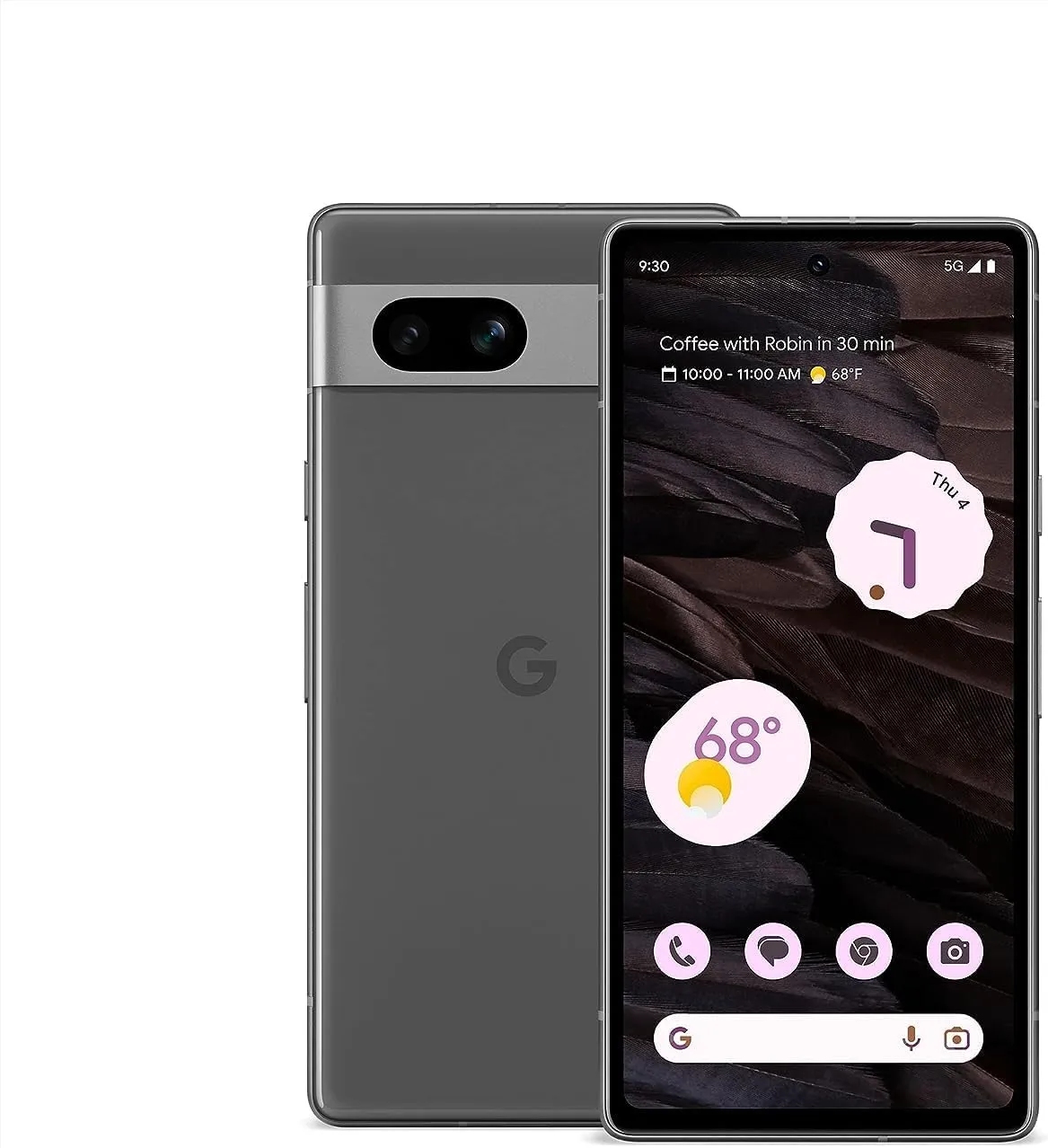
Google Pixel 7a – great camera, good battery life and updates
With 128 GB of storage, the Google Pixel 7a, which was released on May 10, 2023, costs less than $400 on Amazon. Its Tensor G2 processor, which Google has included, improves the performance of machine learning-based features, making it a great option for anyone looking for a small Google phone in 2025.
Among smartphones under $400, the Pixel 7a stood out with a 5-star rating in our assessment. It is the most affordable model in the Pixel 7 series, with features including wireless charging, 8 GB of RAM, and a refresh rate of 90 Hz.
With a 64 MP primary camera, a 13 MP ultra-wide lens, and a 13 MP selfie camera, the camera system has been much improved over its predecessor. Google’s sophisticated camera software guarantees that images captured with the Pixel 7a uphold the Pixel series’ excellent quality standards.
Google Pixel 7a
Pixel 7a has a 24-hour battery life and supports fast charging up to 72 hours with Extreme Battery Saver turned on.
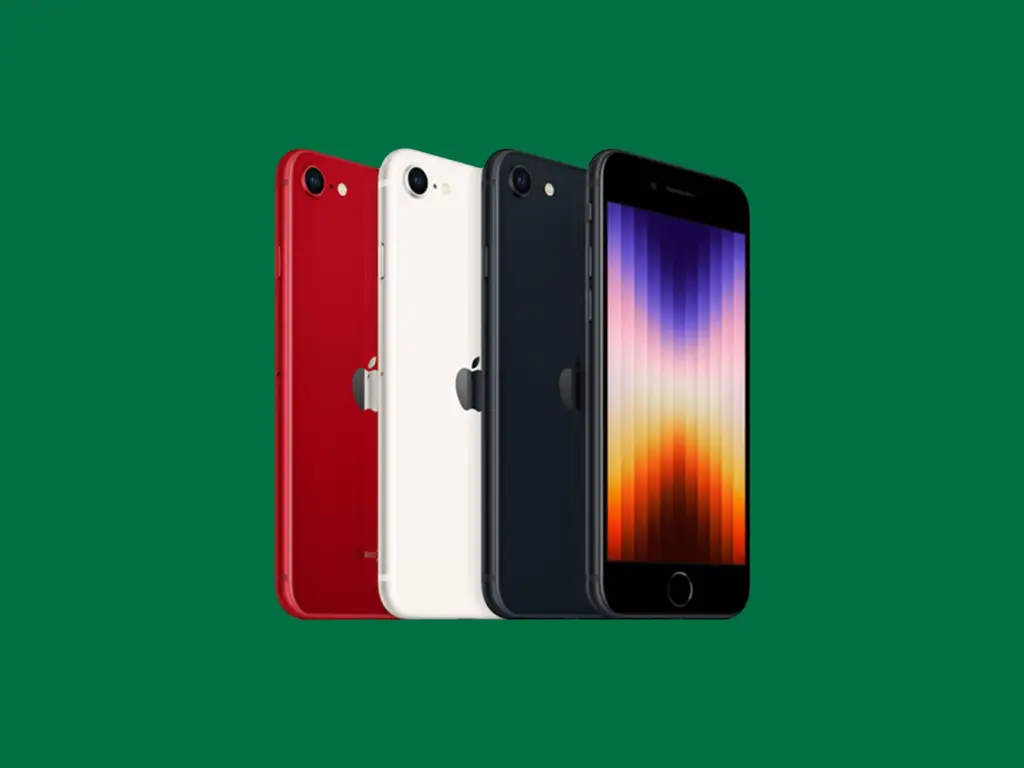
Apple iPhone SE (2022) – if you are in the Apple ecosystem
It is difficult to choose an Apple product under $400, but we firmly believe that the iPhone SE (2022) is the best option. Apple essentially discontinued the SE range in 2025 with the release of the iPhone 16e (review). Apple’s entry-level model is now the 16e, the company’s first new name since the 2020 “mini.”
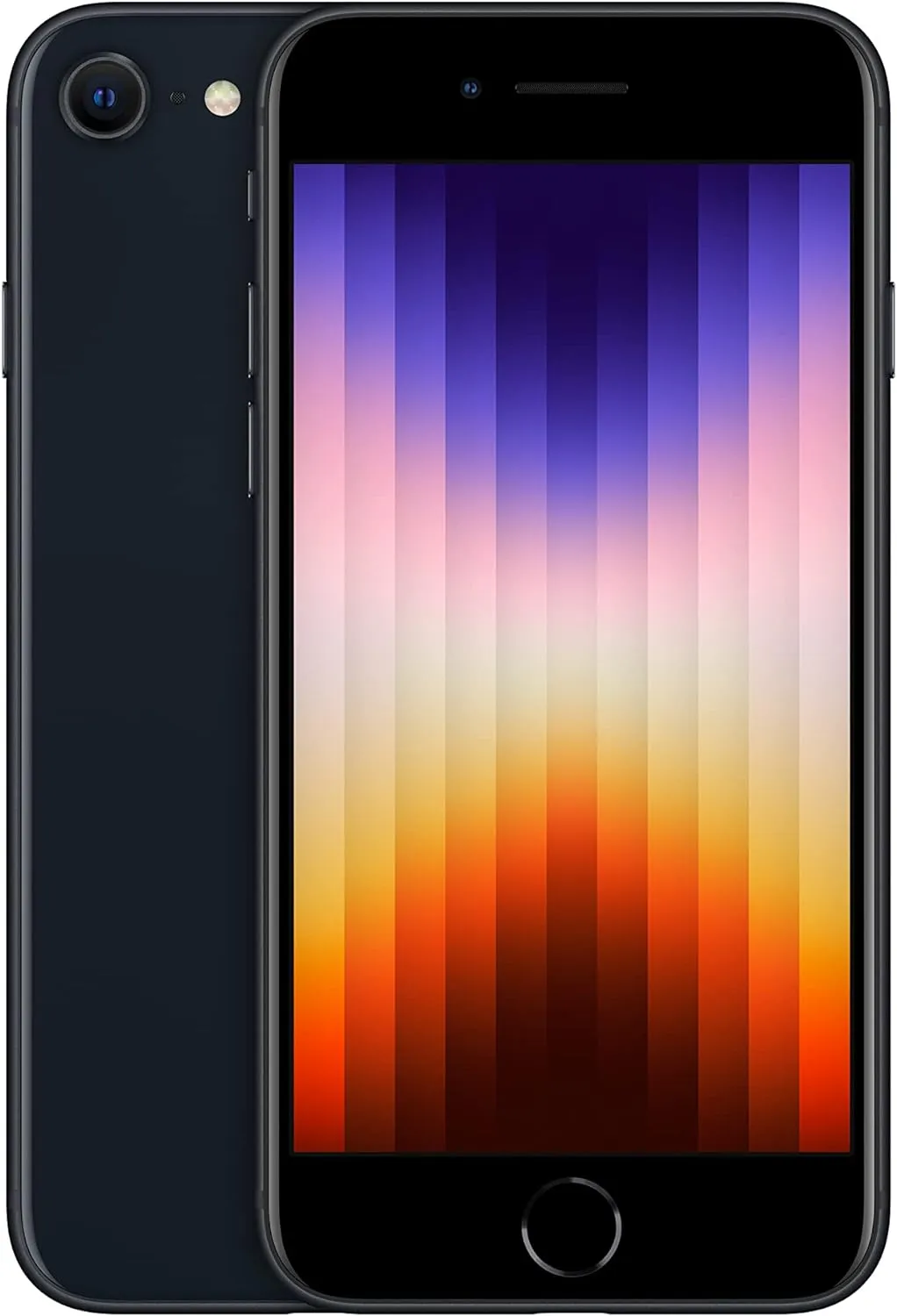
Currently, the iPhone SE (2022) is only available through online retailers like Amazon. This budget iPhone features the powerful A15 Bionic chip, although it brings minimal upgrades compared to its predecessor. It offers a 12MP camera within a casing nearly identical to the iPhone SE (2020)—which itself resembles older models like the iPhone 8, 7, and 6s—and includes IP67 water resistance.
The most notable enhancement is 5G connectivity, which puts the iPhone SE (2022) on par with other smartphones under $400 on this list, aside from the improved SoC and more RAM (4 GB). After testing, we discovered that, despite certain issues, the gadget is still a great option for iPhone purchasers on a tight price.
Software support for the iPhone SE (2022), including complete iOS updates and security fixes, should last until roughly 2027 or 2028, according to Apple’s past trends. However, based on Apple’s future choices, precise timetables might change.
2022 Apple iPhone SE
Advanced single-camera system with 12MP Wide camera; Smart HDR 4, Photographic Styles, Portrait mode, and 4K video up to 60 fps
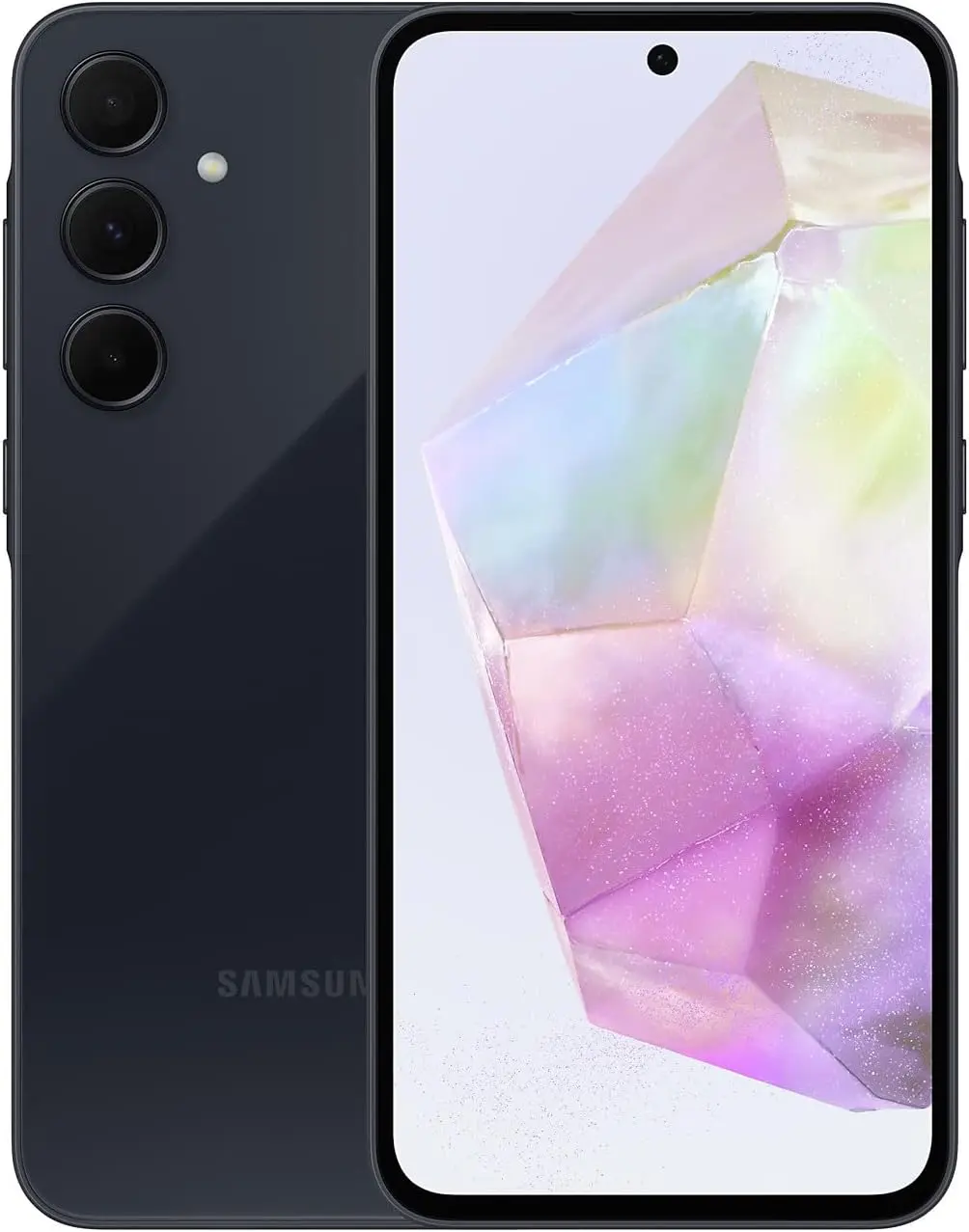
Surprisingly, Samsung chose not to distribute its well-liked Galaxy A55 in the US in 2024. As a mid-range substitute, the company instead unveiled the less expensive Galaxy A35.
In actuality, both models offer balanced camera capabilities, dependable battery life, and comprehensive software support, making them very comparable in terms of performance and specifications. The Exynos 1380 processor, which was used in the previous Galaxy A54 model, ensures seamless performance for daily use and light gaming on the A35.
Samsung has committed to providing software upgrades for the Galaxy A35 through 2029, making it the phone with the longest security support on this list. Although some more recent models provide even longer support, none of them now live up to this promise at this price point.
Samsung Galaxy A35 5G
6.6” FHD+ Super AMOLED w/Corning Gorilla Glass Victus+ – Resolution 1080 x 2340 pixels 256GB 8GB RAM – MicroSD up to 1TB
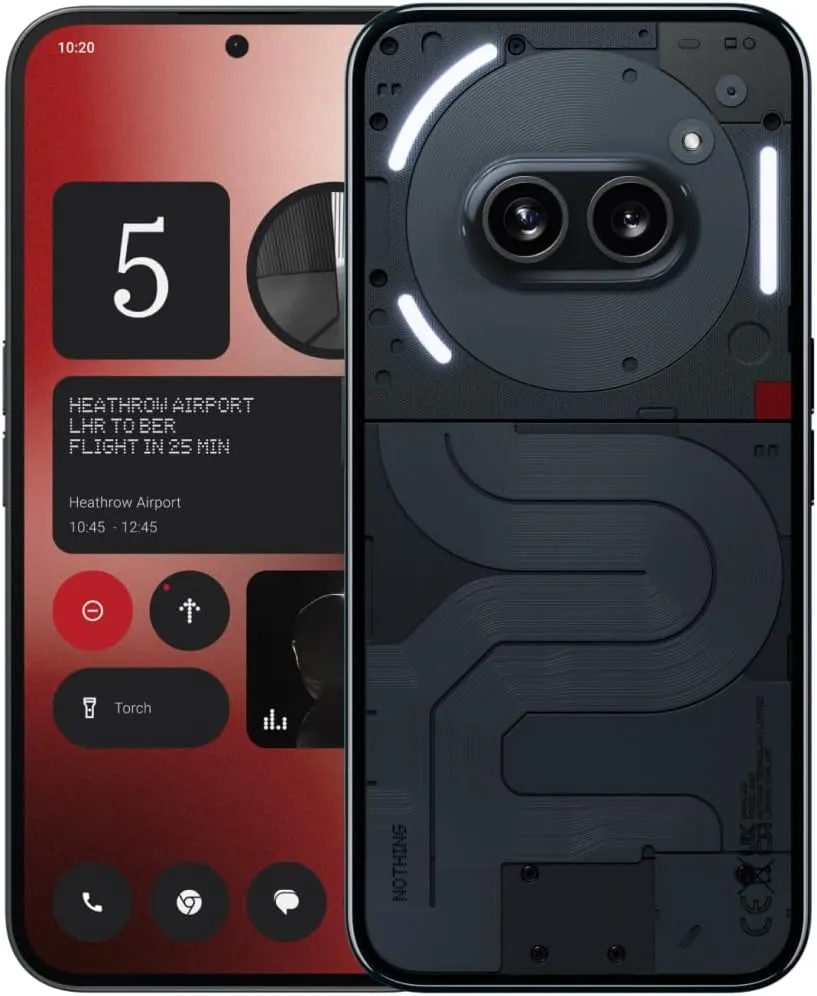
Nothing’s newest low-cost smartphone, the Phone (2a), has a great design and well-balanced specs, making it one of the most attractive mid-range phones.
It delivers endurance with four years of security patches and three guaranteed Android updates, together with a positive user experience with Nothing OS. Although the most recent Snapdragon chipset is not included, performance remains dependable.
The Phone (2a) has the longest battery life in its pricing range thanks to its large 5000 mAh battery that supports 45W rapid charging. The remarkable 17 hours and 2 minutes of runtime that our battery testing revealed allowed for comfortable two days of use between charges and comparatively quick recharging.
The primary compromise is the camera’s poor quality, especially in dimly lit areas. With its appealing screen, reliable performance, and very long battery life, the Nothing Phone (2a) is a well-rounded mid-range choice.
Nothing Phone (2a)
Nothing phone (2a) boasts Co-engineered with MediaTek,the custom Dimensity 7200 Pro processor delivers the best performance with optimal power consumption. NOTE:Only these carriers’ 5G network bands are supported,please check the bands before buying: T-Mobile n41,n66; AT&T n5,n66; Google Fi n41; Verizon Wireless n5,n38,n66; Cricket Wireless n5.
Our crew has carefully tested the top picks for our list of the best smartphones under $400, and we have added extra mentions to help you make an informed choice. Although this guide focuses on key aspects, I strongly advise reading our in-depth reviews before making a purchase.
We mainly took into account regular consumers looking for a balance between cost and usefulness while making this budget-friendly choice. To make sure you are selecting the greatest smartphone, I advise you to look over our larger list of top smartphones if flagship-level features or cutting-edge performance are important to you.
User Experience (UX). Smartphones priced around $400 often provide reliable performance for daily work, multimedia consumption, and casual gaming. Expect CPUs from the Qualcomm Snapdragon 7 series or MediaTek Dimensity range, which offer outstanding value even though they are not the most recent generation.
Battery life and display quality are also important. We selected smartphones with batteries ranging from 4,500 to 5,000 mAh, which can last a full day. While charging speeds in this price range are moderate, often between 10W and 15W in the United States, these devices provide adequate endurance. Display technology is constantly advancing, with many devices offering Full HD+ resolutions and refresh rates of up to 120 Hz, including the increasingly popular OLED screens.
Although the camera’s performance is suitable for most daily uses, there are certain limits to consider. Higher-megapixel sensors are common, although their quality differs greatly from flagship models. We suggest care when using multi-camera systems, as extra lenses such as macro or depth sensors may have limited practical applications.
Software and carrier compatibility are other important issues. Smartphones in this category often receive fewer software updates—one to two major Android versions after launch—so double-check the device’s update policy before purchase. Additionally, check compatibility with your carrier, especially if purchasing unlocked smartphones.
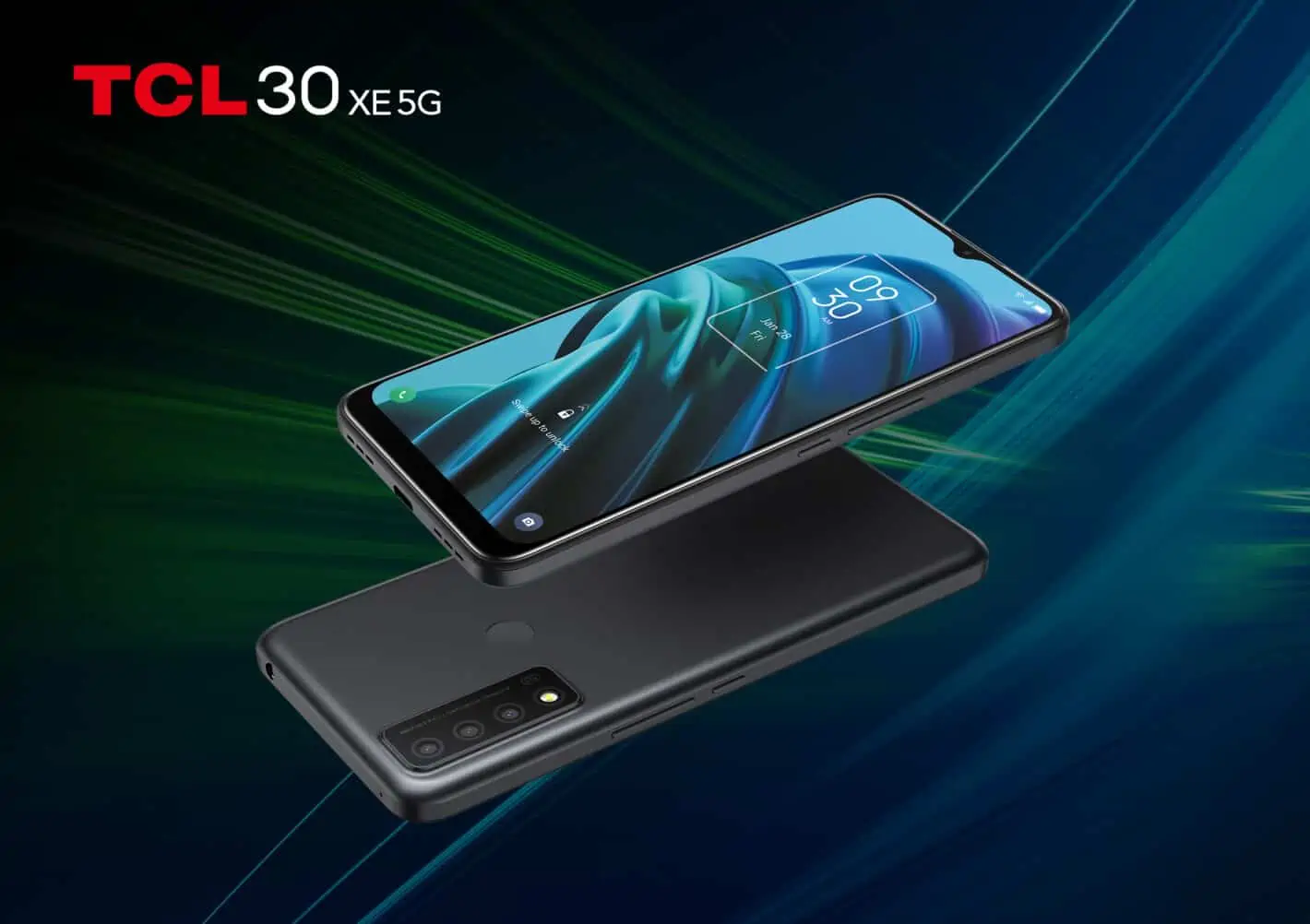
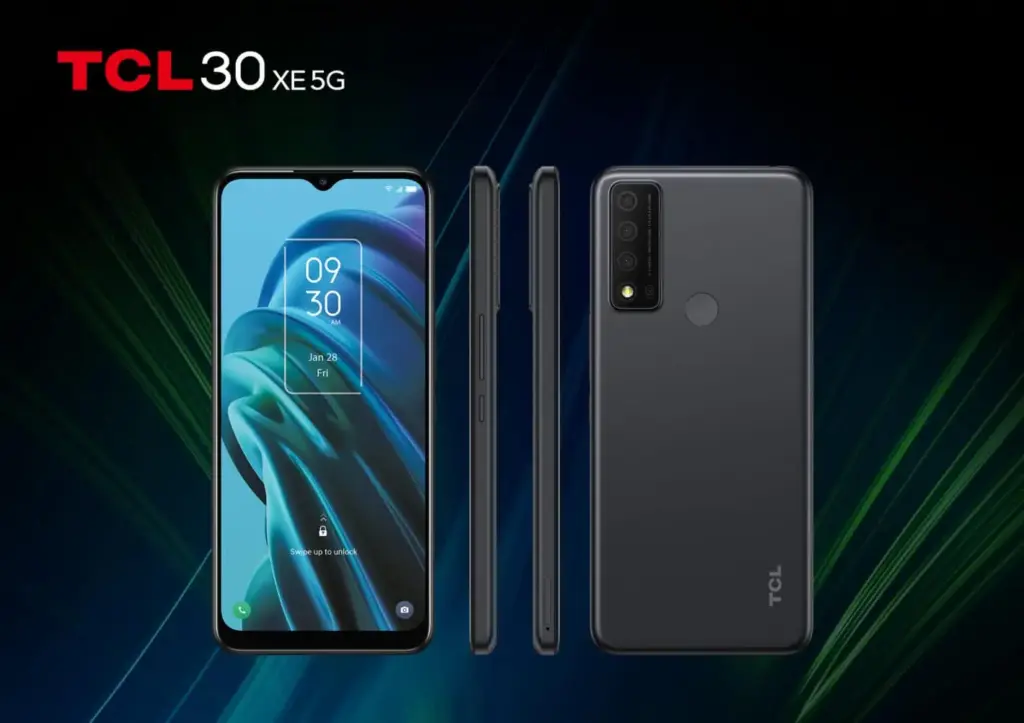
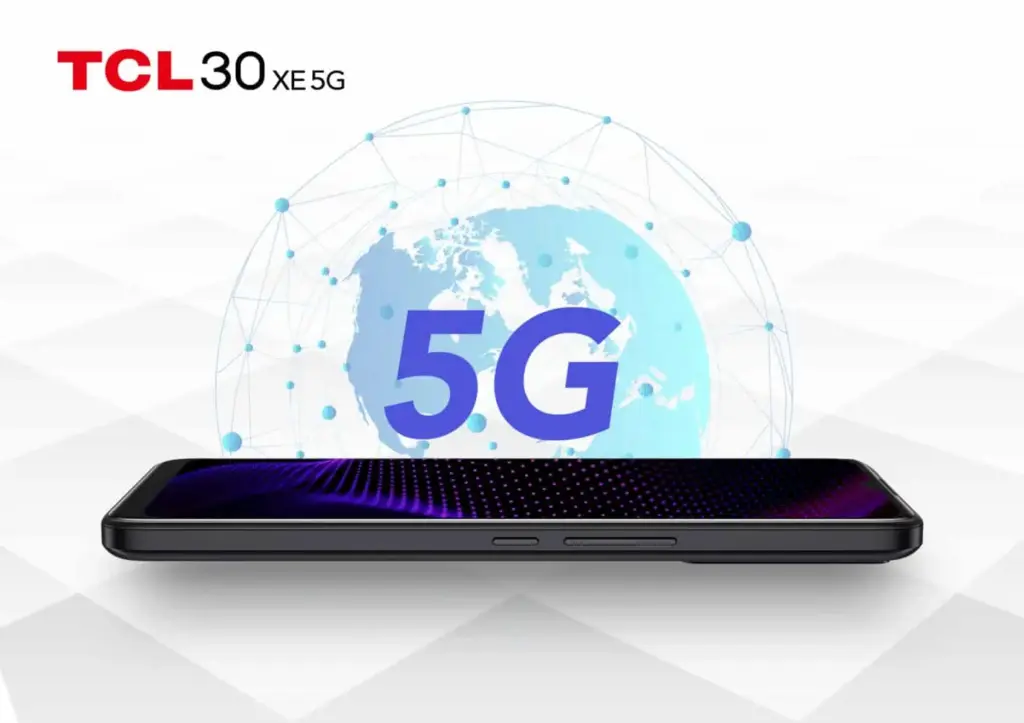
TCL has just released the TCL 30 XE 5G, a low-cost phone with some impressive specs.
TCL has produced a number of fascinating phones since establishing its own brand. This company is focusing on manufacturing affordable phones as well as challenging the luxury market and working on a foldable phone.
The TCL 30 XE 5G has a 1080p display at 90Hz
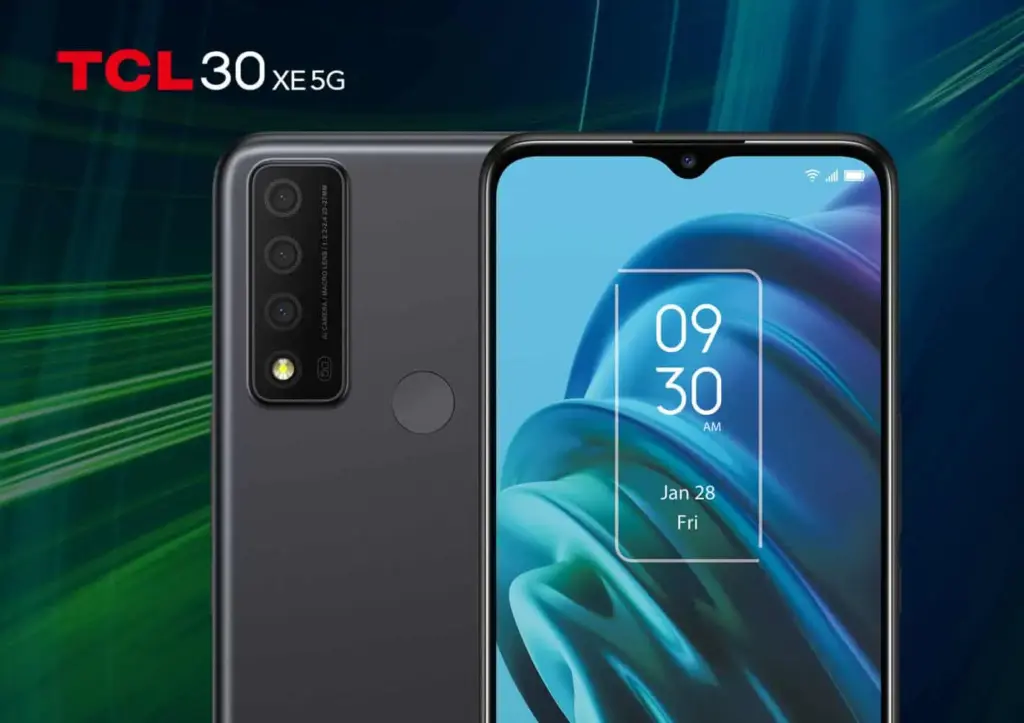
We’re not dealing with any high-end or ground-breaking specifications right away. This is a simple phone with some interesting features. It features a 6.52-inch 1080p+ LCD display with a 90Hz refresh rate. While that may seem insignificant, it is enhanced by TCL’s NXTVISION technology. The display also features a touch sample rate of 180Hz.
The octa-core MediaTek Dimensity 700 SoC clocked at 2.2GHz powers the TCL 30 XE 5G. There are 4GB of RAM and 64GB of storage, which should suffice for most casual users. If it isn’t, this phone can be expanded with a microSD card up to 512GB.
A triple camera package is available in the camera package. The main camera on this phone is 13 megapixels, with a 2 megapixel macro camera and a 2 megapixel depth sensor. The main camera can record 1080p video at 30 frames per second. There’s an 8MP selfie camera on the front. It appears to be a camera combo that will simply do the job.
TCL included a 3.5mm headphone jack, a 4,500mAh battery, mobile hotspot, a rear-mounted fingerprint reader, face unlock, Android 11 out of the box, and an 18W charger in the box to round out the features. So, this is a really basic start into the TCL 30 phone series.
We don’t know much about the TCL 30 XE 5G at the moment. We don’t know when or where this phone will be released, or how much it will cost when it does. We can expect a similar price to the TCL 30 V 5G, which is roughly midrange and costs $299. It could be a little lower due to some of the specifications being less reliable.
While this phone does not compete in the premium smartphone market, it is still a good option for individuals who do not require much from their phones. For those who aren’t used to more expensive screens, the 90Hz refresh rate should be a nice touch. While we don’t know when this phone will be released, it shouldn’t be long.
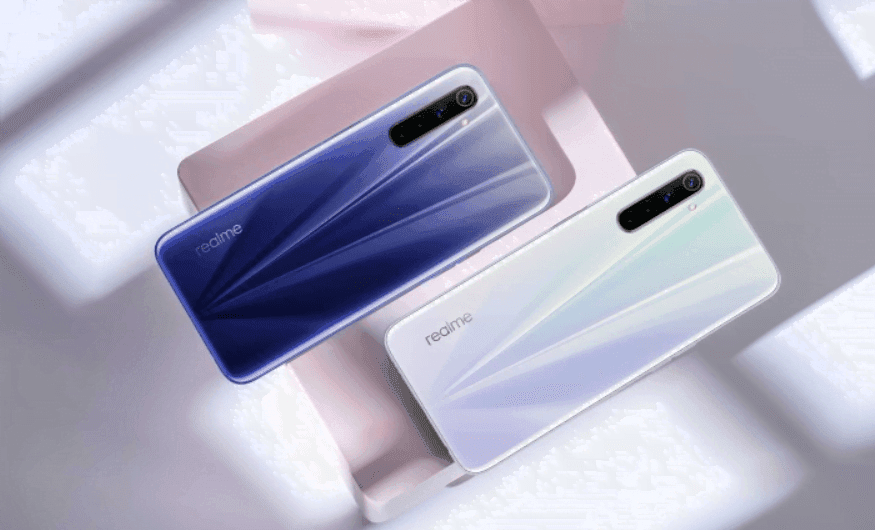
Realme has rapidly become an arch-rival of Xiaomi in India’s likes, providing plenty of bang for your buck. Now the company has launched the Realme 6 and Realme 6 Pro, targeting the range of Redmi Notes.
Yet Realme says the Realme 6 is simply a successor to the Realme 5 Pro, and suggests that the Realme 6 Pro is a follow-up to the upper mid-range Realme X. This has some price implications, but more on that in a bit.
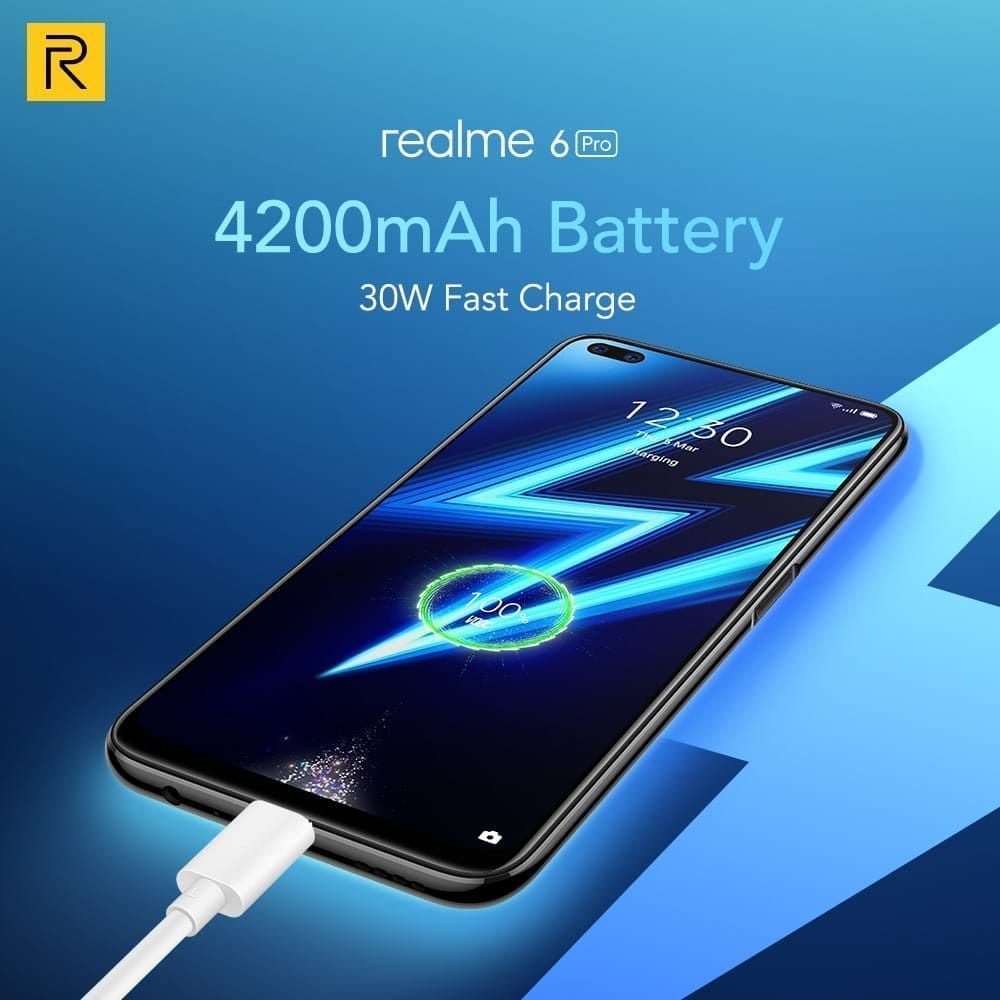
Both phones offer 90Hz FHD+ LCD screens with punch-hole cutouts, 4,300mAh batteries, side fingerprint scanners, storage expansion, splash resistance, Realme UI atop Android 10, and 30W charging. The latter feature means you can expect a full charge in an hour, according to Realme.
Differences?
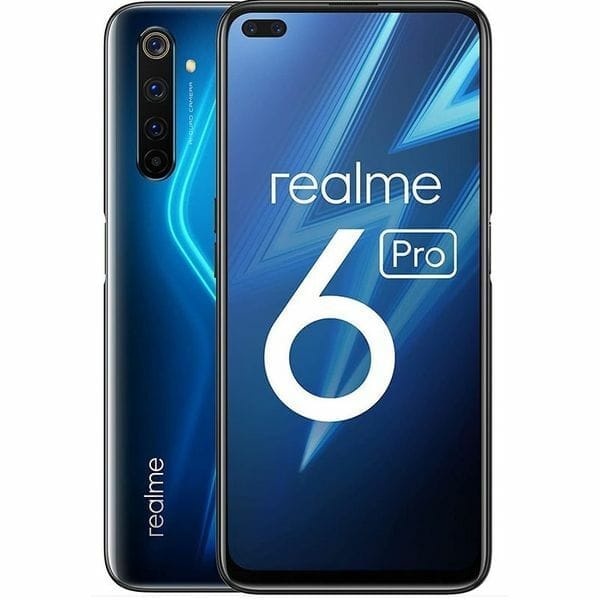
The Realme 6 Pro differs from the standard model by offering a Snapdragon 720G chipset, dual-frequency GPS, and two selfie cameras (16MP + 8MP wide). Meanwhile, the Realme 6 packs a capable Helio G90T processor, and a 16MP selfie snapper.
The Realme 6 and Realme 6 Pro both feature quad cameras with a 64MP main camera, 8MP ultra-wide snapper, and 2MP macro camera. But the Pro model features a 12MP telephoto camera as the fourth shooter, while the standard Realme 6 sports a 2MP monochrome sensor.
As for the substantial price? The 4GB/64 GB Realme 6 starts at Rs 12,999 (~$178), the Rs 14,999 (~$205) 6GB/128 GB model retails, while the 8GB/128 GB version sets you back Rs 15,999 (~$219). The Realme 6 in Comet Blue and Comet White will be available from Flipkart and participating retailers on March 11.
Meanwhile the Realme 6 Pro starts at Rs 16,999 (~$232) for the version 6GB/64 GB, Rs 17,999 (~$246) for the standard 6GB/128 GB, and Rs 18,999 (~$260) for the variant 8GB/128 GB. The Realme 6 Pro in Lightning Orange and Lightning Blue will be available from Flipkart and participating retailers on March 13.
Verdict
Realme 6 Pro is a medium-range smartphone that offers a wide variety of features. Starting from massive storage capacity, healthy battery back up, amazing camera to a stylish punch-hole display, the smartphone has it all. Overall, it is an amazing smartphone around this budget