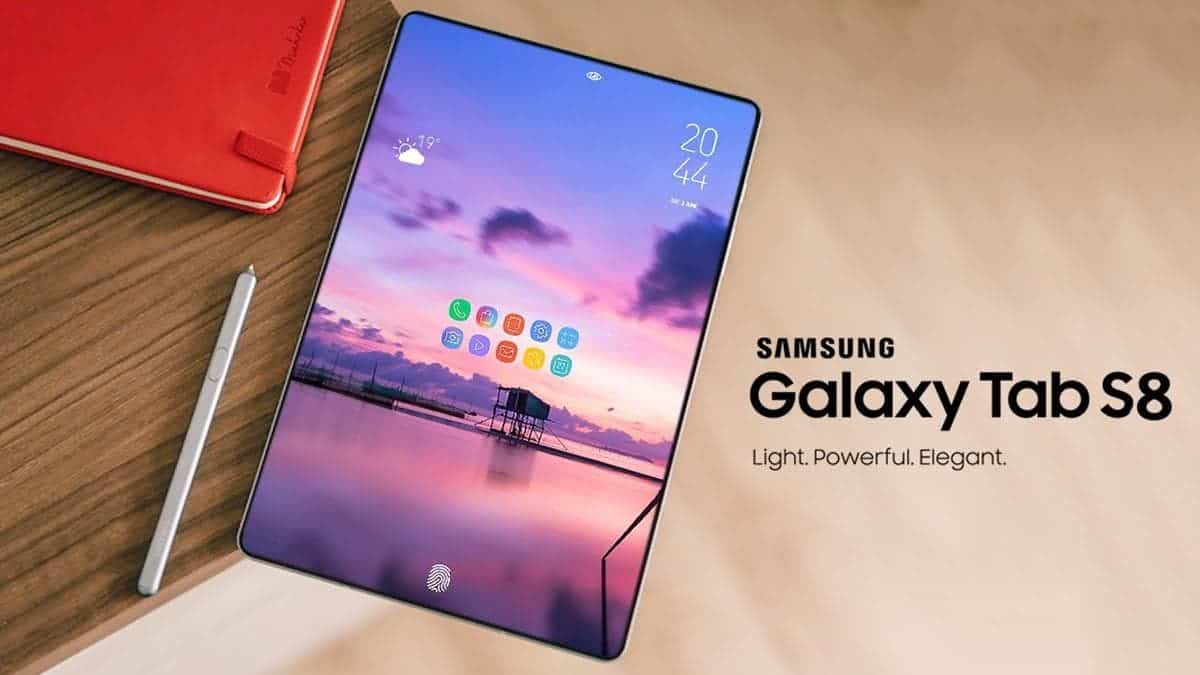
Samsung, with its Galaxy Tab S series, is one of the few manufacturers interested in selling high-end Android tablets. The forthcoming Tab S8 series has been leaked a few times in recent months, due to regulatory filings and numerous renders, but thanks to a fresh revelation from WinFuture, we may finally know everything there is to know about the tablets.
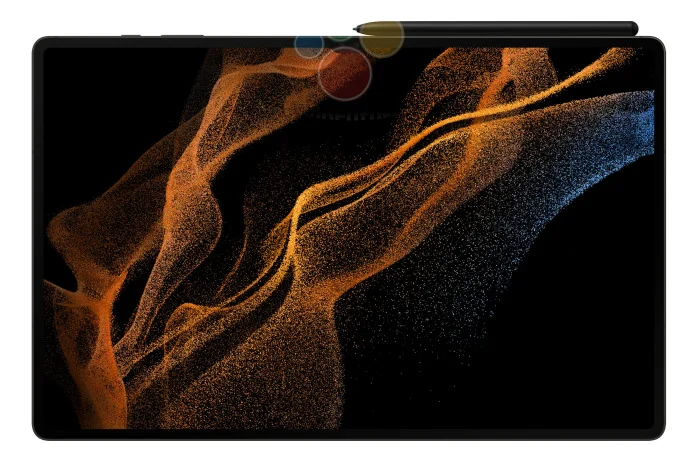
The Galaxy Tab S8 series includes precise specifications and a few press renders, according to WinFuture. Samsung appears to be sticking with three variants this year, as previously reported via leaks: the Tab S8, Tab S8 Plus, and Tab S8 Ultra (there was no Ultra for the Tab S7). According to reports, all three tablets will come with a Snapdragon 8 Gen 1 processor, dual rear cameras (12MP primary and 6MP ultra-wide), Wi-Fi 6, a microSD card slot, Bluetooth 5.2, optional 5G, USB Type-C 3.2 Gen 1, fingerprint readers, Android 12 with One UI 4.1, and a S Pen.
The screen size is the most significant distinction between each tablet. The Tab S8 will reportedly have an 11-inch LCD screen with a resolution of 2800 x 1752, while the Tab S8 Plus will have a 12.7-inch AMOLED screen with a resolution of 2800 x 1752. The Tab S8 Ultra will boast a gigantic 14.6-inch AMOLED display with a resolution of 2960 x 1848 pixels, whereas Apple’s iPad Pro series only goes up to 12.9 inches. The Tab S8 Ultra, on the other hand, will have a notch at the top (in landscape mode) that houses two 12MP cameras, which seems ridiculous.
Pricing information is not yet known for any of the tablets, but the base Galaxy Tab S7 was $649.99 at release in the United States, and the Tab S7 Plus with a 12.4-inch screen was $849.99 at launch. If the prices are similar this year, it might be best to wait for a sale — even with Samsung’s custom DeX interface, there just aren’t as many tablet-optimized apps available on Android compared to. iPadOS.
Samsung, Xiaomi, Oppo, OnePlus, and Motorola, among others, have already revealed their Android 12 rollout plans, with Samsung in particular updating its massive smartphone array across geographies at a breakneck speed. Sony has entered the party with their own schedule (if you can call it that), albeit without any precise device timelines. Regardless, the stable Android 12 release for the Xperia 1 III and Xperia 5 III flagships is now available.
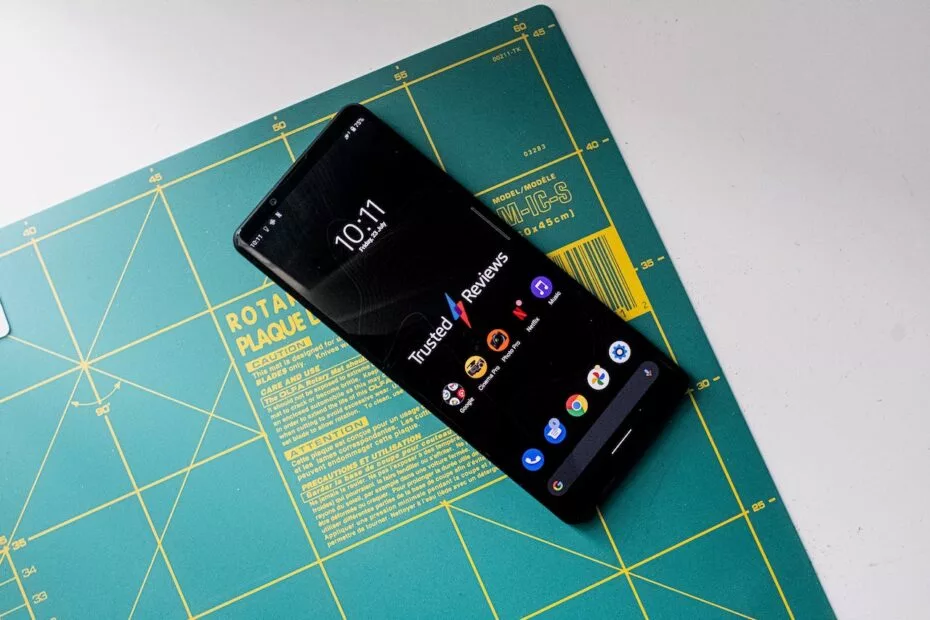
The Sony Xperia 1 III and Xperia 5 III are among the most recent devices to receive Android 12, with build version 61.1.A.1.149 and the December 2021 security patch instead of the one for this month (per XDA-Developers). According to reports, the update is presently being given out in Russia, but only to Asian dual-SIM editions of the Xperia 1 III and Xperia 5 III with version numbers XQ-BC72 and XQ-BQ72, respectively.
We’ll have to wait and watch when other regions get the upgraded firmware because Sony failed to release a thorough global distribution strategy. The update does not yet have a device-specific changelog, but you can reasonably assume that it includes all of the new features listed on the company’s rather generic Android 12 support page.
For those unfamiliar, Sony’s version of Android is minimal and only makes a few tweaks to the AOSP build Google distributes to Android OEMs. The company does, however, improve the experience by using a unique 21:9 aspect ratio.
If you have an Xperia 1 III or Xperia 5 III and haven’t received the OTA update yet, go to Settings > Software update to manually check for it. Long screenshots, one-hand mode, increased privacy and security, and, of course, Material You should all be available after you upgrade your handset to Android 12.
The holidays may be over, but we still have some awesome sales to share with everyone, including some excellent standouts. First up is SpongeBob SquarePants: Battle for Bikini Bottom, a fantastic port of the PS2 action game. Next, I have Peace Death, a quirky arcade simulator that’s perfect for killing time. Last but not least is Doom & Destiny Advanced, an enjoyable turn-based RPG that doesn’t take itself too seriously. As always, I’ve highlighted all of the interesting titles in bold in order to make discovery easier. So without further ado, here are the best temporarily free and on-sale apps and games for the beginning of the week.
The subject of launchers can be downright tribal. You become so accustomed to the way your apps are presented that even the tiniest variation in the formula is tremendously disturbing. Even as smartphones have evolved, I’ve kept with the same launcher approach for years. My current homescreen layout can be traced all the way back to 2011, and it’s no longer a tradition; it’s simply a bad habit. But, thanks to folding phones, I’ve had to reconsider everything, and the typical launcher style isn’t suitable to an expanding or tall display – but Niagara Launcher is.
Some of you may notice that I’m a little late to the party, but Android Police employees like Prasham Parikh have been enjoying it for almost a year. But, like many of our readers, I simply had a preferred method of doing things and didn’t want to change it. Lawnchair Launcher copies the lovely Pixel Launcher while also adding its own useful capabilities to any device, and I’ve had a layout that I’ve used since before I started blogging. And, on the majority of phones, I believe it is the best of the traditional launcher styles. But forcing myself to continue using my phone in the same manner hasn’t worked out. Sticking to the icons-on-a-grid formula wasn’t going to work with my Z Fold3.
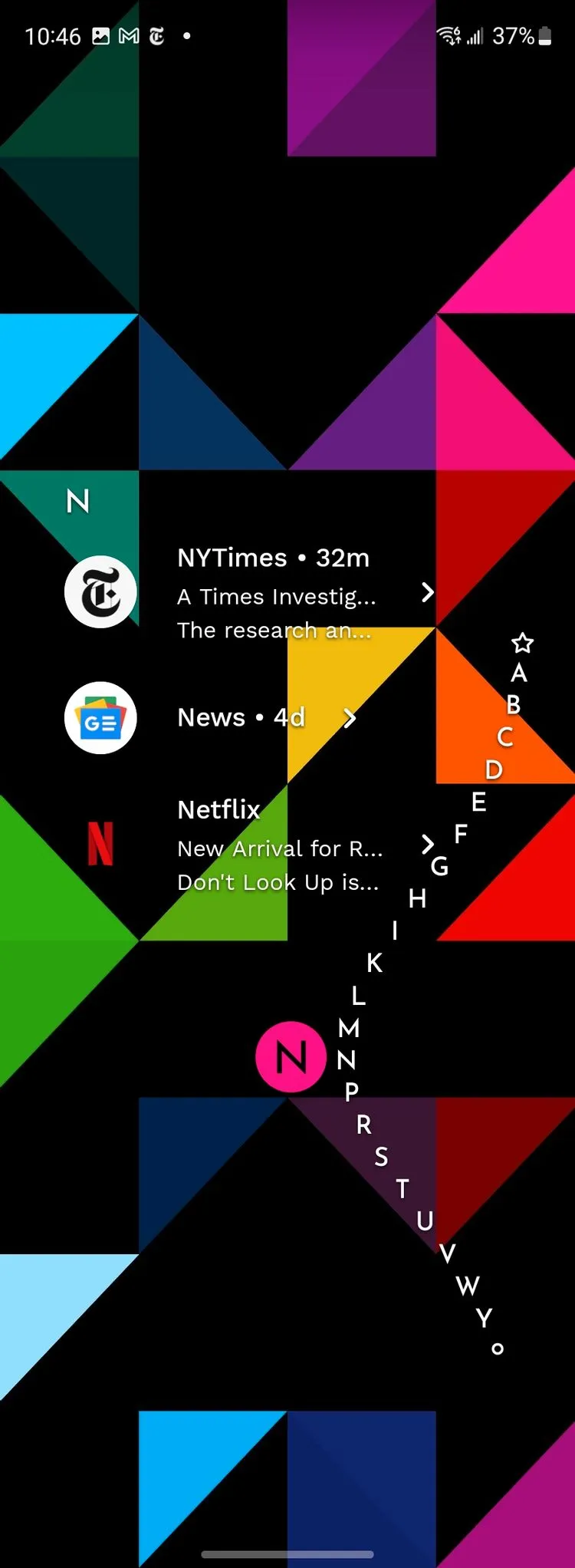
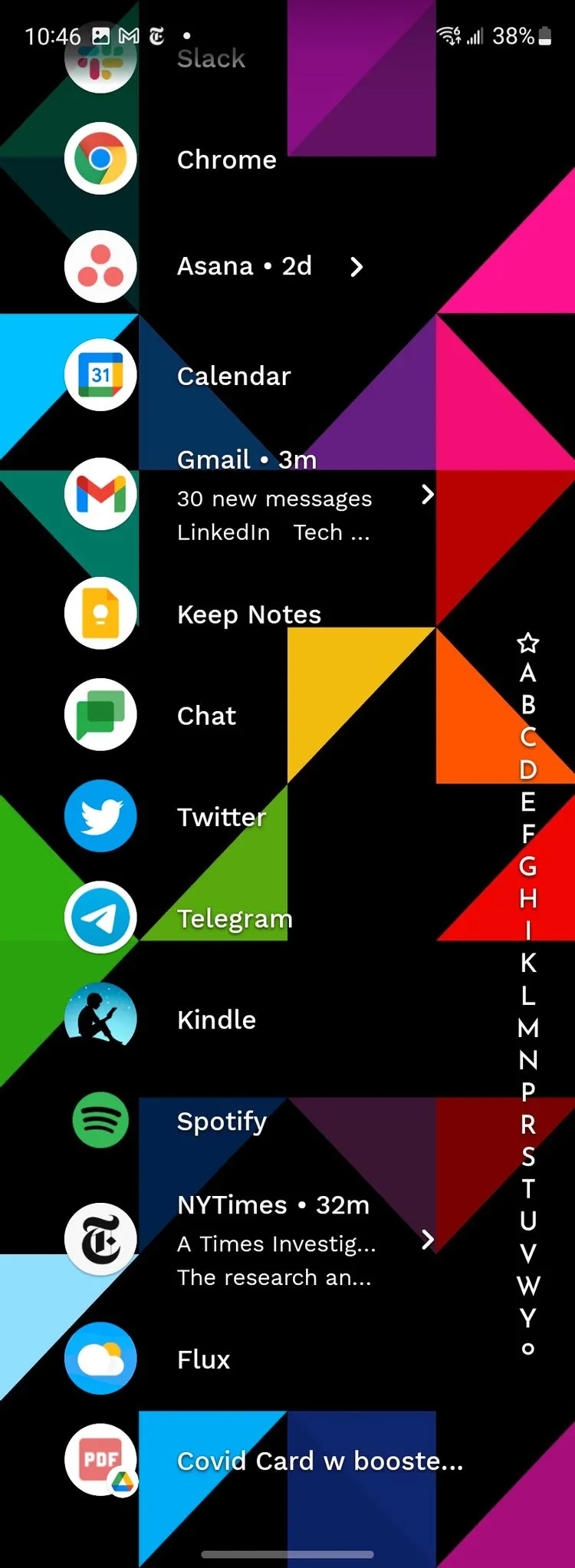
The problem is two-fold (tee hee), and it affects a number of different phones. To begin with, Samsung’s “cover display” is so tall and narrow that standard icons are rendered useless. It can be a little annoying reaching up to the top of that tall-but-skinny display to hit a little target, just as it is difficult to type on such a thin screen. Sure, you can physically pack a lot of items in there, but reading the descriptions on those icons or actually tapping them can be a pain. However, Niagara easily resolves the problem: In a vertical list, all of your apps display.
You can scroll effortlessly through an alphabetized app drawer, available at any time on the screen’s edge, and you have a set of favorites that appear by default (nine works best on the Z Fold3’s cover display, but you can do more). If you have an Artem-level list of apps loaded, you can also hide the ones you don’t use very frequently from that scrollable list — they’ll still show up in search, but they won’t slow things down. Niagara even has its own conceptual take on the At-a-glance widget, with the ability to show the time, date, weather, and even forthcoming events, with an expanding agenda view, with a single swipe.
Although the style isn’t quite Material, it’s similar enough and works well with most modern interfaces, including those found on Samsung phones. Because it’s a single column view, you won’t have any trouble sifting through the incomprehensibly little icons on a field. It took about a week of genuinely forcing myself to use it (and hating every minute of it) for me to warm up to it, and now I’m stuck with it. This is the finest launcher for a display that is quite tall and thin. And, strangely enough, that translates to a very wide screen.
Because of its column-based technique, two side-by-side columns can easily fit on the inside folding display. Yes, you’ll have fewer apps on your home screen, but it will be lot more usable. It also enables “basic” foldable features such as different backgrounds for the cover and inner displays. It even has its own dynamic theming technology, allowing the program to use the wallpaper’s colors for its own accents. While the Galaxy Z Fold3 may not have access to that aspect of the Material You experience, you may fill in the gaps and enjoy a portion of it without it.
Your favorites list does not convert well between the folded and unfolded experiences, and your designated favorites persist between the two layouts. Niagara recommends having only enough favorites set so the list doesn’t have to scroll, but the dual-column layout has a lot more space than the single column on the cover display. So, while 14 app favorites fits nicely when unfurled, if you have more than nine, you’ll have to scroll down the cover display. It’s not ideal, but I think it’s still preferable to the sea of icons.
The traditional smartphone homescreen experience with a grid of icons dates all the way back to the iPhone — and before that, nearly time immemorial in desktop computing. It’s a tried and true, super-intuitive method, but it does break down when it comes to usability a little depending on screen size. Niagara Launcher brings a different approach. I’m not afraid to say: I don’t like it on a “normal” phone. But it’s perfect on foldables. And though there is a pretty rough acclimation period, It’s worth it if you can stick it out.
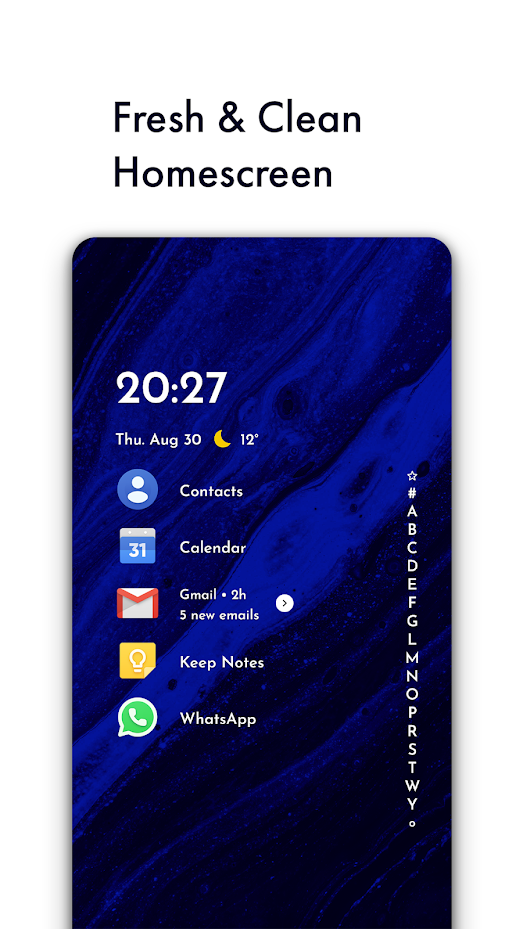
Niagara Launcher ‧ fresh/clean
The traditional home screen we know was made more than a decade ago, where phone screens were smaller than your credit card. Smartphones keep growing, but not your fingers. The minimalist Niagara Launcher makes everything accessible with one hand and lets you focus on what matters.
Samsung’s deployment of One UI 4, which is based on Android 12, has been lightning fast. This year, the firm made a first by launching beta programs for all of its major flagship smartphone lines, including the Galaxy S, Galaxy Note, Galaxy Z Flip, and Galaxy Z Fold. It then went on to release the stable update for devices like the Galaxy S21, Galaxy Z Flip3, and Galaxy Z Fold3 (although with some issues), and now the S20 and Note20 series are following suit.
In less than 48 hours, Samsung overcame a snag that stalled the One UI 4 deployment for its 2021 flagships, released a stable upgrade for the Galaxy Z Fold2, and began rolling out Android 12 to the S20 and Note20 (per SamMobile). In comparison, OnePlus has only recently stabilized Android 12 on its 9 series flagships, while Motorola and Sony have yet to release even a single upgrade – Samsung is clearly gaining ground. However, we hope that the firm conducts its due research to ensure that these updates work as planned and are not hampered by compatibility concerns, as we witnessed with the launching of the S21.
As we speak, Samsung’s stable One UI 4 software is coming out to the Galaxy S20, S20 Plus, S20 Ultra, Note20, Note20 Ultra, and even the S20 FE, so there’s a good possibility you’ll be ditching Android 11 by 2022. Users in Switzerland have already reported receiving Android 12 over the air, but owners of the S20 and Note20 in other regions of the world could anticipate the software to arrive in the next few days (unless Samsung has reason to halt the release). To see if the update is available for your phone, go to Settings > Software update > Download and install.
Christmas may have passed, but we’re still counting down to New Year’s Eve, which means there are still plenty of deals to be had, with today being the biggest day of app and game sales so far this year. We have a total of 163 bargains and discounts to look through, including a few standouts. Slayaway Camp is the first game on the list, and it’s one of the best Sokoban games out there, with an awesome horror theme. Then there’s Quell Reflect+, a peaceful puzzle game with some seriously chill soundtrack. Last but not least, there’s Old Man’s Journey, a stunning adventure game with stunning graphics and a touching plot. As usual, I’ve bolded all of the fascinating titles to make it simpler for you to find them. So, without further ado, here are the finest holiday apps and games on sale.
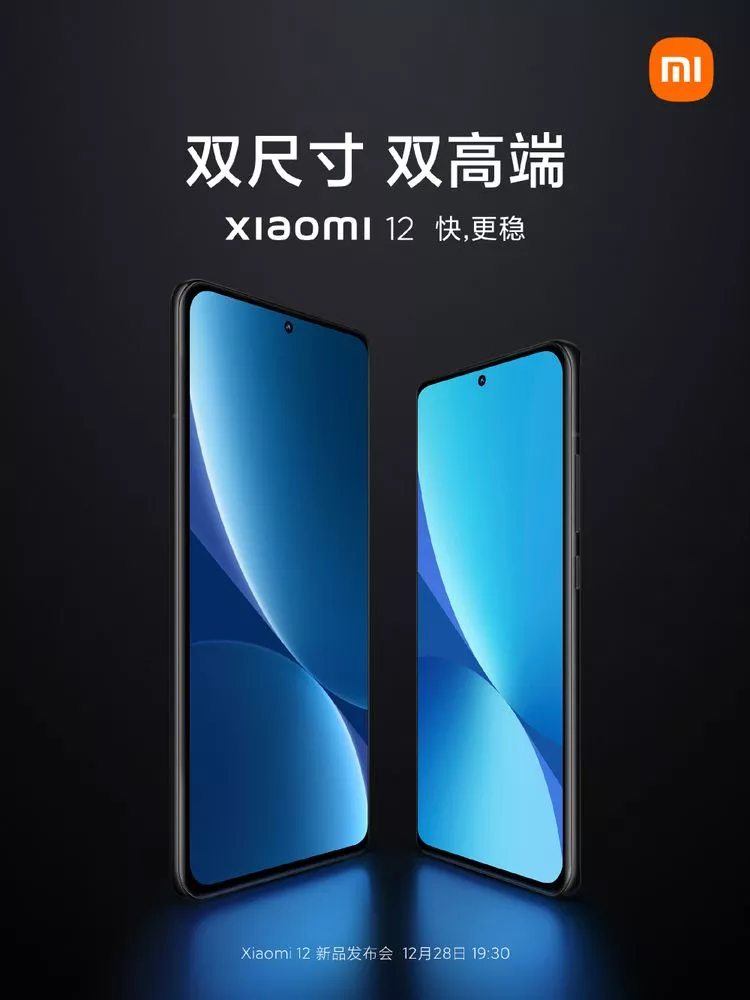
We’ve already heard a lot about the Xiaomi 12 series, with leaks revealing the 12 Ultra’s large camera module and renders giving us an idea of how the normal 12 will look. Xiaomi is now preparing to make these phones public, as the firm announced on Weibo (via XDA Developers) that its new flagship series will be available in China on December 28.
Initially, the series will consist of at least two phones, the Xiaomi 12 and the Xiaomi 12 Ultra, but if previous lineups are any indication, a few additional models, such as a more cheap Xiaomi 12X, may be released in the near future. The series will premiere alongside MIUI 13, Xiaomi’s latest generation of its own skin on top of Android, according to the company’s CEO Lei June.
Aside from that, we haven’t heard much about the new flagship series from the company. Only Qualcomm’s latest Snapdragon 8 Gen 1 chip will power the flagships, and the graphic hints that one of the phones, most likely the 12 Ultra, would be substantially larger than the other.
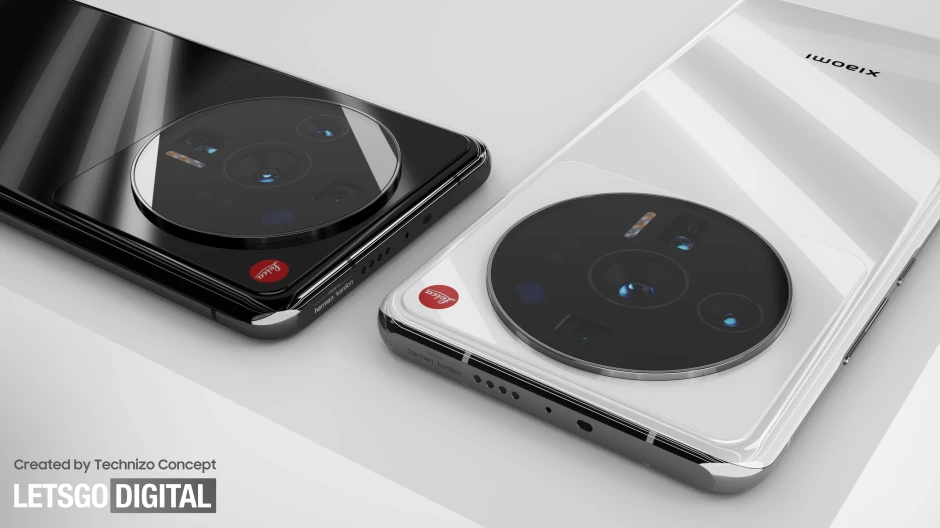
A few more significant details have surfaced as a result of rumors and leaks. The Xiaomi 12 is said to have a 50MP camera, an OLED display with a high refresh rate, and 100W fast charging. The enormous camera array on the 12 Ultra reminds us of a washing machine, and it’ll reportedly have technology comparable to its smaller sister, including a QHD+ high-refresh rate screen, 120W fast charging, and a 5,000mAh battery.
Aside from that, we haven’t heard much about the new flagship series from the company. Only Qualcomm’s latest Snapdragon 8 Gen 1 chip will power the flagships, and the graphic hints that one of the phones, most likely the 12 Ultra, would be substantially larger than the other.
A few more significant details have surfaced as a result of rumors and leaks. The Xiaomi 12 is said to have a 50MP camera, an OLED display with a high refresh rate, and 100W fast charging. The enormous camera array on the 12 Ultra reminds us of a washing machine, and it’ll reportedly have technology comparable to its smaller sister, including a QHD+ high-refresh rate screen, 120W fast charging, and a 5,000mAh battery.
We won’t have to wait long to learn everything there is to know about the smartphones when Xiaomi launches them in China on December 28. After that, the 12 series will make its way across the world.
With over 2 billion monthly users, Meta’s WhatsApp is one of the most popular messaging platforms on the planet. We occasionally need to send messages on WhatsApp, but in order for our contacts to appear in the list, we must first sync them.
Despite the fact that WhatsApp does not have this capability, there is a way to message any number without saving it to your device’s contact list. Please bear with us. Follow the simple actions outlined here.
We’ll go over the best methods for sending a messages without preserving your phone number in your contacts.
You won’t have to install or do anything additional with this, and it’s the best method to have a brief chat with anyone who has an active WhatsApp account. Let’s have a look at it now, without further ado.
Open your internet browser on your device.
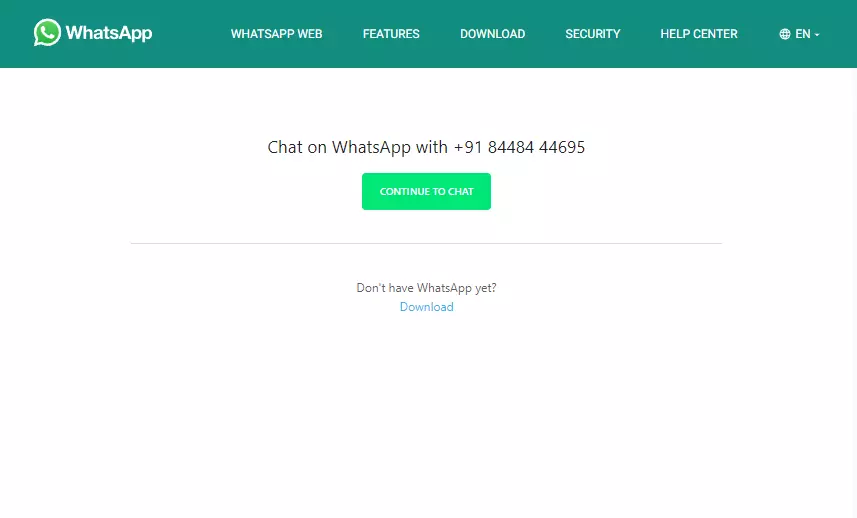
Then, in the browser’s address bar, type wa.me/phone number (phone number includes mobile number beginning with country/region code).
E.g., wa.me/+91xxxxxxxxx (+91 is a country/region code for India. (Use your code before entering the contact number.) | Find your country code here...
Hit enter, and it will show Continue the chat with the number.
Click on the green button, and from there you can chat, call, or check the details.
You can perform this on any platform. It doesn’t matter if it’s on Android, iOS, Windows, or Linux. All you need for this is to have the app installed on your device and active internet connectivity. The recipient should have an active WhatsApp Mobile number.
How is this possible, and is there any thread while using this method?
No, there isn’t a problem because wa.me is a short-link that the app API uses to start a WhatsApp conversation. The same API is used to integrate WhatsApp Direct Messages, and you may find that this isn’t always the case. To talk or contact someone on WhatsApp, click here. It’s one of the references in the book.
There are no threads to be concerned about. They’re perfectly safe and have always been wa.me. This is a short WhatsApp link. G.co for Google, youtu.be for YouTube, and fb.com for Facebook are examples of short links.
Hopefully, this instruction was useful to you and you were able to send WhatsApp messages successfully. Thank you for joining us. We’d like to hear your thoughts and suggestions. If you have any questions, please leave them in the comments area below.
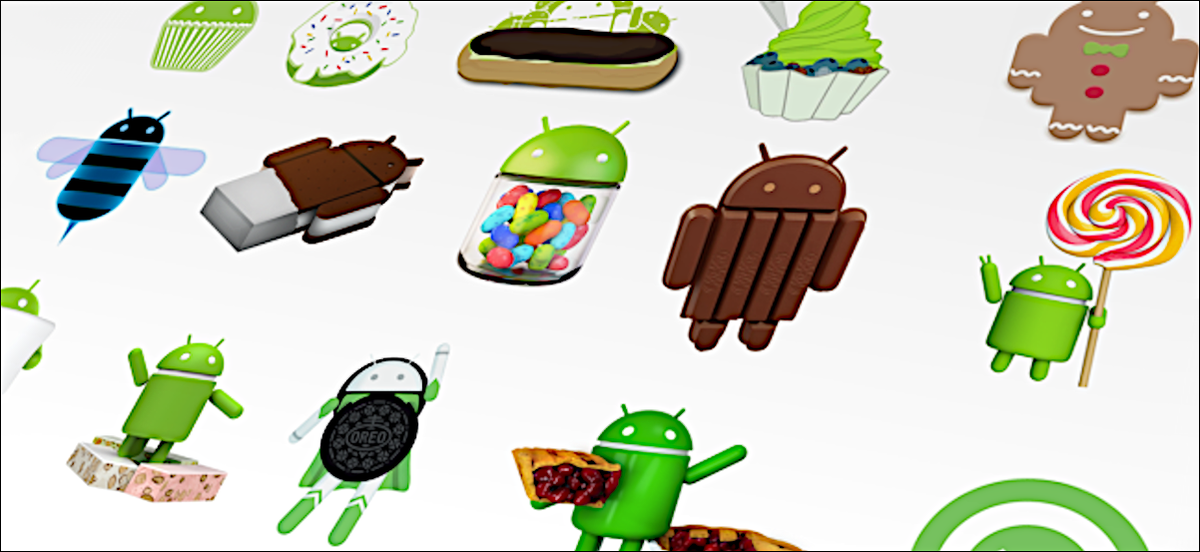
Google has started disclosing Android fragmentation statistics on a yearly basis since 2018. The official Android OS distribution list was just posted as we near the end of 2021.
The story is the same every time: Since its formal debut, iOS 15 has been installed on the majority of iPhones, but Android 12 is only on 0.1 percent of Android phones. The update procedure, on the other hand, is somewhat different. After all, Apple is in charge of both hardware and software development, in contrast to Android, where each manufacturer develops their own bespoke software and hardware.
That doesn’t make looking at Google’s operating system’s distribution stats any less painful. Previously, the corporation published this information on a monthly basis, but since 2018, the list has been updated only once a year. Only versions with a distribution of more than 0.1 percent appear in it. Furthermore, the data is based on the number of Android devices that entered the Google Play Store in the previous month’s seven days.
So it is possible that there are thousands of Android devices running older versions than Android 4.1, but these have a share of less than 0.1% and did not make it into this list. Also, it is worth mentioning that since September 27, Google started preventing logins on older versions of Android. This change affected versions before 2.3.7.
Android version
API level
Distribution
Android 4.1 Jelly Bean
16
0.2%
Android 4.2 Jelly Bean
17
0.3%
Android 4.3 Jelly Bean
18
0.1%
Android 4.4 KitKat
19
1.4%
Android 5.0 Lollipop
21
0.7%
Android 5.1 Lollipop
22
3.2%
Android 6.0 Marshmallow
23
5.1%
Android 7.0 Nougat
24
3.4%
Android 7.1 Nougat
25
2.9%
Android 8.0 Oreo
26
4.0%
Android 8.1 Oreo
27
9.7%
Android 9 Pie
28
18.2%
Android 10 Q
29
26.5%
Android 11 R
30
24.3%
Android 12 Snow cone
31
–
The most popular official version of Google’s OS, as seen above, is Android 10 Q, which was released in 2019 and looks to be installed on 26.5 percent of active Android devices. Then there’s Android 11 R, which will be available in 2020 and is already used by 24.3 percent of active phones. Meanwhile, Android 9 Pie, which was released in 2018, is in third place with an 18.2 percent share, followed by Android 8.1 Oreo, which was released in 2017 and has a 9.7 percent share. My trusty calculator informs me that Android 9 or older is installed on 49.2% of all Android phones. In 2018, Pie was released.
Even after months of testing, the most recent version of the operating system, in this case, Android 12, has yet to arrive on a significant number of handsets.
Unfortunately, Android fragmentation has long been the Achilles heel of the world’s most popular mobile operating system. Google’s initiatives, on the other hand, appear to be making an impact. Previously, much older versions were the ones who got the biggest piece of the fragmentation cake. Most devices today, at least, run on newer versions.
Also, security patches offer a longer life for phones bought more than three years ago, which makes Android 10’s high distribution less surprising. The same, however, cannot be said for the 5.1% share of Android 6.0 Marshmallow, announced in 2015!
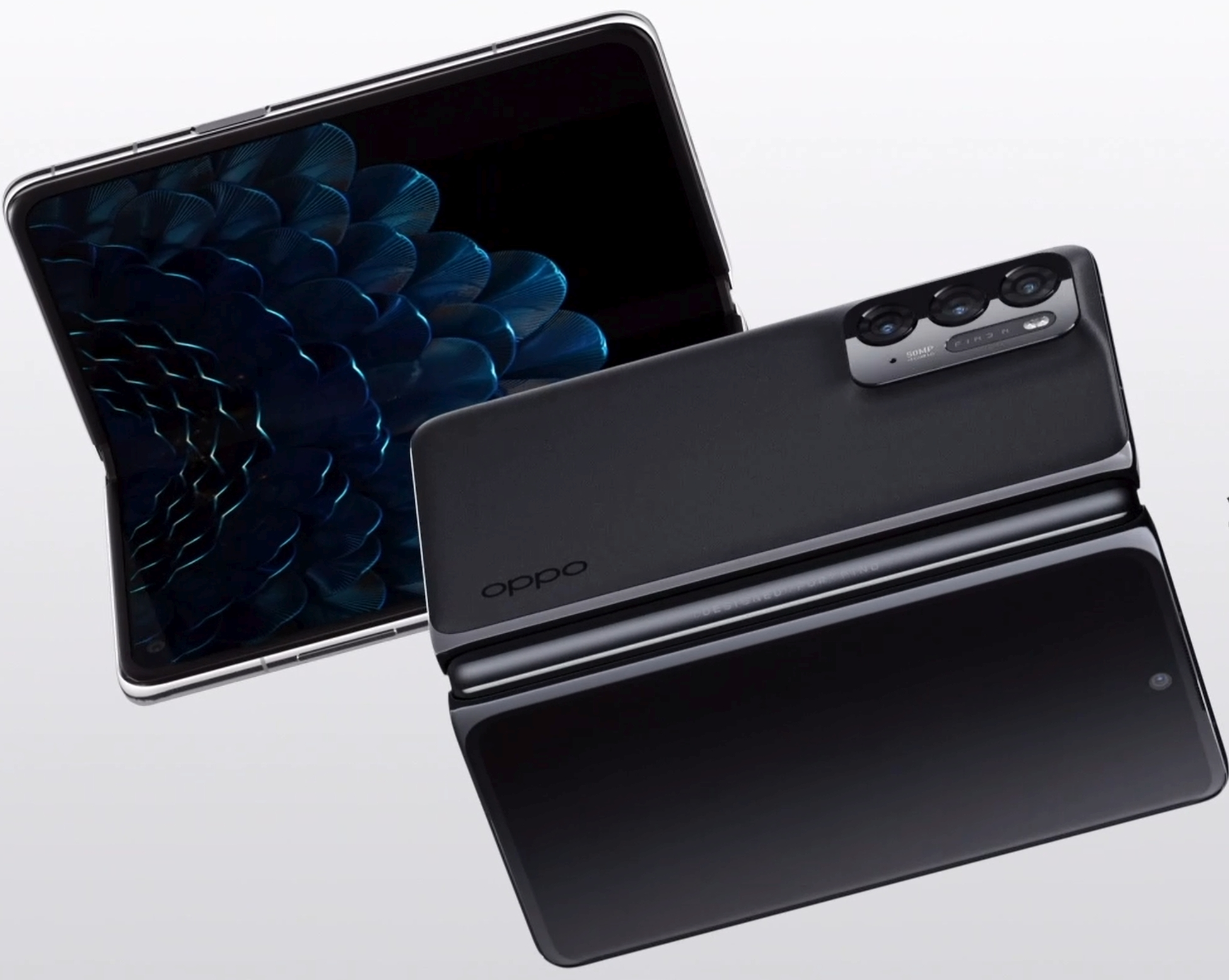
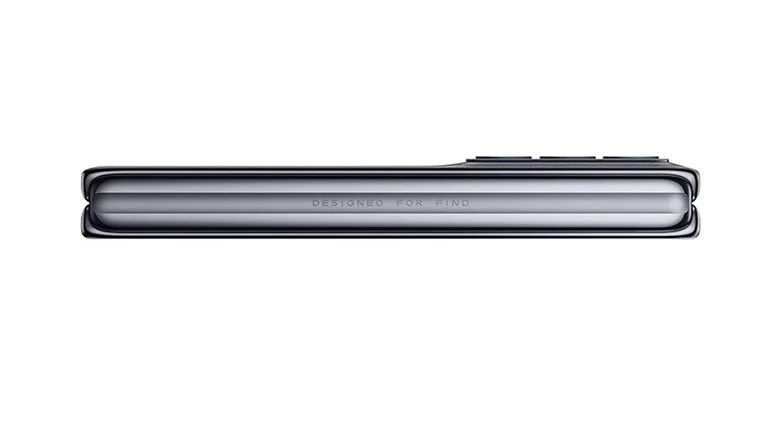
Foldable cellphones will become a popular trend by 2021. The upcoming Oppo Find N was teased in a recent blog post by Pete Lau, Oppo’s head of product and CEO of OnePlus. It will be Oppo’s first foldable phone, and it will be released on December 15, 2021.
Oppo’s new foldable smartphone will be unveiled on the second day of next week’s “Inno Day” event. Pete Lau admits in his blog post that Oppo is late to the foldable market. However, he also mentions that lack of services, limited durability, and user experience have all been issues with foldable cellphones thus far. Oppo first debuted its prototype in 2019 and has been working on it ever since to finally release the first gadget.
Although a handful of other brands have already launched foldable devices to the market, barriers such as utility, durability, and user experience continue to prevent foldable devices from becoming a more feasible daily driver for most people.
A single display surrounded the smartphone in the first prototype. The new Find N, on the other hand, is rumored to have a huge screen on the inside and a little smaller display on the back. As a result, Oppo appears to be working on a rival to Samsung’s Galaxy Z Fold 3. Oppo’s goal, according to Lau, is to create a smartphone that is not only beautiful to look at and feel nice in the hand, but also simple to operate.
Find N to be released soon
Oppo has produced six further prototypes after revealing its debut in 2018. This procedure is thought to culminate with the Find N. According to Lau, the quality of a gadget is more essential to Oppo than following every trend. As a result, he said, development has been put on hold, albeit the Find N is expected to provide users with a unique experience.
At the Inno Days event, Oppo will be unveiling other products apart from the Find N. Among other things, the Oppo X 2021, AR glasses and a smartphone with a retractable camera will be presented. We’ll be bringing you all the essential info about Inno Day on Droid Tools, so be sure to check it out!