Category: Phones

Discover the newest Android phones, from flagship to mid‑range, with honest insights on performance, design and value.

  • 5 Affordable Android Phones with More Power Than the Google Pixel 10a

    5 Affordable Android Phones with More Power Than the Google Pixel 10a

    Google’s Pixel smartphones offer one of the cleanest Android experiences available. Current-gen models ship with the latest version of Android, get updates before anyone else, and enjoy seven years of software support — a level of longevity that makes them a genuine alternative to the iPhone, which similarly prioritizes long-term support. For a direct comparison with Apple’s best, the Pixel 10 Pro is the model to consider if you’re chasing an experience comparable to the iPhone 17 Pro.

    That said, Google also plays in the budget space, and its answer to the sub-$500 market is the Pixel 10a. Powered by last year’s Tensor G4 SoC with 8GB of RAM and a capable dual-camera system on the back — as explored in a full review of the Pixel 10a — it’s a reasonable choice for cost-conscious shoppers. But it does make compromises to hit that price, and raw performance is one of the more noticeable ones. There are several compelling alternatives that outpace it in that department. Five of them are highlighted below. A few of these picks aren’t officially sold in the U.S., and while importing through trusted channels is an option, carrier compatibility isn’t guaranteed.

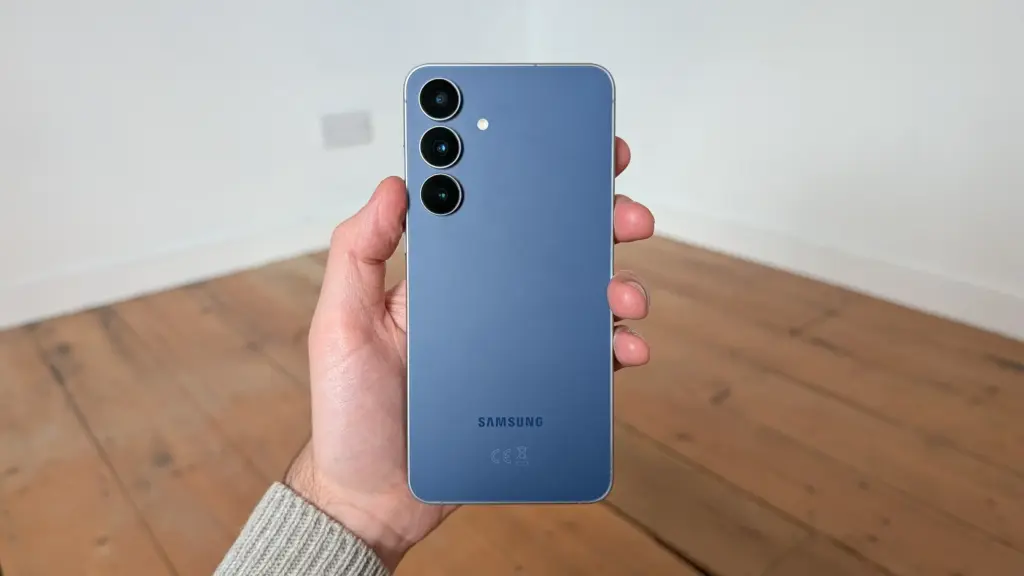
    Samsung Galaxy S25 FE
    samsung galaxy s25 fe blue in hand
    samsung galaxy s25 fe edition

    Samsung Galaxy S25 FE

     Enjoy every scroll, swipe and stream on a stunning 6.7” wide display that’s as smooth for scrolling as it is immersive.

    $649.99$548.00Amazon

    Samsung is the world’s largest Android manufacturer, and while the flagship Galaxy S series gets most of the spotlight, the company’s mid-range catalog is equally well-stocked. The Galaxy S25 FE sits in the upper mid-range tier, delivering a near-flagship experience by trimming a select few premium extras to land at a lower price point.

    Under the hood is Samsung’s in-house Exynos 2400 SoC, which according to NanoReview offers noticeably better performance than the Tensor G4 inside the Pixel 10a. RAM is matched at 8GB, and the suite of AI features remains intact. One UI, which previously had a reputation for being bloated, has grown considerably leaner over the years and now runs without any real sluggishness. The display is a 6.7-inch LTPO AMOLED with a 120Hz refresh rate and up to 1,900 nits of peak brightness.

    Samsung matches Google’s seven-year OS update promise on the S25 FE. The camera system includes a 50-megapixel wide, a 12-megapixel ultrawide, and an 8-megapixel 3x telephoto lens. Wired charging maxes out at 45W, which handles the 4,900mAh battery reasonably quickly. The base 128GB model retails at $650, though it can regularly be found under $600 through deals on Amazon and similar marketplaces.

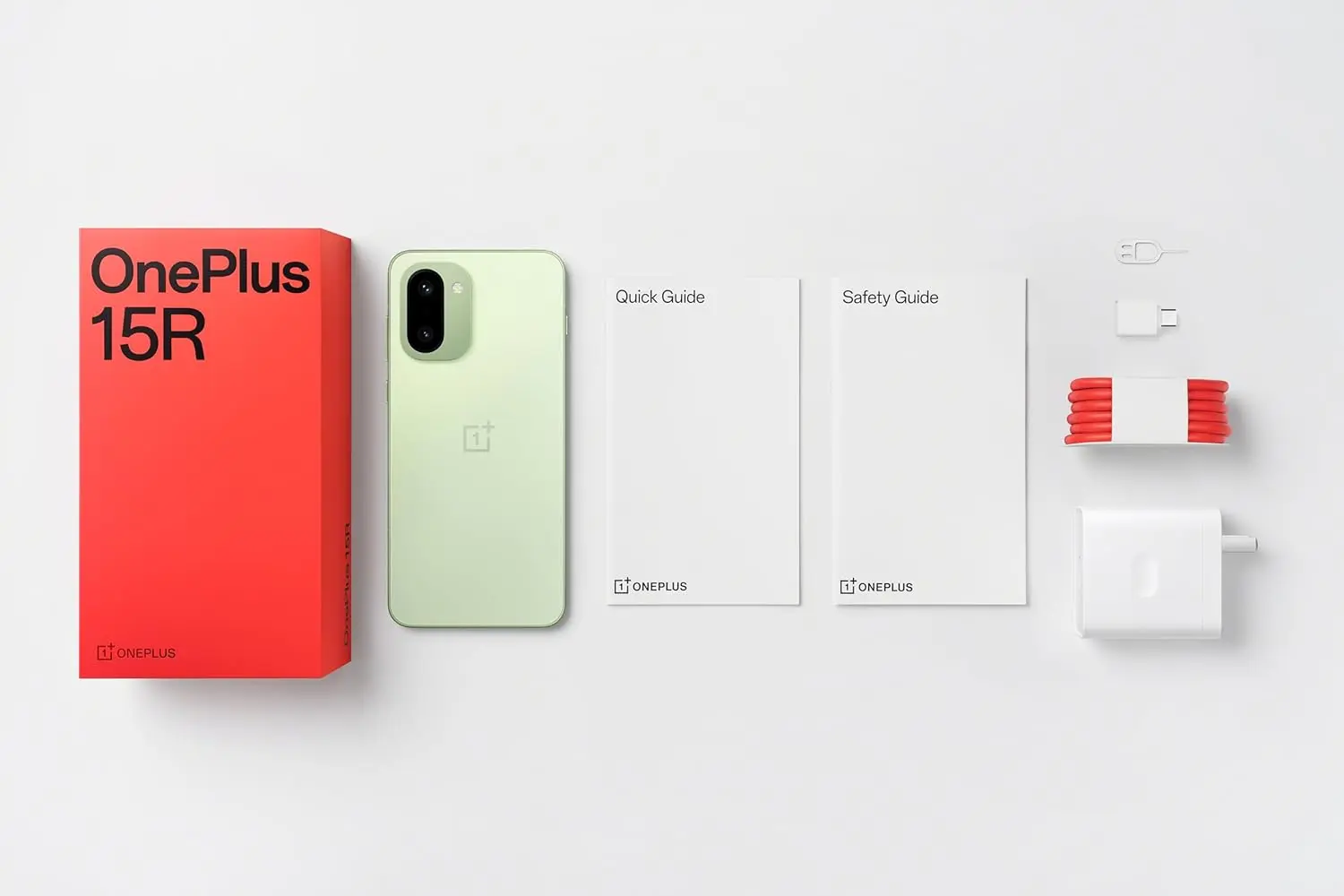
    OnePlus 15R
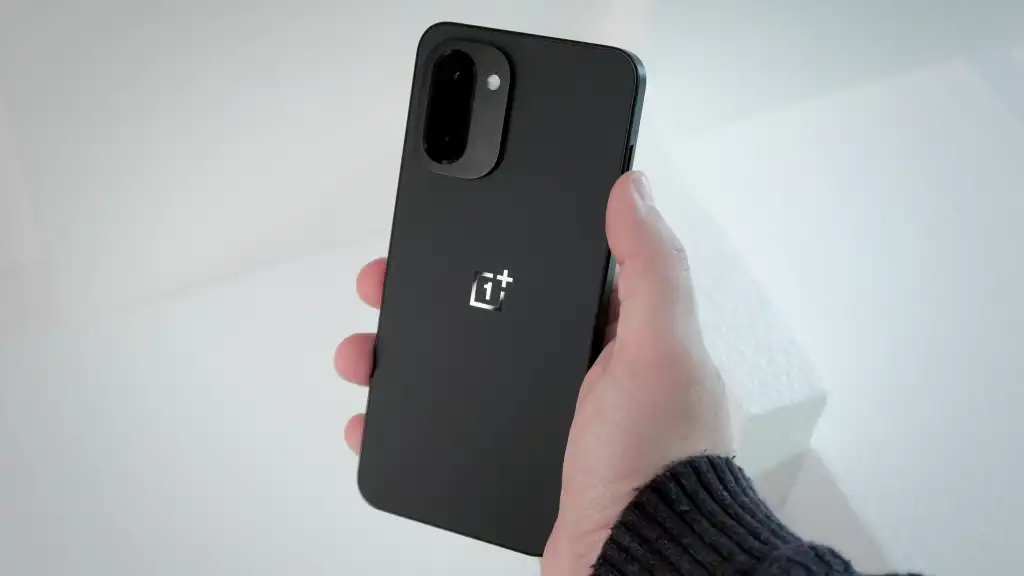
    OnePlus 15R black
    OnePlus 15R

    OnePlus 15R

    Powered by the Snapdragon 8 Gen 5, plus a custom Wi-Fi chip and dedicated Touch Response chip, you get lightning-fast speeds, stable connections, and ultra-responsive touch control.

    $799.99Amazon

    At $700, the OnePlus 15R costs more than the 256GB Pixel 10a — but considering what it delivers, that $100 premium is hard to argue with. The phone runs on the Snapdragon 8 Gen 5, which sits just below the 8 Elite Gen 5 in Qualcomm’s hierarchy and comfortably outpaces the Tensor G4, a chip that was already trailing the competition at launch. The performance gap here is substantial.

    RAM steps up to 12GB, which keeps more apps active in the background and handles AI-driven tasks more effectively over time. The screen is a 6.83-inch AMOLED panel with up to 165Hz in supported games and a peak brightness of 3,600 nits in HDR scenarios. Slimmer bezels and a smaller hole-punch cutout make for a noticeably better multimedia display than the Pixel 10a.

    Battery life is where the OnePlus 15R really pulls ahead. Its 7,400mAh cell offers roughly 50% more capacity than mainstream flagships, and the review of the OnePlus 15R confirmed the exceptional endurance that capacity suggests. Charging tops out at 80W with the included adapter, so refueling is fast when needed.

    OnePlus Nord 6
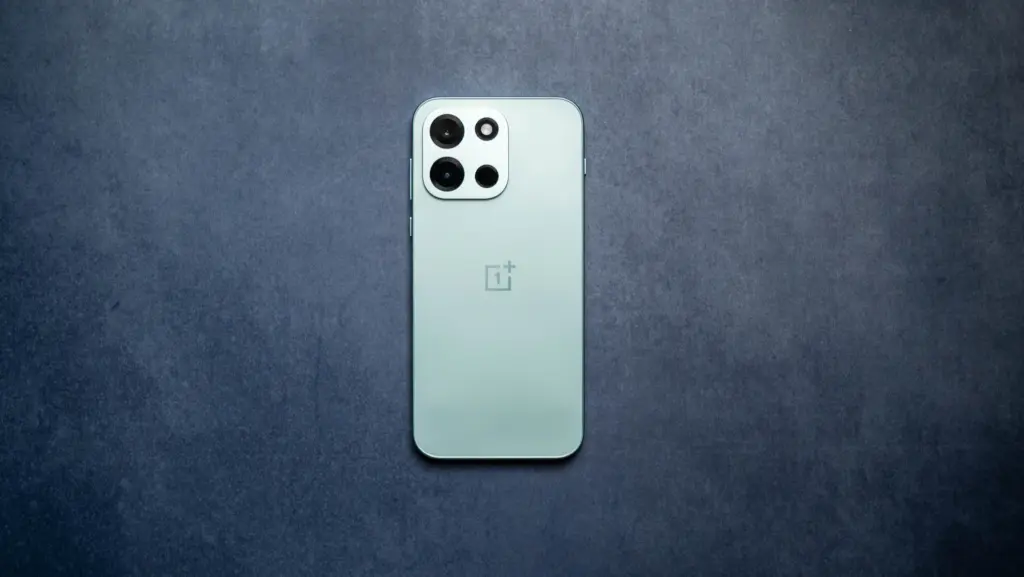
    OnePlus Nord 6
    61aAC4zDc9L. SL1500

    OnePlus Nord 6

    Flagship Performance with Snapdragon 8s Gen 4/: Couple this with the latest LPDDR5X RAM and UFS 4.1 ROM storage, Nord 6 is engineered to outperform nearly every flagship, allowing unprecedented ‘Gaming PC-level’ 165 FPS BGMI, CODM and Free Fire MAX steady-smooth gaming, and relentless everyday speed for the next 6 years.

    Despite recent speculation about market exits and a potential global pullback, OnePlus has continued shipping competitive hardware. The Nord 6 is the latest from the brand’s budget-focused lineup, and it brings serious performance for the price. The Snapdragon 8s Gen 4 SoC comfortably outperforms the Tensor G4 across the board, and configurations go up to 12GB of RAM with 256GB of UFS 4.1 storage.

    Gaming is clearly a core target for the Nord 6. Its 6.78-inch AMOLED display supports refresh rates up to 165Hz in compatible titles — similar to what the OnePlus 15 offers — and a 3,840Hz touch sampling rate makes on-screen input feel exceptionally sharp. The dual rear camera covers wide and ultrawide angles, but the real talking point is the 9,000mAh silicon carbon battery with 80W wired charging support, which is a remarkable combination at this price.

    OxygenOS handles the software side, with OnePlus committing to four years of OS updates. Pricing converts to roughly $415 for the 8GB RAM variant. The catch: the Nord 6 is an India-exclusive. In China, the same device is sold under the OnePlus Turbo 6 name. U.S. buyers would need to import it, with carrier compatibility being a potential sticking point.

    RedMagic 11 Air

    RedMagic 11 Air

    For those specifically after a gaming phone that’s actually available in the U.S., RedMagic is the go-to. The RedMagic 11 Air matches the Pixel 10a’s $500 price tag but packs considerably more horsepower. The Snapdragon 8 Elite SoC powering it is, on paper, more than twice as fast as the Tensor G4. Even as a generation-old chip at this point, it handles any modern mobile title at maxed settings with high frame rates without breaking a sweat.

    A few hardware touches set it apart from the standard mid-range crowd. Capacitive shoulder triggers on the frame offer additional physical controls in supported games. The 6.8-inch 144Hz AMOLED display is completely notch-free, providing an uninterrupted viewing surface — a trade-off that costs the phone a front camera, which may or may not matter depending on priorities. Active cooling via a built-in fan and vapor chamber keeps thermals in check during extended sessions.

    RAM comes in at 12GB, and storage doubles what the Pixel 10a offers in its base configuration. The 7,000mAh silicon carbon battery earned a multi-day usage assessment from TechRadar’s review under moderate conditions, and an 80W adapter is included in the box. An 80W adapter is also included. Stepping up to 16GB of RAM and 512GB of storage adds just $100 to the asking price, and the RedMagic 11 Air’s distinctive design language makes it one of the more visually interesting options on this list.

    Poco X7 Pro
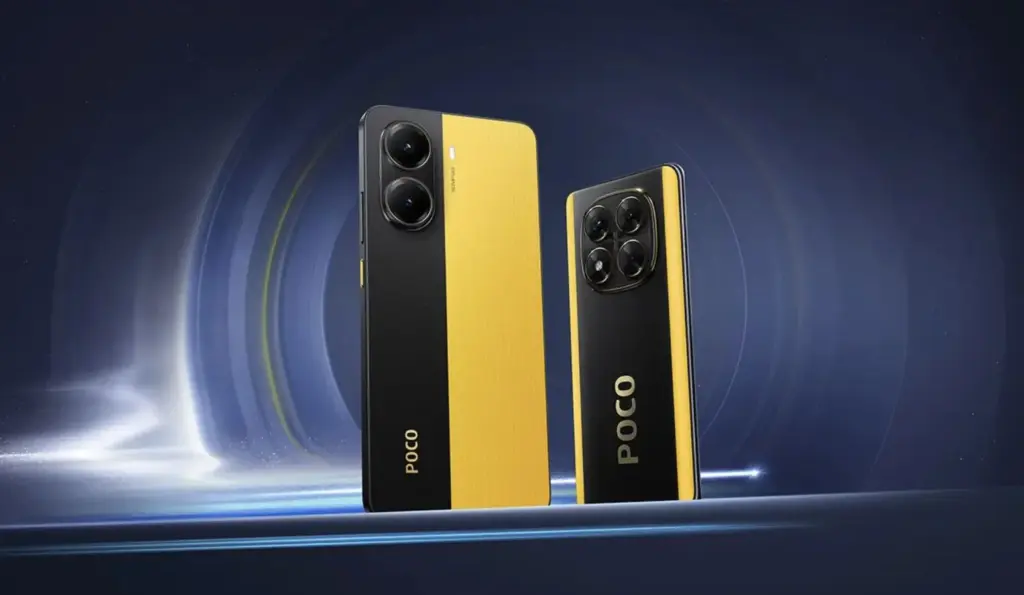
    poco x7
    poco x7 black and yellow

    Poco X7

    Full speed ahead
    Powerful Dimensity 7300-Ultra
    CrystalRes 1.5K 120Hz AMOLED curved display
    50MP main camera with OIS
    IP68 dust and water resistance
    5110mAh (typ) large battery

    $292.99Amazon

    Xiaomi has built a reputation for delivering strong value in the flagship space, and its Poco sub-brand attacks the mid-range segment with the same aggression. The Poco X7 Pro is a gaming-focused device powered by the MediaTek Dimensity 8400 Ultra SoC, posting AnTuTu benchmark scores roughly 40% higher than the Tensor G4.

    The display is a 6.67-inch AMOLED panel with a 120Hz refresh rate and an impressive 1,920Hz touch sampling rate. Camera hardware consists of a 50-megapixel wide and an 8-megapixel ultrawide – GSMArena described the imaging output as “mostly mediocre,” though the same review awarded the phone 4.2 stars overall and called it the most powerful device in its price category. The global variant carries a 6,000mAh silicon carbon battery with 90W wired charging.

    Software is HyperOS, Xiaomi’s customized take on Android 15, with at least three major OS updates and four years of security patches promised. At $410, the phone ships with 12GB of RAM and 256GB of storage. While Xiaomi’s retail presence in the U.S. is limited, the Poco X7 Pro is available through Amazon. Carrier support exists for select networks, but verifying band compatibility with a specific provider before purchasing is strongly recommended.

  • Redmi K100 Series: Specs, Chipset & Launch Leaks

    Redmi K100 Series: Specs, Chipset & Launch Leaks

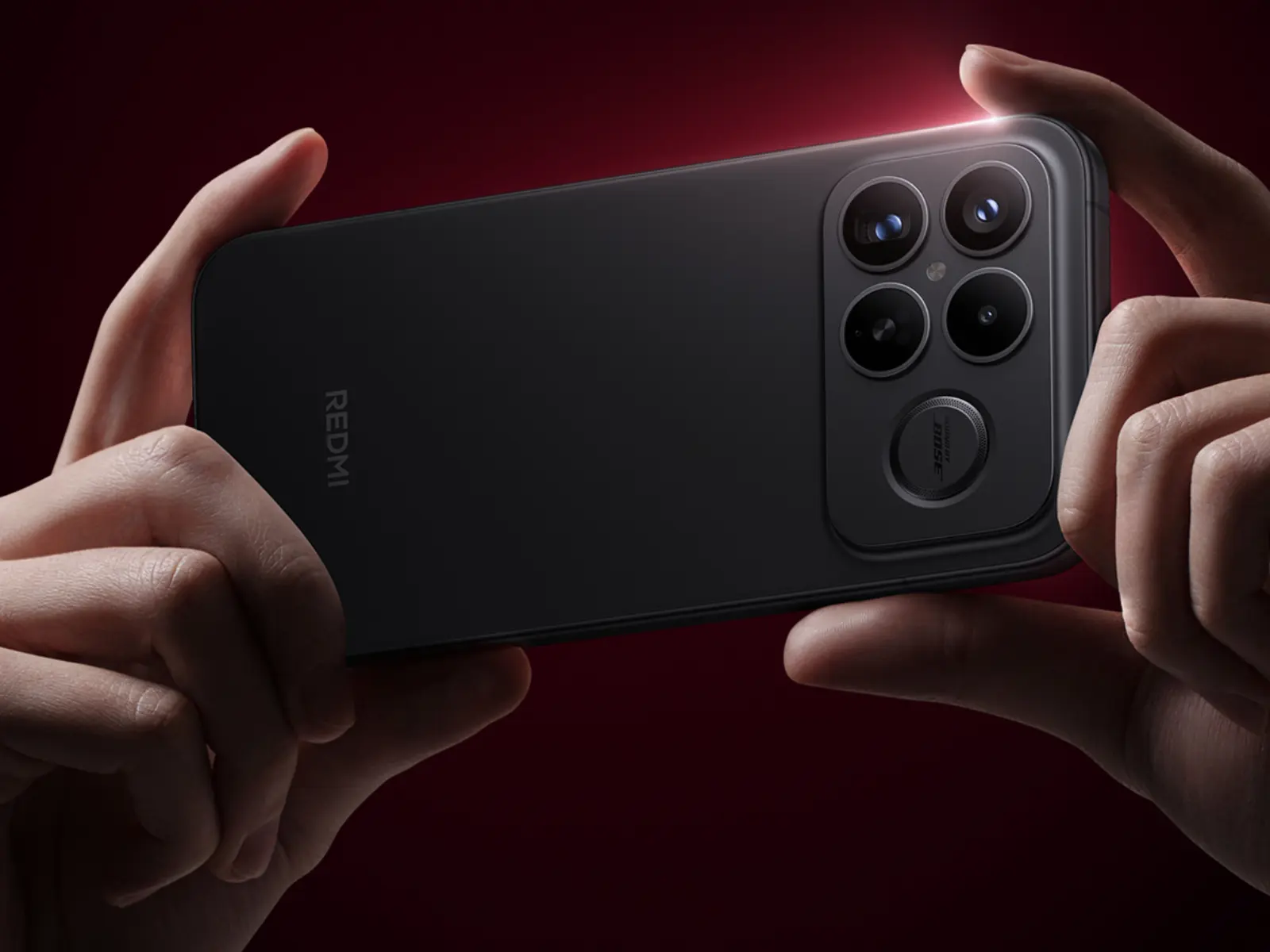
    Xiaomi’s Redmi K-series has operated on a reliable schedule for years – debut in China around October, then resurface internationally under the Poco brand shortly after. The Redmi K100 series appears to be following that same playbook, with two distinct devices now showing up across multiple leak sources. The standard K100 and the K100 Pro Max aren’t simply different sizes of the same phone. They’re targeting separate chipsets, different price brackets, and based on what’s leaked so far, different priorities entirely.

    Summary

    Two models have been confirmed: the Redmi K100 (codename “Athens,” model Q11) and the Redmi K100 Pro Max (codename “Songyuan,” model Q11X), each built around a distinct chipset. The standard K100 is expected to use the Snapdragon 8 Elite Gen 5, continuing the K-series tradition of pairing the previous generation’s top chip with a more accessible price tag. The Pro Max, meanwhile, is tipped to run the Snapdragon 8 Elite Gen 6 Pro (SM8975) — a 2nm chip with LPDDR6 RAM support, making it the higher-tier variant rather than the standard Gen 6.

    On the camera side, tipster Digital Chat Station has leaked a 200MP main sensor in a 1/1.28-inch format for the Pro Max, alongside a 50MP periscope telephoto. Both phones are expected to launch in China in October 2026, with global versions anticipated as the Poco F9 Pro (Redmi K100) and Poco F9 Ultra (K100 Pro Max) sometime in Q1 2027.

    redmi k100 china leak

    The Standard K100: Snapdragon 8 Elite Gen 5 and a Proven Formula

    The Redmi K100, internally codenamed “Athens,” is tipped to ship with the Snapdragon 8 Elite Gen 5 — the same chip inside the current Redmi K90 Pro Max and a growing number of 2026 Chinese flagships. That’s not a weakness. The K-series standard model has always been positioned as a high-value performance device rather than a spec-ceiling chaser, and this generation looks no different. Any meaningful differentiation from the K90 line will likely come through display and battery upgrades, though neither has been specifically detailed in leaks yet. Xiaomi hasn’t officially confirmed anything about the Redmi K100 beyond its codename and model number.

    redmi k100 images and specs leak

    The K100 Pro Max: The Real Generational Leap

    The Pro Max is the headliner. Tipster Digital Chat Station posted a Weibo leak confirming that a Xiaomi sub-brand device — identified across multiple sources as the K100 Pro Max — is currently in testing with the Snapdragon 8 Elite Gen 6 Pro (SM8975). The distinction between the Pro and standard Gen 6 is worth understanding: the Pro variant is the only 2026 Qualcomm flagship chip confirmed to support LPDDR6 RAM, which delivers roughly double the peak memory bandwidth of LPDDR5X. Paired with up to 1TB of UFS 5.0 storage, the memory subsystem alone marks a clear step forward from anything in the current generation.

    Interestingly, Digital Chat Station noted that camera performance isn’t expected to be the headline story here — the emphasis is described as “core performance and upgraded display experience” rather than imaging. That said, an earlier separate leak from the same source pointed to a triple camera system led by a 200MP main sensor on a 1/1.28-inch format, accompanied by a 50MP ultra-wide and a 50MP periscope telephoto. These two leaks aren’t necessarily in conflict — saying the camera isn’t a major upgrade relative to dedicated imaging flagships doesn’t rule out the presence of a 200MP sensor.

    Pricing and the Global Rebrand Path

    A price leak from the same Chinese source puts the K100 Pro Max starting at roughly CNY 5,000, which works out to around $725 at current exchange rates. That’s a noticeable step up from the K90 Pro Max, reflecting the premium silicon under the hood. Internationally, past K-series rebranding patterns suggest the K100 will arrive as the Poco F9 Pro, while the K100 Pro Max becomes the Poco F9 Ultra, with a Q1 2027 launch window for global markets.

    What Remains Unknown

    Display size, battery capacity, charging speeds, refresh rate, and software versions are all still unconfirmed for both models. The Snapdragon 8 Elite Gen 6 and Gen 6 Pro haven’t been officially announced by Qualcomm — both designations remain leak-based placeholders for now. Official confirmation from either Qualcomm or Xiaomi isn’t expected until the Xiaomi 18 series launch in September, which will likely serve as the public debut for the Gen 6 platform.

  • Moto G Stylus (2026) Deal: Get $480 Worth of Free Gifts in Motorola’s Limited Sale

    Moto G Stylus (2026) Deal: Get $480 Worth of Free Gifts in Motorola’s Limited Sale

    Motorola is sweetening the deal on its latest stylus-equipped mid-ranger with a limited-time bundle that’s hard to ignore. A few days back, the company paired the Moto G Stylus (2026) with Moto Buds+ and a four-pack of Moto Tags — a combo valued at $300 — and that promotion is still live.

    But shoppers who need more storage have an even better reason to look at the 256GB variant right now. That configuration currently ships with three bonus items totaling $480 in value:

    • Moto Buds Loop — worth $299.99
    • Moto Watch (2026) — worth $149.99
    • Moto Tag in Green — worth $29.99
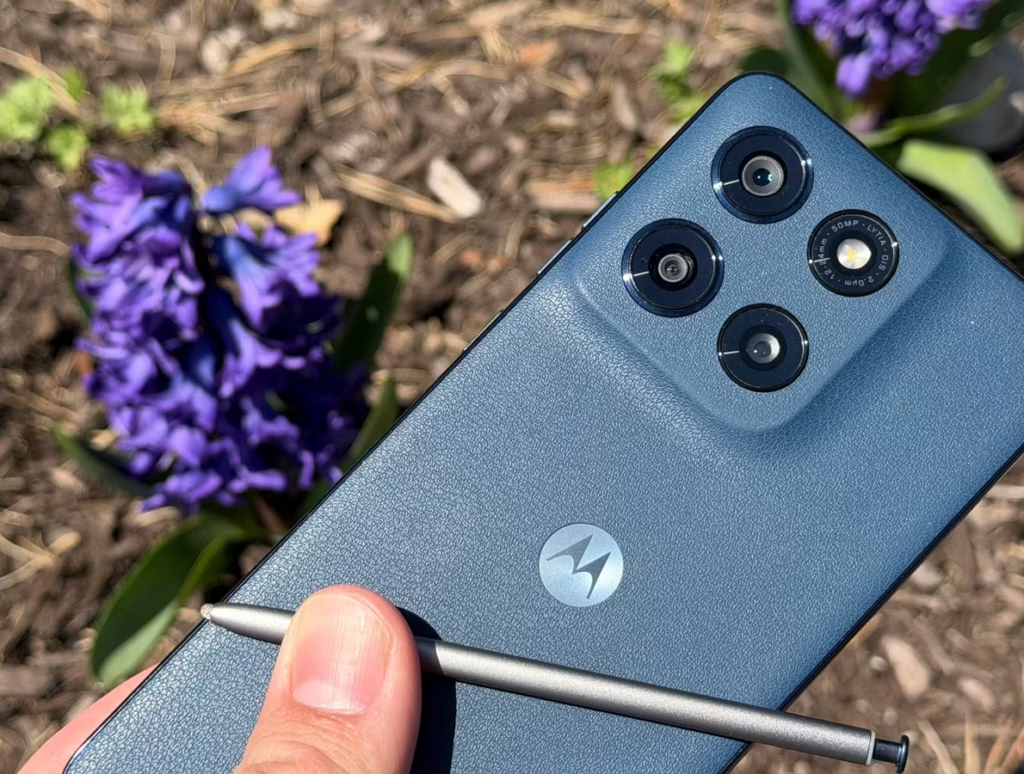
    motorola moto g stylus 2026

    With Mother’s Day approaching, several of these extras double as thoughtful gift ideas on their own. The phone itself is also a strong pick for tech-savvy moms. Motorola didn’t swap in a more powerful processor this time around, but the focus was clearly on refining the stylus experience rather than raw specs.

    The Moto G Stylus (2026) picks up several smart features that close the gap with the Galaxy S26 Ultra. AI can convert rough sketches into polished visuals, the stylus handles complex math problems, and quick access to Gemini and Circle to Search is built right in.

    Beyond the smart tools, Motorola has also worked on how the stylus physically feels. The pen-to-paper sensation is more natural than before, and improved tilt sensitivity lets users add realistic shading to drawings — a welcome upgrade for anyone who uses the stylus creatively.

    The rest of the package holds up well too. The Moto G Stylus (2026) carries an IP68 and IP69 rating for water and dust resistance, and its 6.7-inch OLED display reaches higher peak brightness than last year’s model. Battery capacity sits at 5,200mAh with 68W wired charging support, which keeps all-day use well within reach.

    Running Android 16 from day one and offering a well-rounded experience across the board, this is among the strongest Motorola phones available right now. Throw in $480 worth of extras, and it becomes one of the more compelling mid-range deals on the market at the moment.

  • Redmi K90 Max Goes All-In on Power – Massive Battery and Fan Cooling Revealed

    Redmi K90 Max Goes All-In on Power – Massive Battery and Fan Cooling Revealed

    Redmi has launched the K90 Max in China, adding it to the growing K90 lineup alongside the Redmi K90 and K90 Pro Max. The new phone brings a 6.83-inch display with a 165Hz refresh rate, an 8,550mAh battery with 100W wired fast charging, and a MediaTek Dimensity 9500 SoC with up to 16GB of RAM. Other highlights include a Bose-tuned speaker system and a dual rear camera setup led by a 50-megapixel primary sensor.

    Redmi K90 Max color variants

    Redmi K90 Max Price and Availability

    The Redmi K90 Max starts at CNY 2,999 for the 12GB RAM + 256GB storage configuration. Both the 12GB + 512GB and 16GB + 256GB variants are priced at CNY 3,499. Moving up, the 16GB + 512GB model costs CNY 3,999, while the top-tier 16GB + 1TB variant is priced at CNY 4,699. The phone comes in three colour options: Space Silver, Shadow Black, and Sky Blue (translated from Chinese).

    Redmi K90 Max Specifications and Features

    The dual-SIM Redmi K90 Max runs Android 16-based HyperOS 3. Its 6.83-inch 1.5K (1,280 x 2,772 pixels) M10 display supports up to 165Hz refresh rate, a 480Hz touch sampling rate, 3,500Hz instantaneous touch sampling, 480Hz multi-finger touch sampling, and peaks at 3,500 nits brightness. The panel also carries HDR10+ and Dolby Vision certification.

    Under the hood sits a MediaTek Dimensity 9500 chipset, paired with up to 16GB of LPDDR5x RAM and up to 1TB of UFS 4 storage. A dedicated D2 display chip handles gaming-focused processing. Thermal management is taken seriously here — the phone features a 6,000 sq mm ice-sealed circulating cooling pump and over 12,000 sq mm of graphite coverage, plus an active cooling fan that Redmi claims can bring temperatures down by around 10°C in just 100 seconds.

    Xiaomi Redmi K90 Max

    The rear camera system consists of two sensors: a 50-megapixel main camera with OIS and an f/1.68 aperture, backed by an 8-megapixel secondary shooter. On the front, a 20-megapixel camera covers selfies and video calls. Audio is handled by a 1115x symmetrical stereo dual-speaker setup, co-tuned with Bose.

    Connectivity is comprehensive, covering 5G, Wi-Fi 7, Bluetooth 4, NavIC, GPS/AGPS, Galileo, GLONASS, BeiDou, NFC, OTG, and USB Type-C. The phone carries IP66, IP68, and IP69 ratings for dust and water resistance. Security is managed by a 3D ultrasonic in-display fingerprint sensor, and the onboard sensor array includes an accelerometer, ambient colour temperature sensor, electronic compass, gyroscope, IR remote control, flicker sensor, and an X-axis linear motor.

    Powering everything is the 8,550mAh battery, which supports 100W wired fast charging and 22.5W reverse wired charging for topping up other devices on the go.

  • Oppo Unveils Find X9 Ultra – Powerful Chip and Insane 200MP Periscope Camera

    Oppo Unveils Find X9 Ultra – Powerful Chip and Insane 200MP Periscope Camera

    Oppo officially launched the Find X9 Ultra in China on Tuesday, slotting it in as the flagship of the Find X9 family alongside the standard Find X9 and Find X9 Pro. The device runs on Qualcomm’s Snapdragon 8 Elite Gen 5 chipset paired with up to 16GB of RAM, features a 2K display with a 144Hz refresh rate, and houses a 7,050mAh silicon-carbon battery with 100W wired fast charging support.

    Oppo Unveils Find X9 Ultra

    Oppo Find X9 Ultra Price and Availability

    Pricing in China starts at CNY 7,499 (roughly Rs. 1,03,000) for the base 12GB + 256GB configuration. The 12GB + 512GB variant comes in at CNY 7,999 (roughly Rs. 1,10,000), while stepping up to 16GB + 512GB costs CNY 8,499 (roughly Rs. 1,17,000). Those wanting more storage can opt for the 16GB + 1TB model at CNY 9,299 (roughly Rs. 1,27,000), with a special edition variant rounding things out at CNY 9,499 (roughly Rs. 1,30,000).

    The phone is available in three colour options – Polar Glaciers, Rongsha Canyon, and Tundra (translated from Chinese) – and goes on sale in China from April 24. Global rollout details haven’t been confirmed yet, though Oppo has already announced an India launch for May. Pricing and full regional details are expected to follow closer to that date.

    Oppo Find X9 Ultra Specifications and Features

    The dual-SIM device (nano + nano/eSIM) runs ColorOS 16 built on Android 16. Up front, there’s a 6.82-inch QHD+ flexible AMOLED panel with a resolution of 1,440 x 3,168 pixels, a 120Hz refresh rate, up to 1,800 nits peak brightness, and 10-bit colour depth. The Snapdragon 8 Elite Gen 5 handles processing duties, backed by an Adreno 840 GPU, up to 16GB of LPDDR5x RAM, and up to 1TB of UFS 4.1 storage.

    Oppo Unveils Find X9 Ultra in hand

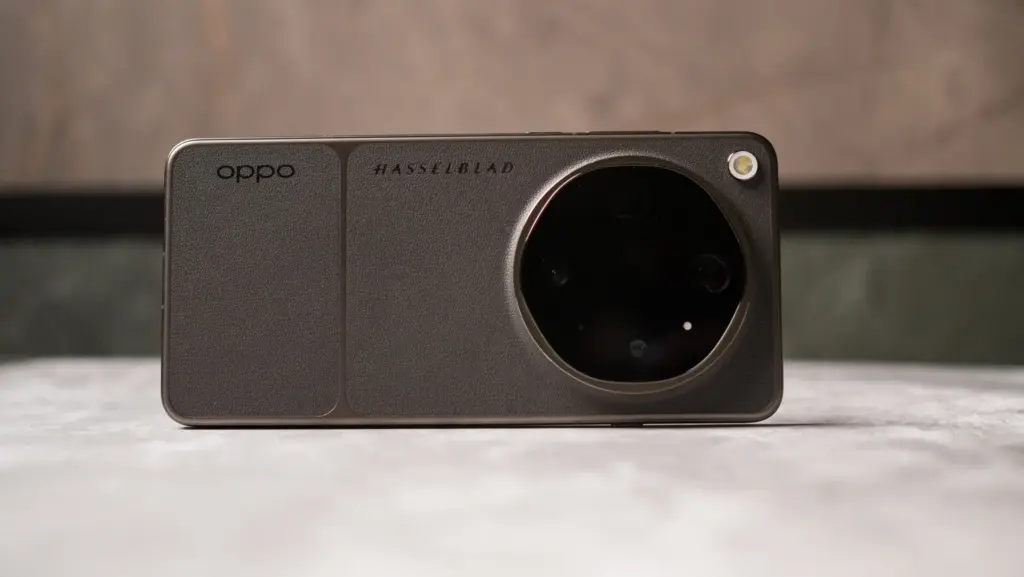
    Photography is where the Find X9 Ultra really pushes boundaries. The quad rear camera system leads with a 200-megapixel primary sensor featuring OIS, joined by a 50-megapixel ultra-wide shooter, a 200-megapixel periscope telephoto lens, and a 50-megapixel ultra-telephoto camera capable of 10x optical zoom and up to 120x digital zoom. A dedicated colour reproduction lens rounds out the rear setup, while a 50-megapixel camera handles selfies from the front.

    Video capabilities are equally impressive, with support for 8K recording at 30fps, 4K at up to 120fps, and Dolby Vision capture. The camera system also integrates Hasselblad imaging, an XPAN shooting mode, and a suite of professional video tools.

    Oppo Unveils Find X9 Ultra

    On the connectivity side, the phone covers Wi-Fi 7, Bluetooth, NFC, GPS, GLONASS, Beidou, Galileo, QZSS, and USB Type-C. Select variants additionally support Tiantong satellite communication (translated from Chinese) and Beidou satellite messaging. Security is handled by a 3D ultrasonic in-display fingerprint sensor.

    The 7,050mAh silicon-carbon battery supports both 100W wired and 50W wireless fast charging. The handset measures approximately 163.16 x 76.97 x 8.65mm depending on the colourway chosen and weighs around 235g.

  • OnePlus Nord CE 6 Lite Spotted on Geekbench with MediaTek Dimensity 7400 Chipset

    OnePlus Nord CE 6 Lite Spotted on Geekbench with MediaTek Dimensity 7400 Chipset

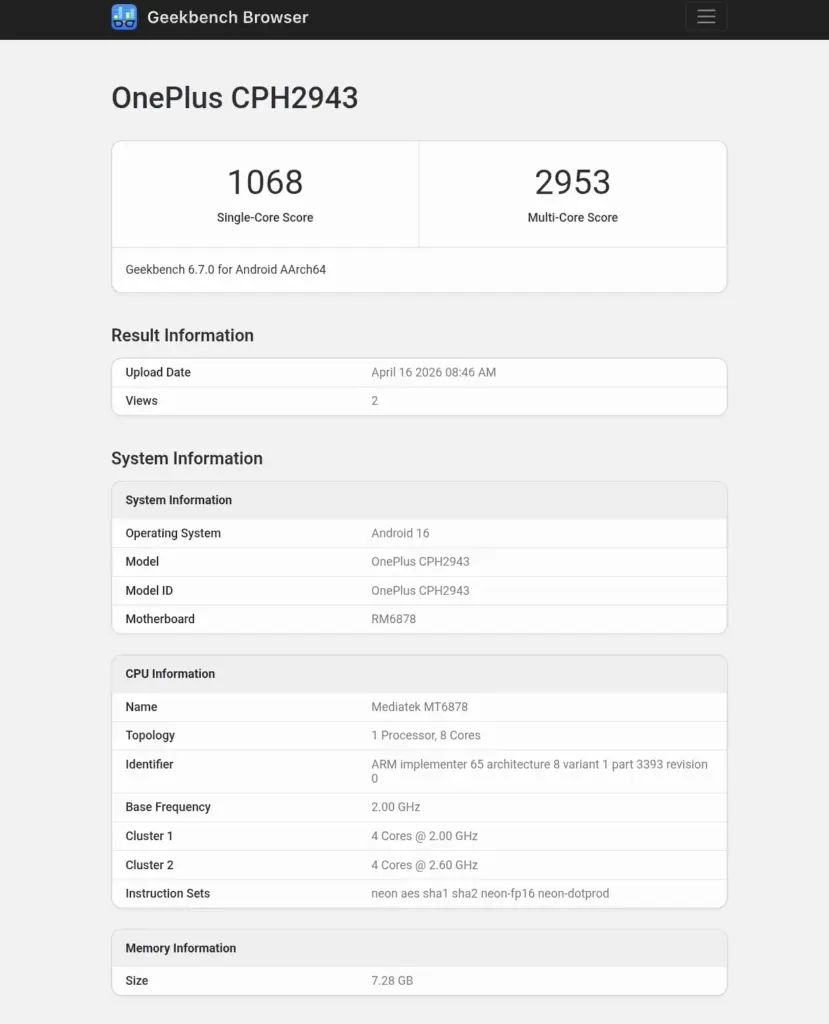
    OnePlus has been busy reshaping its Android lineup lately. The company launched the OnePlus Nord 6 earlier this month as a follow-up to the Nord 5, and it’s now reportedly working on two more additions to round out the series at lower price points — the Nord CE6 and Nord CE6 Lite. A new OnePlus device, carrying the model number CPH2943 and widely believed to be the Nord CE 6 Lite, has now surfaced on the Geekbench benchmarking platform.

    Mysterious CPH2943 could be the Nord CE 6 Lite

    The Geekbench listing doesn’t name the device outright, but tipster Abhishek Yadav has identified it on X as the OnePlus Nord CE 6 Lite. On the performance front, the phone posted a single-core score of 1,068 and a multi-core score of 2,953. The listing also reveals a handful of key specs: the device runs Android 16, which will almost certainly ship with OxygenOS 16 on top, and it comes with 8GB of RAM — though additional memory configurations could be available at launch.

    The benchmark points to a MediaTek Dimensity 7400 SoC paired with a Mali-G615 MC2 GPU under the hood. That said, Abhishek Yadav notes that the final chipset branding may differ slightly — possibly Dimensity 7400 Max, Extreme, or Pro — though the underlying silicon will remain the same regardless of what OnePlus ends up calling it. The core configuration listed shows four cores running at 2.0GHz and four performance cores clocked at 2.60GHz.

    OnePlus Nord CE 6 Lite Spotted on Geekbench with MediaTek Dimensity 7400 Chipset

    May launch expected in India

    Since the marketing name isn’t confirmed in the listing, there’s a slim possibility this could turn out to be the standard Nord CE 6 rather than the Lite variant. Nothing is set in stone at this point. Either way, current rumors suggest both the Nord CE 6 and Nord CE 6 Lite are headed to India sometime in May.

    Separately, OnePlus has a more immediate launch on the calendar. The OnePlus Pad 4 is set to debut in India on April 30th, and it’s shaping up to be a powerhouse tablet. It’s powered by the Snapdragon 8 Elite Gen 5 chip and houses a massive 13,380mAh battery. The display is expected to measure 13.2 inches with a 3.4K resolution and a 144Hz refresh rate, while charging is handled by 80W fast charging. The tablet may also support an external smart keyboard and stylus accessory.

  • iPhone 17e vs OnePlus 15R: Premium Feel Meets a Surprisingly Better Deal

    iPhone 17e vs OnePlus 15R: Premium Feel Meets a Surprisingly Better Deal

    Let me be clear: the iPhone 17e is a genuinely good phone. MagSafe, 256GB storage as standard, and deep integration with the Apple ecosystem — it’s everything last year’s iPhone 16e should have been, and it makes total sense if your family, your friends, and your life are already Apple-shaped.

    But I review phones for a living. I’m also, for better or worse, an Apple obsessive. And after a week with the OnePlus 15R, I’d be doing you a disservice if I didn’t tell you what your money can actually buy right now.

    OnePlus 15R black

    The OnePlus 15R makes the battery debate embarrassing

    The OnePlus 15R costs $699. It has a 7,400mAh battery. I’ve been getting two full days of use before reaching for a charger.

    61Xcw6JVu1L. AC SL1500

    OnePlus 15R

    Powered by the Snapdragon 8 Gen 5, plus a custom Wi-Fi chip and dedicated Touch Response chip, you get lightning-fast speeds, stable connections, and ultra-responsive touch control.

    $799.99Amazon

    I’ve spent years automatically toggling Low Power Mode on my iPhone 16 during heavy days — it’s just become muscle memory. Using the OnePlus 15R reminded me that this is not a universal smartphone experience. It’s an Apple-specific compromise I’d stopped questioning.

    Battery life aside, the OnePlus 15R earns its price in other ways: a 165Hz display, a 6.83-inch screen, the Snapdragon 8 Gen 5 chipset, and OxygenOS that’s as clean and intuitive as Android gets. Side-by-side multitasking, heavy app switching, gaming — no hesitation, no hiccups. Oh, and the Mint Green colorway is so good I refuse to put a case on it. With IP66, IP68, IP69, and IP69K certifications, it doesn’t need one anyway.

    It’s not just OnePlus

    The OnePlus 15R is the most dramatic example, but it’s not alone.

    The Samsung Galaxy S25 FE surprised me. Built on the same Exynos 2400 chipset that powered the once-flagship Galaxy S24, it delivered a full day’s battery without concern and a 6.7-inch display vivid enough to make Netflix feel like an event. Not a compromise phone — a capable one.

    Then there’s the Nothing Phone (4a) Pro, which I tested before launch and came away genuinely impressed. Its design makes most flagship phones look conservative, and Nothing’s OS is as considered as its hardware. It has a triple-camera array including a 3x telephoto lens. It costs $100 less than the iPhone 17e, which ships with a single rear camera.

    Let that sit for a moment.

    OnePlus 15R color variants

    The honest truth

    If you’re standing at the crossroads of a mid-range upgrade and you haven’t looked at what Android offers in 2026 – you’re making a decision without the full picture.

    The iPhone 17e is a great iPhone. Whether it’s a great phone for the money is a different question entirely.

    61Xcw6JVu1L. AC SL1500

    OnePlus 15R

    Powered by the Snapdragon 8 Gen 5, plus a custom Wi-Fi chip and dedicated Touch Response chip, you get lightning-fast speeds, stable connections, and ultra-responsive touch control.

    $799.99Amazon
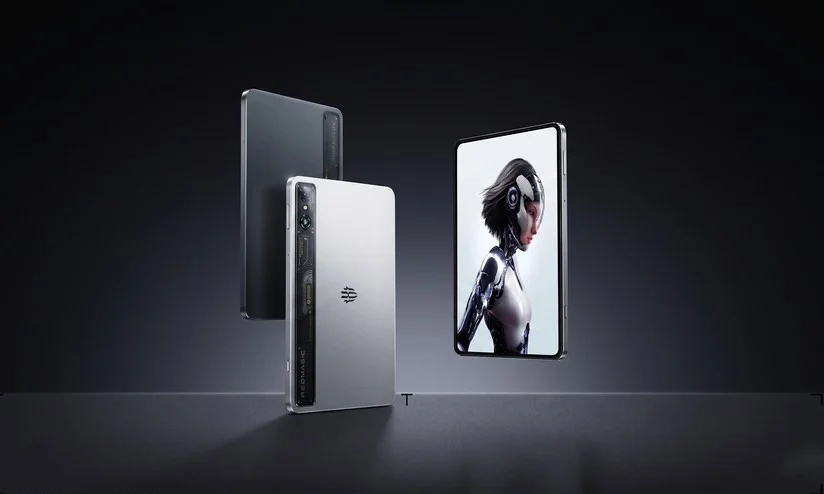
  • RedMagic Gaming Tablet 5 Pro Leak Reveals 185Hz OLED and Massive 24GB RAM

    RedMagic Gaming Tablet 5 Pro Leak Reveals 185Hz OLED and Massive 24GB RAM

    A new contender is emerging in portable gaming, as high-performance tablets begin to draw attention away from traditional handheld consoles. Devices like the Game Boy, PSP, Nintendo Switch, and Steam Deck have long defined the category, but a new esports-focused tablet from Red Magic could push things in a different direction.

    A Shifting Portable Gaming Market

    The broader market is expanding quickly. Industry forecasts estimate the global mobile and tablet gaming segment will reach $119.9 billion in 2026, up from $101.25 billion in 2025—an 18.4% increase. At the same time, newer hardware like the Nintendo Switch 2 and Steam Deck OLED reflects growing demand for portable systems that can handle more demanding games.

    RedMagic Gaming Tablet 5 Pro

    Each of those devices still comes with trade-offs. The Switch 2 reportedly offers around 3–6 hours of battery life, while the 640g Steam Deck can be cumbersome for extended use. Smartphones, on the other hand, are easier to carry but limited by smaller screens and less comfortable controls. Red Magic appears to be targeting this gap with what it calls a “9-inch golden size.”

    Leaked Specs and Design Details

    Based on leaked engineering unit specifications, the Red Magic Gaming Tablet 5 Pro focuses on pushing performance and usability across several areas.

    The display is a 9-inch OLED panel with a 2400×1504 resolution, paired with a 185Hz refresh rate and a 1200Hz touch sampling rate. That puts it ahead of the Switch 2’s 120Hz and the Steam Deck OLED’s 90Hz, at least on paper—particularly for fast-paced games. The design is fully flat, with the camera module integrated into the body to avoid protrusions that can interfere with gameplay in landscape mode.

    Under the hood, the tablet is said to run on Qualcomm’s Snapdragon 8 Elite Gen5 chip, built on a third-generation Oryon CPU architecture with improved NPU performance. Cooling is handled by what’s described as the first tablet liquid-cooling circulation system, combining a liquid-metal vapor chamber with an 18,000 RPM fan. The company claims this setup can lower temperatures by 5–8°C during heavy gaming, helping reduce thermal throttling.

    Memory and storage configurations are expected to go up to 24GB of RAM and 1TB of storage. The device will also integrate ByteDance’s Doubao large language model, marking its first deep integration into a gaming tablet. While details are still unclear, possible uses include real-time gameplay assistance, voice controls, and post-match analysis.

    redmagic gaming tablet 5 pro 1

    Design, Battery, and Charging

    The tablet is expected in three finishes: Tritium Transparent Silver Wing, Tritium Transparent Dark Night, and Zenith Gold Legend. It also features a customizable RGB light strip on the back.

    Battery capacity is listed at around 8,300mAh, with support for 80W fast charging. It also includes bypass charging, which powers the motherboard directly instead of the battery during gameplay, helping manage heat when plugged in.

    Pricing and Positioning

    The previous Red Magic Esports Tablet 3 Pro launched at 3,999 RMB. Despite rising component costs, industry estimates suggest the 12GB + 256GB version of the Gaming Tablet 5 Pro could start at the same price, with potential subsidies bringing it closer to 3,500 RMB.

    That would place it between the Lenovo Y700 (around 3,000 RMB) and the iPad Pro (around 6,000 RMB), positioning it as a performance-focused option aimed at mobile esports players.

    Three Paths for Portable Gaming

    Portable gaming hardware is increasingly splitting into distinct categories. Nintendo’s Switch line emphasizes exclusive titles and hybrid home use. Valve’s Steam Deck focuses on bringing PC game libraries into a portable format. Red Magic, meanwhile, appears to be targeting maximum performance within the mobile gaming ecosystem.

    Red Magic Gaming Phone Product General Manager Jiang Chao has indicated the tablet could launch in China between April and May 2026. Final details, including pricing and availability, are expected to be confirmed closer to release.

    For players focused on titles like Genshin Impact, Honkai: Star Rail, and Peacekeeper Elite, this device is shaping up as one to watch.

  • Huawei Pura X Max Spotted Ahead of Launch – Massive Design Shift Exposed

    Huawei Pura X Max Spotted Ahead of Launch – Massive Design Shift Exposed

    Days before Huawei’s April 20 launch event, live images of the Pura X Max have surfaced online — and the wide-folding phone looks every bit as ambitious in person as it did on paper.

    A design that makes a statement

    Huawei Pura X Max white

    The leaked shots show the Pura X Max in glossy white, and the back panel is where things get interesting. Rather than a conventional camera island, Huawei has divided the rear into three distinct zones — a bold camera section at the top, flanked below by two panels: one with vertical lines, one with horizontal. It’s a geometric approach that gives the device a visual identity you won’t mistake for anything else.

    The camera housing itself is a large pill-shaped module carrying three lens rings — an upgrade over the first-generation model. The center ring holds two lenses, with LED flashes positioned on either side. Notably, the entire camera section takes up roughly a third of the back panel, making it the clear focal point of the design.

    HUAWEI branding sits on the vertical-line panel, while a small XMAGE logo is embedded just beneath the camera pill — subtle, but present. The frame appears to be metal throughout.

    Pocket-sized power, tablet-sized screen

    Huawei Pura X Max open in tablet mode

    Folded, the Pura X Max fits comfortably in one hand. Open it up, and you’re looking at something closer to a mini tablet — with a clean, clutter-free home screen on both the main display and the cover panel. No visual noise, just usable space.

    What we know so far

    The Pura X Max is already listed for pre-sale on Huawei’s VMall with five color options and four RAM and storage configurations. The full reveal is just days away on April 20.

    Based on these first real-world photos, Huawei appears to have built something that holds up outside of a studio shoot. We’ll know everything else very soon.

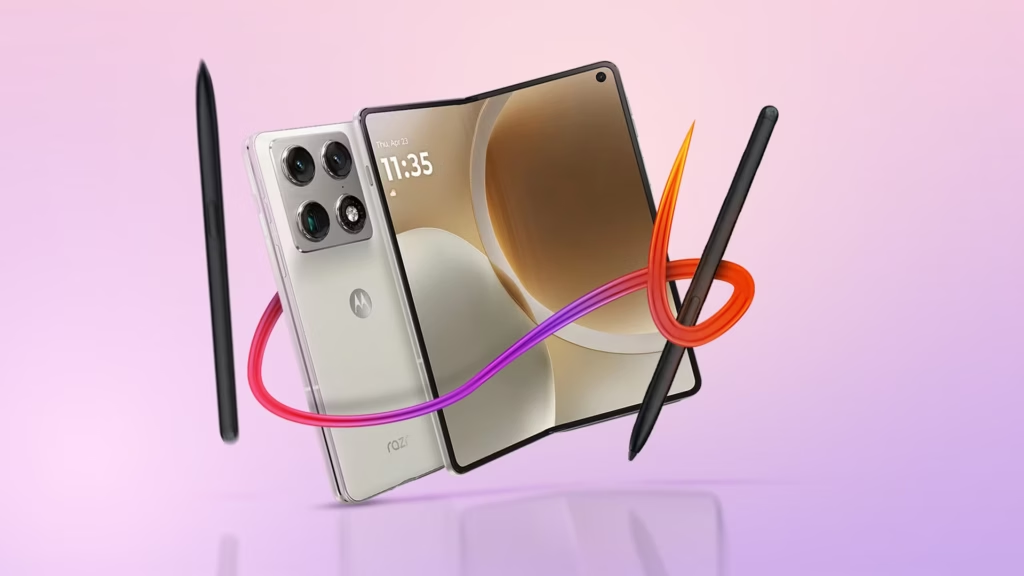
  • The Razr Fold Is Almost Here — Here’s Everything You Need to Know

    The Razr Fold Is Almost Here — Here’s Everything You Need to Know

    Motorola didn’t exactly shout it from the rooftops, but buried in the fine print of its UK pre-order page is a shipping date: May 6.

    That makes the Razr Fold — Motorola’s first book-style foldable, departing from its signature flip-phone Razr lineup — one of the most imminent big foldable launches of the year.

    Pre-orders are live in the UK and Europe

    Motorola is already taking pre-orders across the UK and Europe, and the early incentives are hard to ignore. Every pre-order comes with a free Moto Watch and Moto Buds Loop. UK buyers also get a £220 discount, dropping the price to £1,579.99. European customers save €250, bringing it down to €1,749.99.

    No official US release date has been announced yet, though Motorola is collecting registrations on its US site.

    Motorola Razr Fold

    What will it cost in the US?

    Direct currency conversion puts the UK price around $2,443 and the European price around $2,362 — but those figures won’t translate to US shelf prices. Based on Motorola’s typical pricing patterns, expect a $1,999 starting price stateside, which would put it squarely in line with Samsung’s Galaxy Z Fold 7.

    One edge the Razr Fold has at that price: 512GB of storage comes standard on the entry model.

    Motorola Razr Fold colors

    What you’re actually getting

    In hands-on time with the device, the Razr Fold feels slightly thicker and heavier than its competition — a fair trade-off for what’s packed inside. The spec sheet is legitimate flagship territory: triple 50MP cameras, a 6,000 mAh battery, Snapdragon 8 Elite Gen 5, 16GB RAM, and support for the Moto Pen Ultra stylus.

    No obvious compromises. Just a different form factor than Razr fans are used to.

    The bigger picture

    Motorola is entering the book-style foldable market at a smart moment — ahead of Apple’s widely anticipated iPhone Fold, expected this fall. Whether “Razr” is the right name for a phone that doesn’t flip is a fair question, but the hardware makes a strong case for itself.

    The foldable wars are heating up. Motorola just picked a side.