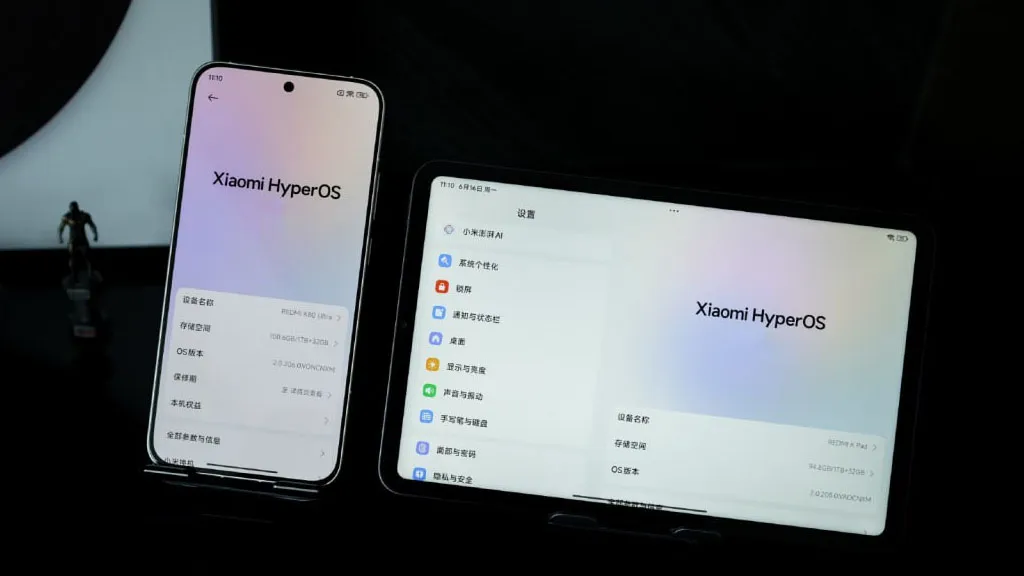
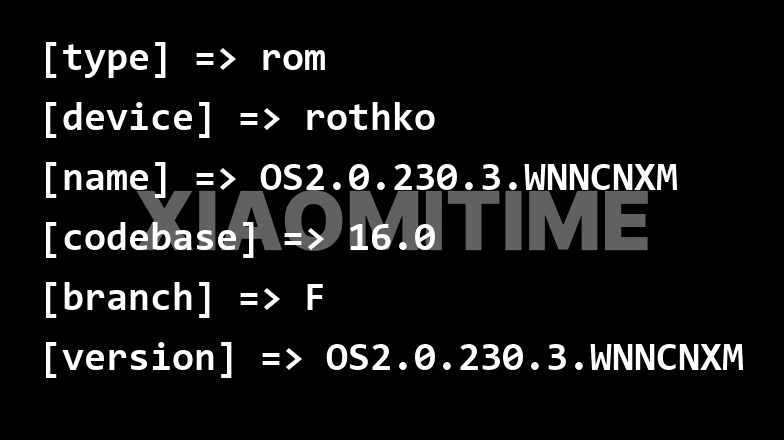
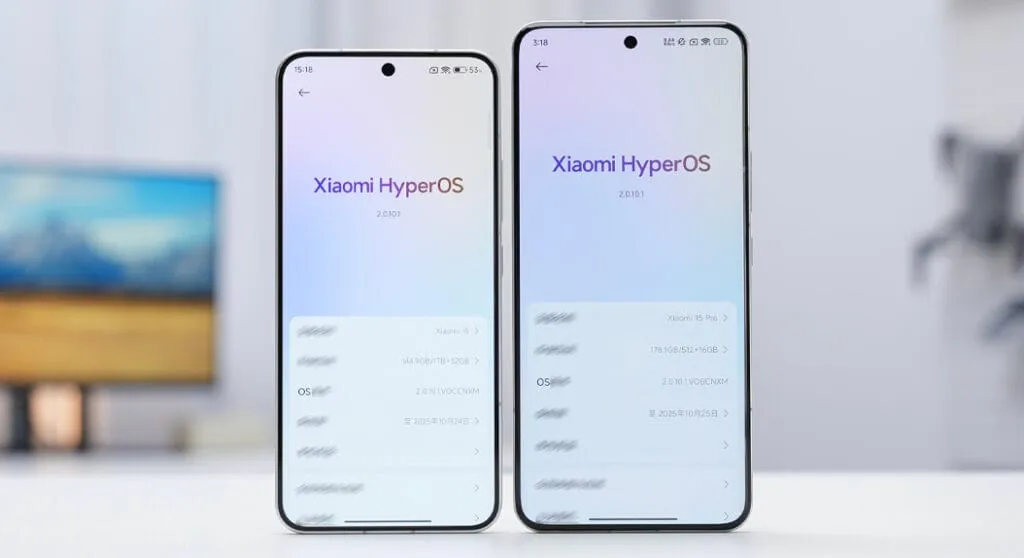
Thanks to its inclusion in Mi Code, Xiaomi’s impending HyperOS 3 update has now been formally announced, offering verifiable proof that the eagerly awaited software update is proceeding according to schedule. Xiaomi has decided to stick with its current number practice, despite previous industry rumors that suggested a switch to year-based naming (e.g., HyperOS 26). This strategic choice is consistent with market recognition and proven brand continuity.
The first HyperOS 3 rollout in China is scheduled for September 2025, according to Xiaomi. Based on past release trends, markets in Europe, Southeast Asia, and India are anticipated to follow in October or November. Given the early release of Android 16, some devices might get HyperOS 3 as early as September 2025, which would speed up time-to-market for Xiaomi’s user base worldwide.
The first formal confirmation from Xiaomi that HyperOS 3 is present in Mi Code confirms earlier predictions made by industry observers. With a September–October 2025 timetable that aligns with previous corporate release cycles, this development phase indicates that Xiaomi is on pace.
HyperOS 3 will have dual Android version compatibility
Xiaomi’s dual-platform strategy is a noteworthy feature of HyperOS 3. The upgrade will increase compatibility across Xiaomi’s wide range of devices by supporting both Android 15 and Android 16. This approach guarantees that the improved features and performance improvements of HyperOS 3 are available to both flagship and older devices.
Although Xiaomi has not revealed every feature, it is anticipated that the upgrade would bring about notable enhancements in performance, a revamped user interface, and new features that are intended to elevate the user experience throughout the brand’s ecosystem. Strong internal progress and preparedness for the next launch window are indicated by the Mi Code confirmation.
Stay connected with the latest from Droid Tools—follow us on X @droid_tools, like our page on Facebook, check out our updates on Instagram, and follow us on Google News for real-time news, device tips, and mobile tech insights.
With the release of HyperOS 2.3, Xiaomi has moved several of its flagship models on an Android 16 basis. This release prioritizes improved security and strong system stability over adding new features or altering the design.
Deep enhancements in HyperOS 2.3
All of the features of HyperOS 2.2 are retained in HyperOS 2.3, which is now compatible with the Android 16 platform. The main improvements provide a more dependable and secure user experience and are operational in nature.
System-Level Updates
Integration with Android 16
Deployment of latest security patches
Improved system stability protocols
Enhanced performance optimization
Upgraded memory management
Refined system animations
Security & Privacy Improvements
Comprehensive Android 16 security patches
Advanced privacy controls
Refined app permission management
Expanded malware protection
Secure boot verification
Enhanced biometric authentication
Device Compatibility
The HyperOS 2.3 update is currently available for the following premium Xiaomi devices:
Xiaomi 15 series – Full deployment completed
REDMI K70 Ultra – Gradual rollout in progress
Xiaomi 14T Pro – Mi Pilot release phase
The next HyperOS 3 version, which is anticipated to deliver wider compatibility and more feature enhancements throughout the Xiaomi device ecosystem, will grant Android 16 access to the majority of Xiaomi consumers.
HyperOSUpdates.com offers programs for advanced users who want customization. Additional capabilities including enabling system app updates, unlocking hidden Xiaomi functionalities, and offering power users on-screen update management.
Stay connected with the latest from Droid Tools—follow us on X @droid_tools, like our page on Facebook, check out our updates on Instagram, and follow us on Google News for real-time news, device tips, and mobile tech insights.
A pilot version of the Android 16 update is currently available to Xiaomi 15 owners. The Xiaomi 15’s Android 16 upgrade still uses HyperOS 2.0 as its foundation. For a limited number of users, the pilot release functions similarly to the final beta build. The Android 16 pilot update has apparently been made available to Xiaomi 15 customers in the US and other countries.
Google formally unveiled Android 16 last month, and as of right now, only Pixel smartphones can run its stable build. Whether the Xiaomi 15 will be the first non-Pixel handset to receive stable Android 16 or if customers will have to wait a little while longer would be interesting to observe. As an alternative, Samsung might lead since the stable Android 16 build is anticipated for the Galaxy S25 later this month.
Xiaomi 15 to be the first who receive HyperOS 2.3 with Android 16
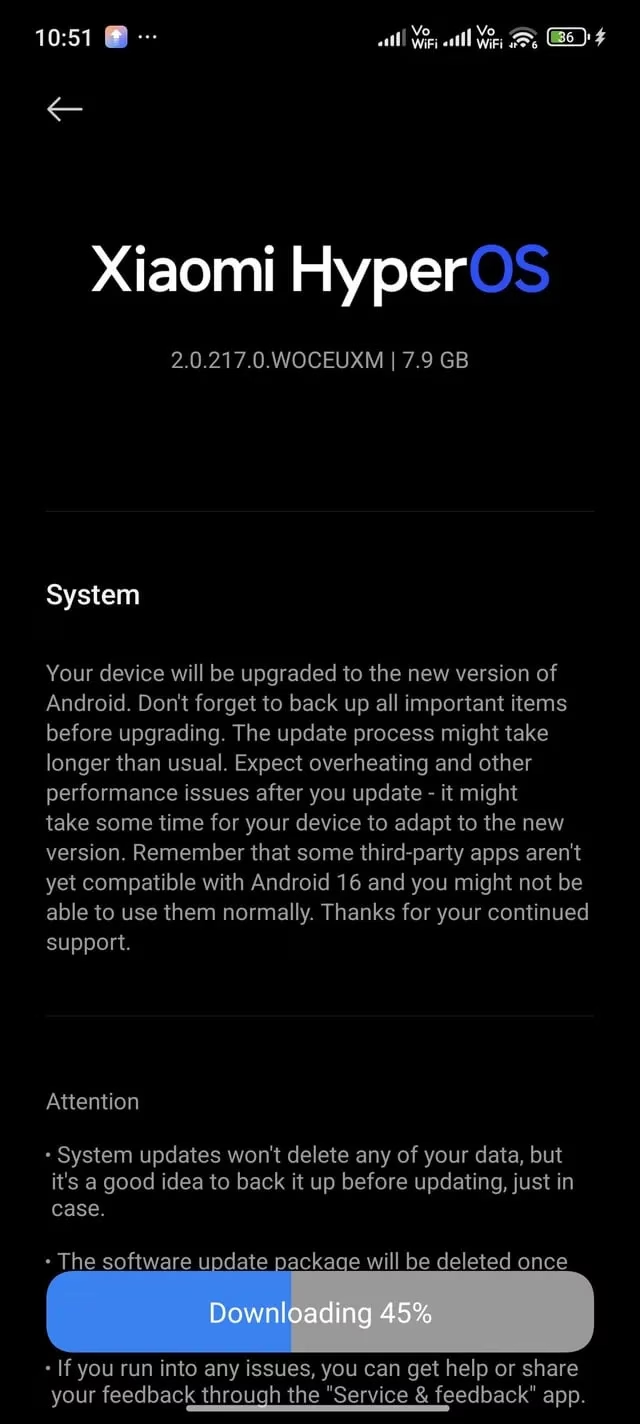
The build number for the Xiaomi 15’s Android 16 upgrade is 2.0.217.0.WOCMIXM. The 7.8GB size of the upgrade was anticipated given its importance. So, if you have the update, be sure to download it over WiFi.
We do not currently have access to the changelog or information regarding the features of the Android 16 pilot release. Android 16 may bring some minor modifications, but HyperOS 3’s release is probably when the main features will be available.
This is a pilot release that is being made available to beta users, as was previously stated. The same version will be made available to users in batches if the build appears to be flawless for the general audience. The stable Android 16 upgrade might not be available to everyone for a few weeks.
Once stable Android 16 is out, you can check Settings for the update if you have a Xiaomi 15. Before installing the update, take cautious to backup any important data.
Stay connected with the latest from Droid Tools—follow us on X @droid_tools, like our page on Facebook, check out our updates on Instagram, and follow us on Google News for real-time news, device tips, and mobile tech insights.
Android 16 for Pixel devices was launched about a month ago, while non-Pixel devices have not yet received the update. Since Google released Android 16 around three months ahead of schedule this year, other businesses could need some time to adapt to the new schedule.
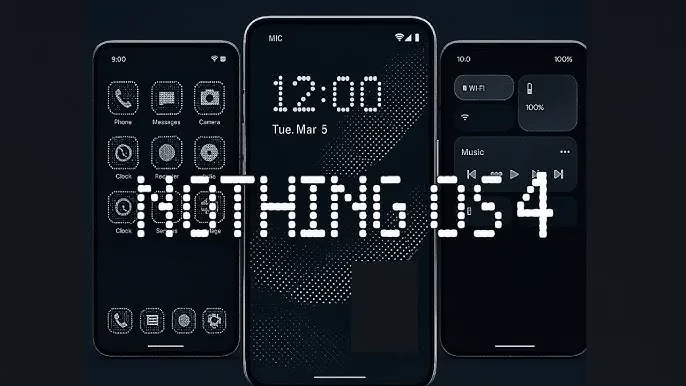
The recently revealed Nothing OS 4.0, which is based on Android 16, will soon be accessible for Nothing phones. Here is everything you need to know about Nothing OS 4.0, including its features, release date, and compatible devices, in case you’re excitedly awaiting Android 16 on your Nothing Phone.
Nothing also alluded to its upcoming operating system release, Nothing OS 4.0, with the unveiling of its first full flagship phone, Nothing Phone 3. During the event, no additional information was revealed beyond the tease and hint at the release date. Nevertheless, we have compiled a number of leaks and anticipated features, which we will go over in this post. First, let’s talk about the release date.
Nothing OS 4.0 Release Date
Carl Pei, the inventor of Nothing, stated at the unveiling that Nothing OS 4.0 will be available by the end of Q3 and this autumn, however the precise release date has not yet been revealed. This suggests that September may see the release of the stable Nothing OS 4.0, which is based on Android 16.
The Nothing Phone 3 will be the first to get the Nothing OS 3 update in September since it is the company’s first and most recent true flagship phone. Later, other Android 16-eligible Nothing phones will receive the update.
What about the beta release? This was about the stable release. Through the closed beta and open beta programs, Nothing phone owners will have the opportunity to test out Nothing OS 4.0 later this month or next month. It’s crucial to remember that early builds could have little or even serious issues. Therefore, when the Nothing OS 4.0 beta is released, be sure to wait for feedback before downloading it.
Eligible Devices
There is currently no official list of phones that support Android 16. However, we can quickly determine which devices are guaranteed to receive Nothing OS 4.0 because of the open update policy. The full list of Android 16 compatible Nothing phones is as follows:
Nothing Phone (3)
Nothing Phone (2)
Nothing Phone (2a)
Nothing Phone (2a) Plus
Nothing Phone (3a)
Nothing Phone (3a) Pro
CMF Phone 1
CMF Phone 2 Pro
The Android 16 upgrade is not compatible with the original Nothing Phone. With the exception of the most recent Nothing Phone 3, which is eligible for five years of OS upgrades, the majority of Nothing Phones are eligible for three years of updates.
Nothing OS 4.0 expected features
Very little information is available regarding the characteristics of Nothing OS 4.0. But as it will be built on top of Android 16, it will also have some of the most recent Android features.
Changes to stock apps
You can expect changes and even new features to stock apps available on Nothing OS. This could include icon modification, performance boost, smoother animations, and more.
Live updates
Notification management to get interesting. Android 16 adds support for live, up to date notifications in real time. This feature could be particularly useful for apps like Uber Eats, delivery services, as it allows users to track their deliveries and receive real-time updates on their arrival time.
Grouped Notification
If there are multiple notifications from the same app, they’ll be grouped together under a single notification. This will help deal with the clutter that comes with daily life.
Security Enhancements
Just like every Android release, you can expect Android 16 and Nothing OS 4.0 to either bring new security features or overall improvements in security and privacy.
New Customization Options
You can expect more customization options in the home screen and lock screen. This includes options like new widgets, new clock style, and more.
We must wait until the information is released because Nothing OS 4.0 features are now being leaked. The features listed above are from Android 16 and may also appear in Nothing OS 4.0.
This concludes the information that is currently available for the Nothing OS 4.0, including its features, compatible devices, and release date. Please leave a remark if you would like to add anything.
Stay connected with the latest from Droid Tools—follow us on X @droid_tools, like our page on Facebook, check out our updates on Instagram, and follow us on Google News for real-time news, device tips, and mobile tech insights.
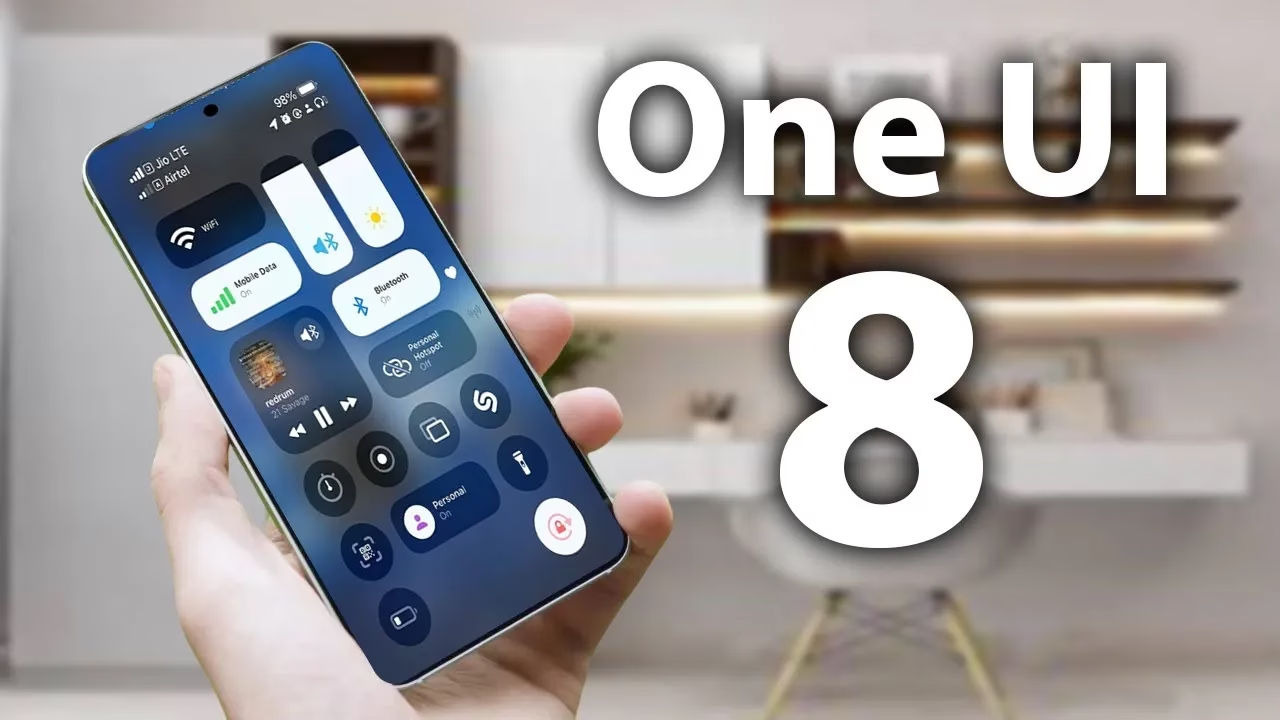
According to a tip from Android Authority and an APK breakdown, Samsung is included a new security tool in the next One UI 8 update. The “Alert Center,” a new feature, is supposed to provide customers with a more comprehensive alerting system for security and privacy issues.
When an app uses the camera or microphone on an Android device, users typically notice a green dot on the status bar’s edge. However, Alert Center will go one step farther and alert consumers to possible privacy and security threats.
It is said to provide notifications for a variety of problems, such as when applications read messages or get unauthorized access to the user’s camera or microphone. Gemini, turn away. Additionally, it will alert users to malware, insecure accounts, out-of-date software, and biometric security setup reminders. These alerts, which are directly related to the fix, assist users in acting promptly.
Additionally, Google revealed Android 16’s enhanced security features, which include a new protection mode to thwart attackers and keep gadgets safe.
No specific date has been set for the Alert Center’s launch.
Stay connected with the latest from Droid Tools—follow us on X @droid_tools, like our page on Facebook, check out our updates on Instagram, and follow us on Google News for real-time news, device tips, and mobile tech insights.
Xiaomi has further cemented its status as a leader in software innovation by formally releasing its HyperOS 2 developer preview, which is based on Android 16 Beta 2. Xiaomi is among the first manufacturers to use Google’s most recent operating system, and the beta program started in April 2025. Xiaomi is at the forefront of Android development thanks to this 2000-person limited beta program, which gives developers and tech enthusiasts early access to new HyperOS 2 features and Android 16 advancements.
Xiaomi 15 to be the first
The first build of the HyperOS 2 (version 2.0.230.6), which is based on Android 16, was sent to the Xiaomi 15, the flagship device leading this update. While providing updated system apps and performance enhancements, this version concentrates on building a solid Android 16 foundation. More releases are presently undergoing testing, demonstrating Xiaomi’s continued dedication to improving its user interface and software platform.
REDMI K70 Ultra to follow
Following the Xiaomi 15, the REDMI K70 Ultra is next in line for the Android 16-based HyperOS 2 update. This move demonstrates Xiaomi’s strategic approach to expanding the latest Android experience across multiple product segments, not just its flagship lineup.
Next in line for the Android 16-based HyperOS 2 update after the Xiaomi 15 is the REDMI K70 Ultra. This action reflects Xiaomi’s calculated strategy to bring the newest Android experience to more product categories than simply its flagship line.
Key Features and Improvements
Highlights of the HyperOS 2 Android 16 beta include:
Upgraded system applications with enhanced performance
The latest Android 16 security patches
Improved HyperConnect integration for seamless device interaction
Expanded developer tools and debugging functionality
Added a shortcut to invoke the custom accessibility function by swiping up with two fingers
Optimized some scene animation strategies to improve system fluenc
Both the final Android 16 release and the stable HyperOS 2 update are expected to be available by June 2025, underlining Xiaomi’s dedication to rapid adoption of the latest Android advancements.
HyperOSUpdates.com provides developers and early adopters with the most recent HyperOS updates and information. Furthermore, the MemeOS Enhancer software, which can be found on the Play Store, has sophisticated features like the ability to upgrade system apps, access secret Xiaomi features, and facilitate update management straight from the device.
With the HyperOS 2.2 update, Xiaomi is advancing rapidly and aims to reach a sizable portion of its user base in this third deployment wave. This is a noteworthy release for enterprises and power users who depend on Xiaomi hardware, especially since it includes important models from the Xiaomi 12 series, the Redmi Note 13 lineup, and a wide range of flagship and mid-tier models. The update is a significant system upgrade that should lead to increased operating stability and productivity.
A select group of devices will be prioritized for the initial rollout. These include:
According to Xiaomi, the Redmi Note 13 5G series would be prioritized when the third batch deployments start in late June. The firm places a strong emphasis on providing reliable, well-tested upgrades that promote end-user satisfaction and business continuity.
The formal rollout of Android 16’s stable version has started, with Google’s Pixel smartphones leading the way. Other significant Android manufacturers are getting ready to release their own unique skins and upgrade schedules in tandem with the latest OS version. The most important question for users anxiously anticipating the update is: will my device get the update? This is the list of devices that are compatible with Android 16.
We have put up a thorough list of smartphones and tablets from well-known manufacturers, like Samsung, Xiaomi, Motorola, and Oppo, that should be compatible with the Android 16 update in order to assist in answering this question.
Google Pixel Android 16 Eligible devices
As always, Pixel devices are first in line and the rollout is already underway for these models.
Other manufacturers may need a few weeks to incorporate Android 16 with their own user interfaces, such as One UI, HyperOS, and ColorOS, while Google Pixel phones are currently getting the upgrade. The majority of brands are anticipated to start releasing stable versions in July 2025, with widespread beta testing set to commence shortly.
Stay connected with the latest from Droid Tools—follow us on X @droid_tools, like our page on Facebook, check out our updates on Instagram, and follow us on Google News for real-time news, device tips, and mobile tech insights.
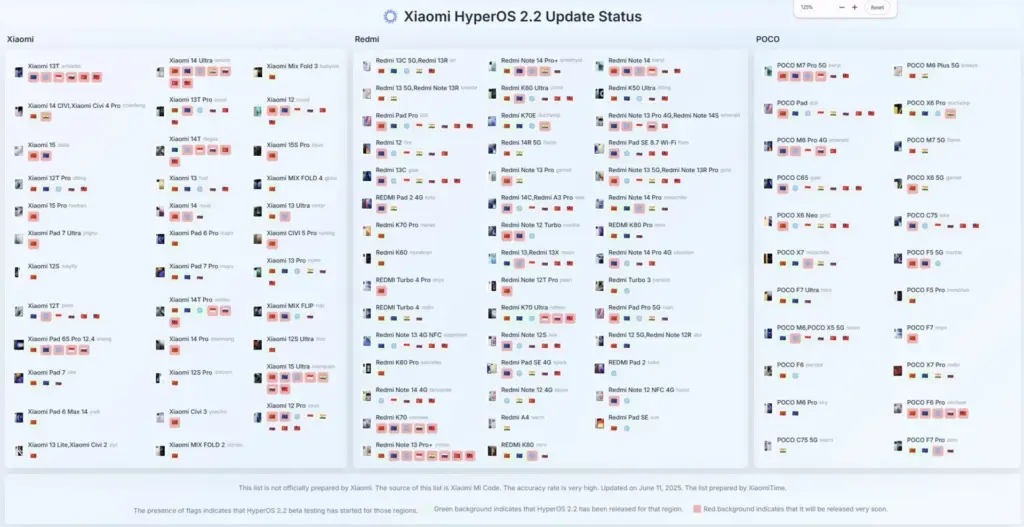
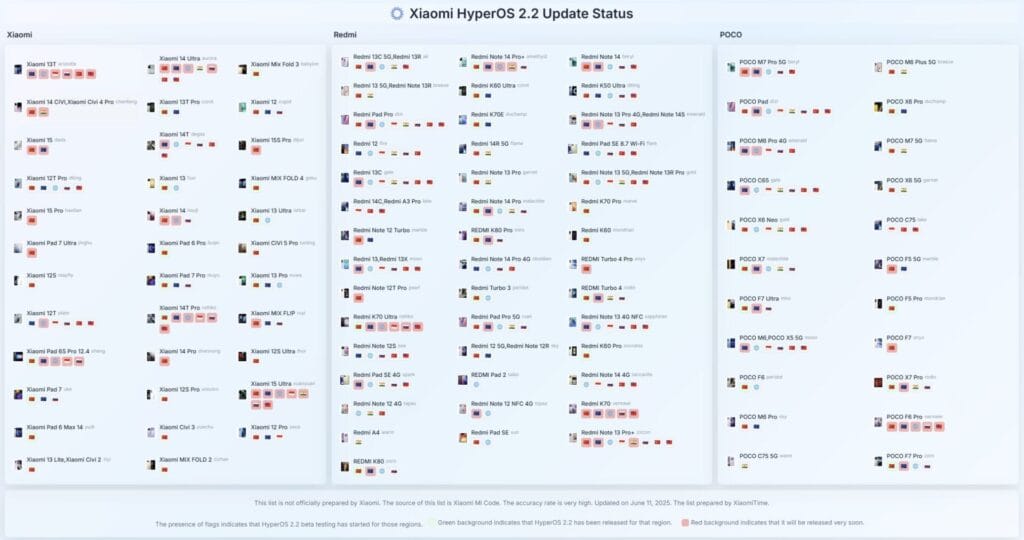
The second round of internal testing for HyperOS 2.2 has officially ended, and it now covers more than 130 devices from the Xiaomi, Redmi, and POCO portfolios. This upgrade is quite extensive, encompassing both premium smartphones and tablets as well as entry-level products. Many users will get the update at the same time when the worldwide public release starts. It is evident that Xiaomi is giving top priority to a seamless, well-organized updating procedure for all of its products.
While waiting for the official HyperOS 2.2 release, users can access the MemeOS Enhancer app through the Play Store to unlock more Xiaomi features and system improvements.
More than 130 items are currently included in Xiaomi’s internal testing program, guaranteeing extensive coverage across all significant price points and markets. Included are gadgets from Taiwan, Indonesia, Russia, China, Europe, India, and more. The update is appropriately customized for every user base thanks to this geographical attention.
Flagship and Premium Device Readiness
Xiaomi’s Flagship Lineup
All leading Xiaomi models have completed internal testing, including:
From the K series (K50 Ultra through K80 Pro) and Note series (Note 12 through Note 14 and all variations) to the Turbo lineup and more reasonably priced models like the Redmi 12–14R 5G, Redmi’s full spectrum is covered.
POCO’s gaming and performance-focused models are included as well. The F series (F5, F6, F7, including Pro and Ultra variants), X series (X6, X7, Pro, Neo), and the M and C series for budget users are all part of the rollout.
The HyperOS 2.2 internal rollout also covers:
Xiaomi Pad 6 and 7 series (including Pro, Ultra, Max, and S Pro models)
Redmi Pad Pro, Pad 2, and SE variants
POCO Pad
In conclusion, one of the biggest coordinated Android update rollouts in Xiaomi’s history is about to happen. With the launch of every major product line, millions of customers worldwide can anticipate improved performance and new features.
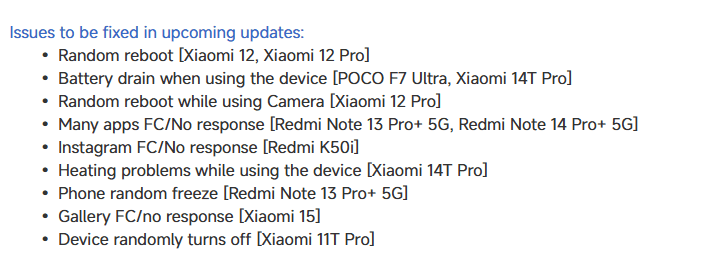
In its most recent bug report, Xiaomi describes how nine major vulnerabilities affecting flagship and mid-range smartphones have been fixed. This continuous openness strengthens trust in Xiaomi’s technical procedures and quality control by highlighting the company’s dedication to software stability and proactive customer assistance.
Addressing Critical Device Stability
Engineering teams are prioritizing random device reboots, especially on the Xiaomi 12 and 12 Pro. In order to guarantee a flawless shooting experience, the Xiaomi 12 Pro’s camera application crashes are also being actively reviewed.
Battery and performance
Additionally, they are releasing updates to address battery depletion that affects users of the 14T Pro and POCO F7 Ultra. Additionally, enhancements to thermal management and power efficiency measures are being implemented to solve the 14T Pro’s overheating problems.
Multiple application-specific problems are in the process of being resolved:
These updates cover the whole ecosystem, guaranteeing consistent software optimization for premium and low-cost models alike. The company’s strategy ensures that users in every sector get the same level of assistance and attention.
Stay connected with the latest from Droid Tools—follow us on X @droid_tools, like our page on Facebook, check out our updates on Instagram, and follow us on Google News for real-time news, device tips, and mobile tech insights.