Blog

  • 7 settings to drasticaly improve battery life on any Samsung device

    7 settings to drasticaly improve battery life on any Samsung device

    Because of their full of features and efficient software, Samsung’s Galaxy smartphones are among the best Android phones on the market right now. However, the majority of Samsung phones, particularly premium models like the Galaxy S25 Ultra, Galaxy Z Fold 6, and Z Flip 6, include extravagant features that you might not utilize on a regular basis. There are ways to maximize what you have without degrading the user experience if your new Galaxy phone is not able to last a full day between charges.

    Here are seven ways to extend your Galaxy phone‘s battery life. Do not worry, I will not be Captain Obvious and suggest that you use your phone at a lower refresh rate or lower the screen resolution. The suggestions on this list ought to enhance your quality of life while optimizing the functionality of your phone.

    Use Dark Mode

    AMOLED screens, which can light individual pixels, are seen on the majority of Samsung phones. Therefore, the area of the screen that must remain black will not activate those pixels when you choose a dark theme or dark wallpaper. As a result, your screen uses less power and your battery lasts a little longer.
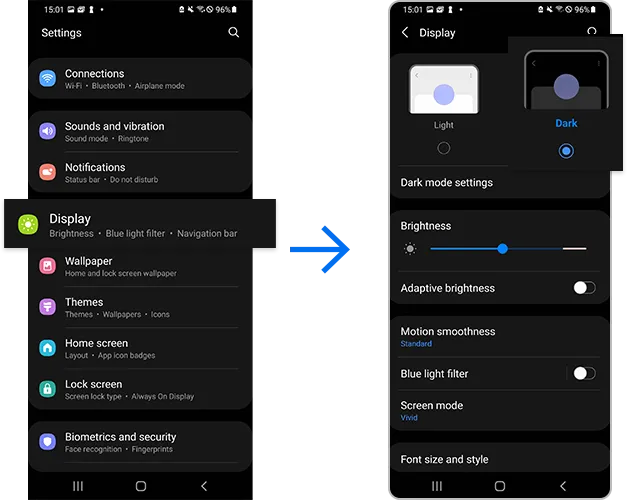
    dark mode enable 2

    How to do it: Go to Settings > Display. Two cards for Light and Dark will be dealt to you. Press the Dark option. Changing the system wallpaper and sticking with the light theme is an alternative, but it will not have the same impact on energy life as switching to dark mode.

    Use Adaptive Brightness

    Although this feature should ideally be turned on by default, some individuals disable it because it is not always reliable. Nonetheless, the quality of Samsung’s ambient light sensor has increased over time. Your Galaxy phone is capable of accurately detecting ambient illumination and adjusting the screen brightness on its own. By doing this, you can make sure your display is more effective and not overly bright.

    Toggle on Adaptive Brightness by going to Settings > Display. Although it should function in most settings, you can use the Quick Settings panel to slide down to change the brightness if necessary.

    Force stop or uninstall power-draining apps

    Many applications, including Facebook, Microsoft 365, OneDrive, and numerous Samsung and Google apps, are pre-installed on Samsung devices. To stop them from running in the background, find the ones you do not need and either remove them or force-disable them.

    For instance, not everyone requires OneDrive or the Samsung Smart TV app. I remove those two apps along with others like Facebook, Outlook, Microsoft 365, Tutor, and more when I set up a new Galaxy phone.

    How to: Tap and hold the app you want to uninstall. A pop-up menu will appear. Tap Uninstall. As a result, none of these non-required apps will use your battery.

    Identify power-draining apps

    Depending on your location, 5G connectivity, and background usage, some apps need more power. To assist you reduce unnecessary battery usage, Samsung allows you to recognize certain power-hungry programs.

    By selecting Settings > Battery and Device care > Battery > Background usage limits, you may find and disable power-draining apps on your device.
    samsung galaxy s25 ultra

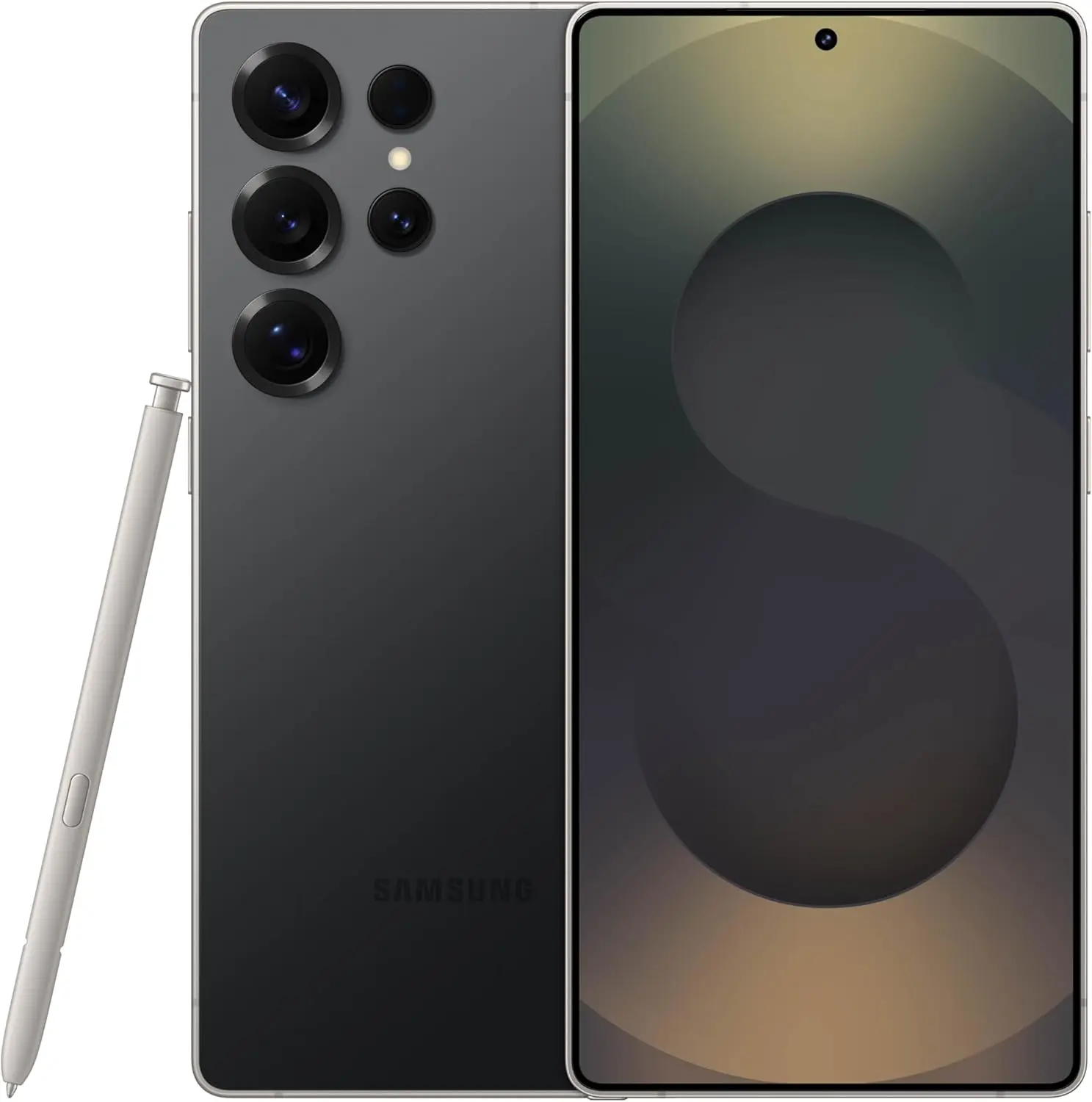
    Samsung Galaxy S25 Ultra

    Streamline your day with an assistant that gets you. Ask it to Google search for a pet-friendly vegan restaurant nearby and text it to your friend – your Galaxy S25 Ultra handles multiple tasks with a single ask.

    $1,299.99$1,067.99See It

    Scheduled Always-On Display

    I like my Galaxy S25 Ultra’s Always-On Display (AOD). For efficiency, its LTPO display lowers to 1Hz, which is useful for functions like AOD. Using AOD may not be as effective if your Galaxy phone is midrange and has a minimum refresh rate of 60 Hz. You can use it wisely, though, by planning AOD for when it is required.
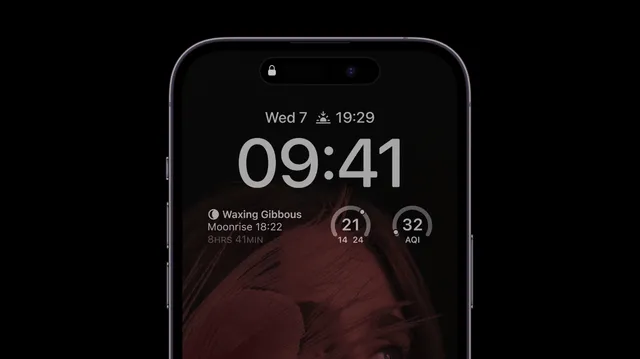
    samsung aod battery life

    How to: Go to Settings > Lock Screen and AOD > Tap on Always On Display > When to show > As scheduled. While you’re at it, also turn off the Show lock screen wallpaper within AOD settings.

    Use Performance profile

    Samsung lets you select a performance profile according on how you use it. The Light Performance profile is a better option than the Standard if you do not play games and use your phone mostly for everyday activities like surfing and making calls. It will put cooling and battery life ahead of processing performance.
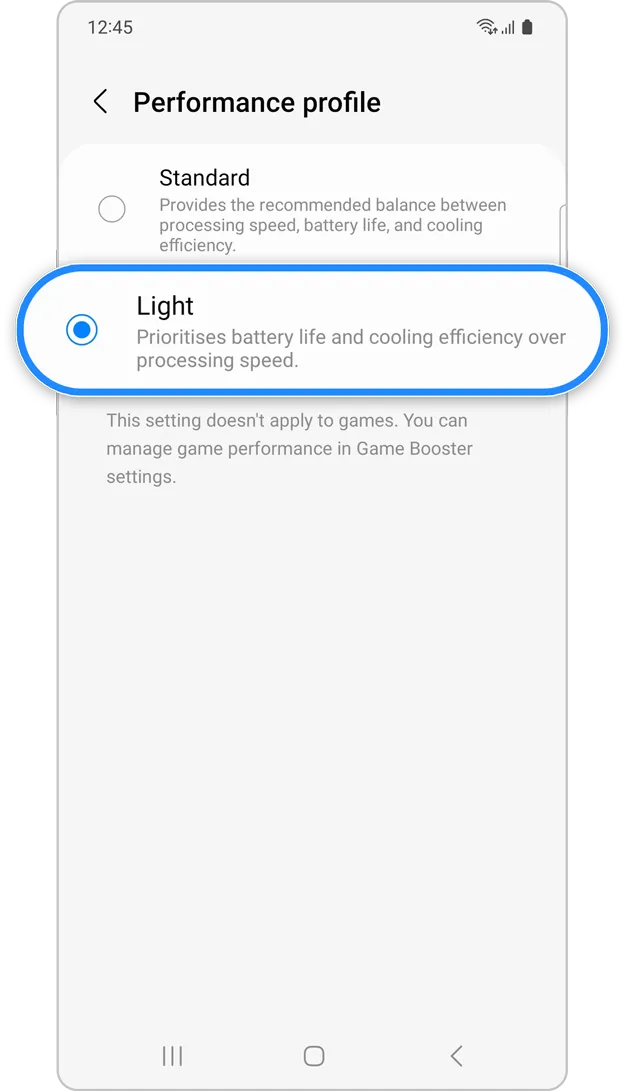
    samsung performance profile

    How to: Open the Settings app and go to Device care > Performance profile and select Light. This is ideal for average phone users.

    Download offline content before travel

    It is a good idea to download such stuff offline if you listen to the same podcasts and playlists or travel the same path every day. Google Maps and the majority of streaming apps use a lot of battery power over 5G and LTE. It may also cause your phone to feel warm to the touch when you are outside. With a little advance forethought, you can handle this: Before you leave the house, use Wi-Fi to download your favorite music or maps.

    How to: Go to the streaming apps you want to download content from and follow the in-app steps. For instance, YouTube has a download button on videos, and Spotify lets you download complete playlists.

    What should you do if the battery on Galaxy phone runs low?

    The seven settings above will not hinder your user experience and will retain the best Galaxy phone features. However, if you’re out and your phone is low on battery, you should:

    • Turn on Power Saving
    • Toggle off data roaming
    • Turn off location services
    • Switch off AOD altogether

    When your phone’s battery is less than 15% and you are still a few hours away from a charger, I advise activating these options. The Samsung settings listed above will also help you get the most out of your Galaxy phone’s battery.

    samsung galaxy s25 ultra

    Samsung Galaxy S25 Ultra

    Streamline your day with an assistant that gets you. Ask it to Google search for a pet-friendly vegan restaurant nearby and text it to your friend – your Galaxy S25 Ultra handles multiple tasks with a single ask.
    $1,299.99$1,067.99See It
  • 7 temporarly free apps for Android and iOS

    7 temporarly free apps for Android and iOS

    Right now, bargain seekers are receiving value for their money. Right now, you can get seven paid apps for free, including one that helps you remember everything you need to do.

    There are countless apps available in the Play Store and the App Store, the two app stores owned by Apple and Google. While some of these apps are free, some cost money. However, many users are unaware that many paid apps can also be temporarily made free as part of a special deal. We have compiled a list of some of the most intriguing free apps accessible right now.

    apps

    Free Pro apps (Android)

    • Reminder Pro – Reminder ($3.69) – With this app, you always have an overview of all your reminders. New reminders can be created in seconds, and you can also be reminded at a specific time.
    • Bubble Shooter Pop Puzzle Game ($4.89) – There’s also something for everyone who occasionally wants to play on their smartphone this week. This newly released bubble shooter regularly costs almost 5 euros and is completely free to start with.
    • Multiscreen Calculator Pro ($9.99) – The look of this calculator is debatable, but the tool offers a decisive advantage: “multiscreens”. If you want to start a new calculation without deleting the results of the old calculation, simply swipe to the left on the screen. A new window will then open. Users can open as many new windows as they want.

    Free premium apps (iOS)

    • Vythm JR – Music Visualization ($49.99) – With the app Vythm, you can visualize your music with a matching video. Countless effects such as Equalizer, Mandala, Shapes, Fluids, Psychedelic, Dreaming, and more are available. To get the app permanently free, you have to start it once after downloading and activate the “Pro version + lifetime updates” once.
    • Eat Me First ($2.99) – With this app, you can always keep an eye on the contents of your fridge. The app shows you the expiration dates for all your food and thus helps to reduce food waste.
    • Sky Master – pixel shooter ($0.99) – If you’re nostalgic, you’ll enjoy this game, at least for a short while. It’s not particularly good, but the pixel look gives the game an irresistible charm for older gamers.
    • Queen Rules ($2.99) – This puzzle game is the ideal way to pass the time. The aim is to position your soldiers in such a way that they are able to defeat the evil witch’s soldiers. There are also interesting level designs and clay figures

    The majority of free apps either provide in-app purchases or have advertisements. But some apps that cost money also accomplish this. These factors should be taken into consideration, particularly if the game is meant for young players.

    Many apps gather user information and frequently sell it. As a result, only allow the rights that the program actually requires if you want to be secure. For instance, a flashlight should not be interested in your location information, and an alarm clock should not require access to your contacts or cameras.

    If you’re inspired by the quality of these apps and are thinking about creating your own, now might be the perfect time to explore professional development options. Whether you’re targeting Android, iOS, or both, investing in a reliable iOS mobile application development service can turn your app idea into a polished product that stands out in the App Store. Stay tuned for more updates on free apps, industry trends, and mobile development tips.

  • #dealalert – buy now Google Pixel Watch 2 with 40% off

    #dealalert – buy now Google Pixel Watch 2 with 40% off

    Avoiding the newest models of consumer electronics, such as cellphones, headphones, or Bluetooth speakers, is a terrific method to save money. Purchase the prior model at a reduced price. For example, take a look at this: the Google Pixel Watch 2 fitness smartwatch is currently on sale for just $150, which is its lowest price ever. That is $250 cheaper than the list price of the Google Pixel Watch 3 and $100 less than its list price.

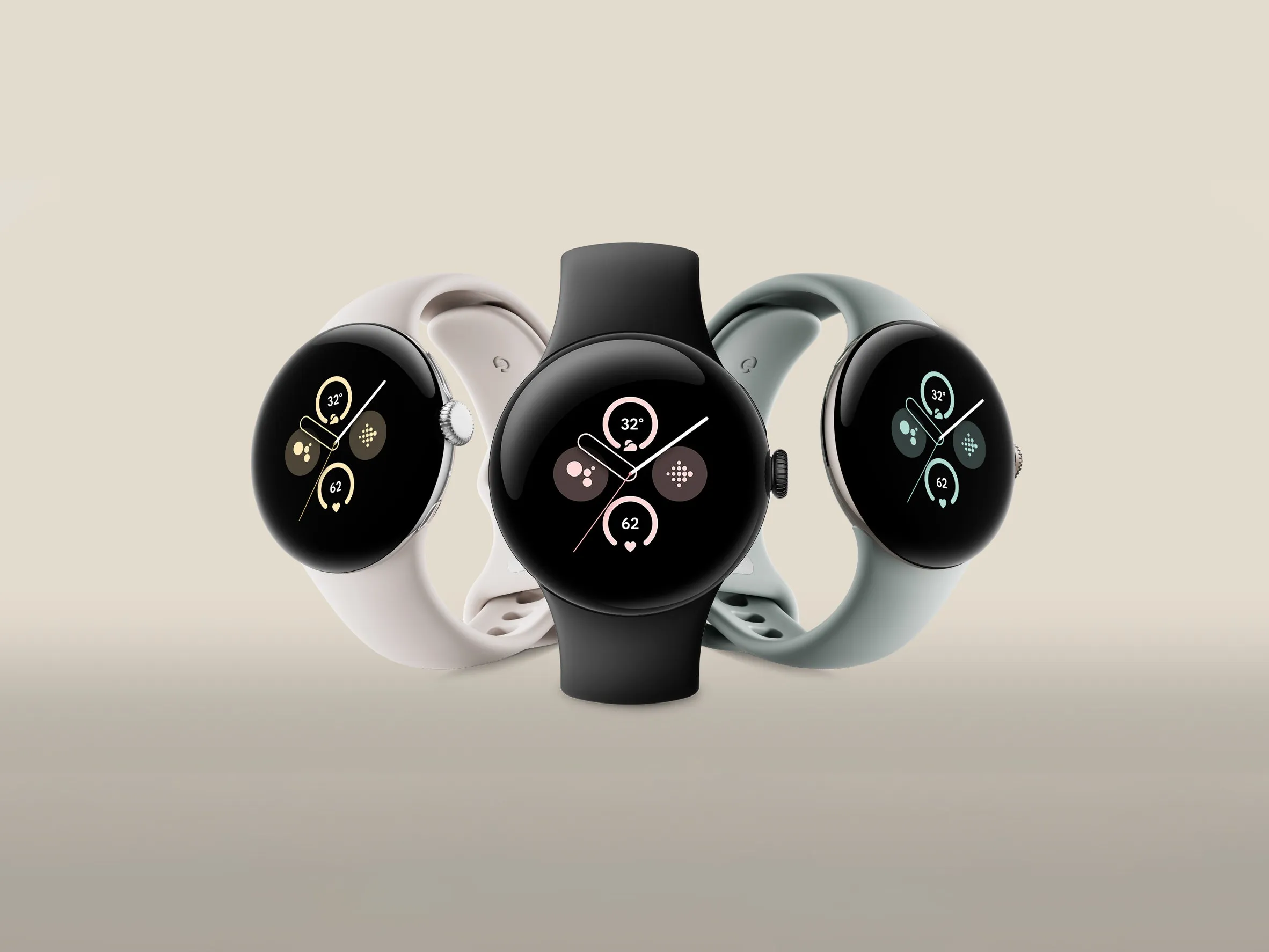
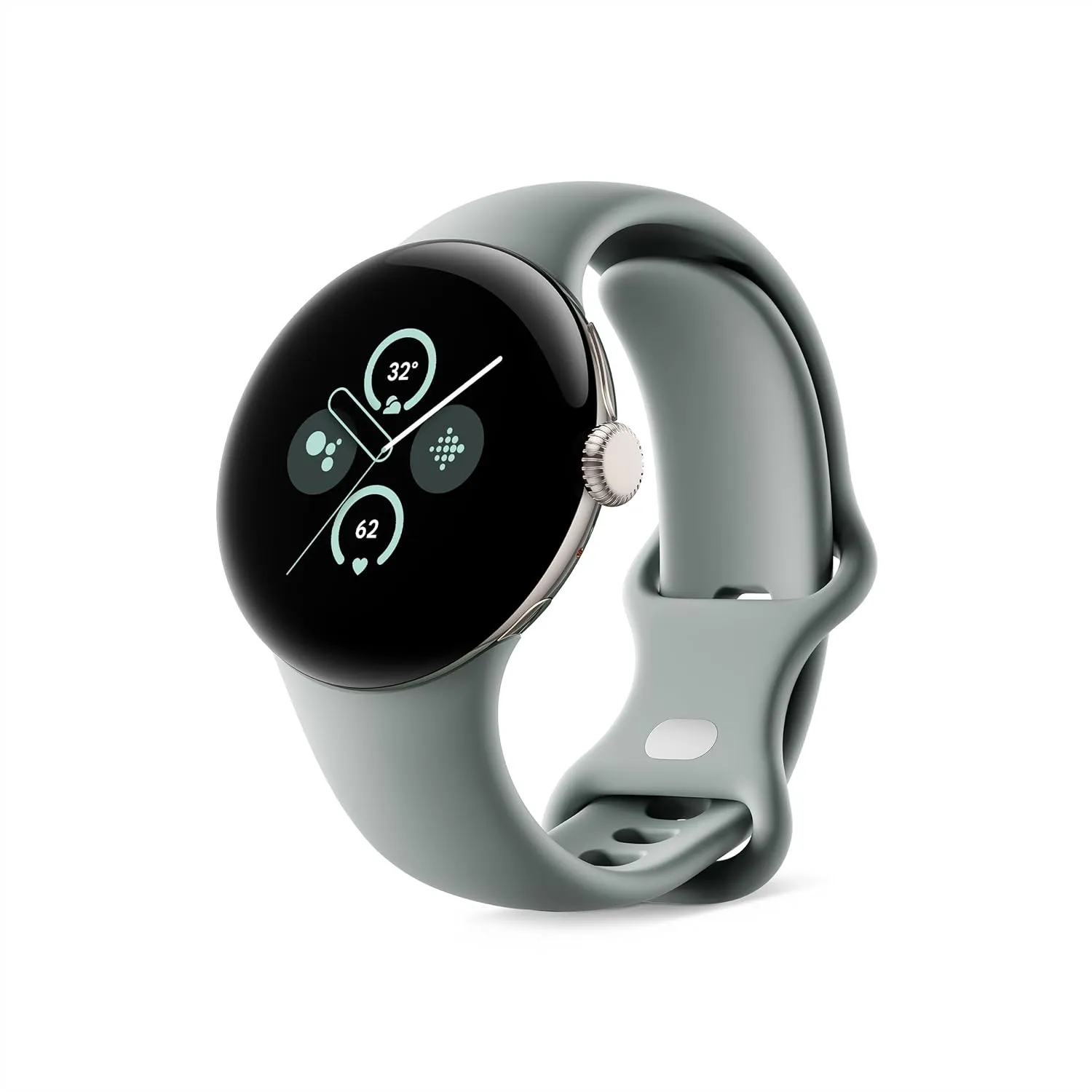
    pixel watch 2

    Google Pixel Watch 2

    The Pixel Watch 2 comes with three new advanced sensors for heart rate tracking, skin temperature, and stress management; 100% recycled light aluminum housing makes it comfortable to wear

    Best choice
    $249.99$149.99See It

    The Google Pixel Watch 2 strikes a mix between functionality and style. Although it comes in a wide range of vibrant hues, the gold case with the hazel band, the silver case with the bay blue band, and the silver case with the porcelain band are the only ones eligible for the $100 savings that are currently in effect. Fortunately, all three of these appear excellent.

    These costs apply to models that are Wi-Fi only. There is good news if you were expecting to get an LTE model so you could put your phone away while working out. Additionally, several of those models are now only $200. The Google Pixel Watch 2 LTE model is available on Amazon in the following case styles: silver with the bay blue band, gold with the hazel band, black with the obsidian band, and silver with the porcelain band. Therefore, you will need to purchase the LTE model if you wanted it in black.

    pixel watch 2 features
    pixel watch 2

    Google Pixel Watch 2

    The Pixel Watch 2 comes with three new advanced sensors for heart rate tracking, skin temperature, and stress management; 100% recycled light aluminum housing makes it comfortable to wear

    Best choice
    $249.99$149.99See It

    The watch serves as your personal fitness coach by utilizing Google AI. Depending on your objectives, running history, and level of readiness each day, it can suggest running exercises. As you follow these suggestions, you will see an immediate improvement in your running performance as you get more comfortable covering greater distances at faster speeds. You may even create your own runs that include pace training, cooldowns, and warmups. You can track your PRs as you repeat your exercises and access the ones you have saved.

    The battery lasts a long time. You can use the watch continuously for up to 24 hours with the always-on display. Additionally, it just takes 75 minutes to charge from a dead watch to full power for the day.

  • How to record screen on Android devices without third-party apps

    How to record screen on Android devices without third-party apps

    The days of rooting your device or looking for third-party apps to record your screen on Android devices are long gone. The majority of modern smartphones with Android 11 and later have an integrated screen recorder.

    Convenience, more privacy, and enhanced performance are provided by this native feature. Whether you are recording a livestream, creating a tutorial, or recording a game session, this guide will show you how to make the most of Android’s built-in screen recorder.

    Why screen recording matters

    For many Android users, the ability to record screen has become indispensable. Content producers frequently have to capture mobile gaming, app evaluations, and walkthroughs. Professionals might have to show colleagues how to use bugs or make quick educational videos. When recording video chats, social media stories, or instructions for assisting friends in troubleshooting a phone problem, this tool might be useful even for novice users.

    Users had to rely on apps from the Play Store prior to Android having this feature built in; many of these apps had restricted functionality, data tracking, advertisements, or required a subscription. Native tools now provide a smoother, safer, and ad-free experience.

    Check if your device supports native screen recording

    Android 11 and later versions support the built-in screen recording feature. Open the Settings app, navigate to “About phone,” and locate the Android version section to verify your Android version. You can move forward if your device is running version 11 or later.

    It is also important to note that almost every major brand has this capability in their operating systems, including Google, Samsung, OnePlus, Xiaomi, Realme, and Motorola. However, each manufacturer may have somewhat different interfaces and extra options.

    screen record on Android Samsung OneUI

    How to start screen recording on Android

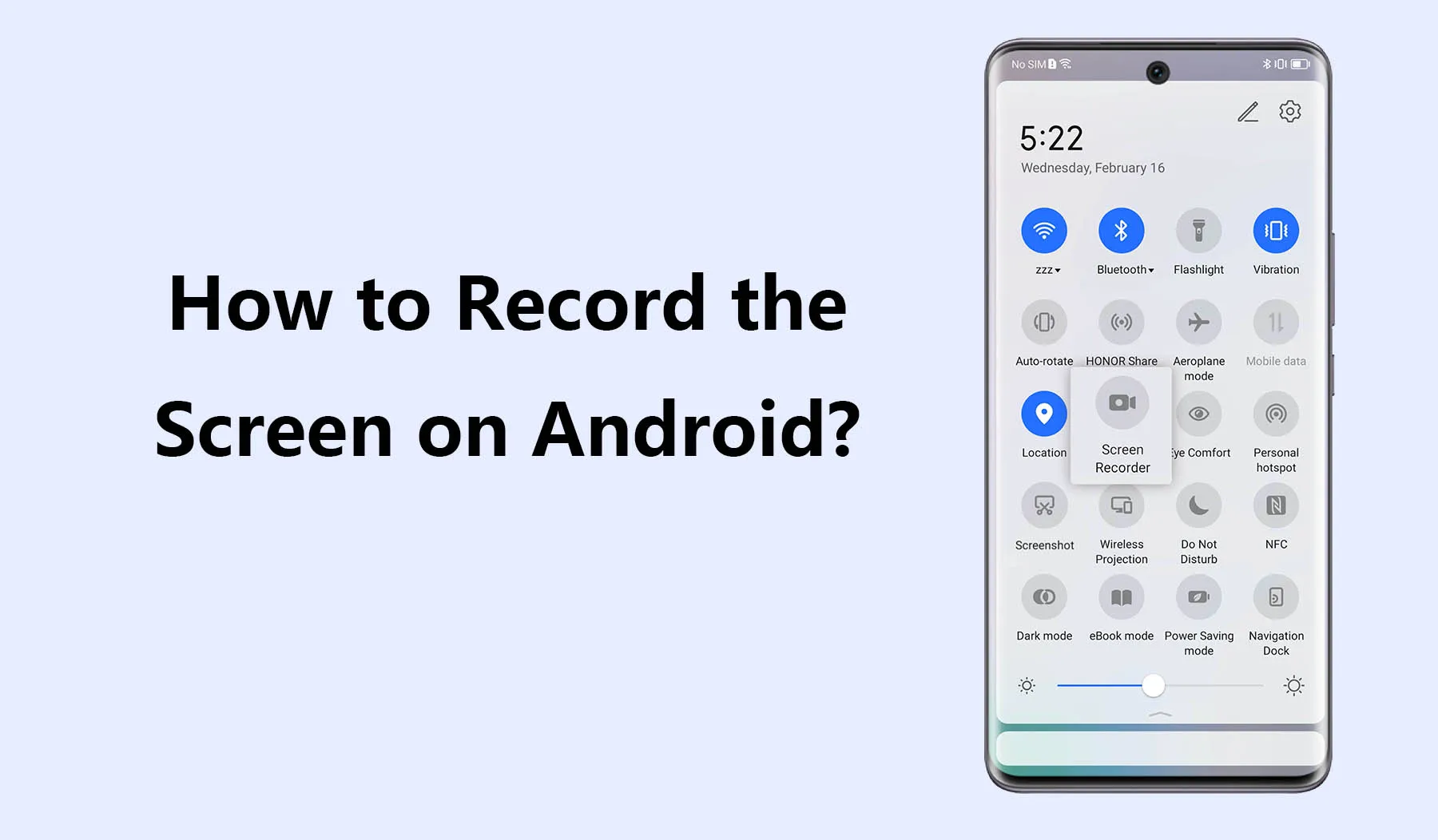
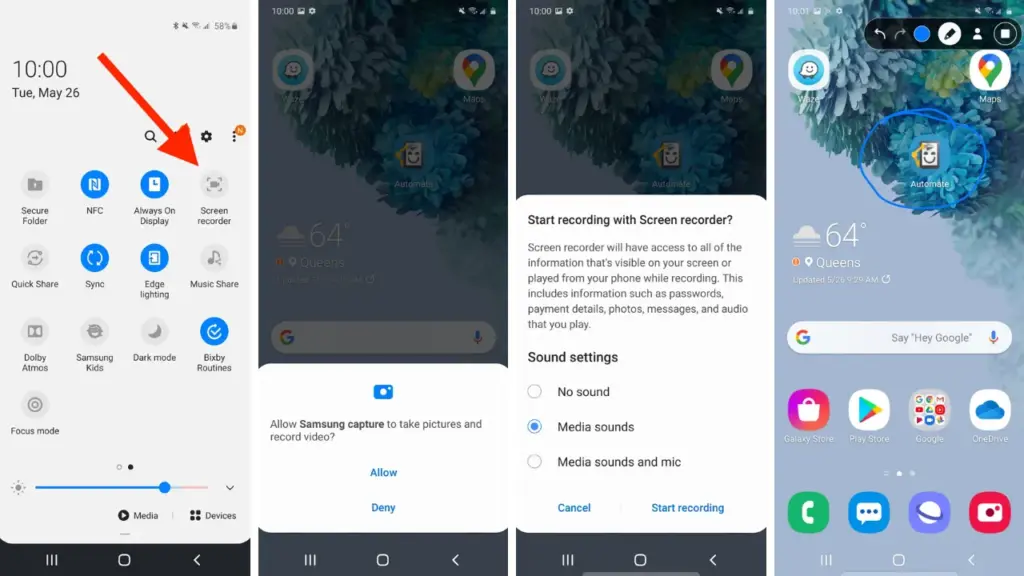
    Swipe down from the top of your screen to see the Quick Settings panel, then activate the screen recorder. To fully enlarge the panel, swipe down once more. Next, search for a tile that says “Screen record” or “Screen recorder” If it does not appear right away, you can add the screen recording option and reorder your Quick Settings tiles by tapping the pencil or “Edit” symbol.

    When you tap the tile, a dialog will pop up offering a few choices before recording begins. You can choose whether to:

    • Record audio from the microphone, internal device audio, or both
    • Show visual touches on the screen during the recording

    Depending on your recording requirements, these choices can be helpful. For example, you could want to use the microphone when narrating a tutorial. Internal sound may be better suitable if you are recording gaming or app audio. Once your choices have been set, press “Start” and watch for the three-second countdown. After that, your recording will start.

    A tiny toolbar or red symbol will show that the screen is being recorded during the recording. Pull down the notification shade and press the stop button when you are done. Your device’s storage will automatically store your video.

    How screen recording differs by device brand

    Each Android manufacturer may offer a slightly different version of the screen recorder:

    • Samsung (One UI): One of the most feature-rich native recorders is offered by Samsung. You can record your face with the front camera, record internal audio, and choose from a variety of video quality options. During the recording, you can even draw on the screen, which is a terrific way to graphically explain topics.
    • Google Pixel: Pixel phones running Android 11+ have a clean, minimal screen recorder built into Quick Settings. It’s simple to use but doesn’t offer the same advanced features as Samsung’s version.
    • Xiaomi and Redmi (MIUI): These devices often include a standalone “Screen Recorder” app, which can be found in the Tools folder. It allows you to configure video resolution, frame rate, sound source, and orientation. Recordings are saved in an organized, dedicated folder.
    • OnePlus (OxygenOS): Native screen recording is available from OnePlus as early as Android 10. It has settings to set bit rates and frame rates, record system sounds, and display touches. The user interface is clear and simple to use.
    • Realme and Oppo: These brands also offer native recording tools similar to Xiaomi, with a balance of customizability and ease of use.

    These slight differences can impact your experience, so it’s useful to explore your device’s specific implementation for the best results.

    Where screen recordings are saved

    Once you finish recording, the saved video can typically be found in your phone’s internal storage under:

    • Internal Storage > Movies > Screen recordings
    • Internal Storage > DCIM > Screen recordings

    Also, screen recordings are typically shown in a distinct folder or album called “Screen recordings” in your normal gallery software (like Google Photos or Samsung Gallery). Use a file manager tool and search for recently edited MP4 files if you are having problems finding your file.

    This consistent file structure helps you quickly retrieve, share, or edit your recordings.

    Tips for better screen recording results

    Here are some suggestions to improve the quality and usability of your recordings:

    • Use Do Not Disturb mode: This prevents interruptions from calls, texts, or notifications while recording.
    • Close unnecessary apps: Reducing background processes ensures smoother performance and fewer lags during recording.
    • Enable touch indicators: If you’re creating tutorials, visual touches help viewers understand where you’re interacting on the screen.
    • Choose appropriate resolution and frame rate: Higher settings give better quality but consume more storage space. For gameplay, use 1080p at 60fps if available.
    • Record with adequate lighting and contrast: If you’re recording apps or system settings, avoid dark themes that make the video harder to see.

    Limitations and common issues

    While native screen recorders are generally reliable, there are a few caveats:

    • DRM-protected content: Apps like Netflix or some banking services block screen recording to protect sensitive or copyrighted material. In such cases, you’ll see a black screen or an error message.
    • Lack of internal audio on some devices: Not all Android phones allow internal audio recording due to manufacturer restrictions or legal considerations. Some devices default to microphone-only input.
    • Storage limitations: Long screen recordings take up a lot of space. Ensure you have enough free storage to avoid failed recordings or low-quality output.

    In rare cases, the screen recorder might not appear in the Quick Settings panel. This can usually be fixed by updating your software or resetting the tile arrangement in settings.

    The screen recording feature built into Android is a game-changer for productivity, communication, and content creation. Whether you’re capturing a quick how-to for a family member, recording an epic moment in a mobile game, or documenting a tech issue for support, the ability to do it all without third-party apps makes the process simple and secure.

    As long as your device runs Android 11 or higher, you already have this powerful tool at your fingertips. With a few simple settings and some creative uses, you’ll be able to record anything on your screen with clarity and ease – no installations required.

  • How to use Android split screen to increase productivity without using additional apps

    How to use Android split screen to increase productivity without using additional apps

    Android’s split-screen mode is a potent productivity tool that lets you utilize two apps at once, whether you are browsing the web while taking notes or watching YouTube while responding to emails. The finest aspect? Root access and third-party apps are not required. The majority of Android devices running Android 7.0 (Nougat) or later come pre-installed with this feature.

    We will go over how to use split screen on well-known Android devices including Samsung, Google Pixel, Xiaomi, OnePlus, and more in this post. We will also go over restrictions, troubleshooting techniques, and ideas to help you multitask seamlessly.

    What Is Split Screen Mode?

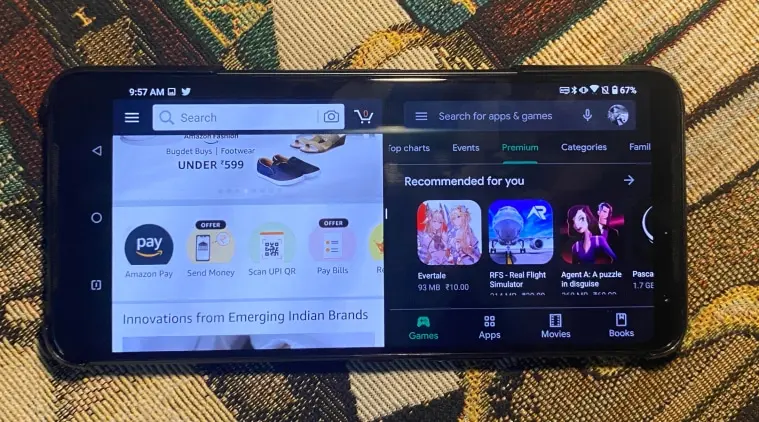
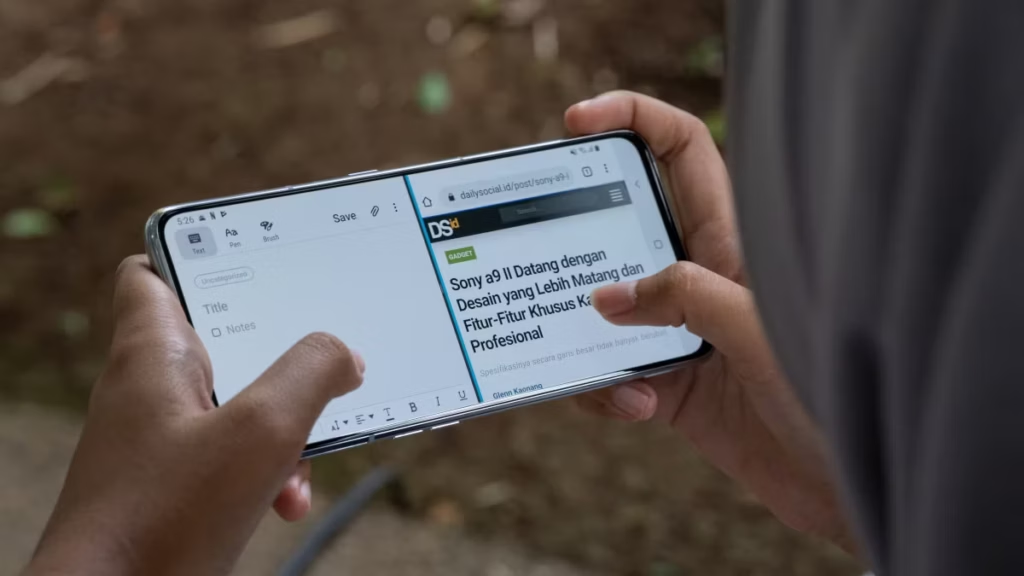
    Two apps can be opened and used side by side in split screen mode (or top and bottom in portrait orientation). You may use two apps simultaneously, using up half of the screen. You can scroll, type, watch, or even copy and paste text between them.

    When you can use use split screen?

    Split screen is a truly strong feature that may completely change the way you use your Android device; it is not simply a gimmick. Here are some typical and astute methods to fully benefit from it:

    Multitasking with messaging and media

    Do you want to view a YouTube video while responding to messages on Telegram or WhatsApp? You can do both without missing a beat thanks to split screen. It is ideal for catching up on material and remaining sociable at the same time because you can keep viewing your video and participating in your conversations.

    Working while referencing other apps

    Do you need to draft an email while reviewing data from a notes app or spreadsheet? For productivity tasks like replying to work emails, producing content, or organizing chores while consulting other resources, split screens are perfect. It keeps you productive and engaged without requiring you to switch between programs.

    Comparing products and prices

    You can explore Amazon using one app and check pricing on eBay or another store using another. You may save time and money by using split screen to evaluate features, costs, and offers in real time.

    Reading and translating content

    You can use a translation app (like Google Translate) in conjunction with a browser or reading app if you are learning a new language or reading articles written in a foreign language. Instantaneous phrase translation without app switching enhances convenience and comprehension.

    Planning trips or events

    Put your calendar or itinerary app on one half of your screen and Google Maps on the other. Travelers who need to check locations while managing their schedules, booking confirmations, and to-do lists will find it ideal.

    Organizing your day

    Having a time-blocking calendar open in one app and your to-do list open in another is a way to employ split screens for personal efficiency. Planning your day, setting priorities, and scheduling tasks are all made much easier with this arrangement.

    Following tutorials while performing tasks

    When learning anything new, such as how to set up a feature, edit a photo, or follow tech instructions, you can try the steps in one app while a YouTube or browser instructional is open on the other. It is very helpful for experiential learning.

    how to use split screen on ANdroid devices

    How to use split screen on different devices

    The exact method can vary slightly depending on your device’s manufacturer and software version. Here’s how to activate it on most devices:

    📱 Generic Android / Stock Android (Pixel, Motorola, etc.)

    1. Open the first app you want to use.
    2. Tap the Recent Apps button (square or swipe-up gesture depending on your navigation settings).
    3. Tap the app icon at the top of the preview card.
    4. Select “Split screen” from the dropdown menu.
    5. Choose the second app from the recent apps list or app drawer.

    🔍 Tip: Not all apps support split screen (e.g., Instagram, some games).

    📱 Samsung Devices (One UI)

    1. Open the app you want to use in split screen.
    2. Tap the Recent Apps button.
    3. Tap the app icon on the top of the preview window.
    4. Choose “Open in split screen view.”
    5. Select the second app from the list or app drawer.

    📌 On Samsung devices, you can also drag apps into split screen from the Edge Panel (if enabled).

    📱 Xiaomi / Redmi / POCO (MIUI)

    1. Open the Recent Apps screen (swipe up or tap the button).
    2. Tap and hold the app’s card.
    3. Tap the “Split screen” option.
    4. Choose the second app from the bottom half of the screen.

    📢 MIUI may disable split-screen for certain apps by default.

    📱 OnePlus (OxygenOS)

    1. Go to Recent Apps.
    2. Tap the three-dot menu or app icon.
    3. Select “Split screen.”
    4. Choose another app from your recent apps or app drawer.

    Adjusting Split Screen Size

    You can resize the split by dragging the divider bar between the two apps:

    • Drag up or down (in portrait)
    • Drag left or right (in landscape)

    Some phones even allow 70/30 splits, not just 50/50.

    Exiting Split Screen Mode

    To exit:

    • Drag the divider bar all the way to the top or bottom.
    • Or press Home or Recent Apps, and both windows will close or return to full screen.

    What If Split Screen Is Not Working?

    Here are common reasons why split screen may not work:

    • The app does not support split screen (like some games or camera apps).
    • You are using an older Android version (prior to 7.0).
    • Your device manufacturer has disabled it (rare in modern phones).
    • You’re using full-screen gestures that conflict with multitasking.

    Solution: Try enabling Developer Options > Force Activities to be Resizable and reboot your phone.

    Can You Use Split Screen with Floating Apps (Pop-up View)?

    On Samsung and some Xiaomi/OnePlus devices, yes!

    • You can combine split screen with floating apps for 3-window multitasking.
    • For example, split screen for YouTube + Chrome, while Messenger floats in a bubble.

    Productivity Tips

    • Use clipboard managers to quickly paste between apps.
    • Pin your favorite apps in the Recents menu for quicker access.
    • On Samsung, save split-screen pairs to the Edge Panel.
    • Combine with voice-to-text for ultra-productive workflows.

    Despite being one of Android’s most potent features, split screen is one of its most underutilized. It can significantly enhance your experience without requiring additional setup, whether your goal is to multitask more effectively or do more tasks.

    You can turn your phone into a little workstation with a few touches.

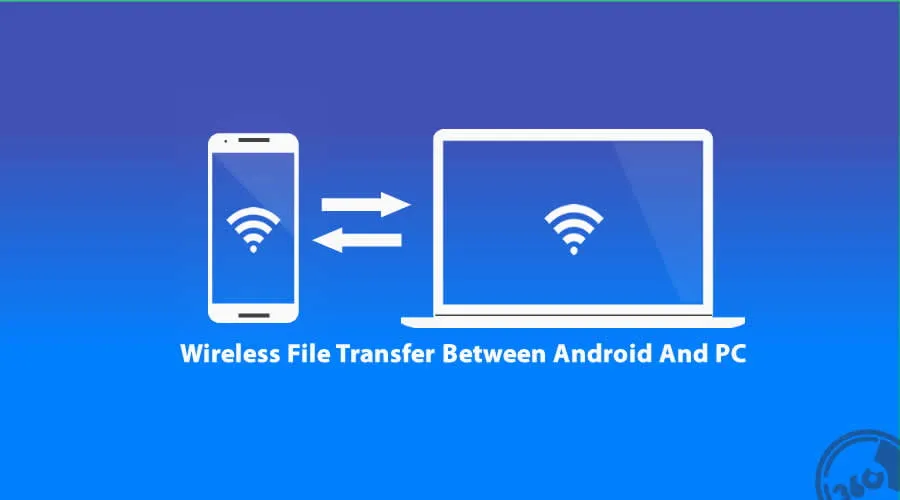
  • How to transfer files from Android to PC (no cable needed)

    How to transfer files from Android to PC (no cable needed)

    Gone are the days when a USB cable was the only way to move files between your Android phone and computer. Whether you’re transferring photos, documents, or videos, there are now several wireless methods that make the process faster and more convenient — no cables, no drivers, and no hassle.

    In this article, you’ll discover how to transfer files from Android to your PC wirelessly utilizing free built-in utilities and reliable third-party apps. All ways are easy, secure, and don’t need rooting your smartphone.

    Why Go Wireless?

    Here’s why transferring files without a cable is the smarter choice:

    • No need to carry cables or adapters
    • Works on all modern Windows, macOS, and Linux PCs
    • Faster for frequent transfers
    • No risk of physical damage to USB ports

    1. Use Google Drive (Cloud Sync)

    If you have a Google account, you already have access to Google Drive — one of the easiest ways to transfer files wirelessly.

    Steps:

    1. Open the Google Drive app on your Android device.
    2. Tap the “+” icon, then select Upload.
    3. Choose the file(s) you want to send.
    4. Wait for the upload to complete.
    5. On your PC, go to https://drive.google.com and log in.
    6. Download the files to your computer.

    Pros:

    • Seamless for documents and photos
    • Files are stored in the cloud, so they’re safe even if your phone is lost
    • Works across devices and operating systems

    Cons:

    • Requires an internet connection
    • File size limits apply (15GB free storage per Google account)

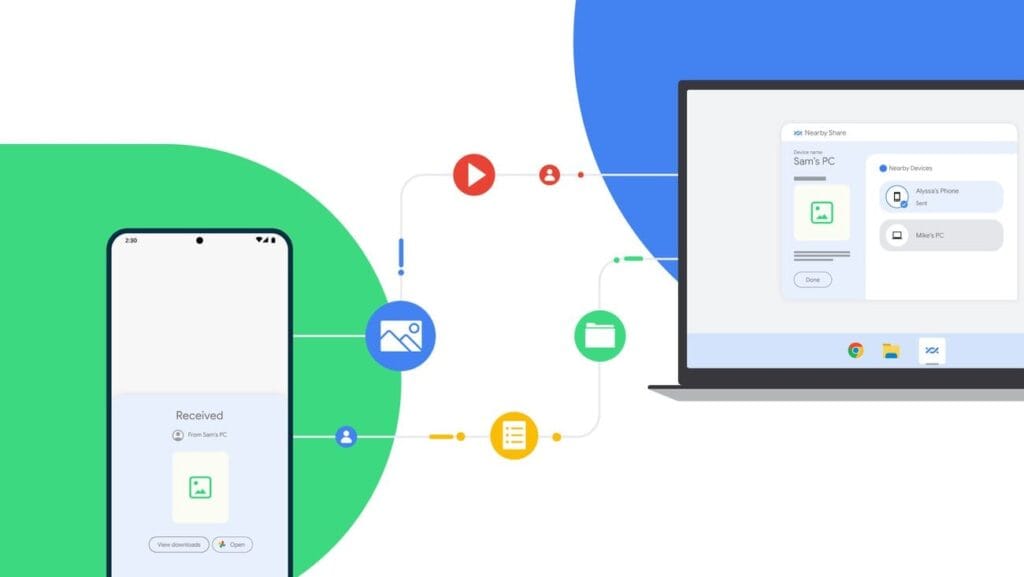
    2. Send via Nearby Share (Best for Windows)

    Nearby Share for transfer files

    Currently fully supported on Windows 10/11, Nearby Share is Google’s AirDrop-style solution for sharing files instantly between Android and Windows devices.

    Set It Up:

    1. On your Android, go to Settings > Google > Devices & sharing > Nearby Share and turn it on.
    2. On your PC, install the official Nearby Share for Windows app from Google’s website.
    3. Connect both devices to the same Wi-Fi network and ensure Bluetooth is on.

    Send Files:

    1. Select a file on your Android device.
    2. Tap the Share icon and choose Nearby Share.
    3. Your PC should appear in the list — tap it to send the file.
    4. Accept the transfer on your computer.

    Pros:

    • Fast and secure
    • Works offline (local Wi-Fi or Bluetooth)
    • No cloud storage needed

    Cons:

    • Not available on older PCs or operating systems
    • Some routers may block discovery if firewall settings are strict

    Method 3: Transfer with File Sharing Apps (like Send Anywhere)

    Direct wireless transfers between your computer and phone are possible through Wi-Fi thanks to apps like Xender, Feem, and Send Anywhere.

    Using Send Anywhere:

    1. Install Send Anywhere on your Android from the Play Store.
    2. Visit https://send-anywhere.com on your PC.
    3. On your phone, select the files you want to send.
    4. You’ll get a 6-digit code — enter this on your PC to receive the files.

    Pros:

    • Works on any OS and browser
    • No account required
    • Fast local transfer via Wi-Fi Direct (not over the internet)

    Cons:

    • Ads in the free version
    • Interface might be confusing for first-time users

    Method 4: FTP File Transfer via File Manager Apps

    If you prefer full control over file navigation, FTP (File Transfer Protocol) is a powerful option — no internet needed.

    Using Solid Explorer or ES File Explorer:

    1. Install a file manager that supports FTP (e.g., Solid Explorer).
    2. Open the app and go to Network > FTP Server.
    3. Start the server — the app will display an IP address like ftp://192.168.1.10:1234.
    4. On your PC, open a browser or FTP client (like FileZilla) and enter the address.
    5. Browse your phone’s storage and download files directly.

    Pros:

    • Full control over folders and files
    • High-speed transfers over local network
    • No cloud or apps required on the PC

    Cons:

    • Not user-friendly for beginners
    • Must stay on the same Wi-Fi network

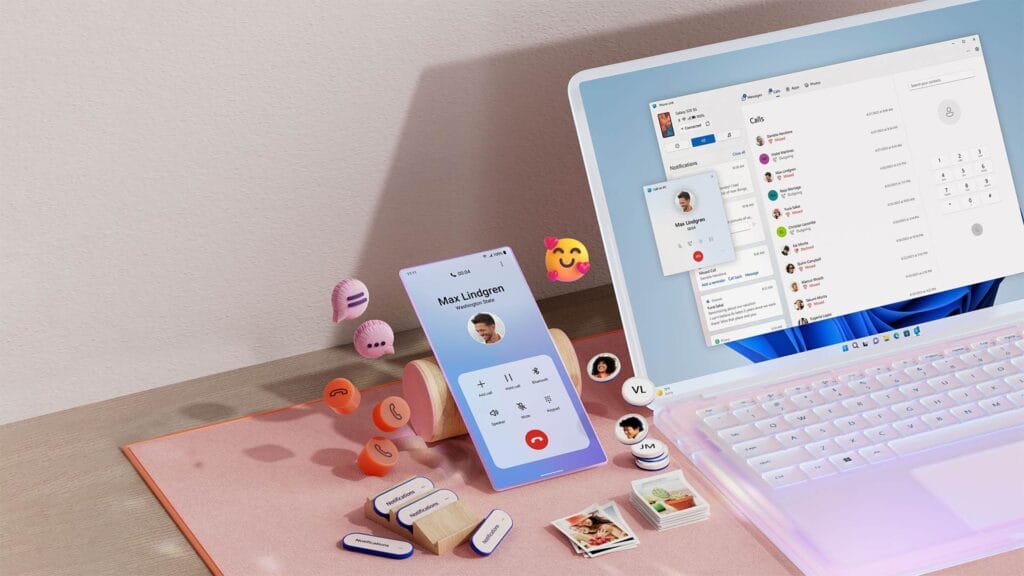
    Method 5: Microsoft Phone Link (Windows 10/11)

    msft open laptop with mobile phone floating emojis RW10WBx

    Microsoft’s Phone Link app (previously “Your Phone”) enables seamless connectivity between Android and Windows.

    Setup:

    1. On your Android, install the Link to Windows app.
    2. On your PC, open the Phone Link app (pre-installed on Windows 10/11).
    3. Follow on-screen instructions to link the two devices.

    Features:

    • Access photos, messages, notifications, and files
    • Drag-and-drop files directly between phone and PC

    Pros:

    • Seamless experience for Samsung and Surface users
    • Files transfer instantly without cables

    Cons:

    • Requires Microsoft account
    • Full feature set limited to specific models (Samsung, Honor)

    Bonus: Email, Telegram, or WhatsApp (for Small Files)

    For documents or images under 100MB, you can simply email them to yourself or use Telegram’s Saved Messages to transfer between devices.

    • Email: Attach files and send them to your own address.
    • Telegram: Send the file to yourself from your Android and download it on your PC.
    • WhatsApp Web: Share with a trusted contact and download via WhatsApp Web on PC.

    What’s the Best Option?

    MethodSpeedInternet RequiredSetup ComplexityBest For
    Google DriveMedium✅ YesLowBackups & multi-device use
    Nearby ShareHigh❌ NoMediumWindows 10/11 users
    Send AnywhereHigh✅/❌ OptionalMediumFast wireless transfers
    FTP via File ManagerVery High❌ NoHighTech-savvy users
    Microsoft Phone LinkHigh✅ YesMediumWindows users w/ Samsung

    You no longer require a USB cable to transfer data between your Android phone and computer. Whether you want to backup your gallery, transfer work documents, or send huge films, wireless solutions make the process simple and effective.

    Nearby Share and Google Drive are the most user-friendly solutions. If you desire speed and complete control, FTP or Send Anywhere would suffice, as they do not require cloud storage.

    Experiment with the way that best suits your workflow; once you go wireless, you will not want to plug in again.

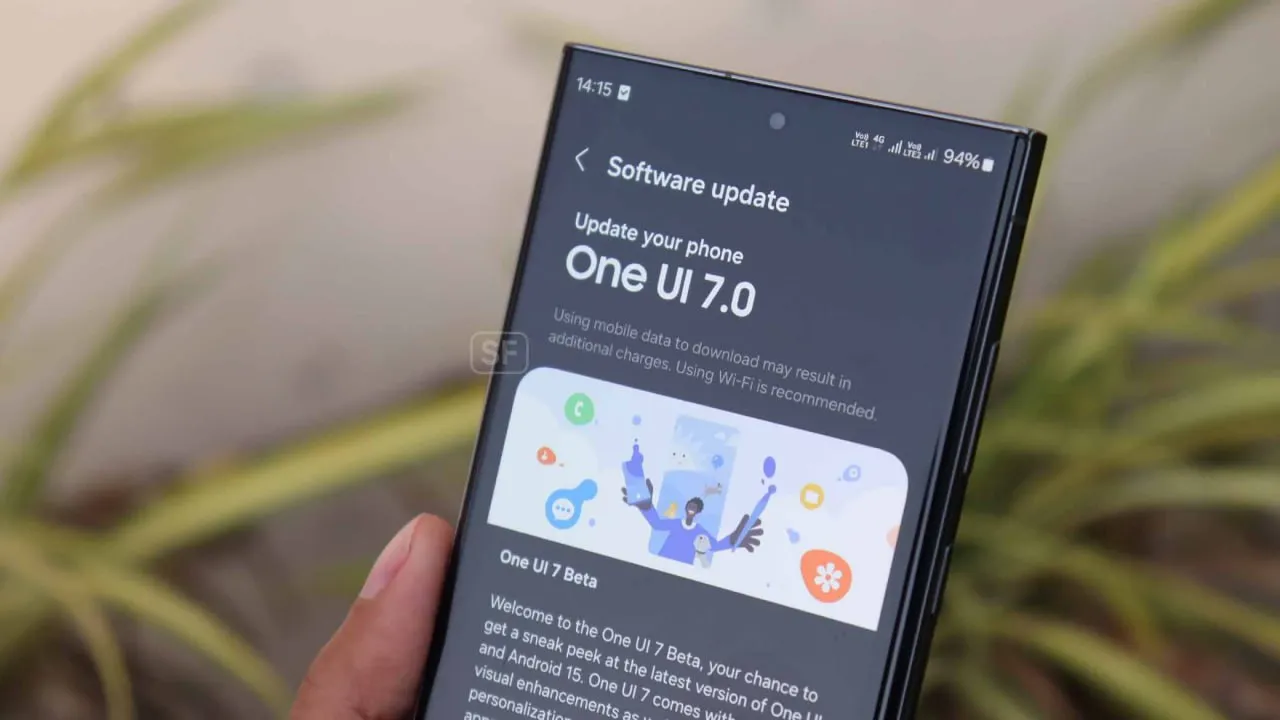
  • How to Fix Battery Drain Issues in One UI 7

    How to Fix Battery Drain Issues in One UI 7

    Experiencing battery drain after updating to One UI 7 on your Samsung Galaxy device? This comprehensive guide explains why battery drain happens, how to fix it, and the best settings to optimize battery life on One UI 7. Follow these proven steps to restore your phone’s battery performance and enjoy the latest features without compromise.

    Battery drain after a major update like One UI 7 is common. Your device may use more power due to background optimization, app updates, and new features. Additionally, system apps such as location services may run more often, impacting battery life.

    1. Allow System Optimization

    It may take up to 14 days for your Galaxy phone to optimize battery usage after downloading One UI 7. Avoid making significant modifications during this time, and keep an eye out for any natural improvements in battery life.

    samsung galaxy s25 ultra

    Samsung Galaxy S25 Ultra

    Streamline your day with an assistant that gets you. Ask it to Google search for a pet-friendly vegan restaurant nearby and text it to your friend – your Galaxy S25 Ultra handles multiple tasks with a single ask.
    Best choice
    $1,299.99$1,067.99Get It Now

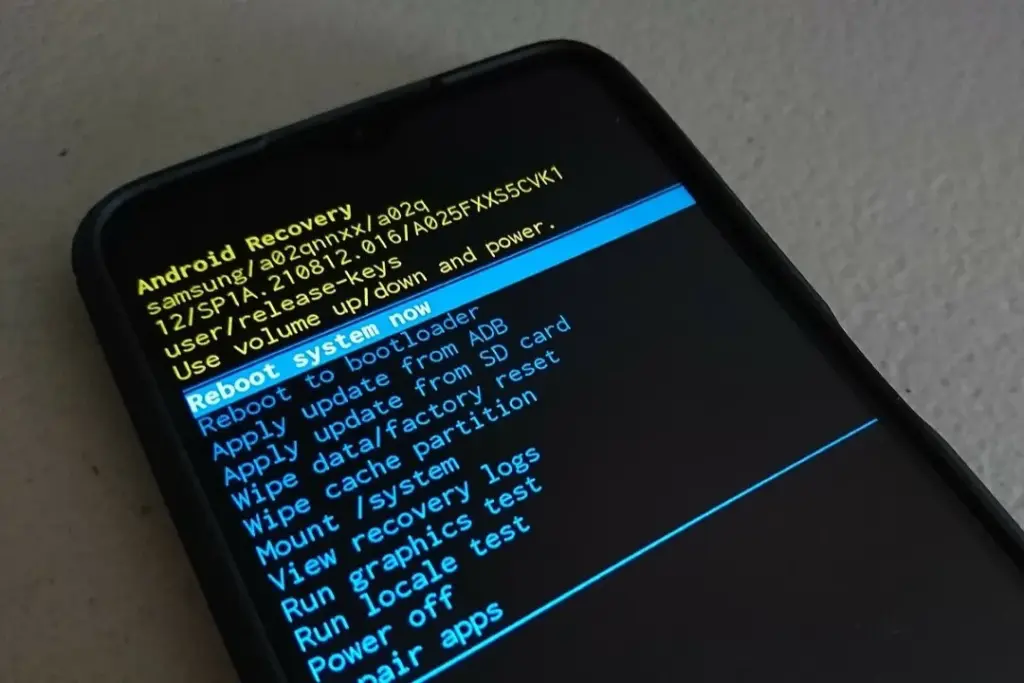
    2. Wipe Cache Partition

    wipe cache to fix battery drain

    After an update, a damaged cache may result in excessive battery consumption. One secure method to fix this without erasing sensitive information is to wipe the cache partition.

    How to Wipe Cache Partition:

    • Turn off your Galaxy device.
    • Connect it to a computer via USB.
    • Hold Power + Volume Up until the Samsung logo appears.
    • Use the volume buttons to highlight “Wipe cache partition” and press Power.
    • Confirm and reboot.

    3. Update All Apps

    Older apps might not be One UI 7 compatible. To guarantee compatibility and effectiveness, update every app from the Google Play Store and Galaxy Store.

    4. Check Battery and Location Settings

    • To find out which apps use the most power, navigate to Settings > Battery & Device Care > Battery.
    • Limit background activity for apps that use a lot of resources.
    • For apps that do not require continuous access, check location permissions and turn off “Allow all the time.”

    5. Use One UI 7 Battery Protection Features

    One UI 7 introduces new battery protection tools:

    • Adaptive Mode: Limits charging to 80% overnight, topping up before you wake.
    • Maximum Mode: Set a custom maximum charge (80%, 85%, 90%, 95%) to extend battery lifespan.
    • Auto Dim Screen: Automatically dims the display when battery drops below 5%.

    Access these in Settings > Battery > Battery Protection and Settings > Display > Auto Dim Screen.

    6. Factory Reset as a Last Resort

    If other solutions fail, a factory reset can resolve persistent battery drain. Back up your data before proceeding.

    Extra Tips to Extend Battery Life on One UI 7

    • Turn off functions you do not use, such as background sync, fast refresh rate, and always-on display.
    • Reduce screen timeout and screen brightness.
    • When necessary, activate power-saving modes.

    Frequently Asked Questions (FAQ)

    How long does it take for battery life to stabilize after updating to One UI 7?

    It can take up to two weeks for your device to optimize battery usage after a major update.

    Will wiping the cache partition delete my personal data?

    No, wiping the cache partition only clears temporary system files and does not affect your personal data.

    Why is my location icon always on after the update?

    Some apps may have gained new permissions. Review your location settings and restrict access where unnecessary.

    Quick Fixes for One UI 7 Battery Drain

    SolutionEffectivenessData Loss RiskDifficulty
    Wait for optimizationModerateNoneEasy
    Wipe cache partitionHighNoneMedium
    Update all appsModerateNoneEasy
    Adjust battery settingsModerateNoneEasy
    Factory resetHighYesHard

    If you’re still experiencing battery drain after trying these steps, keep your device updated and monitor community forums for official fixes. Reporting your issue helps Samsung identify and resolve widespread problems faster.

    samsung galaxy s25 ultra

    Samsung Galaxy S25 Ultra

    Streamline your day with an assistant that gets you. Ask it to Google search for a pet-friendly vegan restaurant nearby and text it to your friend – your Galaxy S25 Ultra handles multiple tasks with a single ask.
    Best choice
    $1,299.99$1,067.99Get It Now
  • How to check for Android updates manually – don’t miss crucial features & fixes

    How to check for Android updates manually – don’t miss crucial features & fixes

    Software updates are vital for keeping your Android smartphone secure, efficient, and compatible with the most recent apps. However, many users disable auto-updates, either to save data or to avoid unpleasant modifications. What is the good news? You can still manually check for and apply updates, rather than waiting for a system prompt.

    In this extensive article, we will teach you how to manually check for Android system updates across many brands and what to do if no update appears – even if you assume one is available.

    Why Android updates matter

    There are several good reasons to check for Android updates manually:

    1. Get Critical Security Patches Faster

    Waiting for the automatic update prompt could expose your phone to known exploits. Manually checking allows you to keep ahead of security issues by ensuring that your device always has the most recent patch.

    2. Access New Features Early

    Android upgrades frequently include new interface modifications, battery optimizations, and system features. Manual updates allow you to try the latest enhancements as soon as they are published.

    3. Fix Device Glitches or Bugs

    Some updates contain stability fixes for specific devices. If your phone has been behaving up, a system update may fix crashes, poor performance, or connectivity issues.

    4. Ensure App Compatibility

    Many apps now require the latest Android versions to function properly. Without regular upgrades, your favorite apps may cease to function or lose essential features.

    Check for updates via settings (standard Android)

    This is the most common way to check for updates on Android, regardless of the manufacturer.

    Steps:

    1. Open your device’s Settings.
    2. Scroll down and tap on System.
    3. Tap Software Update or System Update (name may vary).
    4. Tap Check for updates.
    5. If an update is available, follow the on-screen instructions to download and install.

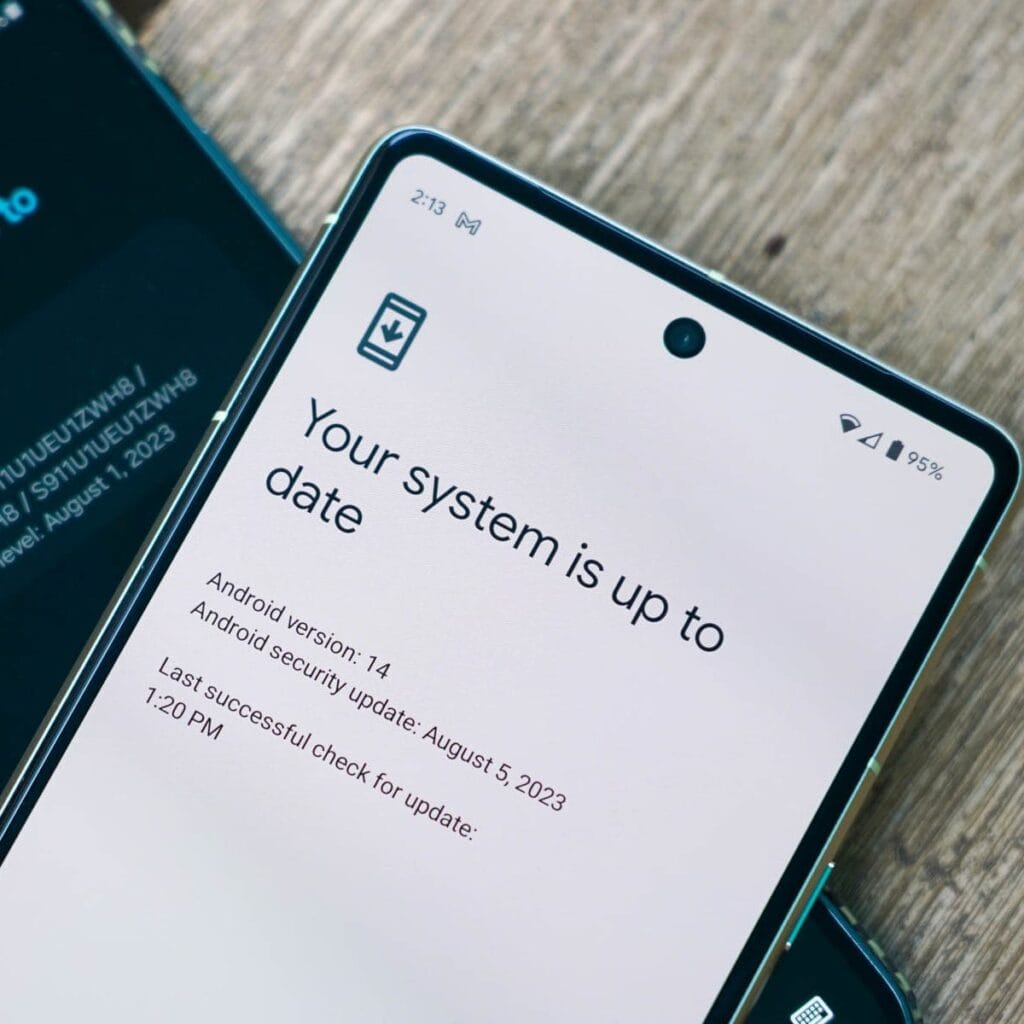
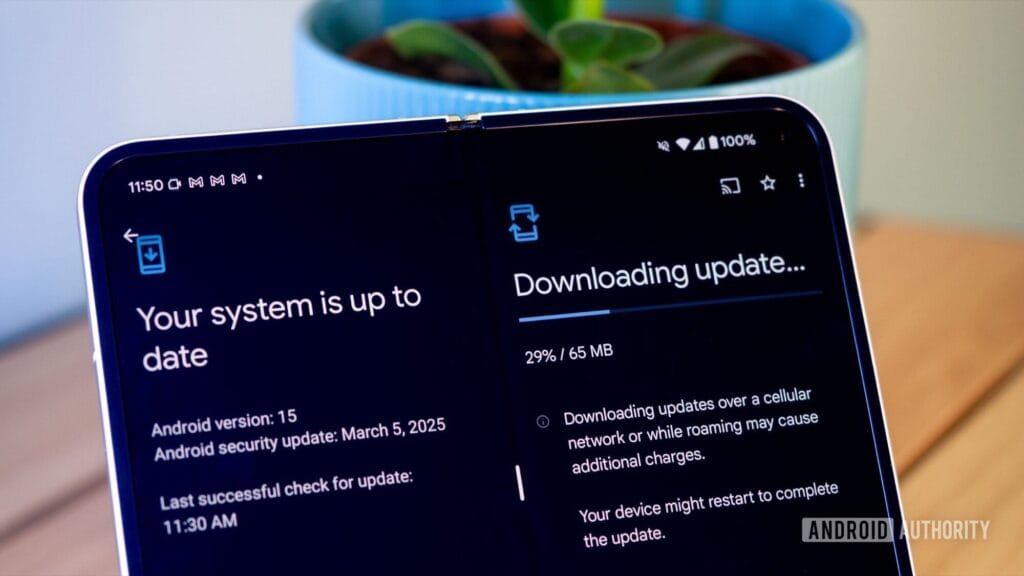
    What if it says “Your system is up to date”?

    Android updates system is up to date

    That alerting does not always indicate that there is no update; it could simply have not yet reached your region or device build. In that situation, consider the advanced methods listed below.

    How to check updates on specific Android oems

    Because manufacturers customize Android OS, the update settings may be in slightly different locations.

    Samsung Devices

    • Go to Settings > Software update > Download and install
    • Samsung pushes monthly security patches and One UI feature updates through this panel.

    Google Pixel

    • Go to Settings > System > System update
    • Pixel devices receive updates directly from Google — typically first among all brands.

    Xiaomi, Redmi, POCO (MIUI)

    • Go to Settings > About Phone > MIUI Version
    • Tap on Check for updates.
    • For advanced control, use the Updater app found in system apps.

    OnePlus (OxygenOS)

    • Go to Settings > About phone > OxygenOS version
    • Tap Check for updates
    • Alternatively, download the OnePlus Updater APK for sideloading updates.

    Oppo / Realme (ColorOS & Realme UI)

    • Go to Settings > Software update
    • Tap on Check for updates
    • Oppo also has an “Early Access” program for beta releases.

    Motorola

    • Go to Settings > System > Advanced > System Updates
    • Tap Check for updates

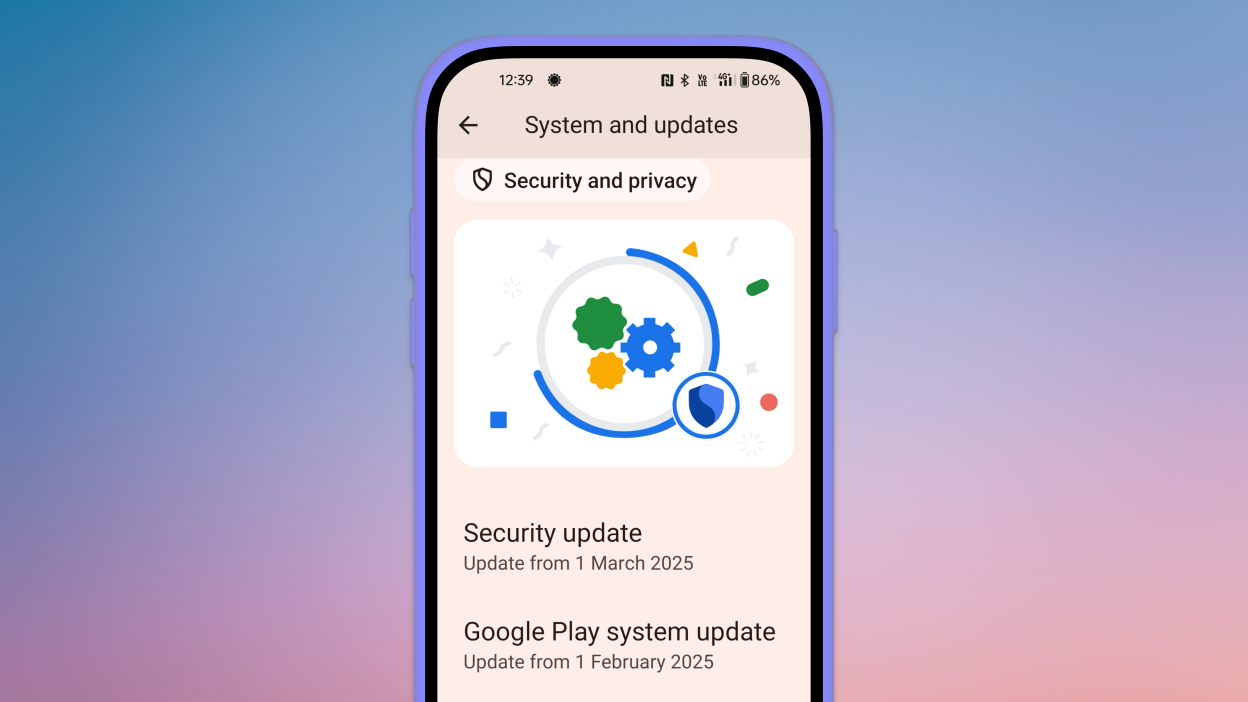
    Use Google Play system updates (separate from OS)

    android updates

    Since Android 10, Google has separated certain security and performance updates from full OS upgrades. These are delivered via Google Play system updates.

    How to check:

    1. Go to Settings > Security > Google Play system update
    2. Tap Check for update

    These are smaller updates that often improve background processes like biometric security, encryption modules, or system services.

    Force update with OTA Zip files (advanced users)

    If your manufacturer has released an official firmware update but it hasn’t reached your phone yet, you can manually install it using an OTA (Over-The-Air) zip file.

    Steps (for advanced users):

    1. Visit your manufacturer’s official website or trusted forums like XDA.
    2. Download the correct OTA update file for your model and region.
    3. Place the file in the root directory of your internal storage.
    4. Boot into Recovery Mode (usually via holding Power + Volume Up).
    5. Choose Apply update from SD card or Install update.zip.

    ⚠️ Caution: Flashing the wrong file or interrupting the process can brick your device. Always back up your data.

    What to Do If No Update Appears?

    If you’ve tried everything and your device still says it’s up to date, here are possible reasons:

    • Carrier Delay: Devices tied to mobile carriers often receive updates later than unlocked models.
    • Staged Rollouts: Updates are released in waves. Your device may be queued for later.
    • Region Restriction: Updates may reach some countries first. A VPN won’t help because updates are tied to device build numbers, not IP addresses.
    • Outdated Device: If your device is more than 2–3 years old, it may have reached its end of life for updates.

    Pro Tips to Get Updates Faster

    • Enroll in beta programs if your phone supports them (Pixel, Samsung One UI Beta, etc.)
    • Use the manufacturer’s official updater app (like the Xiaomi Updater).
    • Keep at least 3–5 GB of free storage so updates can install smoothly.
    • Fully charge your battery before downloading any major update.

    Final Thoughts

    Checking for Android updates manually is a good practice, especially if you value efficiency, security, or new features. While auto-updates may manage this silently in the background, taking control ensures that you are always using the most recent and safest version of Android.

    Whether you are using a Samsung, Pixel, Xiaomi, or Motorola, the steps are usually only a few taps away. Stay up to date and secure.

  • How to block ads on Android without root (2025 guide)

    How to block ads on Android without root (2025 guide)

    Online ads can be annoying, whether you are watching YouTube, perusing a news website, or using a free software. Aside from being unpleasant, they can slow down your device, use bandwidth, and compromise your privacy. Fortunately, you can disable most advertising on Android without rooting your device or installing costly apps. This comprehensive guide describes the best ways to block advertisements on websites, applications, and games using free and secure techniques.

    Why should you block ads on your device?

    Blocking ads on your Android phone does more than merely improve the user experience. There are practical advantages that improve device performance, privacy, and security. Here’s why many users prefer to block advertisements:

    1. Improved Performance

    Ads frequently load media-rich material such as photos, animations, and videos, which eat memory and CPU cycles. On smartphones with limited resources, this might result in slower loading times, slowness, and even app crashes. Blocking advertisements frees up system resources and improves program responsiveness.

    2. Better Battery Life

    Since many ads are dynamic and constantly update, they continue running in the background, which drains the battery. Blocking these elements can significantly extend battery life, especially on older devices.

    3. Reduced Data Usage

    When an ad loads, it consumes bandwidth. For individuals with limited data plans, this may result in higher mobile bills or throttling. Blocking advertising helps you save your monthly data allowance.

    4. Enhanced Privacy and Security

    Ads sometimes include tracking scripts that track your activity across apps and websites. Malicious advertising (malvertising) can occasionally lead consumers to phishing or malware-infected websites. Blocking advertisements reduces the likelihood of tracking and exposure to hazardous content.

    Block ads in browsers with Brave or Firefox + uBlock Origin

    Use Brave browser with built-In ad blocking

    The Brave browser prioritizes privacy and includes built-in ad and tracker blocking. Unlike Chrome, which does not enable ad-blocking, Brave automatically removes the majority of advertisements and tracking scripts from websites.

    How to use Brave:

    1. Go to the Google Play Store and install Brave Browser.
    2. Open the app and begin browsing — ad blocking is enabled by default.
    3. To customize settings, go to Brave’s menu > Settings > Shields. You can adjust how strictly ads and trackers are blocked.

    Brave also provides other settings such as script blocking, cookie control, and HTTPS upgrades to improve your surfing privacy even further.

    Best Use Case: Blocking ads on most websites instantly, without needing any extensions or additional configuration.

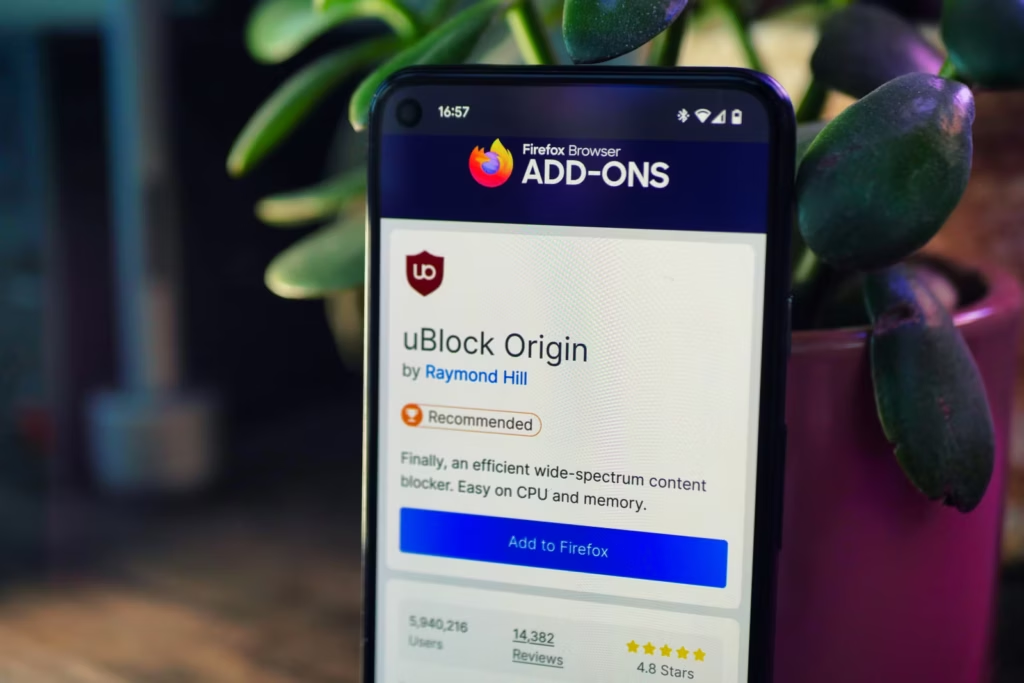
    Use Firefox with the uBlock Origin Add-On

    Firefox with the uBlock Origin Add-On to block ads

    If you prefer Firefox, it provides a more personalized experience by supporting third-party add-ons such as uBlock Origin, one of the most powerful ad blocks accessible.

    Steps to set up uBlock Origin on Firefox:

    1. Install the latest version of Firefox for Android.
    2. Visit addons.mozilla.org from within the browser.
    3. Search for “uBlock Origin” and add it to Firefox.
    4. Once installed, uBlock Origin will immediately begin filtering ads on websites.

    You may set up custom filters, activate regional ad lists, and block certain aspects on a webpage. This level of control makes Firefox with uBlock Origin excellent for users seeking extensive filtering options.

    Best Use Case: Users who want granular control over what gets blocked and which filters are applied.

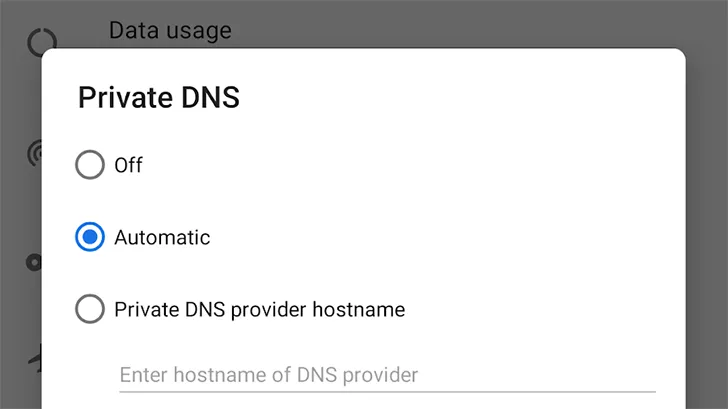
    Use private DNS to block ads system-wide (Android 9+)

    android private dns for ad block

    Since Android 9 (Pie), users can use a feature known as Private DNS. It connects you to a DNS provider, which filters out known ad-serving domains before they load, essentially blocking advertisements in all browsers and many apps.

    Steps to enable Private DNS:

    1. Open Settings on your phone.
    2. Navigate to Network & Internet > Private DNS.
    3. Select “Private DNS provider hostname
    4. Enter the hostname of a DNS provider that supports ad blocking.
    5. Save the changes.

    Popular Ad-Blocking DNS Providers:

    ProviderHostnameDescription
    AdGuard DNSdns.adguard.comBlocks most ads and trackers
    NextDNSdns.nextdns.io/your-config-idHighly customizable with user-defined filters
    Control D Freefreedns.controld.comOffers ad/tracker filtering without an account

    Advantages:

    • Blocks ads across apps, not just in browsers
    • Doesn’t require any apps or root access
    • Improves loading speeds and reduces unwanted traffic

    Limitations:

    • May not block all in-app ads or YouTube ads
    • Some mobile networks may not support encrypted DNS

    Best Use Case: Non-root system-wide ad blocking with minimal setup effort.

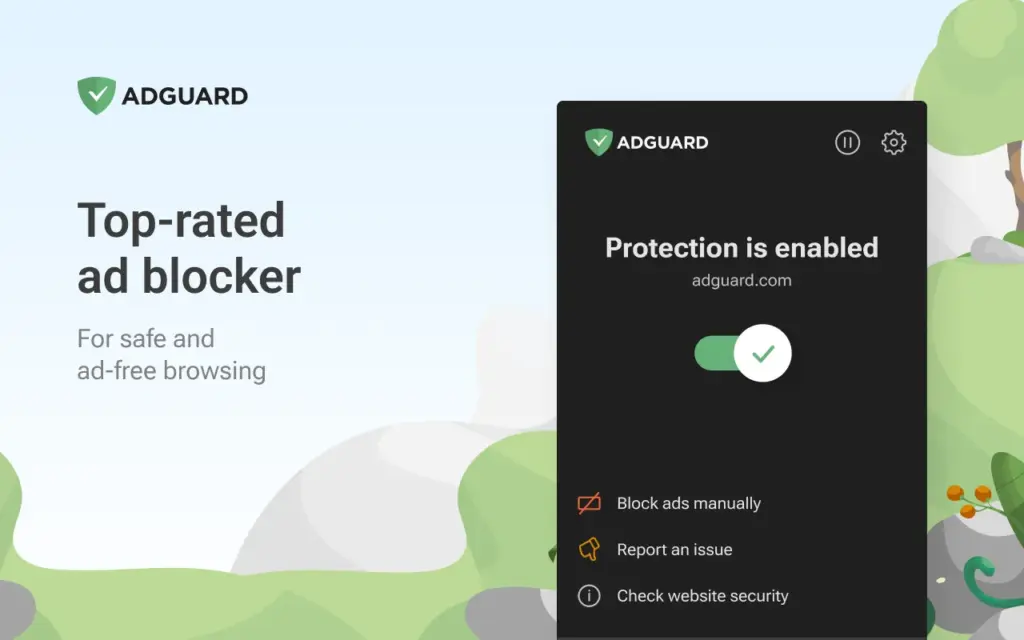
    Use AdGuard content blocker for supported browsers

    AdGuard content blocker block ads on Android

    The AdGuard Content Blocker is a free application that disables advertisements in browsers such as Samsung Internet and Yandex Browser without having root access.

    How to install and use AdGuard Content Blocker:

    1. Download the app from the official AdGuard website or from F-Droid.
    2. Open the app and select the browser you use (Samsung Internet or Yandex).
    3. Enable content filters like EasyList or AdGuard Base Filter.
    4. Ads will be blocked while browsing within the supported browser.

    Advantages:

    • Offers control over what filters are applied
    • Requires no permissions or rooting
    • Supports multiple languages and filter lists

    Limitations:

    • Does not block ads inside other apps
    • Only works with supported browsers (not Chrome)

    Best Use Case: Samsung or Yandex browser users seeking browser-specific ad blocking without full system-wide solutions.

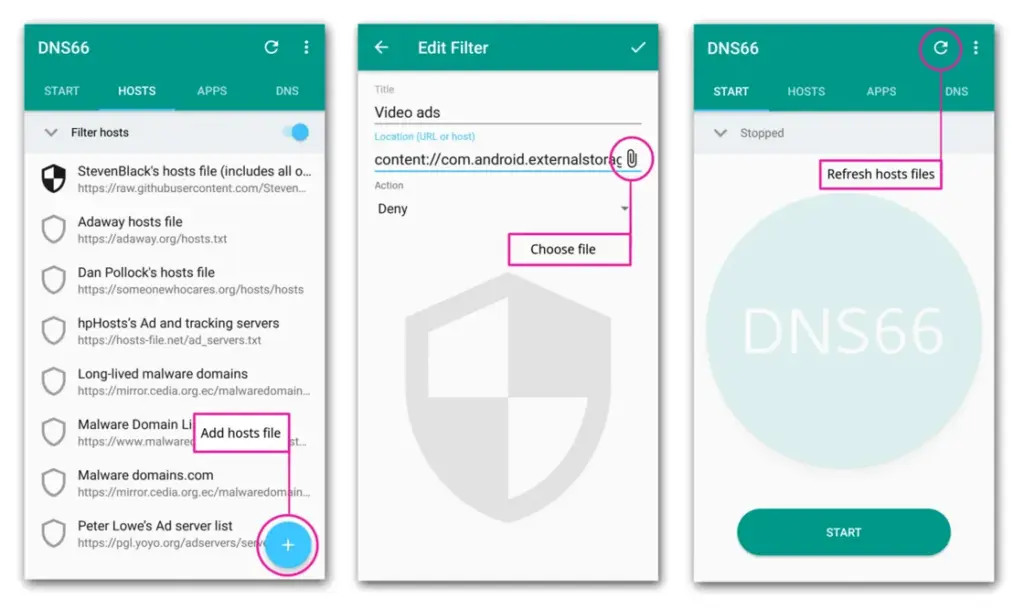
    Use a custom hosts file or DNS66 (No Root Required)

    l 0bef42fe 4178 4057 8acf 5f7ada

    Tech-savvy users may prefer to utilize a custom hosts file that redirects known ad-serving domains to a blank IP address. DNS66, for example, provides this capabilities without the need for root access.

    How it works:

    • DNS66 creates a local VPN tunnel and uses a custom hosts file.
    • Any requests to known ad servers are blocked at the DNS level.
    • It filters traffic system-wide, including ads in apps and games.

    Steps to use DNS66:

    1. Download DNS66 from F-Droid (it’s not available on the Play Store).
    2. Launch the app and configure which hosts files to use (e.g., AdAway or Energized).
    3. Start the VPN service and allow the app to block domains across the system.

    Best Use Case: Advanced users who want fine-tuned control over DNS-level ad blocking without root.

    Note: Since DNS66 uses a local VPN, you cannot run other VPNs at the same time.

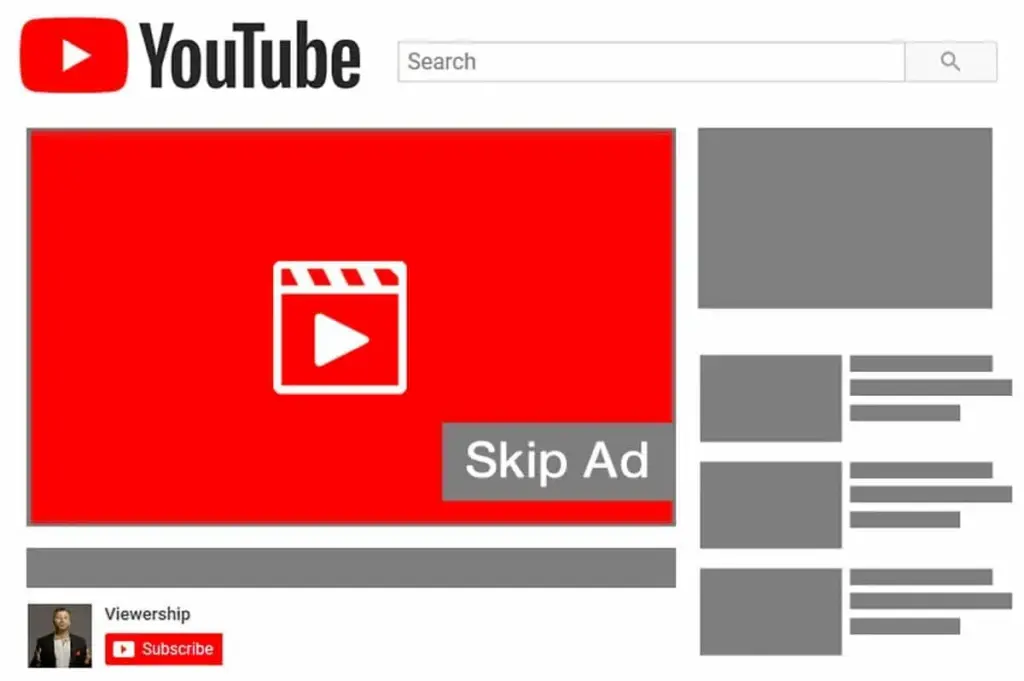
    What about YouTube ads?

    YouTube uses server-side ad distribution, which makes it difficult to prevent adverts in the official YouTube app. However, there are various workarounds available:

    youtube ads

    Option 1: watch YouTube in Brave or Firefox with Ad Blocking

    • Open YouTube.com in Brave or Firefox with uBlock Origin enabled.
    • Ads will be stripped from videos on the web interface.
    • You can even use picture-in-picture mode on supported devices.

    Option 2: Use YouTube Vanced or ReVanced

    YouTube Vanced (now discontinued) and its successor, ReVanced, offer modified YouTube apps with built-in ad-blocking and background playback.

    Important Notes:

    • These apps must be sideloaded and are not available on the Play Store.
    • Use trusted sources such as GitHub or community forums to avoid malware.
    • YouTube may update its API to block these apps in the future.

    Best Use Case: Users who regularly watch YouTube and want a consistent ad-free experience without paying for YouTube Premium.

    Additional tips to reduce ads and trackers on Android devices

    If you want even more control over your privacy and device experience, consider these extra steps:

    • Use a privacy-focused VPN with built-in ad and malware blocking (e.g., Proton VPN, NordVPN, Surfshark).
    • Enable Data Saver or Lite Mode in Chrome to minimize ad-heavy content.
    • Regularly clear app cache and browsing data to remove trackers.
    • Turn off personalized ads by visiting Google Ad Settings and disabling ad personalization.

    Final Thoughts

    Blocking ads on Android no longer necessitates technical knowledge or rooting the device. The majority of advertisements may be removed from your browsing and app experience using browser-based blockers, DNS-based filtering, and content-blocking applications.

    These methods are safe, effective, and frequently free. Whether you are concerned about performance, data use, or privacy, using these ad-blocking tactics will significantly enhance your Android experience.

  • How to hide photos and videos on Android without any app

    How to hide photos and videos on Android without any app

    Do you want to protect specific images and videos without downloading additional apps? Android offers you multiple options to conceal your media, whether it be private memories, sensitive work material, or sensitive information – no dangerous tools or third-party apps are needed.

    Using built-in capabilities like Google Photos, File Manager, and brand-specific tools like Samsung‘s Secure Folder or Xiaomi’s Hidden Album, you will discover various ways to conceal images and videos on Android in this guide.

    Why hide media on your device?

    Privacy isn’t just about hiding things from others – it’s also about peace of mind. You might want to hide photos or videos that are:

    • Sensitive work screenshots or files
    • Personal or intimate photos
    • Copies of IDs, passwords, or financial info
    • Photos you don’t want others to see when scrolling through your gallery

    And the good news? You don’t need to install any shady apps to protect your content.

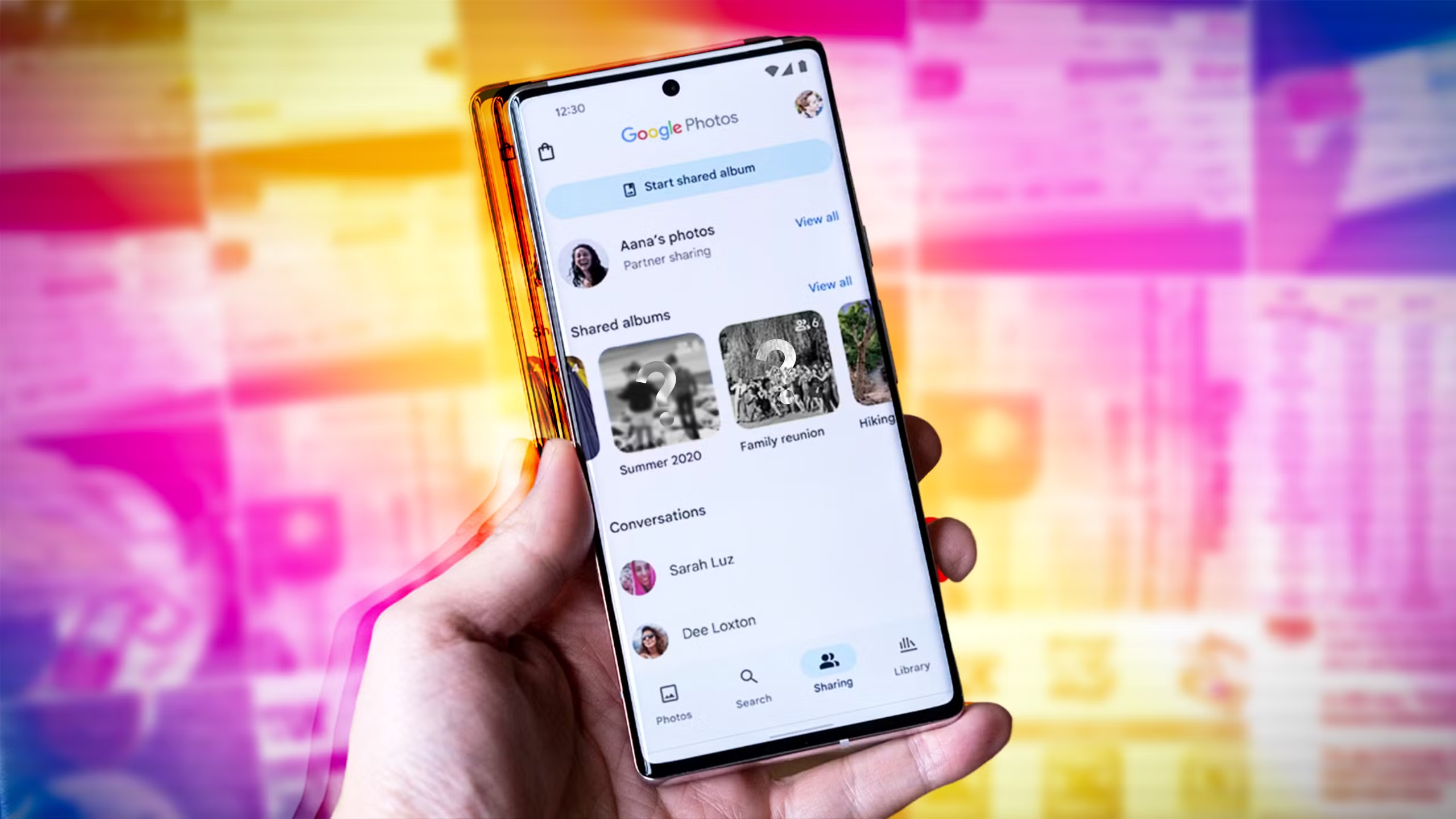
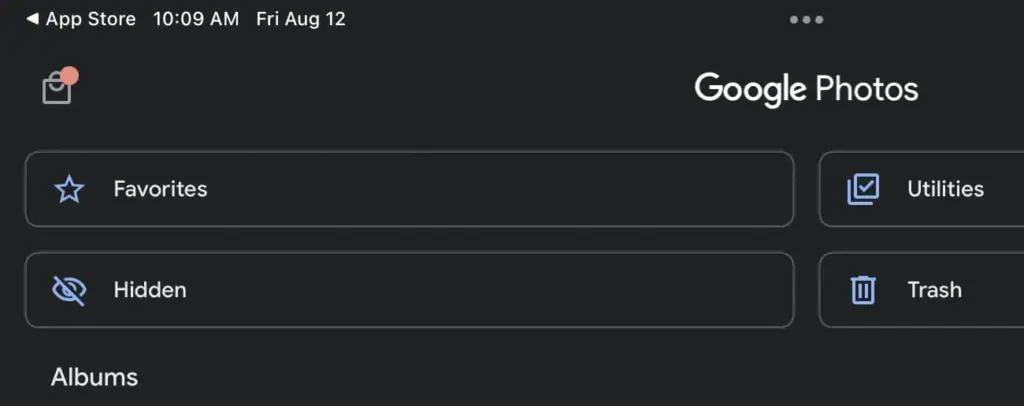
    Method 1: Hide Photos Using Google Photos Archive

    Hide Photos Using Google Photos Archive

    If you’re using Google Photos (which is pre-installed on most Android devices), archiving is the quickest and safest way to hide images from your main gallery view – all without deleting them or moving files around manually.

    Step-by-Step Instructions:

    1. Open the Google Photos app
    2. Select the image(s) or video(s) you want to hide
    3. Tap the three-dot menu in the top right
    4. Select “Move to Archive”

    These files will now disappear from your main timeline but stay safely stored in the “Archive” section.

    Where to find archived photos later:

    • Go to Library > Archive in the bottom navigation of the Google Photos app

    Why it’s useful:

    • Doesn’t delete or move files — just removes them from the spotlight
    • Perfect for semi-private content you might need later
    • Works across devices if you’re syncing with Google Account

    Note: Archived photos still appear in albums or search results unless you manually remove them from those albums.

    📌 Best for: Casual privacy without breaking anything or hiding files completely.

    Method 2: Use File Manager to Hide Files Manually

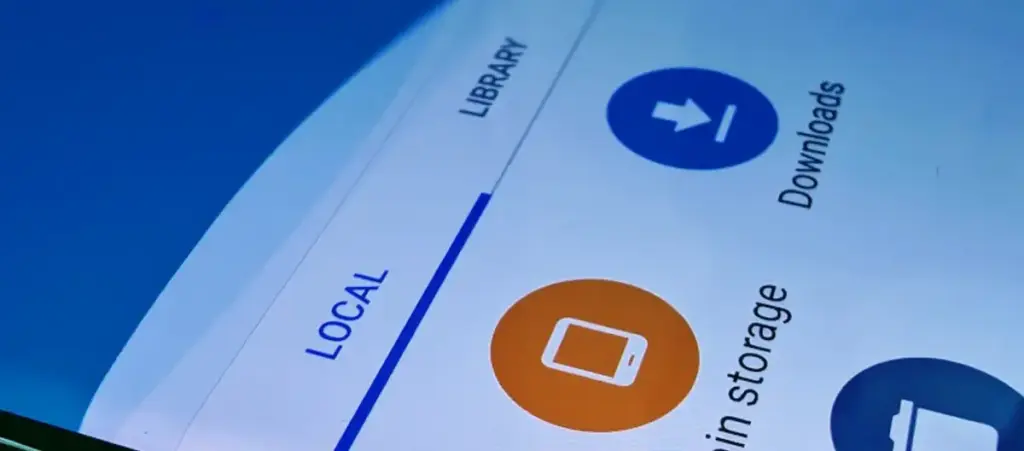
    Android file manager

    Regardless of brand or Android version, this is a universal solution that works with almost all Android phones. You will make a hidden folder that will be automatically ignored by the Android operating system and media scanning applications.

    Step-by-Step:

    1. Open the File Manager or My Files app on your phone
    2. Navigate to Internal Storage
    3. Create a new folder and name it with a dot (.) at the beginning, such as .HiddenMedia or .SecretFolder
    4. Move the photos and videos you want to hide into this folder

    Why it works:

    • Android treats folders starting with a “.” as hidden directories
    • Media in these folders won’t appear in your gallery, Google Photos, or other media apps

    Once done, your Gallery and Google Photos app will no longer detect those files — making them invisible unless you go looking.

    To view them again: enable “Show hidden files” in your file manager’s settings

    Best for: Total manual control over media hiding

    Method 3: Rename File Extensions

    This method only hides files so they will not open in photo or video apps; it does not actually hide them.

    Step-by-Step:

    1. Open your File Manager
    2. Find the photo or video file you want to hide
    3. Tap Rename and change the file extension (e.g., .jpg.xyz)

    At this point, the file will show up as an unopenable generic document. Just change the extension to its original format to get access again.

    Caution: Make sure you remember the original extension (.jpg, .png, .mp4, etc.) so you can restore it!

    Best for: Hiding media from gallery apps without deleting it

    Method 4: Use Built-In Secure Folder (Samsung, Xiaomi, Huawei)

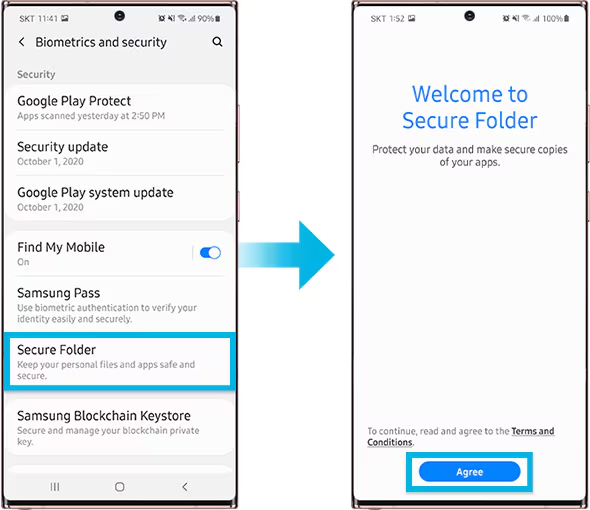
    secure folder

    Nowadays, a lot of oems include built-in safe storage options that enable you to conceal documents, programs, and media using password or biometric security.

    Samsung: Secure Folder

    With Samsung’s Secure Folder, your phone has a private, encrypted area. It is secured by a distinct passcode or fingerprint, which is distinct from the lock on your phone.

    To set it up:

    • Go to Settings > Biometrics & Security > Secure Folder
    • Sign in with your Samsung account
    • Create your Secure Folder with fingerprint, PIN, or pattern
    • Open the Secure Folder and import photos/videos from your gallery

    Even the application’s access is limited without unlocking the folder, and these files are totally concealed from the main gallery and file manager.

    Xiaomi/Redmi: Hidden Album

    The Hidden Album function in Xiaomi’s Gallery app makes it quick and easy to conceal private material.

    How to use:

    • Open the Gallery app
    • Go to Albums > Hidden Album
    • Set up the feature (may require Mi account login)
    • Move selected images/videos to this section

    Content in the Hidden Album is protected and will not appear elsewhere unless explicitly restored.

    For Huawei or OnePlus:

    Use PrivateSpace (Huawei) or App Lock & Hidden Space (OnePlus). These offer similar levels of privacy and allow photos/videos to be locked with additional credentials.

    Best for: Maximum privacy with encryption and authentication — perfect for work or highly sensitive media.

    Method 5: Use Guest Mode or Multiple Users

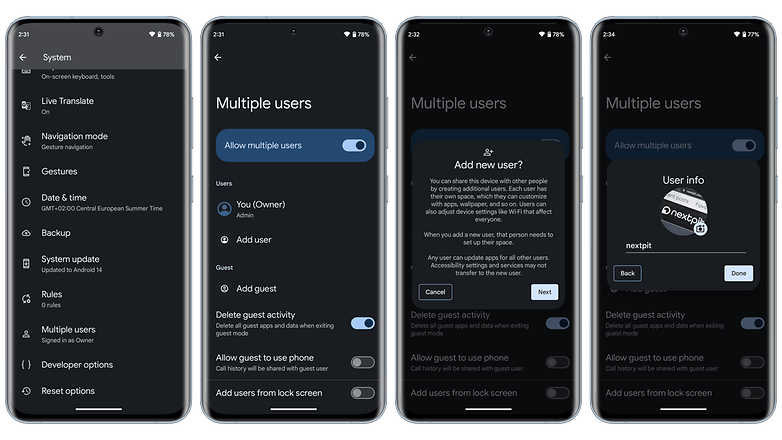
    guest mode on Android, hide photos and videos

    Another sneaky method is to create a Guest account on your phone:

    How to enable Guest Mode:

    Like a computer, Android allows for many user profiles. You can set up a Guest Mode on your phone to keep other users from seeing your messages, apps, or pictures.

    To activate Guest Mode:

    1. Open Settings > System > Multiple Users
    2. Enable Guest Mode or add a new User
    3. Switch to the guest profile when someone else is using your phone

    Switch to Guest mode when someone else wants to use your phone. This keeps all your media, apps, and settings hidden by default.

    Bonus Tip: Some phones allow locking the switch between users with a password or fingerprint.

    Best for: Sharing your phone without giving others access to your personal content.

    What NOT to Do

    While hiding media is easy, here are some common mistakes to avoid:

    • Don’t delete files unless you’re sure you have a backup
    • Don’t trust sketchy third-party apps from unknown developers—many are filled with ads, trackers, or even malware
    • Avoid cloud backups for sensitive files unless encrypted

    Extra Privacy Tips

    • Use a Gallery app with built-in vault (e.g., Simple Gallery Pro)
    • Encrypt your phone under Settings > Security > Encryption
    • Back up sensitive images to a secure cloud (e.g., Proton Drive or a password-protected ZIP file on Google Drive)

    Hide It the Smart Way

    You don’t need to clutter your phone with apps just to hide a few private photos. Android gives you several easy, built-in ways to hide images and videos safely:

    • Archive them in Google Photos
    • Move them to a dot-folder via File Manager
    • Use Secure Folder or Guest Mode for stronger protection

    Choose the method that best fits your comfort level and device brand—and enjoy peace of mind knowing your private media stays private.