Smartwatches, fitness trackers and wearables that complement your Android phone, with clear guidance on health features, battery life and ecosystem fit.
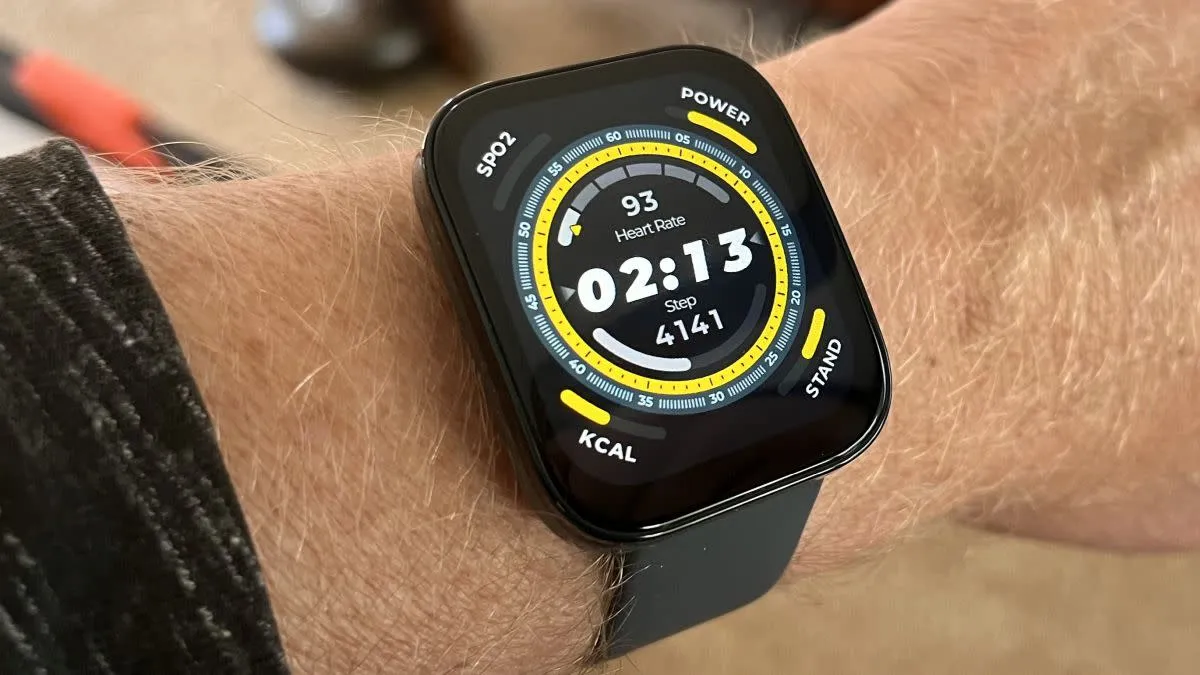
Amazfit BIP 5 is a low-cost smartwatch that uses the Zepp app to provide a wealth of health data in a crowded market of pricey models. The pricing range of Amazfit is smartwatches spans from the Balance to the newly launched T-Rex 3, with the BIP 5 being the most affordable model.
What does a $75 smartwatch bring you, then? A portion of what you might anticipate from an inexpensive gadget, but with some pleasant surprises as well. Based on the Amazfit range, the Amazfit BIP 5 is powered by Zepp, the all-inclusive software that functions nearly identically on all of the company’s smartwatches.
I used the BIP for two weeks straight, wearing it to the gym on a regular basis and on a trip to Europe. I found this watch to be a reliable companion for my workouts. The Zepp app offers a plenty of metrics and customization, making up for the watch’s lackluster hardware.
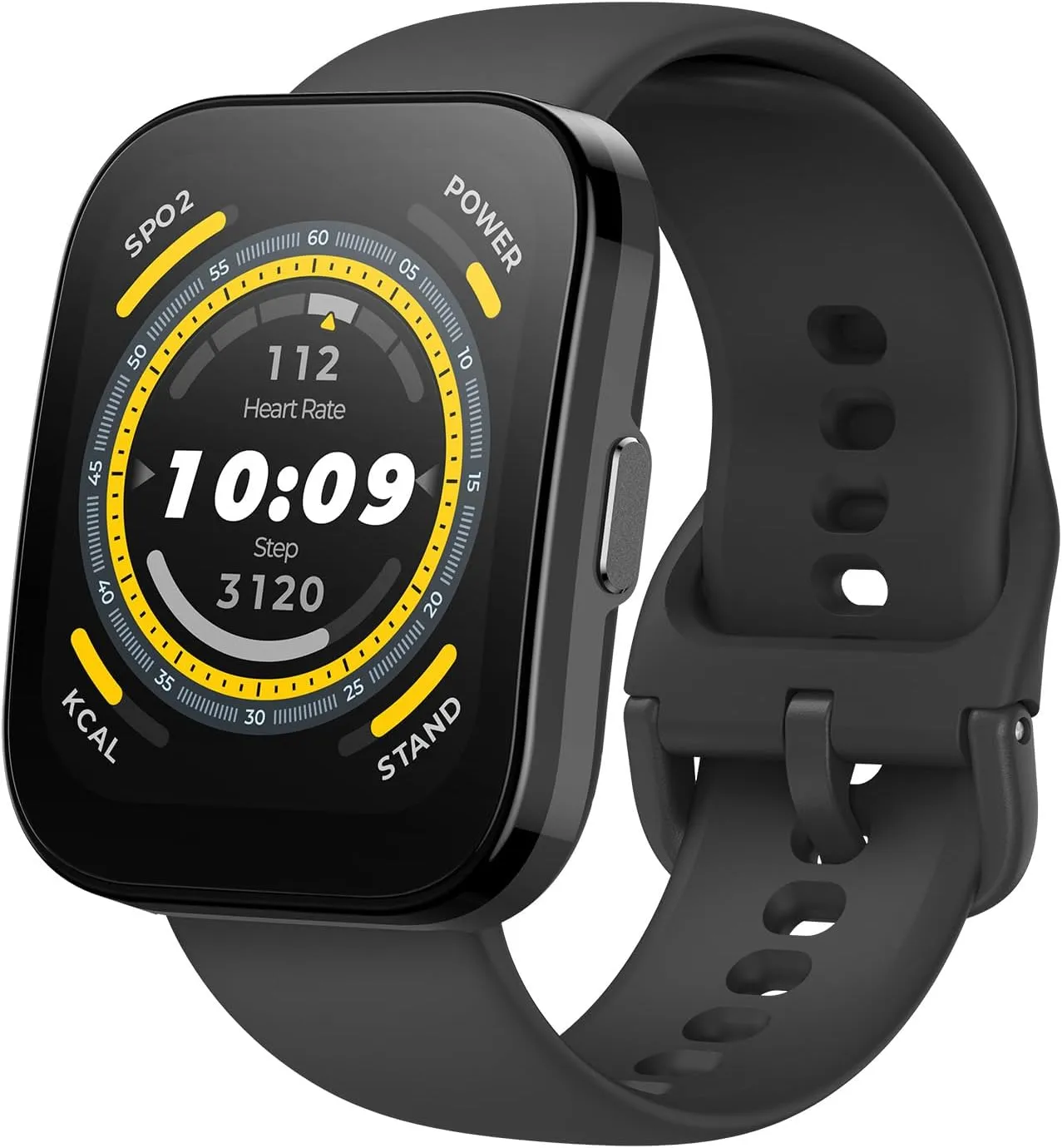
Amazfit Bip 5
Amazfit Bip 5 Smart Watch 46mm, GPS, Alexa Built-in, Bluetooth Calling, 10-Day Battery, Heart-Rate & VO2 Max, Sleep Health Monitoring, AI Fitness App, 120+ Sports Modes, for Android & iPhone, Black
I will start by saying that this watch has an excellent battery. When I went to Europe for six days, I did not even think to bring the charger, and I did not need to. I have been able to charge it once a week or so without any problems.
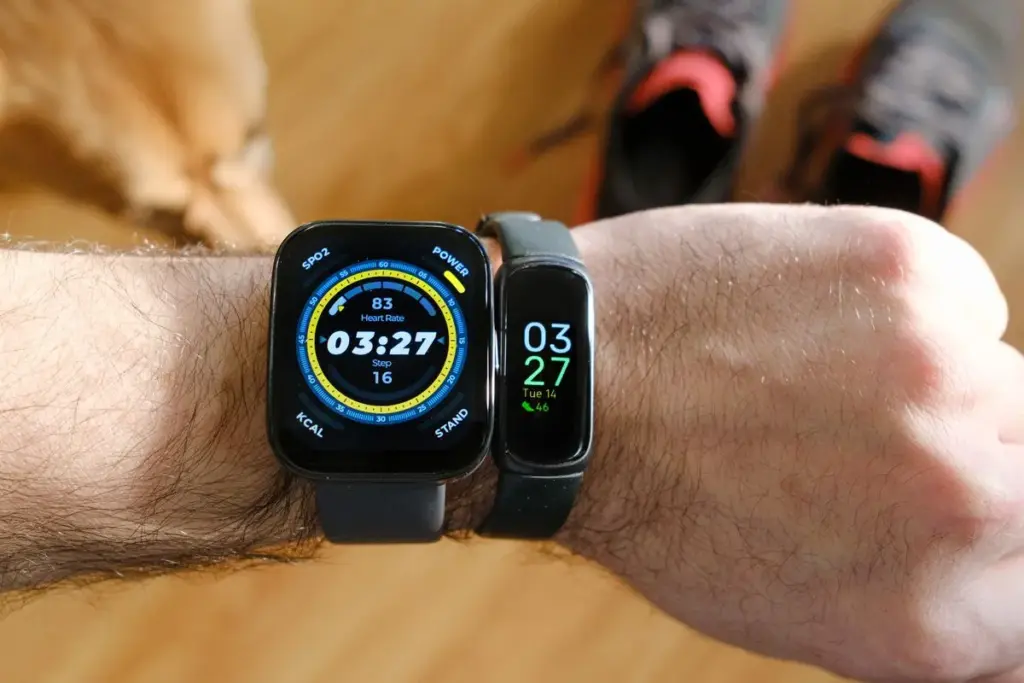
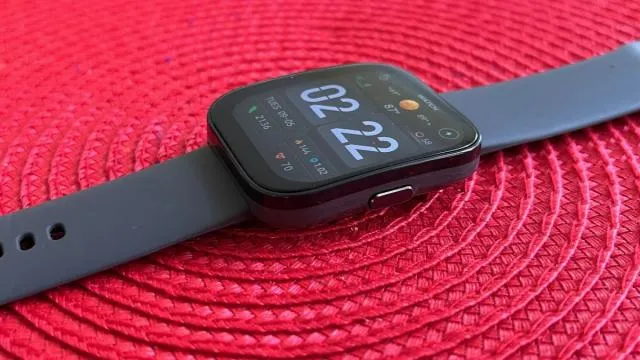
The second obvious feature that makes this watch stand out is its physical form. It does not necessarily look bad for a smartwatch that costs less than $100. The bracelet is simple and the 1.9-inch face is chunky, but at least it can be customized. While it is not as good as the expensive AMOLED screens on rival smartwatches, the display is nonetheless dependable and stutter-free.
In the end, it is a discreet-looking watch that does not draw attention to itself, and given that other smartwatches are determined to market themselves as fashion accessories, that feature deserves some consideration.
This is not a watch you want to wear in the shower or in the pool due to its lack of durability. It is not waterproof, however, it is splashproof thanks to its IP68 rating. I enjoy the outdoors, but I am not someone you will find running in the rain because I reside in New York. Rather, I want a smartwatch with accurate fitness metrics for the gym and reliable sleep monitoring.
Regarding the Amazfit BIP 5’s fitness tracking, I got mixed results. I discovered that the “exercise mode” on the watch is not actually functional for me when I took it to the gym. In this mode, the app will notify you to continue moving when your heart rate falls too low and will encourage you to maintain it elevated within a specific range.
My experience has shown that the heart rate monitor’s accuracy is not perfect. I was in the middle of a stride on the treadmill or a mid-squat on the rack, but the device kept telling me that my heart rate was too low and that I should “keep moving.”
If you do not change the parameters, it might be too intrusive for athletes who are accustomed to working out at the gym, but I can see this being helpful for someone who is focused on high-intensity interval circuit training.
Besides, it is not always clear to the device whether I am standing or sitting. I spend at least half of the day standing because I use a standing desk both at work and at home, but the BIP does not always pick it up.
I could not possibly attempt every one of the more than 120 sport measurement modes available on the BIP, but the ones I did try, like rowing, were beneficial but not particularly game-changing.
Nevertheless, the watch uses Zepp’s PAI score to measure a variety of variables. With the aim of reaching a weekly total of 100, the “personal activity indicator” is a statistic that gives you points each day based on cardiorespiratory measures from all sources (not just specified workouts).
Amazfit Bip 5
Amazfit Bip 5 Smart Watch 46mm, GPS, Alexa Built-in, Bluetooth Calling, 10-Day Battery, Heart-Rate & VO2 Max, Sleep Health Monitoring, AI Fitness App, 120+ Sports Modes, for Android & iPhone, Black
Personally, I think Zepp’s PAI method is great and it makes sense to assess your fitness and health via a variety of lenses rather to just ad hoc measures. The integrated GPS is another feature that runners will adore.
It can provide maps of your routes and a variety of stats related to your training, including statistics, achievement projections to track your progress, and workout templates.
There are not many unique connectivity features on the Amazfit BIP 5 because its primary functions are health-related, but the ones that are present are at least helpful. For instance, you can use the watch to control music playback when it is on your phone.
It also supports Alexa, so if you have a smart home setup, you can use the watch to provide orders. When it comes to its sleep-tracking features, the Zepp app—which is extensive and data-rich—carries the BIP 5. Because of this, it is a fantastic low-cost choice for those who wish to track their sleep but do not really need a fitness watch.
Zepp generates a progress report with a grade every morning, along with longer narrative reports created by AI that provide further meaning for your sleeping patterns. The measurements are not entirely correct, though.
Zepp frequently assumes that I am asleep when I am not, and on occasion, he even claims that my sleep was worse than it was. Zepp places a strong emphasis on regular sleep and wake hours, and even if you get a restful night’s sleep, it can still be very critical of deviations from this pattern.
On certain evenings, even when it was the weekend or I felt like I had gotten enough sleep, it would give me a 75–80 score rating and admonish me for deviating from my sleep routine.
Even if you are not aware of it, the gadget performs a decent job of identifying objects that interfere with your sleep.
For instance, after having a late-night cocktail, I was asked, “Hey, I observed your heart rate took a while to decrease last night,” when I woke up. “Did you consume booze before bed or eat late?” Cracked. Since it did interfere with my sleep in this instance, this level of insight—an overall theme to the watch’s capabilities—was unexpected and clever.
The Moto Watch 120 is a brand-new, compact smartwatch from Motorola. Following the release of the Moto Watch 40 about six months ago, the company has refreshed its array of smartwatches with this new model.
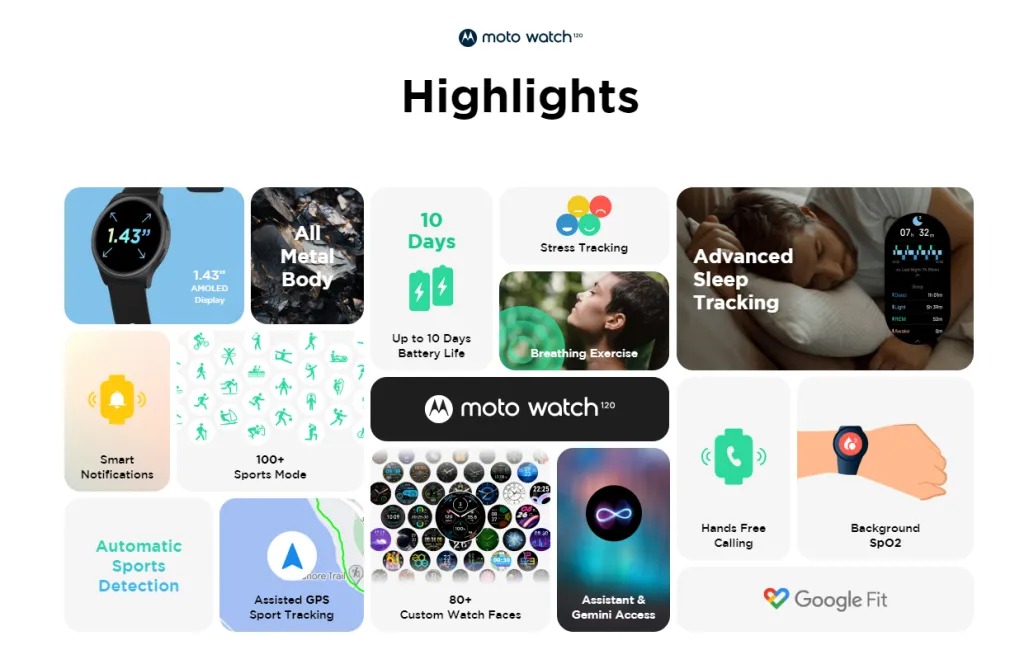
Advanced sleep tracking, stress tracking, smart notifications, more than 100 sports modes, more than 80 customizable watch faces, hands-free calling, and a 10-day battery life are just a few of this smartwatch’s advantages. It has sensors for SpO2, HRM, and accelerometer for tracking health.
Motorola Moto Watch 120
Premium Smartwatch with AMOLED Display, 10-Day Battery, Heart Rate & SpO2 Tracking, Fitness & Health Monitoring, Compatible with Android and iPhone – Phantom Black
Motorola claims that it can also monitor training zones and heart rate in real-time to improve workouts and maximum outcomes. Additionally, the smart notification feature allows you to watch and discreetly receive crucial alerts without ever having to reach for your phone.
Moto Watch 120
Motorola Moto Watch 120 – Premium Smartwatch for Men with AMOLED Display, 10-Day Battery, Heart Rate & SpO2 Tracking, Fitness & Health Monitoring, Compatible with Android and iPhone
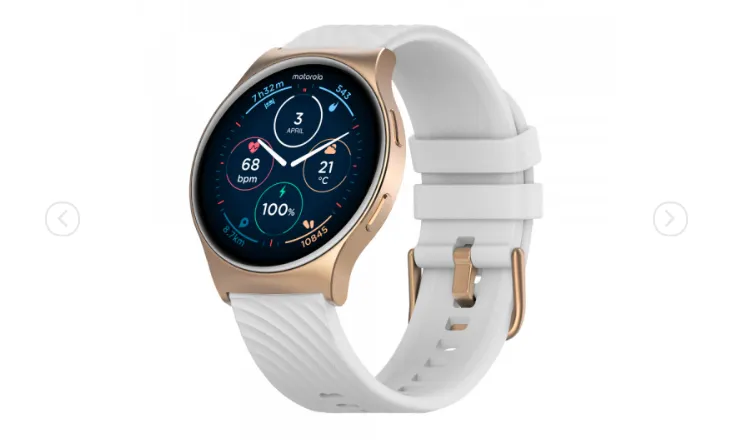
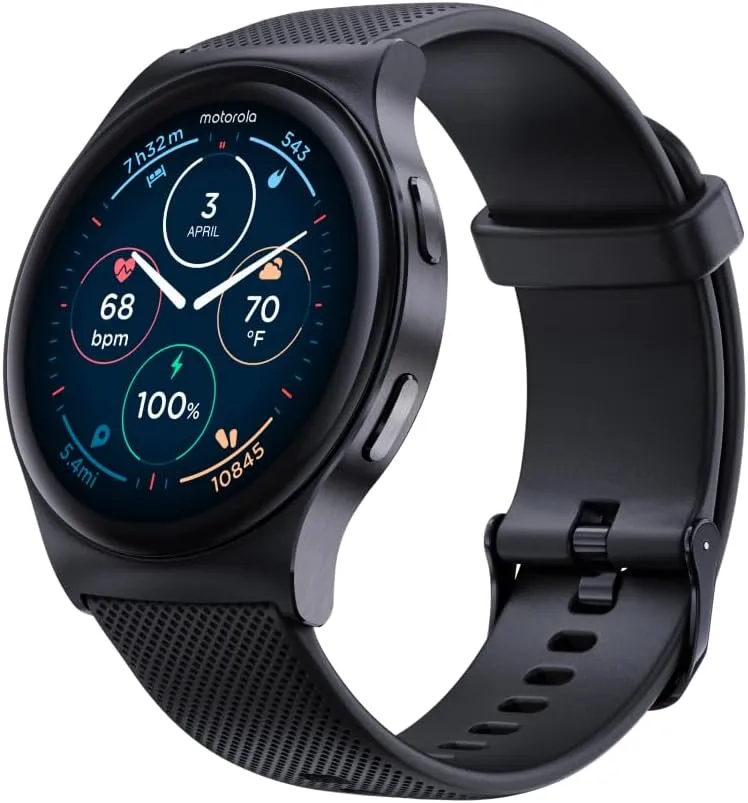
The Moto Watch 120 has a metal (zinc alloy) casing and a 1.43″ circular AMOLED display. It has Bluetooth 5.3 support and is powered by Moto Watch OS. There are three colors available for this watch: Rose Gold, Glacier Silver, and Phantom Black.
In relation to battery life, the 300 mAh battery that powers the Moto Watch 120 is capable of “Quick Charging.” However, the precise charging time for this watch was not disclosed by the manufacturer.
The body is 50.6 x 44.6 x 11 mm and is IP68 dust and water resistant. It is notable for weighing 55g. To put things in perspective, the company’s last watch, the Moto Watch 40, weighed just 26g and had an IP67 dust and water resistance rating. The Watch 120 has a 22mm wide strap that weighs about 175g.
Speaking of other functions, the watch’s wrist-based controls allow users to effortlessly skip tracks, adjust volume, and manage music playback. Users who have inadvertently misplaced their phone can also utilize their watch to locate it by making it ring. The feature functions even while the phone is in silent mode, which is a plus.
Pricing and availability:
The product is listed on the company’s website with a price tag of $129.99 and a link that redirects users to Amazon, where it’s available for purchase for the same price.
In recent years, smartwatches have gotten more and more popular. While some models are relatively inexpensive, there are also some amazing high-end possibilities. It is usually a good idea to stick with Samsung if you are searching for one of the top Android smartwatches.
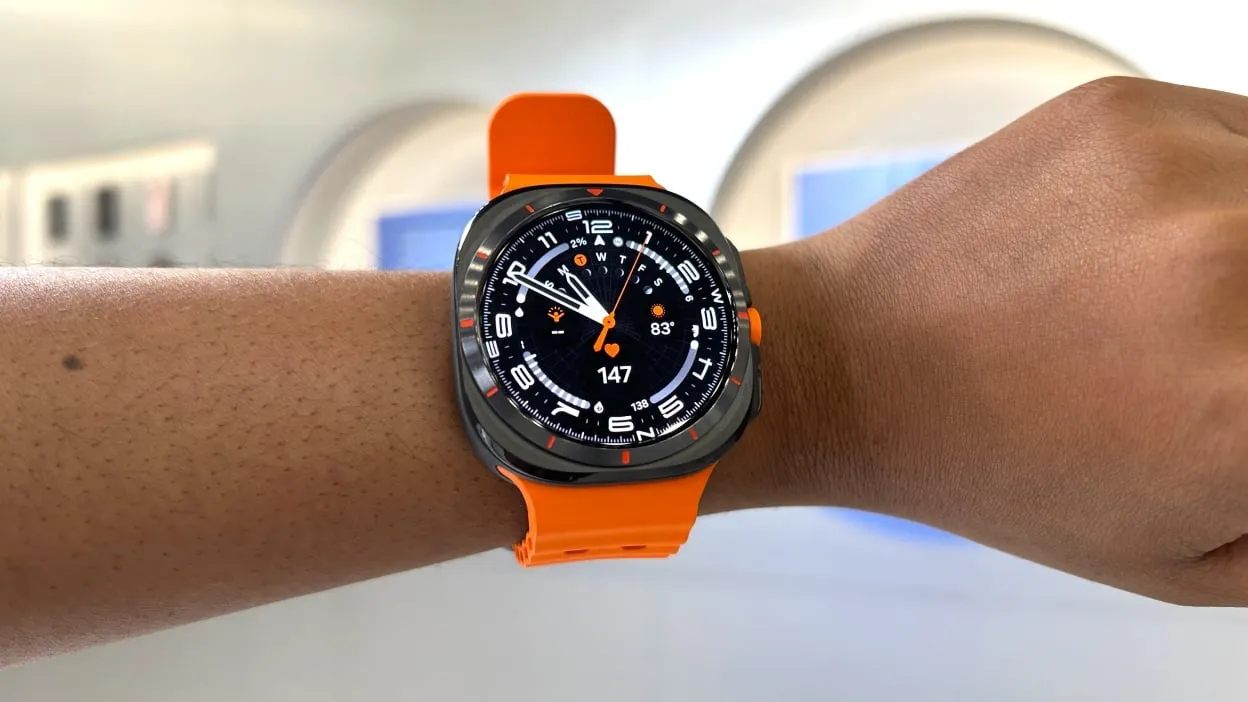
One of their newest products, the Samsung Galaxy Watch Ultra, is currently $50 off on Amazon, making it the biggest cash reduction to date. It is currently available for $600. Walmart is also matching the offer.
After testing the Galaxy Watch Ultra, one of our experts spoke about how many practical functions it had, such as gesture navigation for menu navigation and sleep apnea diagnosis. This indicates that it is among the simplest smartwatches to use to date. In fact, some of the most difficult-to-use features can even be facilitated by using your fist to choose an option.
It is also jam-packed with features for tracking both your overall health and your exercises, which makes it a fantastic option for anyone who enjoys tracking data in addition to keeping an eye on their activities. It is robust and has a good battery life. If you are not looking to trade in your Galaxy Watch, this is unquestionably one of the greatest offers on the market right now.
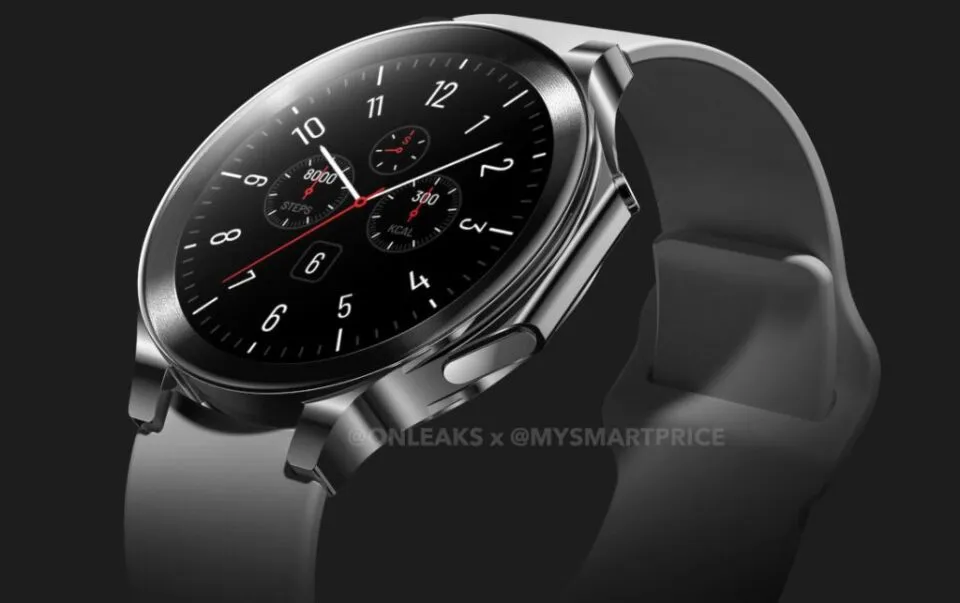
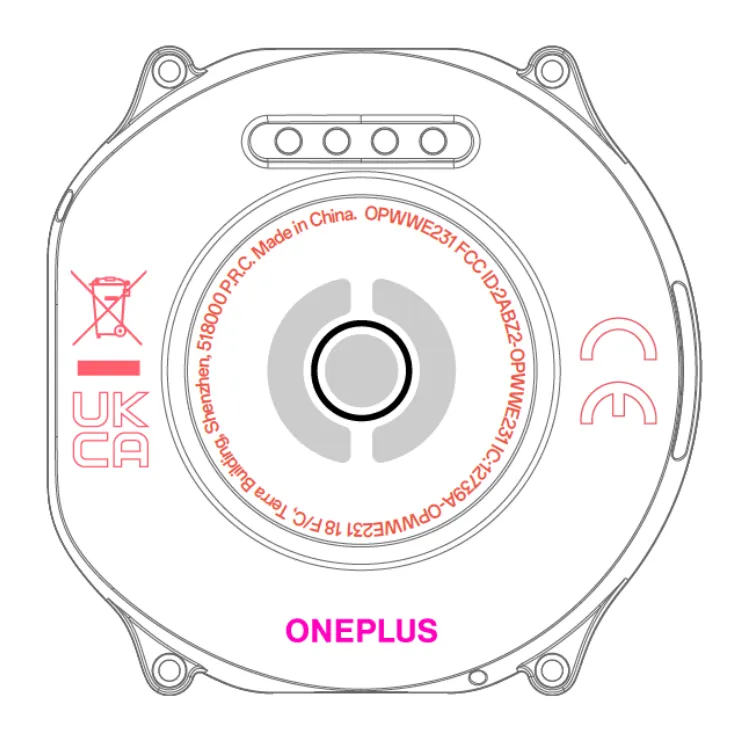
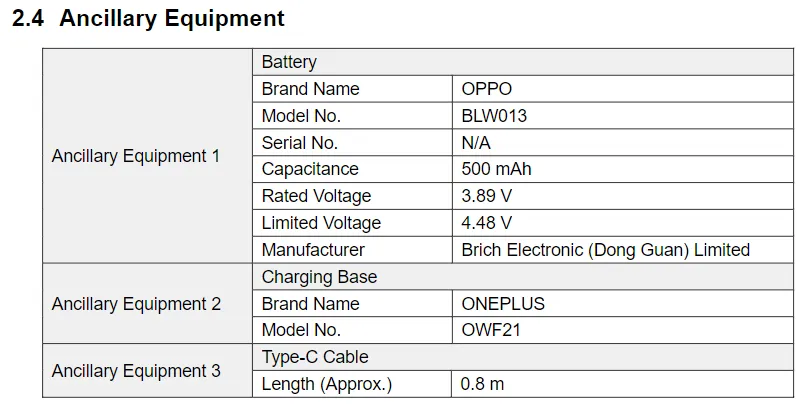
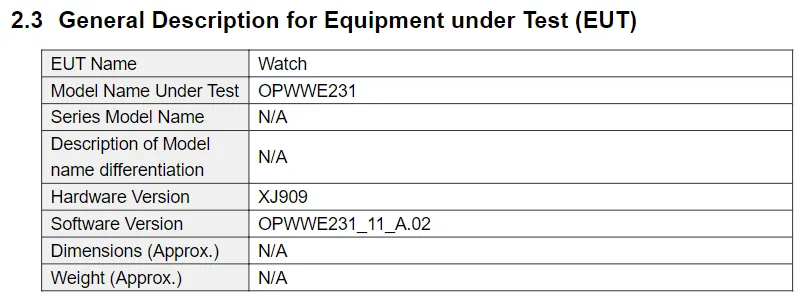
Yesterday saw the partial announcement of the OnePlus Watch 2, which included a first glimpse and some important facts. We can now compare the OnePlus Watch 2’s battery size to those of rival devices thanks to an FCC listing that has made it clear.
Long battery life will be the OnePlus Watch 2’s primary selling point, as was disclosed yesterday. According to OnePlus, the gadget will last 100 hours on a single charge, which is far longer than the majority of popular smartwatches on the market right now. However, it turns out that it will not be able to accomplish it without a very large battery.
According to the FCC listing, the OnePlus Watch 2 features a 500 mAh battery. The wristwatch was recently released.
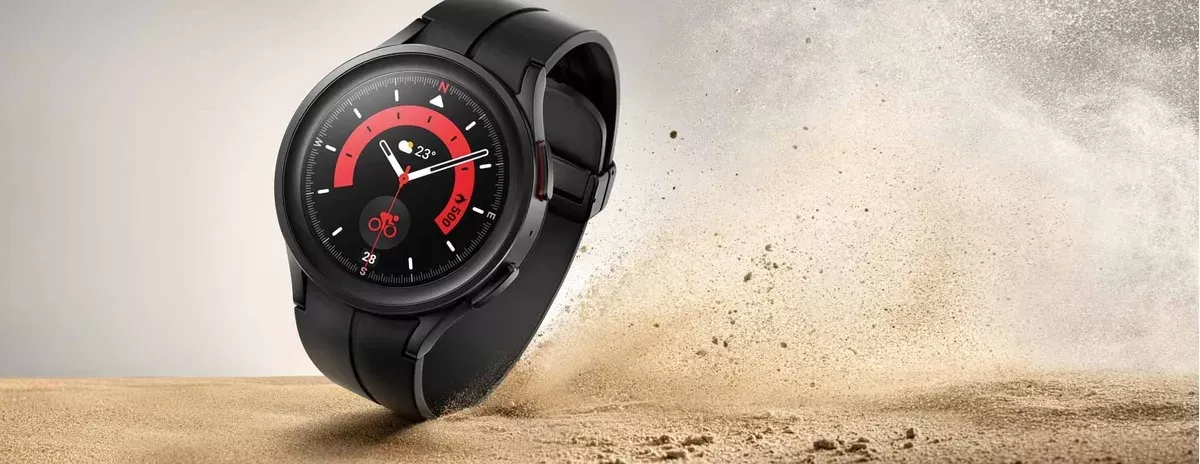
That makes it, for contrast, 64% larger than Google’s Pixel Watch 2 and nearly 20% larger than the 44mm Galaxy Watch 6. However, with 2022’s Galaxy Watch 5 Pro—which we lauded for its multi-day battery life—coming in at a higher 590 mAh, OnePlus is not exactly breaking ground.
It’s also higher by a considerable margin compared to the original OnePlus Watch. A few key battery capacities follow:
Although OnePlus’s boast of 100 hours of use from this 500 mAh battery seems absurd, it may not be when you consider the whole picture. Samsung stated that the Galaxy Watch 5 Pro may last up to 80 hours, while the larger Galaxy Watch 6 versions could last up to 40 hours. Although 100 hours is a significant amount, software could be able to extend this capability to meet that requirement.
Nevertheless, it is still unclear if OnePlus will employ Wear OS to reach this goal. While it appears that OnePlus is using a customized version of Wear OS, we are unsure if it is the basis for Samsung’s results.
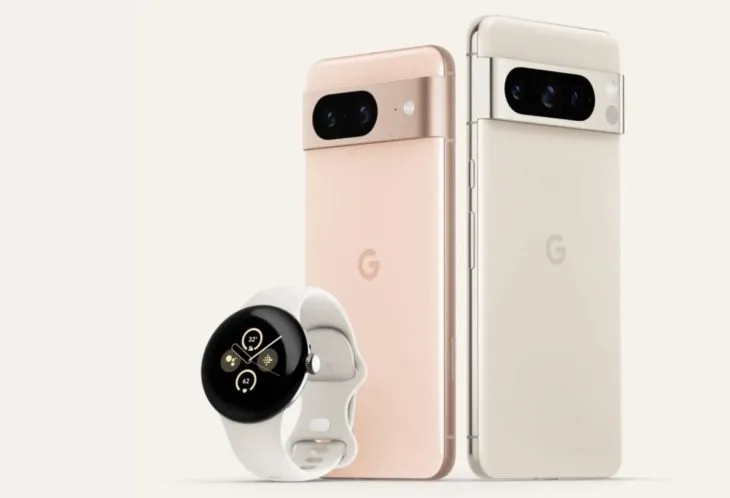
We’ve all been sufficiently spoiled for the Pixel 8 and Pixel 8 Pro, so let’s move on to the Pixel Watch 2. Apparently, there have been significant Pixel Watch 2 leaks this morning as well, including a promotion that may allow you to receive a free device in two weeks.
This most recent leak, which comes from @Za Raczke once more, is in the form of a promotional film that gives a Google tour of the Pixel Watch 2 and several of its capabilities. We get a clearer idea of the health and fitness capabilities that will be available on Google’s upcoming watch, even if Google has already published some of this information.
New in Pixel Watch 2
The new sensor in the Pixel Watch 2—likely the same sensor seen in the newest Fitbit smartwatches—is where the health story of the device begins. This sensor can detect more precise heart rate readings, assess your skin temperature, track stress (EDA), and offer heart rate variability (HRV). Moreover, you will receive pace and zone tracking, automatic workout start and stop reminders, and a number of safety features, including the new Safety Check. The Safety Check timer, which was made available for Pixel phones in June, enables you to check in with loved ones during a certain period of time.
In the realm of health and fitness trackers, none of it is really novel or ground-breaking, although Google did initially debut the Pixel Watch with mediocre health features that didn’t really measure up to the competition. This new sensor ought to help it fit in as a watch that is unquestionably expensive.
We may expect a 24-hour battery life with sleep tracking, so there isn’t much of an improvement there. That was sort of expected given that leaks had suggested for some time that Google was maintaining the same form factor without significantly increasing battery capacity. We might be able to use the always-on display so that we can receive the entire 24 hours thanks to the new Qualcomm chip.
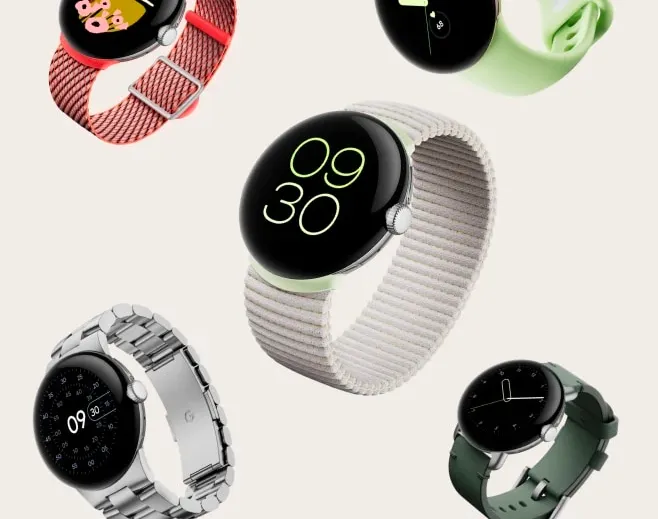
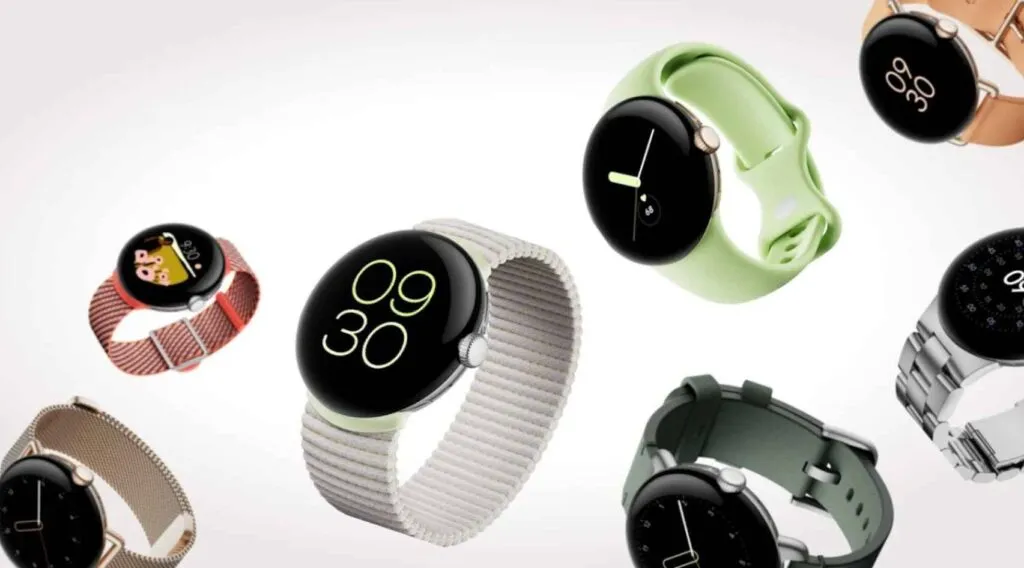
Last but not least, the film displays the new watch bands, including the Sport Band with a Hole and the Slim Metal Links Band in New Colors
Oh, and the promotion for the free Pixel Watch 2? If you pre-order the Pixel 8 Pro, it appears that Google will give the Pixel Watch 2 away for free. That’s a good addition, however it’s unclear yet if it will apply to the ordinary Pixel 8 as well or only the Pro. Price-wise, the Pixel Watch 2 should be close to the $350 of the first model.
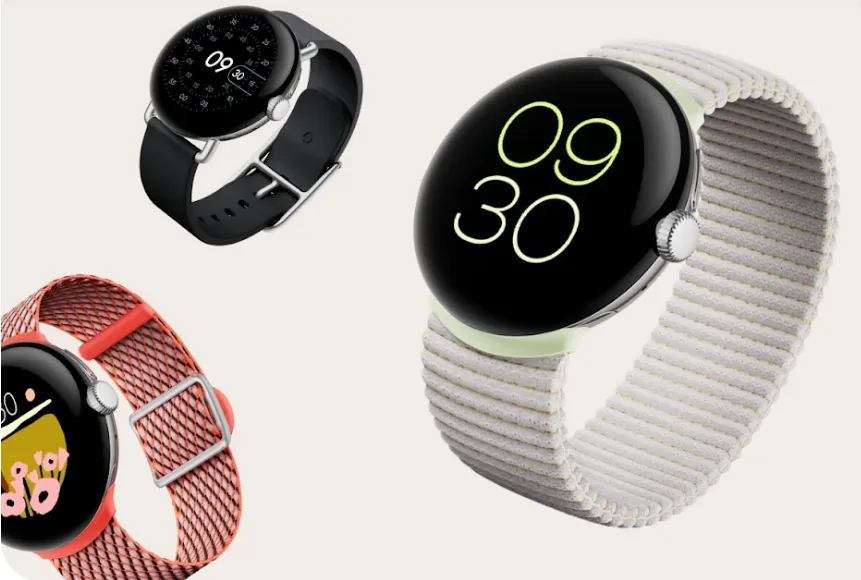
The Google Pixel Watch from a year ago was a favorite of ours despite its mediocre battery life, large bezels, and outdated internals. Additionally, Google has significantly enhanced the wearable since its debut with frequent upgrades. As the wristwatch approaches its first anniversary of release, more and more information regarding its successor, the Pixel Watch 2, is appearing online. The internals, display, and battery of the watch, as well as other important details, have just leaked.
The Snapdragon W5 Gen 1 processor is said to be used in the Pixel Watch 2, according to an Android Authority article. This is Qualcomm’s most advanced wearable SoC, built on Samsung’s 4nm node, and it has four Cortex-A53 cores with a 1.7GHz clock speed. Compared to the 10nm Exynos 9110 chip in the Pixel Watch, which has twin Cortex-A53 cores operating at 1.15GHz, it should result in a significant improvement in speed and economy.
Moreover, Qualcomm provides a W5+ Gen 1 SoC with a specialized QCC5100 coprocessor. However, it appears like Google chose the non-Plus model because it intends to use the same bespoke NXP coprocessor that was used in the first generation Pixel Watch.
The Pixel Watch 2 might have a bigger 306mAh battery in addition to a faster and more effective processor. That represents a modest 4% increase over the 294mAh cell in the first watch. Despite being small, the Snapdragon processor and 306mAh battery together might provide the Pixel Watch 2 a battery life of more than 24 hours.
Another significant improvement that Google promises to make to the Pixel Watch 2 is an ultra-wideband processor. It appears that the wearable will have an NXP SR100T module, but it’s not obvious how the business plans to use the technology. With the addition of UWB, the Pixel Watch 2 might be able to function as a digital car key, allow for seamless media playback between your devices, and more. The Apple Watch already comes with Apple’s U1 ultra-wideband processor, which is utilized for precision locating and other functionality.
However, it doesn’t appear that the Pixel Watch 2 will come with a larger display or more minimal bezels. According to rumors, Google will move to a Samsung Display panel, which might have increased brightness and battery efficiency. Nonetheless, it will still be 1.2 inches and 384 by 384 pixels in size. Moreover, there is no anticipated size reduction for the bezels that encircle the screen.
The Pixel Watch 2 should ship with Wear OS 4, which is based on Android 13, as its operating system. One of the earliest Android smartwatches that offer seamless updates is this one. This will enable the watch to update the system files silently and reboot to access them.
Last but not least, the Pixel Watch 2 may debut in India because BIS certification has been seen on the watch’s regulatory e-labels. There are no specifics yet, but the watch may be introduced to many more markets.
SamMobile has learned that the Galaxy Watch 6 and 6 Classic from Samsung could include a new Exynos CPU. Exynos W980, a new processor, could give the Watch 6 series a 10% performance boost over Exynos W920.
The Galaxy Watch 5 (and 4)’s chip, which may soon become obsolete, had two Cortex A55 cores and an Arm Mali-G68 GPU. The Galaxy Watch 4’s performance was improved by 20% thanks to the CPU, while its visual potential was multiplied by about ten by the GPU. Although the rumor doesn’t specify what users may anticipate from the CPU/GPU combination of the W980, the work done by the predecessor may assist give us a hint as to what to watch out for.
Also, according to speculations, the new Exynos processor for the watches may be manufactured using a novel 5nm technique, which could affect increased battery life. As a point of comparison, the W920 is also a 5nm processor, but Samsung is said to have improved its manufacturing procedure, which might help the new watch and other incoming Exynos-based gadgets.
Speaking of the battery, there was a speculation that the Galaxy Watch 6 and 6 Classic may have somewhat bigger batteries. A 300mAh or 425mAh battery may be found in the wearable’s 40mm and 44mm versions, respectively. In light of the 40mm Galaxy Watch 5’s 284mAh battery, the rumored battery capacity increase on the smaller model sounds rather excellent (assuming it turns out to be accurate).
A couple of weeks ago, leaks surfaced regarding the Watch 6 model’s possible display size increase. Consumers may find a 1.31-inch screen on the 40mm variant, while the 44mm could deliver a 1.47-inch dial. Considering the potential display increases, any improvements to battery life would be welcome, whether from the chipset, battery, or both.
The Korean OEM’s upcoming introduction of a smartwatch still has some unknowns and unanswered questions, but that’s good. The new Galaxy Watch 6 and 6 Classic could be introduced by the firm in August along with the Galaxy Z Flip 5 and Z Fold 5.
Larger batteries are included in the Samsung Galaxy Watch 5 Pro for extended battery life, however incorrect settings can result in problems including quicker battery loss. We’ll give you some cutting-edge advice today to help you fix these issues and increase the battery life of your watch.
Ah, the good old battery life of a smartwatch. You’re left with a pointless wrist adornment if it expires too quickly. Oh, sweetheart, if it goes on for too long! The options are limitless! You won’t need to charge it as frequently, which means you’ll spend less time shackled to a wall socket like a sap. Don’t forget the comfort it will bring you to know that your watch won’t stop working mid-run or mid-call with the boss.
You’ll also have more time to explore all the cool functions your watch has to offer, like monitoring your steps, checking the weather, and even ordering pizza, thanks to an increased battery life (yes, some smartwatches can do that). Don’t choose for a disposable smartwatch, then. Increase that battery life to open up a host of additional wrist-related opportunities!
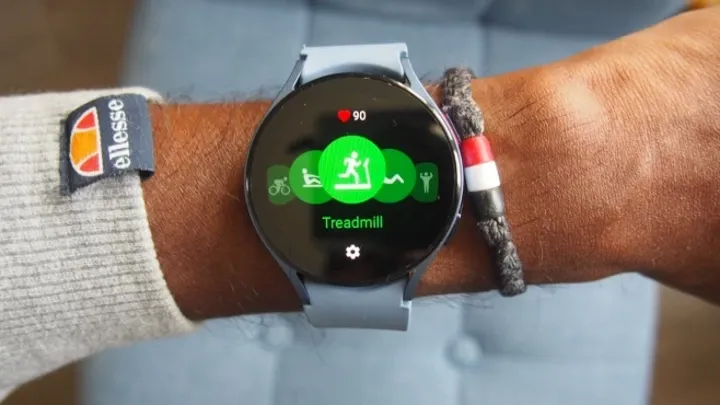
In our evaluation of the Galaxy Watch 5 Pro, we highlight some of the lineup’s practical features, such as 24/7 health tracking and interchangeable watch faces. Notably, the Pro edition has improved battery life over the standard version. Nevertheless, because they weren’t designed for continuous usage, several default settings could damage the battery. Use our handy instructions to change or disable these options to extend the battery life of your watch.
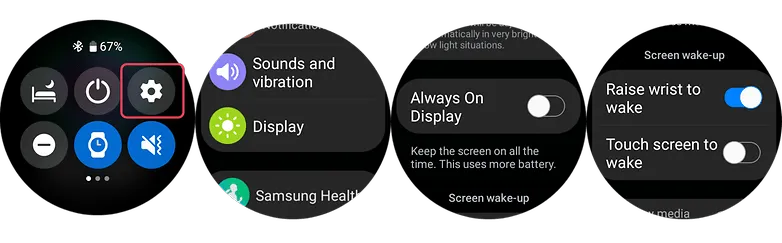
1. Turn off the always-on display and opt for raise to wake
OLED screens on the Samsung Galaxy Watch 5 series allow for AOD (Always-On Display) feature. However, by enabling this all the time can greatly hurt your battery run time. And since you will always not be looking at your screen, it’s best practice to disable this and instead opt for the raise-to-wake gesture.
To check if the always-on display is enabled or disabled, you can use your watch’s settings or alternatively use the Galaxy Watch mobile app on your Android or Samsung phone.
Swipe down from your watch’s screen and open the Settings.
Scroll down to find the Display and then tap on Always-On.
Turn off the AOD.
Look for Raise to Wake below the Always-On toggle.
Enable Raise-to-Wake.
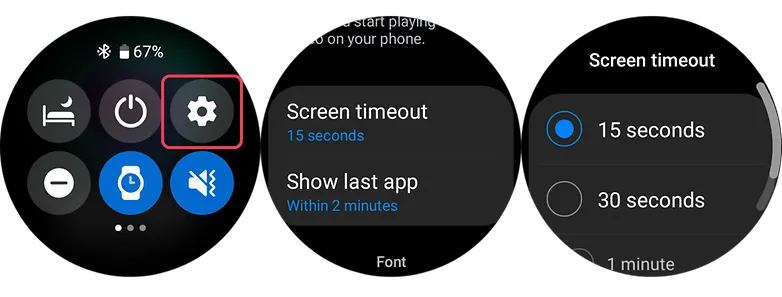
2. Shorter screen timeout
Screen timeout is yet another display-related suggestion. Reducing the amount of time your screen is on can increase the watch’s battery life. By setting the screen timeout to the shortest duration possible, which is 15 seconds, you can extend the life of your battery. This may be located immediately below the raise-to-wake toggle in the same settings as display.
3. Choose darker watch faces
Using watch faces that are black or dark is more in keeping with customisation. The watches come with OLED panels, which means that when projected into the display, black pixels don’t need light, unlike other colors that do.
Choose watch faces with darker layouts to extend the battery life of your device. But, you should stay away from colorful designs, especially those that take up the majority of the screen.
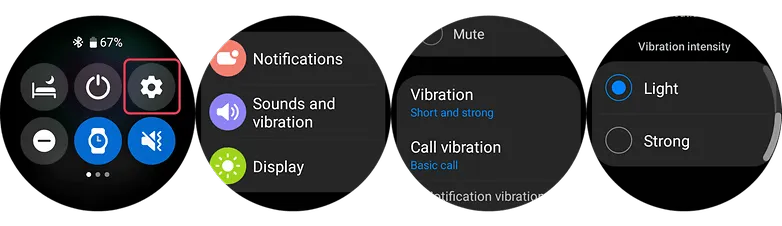
4. Set vibration level to low
Your watch vibrates in addition to sounding an alert whenever it receives one. It is advised that you set the vibration on the lower side because the vibration motor inside the watch normally consumes a significant amount of battery power. This is how to modify the Galaxy Watch 5’s vibration intensity using the toggle that can be found in the main settings.
Go to the Watch’s Settings and look for Sound & Vibration.
Select Vibration.
Choose Short in vibration duration option.
Choose Light vibration intensity.
5. Turn off NFC
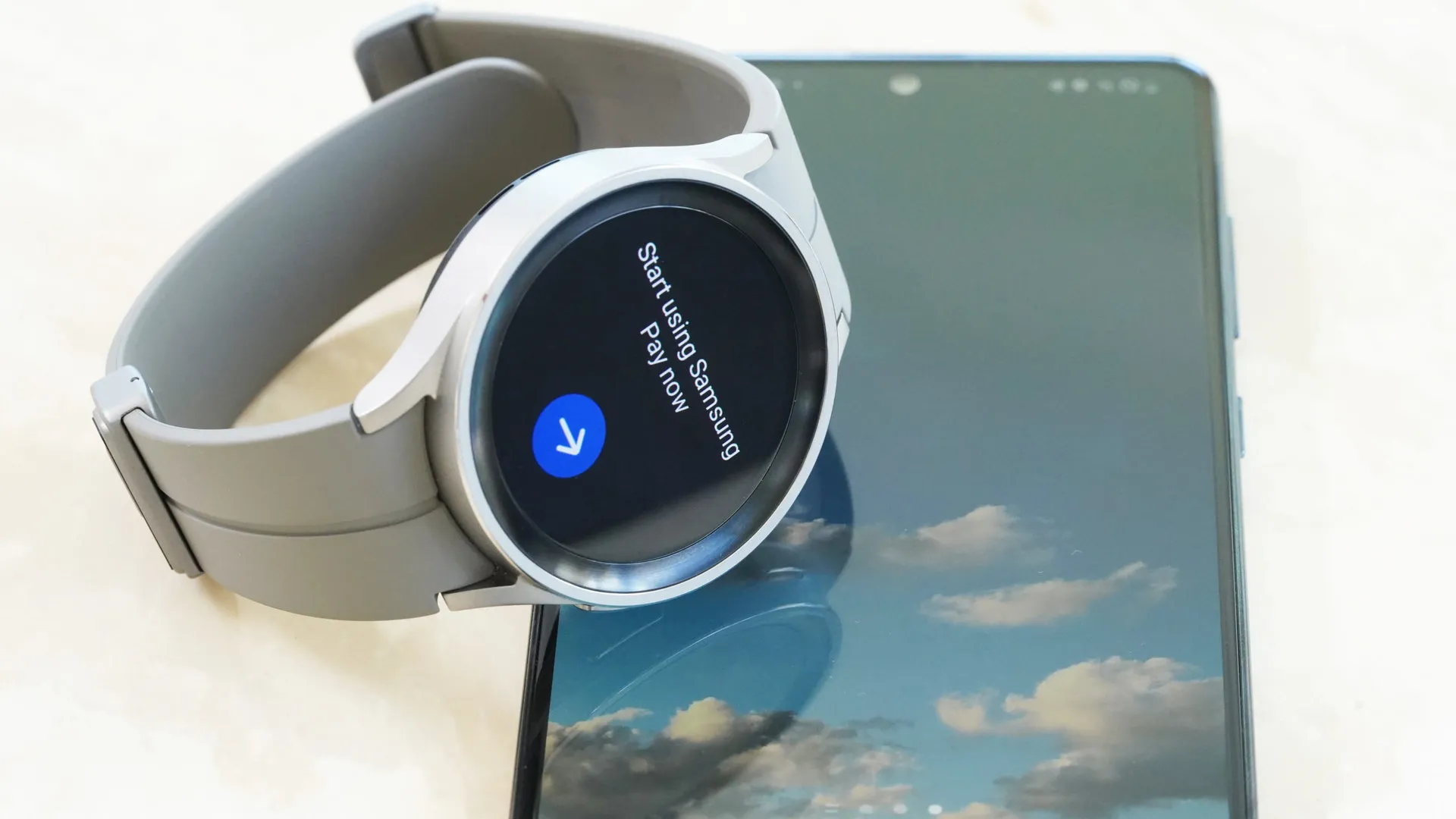
Turning off NFC on your Galaxy Watch 5 or Watch 5 Pro could extend the life of your wearable’s battery if you don’t use it for payments or if you primarily use your phone for that purpose. Simply go to your watch’s main settings, select connections, and turn off NFC there to access NFC options.
Swipe down to access the Watch’s Settings.
Select Connections.
Choose NFC option.
Turn it off.
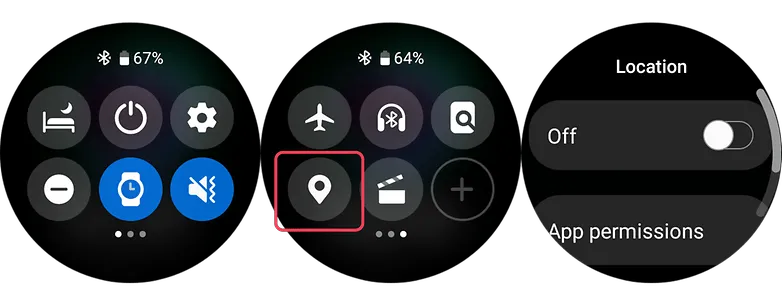
6. Turn off location
Turning off the location tracker on the Galaxy Watch 5 Pro can help to save battery because the location tracker constantly uses the watch’s GPS sensor to track your location, which can consume a lot of battery power. By turning off this feature, you prevent the watch from using its GPS sensor unnecessarily and therefore extend its battery life.
Swipe down to access the Watch’s Quick Settings.
Browse the quick setting until you find the Location icon.
Turn it off.
7. Close background and recent apps
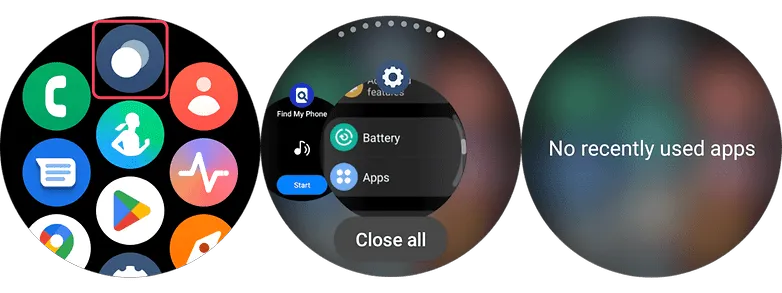
Like in smartphones, your watch uses memory and processor resources as well. While Wear OS 3 has evolved to become an efficient and fast operating system, running numerous apps in the background can still affect the day-to-day battery life of your watch. There will be two options to do this on your Galaxy Watch 5.
Clearing background apps via on-screen gesture
Swipe from the bottom to the top to open the App menu of your Watch.
Select the Overlapping circles icon at the top center to open recent apps.
Select the option Close All.
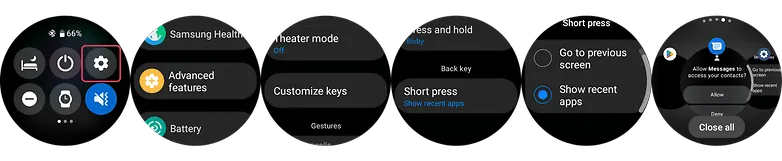
Using the physical key of your smartwatch to close all apps
Go to your Watch’s settings and scroll down until you see Advanced features.
Select this and choose Customize keys.
At the bottom, set short press to Show recent apps.
Press this back key every time you open recent apps.
Tap Close All button to close all apps at once.
8. Filter notification settings (on the phone app)
You’ll be able to get more screen time by limiting the apps that can send notifications to your watch. Just allow alerts that are essential as you will still be checking your mobile device frequently. On your Galaxy or Android phone, use the Galaxy Watch app to change this.
Go to your Watch’s Dashboard on your Galaxy phone.
Choose Watch Settings.
Tap notifications and select App notifications.
Filter which apps are essential and are allowed on watch.
9. Charging and battery tips that may fix your Galaxy Watch 5’s battery problems
Using safe and conventional watch care techniques may help to resolve some battery difficulties in addition to adjusting the settings to prolong battery life. Of course, if any issues continue, it is still advised to get your Galaxy Watch 5 examined by a certified Samsung repair facility. Nonetheless, the fundamental steps are listed below.
Avoid charging your Galaxy Watch 5 too much.
Overcharging your Samsung Watch 5 or Watch 5 Pro could reduce its battery life, just like it can with other electronic gadgets. This will result in the watch’s battery life being reduced. It is advised to charge the battery frequently between 80 and 90% rather than 100% all the time.
Clean the charging contacts on your charger or Galaxy Watch
You can make sure that you’re charging the device effectively by keeping the charging contacts clean on the watch and the charger. Debris and dirt can be prevented from being lodged in the contacts by giving them a brief wipe with a clean cloth.
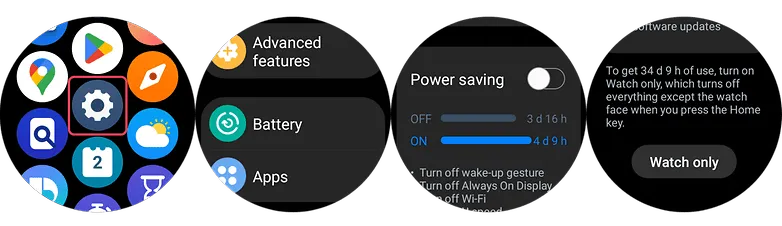
#10. Golden tip: Get extra days of battery with Power saving and Watch-only modes
Using the Power Saving or Watch-only Mode can extend your usage by days or even weeks if your battery is already running low. The connectivity, notifications, processor for battery saving mode, and other functionality other than the time for the Watch-only mode will all be restricted by these on your Galaxy Watch 5 (Pro). With the watch functionality, this last feature can provide you with up to 30 days.
Swipe up on your Watch to open the App Menu.
Go to the Settings and scroll down and tap Battery.
Toggle on Power saving or Watch-only mode.
Please be advised that to turn off the Watch only mode, you can either press and hold the Home key or charge your watch.
Every year it appears as though Asus has regained its position as the ruler of gaming smartphones, and this year is no different. The flagship ROG Phone 6 Pro for gamers offers the best mobile gaming experience, but it also costs €1,299 (about $1,300 with taxes in the States). Is this astronomical price justified? In this comprehensive examination of the Asus ROG Phone 6 Pro, I offer you my assessment.
On July 5, 2022, the Asus ROG Phone 6 Pro was introduced in France, and pre-orders for the device began on August 1. It is available in a single 18/512 GB version that costs about $1,300 (plus taxes, of course).
We concur that your wallet will suffer as a result. With the same storage, it is less expensive than the Samsung Galaxy S22 Ultra ($1,400) and the iPhone 13 Pro Max ($1,690).
I don’t think it’s wise to get a smartphone that pricey and specialized. On the other hand, the ROG Phone 6 Pro unquestionably provides the industry’s greatest gaming experience in 2022. And when you take into account that many of its features and advantages are present on the entry-level ROG Phone 6, which begins at
Design
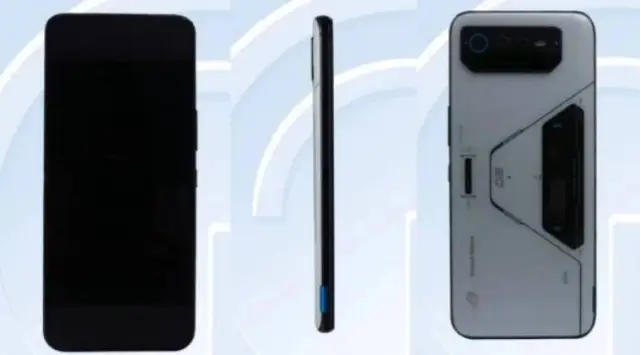
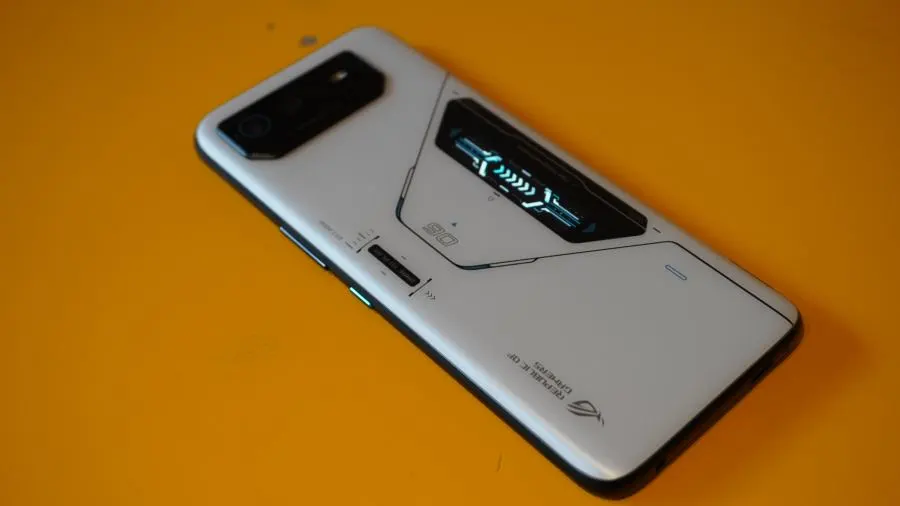
The Asus ROG Phone 6 Pro has a futuristic design evoking the fuselage of a spaceship. It features backlit LEDs as well as a small PMOLED add-on display on the back.
Pro:
Great Storm White color scheme with matte finish.
The small screen ROG Vision is a nice gimmick.
3.5 mm jack and finally an IPX4 rating.
The haptic triggers are always so responsive.
Cons:
Massive form factor and bulky weight.
No microSD port.
Storm White is the only shade of white available for the Asus ROG Phone 6 Pro. Black and light blue metallic screen prints contrast with the matte glass surface, which is very pleasant to the touch. The words “Dare to play” are written on a small backlit LED that is located on the rear. The tiny ROG Vision PMOLED display, which is located directly beneath, shows 60 contextual animations (time, notifications, etc). It’s gimmicky, but cool nonetheless, and that’s all that counts.
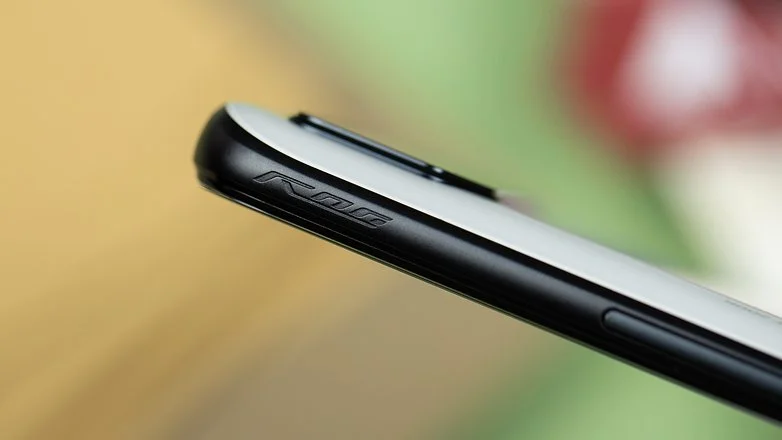
You can of course disable all of this to preserve your battery. The camera module is slightly off-center on the left but remains centered enough while not sticking out too much to prevent the smartphone from feeling wobbly when laid flat. The screen of the ROG Phone 6 Pro is quite flat with 2.5D edges and the grip is frankly good despite its massive dimensions of 173 x 77 x 10.3 mm and its weight of 239 g.
The ROG Phone 6 Pro boasts an IPX4 grade for water and dust protection for the first time. A 3.5 mm jack is also included, which is always a delight. To increase the storage, however, there is no microSD connector. The Corning Gorilla Glass Victus on the front and Gorilla Glass 3 on the rear of the ROG Phone 6 Pro provide protection.
Asus is also one of the few manufacturers that understands that a USB-C cable is the enemy of mobile gamers because it hinders the grip when holding the smartphone in landscape mode. That’s why the manufacturer offers two USB-C ports, one on the bottom cross slice (USB 2.0) and one on the left side slice, at the bottom in landscape mode (USB 3.1).
Finally, we find the classic haptic triggers (called Air Triggers) that are still as responsive and offer more possibilities for your touch controls.
Screen
he Asus ROG Phone 6 Pro packs a 6.78-inch Amoled display with a Full HD+ resolution of 2400 x 1080p with a variable refresh rate of up to 165 Hz, a touch sampling rate of 720 Hz and a maximum brightness of 1200 nits.
Pro:
The refresh rate goes up to 165 Hz.
Colorimetry well calibrated by default.
Response time of 1 ms and touch latency of 23 ms.
Cons:
The refresh rate not adaptive enough.
The 720 Hz touch sampling rate is a bit weak compared to some competitors.
The ROG Phone 6 Pro’s Amoled screen is ideal for gaming and multimedia use. To the unaided eye, the standard colorimetry is extremely accurate. The display has a 1ms response time (the time it takes for a pixel to change color) and a very low touch latency of 23ms. It is also HDR 10+ certified. This delay, when coupled with the 720Hz touch sampling rate, enables extremely responsive touch controls.
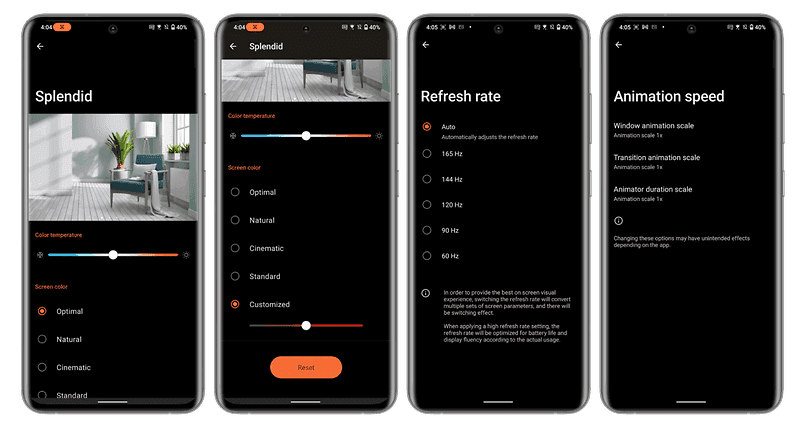
The refresh rate is adaptive, but Asus has not integrated the LTPO 2.0 technology. So it doesn’t vary much according to the different usage scenarios you can subject it to. By default, I was stuck at 120 Hz in the interface, even when I wasn’t touching the screen. On YouTube, I never went above 60 Hz, no matter what the framerate of the video in question was. And in games, I had to activate the X mode to go from 120 to 144 Hz.
By the way, oddly enough, I could only force the settings to 165 Hz by turning off auto refresh rate. Stranger still, when I turned on the X mode, which is supposed to improve performance, I automatically dropped back to 144 Hz.
In fact, Asus seems to voluntarily block the refresh rate at 144 Hz with the X mode. Maybe the manufacturer thinks that 165 Hz is not very useful since no game runs at 165 FPS and it is better to keep performance to allocate to other tasks. But this is quite counterintuitive.
UI – based on Android 12 and X mode
The Asus ROG Phone 6 Pro runs on the ROG UI overlay, a gaming version of ZenUI, Asus’ Android 12-based interface, and the manufacturer promises a fairly limited update policy.
Pro:
ZenUI and ROG UI are lightweight Android interfaces.
Android 12 features are well implemented.
The Armoury Crate menu is as complete as ever.
The ability to switch between ROG UI (gaming design) and ZenUI (more sober design) very easily.
Cons:
The too limited update policy.
Some bloatware (Facebook, Instagram, Messenger, Netflix).
The ROG UI is a customized and gaming-oriented version of ZenUI, Asus’ overlay based on Android 12. This interface is basically very light and close to stock Android. Asus has implemented the dynamic themes of Android 12 as well as the Privacy Dashboard.
And, apart from a few typically gaming stylistic effects on the icons and wallpapers, ROG UI does not push the envelope too far and remains quite sober.
Asus also offers a very basic update policy, guaranteeing only two major Android versions and at least two years of security updates.
The highlight of ROG UI is still the Armoury Crate menu, which allows you to manage the different performance modes: X mode, balanced mode and ultra durable mode. The X mode is the one that allows you to boost all the performance to concentrate the computing power of the CPU and GPU, the allocation of RAM, and your network to the game.
The Game Genie pop-up pane lets you control the refresh rate, enable haptics, control the strength of the external fan, and display specific information like the phone’s temperature or framerate in real time. It also lets you rapidly access many in-game settings.
Nothing very groundbreaking, but this menu is still pretty comprehensive. And the ability to separately create presets for each of your games is really nice. Additionally, you may turn on several filters and features to enhance graphics and, in particular, alter the thermal throttling threshold to push the smartphone as far as you want.
Asus really wants to give the user a level of control and performance customization that comes close, admittedly, to what you can do on a PC. And I think that’s great.
Performance
The Qualcomm Snapdragon 8+ Gen 1 SoC and Adreno 730 GPU, along with 512GB of UFS 3.1 storage and 18GB of LPDDR5 RAM, power the Asus ROG Phone 6 Pro. Additionally, Asus updated its GameCool cooling system.
Pro:
X mode really works and really boosts performance.
Zero overheating in real use.
The hyperefficient external fan.
Cons:
Overheating on a 20-minute benchmark with X mode enabled.
Since the ROG Phone 6 Pro is among the first smartphones to be released in Europe with the premium Snapdragon 8+ Gen 1 SoC, some benchmarks will naturally take some time to adjust. Because of this, 3D Mark’s results on the Wild Life benchmark, which simulates one minute of intensive use, weren’t very informative. The ROG Phone 6 Pro was merely flagged as being overly powerful by 3D Mark at the end of the test, despite the fact that the smartphone did not at all overheat.
However, what is intriguing are the outcomes with the well-known X mode, which improves performance. On the 3D Mark Wild Life Stress Test benchmark, this was accurate (simulating intense gaming use for 20 minutes). A considerable improvement in raw performance is visible. However, the smartphone was actually on fire.
However, the smartphone maintained its steadiness, hovering about 70%. To put it another way, the X mode only lowers the point at which the smartphone will begin thermal throttling. There is little to no throttling present if the smartphone heats up yet the framerate stays constant.
In real-world use, you will be able to run your games without any graphic concession. Even Apex Legends Mobile, a game that is not 100% optimized, runs full speed at 60 FPS with graphics and framerate at maximum. I didn’t experience any slowdowns and above all, no overheating in real conditions, even when I left the X mode on for several hours.
I’ve put a short excerpt of gameplay for you to see. This demonstration of my talent was recorded in 1080p at 120 FPS (the screen recorder settings do not allow more).
Camera
The Asus ROG Phone 6 Pro features a triple camera module on the back, with the well-known Sony IMX766 sensor for the main 50 MP lens, a 13 MP ultra-wide angle lens and a 5 MP macro lens. As for the selfie camera, it offers a 12 MP resolution.
Pro:
The Sony IMX766 which has proven itself both day and night.
The light photo processing and the natural colorimetry.
Cons:
Exactly the same ultrawide angle and macro lenses as the ROG Phone 5.
No dedicated telephoto lens, digital zoom too limited.
Average selfies.
I’m really going to skim over the photo part because Asus has absolutely not messed around this year. It’s exactly the same photo module as on last year’s ROG Phone 5.
It has proven itself and offers a very good level of detail overall, with shots rich in sharpness—a good dynamic range in short—I feel like I wrote the same thing in 5 other different tests.
The ultrawide angle images are a little underwhelming because they lack detail and are quite bland. It should come as no surprise that the digital zoom is constrained after the magnification multiplier reaches x2. The macro sensor, too? It is a macro sensor, I suppose. I don’t really care if I have 2 or 5 MP.
Overall, I think Asus’ software processing is pretty minimal, which results in a colorimetry that feels quite natural. However, occasionally, when there isn’t enough light, the images can be a little too plain for my tastes. Simply said, I have zero enthusiasm for this photo module. And I recognize that a gamer may not necessarily be searching for an advanced photo smartphone.
But the photo remains one, or maybe THE, essential purchase criteria for many users. It’s a shame to see Asus neglect this part when you know that with the computing power of the ROG Phone 6 Pro, there would be plenty to do.
In video, the ROG Phone 6 Pro can record up to 8K at 24 FPS with its main rear lens. The ultrawide angle is limited to 4K at 30 FPS maximum. As for the selfie camera, it can produce videos in 1080p at 60 FPS. I’ll leave you the clips below to get an idea.
Battery
A 6000 mAh battery on the ROG Phone 6 Pro enables 67 watts of wireless charging. There you have it, and it is more than enough.
The dual-cell battery in the ROG Phone 6 Pro charges utilizing the MMT (mid-mid-top) protocol. In essence, the cells don’t charge linearly from one end to the other; instead, they charge from the centre to the ends. Most manufacturers have perfected this technique.
Pro:
Big ass 6000 mAh double cell
67W fast charging does the job
Excellent battery life
USB-C charger included in the box
Cons:
–
On our PC Mark benchmark with the display set to an auto refresh rate and brightness set to 200 nits, the ROG Phone 6 Pro took 19:17 to drop below 20% remaining battery life. That’s an excellent score. Personally, I consider that a battery life is very good from 15 to 16 hours minimum. Here, the ROG Phone 6 Pro does very well when you consider that it powers a very greedy SoC, a large 6.78-inch AMOLED screen and all the LEDs as well as its auxiliary screen.
With a wattage of 67 watts, quick charging is more conventional. The bundled USB-C charger has the advantage of working with Qualcomm’s Quick Charge 5 standard as well as USB PD 3.0 and PPS. It works with the majority of your gadgets.
The ROG Phone 6 Pro, on the other hand, does not support wireless or reverse wireless charging. I was able to charge this large 6000 mAh battery completely in less than 45 minutes overall. And in any case, the ROG Phone 6 Pro’s edge-mounted USB-C connector enables you to play peacefully by connecting it to the power source without being bothered by the
So if the ROG Phone 6 Pro seduced you after this test but, like me, you are not ready to drop $1,300 dollars, then go for the ROG Phone 6. And if you can afford it, if you’re blowing your nose in 100’s of dollars, then PLEASE buy the ROG Phone 6 Pro, the best gaming smartphone of the year.
According to reports and leaked marketing materials, a Google-branded smartwatch could be available within months. A recent report goes into great depth on what the Google Pixel Watch will be like next year, including software features and even a look at the chip.
Because Google is working on its own Wear OS handset, it will not be using the Fitbit name to promote the watch. The phrase “Pixel Experience Watch” was used to indicate exclusive features, and it appears that this watch will follow in the footsteps of phones like the Pixel 6.
Google has finally begun to take hardware seriously with the launch of its recent flagship phones, and previous rumors suggest that it may adopt a similar approach with its watch. It makes sense for the firm to maintain its smartphone goods under one brand, similar to how it keeps its smart home gadgets under the “Nest” moniker.
We don’t know anything about the device’s operating system just yet. Indeed, it’s difficult to picture Wear OS 3 without Samsung’s One UI skin. With the arrival of the Google Pixel Smartwatch, that’s likely to change. For starters, speculations claim that the latest version of Google Assistant, which launched with the Pixel 4, will emerge. Rather than having to connect to the smartphone for every activity, it would allow voice commands and searches to be done instantaneously on the watch.
In general, the upcoming introduction of some long-awaited Google wearable technologies promises to make 2022 an interesting year for smartwatch fans. Not only will the Google Pixel Watch be available in stores, but Wear OS 3 will finally be available on devices other than the Galaxy Watch4.