Tag: xiaomi

  • Xiaomi 14 Ultra to receive HyperOS 3 update — main features detailed

    Xiaomi 14 Ultra to receive HyperOS 3 update — main features detailed

    HyperOS 3 is rumored to be under active development for Xiaomi 14 Ultra smartphones. Test servers have now marked the update as ready for release, indicating that it has reached the final stage, according to recent reports.

    The upgrade has already begun to arrive on Chinese Xiaomi 14 Ultra devices, and sources say the worldwide version is also ready for release. This Android 16-based upgrade is scheduled to begin spreading out before November ends.

    On internal servers, Xiaomitime found HyperOS 3 marked as distribution-ready. The worldwide build has the version OS3.0.3.0.WNAMIXM, tied to the Xiaomi 14 Ultra’s codename “Aurora,” with the status expressly described as “ready for stable rollout.” For comparison, the upcoming global build uses OS3.0.3.0.WNAMIXM, while the Chinese version debuted with OS3.0.4.0.WNACNXM.
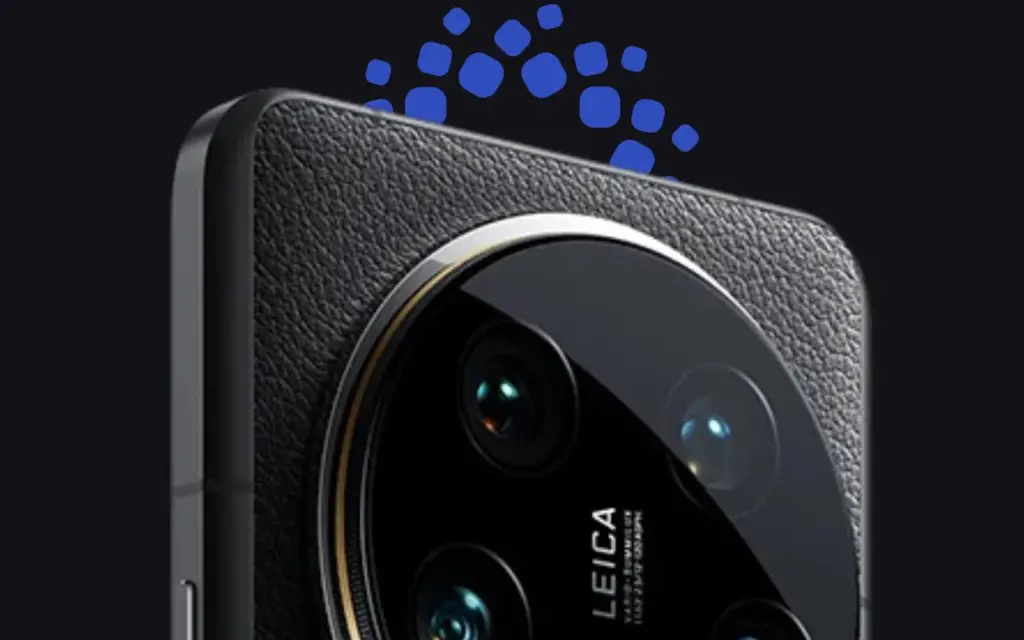
    hyperos 143 update for xiaomi 14 ultra

    HyperOS 3 update for Xiaomi 14 Ultra: Key Features

    HyperOS 3 is supposed to feature a new UI with smoother animations and visual upgrades. The update focuses on minimizing stuttering and correcting battery-drain problems, while also delivering the latest security fixes and a powerful set of AI-powered capabilities.

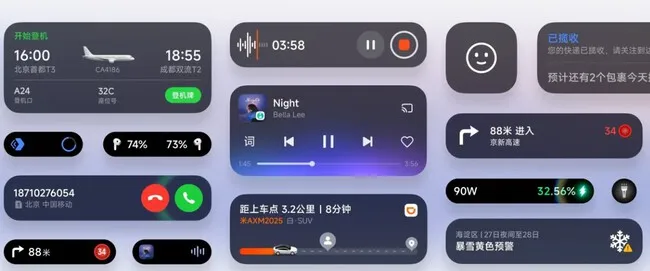
    Instant access to real-time information and alerts is made possible by Xiaomi Super Island’s stronger integration with multimedia apps and system features. Revamped media management and creativity capabilities include a new dedicated pet album that automatically finds and arranges pet photographs and a revised watermark system and advanced editing suite.

    The option to drag music straight to share, facial recognition support for app-lock notifications, improved connectivity with Xiaomi Music and NetEase Cloud, and NFC card swipe notifications within Super Island are some further new features.
  • HyperOS 3: Xiaomi Confirms Poco Phones Eligible for the Android 16 Update

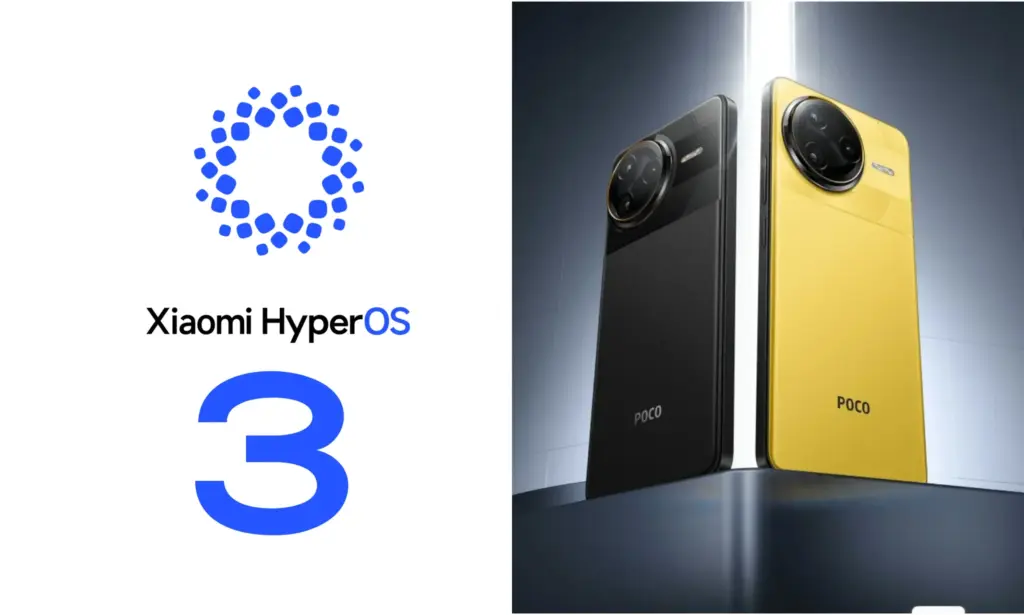
    HyperOS 3: Xiaomi Confirms Poco Phones Eligible for the Android 16 Update

    Xiaomi is closing out the year with fresh Poco flagships and a huge HyperOS 3.0 update based on Android 16. From new phones to a revised UI, here’s what’s rolling out and when you can expect it on your smartphone.

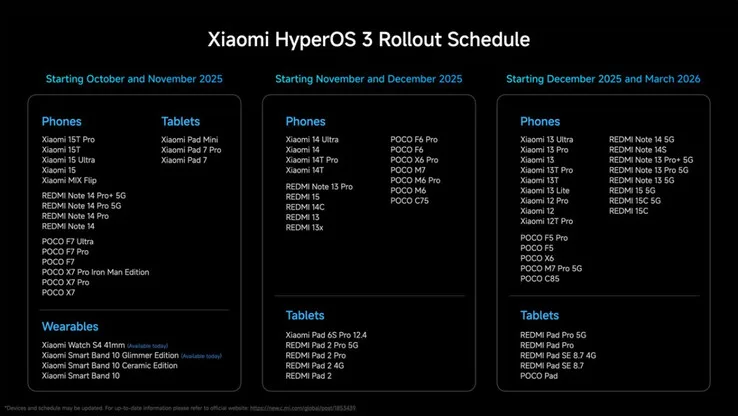
    Xiaomi has more phones to release this year. The worldwide versions of the Poco F8 Pro and F8 Ultra were just released. The company has revised the HyperOS 3.0 deployment schedule, which is now expected to reach over a dozen Poco phones and tablets, in tandem with the surge of new hardware.

    The new Poco F8 Pro and Poco F8 Ultra flagships ship with Android 16 out of the box. Other models will be released on a staggered schedule.

    Xiaomi Confirms Poco Phones Eligible for the Android 16 Update

    Which Poco devices are confirmed to get HyperOS 3.0

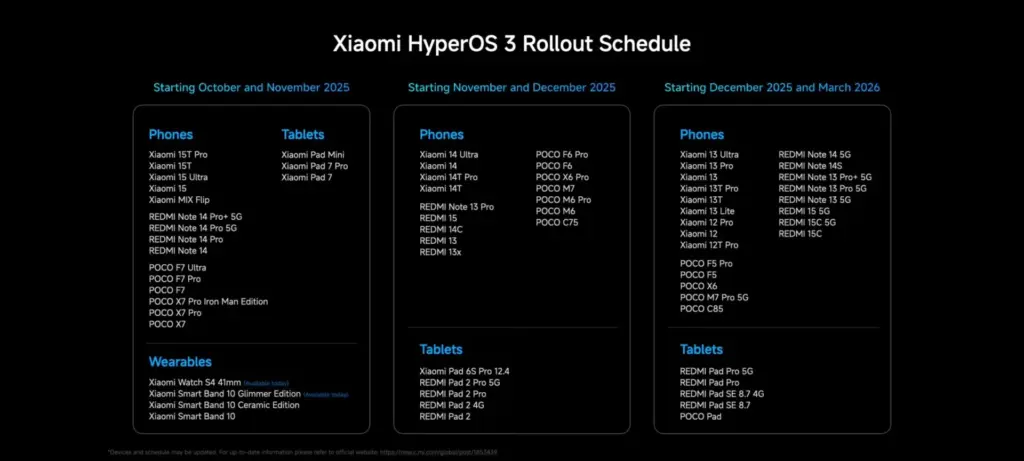
    For the initial group of Poco devices, the deployment started in October and will last until the end of November. The Poco F7 and X7 series from the previous year, including its Ultra variants, are at the top of the list. Some users outside China have already reported receiving the software. However, it’s not uncommon for other devices to only receive notifications in the upcoming days, depending on variations.

    The Poco F6 (Pro), Poco X6 Pro, Poco M7, Poco M6 (Pro), and Poco C75 will lead the following batch in December.

    Between December 2025 and March 2026, a broader release that includes the Poco F5 (Pro), Poco X6, Poco M7 Pro, and Poco C85 is scheduled. Poco’s Android tablets, such as the Poco Pad, Poco Pad X1, and Poco Pad M1, will join these. Regretfully, Xiaomi has not disclosed the timing for every device.

    What’s new in HyperOS 3.0?

    HyperOS 3.0 is built on Android 16, which adds its own set of new features and customizations. Xiaomi’s version offers a substantial user interface overhaul, increased security, and superior optimization for longer battery life and smoother performance.

    The most noteworthy graphic modification is Super Island, inspired by iOS’s Dynamic Island. As a native feature of Android 16, it is integrated into the punch-hole camera region and shows live updates and dynamic widgets.

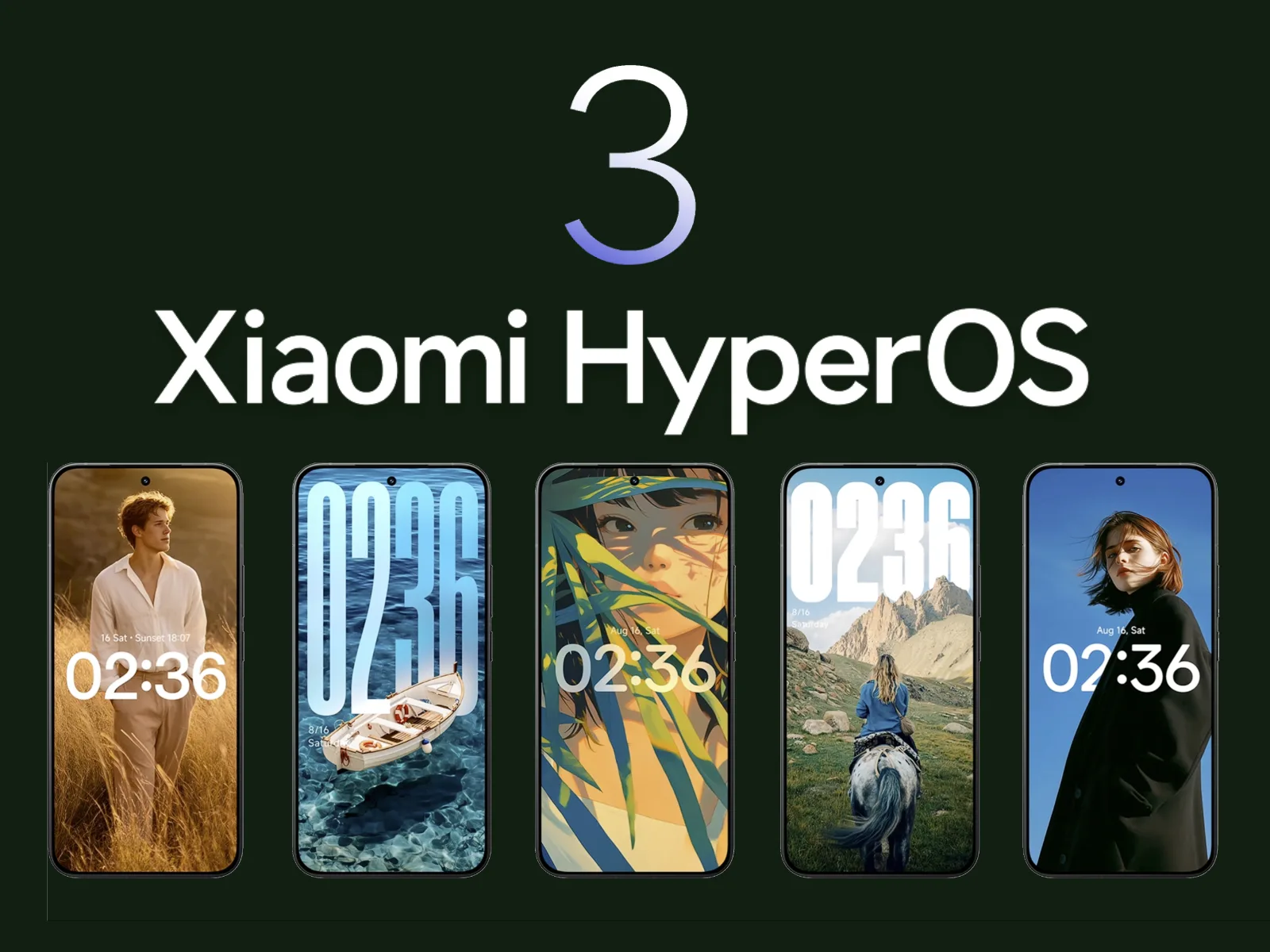
    The main UI has also been overhauled with transparent parts, blurred backgrounds, and redesigned app icons. Users receive new styles on the lock screen, like as live effects and AI-generated wallpapers.

    Additionally, Xiaomi promises enhanced usability and performance. Multitasking and app switching are stated to be snappier, while overall responsiveness is quicker.

    Permission limits and improved data protection have improved security. In other areas, HyperOS 3.0 provides closer connection with Xiaomi’s wider range of products.

  • Redmi K90 Ultra set for big upgrades, including a 165Hz screen and 8000mAh battery

    Redmi K90 Ultra set for big upgrades, including a 165Hz screen and 8000mAh battery

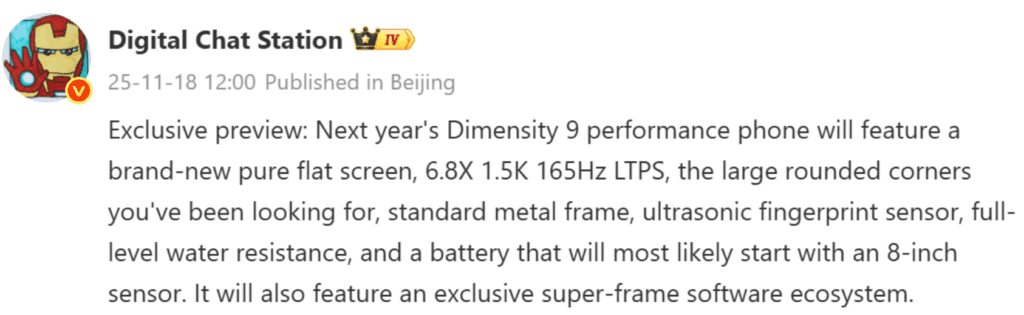
    The Redmi K90 Ultra, which will probably arrive in China in a few months, is already being discussed in the rumor mill after Redmi unveiled the K90 and K90 Pro Max in October. Digital Chat Station‘s early information suggests significant improvements over the current models, providing a first glimpse of Xiaomi’s potential lineup expansion. The information provides a first look, and as launch draws near, more clarity is probably in store.

    Redmi K90 Ultra key specs

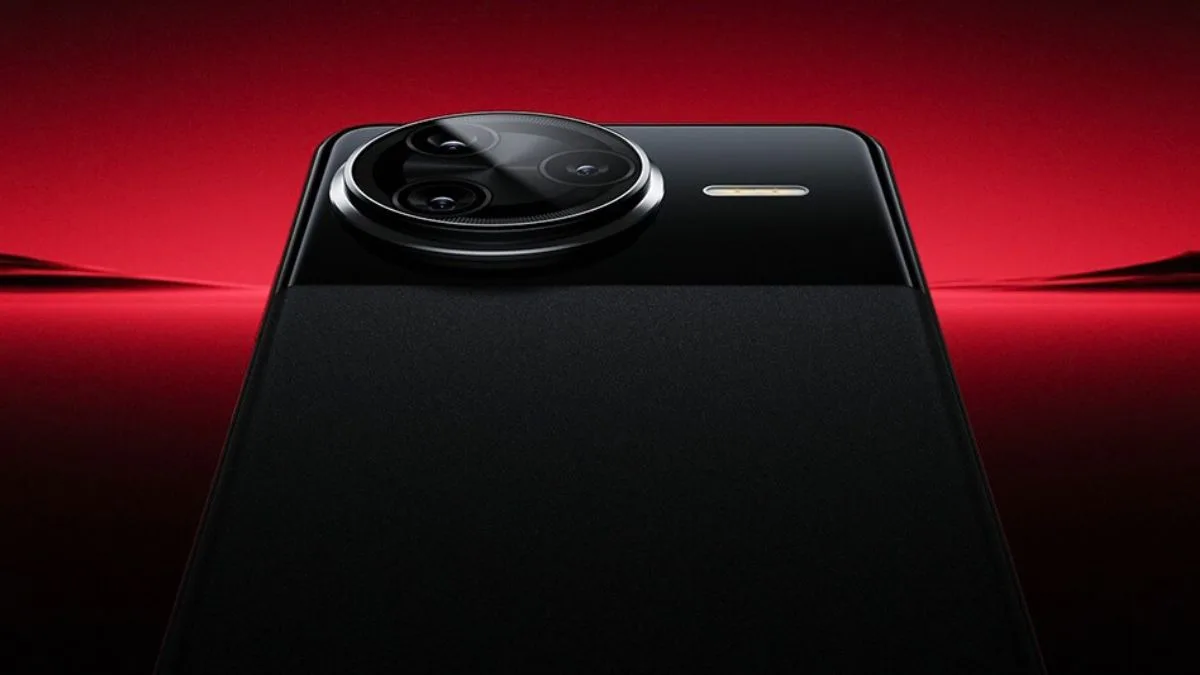
    The Redmi K90 Ultra is anticipated to include a 6.8-inch LTPS OLED display with a 1.5K resolution and a quick refresh rate of 165 Hz, according to the leak. The device may include a metal central frame for increased durability, and the screen is rumored to feature rounded corners.

    Strong water protection is also anticipated, which is consistent with the stronger resistance ratings of more recent high-end models. An improved audio system and an ultrasonic in-display fingerprint scanner are two more anticipated enhancements.

    redmi k90 leak

    Battery capacity appears to be one of the most notable features. According to rumors, the phone would have a battery of about 8,000 mAh, which is a significant improvement over the K90 Pro Max and earlier Ultra models. Additionally, a specialized high frame rate software layer that could improve the overall performance profile—particularly for gaming—is hinted at by the tipster.

    According to reports, the MediaTek Dimensity 9 series chipset powers the Redmi K90 Ultra. This might be the Dimensity 9500 Plus, which is expected to be released in 2026. The leak characterizes the Ultra as a performance-focused model, implying that photography may continue to be at a respectable but not flagship-leading level, even though camera details have not been disclosed.

    The K80 Ultra’s June 2025 release cycle is anticipated to be followed by the K90 Ultra. The K90 Ultra might make its Chinese debut around the middle of 2026 if Xiaomi sticks to this schedule. It’s possible that a modified K90 Ultra may go on sale as a Xiaomi flagship worldwide.

  • Redmi is testing smartphone with massive 10,000mAh battery

    Redmi is testing smartphone with massive 10,000mAh battery

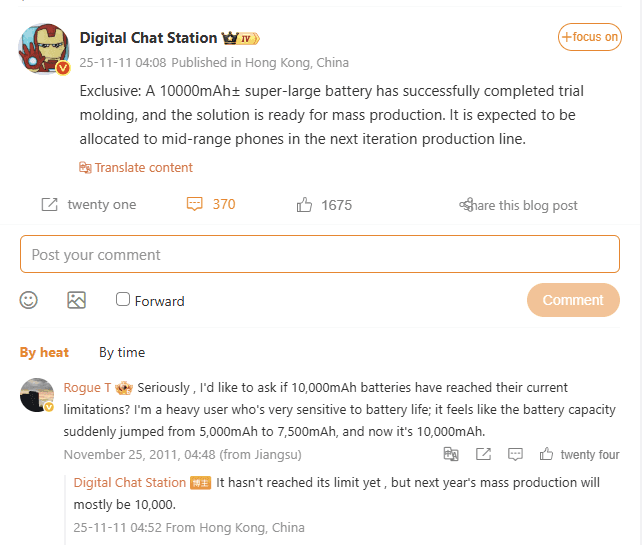
    Xiaomi May Rethink Mid-Range Battery RegulationsChinese manufacturers are working to overcome the barrier beyond 7,000mAh and 8,000mAh batteries as smartphone battery technology continues to advance. According to reputable industry sources and well-known leakster @DigitalChatStation, the trial molding process has been completed, and the new 10,000mAh± battery is about to go into mass production. Xiaomi and Redmi are probably going to include this innovative battery into one of their upcoming mid-range phones.

    In its products, Xiaomi has always placed a strong emphasis on battery life and energy efficiency. Therefore, the creation of a 10,000mAh-class battery is a significant step toward the realization of smartphones with longer battery lives, which is one feature that consumers are very excited to see improved in smartphones. It is expected that a Redmi device will use the technology.

    10,000mAh battery leak redmi

    Since fitting a battery with a 10,000mAh capacity is technically difficult in terms of weight and thermals, this development demonstrates Xiaomi’s determination to balance capacity and design usability.

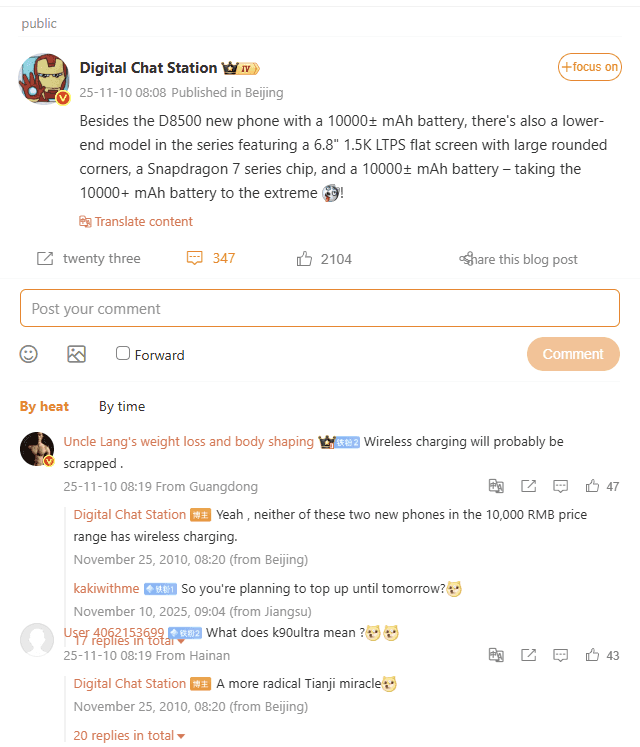
    Two smartphones will have 10,000mAh± batteries, according to DigitalChatStation. One of the devices has a Dimensity 8500 processor, while another has a 6.8-inch 1.5K LTPS flat display with a Snapdragon 7 series processor. Although these models have not yet been confirmed, it has been speculated that one may be from Xiaomi’s Redmi series because it may be intended to be a “Ultra Battery” variant.

    Surprisingly, though, neither gadget will support wireless charging. This guarantees that the devices’ long battery life and reasonable cost will maintain their success in the mid-range market.

    10,000mAh battery lead redmi device

    A significant shift in the industry began with the release of smartphones with five-digit battery capacities. In the past, only rugged cellphones and power banks have such capabilities. With Xiaomi’s arrival into this market, battery capacity with such proportions may become more common, providing the business with yet another reason to rank among the top in terms of battery life. Xiaomi will undoubtedly have a significant advantage over its rivals because to this technology.

    Additionally, users would be able to benefit from unparalleled standby times and all-day intensive use without recharging because to HyperOS’s optimization of background operations and hardware resources.

  • 12 Xiaomi phones now testing HyperOS 3 based on Android 15

    12 Xiaomi phones now testing HyperOS 3 based on Android 15

    Based on both Android 15 and Android 16, Xiaomi is preparing for the release of HyperOS 3. This will be the final update for many of its older smartphones that receive HyperOS 3, which is based on Android 15. There won’t be any more HyperOS 3.1 updates. In an effort to deploy the newest operating system on a large number of devices, Xiaomi is currently internally testing the HyperOS 3 version based on Android 15 on a few smartphones. This is a significant step in the company’s software development process.

    On certain of their smartphones, Xiaomi has already begun testing Hyper OS 3, which is based on Android 15. For some smartphones, this release will be the final significant update, so users should be prepared for some limitations in subsequent updates. The list of devices that are believed to be in the first wave of updates, according to the testing process, first batch include the REDMI Note 13 5G, the POCO F5 Pro, and the Xiaomi 13 Lite, which may be receiving the update to the HyperOS 3 on the Android 15 platform firstly.

    hyperos 3 based on Android 15

    Initial Worldwide Rollout of Android 15-based HyperOS 3

    The Redmi Note 13 5G is among the first smartphones to get the global upgrade for Android 15-based HyperOS 3, according to data from the Mi community testing logs. The following smartphones will also get the update:

    • Xiaomi 13 Lite / Civi 2 (EEA – OS3.0.0.1.VLLEUXM)
    • POCO F5 Pro / Redmi K60 (China – OS3.0.0.4.VMNCNXM | Global – OS3.0.0.1.VMNMIXM)
    • POCO X6 Neo / Redmi Note 13 5G / Redmi Note 13R Pro (China – OS3.0.0.4.VNQCNXM | Turkey – OS3.0.0.2.VNQTRXM | Global – OS3.0.0.2.VNQMIXM | EEA – OS3.0.0.2.VNQEUXM)
    • Xiaomi MIX FOLD 2 (China – OS3.0.0.1.VLRCNXM)
    • Redmi Note 12T Pro (China – OS3.0.0.1.VLHCNXM)
    • Xiaomi Pad 6 Pro (China – OS3.0.0.2.VMYCNXM)
    • Xiaomi 12T Pro / Redmi K50 Ultra (China – OS3.0.0.1.VLFCNXM)
    • Xiaomi Civi 3 (China – OS3.0.0.2.VMICNXM)
    • Xiaomi 12 Pro (China – OS3.0.0.1.VLBCNXM)
    • Xiaomi 12S Ultra (China – OS3.0.0.1.VLACNXM)
    • Xiaomi 12 (China – OS3.0.0.1.VLCCNXM)
    • Redmi K60 Pro (China – OS3.0.0.2.VMKCNXM)

    Based on preliminary testing schedules, the Redmi Note 13 5G seems to be the front-runner for the Android 15-based HyperOS 3 Global update. Our list indicates that Xiaomi has yet to begin testing HyperOS 3, which is based on Android 15, on these devices:

    • Xiaomi 12S
    • Xiaomi 12S Pro
    • POCO F5 5G
    • POCO M6 Pro
    • Redmi Note 12 Turbo
    • Xiaomi 12T

    HyperOS 3 based on Android 15 is not anticipated to be released on any devices other than those specified above.

    With the release of the HyperOS 3, consumers of the Xiaomi lineup with compatible phones will have access to an even more feature-rich interface thanks to Android 15’s optimization. Customers will be happy to hear that some older versions will also receive updates, but they will stop after that. Users are advised to stay informed about the updates to make sure their phones will be among those receiving the most recent versions due to Xiaomi’s ongoing commitment to deliver the most recent changes.

  • Xiaomi 17 Ultra to launch in two variants with dual satellite connectivity

    Xiaomi 17 Ultra to launch in two variants with dual satellite connectivity

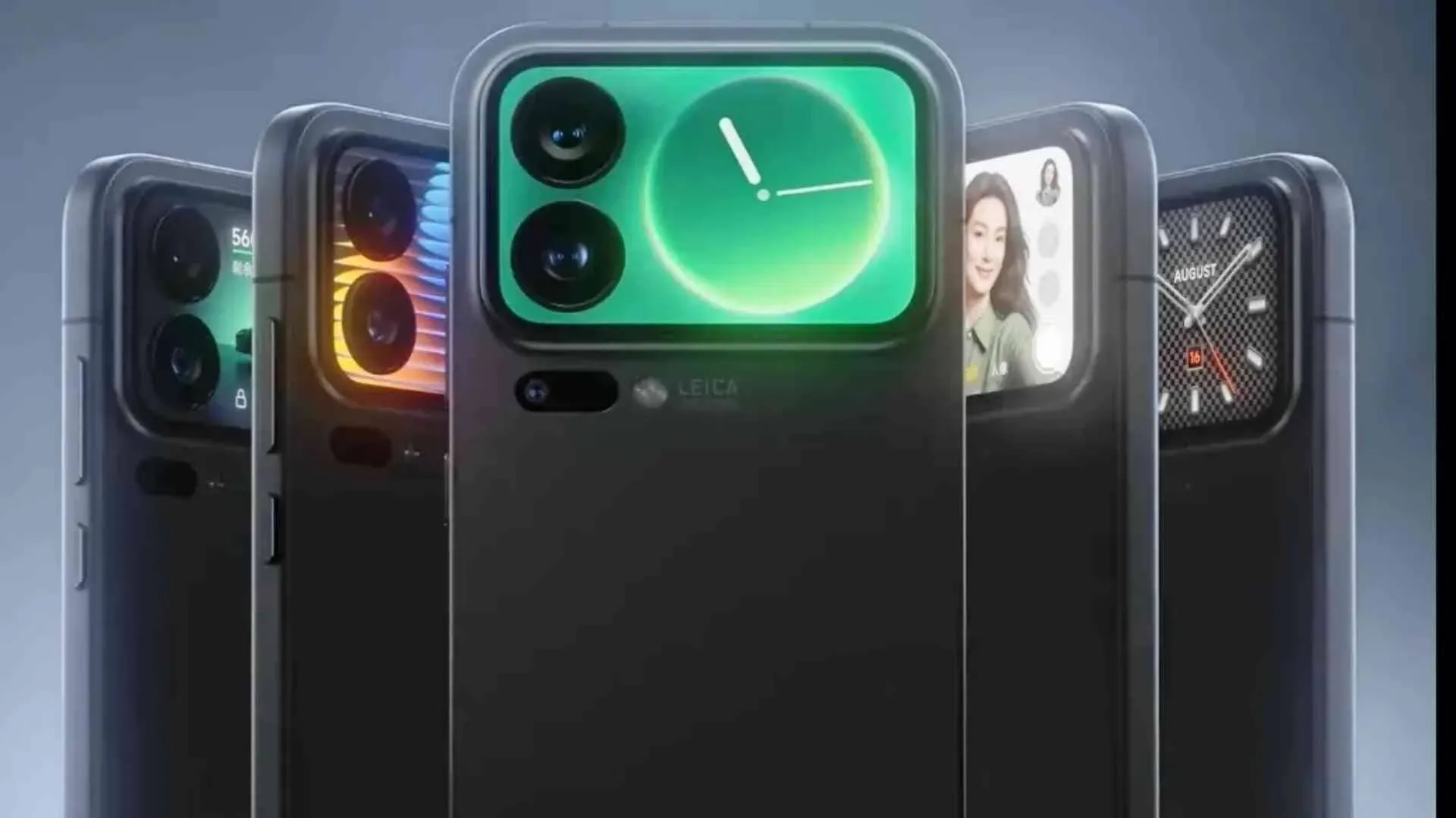
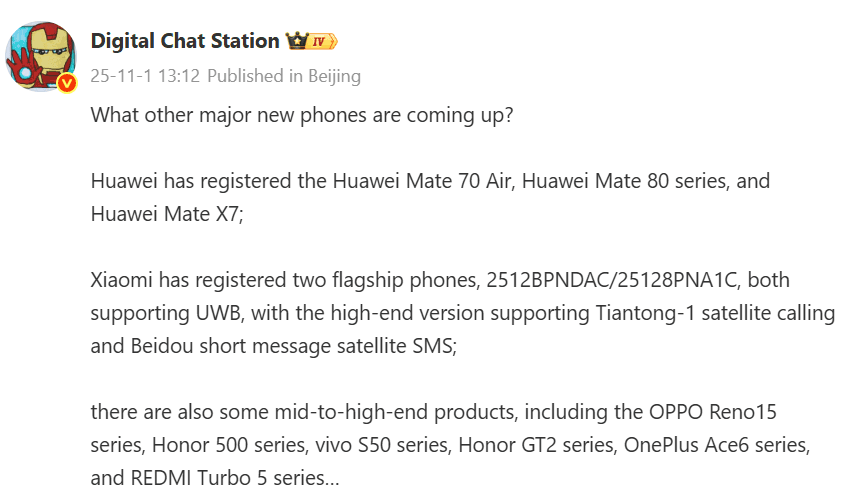
    According to reports, Xiaomi is preparing to release the Xiaomi 17 Ultra. Tipster Digital Chat Station has listed every phone that has just received certification in China and is anticipated to go on sale there in a recent Weibo post. These include the Xiaomi 17 Ultra, the Oppo Reno 15 series, the Honor 500 series, the Vivo S0 range, the OnePlus Ace 6 series (probably under the Turbo name), the Redmi Turbo 5 series, and the Huawei Mate 70 Air, Mate 80 series, and Mate X7, which are anticipated to arrive this month in China. He has specifically stated that there would be two variants of the 17 Ultra.

    DCS reports that Xiaomi has filed two variants of the gadget with model numbers 2512BPNDAC and 25128PNA1C on Chinese certification platforms. While the more expensive model will have Beidou short message communication and Tiantong satellite calling, both Xiaomi 17 Ultra models will support UWB (Ultra-Wideband).

    The latter will provide a dependable lifeline for calls and text transmission in harsh environments like deserts or offshore sites, enabling customers to stay connected even in remote areas without terrestrial networks.

    xiaomi 17 ultra leak satellite connection

    Xiaomi 17 Ultra rumoured specs

    According to additional sources, the Xiaomi 17 Ultra is anticipated to include a flat 6.8-inch OLED display with 2K resolution and a refresh rate of 120 Hz, along with a sizable circular rear camera module. It will have a high-capacity Xiaomi Jinsha River battery, IP68-grade waterproofing, wireless charging, and Qualcomm’s Snapdragon 8 Elite Gen 5 CPU under the hood.

    DCS also disclosed that the camera configuration of the Xiaomi 17 Ultra will be a key feature. It will have a 200-megapixel periscope telephoto lens with variable focal lengths and macro shooting capabilities in addition to a 50-megapixel primary sensor with an updated big sensor and in-sensor zoom technology. It is claimed that the lenses improve clarity and dynamic range in all types of illumination.

    Before the Chinese Spring Festival, the phone is anticipated to go on sale in black, white, and purple. The base model is projected to cost about 6,000 Yuan (~$845).

  • Stable HyperOS 3 global update now rolling out to Poco devices

    Stable HyperOS 3 global update now rolling out to Poco devices

    Xiaomi has now turned its attention to the Poco devices after releasing the stable HyperOS 3 update for the initial batch of phones sold worldwide. As it happens, the F7 Ultra is the first model in the lineup to get the Android 16 update.

    October 2025 marked the beginning of Xiaomi’s stable HyperOS 3 distribution for devices worldwide. The Android 16 update has so far been applied to the Xiaomi 15 and Xiaomi 15T phones, but it appears that the company is now concentrating on the Poco handsets. More precisely, the global firmware for the F7 Ultra has just been upgraded.

    HyperOS 3 global update

    As an example, the Poco F7 Ultra was one of the first phones worldwide to get the HyperOS 3 update in November 2025. The following are the other smartphones with the Poco brand that were included in the list:

    • Poco F7
    • Poco F7 Pro
    • Poco X7 Pro
    • Poco X7 Pro Iron Man Edition
    • Poco X7

    The Android 16 update may begin to go out to the other Poco phones in the first part of November 2025. Xiaomi has previously stated that HyperOS 3 will soon be accessible on a few tablets as well. Specifically, the upgraded software is scheduled to be released before December 2025 for the Pad Mini, Pad 7, and Pad 7 Pro.

    hyperos 3 update for poco phones

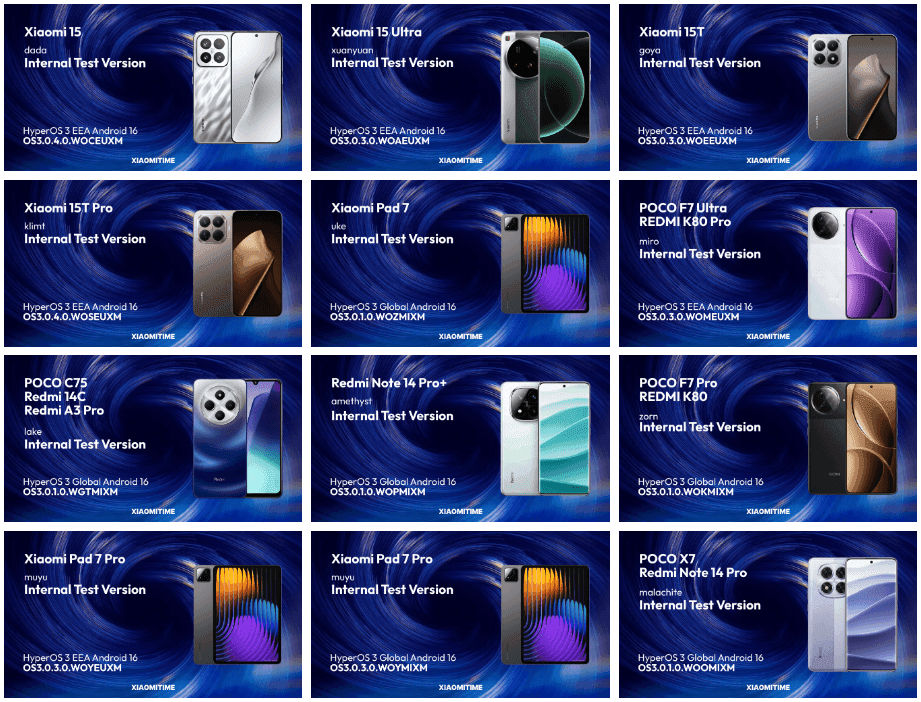
    Returning to the just announced Poco F7 Ultra update, XiaomiTime reports that it is OS3.0.3.0.WOMEUXM. Although it can fluctuate, the file size is more over 7 GB. Before the end of November 2025, a few Redmi smartphones should also get the Android 16 upgrade. To find out more, see the rollout timeline that is included below.

  • Will Xiaomi’s RGB OLED phones redefine the future of smartphone technology?

    Will Xiaomi’s RGB OLED phones redefine the future of smartphone technology?

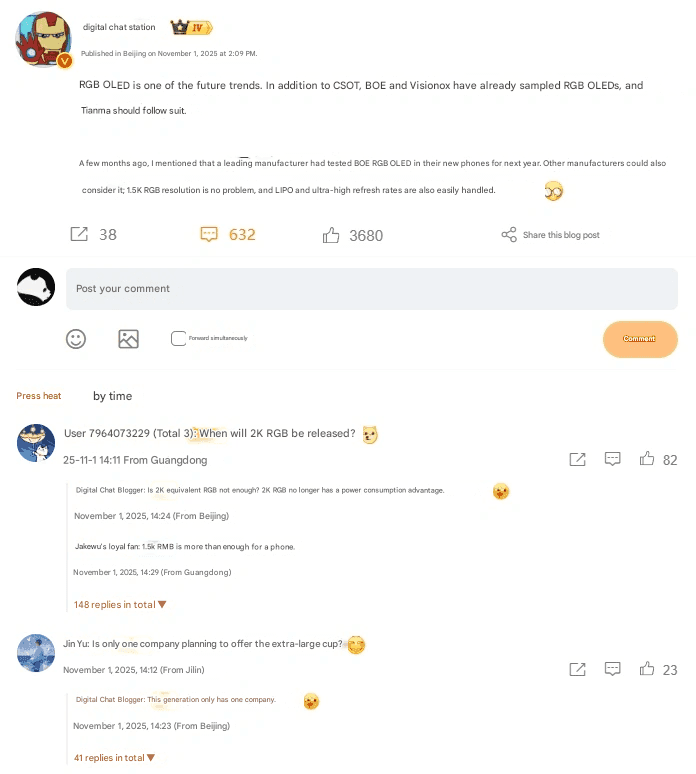
    Also, Xiaomi is setting the standard for mobile display technology in the future. “RGB is clearly the trend of the display,” Redmi Product Manager Sun Cun stated in an official statement, citing IT Home. This happened in reaction to well-known leaker @DigitalChatStation, who claimed that major panel makers like CSOT, BOE, and Visionox were developing RGB OLED displays and that Tianma would shortly follow.

    Compared to other OLED displays, RGB OLED offers crisper visuals, more accurate colors, and reduced power usage by displaying subpixels in the hues red, green, and blue. According to DigitalChatStation, a number of companies have begun **sampling 1.5K RGB OLED panels that can handle LIPO backplanes and high refresh rates, with 2025 smartphones being the target goods.

    rgb oled leak news

    RGB OLED technology

    Leading the way in this progression will be Xiaomi’s upcoming Xiaomi 17 Pro and Xiaomi 17 Pro Max. TCL CSOT display panels, such as the Pro Max with a Real RGB panel using Super Pixel Alignment technology, are included with these devices. In addition to providing crisper visuals than 2K resolution, this enhancement reduces energy usage by 26%, which is ideal for flagships.

    RGB OLED Technology

    Lei Jun, CEO of Xiaomi, also highlighted “unparalleled screen clarity and battery savings” when discussing another innovation made possible by the Xiaomi 17 Pro Max, which uses Super Pixel display technology.

    With Sun Cun’s confirmation, there is now concrete proof that Xiaomi’s Redmi and Xiaomi brands will soon have flagship models with RGB OLED screens in a number of product lines and series, including the Xiaomi Pad series, Xiaomi 17 series, and upcoming Redmi K Ultra models. This is undoubtedly a significant step toward more **accurate, energy-efficient, and long-lasting display offerings.

  • Xiaomi HyperOS 3 global update ready for 10 devices starting November 2, 2025

    Xiaomi HyperOS 3 global update ready for 10 devices starting November 2, 2025

    It’s almost here—the moment we’ve all been waiting for! The first worldwide versions of Xiaomi’s eagerly awaited HyperOS 3 are predicted to be accessible in the next few days. With a number of potent AI improvements, substantial UI redesigns, and extensive performance optimizations, this is not merely a small update but rather a huge advancement.

    This is the most thrilling news of the year for those who keep up with the most recent advancements in HyperOS. A larger selection of well-known phones and tablets are expected to get this update during the first week of November. The initial wave of devices has been confirmed. Prepare to enjoy a more intelligent, quicker, and user-friendly version of Xiaomi’s ground-breaking operating system.

    HyperOS 3 update is first released on these devices.

    hyperos 3 update for devies

    HyperOS 3 Global versions for ten models have been produced by Xiaomi, suggesting that the global debut is near. These gadgets will be the first to demonstrate HyperOS 3’s capabilities to a global audience.

    • Xiaomi 15 Ultra: OS3.0.3.0.WOAEUXM
    • Xiaomi Pad 7 Pro: OS3.0.3.0.WOYMIXM and OS3.0.3.0.WOYEUXM
    • POCO C75 – Redmi 14C – Redmi A3 Pro: OS3.0.1.0.WGTMIXM
    • Redmi Note 14 Pro+ 5G: OS3.0.1.0.WOPMIXM
    • POCO F7 Pro: OS3.0.1.0.WOKMIXM
    • Redmi Note 14 Pro 5G, POCO X7: OS3.0.1.0.WOOMIXM
    • Redmi Note 14 Pro 4G: OS3.0.1.0.WOFMIXM
    • Redmi Note 14 4G: OS3.0.1.0.WOGMIXM
    • POCO M6 Plus 5G, Redmi 13 5G, Redmi Note 13ROS3.0.2.0.WNUINXM
    • POCO F7: OS3.0.2.0.WOLMIXM, OS3.0.1.0.WOLINXM
    • POCO X7 Pro: OS3.0.1.0.WOJEUXM
    • Xiaomi Pad Mini: OS3.0.1.1.WAOMIXM
    • POCO M7 4G, REDMI 15 4G: OS3.0.1.0.WBOMIXM

    Released

    • Xiaomi 15: OS3.0.4.0.WOCEUXM
    • Xiaomi 15T: OS3.0.3.0.WOEEUXM
    • Xiaomi 15T Pro: OS3.0.4.0.WOSEUXM
    • POCO F7 Ultra: OS3.0.3.0.WOMEUXM
    hyperos 3 update schedule

    In October and November, Xiaomi intends to extend its HyperOS 3 Global program to a far greater variety of devices. Watch for the update message if you have any of the following!

    • Xiaomi 15 – Released
    • Xiaomi 15 Ultra
    • Xiaomi 15T Pro – Released
    • Xiaomi 15T – Released
    • Xiaomi MIX Flip
    • REDMI Note 14 Pro+ 5G
    • REDMI Note 14 Pro 5G
    • REDMI Note 14 Pro
    • REDMI Note 14
    • POCO F7 Ultra – Released
    • POCO F7 Pro
    • POCO F7
    • POCO X7 Pro
    • POCO X7
    • Xiaomi Pad Mini
    • Xiaomi Pad 7
    • Xiaomi Pad 7 Pro

    What’s new in HyperOS 3 update?

    New features arrived for HyperOS 3.

    • A Fresh New Look and Feel
    • Introducing “Hyper Island” and Seamless Connectivity
    • The Power of AI Unleashed
    • AI-powered notes: Automatically organize and summarize your thoughts.
    • AI Describe: Get descriptions for images and on-screen content.
    • AI Voice Translation: Real-time translation during calls and conversations.
    • AI Noise Reduction: Crystal-clear voice recordings by filtering out background noise.
    • AI Search: A more intuitive and powerful system-wide search.
    • AI Gallery Search: Find photos by describing what’s in them.
    • AI Dynamic Wallpapers: Now available globally, this feature turns your photos into stunning, animated video wallpapers.
  • HyperOS 3 Beta update lifts restrictions, making Hyper Island available for all users

    HyperOS 3 Beta update lifts restrictions, making Hyper Island available for all users

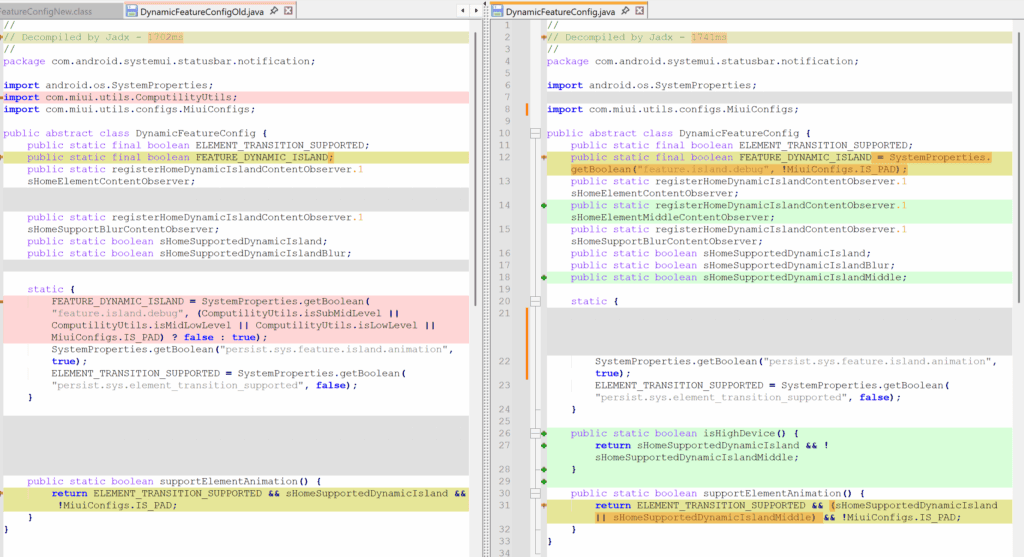
    By removing internal limitations in the most recent HyperOS 3 Beta version, Xiaomi has expanded access to its “Hyper Island” feature, which was previously only available for flagship models. All Xiaomi, Redmi, and POCO devices—including tablets and entry-level smartphones – can now use Hyper Island thanks to this upgrade. In an effort to be more inclusive throughout its product line, the business removed device-specific tags (such IS_PAD and isLowLevel) that had previously restricted interoperability.

    xiaomi Hyper Island is now for Everyone

    What is Xiaomi Hyper Island?

    Xiaomi‘s integrated notification and background activity control interface, Hyper Island, is located at the top of the screen and was inspired by Apple’s Dynamic Island. Although the functionality was initially designed for high-performance devices, recent advancements have made it possible for it to function properly on devices with less powerful hardware.

    This change is in line with Xiaomi’s overarching plan to encourage uniformity and feature parity throughout its network of devices. Xiaomi hopes to improve customer satisfaction and device durability inside the HyperConnect ecosystem by offering flagship-level user interface experiences on more reasonably priced products.

    However, the Island can function without animations on certain devices.

    Hyper Island with the most recent update will be immediately sent to those that take part in the HyperOS 3 Beta program.

    Xiaomi’s continued dedication to providing a consistent and all-encompassing user experience across all device categories is in line with this progress.