Tag: tsmc

  • TSMC Breaks 5GHz Barrier on Mobile Chips

    TSMC Breaks 5GHz Barrier on Mobile Chips

    With its advanced nodes enabling smartphone chipsets to achieve clock speeds of up to 5GHz, TSMC would achieve yet another significant milestone this year. TSMC’s cutting-edge technology have already tremendously benefited companies like Qualcomm, MediaTek, and Apple. Later this year, new chips will achieve peak clock rates of up to 5GHz for the first time in history, which will make it harder for Huawei to compete.

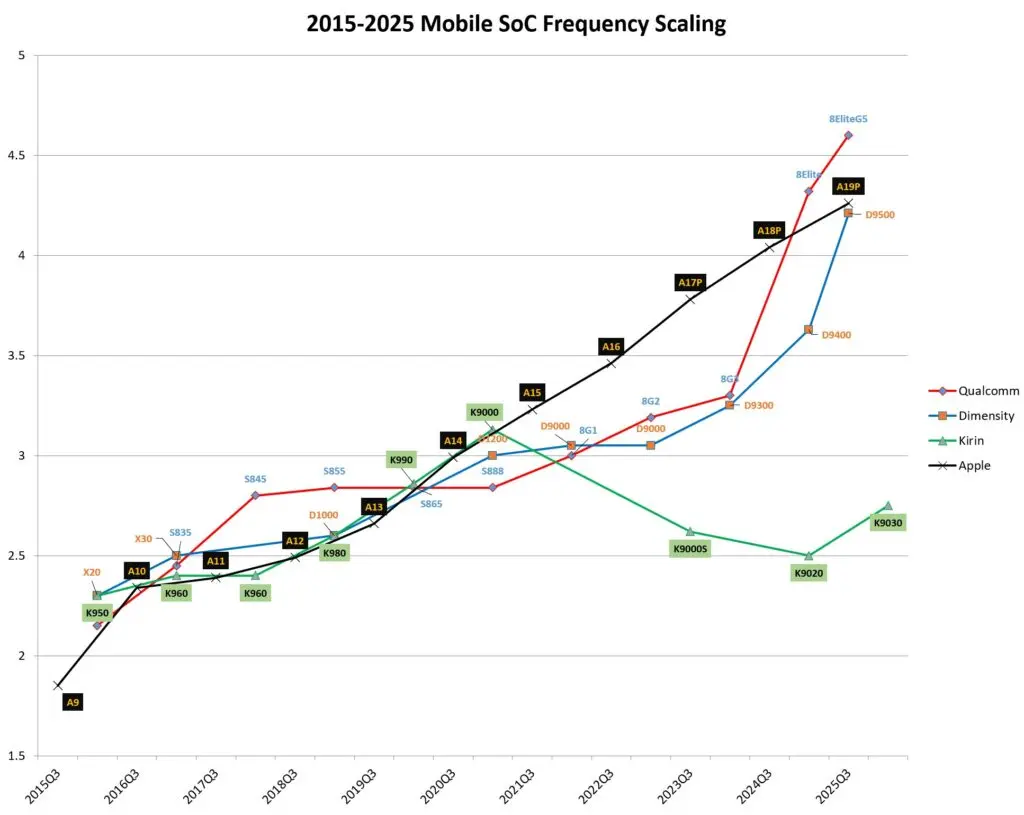
    TSMC has been at the core of Qualcomm, MediaTek, and Apple’s rapid growth over the years to provide potent chips with outstanding performance and economy. The graph below, which was provided by Kurnal, illustrates how these businesses have progressively raised peak clock speeds and are currently aiming for 5.0GHz.
    TSMC Breaks 5GHz Barrier on Mobile Chips

    The coming Snapdragon 8 Elite Gen 6 Pro is expected to hit 5.0GHz, whereas Qualcomm’s most recent flagship, the Snapdragon 8 Elite Gen 5, can already reach a peak speed of 4.61GHz. Following the 4.21GHz peak clock speed of the Dimensity 9500, MediaTek’s Dimensity 9600 Pro is expected to accomplish a similar accomplishment. This boost enables SoCs to offer considerable benefits in both single-threaded and multi-threaded workloads.

    However, the performance and efficiency provided by Qualcomm, MediaTek, and Apple are far superior to those of Huawei’s Kirin chipsets. The U.S. trade sanctions that prohibited the company from doing business with TSMC are the reason for its decline on the graph above. China’s SMIC factory, which is still decades behind TSMC, was Huawei’s only choice. Because it cannot use the most sophisticated EUV (Extreme Ultraviolet) lithography machines, SMIC is still bound to the 5nm process.

    The Kirin 9030 Pro, Huawei’s most recent chip, is still operating at 3.0GHz. As of right now, Qualcomm, MediaTek, and Apple are still too far ahead of Huawei to even compete with them; the difference is a foundry partner.
  • MediaTek hits new records with Dimensity 9400+

    MediaTek hits new records with Dimensity 9400+

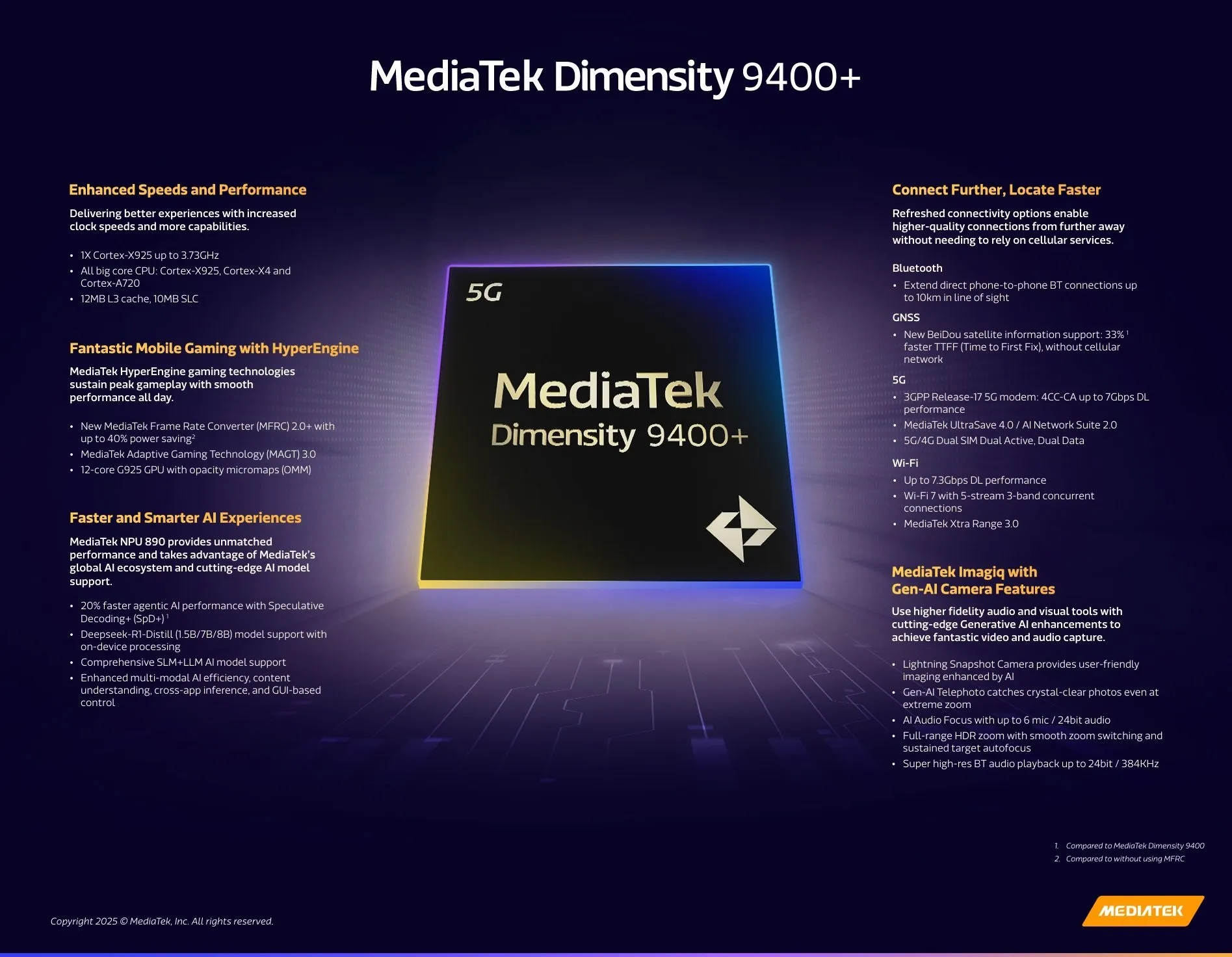
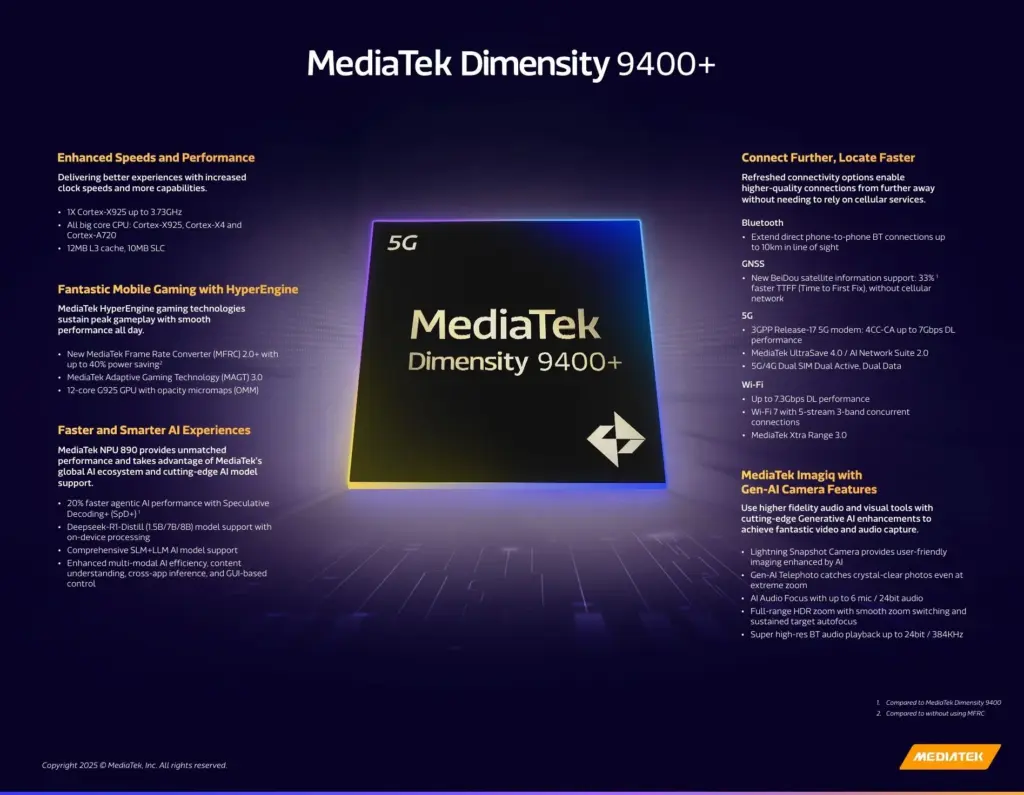
    The flagship chipset, the Dimensity 9400+, was revealed in April as the replacement for the Dimensity 9400 from the previous year. It is constructed with TSMC’s state-of-the-art 3nm technology and has a powerful CPU and GPU that guarantee seamless operation even under demanding conditions.

    To discover how the flagship-grade MediaTek Dimensity 9400+ chipset compares to its rivals, we’ll be examining its benchmark scores here.

    Note: The Vivo X200s (powered by MediaTek Dimensity 9400+) underwent the following benchmark testing.

    Dimensity 9400+

    MediaTek Dimensity 9400+ AnTuTu score

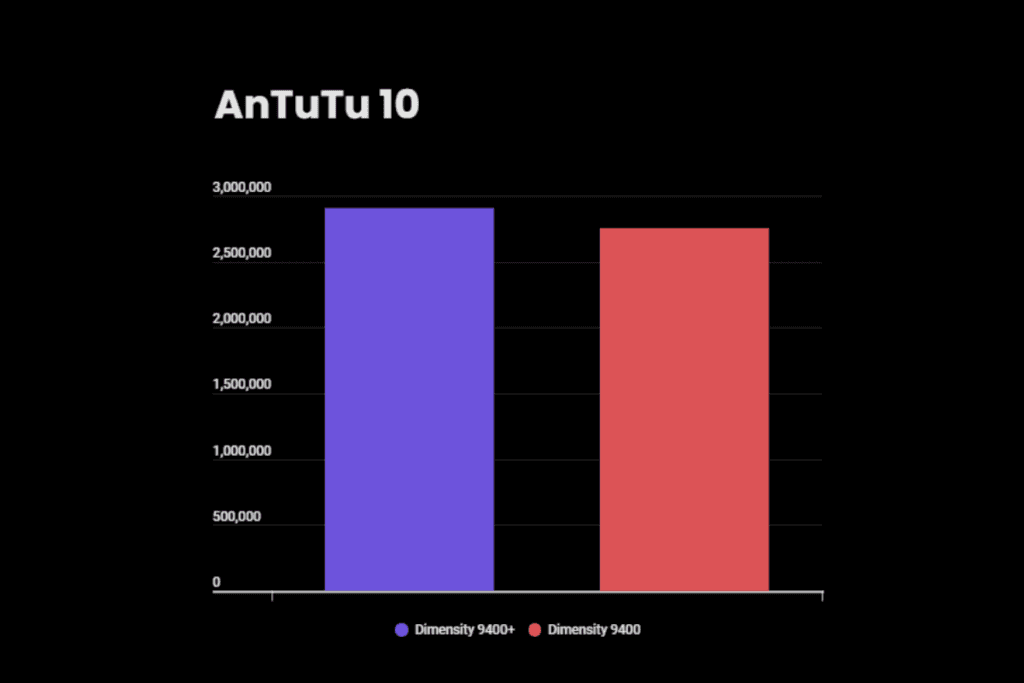
    The Dimensity 9400+ receives more than 2.9 million points overall on AnTuTu v10. According to the breakdown, the CPU receives 625K points, the GPU receives 1.3 million, the memory receives 509K, and the user interface receives 459K.

    In contrast, the Oppo Find X8, which is powered by the Dimensity 9400, has an overall AnTuTu score of about 2.7 million. There isn’t much of a difference between the two AnTuTu scores for the more recent chip.

    image 9

    Dimensity 9400+
    Dimensity 9400
    AnTuTu score2,907,3582,754,825
    CPU625,811622,149
    GPU1,312,6321,220,751
    Memory509,570489,110
    UX459,344422,815

    Dimensity 9400+ Geekbench score

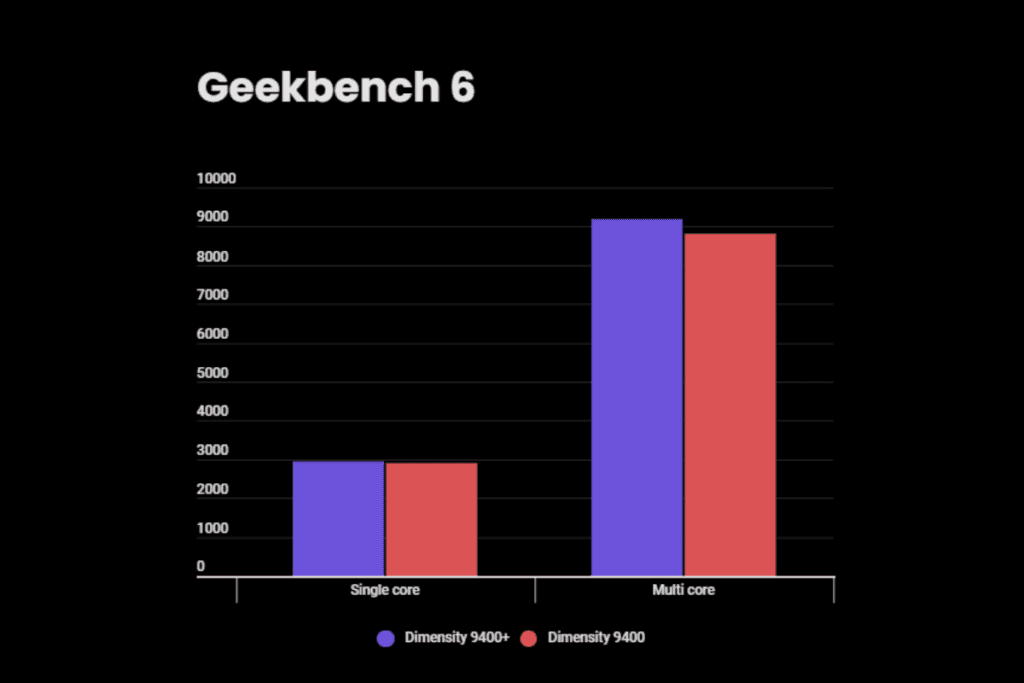
    The Dimensity 9400+ receives 2,945 single-core and 9,184 multi-core marks in Geekbench 6. Once more, the Dimensity 9400, which boasts 2,904 single-core and 8,812 multi-core scores, is not a much better processor.

    image 10

    Dimensity 9400+
    Dimensity 9400
    Single core2,9452,904
    Multi core9,1848,812

    MediaTek Dimensity 9400+

    Compared to the Dimensity 9400, the Dimensity 9400+ isn’t much better. With the exception of a little boost in CPU speed for the big core, it still makes use of the same set of CPU cores—one Cortex-X925, three Cortex-X4, and four Cortex-A720. The manufacturing node (TSMC’s 4nm) and instruction set (ARMv9.2-A) remain unchanged.

    The Mali-G9125 Immortalis MP12, which is based on ARM’s fifth-generation GPU architecture, offers no improvements at all. The MediaTek Frame Rate Converter tool has been improved, though not significantly. In well-known games, the updated version can provide twice the effective frame rate while also increasing power efficiency by up to 40%.

    MediaTek would undoubtedly not miss out on the widespread use of agentic AI, as the Dimensity 9400+ offers a 20% quicker agentic AI performance than its predecessor with Speculative Decoding (SpD+). With on-device processing, the chip fully supports the DeepSeek-R1-Distill (1.5B/7B/8B) model.

    With the exception of the newer Dimensity 9400+ chip, which increases phone-to-phone Bluetooth connections from 1.5km to 10km, connectivity isn’t getting any major changes. Everything else is the same, so it has a 3GPP Release-17 5G modem, Bluetooth 6.0, and Wi-Fi 7 (peak speed 7.3Gbps).

    Dimensity 9400Info
    AnnouncedApril 2025
    Process node3nm (TSMC)
    CPU1 x Cortex-X925 — 3.73GHz
    3 x Cortex-X4 — 3.3GHz
    4 x Cortex-A720 — 2.4GHz
    GPUArm Immortalis-G925 MC12
    MediaTek HyperEngine Gaming
    Ray tracing support
    NPUMediaTek NPU 890
    CameraMediaTek Imagiq 1090 ISP
    Up to 320MP single camera
    Up to 8K/60fp video recording
    Features: Gen-AI Telephoto, Full range HDR zoom, real-time AI segmentation in video
    MemoryLPDDR5X, 10667Mbps
    StorageUFS 4 + MCQ
    Connectivity3GPP Release-17 5G modem
    Download: 7.3Gbps (max)
    Wi-Fi 7
    Bluetooth 6.0

    Stay connected with the latest from Droid Tools—follow us on X @droid_tools, like our page on Facebook, check out our updates on Instagram, and follow us on Google News for real-time news, device tips, and mobile tech insights.

  • Google Tensor G5 comes on 3nm build and a new GPU

    Google Tensor G5 comes on 3nm build and a new GPU

    According to reports, Google’s Pixel 10 series will use the Tensor G5 as its next processor. According to reports, it will be manufactured under the codename “Laguna” under a multi-year agreement with TSMC, which would completely replace Samsung. There have been major architectural modifications in this flagship processor.

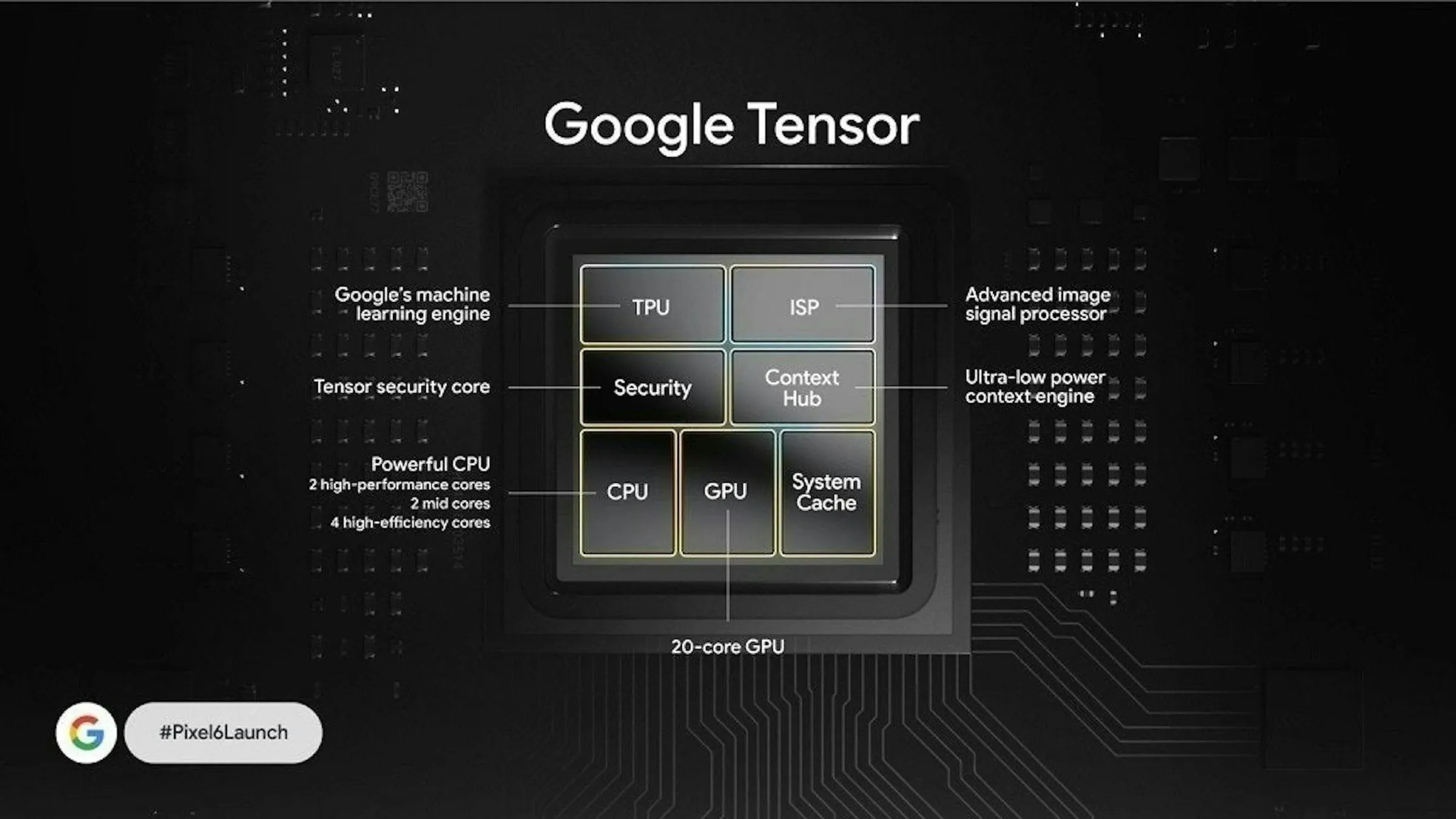
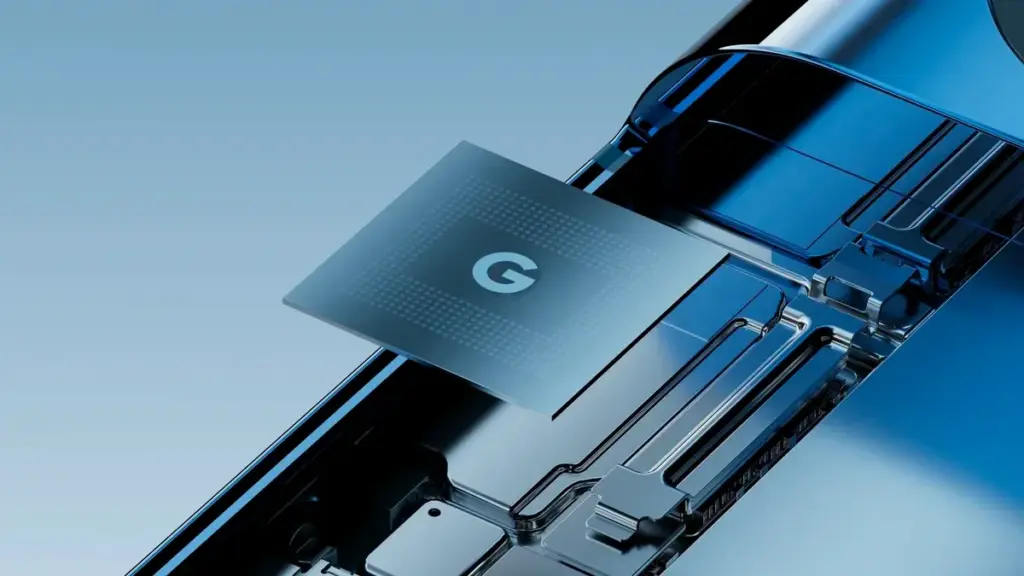
    According to reports, the Google Tensor G5 has an 8-core CPU and makes use of TSMC’s 3nm node. One Cortex-X4 prime core at 3.4 GHz, three to five Cortex-A725 performance cores at roughly 2.85 GHz, and two to four Cortex-A525 efficiency cores at 2.4 GHz are typical configurations, though reports vary significantly. Using the Cortex-A725, the design prioritizes efficiency and long-term performance, which is further improved by the 3nm technology. The goal of switching to more modern efficiency cores is to enhance the user experience in general.

    google tensor g5 soc

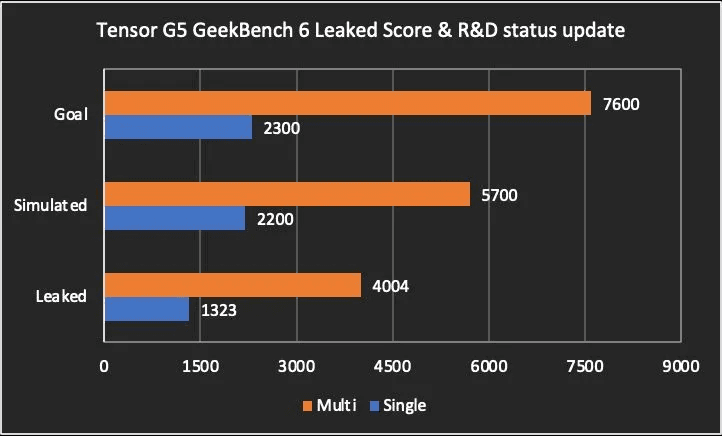
    A single-core score of roughly 1323 and a multi-core score of roughly 4004 are displayed in the leaked Geekbench 6 results. These are preliminary findings, but they fall short of the Tensor G4’s scores (about 1950 single-core and 4741 multi-core).

    There is potential for improvement through software optimization, as indicated by projected scores of 2200 single-core and 5700 multi-core, as well as a company objective of maybe surpassing 2300 single-core and 7600+ multi-core. Early software optimization or certain test setups could be the cause of the initial lower scores. In early incarnations, the emphasis on a more efficient production process may put power efficiency ahead of peak performance.

    image 7

    Despite architectural modifications and the switch to a 3nm technology, early benchmarks indicate that the Tensor G5 might not much outperform its predecessor in Geekbench 6. The particular setups of the testing devices or early software optimization may be to blame for this. In early generations, the shift to a more efficient manufacturing process may put power efficiency ahead of peak performance benefits.

    The Tensor G5 is anticipated to include a dual-core Imagination Technologies IMG DXT-48-1536 GPU clocked at 1.1 GHz, whereas the Google Tensor G4 used an Arm Mali-G715 MP7 GPU. This marks a substantial shift away from Google’s prior dependence on Arm Mali GPUs. This points to a change in strategy, either motivated by discontent with Mali’s performance in some domains or a keen interest in the capabilities of the IMG DXT.

    The highest level in the Ray Tracing Level System (RTLS), Level 4 ray tracing, is supported by the IMG DXT GPU, allowing for powerful visuals with low power consumption. This attempts to give the Pixel 10 more lifelike and captivating visual and gaming experiences. Users that value visual quality and game performance will find Level 4 ray tracing’s cutting-edge visuals appealing.

    image 8

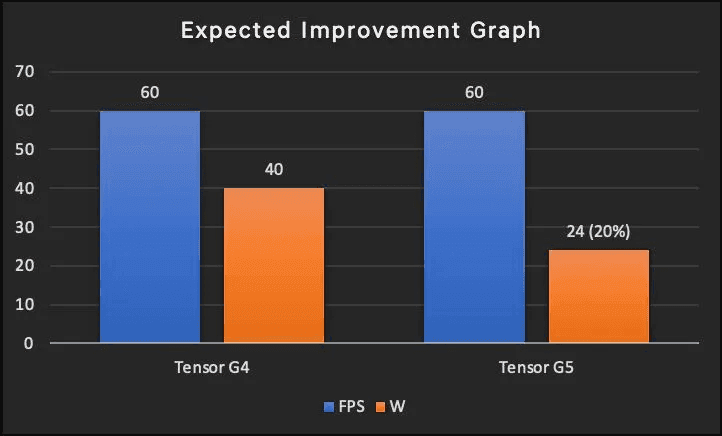
    Power efficiency is a key component of the IMG DXT, and its successor, the DXTP, offers up to 20% more power efficiency (FPS/W). Although DXT is used by the Tensor G5, this suggests a common pattern in Imagination’s designs. By switching to IMG DXT, the Pixel 10’s graphics subsystem may become more power efficient, which could solve a persistent problem with Tensor-based devices’ short battery life. A major benefit would be increased power efficiency over the Mali-G715 MP7.

    Stay connected with the latest from Droid Tools—follow us on X @droid_tools, like our page on Facebook, check out our updates on Instagram, and follow us on Google News for real-time news, device tips, and mobile tech insights.

  • Samsung started manufacturing 2nm Exynos 2600 CPUs

    Samsung started manufacturing 2nm Exynos 2600 CPUs

    The in-house Exynos 2600 chipset is expected to be manufactured by Samsung, which is apparently nearing mass production readiness, according to a recent Korean article.

    In terms of competition, Samsung Foundry has not yet reached the desired milestone, whereas TSMC has already exceeded 60% yield on their 2nm class N2 node. However, a recent report indicates that the nascent chip manufacturer is rather close, with yields currently falling between 4 and 50 percent. It is far higher than the predicted 30% figure that was released in February.

    exynos 2600

    Samsung may be forced to forgo the Snapdragon 8 Elite 2 chip for the upcoming Galaxy S26 series in some areas next year due to the Exynos 2600 chipset’s promising results from the efficient 2nm technology.

    The Snapdragon 8 Elite 2 for Galaxy will be developed using the same 2nm technology, the report also reveals. It is expected to appear in the second half of 2026, maybe alongside the Galaxy Z Fold 8 and Galaxy Z Flip 8.

    According to a post published by a tipster on X, the Korean tech giant apparently had to sacrifice performance in order to obtain functional chips, meaning that SF2 will once again lag behind TSMC’s N2 node in terms of raw performance. There might be a significant performance difference between the standard Snapdragon 8 Elite 2 and the tipster’s claim if it turns out to be accurate.

  • Rumors about a custom camera for Tensor G5 in Pixel 10

    Rumors about a custom camera for Tensor G5 in Pixel 10

    Tensor G5 is expected to include a number of off-the-shelf components to replace Samsung-made parts of previous chips, including the use of a totally bespoke ISP, as part of Google’s decision to move its Tensor production to TSMC for this upcoming generation.

    Since the beginning, Tensor chips have mostly been a combination of components created or built by Google and those made by Samsung. This is because Google has used Samsung’s foundry and Exynos chips to help make Tensor a reality. However, as has long been known, Tensor G5 in the Pixel 10 will use TSMC instead of Samsung, creating certain gaps in Google’s chip manufacturing process.

    According to a new report from Android Authority, there are a handful of off-the-shelf components that Google will be switching to.

    tensor g5 camera on google pixel 10

    According to reports, Tensor G5 will keep using a number of Google’s current designs (with improvements) that were included in Tensor G4 and other earlier Samsung-made chips, such as the TPU, DSP, memory compressor, and audio processor. However, it will have to swap out a few parts to make room for the switch to TSMC, including:

    • GPU: Arm Mali > Imagination Technologies DXT
    • Video codec: Google “BigWave” & Samsung MFC > Chips&Media WAVE677DV
    • Display controller/2D GPU: Samsung DPU > VeriSilicon DC9000
    • Image Signal Processor: Google-customized Samsung ISP > Fully custom Google ISP
    • Physical layer controllers: Samsung > Synopsys DesignWare IP cores
    • SPMI controller: Samsung > SmartDV SPMI
    • PWM controller: Samsung > Faraday Technologies FTPWMTMR010
    • UFS controller: Samsung > Unknown third-party

    The ISP is the most noticeable change here, since Google is reportedly developing a completely unique approach. Beginning with the 2017 “Pixel Visual Core” in the Pixel 2 series, Google has utilized its own ISP in a number of Snapdragon-powered Pixel phones. Prior to Google releasing the proprietary chip before Tensor’s 2021 launch, that developed into the “Pixel Neural Core” with the Pixel 4.

    The end user will not likely notice many of the component changes Google is making, but it will be fascinating to observe if the different swaps have any positive or negative effects. The replacement of the current Samsung choices with a MediaTek modem is another noteworthy change that was previously publicized.