Tag: pixel

  • #leak camera specs for the Google Pixel 8 series

    #leak camera specs for the Google Pixel 8 series

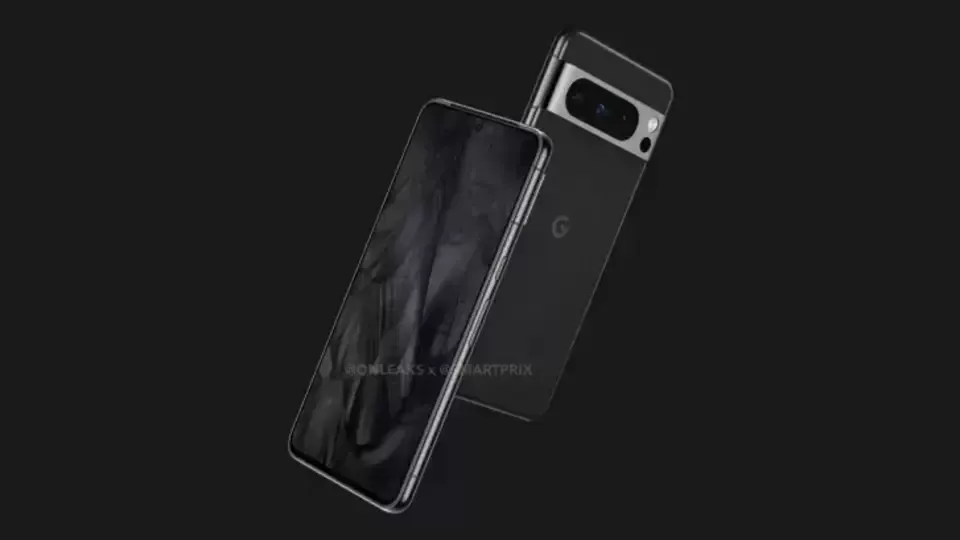
    Because to early investments in computational photography, Google Pixels have earned a reputation for being top-notch camera phones. The hardware of subsequent Pixel generations plateaued after Google continued to use the same primary camera sensor for four years in a row, but this was a great decision that kept them competitive. Even the Pixel 6a from a year ago, which used the same Sony IMX363 image sensor, was praised by us and other experts in the field of cameras.

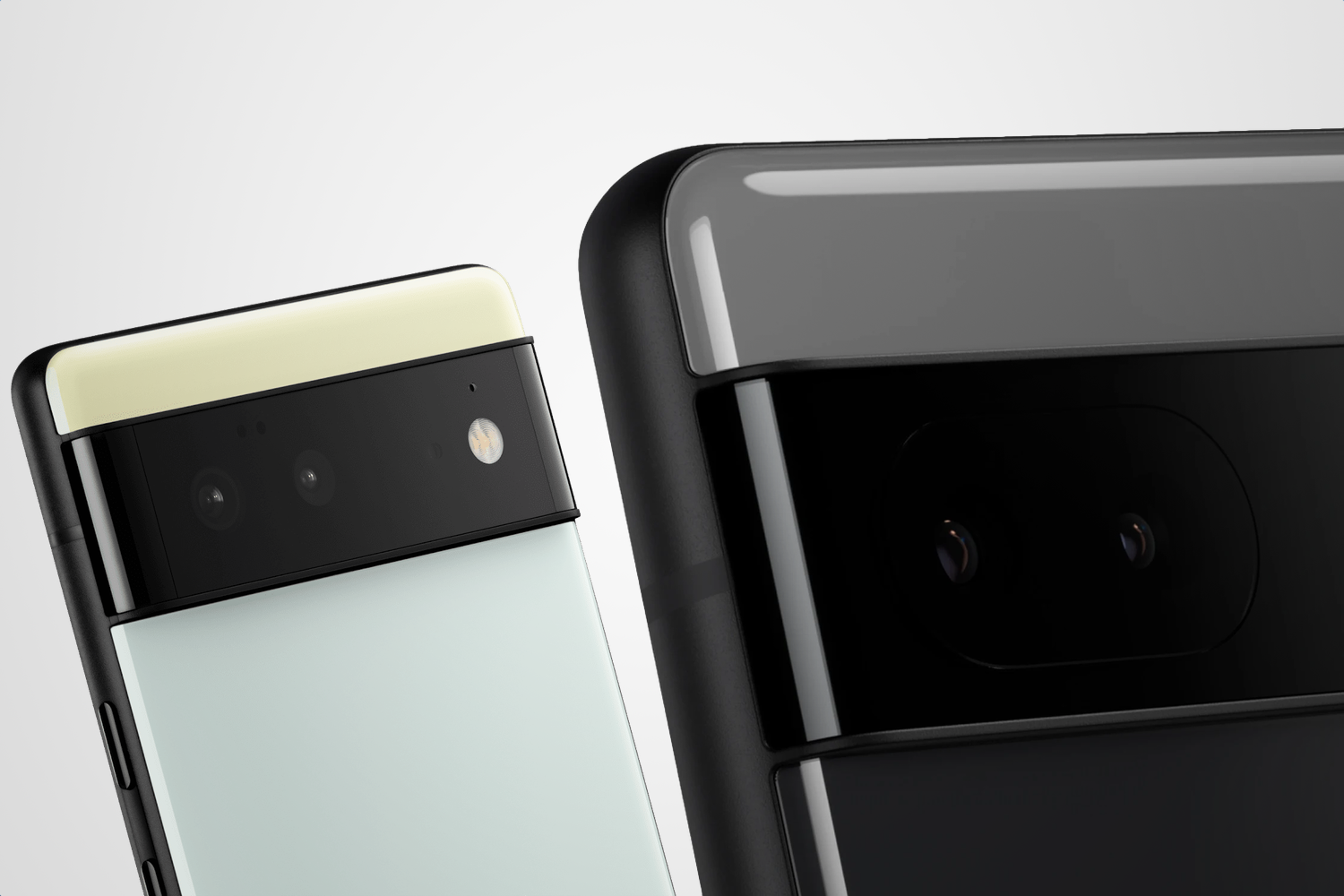
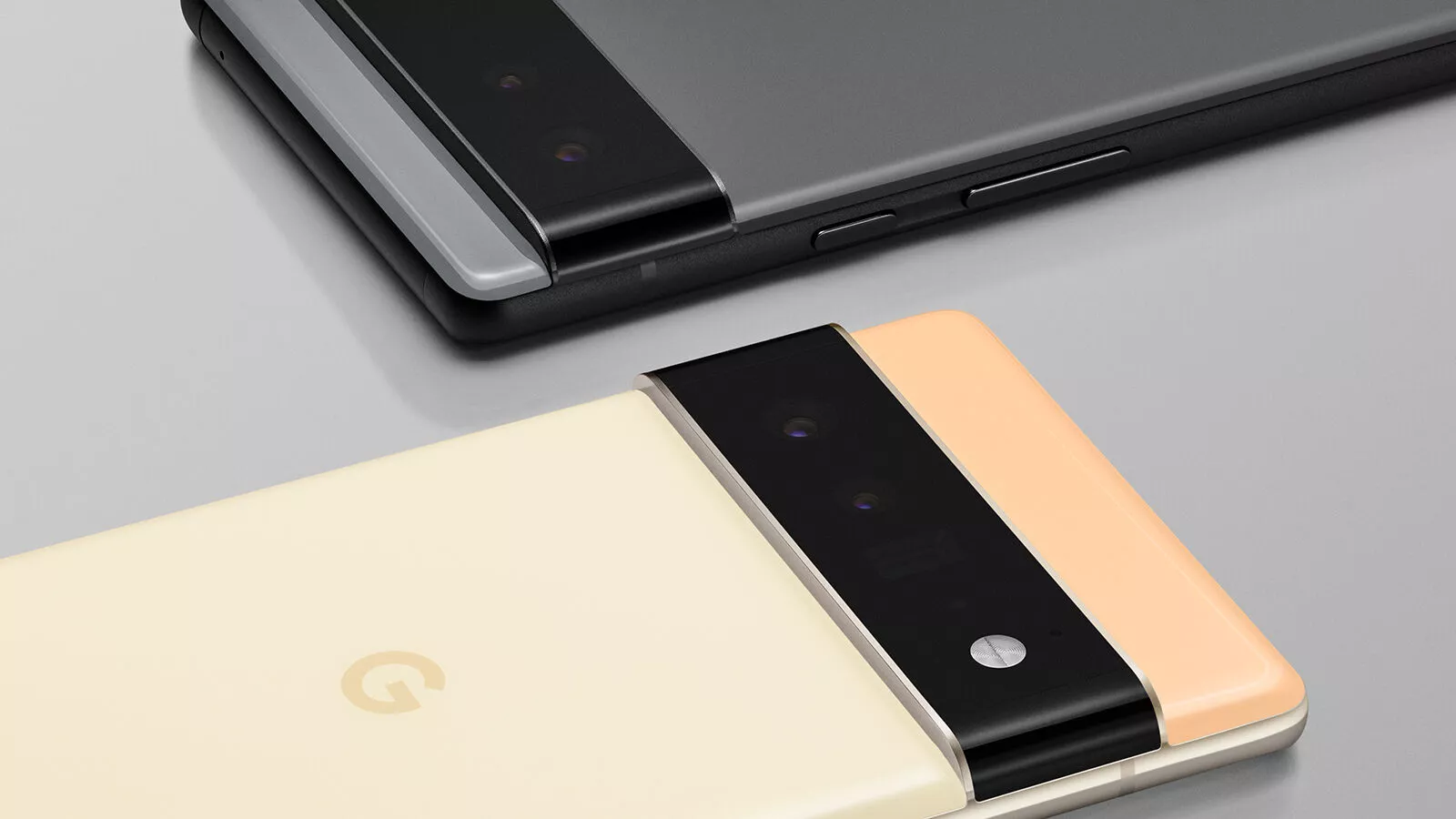
    After the Pixel 3, Google’s first significant camera hardware advancements debuted in the Pixel 6 series. The entire camera system was improved, but most notably the old primary sensor was changed for a Samsung ISOCELL GN1. The Google Pixel 7 series added a few more small upgrades to this setup, such as a new selfie camera, an improved telephoto lens, and macro capability on the Pro model. We have a lot of information on the camera specifications and features of the upcoming Google Pixel 8 series thanks to a source inside Google. So let’s get into the specifics.
    pixel 8 and pixel 8 pro camera l 1

    Pixel 8 and Pixel 8 Pro camera specs – a big upgrade

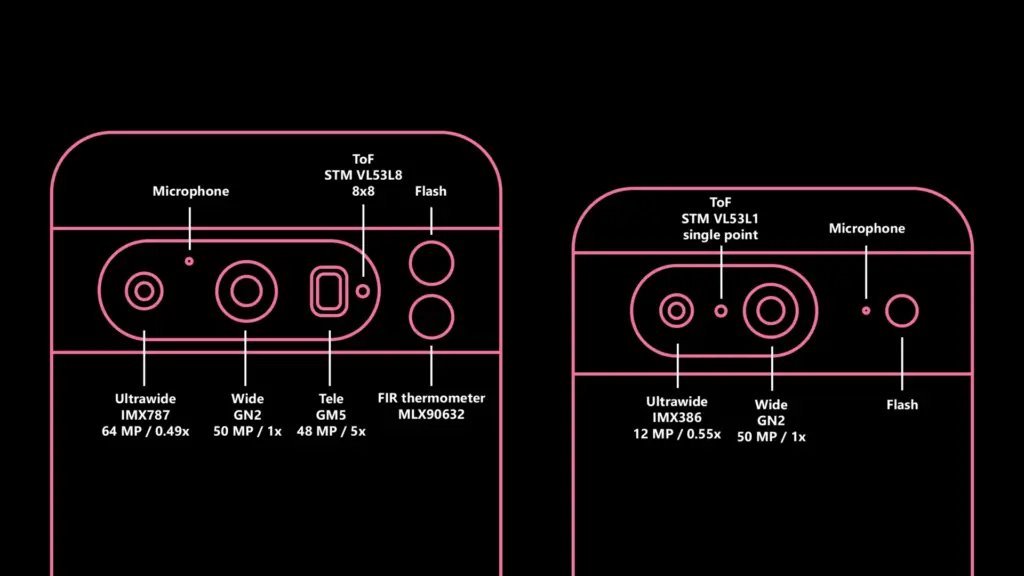
    Both Pixel 8 versions will receive the ISOCELL GN2 sensor as the primary update to the camera hardware this year, replacing the Samsung ISOCELL GN1 sensor. The sensor is bigger and should capture roughly 35% more light than its predecessor for brighter low-light shots and faster shutter speeds to lessen blur. These are the first enhancements.

    The Tensor G3 CPU and the sensor both support the capture of 8K/30fps video. This might not reach users, though, as the Pixel 8’s GCam does not presently enable it, and older Pixel models already run quite warm at 4K/60 frames per second. The final improvement is the previously revealed Staggered HDR support. This shortens the time between HDR capture frames, which lessens ghosting and expedites the capture process. The innovation might enable quicker, more dependable photos by enhancing Google’s HDR+ capabilities.

    The ultrawide camera on the Google Pixel 8 Pro is also getting a much-needed boost. The 64MP Sony IMX787, which is the same sensor as the main camera featured on the Pixel 7a, has replaced the outdated 12MP Sony IMX386. The sensor is almost two times larger, which is a significant improvement for the ultrawide camera. The lens has also been slightly widened by Google. The field of vision (FoV) has been increased from a 0.56x zoom ratio to 0.49x, but I am unsure of the precise value. Unexpectedly, there’s a possibility that the macro mode introduced with the Pixel 7 series won’t be present this year. At now, the Pixel 8 Pro doesn’t have the capability enabled. Afterwards, the feature might be activated again.

    The vanilla Google Pixel 8’s ultrawide camera is also upgraded, although more modestly. While the camera sensor is the same Sony IMX386 found in the Pixel 6 series, Google has made it slightly wider this year. Pixel 7 had a 0.67x zoom ratio, which is now 0.55x in the Pixel 8.

    The telephoto camera on Pixel 8 Pro appears to remain the same 5x module as the Pixel 7 Pro. The same goes for the 11MP selfie camera from the Pixel 7 series. Here’s the full rundown:

    Pixel 7Pixel 8Pixel 7 ProPixel 8 Pro
    WideSamsung GN1 (50 MP)Samsung GN2 (50 MP)Samsung GN2 (50 MP)Samsung GN1 (50 MP)
    UltrawideSony IMX386 (12MP) – 0.67x zoom ratioSony IMX386 (12MP) – 0.55x zoom ratioSony IMX787 (64 MP) – 0.49x zoom ratioSony IMX386 (12MP) – 0.56x zoom ratio
    TelephotoSamsung GM5 (48 MP) – 5x zoom ratioSamsung GM5 (48 MP) – 5x zoom ratio
    SelfieSamsung 3J1 (11 MP)Samsung 3J1 (11 MP)Samsung 3J1 (11 MP)Samsung 3J1 (11 MP)

    It’s intriguing to see Google further distinguish between the normal Pixels and their Pro counterparts. Although each generation’s previous Pixels had distinct distinctions (such as the addition of telephoto cameras on the Pro versions), it never felt as though the standard devices were a significant downgrade; rather, they just featured less features. This is altering with this generation. Now, purchasing the normal Pixel 8 over the Pixel 8 Pro will result in a lower-quality ultrawide experience and a lesser zoom.

    Improved time-of-flight is coming to the Pixel 8

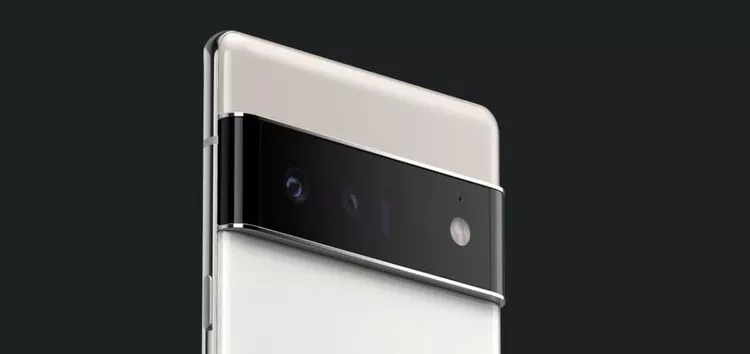
    The STMicroelectronics VL53L1 single-point time-of-flight (ToF) sensor has been used in all Pixel phones since the Pixel 6 (apart from the Pixel A series), which is a little-known fact. This sensor helps the autofocus. It is depicted in the picture up top.

    Finally, the Pixel 8 Pro get something more practical. It has a brand-new 88 ToF VL53L8 sensor. The new sensor in the Pixel 8 Pro is still a huge improvement, and it should, at the very least, make the autofocus much more dependable. Having a true LiDAR camera sensor, like the 0.3MP IMX590 in the iPhone 14 Pro, is obviously far more adaptable.

    The ToF sensor upgrade isn’t coming to the regular Pixel 8; it retains the old VL53L1.

    The Pixel 8 thermometer is just a thermometer

    An FIR temperature sensor is yet another Pixel 8 Pro feature that has already surfaced online. Let me set the record straight: it is not a full thermal camera that can also be used for photography as some have suggested.

    It is a Melexis MLX90632 sensor, which is primarily suggested for highly accurate non-contact temperature measurements, such as measuring body temperature. It is just capable of sensing temperature; it is neither a camera nor anything else. Simply said, and not for the first time, Google decided to incorporate a very pricey gimmick in its product (hello, Motion Sense).

    google pixel camera

    Software updates for the Pixel 8 camera are coming

    While the camera software on Pixel 8 is obviously in fairly early stages of development and mainly focuses on making the new hardware work, we have spotted some new low-level feature enhancements.

    “Adaptive torch” is a new feature that dynamically adjusts the flash intensity based on the scene and other inputs (e.g. which capture mode is used). This should prevent overexposed shots and make low-light photography even better if you use the flash.

    “Segmentation AWB” is another new feature. As the name implies, the scene will be divided into many segments using AI, and then certain portions of the image will be processed differently. This idea is not new; Qualcomm previously unveiled a feature of a similar nature for the Snapdragon 8 Gen 2. How Google integrates this into its current processing processes will be interesting to observe.

    Google might also add a video bokeh blur level selection for the phone’s cinematic mode, which was first introduced on the Google Pixel 7 series.

  • Evolution X 7.9 for the Google Pixel 6, 6 Pro & 6a – oriole – raven – bluejay

    Evolution X 7.9 for the Google Pixel 6, 6 Pro & 6a – oriole – raven – bluejay

    Modified versions of the Android operating system known as “custom ROMs” are produced by independent developers or communities. Beyond what is offered by the software from the original manufacturer, these ROMs provide a distinctive and personalized user experience.

    What is a custom ROM

    Custom ROMs are frequently used by users to enhance performance, unlock new features, or prolong the life of their devices.

    The ability to alter a device’s design and functionality is one of the main reasons people prefer custom ROMs. Themes, user interfaces, and the installation of custom kernels and changes to improve performance and battery life are all examples of customization possibilities. These ROMs frequently provide more device control, enabling users to customize their experiences to suit their preferences.

    The flexibility custom ROMs offer in terms of software upgrades is another important benefit. Official updates for older or less well-liked devices are occasionally delayed or completely abandoned by manufacturers and carriers.

    On the other side, custom ROM developers keep supporting these devices, giving customers the most recent versions of Android long after the official support stops. Users can now take advantage of new features and security updates that they wouldn’t otherwise have access to.

    evolution x

    Evolution X

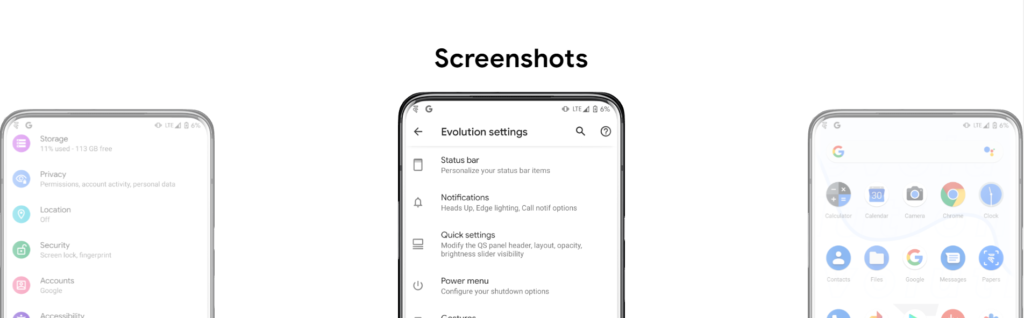
    Popular custom ROM Evolution X, which is based on the Android operating system, strives to offer a distinctive and feature-rich user experience. Evolution X, created by a passionate community of enthusiasts, offers a wide range of customization options, performance upgrades, and an easy-to-use interface, all while adhering to the fundamental values of stability and dependability.

    Evolution X is fundamentally based on the most recent Android releases, featuring Google’s most recent features and security updates. By doing this, customers are guaranteed access to the most recent features and security measures provided by the Android ecosystem. Even if official manufacturer updates are no longer available, customers can still benefit from a new operating system on their compatible devices with Evolution X.

    Another trait of Evolution X is performance optimizations. The ROM includes a number of adjustments and improvements meant to increase the device’s responsiveness, speed, and battery life. Users can fine-tune the performance of their device to suit their preferences by using sophisticated performance settings like undervolting or overclocking. Additionally, Evolution X makes the most of system resources to guarantee fluid animations and seamless multitasking.

    Evolution X also places a strong emphasis on privacy and security. The ROM includes built-in privacy features, such as advanced permission controls and privacy settings, to give users more control over their data and app permissions. Furthermore, Evolution X incorporates the latest security patches and updates to protect users from potential vulnerabilities and ensure a secure browsing and app experience.

    Features lists

    Themes
    
    - Theming Settings (Style, Color Source, Accent Color, Accent Background, Background Color, Luminance, Chroma, Tint Background)
    - Custom Themes (Black, Clear, Vivid, Paint In The Snow, Espresso)
    - Dark Theme Schedules
    - Lock screen Clock Fonts (16 Fonts)
    - Headline/Body Fonts (53 Fonts)
    - SB Icon Packs (10 Styles)
    - SB Signal Icon Packs (14 Styles)
    - SB WiFi Icon Packs (10 Styles)
    - System Icon Shape Packs (16 Styles)
    - 3 Button Navbar Styles (10 Styles)
    
    Status bar
    
    - Status Bar Lyrics
    - Clock Styles (Right, Center, Left)
    - Clock & Date Configs (Auto Hide, Hide Duration, Show Duration, Seconds, AM/PM, Font Size, Date Position/Case/Format)
    - SB Logo Pack (20 Styles, Right/Left)
    - Network Traffic Indicators
    - Battery Icon Styles (19 Styles)
    - Battery Percent (Hidden, Inside Icon, Next To Icon)
    - Battery Bar (Thickness, Alignment, Blend Colors, Reverse Direction, Colors, Animation)
    - System SB UI Tuner
    - Data Disabled Icon (On/Off)
    - Old Style Mobile Data
    - 4G Instead Of LTE
    - Roaming Indicator
    - WiFi Type Icon
    - Colored Icons
    - Notification Count
    - Bluetooth Battery Status
    - Mic/Camera Privacy Indicator
    - Location Privacy Indicator
    - Media Projection Privacy Indicator
    
    Notifications
    
    - ReTicker
    - App Colored Background For Reticker
    - Heads Up (Time Out, Importance Threshold, Less Boring, Stoplist/BlockList)
    - Force Expand Notifications
    - Notification Sound If Active
    - Kill App Button
    - Blink Flashlight For Incoming Call (When Ringing, When Silent, When Entierly Silent, Always)
    - Blink Flashlight For Notifications
    - In-Call-Vibrations (Connect, Waiting, Disconnect)
    
    Quick Settings
    
    - Clock
    - Clock Font Size
    - Date
    - Battery Style (15 Styles)
    - Battery Percent Location (Hidden, Inside Icon, Next To Icon)
    - Battery Estimates
    - Secure QS Tiles Requires Unlocking
    - Quick QS Pulldown (Disabled, Right, Left, Always)
    - Brightness Slider (Never, Expanded, Always)
    - Brightness Slider Position (Top, Bottom)
    - Auto Brightness Icon
    - Hide Labels
    - Label Text Size
    - Smart Pulldown
    - Vertical Layout
    - Columns In Portrait (2-5)
    - Columns In Landscape (2-6)
    - QS Tile Animation Style (3 Styles)
    - QS Tile Animation Druations (3 Speeds)
    - QS Tile Animation Interpolator (8 Styles)
    - Vibration On Touch
    - Vibration On Touch Duration
    - QS Footer Warnings
    - Show Data Usage
    - User Account Icon
    - Edit Icon
    - Power Menu Shortcut
    - Running Services Shortcut
    - Settings Shortcut
    - Clear All Button (10 Styles, 5 Backgrounds)
    
    Power Menu
    
    - System Settings (Hold PWR Assistant + Hold Duration)
    - Disable Power Menu On LS
    - Power
    - Restart
    - Advanced Reboot Options
    - Screenshot
    - On-The-Go Mode
    - Settings
    - Lock Down
    - Emergency
    - Device Controls
    - Users
    - Logout
    - Bug Report
    
    Gestures
    
    - System Settings
    - Quick Tap
    - Volume Button Playback Control
    - Swipe To Screenshot
    - Brightness Control
    - PWR Button Torch
    - Double Tap To Sleep Status Bar
    - Double Tap To Sleep Lock screen
    - AOSP Gestures
    - Pill Length
    - Pill Radius
    - Hide IME Button Space
    - Back Gesture Animation
    
    Lock screen
    
    - Edge Light
    - Always On Fingerprint
    - UDFPS Icon Picker (55 Styles)
    - UDFPS Animation Picker (38 Styles)
    - Lock screen Charging Info
    - Hide Status Bar
    - Hide QS During Secure Lock screen
    - Media Cover Art (5 Filters)
    - Ripple Effect
    - Fingerprint Authentication Vibration
    - Fingerprint Error Vibration
    
    Buttons
    
    - Navigation Bar
    - Compact Layout
    - Invert Layout
    - Show Vol Panel On Left
    - Per App Vol Control
    - On-Screen NavBar
    - Reorient Volume
    - Volume Rocker Wake
    - Keyboard Cursor Control
    - Alert Slider Notifications
    - Alert Slider Pulse
    - Block Alert Slider In Pocket Mode
    - Click To Partial Screenshot
    
    Animations
    
    - Screen Off Animation (3 Styles)
    - Power Menu Animations (11 Styles)
    - Android P Animation Style
    
    Miscellaneous
    
    - AOD Display Schedule
    - Google Services
    - Game Space
    - Smart Pixels
    - App Lock
    - Launch Music App On Headset Connection
    - Unlimited Photos Storage
    - Unlock Higher FPS In Games
    - Netflix Spoof
    - Pulse Music Visualizer (Navbar, LS, Ambient)
    - Volume Panel Timeout
    - Jitter Test
    - Ignore Secure Window Flags
    - Show CPU Info
    - Toast App Icon
    - Sensor Block Per Package
    - Wakelock Blocker
    - Alarm Blocker
    - Default USB Configuration
    - Radio Info

    First Time Install

    • 1. Download vendor_boot & rom for your device from here
    • 2. Reboot to bootloader
    • 3. fastboot flash vendor_boot vendor_boot.img fastboot reboot recovery
    • 4. While in recovery navigate to Factory reset -> Format data/factory reset and confim to format the device.
    • 5. When done formatting, go back to the main menu and then navigate to Apply update -> Apply from ADB
    • 6. adb sideload rom.zip (replace “rom” with actual filename)
    • 7 (optional). Reboot to recovery to sideload any add-ons (e.g magisk)
    • 8. Reboot to system & #KeepEvolving

    Update

    • 1. Reboot to recovery
    • 2. While in recovery, navigate to Apply update -> Apply from ADB
    • 3. adb sideload rom.zip (replace “rom” with actual filename)
    • 4 (optional). Reboot to recovery to sideload any add-ons (e.g magisk)
    • 5. Reboot to system & #KeepEvolving

    OTA

    • 1. Check for update. If available, select “Download and install” (approx 10-15 min)
    • 2. Reboot & #KeepEvolving
  • Official look at the Google Pixel Fold, launching on May 10

    Official look at the Google Pixel Fold, launching on May 10

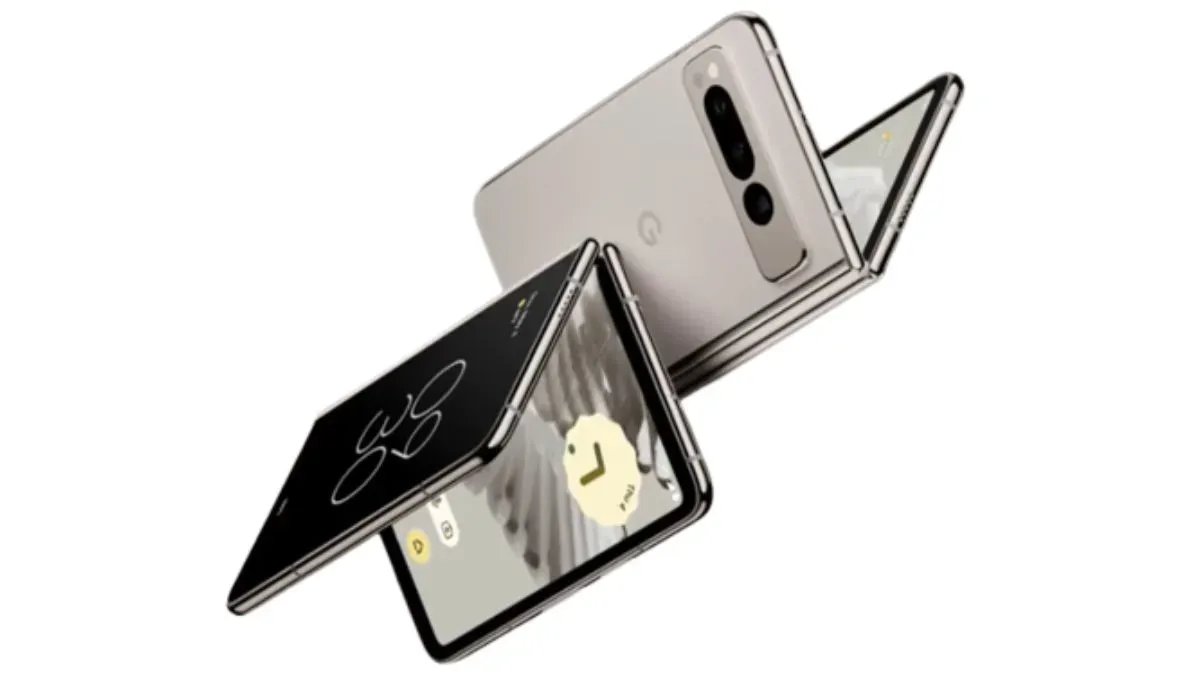
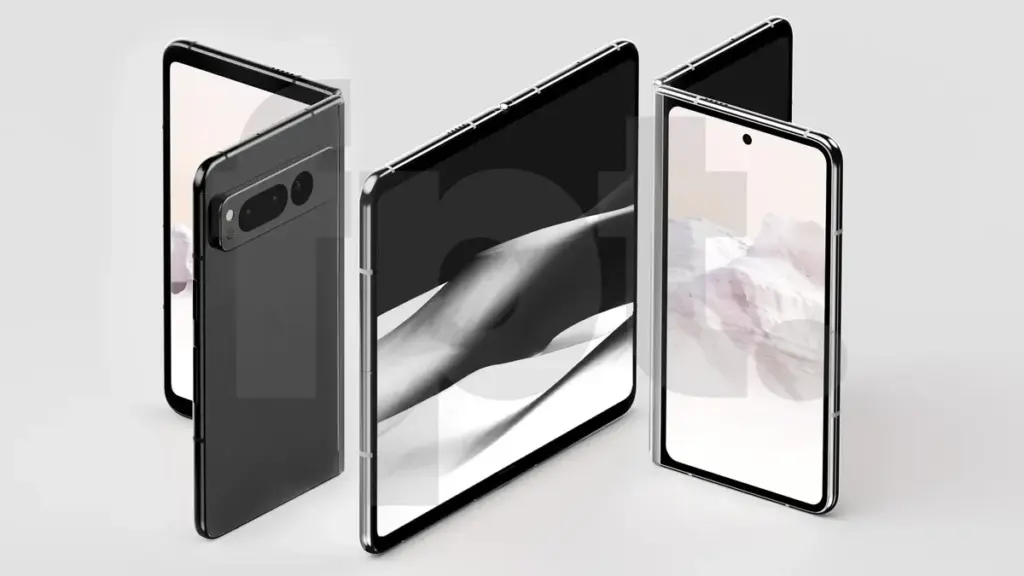
    Google won today’s game against the leakers. The Google Pixel Fold was presented for the first time by the business. This is actually the first time the business has ever used the term “Pixel Fold” in any official capacity.

    The Google Pixel Fold debut event will take place at Google I/O 2023 on May 10, as anticipated. The Pixel Fold will officially launch next week, however the company did not specify a price or a start date for availability.

    The Pixel Fold is depicted in the still image up top, and it fits all the stories we’ve heard thus far extremely well. The tweet from Google, however, demonstrates animations of the phone unfolding.

    google pixel fold

    The Pixel Fold is depicted in the still image above, which accords quite well with all the speculations we have heard thus far. As you can see in the tweet below, Google also displayed animations of the phone unfolding. While May 4 is celebrated as an unofficial Star Wars holiday all around the world, the tweet’s clever message makes a play on the phrase “May The Force Be With You.”

    Along with the tweet, the company also published a new Pixel Fold page at the Google Store. This page reveals the Google Pixel Fold launch details and gives folks interested in getting one the ability to sign up for alerts about its availability.

    What else do we know about the Google Pixel Fold launch?

    We can be sure that Google will introduce the Pixel Fold and Google Pixel 7a at Google I/O. There is a good probability that the Pixel Tablet will also make its formal debut, but Google hasn’t said anything about that just yet.

    Several of the same features seen in the Pixel 7 Pro will probably also be found in the Pixel Fold. A triple-lens rear camera with wide, ultrawide, and telephoto lenses, the Tensor G2 SoC, a ton of Memory, a ton of storage, wireless charging, and more would be included. Of course, with all that power and the foldable design, the Pixel Fold will probably be incredibly pricey. As of now, reports point to a starting price of $1,799, the same as Samsung’s Galaxy Z Fold 4.

  • Google’s Incredible Christmas Deal for Global Users

    Google’s Incredible Christmas Deal for Global Users

    The rush to find the right presents may become a true race against time when the holiday season enters full swing. Thankfully, Google has offered a simple solution along with some fantastic Christmas promotional deals. Here are the interesting offers that are available over the Christmas season, ranging from savings on Google’s premium smartphone, the Pixel 7, to Google limited series.

    google deals

    Pixel 7 Pro Holiday Sale

    The most recent Google smartphone release is the Pixel 7 Pro. The incredible deal to get a Pixel 7 Pro for $120 cheaper than the retail cost begins on December 25 and runs until January 10 of 2023. Utilize the opportunity to purchase a reasonable present for your relatives or friends. When you purchase this smartphone, make sure to download any send anywhere file transfer app to shift all of your favorite photos and clips to enjoy the highest quality experience. The Pixel 7 offers all the features you could want in a smartphone and more, along with outstanding technology. All of the benefits of the OLED screen are there in the sleek form, which also conceals some excellent technology.

    Pixel 6a Discount Package

    The Pixel 6a is evidence that you don’t need to spend a lot of money to have a good phone. At a fraction of the cost of comparable smartphones, the gadget has a powerful Tensor engine and unique Google software. It does, however, get better. Get a $120 discount on the Pixel 6a from December 25 until January 5.  The Google Pixel 6 is the enhanced version of the Google Pixel 6a, and its greater price is justified by the phone’s bigger 6.4-inch OLED screen and the faster refresh rate. If you can afford it, the increased price tag is well worth it for the Google Pixel 6.

    Choose the Best Affordable Deal

    Google’s holiday sales will make the greatest products from the digital giant more affordable than ever, whether you want to upgrade your gadgets or are seeking the perfect present for a loved one. Don’t think twice about taking advantage of the chance, and make sure you don’t miss the window of opportunity to start the new year with the finest Google has to offer.

  • 7 awesome Google Pixel features to use

    Right now, it’s difficult to talk about Pixels without the topic eventually turning to the brand-new Pixel 7 and Pixel 7 Pro. And it’s understandable why: both inside and out, Google’s most recent Pixel smartphones are just incredible. They have a ton of power and exciting new tricks that just ooze out of them.

    But what’s this? To reward yourself to new and exciting phone features, you don’t need to be the owner of a Pixel 7. Because your device’s software is always being updated, there are tons of valuable jewels hiding beneath the surface, which is the beauty of the Pixel world. The majority of Pixel owners simply don’t notice them, or perhaps they do but quickly forget afterward.

    In order to give several noteworthy Pixel features the attention they merit, today we’re going to take a step back. They should function for you regardless of whether you’re holding a Pixel 7 or an older model—even, in most circumstances, if your Pixel is too old to have received the most recent Android 13 update.

    Discover some extraordinary Pixel gems by reading on, then continue the celebration by enrolling in my Pixel Academy e-course. For my favorite Android Police friends, it’s a seven-day email trip that teaches you a ton of time-saving Pixel information and is totally free.

    Smarter storage

    The following is a further automation-focused intellect built into your Pixel and ready to be cuddled: The technology automatically deletes duplicates of the photos and movies you’ve already backed up to Google Photos when your phone’s local storage starts to run out of room.

    Of course, you can always do it on your own, but doing so requires (a) actually remembering to do it frequently and (b) spending the time to complete the process’s several manual phases. And while I don’t know about you, my brain is now made up of about 97% oatmeal, so everything I can automate to reduce the load on myself is a win in my book.

    Your path to effortless storage nirvana will vary depending on what Android version your personal Pixel companion is running:

    With Android 12

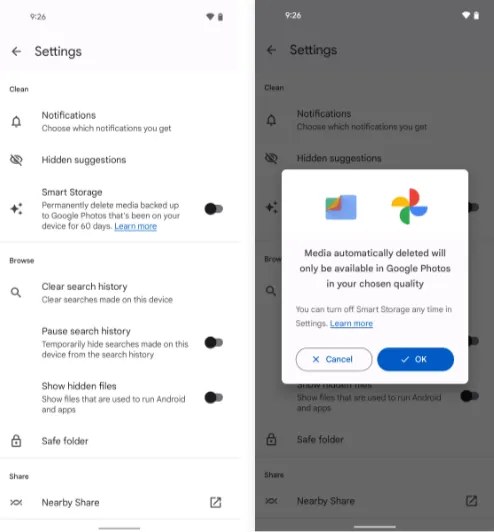
    If you’ve got a current Pixel with the snazzy new Android 12 software on it, open up the Files by Google app (or go download it, if it isn’t already on your phone).

    Then:

    • Tap the three-line menu icon in the app’s upper-left corner.
    • Select “Settings” in the menu that comes up.
    • Flip the switch next to “Smart Storage” into the on position and confirm that you want to activate the feature.
    pixel storage

    With Android 11 or earlier

    If your Pixel is on an older version of Android (howdy, Pixel 2 partners!), you’ll find the same option within your phone’s system settings:

    • Open up your settings and tap “Storage.”
    • Look for the line labeled “Smart Storage.” Tap it — tap it with gusto, damn it!
    • Choose whether you want your already-backed-up items to be deleted when they’re 30, 60, or 90 days old.
    • Activate the toggle at the top of the screen.

    Either way, you’ll just need to make sure you’re set to sync your photos and videos to Google Photos — by tapping your profile picture in the Google Photos app and then looking for the “Backup” line in the menu that comes up — and you’ll never have to think about your storage running low again.

    Image extracting

    Save yourself some time and let your Pixel make it simple the next time you need to grab a picture from someplace, whether it’s a website, a text message, a forum for earwig aficionados, or whatever the situation may be.

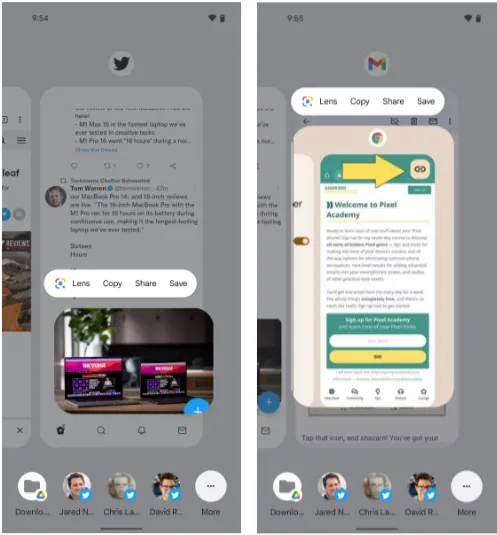
    The Overview screen on your Pixel phone includes a secret feature that lets you take pictures almost anywhere. And all it takes to access its magic is a simple swipe and a few fast taps:\

    • While you’re viewing any app with a visible image, open up the Overview interface — by swiping up about an inch from the bottom of your screen and then stopping, if you’re using the current Android gestures system, or by tapping the square-shaped icon along your screen’s lower edge, if you’re still using the old legacy button-nav setup.
    • Touch and hold your finger onto the image within the app’s preview.
    • Select the option to copy, share, or save the image — or use Google Lens to analyze it, if you really want to get wild.

    This will work in most any app where an image is present — even if it’s an app where you couldn’t typically save an image in any easy way (Gmail, Twitter, Earwiggalicious, etc).

    Let’s all say it together now: Pixel features can be incredibly beneficial once you remind yourself of their possibilities and then learn to properly take advantage of them! (Okay, so that rallying cry might need a little work.)

    image extraction

    Text extraction

    Following up on our previous Pixel feature, your fancy Google phone can help you pull text out of practically anywhere imaginable and then copy it, share it, and search for it to your heart’s content.

    What’s especially useful here is that just like with the last item, this feature works even in places where you couldn’t typically copy text — your feed in social media apps, parts of the Play Store, or even sections of your system settings.

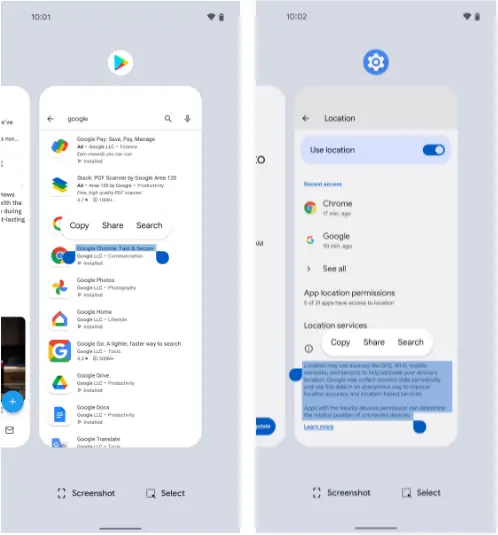
    And it’s right in the same place as the image extractor we just finished exploring:

    • Head back into your Pixel’s Overview area.
    • Touch and hold your finger onto any text in the current app’s preview — or, if you’d rather (and if your Pixel is recent enough to be running Android 10 or higher), tap the “Select” text at the bottom of the screen and then highlight the specific text you want from there.
    • Choose “Copy,” “Share,” or “Search” from the menu that comes up.
    • Smirk knowingly at any iPhone users in the vicinity.
    pixel text extraction

    Simple screenshots

    One of the most frequent complaints I get from my fellow Android-loving primates is how difficult it may be to take a screenshot on a Pixel. ‘ See, back then, the system power-button menu on Pixels included a straightforward option to take a screenshot of the screen. But after that, Google, well, Googled. It changed that menu, and then, um, it changed it again a year later, and the choice vanished.

    Hold the phone, though: If you aren’t a fan of the old-fashioned physical button mechanism for capturing a screenshot, there is still another way.

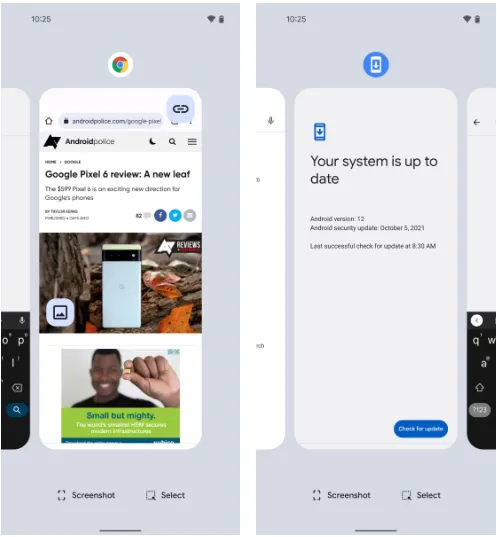
    It’s right there in plain sight on that same Overview screen we were just gawking at, in fact, and yet hardly anyone seems to notice it.

    pixel screenshot

    Yes, that’s it; it’s down there on the screen. As long as you have Android 11 or higher, your Pixel will always offer up a “Screenshot” option directly inside its Overview interface, regardless of the program or area of Android you’re looking at. And selecting that will record whatever is visible on the screen of the active process.

    The system status bar, the bottom-of-screen navigation area, and any other extraneous items won’t appear in screenshots you take in this fashion as a bonus; this is a notable and occasionally useful departure from Android’s customary physical-button screenshot-capturing method.

    Tap to wake

    Pixels have plenty of options for easy screen activation. Maybe you like using the always-on time and info system, for instance. Or maybe you’re more of a lift-to-check kind of Pixel owner.

    Whether you’re using any of those features or not, though, your Googley phone has another useful system for waking up its display in a jiff. It harkens back to an earlier Android era, and it’s one of the Pixel’s most overlooked possibilities.

    Ready? Simply press the display twice to turn on the screen of your Pixel whenever you want. Just two quick taps are all it takes to wake up your phone. The unknown!

    The “Tap to check phone” option should be present on your lock screen by default, but if it isn’t, check your system settings, go to “Display,” then “Lock screen,” and see whether the option is present. If it is, you can verify that it is on and enabled. (On Pixels running previous versions of Android, you’ll need to touch “Advanced” before you can access that option, which is labeled “Double-tap to check phone.”)

    Automation

    Although there are many chances for advanced automation on Android, your Pixel comes with its own native rules system that can significantly increase the intelligence of your phone with hardly any work.

    It’s called, rather fittingly, Rules — and with about 30 seconds of setup, it can allow your phone to change its ringing and notification behavior based on where you are or what Wi-Fi network you’re connected to at any given moment.

    Here’s how to get it up and running:

    • Head into your Pixel’s system settings (by swiping down twice from the top of the screen and then tapping the gear-shaped icon in the lower-right corner of the panel that pops up).
    • Tap “System” followed by “Rules.”
    • Make sure the toggle at the top of the screen that says “Always allow location for Rules” is in the on position.
    • Look for a line that prompts you to allow the feature to run in the background. If you see that, tap it and then tap “Allow” on the confirmation that appears.
    • Pause to take a sip of the nearest fizzy beverage.
    • Tap “Add rule” and then consider your options.

    Then what? That’s really up to you. For a few ideas, you could instruct your Pixel to vibrate for incoming alerts when you’re at work, make it to go into Do Not Disturb mode whenever you’re at the movies, or configure it to ring whenever you’re connected to your home network.

    Smart screens

    The last item in our list of overlooked Pixel characteristics is a two-parter that your eyes will like.

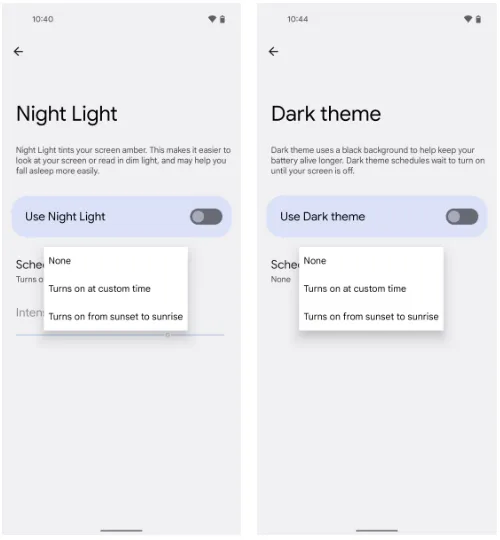
    The screen-tinting Night Light option can be automatically activated on your Pixel based on the sunrise and sunset times in your current location or a schedule you create. In this manner, your phone’s screen will adopt a softer, less harsh type of coloring that will be easier on your eyes when night falls and the lights get faint. And as soon as morning comes around, it will switch back to the regular daytime mode.

    Return to your Pixel’s system settings, select “Display,” then press “Night Light,” then “Schedule,” to configure your automated Night Light activation routine. The options to select the sunset-to-sunrise setup or to enter your own unique hours for dim-environment optimization are displayed there.

    While we’re on the subject of screen intelligence, think about if your phone’s theme changing from a lighter theme during the day to a darker one at night might be a good addition to your new Night Light intelligence. For me, the two patterns—standard screen colors and a light theme during the day and Night Light and Android’s dark mode during the night—are a lovely and extremely natural pairing.

    night light on pixel

    If you want to give that double-display whammy a whirl, back out to the main “Display” menu and look for the “Dark theme” line. Tap it, then tap “Schedule,” and you’ll see a selection that’s identical to the one you just configured for the Night Light.

  • What to expect from Google Pixel launch

    What to expect from Google Pixel launch

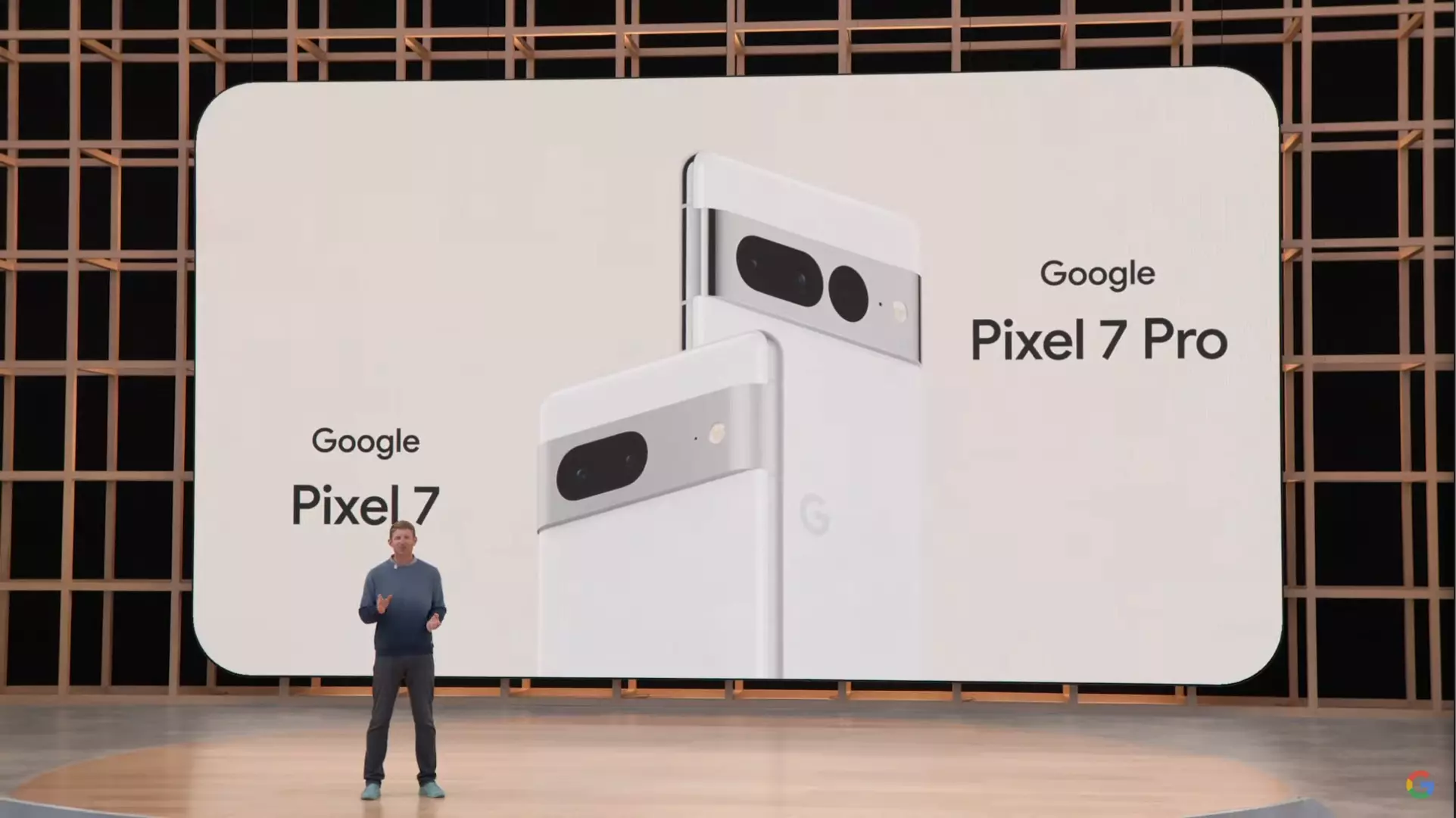
    On October 6, Google will hold its upcoming hardware launch event, during which the Pixel 7 series and a number of other new items will be made public. The Pixel 7 series duo was originally shown off by Google at its 2022 I/O event, but additional crucial information has been kept under wraps.

    The pair has been the subject of numerous rumors, and Google has been gradually disclosing features from the Pixel 7 series. We’ll outline how to watch the Pixel 7 series event live as well as what to look forward to.
    When will Google launch the Pixel?

    On October 6, 2022, Google’s Pixel 7 series will debut. At a live event in Brooklyn, New York, beginning at 10 AM ET, Google will reveal the Pixel 7. (3:00 PM London time, 9:30 PM Indian time).

    How to watch Google’s launch event

    Although Google’s hardware event will take place in person, you can watch it live online from the comfort of your home. The Made by Google YouTube channel will broadcast the event live.

    What to expect at Google’s event

    What hardware is hence most likely to be presented at the event? While rumors and leaks have disclosed some of the other details, Google has already confirmed a large portion of it.

    1. Google Pixel 7 Series

    Google will unveil two models, the standard Pixel 7 and the Pixel 7 Pro. The duo maintains Google’s modern design introduced with the Pixel 6 series in 2021.

    Youtube video

    The edge-to-edge rear camera bar is still there on both phones, but Google is prepared to differentiate between the two by adding a third camera to the Pro model, making a total of three. The third rear camera on the Pixel 7 Pro is also located in a distinct dot cutout. Both variants’ back camera bars are made of metal instead of the glass found on the Pixel 6.

    Google recently posted a photo showing the Pixel 7 Pro’s display, which is somewhat curved. Google continues to employ a rounded notch, which is said to include an 11MP Samsung 3J1 front camera.

    According to 9To5Google, rumors indicate that Google will keep using the primary 50MP Samsung GN1 sensor and Sony’s IMX381 for ultrawide pictures. The usage of Google’s second-generation Tensor G2 processor, which is expected to employ a 4nm chip with Samsung’s upcoming Exynos 5300 modem, is one of the greatest upgrades.

    The Tensor G2 is supposedly combined with 12GB of memory and 128GB of storage on the Pixel 7 Pro, according to a report from Android Authority. According to rumors, the stock Pixel 7 will have Bluetooth Low Energy-enabled dual speakers, 8GB of RAM, 128/256GB of storage, a 4700mAh battery, 30W charging capability, and a 6.3-inch display.

    Google Pixel 7

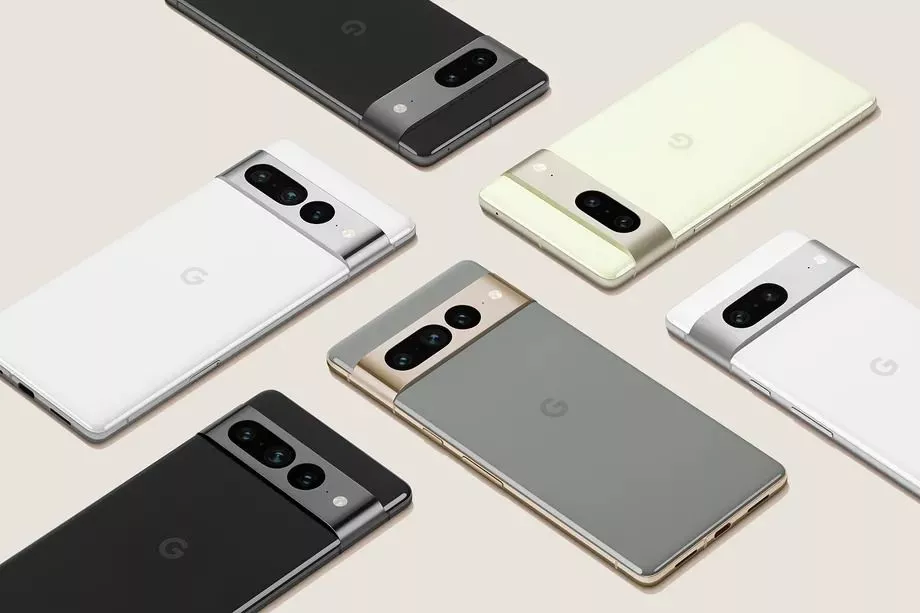
    Both versions will be available in the colors Obsidian and Snow out of the box, but there is also a third special choice for each model: Hazel for the Pro and Lemongrass for the Pixel 7.

    Early price rumors have suggested the Pixel 7 series starts at $599 for the standard model and $899 for the Pro model, identical to the Pixel 6 and Pixel 6 Pro launch prices, respectively.

    While there’s still uncertainty on other important features of the Pixel 7 series like battery, fast charging speeds, camera, price, and more, it looks like you shouldn’t expect a massive update from the Pixel 6 series.

    2. Pixel Watch

    Google is almost ready to introduce its first wristwatch. In leaked images, the Pixel Watch has a svelte circular shape and muted hues similar to the Pixel 7 series. It has a pill-shaped button on the right and a silver crown on the left.
    According to an early hands-on in the wild that was posted on Reddit in April 2022, the Pixel Watch is expected to be 40mm in diameter, 14mm thick, and 30mm in diameter (without the bezels).

    https://youtube.com/watch?v=_p7v1PTABSU

    It has been suggested that the Pixel Watch would include fitness and health tracking capabilities for heart rate, blood oxygen, skin temperature, and other parameters. Most significantly, the Fitbit Charge 5 has been compared to the Pixel Watch’s rear sensors, which debuted in 2021.

    The Fitbit’s Charge 5 has several tracking features, including an ECG and EDA sensor. Besides, Google notes in a teaser that Fitbit powers the smartwatch’s health and fitness features, and, as a result, you may need a Fitbit account as well as the app to enjoy some functionalities.

    Reports suggest Google could use the Exynos 9110 chip, an old chip first seen in Samsung’s 2018 Galaxy Watch, according to a 9To5Google report. On the bright side, Google will reportedly include over 1.5GB of memory to compensate for that.

    Under the hood, the Pixel Watch will run Wear OS 3, the latest version of Google’s smartwatch operating system.

    3. Google Nest Wi-Fi Pro and Nest Doorbell (Wired)

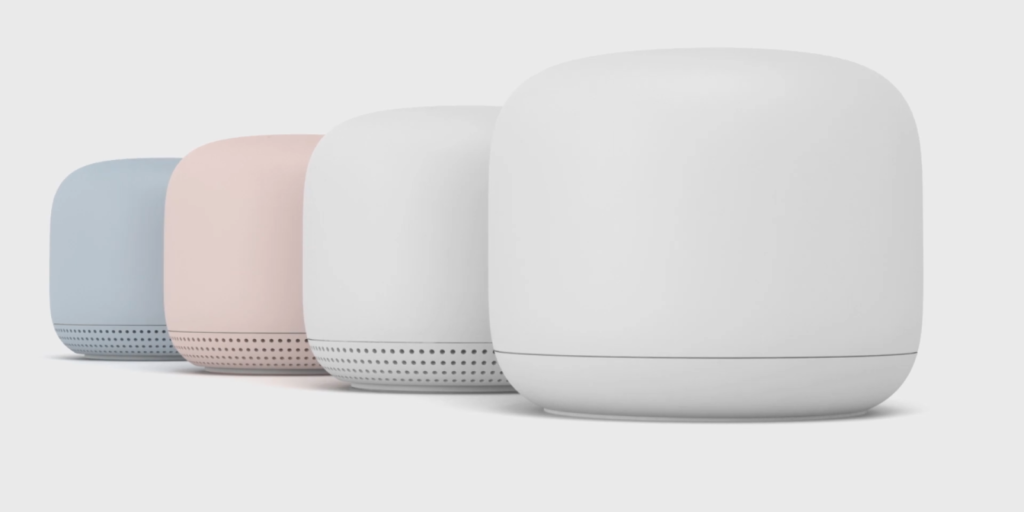
    google nest

    The newest Nest Wi-Fi mesh network is anticipated to be unveiled by Google’s Nest division. The Nest Wi-Fi Pro will be the name of the next-generation Wi-Fi mesh network, according to a B&H retail page leak. According to reports, it will start at $199 for a single router and enable Wi-Fi 6E.

    The Nest Doorbell (wired), a variation of the current Nest Doorbell, could also be announced (battery). Despite the fact that no significant modifications have been noticed in terms of design, leaks indicate it may be shorter but thicker than the Nest Doorbell (battery).

    Get Ready for Google’s Hardware Event

    The Pixel 7 and Pixel Watch are expected to be unveiled in person at Google’s fall hardware event. The Nest Wi-Fi Pro and Nest Doorbell could also be made public by the business (wired). Prepare for the event because Google may have further surprises in addition to these.

  • Cool down and improve battery life on your Pixel 6

    Cool down and improve battery life on your Pixel 6

    Owners of the Google Pixel 6 and Pixel 6 Pro recently had a problem with their handsets burning so hot and the batteries draining so quickly that some ran out of power by midday. Google’s September update was supposed to fix the issue, however Verizon customers who received the update late last week did not. These files, in the author’s personal experience, have not yet been received.

    Here’s a quick fix for your Pixel 6 series phone that will extend battery life and reduce heat.

    If you haven’t yet received the September update for your Pixel 6 or Pixel 6 Pro, or if the update hasn’t stopped your battery from draining, a Reddit user going by the handle Human Individual 815 made a suggestion that was initially so mocked by other owners of the Pixel 6 series that he had to remove it. But after hearing from others that this short fix was lengthening battery life while also cooling down the phones, he decided to repost the article. Judging by the feedback, it appears that the article will remain up.

    improve battery life

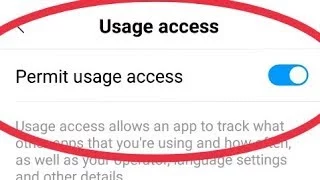
    Toggle off Usage access to Digital Wellbeing and Device Health Services to attempt and extend the battery life and lower the temperature of your Pixel 6 series phone. To do this, open Settings and type “Usage access” into the search box at the top of the screen. You may access a list of apps by tapping on Usage access. Click Device Health Services, then turn “Permit usage access” off. Apply the same strategy to the listing for digital wellbeing. Restart and reboot.

    Some functionalities will be removed if you do this. The Redditor who came up with this strategy claimed that by closing the two aforementioned apps, his battery life doubled. He added as well that “It will have an impact on charging and adaptive batteries. The adaptive connection will be impacted. Any of your bedtime mode items will be affected. Fitbits, fitness watches, and other devices of that nature, as well as probably many others, will be impacted. That we must disable these functionalities in order to use our phone is truly terrible.”

    Impressive outcomes have been obtained. Using the username cloudacoustic93, a Reddit user comments, “Wow, this really worked. It’s only been a few hours, yet already there is a difference.” Rk3h, a different participant, claimed that after restarting and charging, the Accubattery app’s battery life immediately increased. Others were experiencing success. One Pixel 6 series user stated, “Tried and it is working for me, battery last more.” Another person responded, “Perfect, thank you.

    Disable features you don’t use.

    We can keep providing you with more feedback from others who have tried this. One of the best replies came from a member by the name of novelomaly, who said, “Thanks a lot! This worked for me, and now I can use my phone normally without worrying that it may die if I forget to charge it at night.”

    Another post includes some information that we can consider: “Update: In 5h 23m SOT, we are at 40%! This seems to have worked out perfectly! By now, it should be at 10%. Most significantly, my phone hasn’t heated up at all, so that’s a great advantage. Regards for the advice! I hope things continue how they are until Google fixes the issue.”

    What about yourself, then? Well, I consider myself to be a heavy user, so the battery life may have improved. My Pixel 6 Pro is not as hot as it was before I turned off usage access to Digital Wellbeing and Device Health Services, that much is for sure. Since my phone hasn’t yet received the September update, I’m waiting to see if it really makes a difference.

    Why not give this a try if you have the Pixel 6 or Pixel 6 Pro, can fry an egg on it, and the battery isn’t lasting you until lunch? You can easily reverse it, and you might not care at all about the aspects that are affected. By leaving a comment in the box below, let us know whether you detect a change in the battery life of your Pixel 6 series phone.

  • Pre-orders start in India for Google Pixel 6a

    Pre-orders start in India for Google Pixel 6a

    Google hasn’t been the greatest when it comes to making its Pixel phones widely available around the globe. In India, for example, the country hasn’t seen a Pixel phone launch since 2020 with the Google Pixel 4a.

    Today, though, that has changed! Pre-orders for the Google Pixel 6a in India are now open. Additionally, the business is running a number of deals to help you save money and receive more Google goods.

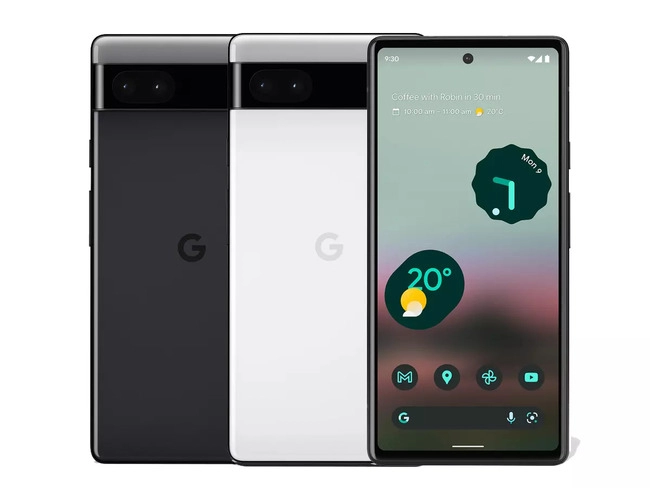
    The price of the Pixel 6a is Rs. 43,999 (about $550). That refers to the sole variant with 6GB of RAM, 128GB of internal storage, and the Google Tensor chip that is currently on the market. There are two color options available: Chalk and Charcoal.

    Google Pixel 6a

    Use Axis Bank Cards with EMI for your purchase if you wish to save some cash. This reduces the cost by Rs. 4,000, or about $500, to Rs. 39,999.

    If you want to save even more, you can exchange a phone during your purchase. Google will offer Rs. 6,000 (~$75) for any Pixel device and some select smartphone models. If you don’t have one of those, you can cut Rs. 2,000 (~$25) off with any other smartphone.

    If you stack the trade-in with the Axis/EMI discount, you could get a Google Pixel 6a India pre-order for just Rs. 33,999 (~$425).

    Finally, Google would love for you to buy some other Google products along with your pre-order. If you toss in a Nest Hub (2nd Gen), Pixel Buds a-series, or Fitbit Inspire 2, you’ll get that secondary item for just Rs. 4,999 (~$62.51).

    Don’t want to pre-order or don’t want to buy from Google? The Pixel 6a will be available from Flipkart starting July 28.

  • Fix Google Pixel 6/6 Pro network standby battery draining issue

    Fix Google Pixel 6/6 Pro network standby battery draining issue

    Devices from the Google Pixel 6 series are featured in the news for their performance and design as well as for their problems and flaws. Google’s Pixel device segment doesn’t seem to be evolving all that much even after years on the market. A large number of Google Pixel 6/6 Pro users have recently reported that, in addition to other defects or issues, they commonly experience the Network Standby Battery Draining Issue. It now accumulates problems.

    For a quicker switch between connections, the Mobile Network Standby (MTS) feature keeps the device’s data connection active in the background even when utilizing Wi-Fi. In essence, it enables users to seamlessly use their mobile data and Wi-Fi connections to access the internet while one of the networks is down. Through the Settings menu’s Developer Options, it is simple to disable. Now, if you’re having the same problem, you may fix it by using this approach.

    ezgif.com gif maker 3

    Google Pixel 6/6 Pro Network Standby Battery Draining Issue

    Multiple Google Pixel 6 and Pixel 6 Pro users are reporting on Reddit that their devices are experiencing excessive battery drain even in the standby mode which is unexpected. Whereas the ‘mobile network’ option in the battery details settings is nearly consuming 30%-40% of juice every day. Some affected users are also facing the Google Pixel 6 series sudden losing all network coverage for a couple of seconds automatically and then regaining it soon.

    This particular issue is happening to a lot of users randomly every 2-3 minutes which becomes frustrating. As the losing and regaining of the network signal put additional pressure on the Pixel 6/6 Pro device modem consistently, it leads to an excessive battery drain unexpectedly. Luckily, there are a couple of possible workarounds mentioned below that should gonna help a lot. So, without wasting any more time, let’s jump into it.

    Also Read

    Fix: Pixel 6 Pro Sound Not Working/ Audio Cutting Out, Delay or Lag

    1. Turn OFF Adaptive Connectivity

    Some reports are claiming that turning off the ‘Adaptive Connectivity’ option on your Google Pixel 6/6 Pro device can easily fix the network standby battery draining issue in most scenarios. The Adaptive Connectivity feature automatically switches between Wi-Fi and mobile data networks whenever any of the networks don’t have internet access. You can also try turning off the adaptive connectivity option on your handset. To do so:

    • Open your phone’s Settings app.
    • Tap on Network & internet > Select Adaptive connectivity.
    • Turn OFF the toggle to disable Adaptive connectivity.

    2. Turn On Adaptive Battery

    You should also turn on the adaptive battery feature on your Pixel 6/6 Pro device to maintain the battery level by eliminating unnecessary background running tasks and connectivity options like GPS, Bluetooth, etc. You’ll be able to reduce battery draining with the help of system optimization. To do that:

    • Open your phone’s Settings app.
    • Tap on Battery > Tap on Adaptive Battery.
    • Make sure to Turn ON the Adaptive Battery toggle to enable it.

    3. Change Screen Display Settings

    It’s highly recommended to change the screen display brightness settings on the device by following the steps below. A couple of unnecessary options may consume a lot of battery juice in a full day no matter whether you’re using them or not.

    • Make sure to reduce the screen brightness to an optimal level as per your requirement.
    • You can also turn on Dark Mode on the device to reduce battery strain.
    • If in case, you’re using any live wallpapers on the lock screen or home screen, make sure to turn it off, and use a static wallpaper.
    • Turn off the screen when you’re not using it by simply short pressing the power button to lock the screen.
    • Adjust the screen timeout option from the Settings > Display > Screen Timeout > Set it to 15/30 seconds which is more than enough. However, if you want the screen to have a higher timeout ratio then you can set it to higher.
    • Make sure to turn off screen attention mode too. Head over to the Settings app > Tap on Display and then Advanced > Screen attention > Turn ON the Screen attention feature.
    • You should also turn off the smooth display option. Open your phone’s Settings app > Tap on Display > Tap on Smooth Display > Turn OFF the Smooth Display feature.

    4. Restric Battery Hungry Apps

    Try restricting the battery-consuming apps on the device which may run always in the background and drain a lot of battery juice. To do so:

    • Open your phone’s Settings app > Tap on Battery.
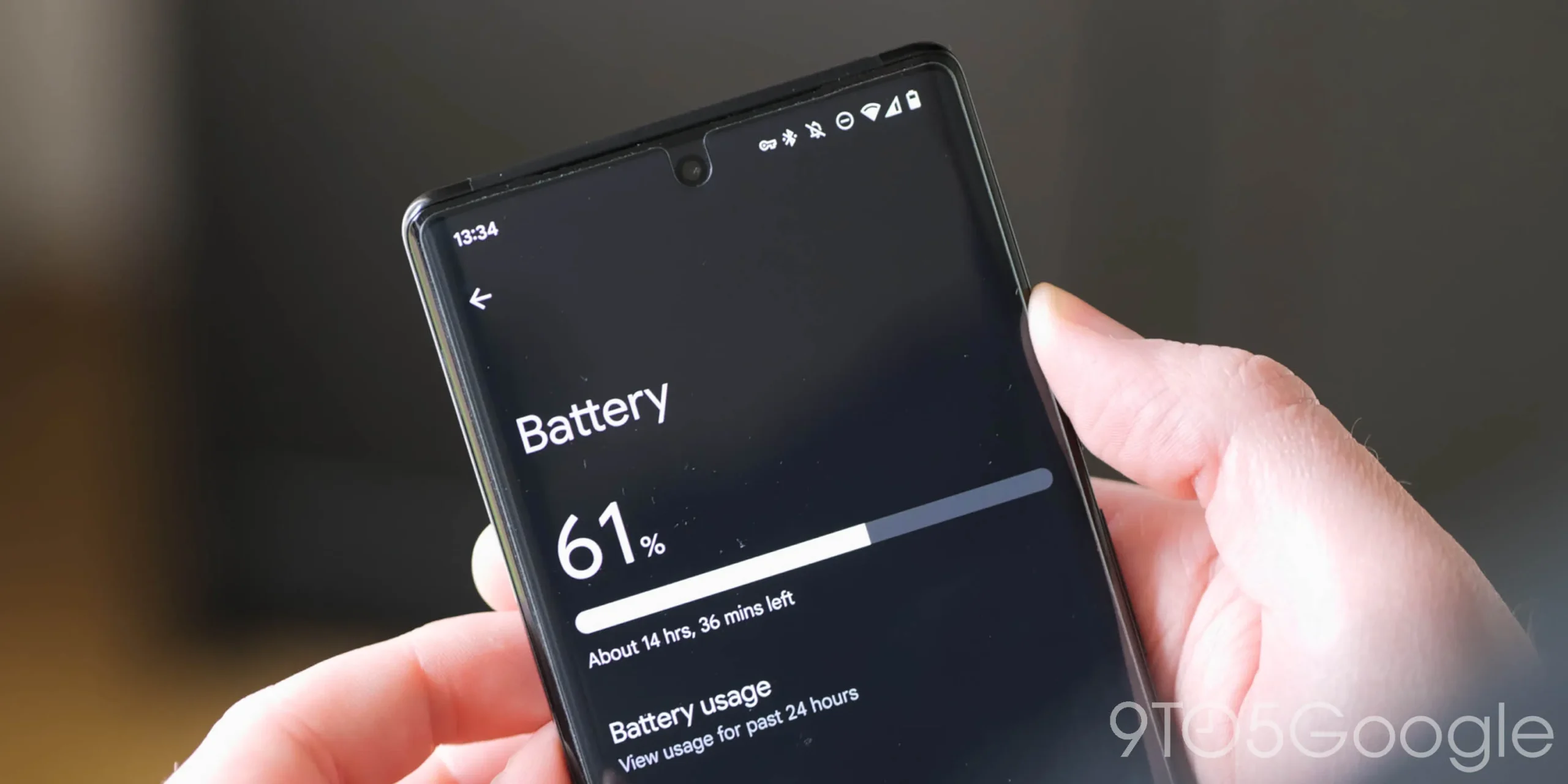
    • Tap on Battery usage > You can see a list of apps with the percentage of your battery used for the past 24 hours. Or you can also see system usage by tapping System usage for the past 24 hr.
    • To see or change how a listed app uses the battery, tap on it.​
      • For some apps, you can turn on Background Restriction.
      • For all apps, we recommend keeping Battery optimization on.

    5. Delete Unused Apps and Games

    Whatever apps or games you’ve already installed or come preinstalled on the device and you’re not using them regularly, make sure to delete those unused apps & games.

    • Just head over to the installed app or game > Tap and hold on the specific app/game icon.
    • Select Uninstall and confirm the task to delete it.
    • Do the same steps for each unnecessary or unused program.

    6. Use the Stock Charger

    Ensure to use the stock charger or adapter that comes with your phone. Don’t use any local non-branded charging cables and adapters to charge your expensive Pixel 6 series as they’re not certified to work properly. You can easily avoid battery chemical damage or overheating.

    7. Keep Ambient Temperature Cool

    You should avoid such situations where your Pixel 4 XL smartphone can overheat. Your device battery will drain much faster when the temperature is hot enough. Even using the device extensively while charging can also cause overheating issues and it’ll eventually lead to battery draining. Try not using the device or not plugging in the device for longer while charging it.

    8. Stop Charging Overnight

    Advertisement

    Either you should use adaptive charging on the device or try charging the device before you go to sleep or even just after waking up from sleep in the morning to avoid overcharging. Most users prefer overnight charging which may lead to battery health issues or overheating issues over a period of time.

    9. Use Battery Saver

    Try using the battery saver option on the handset to precisely using the battery juice whatever and whenever required. To do so:

    • Go to the device Settings app.
    • Tap on Battery > Go to Battery Saver > Set a schedule.
    • Pick a setting when Battery Saver should turn on. Select according to your preference.
      • No schedule: Only when you turn on Battery Saver manually.
      • Based on your routine: If your battery is likely to run out before your next typical charge.
      • Based on percentage: When your battery reaches a certain percentage charge.

    10. Update Device Software

    Make sure to check for software updates on your device and install the latest version (if available) to reduce multiple bugs or issues.

    • Open the device Settings menu.
    • Head over to the bottom of the page and tap on System.
    • Go to System update > Your update status will appear whether there is a new version available or not.
    • Just follow the on-screen steps to update it > Once done, you’ll need to reboot the device to apply changes.

    11. Install Pending App Updates

    The chances are high that some of the installed apps or games are basically conflicting with the current software version on your device. It’s always a better idea to update apps and games on the device. To do that:

    • Open the Google Play Store app.
    • At the top right side, tap on the profile icon.
    • Now, tap on Manage apps & devices.
    • Here you can see the ‘Updates available’ option > Choose to ‘Update all apps’. [You can just select a specific app update to install]
    • Once done, close the Play Store, and reboot the device to apply changes.

    12. Perform a Factory Reset

    Sometimes performing a factory reset on the device can fix plenty of issues related to software, crashes, app issues, battery issues, networking issues, etc. You should also try resetting the device to the factory default.

    • Open the device Settings app.
    • Select Google > Tap on Backup.
    • If you’re one of the Google One users then you can turn on Backup by Google One and follow the on-screen instructions. [Optional]
    • Tap on Back up now.

    Note: Your Google One backup can take up to 24 hours. When your data is saved, “On” will be below the data types you selected. Also, keep in mind that you’ll require a Google account credential to sign back into the service after reset.

    • Head over to the Settings app.
    • Tap on System > Tap on Reset options.
    • Select Erase all data (factory reset).
    • To erase all data from your phone’s internal storage, tap on Erase all data.
      • If required, your phone asks for your PIN. Enter your PIN > Select Erase all data.
    • It may take a couple of minutes depending on the device storage and performance. So, have some patience until the process completes.
    • When your phone finishes the factory reset, select the restart option.
    • Now, you can easily set up your phone and restore your backed-up data.

    13. Replace the Battery

    If none of the methods worked for you then it’s better to ask for a battery replacement by visiting the nearest Google Pixel authorized service center (if the warranty is still there). Otherwise, simply visit the nearest local mobile repairing shop and ask for a battery replacement. You should also ask the repair guy to cross-check the internal board whether it has any issues or not.

  • Google Pixel 7 prototype photo gallery

    Google Pixel 7 prototype photo gallery

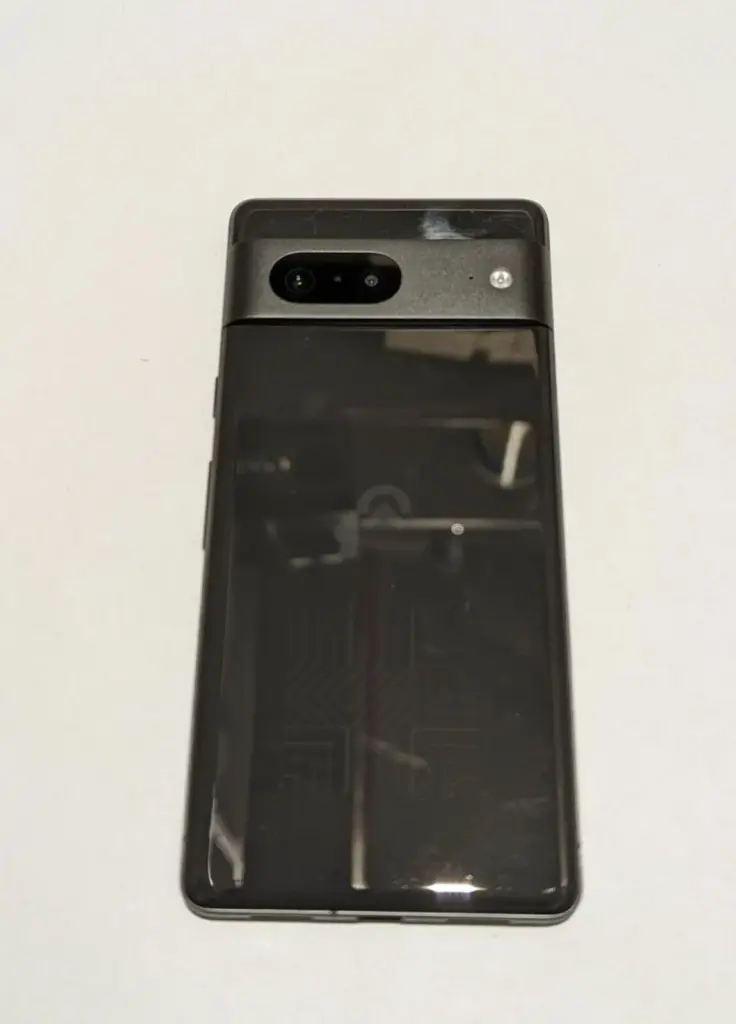
    We got our first official look at the Pixel 7 and Pixel 7 Pro at Google I/O, and now we’re getting even more due to an early prototype of the Pixel 7 appearing on eBay.

    Today, an eBay auction appeared for someone selling what appears to be a Pixel 7 prototype. The listing was pulled down shortly after this item was published, about 1:30 p.m. ET.

    The gadget is seen in its black “Obsidian” version, which includes a glossy glass back and the new metal camera bar that Google previously demonstrated. The device also includes a logo that is similar to previous Google prototypes but has been modified.

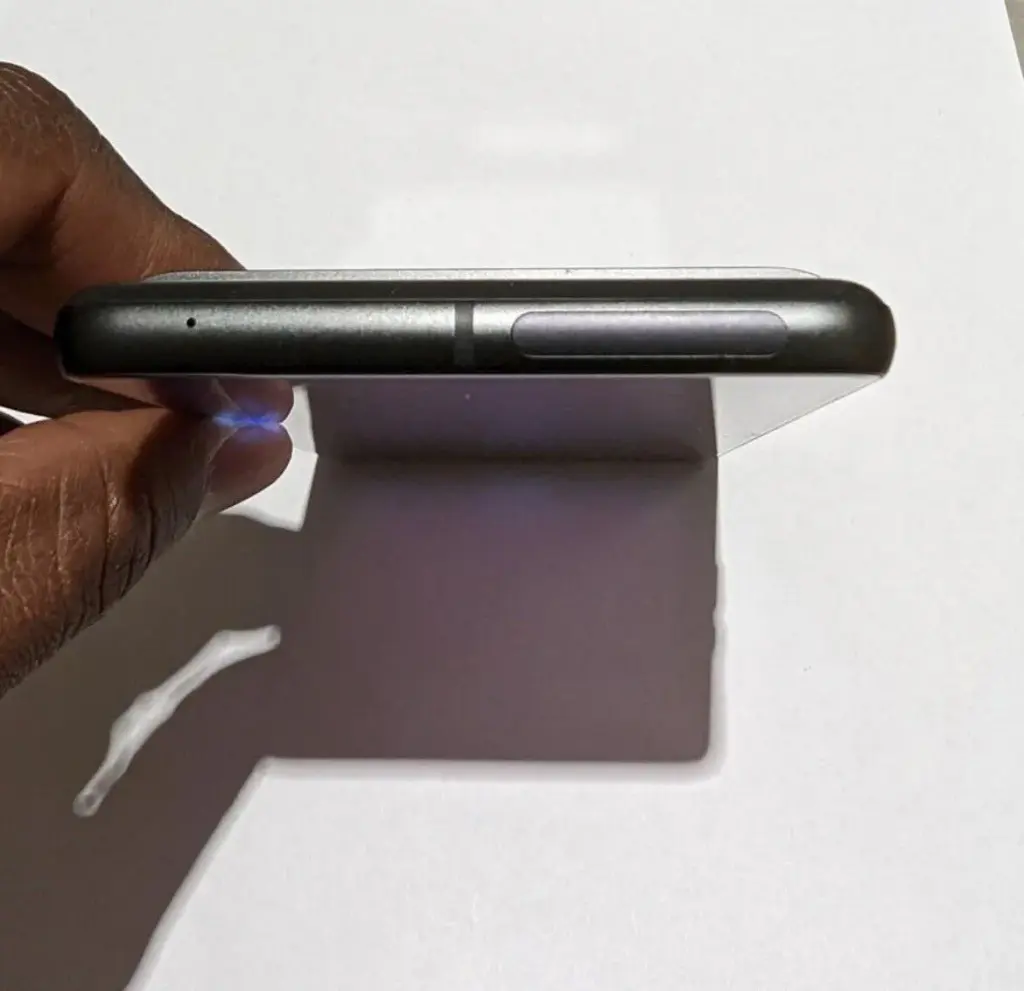
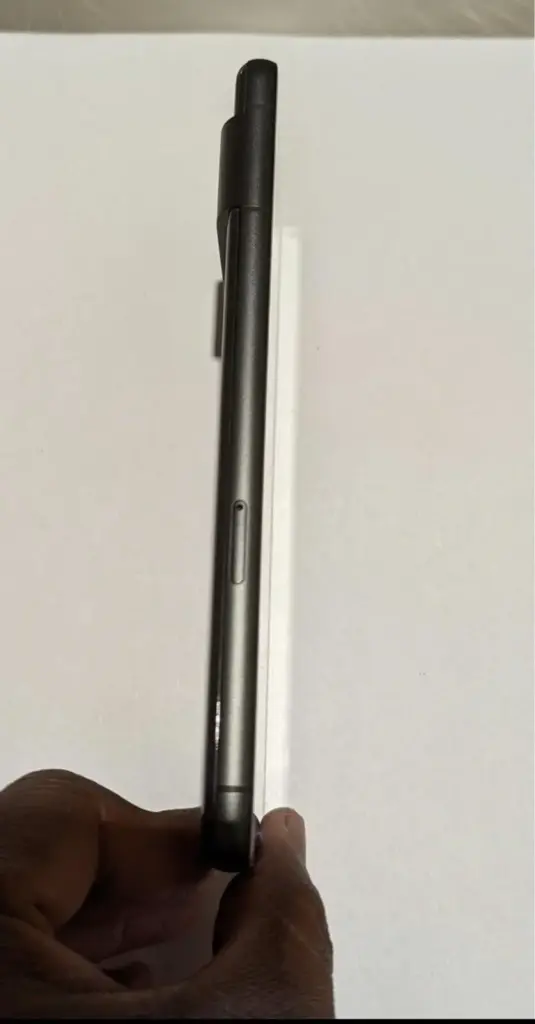
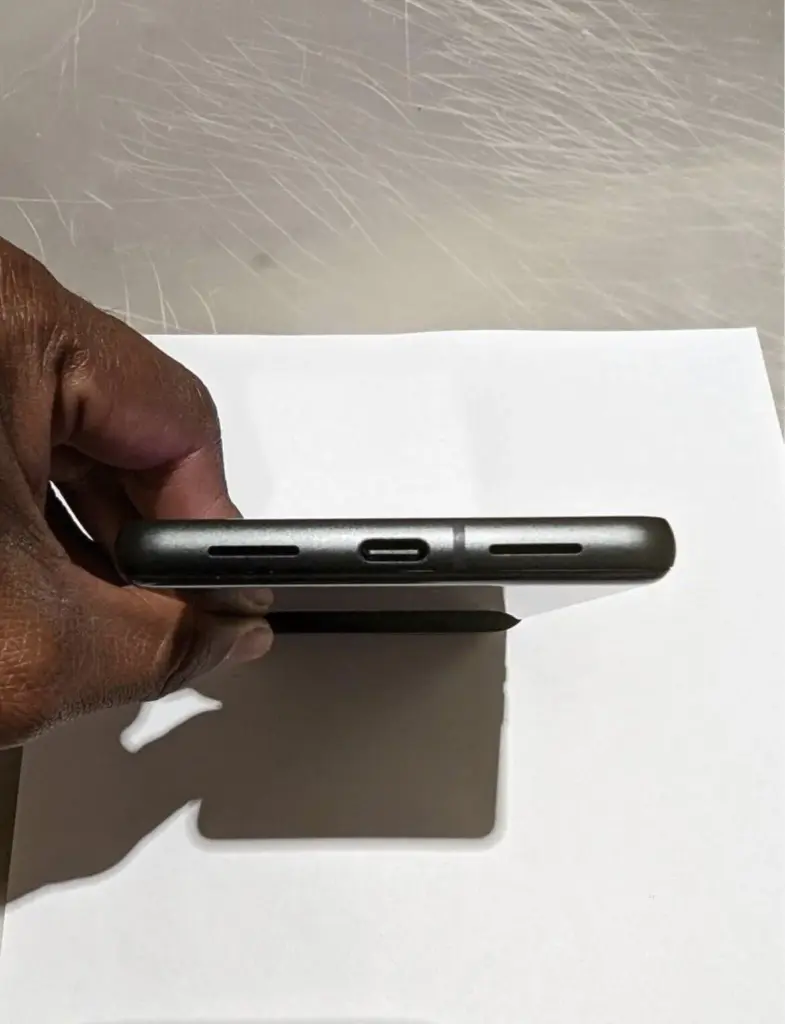
    Because Google has previously shown the Pixel 7’s design, this eBay auction doesn’t reveal much new information, though it does confirm that the Pixel 7 will ditch the matte black frame of the Pixel 6 in favor of a textured metal frame. The mmWave antenna window, which was previously seen in CAD leaks, is also visible.

    We can also see the Pixel 7 Pro in the mirror, with its unique camera bar snapping shots of this phone, which is a little amusing.

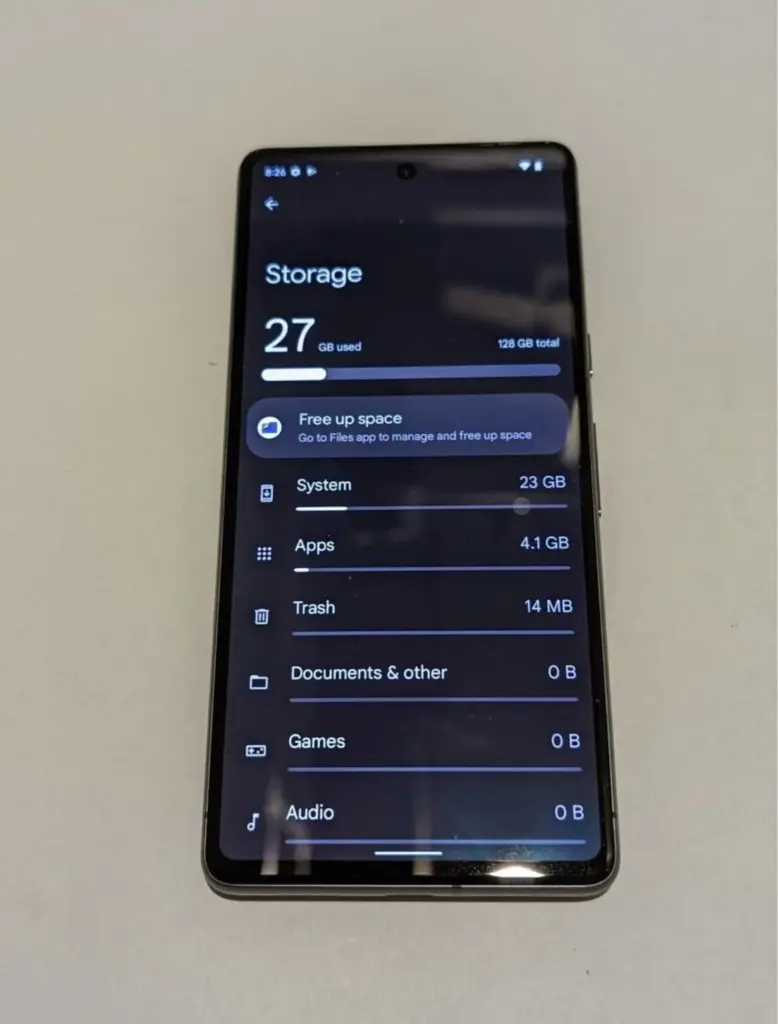
    The listing went on to say that the phone already had Android 13 installed and that “pixel apps were in the development stage.

    The only other thing we know from this leak is that the Pixel 7 will have 128GB of storage, as expected.

    Google has already confirmed that the Pixel 7 and Pixel 7 Pro will be releasing this fall. Pixel 7 specs will include a second-generation Tensor chipset. This updated design will come in the “Obsidian” color we’re seeing here as well as being sold in “Lemongrass” and “Snow.”