The European Union has instructed smartphone makers to alter their product lines in a number of ways over the past few years in order to better serve customers. Making USB-C the industry standard connector for a variety of consumer goods, such as laptops, tablets, phones, and cameras, is part of this. It even compelled Apple to allow sideloading of programs and third-party App Stores. Later this month, the EU will implement a new guideline under the Energy Labelling and Ecodesign Regulation that will increase the lifespan of smartphones and tablets as a whole.
The following design specifications (provided by the European Commission) must be met by smartphones and tablets marketed in the EU as of June 20, 2025:
Resistance to accidental drops or scratches and protection from dust and water
Sufficiently durable batteries which can withstand at least 800 charge and discharge cycles while retaining at least 80% of their initial capacity
Rules on disassembly and repair, including obligations for producers to make critical spare parts available within 5-10 working days, and for 7 years after the end of sales of the product model on the EU market
Availability of operating system upgrades for longer periods (at least 5 years from the date of the end of placement on the market of the last unit of a product model)
Non-discriminatory access for professional repairers to any software or firmware needed for the replacement
These days, practically every mid-range and high-end phone has an IP rating, making it simple for them to comply with the EU’s new design guidelines. For a maximum of seven years following the discontinuation of a device’s sale, the European Union will now mandate that companies supply essential spare parts within ten working days. This modification should greatly increase a phone or tablet’s lifespan and facilitate user repairs.
Additionally, according to Heise Online, the Ecodesign Regulation mandates that software updates be provided for a minimum of five years following the product’s last day of retail sale. For their flagship phones, Google and Samsung offer seven years of OS updates; however, their chronology starts on the day of the device’s debut.
These businesses might have to either stop selling older flagship models after two years or provide substantially more software support under the new EU regulations. Since Xiaomi and Honor presently only provide upgrades for a maximum of five years after the device’s launch date, the new guideline will have a big influence on both brands.
Existing smartphones and tablets will not be affected by these changes; they will only be applicable to new models that go on sale on or after June 20, 2025.
In the EU, smartphones and tablets will have an energy label.
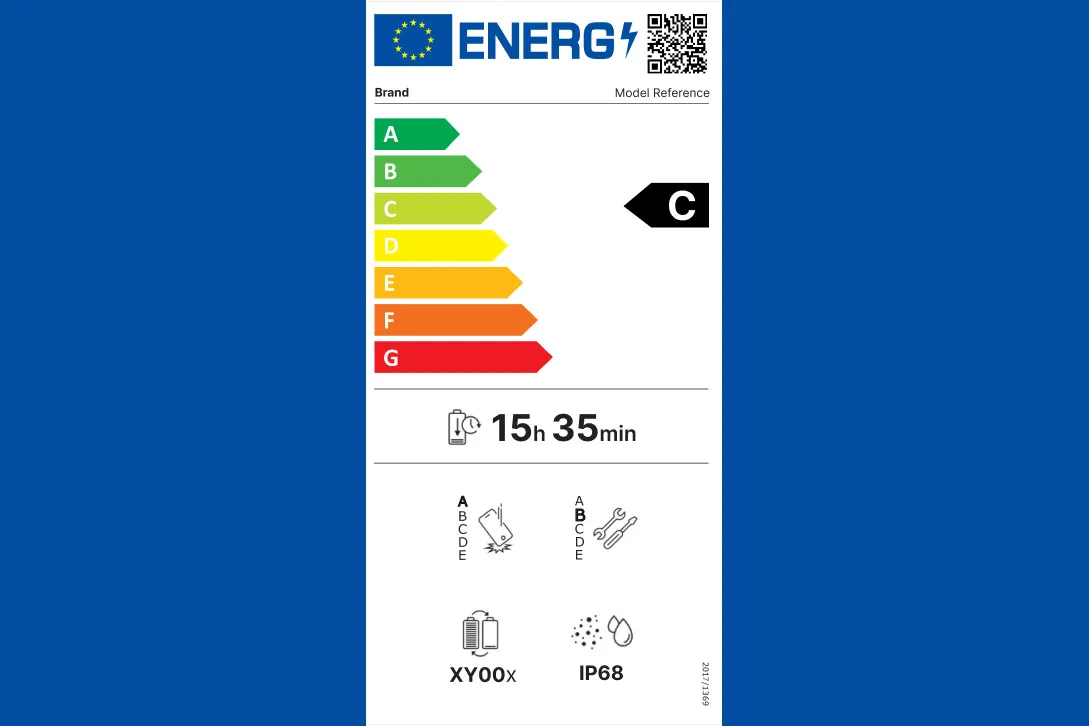
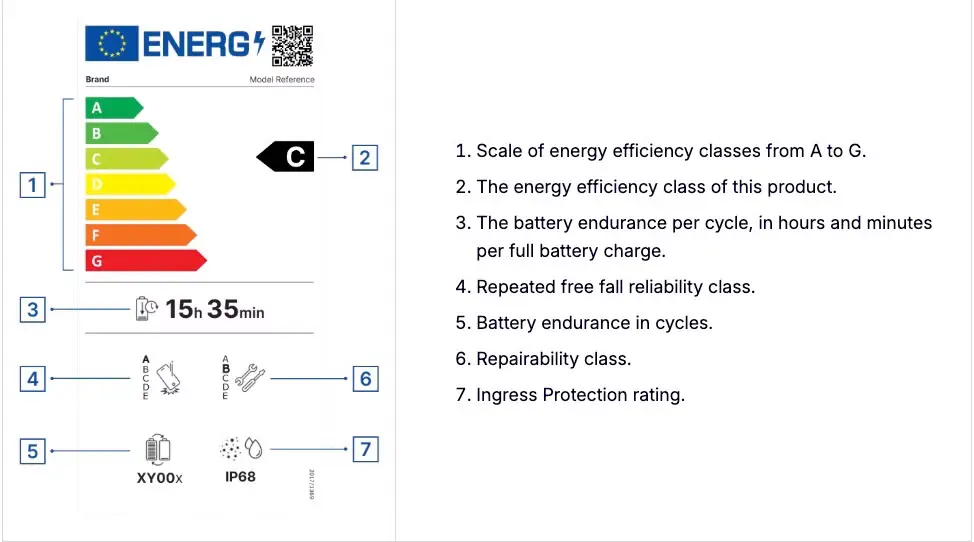
The EU’s Energy Labelling regulations also take effect on June 20 of this month. It requires manufacturers to include an energy label on their tablets and smartphones that includes information about repairability, battery longevity, dust and water ingress protection, and energy efficiency.
A scale from A to G will be used to rate energy efficiency, with A representing the highest efficiency and G representing the lowest. Similarly, battery endurance in hours and minutes per full battery charge cycle must be stated by manufacturers.
According to the European Union, by 2030, phones and tablets that comply with its new energy requirements will contribute to an annual savings of around 14 terawatt-hours.
Stay connected with the latest from Droid Tools—follow us on X @droid_tools, like our page on Facebook, check out our updates on Instagram, and follow us on Google News for real-time news, device tips, and mobile tech insights.
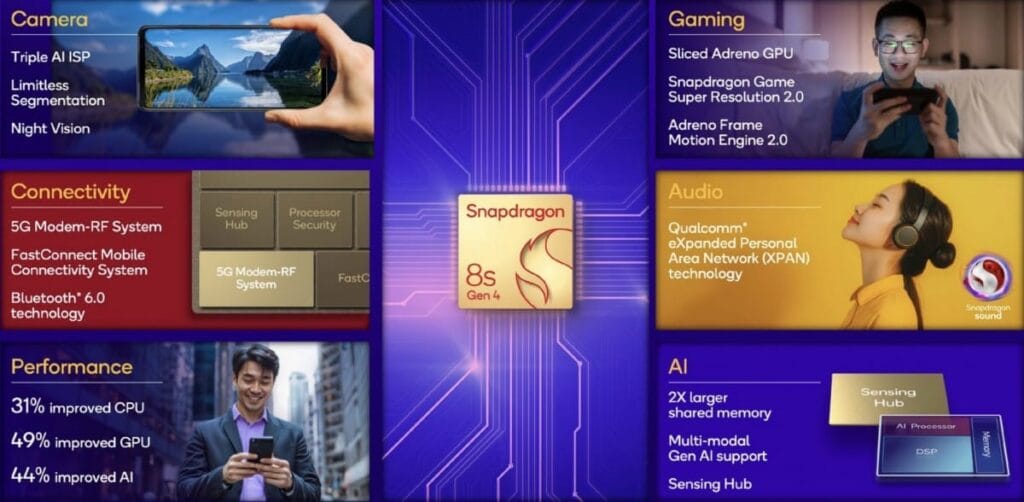
Qualcomm recently unveiled the Snapdragon 8s Gen 4, their newest high-end smartphone chipset. Internally referred to as the SM8735, it is built on TSMC’s N4P 4nm production node and uses the older Kryo CPU rather than the Oryon core that is present in the top Snapdragon 8 Elite chip.
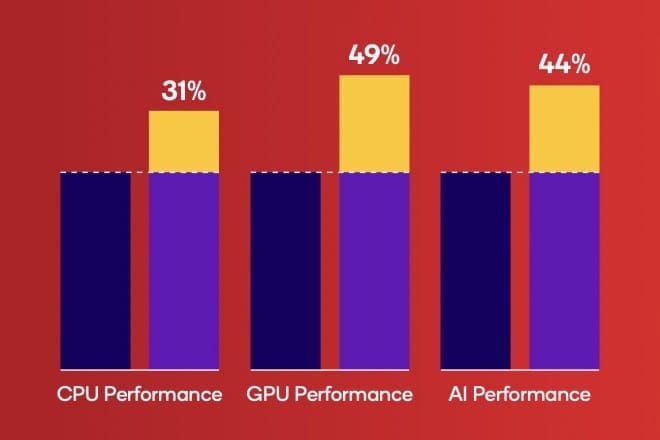
Three Cortex-A720 cores at 3.0GHz, two at 2.8GHz, two at 2.0GHz, and one Cortex-X4 prime core clocked at up to 3.2GHz make up the CPU layer. Qualcomm claims that the new chip uses 39% less power and is 31% faster than the Snapdragon 8s Gen 3 from the previous year.
Additionally, the chip has a new Adreno 825 GPU, which Qualcomm claims will increase graphics by 49% over the Snapdragon 8s Gen 3. Additionally, Snapdragon Elite Gaming capabilities including Snapdragon Game Super Resolution 2.0 and Adreno Image Motion Engine 2.0 are included, along with support for on-device ray tracing.
On-device AI operations are performed 44% better with the upgraded Qualcomm Hexagon NPU. Additionally, Qualcomm included an 18-bit triple image signal processor (ISP) that can record HDR video at 4K60 frames per second and accommodate up to 320MP camera sensors.
The integrated Snapdragon X75 5G modem in the new chip can download files at up to 4.2Gbps, however it only supports sub-6GHz spectrum rather than the speedier mmWave frequency ranges. Additionally, the chip has Bluetooth 6.0 and Wi-Fi 7.
LPDDR5X RAM, USB 3.1 Gen 2 connection, and UFS 4.0 storage are all supported by the 8s Gen 4. Additionally, it has Qualcomm’s Extended Personal Area Network (XPAN) connectivity, which is currently available on certain new wireless earbuds like the Xiaomi Buds 5 Pro and uses Wi-Fi to send music.
Later this month, the iQOO Z10 Turbo is anticipated to be the first gadget to use the Snapdragon 8s Gen 4, with other Xiaomi, Oppo, Meizu, and other products to follow shortly.
Main Snapdragon 8s Gen 4 Features
Our Qualcomm® AI Engine includes:
Qualcomm® Hexagon™ NPU
2x larger shared memory for improved memory bandwidth
Qualcomm® Sensing Hub
Support for INT4 and INT8 precisions
Snapdragon Elite Gaming™ Features
Real-time Hardware Accelerated Ray Tracing with Global Illumination for improved lighting, shadows, and reflections
Qualcomm Adaptive Performance Engine provides ultra-fast and super-smooth performance while providing longer gameplay sessions
Snapdragon Game Super Resolution 2.0 intelligently upscales low-res game scenes in up to 4K
Our Qualcomm Spectra™ AI ISP features:
Real-time Semantic Segmentation for photo/video with up to 250 layers
Real-time skin and sky tone correction intelligently captures natural color tones even in challenging environments
Night Vision 2.0 captures detailed videos in low light at 4K30 FPS
An always-sensing camera enables features like hand gestures, face unlock, and QR code scanning
Featuring our integrated AI-accelerated Snapdragon® 5G Modem-RF System
Qualcomm® FastConnect™ Mobile Connectivity System offers leading Wi-Fi 7 with speeds up to 5.8 Gbps and Bluetooth® 6.0 technology
Supports Snapdragon Sound™ Technology Suite
Qualcomm® Expanded Personal Area Network Technology (XPAN) keeps earbuds and headphones connected via Wi-Fi for untethered, whole-building audio coverage
Snapdragon Seamless experience connects all your compatible devices so you can switch between them intuitively and quickly
In today’s mobile-driven world, delivering outstanding app experiences is crucial for business success. However, meeting soaring customer expectations and ensuring high performance can be challenging. Imagine seamlessly connecting with users across multiple channels, providing personalized support that fosters loyalty and engagement.
The powerful combination of advanced CRM and omnichannel call center technologies offers a game-changing solution. By integrating these systems, businesses gain a comprehensive view of each customer’s journey, enabling anticipation of needs, proactive issue resolution, and tailored recommendations.
Automation and predictive analytics streamline routine tasks, freeing up teams to focus on complex inquiries while driving continuous improvement. This potent duo empowers businesses to revolutionize customer support strategies, ensuring every interaction is tailored to individual preferences and delivered through the preferred channel.
In this article, we’ll explore how embracing advanced CRM and omnichannel call center technologies can unlock new levels of mobile app performance and create exceptional experiences that cultivate long-lasting customer loyalty.
What is crm call center?
A CRM call center combines traditional call center functions with Customer Relationship Management (CRM) technology to offer a more personalized and efficient customer service experience. By integrating call center operations with detailed customer data, agents can access a wealth of information about a caller’s history, preferences, and previous interactions with the company in real-time. This enables them to provide tailored assistance, resolve issues more quickly, and improve overall customer satisfaction.
The Omnichannel Call Center Revolution
Traditional call centers have long been a cornerstone of customer service, but the rise of digital channels has necessitated a shift towards an omnichannel approach. Customers now expect seamless interactions across various platforms, including mobile apps, social media, live chat, and more.
This demand for a cohesive experience has propelled the adoption of omnichannel customer support software. It enables businesses to manage and optimize customer interactions across multiple touchpoints.
According to a study, 88% of customers believe that the experience a company provides is as important as its products or services. This statistic underscores the pivotal role of omnichannel call center optimization in boosting mobile app performance by ensuring exceptional customer experiences.
Key Strategies for Enhancing Call Center Performance
To capitalize on the transformative power of omnichannel call center software, businesses must adopt strategic approaches that align with evolving customer expectations. Here are some key strategies to consider:
Seamless Omnichannel Integration: Integrating omnichannel call center software is crucial for enabling agents to seamlessly switch between communication channels during customer interactions. This ensures a consistent and personalized experience, regardless of the platform used.
Agent Training and Development: Providing comprehensive training programs tailored for agents in an omnichannel environment is essential. This ensures that agents are equipped with the skills and knowledge necessary to navigate multiple channels and provide consistent, high-quality customer service.
Leveraging Key Performance Indicators (KPIs): Establishing and monitoring relevant KPIs, such as first-call resolution rates, average handle times, and customer satisfaction scores, can help measure and enhance the effectiveness of omnichannel support.
A/B Testing: Utilizing A/B testing methodologies can help refine omnichannel communication strategies and processes, enabling businesses to identify and implement the most effective approaches for their customer base.
Automation and Streamlining: Implementing automation within omnichannel call centers can reduce manual tasks and streamline customer interactions, improving efficiency and enabling agents to focus on more complex inquiries.
Advanced CRM and Omnichannel Technologies
Maintaining high customer satisfaction and engagement levels requires more than just traditional methods. The seamless integration of customer interactions across various platforms is essential for creating a cohesive user experience. CRM call center, is a pivotal solution that bridges the gap between customer expectations and service delivery. By leveraging advanced CRM and omnichannel technologies, businesses can effectively streamline communication, ensuring that every customer interaction is personalized, efficient, and consistent. This approach not only enhances call center performance but also significantly boosts mobile app success, setting a new standard in customer service excellence.
Here are some key solutions to consider:
CRM Call Center vs. Traditional Call Center
Feature
CRM Call Center
Traditional Call Center
Data Integration
Integrates with CRM for real-time customer data access
Limited or no integration with customer data
Personalization
High personalization based on customer history and preferences
Generic interactions with limited personalization
Efficiency
Higher efficiency with access to customer data
Efficiency may be compromised due to lack of customer insights
Customer Satisfaction
Enhanced due to personalized and informed support
May be lower due to generic support
Technology Use
Utilizes advanced CRM technologies
Primarily relies on traditional telephony systems
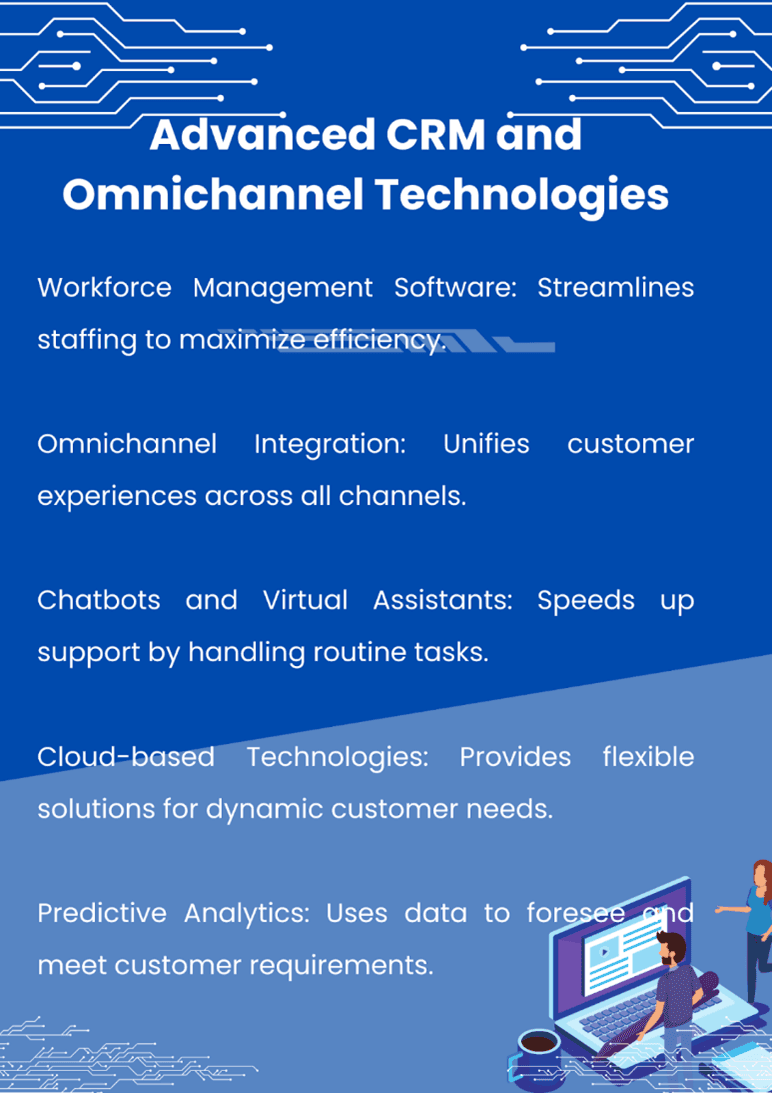
Workforce Management Software: Implementing workforce management software, alongside integrating clean-up software for Android devices, can significantly enhance operational efficiency within an omnichannel call center. This dual approach ensures not only optimal staffing and scheduling across all communication channels but also maximizes resource utilization by maintaining high-performance levels on Android platforms used by the staff.
By leveraging workforce management solutions, call centers can accurately forecast demand, allocate resources effectively, and adjust schedules in real-time to meet customer needs. Meanwhile, clean up software for Android helps in maintaining the devices used by the workforce, ensuring they run smoothly and reliably. This combination of tools supports a seamless customer service experience, reduces downtime, and promotes a more productive and satisfied workforce, ultimately contributing to the overall success of the call center operations.
Omnichannel Integration: Integrating omnichannel call center software with other systems, such as CRM platforms and mobile apps, is critical for providing a cohesive customer experience across all touchpoints.
Chatbots and Virtual Assistants: Enhancing efficiency with chatbots and virtual assistants within omnichannel platforms can help automate routine tasks and provide immediate support, reducing wait times and improving customer satisfaction.
Cloud-based Technologies: Embracing cloud-based technologies can offer scalable and cost-effective omnichannel call center operations, enabling businesses to rapidly adapt to changing customer demands and market conditions.
Predictive Analytics: Employing predictive analytics can help anticipate customer needs and optimize omnichannel support strategies, ensuring proactive engagement and personalized experiences.
The Impact on Mobile App Performance
The correlation between efficient omnichannel customer support and user satisfaction in mobile apps is undeniable. When customers can easily access support through their preferred channels and receive consistent, personalized experiences, their overall perception of the app is significantly enhanced.
Furthermore, efficient omnichannel support directly influences app retention rates and positive user feedback. According to a report, customers spend an average of 4.8 hours a day on their devices, frequently switching between apps. By meeting customers on their preferred platforms and providing seamless interactions, businesses can increase user engagement and loyalty, ultimately driving better app performance and success.
Optimizing Mobile App Performance with Advanced CRM
In today’s mobile-centric world, businesses must go beyond traditional customer support channels to deliver exceptional experiences. This is where integrating advanced CRM (Customer Relationship Management) systems with omnichannel call center software can significantly optimize mobile app performance.
CRM systems serve as a central repository for customer data, allowing businesses to gain valuable insights into customer preferences, behaviors, and interactions across multiple touchpoints, including mobile apps. By leveraging this comprehensive customer information, businesses can provide personalized and contextual support, enhancing user experiences and driving app engagement.
When integrated with omnichannel call center software, CRM systems enable agents to access a complete view of the customer’s journey, including their mobile app interactions, purchase history, and support tickets. This seamless data flow empowers agents to provide more informed and efficient support, reducing the need for customers to repeat information across different channels.
By seamlessly combining the power of advanced CRM systems with omnichannel call center software, businesses can unlock a wealth of opportunities to optimize mobile app performance. From providing personalized and contextual support to proactively addressing customer needs and automating routine tasks, this integration empowers businesses to deliver exceptional user experiences that drive app engagement, retention, and long-term success.
Wrapping Up
In the highly competitive mobile app market, optimizing performance and delivering exceptional customer experiences are paramount. By embracing the power of advanced CRM and omnichannel call center technologies, businesses can gain a significant competitive edge.
Through the strategic implementation of omnichannel customer support software, businesses can ensure seamless interactions across all platforms, improving customer satisfaction, app retention rates, and overall success. With the right solutions in place, companies can not only meet but exceed evolving customer expectations, positioning themselves as industry leaders in a rapidly evolving digital landscape.
So, take the leap and invest in omnichannel call center optimization. Empower your business with the tools and strategies necessary to deliver unparalleled mobile app performance and customer experiences that set you apart from the competition.
Elevate your mobile app’s success by partnering with a trusted omnichannel call center software provider. Request a consultation today and unlock the full potential of seamless customer interactions and optimized app performance.
FAQs:
What is CRM in customer service?
CRM (Customer Relationship Management) is a system that helps businesses manage interactions with customers. It stores customer data, tracks communication history, and provides tools to improve customer experience.
What is CRM full form?
CRM stands for Customer Relationship Management. It is a technology that helps businesses build strong relationships with their customers.
Are CRM and BPO the Same?
No, CRM and BPO (Business Process Outsourcing) are not the same. CRM is a technology tool, while BPO refers to outsourcing business processes to third-party service providers.
What Are the 3 Types of CRM?
The three main types of CRM are Operational CRM (sales, marketing, service), Analytical CRM (data analysis), and Collaborative CRM (interaction channels like social media).
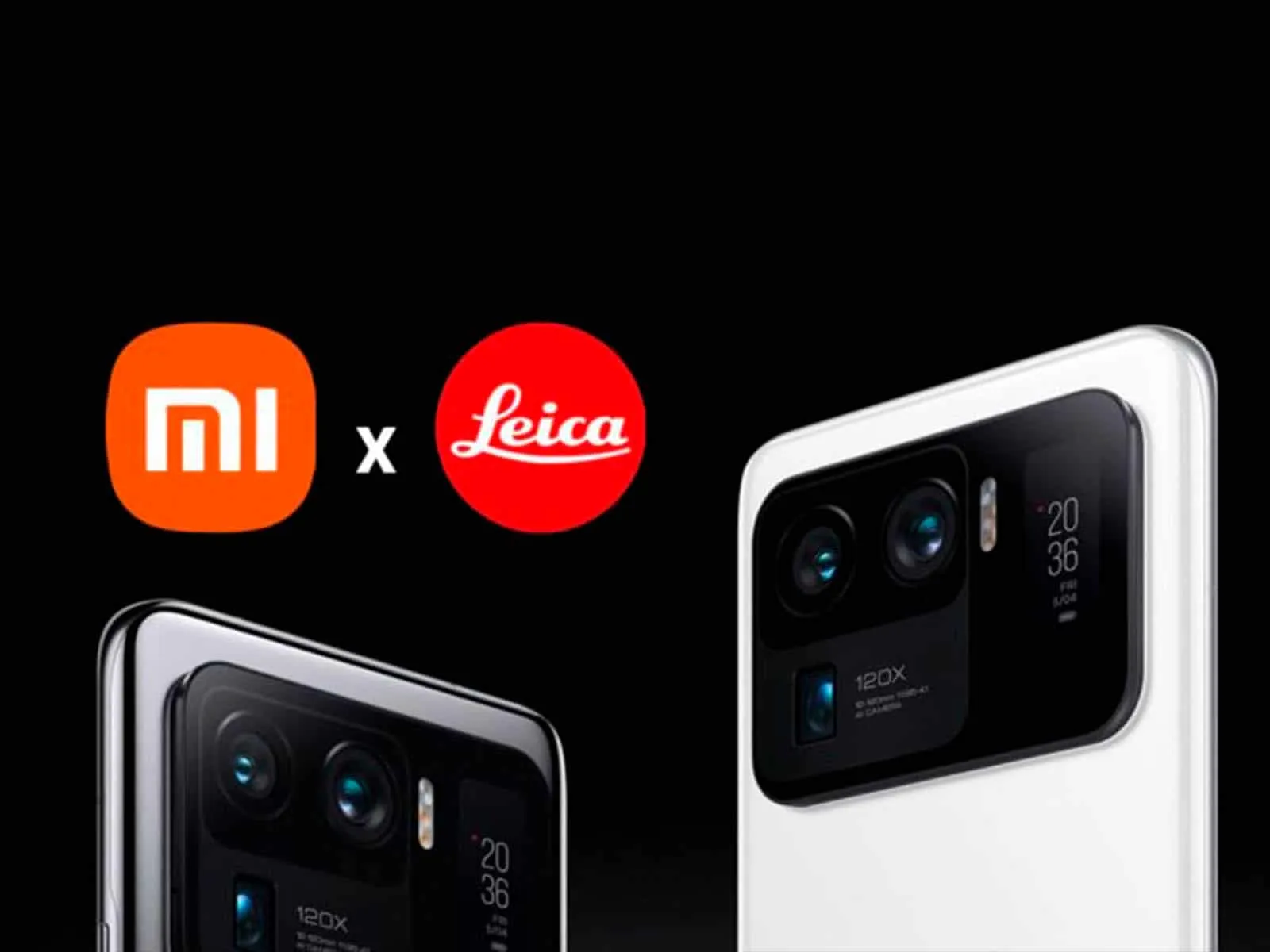
As a result of its recent notable achievements in mobile photography, Xiaomi is among the smartphone manufacturers that provide the first 1-inch camera sensor. Xiaomi phones now have far more capable camera hardware and software thanks to their relationship with Leica. The two businesses have now declared their intention to establish an optical institute in tandem.
Xiaomi & Leica’s together in optical institute in China
According to Xiaomi’s official website, this institute was founded by Xiaomi and Leica with the goals of creating ultra-precision optical lenses in a small form factor, attaining the best possible performance in computational photography, maintaining the highest optical standards for lenses, and conducting research and applying cutting-edge optoelectronic technology.
The founding of this institute involves significant contributions from Leica and Xiaomi. Among those included in this institute is Peter Karbe, a key role in the design of Leica’s high-end Noctilux and APO lenses, who will act as an optical expert. The Director will be Zeng Xuezong, Senior Vice President of the Xiaomi Group and Head of the Xiaomi Mobile Phone Division. Deputy Directors will be Wang Xuanran, General Manager of the Xiaomi Camera Department, and Yi Yan, Head of the Software Technical Team of Xiaomi Group.
The institute that Xiaomi and Leica’s relationship produced has not yet been founded. Three large-scale facilities specializing in camera hardware, imaging, and objective and subjective image quality evaluation are now being planned for Beijing.
It seems that Xiaomi aims to take mobile photography to a even more advanced level. While Xiaomi 13 Ultra has already a powerful camera setup, Xiaomi 14 Ultra is expected to bring even better hardware. You can check out recently shared images captured on Xiaomi 14 Ultra from our previous article.
There are numerous apps released every week and it becomes hard to keep track of all of them. To make sure you don’t miss out on all the amazing apps, we have compiled this week’s best releases for you!
One Swipe Notes is a promising utility app. It was free at the time of its release but is now for $0.99, which is quite reasonable. It is an intuitive note-taking app and easy to use with premium features. The app enables users to swiftly take notes by opening a floating window with a single-window, taking quick notes, and exiting. However quick note mode, r, it is worth mentioning that in quick note mode, there is a limit to the information you can put in but users can always open the app and fill in the details afterward. Overall, it is an efficient note-taking app with a smart design and plenty of features.
Princess Tale is a hybrid between gacha and an idle game. As of now, it is free for all to play. Once installed, players can obtain multiple characters and as the game progresses, the characters level up even if you don’t play often. The game itself, it quite impressive even though quite generic for its genre. There is a storyline user can follow along. The game does have a few kinks that the developers need to figure out but since it’s the game’s girt week, hopefully, the bug fixes are done over time.
Cultivate may seem like a gardening app at first but it is much more than that. It is a free motivational app that helps users complete tasks with the aid of digital plants. Users create plants and name them with certain actions. After acting, tap the plant and it will keep growing. As you continue performing the task, the plant will grow but if you don’t perform the respective task often, the plan with wither and die. It’s quite simple to use but an innovative idea to motivate people to be consistent with their activities. The activities can range from journaling to reading, basically anything you want to be more consistent with.
Leap Trigger is another interesting game. It is a free and a shooter game. The thing that sets it apart from most shooter games is that it heavily relies on AR much like Pokemon Go. Users can use the camera viewfinder to find their opponents and then shoot them with the on-screen controls. Players can avoid bullets. The game includes options such as multiplayer with its single-player mode.
BYJU’S Learning App featuring Disney has three subscription packages ranging from free, $9.99 per month, and $99.99. To ensure maximum engagement from children the app uses Disney characters to enhance the learning experience. There are over 1,000 educational activities that kids can choose from. The app is kidSAFE and COPPA certified for child safety. Furthermore, as kids play games they are given incentives to keep playing in the form of stickers and rewards. The app is still under development hence a few bugs are expected. To gain full access it is better to opt for the paid version.
Smart Transfer is another innovative utility app. It is a free content transfer app with premium features that enables users to swiftly transfer all their data from one device to another. The app has multiple connectivity options such as Wi-Fi and Hotspot. This app is ideal for all data management needs and makes the cross-platform transfer much easier.
Summing Up
The aforementioned applications are quite impressive and worth try! Be sure to check them out and let us know if they worked for you.