Tag: china

  • Oppo Unveils Find X9 Ultra – Powerful Chip and Insane 200MP Periscope Camera

    Oppo Unveils Find X9 Ultra – Powerful Chip and Insane 200MP Periscope Camera

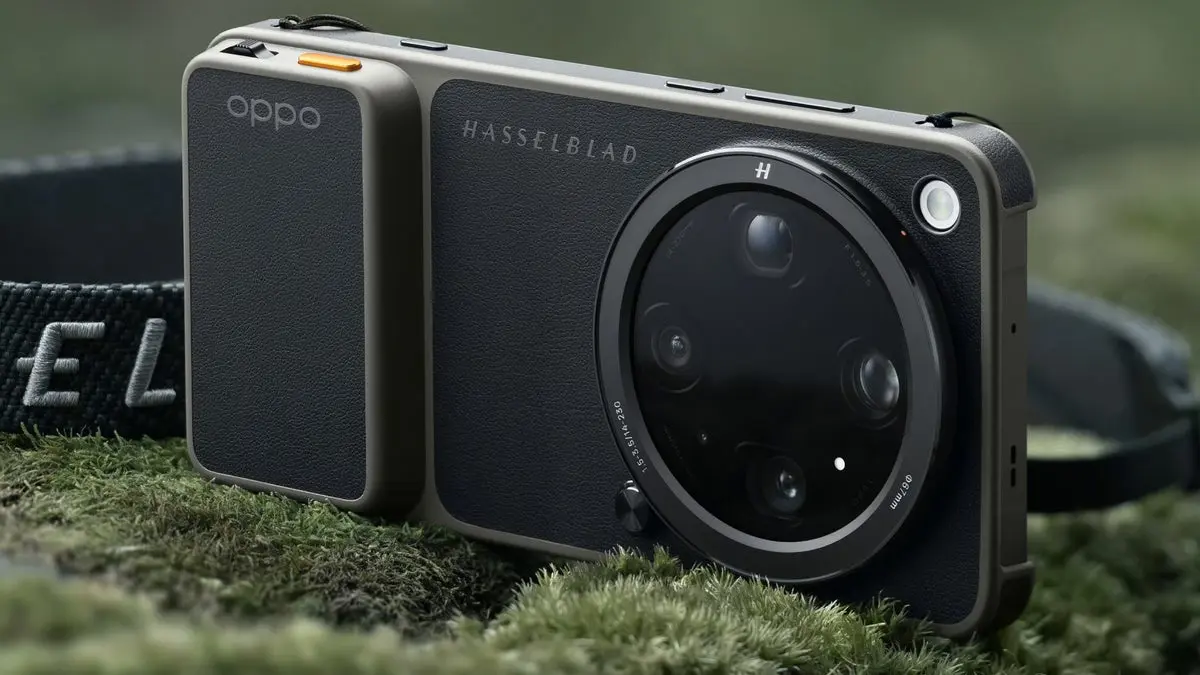
    Oppo officially launched the Find X9 Ultra in China on Tuesday, slotting it in as the flagship of the Find X9 family alongside the standard Find X9 and Find X9 Pro. The device runs on Qualcomm’s Snapdragon 8 Elite Gen 5 chipset paired with up to 16GB of RAM, features a 2K display with a 144Hz refresh rate, and houses a 7,050mAh silicon-carbon battery with 100W wired fast charging support.

    Oppo Unveils Find X9 Ultra

    Oppo Find X9 Ultra Price and Availability

    Pricing in China starts at CNY 7,499 (roughly Rs. 1,03,000) for the base 12GB + 256GB configuration. The 12GB + 512GB variant comes in at CNY 7,999 (roughly Rs. 1,10,000), while stepping up to 16GB + 512GB costs CNY 8,499 (roughly Rs. 1,17,000). Those wanting more storage can opt for the 16GB + 1TB model at CNY 9,299 (roughly Rs. 1,27,000), with a special edition variant rounding things out at CNY 9,499 (roughly Rs. 1,30,000).

    The phone is available in three colour options – Polar Glaciers, Rongsha Canyon, and Tundra (translated from Chinese) – and goes on sale in China from April 24. Global rollout details haven’t been confirmed yet, though Oppo has already announced an India launch for May. Pricing and full regional details are expected to follow closer to that date.

    Oppo Find X9 Ultra Specifications and Features

    The dual-SIM device (nano + nano/eSIM) runs ColorOS 16 built on Android 16. Up front, there’s a 6.82-inch QHD+ flexible AMOLED panel with a resolution of 1,440 x 3,168 pixels, a 120Hz refresh rate, up to 1,800 nits peak brightness, and 10-bit colour depth. The Snapdragon 8 Elite Gen 5 handles processing duties, backed by an Adreno 840 GPU, up to 16GB of LPDDR5x RAM, and up to 1TB of UFS 4.1 storage.
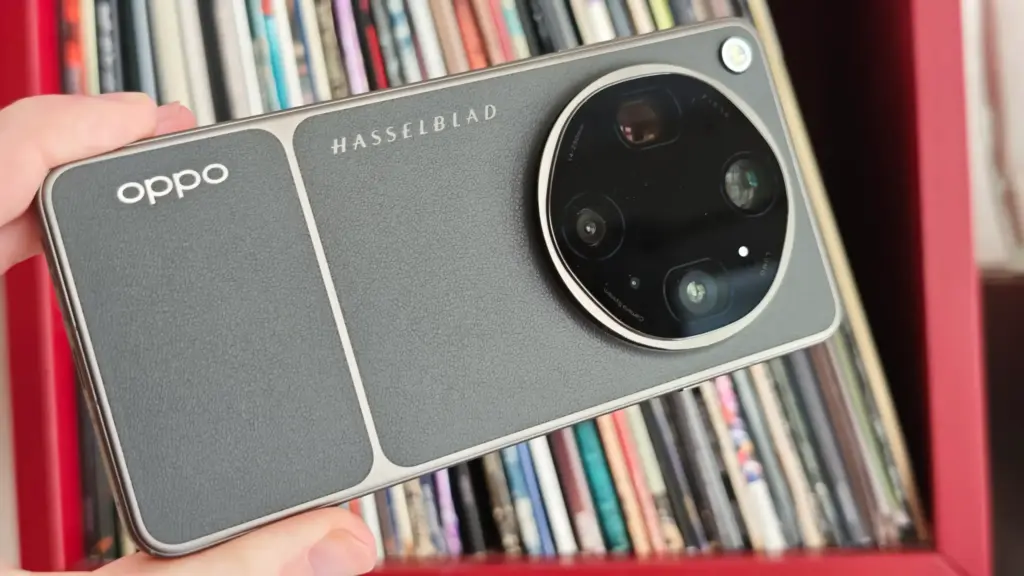
    Oppo Unveils Find X9 Ultra in hand

    Photography is where the Find X9 Ultra really pushes boundaries. The quad rear camera system leads with a 200-megapixel primary sensor featuring OIS, joined by a 50-megapixel ultra-wide shooter, a 200-megapixel periscope telephoto lens, and a 50-megapixel ultra-telephoto camera capable of 10x optical zoom and up to 120x digital zoom. A dedicated colour reproduction lens rounds out the rear setup, while a 50-megapixel camera handles selfies from the front.

    Video capabilities are equally impressive, with support for 8K recording at 30fps, 4K at up to 120fps, and Dolby Vision capture. The camera system also integrates Hasselblad imaging, an XPAN shooting mode, and a suite of professional video tools.
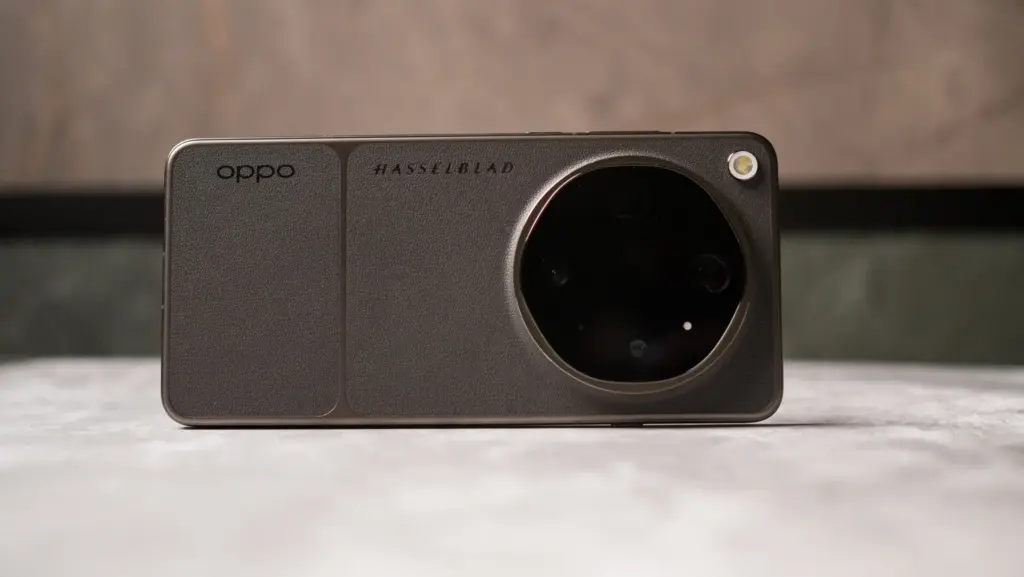
    Oppo Unveils Find X9 Ultra

    On the connectivity side, the phone covers Wi-Fi 7, Bluetooth, NFC, GPS, GLONASS, Beidou, Galileo, QZSS, and USB Type-C. Select variants additionally support Tiantong satellite communication (translated from Chinese) and Beidou satellite messaging. Security is handled by a 3D ultrasonic in-display fingerprint sensor.

    The 7,050mAh silicon-carbon battery supports both 100W wired and 50W wireless fast charging. The handset measures approximately 163.16 x 76.97 x 8.65mm depending on the colourway chosen and weighs around 235g.
  • Huawei’s HarmonyOS leads over iOS in China for 6th quarter running

    Huawei’s HarmonyOS leads over iOS in China for 6th quarter running

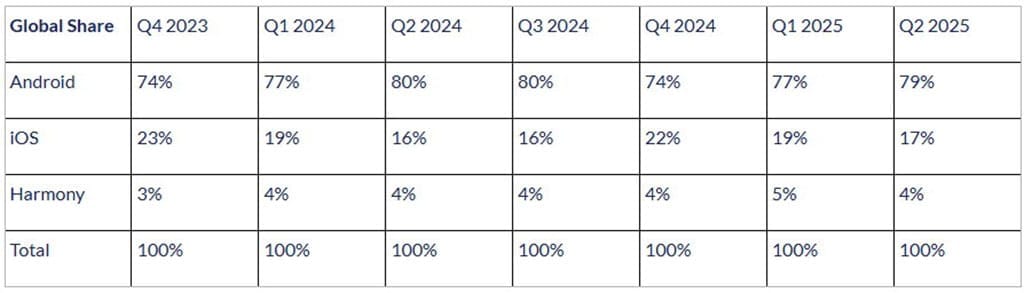
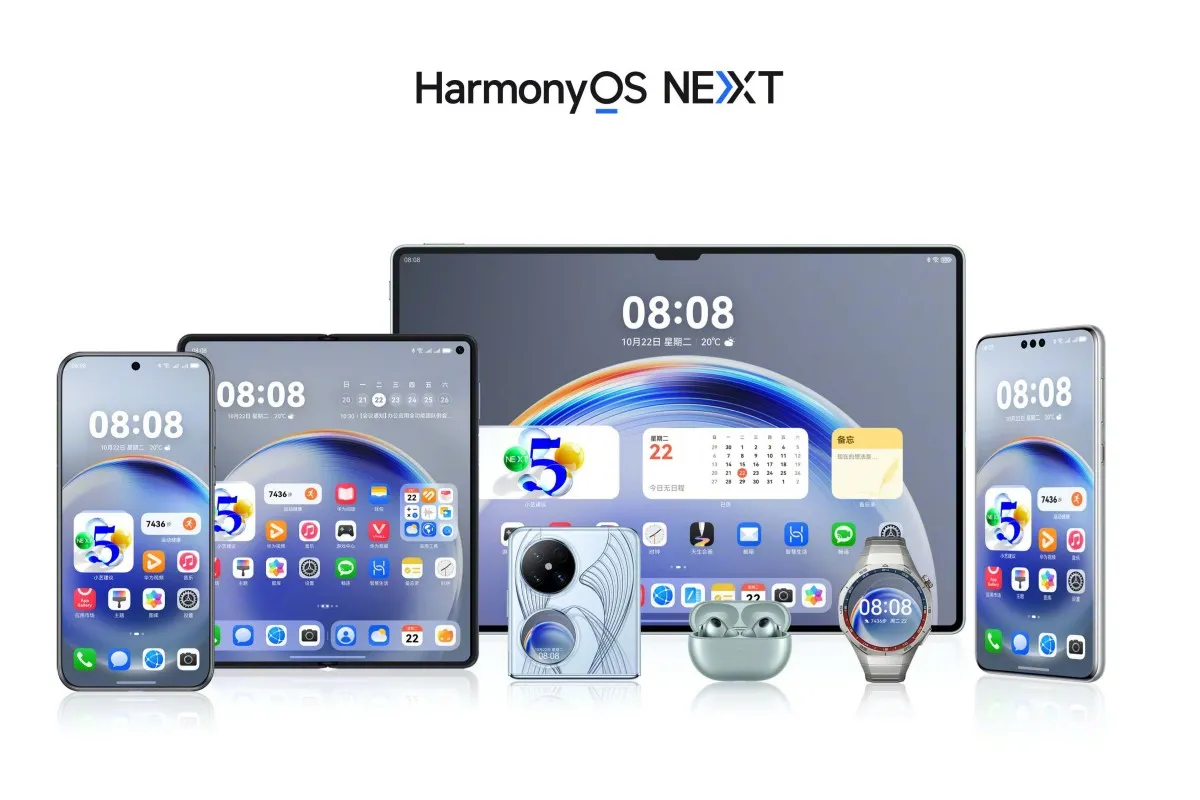
    With its proprietary HarmonyOS, Huawei is gaining ground in the mobile operating system market and has overtaken iOS in China for the sixth consecutive quarter. It now seeks to displace Android as the market leader for mobile operating systems.

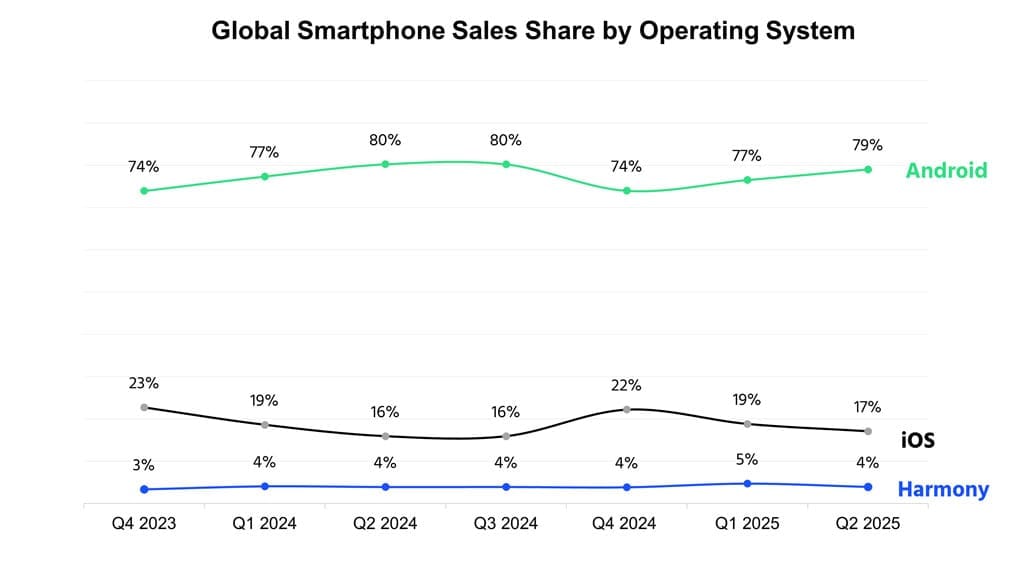
    At the moment, Android dominates the worldwide smartphone operating system market. Globally, it holds 79% of the shares. Huawei, however, intends to outperform this US-based competitor with its “NEXT” offering.

    According to the operating system report for Q2 2025, Counterpoint holds a share of the worldwide smartphone sales market. Despite gaining a sizable portion of the market, Android is losing ground in China as a result of HarmonyOS‘s quick ascent there.

    According to the research organization, Android is mostly restricted in China because of the escalating rivalry, and in India because of premiumization. However, the OS has been supported by companies like Vivo, Samsung, Motorola, and Honor during the quarter.

    For the 6th quarter, Huawei HarmonyOS stays ahead

    OS

    However, iOS also saw a 1% growth in its market share worldwide. It has performed admirably in a number of markets, including Brazil, the Middle East, and India.

    Because of the affordable iPhones and the recently released iOS 26 build version, iOS has also had the highest upgrade rate in the second quarter of this year.

    However, for the sixth straight quarter, Huawei’s HarmonyOS has pushed iOS further back in China. The legendary Pura X foldable and the latest Nova 14 versions deserve a lot of praise. Both models have attracted a lot of interest.

    The first device to release the stable HarmonyOS NEXT was the Pura X. Eye-tracking and a super Celia AI assistant were among the intriguing technologies it brought in.

    In order to provide a more dependable user experience, the Nova 14 series was the first conventional phone device to be pre-installed with the stable HarmonyOS 5.0.

    “HarmonyOS continues to grow in China and remains the second largest smartphone OS in the country for the sixth consecutive quarter. Huawei’s Nova series smartphones contributed heavily, and the foldable Pura X was also received well, keeping the brand competitive.” – said Counterpoint.

    Following this, Huawei plans to provide HarmonyOS 5.0 to the global market, initially with wearables and then with tablets. It would be interesting to observe when the operating system would overtake Android as the dominant player in the global smartphone market.

    global share1
  • OnePlus 15, Vivo X300 Pro, and Oppo Find X9 ready for launch – 3C certification received

    OnePlus 15, Vivo X300 Pro, and Oppo Find X9 ready for launch – 3C certification received

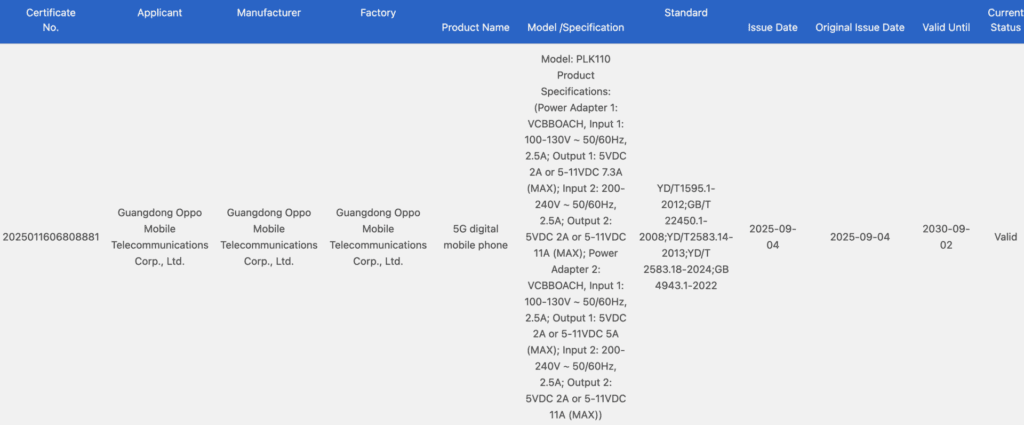
    While manufacturers like OnePlus, Oppo, and Vivo are ready to release their next-generation smartphones, the Snapdragon 8 Elite 2 and Dimensity 9500 chipsets are on the horizon. Future gadgets, purportedly the Vivo X300 Pro, Oppo Find X9, and OnePlus 15, have now obtained 3C approval in China.

    Two new flagship chipsets, the Qualcomm Snapdragon 8 Elite 2 and the MediaTek Dimensity 9500, are anticipated to be released later this month (September 2025). It is anticipated that Chinese manufacturers such as Xiaomi, Oppo, Vivo, and OnePlus will be among the first to produce smartphones with the new chipsets. In China, three of these flagship gadgets have already been certified 3C.

    The smartphones that gained 3C certification include apparently the OnePlus 15, Vivo X300 Pro, and Oppo Find X9. It is anticipated that the Snapdragon 8 Elite 2 chipset would power the OnePlus 15. It has surfaced on the 3C certification site with model number PLK110, and shows that it will ship with a 120W charger.


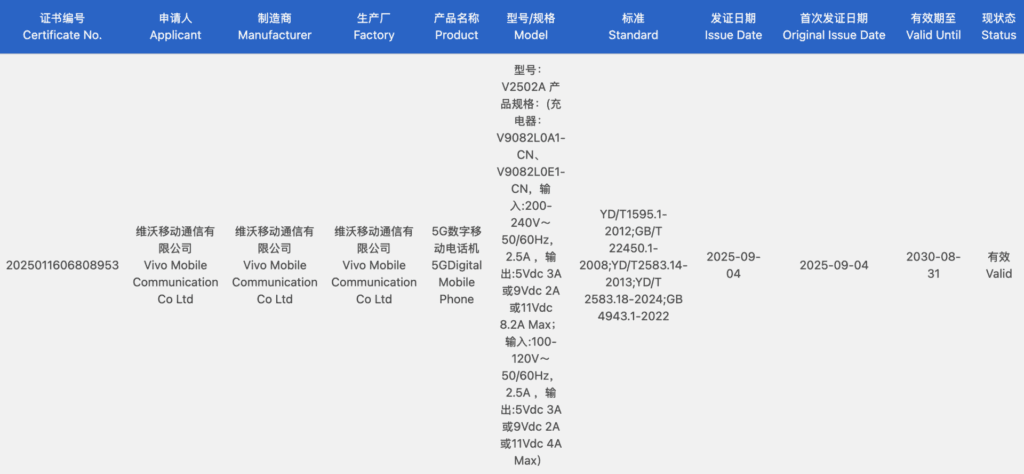
    In the meantime, the MediaTek Dimensity 9500 processor is anticipated to power the Vivo X300 Pro and Oppo Find X9. The devices, which have model codes V2502A and PLJ110, respectively, have been certified on the 3C certification portal. A 90W charger might be included with the Vivo X300 Pro, and an 80W charger might be included with the Oppo Find X9.

    It is anticipated that Chinese smartphone manufacturers would introduce the new flagship chipsets in October after MediaTek and Qualcomm announced them in late September. Global launches, however, might—and probably will—occur weeks or months later.

    csm OnePlus cert 1779718a76
    csm Vivo Phone 46cf8111dc
    csm oppo find x9 740ba26fec

  • #rumor – Xiaomi might build HyperOS 3 free of Google services

    #rumor – Xiaomi might build HyperOS 3 free of Google services

    There is currently a precarious scenario between the United States and China, with Huawei being the unlucky subject of trade sanctions. The constraints imposed on the erstwhile smartphone behemoth indicate that other Chinese corporations, like as Xiaomi, are not immune to incurring the same fate, which is why it is critical that these companies be well-prepared for any shocks. For the time being, the first order of business is a report that a HyperOS version devoid of Google Play apps and services, akin to Huawei’s HarmonyOS, is in the works, with BBK assisting with the changeover.

    Huawei’s experience in dealing with hardship will help Xiaomi develop its latest HyperOS 3 version.

    HyperOS 3 version

    A highly speculative rumor from XiaomiTime claims that Xiaomi is collaborating with Huawei and the BBK Group, the parent company of OPPO, Vivo, and OnePlus, to create a HyperOS 3 version that is free of Google’s apps and services. Xiaomi now has a license to use the Mountain View company’s smartphone operating system, but no one knows when the Trump administration may reconsider this collaboration.

    The US government’s concerns about Xiaomi may have been exacerbated when it was revealed that the company had successfully taped-out its custom 3nm chipset and was on track to launch its first in-house solution, Xring, later this month, though the intended timeline may be pushed back. Unfortunately, the only market where Xiaomi can achieve the majority of its success if it abandons Android is China, unless it can provide millions of customers with a custom app store that includes all of the essential alternatives, which is extremely difficult.

    It is likely that Xiaomi is keeping HyperOS 3 as a “ace up its sleeve” in case the Trump administration imposes a trade ban on the company, which would also prevent it from using Google Play services or apps. Until such an incident occurs, Xiaomi will most likely avoid losing a large number of consumers and millions of dollars in income.

  • Redmi K50 powered by Snapdragon 8 Gen 1 SoC to be launched first before other models

    Redmi K50 powered by Snapdragon 8 Gen 1 SoC to be launched first before other models

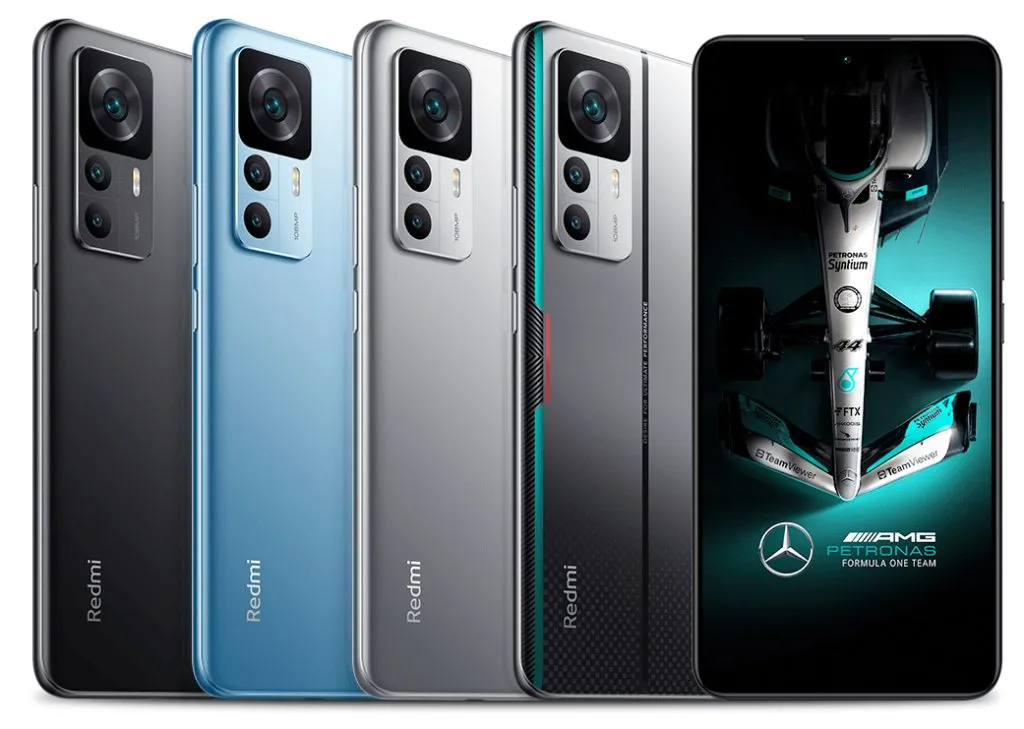
    Xiaomi is planning to release the Redmi K50 series in China in February. According to the newest information, Xiaomi will release the Snapdragon 8 Gen 1-powered Redmi K50 first, followed by the Dimensity 9000-powered variant. These new advances coincide with the Chinese New Year, which is celebrated according to the Lunar calendar, and most Chinese firms have planned releases and activities to commemorate the auspicious occasion. Xiaomi, predictably, will be present at these events, where the much-anticipated Redmi K50 series will be unveiled. The Redmi K50 series will have four variants with AMOLED high-refresh display panels, new-generation processors, multi-camera configurations, and rapid charging capabilities.

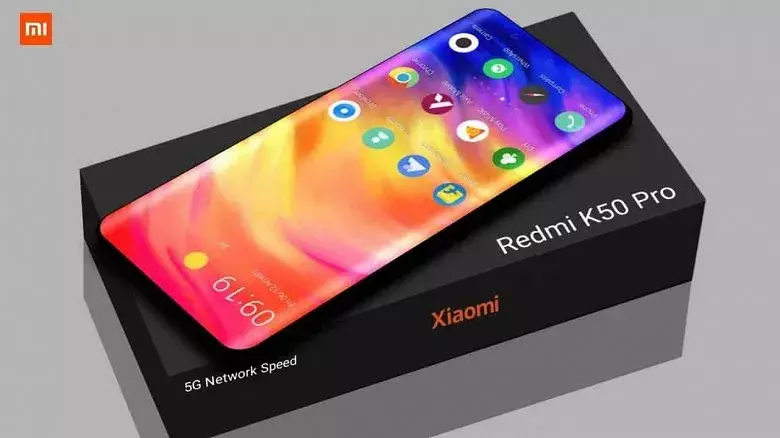
    Xiaomi Redmi K50 Ultra

    Snapdragon 8 Gen to launch first

    Xiaomi has planned to introduce the Redmi K50 devices with Qualcomm’s Snapdragon 8 Gen 1 CPU, according to Xiaomi executive Lu Weibing. The Redmi K50 models with the Dimensity 9000 processor will be released later. However, the real cause behind the launch’s spread is unknown. The Redmi K50 lineup is likely to include many variants and is expected to come with a variety of processing units, including the Snapdragon 8 Gen 1, the Dimensity 9000, the Dimensity 8000, the Dimensity 7000, and the Snapdragon 870.

    Redmi K50 series specifications

    ReRedmi K50, K50 Pro, K50 Pro+, and K50 Gaming Edition are expected to be included in the Redmi K50 series. The Snapdragon 8 Gen 1 SoC is believed to be used in the Redmi K50 Pro+, while the MediaTek Dimensity 9000 SoC or Qualcomm’s Snapdragon 870 SoC could be used in the Redmi K50 Pro. The Dimensity 9000 SoC could be included in the Redmi K50 Gaming Edition. Finally, either the Dimensity 8000 or the Dimensity 7000 are expected to power the vanilla Redmi K50.

    The Redmi K50 series is expected to come with MIUI 13 based on Android 12 (expected). Lower-end models will get a 50W/67W fast charging support while the higher and more expensive models will benefit from a 120W fast charging support. The device is expected to get a 108MP main camera sensor accompanied by other sensors. The Redmi K50 Pro can be launched as a rebadged POCO.

    Via: 91mobile