Tag: asus

  • Top 4 compact smartphones to check out in 2024

    Top 4 compact smartphones to check out in 2024

    Smartphones come in many shapes and sizes, but choosing a good smartphone that is also tiny is a little more difficult.

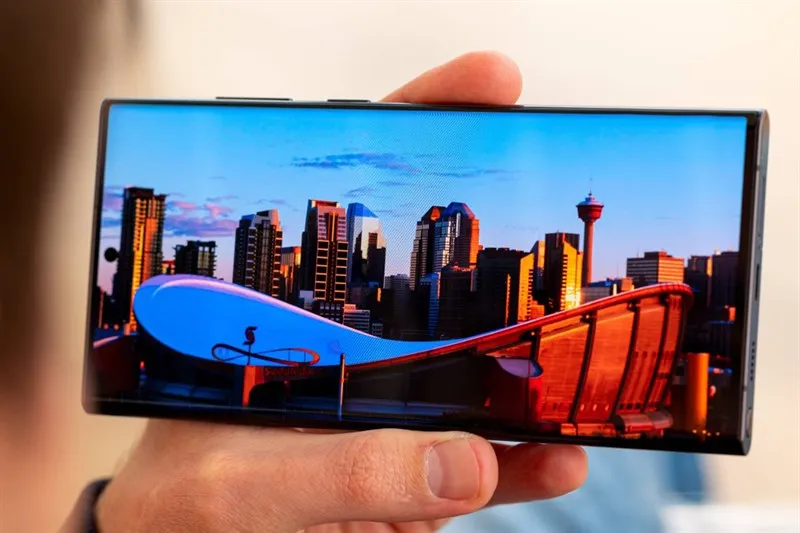
    Smaller phones have traditionally been concentrated on the low end of the market because smaller displays are less expensive to manufacture, but we have seen a rebirth of small phones in the luxury end of the market in recent years with the likes of the Samsung Galaxy S24 and Asus ZenFone 10.

    However, it remains challenging to find a smartphone that is both tiny and provides a satisfying smartphone experience. That is why we thoroughly benchmarked each option on our list, with our reviewers switching SIM cards and transferring all apps and data to test real-world performance.

    We take into account screen size, dimensions, and weight, in addition to the usual performance, camera, and battery testing that we do with all smartphone reviews, and we have divided our list into categories – best small Android, best small mid-ranger, and more – to make the decision easier.

    It is definitely worth noting that our official definition of a small phone is one with a maximum display size of 6.1 inches; nevertheless, if there are any exceptions to this criterion in our selection below, we will make sure to explain why. If you have changed your mind and are now tempted by something a little larger, check out our list of the top smartphones and Android phones for more ideas.

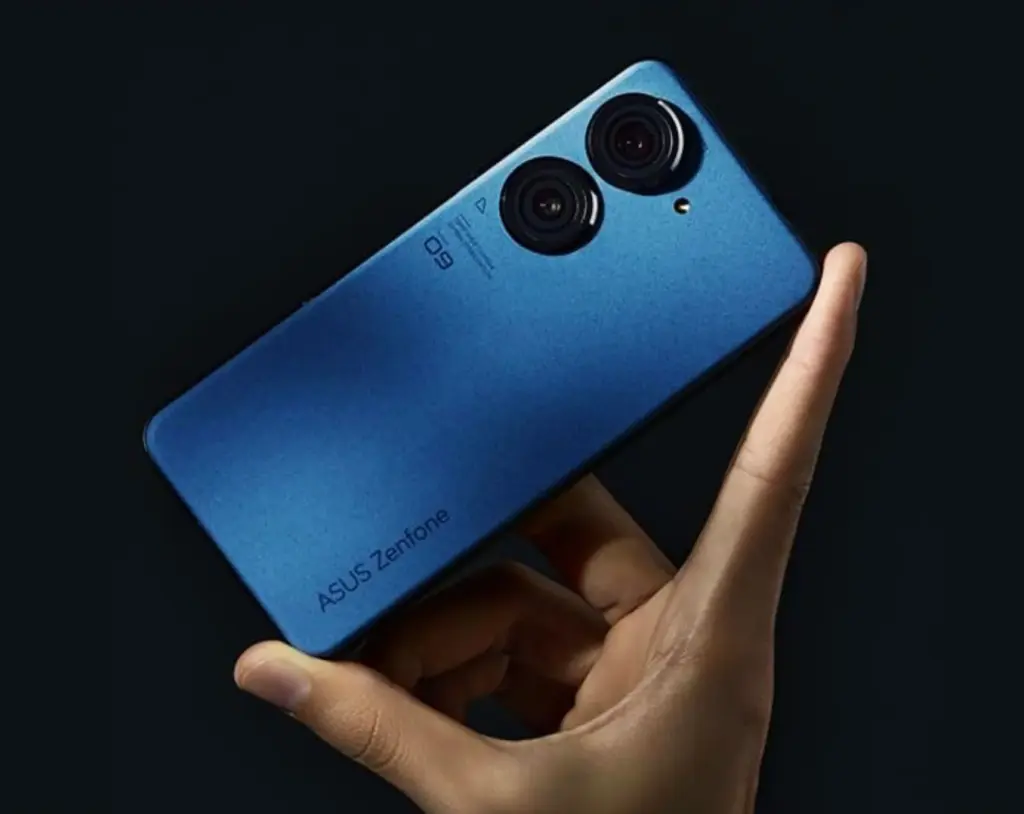
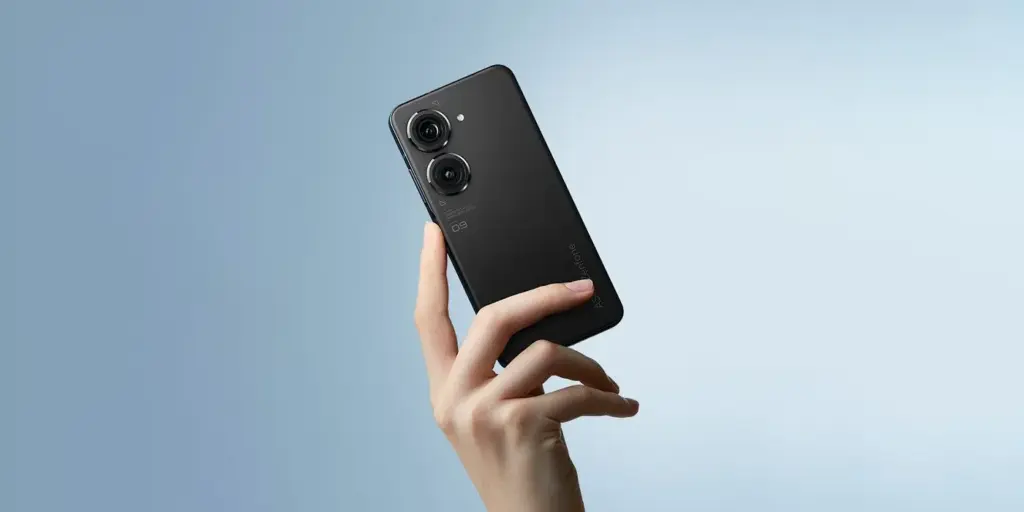
    If you need a little phone but want to continue with Android, the Asus ZenFone 10 is your best option. It is not quite as little as the iPhone 13 mini, with a 5.9-inch 120Hz OLED display, but it is still modest in comparison to other Android flagships, which have 6.7- or even 6.8-inch displays. And, like with the iPhone 13 mini, do not be fooled by its diminutive size; this is a flagship smartphone with blockbuster specs.

    That contains the latest and greatest Qualcomm CPU, the Snapdragon 8 Gen 2, as well as 8GB or 16GB of RAM and up to 512GB of UFS 4.0 storage, allowing the ZenFone 10 to handle everything you throw at it with ease. Gaming was also enjoyable on the small phone, which managed to stay cool even throughout extended gameplay sessions.

    There is also excellent camera performance from a 50MP main and a 13MP ultrawide, particularly in terms of image stabilisation, and a 32MP RGBW selfie camera produces some of the best selfies we have seen this year. What actually distinguishes the ZenFone 10 from the competition is its highly customizable approach to Android 13.

    You may either use Asus’ ZenUI skin or something very similar to pure Android, with Material You and other UI customization options. It outperforms almost every other Android OEM, making it a pleasure to use on a daily basis. Add in a comfortable all-day battery life with a 4,300mAh cell, and you have got a fantastic tiny Android smartphone that will not break the bank.

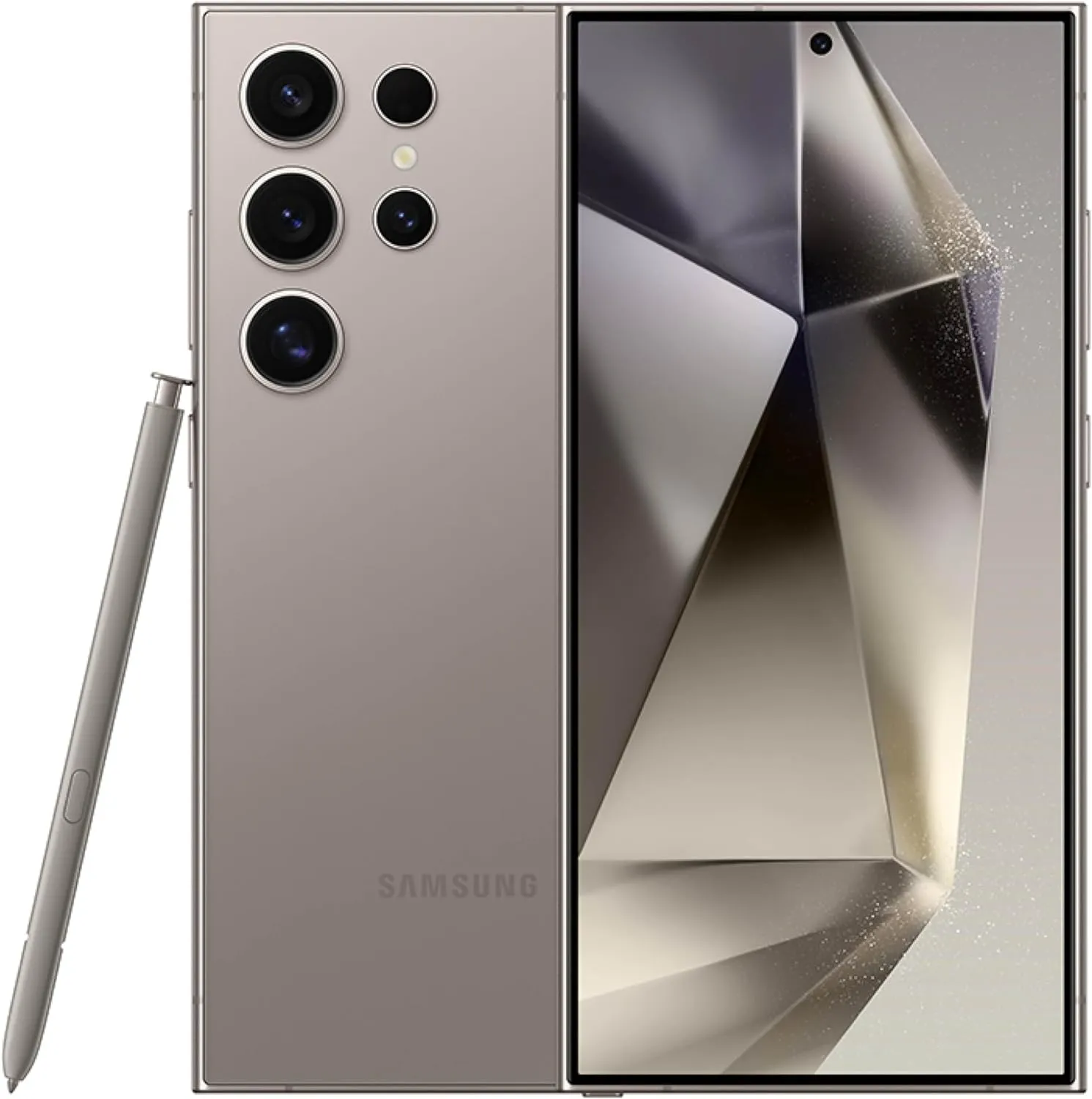
    The Asus ZenFone 10 remains the smallest flagship Android smartphone available, but the Samsung Galaxy S24 is not only more powerful, but also has a larger screen in a body that is only slightly larger than the ZenFone’s.

    The 6.2-inch Dynamic AMOLED 2X screen is somewhat larger than last year’s 6.1-inch panel, but do not worry; this is feasible because Samsung reduced the screen’s bezels, leaving the form factor nearly equal to its older sister. That means it is not only larger while preserving a compact form factor, but it also has high-end features like an LTPO-enabled 120Hz refresh rate, HDR10+ support, and a maximum brightness of 2600nits.

    It gets a little confused in the chipset sector, with the Exynos 2400 chipset available in the UK, Europe, and other regions, yet the Snapdragon 8 Gen 3 for Galaxy is available in the United States.

    We evaluated the former, but we benchmarked the latter, and it is evident that the Snapdragon-equipped edition outperforms in GPU tests, but you will not notice a difference in regular use. It is fast and responsive, and it makes use of GenAI capabilities to deliver on-device translation, voice recording transcription, and other features. That could only get better with its improved seven-year OS upgrade cycle, which is the longest of any small-screen phone now available.

    The only disappointment is camera performance; while it is far from a bad camera setup, consisting of a 50MP main, 12MP ultrawide, and 10MP telephoto, it is been unchanged for the third year in a row, and as a result, there are more powerful options on the market – though many of these are attached to larger screens like Samsung’s own 6.8-inch Samsung Galaxy S24 Ultra.

    Still, if you are seeking for a reliable small-screen flagship that can handle just about anything, the Galaxy S24 is a compelling alternative.

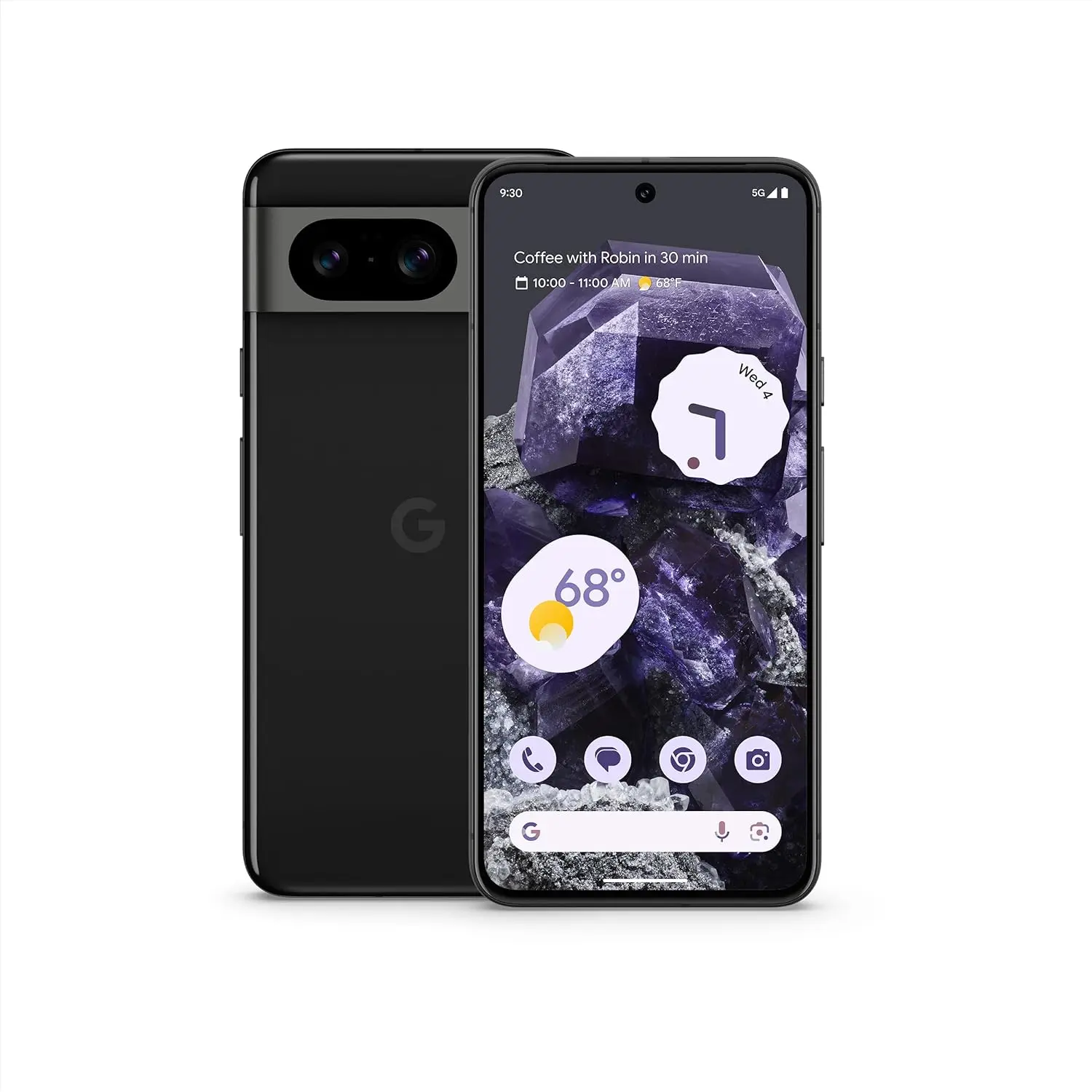
    What if your budget does not cover flagship-level devices like the S24 or ZenFone 10? The Google Pixel 8a is our top pick for tiny smartphone aficionados on a tight budget.

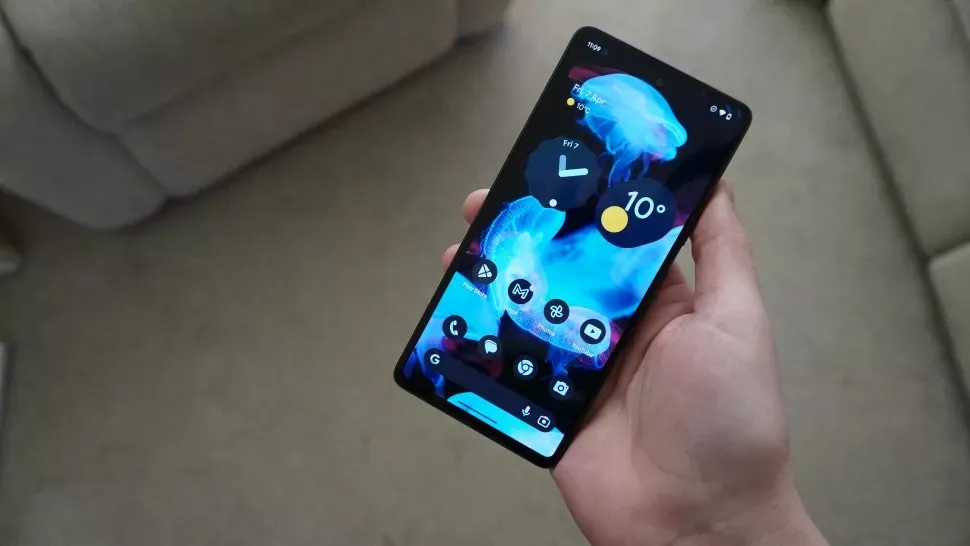
    The Pixel 8a measures 6.1 inches, has a smooth 120Hz refresh rate, and uses Actua technology from the flagship Pixel 8 to improve brightness to 2000nits. It is also a lovely, compact size that feels well in the hand, especially with the Pixel 8a’s rounded corners.

    The Pixel 7a flexes its mid-range muscles in the camera department, where it uses the flagship-level Tensor G2 chipset to power a variety of AI features such as Super Res Zoom and Night Sight, as well as exclusive photo editing features that remove background distractions and sharpen blurry images.

    That AI goodness extends to the overall experience, with the Pixel 8a’s stock Android 14 littered with useful AI features to improve your day-to-day, from displaying upcoming calendar invites and the weather on the Home screen to Recently Played, an AI feature that detects music in your surroundings as you go about your day – a real boon for music discovery.

    The battery life is also good, but it is still only a one-day gadget, which is one of the drawbacks of more compact smartphones. Still, if you want a tiny phone on a cheap, the Google Pixel 8a in 2024 is the best option.

    If you are seeking for a really compact Android smartphone with a large-screen experience, a solid camera, powerful performance, and an all-day battery life, the Motorola Razr 50 Ultra (or Razr+ 2024 if you are in the US) is the best option.

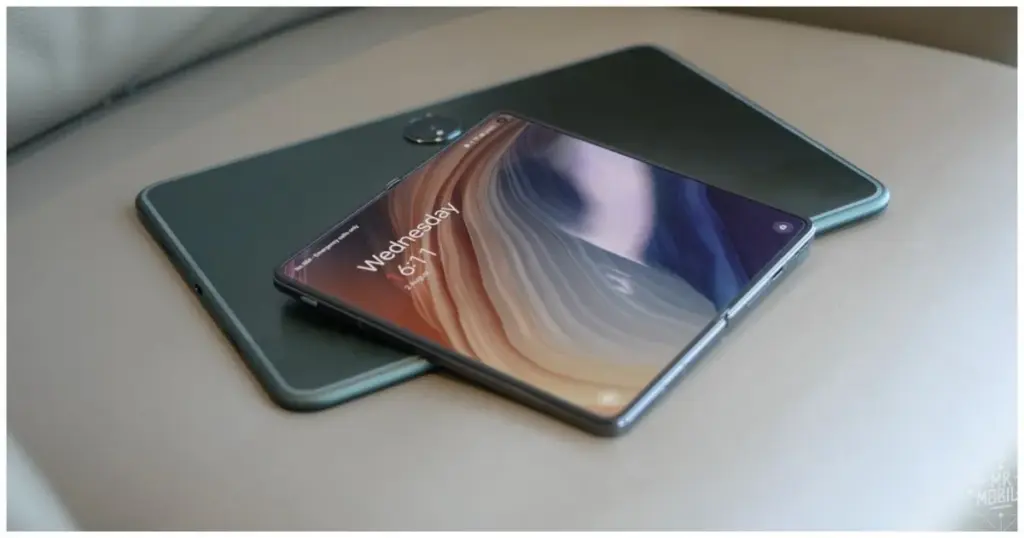
    While the main 6.9-inch 165Hz pOLED panel is far from small, it outperforms some of the largest smartphones on the market. When folded, the external display measures only 4 inches. This is ideal for one-handed use because all corners are easily accessible with just your thumb.

    Not only is the external screen small yet highly functional, but the handset itself is only 15mm thick when folded, making it easy to sneak into your pocket or purse. You will not have to worry about scratches because the display is protected by Gorilla Glass Victus.

    Aside from the screens, the Razr 50 Ultra has two updated back cameras: a 50MP main and a 50MP 2x telephoto, with the latter replacing the ultrawide lens on the previous generation model. We were generally pleased with the new lenses’ performance, albeit the phone struggled with difficult photos such as brilliant sunsets, and HDR performance was occasionally hit-or-miss.

    The phone features the Snapdragon 8s Gen 3 chipset, which, while not Qualcomm’s most recent engine, is nonetheless powerful and performed well in our CPU and GPU benchmark tests when compared to the foldable competitors, with no significant differences in everyday use.

    Whether you want the tiniest smartphone possible or simply want to recreate the flip phone experience of the noughties, the Motorola Razr 50 Ultra is an excellent choice for the majority of people.
  • Android 15: when you should expect to get the update?

    Android 15: when you should expect to get the update?

    Surprisingly, Android 15 was not made available on Pixel phones. Chinese company Vivo outperformed the whole Android ecosystem by releasing a solid Android 15 update first, following the stable AOSP release without a Pixel OTA update. Check to see if your phone is set to receive Android 15 if you do not already own the pioneering (and specialized) Vivo X Fold 3 Pro.

    The developer versions of Android 15 could be tested on a few phones even before Google declared it had achieved “platform stability.” In order to choose which phones should receive the upgrade first, brands like Honor, Nothing, OnePlus, Oppo, Xiaomi, and others established their own official test programs.

    android 15 update list

    Google

    The Pixel phones will be the first to get the upgrade because they are the flagship model for the Android operating system. Additionally, there are more Google phones eligible for the upcoming Android update this time around because the Pixel 9 phones were released prior to the 2024 release of Android 15.

    • Google Pixel 6
    • Google Pixel 6 Pro
    • Google Pixel 6a
    • Google Pixel 7
    • Google Pixel 7 Pro
    • Google Pixel 7a
    • Google Pixel 8
    • Google Pixel 8 Pro
    • Google Pixel Fold
    • Google Pixel 9
    • Google Pixel 9 Pro
    • Google Pixel 9 Pro Fold
    • Google Pixel 9 Pro XL
    81Mya dPIOL. AC SL1500

    Google Pixel 8 Pro

    Unlocked Android Smartphone with Telephoto Lens and Super Actua Display

    Best deal
    $999.00$719.00See It

    Samsung

    After many years of poor updates, Samsung has started fulfilling its pledge to improve phone support. Customers may now know how long their phones will be updated to protect them from security dangers according to the South Korean company’s transparent software strategy.

    At SDC 2024, Samsung did, however, declare that the One UI 7, which is based on Android 15, would not be made available to the general public until early 2025. However, the Koreans also mentioned that by the end of 2024, the One UI 7 beta will be accessible for public testing by developers and testers.

    Galaxy phones promised to receive Android 15:

    • Samsung Galaxy A05
    • Samsung Galaxy A05s
    • Samsung Galaxy A14
    • Samsung Galaxy A14 5G
    • Samsung Galaxy A15
    • Samsung Galaxy A15 5G
    • Samsung Galaxy A24
    • Samsung Galaxy A25
    • Samsung Galaxy A33
    • Samsung Galaxy A34
    • Samsung Galaxy A35
    • Samsung Galaxy A53
    • Samsung Galaxy A54
    • Samsung Galaxy A55
    • Samsung Galaxy A73
    • Samsung Galaxy S21
    • Samsung Galaxy S21+
    • Samsung Galaxy S21 Ultra
    • Samsung Galaxy S21 FE
    • Samsung Galaxy S22
    • Samsung Galaxy S22+
    • Samsung Galaxy S22 Ultra
    • Samsung Galaxy S23
    • Samsung Galaxy S23+
    • Samsung Galaxy S23 FE
    • Samsung Galaxy S23 Ultra
    • Samsung Galaxy S24
    • Samsung Galaxy S24+
    • Samsung Galaxy S24 Ultra
    • Samsung Galaxy S24 FE
    • Samsung Galaxy XCover 6 Pro
    • Samsung Galaxy XCover 7
    • Samsung Galaxy Z Flip 3
    • Samsung Galaxy Z Flip 4
    • Samsung Galaxy Z Flip 5
    • Samsung Galaxy Z Flip 6
    • Samsung Galaxy Z Fold 3
    • Samsung Galaxy Z Fold 4
    • Samsung Galaxy Z Fold 5
    • Samsung Galaxy Z Fold 6
    71 EnPs uQL. AC SL1500

    SAMSUNG Galaxy S24

    256GB AI Smartphone, Unlocked Android, 50MP Zoom Camera, Long Battery Life, S Pen

    $1,299.99$1,032.50See It

    Xiaomi

    We expect that Xiaomi will further enhance its update program to meet (or surpass) Samsung’s, but only time will tell as the Chinese behemoth is presently switching from MIUI to HyperOS.

    To find out which phones are promised the Android 15 upgrade, we may currently rely on the company’s official list of security updates. Furthermore, we highlighted in italics Xiaomi models that are not included in the Android Enterprise program but are promised the Android 15 update.

    • Xiaomi phones in the Android 15 beta test:
    • Xiaomi 13T Pro
    • Xiaomi 14

    Xiaomi devices promised to be updated to Android 15:

    • Poco F5
    • Poco F5 Pro
    • Poco F6
    • Poco F6 Pro
    • Poco M6 Pro 5G
    • Poco X6
    • Poco X6 Pro 5G
    • Xiaomi 12
    • Xiaomi 12 Pro
    • Xiaomi 12 Ultra
    • Xiaomi 12T
    • Xiaomi 12T Pro
    • Xiaomi 13
    • Xiaomi 13 Lite
    • Xiaomi 13 Pro
    • Xiaomi 13 Ultra
    • Xiaomi 13T
    • Xiaomi 14 Pro
    • Xiaomi 14 Ultra
    • Xiaomi 14T
    • Xiaomi 14T Pro
    • Xiaomi Redmi 12
    • Xiaomi Redmi 12 5G
    • Xiaomi Redmi 13C
    • Xiaomi Redmi Note 12
    • Xiaomi Redmi Note 12 Pro
    • Xiaomi Redmi Note 12 Pro+
    • Xiaomi Redmi Note 13
    • Xiaomi Redmi Note 13 5G
    • Xiaomi Redmi Note 13 Pro
    • Xiaomi Redmi Note 13 Pro 5G
    • Xiaomi Redmi Note 13 Pro+ 5G
    • Xiaomi Pad 6

    OnePlus

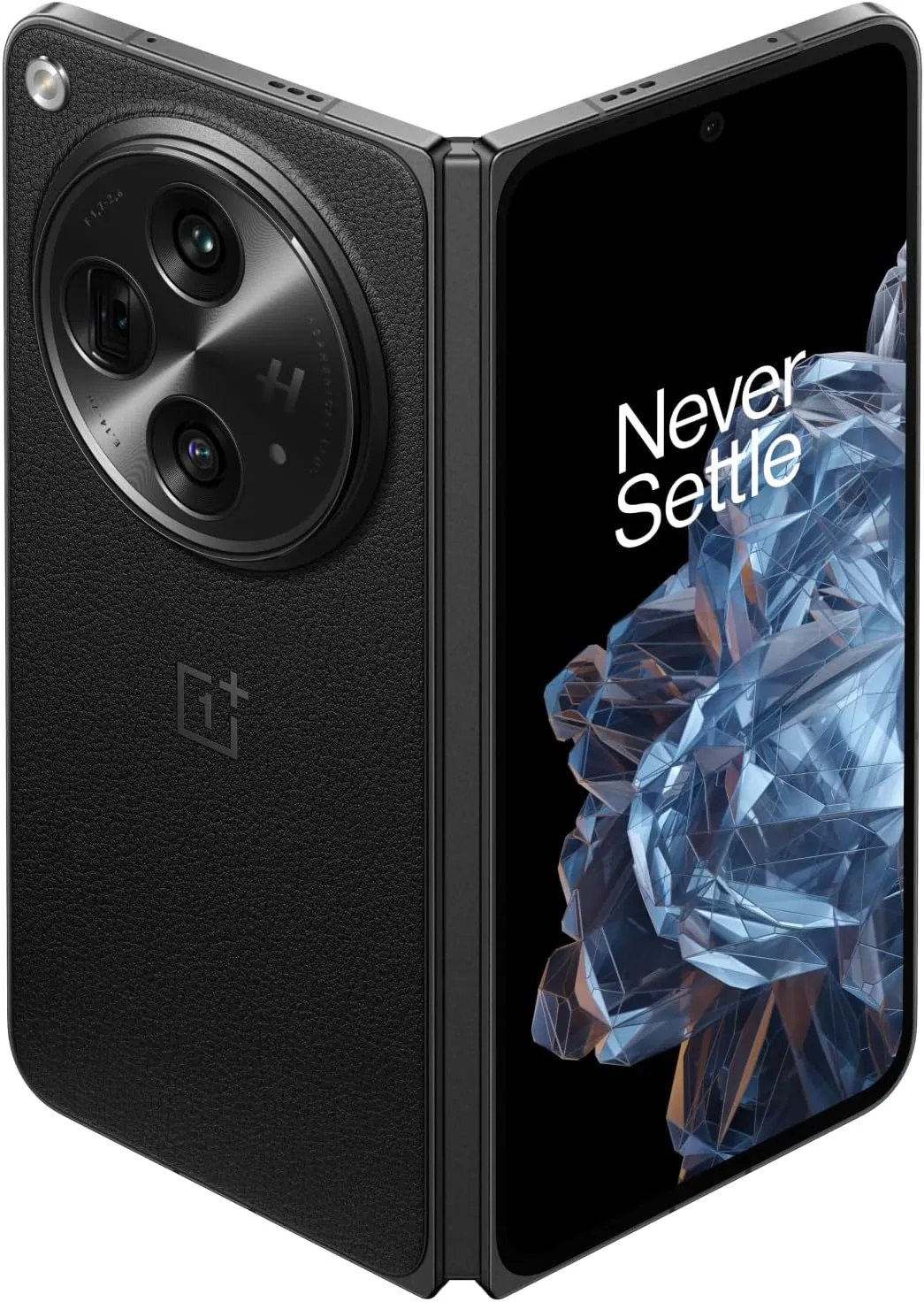
    By introducing really intriguing phones in 2023, like the OnePlus Open, OnePlus was able to quiet its detractors and equal Samsung’s flagship software update program.

    While we are very confident which flagship OnePlus devices will get Android 15, the same cannot be said for the Nord mid-range versions.

    OnePlus phones in the Android 15 beta test:

    • OnePlus 12
    • OnePlus Open

    Android 15 is anticipated for OnePlus phones:

    • OnePlus 9
    • OnePlus 9 Pro
    • OnePlus 9R
    • OnePlus 9RT
    • OnePlus 10R
    • OnePlus 10 Pro
    • OnePlus 10T
    • OnePlus 11
    • OnePlus 11R
    • OnePlus 12R
    • OnePlus Nord 3
    • OnePlus Nord CE 3
    • OnePlus Nord CE 3 Lite / Nord N30
    • OnePlus Nord CE4
    71slFjJerBL. AC SL1500

    OnePlus Open

    6GB RAM+512GB, Dual-SIM, Voyager Black, US Factory Unlocked Android Smartphone, 4805 mAh Battery, 67W Fast Charging, Hasselblad Camera, 120Hz Fluid Display

    $1,699.99$1,299.99See It

    Sony

    Even though the Japanese manufacturer has not actually committed to an official update program, Sony has been very reliable when it comes to Android updates despite having a limited phone range. The Xperia phones listed below are anticipated to get the Android 15 update:

    • Sony Xperia 1 IV
    • Sony Xperia 1 V
    • Sony Xperia 1 VI
    • Sony Xperia 5 IV
    • Sony Xperia 5 V
    • Sony Xperia 10 V
    • Sony Xperia 10 VI
    • Sony Xperia Pro-I

    Asus

    In 2023, the Taiwanese company’s dedication to Android was momentarily called into question, and Asus swiftly refuted reports that the Zenfone line may be discontinued. The list of Zenfone and ROG phones that will receive the Android 15 update is extremely limited due to its small flagship lineup and short update strategy, which typically only includes two Android upgrades:

    • Asus ROG Phone 7
    • Asus ROG Phone 7 Ultimate
    • Asus ROG Phone 8
    • Asus ROG Phone 8 Pro
    • Asus Zenfone 10
    • Asus Zenfone 11 Ultra

    Motorola

    An outlet was able to search through Motorola’s website for the potential candidates after the company revealed the complete list of its handsets that will receive the Android 15 update. This contains the most recent Motorola foldable smartphones as well as a number of Moto G mid-range variants.

    • Moto G Power 5G (2024)
    • Moto G 5G (2024)
    • Moto G Stylus 5G (2024)
    • Moto G34 (5G)
    • Moto G35
    • Moto G45
    • Moto G55
    • Moto G75
    • Moto G85
    • Motorola Edge (2023)
    • Motorola Edge+ (2023)
    • Motorola Edge (2024)
    • Motorola Edge 40 Pro
    • Motorola Edge 50
    • Motorola Edge 50 Fusion
    • Motorola Edge 50 Neo
    • Motorola Edge 50 Pro
    • Motorola Edge 50 Ultra
    • Motorola Razr (2023) in the US / Razr 40
    • Motorola Razr+ (2023) in the US / Razr 40 Ultra
    • Motorola Razr (2024) in the US/ Razr 50
    • Motorola Razr+ (2024) in the US / Razr 50 Ultra

    Nothing

    Nothing, a startup brand, has started its Android 15 beta program. Nothing OS 3.0 is the version of the upgrade. It was revealed that Android 15 will be available for all Nothing Phone variants, including the CMF Phone 1.

    • Nothing Phone (2)
    • Nothing Phone (2a)
    • Nothing Phone (2a) Plus
    • Nothing Phone (1)

    Other brands

    In addition to the models above, these brands are also taking part in the Android 15 public beta test:

    Honor

    • Honor Magic 6 Pro
    • Honor Magic V2

    Vivo

    Vivo managed to beat not only Samsung but also Google at its own game. The Chinese brand released the stable Android 15 update before other brands to its Vivo X Fold 3 Pro smartphone, with its FuntouchOS 15 release. The next phones should be the ones that were in the beta program:

    • iQOO 12
    • Vivo X100 (Pro)
    • Vivo X90, X90s, X90 Pro, X90 Pro+

    Vivo phones expected to receive Android 15:

    Other brands and devices

  • 12 early Black Friday laptop offers #deal

    12 early Black Friday laptop offers #deal

    Even though Black Friday is not until later this year, companies like Dell, Asus, and Apple are still offering fantastic discounts on the greatest laptops available right now! It seems like there are more days than just one right now.

    However, you were already aware of that. Companies will begin to subtly lower their pricing starting on October Prime Day, merely to see how things work. Fortunately, I can discover them for you thanks to my seven years of experience covering this most delightful time of the year.

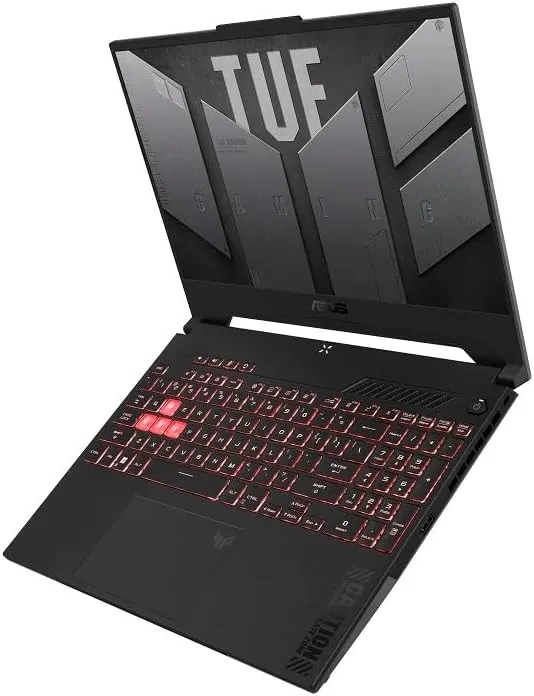
    Furthermore, rest certain that we are not directing you toward any out-of-date models. Actually, every one of these offers is on the newest and best hardware. These range from a whopping $200 off the M3 MacBook Air to a great $150 off my favorite gaming laptop, the Asus TUF Gaming A14!

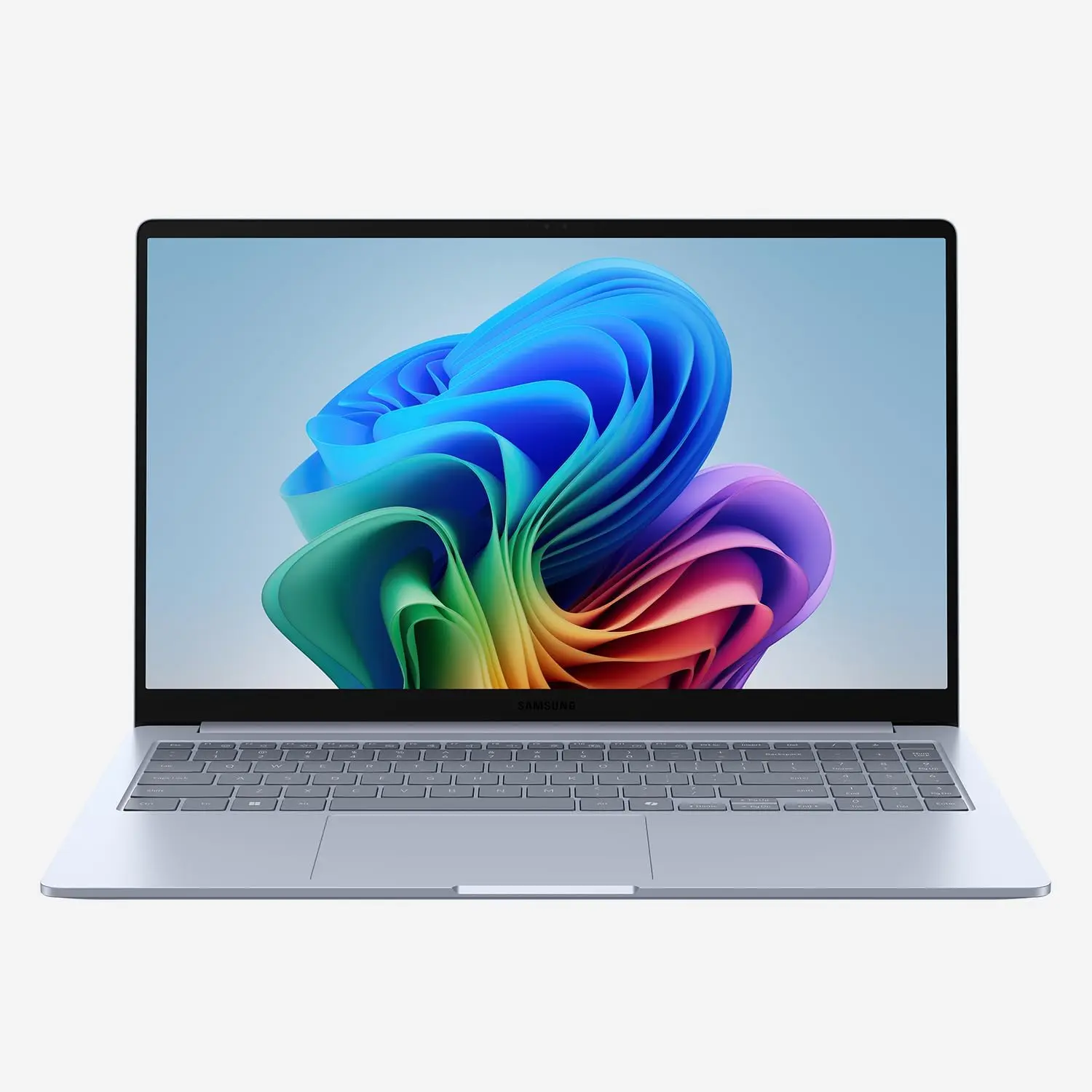
    So if you are in the market for a Chromebook, a powerful gaming PC, or even an incredibly affordable Copilot+ PC (looking at you, $849 Galaxy Book4 Edge), and you do not want to wait until November, these bargains are definitely worth checking out.

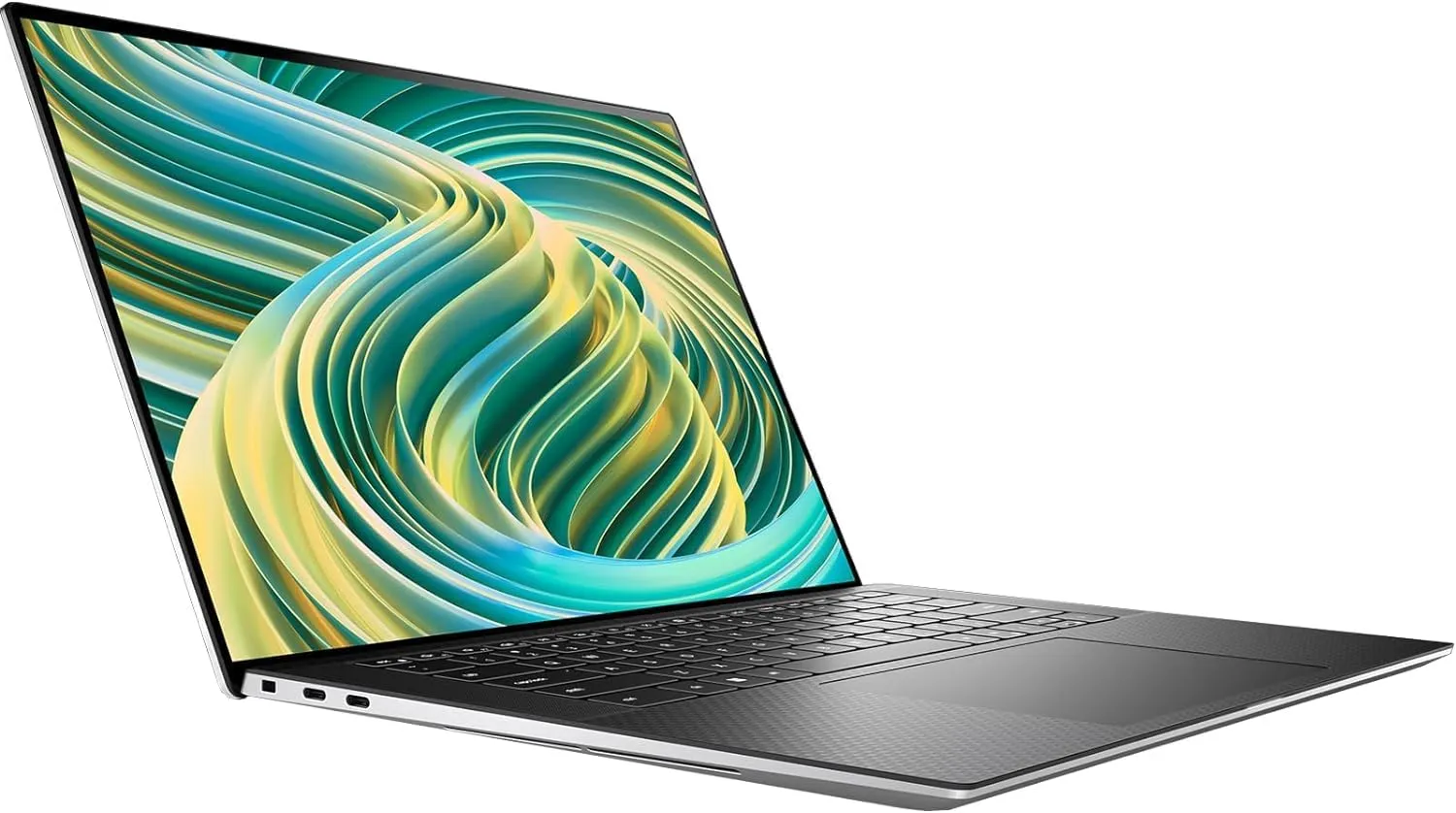
    Dell 2024 Newest XPS 15

    Best deal1,530.00
    Apple MacBook Air 2024
    $1,299.99See It
    Dell 2024 Newest XPS 15
    $1,697.00$1,530.00See It
    ASUS TUF Gaming A15
    $1195$999.99See It
    SAMSUNG Galaxy Book4 Edge 15″
    $1099.99$999.99See It
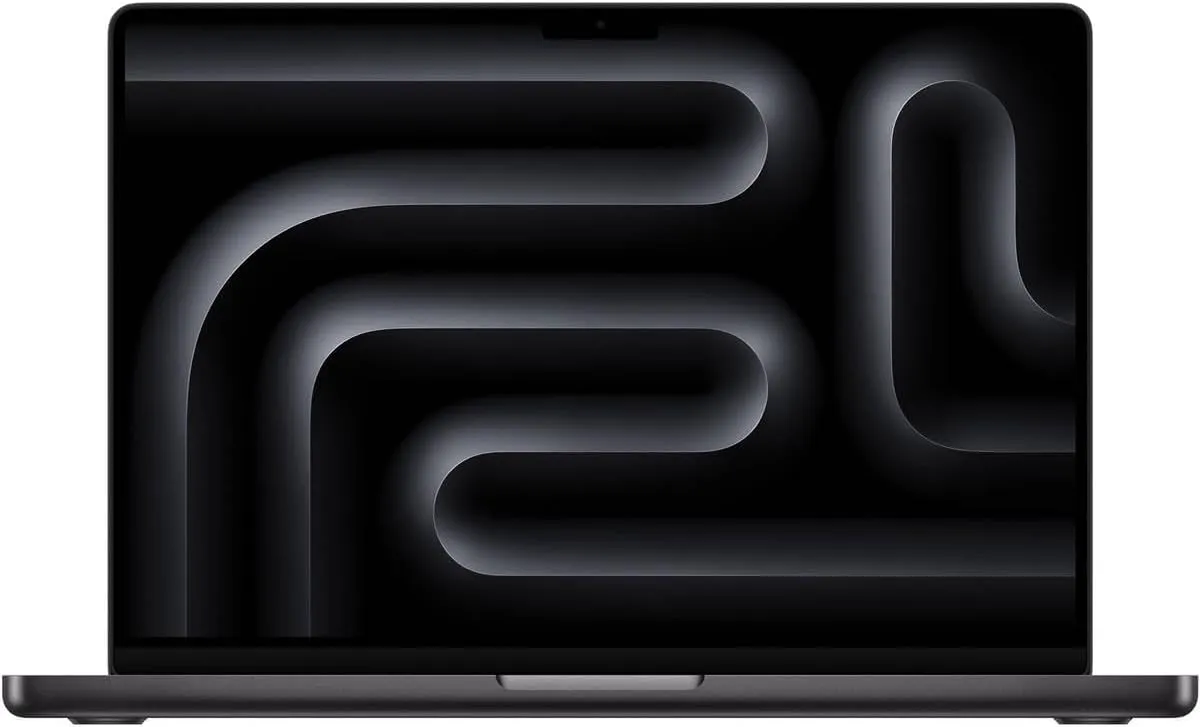
    Apple Apple MacBook 14″, M3 Pro 
    $2,198.90$1,999.00See It
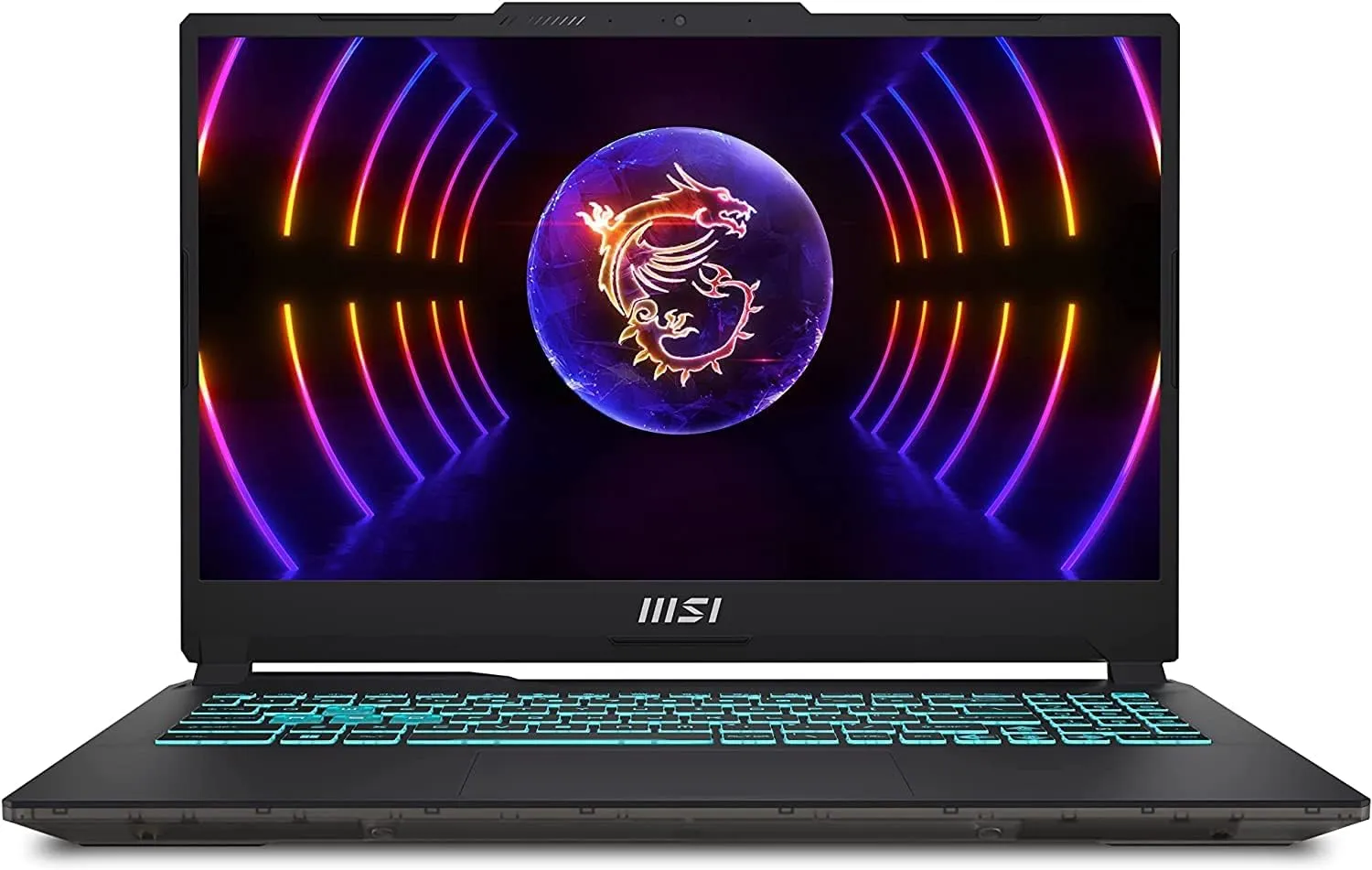
    MSI 202MSI 2023 Cyborg 15.6″
    $1,999.00$959.98See It
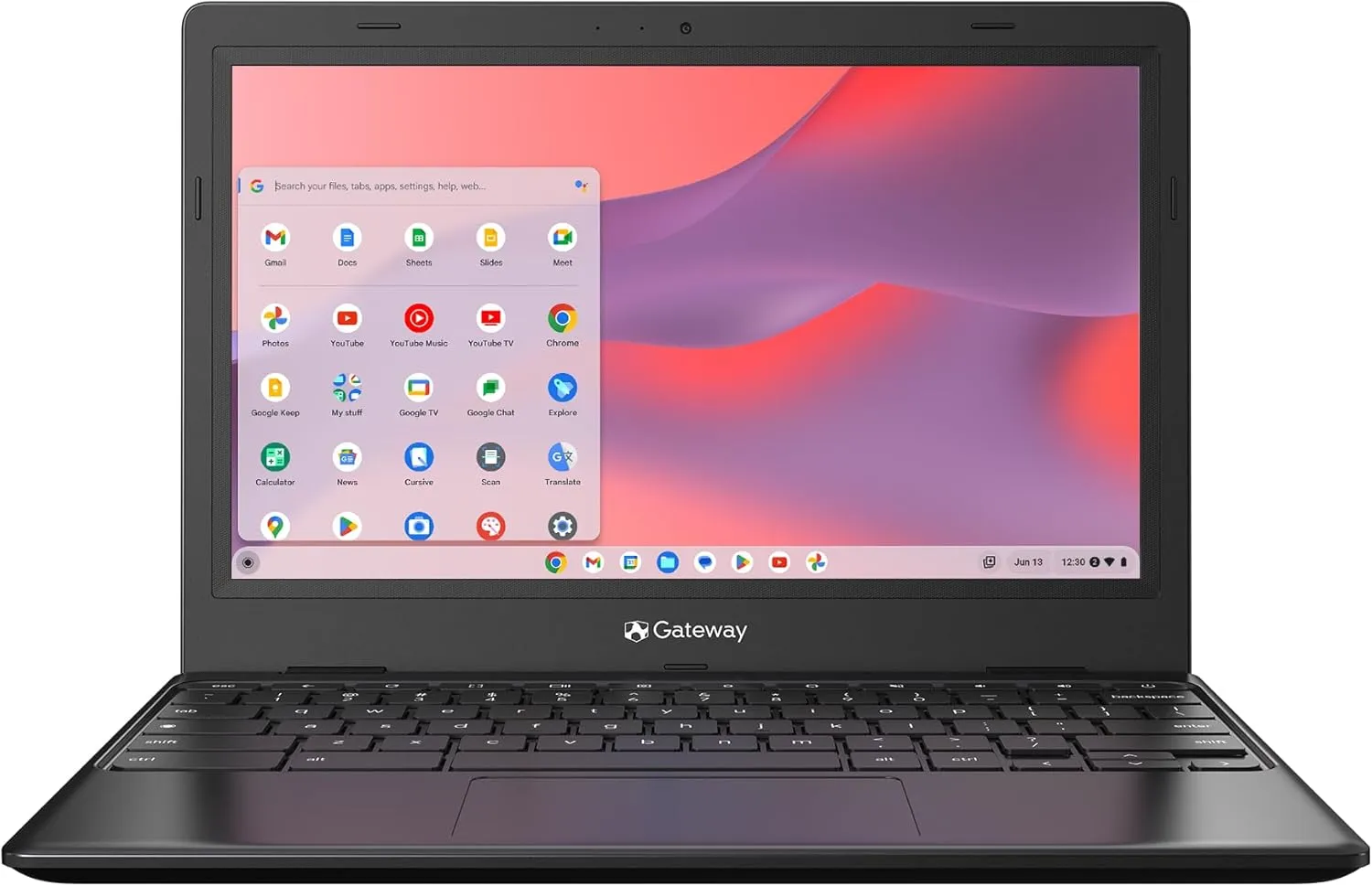
    Acer Gateway Chromebook 311
    $199.00 $181.00See It
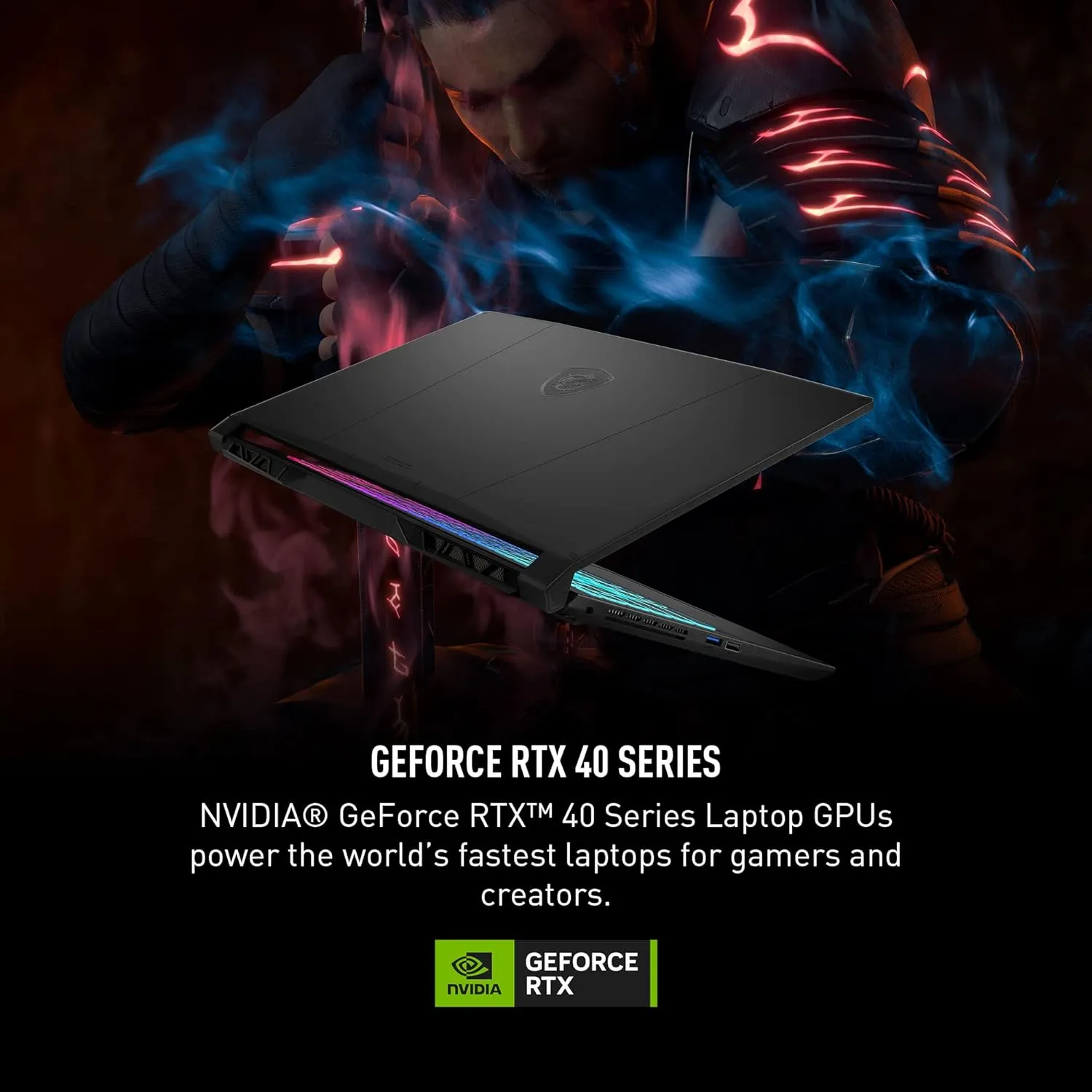
    MSI Katana 15 15.6”, RTX 4070
    $1,399.99$1,283.07See It
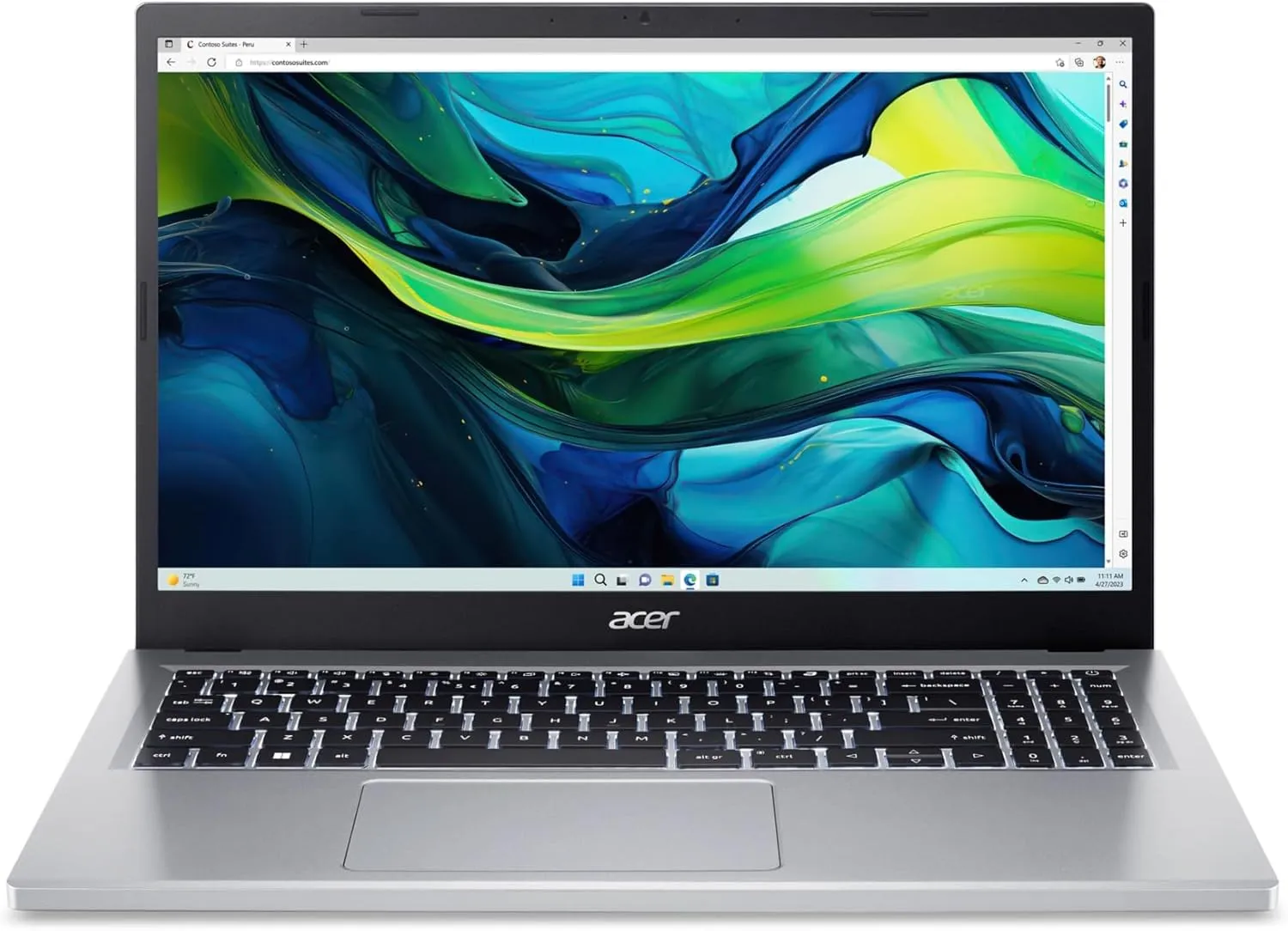
    Acer Aspire Go 15 Slim
    $299.99$259.99See It
    Acer Swift Go 14 OLED
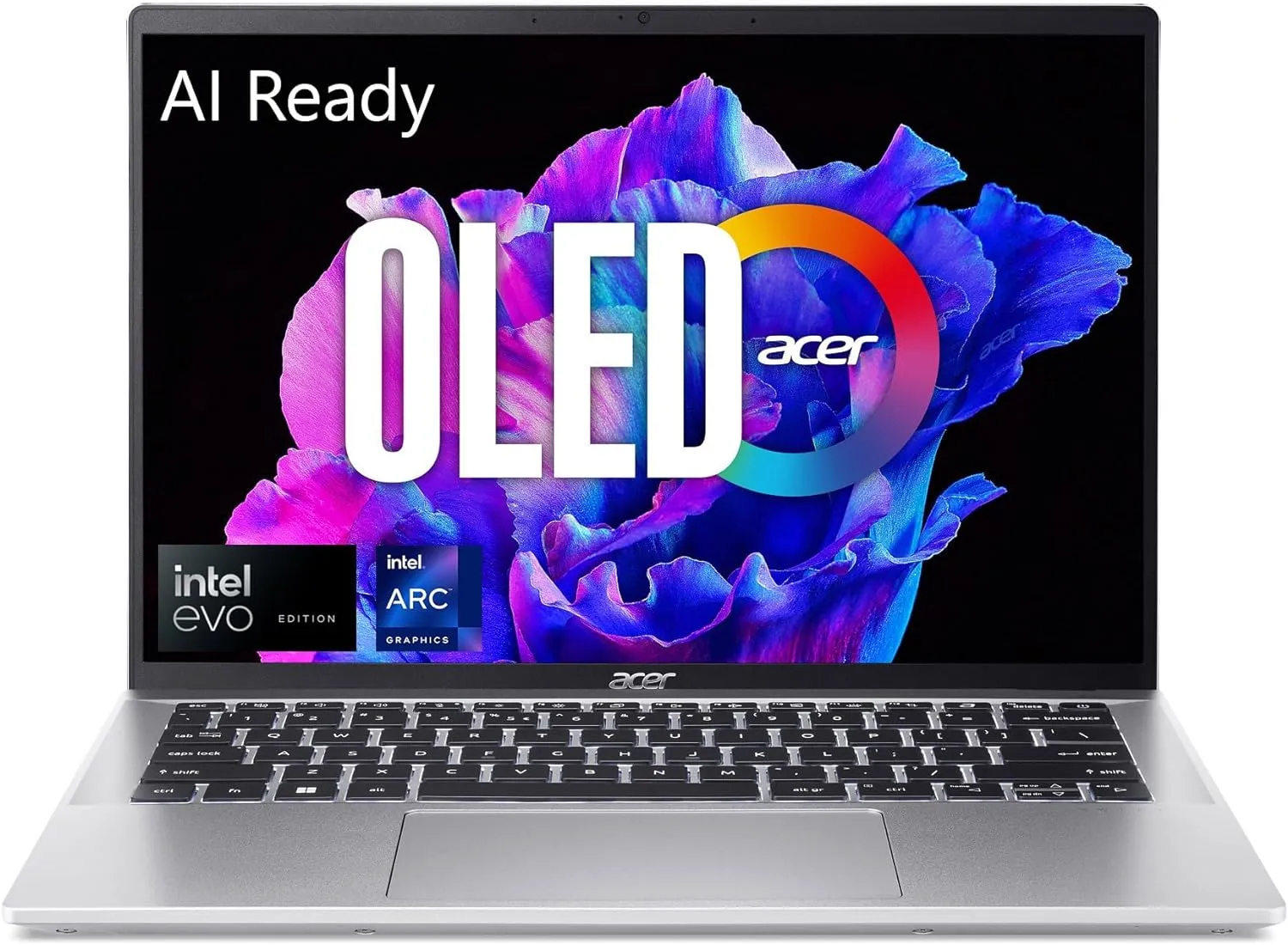
    $999.99 $799.99See It
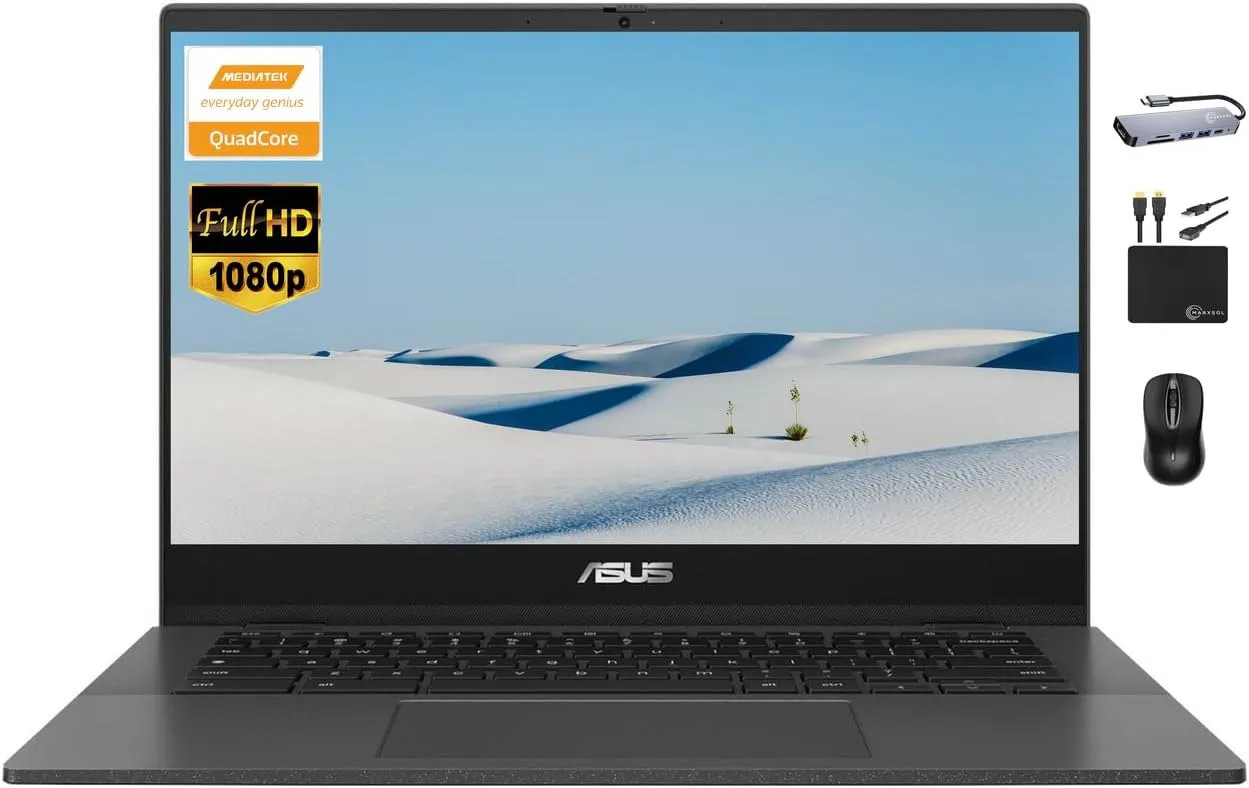
    ASUS Chromebook 2024
    239.00See It
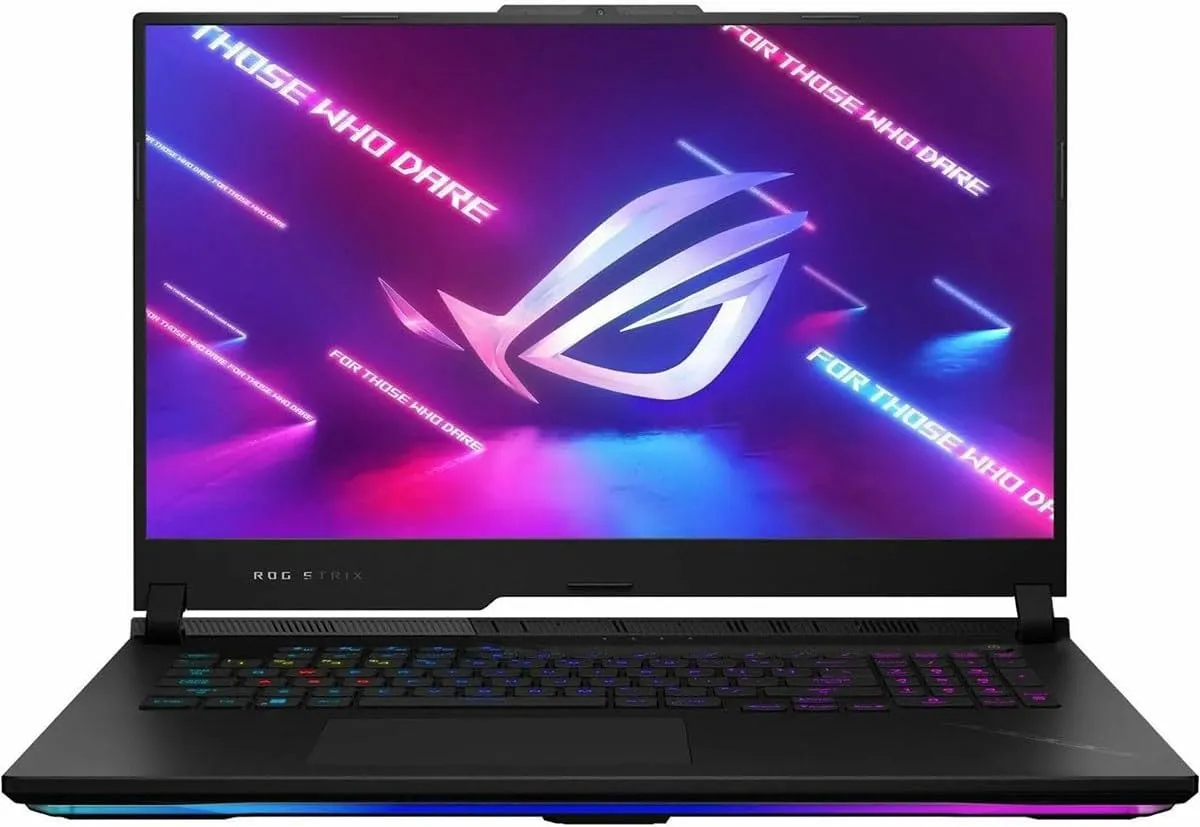
    ASUS ROG Strix Scar 17 X3D – RTX4090
    3,699.992,999.99See It

  • Top 5 Android smartphones with the best display

    Top 5 Android smartphones with the best display

    Over the last fifteen years, smartphones display have grown in size exponentially. It is funny how, while six inches was once considered the definition of a phablet, these days we can call a six-inch device compact. Along with larger screens come improvements in color fidelity, resolution, refresh rate, and other technical marvels that enhance the smartphone experience.

    Over the last fifteen years, smartphones have grown in size exponentially. It is funny how, while six inches was once considered the definition of a phablet, these days we can call a six-inch device compact. Along with larger screens come improvements in color fidelity, resolution, refresh rate, and other technical marvels that enhance the smartphone experience.

    When buying a new smartphone, it is important to consider the display specifications because people are consuming more and more content on their phones, whether it is through watching HDR movies and shows or binge-watching your favorite TikToks. Innovations have made it possible for displays to take on new forms, such as edge-to-edge, curved, and OLED, and competition has made these phones more affordable than ever.

    Here are five Android phones with some of the best screens in the market, ranging from incredibly clear 4K panels to the really fluid displays found in foldable smartphones. However, there are always a select handful at the top with the most advanced display technologies.

    Samsung Galaxy S23 Ultra

    s23ultra brightness 3 1280x853 8

    With its Ultra-series of phones, Samsung has polished the recipe with its many design advancements, such as folding panels or the overflowing edge displays in its previous flagships. Samsung has been the undisputed ruler in display technologies, and not just in its smartphones.

    With its tried-and-true build and design, the Galaxy S23 Ultra certainly plays it safe, but that does not mean it shys away from what may be the best all-around smartphone display: a massive 6.8-inch 2K AMOLED display that refreshes at 120 Hz and boasts great outdoor visibility thanks to its 1,750 nits of peak brightness. The nearly bezel-less, edge-to-edge panel with a centrally aligned hole-punch camera is just one of the many features that combine to create an immersive experience.

    With its robust specifications and S Pen, the S23 Ultra is an incredible phone—especially considering how well users have rated its battery life. It also boasts one of the best camera setups, with a 200-megapixel camera that can record 8K video and a dedicated periscope lens that can zoom up to 100 times.

    Samsung’s good track record with quick software updates and long-term support further make this phone a solid recommendation. As expected, all of this comes at a hefty price of $1,200, but there really isn’t anything like the Galaxy S23 Ultra in the market.

    Sony Xperia 1 V

    sony 1 v display

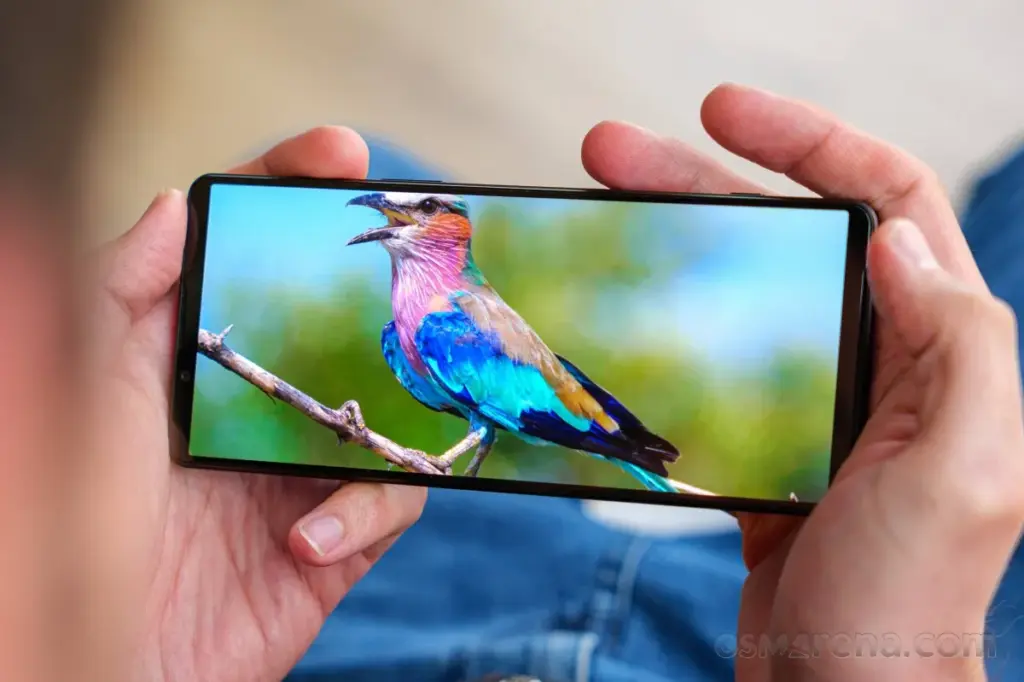
    The Sony Xperia 1 V boasts a 6.5-inch 4K OLED display with a 120 Hz refresh rate and a 21:9 refresh rate, making it one of the only smartphones available with such an absurdly crisp resolution of 643 ppi. The display is typically slimmer and taller than most phones, making it perfect for scrolling through vertical videos or watching widescreen HDR content. Yes, Sony is still making smartphones in 2024, even though it is marketed towards a niche audience of display and camera enthusiasts.

    With a triple camera setup that uses Zeiss optics and Sony’s proprietary S-Cinetone video look, the Xperia 1 V runs on the Snapdragon 8 Gen 2 chipset and has 12GB of RAM and 256GB of storage that can be expanded further using the microSD card slot. All three cameras can record in 4K HDR at 120 frames per second and have the same autofocus technology as Sony’s professional cameras.

    The Xperia 1 V, touted as the ideal media powerhouse, boasts front-facing stereo speakers, a 3.5mm headphone jack that supports Dolby Atmos and LDAC for wireless earphones, and a sleek yet robust in-hand feel thanks to Corning’s Gorilla Glass Victus protection up front. However, the phone’s steep $1,200 price tag must be justified by its impressive display and camera features.

    Google Pixel 8 Pro

    pixel 8 pro display

    The improved display is one of the Google Pixel 8 Pro’s main selling points this time around, as the device still manages to be a great value for $1,000 even after a price increase from last year’s model. The Pixel 8 Pro boasts one of the brightest smartphone displays ever, peaking at 2,400 nits at maximum output thanks to the adoption of an OLED panel. When you combine that with its flat 6.7-inch 120 Hz display, you have yourself a winner.

    The Pixel 8 Pro offers a respectable movie-watching experience even without Dolby Vision thanks to its LTPO technology, which enables the phone to lower its refresh rate to as low as 1 Hz. This helps greatly preserve battery life, especially when using the always-on display. Android 14’s Material You design loves splashing colors throughout the user interface, and they do reflect really well on the HDR10+ certified panel.

    Though not the most powerful, the Tensor G3 chipset powering the phone is efficient and offers a seamless user experience because it has been designed specifically for Pixel devices. Pixels have always been known for their cameras and software, and the 8 Pro takes both of these aspects to new heights. Google’s computational photography has seen even more improvements thanks to the addition of software features. Exclusive Pixel-only goodies include AI-generated wallpapers, background noise remover, and a one-tap magic editor.

    OnePlus Open

    OnePlus Open 1

    Although OnePlus is primarily recognized for its flagship smartphones that offer a good balance between price and performance, its debut in the foldable smartphone market shows just how high-end the brand can go. The $1,500 OnePlus Open, the company’s most expensive phone to date, is still fairly competitive when measured against other phones in the same market.

    Both the 2K displays refresh at 120 Hz and have a ridiculously bright peak brightness of 2,800 nits. The cover display is a 6.31-inch 20:9 panel that can go as low as 10 Hz to save battery. When unfolded, the massive 7.82-inch nearly square display is immersive and surprisingly has the least visible crease in any foldable smartphone. Both panels are Dolby Vision compatible and provide a fantastic HDR viewing experience.

    The OnePlus Open’s fluid display, combined with OxygenOS’s smooth and fluid experience, makes for an unparalleled experience. The phone, in typical OnePlus fashion, is powered by flagship-grade internals, including the Snapdragon 8 Gen 2, 16GB of RAM, and 512GB of UFS 4.0 storage.

    The triple camera setup, optimized in collaboration with Hasselblad, makes the Open an excellent shooter as well. Being foldable unlocks unconventional use cases, such as multitasking with split-screen apps and floating windows.

    Asus ROG Phone 7

    asus rog phone 7 ultimate gaming

    With its ROG series of phones pushing the limits in terms of raw performance, Asus has been at the forefront of the smartphone gaming space. The ROG Phone 7 is no different, sporting one of the fastest displays on any smartphone along with a powerful Snapdragon 8 Gen 2 chip and up to 16GB of RAM. The phone’s robust internals are expected considering its gaming-focused design.

    You can set specific refresh rates for individual games, bypassing any default capped limits. The 6.78-inch 165 Hz AMOLED panel with support for HDR10+ and an impressive peak brightness of up to 1,500 nits provides an experience like no other handset when gaming. Pairing a touch sampling rate of 720 Hz with Asus’ rather bloat-free and stock Android user interface, this phone has perhaps the most fluid experience.

    Unlike most modern slabs of glass and metal, the ROG Phone 7 has a noticeable forehead and chin, preventing mistouches while gaming. This also leaves space for a dual front-facing stereo speaker configuration, allowing for an immersive multimedia experience. The ROG Phone 7’s cooler accessory not only promises better thermal performance but also has a subwoofer, a 3.5mm audio jack, another type-C port, and four tactile remappable buttons. 

    Asus has always placed a high priority on long battery life, and the ROG Phone 7’s 6,000 mAh battery offers remarkable endurance. Passthrough charging is supported, which allows the battery to power the phone without the need for additional charge.

  • For the first time, Asus’ Zenfone series will support wireless charging with Zenfone 10.

    For the first time, Asus’ Zenfone series will support wireless charging with Zenfone 10.

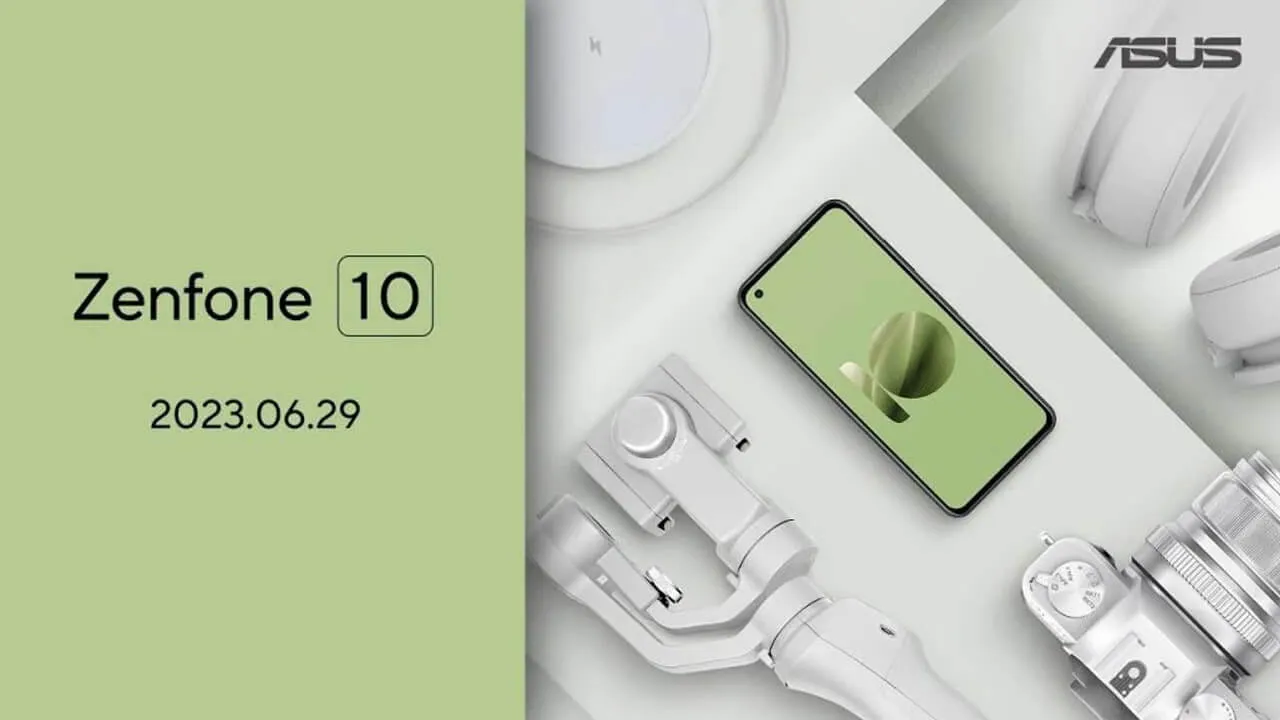
    The Zenfone 10’s official launch date was recently disclosed by Asus. Together with the release date, the Taiwanese company also confirmed a few important details about the little device, including as a 5.9-inch display, a new generation of hybrid stabilization for its camera, and the introduction of wireless charging.

    After the Zenfone 9 broke cover at the end of July in 2022, this year’s flagship Android phone from Asus will be unveiled sooner than anticipated. On the current event page, Asus announced that the Zenfone 10 would launch on June 29 at precisely 10:00 PM in Taiwan (3:00 PM in Berlin) and 9:00 AM in New York. Users can sign up to receive updates and watch the event live online.

    zenfone 98393

    The business has begun to advertise a few of the Zenfone 10’s features as well. According to reports, the little phone would have a 5.9-inch screen with a punch hole in the upper left corner for the selfie camera, similar to the Zenfone 9 that we’ve reviewed. A second-generation 6-axis hybrid stabilization is also connected to the purportedly updated 200 MP primary camera.

    In addition, Asus will debut new hues with the product, such as the pale olive green shown in the illustration below. Shots of the red moon and the night sky were used to obliquely show the other colors, so possibly we are viewing a space-related subject or something similar.

    asus zenfone 10

    Wireless charging with Zenfone 10

    The way the Zenfone 10 will accept wireless charging is intriguing. In contrast, its predecessor glaringly lacked this functionality. What the speed rating is and whether reverse wireless charging will be available are still unknown.

    The Snapdragon 8 Gen 2 SoC, which is a noticeable improvement over the Snapdragon 8 Gen 1 in terms of efficiency and performance, will be in charge of the device’s chipset selection. With this, it is expected that the Zenfone 10 will experience an increase in battery life.

  • Review – Asus ROG Phone 6 Pro – best gaming phone of the year (most expensive too)

    Review – Asus ROG Phone 6 Pro – best gaming phone of the year (most expensive too)

    Every year it appears as though Asus has regained its position as the ruler of gaming smartphones, and this year is no different. The flagship ROG Phone 6 Pro for gamers offers the best mobile gaming experience, but it also costs €1,299 (about $1,300 with taxes in the States). Is this astronomical price justified? In this comprehensive examination of the Asus ROG Phone 6 Pro, I offer you my assessment.

    On July 5, 2022, the Asus ROG Phone 6 Pro was introduced in France, and pre-orders for the device began on August 1. It is available in a single 18/512 GB version that costs about $1,300 (plus taxes, of course).

    We concur that your wallet will suffer as a result. With the same storage, it is less expensive than the Samsung Galaxy S22 Ultra ($1,400) and the iPhone 13 Pro Max ($1,690).

    I don’t think it’s wise to get a smartphone that pricey and specialized. On the other hand, the ROG Phone 6 Pro unquestionably provides the industry’s greatest gaming experience in 2022. And when you take into account that many of its features and advantages are present on the entry-level ROG Phone 6, which begins at

    Design

    Asus ROG phone 6 pro back

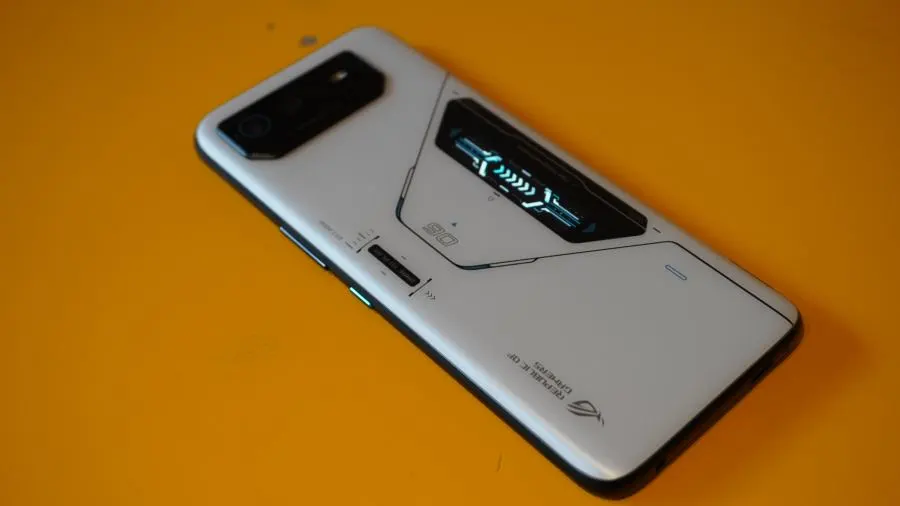
    The Asus ROG Phone 6 Pro has a futuristic design evoking the fuselage of a spaceship. It features backlit LEDs as well as a small PMOLED add-on display on the back.

    Pro:

    • Great Storm White color scheme with matte finish.
    • The small screen ROG Vision is a nice gimmick.
    • 3.5 mm jack and finally an IPX4 rating.
    • The haptic triggers are always so responsive.

    Cons:

    • Massive form factor and bulky weight.
    • No microSD port.

    Storm White is the only shade of white available for the Asus ROG Phone 6 Pro. Black and light blue metallic screen prints contrast with the matte glass surface, which is very pleasant to the touch. The words “Dare to play” are written on a small backlit LED that is located on the rear. The tiny ROG Vision PMOLED display, which is located directly beneath, shows 60 contextual animations (time, notifications, etc). It’s gimmicky, but cool nonetheless, and that’s all that counts.

    You can of course disable all of this to preserve your battery. The camera module is slightly off-center on the left but remains centered enough while not sticking out too much to prevent the smartphone from feeling wobbly when laid flat. The screen of the ROG Phone 6 Pro is quite flat with 2.5D edges and the grip is frankly good despite its massive dimensions of 173 x 77 x 10.3 mm and its weight of 239 g.

    asus rog pro side

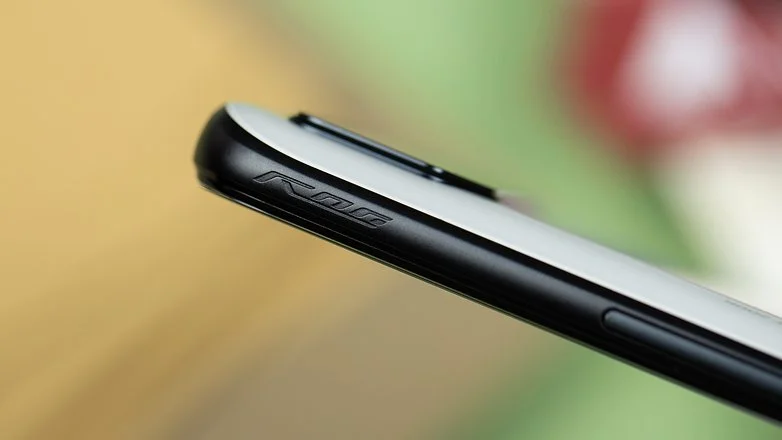
    The ROG Phone 6 Pro boasts an IPX4 grade for water and dust protection for the first time. A 3.5 mm jack is also included, which is always a delight. To increase the storage, however, there is no microSD connector. The Corning Gorilla Glass Victus on the front and Gorilla Glass 3 on the rear of the ROG Phone 6 Pro provide protection.

    Asus is also one of the few manufacturers that understands that a USB-C cable is the enemy of mobile gamers because it hinders the grip when holding the smartphone in landscape mode. That’s why the manufacturer offers two USB-C ports, one on the bottom cross slice (USB 2.0) and one on the left side slice, at the bottom in landscape mode (USB 3.1).

    Finally, we find the classic haptic triggers (called Air Triggers) that are still as responsive and offer more possibilities for your touch controls.

    Screen

    he Asus ROG Phone 6 Pro packs a 6.78-inch Amoled display with a Full HD+ resolution of 2400 x 1080p with a variable refresh rate of up to 165 Hz, a touch sampling rate of 720 Hz and a maximum brightness of 1200 nits.

    rog screen

    Pro:

    • The refresh rate goes up to 165 Hz.
    • Colorimetry well calibrated by default.
    • Response time of 1 ms and touch latency of 23 ms.

    Cons:

    • The refresh rate not adaptive enough.
    • The 720 Hz touch sampling rate is a bit weak compared to some competitors.

    The ROG Phone 6 Pro’s Amoled screen is ideal for gaming and multimedia use. To the unaided eye, the standard colorimetry is extremely accurate. The display has a 1ms response time (the time it takes for a pixel to change color) and a very low touch latency of 23ms. It is also HDR 10+ certified. This delay, when coupled with the 720Hz touch sampling rate, enables extremely responsive touch controls.

    image

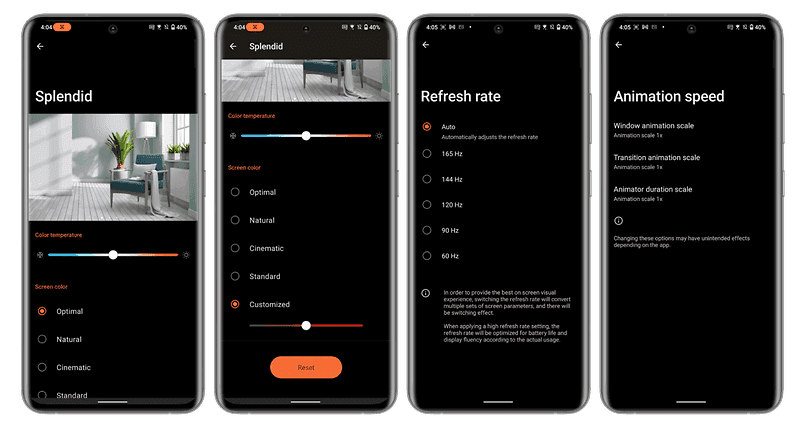
    The refresh rate is adaptive, but Asus has not integrated the LTPO 2.0 technology. So it doesn’t vary much according to the different usage scenarios you can subject it to. By default, I was stuck at 120 Hz in the interface, even when I wasn’t touching the screen. On YouTube, I never went above 60 Hz, no matter what the framerate of the video in question was. And in games, I had to activate the X mode to go from 120 to 144 Hz.

    By the way, oddly enough, I could only force the settings to 165 Hz by turning off auto refresh rate. Stranger still, when I turned on the X mode, which is supposed to improve performance, I automatically dropped back to 144 Hz.

    In fact, Asus seems to voluntarily block the refresh rate at 144 Hz with the X mode. Maybe the manufacturer thinks that 165 Hz is not very useful since no game runs at 165 FPS and it is better to keep performance to allocate to other tasks. But this is quite counterintuitive.

    UI – based on Android 12 and X mode

    The Asus ROG Phone 6 Pro runs on the ROG UI overlay, a gaming version of ZenUI, Asus’ Android 12-based interface, and the manufacturer promises a fairly limited update policy.

    Pro:

    • ZenUI and ROG UI are lightweight Android interfaces.
    • Android 12 features are well implemented.
    • The Armoury Crate menu is as complete as ever.
    • The ability to switch between ROG UI (gaming design) and ZenUI (more sober design) very easily.

    Cons:

    • The too limited update policy.
    • Some bloatware (Facebook, Instagram, Messenger, Netflix).
    Asus ROG UI android 12

    The ROG UI is a customized and gaming-oriented version of ZenUI, Asus’ overlay based on Android 12. This interface is basically very light and close to stock Android. Asus has implemented the dynamic themes of Android 12 as well as the Privacy Dashboard.

    And, apart from a few typically gaming stylistic effects on the icons and wallpapers, ROG UI does not push the envelope too far and remains quite sober.

    Asus also offers a very basic update policy, guaranteeing only two major Android versions and at least two years of security updates.

    The highlight of ROG UI is still the Armoury Crate menu, which allows you to manage the different performance modes: X mode, balanced mode and ultra durable mode. The X mode is the one that allows you to boost all the performance to concentrate the computing power of the CPU and GPU, the allocation of RAM, and your network to the game.

    Asus ROG 6 pro armoury crate menu

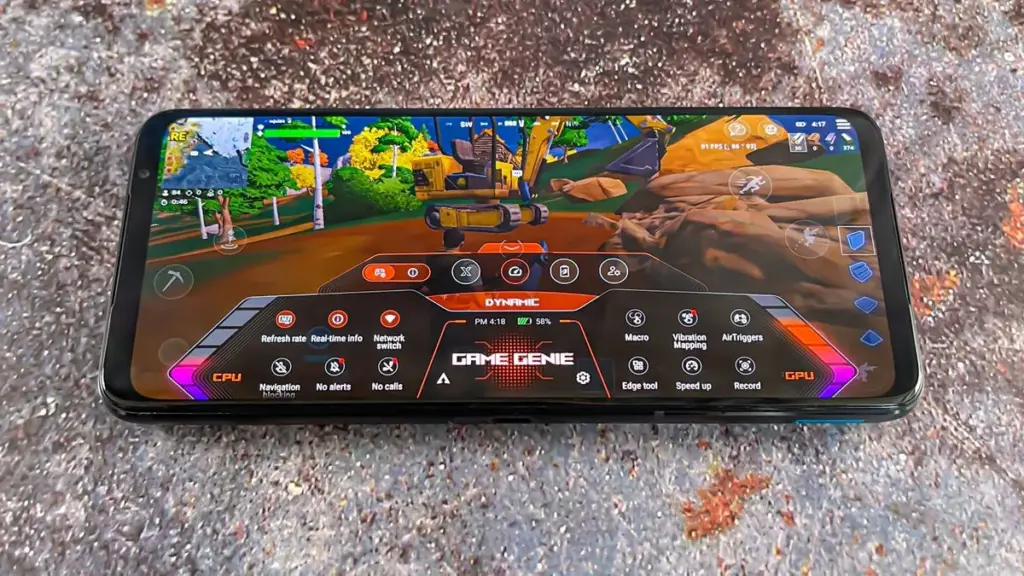
    The Game Genie pop-up pane lets you control the refresh rate, enable haptics, control the strength of the external fan, and display specific information like the phone’s temperature or framerate in real time. It also lets you rapidly access many in-game settings.

    Nothing very groundbreaking, but this menu is still pretty comprehensive. And the ability to separately create presets for each of your games is really nice. Additionally, you may turn on several filters and features to enhance graphics and, in particular, alter the thermal throttling threshold to push the smartphone as far as you want.

    Asus really wants to give the user a level of control and performance customization that comes close, admittedly, to what you can do on a PC. And I think that’s great.

    Performance

    The Qualcomm Snapdragon 8+ Gen 1 SoC and Adreno 730 GPU, along with 512GB of UFS 3.1 storage and 18GB of LPDDR5 RAM, power the Asus ROG Phone 6 Pro. Additionally, Asus updated its GameCool cooling system.

    Pro:

    • X mode really works and really boosts performance.
    • Zero overheating in real use.
    • The hyperefficient external fan.

    Cons:

    • Overheating on a 20-minute benchmark with X mode enabled.

    Since the ROG Phone 6 Pro is among the first smartphones to be released in Europe with the premium Snapdragon 8+ Gen 1 SoC, some benchmarks will naturally take some time to adjust. Because of this, 3D Mark’s results on the Wild Life benchmark, which simulates one minute of intensive use, weren’t very informative. The ROG Phone 6 Pro was merely flagged as being overly powerful by 3D Mark at the end of the test, despite the fact that the smartphone did not at all overheat.

    However, what is intriguing are the outcomes with the well-known X mode, which improves performance. On the 3D Mark Wild Life Stress Test benchmark, this was accurate (simulating intense gaming use for 20 minutes). A considerable improvement in raw performance is visible. However, the smartphone was actually on fire.
    However, the smartphone maintained its steadiness, hovering about 70%. To put it another way, the X mode only lowers the point at which the smartphone will begin thermal throttling. There is little to no throttling present if the smartphone heats up yet the framerate stays constant.

    In real-world use, you will be able to run your games without any graphic concession. Even Apex Legends Mobile, a game that is not 100% optimized, runs full speed at 60 FPS with graphics and framerate at maximum. I didn’t experience any slowdowns and above all, no overheating in real conditions, even when I left the X mode on for several hours.

    I’ve put a short excerpt of gameplay for you to see. This demonstration of my talent was recorded in 1080p at 120 FPS (the screen recorder settings do not allow more).

    Camera

    The Asus ROG Phone 6 Pro features a triple camera module on the back, with the well-known Sony IMX766 sensor for the main 50 MP lens, a 13 MP ultra-wide angle lens and a 5 MP macro lens. As for the selfie camera, it offers a 12 MP resolution.

    ASUS ROG Phone 6 Pro 2 Cleaned Watermarked 1024x768 1

    Pro:

    • The Sony IMX766 which has proven itself both day and night.
    • The light photo processing and the natural colorimetry.

    Cons:

    • Exactly the same ultrawide angle and macro lenses as the ROG Phone 5.
    • No dedicated telephoto lens, digital zoom too limited.
    • Average selfies.

    I’m really going to skim over the photo part because Asus has absolutely not messed around this year. It’s exactly the same photo module as on last year’s ROG Phone 5.

    It has proven itself and offers a very good level of detail overall, with shots rich in sharpness—a good dynamic range in short—I feel like I wrote the same thing in 5 other different tests.

    The ultrawide angle images are a little underwhelming because they lack detail and are quite bland. It should come as no surprise that the digital zoom is constrained after the magnification multiplier reaches x2. The macro sensor, too? It is a macro sensor, I suppose. I don’t really care if I have 2 or 5 MP.

    Overall, I think Asus’ software processing is pretty minimal, which results in a colorimetry that feels quite natural. However, occasionally, when there isn’t enough light, the images can be a little too plain for my tastes. Simply said, I have zero enthusiasm for this photo module. And I recognize that a gamer may not necessarily be searching for an advanced photo smartphone.

    But the photo remains one, or maybe THE, essential purchase criteria for many users. It’s a shame to see Asus neglect this part when you know that with the computing power of the ROG Phone 6 Pro, there would be plenty to do.

    In video, the ROG Phone 6 Pro can record up to 8K at 24 FPS with its main rear lens. The ultrawide angle is limited to 4K at 30 FPS maximum. As for the selfie camera, it can produce videos in 1080p at 60 FPS. I’ll leave you the clips below to get an idea.

    Battery

    A 6000 mAh battery on the ROG Phone 6 Pro enables 67 watts of wireless charging. There you have it, and it is more than enough.

    The dual-cell battery in the ROG Phone 6 Pro charges utilizing the MMT (mid-mid-top) protocol. In essence, the cells don’t charge linearly from one end to the other; instead, they charge from the centre to the ends. Most manufacturers have perfected this technique.

    Pro:

    • Big ass 6000 mAh double cell
    • 67W fast charging does the job
    • Excellent battery life
    • USB-C charger included in the box

    Cons:

    On our PC Mark benchmark with the display set to an auto refresh rate and brightness set to 200 nits, the ROG Phone 6 Pro took 19:17 to drop below 20% remaining battery life. That’s an excellent score. Personally, I consider that a battery life is very good from 15 to 16 hours minimum. Here, the ROG Phone 6 Pro does very well when you consider that it powers a very greedy SoC, a large 6.78-inch AMOLED screen and all the LEDs as well as its auxiliary screen.

    With a wattage of 67 watts, quick charging is more conventional. The bundled USB-C charger has the advantage of working with Qualcomm’s Quick Charge 5 standard as well as USB PD 3.0 and PPS. It works with the majority of your gadgets.

    The ROG Phone 6 Pro, on the other hand, does not support wireless or reverse wireless charging. I was able to charge this large 6000 mAh battery completely in less than 45 minutes overall. And in any case, the ROG Phone 6 Pro’s edge-mounted USB-C connector enables you to play peacefully by connecting it to the power source without being bothered by the


    So if the ROG Phone 6 Pro seduced you after this test but, like me, you are not ready to drop $1,300 dollars, then go for the ROG Phone 6. And if you can afford it, if you’re blowing your nose in 100’s of dollars, then PLEASE buy the ROG Phone 6 Pro, the best gaming smartphone of the year.

  • Stable Android 12 update for the ROG Phone 5 and ROG Phone 5S are live

    Stable Android 12 update for the ROG Phone 5 and ROG Phone 5S are live

    Following the release of a solid Android 12 update for the ZenFone 8 in December, ASUS is now bringing Android 12 update to two more of its phones: the ROG Phone 5 and ROG Phone 5S. ASUS has previously stated that both phones would be updated to Android 12 in Q1 2022, and the firm is following through on that promise.

    ASUS has begun pushing out a stable Android 12 upgrade to the ROG Phone 5 and ROG Phone 5S, according to announcements on ZenTalk forums. All of Android 12’s notable features are included, including a revised Quick Settings panel and volume selector, Privacy Dashboard, camera, microphone, and location indications, and redesigned home screen widgets.

    On top of that, users can also look forward to ASUS’s own additions, such as a redesigned ROG UI, revamped system apps, improved One-handed mode, new splash screen animations, a dual control feature for AirTriggers, and more.

    asus rog phone  android update

    Download Android 12 stable update

    The Android 12 update for the ROG Phone 5 carries software version 31.0810.1226.57 and weighs around 3.4GB. M

    The Android 12 update for the ROG Phone 5 carries software version 31.0810.1226.57 and weighs around 3.4GB. Meanwhile, the ROG Phone 5S update bumps the software version to 31.0810.1226.57. The automatic OTA rollout has already started. If you want to skip the queue, ASUS has also provided direct download links to help you manually install the update.

    Download Android 12 update for the ROG Phone 5

    Download Android 12 update for ROG Phone 5S

    The official update changelog is as follows:

    • Please back up your data before upgrading to Android 12. If you want to downgrade the software version to Android 11 using the official software package, it will erase all data from your device.
    • Upgraded system to Android 12
    • Introduced new ROG UI design
    • Revamped Mobile Manager, Contacts, Phone, File Manager, Calculator, Clock, Gallery, Weather, Sound recorder, Settings, Data Transfer, Local backup, Setup wizard and System update apps
    • Merge Wi-Fi and mobile network settings to Internet settings
    • Added extra dim setting, the Drones of Detection theme pack, and AirTriggers’ dual control feature
    • Adjusted Quick Settings panel, notification tray, and volume panel to Android 12 design
    • Adjusted the Classic style of the power menu to match Android 12 design. Separated device control and Wallet to independent pages.
    • Added the Shortcut option in the Security & lock screen settings menu
    • Added privacy dashboard, camera and microphone indicators, show clipboard access, approximate location access, and microphone access features
    • Replaced ASUS Safeguard with Android 12 Emergency SOS
    • One-handed mode integrates Android 12 design and supports more options.
    • Removed search option in OptiFlex setting
    • Introduced a new widget page design in Launcher. Adjusted the position of the screenshot option and removed the hotseat app icons in the Overview page.
    • Added the Swipe to invoke assistant option to Gesture settings
    • Removed the Quick Settings layout option from Display settings
    • Added splash screen animations when launching apps
    • ASUS Phone removed SIP calling support as Android 12 does not natively support SIP calling
    • Added the “Draw overlay permission request” dialog when launching Game Genie for the first time
    • Removed the function of swiping up from any position of Launcher, holding, and releasing to enter the Overview page when using gesture navigation
    • Added the function of going back to the main screen in Launcher by swiping up from the bottom when using gesture navigation
    • Added the “Convert videos to AVC” option in the USB preferences page
    • Some third party apps are not compatible with Android 12 yet
    • Modified the color of the icons in the 1st-layer Settings to Android 12 black and white design

    Did you update?

  • Amazing – Unofficial Android 11 Custom ROM are here

    Amazing – Unofficial Android 11 Custom ROM are here

    Android 11 custom ROM

    As you might well be aware by now, Android 11 ‘s stable version has now been released to the public. Google’s Pixel phone series and a handful of Xiaomi devices have entered the upgrade train so far, while official beta builds are available for the OnePlus 8 lineup, the Samsung Galaxy S20 series, and many other smartphones from various OEM’s.

    The source code for the newest Android version is also available on AOSP, which is undeniably a critical ingredient for compiling custom ROMs based on Android 11. In reality, the Redmi K20 Pro / Xiaomi Mi 9 T Pro has already been given a fairly functional AOSP 11 ROM for vanilla.

    Now, more Android 10 custom ROMs have begun popping up in our forums for devices like the Xiaomi POCO F1, OnePlus 5/5T, Essential Phone, and the ASUS ZenFone Max Pro M1; and we expect even more to come along the way in the coming weeks. We’ll add and update this list with some of the first set of Android 11 builds and custom ROMs for a wide range of devices!

    Android 11 Custom ROMs from XDA:

    1. ASUS:
      1. ASUS ZenFone Max Pro M1
    2. Essential
      1. Essential Phone
    3. Lenovo:
      1. Lenovo Z6 Pro
    4. Motorola
      1. Moto G7 Power
    5. Nokia:
      1. Nokia 6.1 Plus
    6. OnePlus:
      1. OnePlus 5 and OnePlus 5T
      2. OnePlus 6
    7. Xiaomi:
      1. POCO F1
      2. Redmi Note 9S/9 Pro India, Redmi Note 9 Pro Max, and POCO M2 Pro
      3. Xiaomi Mi A2
      4. Xiaomi Mi 8
      5. Redmi K20 Pro/Mi 9T Pro
      6. Redmi Note 8 and Redmi Note 8T
      7. Redmi Note 5/Redmi Note 5 Pro

    Android 11 Google Apps

    Apart from the above mentioned ROMs, we will see a lot of custom Android 11 builds released in the weeks to come. Not all custom ROMs ship with Google apps pre-installed though. If you’re looking for an acceptable delivery of GApps, then you’ll be pleased to know that Nikhil, XDA Senior Member, has stepped up and launched an updated version of the NikGapps kit.

    The SetupWizard module within this Gapps distribution is known to be problematic, but you can remedy this by skipping the module using nikgapps.config or flashing the variant without SetupWizard.

  • Asus ROG Phone 3 renders land just ahead of next week’s announcement

    Asus ROG Phone 3 renders land just ahead of next week’s announcement

    With the ROG Phone 3 set to be revealed in less than a week, the pace of leaks is not surprising to pick up. Our new look at the forthcoming gaming phone from ASUS came with the help of 91mobiles and renowned leaker Ishan Agarwal, showing off images of the phone’s back and sides.

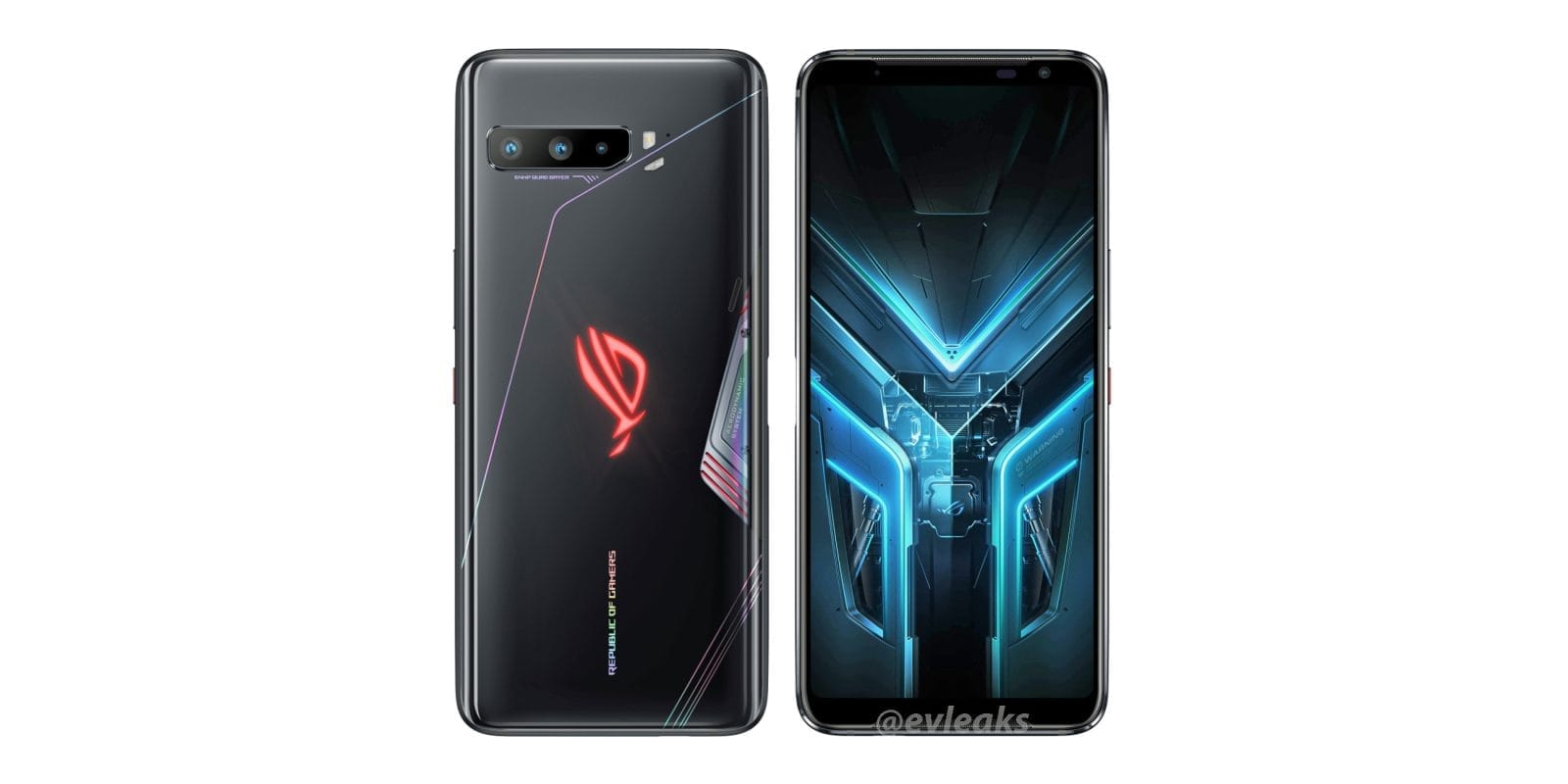
    This make a little more stunning than the previous images that leaked courtesy from the Chinese regulatory agency TENAA and corroborate what we saw from MySmartPrice later on. The triple-camera setup on the back is clearly visible, along with what looks like a flashing emblem from the Republic of Gamers, and what we presume is a vent for the phones that are supposed to be active cooling — but if history is any indication, it may actually do nothing.

    asus rog phone 3

    One side of the phone looks like it has the same kind of weird dual USB Type-C port sported by the previous ROG Phone 2. The opposite side has the power and volume controls planned, as well as the markings we would presume indicate the position of the capacitive Air Triggers. Also clearly visible are stereo front-facing speakers, flanking the sides of the screen, plus a front-faced camera.

    At just under a week left until the awaited announcement on July 22nd, we don’t have to wait long before we hear more.