Category: OS

In‑depth coverage of any OS, new features, privacy tools and ecosystem changes to keep your devices current and secure.

  • Xiaomi expands Android 16 rollout with HyperOS 3.0 update

    Xiaomi expands Android 16 rollout with HyperOS 3.0 update

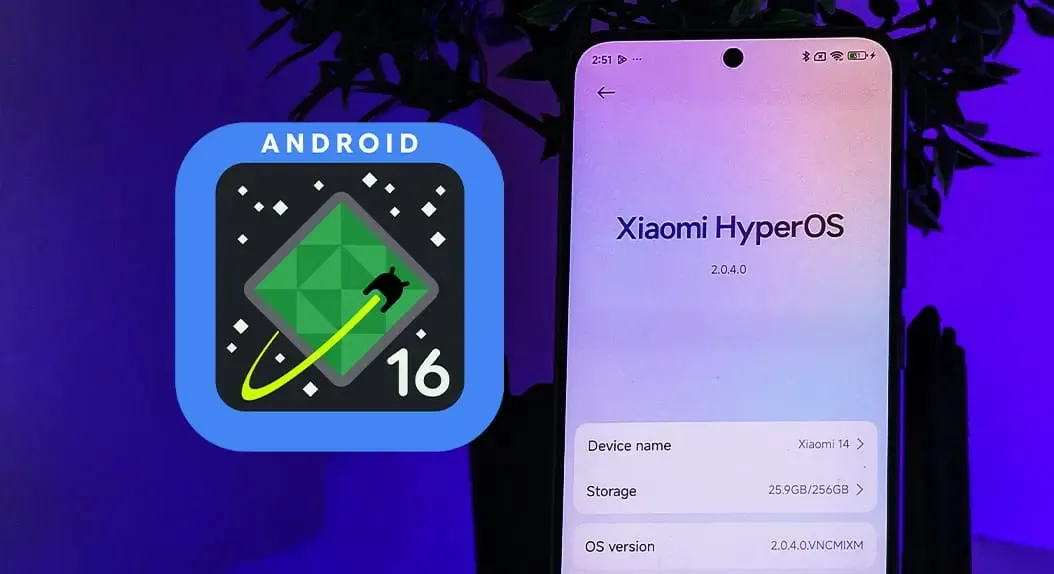
    One of the Android oems speeding up the release of Android 16 is Xiaomi with HyperOS 3.0 skin. The company has now disclosed the whole list of smartphones and tablets that will receive the significant OS update, including Redmi and Poco models, in response to last month’s introduction of HyperOS 3.0, which is based on Android 16.

    The Xiaomi 17 Pro was the company’s flagship smartphone when it introduced a number of others last week. However, we also discovered more fascinating information regarding the HyperOS 3.0 deployment, in addition to the new hardware portfolio.

    First devices to receive HyperOS 3.0

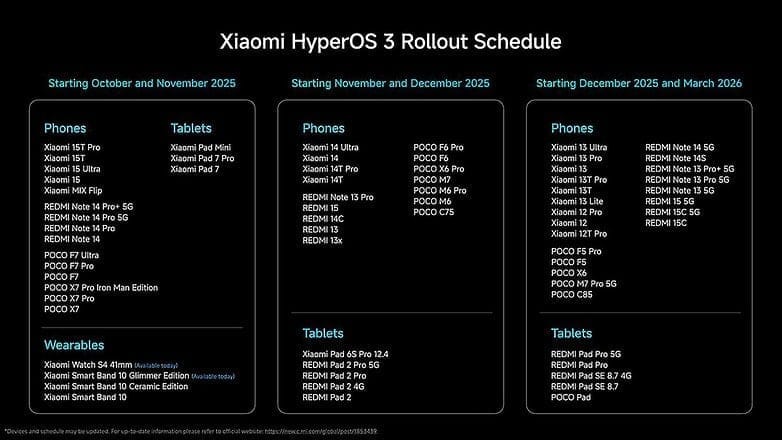
    A limited number of smartphones, including the recently revealed Xiaomi 15T series, the flagship Xiaomi 15 (Pro) and 15 Ultra, and mid-range models like the Redmi Note 14 Pro, Poco X7, and Poco F7 (Ultra review), will start receiving HyperOS 3.0 in October. The Xiaomi Pad 7 and Pad Mini will be the first tablets to be supported.
    Xiaomi expands Android 16 rollout with HyperOS 3.0 update

    The update has already begun to roll out for wearables, including the Xiaomi Watch S4 and the Smart Band 10 Glimmer Edition. Although a precise date has not yet been determined, this will eventually extend to the Smart Band 10 Ceramic and regular variants.

    Another batch for November and December

    In November and December, HyperOS 3.0 will be released for additional devices. These consist of the Redmi Note 13, Redmi 13, Redmi 14C, Redmi 15 4G, Redmi Pad 2, and Xiaomi 14 Ultra. The Poco F6 Pro, Poco X6 Pro, Poco M6 Pro, and Poco M7 are also categorized under the Poco sub-brand.

    The rest of the flagship, mid-range, and low-cost smartphones will be released between December and March. These consist of the Xiaomi 13T series, Xiaomi 12T Pro, Xiaomi 13 Lite, and Xiaomi 12. This release window also includes the Redmi Note 14, Note 13, Redmi 15 5G, and Redmi 15C.

    Not receiving HyperOS 3.0

    The basic Xiaomi 12T was released alongside the 12T Pro, thus it’s still unknown why it’s not included. The Redmi 12 and Redmi 12 Pro, which have reached the end of their main OS update support but will still receive security updates for another year, are a more noteworthy omission.

    What’s new in HyperOS 3.0
    What’s new in HyperOS 3.0

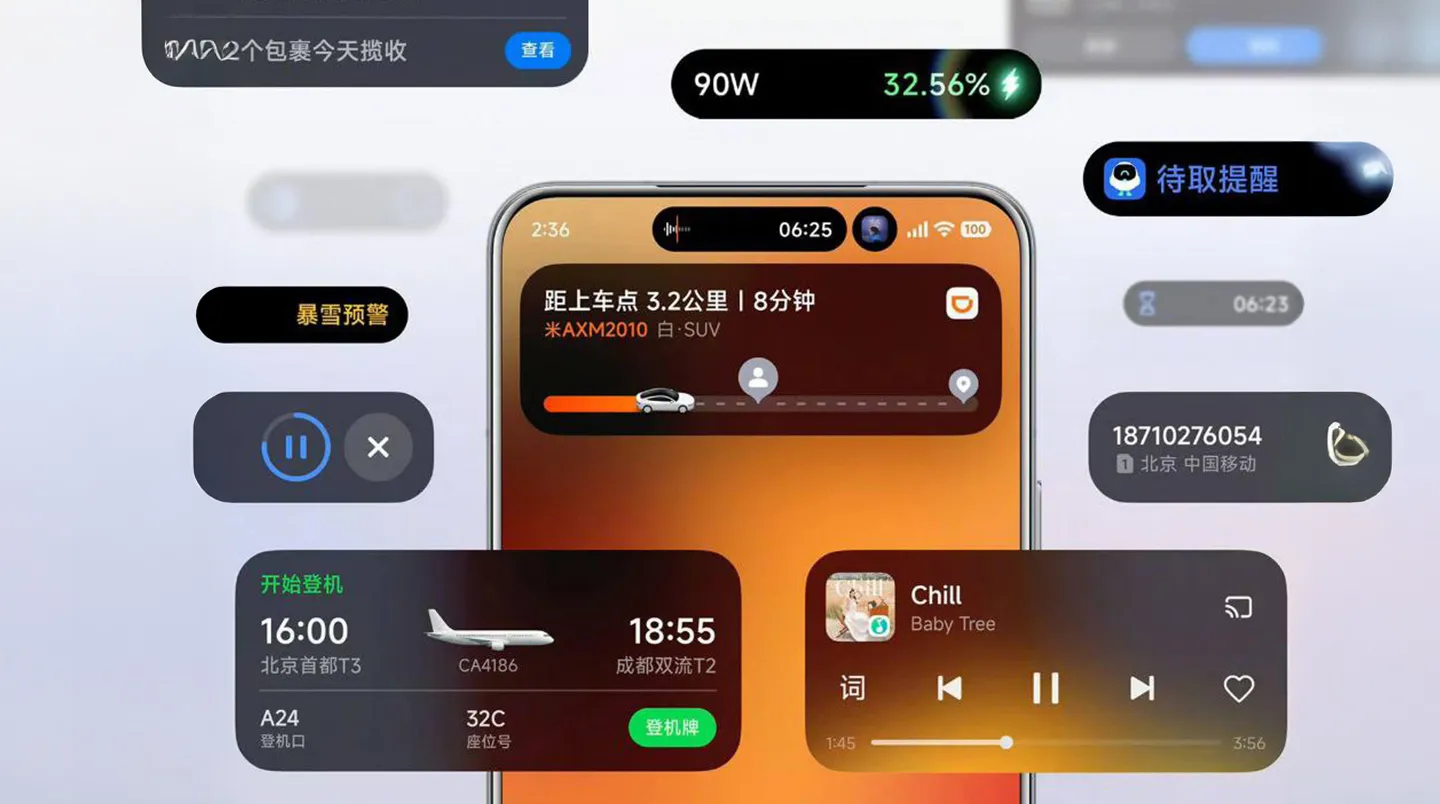
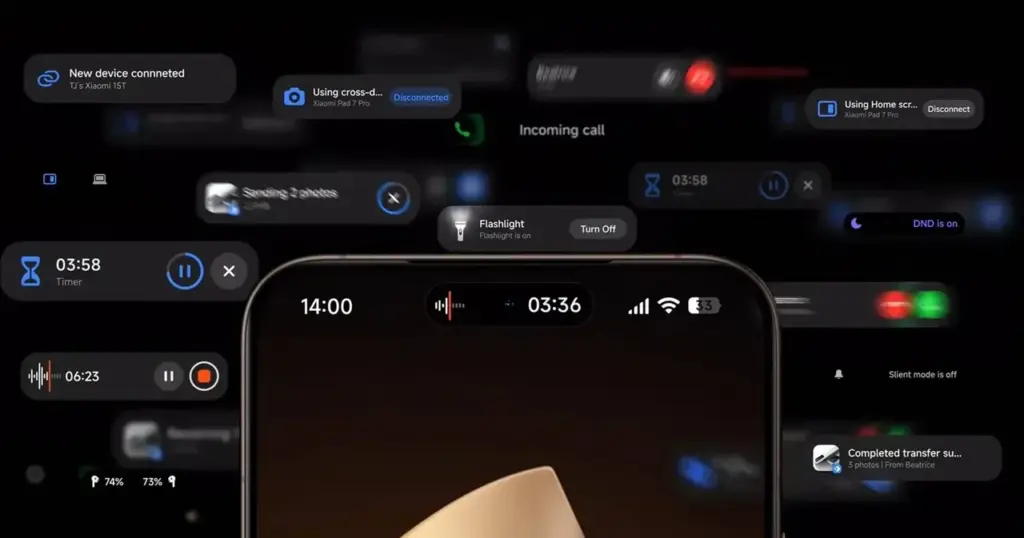
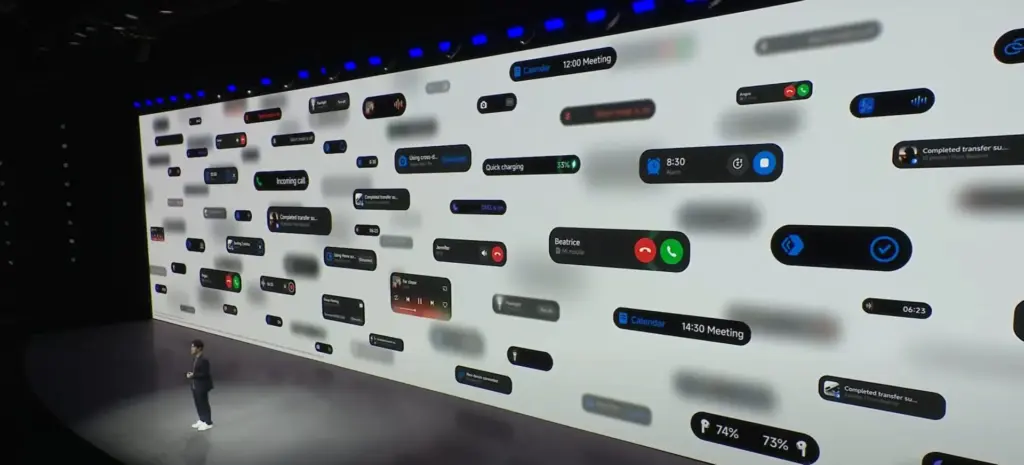
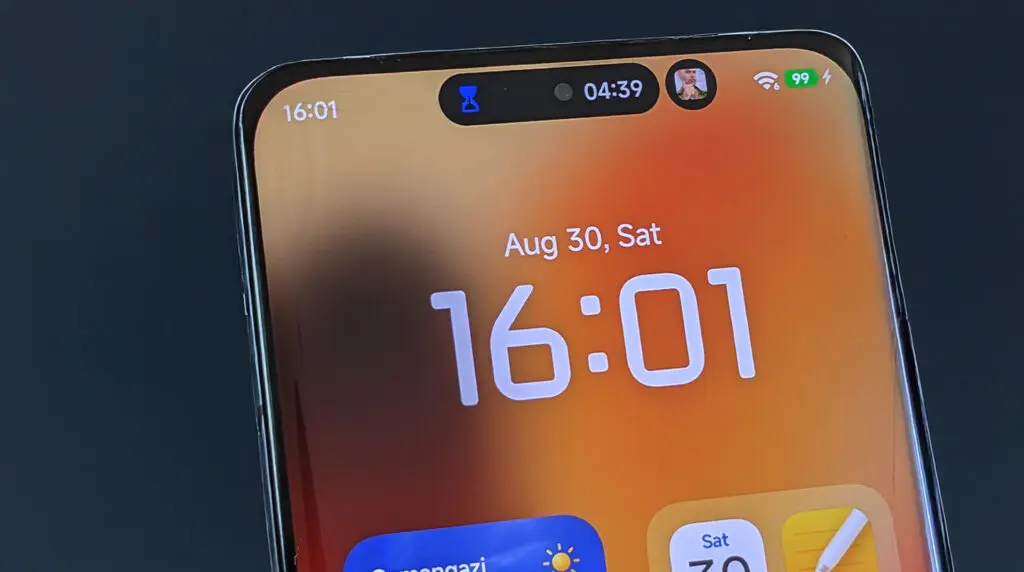
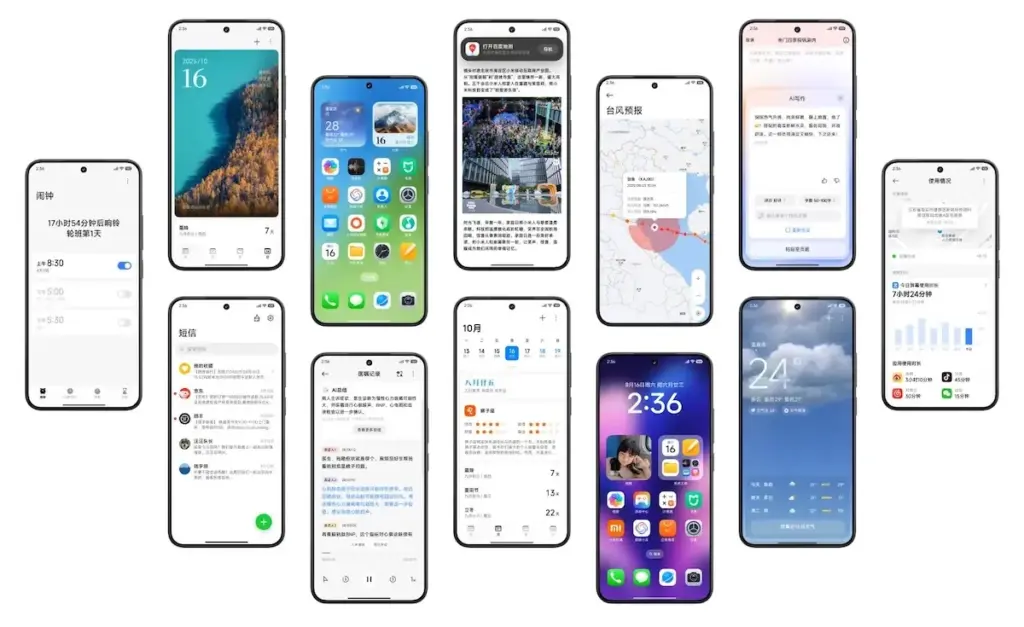
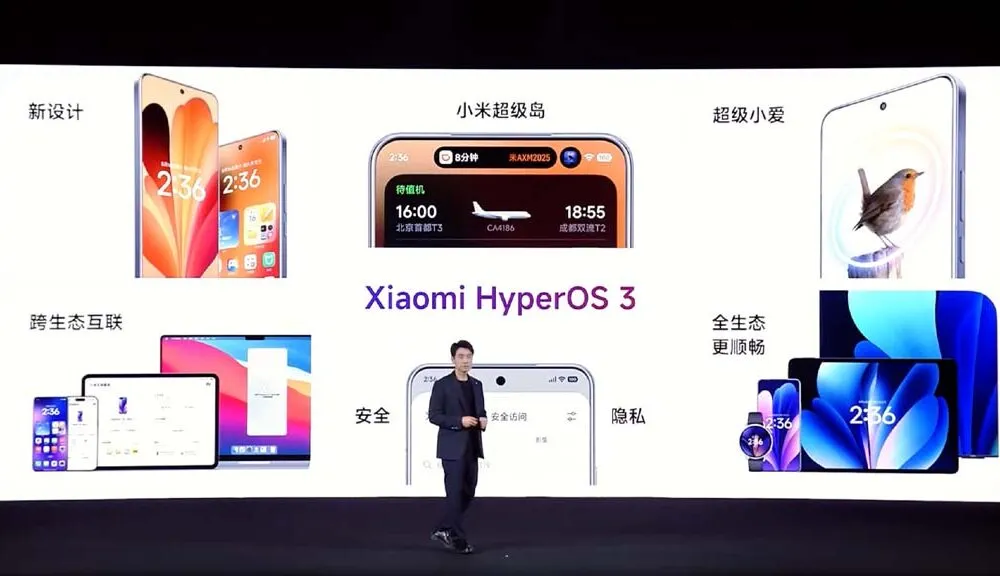
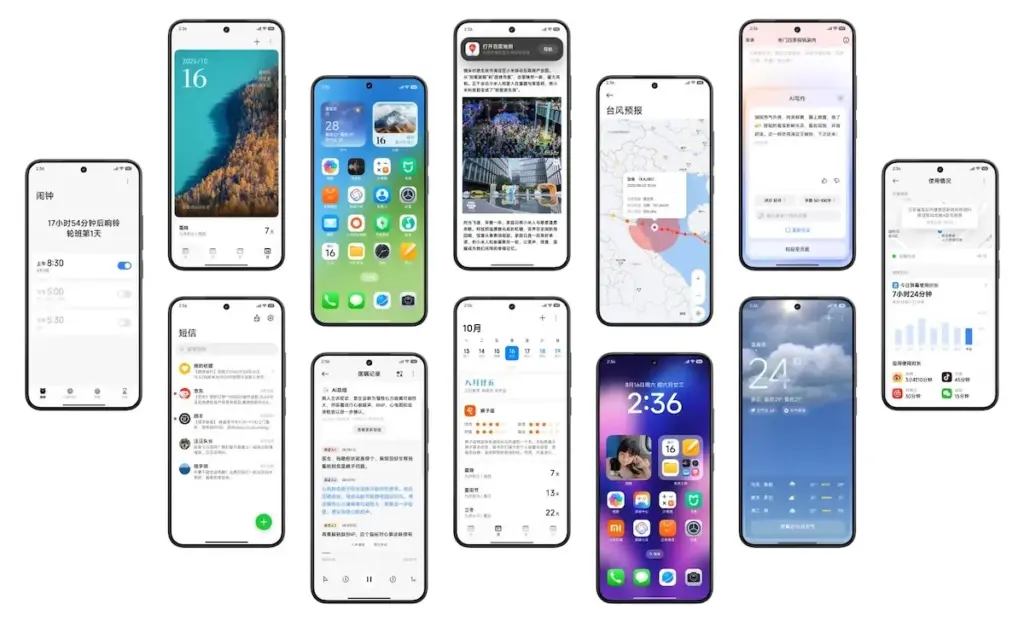
    Performance and visual design have undergone significant upgrades in HyperOS 3.0. Super Island, Xiaomi’s version of Apple’s Dynamic Island, is introduced in the user interface. It allows for dynamic and real-time content overlays surrounding the punch-hole camera. AI-generated options for new background and lock screen styles are also included.

    According to Xiaomi, HyperOS 3.0 offers performance gains of up to 30%. Ultra-low latency and pressure-sensitive pens and styluses are becoming more compatible with large-screen devices, such as tablets.

    With capabilities like HyperAI Writing, real-time transcription, and subtitle production, AI improvements are also a top priority.
  • HyperOS 3 beta now available on 12 additional Xiaomi and Redmi models

    HyperOS 3 beta now available on 12 additional Xiaomi and Redmi models

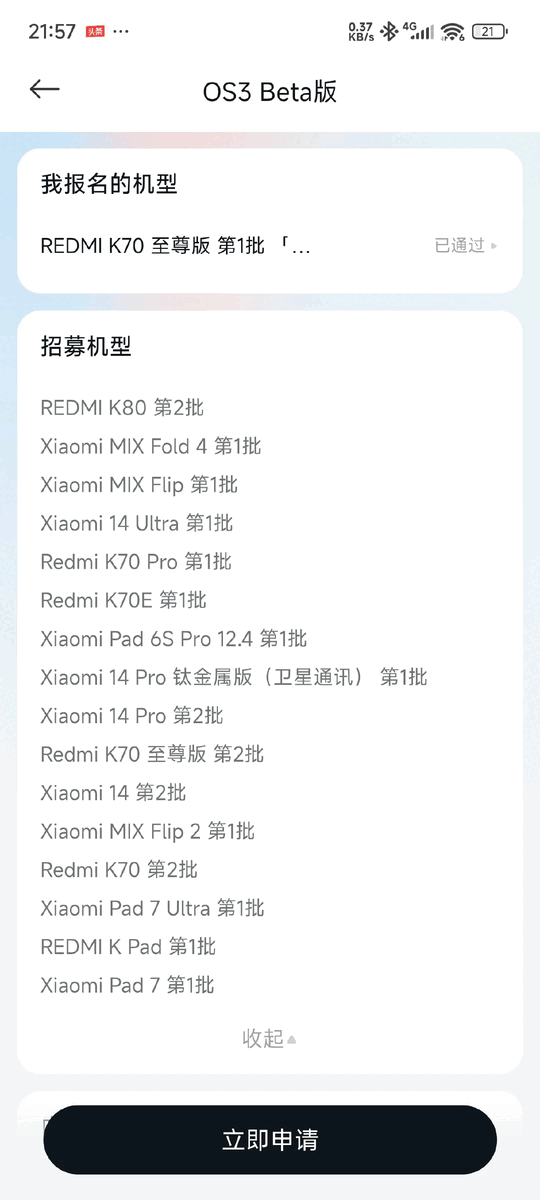
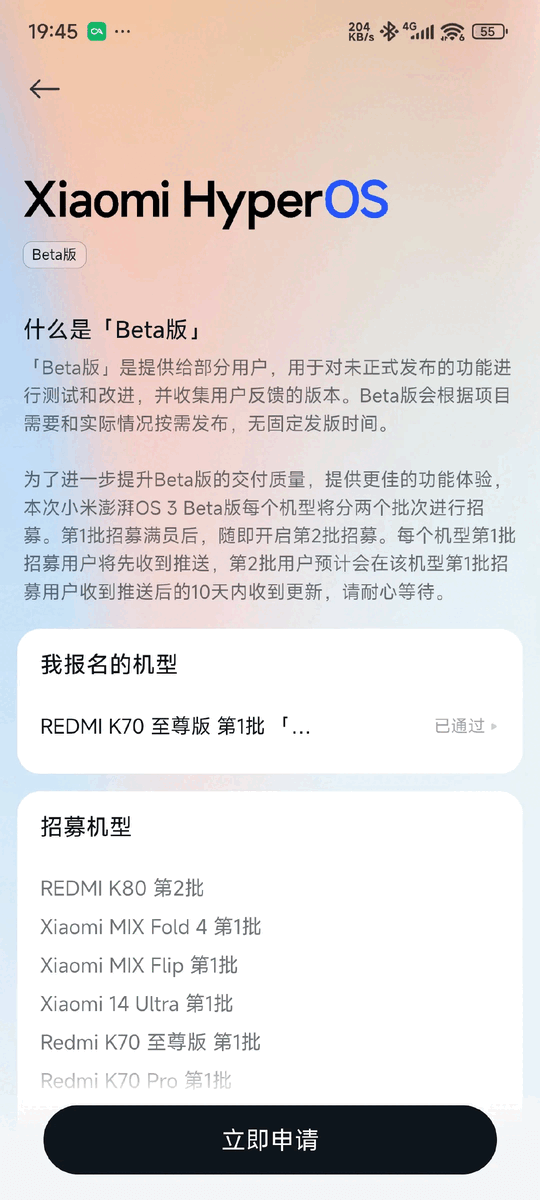
    The Xiaomi 14 series, MIX Flip, MIX Fold 4, and Redmi K70 range are among the additional smartphones that Xiaomi is releasing HyperOS 3 for. Owners of these phones can now receive an early sample of the Android 16-based upgrade before the stable release occurs later this year, while testing is still ongoing.

    A new batch of Xiaomi and Redmi smartphones have been added to the HyperOS 3 beta program, which enables a small group of customers to test drive the company’s latest software prior to its general release. Owners of the Xiaomi 14 series, MIX Flip, Redmi K70 lineup, and Xiaomi Pad 6S Pro are being invited to participate in the most recent round. They will have the opportunity to test an early build of HyperOS 3, which is based on Android 16, and assist the software team in resolving any significant bugs or issues before the scheduled stable rollout.

    The list of gadgets receiving the most recent wave of the HyperOS 3 beta:

    • Xiaomi MIX Fold 4
    • Xiaomi MIX Flip
    • Xiaomi 14 Ultra
    • Xiaomi 14 Ultra Titanium Edition
    • Xiaomi 14 Pro 
    • Xiaomi 14 Pro Titanium Edition
    • Xiaomi 14
    • Redmi K70 Pro
    • Redmi K70 Ultra
    • Redmi K70 (sold internationally as the POCO F6 Pro)
    • Redmi K70E (sold internationally as the POCO X6 Pro)
    • Xiaomi Pad 6S Pro 12.4

    Although the closed beta is now only available for Chinese models, international versions will soon follow. A broader deployment appears inevitable, as Xiaomi has already begun similar beta tests for international models such as the Xiaomi 14 Ultra, Xiaomi 14T, POCO F7, Redmi 15C, and POCO C85.

    csm HyperOS 3 Chinese beta 83208f7bb5

    To obtain HyperOS 3, you must apply for a position in the program through the Xiaomi Community app if you possess any of the devices mentioned above that have a China ROM. For every device, two groups of testers will be hired; testers in the first batch will have instant access to the update, while testers in the second batch may have to wait up to ten days. Before beginning, make sure you have a complete backup of your device and have read the instructions.

    csm HyperOS beta 3 China 1 f7f5b85a0e

    HyperOS 3 global rollout confirmed for November-December

    The Chinese Xiaomi 14 series, MIX Fold 4, MIX Flip, and Redmi K70 devices are expected to receive the stable HyperOS 3 update in November. Global variants such as the Xiaomi 14 series, the Xiaomi Pad 6S Pro 12.4, the POCO F6 Pro (a rebranded Redmi K70), and the POCO X6 Pro (a rebranded Redmi K70E) will be released in November, with the full deployment continuing into December.

  • Hyper Island coming to Xiaomi phones: eligible devices revealed

    Hyper Island coming to Xiaomi phones: eligible devices revealed

    Prepare yourself for a whole new way to use your Xiaomi gadget! As part of the forthcoming Xiaomi HyperOS 3 upgrade, the company is introducing an exciting new feature dubbed Hyper Island. This creative new menu will show up in a pill-shaped notch area surrounding the camera cutout on your screen, much like Apple’s Dynamic Island. You will be able to quickly and easily access media controls, navigation instructions, and notifications.

    Hyper Island

    This revolutionizes the way you handle your daily responsibilities on your phone by providing a seamless and user-friendly interface that makes multitasking effortless. Users greatly benefit from Xiaomi’s ongoing dedication to software innovation, which solidifies their position as a market leader in the mobile space.

    What is Xiaomi Hyper Island?

    Without taking up too much space on your screen, the Hyper Island function is made to place important information where you need it. A fluid, interactive pill-shaped menu will extend from the top of your screen in place of a typical notification banner or pop-up, giving you a seamless view of everything from incoming messages to media playback controls and even detailed instructions when using maps. This is a totally redesigned user experience that is entertaining and highly useful; it’s about more than simply notifications.

    Beginning in late 2025, Xiaomi intends to release the HyperOS 3 update in stages. This is a complete list of devices that have been confirmed to get the update, arranged according to when it is expected to be released.

    xiaomi hyper island launch

    Starting October and November 2025

    • Phones:
      • Xiaomi 15T Pro, Xiaomi 15T, Xiaomi 15 Ultra, Xiaomi 15
      • Xiaomi MIX Flip
      • REDMI Note 14 Pro+ 5G, REDMI Note 14 Pro 5G, REDMI Note 14 Pro, REDMI Note 14
      • POCO F7 Ultra, POCO F7 Pro, POCO F7
      • POCO X7 Pro Iron Man Edition, POCO X7 Pro, POCO X7
    • Tablets:
      • Xiaomi Pad Mini, Xiaomi Pad 7 Pro, Xiaomi Pad 7
    • Wearables:
      • Xiaomi Watch S4 41mm
      • Xiaomi Smart Band 10 Glimmer Edition, Xiaomi Smart Band 10 Ceramic Edition, Xiaomi Smart Band 10

    Starting November and December 2025

    • Phones:
      • Xiaomi 14 Ultra, Xiaomi 14
      • Xiaomi 14T Pro, Xiaomi 14T
      • REDMI Note 13 Pro, REDMI 15, REDMI 14C, REDMI 13, REDMI 13X
      • POCO F6 Pro, POCO F6, POCO X6 Pro, POCO M7, POCO M6 Pro, POCO M6, POCO C75
    • Tablets:
      • Xiaomi Pad 6S Pro 12.4
      • REDMI Pad 2 Pro 5G, REDMI Pad 2 Pro, REDMI Pad 2 4G, REDMI Pad 2

    Starting December 2025 and March 2026

    • Phones:
      • Xiaomi 13 Ultra, Xiaomi 13 Pro, Xiaomi 13
      • Xiaomi 13T Pro, Xiaomi 13T, Xiaomi 13 Lite
      • Xiaomi 12 Pro, Xiaomi 12, Xiaomi 12T Pro
      • REDMI Note 14 5G, REDMI Note 14S, REDMI Note 13 Pro+ 5G, REDMI Note 13 Pro 5G, REDMI Note 13 5G, REDMI 13 5G, REDMI 13C 5G, REDMI 13C
      • POCO F5 Pro, POCO F5, POCO X6, POCO M7 Pro 5G, POCO C65
    • Tablets:
      • REDMI Pad Pro 5G, REDMI Pad Pro, REDMI Pad SE 8.7 4G, REDMI Pad SE 8.7
      • POCO Pad

    For many Xiaomi consumers, this is wonderful news, demonstrating the company’s commitment to enhancing the user experience through innovative software solutions. Your devices will feel new again and be even more productive thanks to the Hyper Island function.

  • Xiaomi HyperOS 3 update solves major bugs for smoother performance

    Xiaomi HyperOS 3 update solves major bugs for smoother performance

    For those who have been having a few small problems, Xiaomi’s recent official progress update for HyperOS 3 is great news. In an effort to provide a dependable and seamless customer experience, the firm is addressing a variety of defects and performance issues. Fans are reassured that their opinions are valued and taken into consideration by this weekly announcement, which is posted on the Xiaomi Community and provides an inside peek at the continuous enhancements.

    The update describes how the business is methodically resolving a list of issues that have been reported, ranging from little visual bugs to more serious issues that impact the usability and performance of the app. Additional details regarding these updates are available on websites such as our own HyperOSUpdates.com and the official Xiaomi.cn community page.

    xiaomi hyperos 3 update with bugfix

    HyperOS 3: whaty has been fixed?

    The most recent announcement states that Xiaomi has been working diligently to address a number of significant problems that users have voiced with the HyperOS 3 beta version. Future updates are anticipated to incorporate these changes, guaranteeing a significantly enhanced experience. Among the most noteworthy problems that have been fixed are:

    • TikTok Volume Abnormalities: On the REDMI K70, a bug causing abnormal volume levels in TikTok has been fixed.
    • Wallpaper and Search Glitches: Issues with the desktop wallpaper turning black and the global search function jumping erratically have been addressed.
    • WeChat and App Behavior: Multiple problems related to the popular messaging app WeChat have been resolved, including display issues and a bug where the app’s background keep-alive function was failing.
    • Security and Display Bugs: Fixes have been implemented for security concerns, such as a hidden app’s preview image being displayed in recent tasks, and for visual glitches like the “Xiaomi Super Island” not disappearing after face authentication.

    The release details numerous improvements, these being only a handful. Xiaomi is demonstrating its commitment to its user base and fostering confidence by proactively announcing these fixes.

    HyperOS 3 features revealed — here’s what’s new and coming soon

    HyperOS 3 is introducing some exciting new features that will transform how you use your Xiaomi device in addition to bug fixes. Prepare yourself for intelligent functioning and an entirely new degree of customisation.

    • Refreshed Look and Feel: You’ll notice new icons, as well as updated battery and signal symbols. These small but impactful changes give the interface a fresh, modern look.
    • Enhanced Interconnectivity: Inspired by the seamless flow of other ecosystems, Xiaomi is introducing new features that allow for easy file sharing between devices by simply bringing them close together, similar to what you might know as Airdrop.
    • AI-Powered Features: HyperOS 3 is packed with artificial intelligence enhancements. AI features include note-writing, describing images, voice translation, and noise reduction for voice recordings. You can also look forward to an AI search feature and AI-powered photo searching within the Gallery app.
    • Dynamic Wallpapers: The popular AI Dynamic Wallpapers feature, which turns your photos into videos, is now available globally, allowing more users to enjoy this creative tool.
    • Performance Boost: The new update boasts a 30% improvement in performance optimization, meaning your favorite Xiaomi phone will feel faster and more responsive than ever before.

    This update demonstrates Xiaomi’s dedication to expanding the capabilities of mobile operating systems in addition to paying attention to customer comments on issues.

  • Xiaomi confirms HyperOS 3 rollout with Android 16: full schedule and device list

    Xiaomi confirms HyperOS 3 rollout with Android 16: full schedule and device list

    A complete list of devices and a schedule are already available, and Xiaomi’s Android 16 update is official. HyperOS 3 is scheduled to launch in October.

    Xiaomi’s Android skin receives a few new improvements from HyperOS 3, including:

    Xiaomi claims you won’t have to wait long, so there’s a good deal to look forward to.

    Android 16 release today

    In October, HyperOS 3 will begin to roll out on the Xiaomi 15T series, with the Xiaomi 15 following shortly after. After that, the rollout lasts until March 2026. The following is Xiaomi’s schedule, which may change over time.

    Xiaomi HyperOS 3 (Android 16) Rollout Schedule

    October/November 2025

    Phones

    • Xiaomi 15T Pro
    • Xiaomi 15T
    • Xiaomi 15 Ultra
    • Xiaomi 15
    • Xiaomi MIX Flip
    • REDMI Note 14 Pro+ 5G
    • REDMI Note 14 Pro 5G
    • REDMI Note 14 Pro
    • REDMI Note 14
    • POCO F7 Ultra
    • POCO F7 Pro
    • POCO F7
    • POCO X7 Pro Iron Man Edition
    • POCO X7 Pro
    • POCO X7

    Tablets

    • Xiaomi Pad Mini
    • Xiaomi Pad 7 Pro
    • Xiaomi Pad 7

    Wearables

    • Xiaomi Watch S4 41mm (Available now)
    • Xiaomi Smart Band 10 Glimmer Edition (Available now)
    • Xiaomi Smart Band 10 Ceramic Edition
    • Xiaomi Smart Band 10

    November/December 2025

    Phones

    • Xiaomi 14 Ultra
    • Xiaomi 14
    • Xiaomi 14T Pro
    • Xiaomi 14T
    • REDMI Note 13 Pro
    • REDMI 15
    • REDMI 14C
    • REDMI 13
    • REDMI 13x
    • POCO F6 Pro
    • POCO F6
    • POCO X6 Pro
    • POCO M7
    • POCO M6 Pro
    • POCO M6
    • POCO C75

    Tablets

    • Xiaomi Pad 6S Pro 12.4
    • REDMI Pad 2 Pro 5G
    • REDMI Pad 2 Pro
    • REDMI Pad 2 4G
    • REDMI Pad 2

    December 2025 through March 2026

    Phones

    • Xiaomi 13 Ultra
    • Xiaomi 13 Pro
    • Xiaomi 13
    • Xiaomi 13T Pro
    • Xiaomi 13T
    • Xiaomi 13 Lite
    • Xiaomi 12 Pro
    • Xiaomi 12
    • Xiaomi 12T Pro
    • POCO F5 Pro
    • POCO F5
    • POCO X6
    • POCO M7 Pro 5G
    • POCO C85
    • REDMI Note 14 5G
    • REDMI Note 145
    • REDMI Note 13 Pro+ 5G
    • REDMI Note 13 Pro 5G
    • REDMI Note 13 5G
    • REDMI 15 5G
    • REDMI 15C 5G
    • REDMI 15C

    Tablets

    • REDMI Pad Pro 5G
    • REDMI Pad Pro
    • REDMI Pad SE 8.7 4G
    • REDMI Pad SE 8.7
    • POCO Pad
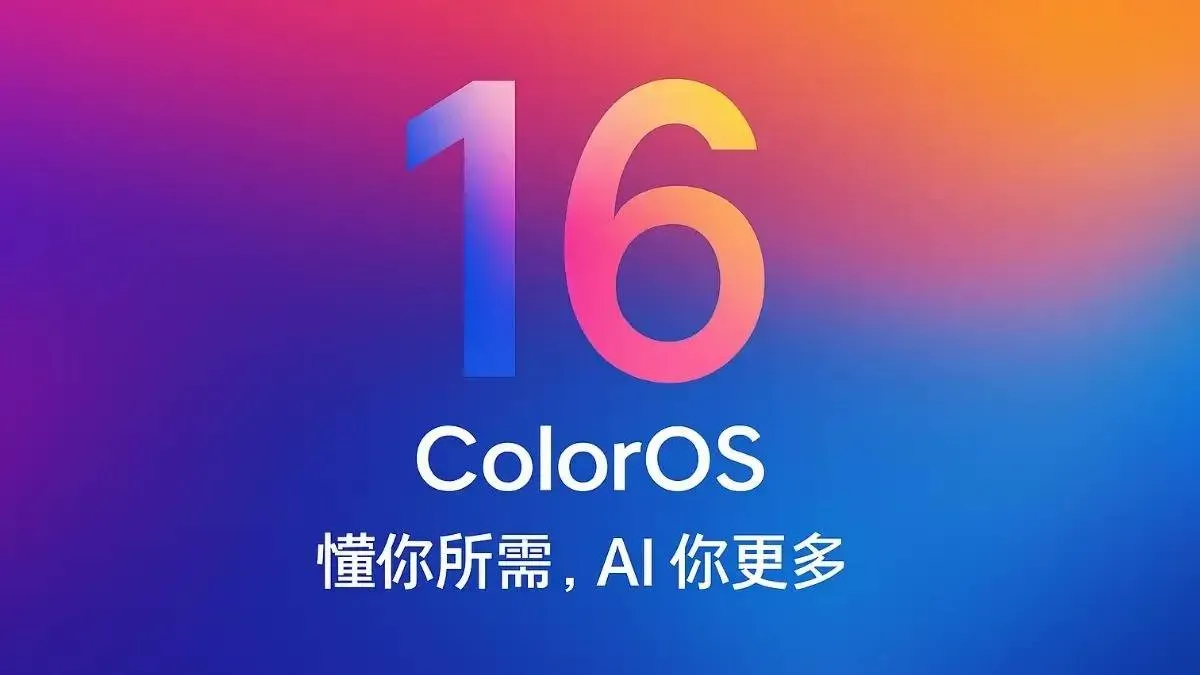
  • Oppo confirms launch date for ColorOS 16 based on Android 16

    Oppo confirms launch date for ColorOS 16 based on Android 16

    Samsung began updating its handsets to Android 16 earlier this week, and Oppo will do the same, albeit it doesn’t appear to be happening anytime soon. A recent rumor claims that the Chinese smartphone manufacturer would formally launch ColorOS 16, which is based on Android 16, on October 15 (it would have been great if it had been October 16, but we’re getting ahead of ourselves).

    Although it’s unknown which handsets will receive an upgrade on that day, it’s hoped that the distribution will begin right away. After all, Android 16 has been available since June, so Oppo’s updating rate is appalling.

    Whats is new in ColorOS 16

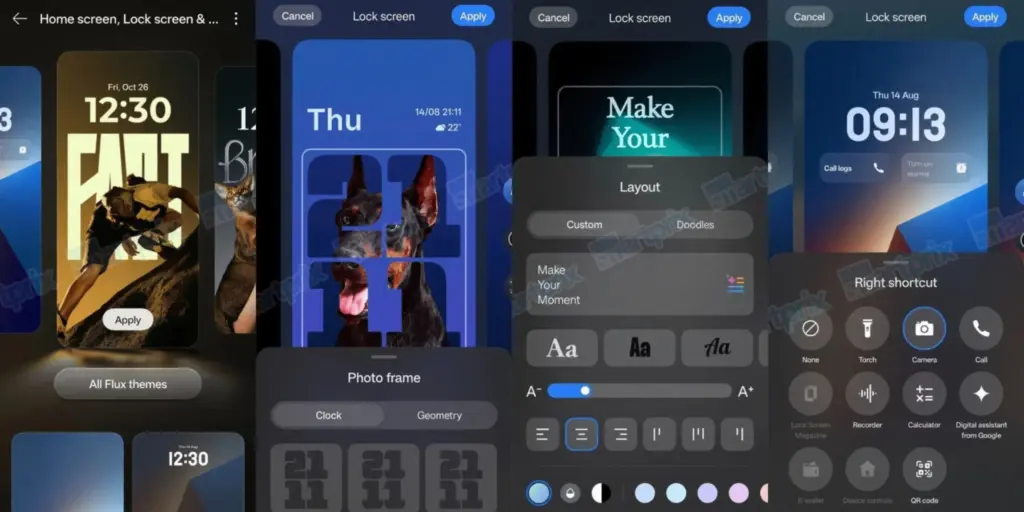
    The primary update in ColorOS 16 will be a new Liquid Glass user interface (hello, Apple). This will have dynamic animations, layered glass-like elements, and a transparent appearance, similar to iOS 26. This will provide a “futuristic and colorful feel” to the user interface, according to the leak’s source.

    ColorOS 16 mega leak

    Performance enhancements, a full-screen Always-On Display (hey Apple!), and updated lock screen widgets are reportedly on the horizon. Along with a redesigned Photos app and other personalization choices, system responsiveness should be increased for a more seamless overall experience.

    The Find X9 and Find X9 Pro, which may actually be unveiled on October 15 at the same time, will, as you might imagine, be the first devices to run ColorOS 16 straight out of the box.

  • Nothing highlights Android 16 update: new design, ‘Extra Dark’ mode, smarter AI

    Nothing highlights Android 16 update: new design, ‘Extra Dark’ mode, smarter AI

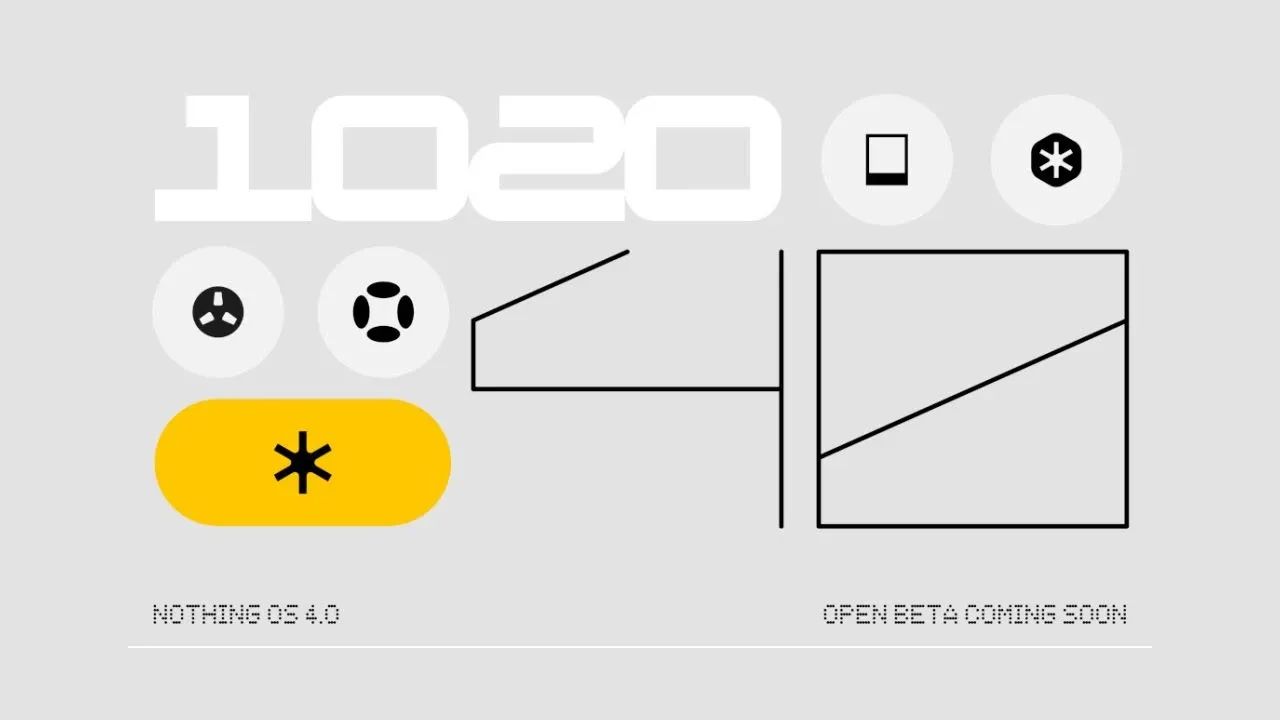
    Nothing is showcasing its Android 16 update, Nothing OS 4.0, as well as its new features and designs, ahead of its open beta launch that is “coming soon.”

    Earlier this year, the Phone (3) and Nothing OS 4.0 were announced, although the design hasn’t been revealed yet. However, nothing explains the new features of its Android 16 version in a recent post and video.

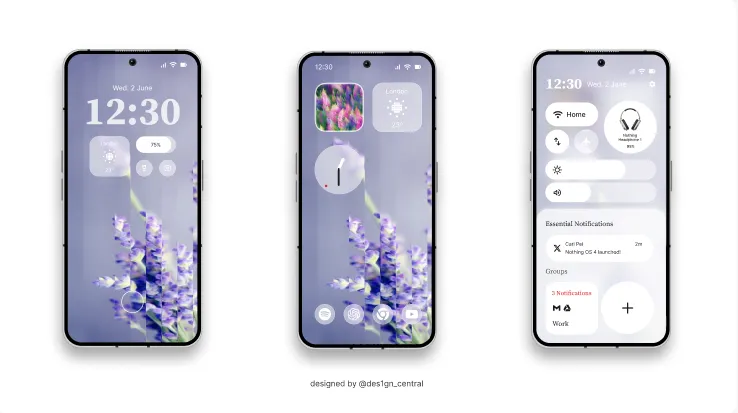
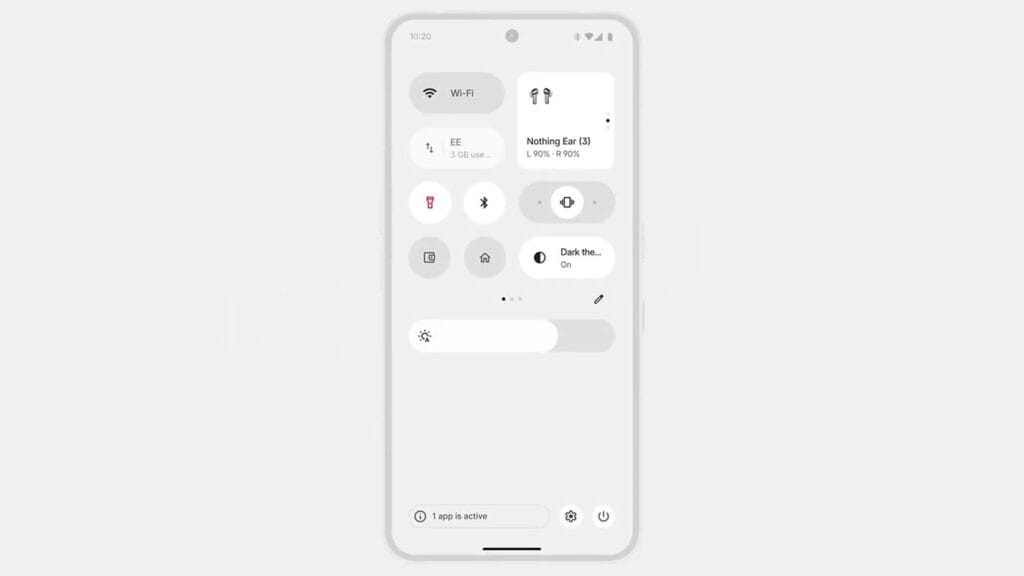
    The primary visual upgrade of Nothing OS 4.0 is a “sharper, more deliberate design across every layer.” Specifically mentions an improved Quick Settings panel, new lock screen clocks, and other changes across Nothing’s apps.

    nothing os 4 android 16 ipdate
    nothing os 4 quick settings

    In contrast to Android’s usual dark grey theme, there is a new “Extra Dark” theme that is completely black.

    The floating app icons improve multitasking, yet nothing indicates that the camera or overall performance would be improved—the latter due to the “TrueLens Engine.

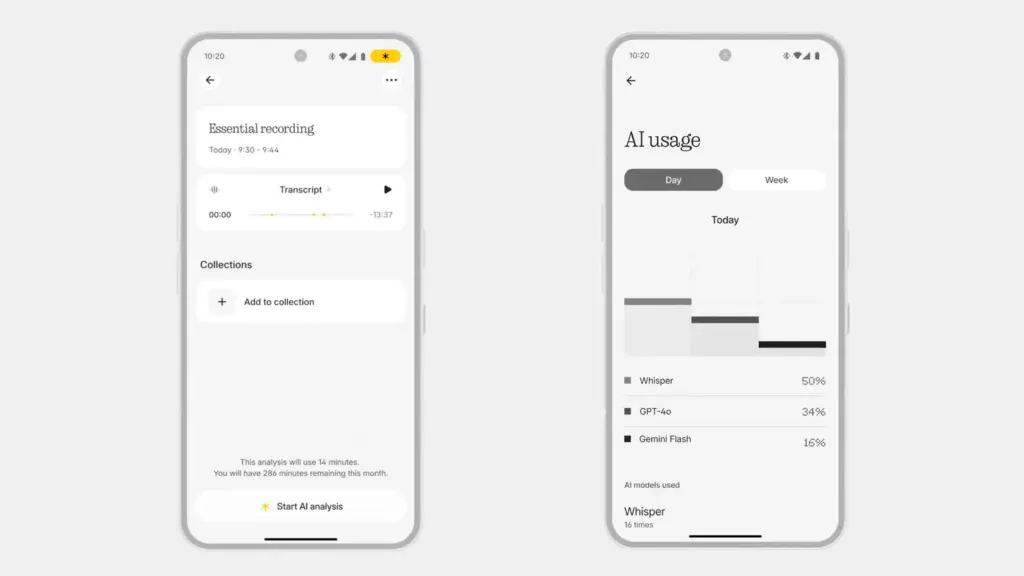
    Lastly, a brand-new AI dashboard that analyzes your usage of Nothing’s AI capabilities has been introduced. In particular, it deconstructs the AI models that Nothing’s AI features—such as Whisper, GPT-4o, and Gemini Flash—use.

    nothing os 14 ai

    The release date for OS 4.0 is not specified, but it is stated that it will happen “soon.” According to Nothing’s existing support promises, the update will eventually reach Phone (2), Phone (2a), Phone (3a), and CMF phones, though it is likely to begin on Phone (3).

    Youtube video
  • Xiaomi update list: 31 phones won’t go beyond Android 15

    Xiaomi update list: 31 phones won’t go beyond Android 15

    For owners of some well-known models, Xiaomi’s upgrade timeline is not good news. Android 16 will not be available for thirty-one Xiaomi, Redmi, and POCO phones. Rather, the last significant update for these smartphones will be HyperOS 3, which is based on Android 15. Support will then be restricted to minor fixes and security patches.

    In the universe of Android, this is not uncommon. Major updates are typically offered by brands for two to three years, with newer flagships receiving longer support. The similar pattern applies to Xiaomi’s choice, which focuses on enhancing HyperOS for the devices that are still eligible.

    POCO devices at the end of the line

    The POCO lineup losing future Android updates includes some well-known mid-range performers:

    • POCO C65
    • POCO F5 5G
    • POCO F5 Pro
    • POCO M6 Pro
    • POCO X6 Neo

    For these phones, HyperOS 3 will be the last major software release.

    Redmi phones stopping at HyperOS 3

    Numerous models in the Redmi series also stop supporting Android 15. The Redmi K lineup, low-cost gadgets, and even several Note series favorites are included in the list:

    • Redmi 12, 12 5G, 13C, 13C 5G, 13R
    • Redmi K50 Ultra, Redmi K60
    • Redmi Note 12 (4G, NFC 4G, 12R, 12S, 12T Pro, 12 Turbo)
    • Redmi Note 13 (4G, 4G NFC, 5G, 13R Pro)

    This marks the end of updates for several phones that were popular in markets like India and Southeast Asia.

    Xiaomi flagships are nearing the limit of updates.

    Not even expensive gadgets are exempt. Android 16 will not be available for a number of Xiaomi 12 series phones, such as the 12 Pro, 12S Ultra, and 12T Pro. This is also where the Civi 3 and MIX Fold 2 complete their lifetime.

    Full flagship list:

    • Xiaomi 12, 12 Pro, 12S, 12S Pro, 12S Ultra
    • Xiaomi 12T, 12T Pro
    • Xiaomi Civi 3
    • Xiaomi MIX Fold 2

    Android 15 is not the end of the story for these devices. It is anticipated that HyperOS 3 would come with a new interface that is modeled after Apple’s renowned “liquid glass” design. Users should anticipate improved system speed, additional customization choices, and a redesigned control center editor.

    Although it’s the final significant update for these phones, the distribution is scheduled to start in September 2025 and provides them a more upscale appearance before updates formally cease.

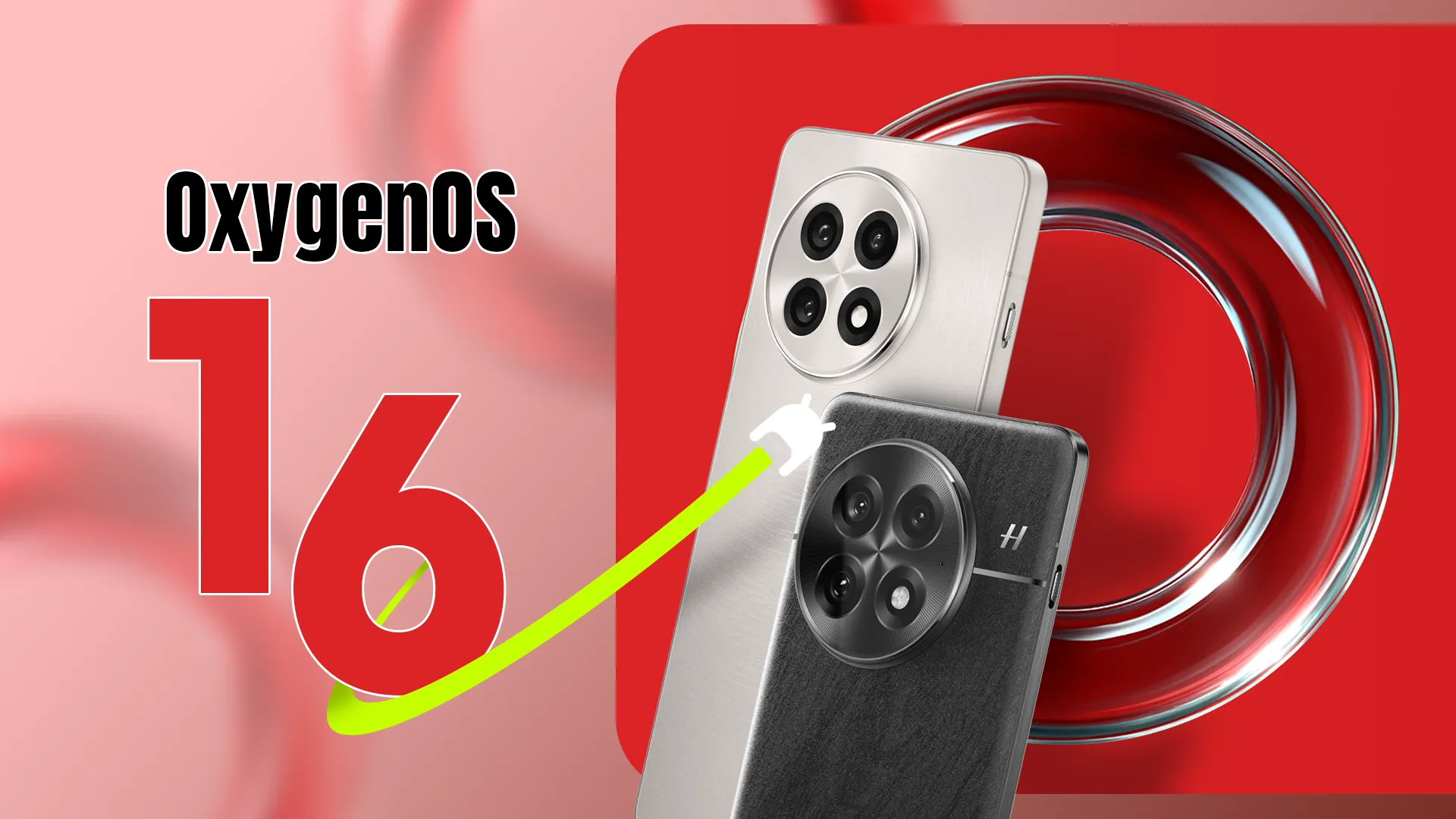
  • OnePlus is preparing the OxygenOS 16 launch

    OnePlus is preparing the OxygenOS 16 launch

    OxygenOS 16, based on Android 16, will be a major upgrade for OnePlus devices, expected to bring tons of enhancements, new features, and visual changes throughout the system. The Android 16 beta has been available to select OnePlus phones since April, and now it appears that the stable release of OxygenOS 16 is around the corner. So, if you have a OnePlus device, here’s what you need to know and what to expect.

    When the stable release will be pushed to public?

    This year, Google released Android 16 more quickly than normal. The new operating system upgrade was made available to qualified Google Pixels in June. Although we had anticipated a speedier release from other Android companies as well, the stable release is taking a long time to arrive.

    However, earlier this year, OnePlus was among the first companies to release the Android 16 beta. The second and third betas for the OnePlus 13 were released in April and May, respectively, omitting the first beta. However, it hasn’t said anything regarding the stable release as of yet. OnePlus has not disclosed the plan or the date of the stable OxygenOS 16 release.

    However, given that the company has already started OxygenOS 16 closed beta testing on a number of handsets, including the OnePlus 13 and 13s, it looks like the stable release may not be far off. This beta program is fairly private. Before releasing the stable build, OnePlus may soon conduct a large-scale open beta release for its users.

    In October, the brand is anticipated to begin the stable rollout of OxygenOS 16. The upgrade will first be available for the OnePlus 13 series, then previous flagship phones, and finally mid-range and less expensive variants.

    What will OxygenOS 16 bring?

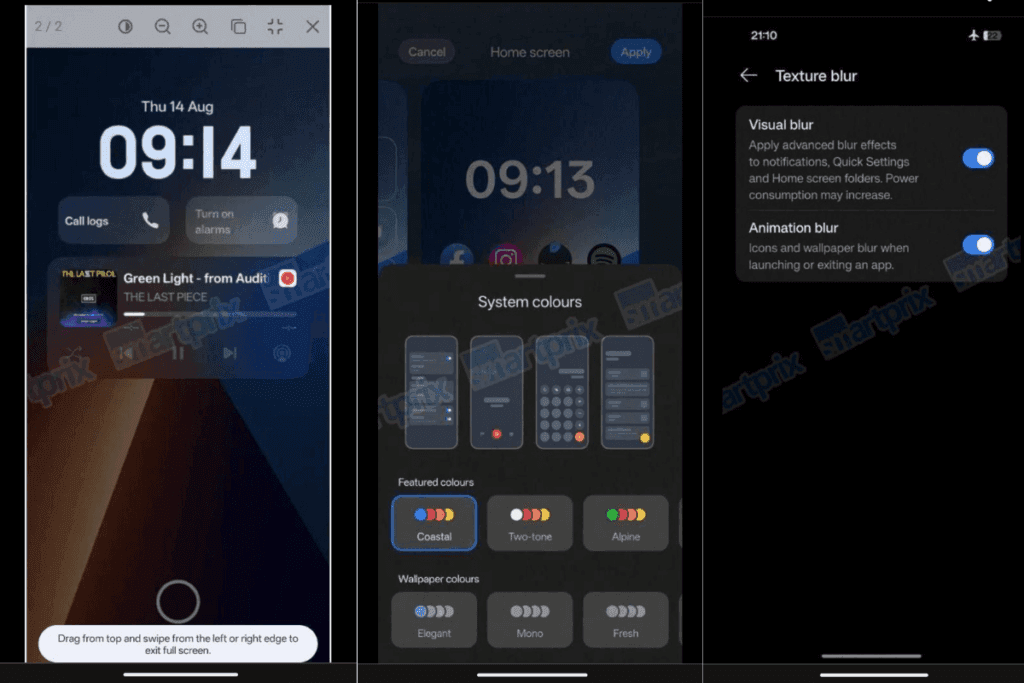
    OxygenOS 16 leaked screenshots

    Details on OxygenOS 16’s upcoming features and updates have not been disclosed by OnePlus. But because to recent leaks and earlier beta releases, we already have a solid notion of it. Along with several updates and new features from the OnePlus development team, the update will include new Google features as part of Android 16.

    A revamped fast settings menu, more customization options, notification grouping, and the most recent security and privacy improvements are just a few of the things that OnePlus may incorporate into its upcoming major update from Android 16. For increased utility, Live Alerts might be combined with Android 16’s Live Updates feature.

    A leak from Smartprix claims that OxygenOS 16 will finally include the eagerly anticipated lock screen widgets, increasing the lock screen’s usefulness. Numerous widgets will be available, such as calendar, weather, and widgets from compatible apps. Three new clock styles are also being added to the lock screen, one of which is a full-width stretched clock modeled after iOS 16.

    New choices also improve the Quick Settings panel. Users can drag and drop toggles anywhere on the screen while using the Split layout. For convenience, a new scrollable layout has also been included. The update also includes a number of internal adjustments that improve the software’s responsiveness and smoothness.

    When OnePlus publishes the final version of OxygenOS 16, I’m very certain there will be a ton of more great additions and updates. There is a lot to anticipate, so to remain informed about the most recent developments, you might want to frequently check out our Android 16 section or think about subscribing to our X.

  • September comes with HyperOS 3.0 update for more Xiaomi devices

    September comes with HyperOS 3.0 update for more Xiaomi devices

    Xiaomi unveiled HyperOS 3.0, the company’s most recent overlay built on the Android 16 operating system, last week. It goes without saying that the skin has a lot of new features and modifications. The business has released a HyperOS 3.0 beta deployment plan after outlining the list of improvements, and you’ll be happy to hear that a large number of phones are qualified to get the much-anticipated software update this month.

    The list of Xiaomi smartphones, tablets, and smart TVs that will get the HyperOS 3.0 beta upgrade in September 2025 is available here.

    The restricted beta program for a number of Xiaomi devices, including the Xiaomi 15 series, Redmi K80 Pro series, and Xiaomi Pad 7/7s Pro, was launched by Xiaomi on August 29. The HyperOS 3.0 beta, which is focused on Android 16, is currently available for testing on any of these devices.

    Xiaomi HyperOS 3

    Let’s move on to the list of gadgets that can get the September HyperOS 3.0 beta. The full list of devices eligible to receive a beta update this month is provided here. Xiaomi is now expanding the beta program to smart TVs.

    September HyperOS 3.0 updates

    Starting September 17

    • Xiaomi MIX Flip 2
    • Redmi K80
    • Xiaomi Pad 7 Ultra
    • Xiaomi Pad 7
    • Redmi K Pad
    • Xiaomi TV S Pro Mini LED 2025 series
    • Xiaomi TV S Pro Mini LED series

    Starting September 30

    • Xiaomi MIX Fold 4
    • Xiaomi MIX Flip
    • Xiaomi 14 Ultra / Xiaomi 14 Ultra Titanium Special Edition
    • Xiaomi 14 Pro / Xiaomi 14 Pro Titanium Special Edition
    • Xiaomi 14
    • Redmi K70 Pro
    • Redmi K70 Extreme Edition
    • Redmi K70
    • Redmi K70E
    • Xiaomi Pad 6S Pro 12.4

    It goes without saying that the beta program will launch in mainland China before being extended to other countries.

    You can just sign up for the beta program when it launches if your device is compatible with HyperOS 3.0. Installing the Mi Community app, selecting Global as the region, and then enrolling in the beta program will allow you to participate in the Mi Pilot testing program.

    Regarding the stable release, it is anticipated to be made available a month or two following the beta program.