Category: News

Up‑to‑date Android news, smartphone launches, software updates and industry trends, written in a clean, editorial style for informed readers.

  • Redmi is testing smartphone with massive 10,000mAh battery

    Redmi is testing smartphone with massive 10,000mAh battery

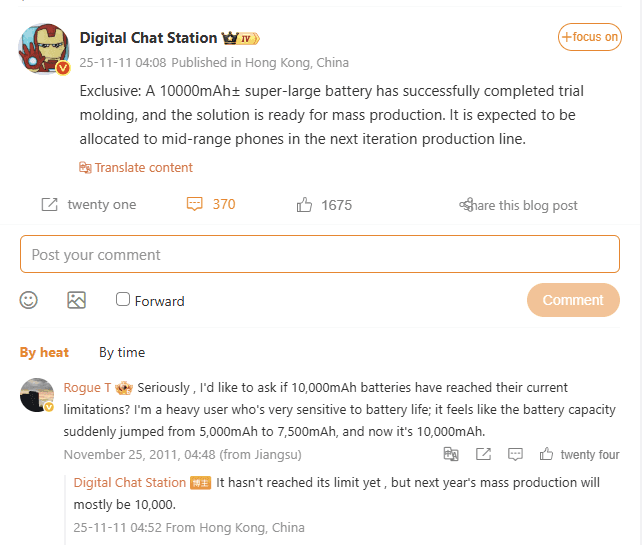
    Xiaomi May Rethink Mid-Range Battery RegulationsChinese manufacturers are working to overcome the barrier beyond 7,000mAh and 8,000mAh batteries as smartphone battery technology continues to advance. According to reputable industry sources and well-known leakster @DigitalChatStation, the trial molding process has been completed, and the new 10,000mAh± battery is about to go into mass production. Xiaomi and Redmi are probably going to include this innovative battery into one of their upcoming mid-range phones.

    In its products, Xiaomi has always placed a strong emphasis on battery life and energy efficiency. Therefore, the creation of a 10,000mAh-class battery is a significant step toward the realization of smartphones with longer battery lives, which is one feature that consumers are very excited to see improved in smartphones. It is expected that a Redmi device will use the technology.
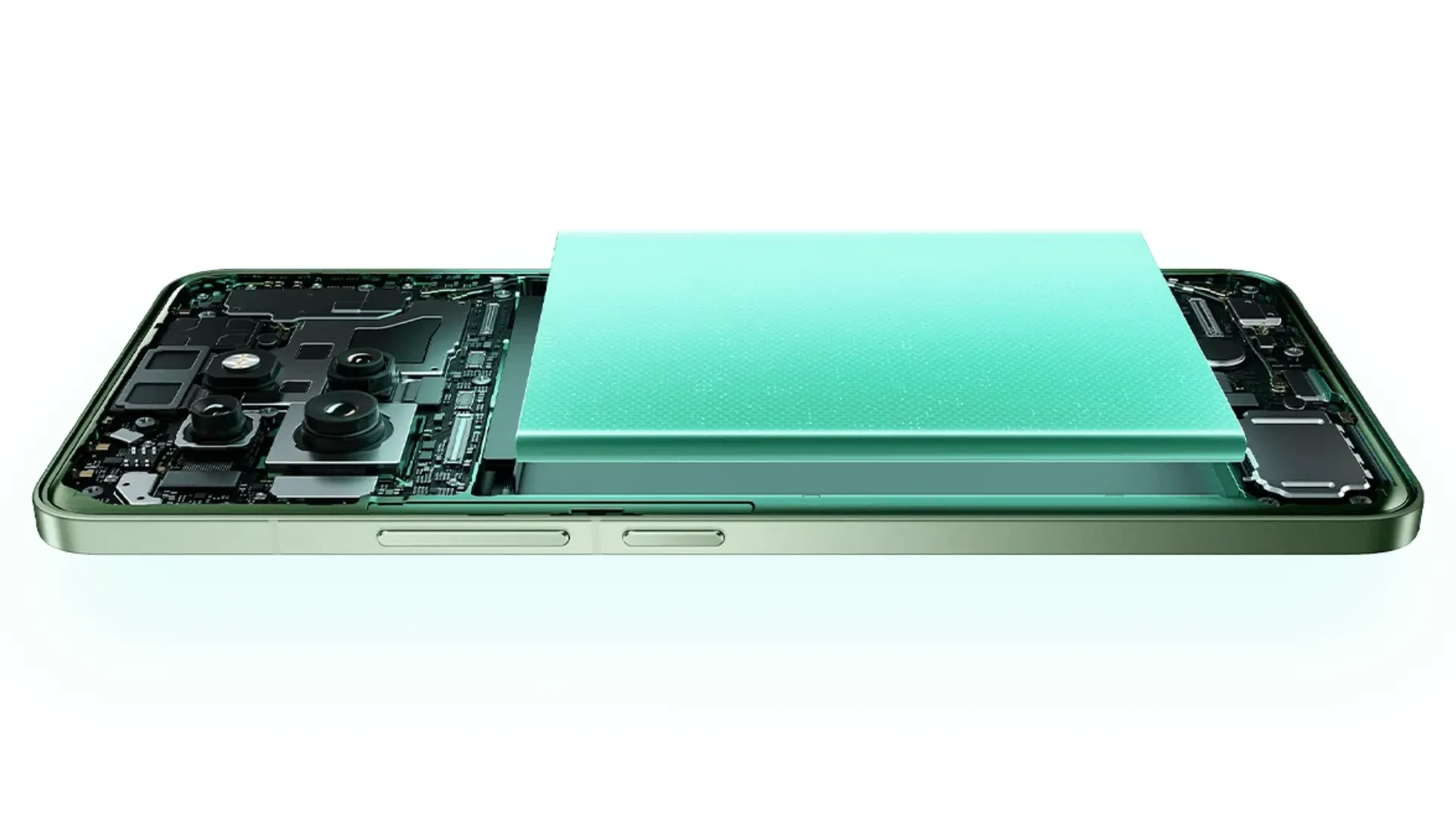
    10,000mAh battery leak redmi

    Since fitting a battery with a 10,000mAh capacity is technically difficult in terms of weight and thermals, this development demonstrates Xiaomi’s determination to balance capacity and design usability.

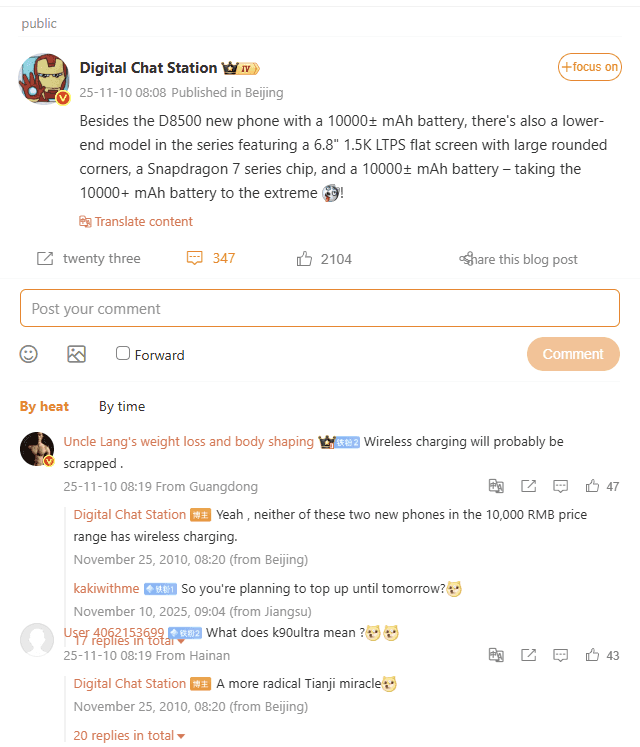
    Two smartphones will have 10,000mAh± batteries, according to DigitalChatStation. One of the devices has a Dimensity 8500 processor, while another has a 6.8-inch 1.5K LTPS flat display with a Snapdragon 7 series processor. Although these models have not yet been confirmed, it has been speculated that one may be from Xiaomi’s Redmi series because it may be intended to be a “Ultra Battery” variant.

    Surprisingly, though, neither gadget will support wireless charging. This guarantees that the devices’ long battery life and reasonable cost will maintain their success in the mid-range market.
    10,000mAh battery lead redmi device

    A significant shift in the industry began with the release of smartphones with five-digit battery capacities. In the past, only rugged cellphones and power banks have such capabilities. With Xiaomi’s arrival into this market, battery capacity with such proportions may become more common, providing the business with yet another reason to rank among the top in terms of battery life. Xiaomi will undoubtedly have a significant advantage over its rivals because to this technology.

    Additionally, users would be able to benefit from unparalleled standby times and all-day intensive use without recharging because to HyperOS’s optimization of background operations and hardware resources.

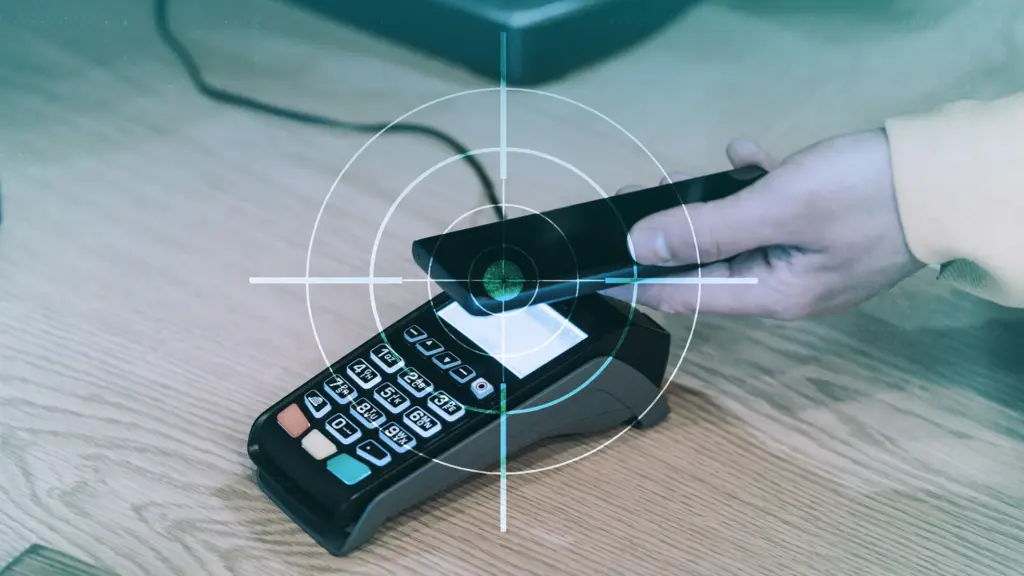
  • New Android malware copies card data and PINs for instant ATM cashouts

    New Android malware copies card data and PINs for instant ATM cashouts

    A new Android-based spyware that leverages NFC technology to make illegal ATM cash withdrawals and empty victims’ bank accounts was examined by the Polish Computer Emergency Response Team (CERT Polska).

    Researchers discovered that the software, known as NGate, allows attackers to use banking information stolen from victims’ phones to withdraw money from ATMs (Automated Teller Machines, or cash machines) without actually taking the cards.

    NFC is a wireless technology that enables close-quarters communication between gadgets like terminals, cellphones, and payment cards. Therefore, rather of stealing your bank card, the attackers use a mobile phone infected with the NGate virus to record NFC (Near Field Communication) activities and send that transaction data to ATM equipment. Instead of being relayed just via radio, the stolen data in NGate’s situation is transmitted over the network to the attackers’ servers.

    There are several “flavors” of NFC. Some generate a static code, like the card that opens the door to my apartment complex. I can use a gadget like my “Flipper Zero” to open the door by just copying that type of signal. However, dynamic codes are used by sophisticated contactless payment cards, such as your Visa or Mastercard debit and credit cards. Your card’s chip creates a unique, one-time code (commonly referred to as a cryptogram or token) each time you use the NFC. This code is unique and cannot be reused.

    That’s why the NGate malware is more advanced. It does more than just pick up a signal from your card. The victim must be duped into entering their PIN and completing a tap-to-pay or card-verification activity after the phone has been compromised. When that occurs, the app records every piece of information required for an NFC transaction, including the card number, new one-time codes, and other information created at that same moment.

    android malware steals data nfc

    All of the NFC data, including the PIN, is then immediately sent to the attacker’s handset via the virus. The attacker uses the codes right away to mimic your card at an ATM because they are newly produced and only valid for a brief period of time. The accomplice at the ATM displays the collected data using a card-emulating device, such as a phone, smartwatch, or bespoke hardware.

    However, as you may guess, social engineering and preparation are necessary to be prepared at an ATM when the data arrives.

    Attackers must first infect the victim’s device with malware. They usually send prospective victims phishing emails or SMS messages. They frequently try to create anxiety or urgency by claiming that there is a technical or security problem with their bank account. Occasionally, they make a follow-up call while posing as representatives of the bank. These calls or texts instruct victims to download a phony “banking” app from an unofficial source, like a direct link rather than Google Play.

    After installation, the software requests permissions and guides users through fictitious “card verification” procedures. While an accomplice waits at an ATM to cash out, the objective is to persuade victims to act swiftly and trustingly.

    Stay safe:

    NGate only functions when your phone is compromised and you are duped into entering your PIN and starting a tap-to-pay action on the phony banking app. Therefore, the greatest defense against this infection is to protect your phone and be on the lookout for social engineering:

    • Stick to trusted sources. Download apps only from Google Play, Apple’s App Store, or the official provider. Your bank will never ask you to use another source.
    • Protect your devices. Use an up-to-date real-time anti-malware solution like Malwarebytes for Android, which already detects this malware.
    • Do not engage with unsolicited callers. If someone claims to be from your bank, tell them you’ll call them back at the number you have on file.
    • Ignore suspicious texts. Do not respond to or act upon unsolicited messages, no matter how harmless or urgent they seem.
    malwarebytes

    Malwarebytes Mobile Security

    Malwarebytes is an anti-malware software for Windows, macOS, ChromeOS, Android, and iOS that finds and removes malware.

    Malwarebytes for Android detects these banking Trojans as Android/Trojan.Spy.NGate.C; Android/Trojan.Agent.SIB01022b454eH140; Android/Trojan.Agent.SIB01c84b1237H62; Android/Trojan.Spy.Generic.AUR9552b53bH2756 and Android/Trojan.Banker.AURf26adb59C19.

  • Over 42 million downloads: malicious Android apps found on Google Play

    Over 42 million downloads: malicious Android apps found on Google Play

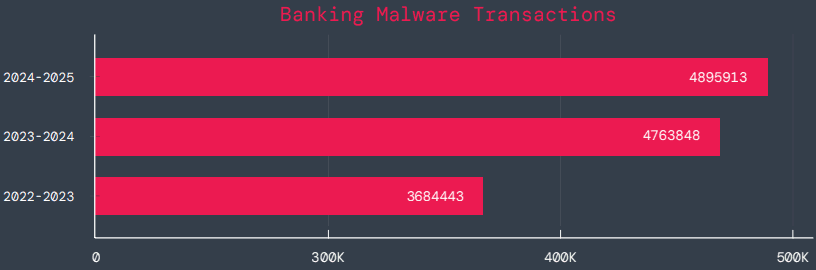
    According to a survey by cloud security firm Zscaler, hundreds of malicious Android apps on Google Play were downloaded over 40 million times between June 2024 and May 2025.

    The company saw a 67% year-over-year increase in malware that targeted mobile devices during that time, with banking trojans and spyware being the most common threats.

    According to telemetry data, threat actors are leveraging phishing, smishing, SIM-swapping, and payment frauds to take advantage of mobile payments instead of traditional card fraud.

    Malicious Android apps found on Google Play

    The shift to social engineering assaults can be explained by the widespread use of mobile payments and enhanced security standards like chip-and-PIN technology.

    According to Zscaler, “to carry out these assaults, fraudsters use phishing trojans and malicious programs designed to steal financial information and login passwords.”

    Zscaler estimates that it has found 239 harmful apps in the official Android store, with a total of 42 million downloads, compared to 200 malware apps on Google Play last year.

    The emergence of adware as the most significant threat in the Android ecosystem, which now accounts for over 69% of all detections—nearly twice as many as the previous year—is another noteworthy trend observed at that time.

    After leading with 38% the previous year, the Joker info-stealer is currently in second position with 23%.

    The SpyNote, SpyLoan, and BadBazaar families—which are used for identity theft, extortion, and surveillance—were the primary drivers of the notable 220% year-over-year (YoY) increase in spyware.

    Geographically speaking, 55% of all attacks were directed towards the United States, Canada, and India. Attacks against Israel and Italy also showed substantial increases, ranging from 800% to 4000% YoY, according to Zscaler.

    Malicious Android apps and malware

    In its annual study, Zscaler identifies three malware families that significantly affected Android users. The first is Anatsa, a banking trojan that occasionally enters Google Play through productivity and utility apps and receives hundreds of thousands of downloads each time.

    Since its discovery in 2020, anatsa has undergone continuous evolution. The most recent version is capable of stealing data from bitcoin sites, more than 831 financial institutions, and new areas like South Korea and Germany.

    The second is Android Void (Vo1d), a backdoor malware that targets Android TV boxes and has infected at least 1.6 million devices with out-of-date Android Open Source Project (AOSP) versions, mostly in Brazil and India.

    Malicious Android apps found on Google Play

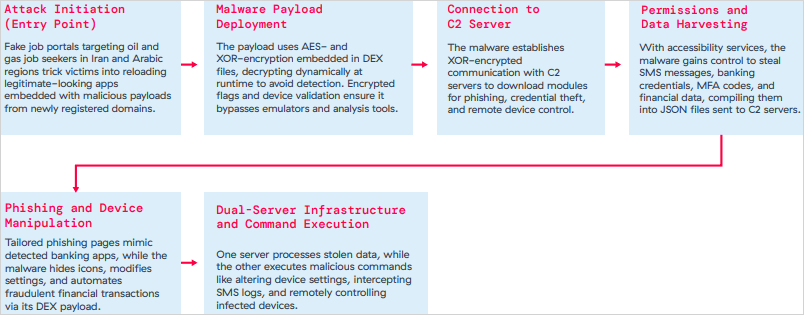
    The third is Xnotice, a brand-new Android remote access trojan (RAT) that specifically targets job seekers in the oil and gas sector in Iran and Arabic-speaking areas.

    Xnotice propagates via applications that are disseminated through phony employment websites and pose as tools for registering for exams or applying for jobs.

    Through overlays, multi-factor authentication (MFA) codes, SMS messages, and screenshots, the spyware targets banking credentials.

    Users are encouraged to install security updates, only trust reliable publishers, reject or restrict accessibility permissions, refrain from downloading unnecessary apps, and routinely run Play Protect scans in order to protect themselves from Android malware threats, including those from Google Play.

    Routers continued to be the most targeted IoT equipment this year, according to Zscaler’s study. Hackers added routers to botnets or used them as proxies to spread malware by taking advantage of command injection flaws.

    The majority of IoT attacks took place in the United States, with rising hotbeds in Hong Kong, Germany, India, and China following, suggesting that attackers are targeting devices throughout a larger geographic area.

    The cybersecurity company advises businesses to harden IoT and cellular gateways by keeping an eye out for anomalies and implementing firmware-level protections, as well as to deploy zero-trust solutions for key networks.

    Strict application control guidelines, security against phishing attacks, and monitoring SIM-level communications for anomalies should all be part of mobile endpoint protections.

  • Xiaomi 17 Pro series update adds live wallpapers and games to the back display

    Xiaomi 17 Pro series update adds live wallpapers and games to the back display

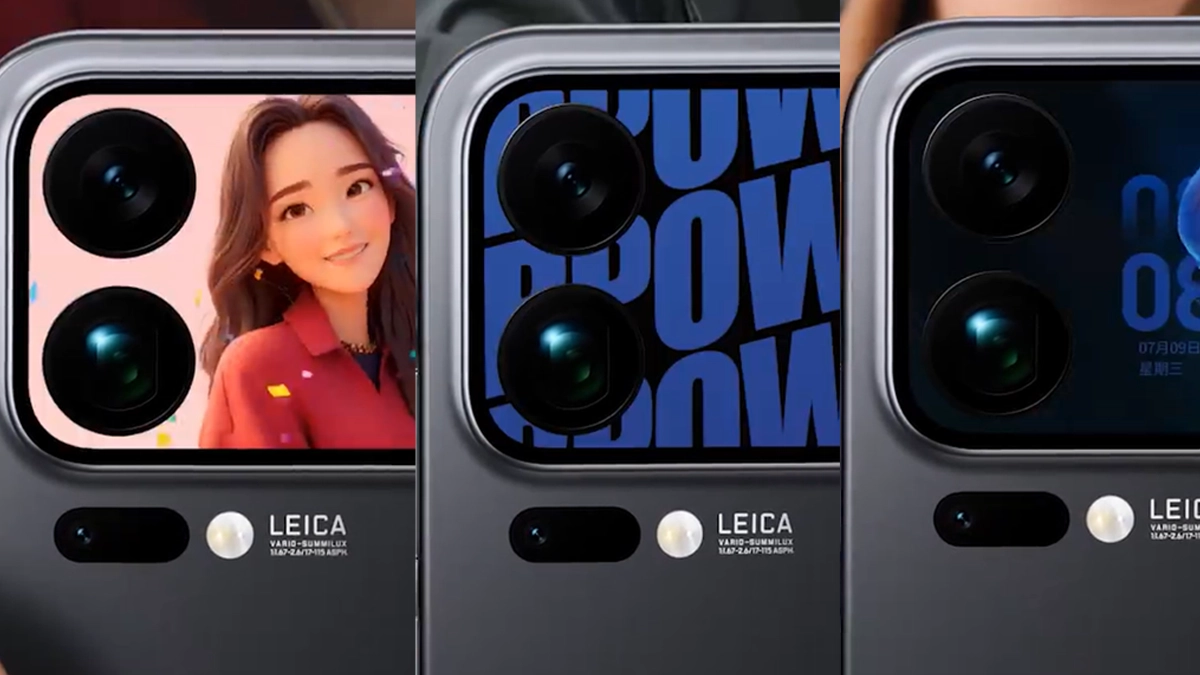
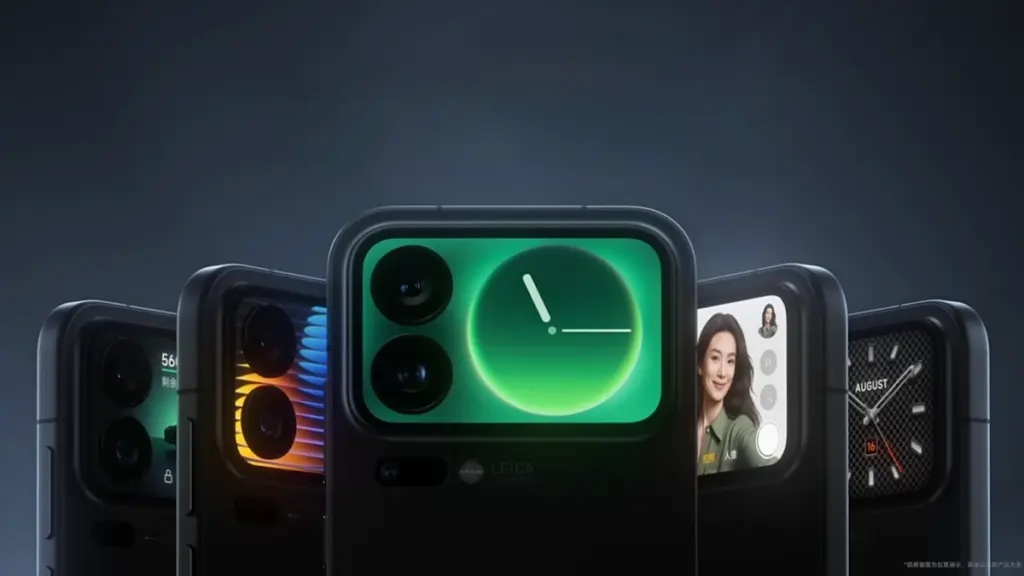
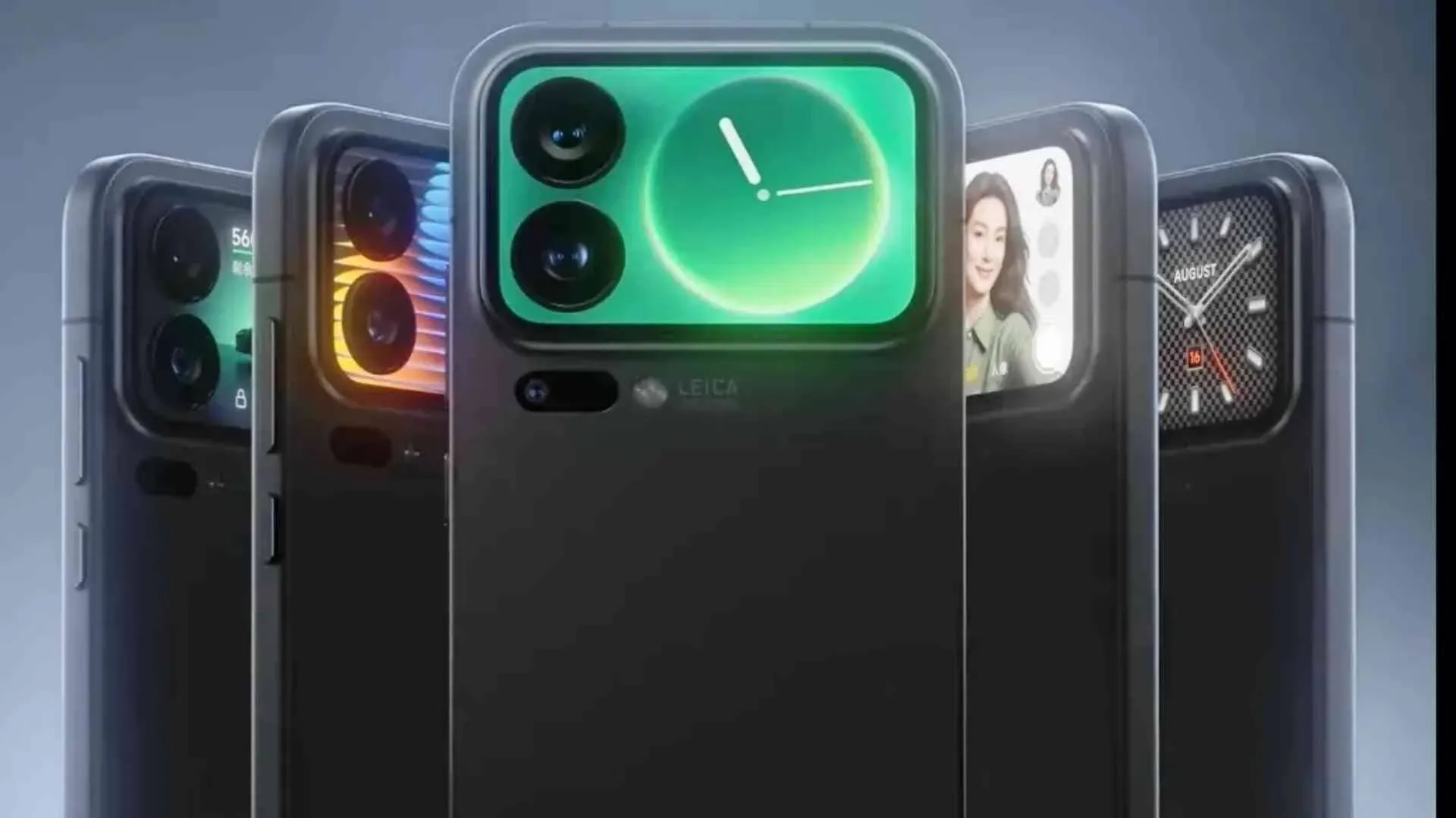
    For the Xiaomi 17 Pro series, Xiaomi has released a new software update that enhances the secondary display with a number of interactive features. The launch includes dynamic avatars, real-time translation, five live wallpapers, and two portable games, according to the company’s HyperOS Weibo post.

    Animated profile photographs can now be set on the back screen, and by mid-November, new bright-style themes will be available. Users can converse in Chinese on the main display and see translated text on the back panel thanks to a conversation translation feature.

    Xiaomi 17 Pro series update

    Xiaomi 17 PRO get new visuals and games

    Along with two games, Plants vs. Zombies and Snowman Sokoban, the update also includes five live wallpapers with themes related to technology, nature, and pets. You can manually update the Entertainment Box from the app store to access these.
    With new features scheduled every month, Xiaomi previously stated that the rear display will continue to be a major design priority for its upcoming smartphones. TCL Huaxing panels, measuring 6.3 and 6.9 inches, respectively, with a maximum brightness of 3500 nits and Xiaomi Dragon Crystal Glass protection, are used in both the 17 Pro and 17 Pro Max.

    The Xiaomi 17 Pro’s innovative rear screen has practical applications in addition to aesthetics. When the phone is inactive or on a desk, it makes the user’s daily phone time more lively and vibrant.
    The company wants to transform the back screen from a mirror or clock into a tool for work and enjoyment. Cute loops, small critters, and light art forms can now be set as live images by users. More improvements will be made next mo

    The new games aid in evaluating the rear panel’s touch and speed. Every one of them utilizes the entire small display and operates smoothly. According to Xiaomi, the objective is to provide customers who want light entertainment in their free time with a “soft joy.” To give it a more authentic sense, the company is also incorporating little sound effects.
    The fix is currently being released in stages, and more devices will receive this update in the days to come. To locate the update, users can look at the HyperOS setup’s update tab. According to Xiaomi, the update will be available on all devices by the middle of November.

  • Xiaomi 17 Ultra to launch in two variants with dual satellite connectivity

    Xiaomi 17 Ultra to launch in two variants with dual satellite connectivity

    According to reports, Xiaomi is preparing to release the Xiaomi 17 Ultra. Tipster Digital Chat Station has listed every phone that has just received certification in China and is anticipated to go on sale there in a recent Weibo post. These include the Xiaomi 17 Ultra, the Oppo Reno 15 series, the Honor 500 series, the Vivo S0 range, the OnePlus Ace 6 series (probably under the Turbo name), the Redmi Turbo 5 series, and the Huawei Mate 70 Air, Mate 80 series, and Mate X7, which are anticipated to arrive this month in China. He has specifically stated that there would be two variants of the 17 Ultra.

    DCS reports that Xiaomi has filed two variants of the gadget with model numbers 2512BPNDAC and 25128PNA1C on Chinese certification platforms. While the more expensive model will have Beidou short message communication and Tiantong satellite calling, both Xiaomi 17 Ultra models will support UWB (Ultra-Wideband).

    The latter will provide a dependable lifeline for calls and text transmission in harsh environments like deserts or offshore sites, enabling customers to stay connected even in remote areas without terrestrial networks.

    xiaomi 17 ultra leak satellite connection

    Xiaomi 17 Ultra rumoured specs

    According to additional sources, the Xiaomi 17 Ultra is anticipated to include a flat 6.8-inch OLED display with 2K resolution and a refresh rate of 120 Hz, along with a sizable circular rear camera module. It will have a high-capacity Xiaomi Jinsha River battery, IP68-grade waterproofing, wireless charging, and Qualcomm’s Snapdragon 8 Elite Gen 5 CPU under the hood.

    DCS also disclosed that the camera configuration of the Xiaomi 17 Ultra will be a key feature. It will have a 200-megapixel periscope telephoto lens with variable focal lengths and macro shooting capabilities in addition to a 50-megapixel primary sensor with an updated big sensor and in-sensor zoom technology. It is claimed that the lenses improve clarity and dynamic range in all types of illumination.

    Before the Chinese Spring Festival, the phone is anticipated to go on sale in black, white, and purple. The base model is projected to cost about 6,000 Yuan (~$845).

  • HarmonyOS 6 beta sets new installation record within 24 hours of release

    HarmonyOS 6 beta sets new installation record within 24 hours of release

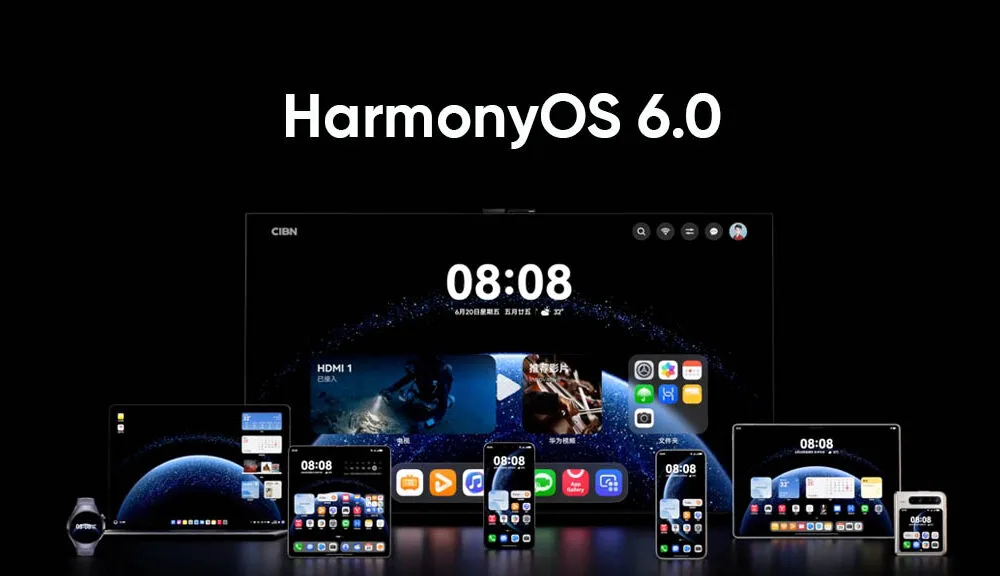
    The HarmonyOS 6.0 Beta has been installed over 3 million times in a single day, according to Richard Yu, Chairman of the Huawei Consumer Business Unit. Before its formal release, the new software version has already broken all previous records.

    Today, Richard Yu sent a letter via the Xinsheng Community to his staff. It highlighted some significant developments in Huawei’s software and hardware over the last several months.

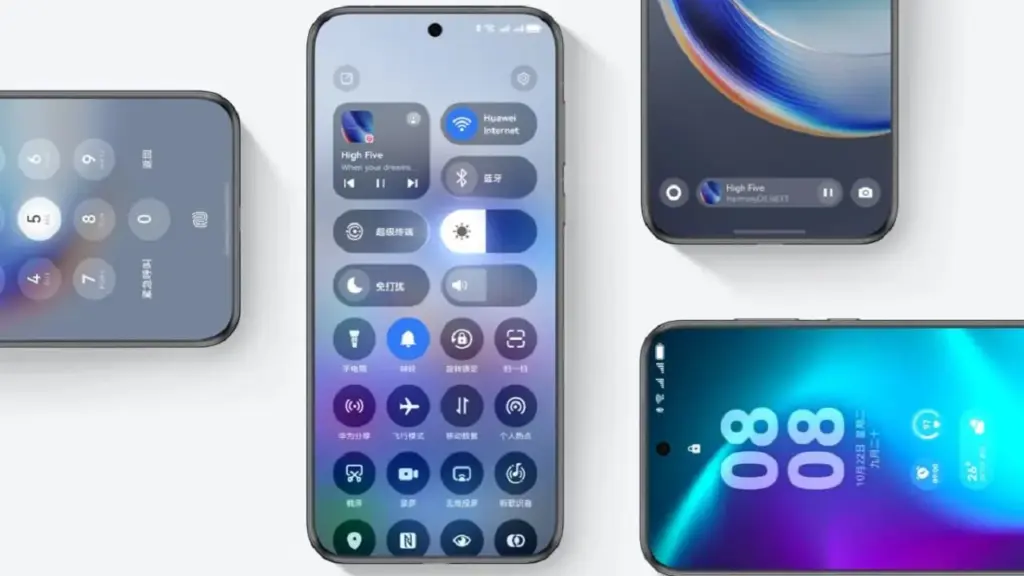
    HarmonyOS 6 Next coming

    This year, Yu emphasized its software development in particular. As of October 22, 2025, the rollout, which began with HarmonyOS NEXT, has more over 23 million installs.

    HarmonyOS 6 beta

    In spite of dire conditions, the company has emerged victorious, as seen by this hit situation. In order to match consumer expectations, he described the process of developing the company’s first operating system.

    According to the chief, HarmonyOS 6 is even more significant because it set a new record in the software industry by completing 3 million installations in just one day.

    HarmonyOS is not just something made, it’s something used! HarmonyOS 6 received 3 million upgrades within 24 hours of its release, setting a new record for upgrade speed!

    AI-powered one-tap video production, family-based fraud detection, dynamic and entertaining themes, and tap-to-share are just a few of the new version’s many noteworthy features.

    In order to secure a third of the smartphone OS market, Richard stated that the next stage is to swiftly reach 40 million, 60 million, and even 100 million user coverage in the next months. The executive went on to say:

    We must remain true to our original aspirations, focus on user experience, and truly practice our ecosystem culture. […] Each of us can contribute a brick, and together we will build the Great Wall of the HarmonyOS ecosystem! When the mountain flowers bloom, we will raise a glass to celebrate our victory!

  • Will Xiaomi’s RGB OLED phones redefine the future of smartphone technology?

    Will Xiaomi’s RGB OLED phones redefine the future of smartphone technology?

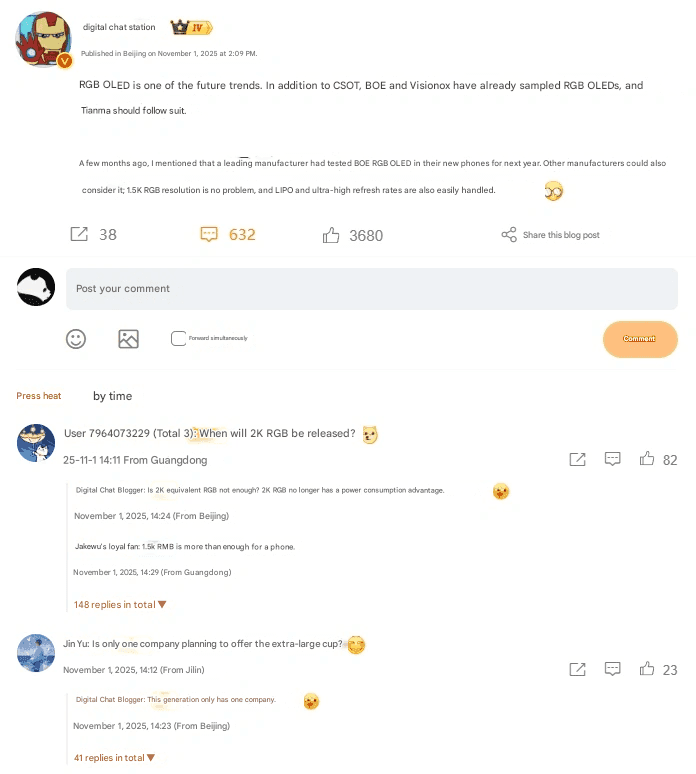
    Also, Xiaomi is setting the standard for mobile display technology in the future. “RGB is clearly the trend of the display,” Redmi Product Manager Sun Cun stated in an official statement, citing IT Home. This happened in reaction to well-known leaker @DigitalChatStation, who claimed that major panel makers like CSOT, BOE, and Visionox were developing RGB OLED displays and that Tianma would shortly follow.

    Compared to other OLED displays, RGB OLED offers crisper visuals, more accurate colors, and reduced power usage by displaying subpixels in the hues red, green, and blue. According to DigitalChatStation, a number of companies have begun **sampling 1.5K RGB OLED panels that can handle LIPO backplanes and high refresh rates, with 2025 smartphones being the target goods.

    rgb oled leak news

    RGB OLED technology

    Leading the way in this progression will be Xiaomi’s upcoming Xiaomi 17 Pro and Xiaomi 17 Pro Max. TCL CSOT display panels, such as the Pro Max with a Real RGB panel using Super Pixel Alignment technology, are included with these devices. In addition to providing crisper visuals than 2K resolution, this enhancement reduces energy usage by 26%, which is ideal for flagships.

    RGB OLED Technology

    Lei Jun, CEO of Xiaomi, also highlighted “unparalleled screen clarity and battery savings” when discussing another innovation made possible by the Xiaomi 17 Pro Max, which uses Super Pixel display technology.

    With Sun Cun’s confirmation, there is now concrete proof that Xiaomi’s Redmi and Xiaomi brands will soon have flagship models with RGB OLED screens in a number of product lines and series, including the Xiaomi Pad series, Xiaomi 17 series, and upcoming Redmi K Ultra models. This is undoubtedly a significant step toward more **accurate, energy-efficient, and long-lasting display offerings.

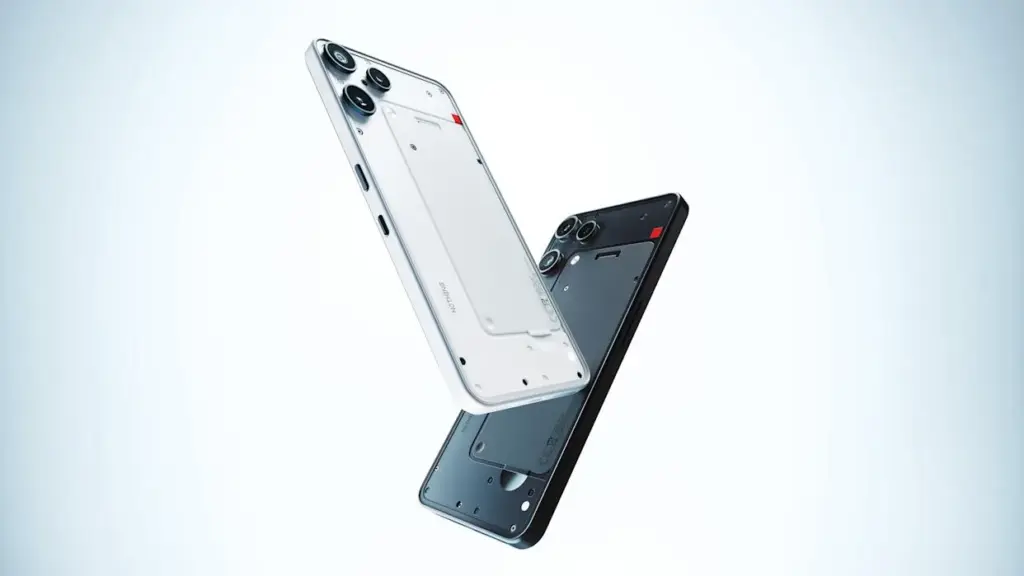
  • Nothing Phone (3a) Lite: Expected launch date, price, and key details

    Nothing Phone (3a) Lite: Expected launch date, price, and key details

    If you were a fan of Nothing, you would know that the release of the Nothing Phone (3a) Lite wasn’t news, yet it was. On the one hand, you are ready for the surprises these gadgets deliver. Conversely, the Nothing Phone (3a) Lite is unique. The brand’s sole entry-level phone will go on sale in October.

    You adore phones with translucent designs and glowing glyph lights, and the Nothing Phone series perfectly captures that feel. This phone is unique! Prepare for the Nothing Phone (3a) Lite, the most daring low-cost option to yet. We will discuss the launch, the cost, what to anticipate, and everything in between.

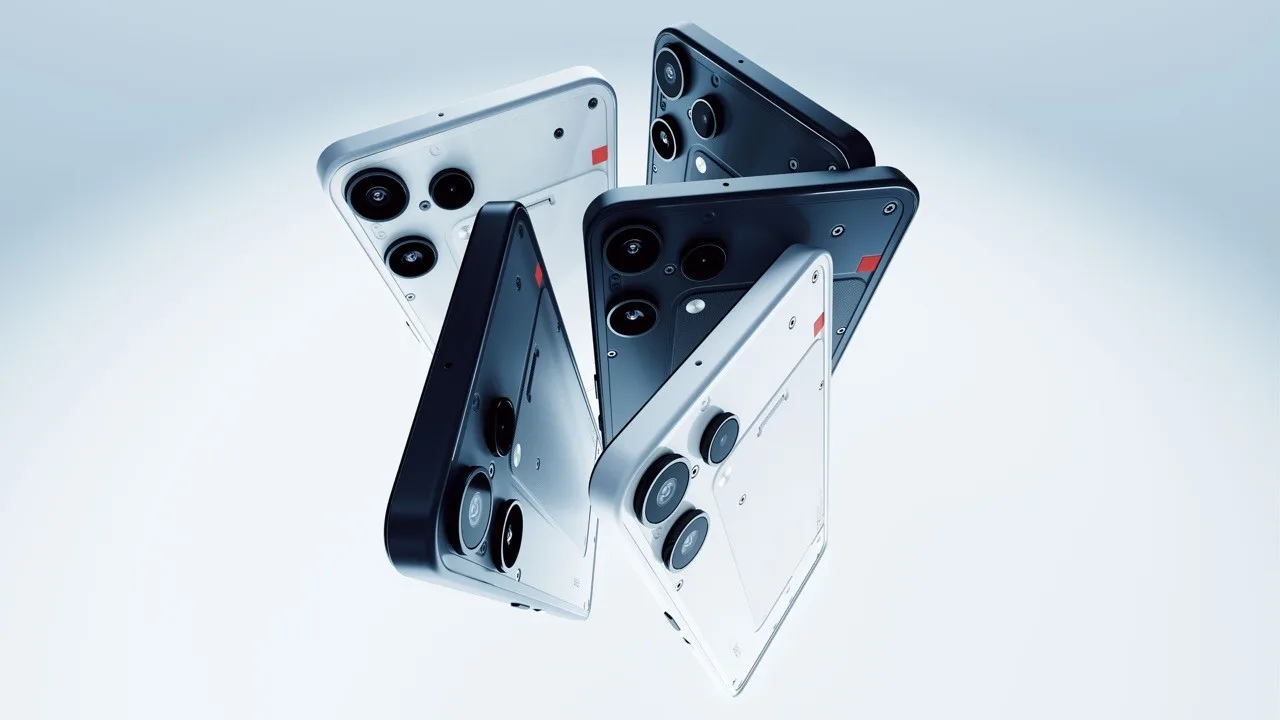
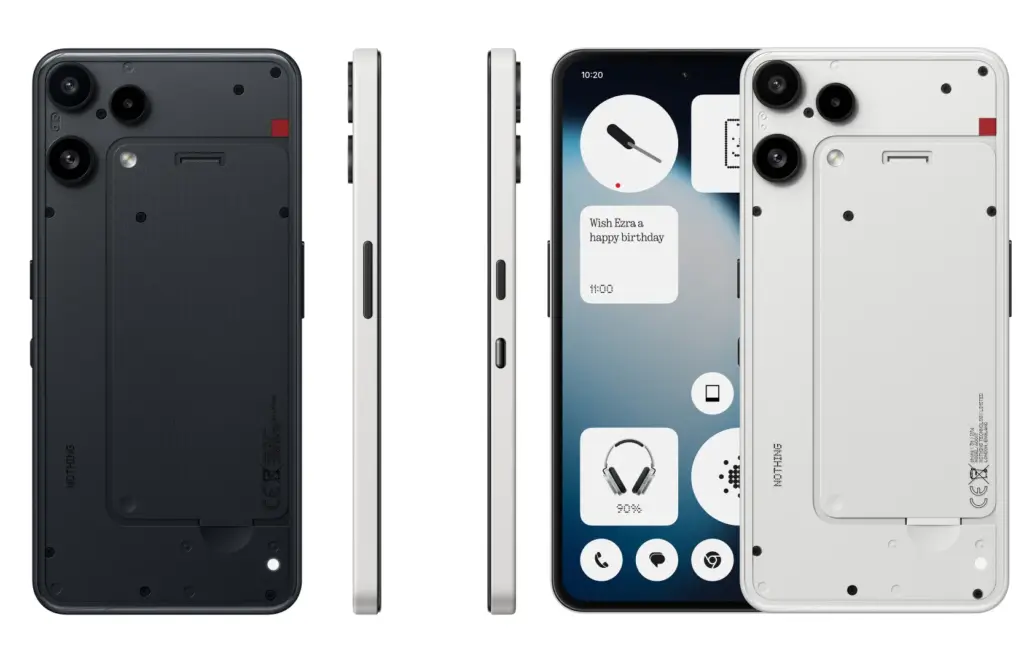
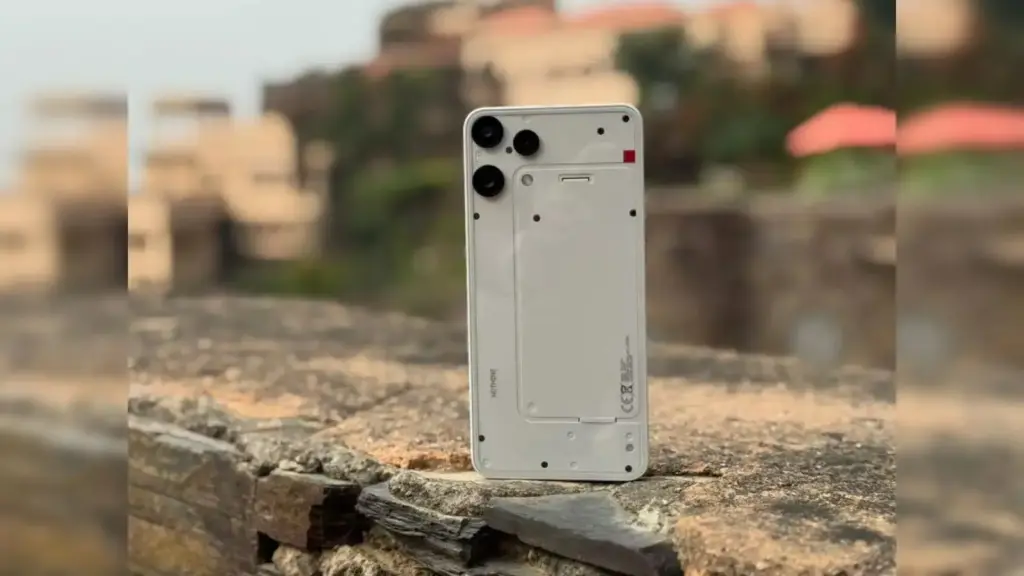
    Nothing Phone (3a) Lite

    Nothing Phone (3a) Lite announced

    Nothing recently revealed that the Phone (3a) Lite would go on sale worldwide on October 29, 2025. That is 1:00 pm GMT, or 6:30 pm IST if you’re in India. YouTube and Nothing’s website both provide live streaming of the event. The launch schedule as a whole aligns perfectly with the Phone 3 lineup. It comes after the March 2025 Nothing Phone (3a).

    It’s their first real entry-level phone. It is also intended to be less expensive than their CMF lineup. This launch calls out to you if you prefer daring over basic. With its useful pro features, this phone might be your next reasonably priced upgrade. We now go on to the following part.

    Features and design

    Nothing perfectly captures the eccentric style, yet it doesn’t even appear strange. The Nothing Phone (3a) Lite, which comes in black and white, has a sleek design. A rear LED flashlight is shown in teasers. It also serves as a ping for notifications. However, it now appears lot simpler. This is not a full light show. It lights just enough to draw attention, though.

    It comes pre-installed with Android 15. Nothing about OS remains tidy. Widgets look stunning. The gestures are fluid. You get that feeling of transparency without the clutter.

    Nothing Phone (3a) Lite

    We are aware that the Nothing Phone (3a) Lite will have a 6.77-inch full-HD+ AMOLED screen before it is released. All flagship and respectable 30k-range phones on the market have it at 120 Hz. There are 1.07 billion shades of color. ideal for playing games, watching movies, and other media.

    Budget phones typically use the MediaTek Dimensity 7300 processor. Another item on the list is the Nothing Phone 3a Lite. This phone’s apps seamlessly multitask because to its 8GB RAM. 128GB of storage. Extend if necessary.

    Regarding the battery, it happily keeps the large 5000mAh cell that lasts all day. At 33W wired, charging is quick. 5W reverse charging. It’s sufficient to sustain earbuds.

    One of Nothing Phones’ best features is its cameras, which are not being downsized either. We have an 8-megapixel ultrawide, a 50-megapixel telephoto for zoom, and a 50-megapixel primary camera on the back. An incredible 16-megapixel selfie lens is located on the front. Rear camera daylight photos are particularly striking. The performance in low light is the sole drawback. It’s good, but not at the pro level.

    Nothing Phone (3a) Lite price

    As far as we are aware, this version was released to compete with more reasonably priced phones. With the lite edition, nothing keeps entry-level real. At the very least, we should anticipate a 5–6k price reduction from the original model. With 8GB RAM and 128GB storage, the Phone (3a) Lite is priced at Rs. 17,990. A great deal for fans of Glyph. Sales begin shortly after introduction, most likely on the website of Nothing or Flipkart.

    How does it compare, though? This is a brief table of competitors priced between Rs. 15,000 and Rs. 20,000. The software, features, and performance of these packs are comparable.

    Phone ModelPrice (Rs.)Key Highlights
    Nothing Phone (3a) Lite17,990Dimensity 7300, Glyph LED, 120Hz AMOLED
    Moto G85 5G17,999Snapdragon 6s Gen3, 50MP OIS cam, 5500mAh
    Realme Narzo 70 Pro18,999Dimensity 7050, 50MP main, 67W charge
    Samsung Galaxy A16 5G18,499Exynos 1330, 50MP triple cam, 5000mAh
    Poco X6 5G19,999Snapdragon 7s Gen2, 64MP OIS, 5100mAh

    Nothing Phone (3a) Lite vs Nothing Phone (3a)

    We are tempted by the Lite because it is reasonably priced. However, if you can afford to spend a little extra, the complete Phone (3a) entices you more. Since the 3a isn’t too old, the most recent software upgrades are comparable to those of the light. The price is Rs. 22,500. This table may help you make a decision if you are unsure about how the Lite version differs from 3a. Let’s do a table comparison.

    FeatureNothing Phone (3a) LiteNothing Phone (3a)
    Price (Rs.)17,99022,500
    ProcessorDimensity 7300Snapdragon 7s Gen3
    Display6.77″ FHD+ AMOLED, 120Hz, 1.07B colors6.7″ FHD+ AMOLED, 120Hz, 1B colors
    Rear Camera50MP + 50MP tele + 8MP UW (no OIS)50MP OIS + 50MP tele + 8MP UW
    Front Camera16MP32MP
    Battery & Charging5000mAh, 33W wired, 5W reverse5000mAh, 50W wired, 7.5W reverse

    In terms of speed and shots, the 3a prevails. In games, Snapdragon outperforms Dimensity. OIS stabilizes videos. 32-megapixel selfies are crisper. At 50W, charging is incredibly quick. In twenty minutes, that will be half full.

    But Lite is resilient. identical battery life. The screen pop is similar. Hold on to Lite if the budget is tight and you can do without a few slightly less expensive features. Eighty percent of the magic is delivered by it. Only if you are using a previous series should you upgrade after the Nothing Phone (3a) Lite launch.

    nothing phone 3a lite hands on fewer lights same vibe

    The Nothing Phone (3a) Lite demonstrates a bold look that isn’t appropriate for everyone. However, many people can afford it. This phone is especially suitable for young people who are in college, are students, or are starting their first job. Additionally, the Nothing phone 3a lite can be your calling if you swap phones every two to three years in search of the newest features.

    How do you feel about the release of the Nothing Phone (3a) Lite? Would you purchase it? Leave a comment with your ideas!

  • Google Feature Drop leak teases powerful new tools for Pixel devices

    Google Feature Drop leak teases powerful new tools for Pixel devices

    Over the past few years, Android has been in a very good spot thanks to Google’s delivery of an experience that felt really polished and refined with Android 15 and a few minor tweaks and modifications with Android 16.

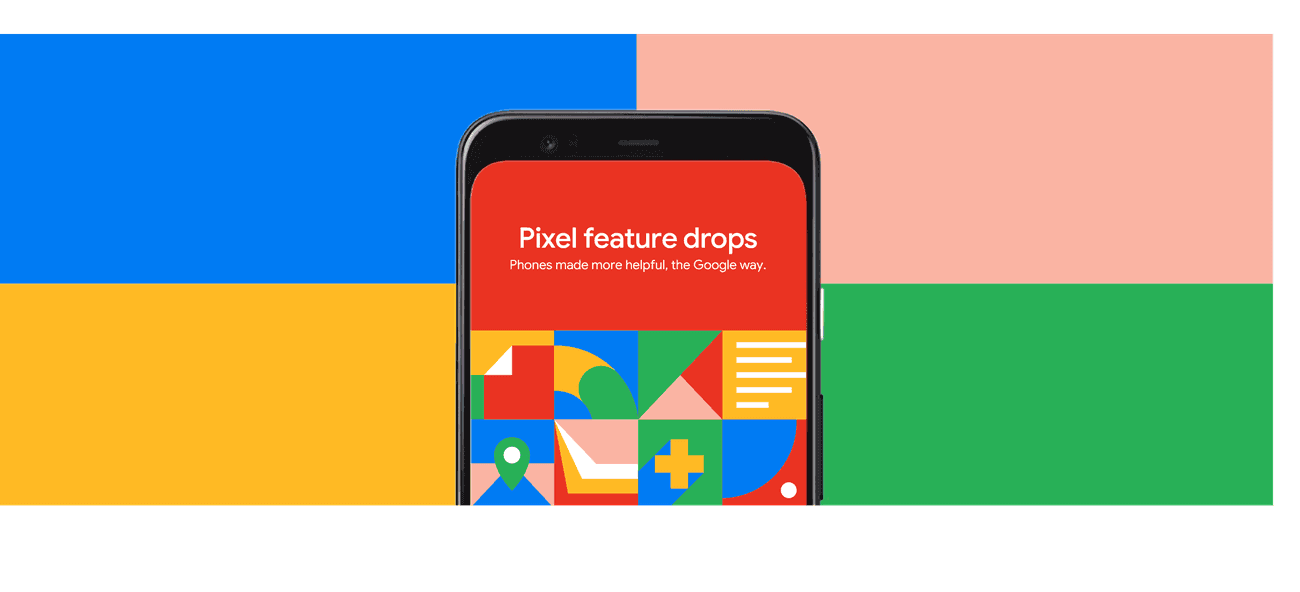
    Naturally, the company has many chances to make improvements with frequent updates, and with Pixel Feature Drops, it can even implement more significant changes. We won’t have to wait long for Google’s next feature drop if the rumors are accurate.

    New features are coming

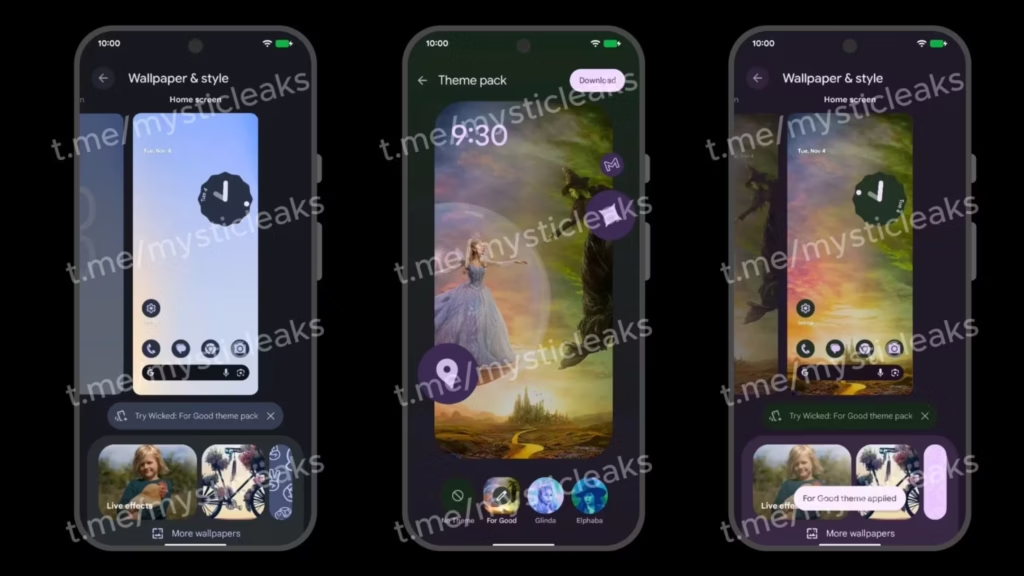
    According to leaks posted on Telegram by Mystic Leaks, the next significant Pixel update is scheduled for November 4 (via 9to5Google). Of course, this is only what the screenshots that were leaked show, and it might arrive at a different time. However, for the time being, we must believe that the update will be released soon.

    Google Feature Drop leak

    New theme packs, which will let you alter the phone’s entire appearance and feel with a single button tap, will be one of the update’s main features. This feature includes custom noises and GIFs in addition to the obvious background and icon modifications.

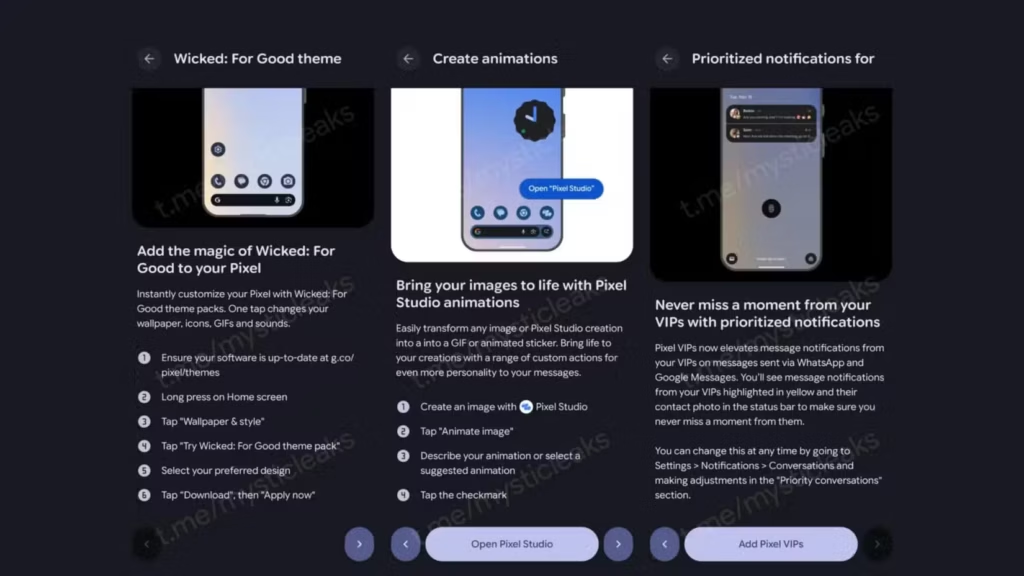
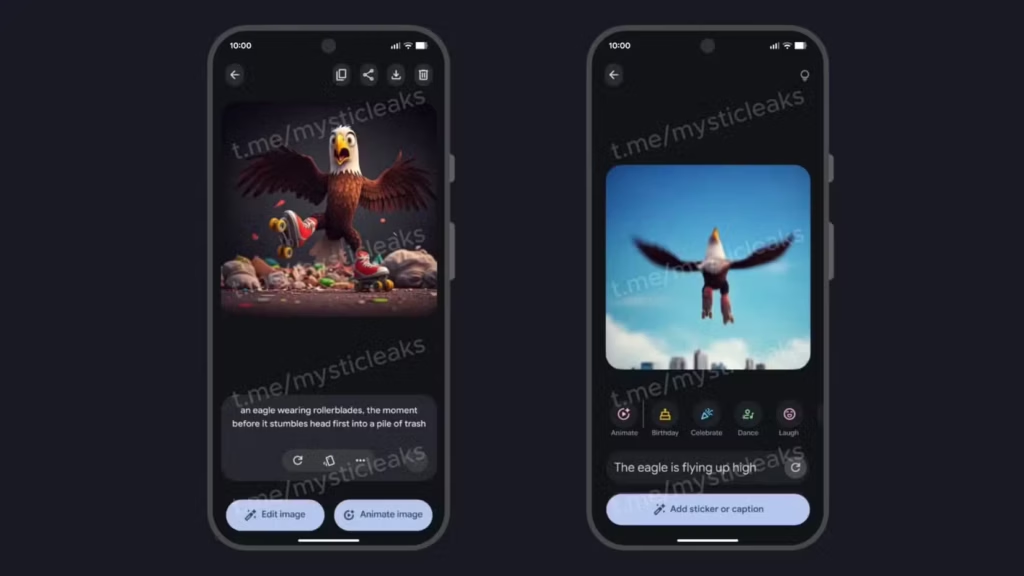
    According to the screenshots, there may also be promotional tie-ins with films and other events, which might make theming a little more enjoyable if you like a completely different style based on current trends. In addition to the aforementioned, it appears that the Pixel Studio software will soon be able to create GIFs.

    Google Feature Drop leak

    In the past, AI might be used to produce still photographs. You may now enhance these photos even more with the Feature Drop. Additionally, Pixel VIP is receiving a minor update that highlights incoming messages from the people you care about the most.

    There aren’t any significant changes here, but in order to keep you better informed, it will highlight your VIPs in yellow and provide a contact image. Overall, it’s a good set of upgrades to anticipate.

    Google Feature Drop leak

    Although this sounds fantastic, 9to5Google is still dubious about the update, pointing out that there are mistakes in the pictures and that the timing seems off given that Android 16 QPR2 is almost here. Fortunately, we won’t have to wait long to discover the truth.

  • HyperOS 3 Beta update lifts restrictions, making Hyper Island available for all users

    HyperOS 3 Beta update lifts restrictions, making Hyper Island available for all users

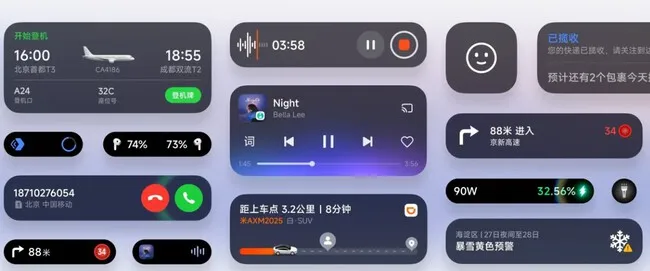
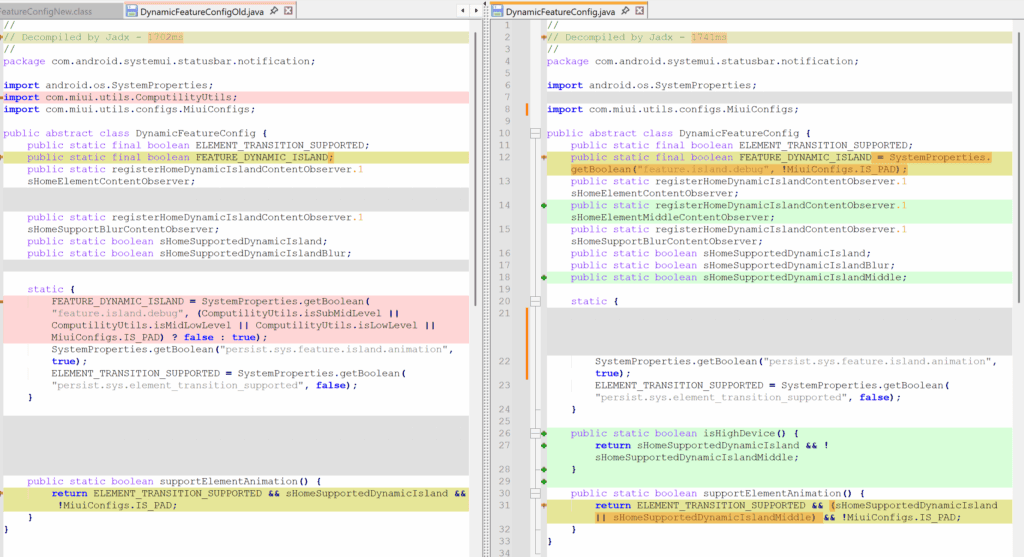
    By removing internal limitations in the most recent HyperOS 3 Beta version, Xiaomi has expanded access to its “Hyper Island” feature, which was previously only available for flagship models. All Xiaomi, Redmi, and POCO devices—including tablets and entry-level smartphones – can now use Hyper Island thanks to this upgrade. In an effort to be more inclusive throughout its product line, the business removed device-specific tags (such IS_PAD and isLowLevel) that had previously restricted interoperability.

    xiaomi Hyper Island is now for Everyone

    What is Xiaomi Hyper Island?

    Xiaomi‘s integrated notification and background activity control interface, Hyper Island, is located at the top of the screen and was inspired by Apple’s Dynamic Island. Although the functionality was initially designed for high-performance devices, recent advancements have made it possible for it to function properly on devices with less powerful hardware.

    This change is in line with Xiaomi’s overarching plan to encourage uniformity and feature parity throughout its network of devices. Xiaomi hopes to improve customer satisfaction and device durability inside the HyperConnect ecosystem by offering flagship-level user interface experiences on more reasonably priced products.

    However, the Island can function without animations on certain devices.

    Hyper Island with the most recent update will be immediately sent to those that take part in the HyperOS 3 Beta program.

    Xiaomi’s continued dedication to providing a consistent and all-encompassing user experience across all device categories is in line with this progress.