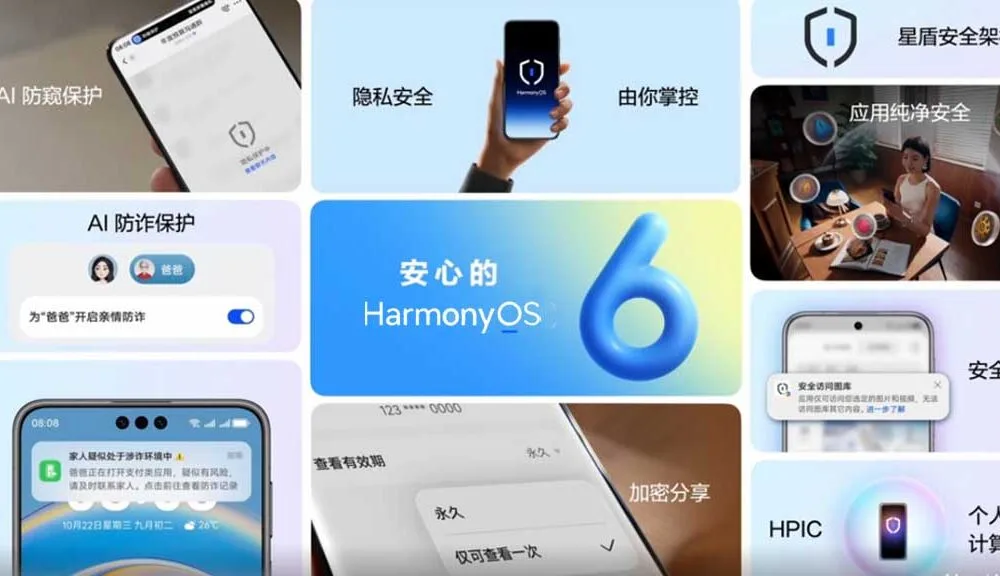
For many smartphones, tablets, and smartwatches, Huawei has issued a stable HarmonyOS 6 software upgrade that gives consumers who weren’t in the beta program new features.
With this new release, HarmonyOS has excelled in the quality mode, which means the upgrade focuses on fundamental issues such as performance and a better app experience.
HarmonyOS 6-powered Mate 80 Pro Max boasts up to 42% performance leap over the Huawei Mate 70 Pro+ (HarmonyOS 5). This leap is based on the chipset, because to the close coordination between software and hardware
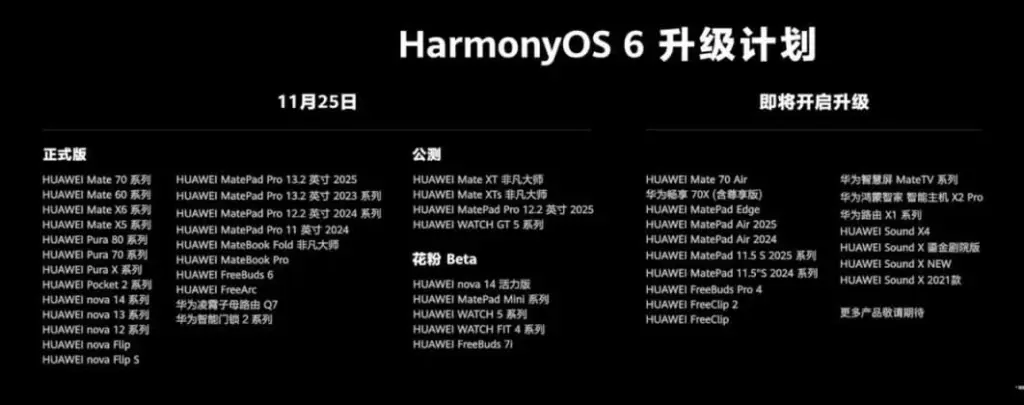
The software for earlier models, including flagship and mid-range handsets, has also been adjusted by the business. Therefore, we can expect some upgrades over the older version. Below, you can check all Huawei devices in the first batch receiving the stable HarmonyOS 6 software update.
Mate 70 series
Mate 60 series
Mate X6 series
Mate X5 series
Pura 80 series
Pura 70 series
Pura X series
Pocket 2 series
Nova 14 series
Nova 13 series
Nova 12 series
Nova Flip
Nova Flip S
MatePad Pro 13.2-inch 2025
MatePad Pro 13.2-inch 2023 Series
MatePad Pro 12.2-inch 2024 Series
MatePad Pro 11-inch 2024
MateBook Fold Ultimate Design
MateBook Pro
FreeBuds 6
FreeArc
Huawei Router Q7
Huawei Smart Door Lock 2 Series
You should know that the software is being served for HarmonyOS 5 and HarmonyOS 6 beta users. Huawei formally declared that the total number of HarmonyOS 5 and 6 installations has surpassed 100,000 devices at the Mate 80 series launch event.
Furthermore, the HarmonyOS operating system is supported by the app, which has over 300,000 programs and meta-services via the AppGallery platform. The Chinese market and consumers’ excitement for the most recent Huawei software updates have been the main drivers of this expansion.
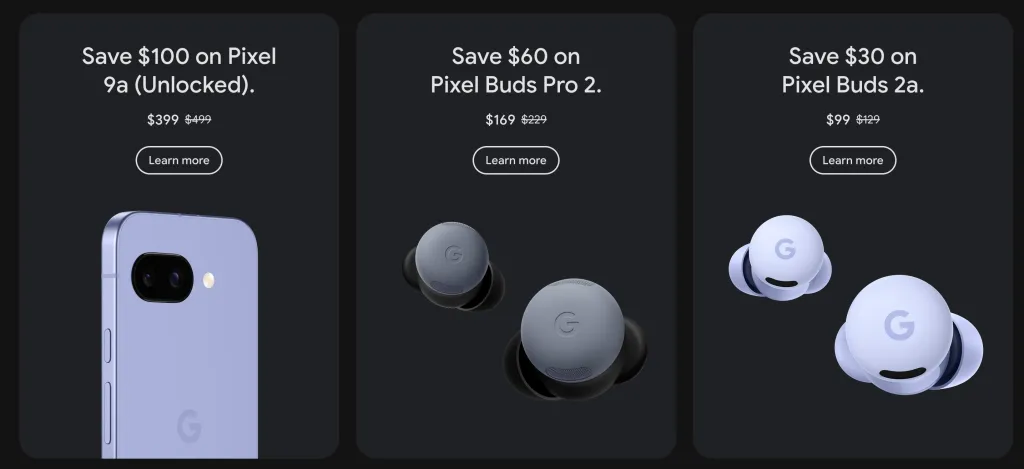
Along with yesterday’s Google Black Friday sale, which featured the Pixel Watch 4 at up to $100 off and the Pixel 10 and Pixel 10 Pro lines at up to $300 off, the early Samsung Black Friday bargains and Amazon offers are already in full force. However, today’s 9to5Toys Lunch Break has even more to check out. The Samsung Galaxy Watch 8 is currently available for $280 during Black Friday, while the Galaxy Z Fold 7 can be purchased for up to $400 and the Galaxy S25 Ultra for $350.
These deals also coincide with the current OnePlus Black Friday sale, which gives up to $200 off many of the company’s most recent releases, a new Amazon all-time low on the Nothing Headphone (1), and up to 52% off a variety of Samsung monitors. Take a look at everything below.
Official 2025 Google Black Friday Deals Go Live: Big Savings on Pixel Watch 4, Pixel 10, and More
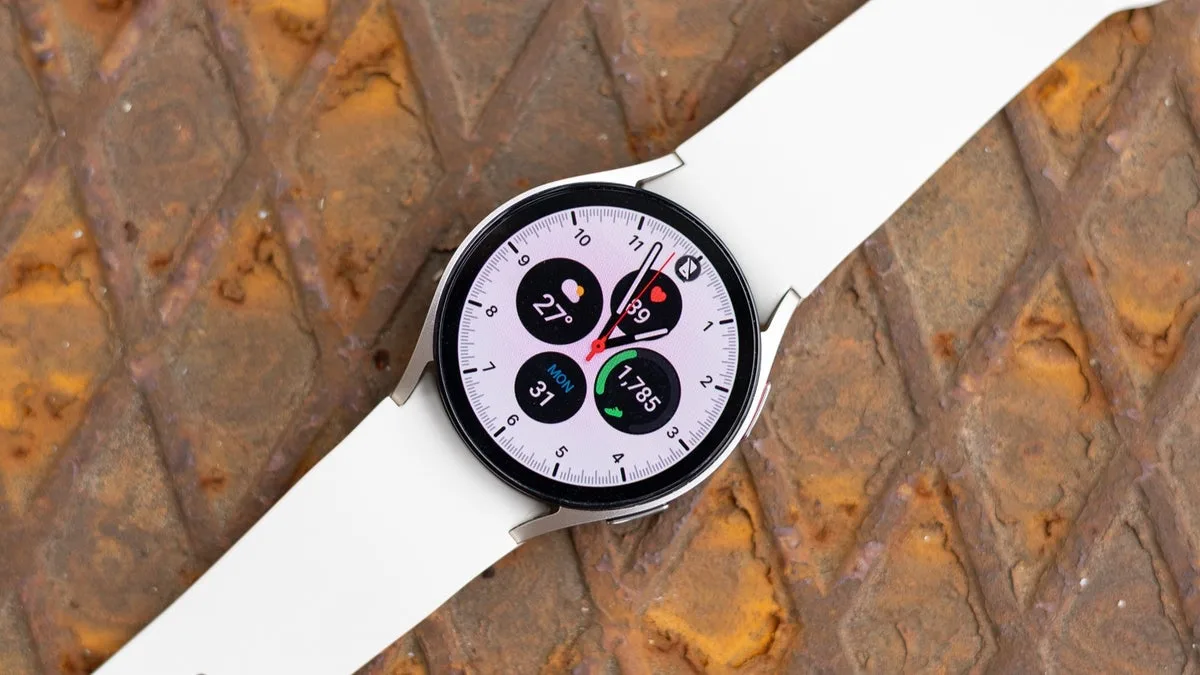
Samsung Galaxy Watch 8 Black Friday deals now live from $280
With massive price reductions on its most recent Galaxy launches, including $400 off the Galaxy Z Fold 7 and $350 off the flagship Galaxy S25 Ultra, Samsung’s official Black Friday week is already underway. However, this also means that the most reasonably priced current-generation Galaxy Watch 8 is currently available for $70 off the retail price thanks to Black Friday promotions.
Although we were able to get select Galaxy Watch 8 combinations at Woot for $100 off, there weren’t many color options available, and the bargain didn’t come with a valid warranty. However, as of right now, Samsung has reduced the price of all configurations by a significant $70:
With the exception of the Woot offer and YMMV/EDU reductions, the prices we are seeing below are, as compared to Amazon, the lowest straight-up cash discounts since release. The lowest prices we have seen on Amazon are obtained by matching these deal prices.
Check out our Black Friday Samsung coverage below, as well as the $350 price reduction on the flagship Galaxy S25 Ultra:
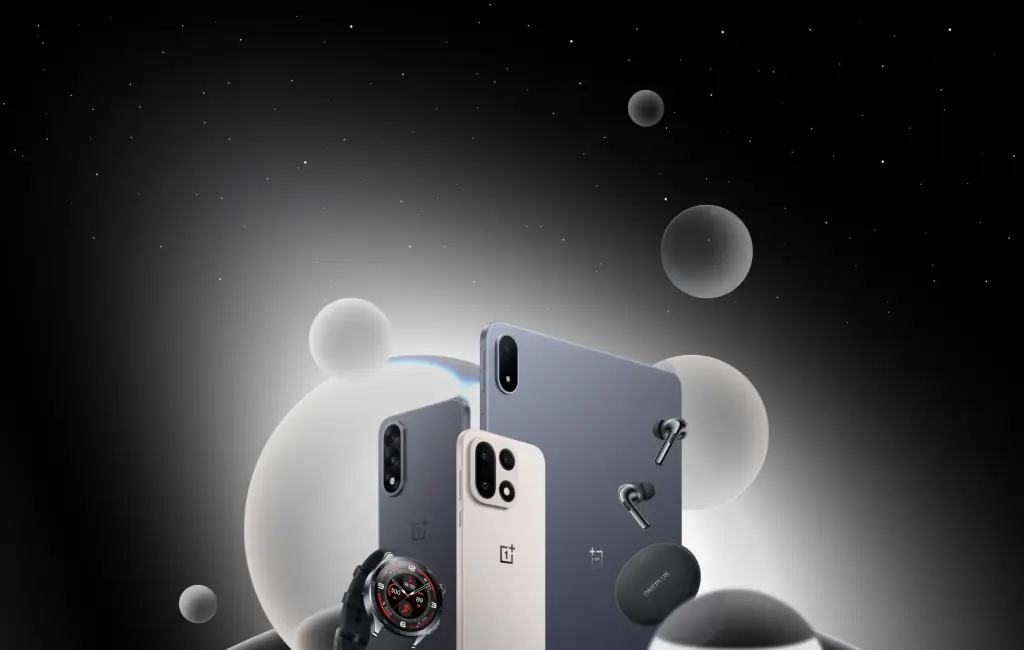
The official Black Friday sale for OnePlus has begun. The company told us that their major event sale is currently underway, with sales anticipated to continue through Cyber Monday if inventory permits. With the exception of the brand-new OnePlus 15, which is now in a launch holding pattern, almost everything in the sale is now down even more than we saw during Prime Day and the Halloween event, with savings of up to $200. This covers all of its most recent launches as well as a few new low-end devices, such as the OnePlus Watch 3 (43mm) and OnePlus Buds Pro 3. Take a look at everything below.
This time, promo codes are required; everything is simply marked down and operational. In addition to one of the greatest cash discounts to date on the OnePlus Pad 3 at $120 off, we are looking at outright $200 price reductions on OnePlus 13 variants.
Just be sure to keep an eye out for the free gifts that are offered on certain items; scroll down on the corresponding listing pages to make sure you take advantage of the freebies when you can:
The open-source HarmonyOS and Euler operating systems have seen quicker developer growth in China, according to the OpenAtom Foundation.
The OpenAtom Foundation is China’s first open-source software foundation, having been founded in 2020. From the start, Huawei has been a major supporter to the foundation. The business created OpenHarmony, an open-source HarmonyOS and Euler operating system, and gave the foundation the openEuler source code.
According to Cheng Xiaoming, Chairman of the OpenAtom Foundation, there are 2.27 million active open source developers and over 3 million active open source projects in China. These programmers are producing a wide variety of open-source programs and software.
OpenAtom foundation
Additionally, it is disclosed that Chinese developers are at the forefront of open source AI models, such as DeepSeek and Qwen, outperforming their competitors in the worldwide market. By 2025, a 25% global market adoption rate is anticipated for the open source hardware designs embodied by RISC-V.
The upcoming generation of AI computing power systems will be led by open source RISC-V. The open-source HarmonyOS and Euler have achieved the Graduation milestone, according to the OpenAtom Foundation.
An open-source project’s graduation represents its overall maturity in terms of technological iteration, community governance, and ecosystem development, and it is an important milestone in its operation.
Graduating projects will have a significant impact on industry innovation and technological advancement in addition to having strong vitality and sustainable development capabilities. They will also generate more value for developers and consumers worldwide. Graduating projects continue to play a significant role in the Foundation’s environment.
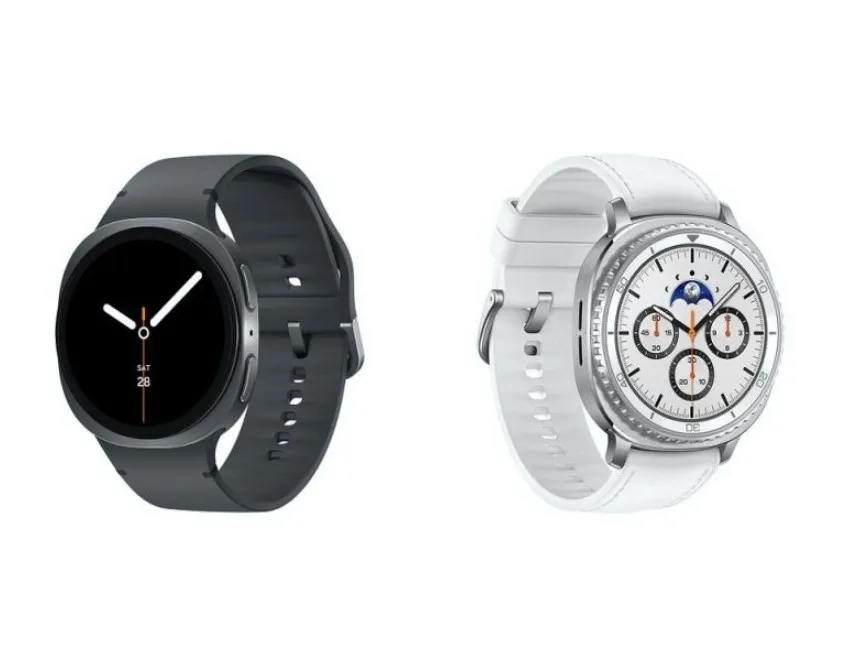
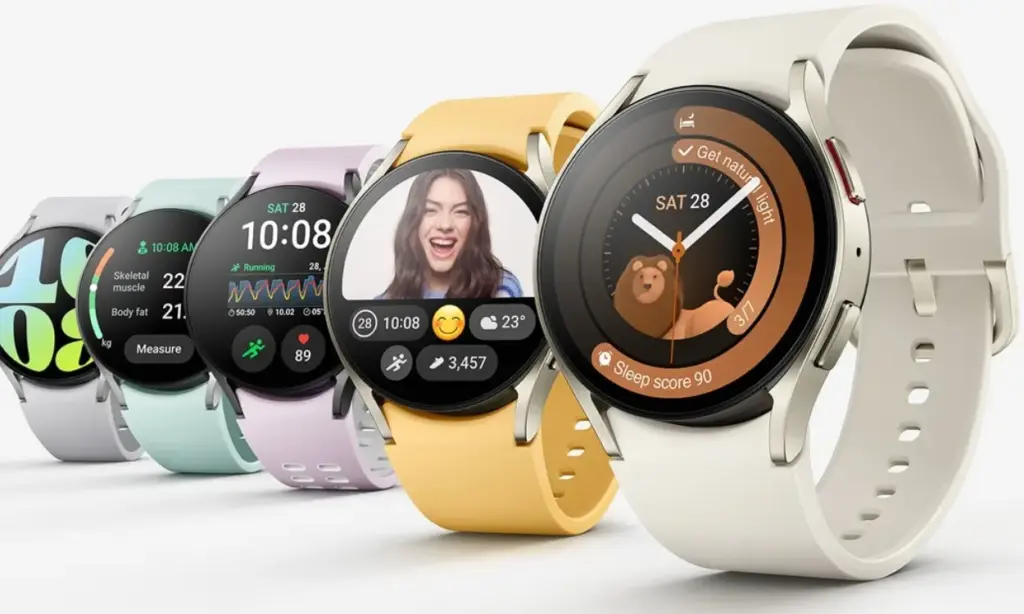
Less than a month ago, Samsung released another beta update for the Galaxy Watch 6, which perhaps caused some people to question when the full build would be released. With Samsung releasing One UI 8 based on Wear OS 6 for the Galaxy Watch 6 series, it seems like it will happen sooner rather than later.
In Korea, Samsung’s initial One UI 8 upgrade for the Galaxy Watch 6 and 6 Classic is presently being released (via GSMArena). The US should soon follow suit, adding more regions to the list as similar updates usually do.
The UI and fitness features of the Galaxy Watch 6 and 6 Classic will evolve as more regions become accessible. In particular, One UI 8 Watch introduces a new stacked tile feature for improved widget access, which is much appreciated.
Wear OS 6 is coming
If Samsung is sticking to the same schedule as it did with the Watch 6 series, the Galaxy Watch 5 is scheduled for another beta upgrade in the near future. Although Samsung hasn’t given any timeframe information, it is anticipated that the Galaxy Watch 5 will have access to a final build of Wear OS 6.
Instead of using the Members app, you can download the update using the Galaxy Wearables app. Go to the settings and search for the software update page after that.
Samsung has begun discussing its first 2nm chips in public, and the figures are unexpectedly modest, which is causing some people to take notice. The business plans to begin shipping the new silicon in 2026, beginning with the Galaxy S26 series in Europe. Although the upgrades don’t seem like a “revolution” on paper, they are already helping Samsung earn large contracts and higher expectations.
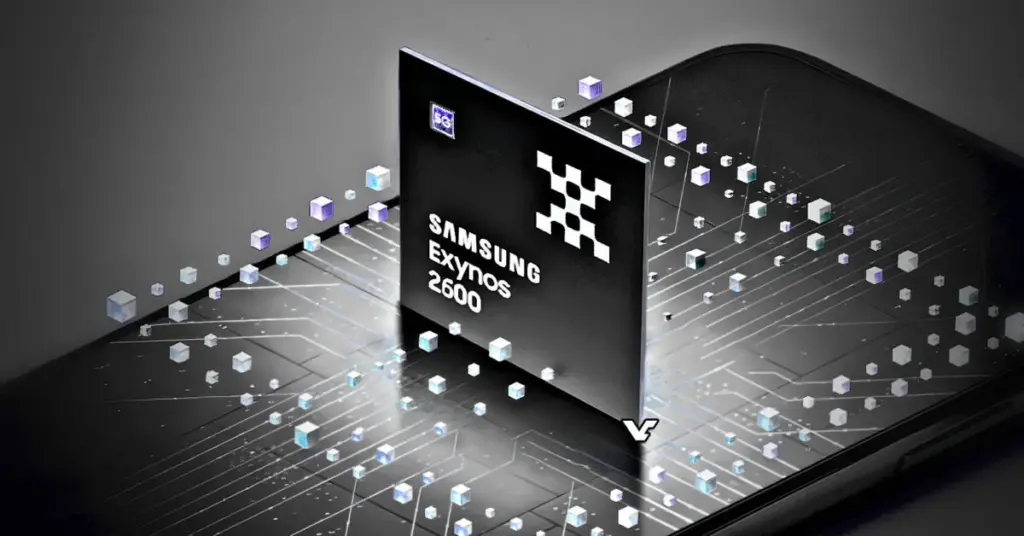
Samsung’s worldwide flagship strategy has been weak for years due to its Exynos chips. Customers in Europe have frequently received slower, less effective devices than their Snapdragon-equipped counterparts in the US, and it appears that the S26 and S26+ will follow suit. While the S26 Ultra is expected to continue using Qualcomm’s Snapdragon 8 Elite Gen 5 globally, those two variants are anticipated to employ the Exynos 2600.
Exynos 2600 performance boost
Samsung appears confident, though. According to the company’s most recent financial report, the new 2nm Gate-All-Around (GAA) process is expected to improve performance by around 5%, increase efficiency by 8%, and reduce chip size by about 5% when compared to its second-generation 3nm process. Those figures are not that large on their own. However, they are already paying off. Based on early 2nm capabilities, Samsung reportedly acquired about 25% of Galaxy S26 orders and a huge $16.5 billion contract with Tesla for its AI6 CPUs.
Another aspect of the jigsaw is yield. According to Samsung, the Exynos 2600 is currently achieving a yield rate of over 60%, which is supposedly sufficient to begin significant production. In comparison to employing Snapdragon chips, the company might save $20–$30 per unit if that remains true, which could result in a significant reduction in the bill of materials (BoM) for the European S26 models.
However, not everyone believes that this is Samsung’s desired return. Exynos has a lengthy history of appearing promising on spec sheets but faltering once the phones are in the hands of consumers. Additionally, there is still a fundamental design gap: Samsung continues to use ARM’s standard Lumex core designs, which typically lag behind in real-world optimization, while Qualcomm and Apple develop highly customized CPU architectures.
The question is rather straightforward as the Galaxy S26 debut draws near: is Samsung’s early 2nm jump a real turning point or is it just another case of déjà vu for European consumers? It’s obvious that the corporation believes little steps will build up. It’s another matter entirely if consumers concur.
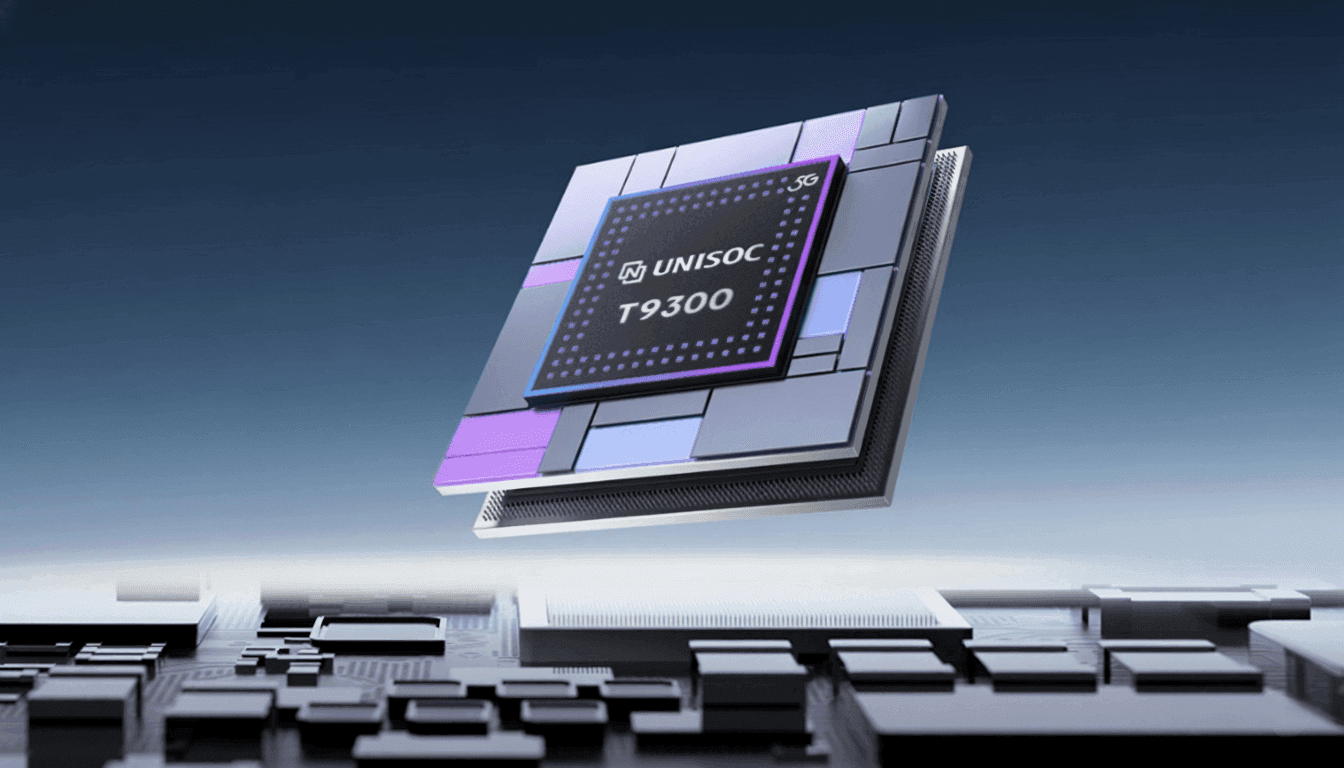
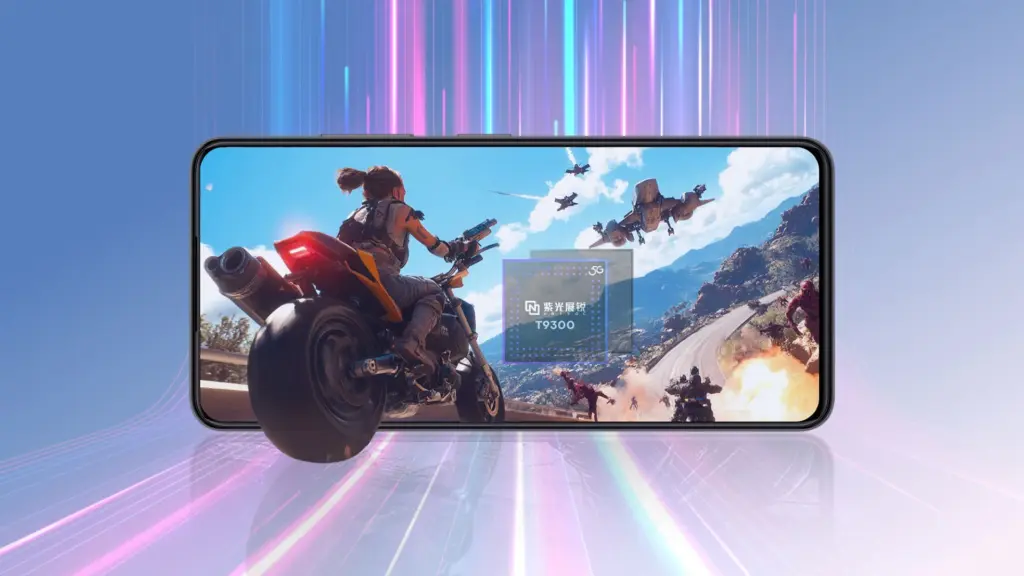
The new Unisoc T9300 5G mobile chipset for smartphones has been discreetly introduced. According to the business, the chip is a high-performance 5G SoC intended to provide improved gaming and video experiences. To find out more specific information about the new chipset, keep reading.
Unisoc T9300 specs
The high-performance 5G SoC Unisoc T9300 is intended to improve gaming and photography. It has an octa-core CPU with two Cortex A78 cores operating at 2.4GHz and six Cortex A55 cores operating at 2.2GHz, all built on a 6nm technology.
According to Unisoc, efficiency has increased by about 38% over the preceding generation. The Mali G57 dual-core GPU handles graphics, and UFS 2.2 flash and LPDDR4X RAM are supported for storage. According to reports, benchmark scores on AnTuTu V10 approach 550,000.
3GPP Release 17 support, the integration of 5G NR NTN satellite communication, and 5G MBS broadcast significantly improve connectivity. In typical 5G scenarios, the chipset has enhanced power efficiency and AI-driven network management. Dual VoNR, VoWiFi, SA and NSA modes, and full multi-band compatibility from 2G to 5G are all supported.
With a quad-core ISP, support for up to 200-megapixel sensors, 32-megapixel at 25 frames per second ZSL output, and 20-megapixel dual camera combinations, the T9300 unveils the seventh-generation Vivimagic imaging engine. Along with enhanced portrait segmentation and HDR photography, it also features enhanced multi-frame and time domain noise reduction, improved 3A algorithms, and AI-backed night mode.
Advanced noise reduction, improved echo control, improved stereo playback, and HiFi-grade output driven by a dedicated DSP are among the audio features. In addition to VRR and other eye protection settings, display support includes FHD+ at 144Hz, 1.5K at 90Hz, HDR10+, and Netflix certification.
The Unisoc Miracle Gaming engine, which emphasizes frame stability, network optimization, and improved visual processing with AI codec support for increased voice clarity in bad network conditions, enhances the gaming experience.
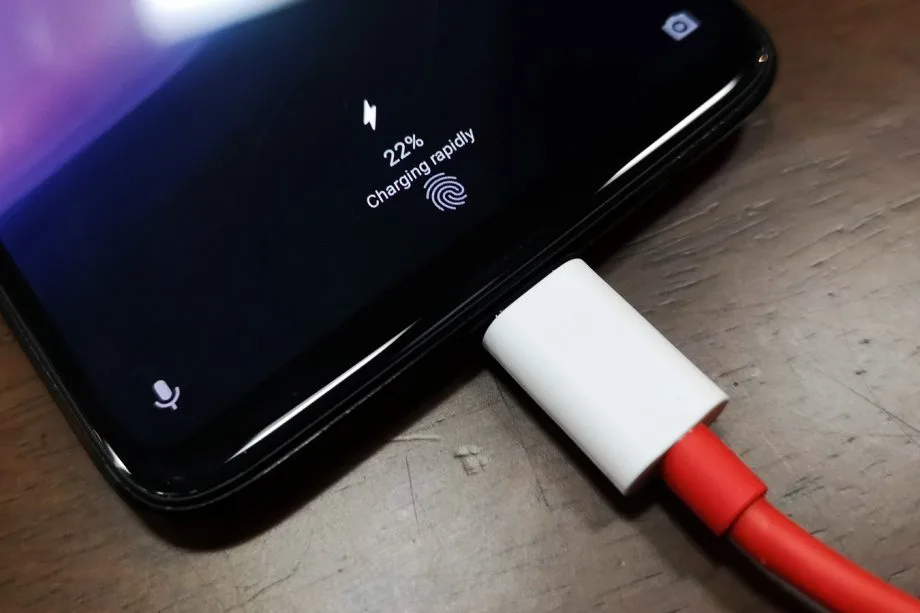
30 minutes to fully charge the battery? A growing number of cellphones can be fully charged in less than an hour. Does this rapid charging, however, harm the battery? This has been examined in an experiment, which yields an unexpected result.
30 minutes to fully charge the battery? A growing number of cellphones can be fully charged in less than an hour. Does this rapid charging, however, harm the battery? This has been examined in an experiment, which yields an unexpected result.
A Chinese do-it-yourself team called HTX Studio looked into this precise subject. After purchasing ten identical iPhones and ten Android devices, the do-it-yourselfers split them up into groups. A fast-charging power supply unit was used to charge one group, while a slow charger was used for the other. We finally have a response after 500 full charges and six months.
How did they do it?
Two groups of iPhones were created. Apple’s 40-watt power supply was used to charge three gadgets, while the outdated 5-watt power supply was used for the remaining three. To ascertain the typical aging of the battery over time, a second iPhone was left completely uncharged as a control group.
For the Android cellphones, the configuration was the same. The iQOO7, which is unavailable in this nation, was utilized twice: once with 18 watts and once with the maximum power of 120 watts.
The smartphones are fully charged by self-programmed software, which then uses up the battery once again until it is only five percent. After that, the charging procedure resumes. In this way, 500 charging cycles were carried out over a few months.
Is fast charging bad for your phone’s battery?
The enthusiasts looked at the batteries both before and after the experiment. This is due to the fact that not all smartphones have the same battery capacity when they are manufactured. There may be slight variations of less than one percent. The batteries were inspected once more after 500 cycles, and the amount of capacity they had lost was calculated:
iPhone (slow charge): 11.8%
iPhone (fast charge): 12.3%
Android (slow charge): 8.8%
Android (fast charge): 8.5%
The outcomes are unexpected. Faster charging caused the batteries in iPhones to lose 0.5 percent of their capacity, but the batteries in Android cellphones even lost 0.3 percent. Only in a lab can these variations be quantified. Therefore, the service life of your battery is essentially unaffected by fast charging.
How to take care of your battery
For the longest potential service life, batteries should be kept between 30 and 80 percent charged, according to another battery myth. For mobile cellphones, some manufacturers even include an 80 percent charge cap.
In order to test this notion, the Baster team charged another set of cellphones to 80% capacity before draining the battery to 30%. The experiment was repeated 1000 times because this was only half of a charging cycle.
iPhone (30-80 percent): 8.3%
Android (30-80 percent): 6.0%
Therefore, you are actually doing your smartphone’s battery a favor if you never charge it to more than 80%. However, the difference in day-to-day living is negligible even here. Therefore, the experiment demonstrates that you should just charge your smartphone whenever it is most convenient for you rather to spending a lot of time and effort doing so.
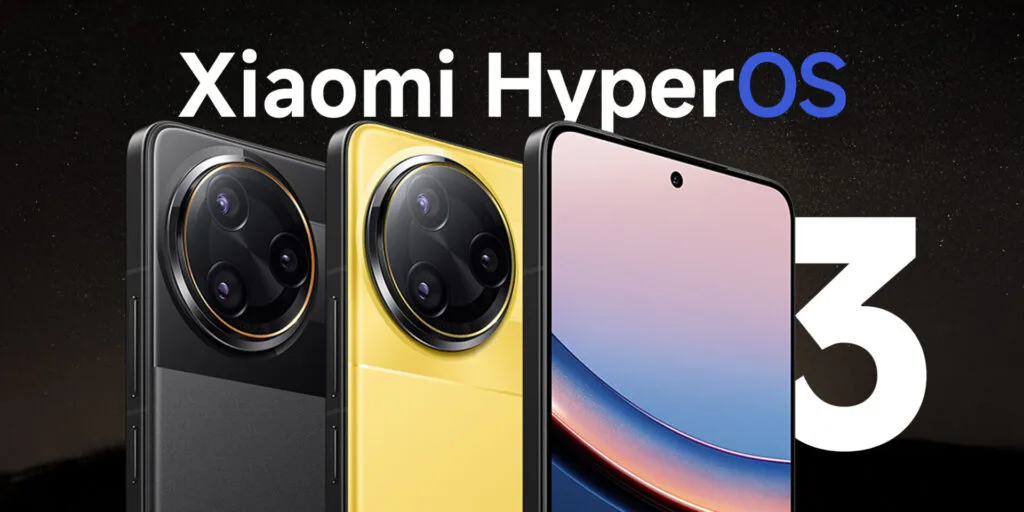
Is the speed of your old Xiaomi device decreasing? As software accumulates digital junk and apps become more resource-intensive, even powerful smartphones may become sluggish. Try these tried-and-true optimization strategies before considering upgrading, though, as they can greatly improve the performance of your Xiaomi device. You may restore the smooth responsiveness you experienced when your phone was brand-new by making a few easy adjustments to your device’s settings. These insider recommendations are applicable to all Xiaomi devices, including Redmi and POCO models, and work best on older devices running MIUI or HyperOS.
System update
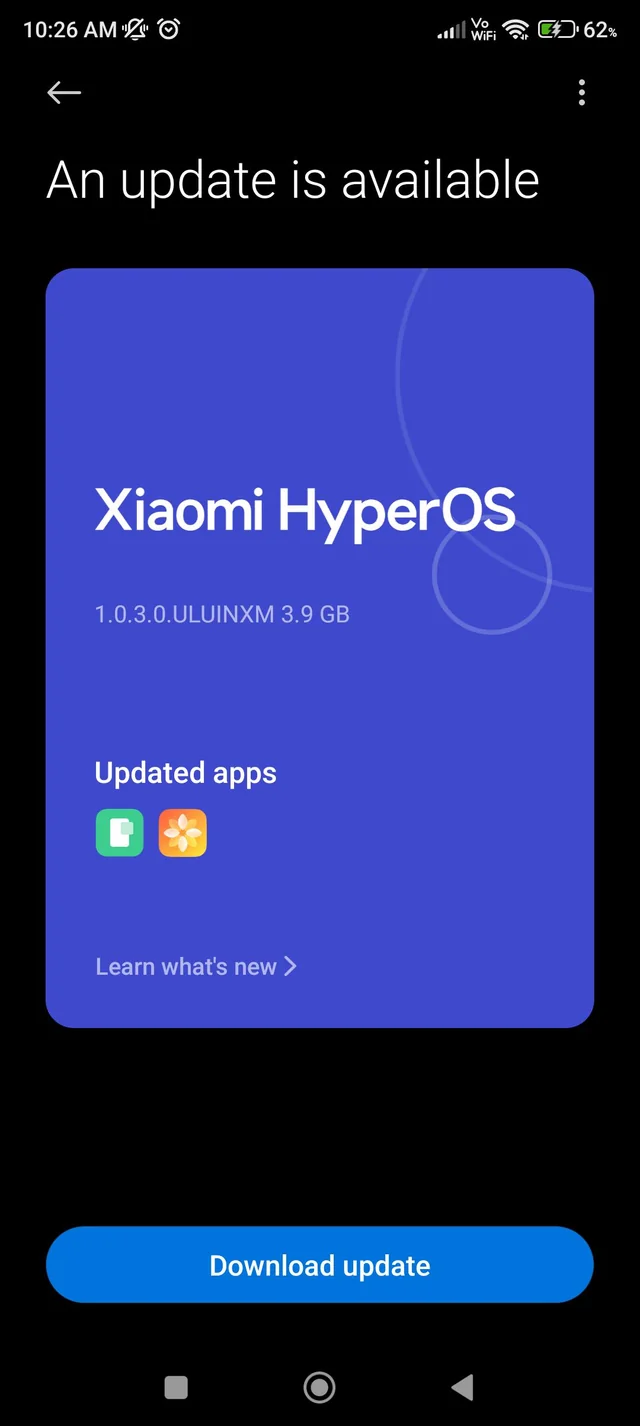
For your device to perform at its peak, it is crucial to maintain it updated. Xiaomi often releases software updates that include security patches, bug fixes, and necessary performance improvements.
Updates can address existing performance issues and add new features designed to increase the effectiveness of your device. Go to Settings > About phone > System update > Check for updates to see if there are any updates available.
Reduce Animation
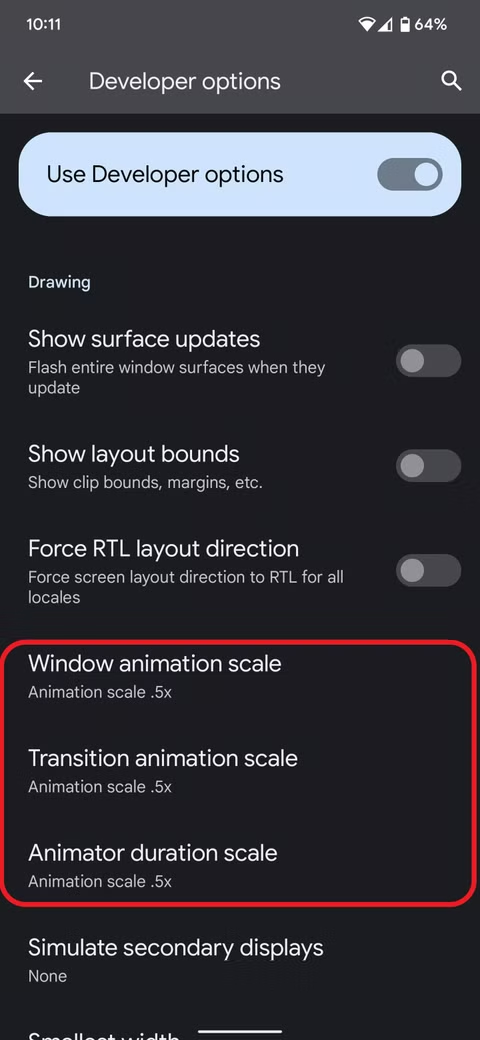
The fastest approach to make your Xiaomi phone feel faster is to adjust the animation scales. Although these graphical effects are visually appealing, they consume valuable processing resources.
Go to Settings > Additional settings > Developer Options to change the animation parameters. Locate the animator duration scale, window animation scale, and transition animation scale. To operate at peak efficiency, set all values to 0.5x or disable them. Tap Settings > About phone > HyperOS version seven times to activate Developer options if they aren’t already visible.
Disable ads and promotions
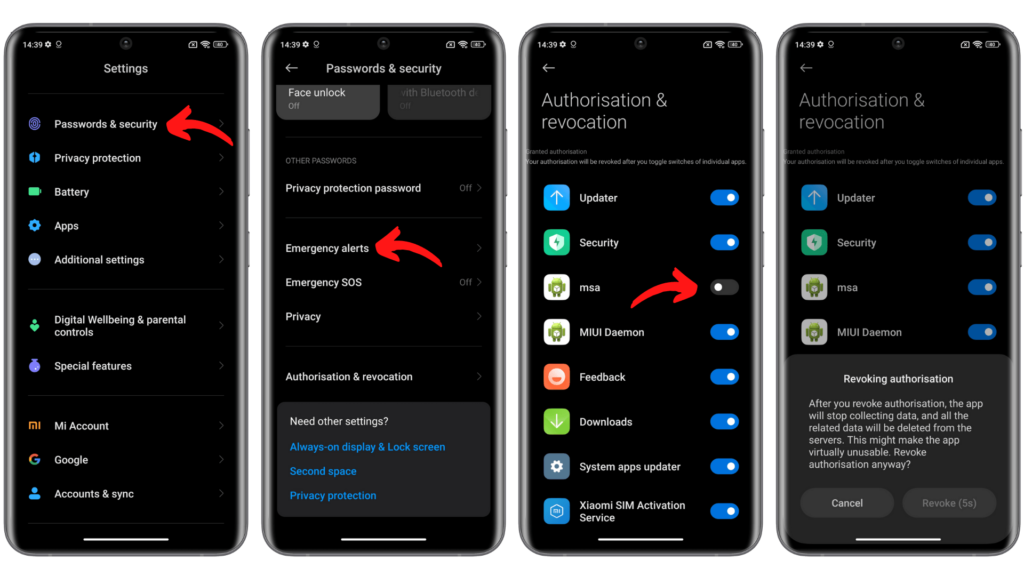
System ads on Xiaomi’s interface might occasionally cause performance to be slowed down. Disabling these advertisements improves the user experience overall and speeds up the operation of your device.
To turn off system advertisements: Navigate to Settings > Security & Passwords > Authorization & Revocation. Turn off MSA (MIUI System Ads). Give the modifications ten seconds or so to take effect.
Remove apps that you don’t use
In addition to taking up storage space, unused apps may have background activities using up system resources. The device’s performance can be significantly improved by uninstalling such programs.
Long press the app icon
Choose App info from the menu
Tap Uninstall and then confirm it.
Clear cache regularly
In order to load more quickly in the future, applications save temporary data in a cache. However, because built-up cache uses up valuable storage, it can eventually slow down your device.
To clear application caches: Go to Settings > Apps > Manage apps
Choose the application you want to clean Tap Clear data > Clear cache
Limit background processes
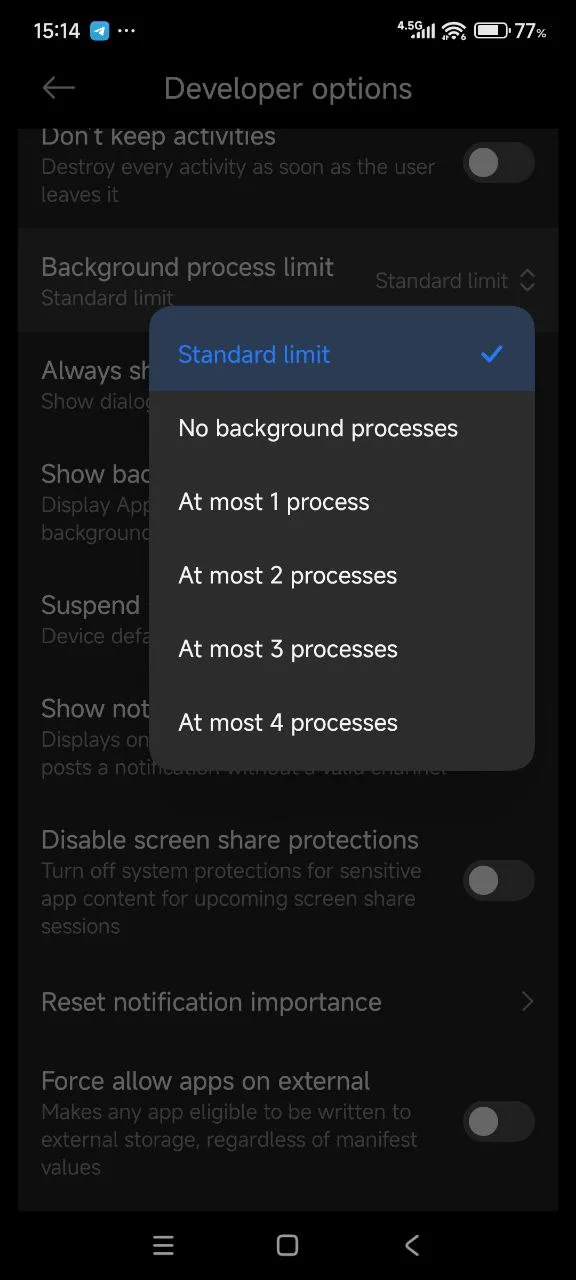
Reducing the amount of background apps can greatly improve the system’s responsiveness.
To reduce background processes: Go to Settings > Additional Settings > Developer options
Retrieve background process limit
Set to “No background processes” or low number in accordance with your device’s RAM
Using “Lite” versions of apps
Installing “Lite” versions of well-known software is an option for older Xiaomi devices. These lightweight versions preserve essential functionality while utilizing fewer resources. RAM and processing power are reduced in popular lite versions of apps like YouTube Go, Twitter Lite, and Facebook Lite.
Factory reset
It could be necessary to do a factory reset if the performance issues persist despite trying the aforementioned fixes. This removes all user data and applications from your phone, returning it to its initial configuration.
Before factory reset:
Backup all essential files to cloud storage or an external drive
Record your account credentials for simple retrieval
Make certain your phone has enough battery or is plugged in
To do a factory reset: Settings > About phone > Factory reset > Erase all data
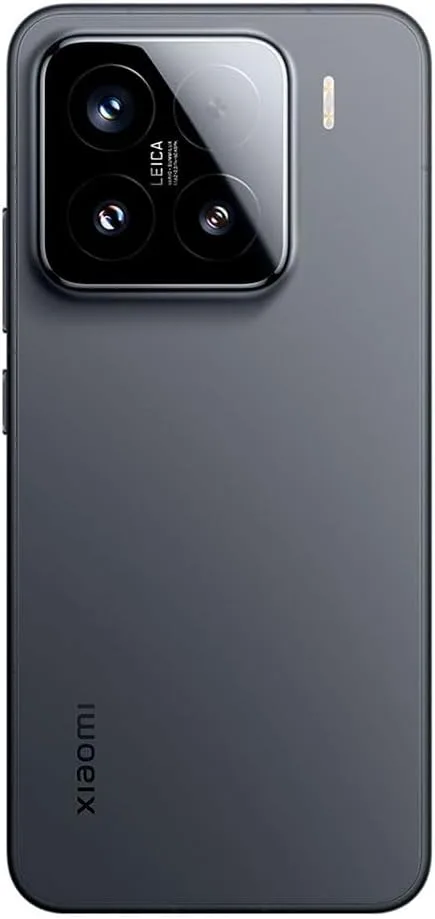
Xiaomi 15
International Model Dual SIM (nano SIM + nano SIM or nano SIM + eSIM, eSIM + eSIM)**Use of eSIM requires a wireless service plan. Leica Summilux optical lens – LEICA VARIO-SUMMILUX 6.36″ 3200 nits ultra-bright displayCrystalRes AMOLED Snapdragon 8 Elite Mobile Platform 3nm Ultrasonic in-screen fingerprint sensor 32MP in-display selfie camera
The integration of artificial intelligence into healthcare software has transformed patient care, administrative workflows, and diagnostic procedures. As medical institutions seek to leverage data-driven insights, AI-powered solutions offer unparalleled accuracy, efficiency, and personalization. From predictive risk assessment to automated imaging analysis, these technologies redefine the standards of modern healthcare delivery, bridging gaps between clinicians and patients while optimizing operational costs.
Enhancing Diagnostic Accuracy with AI Technologies
Advancements in deep learning algorithms and neural networks have significantly improved diagnostic precision across various medical fields. By analyzing vast datasets of patient histories, lab results, and imaging scans, AI systems can identify subtle patterns that may elude human observation. This diagnostic accuracy not only accelerates clinical decision-making but also reduces the likelihood of misdiagnosis and subsequent treatment delays.
Furthermore, real-time integration of AI tools into electronic health record (EHR) platforms enables clinicians to receive instant, data-backed recommendations. The synergy between human expertise and machine-led analysis fosters a collaborative approach, ensuring that critical conditions are detected early. As a result, medical teams gain confidence in their assessments, translating into better patient outcomes and enhanced trust in healthcare technology.
AI-Powered Patient Monitoring and Management
Continuous tracking of vital signs and patient behavior through wearables and in-hospital sensors exemplifies the power of remote patient monitoring. Such systems alert clinical staff to anomalies—ranging from heart rate fluctuations to irregular glucose levels—before they escalate. Businesses can partner with itcraftapps.com/healthcare/ for Healthcare Software Development to implement robust monitoring systems that adapt to individual patient needs, ensuring timely interventions and reducing hospital readmissions.
By aggregating and analyzing longitudinal data, AI platforms support the creation of continuous data-driven care plans. Automated alerts, medication reminders, and personalized health insights enhance patient engagement while reducing manual oversight. The result is a comprehensive management ecosystem that promotes adherence, minimizes complications, and empowers individuals to take an active role in their healthcare journey.
Streamlining Administrative Tasks in Healthcare
Implementing AI solutions in administrative domains relieves staff from repetitive and error-prone tasks. From patient intake to billing reconciliation, intelligent automation improves accuracy and turnaround time. Key areas of impact include:
Appointment scheduling optimization through predictive slot allocation
Medical billing verification with automated claim audits
Electronic health records management via natural language processing
Automation also enhances cost efficiency by reducing manual labor and administrative overhead. Real-time dashboards and reporting tools powered by AI streamline compliance tracking, ensuring that healthcare providers meet regulatory standards without sacrificing productivity. As a result, financial resources can be redirected toward core clinical activities, elevating the overall quality of care.
Personalized Treatment Plans Driven by AI
The era of precision medicine is fueled by AI-enabled analysis of genetic, lifestyle, and environmental data. By leveraging genomic data analysis, software platforms can recommend targeted therapies tailored to a patient’s unique profile. This level of personalization enhances treatment efficacy and minimizes adverse effects, marking a shift from one-size-fits-all protocols to individualized care pathways.
Advanced machine learning models continuously refine treatment recommendations based on patient responses and emerging research findings. Clinicians can adjust dosages, modify drug combinations, or explore novel interventions with confidence, knowing that AI insights are grounded in real-world evidence. Such dynamic care strategies pave the way for more resilient and adaptive healthcare systems.
Predictive Analytics for Disease Prevention
Predictive analytics harnesses historical and real-time data to forecast health trends and anticipate potential outbreaks. Utilizing risk prediction algorithms, healthcare organizations can stratify populations according to susceptibility, enabling focused preventive measures. Early identification of high-risk individuals leads to proactive screening and lifestyle interventions that halt disease progression.
Integrated population health platforms powered by AI support the development of preventive care programs that address chronic conditions such as diabetes, cardiovascular disease, and respiratory disorders. By correlating social determinants of health with clinical metrics, providers design community-centric initiatives that yield measurable improvements in public health outcomes.
Improving Medical Imaging through Artificial Intelligence
AI-driven solutions in radiology have revolutionized image interpretation through enhanced image segmentation and feature extraction. Convolutional neural networks excel at detecting anomalies—such as tumors or lesions—within X-rays, CT scans, and MRIs, often achieving accuracy rates comparable to expert radiologists. This augmented analysis accelerates diagnostic workflows and reduces the burden on imaging departments.
The fusion of AI and computer vision not only streamlines routine examinations but also uncovers subtle indicators of disease at earlier stages. Automated anomaly detection systems flag suspicious regions for further review, allowing radiologists to focus on high-impact cases. Consequently, healthcare institutions deliver faster, more reliable imaging services, strengthening both patient trust and clinical performance.
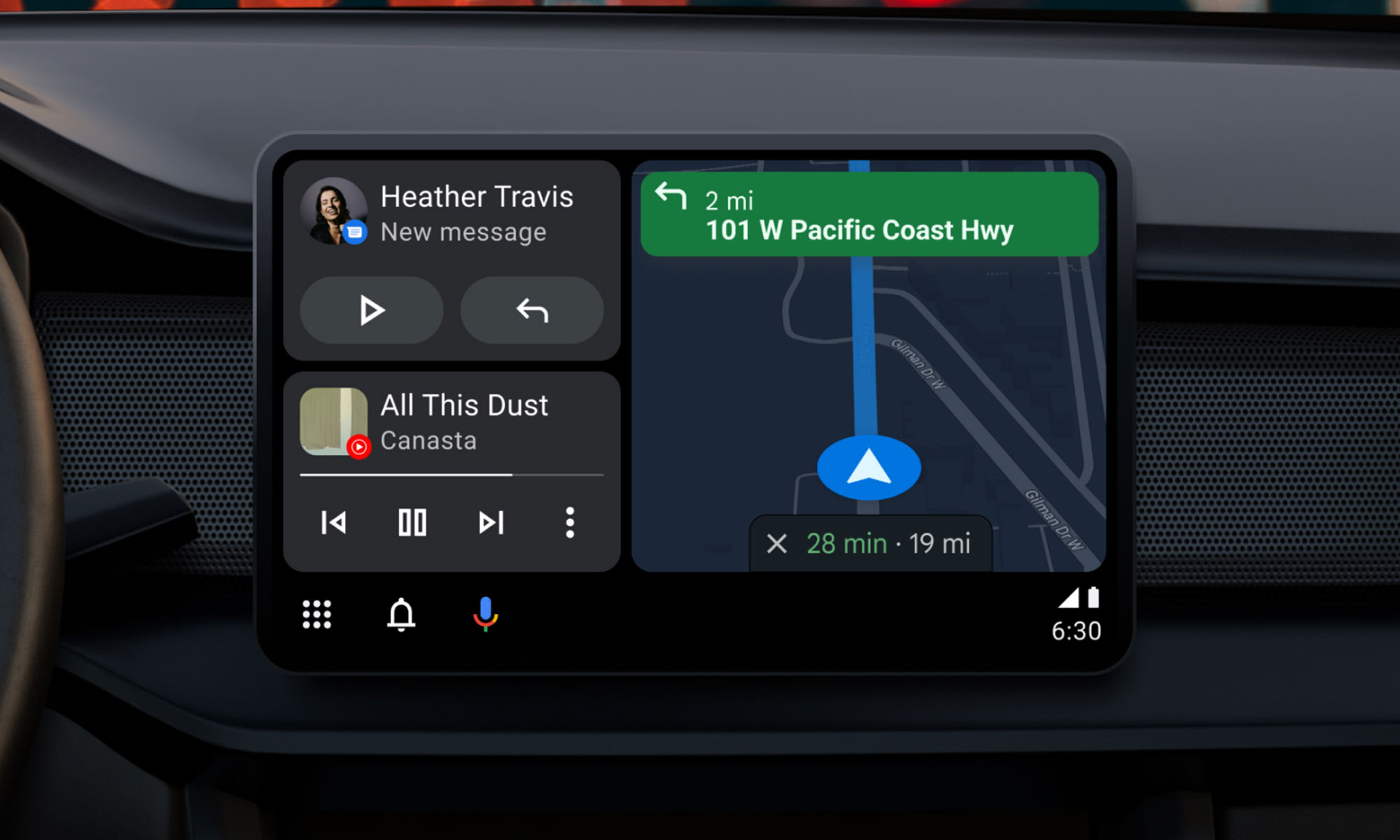
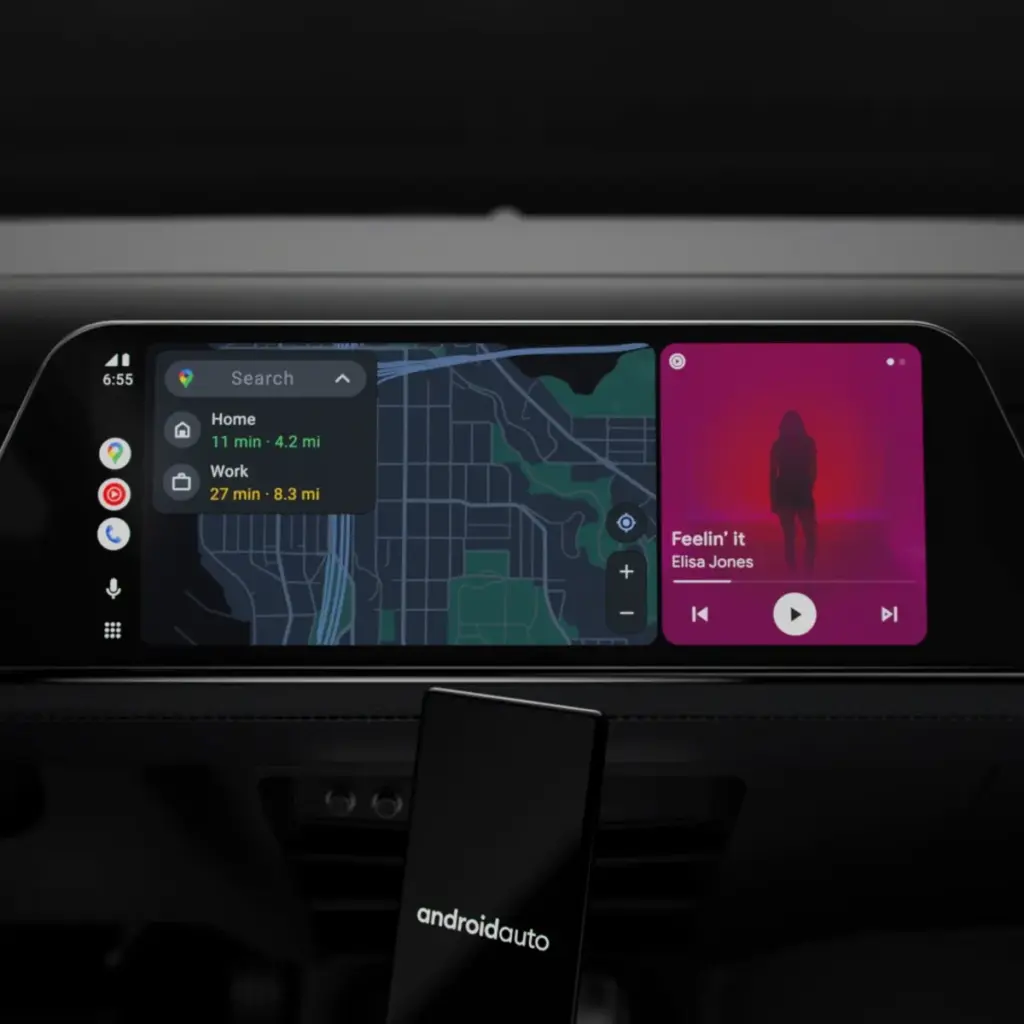
Google will bring the most recent Android Auto 15.4 update during November, although the company hasn’t spoken anything about it. The most recent version, which was discovered by autoevolution, stands out for remaining in beta for more than a week, which is unusual for Google. The new version is starting to roll out, and sideloading choices are available, but the corporation isn’t offering an explanation.
The addition of bug fixes that enable Google Pixel 10 devices to connect to Android Auto correctly is one of the most significant changes in 15.4, making this version helpful for people who did not previously have access. Additionally, it seems that this release is aiming toward more significant changes within Android Auto, such as the company’s AI assistant Gemini taking the place of Google Assistant. Following a recent Gemini update that brings some very significant AI features, Google has also been testing new features for Google Maps, including some new color options for users.
Users will still be awaiting the new Widgets feature, which borrows from Apple CarPlay by enabling users to install application widgets straight to their infotainment screen, even after the new version arrives. It’s also important to note that this update is released prior to Google preventing some Android phones from getting Android Auto updates.
What to expect in Android Auto 15.4
Android Auto 15.4 is currently gradually making its way to all Android users after launching in Google’s beta program in October. The APK is available to anyone who is prepared to upgrade manually, but the new update is coming in waves for those who can’t wait. On an Android device, just download the APK from APKMirror, choose the file, and then allow it to install.
By the end of November, Android Auto 15.4 will be available to individuals who are prepared to wait for the latest version. Unfortunately, Google no longer provides release notes for Android Auto, so we are left in the dark about what’s new. The removal of Google Assistant for the AI assistant Gemini—which is already taking place in some GM cars as the company discontinues CarPlay and Android Auto—as well as the addition of new call notes and a new call screen are among the changes anticipated to occur this year, according to autoevolution.
There are numerous bug improvements in Android Auto 15.4 for devices that are experiencing trouble connecting to Android Auto, particularly the Google Pixel 10. Additionally, the update enables users to apply the accent colors from their phone’s wallpaper on their infotainment screen. Google Maps allows users with smaller infotainment screens to report on traffic, something that was previously exclusive to users with larger panels. Users can report information about construction, traffic accidents, and speed traps, just like with the well-known Waze app.