In Huawei’s app store, an interesting problem has been discovered. A glitch in the Huawei AppGallery allows users to free download paid Android apps.
According to the source’s information, this exploit allows users to “get a genuine APK download link for premium programs.” This might, of course, be used to pirate apps.
According to the source, Huawei has been informed of the flaw. The firm recognized the issue but did not specify when it would be resolved. However, we believe that will happen very soon.
If you’re a developer, you should consider protecting your apps. It is recommended that developers use DRM, such as the AppGallery’s DRM Service, to safeguard their apps.
Huawei’s AppGallery has been doing exceptionally well. Since the US embargo went into place, the corporation has put a lot of money into it. It now has a large number of apps, albeit it is still nothing near the Google Play Store.
Still, the sheer number of good apps in the AppGallery these days may surprise you. If you can’t find what you’re looking for in the AppGallery, Huawei also allows you to install programs from APK repositories.
It’s also worth mentioning that AppGallery isn’t exclusive to Huawei phones. It is not available on the Google Play Store, but it may be sideloaded into your smartphone. Why would you want to do something like that? If you require Huawei’s own apps, you may get them here.
The Health and AI Life apps are required if you’re using the company’s watches or earphones. The AppGallery has the most recent versions of those programs. Of course, that is only one example.
Qualcomm’s annual 5G Summit is taking place in San Diego this year, and the company has a few major announcements to make about its technology for future 5G products. These developments coincide with the widespread use of 5G connectivity and smartphones in many regions of the world.
Smart Transmit 3.0 is maybe the most notable reveal. Qualcomm’s 5G speed and coverage optimization technology has reached its third generation. The significant change in this version is that Smart Transmit now includes Bluetooth and Wi-Fi for the first time, allowing you to optimize your phone’s whole radio stack. Smart Transmit 3.0, according to Qualcomm, supports Wi-Fi 6, Wi-Fi 6E, and Wi-Fi 7.
We asked Qualcomm about specific performance and efficiency gains for Bluetooth and Wi-Fi when using Smart Transmit 3.0, but the company didn’t divulge any figures. It’s also worth noting that future Wi-Fi and Bluetooth versions will likely offer a bigger improvement, but even a small improvement to current standards would be welcomed.
You can expect to find this tech in the previously revealed Snapdragon X70 5G modem, which is due to arrive in phones by “late 2022,” according to Qualcomm.
Standalone mmWave for X70
Qualcomm also stated at the 5G Summit that the X70 modem will handle independent mmWave connections, showcasing a connection. The feat was accomplished with a test device powered by the forthcoming modem.
The majority of 5G networks are non-standalone, which means they still rely on 4G technology for some functions. Separate 5G uses only 5G radio and backend technology, resulting in more flexible networks and services. This announcement also demonstrates that 5G backend technology can work in locations where there is no sub-6GHz connection.
It’s worth noting that Qualcomm previously announced a standalone mmWave 5G data connection milestone in July 2021. The firm told us that the previous milestone was related to 200MHz support, which is a requirement for the Chinese market.
What to expect from the Snapdragon X70 modem?
The X70 is the first 5G modem featuring an AI processor, and Qualcomm has unveiled a few more advantages of this silicon ahead of its launch.
In particular, the company claims that mmWave coverage will be increased by 20% in “dense metropolitan situations.” Mobility-based sub-6GHz 5G at the edge of coverage might see a throughput jump of up to 73 percent, while pedestrians at the edge of coverage could see a 28 percent rise. However, it’s likely that consumers will only realize these increases under perfect circumstances.
Qualcomm previously noted it uses this AI suite for 5G channel optimization, smart network selection, mmWave beam management, and antenna tuning. This should theoretically result in performance and efficiency gains, but we’ll wait for the first X70-toting devices to see if this is indeed the case.
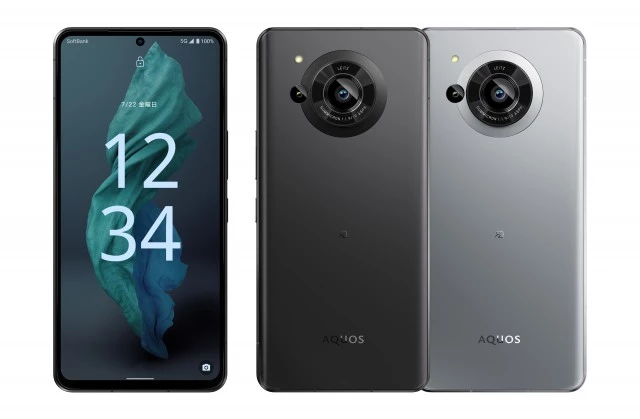
Sharp is not a well-known smartphone manufacturer, but it is known in its home market of Japan for releasing phones with huge camera sensors and bizarre display technology. Sharp has introduced the Sharp Aquos R7, a follow-up to last year’s Aquos R6 with its excellent 1-inch rear camera, with several noticeable changes that set it apart from the greatest Android phones like the Galaxy S22 Ultra and Google Pixel 6 Pro.
The Aquos R7 has a 6.6-inch IGZO OLED panel with a variable refresh rate of 1-240Hz and an FHD+ (2730 x 1260) resolution (via GSMArena). It has a maximum brightness of 2,000 nits. The display is protected by Gorilla Glass Victus, and the phone has an ultrasonic fingerprint sensor embedded in the display.
The phone has a Snapdragon 8 Gen 1 processor, 12GB of RAM, 256GB of storage, and a 5,000mAh battery on the inside. All of this is contained within an IP68-certified body that is dust and water resistant. On the connectivity front, the R7 has Wi-Fi ac, Bluetooth 5.2, NFC, USB-C, 5G, and a 3.5mm headphone jack.
The Aquos line continues to be highlighted by its rear camera. The sensor size stays the same at 1-inch, but the resolution has been increased to 47.2MP from 20MP on the Aquos R6. It features a 19mm equivalent focal length and an f/1.9 aperture. The new Leica-branded camera, according to Sharp, can capture up to 1.8x more light than the previous 1-inch sensor.
Real-time face, body, and eye detection, Octa PD autofocus, 8K video recording, and 4x lossless digital zoom are among the camera’s other prominent features. A 1.9MP portrait camera is the sole other camera on the back. A 12.6MP selfie camera is housed in the display’s central punch-hole.
The phone includes Android 12 out of the box with Sharp’s custom UI on top of it. The device will be available in black and silver colors in Japan from July on Docomo and Softbank. Sadly, like previous Aquos phones, the R7 is unlikely to make its way outside its home market, so you likely won’t be able to get your hands on one.
The start of the year is usually slow, but we’ve had some good sales today, including some fantastic standouts. The first is Old Man’s Journey, a beautiful adventure game with a touching plot. The next game is Hexologic, which is similar to Sudoku but uses hexagons instead of squares. Last but not least, there’s ELOH, a soothing puzzle game with a captivating rhythm mechanic. As usual, I’ve bolded all of the fascinating titles to make it simpler for you to find them. Here are the finest temporarily free and on-sale apps and games for the end of the week, without further ado.
WhatsApp is the most popular messaging software in the world, offering a variety of services in addition to regular text chats. However, you can’t quickly start a chat with numbers that aren’t recorded in your contacts list.
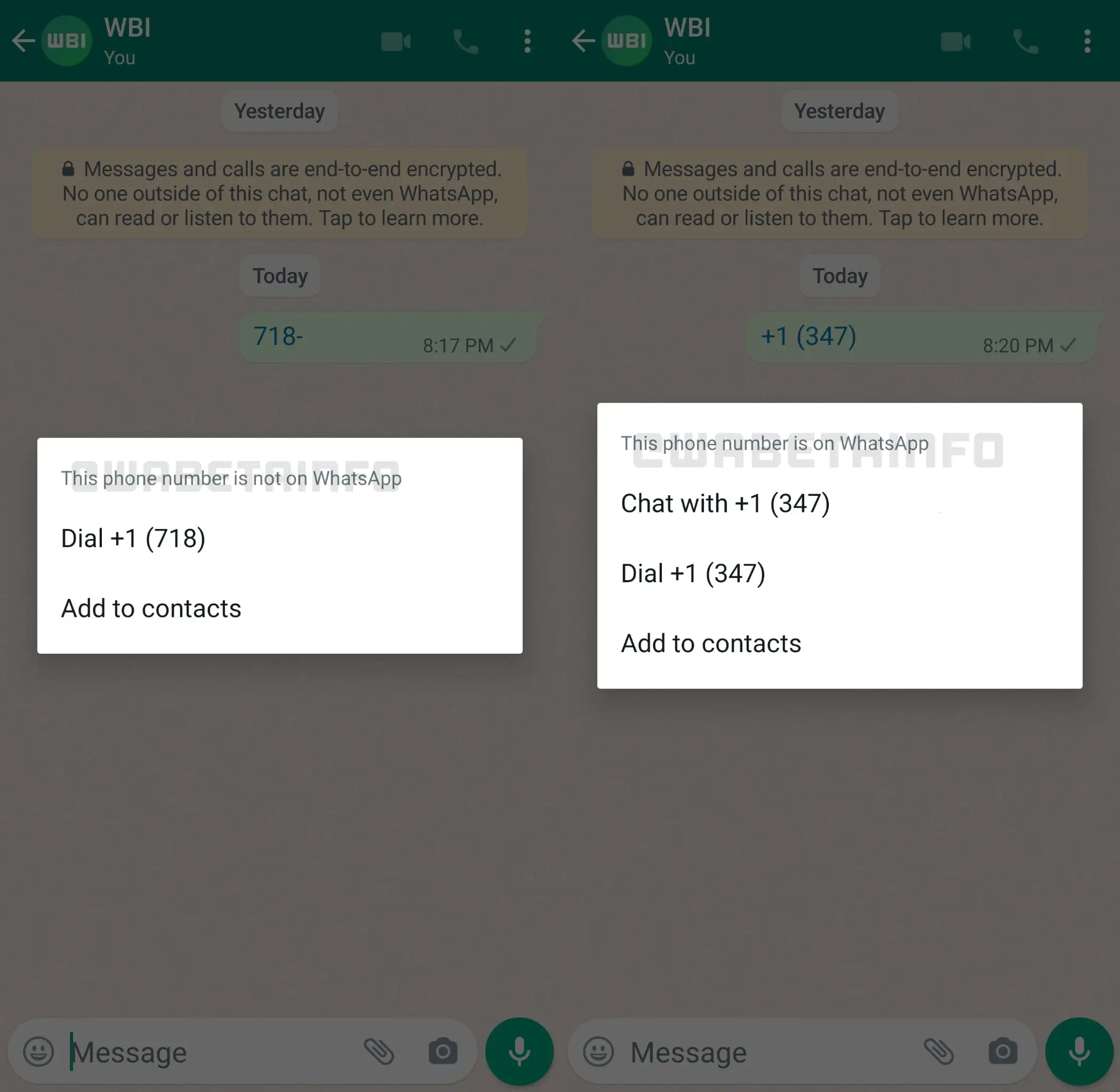
Fortunately, frequent leaker WABetaInfo has dug through Android beta software version 2.22.8.11 and discovered that the firm is working on a remedy. Taping on an unsaved phone number in a chat bubble now opens an in-app menu that lets you chat with the person if they’re on WhatsApp.
You may also call them or store their number to your contact list using the in-app options. We’ve confirmed that the menu is visible in the beta version we’re using. Take a look at the image below.
This is a significant departure from previous conduct. Currently, touching an unsaved number in a chat thread opens the dialer app on your Android phone instead.
However, this approach isn’t ideal because it requires someone to either send you the number or for you to send the unsaved number to another contact. So, ideally, additional work will be done in this area to improve message delivery to unsaved contacts.
There are several workarounds, however, such as using WhatsApp’s short links system. You can take a look at the various solutions for chatting with an unsaved number at the link.
Meta is delivering a plethora of new capabilities for Instagram, after major messaging enhancements for WhatsApp and Messanger. The new features will make it easy to share content and respond to conversations from anywhere.
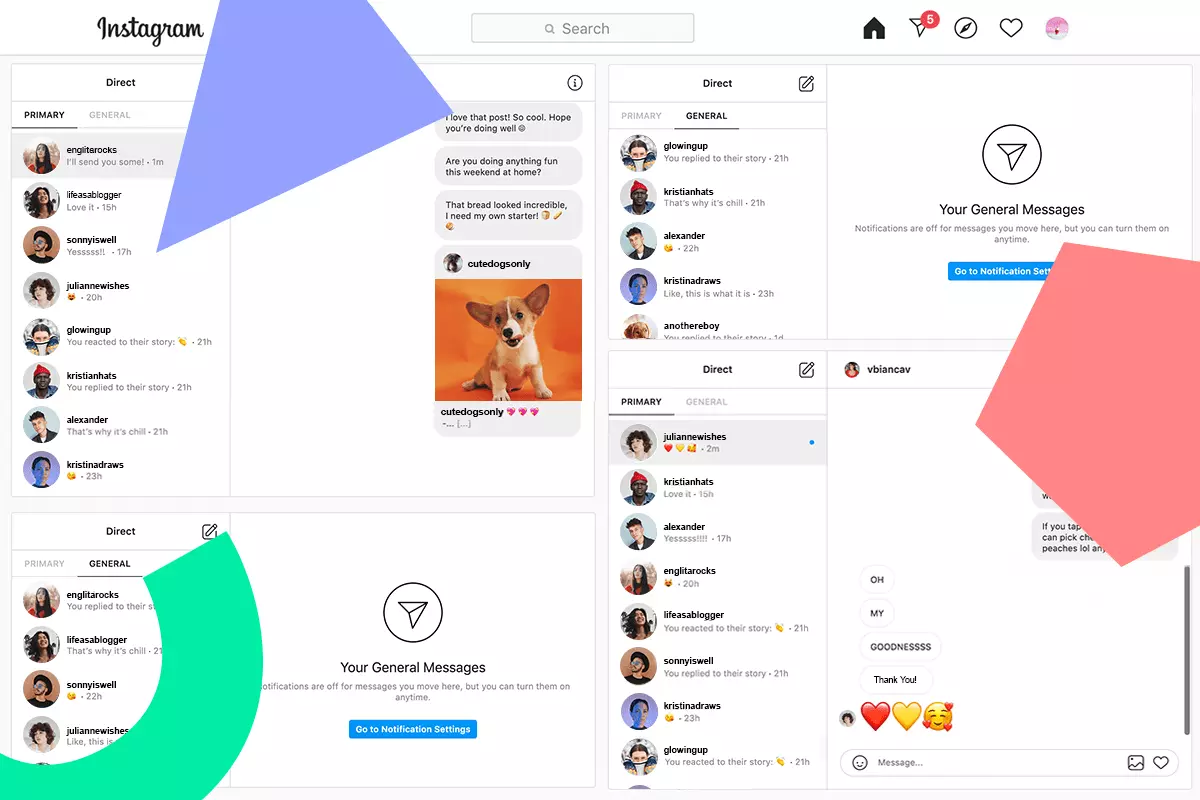
The option to respond to fresh messages while browsing Instagram DMs is a welcome addition. Instead of disrupting your surfing activity, users will receive a new in-app notice that will allow them to respond quickly without having to go to the inbox.
Additionally, you may now share a post more quickly by hitting and holding the “send” button when you locate one you wish to share. This will bring up a list of “your closest friends” with whom you may instantly share the post — all while continuing to browse. If you’re in your inbox, Meta is showing how a row at the top of your inbox — similar to Messenger — will show you who is online and accessible to speak.
In addition, Meta is bringing a new function to Instagram that was previously only available on Messenger. Silent messages allow you to communicate your friends without causing them to receive a notification, which is very useful if you’re sending a message late at night or simply don’t want to bother them.
In a nod to Messenger, Instagram is also adding a new lo-fi chat style and the ability to post votes in group messaging.
Thanks to integrations with some of the top music streaming services like Spotify, Amazon Music, and Apple Music, users will soon be able to share previews of their favorite tunes. Users will be able to listen to up to 30 seconds of a song immediately in the chat, which could be useful for music discovery.
These enhancements come only one day after Meta revealed a raft of improvements to WhatsApp’s voice messaging feature, demonstrating that the firm is on a roll with new features to improve its messaging apps. Instagram’s new features are now being rolled out in “certain countries,” with intentions to expand them globally in the near future.
These enhancements come only one day after Meta revealed a raft of improvements to WhatsApp’s voice messaging feature, demonstrating that the firm is on a roll with new features to improve its messaging apps. Instagram’s new features are now being rolled out in “certain countries,” with intentions to expand them globally in the near future.
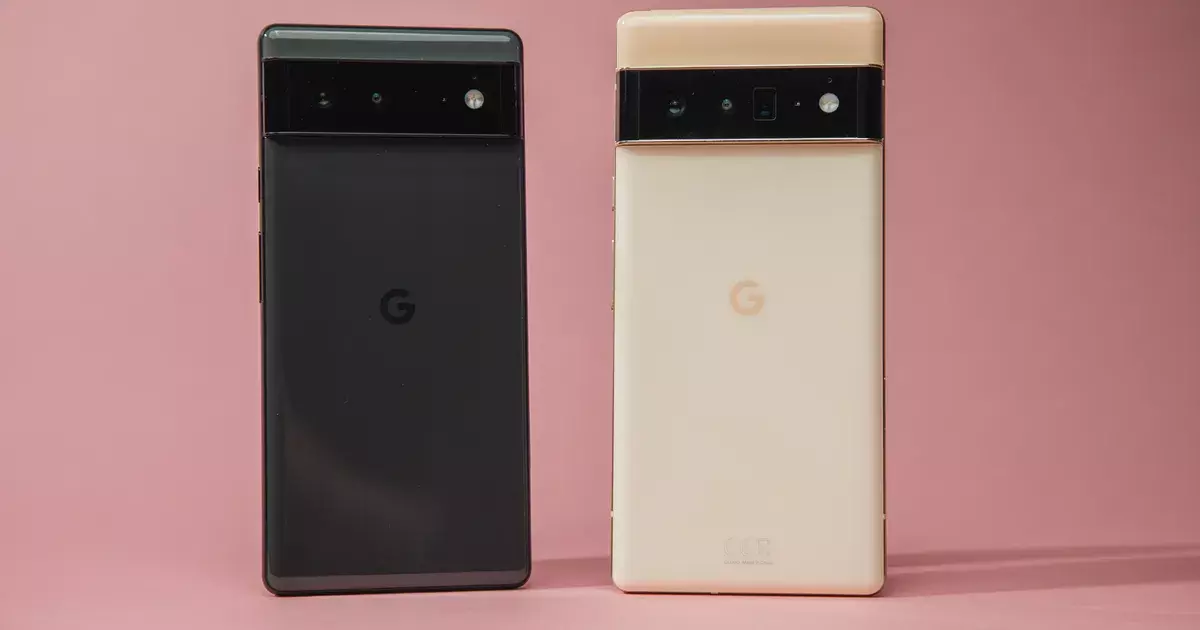
Look no further if you’re looking for the best Google Pixel 6 prices or the most intriguing Google Pixel 6 Pro bargains. We’ve compiled all of the finest Google Pixel 6 deals so you can concentrate on picking your new favorite gadget.
Trading in your old device is a quick and easy method to save money, but if you’re willing to switch carriers or add a new line, there are also some good options. The offers roundup can be found at the bottom of this page, but first, let’s discuss the devices.
The Pixel 6 and Pixel 6 Pro have made waves as powerful and affordable alternatives to Samsung and Apple handsets since their arrival last autumn, but that wasn’t always the case. Previous incarnations of the smartphone were tarnished by software issues, unimaginative design, and poor battery performance, as we mentioned in our review of the Google Pixel 6. For years, the world pondered whether Google would ever change its mind and produce a high-end flagship smartphone.
Thankfully, with the Pixel 6 lineup, Google has finally delivered. The two Pixel 6 devices have wowed users with their advanced 50MP rear cameras and the introduction of the ‘Tensor’, Google’s very first in-house chipset. In fact, we went so far as to select the Pixel 6 and the Pixel 6 Pro as two of the best Android phones that you can buy right now.
The Google Pixel 6 has a beautiful 6.4-inch AMOLED display with a 90Hz refresh rate, and with a starting price of under $600, you’re paying much less than you would for a similar phone like the Samsung Galaxy S21.
The Pixel 6 Pro takes things even further, with a large 6.7-inch display, improved battery life, 12GB of RAM (compared to 8GB with the Pixel 6), and rounded edges for an elegant look. With a starting price of $899 for the 128GB version, it’s not quite as affordable as the Pixel 6, but you’re still getting a great value when you compare this device to non-Google competitors.
Although the rates are low, new discounts are always being added. We can move on to the discounts of the month now that you know a little more about the Pixel 6 series. We’ll start with some Google Pixel 6 bargains before moving on to Pixel 6 Pro deals.
If you’re still not convinced, check out our Pixel 6 and Pixel 6 Pro buying guides to learn more about the smartphones’ flaws and merits, as well as to see how their cutting-edge cameras perform.
Coming in at the top of our list is this very generous offer from Verizon. Sign up for a new line with an unlimited data plan, and the wireless carrier will basically hand over a new Google Pixel 6 at no cost to you and no trade-ins necessary.
Naturally, this deal will appeal the most to people who need a new phone line, but it’s an impressive offer nonetheless. If you’re a brand new Verizon subscriber who just switched, check to see if you’re eligible to receive a $1,000 gift card. VIEW DEAL
Buy the unlocked phone directly from the Google Store and you can get 0% interest if you pay over 24 months (that’s a monthly payment of $24.96). If you’re interested in Google Store Financing, the company is also offering a $100 statement credit for a limited time. VIEW DEAL
AT&T is offering some huge savings if you’re able to meet the requirements. Sign up for an unlimited data plan, trade in your old device, and receive up to $800 in credits over 36 months (the entire cost of a Google Pixel 6). There is a lot of fine print associated with this deal, but the value is huge if you can make it work.
This offer simply gives you a $100 gift card after three months if you buy a Google Pixel 6 and switch to Visible from another wireless carrier. The deal is good whether you buy the phone upfront or pay over 24 months (with 0% APR).
If you buy a new Google Pixel 6 and add one of their eligible lines, T-Mobile will give you $500.99 over two years in the form of monthly credits, bringing the price of the phone down to $99 with no trade-in required. VIEW DEAL
The first beta build of the Paranoid Android Sapphire ROM for the OnePlus 9 and OnePlus 9 Pro has just been released by the Paranoid Android team. For quite some time, an Alpha version of the Android 12 based ROM has been available for both phones. The new beta version, on the other hand, offers a more stable software experience.
The Paranoid Android Sapphire Beta is now available for the OnePlus 9 and OnePlus 9 Pro, as announced by XDA Recognized Developer arter97. Several device-specific enhancements are included in the latest build, including redesigned blobs, improved sleep mode, fingerprint scanner improvements, and a transition to arter97’s kernel. Repainter integration, improvements from ProtonAOSP, a burn-in protection feature for devices with OLED panels, the latest f2fs tools, and more have all been added to the Paranoid Android platform.
The beta release still has a few known faults. These include delayed mobile data activation after reboot, Wi-Fi not working after a few reboots, and less-than-ideal pocket recognition, which can wake up the smartphone or activate gestures by accident.
If you wish to try out the Paranoid Android Sapphire Beta on your OnePlus 9/Pro, head over to the forum mentioned below. It includes a download link for the ROM as well as step-by-step instructions for flashing it. Although the beta build can be flashed onto a current Sapphire Alpha system, the developer recommends “a clean flash.”
Prebuilt blobs are revamped to fix various issues (audio, video, NFC, etc)
Sleep mode is changed to fix excessive idle battery drain
VRR implementation is now working, which will improve battery life a lot
Corner masks are now done properly
Fingerprint improvements
Kernel switched to a customized version of arter97 kernel
Here are platform-wise highlights:
Latest CAF tag merged
kdrag0n’s Repainter service integrated
Optimized bionic, memory routines (ported by xboxfanj)
Latest f2fs-tools
Few optimizations merged from kdrag0n’s ProtonAOSP
Burn-in protection feature added
Device issues
Mobile network will initialize a bit slowly after boot
Wi-Fi may not work on a few reboots. You may have to reboot multiple times for Wi-Fi to work
Pocket-detection is less than ideal, it may result in accidental wake-ups or ignored gestures
Bootanimation will pause for a split second. This is a known issue from the kernel
There are likely many other issues, these are just the most prominent to me. Don’t come into this with the expectation any issue you come across will be fixed in a timely manner.
Requirements
Make sure you are coming from any Android 11 based OxygenOS build, stable is recommended.
Downloads
You can always get our Alpha builds from ourTelegram Group or directly download them from here: OnePlus 9 Pro – Beta 1 (Note, OP9 & Pro builds are no longer unified)
Note: Custom kernels are not supported unless the kernel says it supports AOSPA and GMS is included!
How to install
Download the latest fastboot zip we released (hint: it has an -img appended to zip name)
Reboot to bootloader.
Wipe userdata with the command “fastboot -w”
Flash the fastboot zip with “fastboot update aospa-*-image.zip”
Reboot.
Changelog
Prebuilt blobs are revamped to fix various issues (audio, video, NFC, etc)
Sleep mode is changed to fix excessive idle battery drain
VRR implementation is now working, which will improve battery life a lot
Corner masks are now done properly
Fingerprint improvements
Kernel switched to a customized version of arter97 kernel
Here are platform-wise highlights:
Latest CAF tag merged
kdrag0n’s Repainter service integrated
Optimized bionic, memory routines (ported by xboxfanj)
Latest f2fs-tools
Few optimizations merged from kdrag0n’s ProtonAOSP
Burn-in protection feature added
Starting with Beta 1, you must clean flash due to recent commits related to userdata.
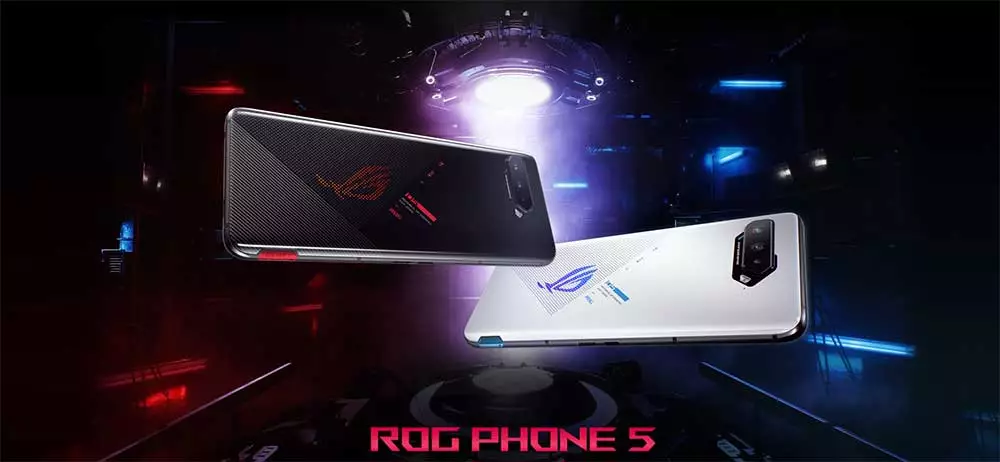
Following the release of a solid Android 12 update for the ZenFone 8 in December, ASUS is now bringing Android 12 update to two more of its phones: the ROG Phone 5 and ROG Phone 5S. ASUS has previously stated that both phones would be updated to Android 12 in Q1 2022, and the firm is following through on that promise.
ASUS has begun pushing out a stable Android 12 upgrade to the ROG Phone 5 and ROG Phone 5S, according to announcements on ZenTalk forums. All of Android 12’s notable features are included, including a revised Quick Settings panel and volume selector, Privacy Dashboard, camera, microphone, and location indications, and redesigned home screen widgets.
On top of that, users can also look forward to ASUS’s own additions, such as a redesigned ROG UI, revamped system apps, improved One-handed mode, new splash screen animations, a dual control feature for AirTriggers, and more.
Download Android 12 stable update
The Android 12 update for the ROG Phone 5 carries software version 31.0810.1226.57 and weighs around 3.4GB. M
The Android 12 update for the ROG Phone 5 carries software version 31.0810.1226.57 and weighs around 3.4GB. Meanwhile, the ROG Phone 5S update bumps the software version to 31.0810.1226.57. The automatic OTA rollout has already started. If you want to skip the queue, ASUS has also provided direct download links to help you manually install the update.
Please back up your data before upgrading to Android 12. If you want to downgrade the software version to Android 11 using the official software package, it will erase all data from your device.
Upgraded system to Android 12
Introduced new ROG UI design
Revamped Mobile Manager, Contacts, Phone, File Manager, Calculator, Clock, Gallery, Weather, Sound recorder, Settings, Data Transfer, Local backup, Setup wizard and System update apps
Merge Wi-Fi and mobile network settings to Internet settings
Added extra dim setting, the Drones of Detection theme pack, and AirTriggers’ dual control feature
Adjusted Quick Settings panel, notification tray, and volume panel to Android 12 design
Adjusted the Classic style of the power menu to match Android 12 design. Separated device control and Wallet to independent pages.
Added the Shortcut option in the Security & lock screen settings menu
Added privacy dashboard, camera and microphone indicators, show clipboard access, approximate location access, and microphone access features
Replaced ASUS Safeguard with Android 12 Emergency SOS
One-handed mode integrates Android 12 design and supports more options.
Removed search option in OptiFlex setting
Introduced a new widget page design in Launcher. Adjusted the position of the screenshot option and removed the hotseat app icons in the Overview page.
Added the Swipe to invoke assistant option to Gesture settings
Removed the Quick Settings layout option from Display settings
Added splash screen animations when launching apps
ASUS Phone removed SIP calling support as Android 12 does not natively support SIP calling
Added the “Draw overlay permission request” dialog when launching Game Genie for the first time
Removed the function of swiping up from any position of Launcher, holding, and releasing to enter the Overview page when using gesture navigation
Added the function of going back to the main screen in Launcher by swiping up from the bottom when using gesture navigation
Added the “Convert videos to AVC” option in the USB preferences page
Some third party apps are not compatible with Android 12 yet
Modified the color of the icons in the 1st-layer Settings to Android 12 black and white design
In 2022, we’ve already seen a lot of fantastic phones. The Galaxy S22+ is a terrific all-around phone, while the S22 Ultra marks the return of the Note series and the S21 FE establishes a new benchmark for budget flagships.
This year, Samsung fired the initial shot, but Chinese makers aren’t far behind. I’m excited to watch what OPPO does this year; the brand’s Find and Reno series have seen a 50 percent year-over-year rise in sales in the previous 12 months, and it’s gaining traction in major western markets like the UK.
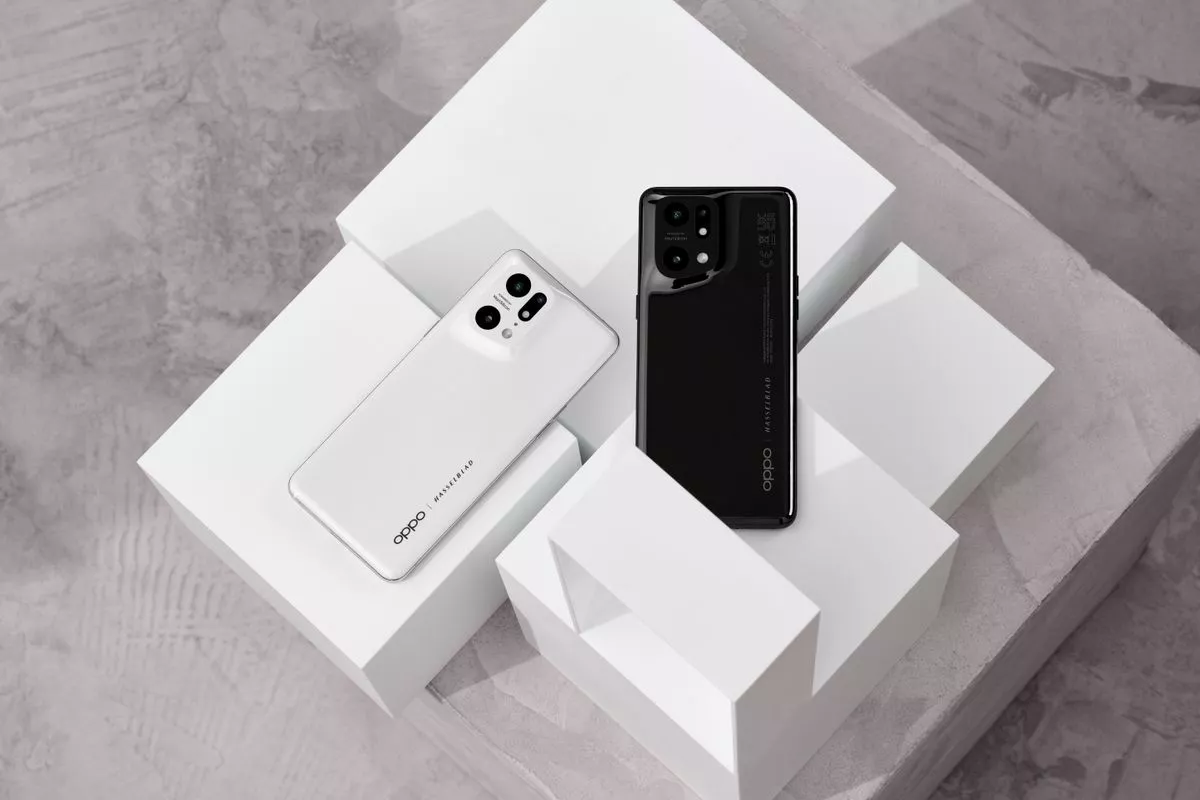
With this year’s Find X5 Pro, OPPO hopes to continue that trend. The phone, which is aimed squarely at the Galaxy S22+, is now available in global markets. It has a similar look to the Find X3 Pro from last year, but it has a number of intriguing new features under the hood, including OPPO’s in-house image NPU, the MariSilicon X. There’s also a Hasselblad connection, improved internals, and new charging technology that supports up to 80W wired and 50W wireless charging.
Does the Find X5 Pro have what it takes to compete with Samsung’s best? With the Galaxy S22+ giving a solid overall package, does the Find X5 Pro have what it takes to go up against the best? Let’s have a look.
Release
The Find X5 Pro was announced at Mobile World Congress on February 24, and it is now available for pre-order in the UK, with sales beginning on March 24. Here’s a breakdown of when the Find X5 Pro will be available worldwide:
Spain/Switzerland/Belgium/Netherland: March 14
Italy: March 17
Germany/Portugal: March 21
France/UK: March 24
Australia: April 7
New Zealand: March 31/April 7
The Find X5 Pro will be available in Asia-Pacific, the Middle East, and Africa after April, according to OPPO. The Find X5 Pro, like other OPPO phones, will not be available in North America.
The Find X5 Pro comes in only one configuration, with 12GB of RAM and 256GB of storage, and costs £1,049 ($1,365) in the UK. There are several freebies available if you pre-order: the Enco X wireless earphones (which are great), an OPPO Watch Free smartwatch, a 50W AirVOOC wireless charging stand, and a Kevlar Aramid Case. The pre-purchase freebies are worth £373 ($485), so if you’re interested in the Find X5 Pro, you’d better place your order by March 23.
OPPO also offers a normal Find X5 model with an FHD+ 120Hz AMOLED screen, Snapdragon 888 processor, identical cameras to the Find X5 Pro, and both wired and wireless charging options of 80W and 30W. This model, which costs £749 ($975), includes a glass back and 8GB of RAM with 256GB of UFS 3.1 storage.
The camera bump on the Find X3 Pro blended smoothly into the chassis last year, and OPPO is continuing that trend with the Find X5 Pro.
This year, the impact is a touch stronger, which makes the phone stand out even more than normal among the glass-and-metal designs that now dominate this category.
Overall, the Find X5 Pro gets a lot right in terms of design. The ceramic back is fabulous and it is more resistant to tumbles, the phone feels great to hold and use, and although it is heavy, it is well-balanced. This may just be my favorite phone design of 2022, and that white color option in particular looks very distinctive.
Performance
It wouldn’t be right for a flagship to arrive in 2022 without Qualcomm’s latest chipset, thus the Find X5 Pro is powered by Qualcomm’s 4nm Snapdragon 8 Gen 1 processor. There’s also a larger multi-tier cooling system to guarantee the phone doesn’t overheat during gaming sessions, and I didn’t notice any thermal concerns during my week with the phone.
There’s not a lot to say about the Snapdragon 8 Gen 1 processor. It performs admirably in almost every situation, and I don’t see that changing for at least a few years. The Find X5 Pro breezes through day-to-day work with ease, and the technology on offer is overkill for most use cases.
In terms of memory and storage, the Find X5 Pro comes in a single 12GB/256GB combination, which I like because OPPO now includes 256GB of storage as standard on its mid-range and high-end handsets. Although there is no microSD card port, the internal storage should be sufficient for most people.
Another feature I like is the haptic engine; the Find X5 Pro has a vibration motor that delivers excellent feedback. And like everything else about the phone, it is inherently customizable — you can adjust the vibration intensity and pattern of feedback from the settings. OPPO did a brilliant job here, and I want the same motor to make its way to the OnePlus 10 Pro and other BBK offshoots of the Find X5 Pro.
When it comes to connectivity, you’ll find Wi-Fi 6E, Bluetooth 5.2, NFC, AptX HD audio codec, and global 5G bands with a 360-degree antenna design. While the Find X5 Pro isn’t launching in North America, it has the requisite Sub-6 5G bands for the region. Here’s the breakdown of all the 5G bands: n1/2/3/5/7/8/12/13/18/20/25/26/28/38/40/41/66/77/78/79.
And finally, the Find X5 Pro includes IP68 dust and water resistance, giving it the ability to withstand the elements. You’re getting all the hardware features you could want in a flagship, and the Find X5 Pro holds its own against the best Android phones.