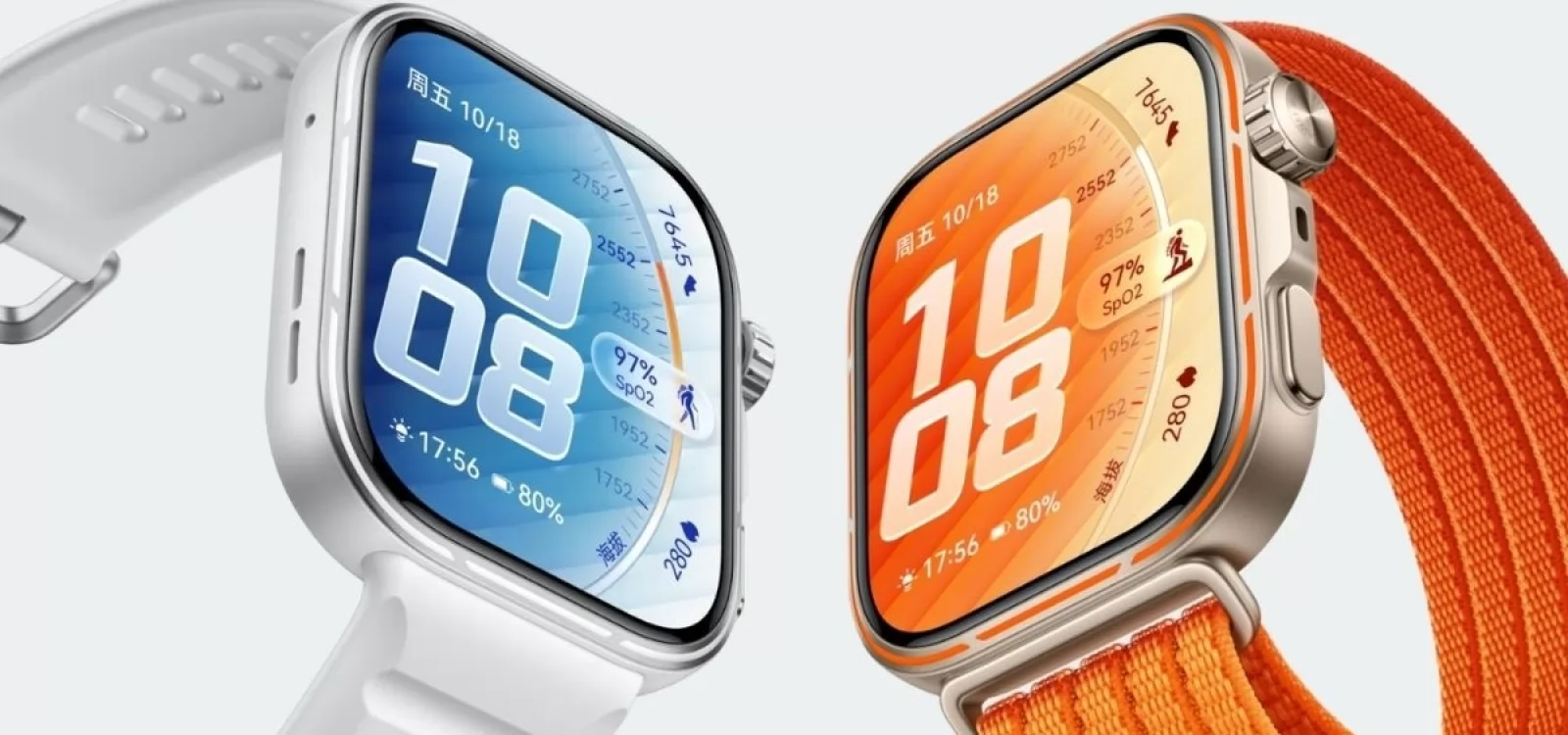
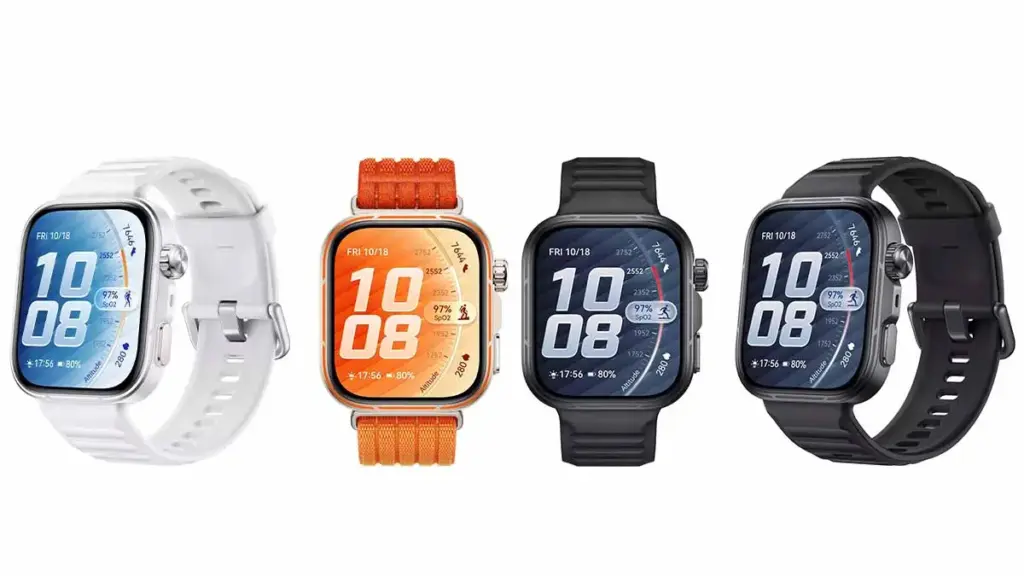
Huawei has officially launched the Watch Fit 5 Pro in its home market, and the sports wearable arrives with a set of upgrades that put it in a different league from most competitors. Four features in particular stand out — all of them still absent from Apple and Samsung’s current smartwatch lineup.
Huawei has been pulling ahead of both brands in wearable battery life and health tracking for some time now. The Watch Fit 5 Pro shows exactly how the company continues to push that gap wider year after year.
1. A Smarter Strap Design
Most smartwatches treat the strap as an afterthought, but the Watch Fit 5 Pro offers a Breathable Braided Strap option built specifically for active use. The AirDry strap material repels water and wicks sweat more effectively, keeping the wrist comfortable during workouts, hot weather, or humid conditions. It’s a practical detail that most rivals still overlook.
2. Micro-Motion Guidance
The Watch Fit 5 Pro introduces a Micro-Motion feature that detects when the wearer has held the same posture for too long and prompts them to move. The guided movements target 10 body areas — including the head, neck, shoulders, and back – across 30 total movement sets. A panda companion character adds a lighthearted touch, offering visual guidance, mood-responsive expressions, and gentle nudges to build better movement habits throughout the day.
3. New TruSense Health System
Huawei has built the latest-generation TruSense system into the Watch Fit 5 Pro, designed to track vital signs like heart rate, blood oxygen, mood, and sleep with greater accuracy and speed. The system reads subtle physical changes to produce more complete and reliable health data. Sleep tracking runs on the TruSleep 5.0 algorithm, which evaluates rest across two dimensions – sleep structure and sleep stability – for a more thorough picture of sleep quality.
4. Battery That Lasts Longer
The Watch Fit 5 Pro uses a high-silicon battery material that bumps energy density up by 14% and total capacity by 18% compared to previous iterations. Full charging takes just 60 minutes. In real-world terms, the watch delivers 10 days of use in normal mode, 7 days under typical use conditions, and 4 days with the Always-On Display active — numbers that Apple Watch and Galaxy Watch still struggle to match.
The long-awaited Android 16 phase has now officially started for Xiaomi’s flagship family. Today, the stable Xiaomi HyperOS 3.1 update began rolling out to Xiaomi 15 users in the European Economic Area (EEA). This major release is an important step in Xiaomi’s software progress, moving beyond earlier beta builds and delivering a fully public, stable version directly through the Updater app.
System Architecture & New Features
This update brings a major refresh to the system interface, the underlying code structure, and the company’s cross-platform ecosystem features. Here is the technical breakdown of the main additions in HyperOS 3.1:
Advanced Hyper Island System: The dynamic notification and system status area has been noticeably refined, with smoother animations and richer, more interactive live activities around the camera cutout.
Enhanced iOS Connectivity: Xiaomi has significantly improved its cross-platform workflow, making it easier to share files, sync clipboards, and interact between the Xiaomi 15 and Apple’s iOS ecosystem.
iOS-Style Stacked Recent Apps: The multitasking menu has been redesigned with a stacked, card-based layout similar to iOS, making background app navigation quicker and the visual presentation more intuitive.
Rust-Based System Applications: In a major move toward security and memory safety, several core system applications have been rewritten entirely in the Rust programming language, cutting system overhead and reducing the risk of memory leak vulnerabilities.
Update Details
Device Name: Xiaomi 15 Device Codename: dada Target Region: EEA (Europe) OS Version: OS3.0.301.0.WOCEUXM Android Version: Android 16 Release Type: Stable (Publicly available via the system Updater)
For everyday users, the move to Android 16 and HyperOS 3.1 should make the phone feel noticeably smoother and more responsive. The Rust-based system apps help memory allocation work more efficiently, which should reduce the chances of the UI dropping frames during heavy multitasking.
The upgraded iOS connectivity is also likely to be especially useful for users working across mixed-device setups. It removes much of the friction involved in moving media or documents between a Xiaomi flagship and an iPad or Mac, which should make day-to-day file sharing feel far less tedious.
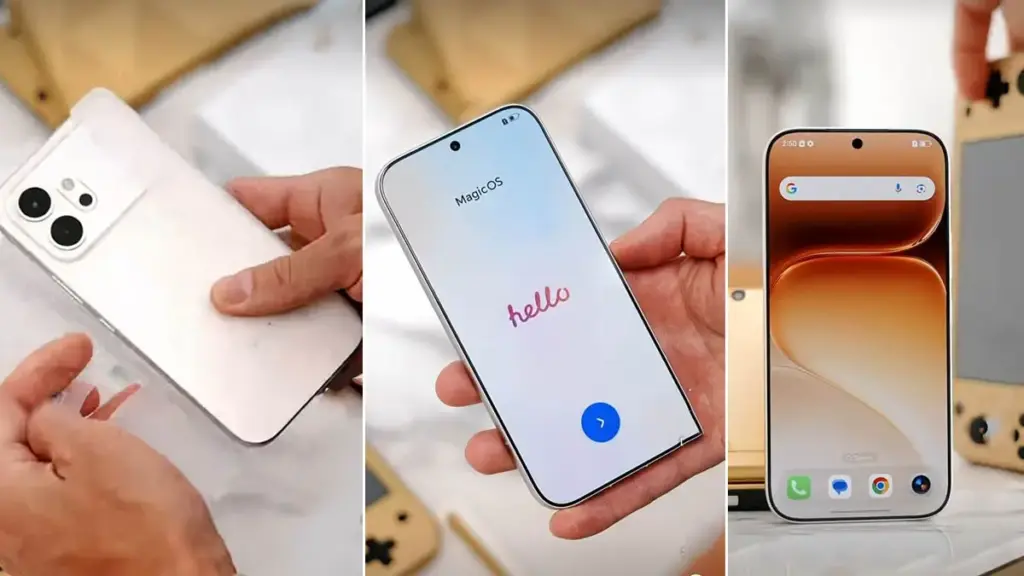
Hands-on testing of the Honor 600 over a full week raises questions about dropping thousands on flagships. This year’s Honor 600 lineup includes both standard and Pro models, but availability tilts heavily toward the base Honor 600 over the pricier Pro variant in most markets. Practical experience suggests sticking with the cheaper option makes sense for many buyers.
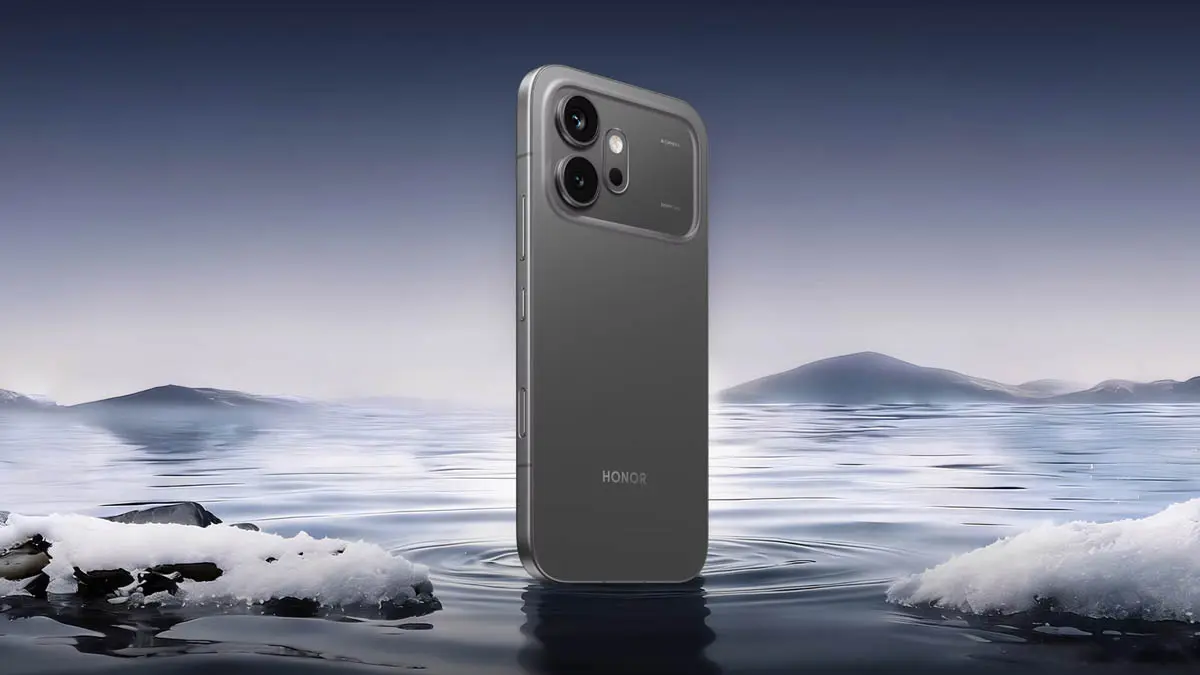
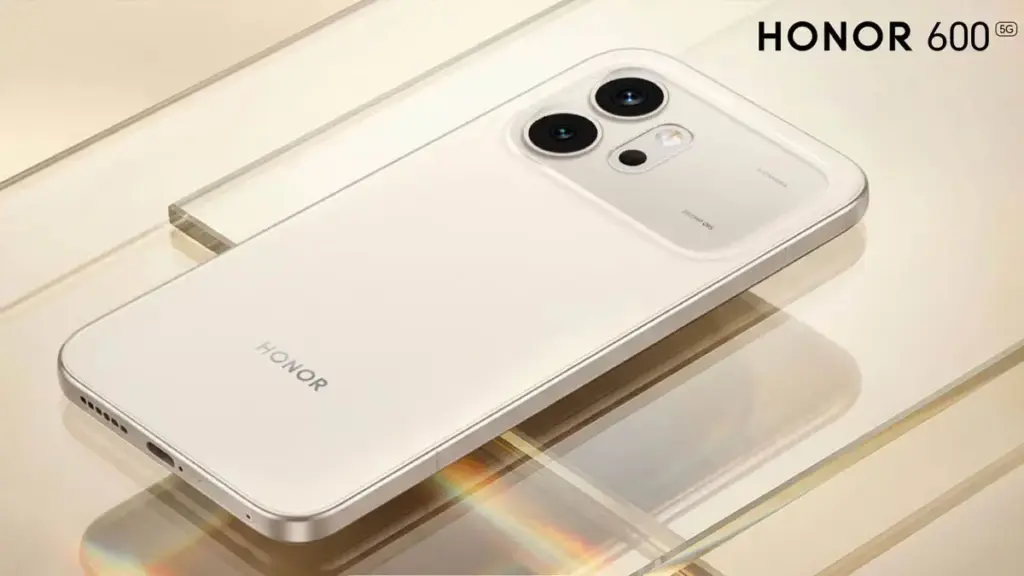
The Honor 600 shares the Pro’s slim-bezel 8,000-nit OLED screen, oversized battery, and rugged design with IP69K rating for drop and crush resistance. With electronics prices climbing sharply, holding onto older phones feels tempting, yet the Honor 600 stands out as a mid-range contender that could change minds. Testing shows it matches or beats rivals in build and certain specs.
DC dimming, 3840Hz PWM dimming, AI defocus, motion sickness relief, ultra dark mode, low blue light, personalized contrast
Processor
Snapdragon 7 Gen 4
RAM
8GB, 12GB
Storage
256GB, 512GB
Rear Cameras
200MP (wide) + 12MP (ultra-wide + macro), color temperature sensor
Front Camera
50MP
Battery
6,800mAh global (7,000mAh China only)
Charging
80W wired, 27W reverse wired, no wireless charging
Build
Matte metal frame, composite fiber back
IP Rating
IP68, IP69, IP69K
Weight
185g
Dimensions
156 × 74.7 × 7.8 mm
Colors
Black, Golden White (our review unit), Orange
The IP69K construction ensures durability while keeping a polished appearance over time. An AI button sits below the power key on the right edge, doubling as a customizable camera shutter. The aesthetic echoes the iPhone 17 but swaps Apple’s stark finish for refined elegance. The camera bump uses a distinct composite with a pearlescent, semi-transparent glow against the matte rear panel. Flat edges feel off, though the brushed aluminum texture redeems them. At a compact size and 190g weight, the phone took adjustment but proved refreshing.
The standout element remains the near-bezelless display with the industry’s first sub-1mm bezel at a uniform 0.98mm all around. A mid-ranger claiming this milestone feels unexpected. The true 10-bit panel avoids dithering and packs eye-care tools like DC dimming, 3840Hz PWM, motion sickness reduction, defocus mode, and personalized contrast checks. Full color tweaks cover saturation, contrast, and more options often skipped by others.
Honor rates peak brightness at 8,000 nits in a limited area. HDR tests hit around 3,000 nits routinely, outshining even Samsung flagships at 2,600 nits. Performance jumps 40 percent over the Honor 400 in Geekbench and 3DMark benchmarks.
Despite its slim profile and light 190g build, a 6,800mAh battery (7,000mAh in China) delivers multi-day endurance. Charging at 60W adds convenience. Haptics disappoint as usual for Honor—weak enough to disable entirely, though this remains the main drawback.
Honor pushes AI hard via the side key, which triggers contextual tools on long press for screen-specific actions like screenshot-to-notes in AI memories. Gallery upgrades include AI Photo to Video V2.0, turning up to three images plus a prompt into 3-8 second clips.
Such gimmicks entertain but rarely prove essential—authenticity in photos and videos holds more appeal, even if execution impresses. Moving Photo Eraser refines object removal while preserving motion in photos, matching top magic eraser tools. Moving Photo Breakout Collage blends stills and motion shots into shareable layouts that shine on social media.
The 200MP main sensor produces sharp images with solid dynamic range and true-to-life colors. Zoom lacks detail natively, but AI kicks in past 6x to sharpen results effectively, filling gaps left by absent telephoto lenses. Availability proves inconsistent, with no toggle option—users can disable it outright if needed. Motion handling ranks high for the segment, trailing only Honor flagships.
The Honor 600 builds smartly on the 400 series and holds strong value barring post-launch hikes. It leads mid-rangers in screen, durability, and stamina while challenging flagships selectively. Google, Nothing, and Samsung compete closely, yet Honor edges them on core elements. Rivals promise extra software years, but at this tier, Honor’s reliable updates, battery prowess, fast charging, tough build, and screen comfort tip the scales.
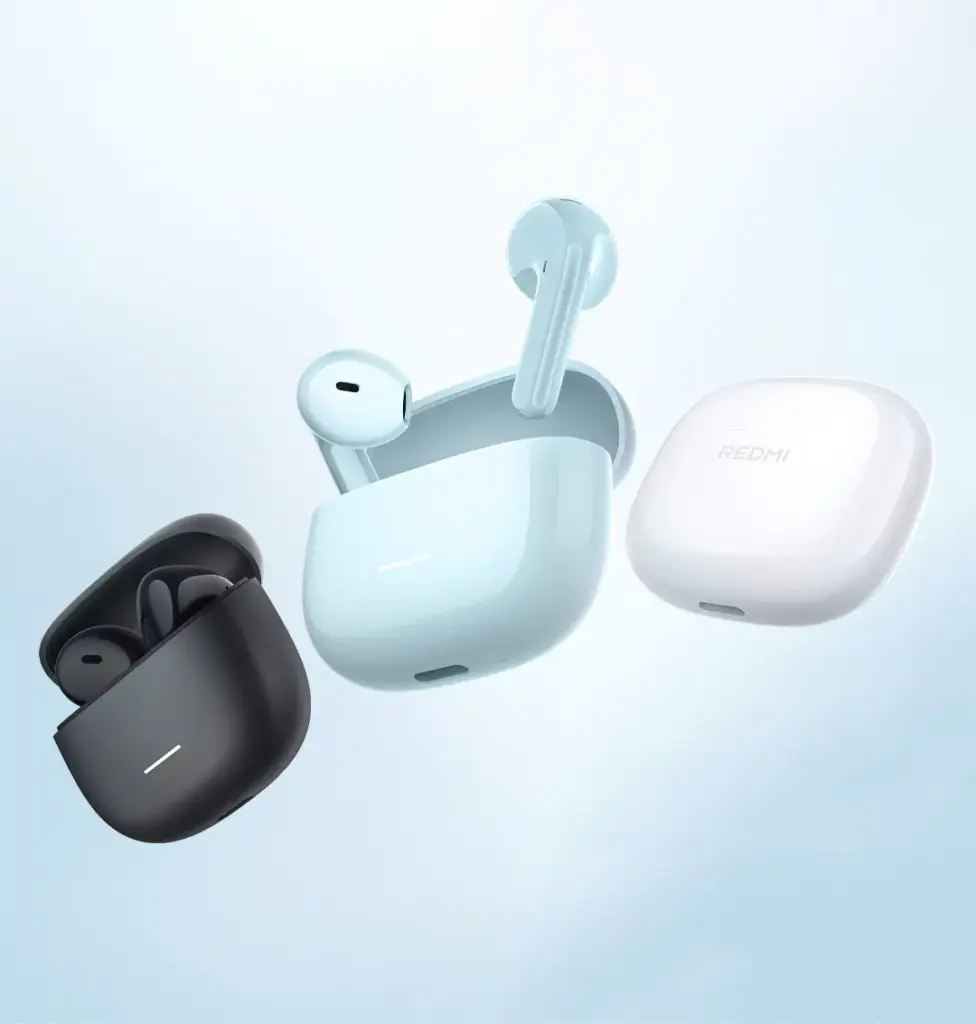
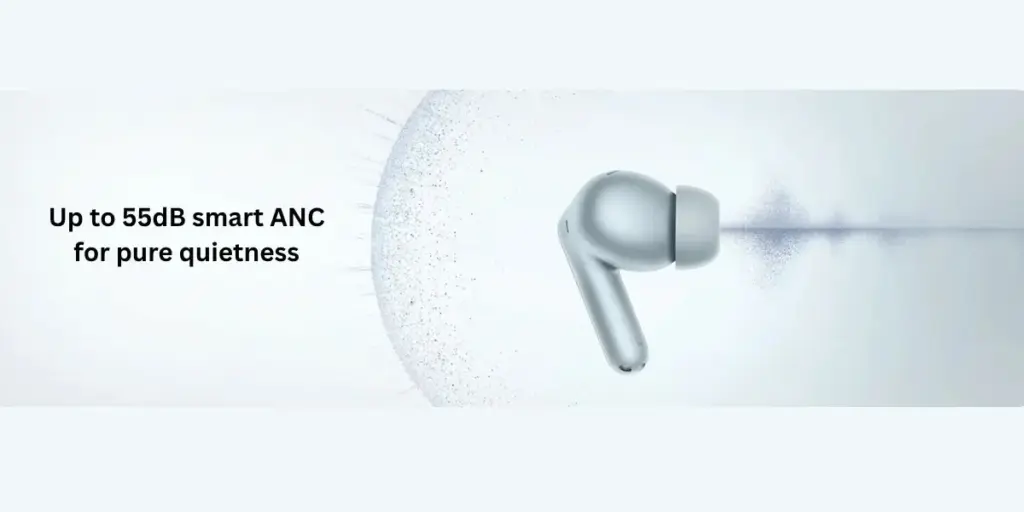
Redmi Buds 8 have officially launched in China, bringing a mix of premium audio features and long battery life to the company’s latest true wireless stereo (TWS) lineup. The earbuds support active noise cancellation (ANC) of up to 50dB, feature 11mm dynamic drivers, and use Bluetooth 5.4 for connectivity. They also support the LHDC audio codec and carry Hi-Res Audio Wireless certification. Additional highlights include multi-device pairing and AI-powered call noise reduction. The launch comes alongside several upcoming Redmi products, including the Redmi K90 Max, Redmi K Pad 2, and Redmi Book Pro 2026, which are scheduled to debut in China later today.
Redmi Buds 8 Price, Colour Options
The Redmi Buds 8 are priced at CNY 229. Buyers can choose from three colour options: Cyan, Dusk Black, and White. The earbuds are currently listed on the official Xiaomi China website.
Redmi Buds 8 Features, Specifications
The earbuds are built around 11mm dynamic drivers and support a wide frequency response range from 20Hz to 40kHz. With Hi-Res Audio Wireless certification and support for LHDC alongside SBC and AAC codecs, the Buds 8 are designed to deliver higher-quality wireless sound across compatible devices.
For noise control, Redmi integrates up to 50dB active noise cancellation. The earbuds use a three-microphone system with AI-backed call noise reduction, helping reduce wind interference at speeds of up to 12m/s for clearer voice calls. Users can switch between multiple ANC modes, including depth, balanced, light, and an adaptive option that adjusts automatically. There are also three transparency modes available: standard, vocal enhancement, and environmental enhancement.
Connectivity is handled via Bluetooth 5.4, with a claimed range of up to 10 metres in open spaces. The earbuds support dual-device pairing, allowing them to stay connected to two devices simultaneously, along with audio sharing and smooth switching between connected devices. Redmi also includes support for the Xiaomi Headphones app, enabling customisation and controls, as well as gesture-based functions such as one-tap photo capture.
Battery performance is another key focus. Each earbud houses a 54mAh battery, while the charging case packs a 475mAh unit. Redmi claims up to 11 hours of playback on a single charge without ANC, extending to a total of 44 hours with the charging case. With ANC enabled, the earbuds are rated for up to 6.5 hours per charge and up to 28 hours in total with the case. Charging is handled via a USB Type-C port.
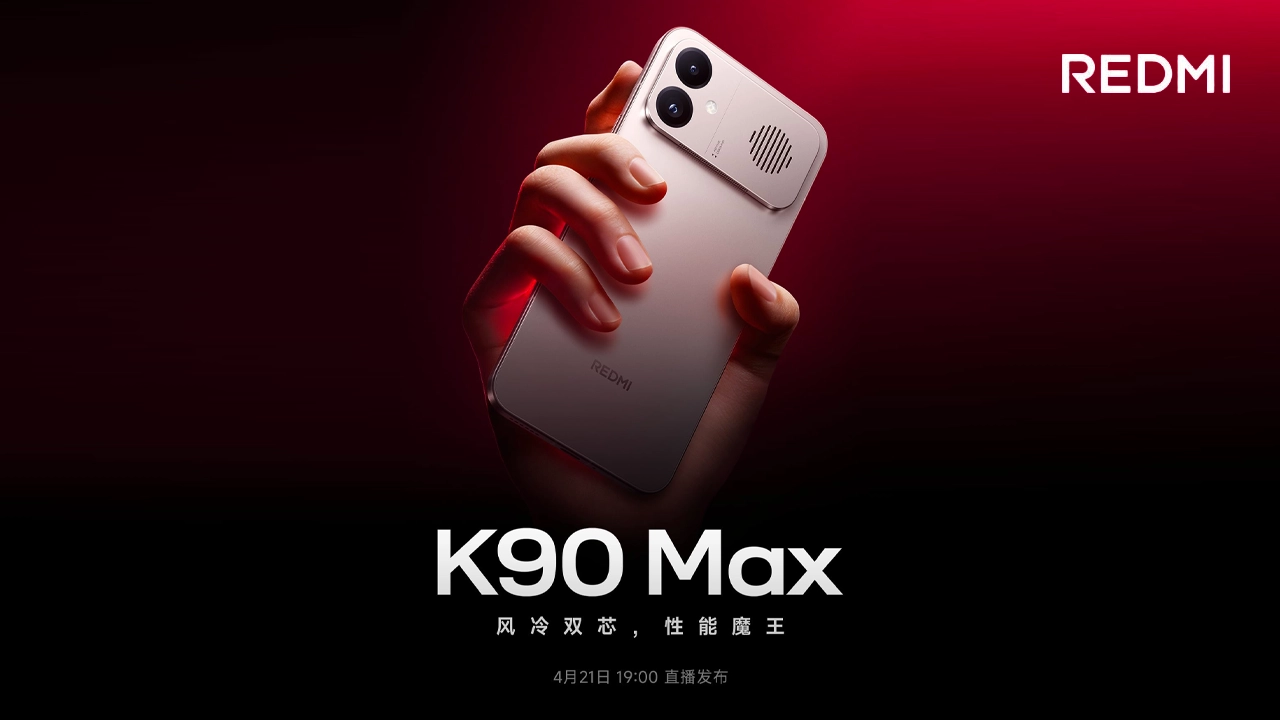
Redmi has launched the K90 Max in China, adding it to the growing K90 lineup alongside the Redmi K90 and K90 Pro Max. The new phone brings a 6.83-inch display with a 165Hz refresh rate, an 8,550mAh battery with 100W wired fast charging, and a MediaTek Dimensity 9500 SoC with up to 16GB of RAM. Other highlights include a Bose-tuned speaker system and a dual rear camera setup led by a 50-megapixel primary sensor.
Redmi K90 Max Price and Availability
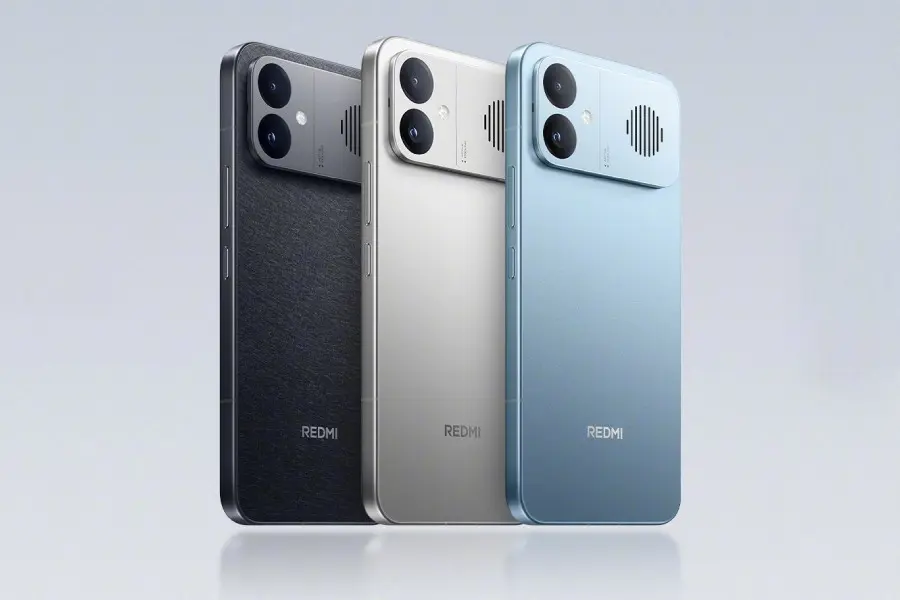
The Redmi K90 Max starts at CNY 2,999 for the 12GB RAM + 256GB storage configuration. Both the 12GB + 512GB and 16GB + 256GB variants are priced at CNY 3,499. Moving up, the 16GB + 512GB model costs CNY 3,999, while the top-tier 16GB + 1TB variant is priced at CNY 4,699. The phone comes in three colour options: Space Silver, Shadow Black, and Sky Blue (translated from Chinese).
Redmi K90 Max Specifications and Features
The dual-SIM Redmi K90 Max runs Android 16-based HyperOS 3. Its 6.83-inch 1.5K (1,280 x 2,772 pixels) M10 display supports up to 165Hz refresh rate, a 480Hz touch sampling rate, 3,500Hz instantaneous touch sampling, 480Hz multi-finger touch sampling, and peaks at 3,500 nits brightness. The panel also carries HDR10+ and Dolby Vision certification.
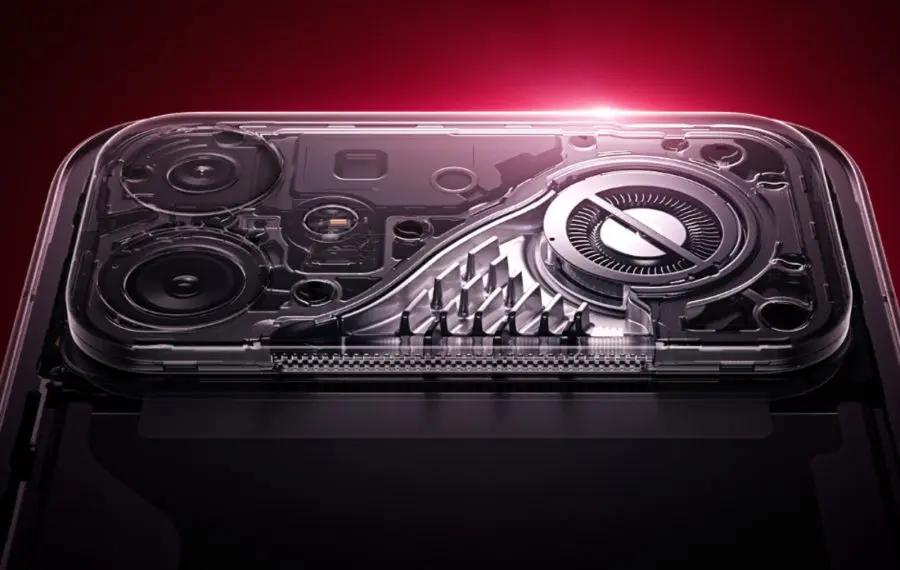
Under the hood sits a MediaTek Dimensity 9500 chipset, paired with up to 16GB of LPDDR5x RAM and up to 1TB of UFS 4 storage. A dedicated D2 display chip handles gaming-focused processing. Thermal management is taken seriously here — the phone features a 6,000 sq mm ice-sealed circulating cooling pump and over 12,000 sq mm of graphite coverage, plus an active cooling fan that Redmi claims can bring temperatures down by around 10°C in just 100 seconds.
The rear camera system consists of two sensors: a 50-megapixel main camera with OIS and an f/1.68 aperture, backed by an 8-megapixel secondary shooter. On the front, a 20-megapixel camera covers selfies and video calls. Audio is handled by a 1115x symmetrical stereo dual-speaker setup, co-tuned with Bose.
Connectivity is comprehensive, covering 5G, Wi-Fi 7, Bluetooth 4, NavIC, GPS/AGPS, Galileo, GLONASS, BeiDou, NFC, OTG, and USB Type-C. The phone carries IP66, IP68, and IP69 ratings for dust and water resistance. Security is managed by a 3D ultrasonic in-display fingerprint sensor, and the onboard sensor array includes an accelerometer, ambient colour temperature sensor, electronic compass, gyroscope, IR remote control, flicker sensor, and an X-axis linear motor.
Powering everything is the 8,550mAh battery, which supports 100W wired fast charging and 22.5W reverse wired charging for topping up other devices on the go.
Google Wallet has grown into one of the most versatile digital wallet solutions available. Beyond storing credit and debit cards, it handles state IDs, passports, event tickets, transit passes, digital car keys, and plenty more – effectively everything you’d normally carry in a physical wallet. Over time, Google has steadily expanded its capabilities, adding features that feel obvious in hindsight but weren’t on anyone’s radar beforehand. One of those is Live Updates, which surfaces real-time data for transit and events directly within the app.
Live flight information, right on your lock screen
For those unfamiliar with Live Updates, the feature delivers current information about your transit method or upcoming events without requiring you to open a separate app, dig through emails, or hunt down the information yourself. With the latest Google Wallet update, that same convenience now extends to flights, as noted by 9to5Google.
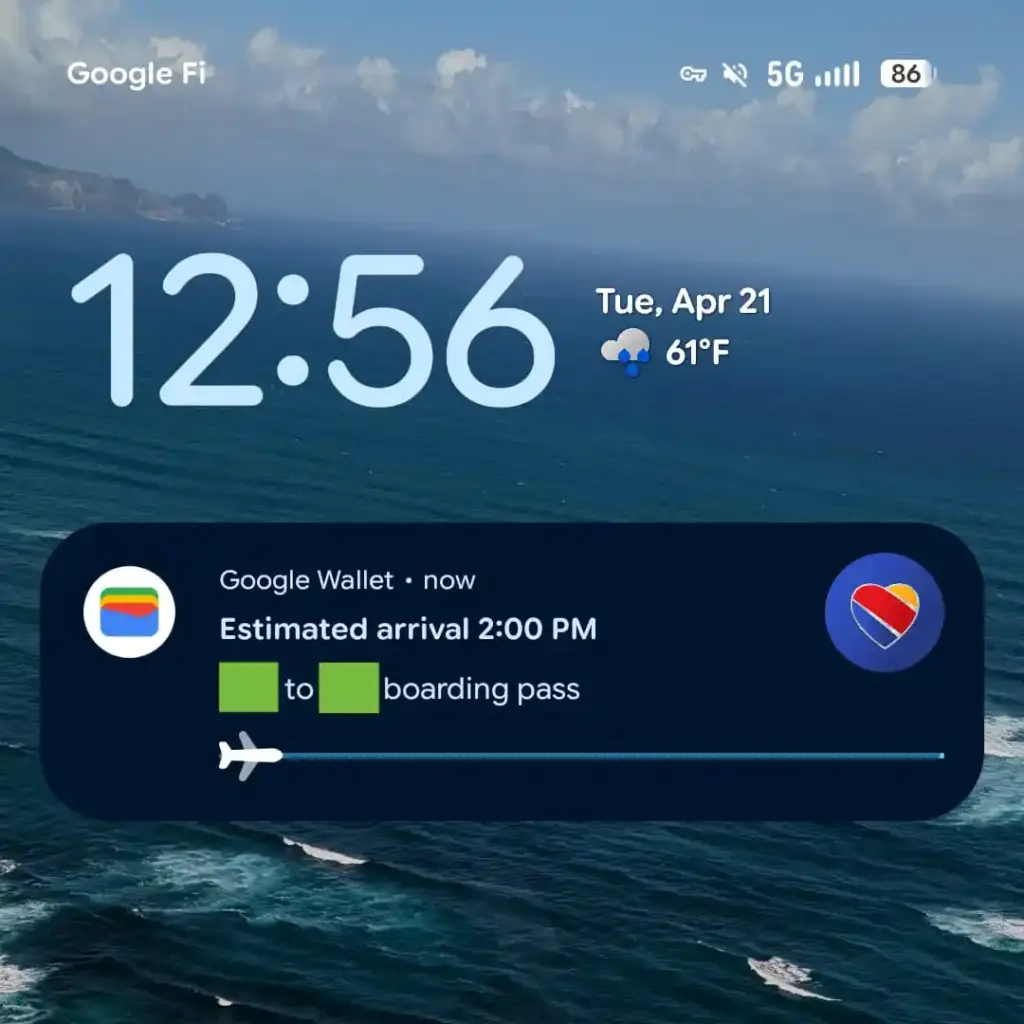
From the moment a flight is booked, Wallet is ready to track it and display the latest status. It also generates an easily accessible QR code for scanning at the gate when the time comes. On devices running Android 16 or later, Wallet will display takeoff time, total flight duration, and an estimated arrival time. All of this appears on the lock screen or always-on display, if that feature is enabled.
That kind of at-a-glance access becomes especially valuable on hectic travel days. The usual routine — checking in hours early, clearing security, settling in at the boarding gate – tends to go smoothly, but flights don’t always cooperate. Delays happen for all sorts of reasons, gates get reassigned, and cancellations aren’t unheard of. Rather than bouncing between airline apps, notification panels, and departure boards, having the key details visible the moment the screen lights up keeps things a lot simpler. It’s also easier to keep travel companions informed without constantly having to look things up.
To get Live Updates for flights working, Android 16 users will need to update Google Wallet along with any associated services. The timing works out well, with the rollout landing just ahead of what’s typically one of the busiest travel periods of the year.
Nothing looks set to deliver another strong midrange contender. The Phone (4a) Pro delivers on the brand’s signature appeal—distinctive, quirky, and unmistakably Nothing.
The price has edged up from the Phone (3a) Pro to $499 or €479. Pre-orders through Nothing’s site offer discounts in some regions, potentially matching the predecessor’s cost.
At half the price of the flagship Phone (3) ($799), it remains a budget-friendly option. Nothing has noted the “a” series’ strong reception and its role in building the brand. The question is whether the Phone (4a) Pro keeps that momentum going.
Design and Display
The Phone (4a) Pro stands out from previous “a” models with its full aluminum unibody construction. Wireless charging is off the table as a result, but the solid metal build feels premium and long-missed in recent years. It stays light and well-balanced for comfortable handling.
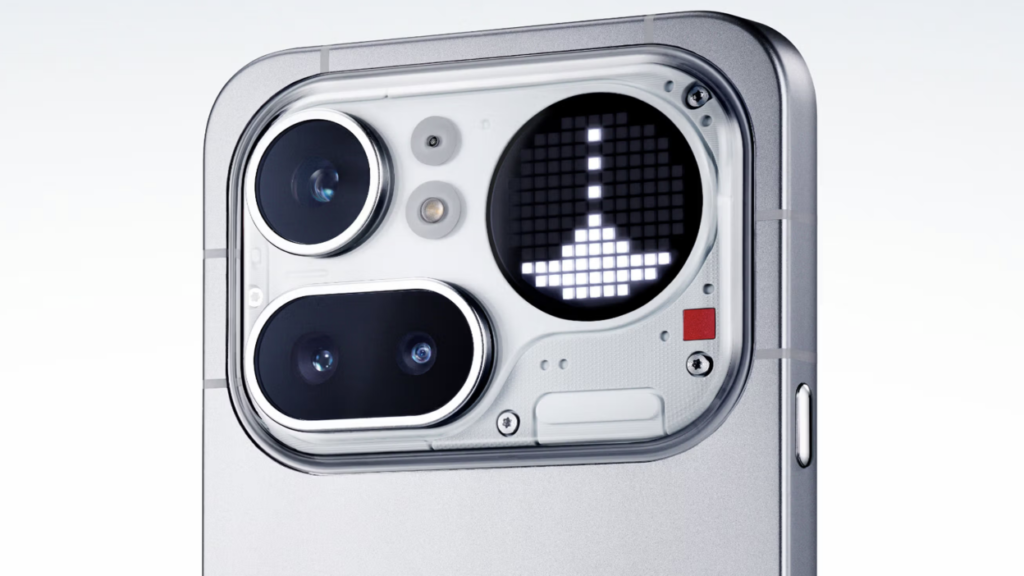
A transparent section remains on the back, limited to the acrylic-covered camera island. The overall feel is solid, though the scaled-back transparency suggests a shift toward convention. The plastic camera bump may attract scratches over time.
Despite the 6.9-inch screen, the phone qualifies as thin and manageable, aided by smart weight distribution.
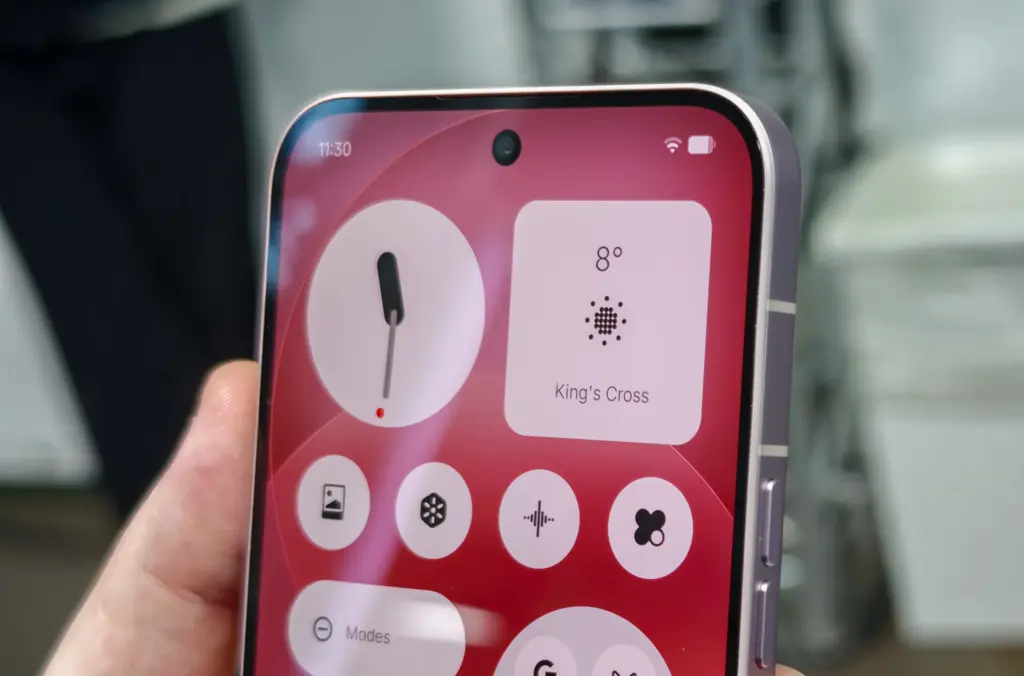
The Essential button returns, tying into Essential Space—Nothing’s lightweight AI tool for organizing screenshots, photos, and voice notes. On-device AI tags content for easy retrieval, much like an enhanced version of Google’s Screenshots app. The button provides quick access to the library or new captures, serving as a distinctive Nothing touch.
Volume and power buttons offer satisfying clicks—firm without being loose.
The traditional Glyph LED strips are gone, as on the Phone (3). The new circular low-res Glyph Matrix sits on the camera island, a more appealing placement than on the Phone (3).
Functions are simplified compared to the Phone (3)’s Glyph Toys. It displays time, timers, calendar progress, notification icons, or volume levels—no games like spin the bottle or 8-ball.
The box includes the phone, a transparent case, and a standard USB-C cable, ditching the old transparent styling for a blockier design.
The 6.9-inch AMOLED display packs a 1260 x 2800 resolution (440 PPI), 144Hz refresh rate—higher than the Phone (3)’s 120Hz—and 5,000 nits peak brightness. It delivers sharp, vibrant visuals, with a natural color profile for a less intense look.
Day-to-day brightness hits around 1,500 nits across the full screen, performing well outdoors despite lacking anti-reflective coating.
An optical in-display fingerprint scanner works quickly and reliably. Face Unlock relies on the selfie camera, limiting it to well-lit conditions and lower security.
Nothing Phone (4a) Pro
Capture every detail from a distance with the advanced triple camera system. Nothing Phone 4a Pro Features a 50MP Sony main sensor with OIS, a 50MP periscope telephoto lens supporting 3.5x optical up to 140x ultra zoom, and an 8MP ultra-wide lens.
Smartphone cameras continue to chase natural-looking results, but the Phone (4a) Pro as a midranger falls short. Dynamic range is limited, color matching across the main, ultrawide, and 3.5x zoom lenses is inconsistent, and processing introduces oversharpening and noise artifacts.
Reds can oversaturate in some shots, while others suffer from incorrect exposure or blue casts. It works for casual snapshots but struggles with standout photography. The 3.5x zoom holds up for portraits before details fade beyond that.
Predictability is the real issue for a good midrange camera. For better results, a Pixel 9a might suit photography-focused buyers.
Videos appear overexposed and oversaturated. A bug prevents autofocus when zooming during recording after lens switches, though Nothing typically addresses such issues through software updates.
Performance
Power comes from the Qualcomm Snapdragon 7 Gen 4, a midrange chip below the flagship Snapdragon 8 series. Its CPU matches a late-2022 Snapdragon 8 Gen 1 level, with the GPU a bit stronger.
Paired with Nothing’s efficient software, it handles modern Android smoothly without excess power for demanding tasks.
In CPU tests against $500 rivals, it holds its own. An iPhone 17e with the Apple A19 would dominate, even with fewer GPU cores. GPU performance beats the Exynos in the Galaxy A56, appealing to mobile gamers.
Storage choices are 128GB/8GB RAM or 256GB/12GB RAM, with the upgrade adding $100 and edging into iPhone 17e pricing.
Nothing Phone (4a) Pro
Capture every detail from a distance with the advanced triple camera system. Nothing Phone 4a Pro Features a 50MP Sony main sensor with OIS, a 50MP periscope telephoto lens supporting 3.5x optical up to 140x ultra zoom, and an 8MP ultra-wide lens.
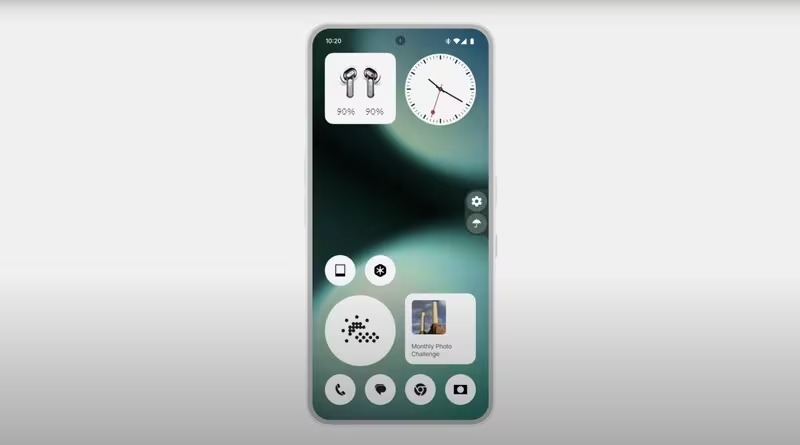
Nothing OS 4.1 runs on Android 16 out of the box. The clean, flat interface feels responsive, with monochrome icons offering a minimalist vibe.
Support includes three major Android updates and four years of security patches, potentially carrying the phone through to 2030.
Battery
A 5,080 mAh battery and efficient Snapdragon 7 Gen 4 yield solid endurance: 16 hours of browsing and 12 hours of video playback.
Gaming drops results to around 6 hours, trailing some rivals but acceptable for the price and segment.
50W charging hits 67% from empty in 30 minutes using Nothing or compatible third-party chargers. No wireless charging due to the aluminum body.
Audio and Haptics
Stereo speakers are loud with decent tuning for system sounds and videos, though they sound tinny for music. No 3.5mm jack.
Haptics stand out, delivering precise feedback that complements the interface.
Verdict
The Nothing Phone (4a) Pro stands as a bold statement phone for those avoiding generic Galaxies or iPhones. Its handling, display, and performance match $500 peers, while the UI brings thoughtful, unique touches.
Cameras remain the weak spot. Buyers who can overlook that will find a compelling package; others may want to wait for software tweaks or consider alternatives.
Nothing Phone (4a) Pro
Capture every detail from a distance with the advanced triple camera system. Nothing Phone 4a Pro Features a 50MP Sony main sensor with OIS, a 50MP periscope telephoto lens supporting 3.5x optical up to 140x ultra zoom, and an 8MP ultra-wide lens.
Let me be clear: the iPhone 17e is a genuinely good phone. MagSafe, 256GB storage as standard, and deep integration with the Apple ecosystem — it’s everything last year’s iPhone 16e should have been, and it makes total sense if your family, your friends, and your life are already Apple-shaped.
But I review phones for a living. I’m also, for better or worse, an Apple obsessive. And after a week with the OnePlus 15R, I’d be doing you a disservice if I didn’t tell you what your money can actually buy right now.
The OnePlus 15R makes the battery debate embarrassing
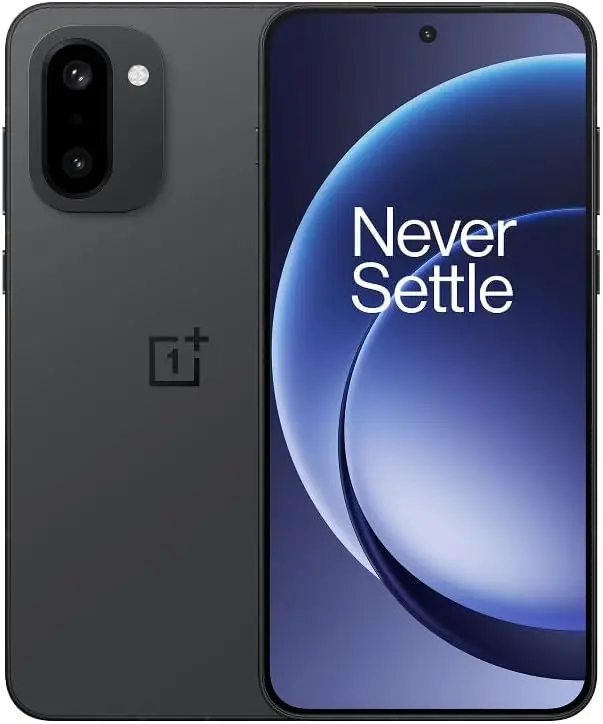
The OnePlus 15R costs $699. It has a 7,400mAh battery. I’ve been getting two full days of use before reaching for a charger.
OnePlus 15R
Powered by the Snapdragon 8 Gen 5, plus a custom Wi-Fi chip and dedicated Touch Response chip, you get lightning-fast speeds, stable connections, and ultra-responsive touch control.
I’ve spent years automatically toggling Low Power Mode on my iPhone 16 during heavy days — it’s just become muscle memory. Using the OnePlus 15R reminded me that this is not a universal smartphone experience. It’s an Apple-specific compromise I’d stopped questioning.
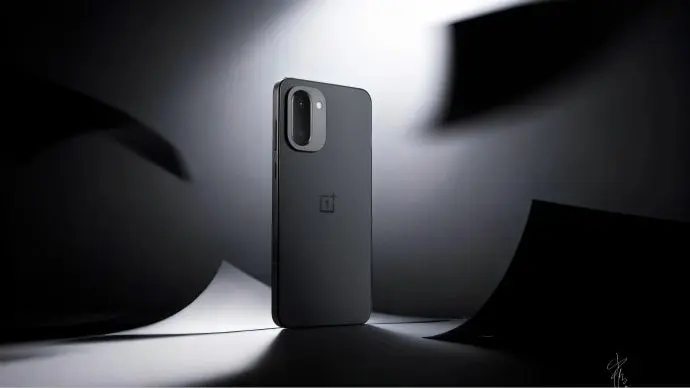
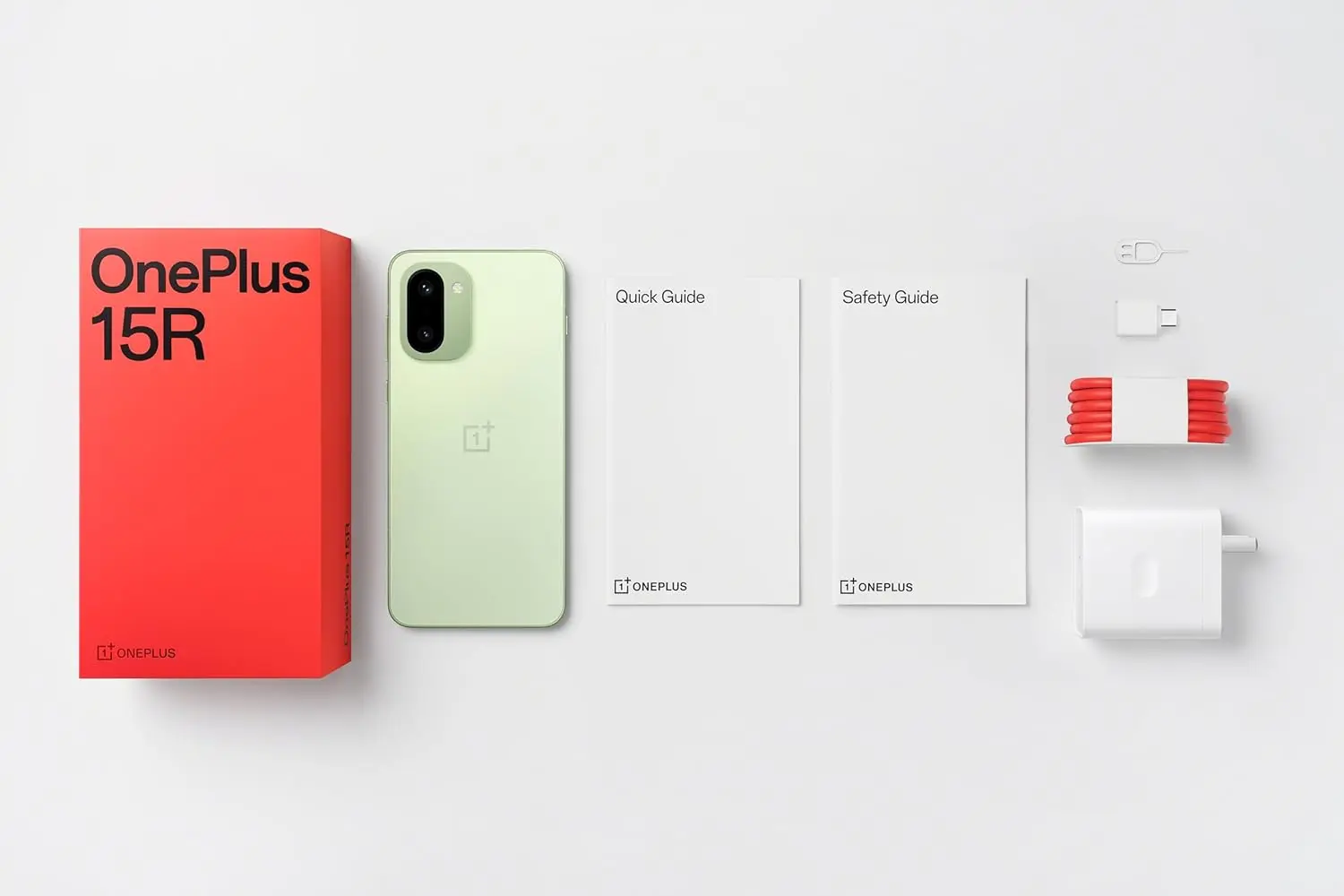
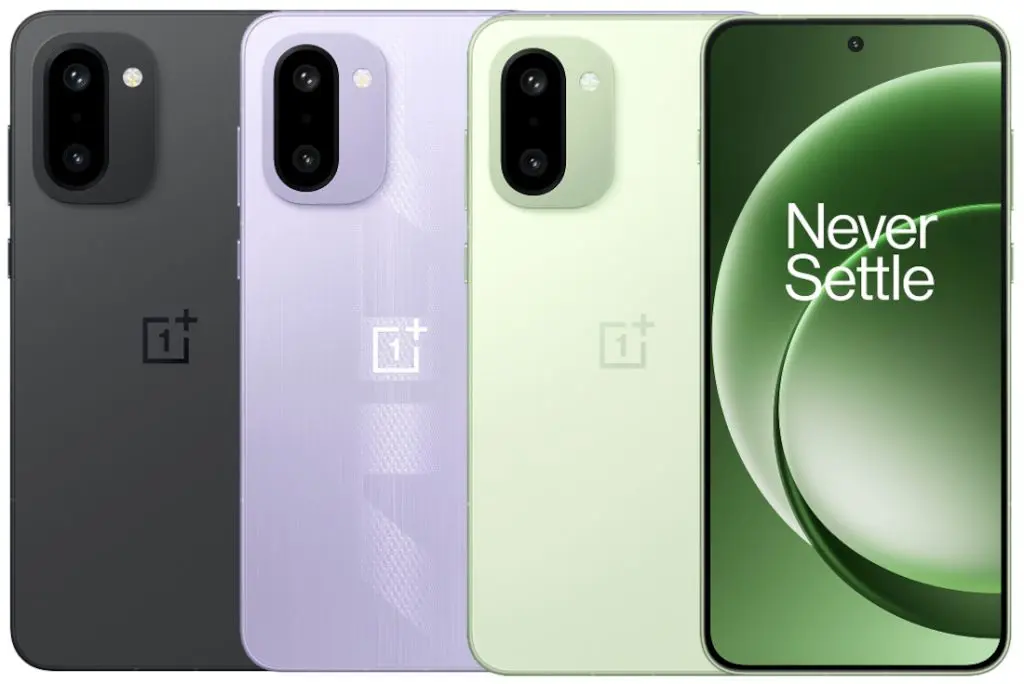
Battery life aside, the OnePlus 15R earns its price in other ways: a 165Hz display, a 6.83-inch screen, the Snapdragon 8 Gen 5 chipset, and OxygenOS that’s as clean and intuitive as Android gets. Side-by-side multitasking, heavy app switching, gaming — no hesitation, no hiccups. Oh, and the Mint Green colorway is so good I refuse to put a case on it. With IP66, IP68, IP69, and IP69K certifications, it doesn’t need one anyway.
It’s not just OnePlus
The OnePlus 15R is the most dramatic example, but it’s not alone.
The Samsung Galaxy S25 FE surprised me. Built on the same Exynos 2400 chipset that powered the once-flagship Galaxy S24, it delivered a full day’s battery without concern and a 6.7-inch display vivid enough to make Netflix feel like an event. Not a compromise phone — a capable one.
Then there’s the Nothing Phone (4a) Pro, which I tested before launch and came away genuinely impressed. Its design makes most flagship phones look conservative, and Nothing’s OS is as considered as its hardware. It has a triple-camera array including a 3x telephoto lens. It costs $100 less than the iPhone 17e, which ships with a single rear camera.
Let that sit for a moment.
The honest truth
If you’re standing at the crossroads of a mid-range upgrade and you haven’t looked at what Android offers in 2026 – you’re making a decision without the full picture.
The iPhone 17e is a great iPhone. Whether it’s a great phone for the money is a different question entirely.
OnePlus 15R
Powered by the Snapdragon 8 Gen 5, plus a custom Wi-Fi chip and dedicated Touch Response chip, you get lightning-fast speeds, stable connections, and ultra-responsive touch control.
Days before Huawei’s April 20 launch event, live images of the Pura X Max have surfaced online — and the wide-folding phone looks every bit as ambitious in person as it did on paper.
A design that makes a statement
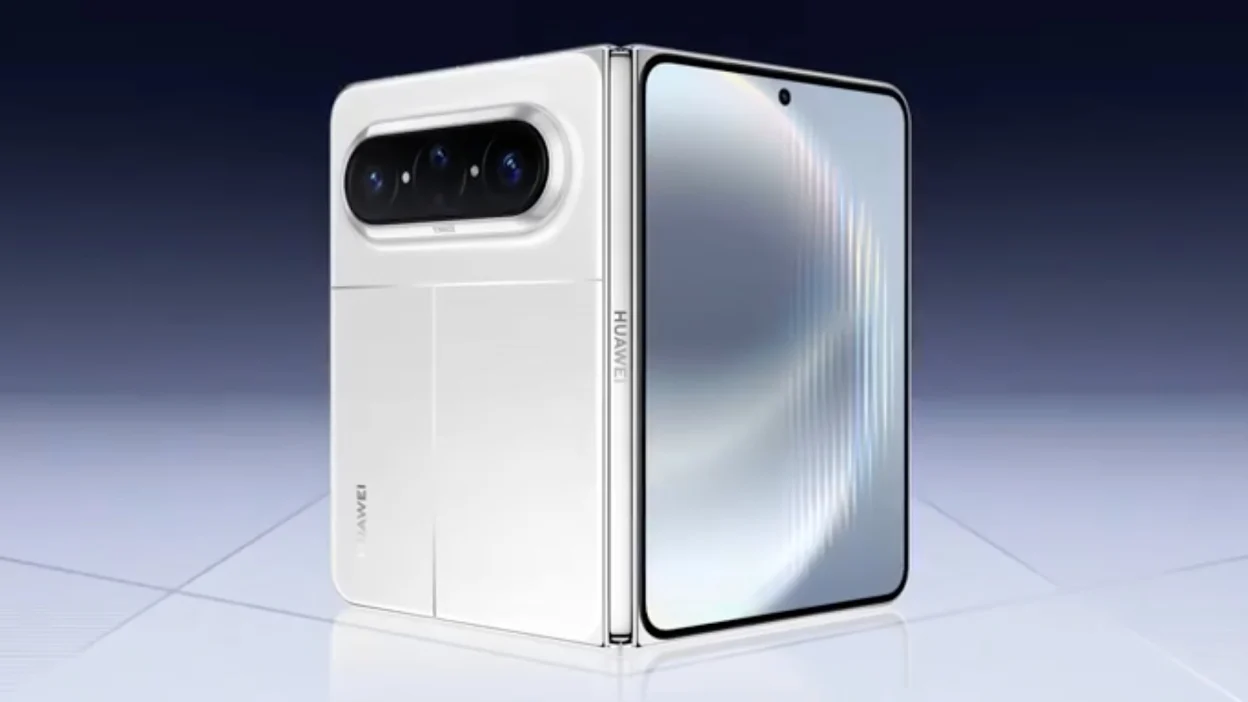
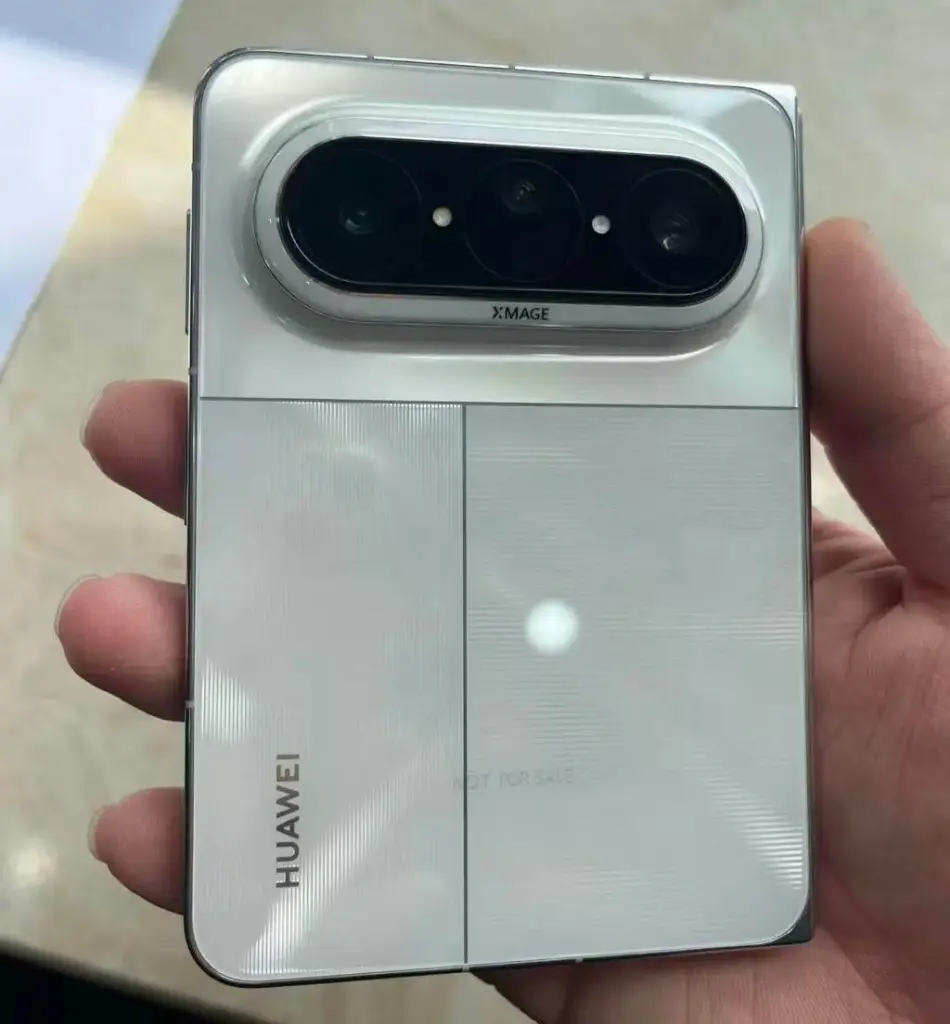
The leaked shots show the Pura X Max in glossy white, and the back panel is where things get interesting. Rather than a conventional camera island, Huawei has divided the rear into three distinct zones — a bold camera section at the top, flanked below by two panels: one with vertical lines, one with horizontal. It’s a geometric approach that gives the device a visual identity you won’t mistake for anything else.
The camera housing itself is a large pill-shaped module carrying three lens rings — an upgrade over the first-generation model. The center ring holds two lenses, with LED flashes positioned on either side. Notably, the entire camera section takes up roughly a third of the back panel, making it the clear focal point of the design.
HUAWEI branding sits on the vertical-line panel, while a small XMAGE logo is embedded just beneath the camera pill — subtle, but present. The frame appears to be metal throughout.
Pocket-sized power, tablet-sized screen
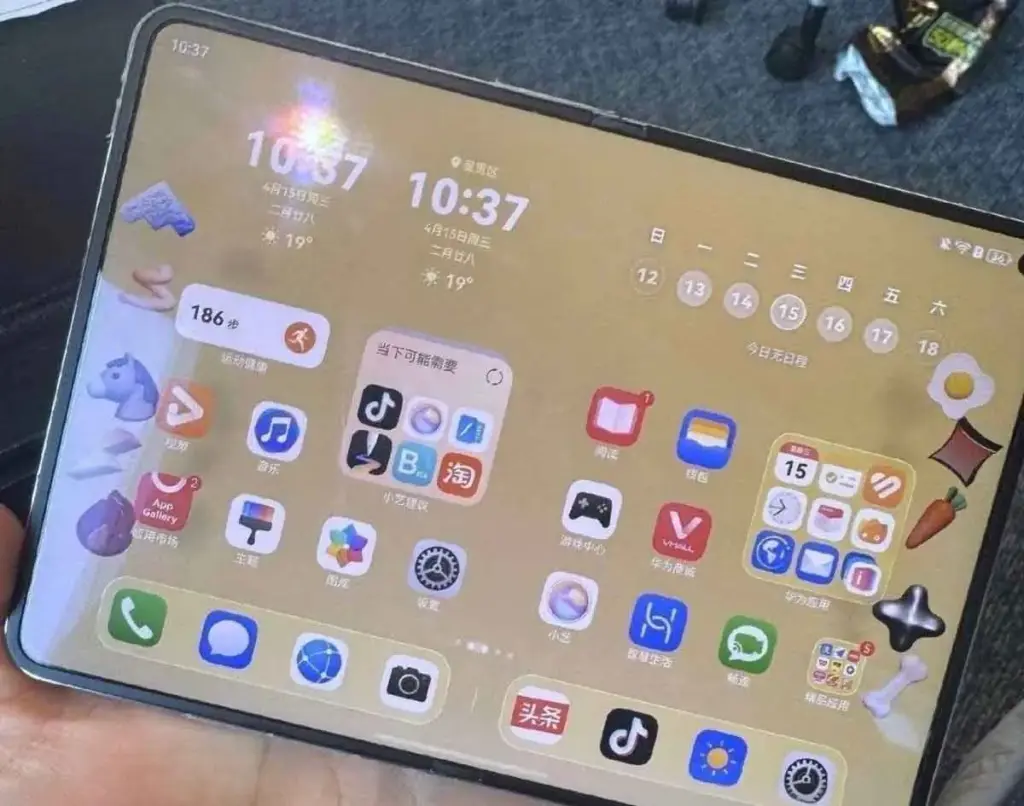
Folded, the Pura X Max fits comfortably in one hand. Open it up, and you’re looking at something closer to a mini tablet — with a clean, clutter-free home screen on both the main display and the cover panel. No visual noise, just usable space.
What we know so far
The Pura X Max is already listed for pre-sale on Huawei’s VMall with five color options and four RAM and storage configurations. The full reveal is just days away on April 20.
Based on these first real-world photos, Huawei appears to have built something that holds up outside of a studio shoot. We’ll know everything else very soon.
Moving data between an Android phone and a Mac has not been easy for users. Users are frequently forced to rely on third-party products or cloud services due to the absence of a native, dependable bridge. With the goal of making this process much more convenient, Nothing is now stepping in with a new solution called Warp.
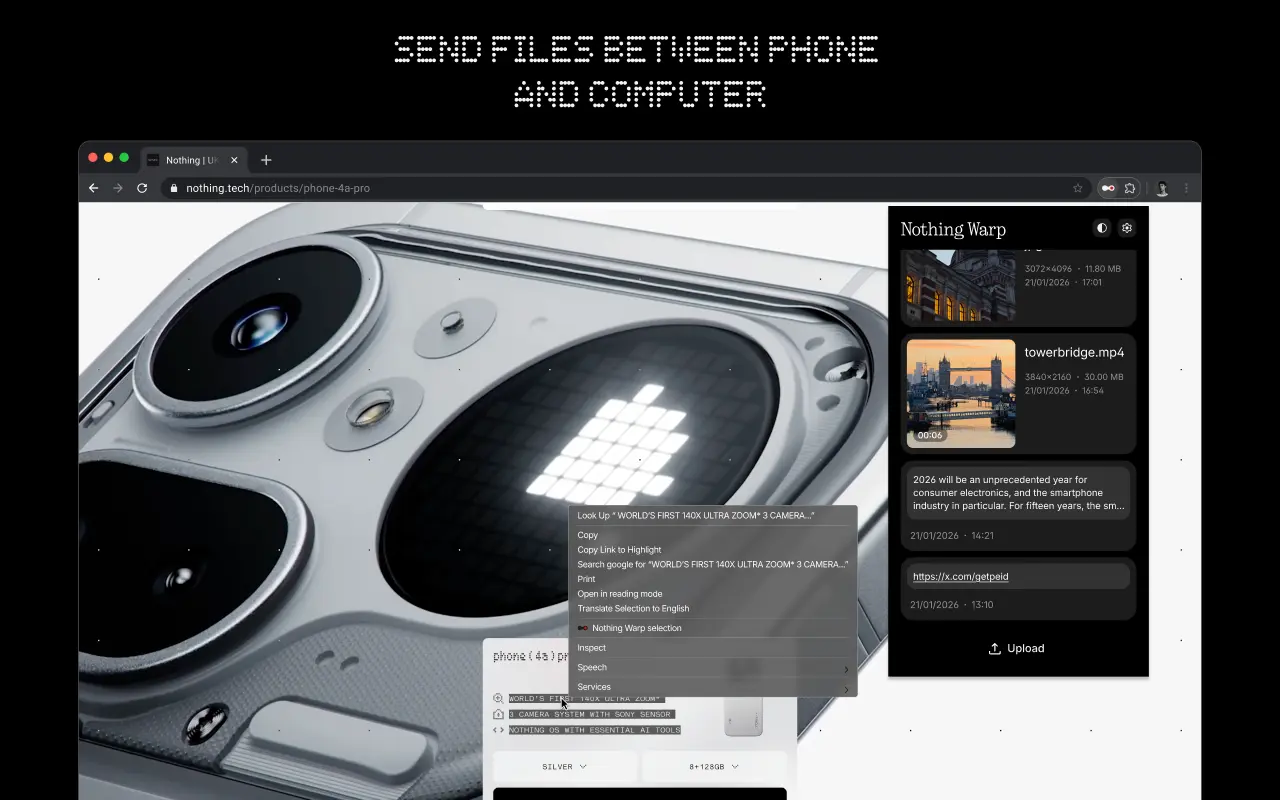
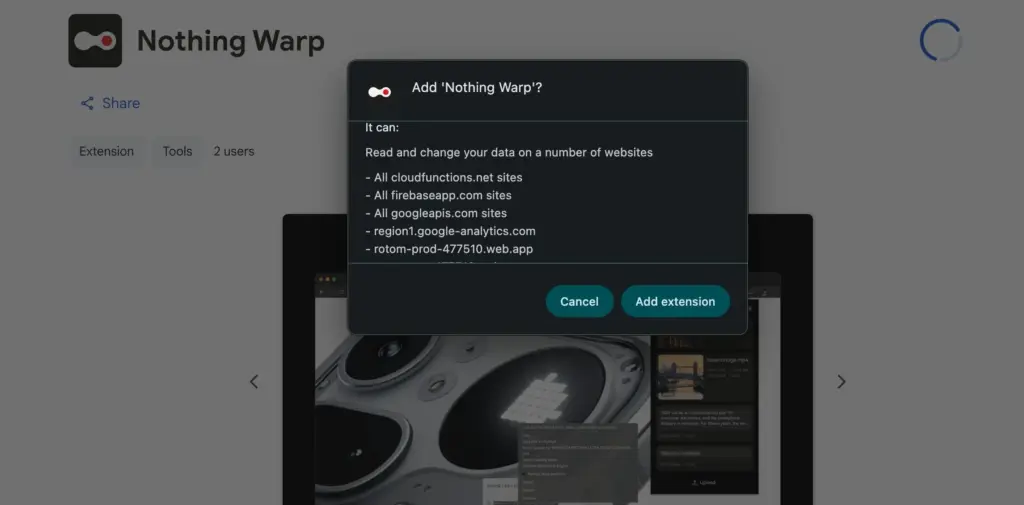
Warp is designed as a two-part solution, consisting of a browser extension and an Android app. Because it operates via a browser, it may be used on Windows and Linux computers as well as macOS, so long as users are using a browser that is based on Chromium. It has an advantage over ecosystem-specific tools due to its broader interoperability.
After installation, Warp appears in Android devices’ default sharing menu. Photos, movies, documents, links, and even plain text can be sent with ease. Similar versatility is available on the computer side thanks to the extension; you can push images from a webpage, email files, and copy text straight to your phone. Nevertheless, it isn’t always effective. Warp could not show up as an option if certain online apps override the browser’s built-in right-click feature.
The ability to handle many devices is a noteworthy feature. It is not necessary for the recipient device to be active at that precise moment in order to deliver material across several devices. Because Warp does not require a direct connection between devices, this is feasible. Rather, it sends files via a download prompt on the other device after briefly uploading them online.
For daily use, this approach is effective, particularly for smaller files. Images and text excerpts move smoothly and swiftly. For larger files, however, this is not the case. For instance, it can take a considerable length of time to upload large videos before they are ready to be seen elsewhere.
Nothing claims that it does not directly handle user files in terms of privacy. Because Google Drive is used to route transfers, customers must link their Google account in order to utilize the service. Although specifics regarding storage consumption and file management are still unclear, the business also asserts that these files do not clog the user’s Drive storage.
Warp is presently free to use and in beta. It provides a useful and more universal approach to exchange content across Android smartphones and Macs without depending on brand-specific capabilities, even though it might not be able to substitute quicker, direct transfer methods for large files.