Honor released the Magic 8 Pro smartphone globally, however there is no evidence of the regular version on the global store. Does it indicate the company has introduced the Magic 8 vanilla model only for its home-ground users?
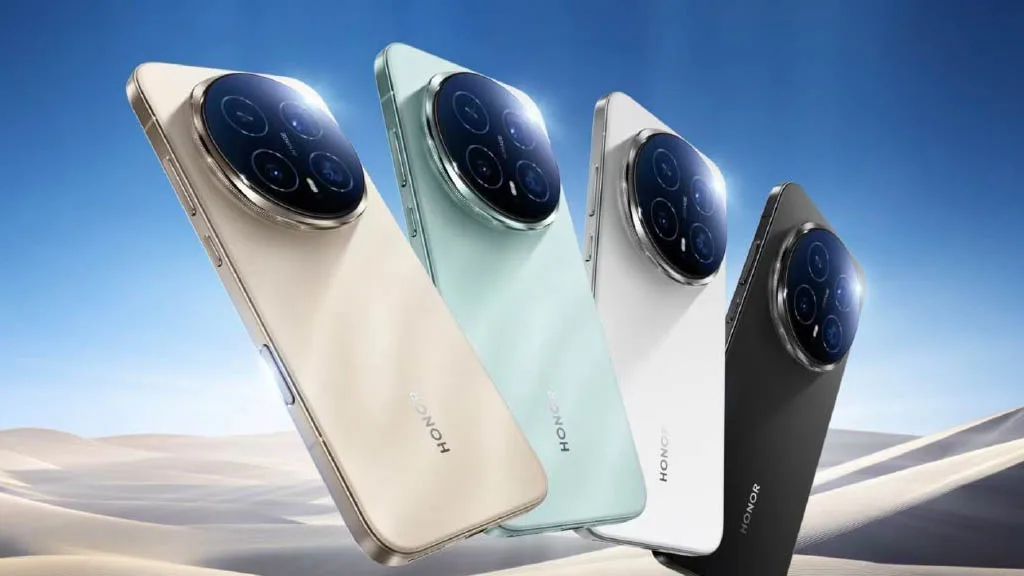
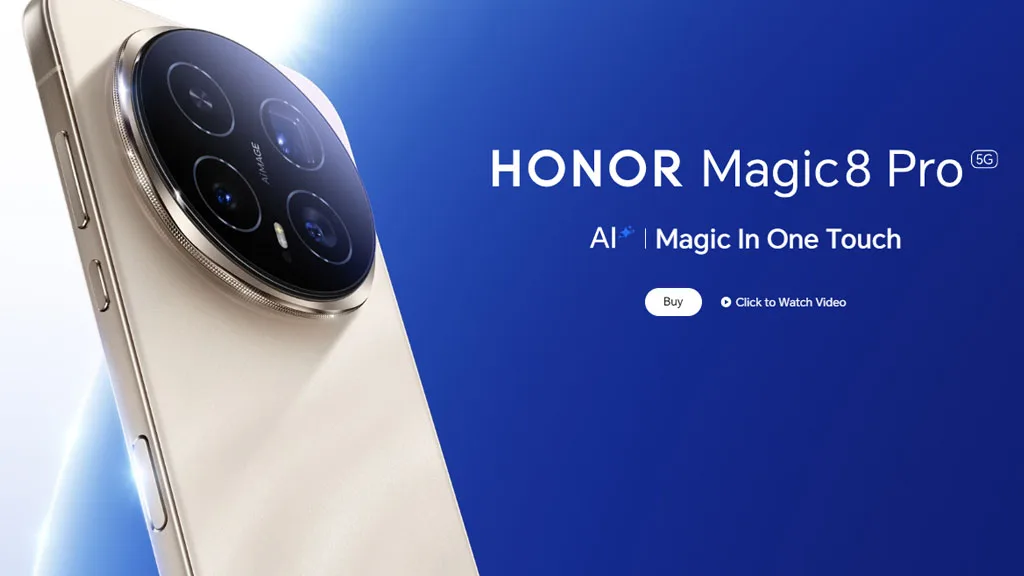
Honor introduced the Magic 8 Pro globally on November 27. The device has been sold outside China in only three colors: Sunrise Gold, Sky Cyan, and Pure Black.
The Magic 8 Pro offers the same slim-trim appearance as its Chinese counterpart. The Honor Magic 8 base model, however, is absent from the frame.
Does the business have some further plans relating to this phone variant? Whether it will launch the appropriate item later in the market or won’t unveil it worldwide at all is a key question to be settled. Ahead of that, let’s study the global Magic 8 Pro.
Magic 8 Pro specs
The Magic 8 Pro global edition weighs 219 grams and measures 161.15 x 8.32 x 75 mm. The gadget has a 6.71-inch OLED screen with 120Hz refresh rate, FHD+ resolution (1256 x 2808), max brightness of 6000 nits, and NanoCrystal Shield.
The smartphone has an Adreno 840 GPU and a Snapdragon 8 Elite Gen 5 CPU. It has two RAM and storage versions (12GB + 512GB and 16GB + 1TB) and pre-installs the MagicOS 10 (Android 16) operating system.
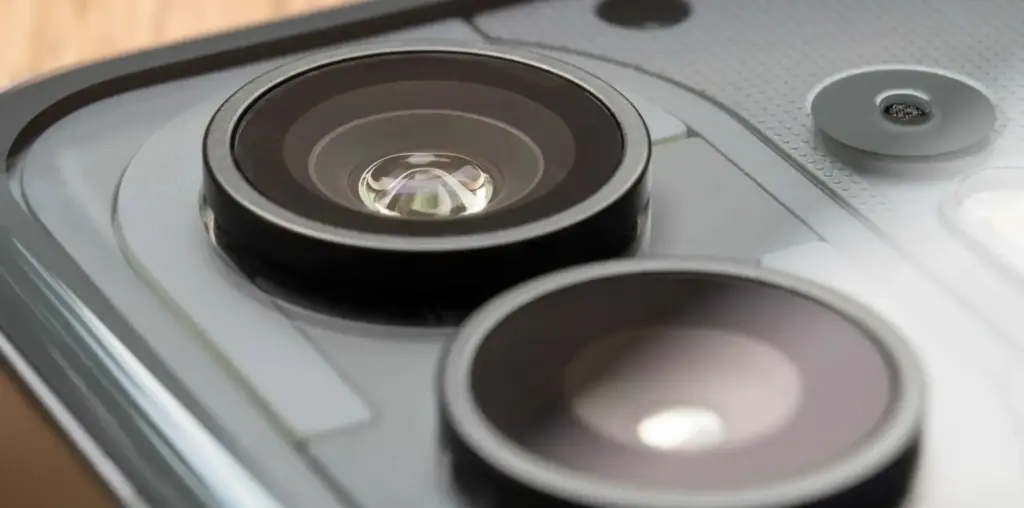
The Magic 8 Pro’s cameras include a 50MP ultra night camera (f/1.6 aperture, 1/1.3-inch, OIS, 4-in-1 2.4µm big pixel output), a 50MP ultrawide-angle camera with 122° wide angle and 2.5cm HD macro shooting, and a 200MP Ultra Night telephoto camera with 3.7x optical zoom and OIS.
Honor has employed a 50MP selfie camera with a 3D depth sensor for facial recognition on the front face. It includes gorgeous photography settings like the telephoto night portrait to deliver magnificent photos with a delicate skin texture at night.
Meanwhile, the Stage Mode ensures that it maintains up with the intricacy of the stage lights and catches character outlines with precision, irrespective of any backgrounds.
Yes, the battery gets downgraded once more, but only little this time. The worldwide Magic 8 Pro smartphone includes a 7100mAh cell pack with a 100W wired and 80W wireless speedy charging. The rest of the specs are the same as the Chinese edition.
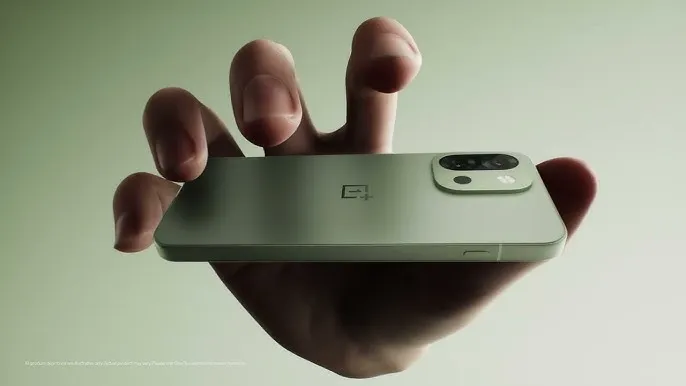
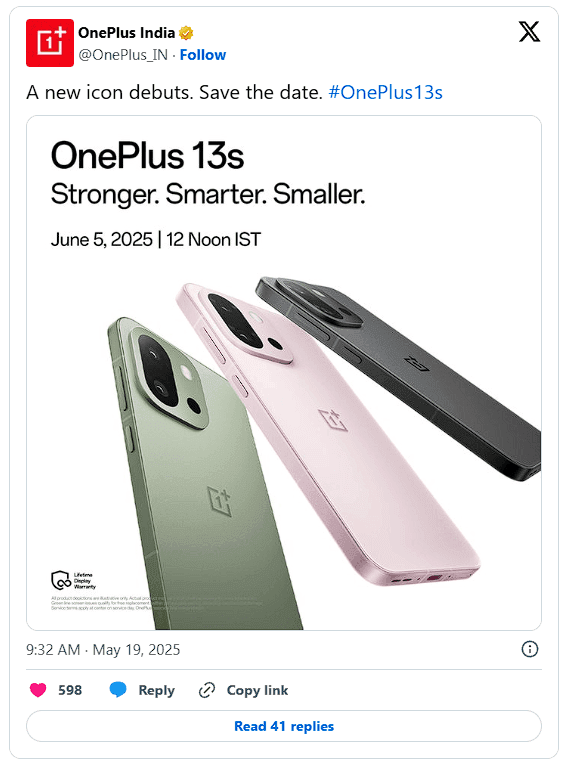
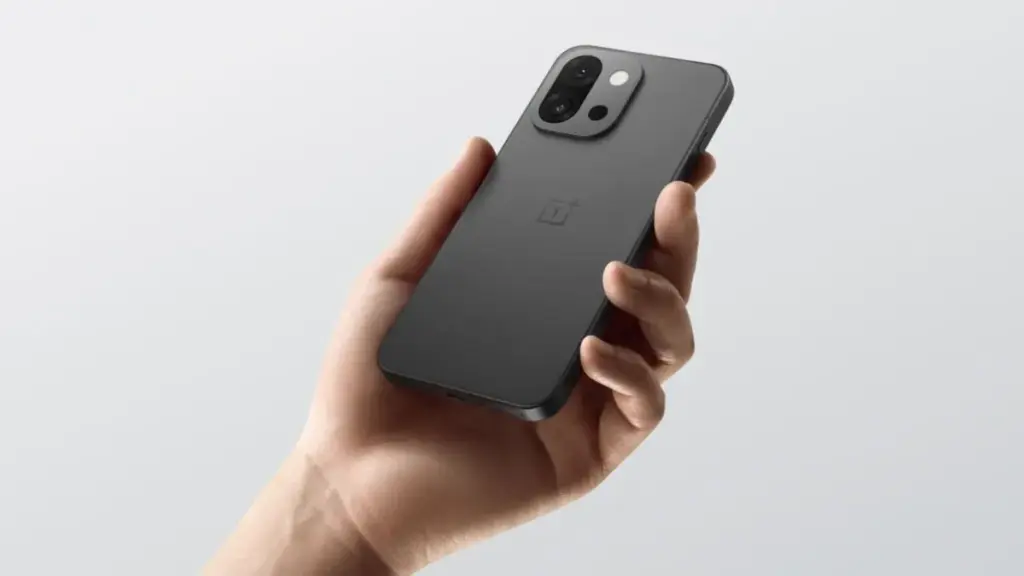
OnePlus has officially set a launch date for its next little phone after weeks of speculation. Officially, the OnePlus 13s will launch on June 5 in India and perhaps other international regions as well.
The specifications of this new handset should be fairly similar to those of the OnePlus 13T, which was released in China under a different name. However, certain changes are anticipated for buyers worldwide.
The color choices, for instance, will differ slightly. The 13s may be available in Black, Pink, and Green for global markets, whereas the 13T was only available in China in Black, Pink, and Grey.
OnePlus 13s specs
But below, you’re looking at the Snapdragon 8 Elite, the same potent chip as was used in the OnePlus 13 and, in fact, in Samsung’s Galaxy S25 series. For a small phone at this price range, OnePlus may offer configurations with up to 16 GB of RAM and a whopping 1 TB of storage.
Speaking of little, it has a 6.32-inch LTPO AMOLED screen with a resolution of 2640 x 1216 and a refresh rate of 120 Hz. With a massive 6,260mAh battery and support for 80W fast charging, the battery life should be outstanding despite its compact size. Regarding cameras, you will receive the following:
50 MP main with OIS
50 MP telephoto
16 MP selfie
However, it’s also important to note that a new button known as the Plus Key will be replacing the outdated Alert Slider. This new button, which resembles the Action Button on the iPhone, first appeared on the 13T. It’s much more customizable than just a mute switch these days; you can program it to open the camera, turn on the flashlight, activate silent mode, and more.
Although the price is yet unknown, the OnePlus 13s should be priced aggressively, particularly in India, given that the 13T was released in China for about $466. This one is looking like a strong candidate for the title of best little Android phone of the year thanks to its premium hardware, stylish design, and reasonable price.
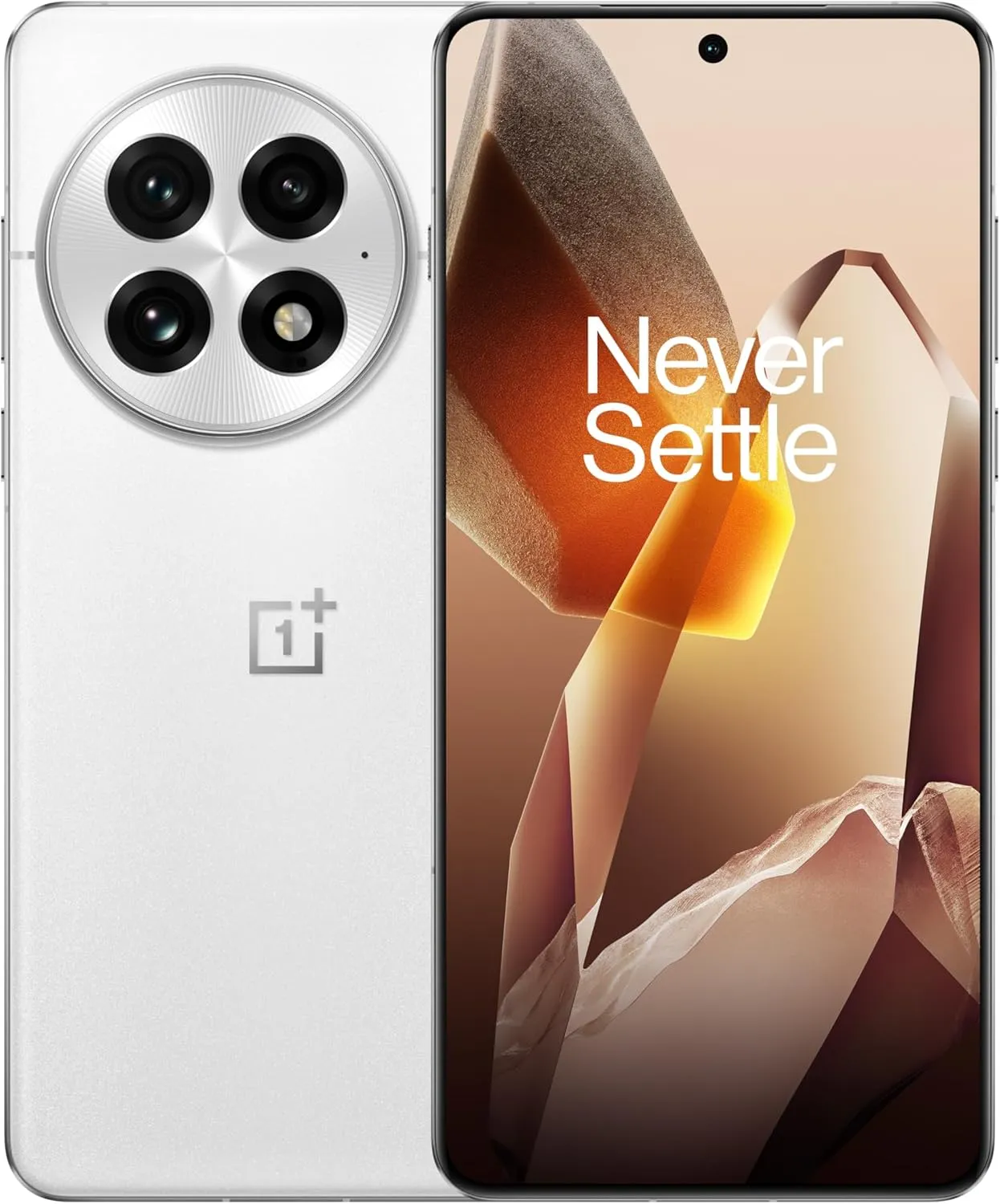
OnePlus 13
Lightning-Fast Snapdragon 8 Elite Processor: Powered by the latest Qualcomm Snapdragon 8 Elite chipset, enjoy exceptional speed, efficiency, and performance for gaming, multitasking, and productivity.
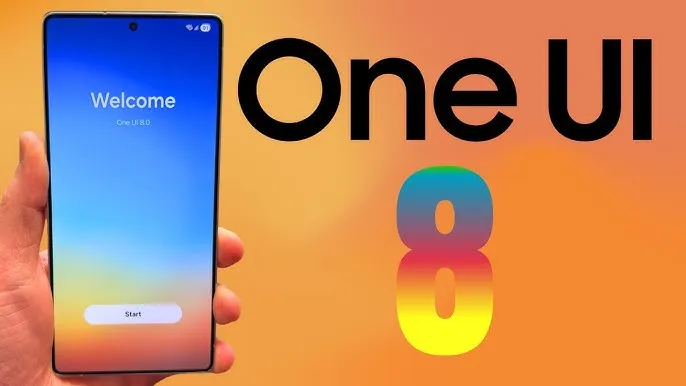
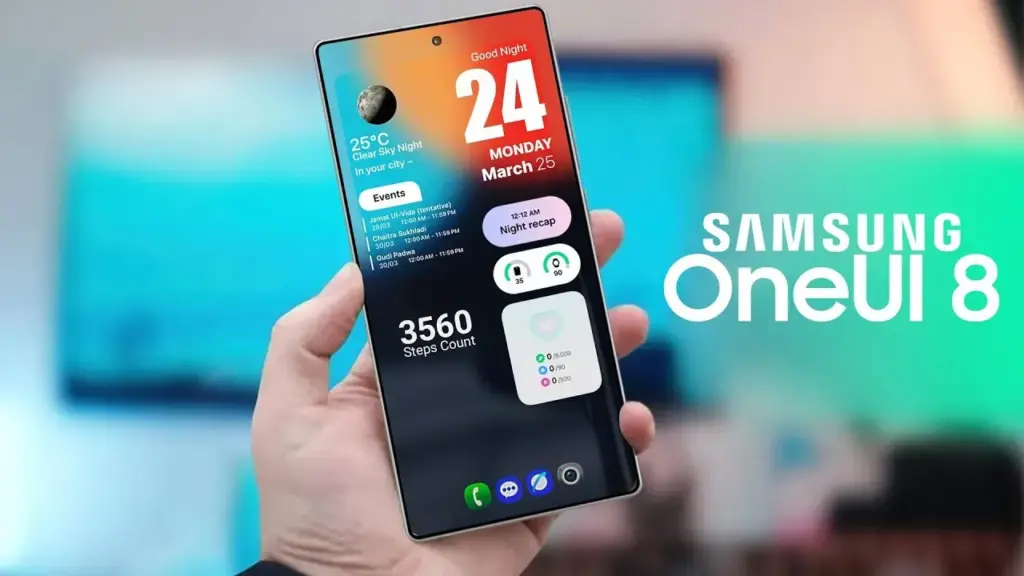
Samsung’s One UI is a significant element of what distinguishes Galaxy phones and tablets. With One UI 7 finally available to consumers on April 7, 2025, attention has shifted to the next chapter: One UI 8. This future software upgrade, which is likely to be based on Android 16, should add some intriguing new features to Samsung devices.
There is speculation that it will be released sooner than usual, altering Samsung’s standard software update release schedule. In this post, we’ll go over the release date, the beta testing program, which devices will receive One UI 8 based on Samsung’s update policy, and what this may mean for Galaxy customers.
One UI 8 release
Historically, Samsung’s big One UI releases have coincided with the annual Android upgrade cycle, arriving in the fourth quarter, around October or November, following Google’s stable Android release. For example, One UI 6 debuted on October 30, 2023, whereas One UI 7, which was severely delayed, launched on April 7, 2025. However, reports in the IT world claim that One UI 8 may break this pattern.
One UI 8, which is based on Android 16, will be released in the summer of 2025. This update, confirmed by Google, represents a considerable increase in Samsung’s update cycle, with the goal of closely aligning with Google’s roadmap.
One UI 8 beta program
Samsung’s One UI beta programs allowed fans to try out new features early on, and One UI 8 should continue to do so. Considering how things generally proceed and the predicted July 2025 release, the One UI 8 beta should begin in late May or early June 2025.
The beta normally begins with Samsung’s top phones, such as the Galaxy S series, and then progresses to foldables and lower-cost devices. One UI 7 testing began on December 5, 2024, with the Galaxy S24, and was expanded to include the S23, Z Fold 6, Z Flip 6, and others by March 2025.
If Samsung follows this step-by-step plan, the One UI 8 beta would most likely debut with the Galaxy S25, followed by foldables such as the Z Fold6 and Z Flip6. You’ll most likely join up through the Samsung Members app in countries such as the United States, United Kingdom, India, Germany, and South Korea, allowing users to test out new features before they become official.
One UI 8 eligible devices
While Samsung has not officially confirmed the One UI 8 device list, we can use its official software update policy to determine which devices are assured to receive the upgrade. Samsung now provides up to seven years of OS upgrades for select flagship handsets (beginning with the Galaxy S24 series), four years for others, and five years of security updates for numerous models. According to this policy and the confirmed One UI 7 rollout, the following devices are sure to be qualified for One UI 8:
Mid-range devices, such as the Galaxy A55 and A35, may also qualify for the four-year program. Older smartphones, like as the Galaxy S21 series, may miss out since their four-year support period may expire before One UI 8 is released.
The Summer 2025 debut of One UI 8 suggests a significant change for Samsung, potentially providing a substantial update much sooner than fans think. If this happens on time, Galaxy owners may receive Android 16 features with the next round of foldable phones, demonstrating how Samsung can change things up and keep improving.
While we wait for Samsung to make an official announcement, the prospect of a quicker One UI 8 release thrills Galaxy fans—could this be Samsung’s biggest software step yet?
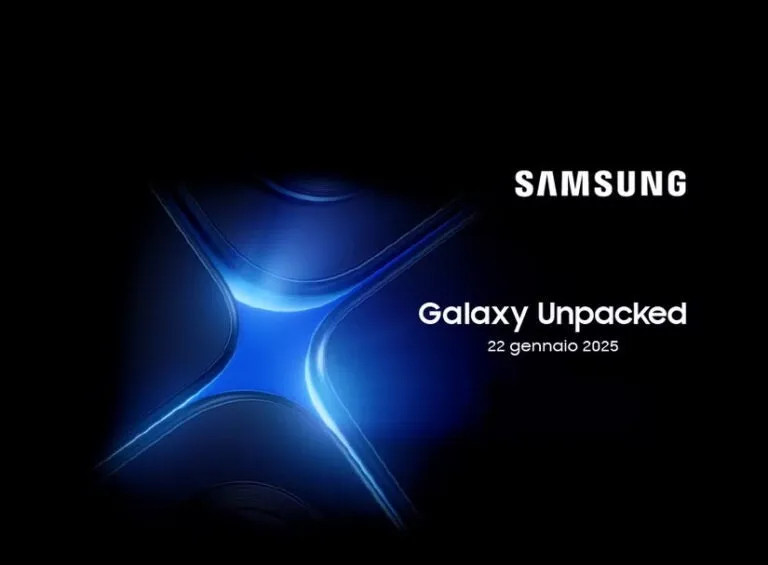
Seasons source evleaks has just posted what appears to be a genuine Samsung invitation, albeit in Italian, to the company’s forthcoming Unpacked presentation.
The date on the invitation is “22 gennaio 2025.” In English, that is January 22. This date is not technically new; it was leaked only last week. However, the source and content of this recent leak pretty much seals the deal for us.
There could be more to this invitation than just a date confirmation. If you look closely, you will notice that the AI symbol that dominates the invite is actually made up of the corners of four gadgets arranged tightly together.
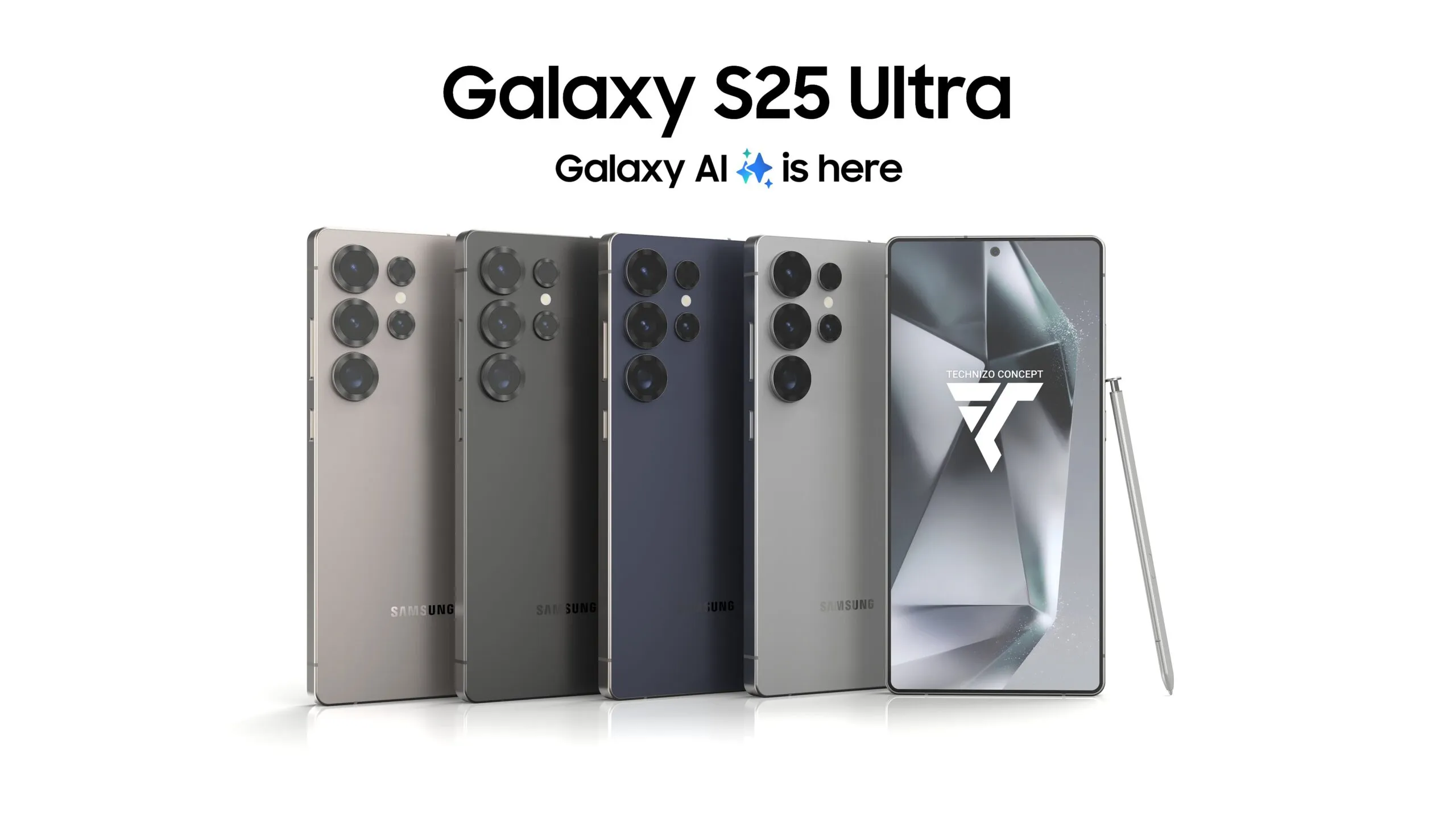
We were anticipating three smartphones, as is customary with Samsung: the Galaxy S25, Galaxy S25 Plus, and Galaxy S25 Ultra. But what might the fourth phone (or device) be?
There have been reports of a Samsung Galaxy S25 Slim, with the South Korean manufacturer expected to follow (or rather anticipate) Apple’s trend. However, reports say that it may be released later in the year than the rest of the range, possibly in Q2.
Even said, it is probable that Samsung will provide a small hint at its largest launch event of the year.Especially because the aforementioned reports suggest that the Slim will be a limited edition smartphone designed to test market interest in such a model.
The tipster also shared low-resolution renders of the Galaxy S25 Plus, which appear to confirm what we have already heard. The bezel size has been reduced, and the corners may be slightly less curved, but the overall shape remains familiar.
We also learned that the Galaxy S25 Ultra will feature extremely thin bezels and a less Note-like design.
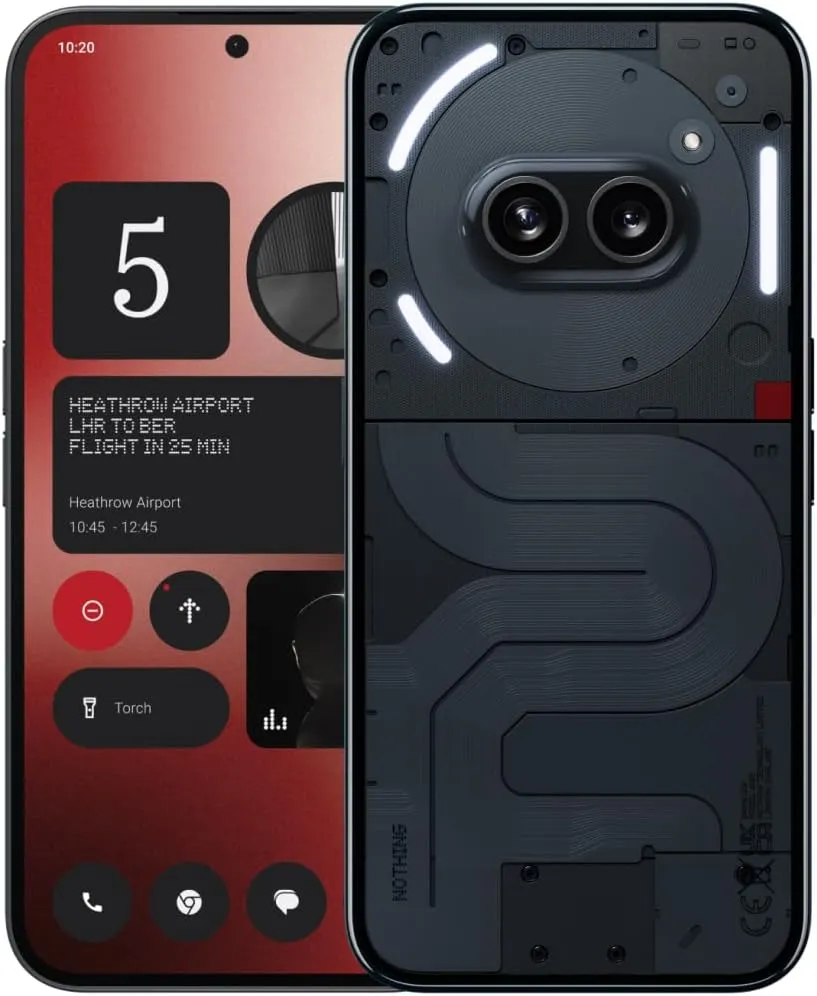
Through the Nothing OS 3.0 Open Beta program, which debuted on the Nothing Phone (2a), Nothing was among the manufacturers who initially released Android 15. The company is launching a number of enhancements to the Nothing Phone 2 today and intends to release more devices over the course of the year.
Pop-up View, Lock Screen, and AI App Drawer
A new AI-powered smart app drawer that automatically sorts and arranges apps into folders according to use is one of the noteworthy features. One of the most requested additions is the ability for users to pin apps to the top of the app drawer.
The upgrade simultaneously improves the connectivity layout, widget library, and quick settings. The editor can now be opened with a long press on the lock screen thanks to gesture support. Nothing is expanding the lock screen’s widget space.
In relation to widgets, new clock face styles have also been added. There is a new social widget on the home screen where you can communicate and share with contacts, and everyone can see the reactions.
The pop-up view on Nothing phones is another improvement pertaining to the user interface. Nothing OS 3.0 makes it easier to resize and move the pop-up window. Users can also pin incoming notifications to the edge for easy access and swipe down to open the pop-up display.
Better camera
The system has been improved further. In particular, Nothing claims that Nothing OS 3.0 has a faster camera app launch. In a similar vein, processing times for HDR images have been decreased. Additionally, you may anticipate that the update will improve the Nothing Phone (2)’s low-light camera performance.
Elsewhere, the update includes the native Android 15 changes such as auto-archiving of app data to free storage space, predictive back animations in select apps, and app prioritization.
Official releases
On its roadmap, Nothing has not disclosed when the other Nothing devices would receive the Nothing OS 3.0 Open Beta. As a result, by December of this year, the update should be available on the Phone (2a) Plus, Phone (1), and CMF Phone 1.
The company did not say how many additional betas are anticipated before the stable release or when the public will be able to access the firmware version. Using beta software on your primary phone is not something we advise.
However, you can visit Nothing’s Community page to try Android 15 beforehand. The procedure entails manually verifying the update ina the Settings app after downloading and installing the APK. Nothing warns that going back to the prior version of Android is not advised once you are in the beta.
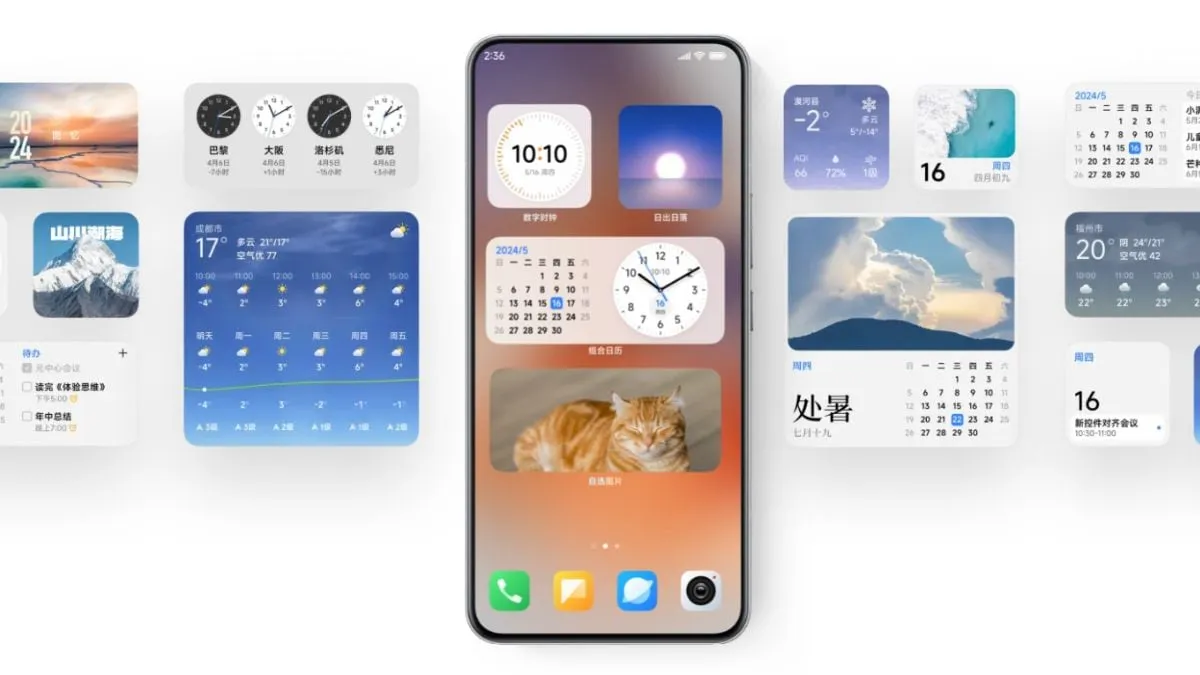
In order to improve the user experience across all smartphones, tablets, TVs, and wearables, Xiaomi’s HyperOS 2.0 completely upgrades the ecosystem. With an emphasis on performance, storage management, energy efficiency, and the integration of high-order AI capabilities, it is based on the foundation created in HyperOS 1.0. This is a thorough examination of HyperOS 2.0’s enhancements and new features.
1. Heterogeneous Computing Technology
Seamless resource sharing: HyperOS 2.0 is based on heterogeneous computing technology; it shares a tremendous amount of tasks across different resources. This system greatly enhances visual experiences by granting smoother animations and faster processing of images.
Better UI Rendering: Natural gradient blur is 12 times smoother, hence enabling faster and more engaging UI transitions.
2. New Storage Management 2.0
Smart Data Processing: The latest storage management system has defragmented memory for seamless app start-ups, which means multitasking can be well handled. The feature assures smoother performance and effective memory usage across the Xiaomi ecosystem.
3. Cascade Bandwidth Technology
Dynamic Network Management: Cascade Bandwidth Technology is unveiled with the release of HyperOS 2.0, dynamically distributing network resources based on real-time application requirements. This greatly increases the speed of data transmission and reduces latency for resource-heavy activities, like gaming or video streaming.
4. Micro-Architecture Scheduler Designed by Self-Taught
Dynamic Resource Allocation between CPU and GPU: Implemented is a new scheduler for the best balance of power and performance, especially when resource-intensive applications like serious gaming are involved. It controls battery life while offering the best possible smooth user experience.
5.United Ecosystem Experience
It has been noted that Xiaomi has managed to create more consistency within the ecosystem, such that now Xiaomi TVs, tablets, and smartwatches communicate better in harmony with their smartphones. This unity yields a more cohesive and integrated user experience across Xiaomi’s product breadth.
6. Improved AI and Personalization
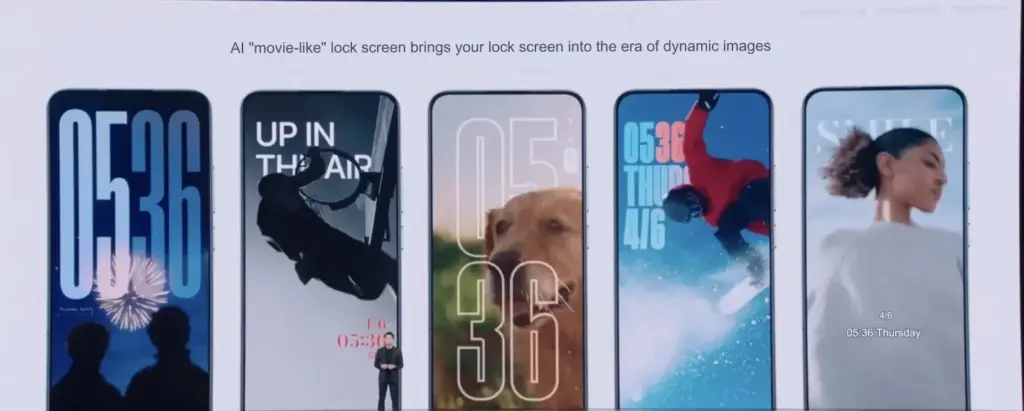
AI-Powered Lock Screen: Dynamic video-based clock settings on the lock screen are unique features of the phone, making it personalized with outlooks.
Generation of Smart Wallpapers: Facility for specifying user preferences to generate a wallpaper that provides an individual look and feel for each device.
Productivity Tools: Smooth out daily tasks with AI boosted writing and translation, recording of memos including:
AI Writing: More coherent, more concise writing with advanced linguistic assistance.
AI Translation: Accurate, multi-target-lingual translation; ideal for international communication.
AI Memo Recording: Transcription and recording capabilities in a short amount of time; great for business meetings or brainstorming.
7. Improve notification management
Return of ‘Unimportant Notifications:’ This feature, which was earlier a part of the MIUI, is back to bless the HyperOS 2.0. It automatically categorizes notifications, prioritizing important alerts and keeping the notification panel tidy.
8. Fingerprint Unlock Customizations
In addition to selecting one of many unlock animations, users can add a little bit of personal flair to the way they unlock their phones.
9. Newly Designed Control Centers
Sound Panel: Redesigned now, it takes inspiration from the minimalist visuals introduced with Android 15 for a seamlessly simplified volume adjustment experience of the different audio channels.
Brightness Adjustment Panel: Borrowed from iOS 18 is a centrally-placed gradient slider in the brightness panel, marrying functionality and aesthetics.
10. Smoother Animations of Application Launch
HyperOS 2.0 polishes the transitions of app launches, making them more interactive and even using blur effects to add depth, while really immersing the user in the process of opening an application.
11. Dynamic Control Center Animation
Control Center has dynamic animations, making the operating system fluid and, therefore, more engaging to interact with.
12. HyperCore Kernel
Performance and Battery Optimization: It is a custom kernel, HyperCore, that effectively optimizes the performance and energy efficiency of the whole system for extended battery life even when put under rigorous usage.
Improved Graphics Pipeline: The redesigned core for visual perfection, HyperCore provides a revolutionary enhancement in graphics over gaming, video playback, or simple usage, offering a sharp visual experience.
Network Communication Improvements: There’s the HyperCore from Xiaomi, improving data connectivity over Wi-Fi, 5G, and Bluetooth for the user.
13. Battery Monitoring and Health Tracking Cycle Count and Health Check
The Charging Animation now has modern looks to make this aspect of the user interface even better.
15. Dynamic Island Interface
Smaller and practical, HyperOS 2.0’s Dynamic Island draws inspiration directly from iOS, thus allowing users to interact with notifications and apps more seamlessly.
It automatically entered “Same Account Devices Only” mode, limiting file sharing with devices under the same account to increase data security.
18. Extra RAM increased to 16 GB, minimum now 6 GB
The Extra RAM feature using memory will now work between 6-16 GB RAM instead of 4-12.
19. Redesigned Settings Menu
The style of the Settings menu has changed to the tiles style that will come with Android 15 QPR1. A colorful animation has also been added to the about phone section.
As far as improved user interaction and system functionality go hand in hand with intense artificial intelligence, improved performance, and consistency in terms of ecosystem experience, this is not an advancement of Xiaomi’s HyperOS 2.0. With features that derive from Xiaomi’s drive to combine cutting-edge technology with customer feedback, this update closes the gap between hardware and software within the Xiaomi ecosystem.
To give early customers a chance to test the future software release before the stable deployment, OnePlus released the first Android 13 beta update for the OnePlus 10 Pro last month. The previous build, however, had a number of flaws, thus OnePlus is currently distributing a new Android 13 beta release for the OnePlus 10 Pro. Although OnePlus asserts that the new build is more stable than the previous one, we still don’t advise installing it if you use your OnePlus 10 Pro every day.
The new Android 13 beta release is rolling out as part of OnePlus’ Android 13 Developer Preview Program. It gives developers and advanced users a chance to experience the upcoming version of OnePlus’ custom Android skin ahead of the stable rollout. If you wish to try it out on your OnePlus 10 Pro, check out the full changelog and known issues in the section below.
Android 13 beta changelog:
System
[Fixed] the issue that Data usage cannot display
[Fixed] the issue of crash when turning off/on 5G network
[Fixed] the issue that unable to close all background programs
[Fixed] the issue that the lock screen password was required to enter the launcher after restoring factory settings
[Updated] Android security patch to 2022.05
Camera
[Optimized] the overall shooting effect of the camera, improved the user experience
Known issues:
UI display sometimes might be abnormal
Music playing cannot be paused normally via wired headphones
Occasional abnormal response for gesture operation when the screen was off
No response when tapping the video call button
Auto brightness sometimes works abnormally
Crash issue when setting the Fingerprint animation in Personalizations
Lagging issue caused by switching screen refresh rate
Some applications might be lost after upgrading
ownload: Android 13 beta build for the OnePlus 10 Pro
You can download the region-specific update packages for the latest Android 13 beta build from the links provided below. Make sure you take a full backup of your data before flashing the build.
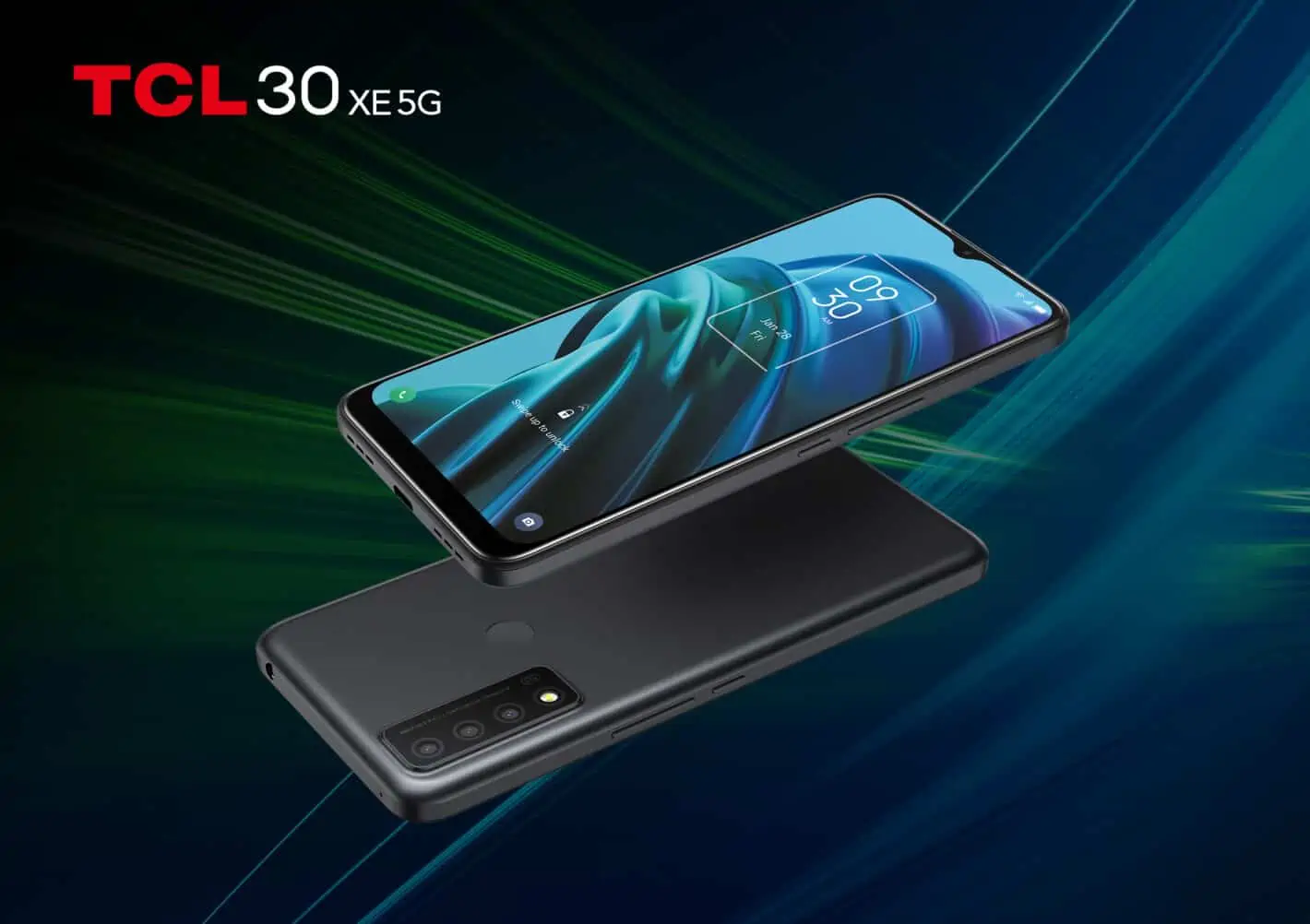
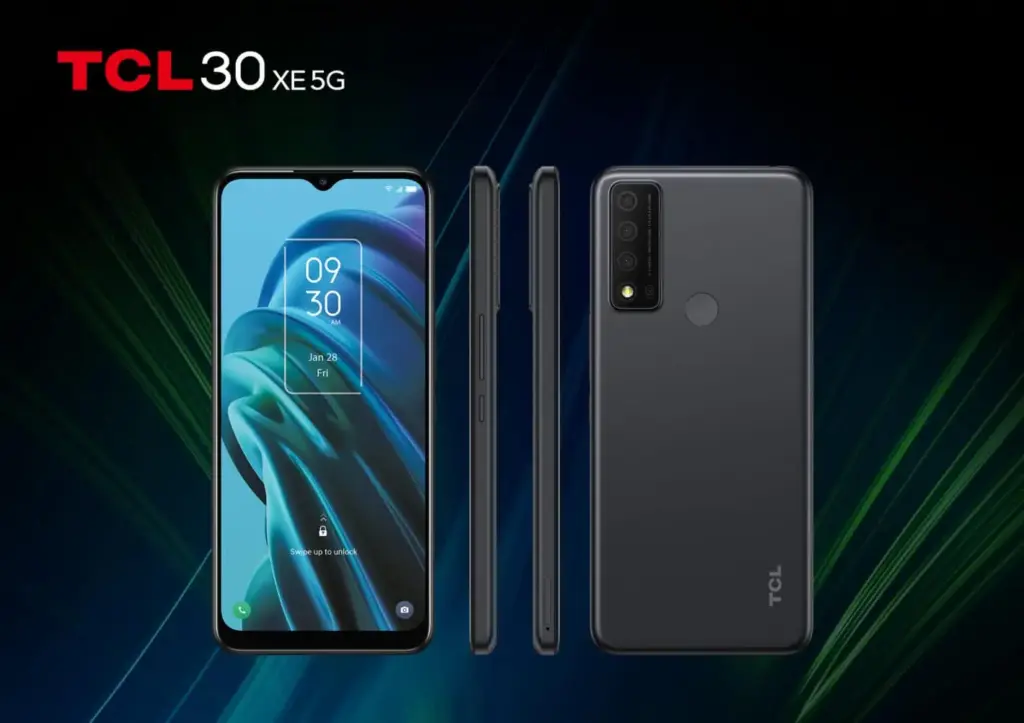
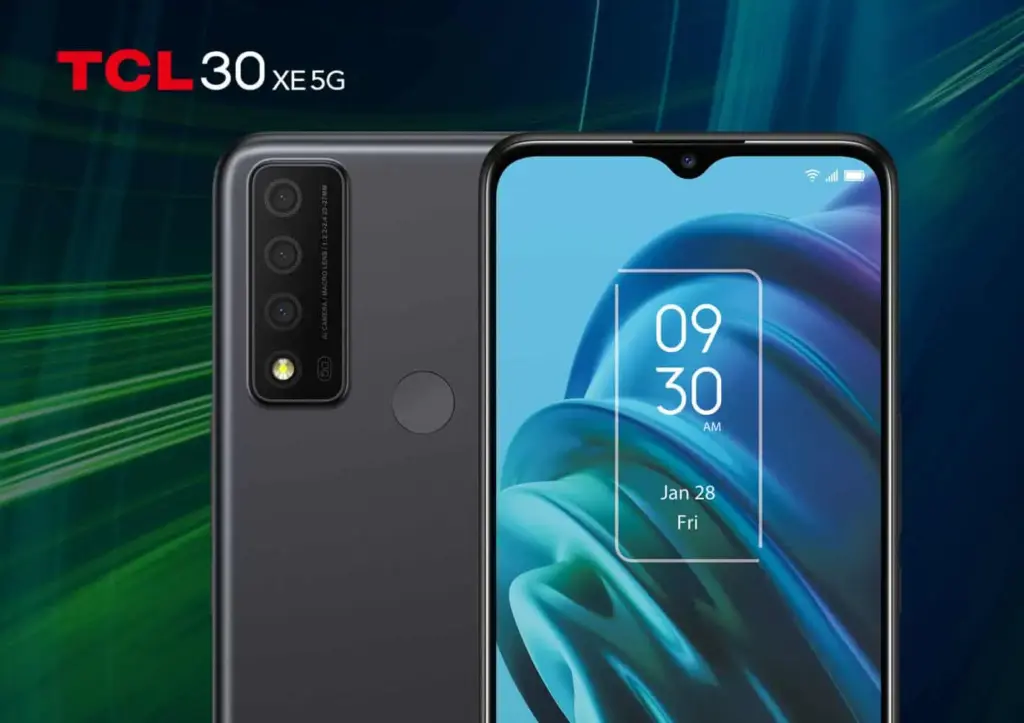
TCL has just released the TCL 30 XE 5G, a low-cost phone with some impressive specs.
TCL has produced a number of fascinating phones since establishing its own brand. This company is focusing on manufacturing affordable phones as well as challenging the luxury market and working on a foldable phone.
The TCL 30 XE 5G has a 1080p display at 90Hz
We’re not dealing with any high-end or ground-breaking specifications right away. This is a simple phone with some interesting features. It features a 6.52-inch 1080p+ LCD display with a 90Hz refresh rate. While that may seem insignificant, it is enhanced by TCL’s NXTVISION technology. The display also features a touch sample rate of 180Hz.
The octa-core MediaTek Dimensity 700 SoC clocked at 2.2GHz powers the TCL 30 XE 5G. There are 4GB of RAM and 64GB of storage, which should suffice for most casual users. If it isn’t, this phone can be expanded with a microSD card up to 512GB.
A triple camera package is available in the camera package. The main camera on this phone is 13 megapixels, with a 2 megapixel macro camera and a 2 megapixel depth sensor. The main camera can record 1080p video at 30 frames per second. There’s an 8MP selfie camera on the front. It appears to be a camera combo that will simply do the job.
TCL included a 3.5mm headphone jack, a 4,500mAh battery, mobile hotspot, a rear-mounted fingerprint reader, face unlock, Android 11 out of the box, and an 18W charger in the box to round out the features. So, this is a really basic start into the TCL 30 phone series.
We don’t know much about the TCL 30 XE 5G at the moment. We don’t know when or where this phone will be released, or how much it will cost when it does. We can expect a similar price to the TCL 30 V 5G, which is roughly midrange and costs $299. It could be a little lower due to some of the specifications being less reliable.
While this phone does not compete in the premium smartphone market, it is still a good option for individuals who do not require much from their phones. For those who aren’t used to more expensive screens, the 90Hz refresh rate should be a nice touch. While we don’t know when this phone will be released, it shouldn’t be long.
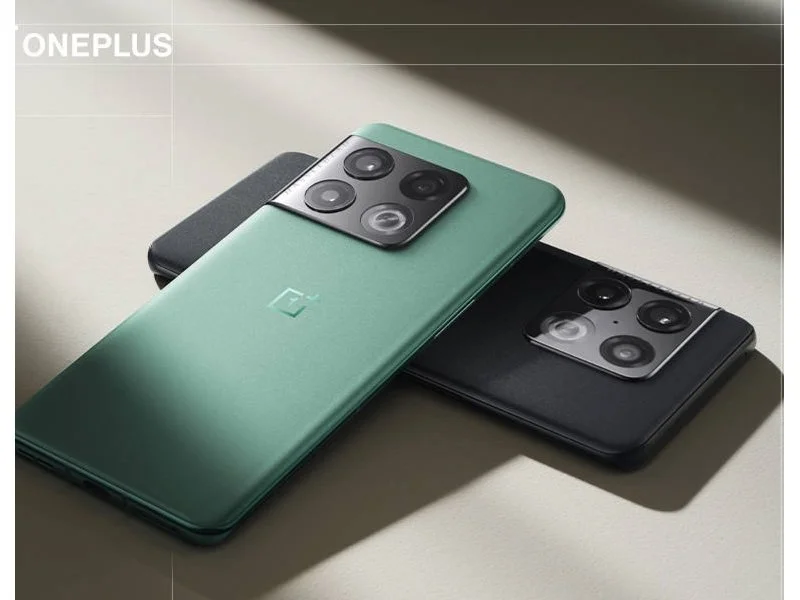
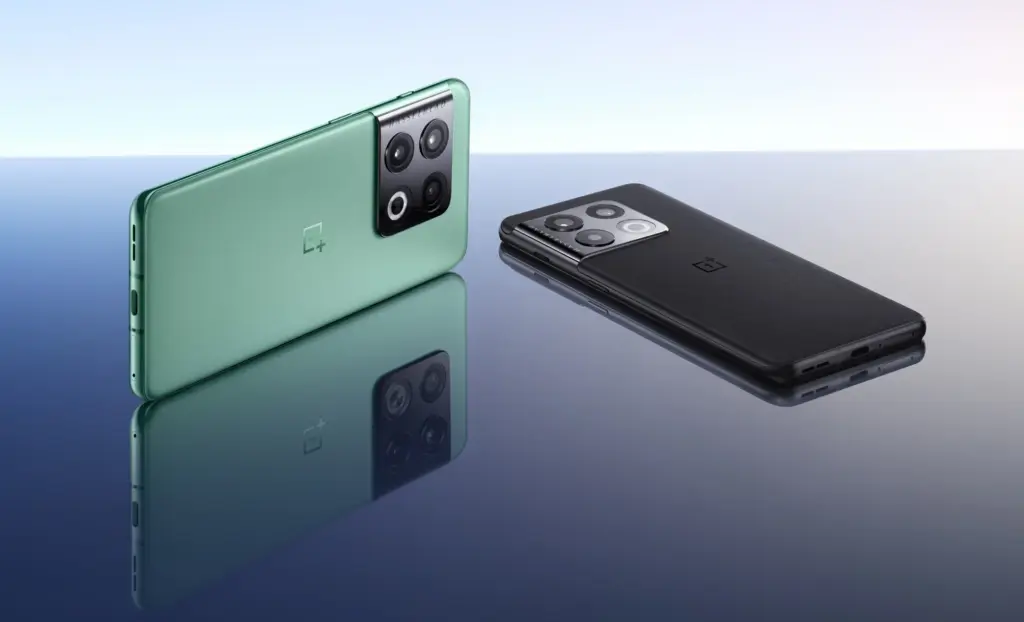
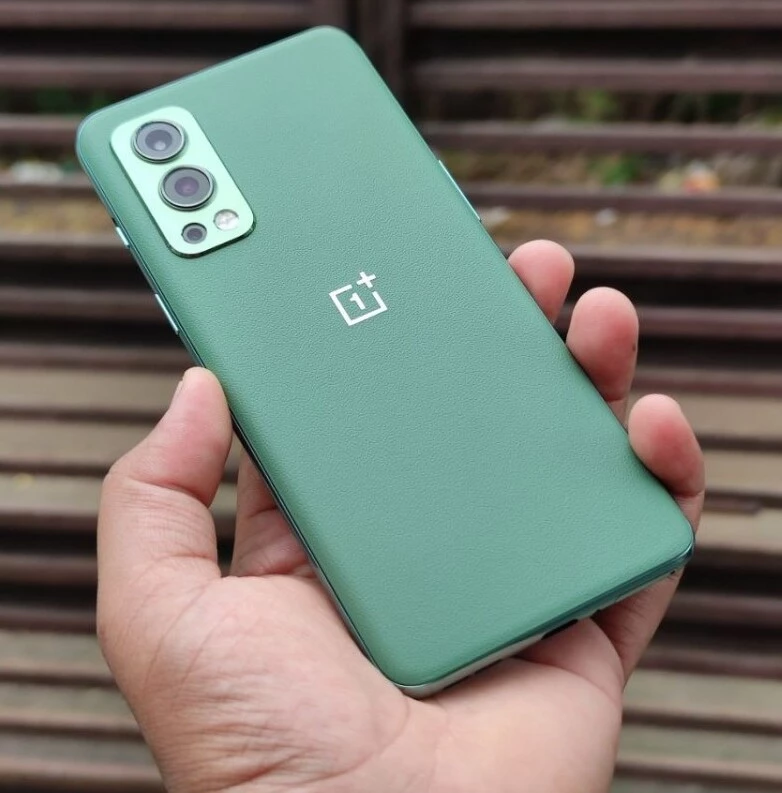
Because of its recent 10 Pro introduction, all eyes are on OnePlus. While it has yet to be released internationally, Chinese users are already familiar with it. It’s OnePlus’ first flagship since being downgraded to virtually an Oppo sub-brand, and the company is already doing a lot of things differently with it. According to recent sources, the corporation may possibly be planning another launch – a revamp of its existing Nord 2 with familiar logo and intriguing enhancements. We now know when it will be released and how much it will cost according to a fresh leak.
According to 91mobiles, the OnePlus Nord 2T would be released in India between April and May, citing leaker Yogesh Brar. It might cost anything from 30,000 to 40,000 dollars, or between $400 and $533. The Nord 2T could be a little more expensive than the standard model Nord 2, which costs 30,000 dollars. It’s unlikely that this phone will be released in the United States, as OnePlus prefers to keep its higher-end Nordic phones out of the hands of filthy ‘Muricans.
To refresh your memory, the Nord 2T was earlier rumored to have a MediaTek Dimensity 1300 chipset with up to 12GB of RAM and 256GB of storage (a still-unannounced chipset that will most likely be an update of the Dimensity 1200 seen in the Nord 2). It’ll also have ultra-fast 80W charging, exactly like the OnePlus 10 Pro, and given that it’ll have a 4,500 mAh battery, it should be able to charge from 0 to 100% in a couple of minutes.
If this sounds like your next phone and you’re not in the United States, keep an eye out for an announcement shortly.
Samsung, Xiaomi, Oppo, OnePlus, and Motorola, among others, have already revealed their Android 12 rollout plans, with Samsung in particular updating its massive smartphone array across geographies at a breakneck speed. Sony has entered the party with their own schedule (if you can call it that), albeit without any precise device timelines. Regardless, the stable Android 12 release for the Xperia 1 III and Xperia 5 III flagships is now available.
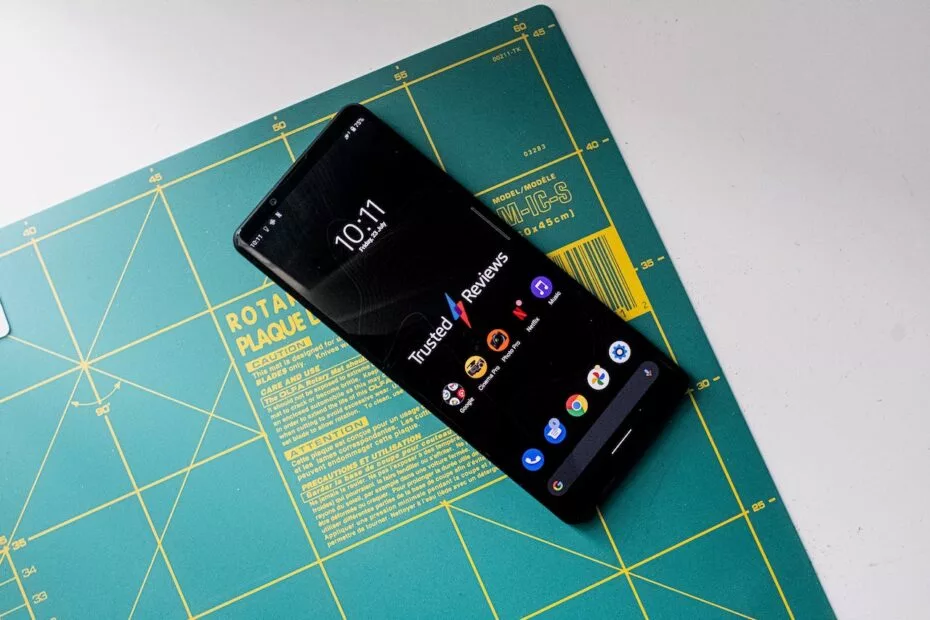
The Sony Xperia 1 III and Xperia 5 III are among the most recent devices to receive Android 12, with build version 61.1.A.1.149 and the December 2021 security patch instead of the one for this month (per XDA-Developers). According to reports, the update is presently being given out in Russia, but only to Asian dual-SIM editions of the Xperia 1 III and Xperia 5 III with version numbers XQ-BC72 and XQ-BQ72, respectively.
We’ll have to wait and watch when other regions get the upgraded firmware because Sony failed to release a thorough global distribution strategy. The update does not yet have a device-specific changelog, but you can reasonably assume that it includes all of the new features listed on the company’s rather generic Android 12 support page.
For those unfamiliar, Sony’s version of Android is minimal and only makes a few tweaks to the AOSP build Google distributes to Android OEMs. The company does, however, improve the experience by using a unique 21:9 aspect ratio.
If you have an Xperia 1 III or Xperia 5 III and haven’t received the OTA update yet, go to Settings > Software update to manually check for it. Long screenshots, one-hand mode, increased privacy and security, and, of course, Material You should all be available after you upgrade your handset to Android 12.