Tag: pulse

  • Loss of Pulse Detection was launched in US for Pixel Watch 3

    Loss of Pulse Detection was launched in US for Pixel Watch 3

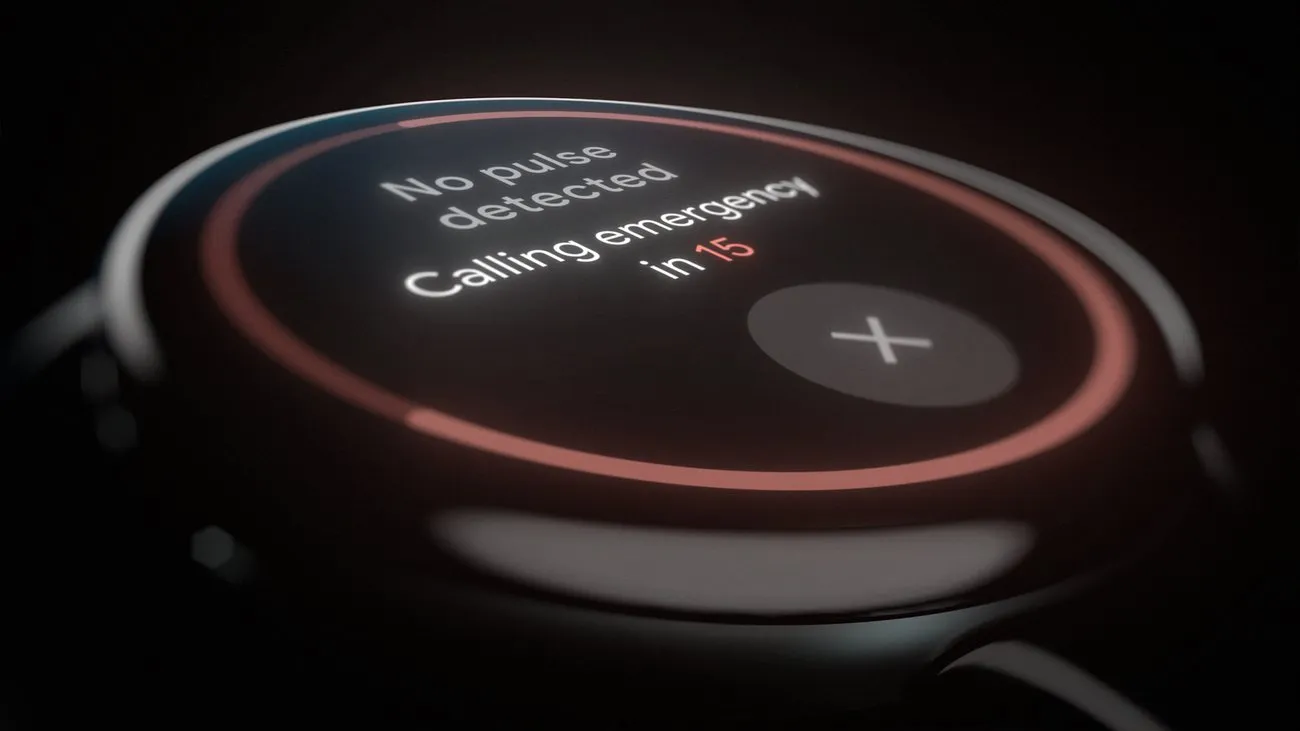
    Google is now implementing Loss of Pulse Detection in the US after yesterday’s April 2025 OTA update and Scam Detection.

    Google is officially launching Loss of Pulse Detection in the US after receiving FDA approval, which was initially anticipated at the end of March. Last year, it became available throughout Europe.

    Make sure your Pixel Watch 3’s Personal Safety Wear OS software is up to date before turning it on. 2025.03.19.x is the most recent version that is available on the Play Store.

    Afterwards, go to the Pixel Watch companion app on your phone (version 3.4+) > Safety & emergency > Loss of Pulse Detection to start the set-up process.

    Google tells us that it’s beginning to roll out today and will be fully available over the coming weeks.
    loss of pulse
    Pixel Watch 3 1

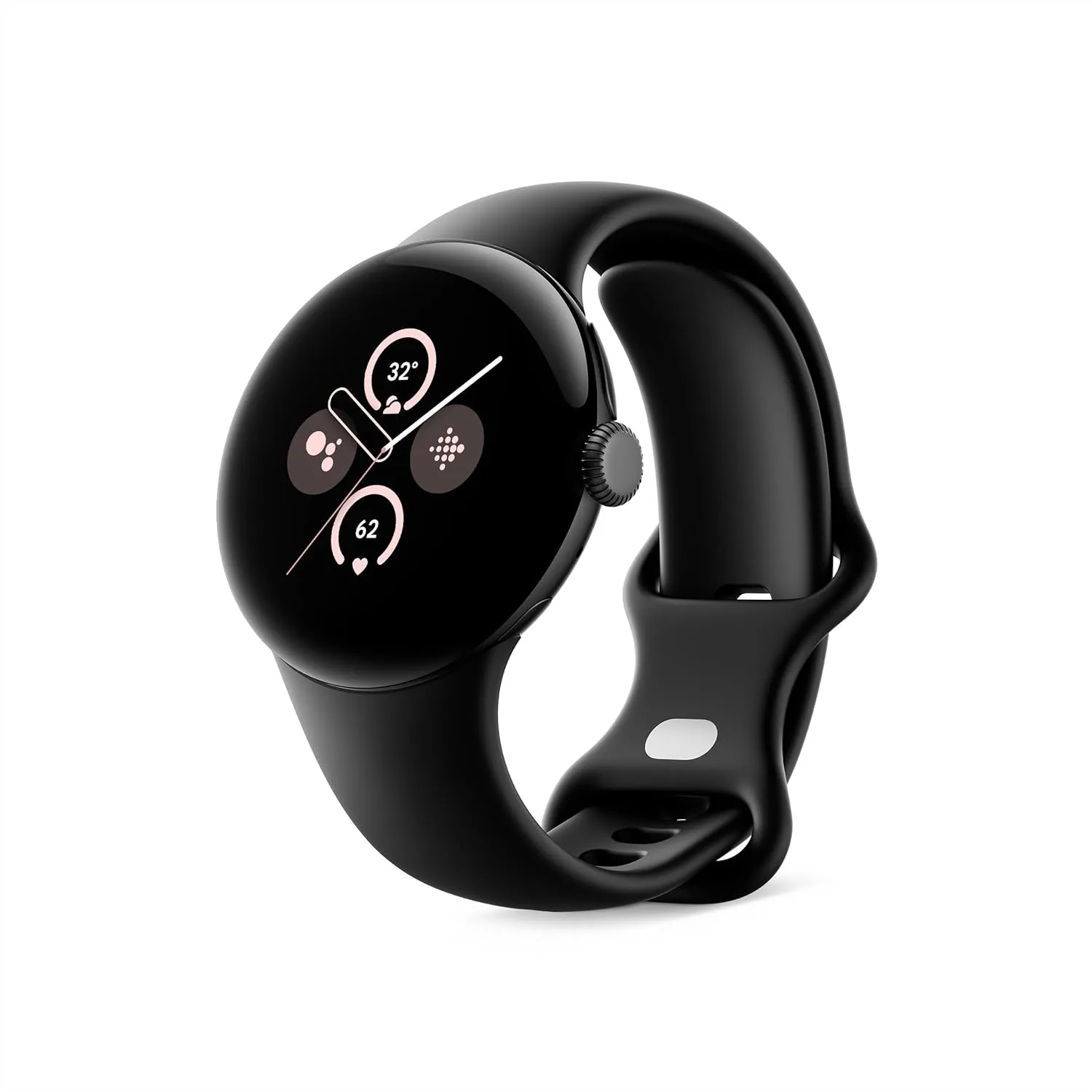
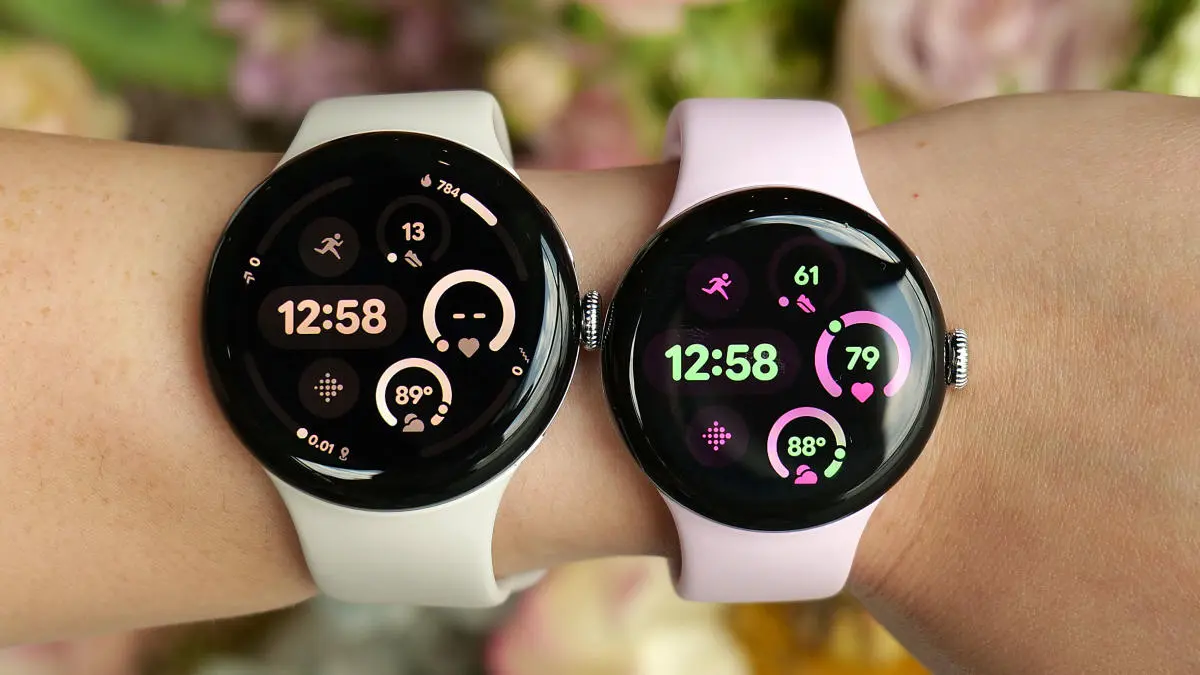
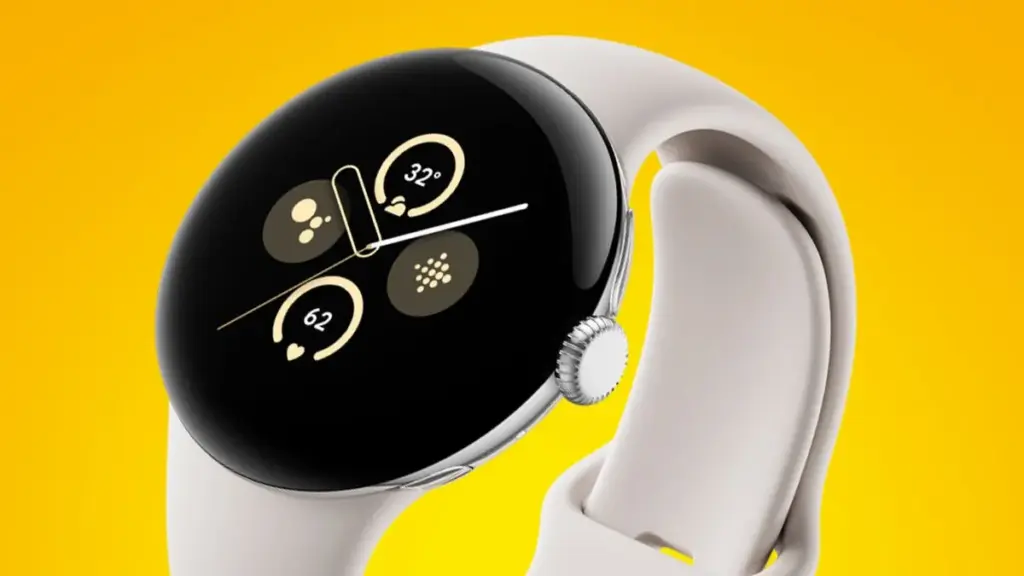
    Google Pixel Watch 3 (45mm)

    The Google Pixel Watch 3 is designed for performance, with advanced fitness from Fitbit; the 41mm screen is twice as bright and 10% larger than before, making it easier to see your stats and info[
    Best choice
    $399.99See It

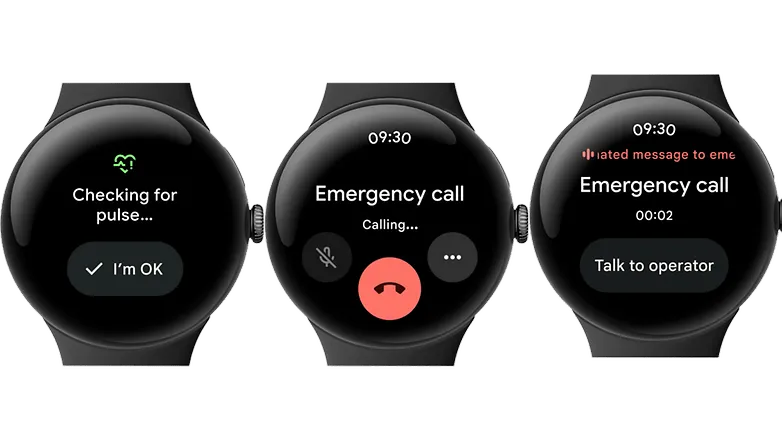
    A loss-of-pulse event is when your heart stops beating, which can happen during a cardiac arrest, respiratory or circulatory failure, overdose, or poisoning. Similar to Fall and Car Crash Detection, the Pixel Watch 3 will ask users to certify their safety when it detects something.

    In the event that there is no reaction (or movement), the wearable will notify emergency personnel, give your location, and provide information about what is going on. The Pixel Watch 3‘s multipath heart rate monitor, additional sensors, and a “multi-check, AI-based algorithm” are all used by Loss of Pulse Detection.

    According to the official statement, “Loss of Pulse Detection may not detect every instance of a loss of pulse and is not intended for users who require cardiac monitoring or who have pre-existing heart conditions.” It does not offer follow-up care or diagnose or treat any medical conditions.

    Pixel Watch 3 1

    Google Pixel Watch 3 (45mm)

    The Google Pixel Watch 3 is designed for performance, with advanced fitness from Fitbit; the 41mm screen is twice as bright and 10% larger than before, making it easier to see your stats and info[

    Best choice
    $399.99See It
  • Pixel Watch 3 gets a life-saving feature: loss of pulse

    Pixel Watch 3 gets a life-saving feature: loss of pulse

    A potentially life-saving capability is being added to the Pixel Watch 3 for the first time. Google said in a blog post that the FDA had approved its Loss of Pulse Detection feature.

    Your heartbeat is tracked by the feature. Your watch will immediately switch on more precise infrared LEDs and search for motion data if your heart stops beating, which could be caused by cardiac arrest, respiratory or circulatory failure, overdose, or poisoning.

    The Watch 3 will initiate an audio alarm and countdown if it detects that you are not responding. If you do not react, the watch will use your phone or LTE connection to summon emergency services, let them know you do not have a pulse, and provide your position.

    Pixel Watch 3 gets an important feature

    According to Google, the watch will be able to distinguish between a real cardiac event and the user taking it off. Although safety features like crash and fall detection are not new, they are not as good as this one, which is why the FDA had to approve it first.

    Heartbeats are tracked by other watches, although they do so far less frequently than the Pixel Watch 3. For instance, the Apple Watch automatically measures heart rate every three to seven minutes.

    Google collaborated with cardiologists.

    Speaking to The Verge in August, Sandeep Waraich, senior director of product management for Pixel wearables, explained that pulse detection is a combination of pulse, heartbeat, contact with skin, and “a bunch of other things like motion.”

    Google collaborated with cardiologists to develop the feature by learning what a pulse loss on watch insights looks like. An AI system was developed using that data and tested on hundreds of thousands of hours of real-world user data from a wide range of individuals. Google next replicated the kinds of falls that would mirror someone abruptly losing their pulse by using stunt actors wearing tourniquets, which would artificially generate a loss of pulse.