On November 21, OPPO’s Find series will make its first worldwide debut with the release of the Find X8 and Find X8 Pro. Both phones provide distinctive features and new styles. Let us examine the Find X8 Pro’s design in more detail.
2 color choices for the pro models
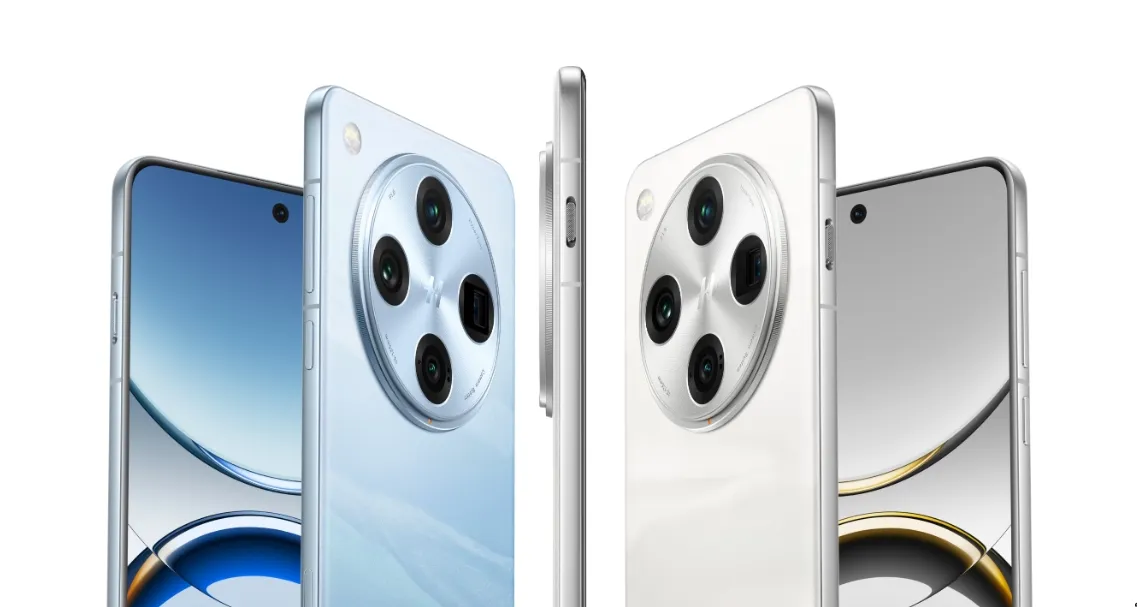
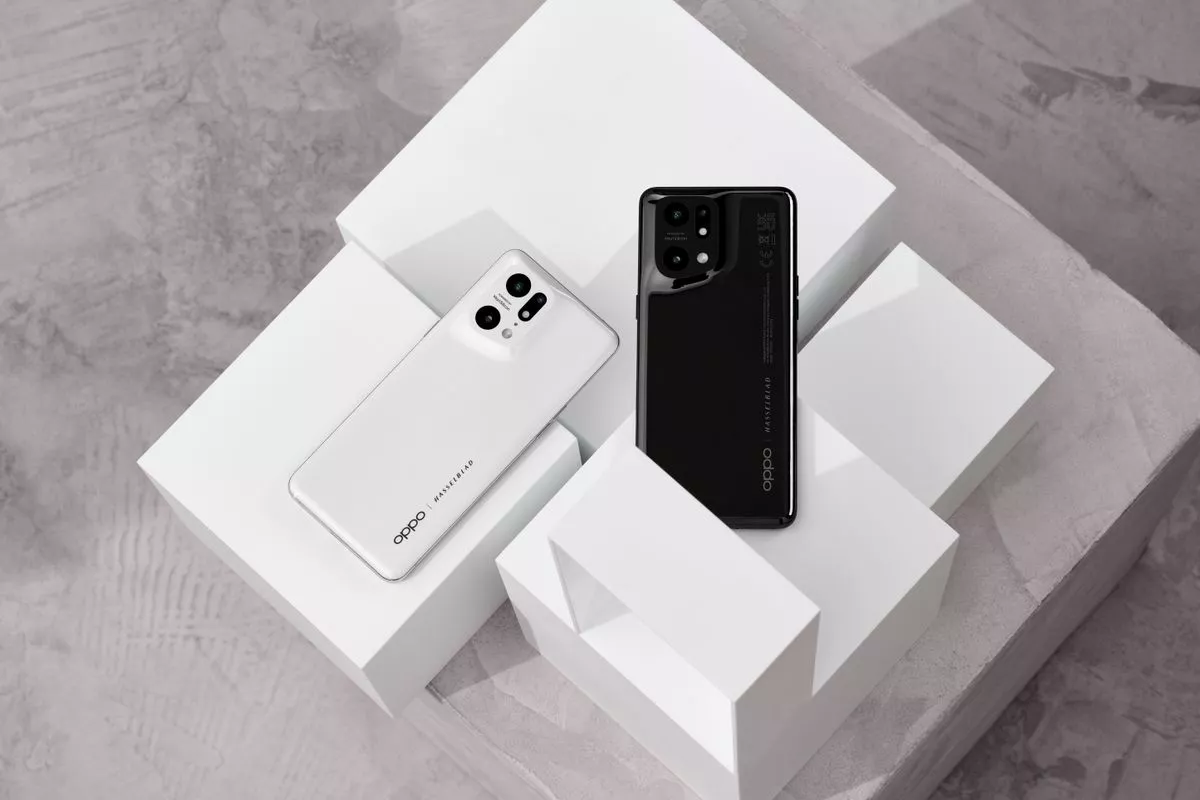
Space Black and Pearl White are the two color options available for the Find X8 Pro. The Space Black variant features a metallic frame and a fingerprint-resistant matte surface. Conversely, Pearl White has a delicate iridescent sheen that gleams exquisitely in the light.
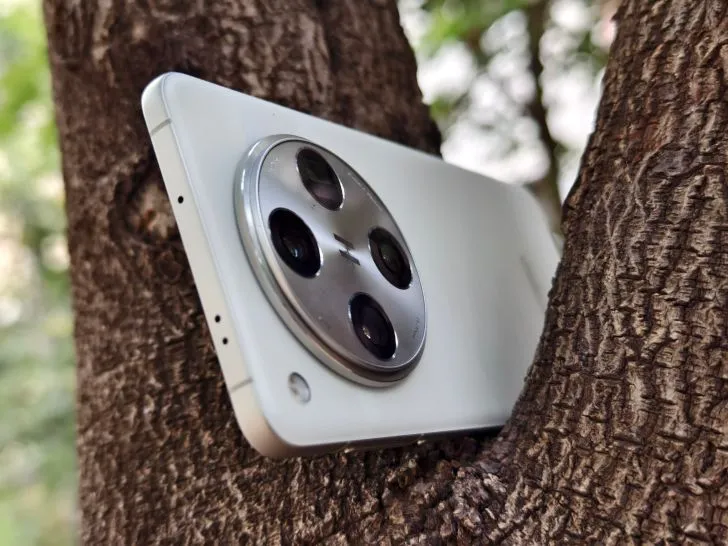
Since OPPO applied a multi-layer texture to this color, every Pearl White phone has a unique design. Upon closer inspection, the Hasselblad (H) emblem is positioned in the center of the camera ring, which has a delicate feel. The flash is located in the upper-left corner, and the four cameras are symmetrically positioned.
There are microphones and an infrared blaster on top of the frame, along with power and volume buttons on the sides. Regular ports are at the bottom, and the distinctive Alert Slider is on the left. In the whole review, we will go into greater detail about the Quick Button located on the right side.
The Find X8 Pro balances weight without seeming unduly weighty, and it feels luxurious in the palm. There is no top-heavy feeling when holding it because of the small camera bump. The gadget does a great job of fusing comfort and style.
The date of Oppo’s annual Oppo Developer Conference (ODC) has been announced as October 17, which is around one month away. The unveiling of ColorOS 15 will be the event’s high point.
You can also infer what the new features will be about from the subject, “AI, One Step Closer.” Oppo will be exhibiting cutting-edge AI applications, technological innovation, novel approaches to enhancing user gaming experiences, insights into the future of transportation, and more during the ODC.
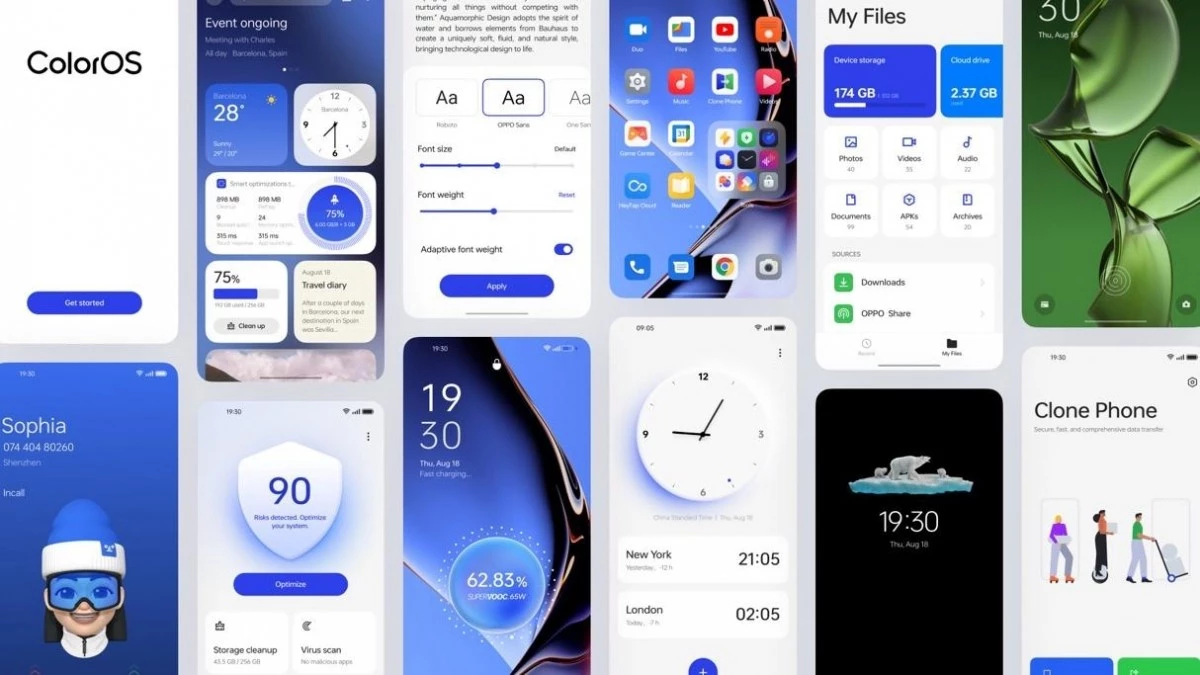
ColorOS 15 will include a new feature called AI note assistant, which can arrange your notes intelligently and make any necessary edits with only one click.
The OS and AI will be deeply integrated, and it appears that the main goals will be to enhance usability and performance. Based on Android 15, ColorOS 15 will include new features like enhanced multitasking on wide screens, private spaces, and device syncing of alerts.
Mid-October is when Android 15 (AOSP) is anticipated to be ready; ColorOS 15’s release schedule will be revealed during ODC.
Just a few months after OnePlus unveiled the OnePlus Ace 2 Pro, it looks like the company is getting ready to launch another smartphone under the Ace brand in China. As a point of comparison, the Ace and Ace Pro made their debut last year, while the Ace 2 and Ace 2V debuted in early 2023. The Ace 3, which OnePlus unveiled yesterday alongside the OnePlus 12, is in the driver’s seat this time.
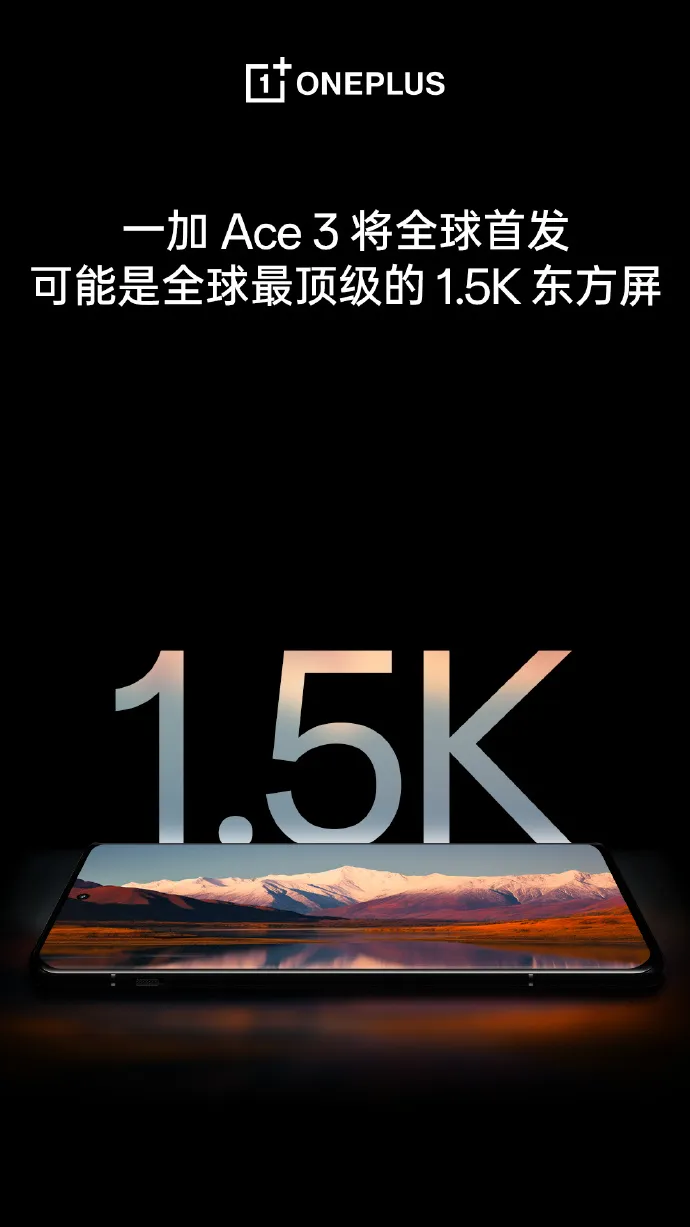
While the precise specifications of the handset are still unclear, OnePlus has provided some information regarding the Ace 3’s display. In addition, the firm provided a list of different OnePlus 12 display specifications, which we have discussed separately, for context. As previously reported, OnePlus’ less expensive option for the 2K panel in the OnePlus 12 will be a 1.5K panel, which has the odd resolution of 2,772 x 1,240 pixels.
The 1.5K screen for the Ace 3 will come from BOE, the same vendor that provides the 2K panel for the OnePlus 12. According to reports, the new 1.5K display will have a peak brightness of 2,600 nits, meaning that the Ace 3 will match the Oppo Find X6 Pro and surpass the Pixel 8 Pro by 200 nits. Also, the panel and Oppo’s P1 display chip work together to get the A+ brightness and color accuracy ratings from DisplayMate. Sadly, it is still unknown when OnePlus will release the Ace 3 or when it, presumably as the OnePlus 12R, will go outside of China.
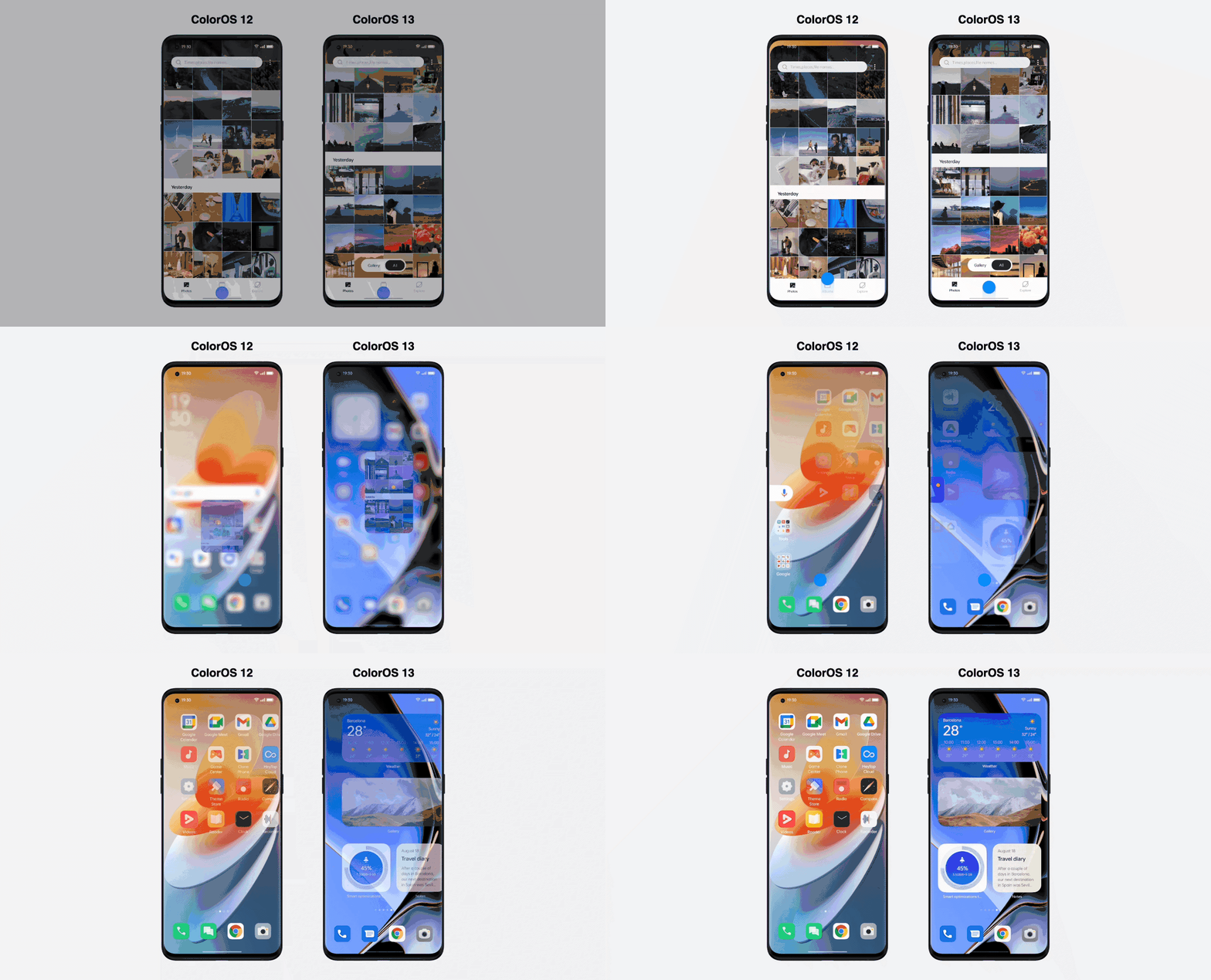
Android 13 is here, and with it, OPPO has revamped ColorOS not only with Google’s latest update but a selection of new and better in-house features. ColorOS 13 has been updated for maximum efficiency and introduces cutting-edge smart capabilities to make the most of your apps and the technology in your phone, in addition to improved graphics and sophisticated customization tools.
Here’s what you need to know about how OPPO’s latest technologies empower system performance and useful features in ColorOS 13.
Dynamic Computing Engine
High performance is now frequently taken for granted thanks to powerful processors and quick displays, but if recent chips are any indication, getting silky smooth performance still frequently comes at a cost to power consumption. The introduction of the Dynamic Computing Engine, an internal initiative to increase task scheduling effectiveness to boost performance and lower battery consumption, is one of OPPO’s key enhancements with ColorOS 13.
More power
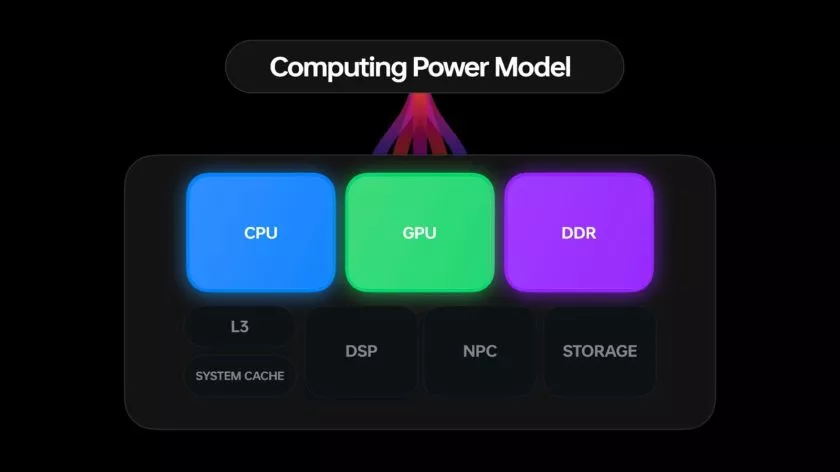
Through what is referred to as OPPO’s computing power paradigm, the first half of the Dynamic Computing Engine strives to enhance common task scheduling. Three tiers of CPU cores seek peak performance, sustained performance, and low power consumption in today’s multi-core smartphone chipsets. Performance and power consumption of a phone are influenced by how apps and tasks are distributed around CPU cores.
For example, running a background task on a large, powerful CPU would make it run more rapidly, but since it is a background process, you would only notice the increased power usage. So these kinds of operations should ideally be done on the lower power cores. To ensure responsiveness, it is best to use a strong CPU while starting a new app. The situation becomes trickier when balancing loads from multiple apps, all demanding CPU, GPU, and other resources at once.
The developers at OPPO spent three years simulating millions of similar situations in an effort to remedy the situation. OPPO is able to precisely plan computational resources from hardware, such as CPU, GPU, and DDR, using a computing power model. To ensure snappy apps and all-day battery life, the resulting scheduling processing power model achieves the perfect combination of high performance and low power consumption.
The proof is in the pudding: OPPO reports that its Find X5 Pro, equipped with this feature through ColorOS 13, can top an impressive 34 hours of battery life for doing everyday things. Their lab tests also showcase scenarios during which the Find X5 Pro can support up to 22 hours of video playback, 9 hours of continual gaming, and 8 hours of video calling.
More speed
The second aspect of the issue is performance limitations caused by running many apps simultaneously. The parallel processing engine developed by OPPO attempts to eliminate lag and interruptions brought on by memory use disputes. Processes must wait until the memory is free to access because “memory contention,” also known as locks, happens when many CPU threads attempt to access the same block of memory at the same time. This is a particularly troublesome bottleneck in multithreaded workloads and when releasing and swapping huge blocks of data into and out of RAM, like when relocating an outdated app to a swap partition to free up memory.
The Dynamic Computing Engine has two approaches to this. First, OPPO parallelizes operations, such memory allocation and reclaim, breaking huge locks into smaller locks and helping apps to recover from a stall more rapidly. Second, the engine delays shifting programs to swap storage for a longer period of time, which reduces the possibility of massive locks in the first place. Therefore, the smartphone can now maintain multiple programs in the background, and users can switch between apps without experiencing slowness or losing the status of an app.
Additional computing technologies, such as Parallel Computing, High-Performance Computing, Intelligent Computing, and Device-Could Collaborative Computing, will be added to the Dynamic Computing Engine in upcoming versions. The Dynamic Computing Engine will continue to provide comprehensive enhancement to the fundamental experience in the upcoming years as a system-level technical solution.
More Features
It’s not just about making daily activities more fluid, effective, and battery-friendly with Color OS 13. It also makes use of these technological advancements to introduce some brand-new, sparkling features!
Privacy is a priority
Performance is excellent, of course, but a premium modern smartphone experience consists of much more than performance. Today, privacy is equally crucial, and ColorOS 13 offers some interesting new capabilities in this area as well.
With ColorOS 13’s new Auto Pixelate feature, OPPO protects privacy with a self-created on-device AI system. Without access to the contents of your communications, Auto Pixelate can detect and automatically blur profile images and names in screenshots taken from Messenger and WhatsApp. Excellent if you want to share screenshots with contacts while maintaining user anonymity.
Likewise, OPPO’s Private Safe for keeping critical documents, images, and videos is more secure than ever. The industry-standard AES algorithm now protects Private Safe directories. ColorOS 13 is OPPO’s most secure operating system to date when combined with Android 13’s built-in auto-clearing clipboard, Wi-Fi location concealing, and other privacy features.
Improved always-on display
If you think all of that is fairly clever, ColorOS 13 has a few other clever features in store that are intended to utilize the hardware and software of OPPO’s smartphone.
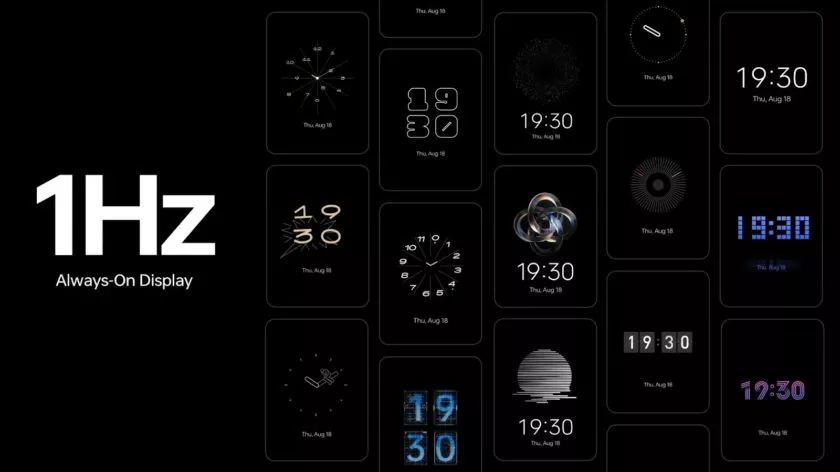
The advantages of LTPO display technology have previously been demonstrated by OPPO’s premium smartphones, which can dynamically drop refresh rates to conserve performance while still offering silky smooth high refresh rates upon request. OPPO is utilizing LTPO2.0 with Always-On Display in ColorOS 13 to lower refresh rates to just 1Hz. Through Smart Always-On Display, you can still quickly check your notifications and use apps like Spotify without turning on your display. But in comparison to non-dynamic refresh rates, power consumption is further decreased by up to 30%.
New UI
ColorOS 13 also boasts improvements to OPPO’s Quantum Animation Engine. The introduction of behavioral gesture prediction allows ColorOS to anticipate multi-gesture operations, improving responsiveness for more complex interactions and ensuring a fluid and intuitive UI experience.
New file transfer
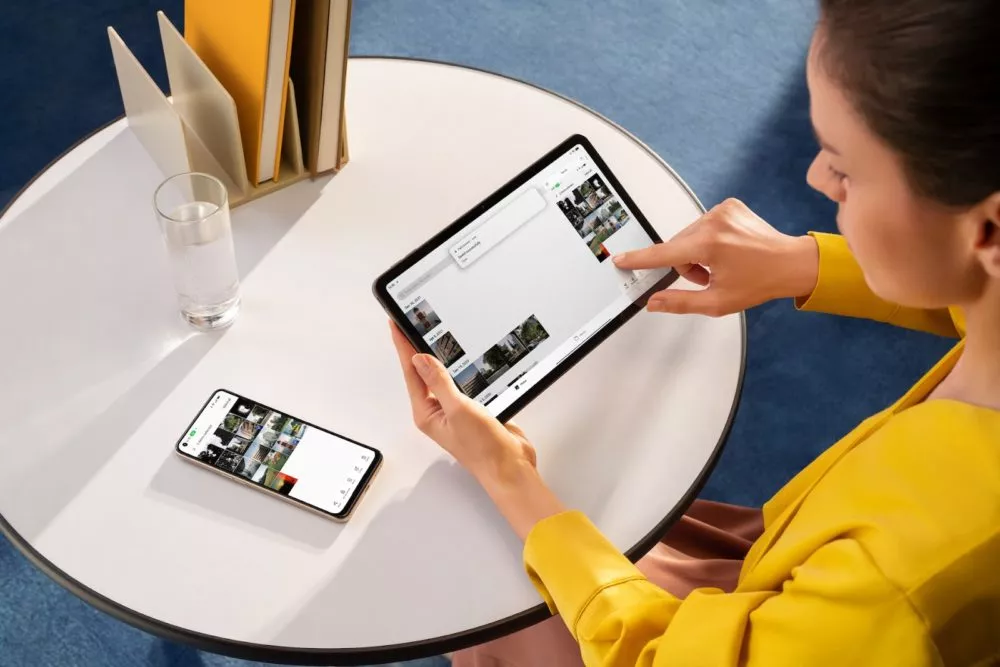
Additionally, OPPO Share has been improved to support a large number of additional file kinds without using up your data plan. Files can now be transferred between devices using OPPO Share as part of Multi-Screen Connect, regardless of their format or the hardware of smartphones. Users who use numerous devices might increase productivity by sharing their clipboards. Aside from supporting smooth communication between your smartphone and PC, Multi-Screen Connect also offers connectivity between your smartphone and the OPPO Pad Air.
Overall, OPPO’s Dynamic Computing Engine promises to enhance not just the performance of individual apps but also crucial multitasking and power consumption characteristics.
OPPO is rapidly establishing a distinctive personality for its Android handsets, as evidenced by ColorOS 13, which is much more than just an Android 13 upgrade. There is enough of innovation for consumers to get their teeth into with under-the-hood technological advancements and optimizations for peak performance and battery life, combined with user-facing improvements to multitasking, privacy, and the UI.
In 2022, we’ve already seen a lot of fantastic phones. The Galaxy S22+ is a terrific all-around phone, while the S22 Ultra marks the return of the Note series and the S21 FE establishes a new benchmark for budget flagships.
This year, Samsung fired the initial shot, but Chinese makers aren’t far behind. I’m excited to watch what OPPO does this year; the brand’s Find and Reno series have seen a 50 percent year-over-year rise in sales in the previous 12 months, and it’s gaining traction in major western markets like the UK.
With this year’s Find X5 Pro, OPPO hopes to continue that trend. The phone, which is aimed squarely at the Galaxy S22+, is now available in global markets. It has a similar look to the Find X3 Pro from last year, but it has a number of intriguing new features under the hood, including OPPO’s in-house image NPU, the MariSilicon X. There’s also a Hasselblad connection, improved internals, and new charging technology that supports up to 80W wired and 50W wireless charging.
Does the Find X5 Pro have what it takes to compete with Samsung’s best? With the Galaxy S22+ giving a solid overall package, does the Find X5 Pro have what it takes to go up against the best? Let’s have a look.
Release
The Find X5 Pro was announced at Mobile World Congress on February 24, and it is now available for pre-order in the UK, with sales beginning on March 24. Here’s a breakdown of when the Find X5 Pro will be available worldwide:
Spain/Switzerland/Belgium/Netherland: March 14
Italy: March 17
Germany/Portugal: March 21
France/UK: March 24
Australia: April 7
New Zealand: March 31/April 7
The Find X5 Pro will be available in Asia-Pacific, the Middle East, and Africa after April, according to OPPO. The Find X5 Pro, like other OPPO phones, will not be available in North America.
The Find X5 Pro comes in only one configuration, with 12GB of RAM and 256GB of storage, and costs £1,049 ($1,365) in the UK. There are several freebies available if you pre-order: the Enco X wireless earphones (which are great), an OPPO Watch Free smartwatch, a 50W AirVOOC wireless charging stand, and a Kevlar Aramid Case. The pre-purchase freebies are worth £373 ($485), so if you’re interested in the Find X5 Pro, you’d better place your order by March 23.
OPPO also offers a normal Find X5 model with an FHD+ 120Hz AMOLED screen, Snapdragon 888 processor, identical cameras to the Find X5 Pro, and both wired and wireless charging options of 80W and 30W. This model, which costs £749 ($975), includes a glass back and 8GB of RAM with 256GB of UFS 3.1 storage.
The camera bump on the Find X3 Pro blended smoothly into the chassis last year, and OPPO is continuing that trend with the Find X5 Pro.
This year, the impact is a touch stronger, which makes the phone stand out even more than normal among the glass-and-metal designs that now dominate this category.
Overall, the Find X5 Pro gets a lot right in terms of design. The ceramic back is fabulous and it is more resistant to tumbles, the phone feels great to hold and use, and although it is heavy, it is well-balanced. This may just be my favorite phone design of 2022, and that white color option in particular looks very distinctive.
Performance
It wouldn’t be right for a flagship to arrive in 2022 without Qualcomm’s latest chipset, thus the Find X5 Pro is powered by Qualcomm’s 4nm Snapdragon 8 Gen 1 processor. There’s also a larger multi-tier cooling system to guarantee the phone doesn’t overheat during gaming sessions, and I didn’t notice any thermal concerns during my week with the phone.
There’s not a lot to say about the Snapdragon 8 Gen 1 processor. It performs admirably in almost every situation, and I don’t see that changing for at least a few years. The Find X5 Pro breezes through day-to-day work with ease, and the technology on offer is overkill for most use cases.
In terms of memory and storage, the Find X5 Pro comes in a single 12GB/256GB combination, which I like because OPPO now includes 256GB of storage as standard on its mid-range and high-end handsets. Although there is no microSD card port, the internal storage should be sufficient for most people.
Another feature I like is the haptic engine; the Find X5 Pro has a vibration motor that delivers excellent feedback. And like everything else about the phone, it is inherently customizable — you can adjust the vibration intensity and pattern of feedback from the settings. OPPO did a brilliant job here, and I want the same motor to make its way to the OnePlus 10 Pro and other BBK offshoots of the Find X5 Pro.
When it comes to connectivity, you’ll find Wi-Fi 6E, Bluetooth 5.2, NFC, AptX HD audio codec, and global 5G bands with a 360-degree antenna design. While the Find X5 Pro isn’t launching in North America, it has the requisite Sub-6 5G bands for the region. Here’s the breakdown of all the 5G bands: n1/2/3/5/7/8/12/13/18/20/25/26/28/38/40/41/66/77/78/79.
And finally, the Find X5 Pro includes IP68 dust and water resistance, giving it the ability to withstand the elements. You’re getting all the hardware features you could want in a flagship, and the Find X5 Pro holds its own against the best Android phones.
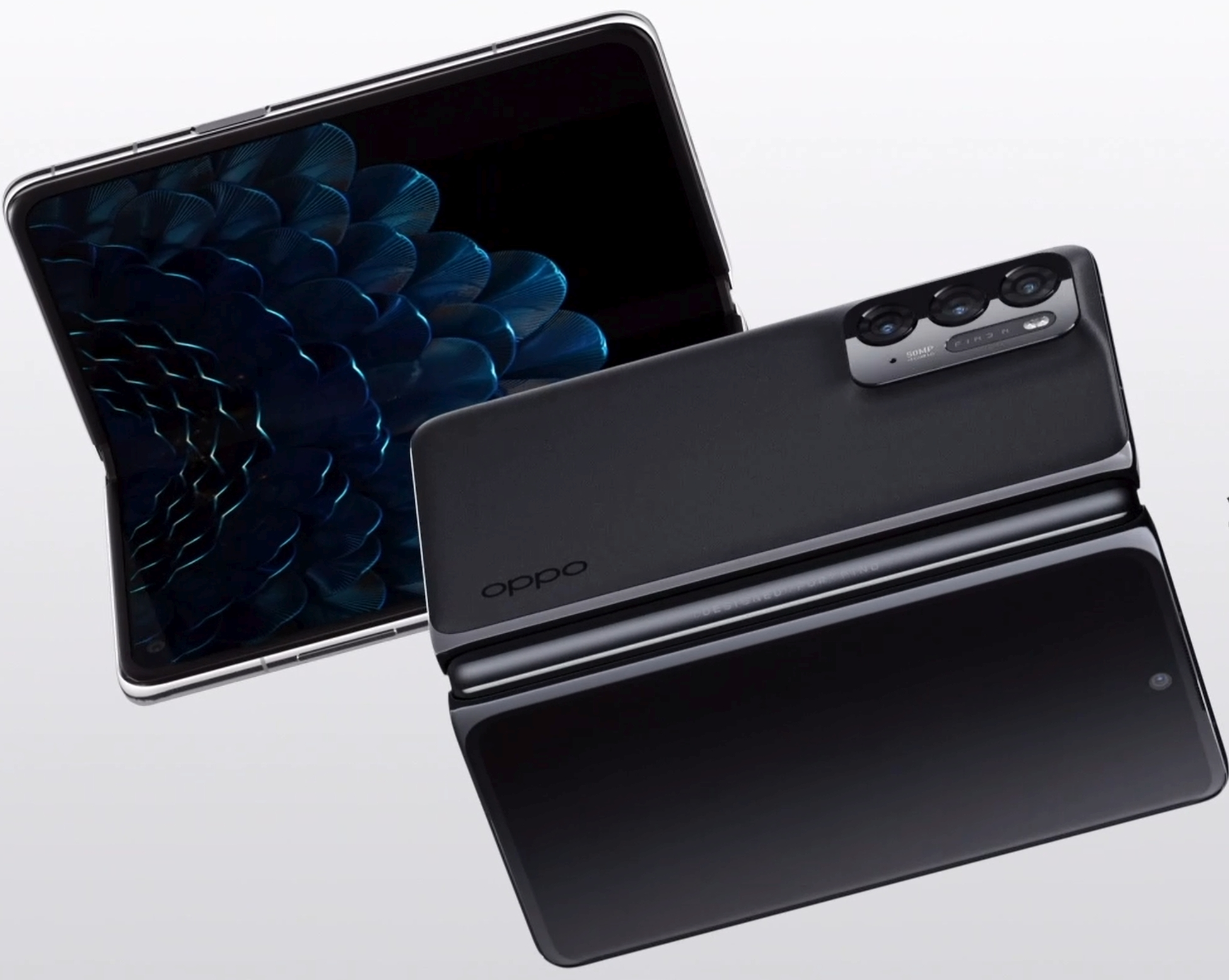
Foldable cellphones will become a popular trend by 2021. The upcoming Oppo Find N was teased in a recent blog post by Pete Lau, Oppo’s head of product and CEO of OnePlus. It will be Oppo’s first foldable phone, and it will be released on December 15, 2021.
Oppo’s new foldable smartphone will be unveiled on the second day of next week’s “Inno Day” event. Pete Lau admits in his blog post that Oppo is late to the foldable market. However, he also mentions that lack of services, limited durability, and user experience have all been issues with foldable cellphones thus far. Oppo first debuted its prototype in 2019 and has been working on it ever since to finally release the first gadget.
Although a handful of other brands have already launched foldable devices to the market, barriers such as utility, durability, and user experience continue to prevent foldable devices from becoming a more feasible daily driver for most people.
A single display surrounded the smartphone in the first prototype. The new Find N, on the other hand, is rumored to have a huge screen on the inside and a little smaller display on the back. As a result, Oppo appears to be working on a rival to Samsung’s Galaxy Z Fold 3. Oppo’s goal, according to Lau, is to create a smartphone that is not only beautiful to look at and feel nice in the hand, but also simple to operate.
Find N to be released soon
Oppo has produced six further prototypes after revealing its debut in 2018. This procedure is thought to culminate with the Find N. According to Lau, the quality of a gadget is more essential to Oppo than following every trend. As a result, he said, development has been put on hold, albeit the Find N is expected to provide users with a unique experience.
At the Inno Days event, Oppo will be unveiling other products apart from the Find N. Among other things, the Oppo X 2021, AR glasses and a smartphone with a retractable camera will be presented. We’ll be bringing you all the essential info about Inno Day on Droid Tools, so be sure to check it out!
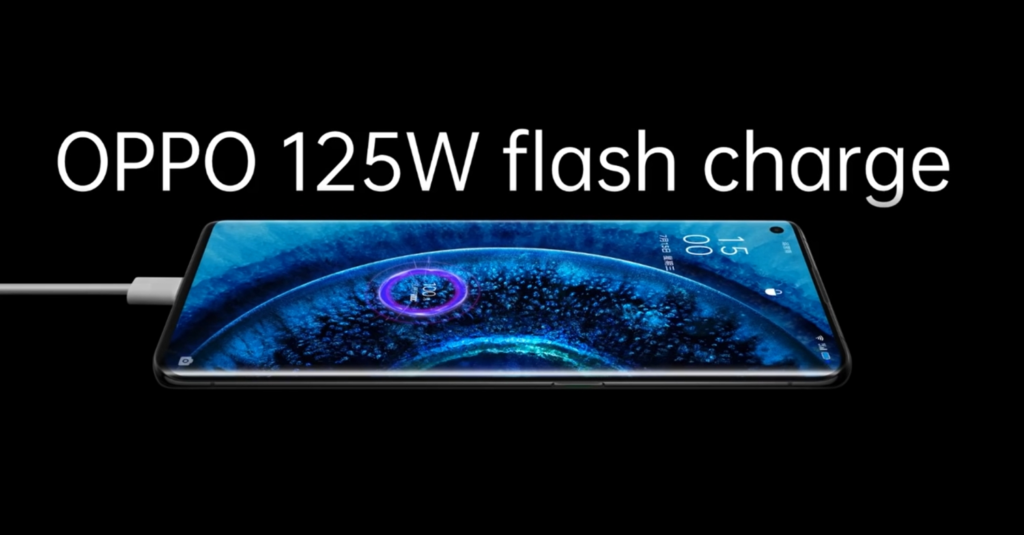
The Find X series from Oppo is the company’s most premium smartphone brand, with previous models including the groundbreaking Oppo Find X with pop-up cameras, followed by the more basic but still impressive Find X2 and Find X3. Every year around March, Oppo refreshes the Find X series. That’s still a ways off, but we already have our first reliable leak (via GSMArena) about a potential Find X4 function. The next Oppo Find X4 could have the fastest charging of any smartphone, according to Digital Chat Station, a well-known Weibo tipster.
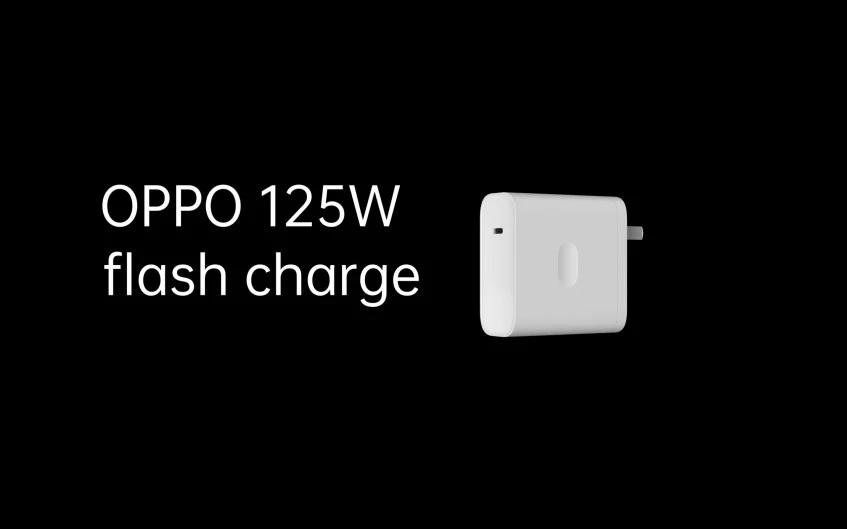
While a few companies have demonstrated 125W rapid charging, we have yet to see it in a consumer device. Unless another manufacturer releases a phone with a 125W fast charging capability sooner, Oppo will be the first to provide this incredible charging speed. With 120W wired charging support, the Xiaomi 11T Pro is now the market leader.
Oppo announced the 125W charger a few months ago, along with a 50W wall charger, a 65W AirVOOC wireless pad, and a 110W compact flash charger. To deliver the 125W, the 125W full-size flash charger that Oppo showed us earlier this year supplies 20V and 6.25A to the phone. The phone will be able to charge from 0% to 100% in just 20 minutes using this charger (for a 4,000mAh battery).
Oppo’s Find X3 series supports 65W fast charging, so the company is clearly seeking to up the ante with its next-generation handset. Apart from the rumored charging speed of the Oppo Find X4, there is currently no other information, but we can expect the device to feature the latest Qualcomm chipset. Oppo seemingly has a plan to follow in the footsteps of Samsung, Huawei, Google, and Apple by designing its own processors, though production isn’t tipped until 2023 at the earliest.