Tag: hyperos3

  • Xiaomi HyperOS 3 global update ready for 10 devices starting November 2, 2025

    Xiaomi HyperOS 3 global update ready for 10 devices starting November 2, 2025

    It’s almost here—the moment we’ve all been waiting for! The first worldwide versions of Xiaomi’s eagerly awaited HyperOS 3 are predicted to be accessible in the next few days. With a number of potent AI improvements, substantial UI redesigns, and extensive performance optimizations, this is not merely a small update but rather a huge advancement.

    This is the most thrilling news of the year for those who keep up with the most recent advancements in HyperOS. A larger selection of well-known phones and tablets are expected to get this update during the first week of November. The initial wave of devices has been confirmed. Prepare to enjoy a more intelligent, quicker, and user-friendly version of Xiaomi’s ground-breaking operating system.

    HyperOS 3 update is first released on these devices.
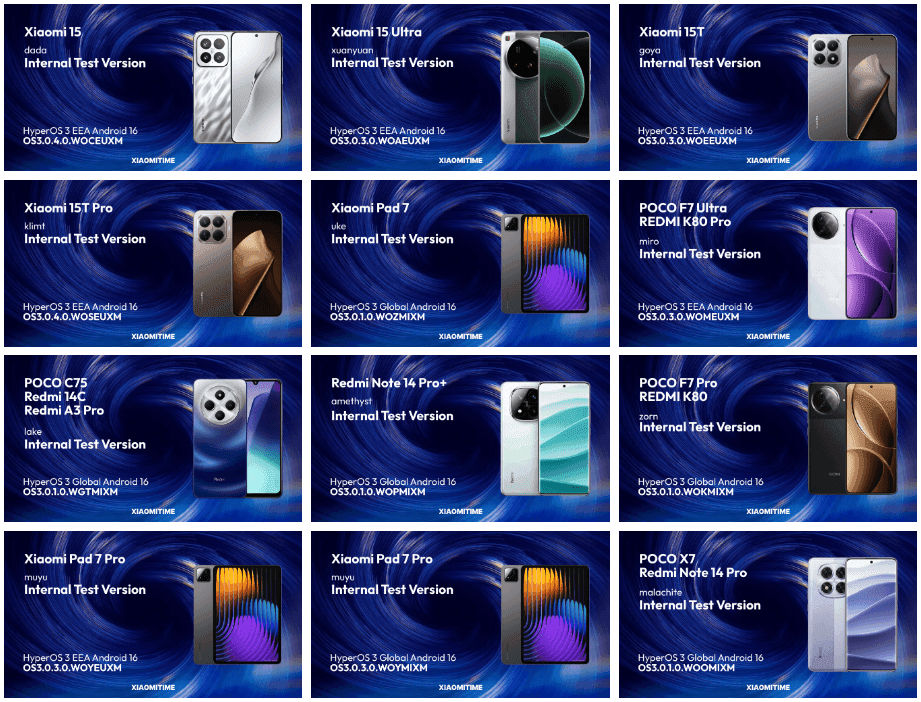
    hyperos 3 update for devies

    HyperOS 3 Global versions for ten models have been produced by Xiaomi, suggesting that the global debut is near. These gadgets will be the first to demonstrate HyperOS 3’s capabilities to a global audience.

    • Xiaomi 15 Ultra: OS3.0.3.0.WOAEUXM
    • Xiaomi Pad 7 Pro: OS3.0.3.0.WOYMIXM and OS3.0.3.0.WOYEUXM
    • POCO C75 – Redmi 14C – Redmi A3 Pro: OS3.0.1.0.WGTMIXM
    • Redmi Note 14 Pro+ 5G: OS3.0.1.0.WOPMIXM
    • POCO F7 Pro: OS3.0.1.0.WOKMIXM
    • Redmi Note 14 Pro 5G, POCO X7: OS3.0.1.0.WOOMIXM
    • Redmi Note 14 Pro 4G: OS3.0.1.0.WOFMIXM
    • Redmi Note 14 4G: OS3.0.1.0.WOGMIXM
    • POCO M6 Plus 5G, Redmi 13 5G, Redmi Note 13ROS3.0.2.0.WNUINXM
    • POCO F7: OS3.0.2.0.WOLMIXM, OS3.0.1.0.WOLINXM
    • POCO X7 Pro: OS3.0.1.0.WOJEUXM
    • Xiaomi Pad Mini: OS3.0.1.1.WAOMIXM
    • POCO M7 4G, REDMI 15 4G: OS3.0.1.0.WBOMIXM

    Released

    • Xiaomi 15: OS3.0.4.0.WOCEUXM
    • Xiaomi 15T: OS3.0.3.0.WOEEUXM
    • Xiaomi 15T Pro: OS3.0.4.0.WOSEUXM
    • POCO F7 Ultra: OS3.0.3.0.WOMEUXM
    hyperos 3 update schedule

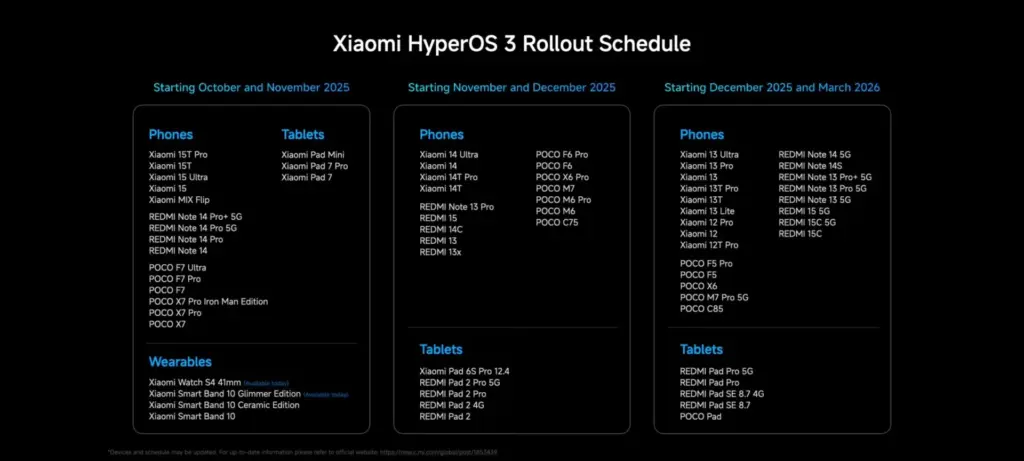
    In October and November, Xiaomi intends to extend its HyperOS 3 Global program to a far greater variety of devices. Watch for the update message if you have any of the following!

    • Xiaomi 15 – Released
    • Xiaomi 15 Ultra
    • Xiaomi 15T Pro – Released
    • Xiaomi 15T – Released
    • Xiaomi MIX Flip
    • REDMI Note 14 Pro+ 5G
    • REDMI Note 14 Pro 5G
    • REDMI Note 14 Pro
    • REDMI Note 14
    • POCO F7 Ultra – Released
    • POCO F7 Pro
    • POCO F7
    • POCO X7 Pro
    • POCO X7
    • Xiaomi Pad Mini
    • Xiaomi Pad 7
    • Xiaomi Pad 7 Pro

    What’s new in HyperOS 3 update?

    New features arrived for HyperOS 3.

    • A Fresh New Look and Feel
    • Introducing “Hyper Island” and Seamless Connectivity
    • The Power of AI Unleashed
    • AI-powered notes: Automatically organize and summarize your thoughts.
    • AI Describe: Get descriptions for images and on-screen content.
    • AI Voice Translation: Real-time translation during calls and conversations.
    • AI Noise Reduction: Crystal-clear voice recordings by filtering out background noise.
    • AI Search: A more intuitive and powerful system-wide search.
    • AI Gallery Search: Find photos by describing what’s in them.
    • AI Dynamic Wallpapers: Now available globally, this feature turns your photos into stunning, animated video wallpapers.
  • Xiaomi expands Android 16 rollout with HyperOS 3.0 update

    Xiaomi expands Android 16 rollout with HyperOS 3.0 update

    One of the Android oems speeding up the release of Android 16 is Xiaomi with HyperOS 3.0 skin. The company has now disclosed the whole list of smartphones and tablets that will receive the significant OS update, including Redmi and Poco models, in response to last month’s introduction of HyperOS 3.0, which is based on Android 16.

    The Xiaomi 17 Pro was the company’s flagship smartphone when it introduced a number of others last week. However, we also discovered more fascinating information regarding the HyperOS 3.0 deployment, in addition to the new hardware portfolio.

    First devices to receive HyperOS 3.0

    A limited number of smartphones, including the recently revealed Xiaomi 15T series, the flagship Xiaomi 15 (Pro) and 15 Ultra, and mid-range models like the Redmi Note 14 Pro, Poco X7, and Poco F7 (Ultra review), will start receiving HyperOS 3.0 in October. The Xiaomi Pad 7 and Pad Mini will be the first tablets to be supported.

    Xiaomi expands Android 16 rollout with HyperOS 3.0 update

    The update has already begun to roll out for wearables, including the Xiaomi Watch S4 and the Smart Band 10 Glimmer Edition. Although a precise date has not yet been determined, this will eventually extend to the Smart Band 10 Ceramic and regular variants.

    Another batch for November and December

    In November and December, HyperOS 3.0 will be released for additional devices. These consist of the Redmi Note 13, Redmi 13, Redmi 14C, Redmi 15 4G, Redmi Pad 2, and Xiaomi 14 Ultra. The Poco F6 Pro, Poco X6 Pro, Poco M6 Pro, and Poco M7 are also categorized under the Poco sub-brand.

    The rest of the flagship, mid-range, and low-cost smartphones will be released between December and March. These consist of the Xiaomi 13T series, Xiaomi 12T Pro, Xiaomi 13 Lite, and Xiaomi 12. This release window also includes the Redmi Note 14, Note 13, Redmi 15 5G, and Redmi 15C.

    Not receiving HyperOS 3.0

    The basic Xiaomi 12T was released alongside the 12T Pro, thus it’s still unknown why it’s not included. The Redmi 12 and Redmi 12 Pro, which have reached the end of their main OS update support but will still receive security updates for another year, are a more noteworthy omission.

    What’s new in HyperOS 3.0

    What’s new in HyperOS 3.0

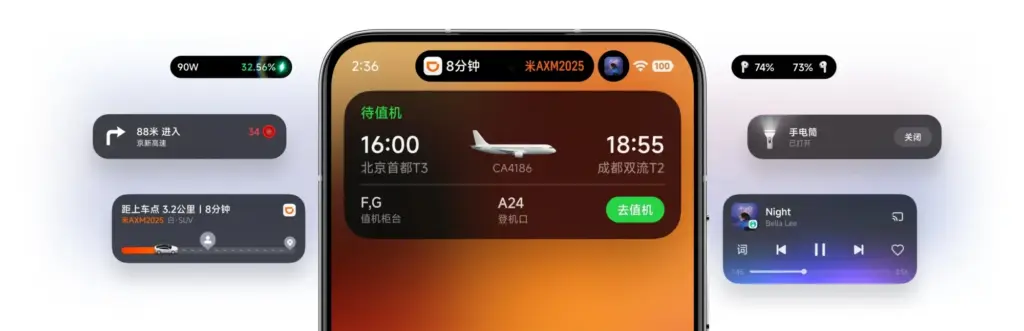
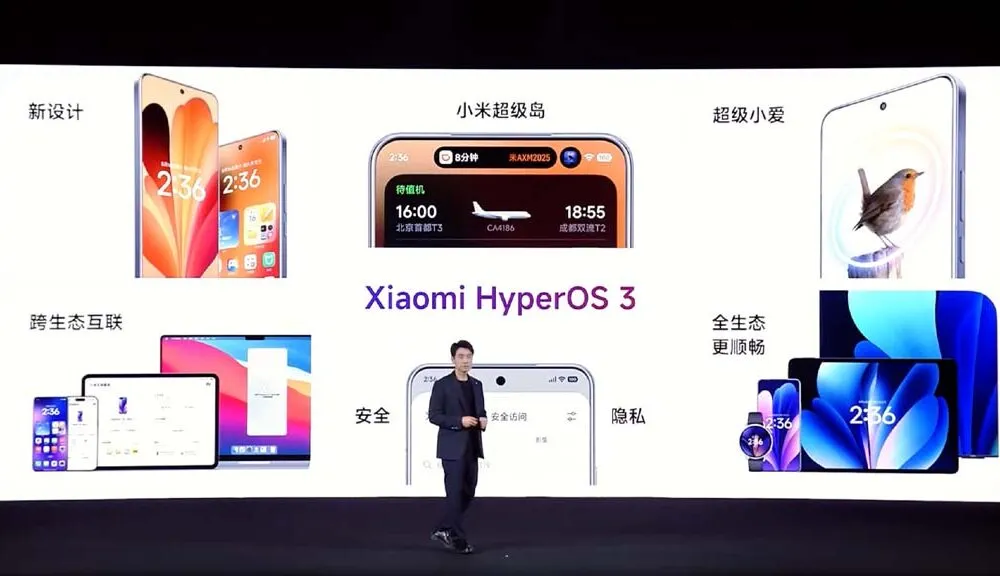
    Performance and visual design have undergone significant upgrades in HyperOS 3.0. Super Island, Xiaomi’s version of Apple’s Dynamic Island, is introduced in the user interface. It allows for dynamic and real-time content overlays surrounding the punch-hole camera. AI-generated options for new background and lock screen styles are also included.

    According to Xiaomi, HyperOS 3.0 offers performance gains of up to 30%. Ultra-low latency and pressure-sensitive pens and styluses are becoming more compatible with large-screen devices, such as tablets.

    With capabilities like HyperAI Writing, real-time transcription, and subtitle production, AI improvements are also a top priority.

  • HyperOS 3 beta now available on 12 additional Xiaomi and Redmi models

    HyperOS 3 beta now available on 12 additional Xiaomi and Redmi models

    The Xiaomi 14 series, MIX Flip, MIX Fold 4, and Redmi K70 range are among the additional smartphones that Xiaomi is releasing HyperOS 3 for. Owners of these phones can now receive an early sample of the Android 16-based upgrade before the stable release occurs later this year, while testing is still ongoing.

    A new batch of Xiaomi and Redmi smartphones have been added to the HyperOS 3 beta program, which enables a small group of customers to test drive the company’s latest software prior to its general release. Owners of the Xiaomi 14 series, MIX Flip, Redmi K70 lineup, and Xiaomi Pad 6S Pro are being invited to participate in the most recent round. They will have the opportunity to test an early build of HyperOS 3, which is based on Android 16, and assist the software team in resolving any significant bugs or issues before the scheduled stable rollout.

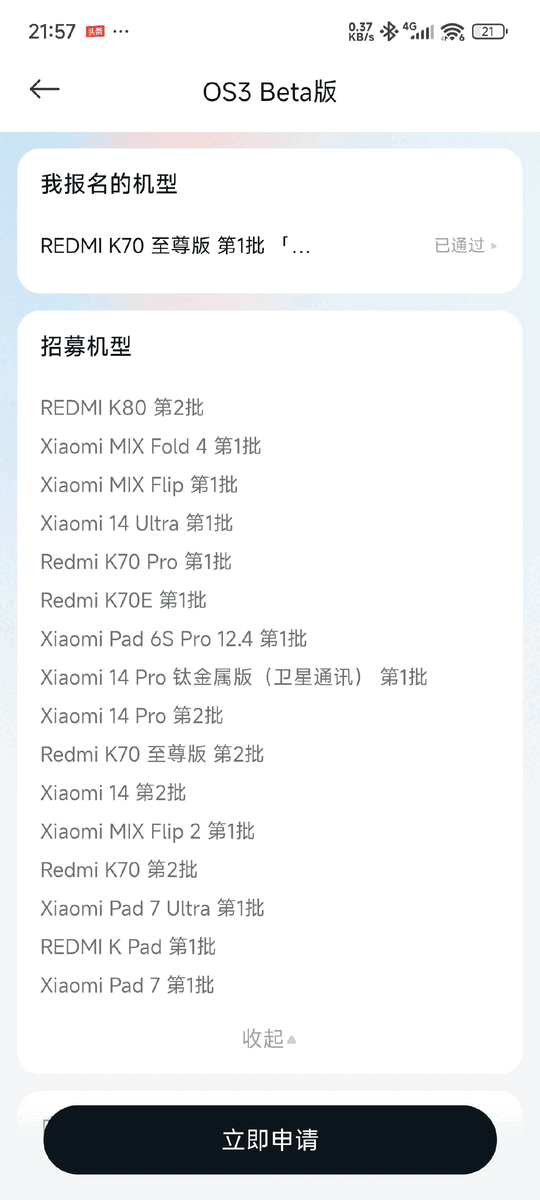
    The list of gadgets receiving the most recent wave of the HyperOS 3 beta:

    • Xiaomi MIX Fold 4
    • Xiaomi MIX Flip
    • Xiaomi 14 Ultra
    • Xiaomi 14 Ultra Titanium Edition
    • Xiaomi 14 Pro 
    • Xiaomi 14 Pro Titanium Edition
    • Xiaomi 14
    • Redmi K70 Pro
    • Redmi K70 Ultra
    • Redmi K70 (sold internationally as the POCO F6 Pro)
    • Redmi K70E (sold internationally as the POCO X6 Pro)
    • Xiaomi Pad 6S Pro 12.4

    Although the closed beta is now only available for Chinese models, international versions will soon follow. A broader deployment appears inevitable, as Xiaomi has already begun similar beta tests for international models such as the Xiaomi 14 Ultra, Xiaomi 14T, POCO F7, Redmi 15C, and POCO C85.

    csm HyperOS 3 Chinese beta 83208f7bb5

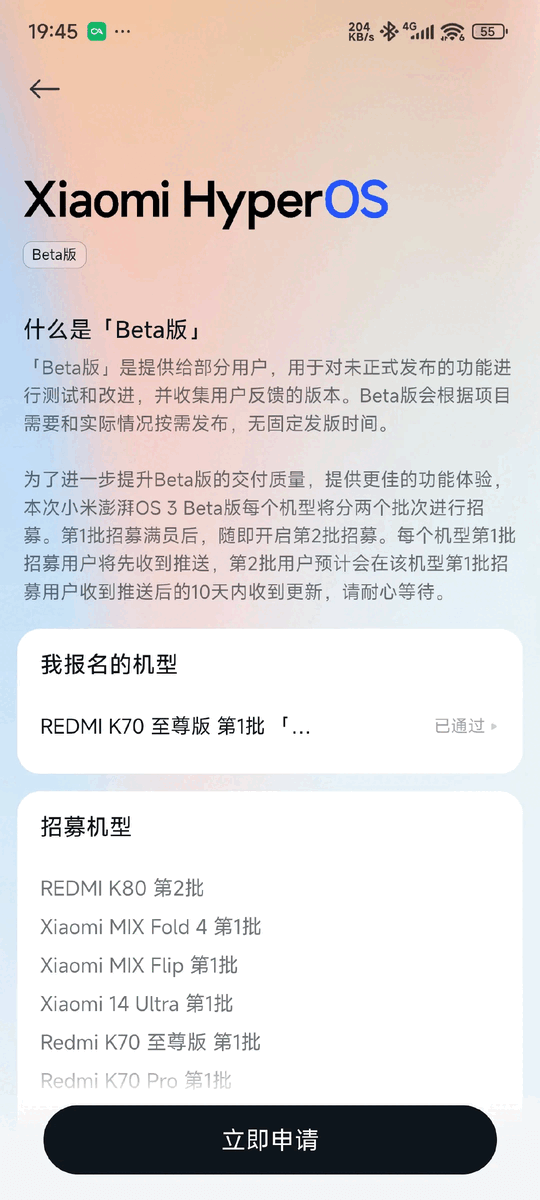
    To obtain HyperOS 3, you must apply for a position in the program through the Xiaomi Community app if you possess any of the devices mentioned above that have a China ROM. For every device, two groups of testers will be hired; testers in the first batch will have instant access to the update, while testers in the second batch may have to wait up to ten days. Before beginning, make sure you have a complete backup of your device and have read the instructions.

    csm HyperOS beta 3 China 1 f7f5b85a0e

    HyperOS 3 global rollout confirmed for November-December

    The Chinese Xiaomi 14 series, MIX Fold 4, MIX Flip, and Redmi K70 devices are expected to receive the stable HyperOS 3 update in November. Global variants such as the Xiaomi 14 series, the Xiaomi Pad 6S Pro 12.4, the POCO F6 Pro (a rebranded Redmi K70), and the POCO X6 Pro (a rebranded Redmi K70E) will be released in November, with the full deployment continuing into December.

  • Xiaomi update list: 31 phones won’t go beyond Android 15

    Xiaomi update list: 31 phones won’t go beyond Android 15

    For owners of some well-known models, Xiaomi’s upgrade timeline is not good news. Android 16 will not be available for thirty-one Xiaomi, Redmi, and POCO phones. Rather, the last significant update for these smartphones will be HyperOS 3, which is based on Android 15. Support will then be restricted to minor fixes and security patches.

    In the universe of Android, this is not uncommon. Major updates are typically offered by brands for two to three years, with newer flagships receiving longer support. The similar pattern applies to Xiaomi’s choice, which focuses on enhancing HyperOS for the devices that are still eligible.

    POCO devices at the end of the line

    The POCO lineup losing future Android updates includes some well-known mid-range performers:

    • POCO C65
    • POCO F5 5G
    • POCO F5 Pro
    • POCO M6 Pro
    • POCO X6 Neo

    For these phones, HyperOS 3 will be the last major software release.

    Redmi phones stopping at HyperOS 3

    Numerous models in the Redmi series also stop supporting Android 15. The Redmi K lineup, low-cost gadgets, and even several Note series favorites are included in the list:

    • Redmi 12, 12 5G, 13C, 13C 5G, 13R
    • Redmi K50 Ultra, Redmi K60
    • Redmi Note 12 (4G, NFC 4G, 12R, 12S, 12T Pro, 12 Turbo)
    • Redmi Note 13 (4G, 4G NFC, 5G, 13R Pro)

    This marks the end of updates for several phones that were popular in markets like India and Southeast Asia.

    Xiaomi flagships are nearing the limit of updates.

    Not even expensive gadgets are exempt. Android 16 will not be available for a number of Xiaomi 12 series phones, such as the 12 Pro, 12S Ultra, and 12T Pro. This is also where the Civi 3 and MIX Fold 2 complete their lifetime.

    Full flagship list:

    • Xiaomi 12, 12 Pro, 12S, 12S Pro, 12S Ultra
    • Xiaomi 12T, 12T Pro
    • Xiaomi Civi 3
    • Xiaomi MIX Fold 2

    Android 15 is not the end of the story for these devices. It is anticipated that HyperOS 3 would come with a new interface that is modeled after Apple’s renowned “liquid glass” design. Users should anticipate improved system speed, additional customization choices, and a redesigned control center editor.

    Although it’s the final significant update for these phones, the distribution is scheduled to start in September 2025 and provides them a more upscale appearance before updates formally cease.

  • HyperOS 3.0 brings new performance improvements and new visual styles

    HyperOS 3.0 brings new performance improvements and new visual styles

    Xiaomi disproved our assumption that the Android announcements for the month were over. With the release of HyperOS 3.0, the company’s most recent version based on Android 16, its mobile devices now include notable functional and visual improvements. The selected models will soon start beta testing, and in Q4, a broader public rollout is anticipated.

    What’s New in HyperOS 3.0

    hyperos 3.0 new icons and gallery

    HyperOS 3.0 is based on Android 16 and incorporates key enhancements from Google’s most recent Android release. Xiaomi, however, is doing more than just skinning Android; it is also incorporating its own significant features and design modifications into smartphones and tablets.

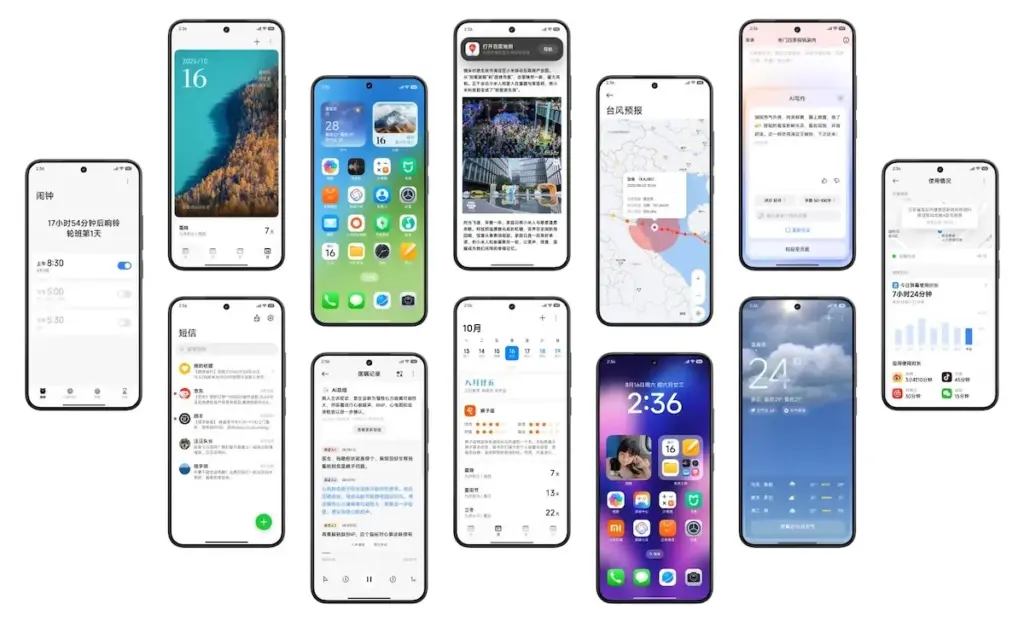
    New icons, super island, and a cleaner layout

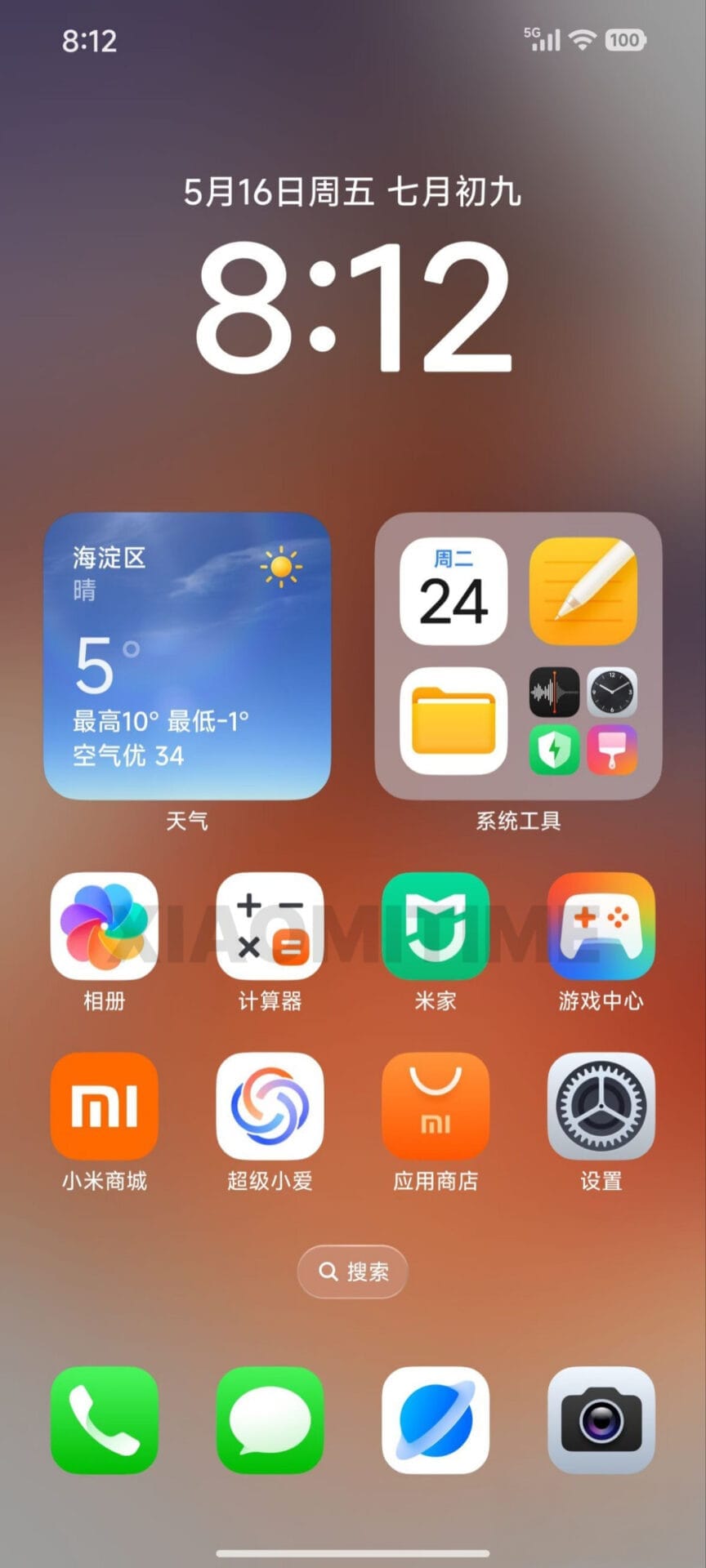
    Simplified app icons that mirror iOS and have square shapes with rounded sides give the UI a new look. A flatter, simpler look is also used for the quick settings and status bar. The dialer app is completely redesigned in China. Whether this will eventually be shipped to the global ROM is unknown.

    hyperos 3.0 super island

    Super Island, Xiaomi’s version of Google’s Live Updates and Apple’s Dynamic Island, is one notable feature. It displays dynamic overlays for media, notifications, and app activity on the front-facing punch-hole region. For more interaction, Super Island allows dragging and expanding, unlike its competitors.

    New lockscreen designs, like as animated effects that give still images movement, are powered by AI advancements. Additionally, there are more customizable choices for the home screen.

    New Gallery app and upgrades for tables

    hyperos 3.0 gallery app

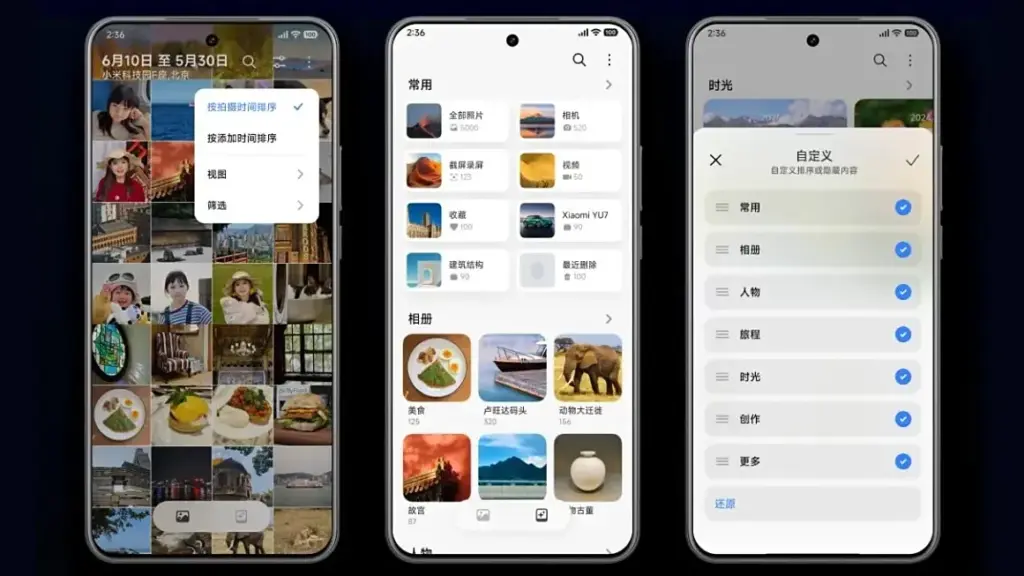
    All content, including albums and folders, now have a cleaner look and better search capabilities in the gallery app. Your furry pals’ pictures and videos are automatically arranged with a new pet album feature.

    Xiaomi adds adaptive window scaling and improved split-screen management to tablets. Enhancements in ultra-low latency and pressure sensitivity will be advantageous to stylus users.

    Significant performance and battery improvements

    HyperOS 3.0 offers significant performance improvements in addition to aesthetics. With over 100 new and improved animation effects, Xiaomi promises up to 21% less app latency and smoother system animations.

    According to reports, in-game frame rendering uses 9% less energy, video playback requires 10% less power, and gaming performance is 15% faster.

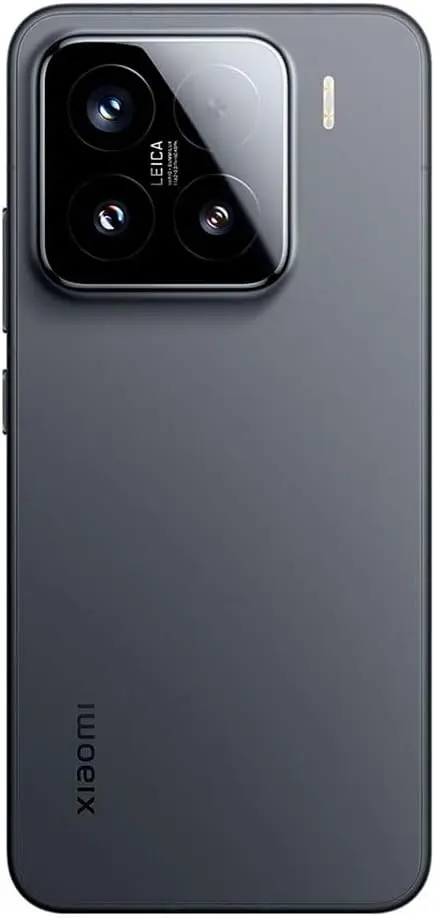
    xiaomi 15 with hyperos 3.0

    Xiaomi 15 5G

    The Xiaomi 15 features a 6.36-inch OLED display with a 1.5K resolution, a 120 Hz refresh rate, and a peak brightness of 3200 nits. The phone is built with an aviation-grade aluminum frame and has a compact design measuring 152.3 × 71.2 × 8.08 mm, weighing 181 g.

    Which Devices Get HyperOS 3.0 Beta?

    Xiaomi has stated that a few smartphones, tablets, and TVs will be available for the public beta, though it hasn’t yet disclosed the complete list of compatible devices. Please be aware that the gadgets on the list are Chinese versions; a different rollout timetable for models that are available worldwide will be revealed later.

    From August 29From September 17From September 30
    Xiaomi 15Xiaomi Mix Flip 2Xiaomi 14
    Xiaomi 15 ProRedmi K80Xiaomi 14 Pro
    Xiaomi 15 UltraRedmi K PadXiaomi 14 Ultra
    Xiaomi 15S ProXiaomi Pad 7Xiaomi Mix Flip
    Redmi K80 ExtremeXiaomi Pad 7 UltraXiaomi Mix Fold 4
    Redmi K80 ProXiaomi TV S Pro Mini-LEDRedmi K70
    Xiaomi Pad 7 ProXiaomi TV S Pro Mini-LED 2025Redmi K70 Pro
    Xiaomi Pad 7S Pro 12.5 Redmi K70E
      Xiaomi Pad 6S Pro 12.4
  • Just before HyperOS 3 launch, Xiaomi adds  9 devices to EOL list

    Just before HyperOS 3 launch, Xiaomi adds 9 devices to EOL list

    As it prepares to release the HyperOS 3, Xiaomi is officially discontinuing a new generation of devices. The retailer has added a number of additional models to its end-of-life (EOL) list with its most recent internal update, which means that the company will no longer formally support these devices. Let’s have a look.

    These Xiaomi Phones That Won’t Get Future Updates

    The Chinese IT behemoth is anticipated to be focusing on HyperOS 3, its proprietary Android 16 skin, now that Google has begun releasing Android 16. For the worldwide versions of the Xiaomi 15 and Xiaomi 14T Pro, the company has already made the Android 16 update available with HyperOS 2.3. Xiaomi has updated its list of devices that are nearing their “end-of-line,” while other eligible models will receive the significant software update.

    xiaomi 11t pro launch 2

    This covers a variety of models, such as Redmi phones, Xiaomi-branded gadgets, and even POCO models. Here are all the phones for which official support is being discontinued:

    • Xiaomi 11T Pro
    • Xiaomi 11T
    • Xiaomi 11 Lite LE
    • Xiaomi 11 Lite 5G NE
    • Redmi 11 Prime 4G
    • Redmi A1+
    • Redmi A1
    • POCO M5
    • POCO C50

    It’s important to remember that security updates for these recently added devices will continue until September 2025. For these older phones, Xiaomi does not intend to release any official upgrades. Models that did not even receive the HyperOS 2 update are included in the list that was previously shared. Xiaomi is currently working on Android 16, but they have not yet released an official roadmap for the HyperOS 3 rollout. So stay tuned for more.

  • Xiaomi HyperOS 3 new screenshots leaked

    Xiaomi HyperOS 3 new screenshots leaked

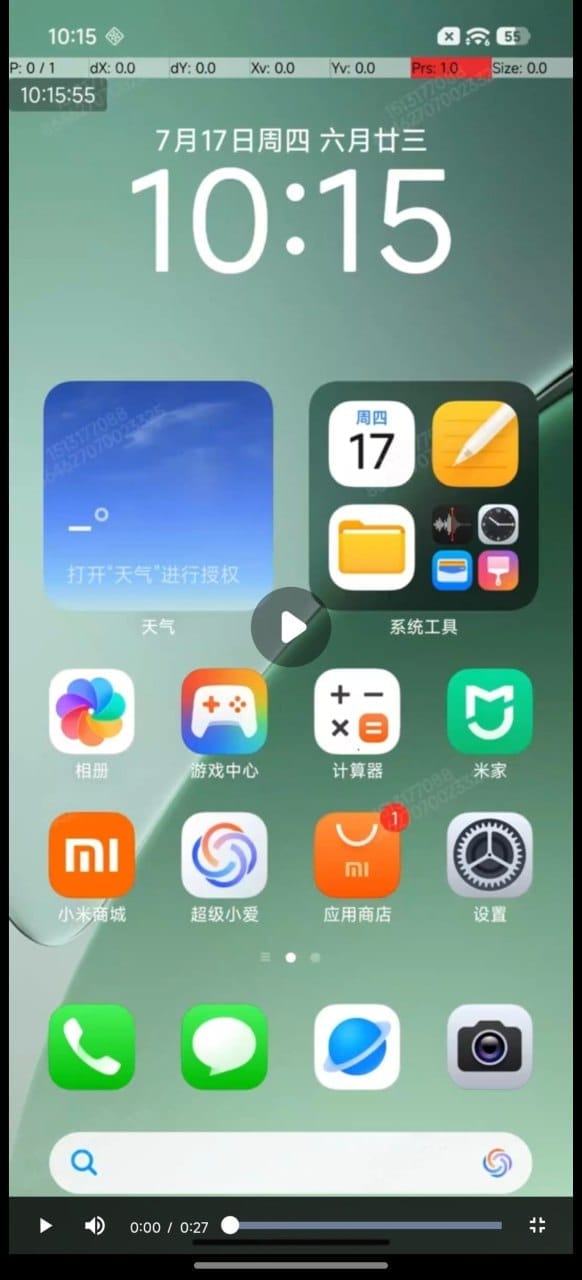
    Thanks to X user @satanzhiruo, significant leaks about Xiaomi’s upcoming HyperOS 3 have surfaced. Early photos show a dramatic style devoid of “liquid glass”—think depth, transparency, and a contemporary, high-end edge that fits in with current market trends. The screenshots display an updated settings menu, home screen, and card-based structure that is evocative of Android 16. This indicates a significant improvement in the user experience and is not only cosmetic.

    hyperos 3 leak screenshot

    HyperOS 3 will come with both andoid 15 and 16

    HyperOS 3 will be released by Xiaomi on Android 15 and 16. Wider compatibility is ensured by this dual strategy, which allows flagship smartphones to fully benefit from Android 16’s performance improvements while older hardware benefits from the update. It’s a sensible strategy that maximizes reach without compromising creativity.

    hyperos3 screenshot

    Major software updates from Xiaomi are usually released in the fall. HyperOS 3 should be formally revealed between September and October 2025, if the current leaks are accurate.

    Stay connected with the latest news – follow us on X @droid_tools, like our page on Facebook anc check out our Instagram.

  • HyperOS 3 will come with a new design according to the new leaked screenshots

    HyperOS 3 will come with a new design according to the new leaked screenshots

    Through a newly published user survey, Xiaomi has given users an early glimpse at HyperOS 3, and the changes are remarkable. Xiaomi intends to establish HyperOS as a high-end, competitive platform, as evidenced by the recent screenshot’s significant UI redesign. With significant updates to key system components, especially icons and layouts, the design language is obviously influenced by iOS. This version demonstrates Xiaomi’s continued commitment to improving its unique Android skin in order to better cater to a worldwide users.

    The updated icon set is the most noticeable change. The unified, elegant look of these new icons, which closely resemble those in iOS 18, improves the user experience as a whole. This change reflects Xiaomi’s emphasis on improving brand perception among high-end users and conforming to industry-leading design standards.

    The removal of the search bar on the home screen is another significant change. Xiaomi achieves a more simplified and clean home screen by removing this component, giving app icons and widgets more attention. This minimalist style should appeal to people who value clarity and simplicity and is consistent with larger trends in mobile user interface design.

    hyperos 3 leak design

    New battery indicator and glass user interface

    Additionally, a revised battery indication that now closely resembles the iPhone’s approach is included in HyperOS 3. In addition to updating the battery status visual representation, this update advances Xiaomi’s overarching objective of providing a recognizable, intuitive user experience that appeals to iOS customers thinking about switching.

    Furthermore, Glass UI-inspired effects are incorporated into the redesigned interface, giving the system more visual refinement and depth. Together, these improvements give all supported devices a more upscale and sophisticated appearance.

    Wide device compatibility

    Xiaomi is extending HyperOS 3 to an extensive range of devices, reinforcing its commitment to software support:

    • 33 Xiaomi models
    • 44 Redmi devices
    • 19 POCO devices

    This broad compatibility—spanning 96 devices in total—demonstrates Xiaomi’s dedication to serving a diverse customer base, from flagship owners to budget users.

    Analysts predict that Xiaomi will formally unveil HyperOS 3 in October 2025. Depending on rollout timelines and device capabilities, the update will be developed for both Android 15 and Android 16.

    Stay connected with the latest from Droid Tools—follow us on X @droid_tools, like our page on Facebook, check out our updates on Instagram, and follow us on Google News for real-time news, device tips, and mobile tech insights.

  • HyperOS 3 update: eligible devices

    HyperOS 3 update: eligible devices

    Xiaomi is still updating a variety of devices with the HyperOS 2.1 upgrade, which is based on Android 15. However, all eyes are now on HyperOS 3, which is based on Android 16, the upcoming major release. This one will come with enormous improvements in terms of performance, features, and design.

    Xiaomi to roll out HyperOS 3 update based on Android 16

    Android 16 1

    A recent article from XiaomiTime states that the release of HyperOS 3 is anticipated to be in July 2025. Although Xiaomi has not yet released an official announcement regarding the complete list of devices, the report offers us a good idea of which models should be updated. Xiaomi, Redmi, and POCO devices will be included in the upgrade, demonstrating the company’s dedication to providing long-term software support.

    What to Expect in HyperOS 3

    HyperOS 3.0 e1745555193567

    Improved multitasking, improved battery life optimization, more intelligent AI-based capabilities, and a redesigned user interface are just a few of the many new features that HyperOS 3 is said to offer. It is anticipated that a primary focus will be on improving device integration and performance, particularly with regard to tablets and foldables.

    xiaomi 15 silicon carbon battery

    Xiaomi 15 5G

    Snapdragon 8 Elite Mobile Platform3nm manufacturing processCPU2 x Prime Core, up to 4.32GHz6 x Performance Core, up to 3.53GHzGPUAdreno GPUAIQualcomm AI engine.

    Leica Summilux optical lensLEICA VARIO-SUMMILUX 1:1.62-2.2/14-60 ASPHLeica main camera50MPLight Fusion 900 image sensor2.4μm 4-in-1 Super Pixelf/1.62OIS23mm equivalent focal lengthLeica 60mm floating telephoto50MPf/2.0OIS60mm equivalent focal lengthLeica ultra-wide camera50MPf/2.214mm equivalent focal length115°. 32MP FRONT CAMERA

    $947.50$900.00Amazon

    Expected Devices to Receive HyperOS 3

    Xiaomi Devices:

    • Xiaomi 15, 14, 13, and 12 series
    • MIX Flip, Flip 2
    • MIX FOLD 2, 3, and 4
    • Xiaomi Pad 6 Pro, 6S Pro, 7, and 7 Pro

    Redmi Devices:

    • Redmi Note 12, 13, and 14 series (4G, Turbo, and Pro models)
    • Redmi 12, 13, and 14 series (C and A models)
    • Redmi K50, K60, K70, and K80 series
    • Redmi Pad SE, Pad SE 8.7, Pad Pro, and Pad Pro 5G

    POCO Devices:

    • POCO F5, F5 Pro, F6, F6 Pro, F7, F7 Pro, and F7 Ultra
    • POCO X6 5G, X6 Pro 5G, X7, X7 Pro, and X7 Pro Iron Man Edition special edition
    • POCO M6 (4G, 5G, and Pro versions), M7, and M7 Pro 5G
    • POCO C65, C75, and C75 5G

    With a wider rollout, Xiaomi will gradually introduce the most recent Android experience across a diverse range of devices. It is likely that HyperOS 3 will improve on everything you do on a flagship, mid-range, or low-cost phone. Xiaomi is going to make the announcement, so keep a look out!

  • Xiaomi Android 16 tracker: is your device eligible for update?

    Xiaomi Android 16 tracker: is your device eligible for update?

    Google’s recent announcement to release two Android SDK updates every year has raised many concerns among technology enthusiasts. As a result, Android 16 could be released before June 2025, far ahead of schedule. While the events of Android 15 updates continue across all devices, Xioami is preparing to take the next significant step by integrating Android 16 capabilities into their next HyperOS.

    The following is a comprehensive list of Xiaomi, Redmi, and POCO devices that may receive an update to Android 16-based HyperOS, which is simply categorized for review.

    Xiaomi Android 16 tracker

    Current Android 16 Internal Tested Devices

    Android 16 is currently being tested on HyperOS 2. It is not known when the internal test versions will be released.

    • Xiaomi 15
    • Xiaomi 15 Pro
    • REDMI K70 Ultra
    • Xiaomi Pad 7 Pro

    Xiaomi Flagship Devices

    Currently, high-end models with great performance and features are taking center stage in Xiaomi’s update plans:

    • Xiaomi 13 Lite/Xiaomi Civi 2 (ziyi)
    • Xiaomi 13 Pro (nuwa)
    • Xiaomi 13 (fuxi)
    • Xiaomi 13 Ultra (ishtar)
    • Xiaomi 14 (houji)
    • Xiaomi 14 Pro (shennong)
    • Xiaomi 14 Ultra (aurora)
    • Xiaomi 13T Pro (corot)
    • Xiaomi 13T (aristotle)
    • Xiaomi Pad 6 Pro (liuqin)
    • Xiaomi Civi 3 (yuechu)
    • Xiaomi Pad 6 Max 14 (yudi)
    • Xiaomi Mix Fold 3 (babylon)
    • Xiaomi MIX FLIP (ruyi)
    • Xiaomi MIX FOLD 4 (goku)
    • Xiaomi 14 CIVI/Xiaomi Civi 4 Pro (chenfeng)
    • Xiaomi Pad 6S Pro 12.4 (sheng)
    • Xiaomi 14T (degas)
    • Xiaomi 14T Pro (rothko)
    • Xiaomi 15 Ultra  (xuanyuan)
    • Xiaomi 15 (dada)
    • Xiaomi 15 Pro (haotian)

    Redmi Devices

    Known for good-level performance at competitive prices

    • Redmi K80 (zorn)
    • Redmi K80 Pro (miro)
    • Redmi A4 5G (warm)
    • Redmi Turbo 4 (rodin)
    • Redmi K60 Pro (socrates)
    • Redmi K60 (mondrian)
    • Redmi Note 13 Pro (garnet)
    • Redmi Note 13 Pro+ (zircon)
    • Redmi K70 Pro (manet)
    • Redmi K70E (duchamp)
    • Redmi K70 (vermeer)
    • Redmi 13R/Redmi 13C 5G (air)
    • Redmi K60 Ultra (corot)
    • Redmi Note 13 Pro 4G (emerald)
    • Redmi Turbo 3 (peridot)
    • Redmi 13 5G/Redmi Note 13R (breeze)
    • Redmi 13 (moon)
    • Redmi Pad Pro 5G (ruan)
    • Redmi Pad Pro (dizi)
    • Redmi 14R 5G (flame)
    • Redmi 14C/Redmi A3 Pro (lake)
    • Redmi Pad SE 4G (spark)
    • Redmi Pad SE 8.7 Wi-Fi (flare)
    • Redmi K70 Ultra (rothko)
    • Redmi Note 14 (beryl)
    • Redmi Note 14 Pro (malachite)
    • Redmi Note 14 Pro+ (amethyst)
    • Redmi Note 14 Pro 4G (tanzanite)
    • Redmi 14C/Redmi A3 Pro (lake)

    POCO Devices

    • POCO F7 (zorn)
    • POCO F7 Ultra (miro)
    • POCO X7 Pro (rodin)
    • POCO X7 (malachite)
    • POCO C75 5G (warm)
    • POCO F5 Pro (mondrian)
    • POCO X6 5G (garnet)
    • POCO X6 Pro (duchamp)
    • POCO F6 Pro (vermeer)
    • POCO M6 Pro 4G (emerald)
    • POCO F6 (peridot)
    • POCO M6 Plus 5G (breeze)
    • POCO M6 (moon)
    • POCO Pad (dizi)
    • POCO C75 (lake)

    What we will get along with Android 16?

    With Android 16 integrated into HyperOS, users can expect:

    • Enhanced multitasking by improving window management and application performance. Advanced AI features like improved accessibility, translation, and on-device processing.
    • Polished UI/UX with smoother animations and further personalization.
    • Better privacy and security settings to complement those updates made by Google.

    Xiaomi continues to innovate, ensuring that its devices remain competitive and feature-rich through frequent Android updates. With the release of Android 16 before mid-2024, the aforementioned Xiaomi, Redmi, and POCO devices will gain access to the latest Android SDK. More information will be released once Xiaomi begins handing out the HyperOS updates to these devices.