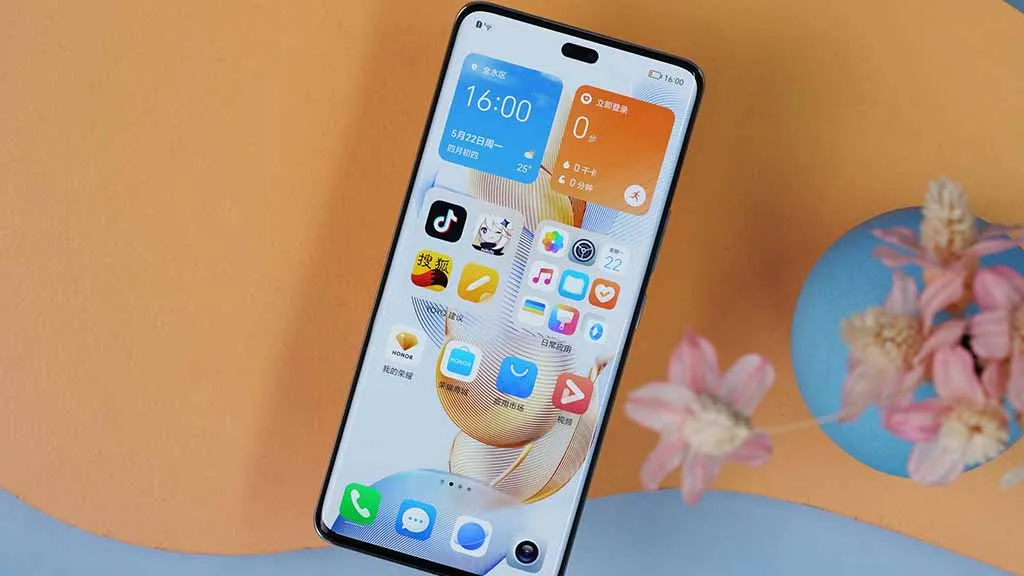
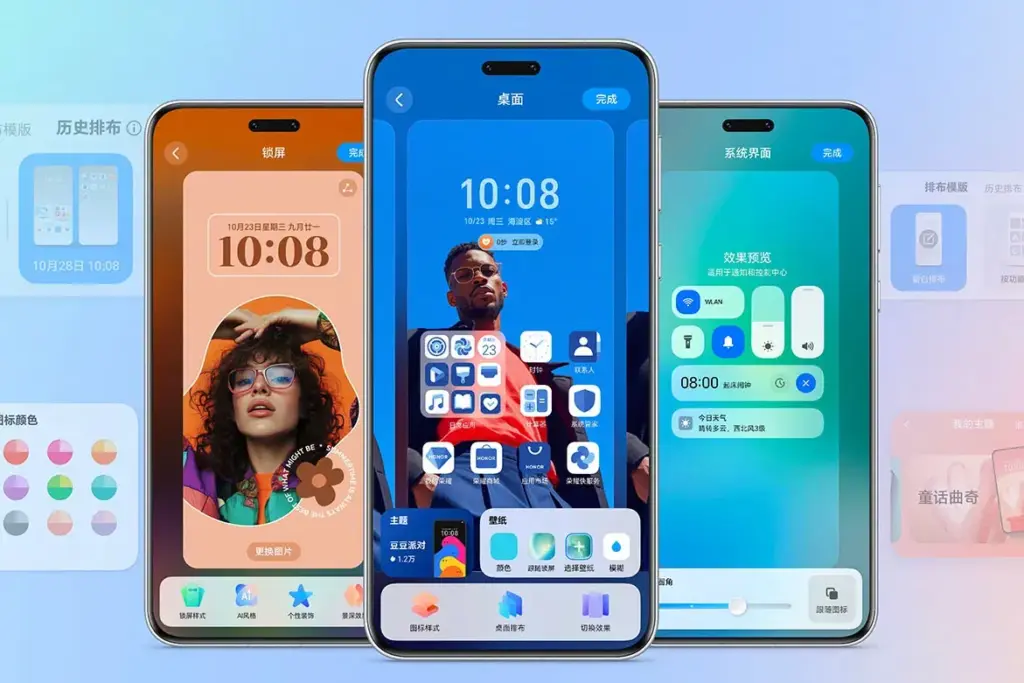
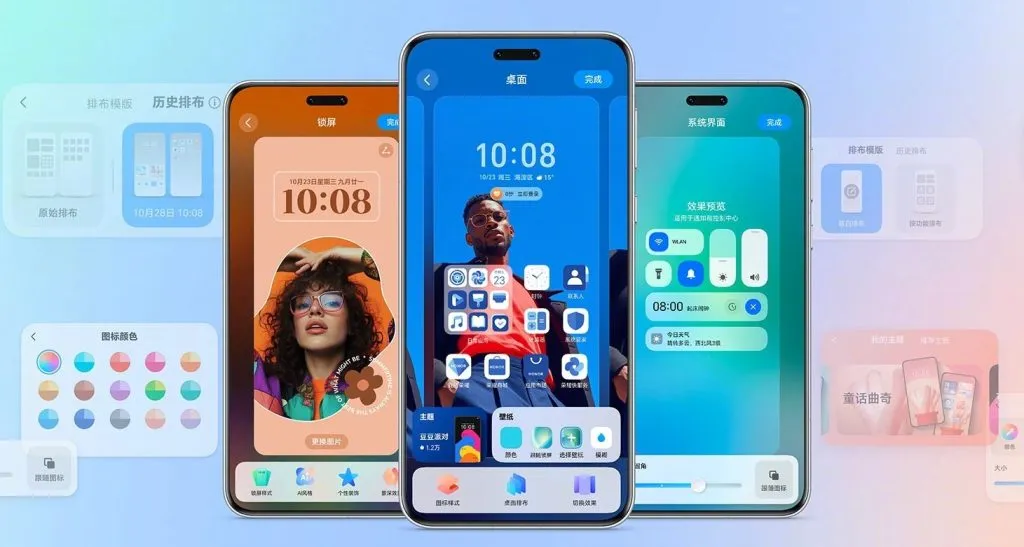
It appears like Honor has begun working on the MagicOS 10 software update for its compatible devices. In order to determine what features and technological capabilities customers actually desire in their Honor phone, it has also started to gather input from its consumers.
Like the previous iteration, MagicOS 10 is probably going to launch alongside the Honor Magic 8 series. Rumors and leaks suggest that the flagship lineup may be officially unveiled in October. At such moment, the corporation might introduce the updated version.
The business plans to make some intriguing adjustments to the user experience. In order to make the device’s user interface (UI) more realistic while maintaining its minimalism and dynamic nature, it might also introduce more AI functions and customization tools.
According to an early leak, Honor is looking into adding new capabilities to the Smart Capsule. The Magic Capsule will get additional services, increasing its usefulness in all areas.
Here is a list of anticipated Honor devices that may receive the upcoming MagicOS 10 update, which is based on Android 16. These compatible models are listed below.
Honor gives major software updates for its handsets first priority, and with MagicOS 10 beta testing, it appears the company may soon advance this strategy. According to a leak, the Chinese OEM may take this action in the days ahead.
According to DigitalChatStation, two well-known companies, Honor MagicOS 10 and OPPO ColorOS 16, will begin beta testing their Android 16 skins this month. The precise timeframe for this operation was not disclosed by the tipster, but it might start before the end of August.
In addition to OPPO/Honor, Xiaomi and Vivo can begin testing their Android 16 software version for qualified devices and search for new features.
Honor MagicOS 10 already seen
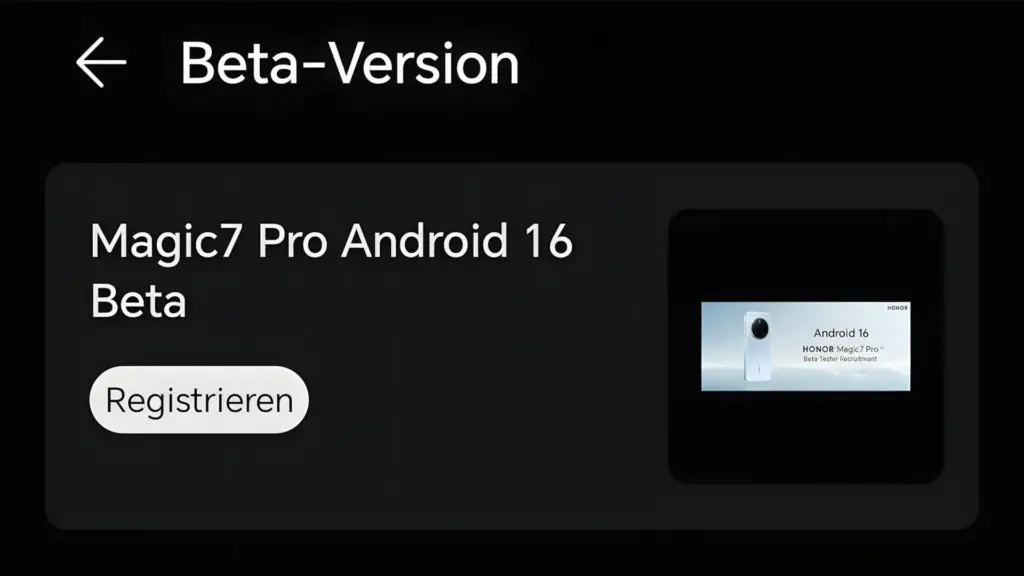
In April, Honor revealed the Magic 7 Pro’s initial Android 16 developer preview. Only developers with certain features and enhancements have access to it.
The MagicOS version test for the Magic 7 Pro phone, which is based on the Android 16 Beta, was introduced by the firm in May. Again, this beta activity was limited to developers.
However, Honor may expand this software exploration pool with additional devices through the MagicOS 10 beta testing. Users may be able to preview the new features and improvements of the next MagicOS version thanks to this procedure.
Additionally, users of Honor smartphones will have the opportunity to comment on the software experience, report bugs and problems, and recommend any additional features or adjustments for the MagicOS 10 operating system, which is based on Android 16.
It’s unknown what gadgets will be included in this process and how the company will begin. However, as the month draws to a close, we might learn more information on this topic. Keep an eye out.
The silicon-carbon phones that are officially available for purchase in the West are examined in depth here, along with their significance.
The competition for smartphones in 2025 will involve more than simply megapixels, AI capabilities, and display brightness. It’s also about the battery, especially, which is located beneath the hood. Silently revolutionizing endurance and charging speeds, silicon-carbon battery technology is no longer just available in domestic Chinese markets.
In Western countries, a number of prominent companies have begun to provide silicon-carbon smartphones, giving customers in North America and Europe access to a new level of battery performance.
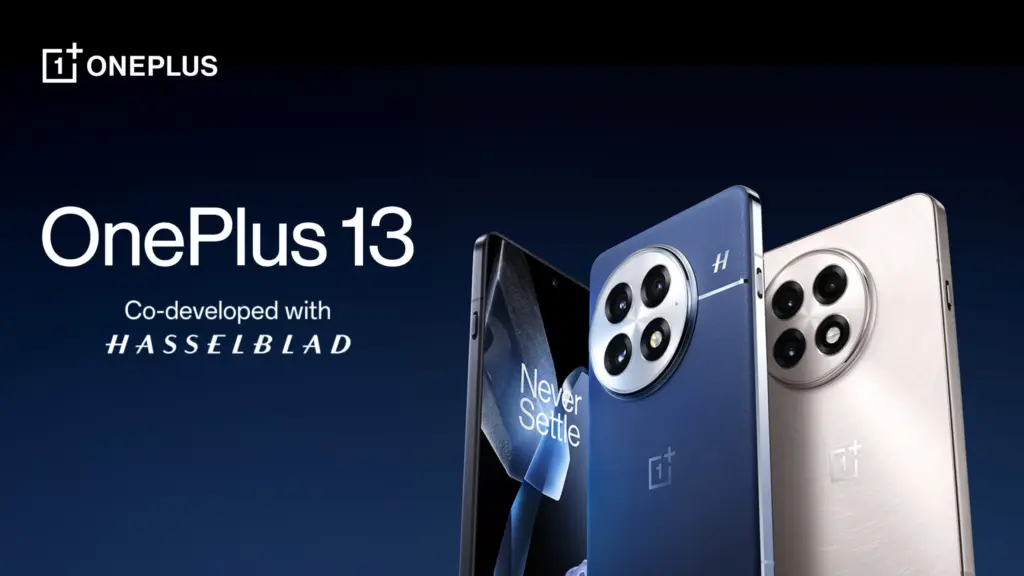
OnePlus 13
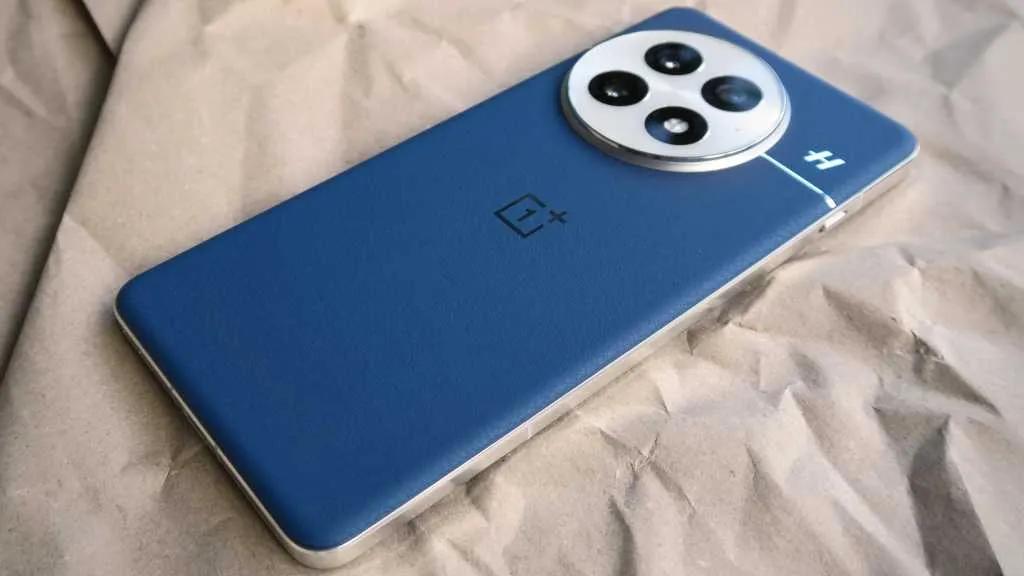
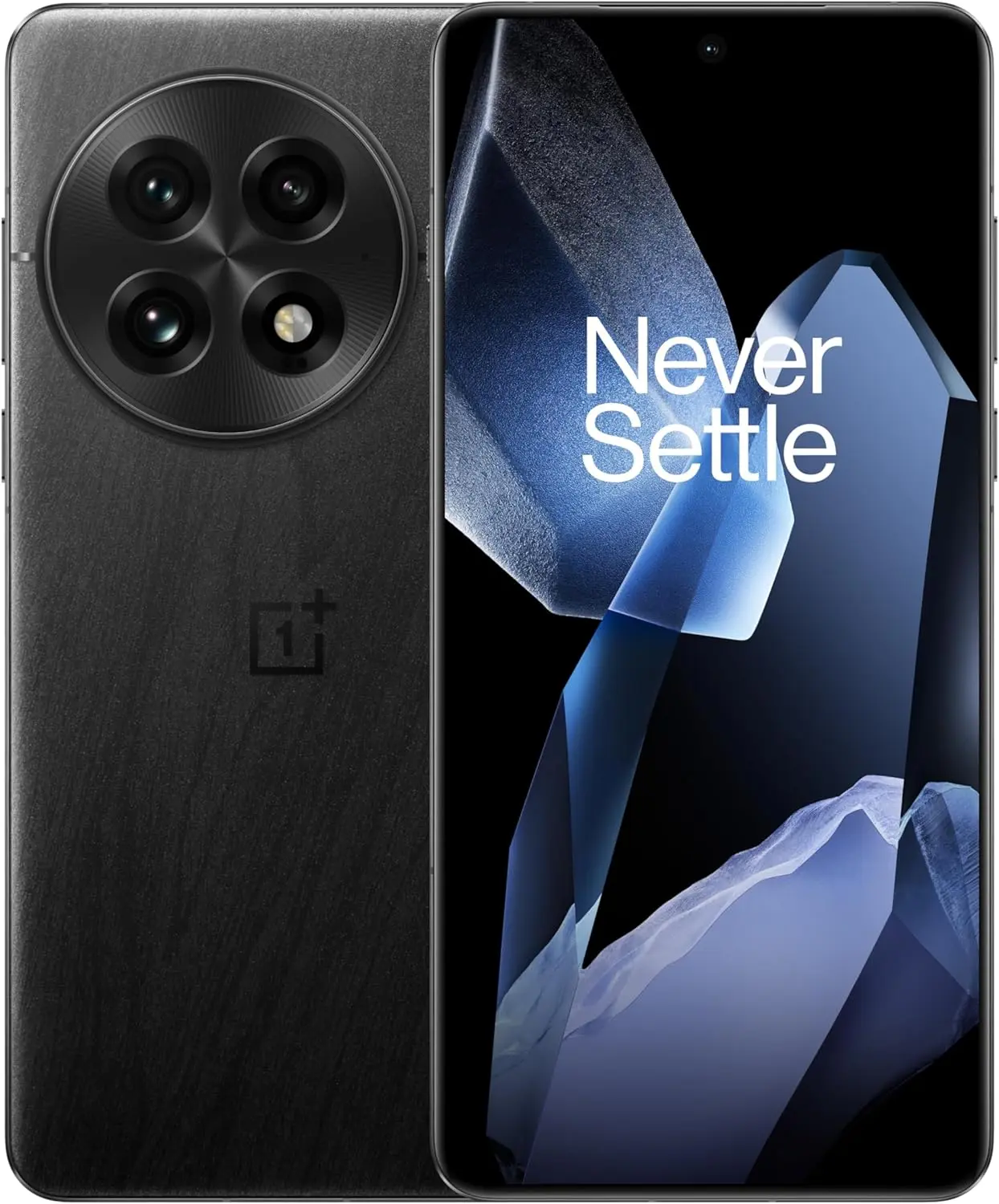
The OnePlus 13’s 6000mAh dual-cell silicon-carbon battery, the largest in a OnePlus flagship to yet, further advances the company’s leadership in battery advancements. With one of the highest energy densities for a dual-cell configuration (805Wh/L), it keeps the device relatively small while significantly increasing battery life.
Additionally, charging is not neglected. In addition to 50W wireless charging and 100W SuperVOOC wired charging, the phone now offers magnetic wireless charging—a first for OnePlus. A Snapdragon 8 Elite chipset, a gorgeous 2K BOE X2 LTPO AMOLED screen with a peak brightness of 4500 nits, and a triple 50MP camera configuration with a new tri-prism periscope lens are all included to match this power.
OnePlus 13
Lightning-Fast Snapdragon 8 Elite Processor: Powered by the latest Qualcomm Snapdragon 8 Elite chipset, enjoy exceptional speed, efficiency, and performance for gaming, multitasking, and productivity.
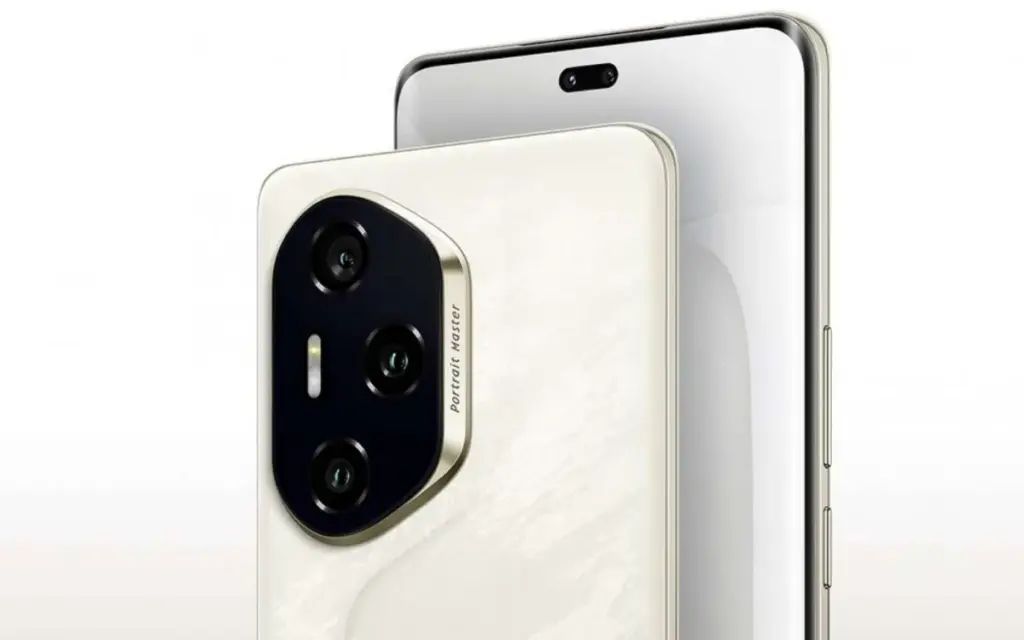
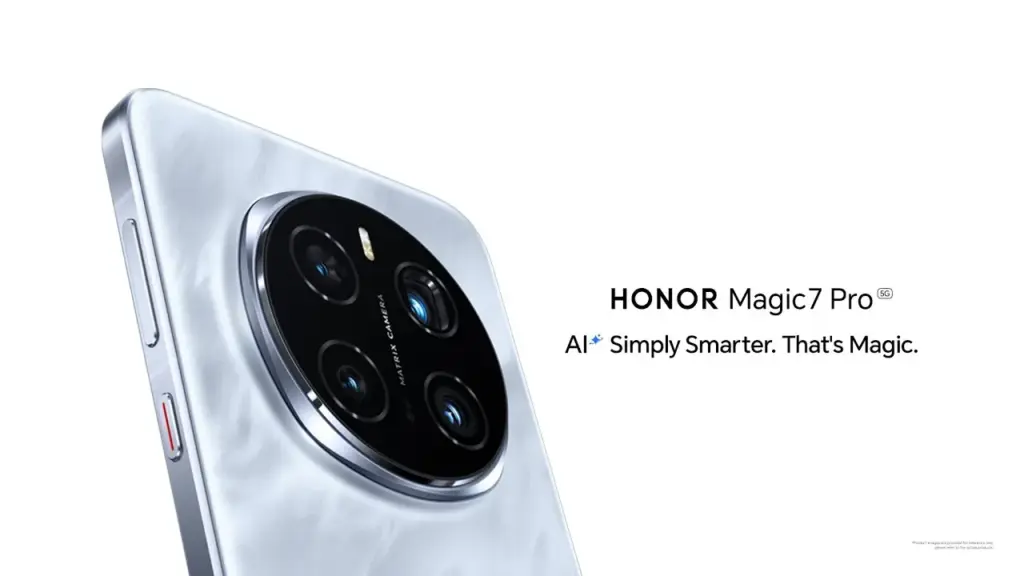
With a 5850mAh cell and 100W wired and 80W wireless charging, the Honor Magic 7 Pro goes all out rather than relying solely on silicon-carbon batteries. The battery easily outlasts the majority of other flagships in its class, and it represents a significant improvement over the standard 5000mAh configurations.
The Magic 7 Pro boasts an impressive array of specifications, including a variable aperture primary sensor, a Snapdragon 8 Elite chip, a 200MP periscope telephoto with 100x magnification, and up to 1TB of UFS 4.0 storage. The top-tier devices also include satellite messaging, which is another feature that looks forward for customers in the West.
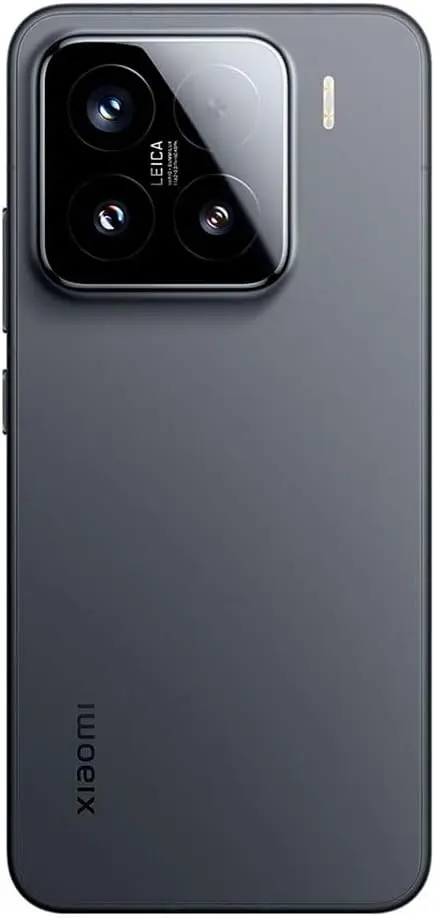
Xiaomi 15 and Xiaomi 15 Ultra
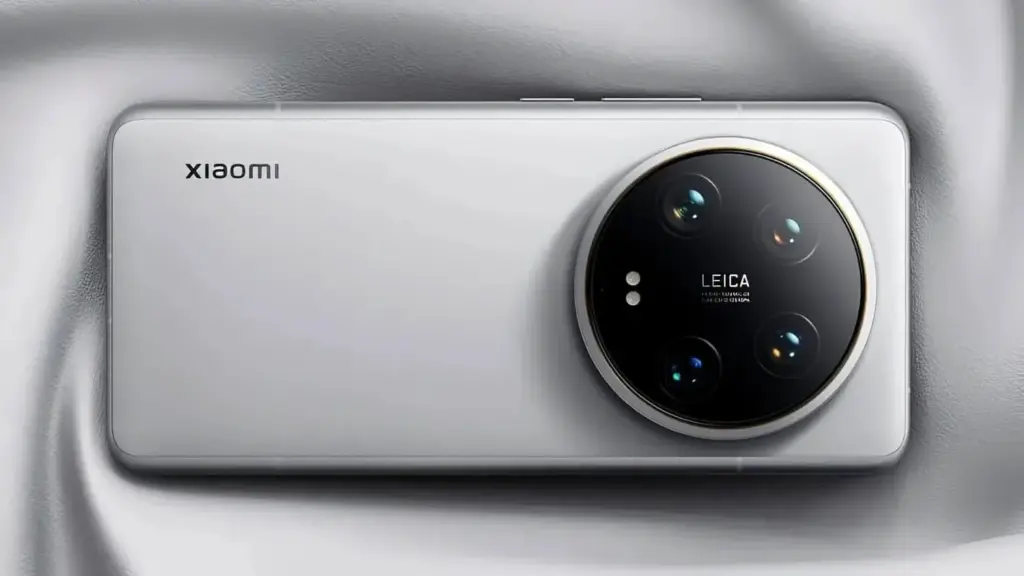
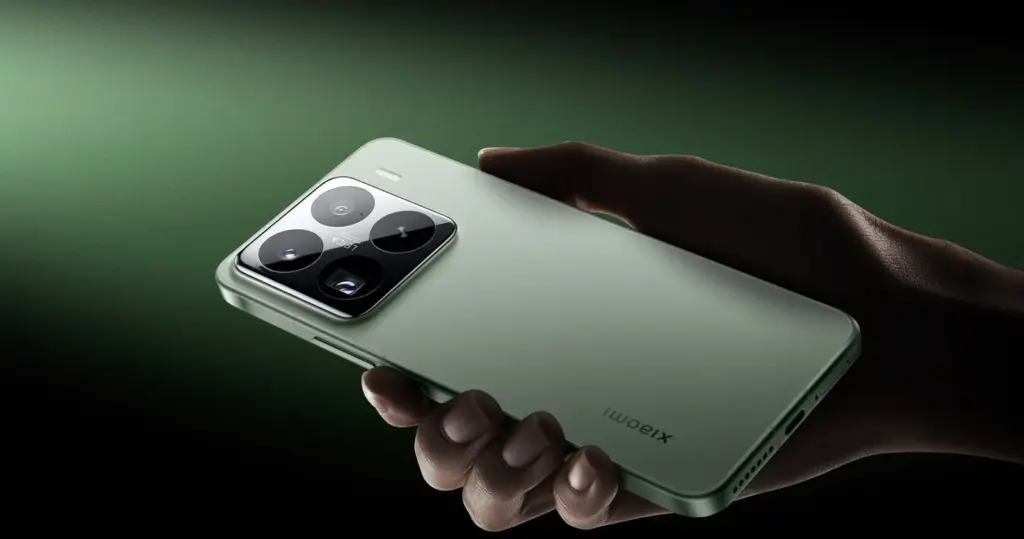
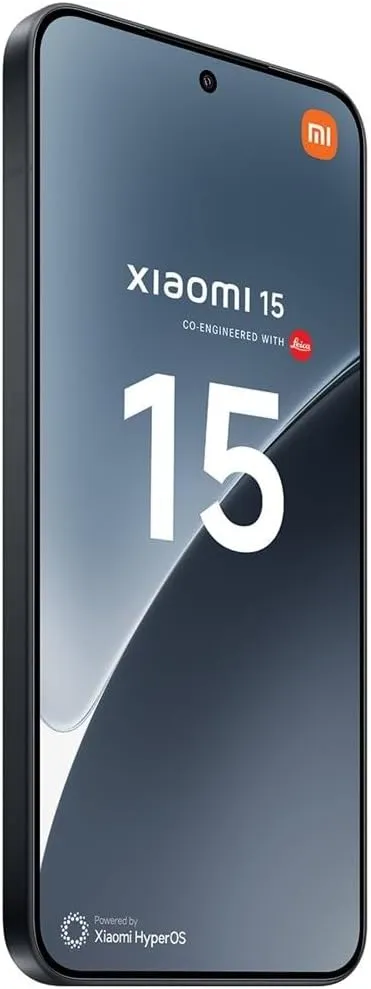
Although more subdued, Xiaomi’s silicon-carbon implementation is just as stunning. The Xiaomi 15‘s body is only 8.08 mm thick, and it houses a 5240mAh battery. With Xiaomi’s Surge P3 and G1 chips controlling heat and power supply, it enables both 50W wireless and 90W cable charging.
But the Xiaomi 15 Ultra is the tipping point. It incorporates a 200MP Leica periscope telephoto, a 1-inch primary sensor, a 5410mAh battery with the same charging configuration, and support for cutting-edge videography features like 10-bit log capture for all four rear cameras.
Xiaomi 15
Dual SIM (nano SIM + nano SIM or nano SIM + eSIM, eSIM + eSIM). 6.36″ 3200 nits ultra-bright displayCrystalRes AMOLEDAlways-active DisplayResolution: 2670 x 1200, 460 ppiRefresh rate: 1-120HzTouch sampling rate: Up to 300Hz*Touch sampling rate may vary according to the content on your display.Color gamut: DCI-P3Color depth: 68 billion colorsPeak brightness: 3200 nits covering 25% display areaDimming: DC dimmingOriginal color ProPro HDRWet touch technologyHDR10, HDR10+, Dolby VisionTÜV Rheinland Low Blue Light (Hardware Solution) CertifiedTÜV Rheinland Flicker Free CertifiedTÜV Rheinland Circadian Friendly Certified
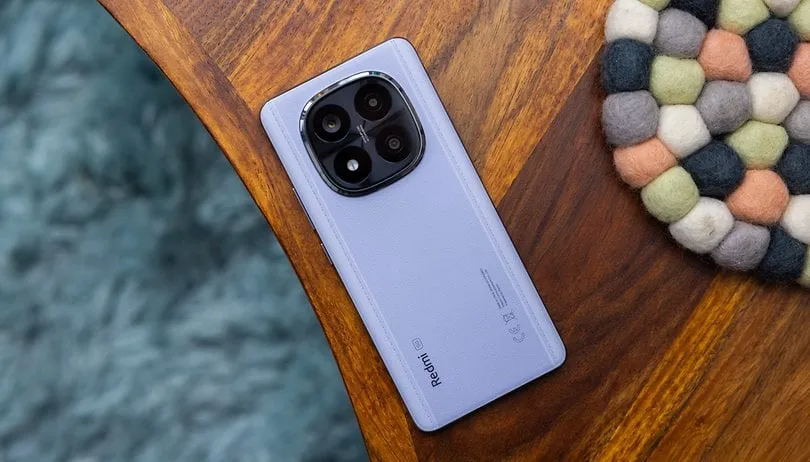
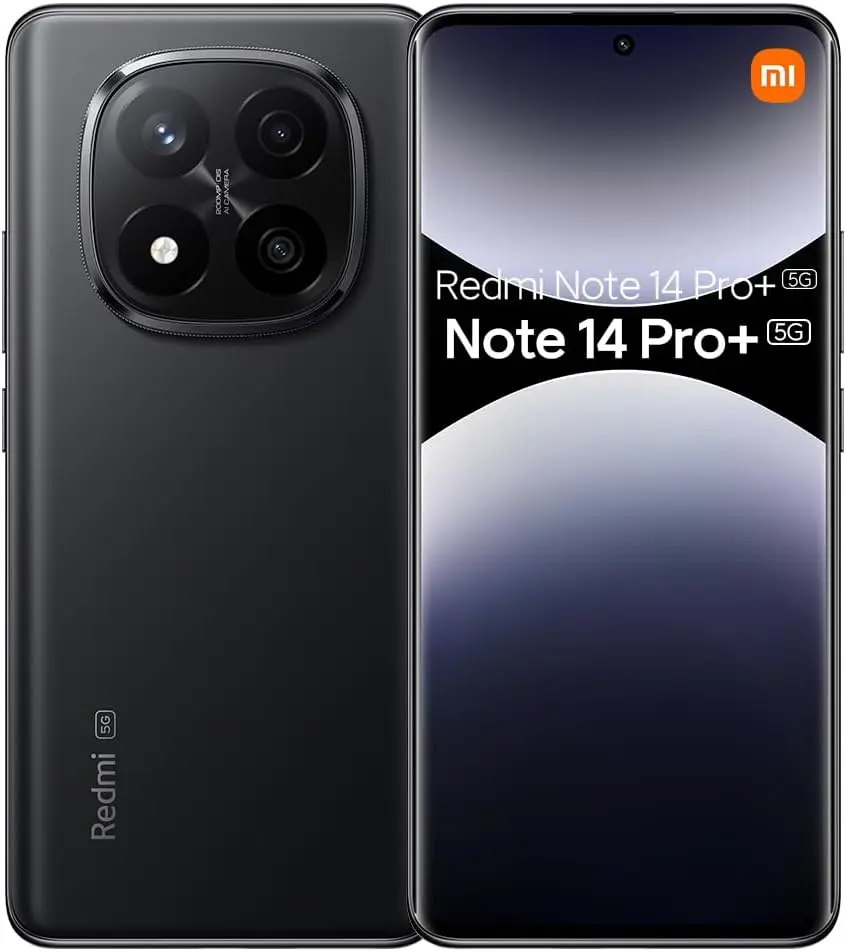
Perhaps the most reasonably priced entry point into the world of silicon-carbon smartphones is the Redmi Note 14 Pro+. Supported by Xiaomi’s Surge P2 and G1 CPUs, it has a 6200mAh battery, one of the biggest in any popular phone this year. Despite its enormous capacity, the phone can be charged in less than 40 minutes using a 90W fast charging method.
It’s not only a matter of endurance. The phone also features a 50MP triple-camera configuration with a 2.5X telephoto lens, a 1.5K OLED display with a maximum brightness of 3000 nits, and a Snapdragon 7s Gen 3 processor. It also has a stylish Victus 2 glass design and complete IP69 protection.
6.67″ CrystalRes AMOLED displayResolution: 2712 x 1220 (1.5K resolution)Refresh rate: Up to 120HzTouch sampling rate: Up to 480HzBrightness: 3000nits peak brightnessColor depth
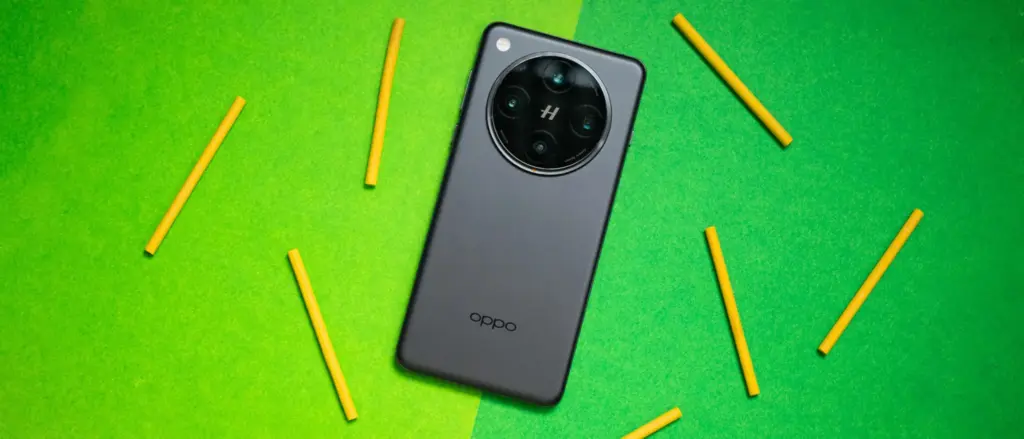
The Find X8 Pro from Oppo is a prime illustration of how flagship-tier features and silicon-carbon batteries can coexist without sacrificing style. 80W wired, 50W wireless, and 10W reverse wireless charging are all supported by the 5910mAh battery. One of the most durable flagships Oppo has ever produced, the endurance advantage is evident.
Its internal components include a strong quad 50MP camera system with dual periscope lenses that provide up to 6x optical zoom, a powerful Dimensity 9400 processor, and compatibility for up to 1TB of UFS 4.0 storage. In addition, the phone has an industry-leading AMOLED panel with a maximum brightness of 4500 nits and IP69 certification.
Silicon–carbon batteries are quickly becoming the next big leap in smartphone power technology, and the OnePlus 13, Honor Magic 7 Pro, Xiaomi 15, and Redmi 14 Pro Plus are just the beginning. With higher energy density, faster charging, and improved longevity compared to traditional lithium-ion cells, these devices showcase how the industry is evolving to meet our growing performance demands. As more manufacturers adopt silicon–carbon solutions, we can expect even slimmer designs, longer battery life, and fewer compromises — signaling an exciting new era for mobile technology.
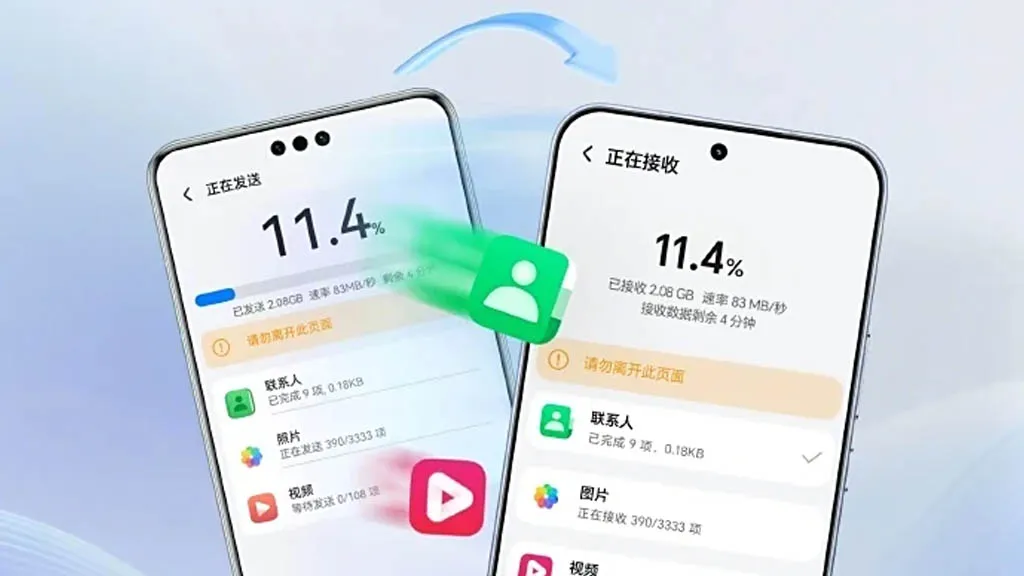
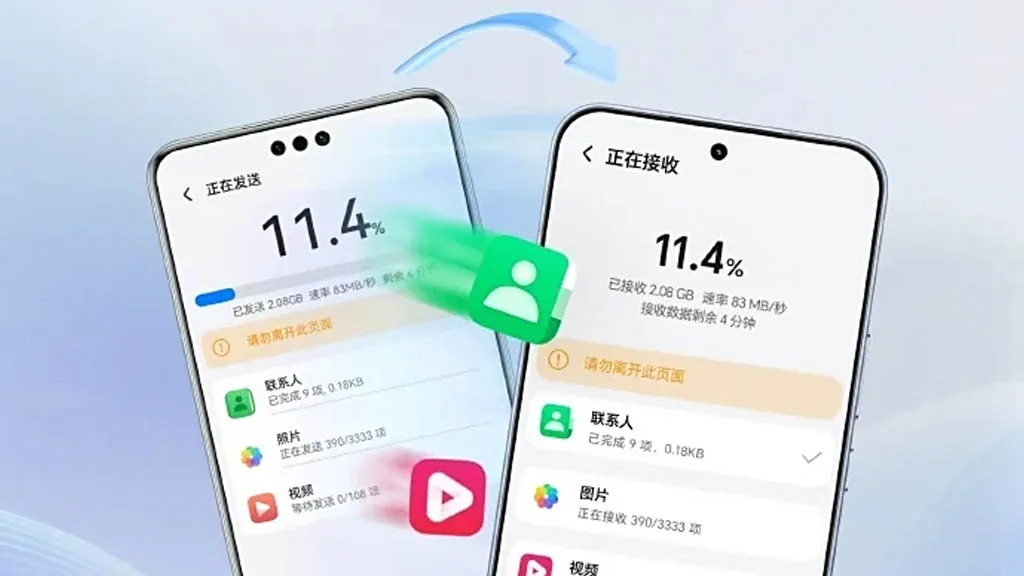
A few months ago, Honor unveiled AI Connect, a technology that allows wireless file sharing between Honor and iOS devices from Apple. The company has now developed a new device cloning capability that is compatible with Huawei’s HarmonyOS Next, iOS, and Android.
To enable device cloning with devices running the three smartphone operating systems listed above, Honor has updated its Device Clone software. Through cloning, users will be able to effortlessly move data between devices without the need for extra gear or attachments.
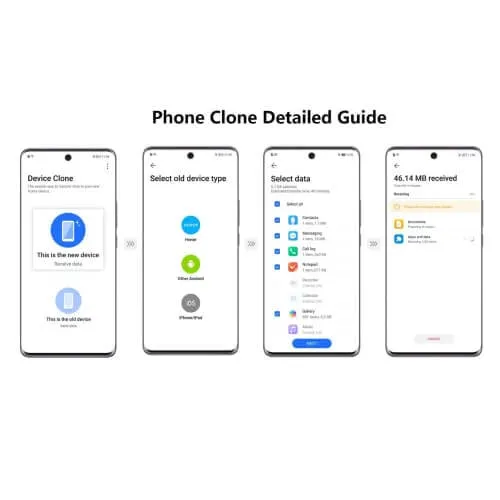
Honor is the first brand to offer HarmonyOS Next data transmission as a result of this advancement. Users of Honor smartphones can download and install the “Device Clone” app from the official app store on both new and old devices in order to clone an old device.
Next, open the Settings menu on the new smartphone and select Device Clone. Select Updates & System > Select Device Clone. Select the “This is a new device” option. Choose the “HarmonyOS” device type.
On the old device, repeat the previous steps, but choose “This is an old device” rather than “This is a new device.” Next, link the two devices by scanning the QR code on the new device with the old one. Next, choose the data that needs to be moved to the new device and click “Next.”
The Magic 8 Pro, Honor’s next flagship device, has leaked, and it appears that the company is stepping up its camera and battery life.
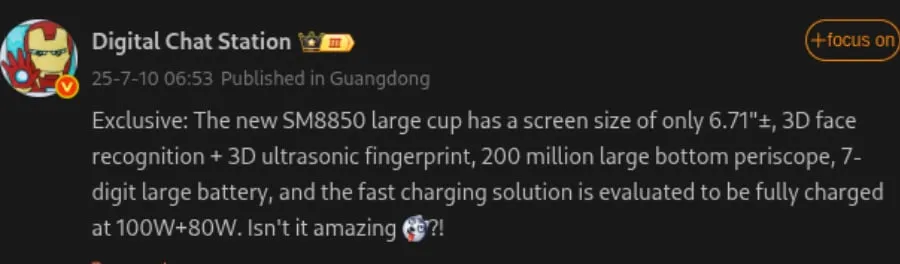
The information was provided by popular tipster Digital Chat Station, who listed several important hardware characteristics, such as a new chipset, enhanced sensors, and a huge battery.
The Magic 8 Pro may have a larger battery than anticipated.
The source claims that the Magic 8 Pro would have a 6.71-inch flat screen, which is somewhat smaller than the 6.8-inch curved LTPO OLED panel found in the Magic 7 Pro. Resolution and brightness are still unknown, but if Honor continues the pattern from the previous year, we may anticipate a high refresh rate and PWM dimming to lessen eye strain.
According to rumors, Qualcomm’s forthcoming Snapdragon 8 Elite 2 will power the phone. According to reports, the new chip can achieve up to 11,000 points in multi-core runs and more than 4,000 points in single-core testing.
The Magic 8 Pro’s camera may continue to use the 200MP telephoto lens from its predecessor. However, the tipster claims that the telephoto and main cameras have been “substantially enhanced,” suggesting that a new sensor or image processing stack may be in use.
Additionally, the source indicates that the phone will have a 7,000mAh battery. A 5,850mAh cell was a feature of its predecessor. Details regarding wireless charging were not provided, however fast charging might remain in the same ballpark with 80W or 100W wired support.
Finally, it has been stated that the Magic 8 Pro will still have 3D face recognition in addition to the ultrasonic fingerprint scanner.
Satellite connectivity, materials, and display certifications have not yet been mentioned. However, if Honor sticks to the same design direction, the gadget might have a premium glass construction and a comparable IP68/IP69 rating.
Stay connected with the latest from Droid Tools—follow us on X @droid_tools, like our page on Facebook, check out our updates on Instagram, and follow us on Google News for real-time news, device tips, and mobile tech insights.
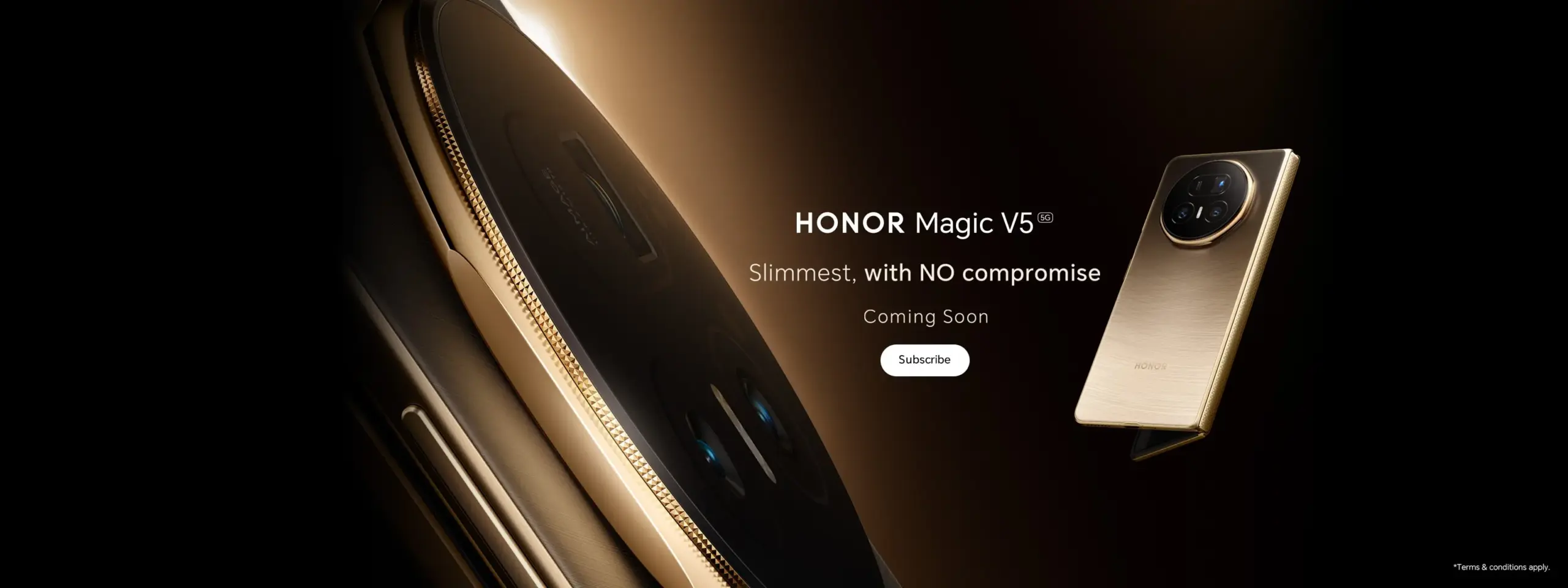
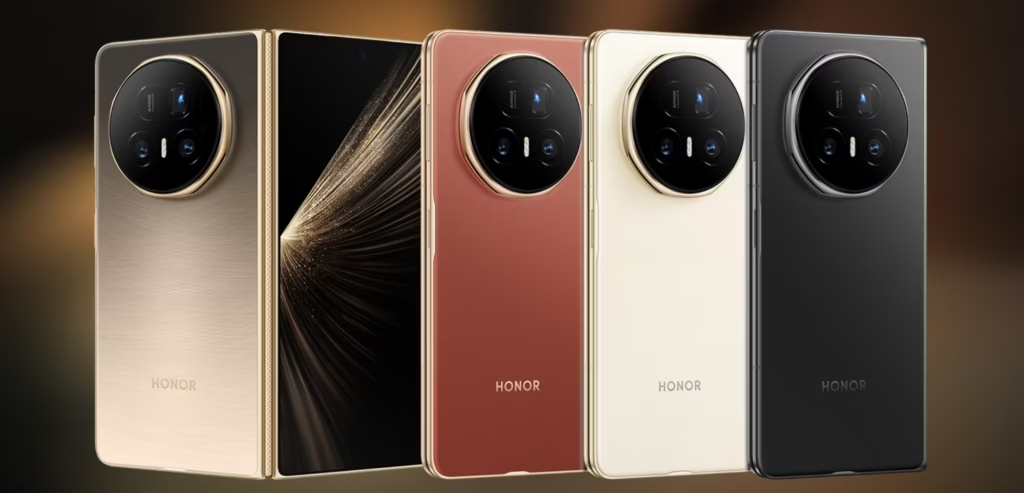
Honor has now officially unveiled the Honor Magic V5, a foldable phone that, at least on paper, makes headlines as the thinnest of its kind. When the increased camera hump and material variations among its color options are taken into account, the company’s claim that it is the thinnest foldable in the world is a touch stretching the truth.
Honor Magic V5 specs:
When folded, the Honor Magic V5 measures 8.8mm (as opposed to 8.9 on the Oppo Find N5), giving it a 0.1mm edge over its competitor. However, due to its unique fiber finish, the white version alone meets this criterion. Measuring roughly 9mm, the other color is made of substitute materials like vegan leather. Still elegant, but by no means a record-breaking all-rounder.
In terms of features, the Magic V5 is excellent. This boasts a huge 5,820mAh battery, up to 16GB of RAM, and the Qualcomm Snapdragon 8 Elite CPU. Both displays have IP58 and IP59 resistance and are 120Hz LTPO OLED screens. It is a good all-around package because it also supports wireless charging.
Camera
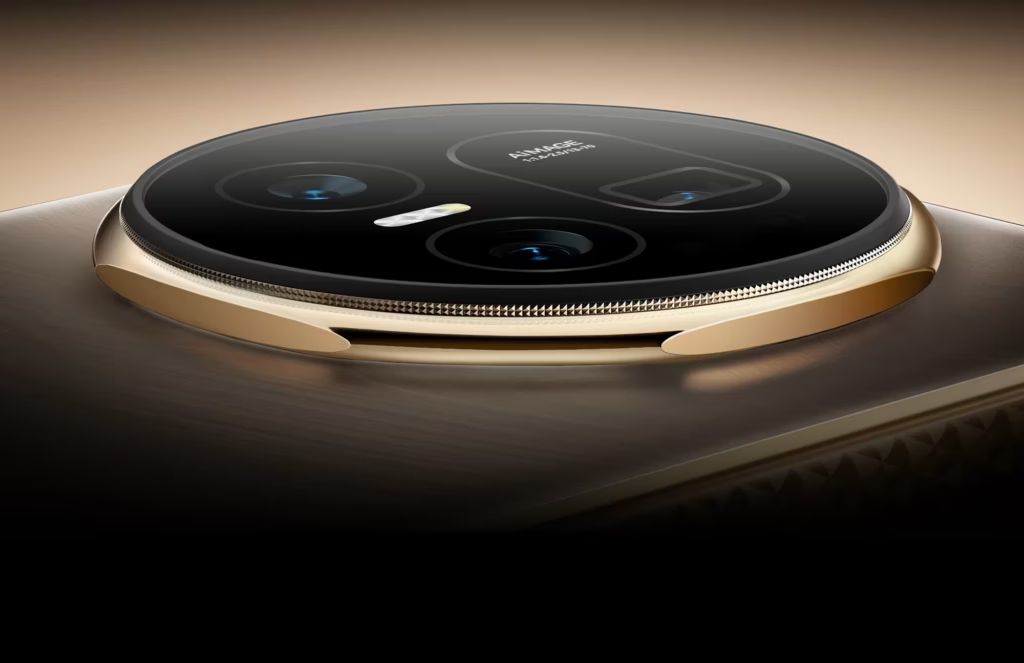
But thickness is more than just a numerical value. Despite having a thin overall design, the V5 feels chunkier due to the back camera module protruding significantly more than the Oppo one. Honor responds to it with a well-designed camera that has higher megapixels and a slower shutter speed, which is a compromise that many consumers will find acceptable.
With an opening thickness of only 4.1 mm, the Magic V5 narrowly outperforms its rival’s 4.2 mm frame. The Huawei trifold Mate XT, on the other hand, continues to hold the record for the thinnest open design, measuring only 3.6mm, but it does so by giving up the USB-C connection in one of the hinge locations.
Even though Magic V5 may be nearing the end of its design possibilities, it shows that Honor is still pushing the envelope, although slightly.
Stay connected with the latest from Droid Tools—follow us on X @droid_tools, like our page on Facebook, check out our updates on Instagram, and follow us on Google News for real-time news, device tips, and mobile tech insights.
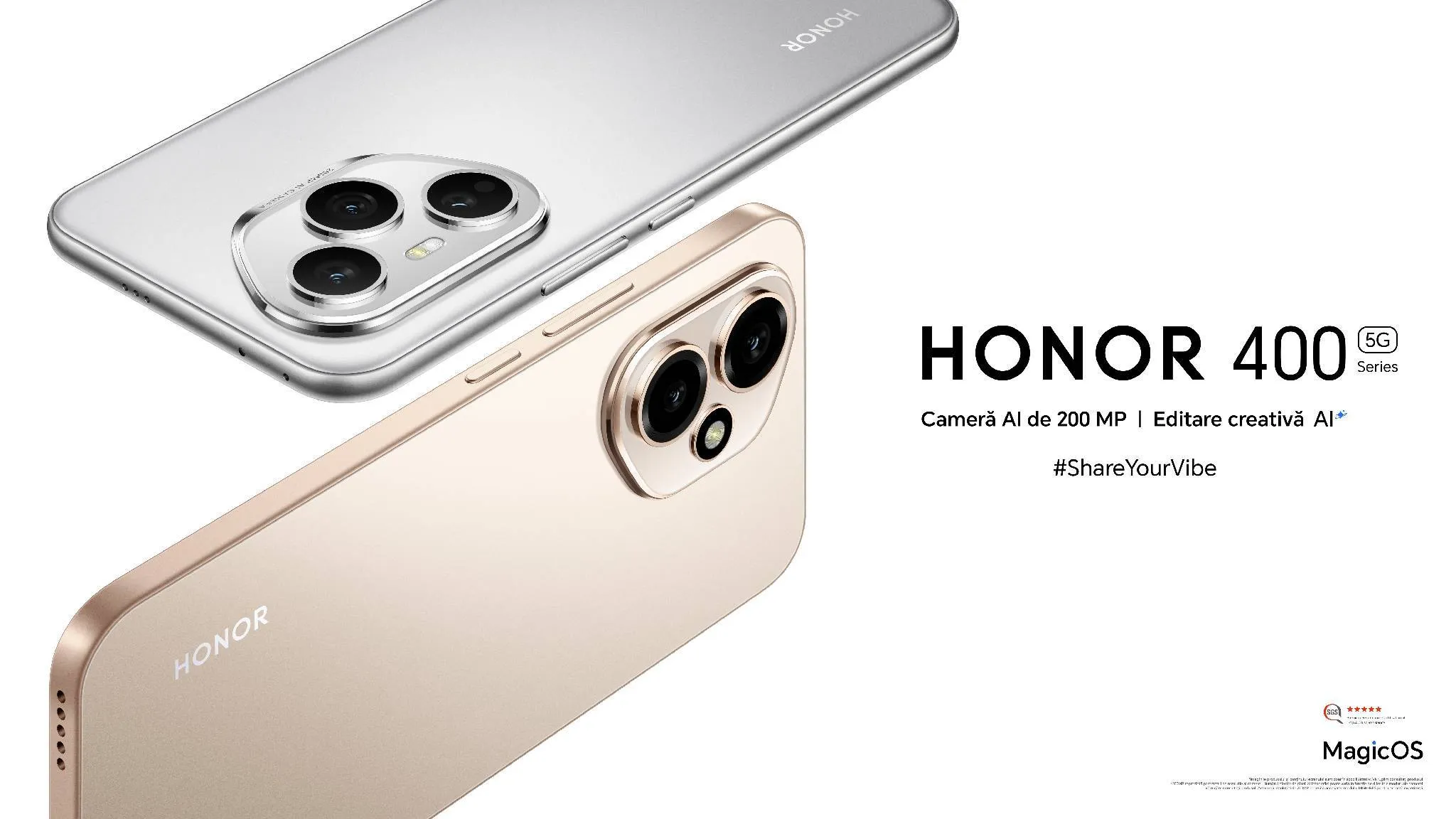
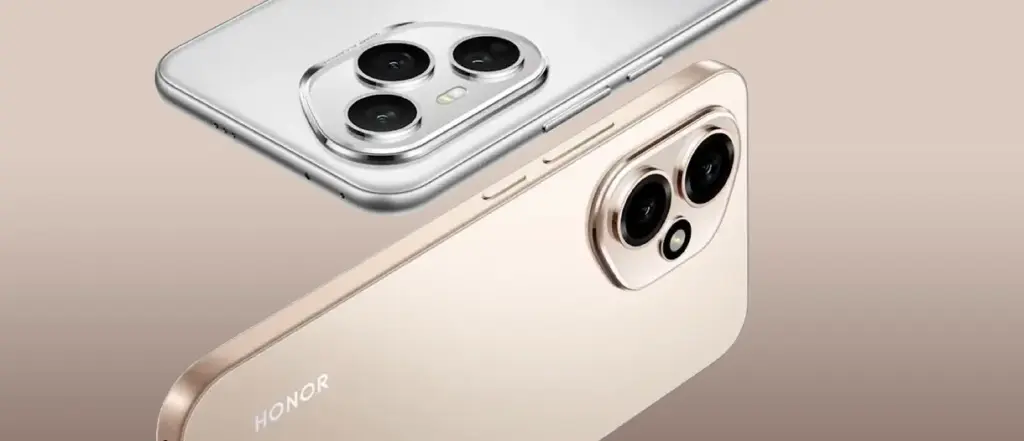
On May 22, the Honor 400 and Honor 400 Pro models were introduced to the European market as part of the Honor 400 series. Honor has revealed that both smartphones would come with six years of Android updates prior to their much-anticipated release. The series will have artificial intelligence (AI) capabilities driven by the Veo 2 video generation model, allowing users to convert photos into brief videos as part of the company’s long-standing partnership with Google.
Honor 400 Series Gets Extended Update Support
Honor claims that six years of Android OS updates will be included with its next smartphones, the Honor 400 and the Honor 400 Pro. The business highlights that its Honor Alpha Plan, a three-step strategy to establish an open artificial intelligence (AI) ecosystem, includes its long-standing partnership with Google and other industry partners.
Using Google’s Veo 2 video generating paradigm, it has also been proven that the Honor series supports AI picture to video generation on Vertex. Along with live photos, users will be able to turn static images, including artwork and old photos, into brief videos that last five to seven seconds. This feature, however, is anticipated to be introduced through an over-the-air (OTA) update and won’t be available right out of the box.
The China-based OEM claims to have been offering the Android 16 Beta program on the Honor Magic 7 Pro since May 7, with Google I/O 2025 being in the rearview mirror. To test out the new capabilities and migrate their apps to the future OS, developers can update their smartphones to Android 16 Beta 3.
Honor 400 Series specs
It has been revealed that the Snapdragon 7 Gen 3 chipset powers the vanilla Honor 400. It will include two cameras on the back: a 12-megapixel ultra-wide lens and a 200-megapixel primary camera. It also has an IP66-rated construction and a 50-megapixel selfie camera.
In the meantime, the Snapdragon 8 Gen 3 SoC will power the Honor 400 Pro. A 200-megapixel primary camera, a 50-megapixel telephoto lens, and a 12-megapixel ultra-wide sensor make up its confirmed triple back camera set. For video chats and selfies, the phone will have a 50-megapixel front-facing camera. It will be shipped with an IP68 + IP69 rating to prevent water and dust intrusion.
We can never have enough battery life. The older generation still longs for the days when a single charge was sufficient to power your feature phone through a hectic week, even if the majority of smartphones from the last few years will easily last you a day or perhaps even two.
Many of the top flagship smartphones of today come with innovative silicon-carbon batteries thanks to the efforts of battery engineers. Because of this, they may promise even greater battery capacities without having a larger or thicker chassis. What a huge victory.
For instance, the OnePlus 13 has a 6,000mAh silicon-carbon battery, which is more than the 5,400mAh cell from the previous year. In China, the Xiaomi 15 Ultra has a massive 6,000mAh battery capacity, up from 5,400mAh the year before (and a still respectable 5,400mAh for worldwide markets, up from 5,000mAh). The smaller variants also enjoy comparable improvements. The vivo X200 series, OPPO Find X8, and Honor Magic 7 Pro are all brand-new flagship devices with silicon power cells. The technology has here in full force already.
Unfortunately, silicon-carbon battery technology has not yet been included into the newest devices from Apple, Google, or Samsung. Maybe by 2026, we will see these brands go on board. However, is it better to remain with the more recognizable Lithium-ion models or to jump right in and purchase a phone with a silicon carbon battery?
The difference between silicon-carbon and Li-ion batteries
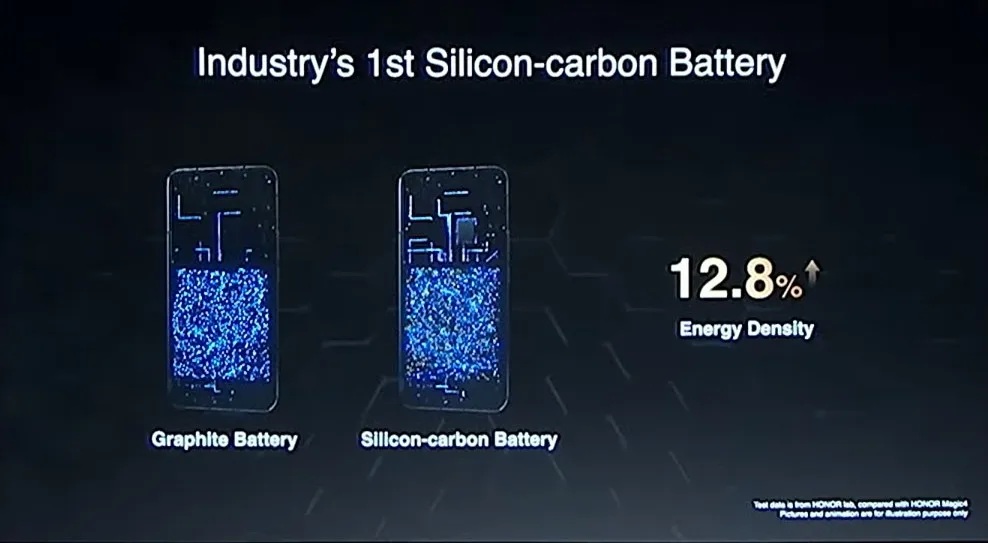
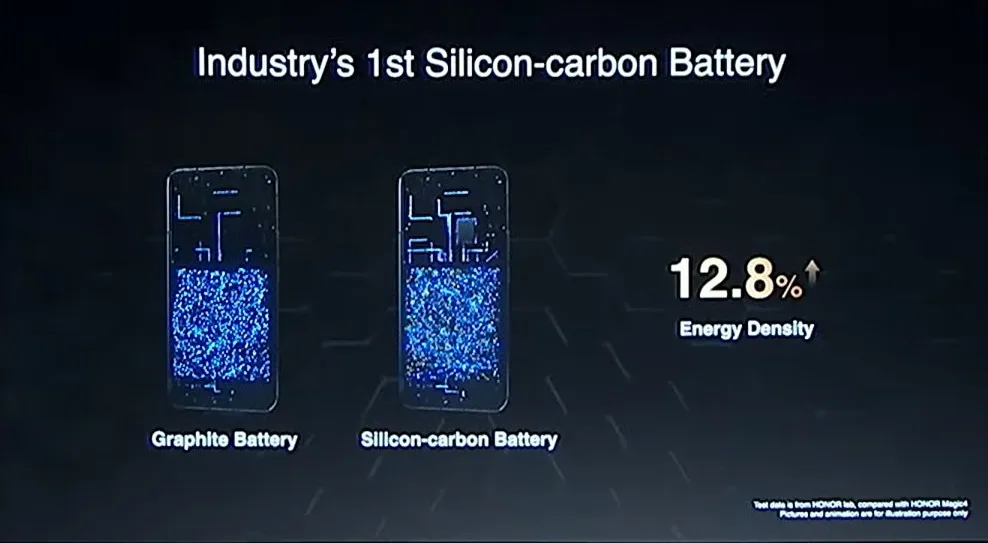
Rather of being a completely novel idea, today’s silicon-carbon (Si/C) Li-Ion batteries are essentially an advancement of conventional lithium-ion technology. By adding silicon, which has a substantially higher energy storage capacity than graphite (372 mAh/g compared to about 4200 mAh/g for pure silicon), they alter the traditional graphite anode. Because of this, silicon has long been a promising material for increasing battery capacity.
Pure silicon anodes, however, face many difficulties. Extreme expansion is the most troublesome; when fully charged, the structure can inflate by up to 300%. The battery experiences extreme mechanical stress as a result, shortening its lifespan and leading to structural breakdown.
Over time, lithium loss and decreased capacity result from silicon’s strong reaction with the electrolyte, which breaks and reforms the Solid Electrolyte Interphase (SEI) layer with each cycle. The aggressive expansion exacerbates this. Another drawback for battery longevity is that silicon has lesser electrical conductivity than graphite, which can reduce charge and discharge rates and increase losses from internal resistance. This can lead to increased heat.
To address these problems, a silicon-carbon (Si/C) composite is utilized rather than pure silicon. The SEI layer is stabilized and its expansion is lessened by the structural support that carbon offers. Depending on its silicon concentration, a well-designed Si/C battery may restrict swelling to just 10–20% during charge cycles, whereas conventional graphite anodes only increase by about 10%. Additionally, carbon increases electrical conductivity, which guarantees better lithium-ion flow and higher efficiency.
The trade-off is that Si/C anodes are unable to fully realize the 10x capacity improvement of pure silicon. Rather, depending on the silicon percentage, they provide a very modest energy density increase of 10–20%. Si/C batteries are an engineering problem since higher Si content enhances capacity but also causes swelling and complicates manufacture. There are restrictions and trade-offs associated with Si/C batteries, but there is no such thing as a free lunch.
The pros and cons for silicon carbon batteries
Any increase in smartphone battery capacity is obviously beneficial, and Si/C batteries are a godsend for power users who want devices that can endure much longer than a single day of intensive usage. It should come as no surprise that so many of the most potent flagship phones available this year have the technology.
After more than a month of everyday use, I can vouch for the OPPO Find X8 Pro’s 5,910mAh Si/C Li-ion battery’s exceptional longevity. I frequently get two days of moderate use out of a single charge, have enough of fuel left over after a day of chasing the kids, and in lighter weeks, I have occasionally gone well into 48 hours without needing a charger.
On the other hand, Si/C is advantageous for thinner gadgets, such lightweight and foldable phones. Thin or small smartphones could surely benefit from this new battery type to maintain decent capacities in more constrained form factors, even though the Galaxy S25 Edge might not be Samsung’s first Si/C smartphone.
The technology has already been used to fit a sizable 5,700mAh battery into a 5.2mm folding design in the Vivo X Fold 3 Pro. Despite being 5.6 mm thick, Samsung’s Z Fold 6 only contains a standard 4,400mA battery. This trend toward higher capacities has also been embraced by the latest Chinese clamshell phones.
Whether silicon-carbon batteries will outlast their more conventional lithium equivalents is the main question that remains. It is evident from the foregoing trade-offs that Si/C will not outlast the most robust graphite-based Li-ion cells now available on the market. Lower silicon concentration can nonetheless provide batteries with a marginally larger capacity that have a comparable lifespan to conventional Li-ion cells. With only a slight but welcome increase in capacity to control the silicon content, this appears to be what we are seeing in today’s most advanced smartphones.
Because Si/C batteries are pushing the limits of energy density and charge rates, smartphone manufacturers may also be becoming more cautious when it comes to fast-charging temperatures in an effort to prolong battery lifespans. In other words, manufacturers are merely attempting to make sure their phones can withstand the promised updates for the next five or more years. But because of its increased capacity, stronger diffusivity of lithium, and decreased chance of plating the anode, Si/C is actually a godsend for faster charging. Additionally, bigger capacities make it easier to follow the 80% charge guideline without worrying about running out of juice in the middle of the day. If you want to keep your phone for many years to come, silicon need not be a negative thing.
Why a silicon-carbon battery device is a good choice?
The newest smartphones will undoubtedly benefit from Si/C Li-ion batteries, which will also likely extend the battery life of your wearables, tablets, laptops, and even electric cars. The most cutting-edge phones of today already heavily rely on silicon cells, which allow for even greater capacities or slimmer form factors without sacrificing battery life.
But at the moment, you will need to look around at Chinese companies to find one, like the OnePlus 13, which is very amazing. Apple, Google, and Samsung, three US giants, have not yet embraced this new battery technology. We may have to wait until their 2026 flagships or even later before they join the celebration, as they might not even get around to it this year.
However, if you intend to retain your smartphone for more than five years, it might be wise to wait and see how the longevity issue develops. Any long-term purchase will eventually require battery replacements, but Si/C Li-ion cells may require more frequent replacements, particularly when fast charging is used. This can turn out to be an unwanted extra expense for early adopters because they are more costly to make. We will need to wait and find out.
Google shocked the Android smartphone community with the announcement that its new flagships, the Pixel 8 series, will receive an astounding seven years of Android updates. Samsung swiftly adopted this strategy for its premium Galaxy smartphones. Few brands have entered the “seven-year club,” though a few have extended their update commitments since then.
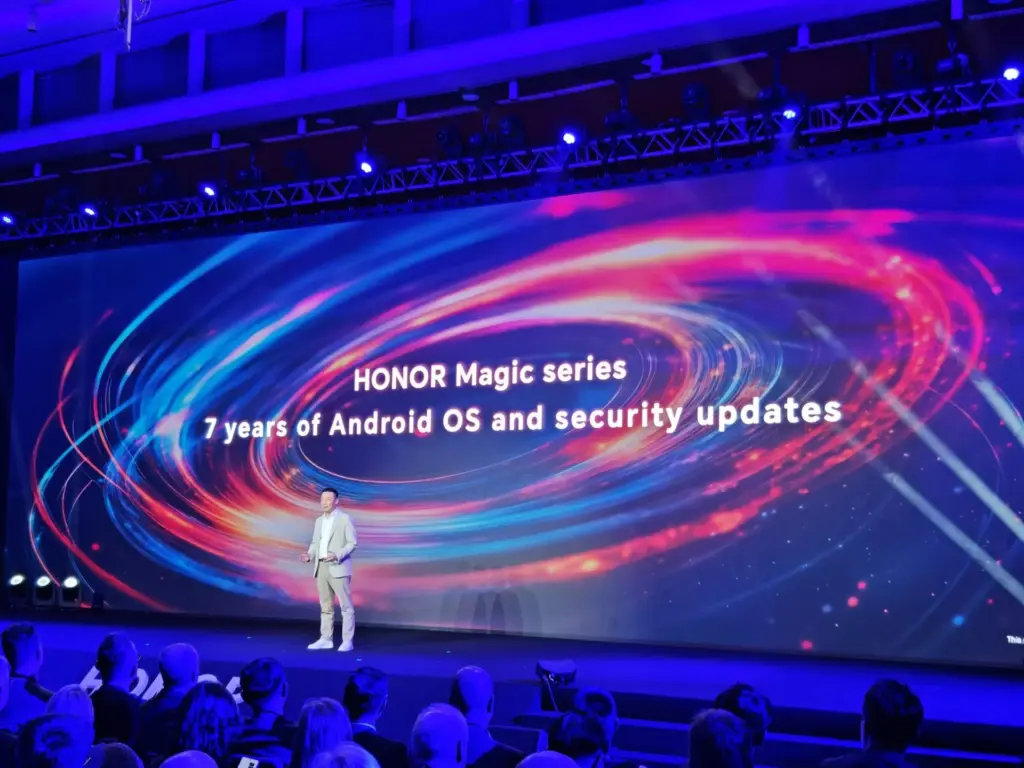
Honor is the newest member of that exclusive group. During its ill-named HONOR ALPHA Plan keynote address at Mobile World Congress 2025 today, the company said that it will provide seven years of Android updates and security fixes for its top Magic series handsets.
Honor updates are welcome
Magic lineup are typically HONOR’s best Android gadgets, including as tablets, folding phones, and slate-style phones. The first gadget to receive this policy will be the Honor Magic 7 Pro. This is a welcome change from company’s previous assurance that the Magic 7 Pro would receive OS updates for four years and security updates for five.
It is unclear, though, if this rule will apply to any other older devices in the past. It is also unknown which handsets in the future will have this, however the Magic V4, a foldable tablet, is probably going to be one. We will hopefully find out more details about this in the upcoming weeks and months. The Magic 7 Pro and other flagship devices will soon receive a far more comprehensive update commitment, which should delight HONOR enthusiasts for the time being.
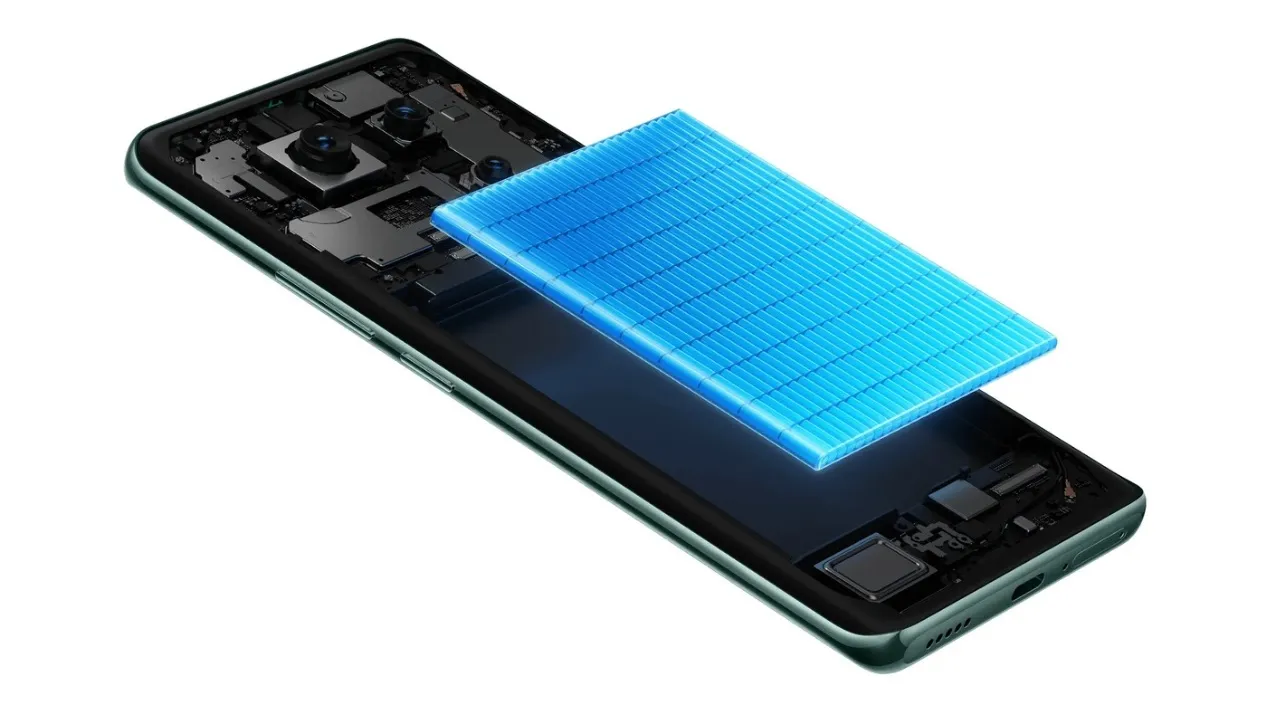
Silicon-carbon battery technology, which offers greater energy density, quicker charging times, and enhanced durability, is being quickly adopted by the smartphone industry. Silicon-carbon batteries, as opposed to conventional lithium-ion batteries, enable bigger capacities in smaller designs, guaranteeing longer battery life without adding bulk or weight to the phone.
This cutting-edge battery technology, which was introduced in a number of premium smartphones in late 2024 and early 2025, significantly improves charge cycles, heat management, and power efficiency. The top ten most recent smartphones using silicon-carbon batteries are examined in detail, along with the features that set them apart.
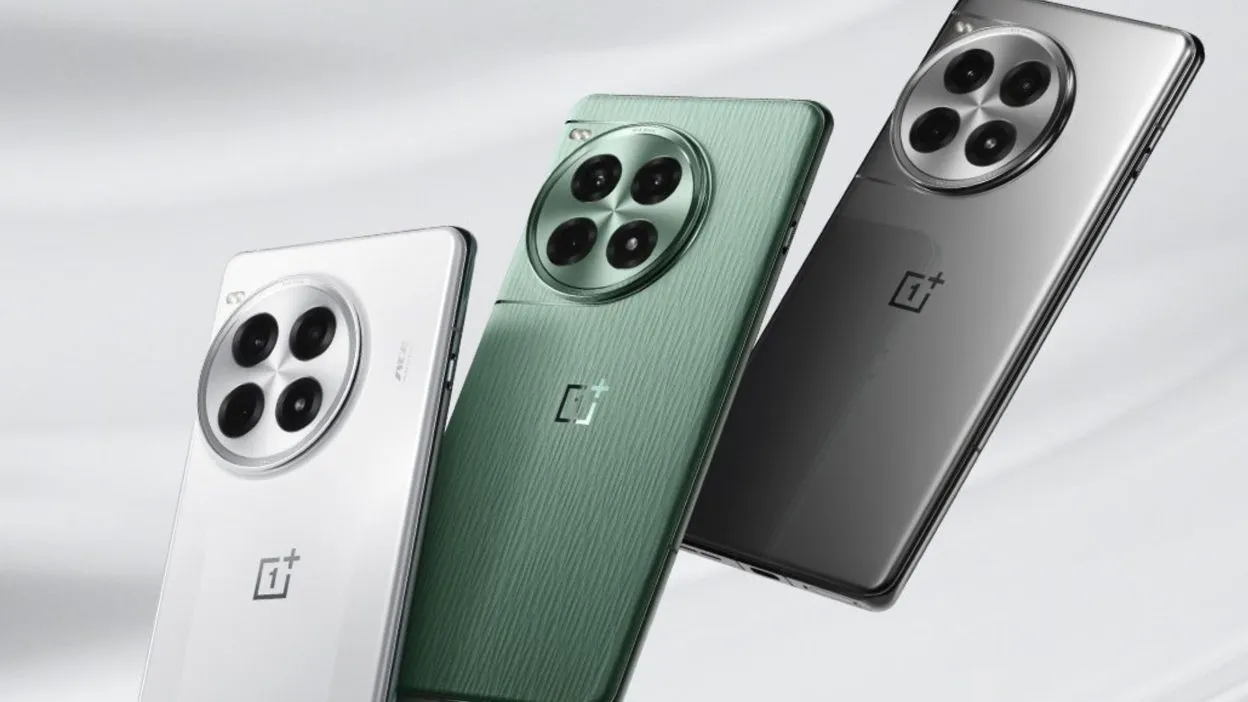
OnePlus 13
The OnePlus 13 boasts a 6000mAh dual-cell silicon-carbon battery with the highest dual-cell design energy density at 805Wh/L. This gives the phone more endurance while maintaining a small form factor. It supports 50W wireless flash charging, magnetic charging, and 100W SuperVOOC wired charging, which charges the phone from 0% to 100% in just 36 minutes.
In addition to the battery, the OnePlus 13 has a 6.82-inch BOE X2 2K+ AMOLED screen with DisplayMate A++ certification and a maximum brightness of 4500 nits. The Snapdragon 8 Elite SoC, up to 24GB LPDDR5X RAM, and 1TB UFS 4.0 storage power it. The phone still has a 50MP Sony LYT-808 primary camera, a 50MP ultra-wide camera, and a 50MP 3X periscope telephoto lens. Additionally rated IP68 and IP69, it has a high level of water and dust resistance.
OnePlus 13
OnePlus 13 has a 6.82-inch BOE X2 2K+ AMOLED screen with DisplayMate A++ certification
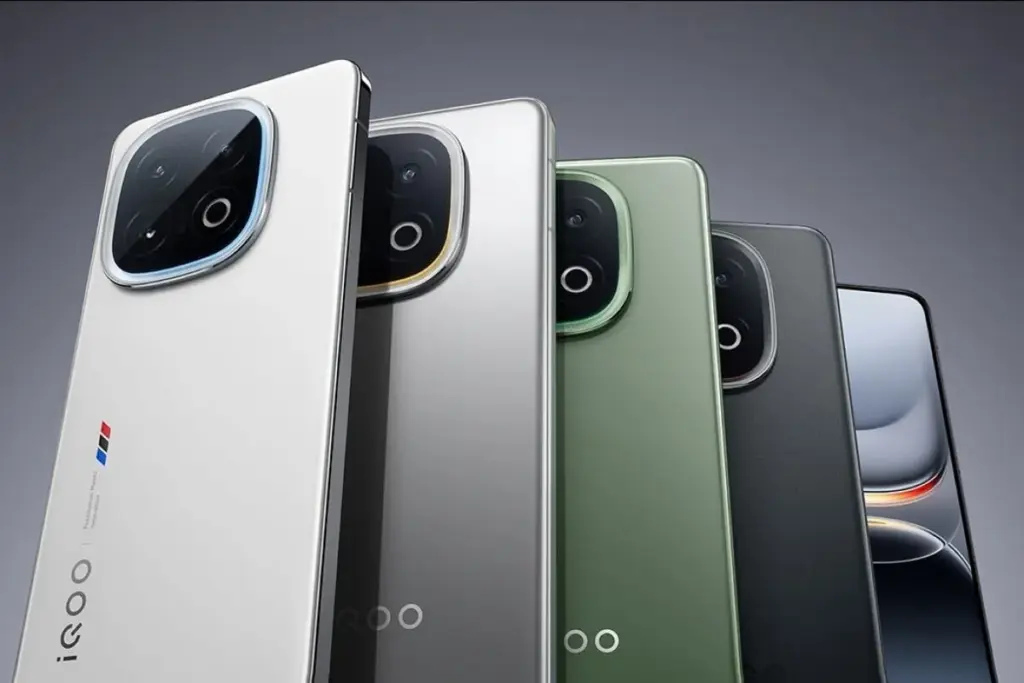
The third-generation silicon-carbon 6150mAh battery that powers the iQOO 13 can be charged with 120W wired fast charging in as little as 30 minutes. Its 44W UFCS and 100W PPS charging ensure a flexible and effective power management system, even though wireless charging is not an option. Additionally, a 360° surround antenna system is integrated within the phone to maximize network performance for mobile gaming.
The gadget has a 6.82-inch BOE Q10 2K+ AMOLED screen with a refresh rate of 144 Hz and a maximum brightness of 4500 nits. It has a Snapdragon 8 Elite SoC, 1TB UFS 4.0 storage, and up to 16GB LPDDR5X RAM. It features a 50MP Sony IMX921 primary sensor, a 50MP ultra-wide camera, and a 50MP 2x telephoto lens on the front of the camera.
Vivo X200 & X200 Pro
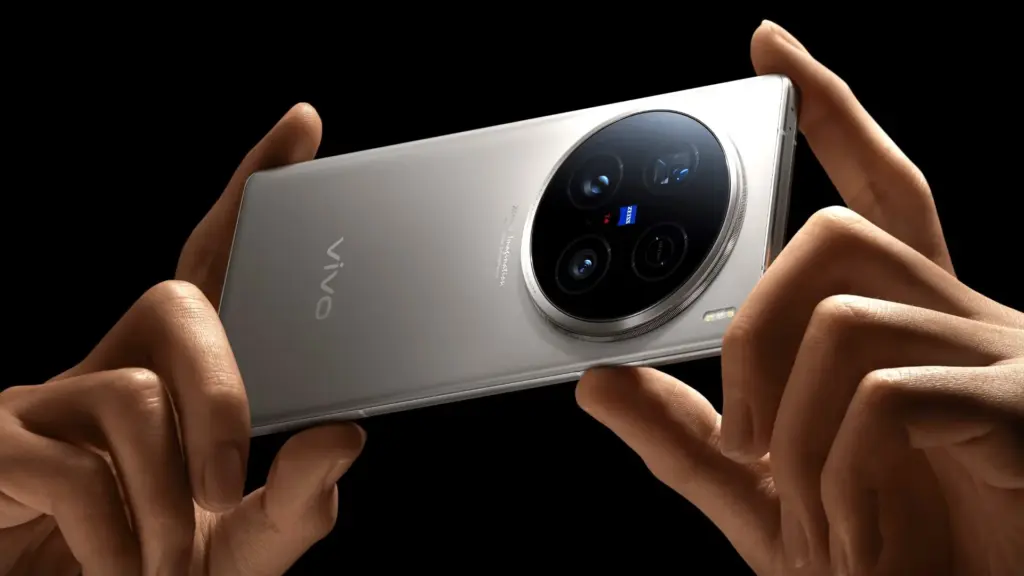
The Vivo X200 Pro has a 6000mAh battery that supports both 30W wireless and 90W wired charging, while the Vivo X200 has a 5800mAh silicon-carbon battery with 90W wired fast charging.
MediaTek’s Dimensity 9400 SoC powers both phones, which have up to 1TB of UFS 4.0 storage and up to 16GB LPDDR5X RAM. A 200MP Samsung HP9 periscope telephoto camera with Zeiss APO certification that offers 3.7x optical zoom and OIS is also included with the X200 Pro. The series is extremely durable due to its IP69+IP68 dust and water resistant ratings.
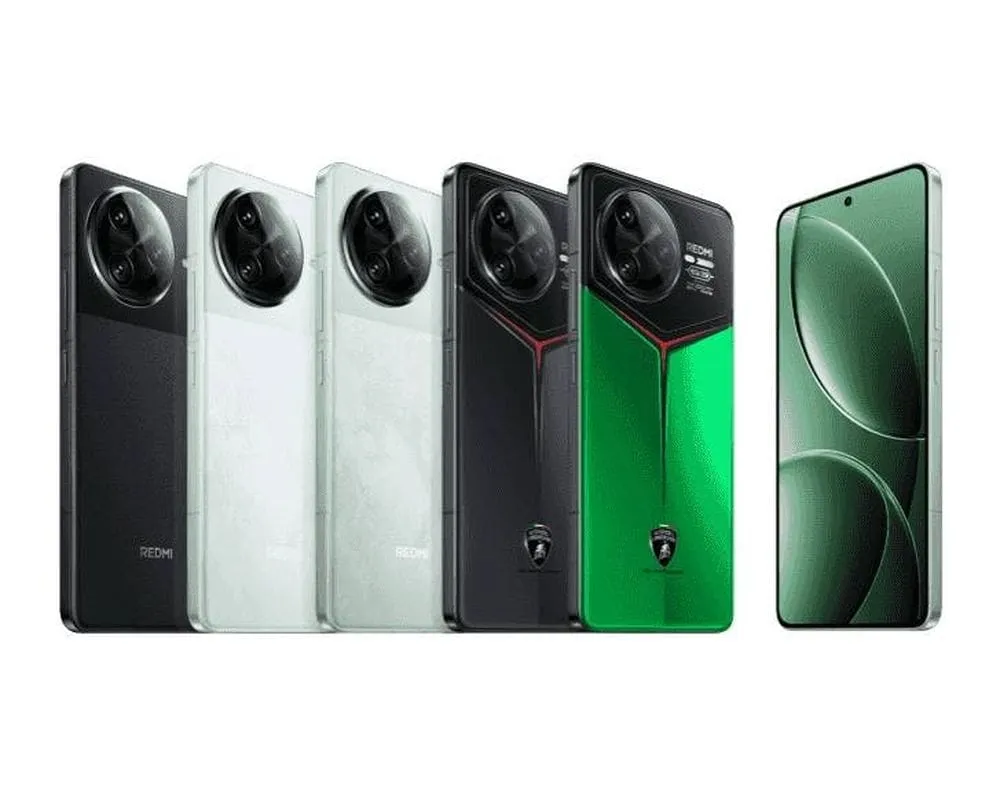
Redmi K80 & K80 Pro
While the basic Redmi K80 has a 6550mAh battery with 90W fast charging but no wireless support, the Redmi K80 Pro has a 6000mAh silicon-carbon battery that supports 120W fast charging and 50W wireless charging. According to Xiaomi, the new silicon-carbon compound lowers heat generation during high-performance jobs and lengthens battery life.
The Snapdragon 8 Elite SoC powers the K80 Pro, while the Snapdragon 8 Gen 3 powers the K80. Both devices come with up to 16GB LPDDR5X RAM and 1TB UFS 4.0 storage. While the ordinary K80 replaces the telephoto lens with an 8MP ultra-wide camera, the Pro edition has a 50MP Light Fusion 800 primary sensor with OIS, a 50MP 2.5x telephoto camera, and a 32MP ultra-wide camera. Both phones are rated for water and dust resistance with IP68 and IP69.
Xiaomi 15 & 15 Pro
In contrast to the Xiaomi 15 Pro, which has a 6100mAh capacity and supports 90W wired and 50W wireless charging, the Xiaomi 15 is powered by a 5400mAh silicon-carbon battery. An ultra-high energy density of 850Wh/L is another feature of the Pro model’s battery that guarantees a longer lifespan and greater efficiency.
The Snapdragon 8 Elite SoC, up to 16GB LPDDR5X RAM, and up to 1TB UFS 4.0 storage are features of both devices. The Xiaomi 15 Pro has a 5X periscope telephoto lens, while the Xiaomi 15 has a 50MP Light Fusion 900 primary sensor, a 50MP ultra-wide lens, and a 50MP 2.6X telephoto camera. Both variants have IP68 water resistance and ultrasonic fingerprint scanners.
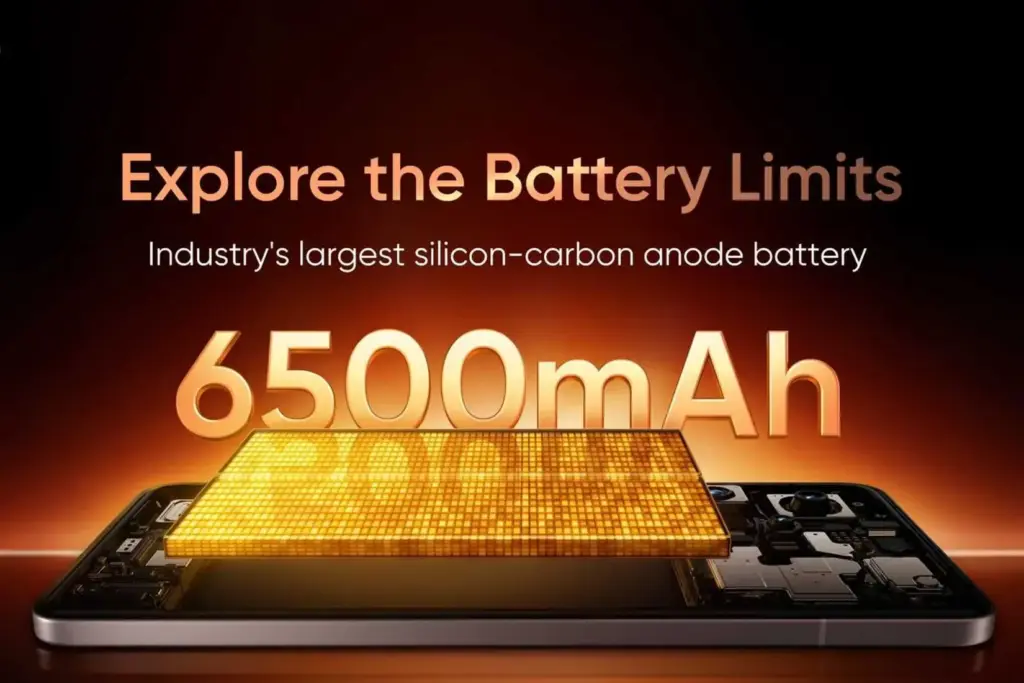
With its 6500mAh silicon-carbon battery and 120W rapid charging, the Realme GT 7 Pro can reach 50% charge in just 14 minutes. With the maximum 10% silicon content in the industry, it can prolong battery life for up to four years. It only has a 5800mAh battery in India, though.
The smartphone has a 6.78-inch 1.5K OLED display with a maximum brightness of 6000 nits and is powered by the Snapdragon 8 Elite SoC. It has a 50MP 3x periscope telephoto camera, an 8MP ultra-wide lens, and a 50MP primary camera.
Redmi Note 14 Pro+
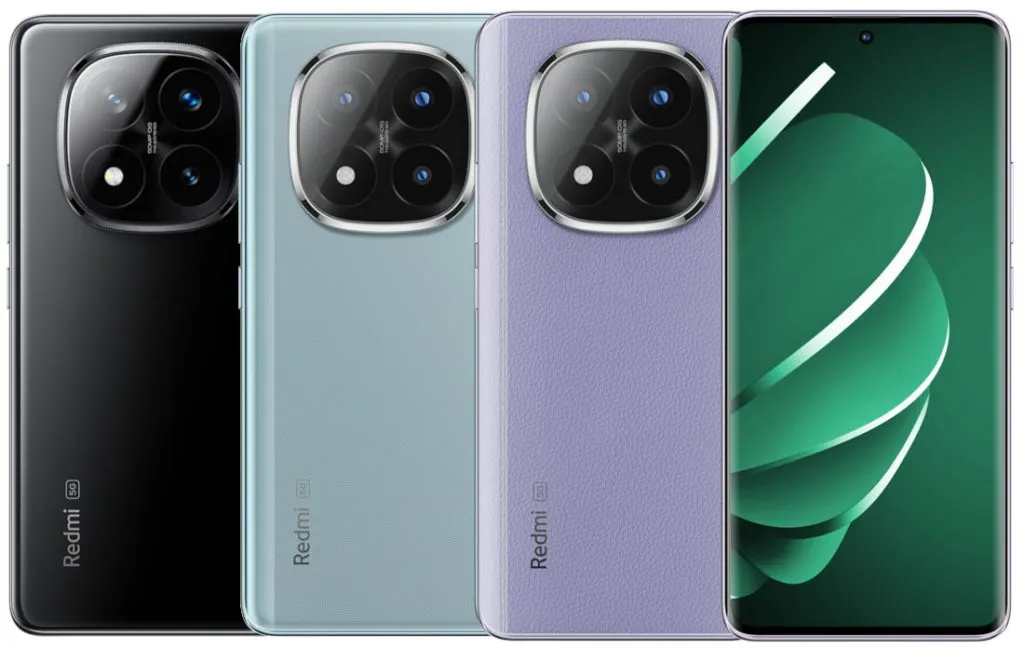
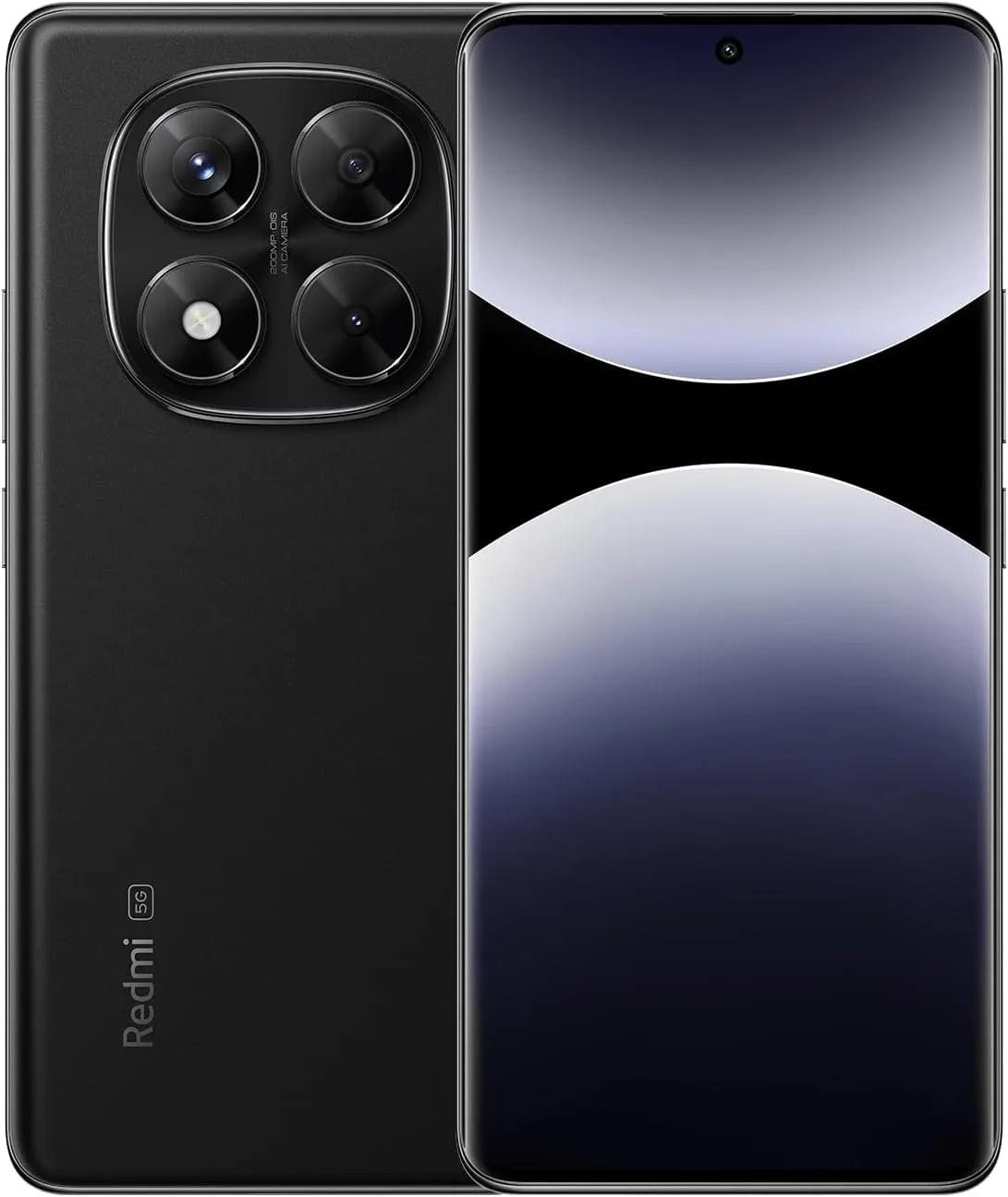
With a 6200mAh silicon-carbon battery that has an energy density of 814Wh/L and 6% silicon content, the Redmi Note 14 Pro+ has a small form factor and a long lifespan. It has Surge G1 and Surge P2 battery management chips for increased power efficiency and enables 90W wired rapid charging.
The phone has 512GB of storage, up to 12GB of RAM, and a Snapdragon 7s Gen 3 processor. It has a 50MP primary camera, an 8MP ultra-wide sensor, a 50MP 2.5X telephoto lens, and a 6.67-inch 1.5K OLED screen. For increased durability, the device also has IP66, IP68, and IP69 classifications.
Xiaomi Redmi Note 14 Pro
6.67″ CrystalRes AMOLED displayResolution: 2712 x 1220 (1.5K resolution)Refresh rate: Up to 120HzTouch sampling rate: Up to 480HzBrightness: 3000nits peak brightness
With its 5300mAh silicon-carbon battery, the Honor 300 can facilitate 100W fast charging, reaching 59% in 15 minutes and 100% in 35 minutes. In addition to having 5300mAh silicon-carbon batteries, the Honor 300 Pro and Ultra models also have 80W wireless charging, which guarantees quick and effective power supply. Longer battery life and better power retention are made possible by the high-density silicon-carbon combination.
Snapdragon 7 Gen 3 (Standard) and Snapdragon 8 Gen 3 (Pro and Ultra) power the Honor 300 series. For eye protection, the gadgets include 6.7-inch and 6.78-inch OLED screens with a maximum brightness of 4000 nits and 3840Hz PWM dimming. A 50MP front camera, a 12MP ultra-wide lens, and a 50MP primary sensor make up the camera configuration. The Pro and Ultra variants also come with a 50MP 3x or 3.8X periscope telephoto lens. Additionally, they are IP65 dust and splash resistant.
Oppo Find X8 & X8 Pro
A 5630mAh silicon-carbon battery powers the Oppo Find X8, while a larger 5910mAh silicon-carbon battery powers the Find X8 Pro. Both devices enable 80W SuperVOOC wired charging, 50W wireless charging, and 10W reverse wireless charging. The ultra-high silicon content of the Find X8 Pro’s battery ensures longer endurance and improved heat management during rapid charging.
The MediaTek Dimensity 9400 SoC powers both devices, together with up to 16GB of LPDDR5X RAM and 1TB of UFS 4.0 storage. The Find X8 Pro has a 6.78-inch LTPO AMOLED screen with Dolby Vision support and a peak brightness of 4500 nits, while the Find X8 has a 6.59-inch AMOLED display. The X8 Pro adds a 50MP 6x periscope zoom lens to the camera system, which consists of a 50MP main sensor, a 50MP ultra-wide camera, and a 50MP 3x periscope telephoto lens. Both variants have water and dust resistance ratings of IP68 + IP69.
Honor Magic 7 & Magic 7 Pro
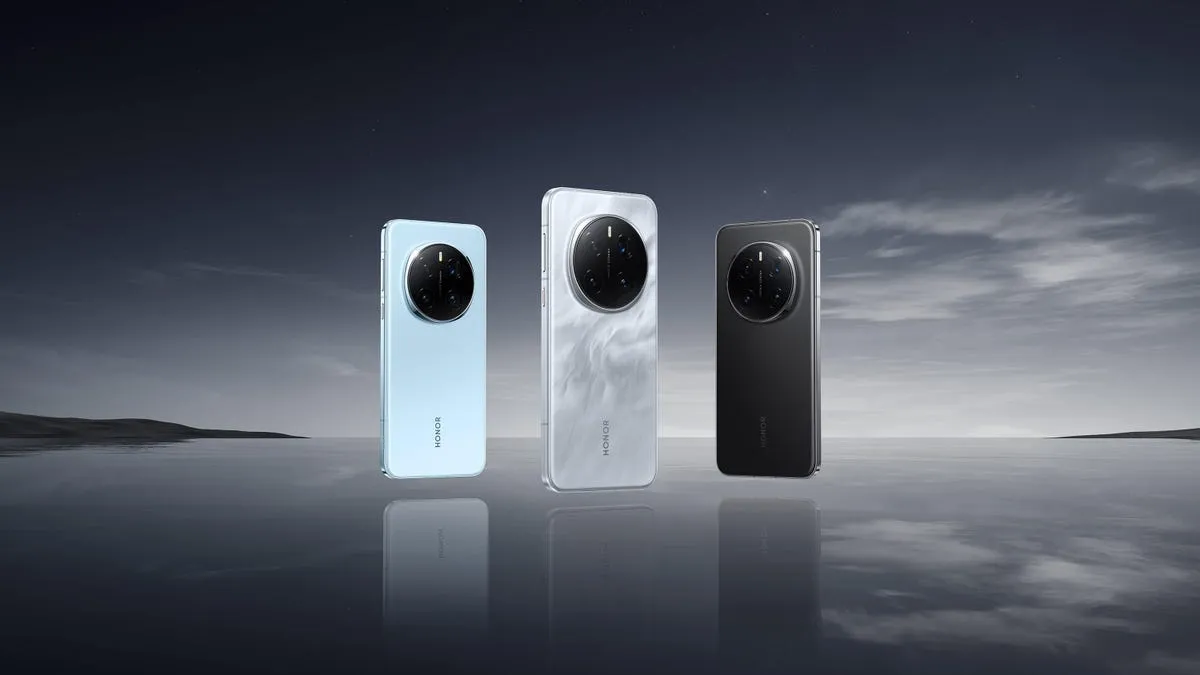
A 5650mAh silicon-carbon battery powers the Honor Magic 7, and a 5850mAh silicon-carbon battery powers the Magic 7 Pro. Both devices support 80W wireless charging and 100W cable fast charging. Longer runtimes are made possible by the improved energy density provided by silicon-carbon technology, which also preserves elegant designs. Advanced cooling technologies, including as graphite sheets and stainless steel VC cooling, complement the increased battery efficiency and guarantee peak performance even under demanding conditions.
The Snapdragon 8 Elite SoC powers both phones, together with up to 16GB of LPDDR5X RAM and 1TB of UFS 4.0 storage. The Magic 7 Pro sets itself apart with a 50MP primary sensor, an ultra-wide lens, and a 200MP periscope telephoto camera with 3x optical and 100x digital zoom. Although it lacks the sophisticated telephoto capabilities, the Magic 7 has a comparable camera arrangement. With its 1-120Hz LTPO OLED screens, IP68 and IP69 ratings, and Magic UI 9.0, the Honor Magic 7 Series combines state-of-the-art technology with exceptional endurance, securing its place as a flagship challenger in 2025.