Tag: gpu

  • Google Tensor G5 comes on 3nm build and a new GPU

    Google Tensor G5 comes on 3nm build and a new GPU

    According to reports, Google’s Pixel 10 series will use the Tensor G5 as its next processor. According to reports, it will be manufactured under the codename “Laguna” under a multi-year agreement with TSMC, which would completely replace Samsung. There have been major architectural modifications in this flagship processor.

    According to reports, the Google Tensor G5 has an 8-core CPU and makes use of TSMC’s 3nm node. One Cortex-X4 prime core at 3.4 GHz, three to five Cortex-A725 performance cores at roughly 2.85 GHz, and two to four Cortex-A525 efficiency cores at 2.4 GHz are typical configurations, though reports vary significantly. Using the Cortex-A725, the design prioritizes efficiency and long-term performance, which is further improved by the 3nm technology. The goal of switching to more modern efficiency cores is to enhance the user experience in general.

    google tensor g5 soc

    A single-core score of roughly 1323 and a multi-core score of roughly 4004 are displayed in the leaked Geekbench 6 results. These are preliminary findings, but they fall short of the Tensor G4’s scores (about 1950 single-core and 4741 multi-core).

    There is potential for improvement through software optimization, as indicated by projected scores of 2200 single-core and 5700 multi-core, as well as a company objective of maybe surpassing 2300 single-core and 7600+ multi-core. Early software optimization or certain test setups could be the cause of the initial lower scores. In early incarnations, the emphasis on a more efficient production process may put power efficiency ahead of peak performance.
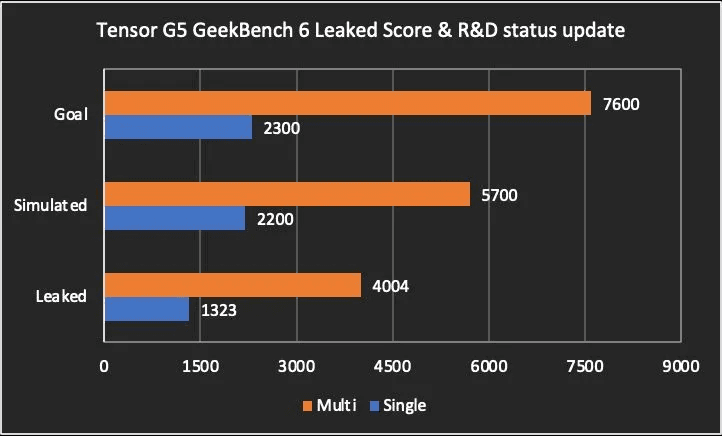
    image 7

    Despite architectural modifications and the switch to a 3nm technology, early benchmarks indicate that the Tensor G5 might not much outperform its predecessor in Geekbench 6. The particular setups of the testing devices or early software optimization may be to blame for this. In early generations, the shift to a more efficient manufacturing process may put power efficiency ahead of peak performance benefits.

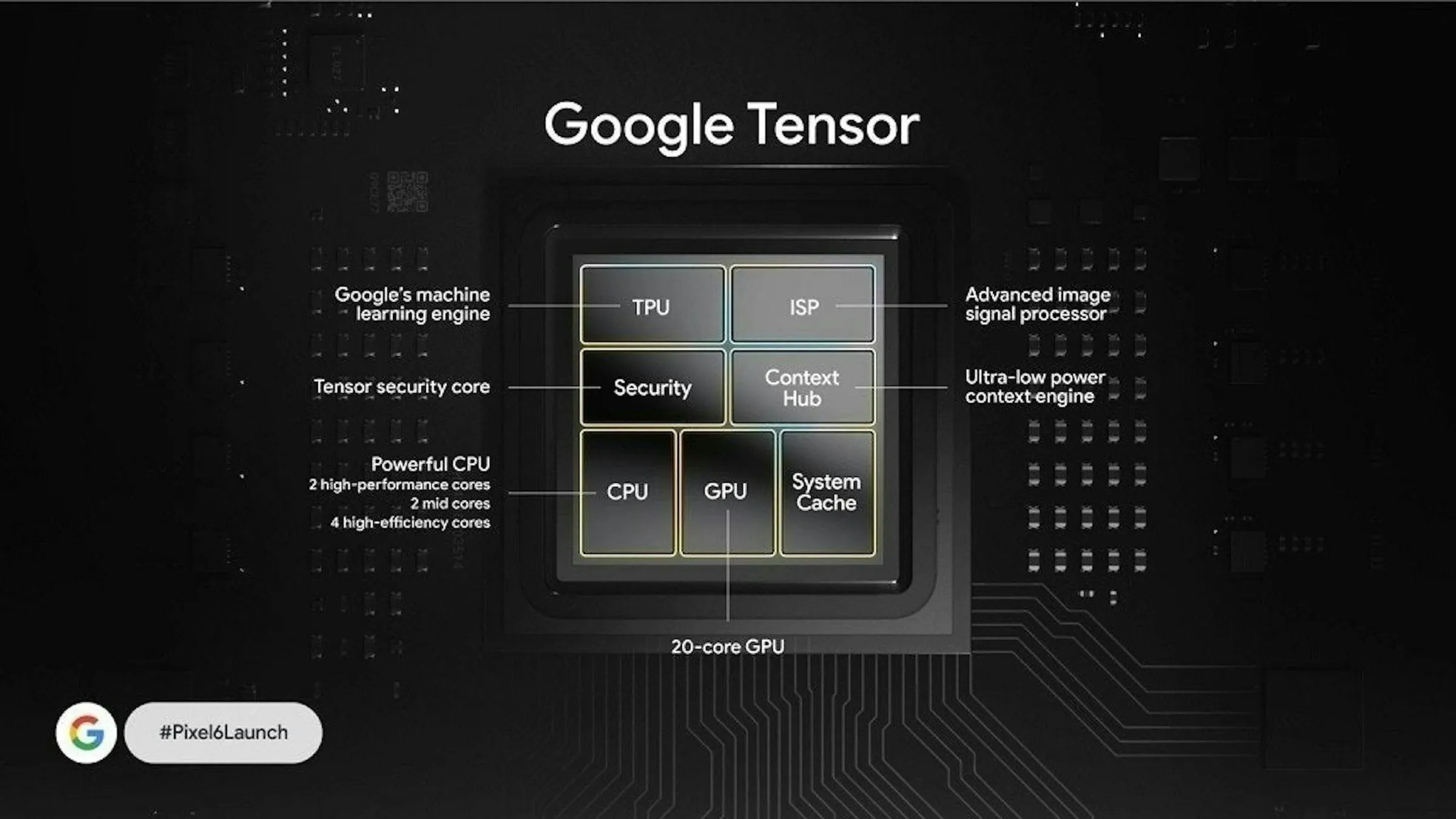
    The Tensor G5 is anticipated to include a dual-core Imagination Technologies IMG DXT-48-1536 GPU clocked at 1.1 GHz, whereas the Google Tensor G4 used an Arm Mali-G715 MP7 GPU. This marks a substantial shift away from Google’s prior dependence on Arm Mali GPUs. This points to a change in strategy, either motivated by discontent with Mali’s performance in some domains or a keen interest in the capabilities of the IMG DXT.

    The highest level in the Ray Tracing Level System (RTLS), Level 4 ray tracing, is supported by the IMG DXT GPU, allowing for powerful visuals with low power consumption. This attempts to give the Pixel 10 more lifelike and captivating visual and gaming experiences. Users that value visual quality and game performance will find Level 4 ray tracing’s cutting-edge visuals appealing.
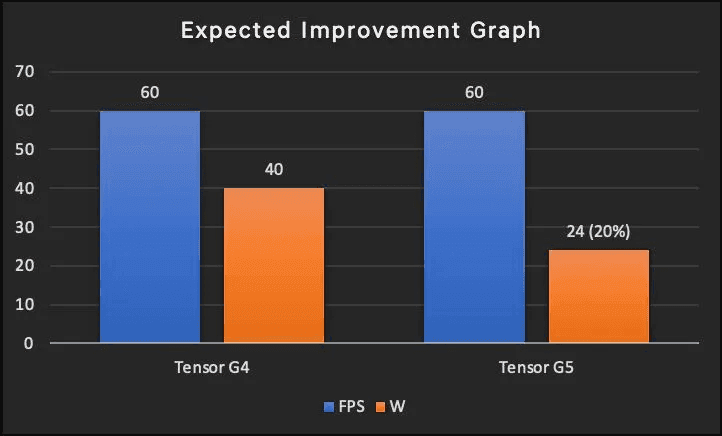
    image 8

    Power efficiency is a key component of the IMG DXT, and its successor, the DXTP, offers up to 20% more power efficiency (FPS/W). Although DXT is used by the Tensor G5, this suggests a common pattern in Imagination’s designs. By switching to IMG DXT, the Pixel 10’s graphics subsystem may become more power efficient, which could solve a persistent problem with Tensor-based devices’ short battery life. A major benefit would be increased power efficiency over the Mali-G715 MP7.

    Stay connected with the latest from Droid Tools—follow us on X @droid_tools, like our page on Facebook, check out our updates on Instagram, and follow us on Google News for real-time news, device tips, and mobile tech insights.

  • Snapdragon 8 Gen 3 more performance from higher clockspeed

    Snapdragon 8 Gen 3 more performance from higher clockspeed

    In the process of creating the undisclosed Snapdragon 8 Gen 3 chipset, Qualcomm could have taken no short cuts. Recent record-breaking benchmarks may also be explained by a new leak that shows the flagship processor is using an entirely new eight-core arrangement with a Cortex-X4 primary core with an unheard-of peak mobile clock speed.

    According to a claim on a Chinese website, which cites user Digital Chat Station as the source, Qualcomm is adopting a different cluster design for the Snapdragon 8 Gen 3 in place of the 1+4+3 layout used by its predecessor. Instead, Qualcomm is employing a 1+5+2 structure. According to reports, the configuration consists of a primary Cortex-X4 core, five big cores, and two efficiency cores.

    snapdragon 8 gen 3

    The Snapdragon 8 Gen 3’s maximum clockspeed

    Aside from the fact that there are now more potent cores, Qualcomm has also raised the main core’s maximum speed to 3.7 GHz. For comparison, the normal Snapdragon 8 Gen 2 is rated at 3.2 GHz while the Cortex-X3 on a bespoke Snapdragon 8 Gen 2 can reach up to 3.36 GHz.

    Currently, only Samsung’s Galaxy S23 line of handsets have the overclocked Snapdragon 8 Gen 2. The majority of other Android manufacturers rely on the processor’s default rating. What the base speed of the forthcoming Qualcomm silicon will be is also unknown.

    Will the GPU on the Snapdragon 8 Gen 3 also be improved?

    The Snapdragon 8 Gen 3 will be constructed on the latest TSMC N4P node, excluding from the CPU. Although it continues to use a 4 nm process, it is claimed to be more efficient than the SoC from the previous year. Regarding graphics, it is said that the Adreno 750 GPU performs 50% better than the Adreno 740.

    The chipmaker is expected to make its next-generation chipset announcement earlier than it did last year. This might be because Qualcomm abandoned its plans to release a Snapdragon 8 Gen 3 “plus” model.

    Meanwhile, let us know your thoughts on the Snapdragon 8 Gen 3. Are you willing to wait for it before upgrading your next smartphone? 

    Via: GizChina Source: MyDrivers

  • Snapdragon 7 Plus Gen 2 on tests: closing to the flagships

    Snapdragon 7 Plus Gen 2 on tests: closing to the flagships

    This week, Qualcomm unveiled the Snapdragon 7 Plus Gen 2, which is obviously a significant improvement over the mid-range Snapdragon 7 series on paper.

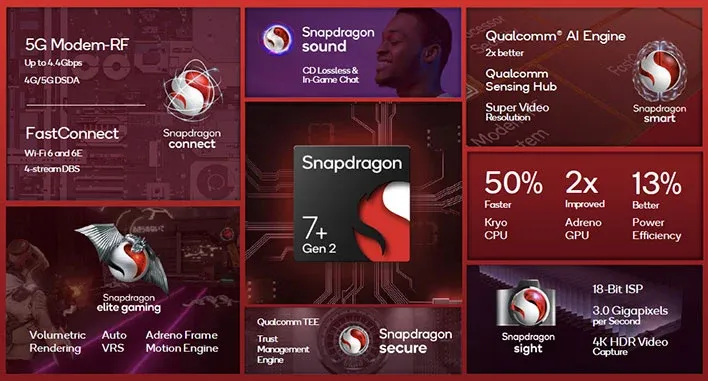
    A single Cortex-X2 core running at 2.91 GHz, three Cortex-A710 cores running at 2.49 GHz, and four Cortex-A510 cores operating at 1.8 GHz make up the new chipset’s amazing CPU system, which is reminiscent of the Snapdragon 8 Gen 1 series. The Cortex-X CPU core is now present in a Snapdragon 7 series chipset for the first time. Moreover, Qualcomm claims that the Adreno GPU has been updated and will perform twice as well as the Snapdragon 7 Gen 1 did.

    Snapdragon 7 Plus Gen 2

    What does this all mean in terms of actual performance, though? We were able to benchmark a Snapdragon 7 Plus Gen 2 reference handset ahead of launch to get a better idea of what to expect.

    Design

    Obviously, the reference devices from Qualcomm are not smartphones. In essence, these are test versions intended for internal use. It’s important to remember that although this specific device is rather slim, reference designs often have a tendency to be fairly thick when compared to commercial handsets. But, due to software, cooling systems, and various designs, we are still anticipating diverse results for commercial devices.

    Nonetheless, the Qualcomm reference design features a 4,192mAh battery, a 6.65-inch 144Hz OLED screen in FHD+, 12GB of LPDDR5 Memory, and 256GB of UFS 3.1 storage. Moreover, the phone lacks an active cooling system like a fan.

    Snapdragon 7 Plus Gen 2 tests

    Since all three chipsets use the same CPU cores, we anticipated CPU-related results to be comparable to those of the Snapdragon 8 Gen 1 family going into this. Due to greater Processor clock speeds, nevertheless, we might anticipate the Snapdragon 8 Plus Gen 1 to have a slight advantage.

    The normal Snapdragon 8 Gen 1 is a particularly interesting comparison because it is made using the lesser 4nm Samsung technology, whereas the 7 Gen 2 uses the superior 4nm TSMC process. Our research demonstrates that, at least in part as a result of the move from Samsung to TSMC, the Snapdragon 8 Plus Gen 1 enjoys a significant performance and efficiency increase. Let’s examine the 7 Plus Gen 2 to determine if the same is the case.

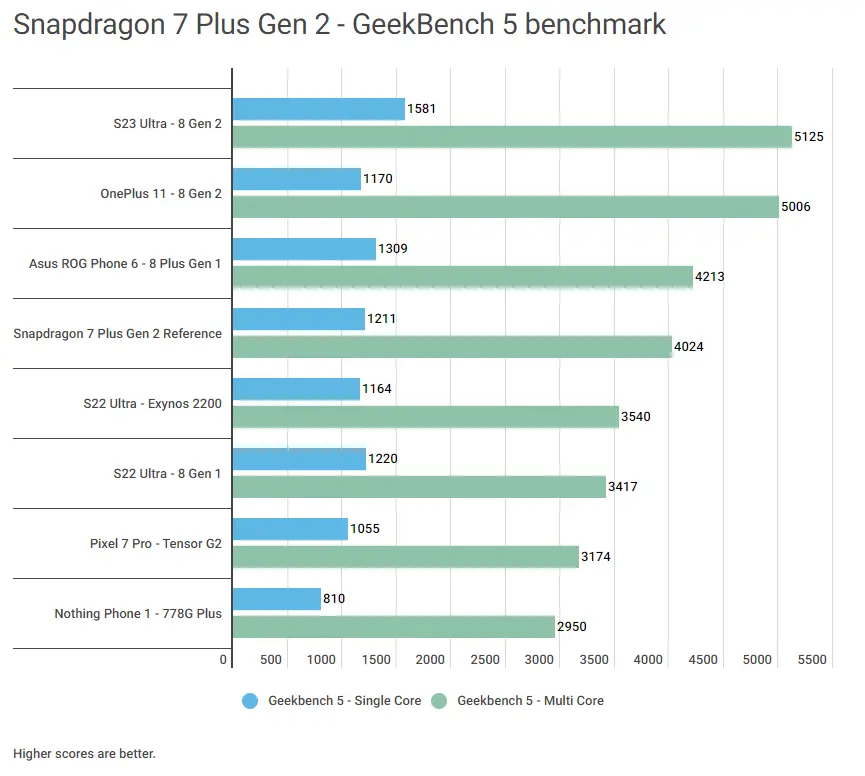
    Snapdragon 7 Plus Gen 2 geekbench

    Furthermore, in single-core tests, the Snapdragon 7 Plus Gen 2 reference phone defeats the Exynos 2200-equipped and Snapdragon 8 Gen 1 S22 Ultra and even edges out the OnePlus 11 powered by the Snapdragon 8 Gen 2. To maximize efficiency, OnePlus is extremely careful with single-core performance in the latter circumstance. Yet the S23 Ultra, which has less restrictions, outperforms rivals like the recently released Snapdragon 7.

    The reference design manages to outperform every Snapdragon 8 Gen 1 device on the list when looking at multi-core CPU results. Also, it has a score that is comparable to smartphones with Snapdragon 8 Plus Gen 1. However Qualcomm’s most recent flagship 8 Gen 2 chip continues to hold a significant lead.

    Overall, it appears that, in terms of CPU performance, the Snapdragon 7 Plus Gen 2 is competitive with the Snapdragon 8 Gen 1 across the board. The Snapdragon 8 Plus Gen 1 phones, meanwhile, are also not far behind. The somewhat quicker CPU clock rates and possibly different cache capacities could account for this.

    GPU testing

    The question of graphical performance is a murkier one on paper, owing to the closed-box nature of the Adreno GPU architecture. However, Qualcomm has noted that the Snapdragon 7 Plus Gen 2 enjoys a two-fold performance boost over the Snapdragon 7 Gen 1. How does this compare to flagship silicon, though?

    Snapdragon 7 Plus Gen 2 gpu tests

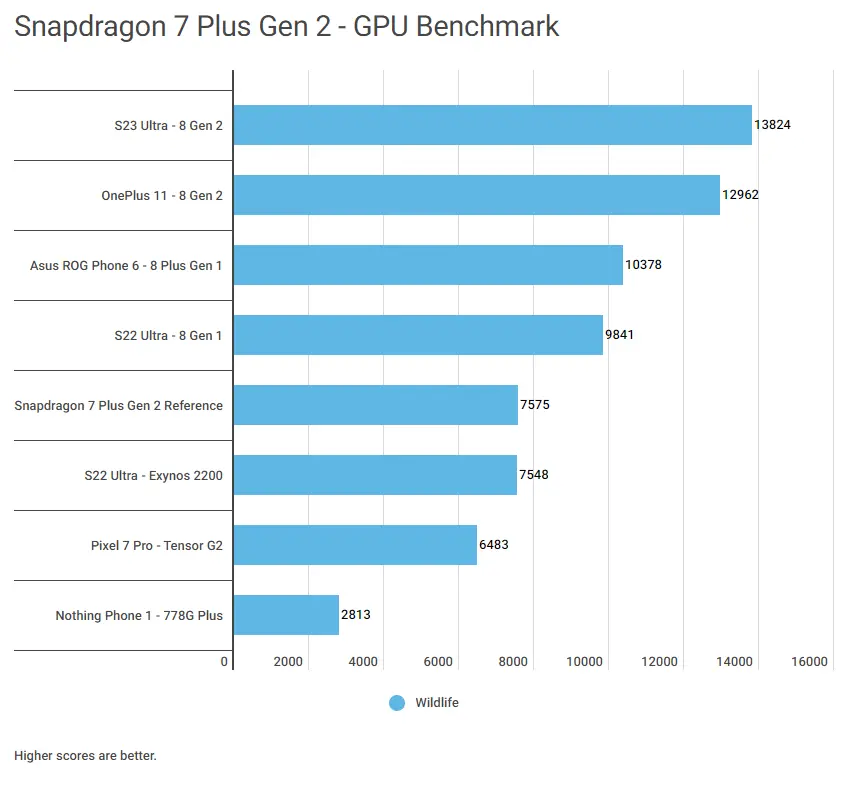
    Comparing mid-range chipsets to their flagship counterparts, mid-range chipsets often perform worse in the GPU domain, and the traditional 3DMark Wild Life test confirms this is still the case. The 7 Plus Gen 2 reference design and the Snapdragon 8 Gen 1 series as a whole have significantly different scores.

    Thankfully, the Snapdragon 7 Plus Gen 2 easily surpasses the Arm Mali GPU of the Pixel 7 Pro while matching the high-end AMD GPU of the Exynos 2200. Moreover, the reference design score indicates that the Snapdragon 778G Plus GPU in the Nothing Phone 1 offers 2.7x the GPU performance.

    This score highlights that Snapdragon 7 Plus Gen 2 phones can handle today’s demanding games at respectable frame rates. Demanding gamers might still want a phone with a Snapdragon 8 Gen 1 series or Snapdragon 8 Gen 2 processor for advanced games down the line, but this is a significant win for the mid-tier chipset nonetheless.

    Snapdragon 7 Plus Gen 2 stress testing

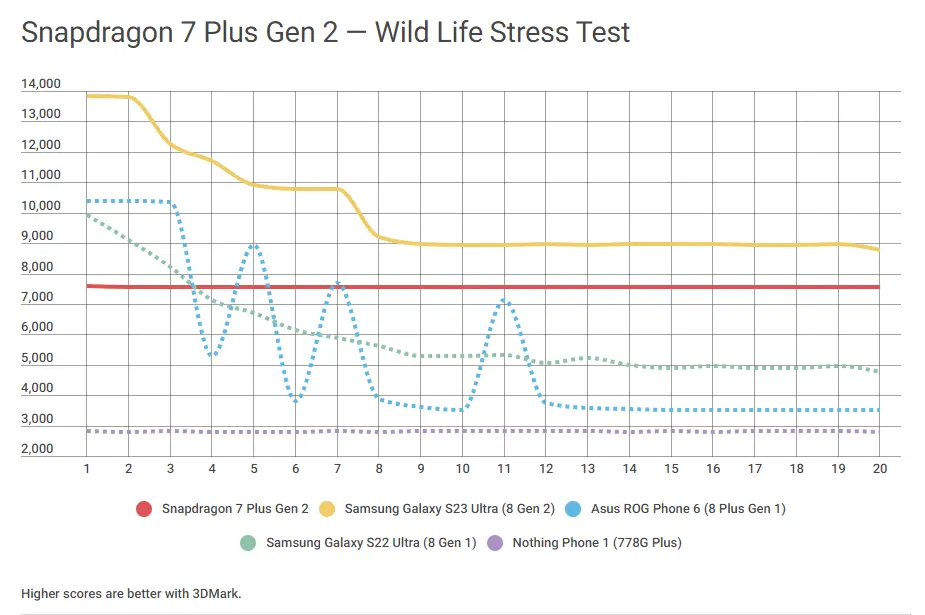
    One-off GPU testing is one thing, but a lot can be gleaned from stress tests. We subjected the Snapdragon 7 Plus Gen 2 device to a 3DMark Wild Life Stress Test to get a better idea of sustained performance.

    Snapdragon 7 Plus Gen 2 stress test

    The stress test results make for very interesting reading, as the Snapdragon 7 Plus Gen 2 reference device displays rock-solid stability of 99.76%. In fact, this stability means that the Snapdragon 7 Plus Gen 2 handset can beat the Galaxy S22 Ultra (Snapdragon 8 Gen 1) when put under extended stress. Needless to say, the Nothing Phone 1 and its Snapdragon 778G Plus chipset is far behind as well.

    What’s particularly intriguing is that over the course of the stress test, the Snapdragon 7 Plus Gen 2 smartphone closed the gap with the Galaxy S23 Ultra and its Snapdragon 8 Gen 2 chipset. This is primarily because the Galaxy handset only maintained 64.6% stability; other 8 Gen 2 handsets performed better.

    Although the cynic in us suspects that commercial phones equipped with this chipset may not be as reliable, it still augurs well for prolonged play sessions.

    Overall thoughts

    Benchmarking reveals that we’re looking at a chipset that’s at least as powerful as the Snapdragon 8 Gen 1 from a CPU perspective. That’s no mean feat, and it’s a good sign for those who value speed, be it for everyday performance or those who intend to keep their phones for a few years.

    Even when compared to more recent flagship chips, mid-range processors typically show a sizable GPU performance disparity. The bad news is that, in one-off GPU testing, the Snapdragon 7 Plus Gen 2 is not really an exception. Between Qualcomm’s mid-range and flagship chips, there is still a significant disparity. The less powerful GPU, however, was able to surpass Google and Samsung’s flagship CPUs.

    The good news is that the 4nm TSMC architecture and purportedly lower GPU clock speed suggest that we could be looking at rock-solid sustained performance in this case. In a stress test, the chipset can even defeat some Snapdragon 8 Gen 1 series smartphones.

    Again, this is just a reference design, but those on the hunt for sustained gaming performance on a budget should keep an eye on phones with the Snapdragon 7 Plus Gen 2. Fortunately, we won’t have to wait too long, as Qualcomm confirmed that the first phones are coming this month. The company also name-dropped Redmi and realme as brands working on devices with this chipset.