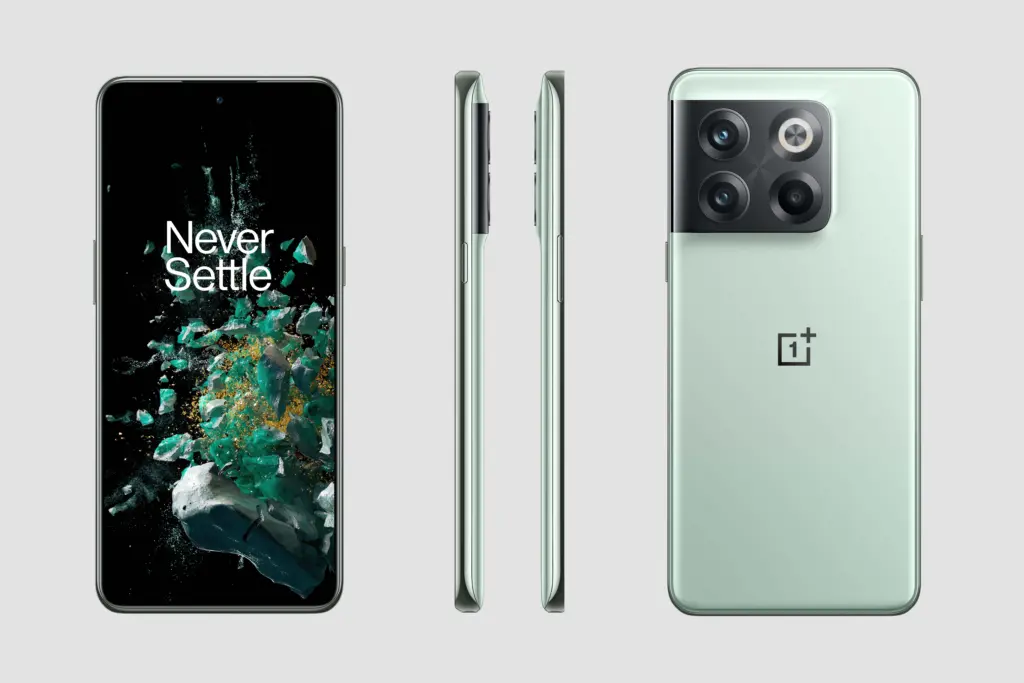
At Qualcomm’s Snapdragon Summit, the company teased the OnePlus 15, and now it has announced that its next flagship phone will debut globally.
OnePlus usually releases its phones in the US shortly after introducing them in China, even though the company did not state that the phone would launch in the US.
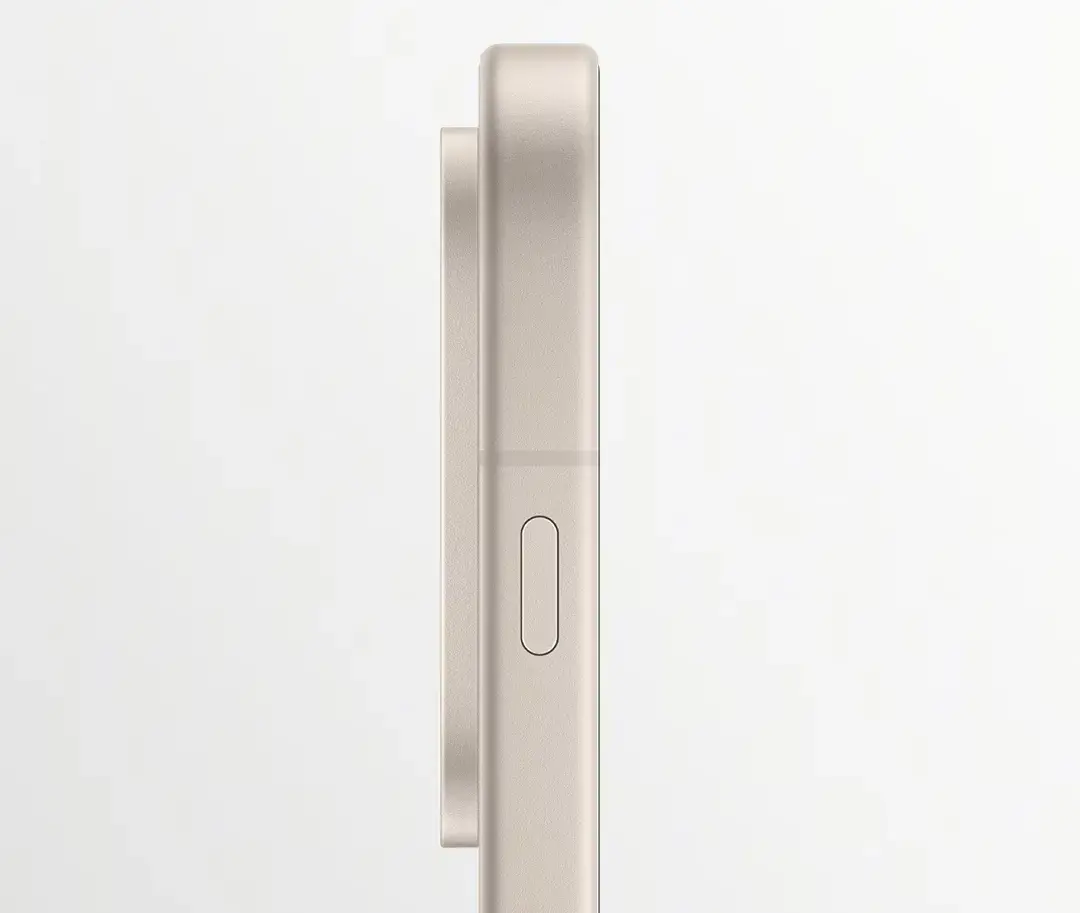
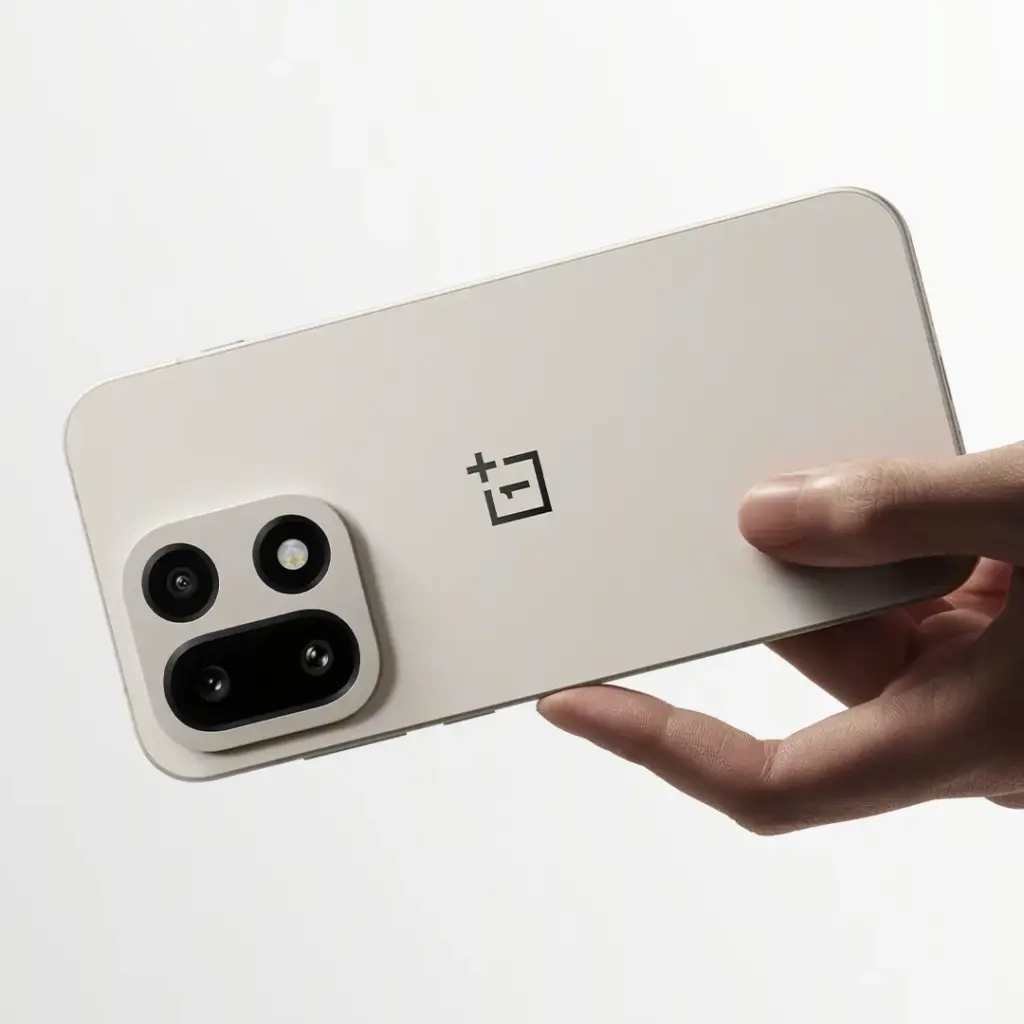
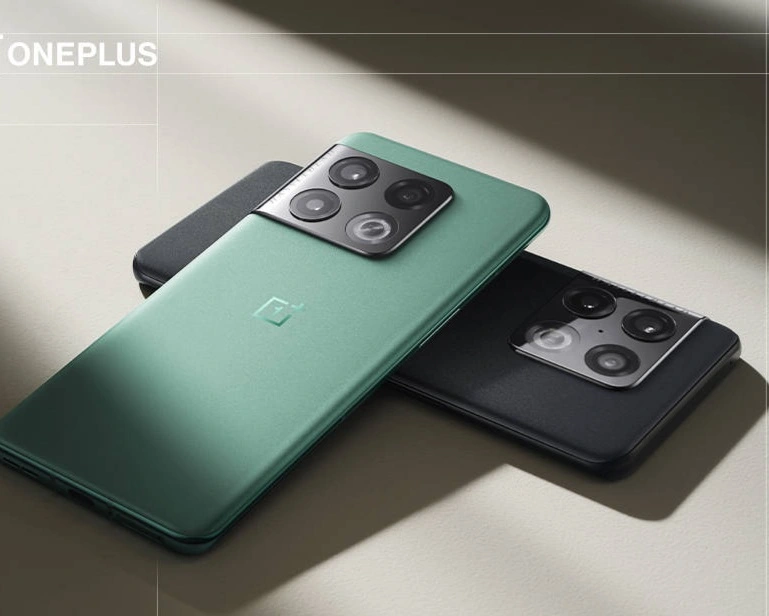
It will be the first phone to use aerospace-grade Micro-Arc Oxidation on the center frame and the back camera housing, and it will come in a new Sand Storm color in addition to the previously announced black and white versions.
According to OnePlus, “a high-voltage plasma technique that forms a ceramic layer directly on the metal frame” provides aerospace-grade resilience. The durability of the frame should be enhanced because it is reportedly more than three times harder than an aluminum frame.
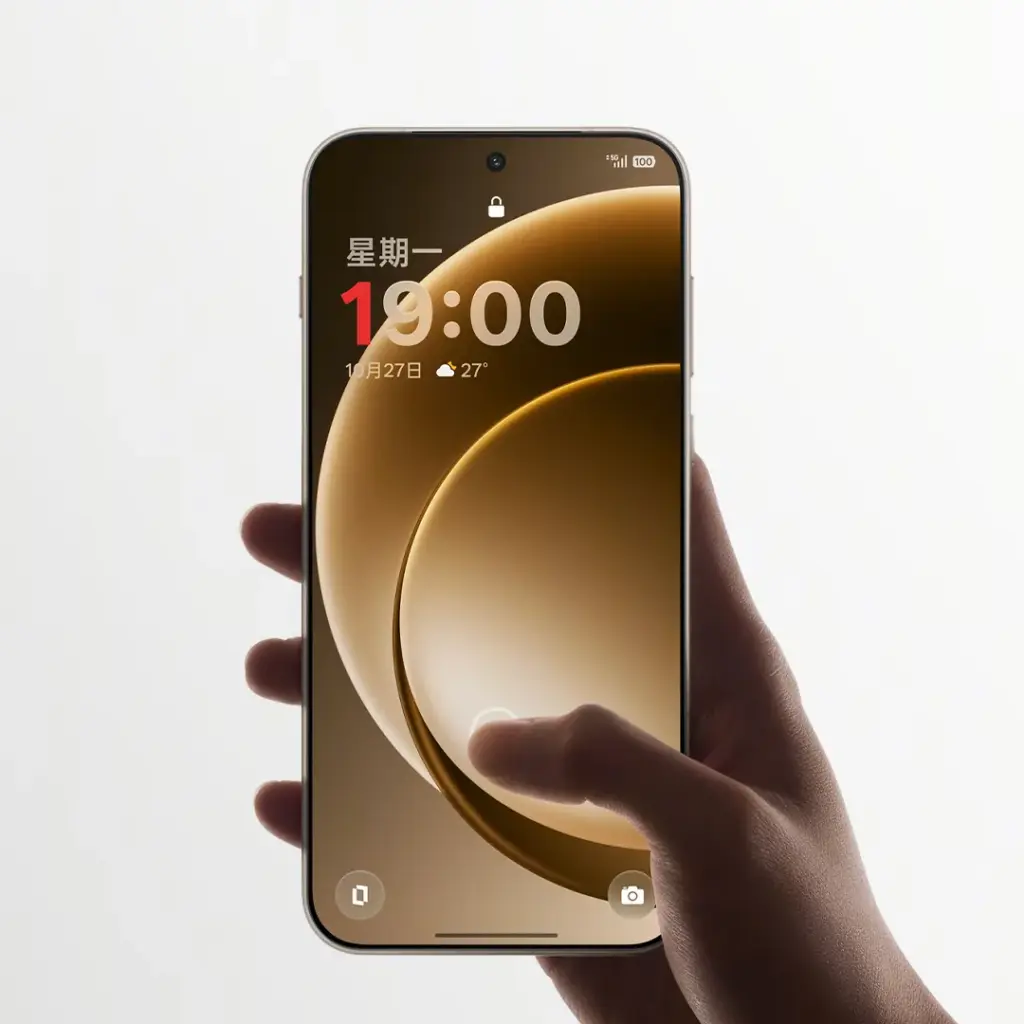
The Verge noticed that OnePlus also posted pictures of the phone in three separate Weibo posts. The new Sand Storm version allows you to view the device from various perspectives. The camera cutout in the upper left corner of the rear has been visible in previous OnePlus teases, but these images give us a closer look.
The images also verify that a customisable “Plus Key” shortcut button has taken the place of the OnePlus Alert Slider.
The phone will run on the most recent Qualcomm Snapdragon 8 Elite Gen 5 chipset, and it will be the first to have a 165Hz refresh rate display and the new DetailMax picture engine, according to last week’s announcements.
According to OnePlus, it would employ “strong CPUs and innovative algorithms to capture images that feel breathtakingly crisp and totally real.”
Next month, China will host an official launch celebration.
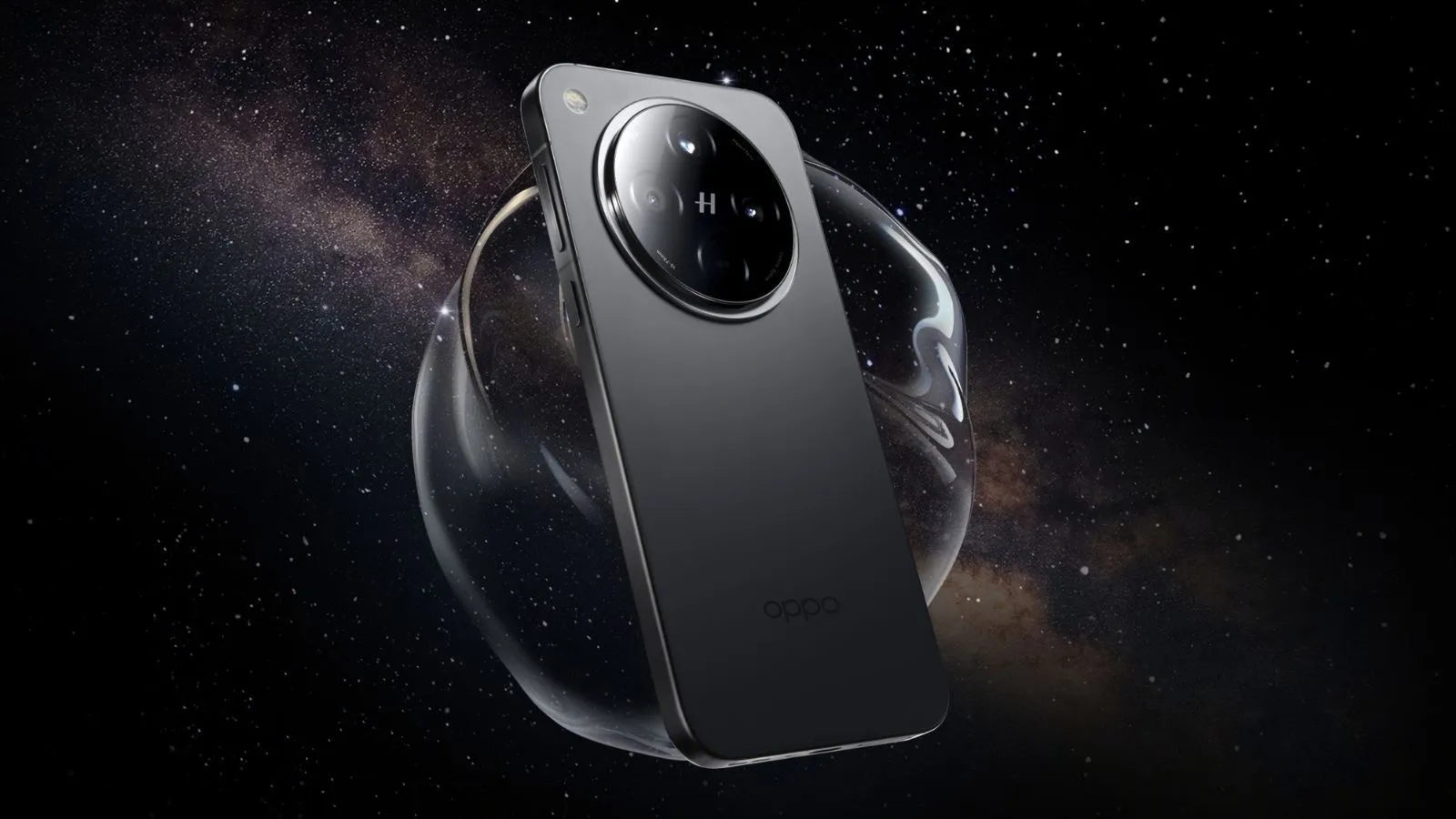
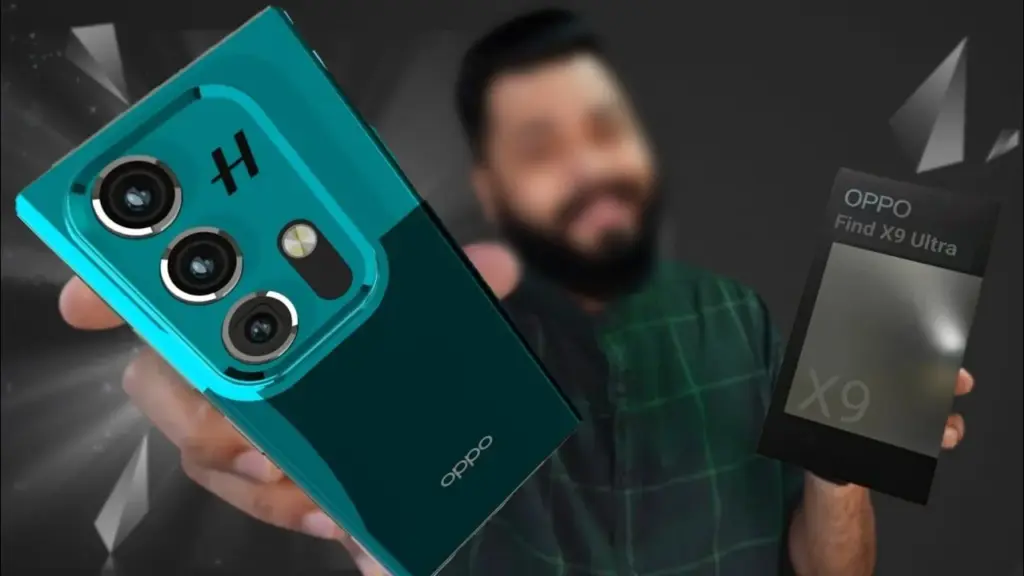
Excitement is already growing for OPPO’s real imaging flagship, the OPPO Find X9 Ultra, which is scheduled to make its debut in the first half of 2026, as the company prepares to launch the Find X9 series in October. A significant design change for the next gadget has been made public by a recent insider leak, underscoring OPPO’s goal of being a leader in display performance and innovation.
The Oppo Find X9 Ultra is presently being tested with a new 1.5K LIPO ultra-narrow straight screen, in contrast to the Find X8 Ultra, which had a high-end 2K diamond screen with adaptive refresh rates and OPPO’s in-house P2 display processor. The sophisticated LIPO packaging technology, which involves wrapping the display’s wiring area with polymer liquid materials, is used in this next-generation display. OPPO gets an incredibly thin bezel by doing away with the conventional buffer protection zone, which improves the phone’s aesthetic appeal and immersive experience.
Although LIPO requires more advanced manufacturing equipment and higher cleanroom standards than conventional COG and COF technologies, it also delivers more durability and consistency, making it a more expensive but superior alternative.
The Find X9 Ultra promises a breakthrough in AI processing, camera capabilities, and overall performance thanks to its Snapdragon 8 Elite 2 flagship platform. The Find X9 Ultra is expected to be a landmark flagship of 2026 since OPPO is pushing the envelope in terms of both physical design and technology complexity.
When someone lands on your website, their experience matters – more than most businesses realise. In fact, user experience (UX) can make or break whether a visitor turns into a customer.
While UX might seem like a tech-heavy concept, it simply means this: how easy and enjoyable your website is to use. And one of the best sources of UX insight comes from a place you might not expect – Android, the world’s most widely used mobile operating system.
With billions of users worldwide, Android has mastered the art of intuitive, user-friendly design. And many of the principles it follows can – and should – be applied to your business website. A professional web design agency can help translate these UX lessons into a high-performing website that attracts, engages, and converts your visitors.
Let’s take a look at some of the most valuable UX lessons from Android that your website could benefit from – and why working with the right agency makes all the difference.
1. Consistency Builds Trust
Android keeps things familiar. Whether you open a messaging app or a banking app, core elements behave in ways users expect – same buttons, similar layouts, predictable actions.
How this applies to your website: Your customers don’t want to relearn how to use your website on every page. Consistent navigation, button styles, fonts, and branding build trust and reduce frustration.
A good web design agency ensures every part of your site feels cohesive, guiding users smoothly through your content and towards the actions you want them to take.
2. Design Should Be Clear, Not Clever
Android’s Material Design guidelines focus on simplicity, clarity, and depth. Visuals aren’t just attractive – they help users understand what to do next.
For your business:
Clever design may win awards, but clear design wins customers. A cluttered or confusing website drives people away.
3. Your Website Must Work on Every Device
Android powers phones, tablets, TVs, and more. Its designers had to master responsive layouts – ensuring everything works no matter the screen size.
The takeaway:
Your customers are on the go. If your website doesn’t work seamlessly on their phone, they’re not sticking around.
4. Speed Matters More Than You Think
On Android, slow apps get uninstalled. People simply don’t have time for delays – and the same is true for websites.
What this means for your site: If your pages take more than a few seconds to load, you’re losing business.
5. Users Expect Feedback
On Android, every tap, swipe, and interaction provides some kind of response – a visual cue, animation, or message that says “yes, we’ve received your input.”
Your website should do the same: When someone clicks a button or submits a form, they expect an immediate reaction. Without feedback, they may assume something’s gone wrong.
6. Accessibility Isn’t Optional
Android takes accessibility seriously, making sure users with different needs can still navigate, read, and interact with apps and devices.
How this affects your business: Your website needs to work for everyone – including those with visual, hearing, or motor impairments. An experienced web design agency will follow accessibility standards (like WCAG) so your site is inclusive, legally compliant, and open to a wider audience.
7. Whitespace Is Powerful
Android’s design avoids clutter. It uses spacing strategically, letting important elements stand out and giving users a sense of calm and focus.
What this means for your site: You don’t need to cram everything above the fold. Clean, spacious layouts are easier to read and more engaging.
8. Start with the User – Not the Business
Perhaps the most valuable lesson from Android is this: design everything around the user’s needs. Every screen, every button, every action is designed to make things easier for the person using it.
That’s how your website should work, too. A professional web design agency will begin by understanding your customers – their goals, pain points, behaviours, and expectations. From there, they’ll create a site tailored to your audience, not just your internal preferences.
Why Work With a Web Design Agency?
It’s tempting to think that anyone can build a website using a drag-and-drop tool. But while DIY platforms can create something that “looks okay”, they rarely offer the performance, polish, and strategy that a professionally designed site delivers.
Here’s how a web design agency helps you apply these UX lessons in a way that drives results:
Strategic Planning – They’ll start by understanding your business goals, ideal customers, and competitors.
Custom Design – No templates here. Your site will reflect your brand, tone, and market position.
Responsive & Accessible – Your site will look great and work flawlessly on any device, for any user.
Optimised for Speed & SEO – Every detail is considered to maximise performance and search visibility.
Ongoing Support – Post-launch updates, security, and advice keep your site evolving with your business.
UX Isn’t Just for Tech Giants
Android’s design success wasn’t accidental – it was built on years of refining how people interact with technology. Those same principles can transform your website into a tool that not only looks good but works hard for your business.
Great UX isn’t just for apps. It’s for your business website, too – and the right agency can help you get there.
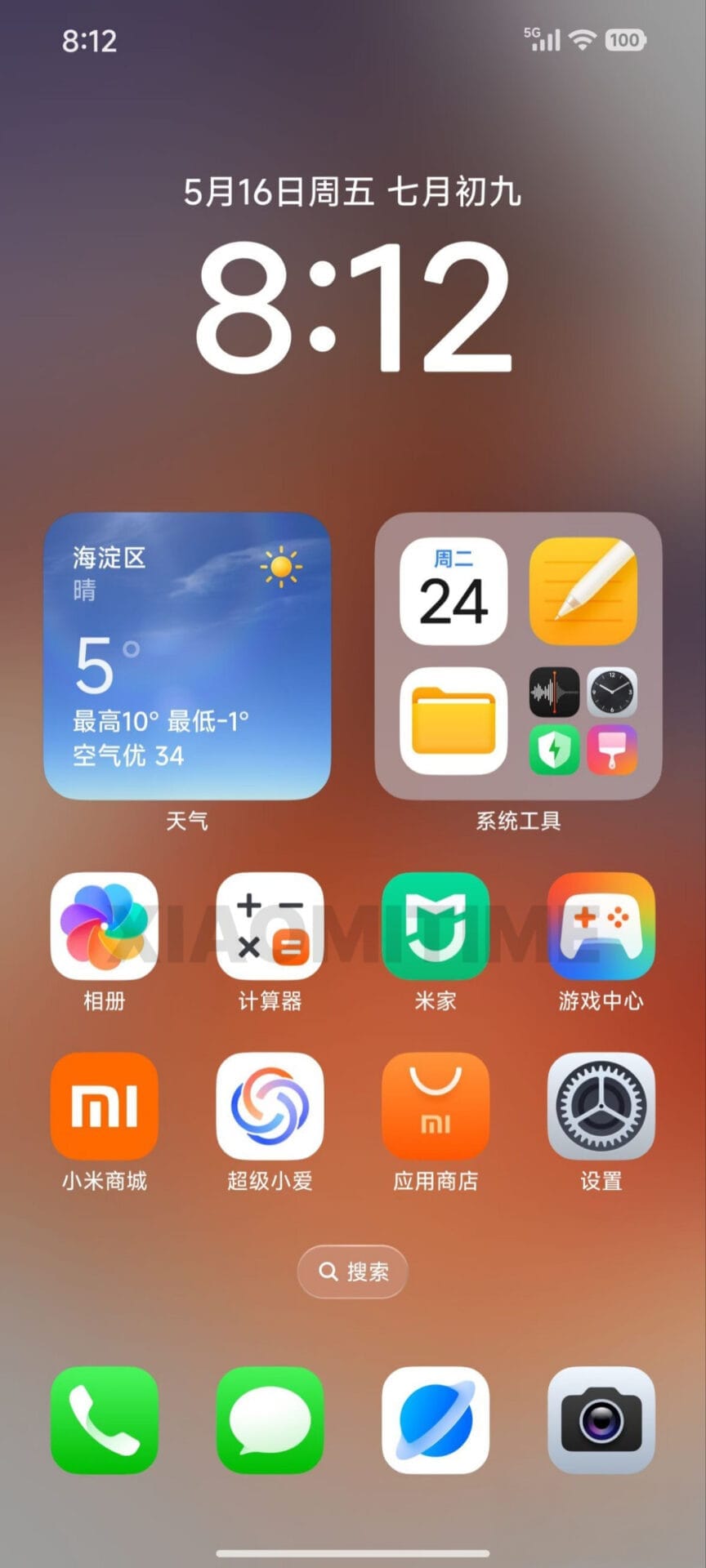
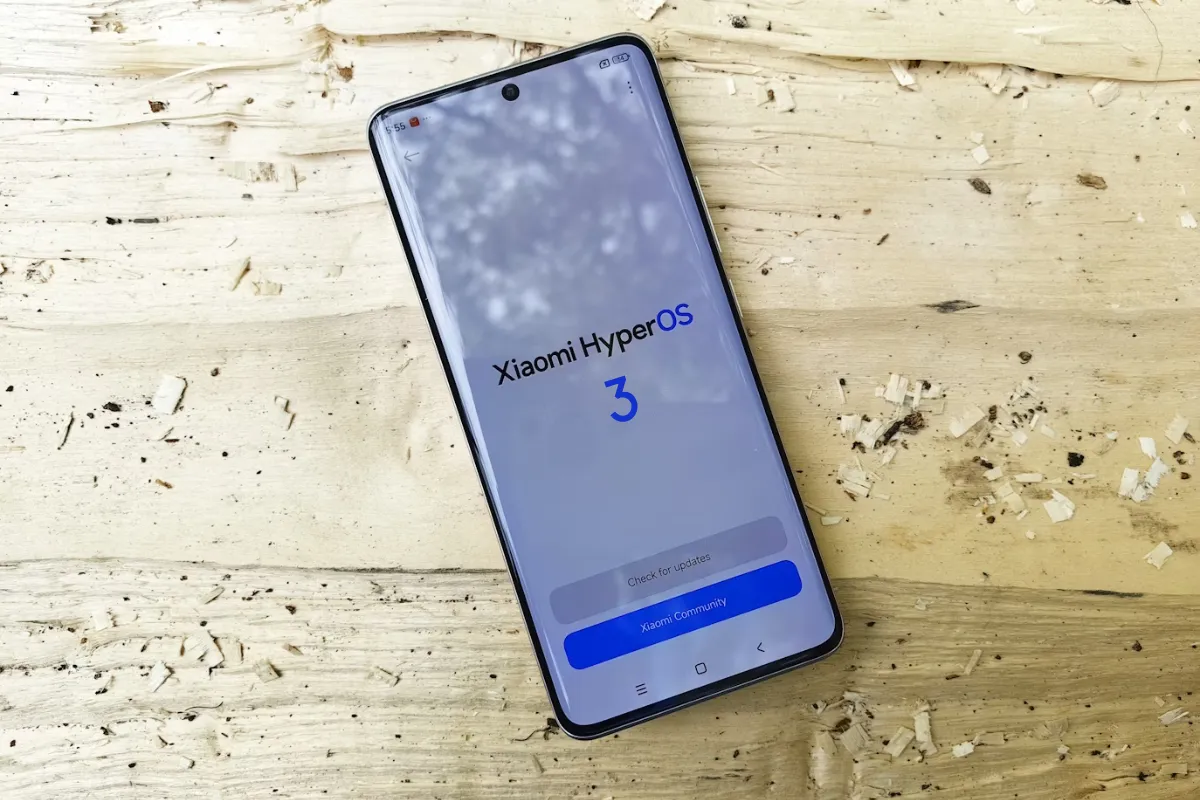
Through a newly published user survey, Xiaomi has given users an early glimpse at HyperOS 3, and the changes are remarkable. Xiaomi intends to establish HyperOS as a high-end, competitive platform, as evidenced by the recent screenshot’s significant UI redesign. With significant updates to key system components, especially icons and layouts, the design language is obviously influenced by iOS. This version demonstrates Xiaomi’s continued commitment to improving its unique Android skin in order to better cater to a worldwide users.
The updated icon set is the most noticeable change. The unified, elegant look of these new icons, which closely resemble those in iOS 18, improves the user experience as a whole. This change reflects Xiaomi’s emphasis on improving brand perception among high-end users and conforming to industry-leading design standards.
The removal of the search bar on the home screen is another significant change. Xiaomi achieves a more simplified and clean home screen by removing this component, giving app icons and widgets more attention. This minimalist style should appeal to people who value clarity and simplicity and is consistent with larger trends in mobile user interface design.
New battery indicator and glass user interface
Additionally, a revised battery indication that now closely resembles the iPhone’s approach is included in HyperOS 3. In addition to updating the battery status visual representation, this update advances Xiaomi’s overarching objective of providing a recognizable, intuitive user experience that appeals to iOS customers thinking about switching.
Furthermore, Glass UI-inspired effects are incorporated into the redesigned interface, giving the system more visual refinement and depth. Together, these improvements give all supported devices a more upscale and sophisticated appearance.
Wide device compatibility
Xiaomi is extending HyperOS 3 to an extensive range of devices, reinforcing its commitment to software support:
33 Xiaomi models
44 Redmi devices
19 POCO devices
This broad compatibility—spanning 96 devices in total—demonstrates Xiaomi’s dedication to serving a diverse customer base, from flagship owners to budget users.
Analysts predict that Xiaomi will formally unveil HyperOS 3 in October 2025. Depending on rollout timelines and device capabilities, the update will be developed for both Android 15 and Android 16.
Stay connected with the latest from Droid Tools—follow us on X @droid_tools, like our page on Facebook, check out our updates on Instagram, and follow us on Google News for real-time news, device tips, and mobile tech insights.
Only a few weeks remain until Nothing’s third significant smartphone release, and as anticipated, the pre-launch storyline includes equal parts carefully planned confusion and controlled leaks.
The form, functionality, and placement of Nothing Phone 3 remain unclear despite the device’s July 1 introduction date. It’s either the brand’s first attempt at a real flagship or a continuance of its affordable-premium recipe, depending on whatever official teaser or leak you read.
In any case, this is more than just specs. In 2025, design, interface minimalism, and possibly artificial intelligence will be the main topics of discussion in classic Nothing fashion. Here is everything we currently know about Nothing Phone (3).
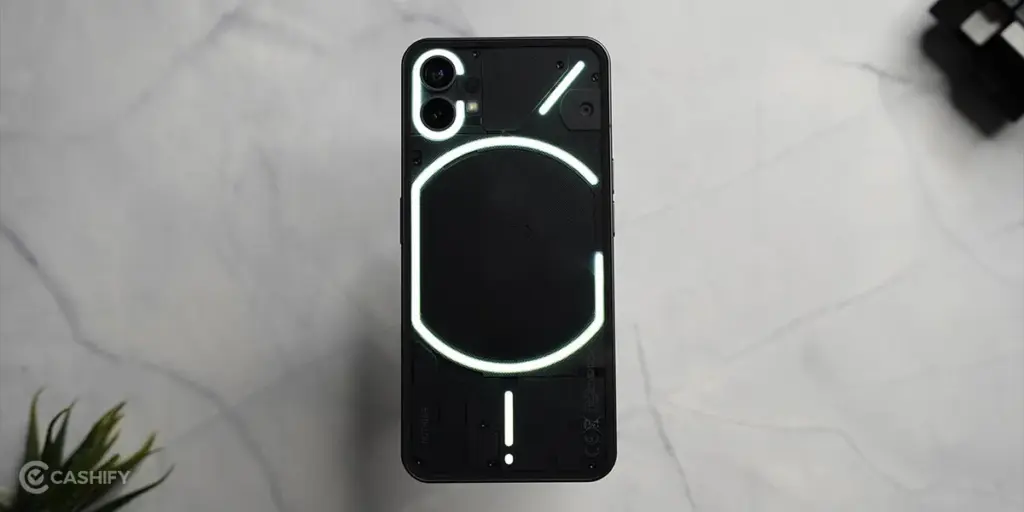
No more Glyph interface
For a brand that has leaned so heavily on design for differentiation, it was surprising when Nothing publicly claimed it has “killed” the Glyph interface.
Together with a transparent back panel, these distinctive LED lighting strips have come to represent the brand. Additionally, they served as camera fill illumination, charging status lights, and notification indications.
The Glyph interface has turned into a more specialized function than a common one, though, and nothing seems to have recognized this. The company’s recent public confirmation that it is discontinuing the Glyph interface for the Phone 3 is probably due to this.
As with the Asus ROG Phone 9, the gadget might instead include a more customisable LED panel. Recent teases suggest that this could feature animations and icons in addition to simple glyph-like warnings.
Design
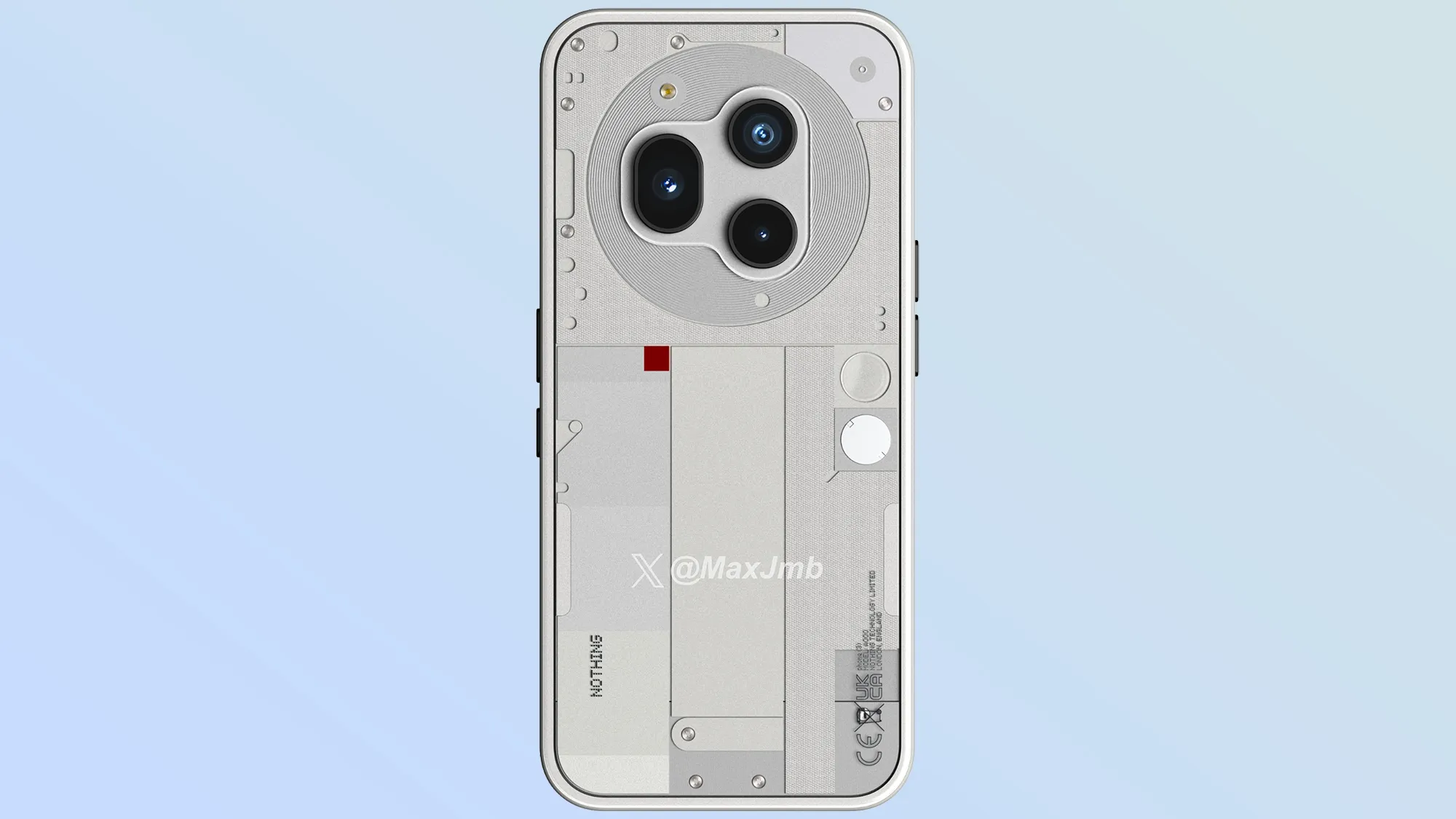
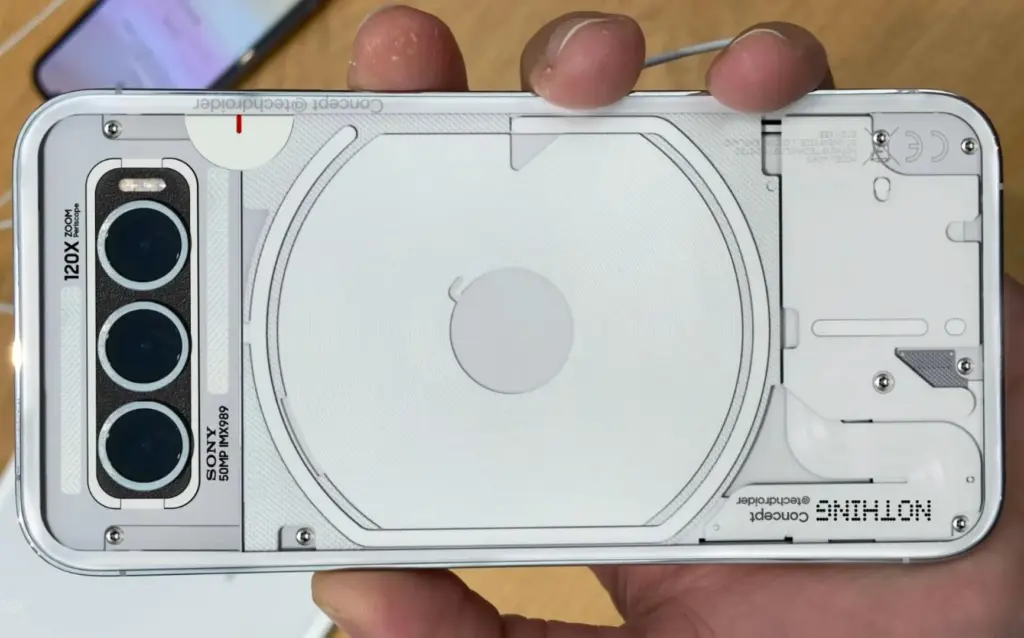
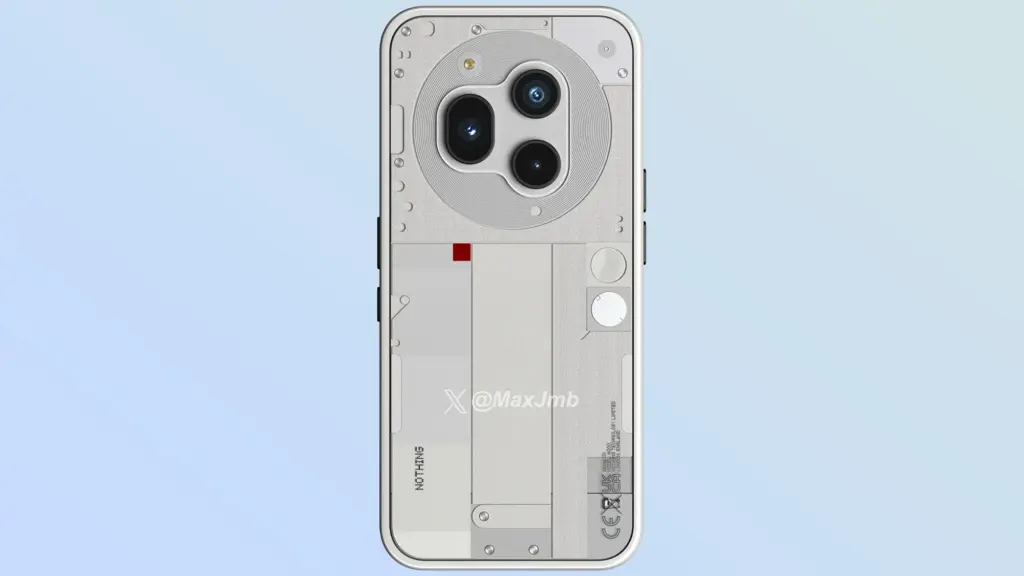
The Nothing Phone 3 differs significantly from its predecessor in terms of design. Recently, a leak revealed the entire design, which had the anticipated translucent appearance. However, it appears that there are more differences than commonalities.
Notably, there is no Glyph interface, and three cameras have been added to the back in an unusual configuration. At first appearance, it’s a daring and divisive look, but whether or not users would accept it is a different matter.
Specs
According to reports, the Nothing Phone 3 would have a 6.7-inch LTPO AMOLED screen with a refresh rate of 120 Hz. According to reports, the camera configuration consists of a 50MP primary sensor in addition to telephoto and ultrawide lenses.
The next device’s performance is arguably its most contentious feature. Since Nothing CEO Carl Pei has already said that the Nothing Phone 3 will be a flagship product, it is reasonable to anticipate a processor from the Snapdragon 8 series or perhaps even a MediaTek Dimensity chip.
It’s noteworthy to note that nothing has ever put delivering consistent performance ahead of aiming for the best specifications. Therefore, it wouldn’t surprise us if the Nothing Phone 3 ran on a flagship chip from a prior generation instead of the newest one.
A 5,000mAh battery, an improvement over the Phone’s 4,700mAh unit, is reportedly going to power all of this (2). It is anticipated that 20W wireless and 50W wired charging would be available.
Essential Key and Android 15
Depending on when the final build is released, the device is anticipated to come with Android 15 overlaid with either Nothing OS 3.0 or 3.2. According to Pei, this OS update will have a “cleaner” appearance and include AI into the user interface.
Nothing’s AI vision is dubbed “Essential Space,” a system-level interface that facilitates context-aware tasks, recordings, and snapshot management. With integrations like ChatGPT, the firm is already experimenting with AI in its earbuds to offer voice-activated assistants.
However, as with a lot of what Nothing promises, it’s still uncertain how useful AI will be in real life. It’s difficult to predict if this will be truly beneficial or merely superficial branding until we see it in action.
Is Nothing Phone 3 going to be a flagship?
The Nothing Phone 3 will adhere to the company’s basic principles of utilitarian aesthetics, minimalist design, and a purposefully simplified software experience, if the initial indications are any indication. However, it’s unclear how the business plans to define “flagship.”
Competition is intense at the upper end of the market, and factors like camera performance, AI integration, display quality, and long-term software support are becoming more and more important.
The lack of verified high-end capabilities like a telephoto lens, variable refresh rates above 120Hz, or real-time AI picture processing could keep it one step behind true flagships from Samsung, OnePlus, or Apple, even though Nothing’s design is unique.
Availability and pricing
On July 1, 2025, the Phone (3) will make its debut, right before Samsung’s summer Galaxy Unpacked presentation. According to reports, the cheapest edition of the Phone (3) with 12GB RAM and 256GB storage costs $799, or roughly Rs 68,320.
In comparison to the same model of the Nothing Phone 2, this is essentially a $100 (about Rs 5,560) price increase. In contrast, the more expensive 16/512GB variant will set you back $899, or around Rs 77,500. Finally, there will be two color options for the Phone (3): Black and White.
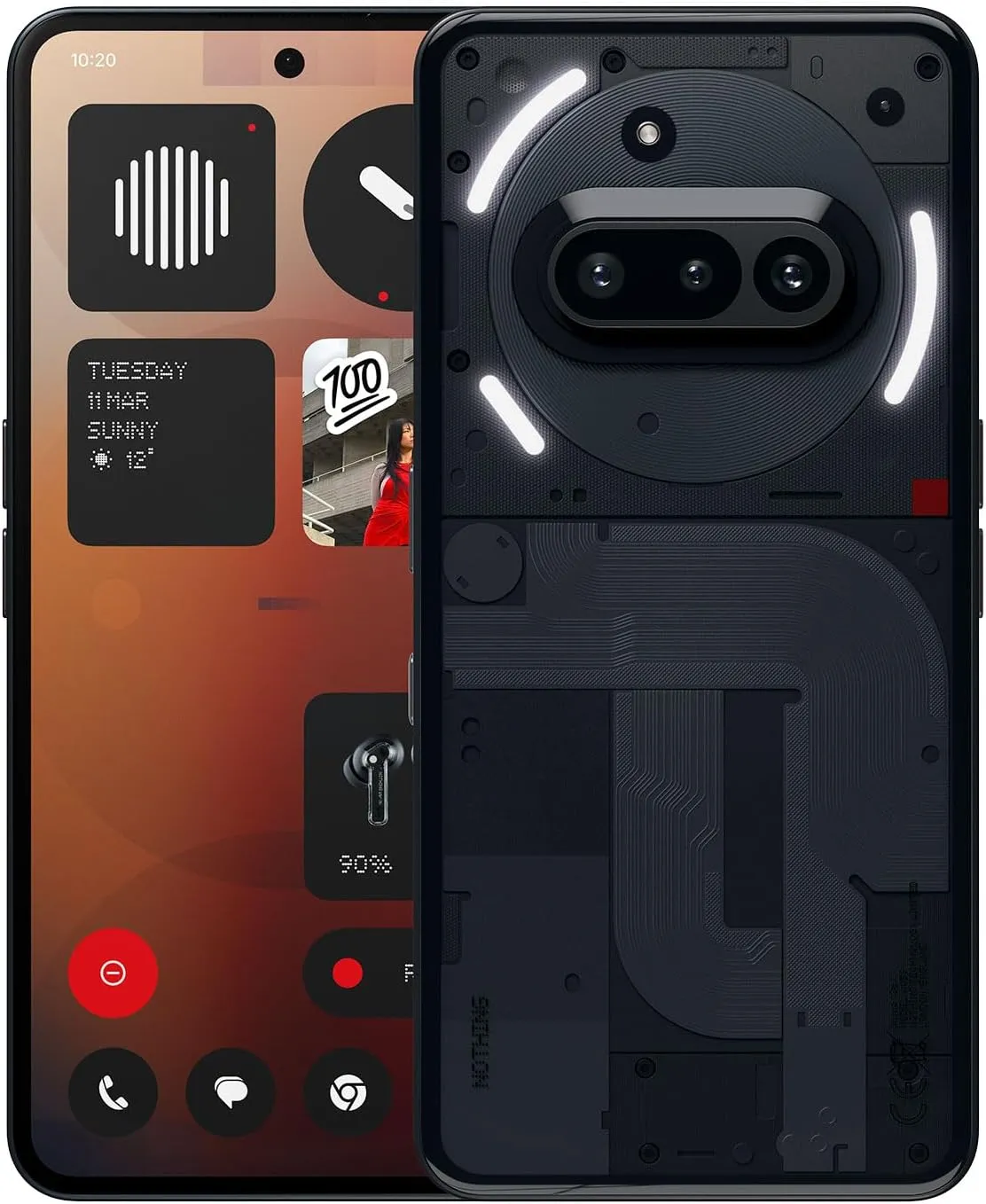
Nothing Phone (3a)
The Nothing Phone (3a) features a high-performance Snapdragon 7s Gen3 processor built on a 4nm TSMC process, 8-core, up to 2.5 GHz, and is equipped with WiFi 6, Bluetooth 5.4, GPS/Glonass/Galileo positioning.
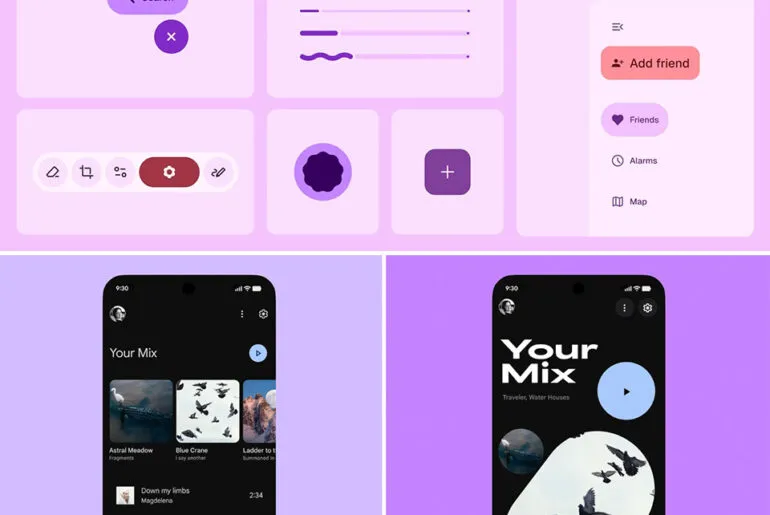
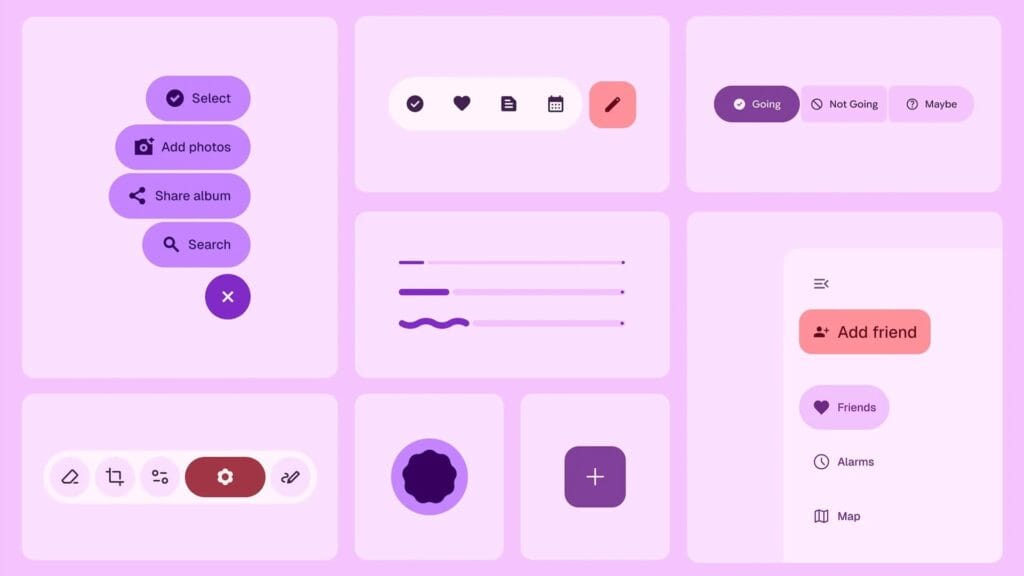
One of the main topics of discussion with Android 16 is the release of Material 3 Expressive, which not only improves the user experience of the system but also guarantees that Google apps use the same design language, improving consistency. Later in the year, those system-level design modifications are anticipated, but it appears Google is eager to begin implementing Android 16’s app designs.
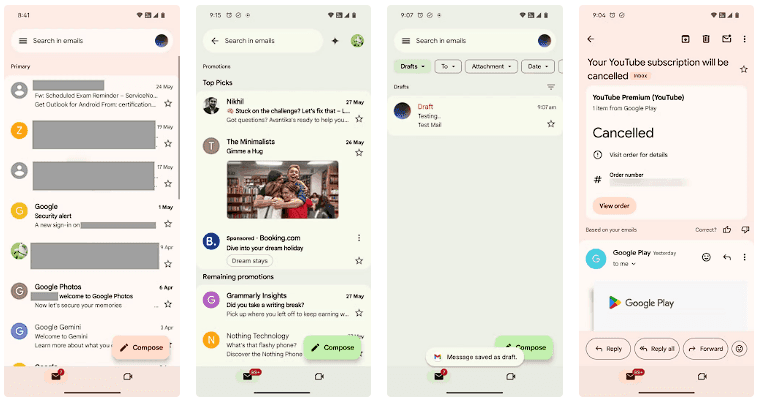
Over the past few weeks, the Mountain View tech behemoth has been seen previewing Material 3 Expressive in the Phone app and, more lately, in Calendar, Photos, Files, and Meet. If Gmail is your main email app on your Android phone, it’s time to see if you have the Material 3 Expressive design upgrade installed. However, there is no information regarding when Android 16’s design will be available for these apps.
How Material 3 Expressive design is changing Gmail?
The Gmail app version 2025.05.11 is implementing Android 16’s design language, which was initially noticed by SparkRadar on Telegram. This brings significant modifications to the program’s general look (via Android Authority). The new card-based user interface for the email list is the first significant change you’ll notice when you launch the app.
Emails and the landing page’s search box were previously shown in a single-sheet format. With the Material 3 Expressive redesign, the email screens also had the same card-based user interface as the landing page.
On the landing page, the “Compose” FAB is still located on the right, but now has a thicker typeface and a solid-filled pencil image. The search bar has seen a minor alteration as well. The profile symbol in the search bar is no longer present in the updated user interface. As an alternative, the search bar’s size has been lowered to create space for the profile symbol next to it.
Additionally, we can see that the Meet and Email symbols have grown in size, and the bottom bar has slightly expanded. Additionally, Gmail now has a pill-shaped button animation for its swipe motions, which gives the interface a lively personality.
Although the Material 3 Expressive design update is visually appealing, not all Gmail users can currently access it. The reason for this is that a server-side update is being used to roll it out. Additionally, it may take a few more days to make this adjustment available to everyone, as Gmail is one of the Google apps with over 10 billion installations on the Google Play Store.
With Gemini mostly overshadowing the two-day developer conference, Google I/O 2025 is now gone. On the other hand, the release of Android 16 QPR1 Beta, which incorporates the previously introduced Material 3 Expressive design language, is a more noteworthy advancement for certain aficionados. What’s new in this version and how to access the beta are explained here.
After the stable Android 16 Beta program, the first Quarterly Platform Release is the Android 16 QPR1. Despite being more stable than previous betas, it is still intended for developers and testers because of flaws and other problems. Similarly, this release represents a sneak peek at the upcoming Pixel Feature Drop, which is anticipated to happen next month.
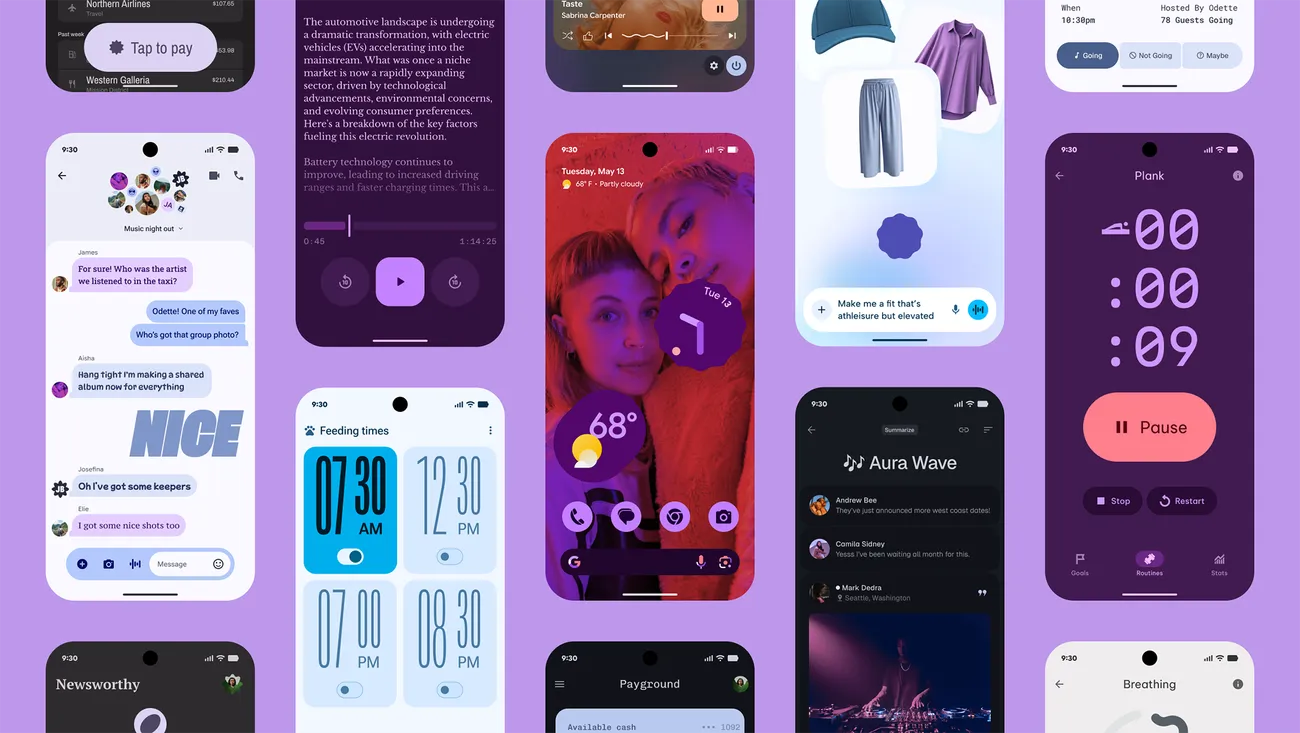
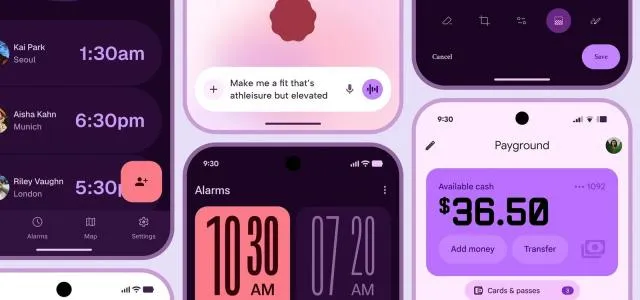
Google’s new design language, Material 3 Expressive design, or M3E, which incorporates bolder and more playful elements, is now available in the Android 16 QPR1 Beta. Wear OS 6 for wearables will also use the M3 Expressive design.
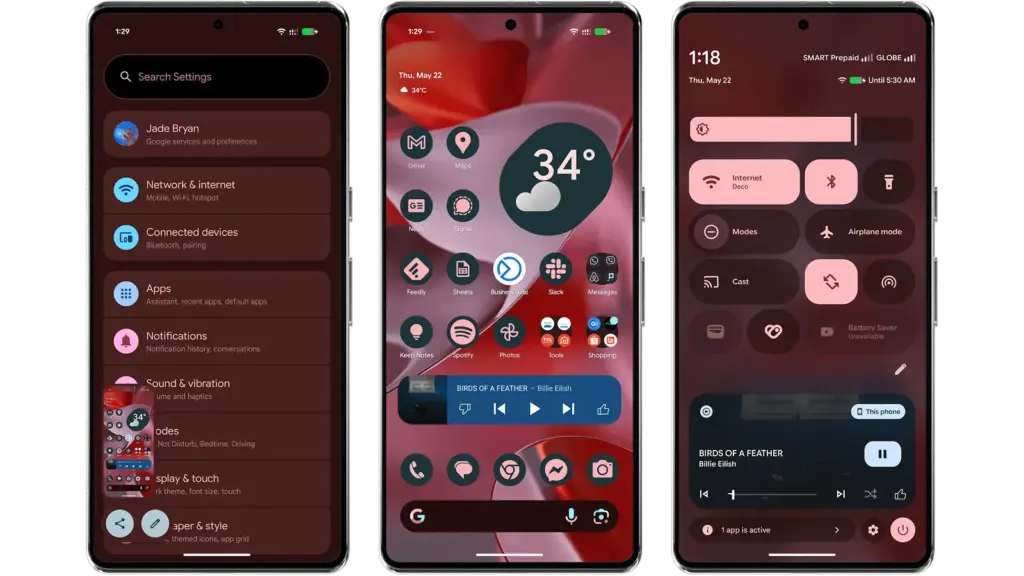
To experience M3 Expressive, I set up the Android 16 QPR1 Beta on my Pixel 9 Pro XL (review). The wallpaper and quick settings are two examples of UI elements and sections where the modifications are instantly apparent. Additionally, some features, including personalized icons on the Pixel Launcher, are not yet enabled.
Material 3 Expressive design landed in Android 16 QPR
A notable modification to the home screen is the addition of a complete row of additional space for widgets and apps. This is because the “At a Glance” widget, which was formerly located at the top of the home screen, has decreased.
The battery, cellular, and Wi-Fi system icons have also been added to the status bar. In the meantime, each component of the system settings has more themed glyph icons.
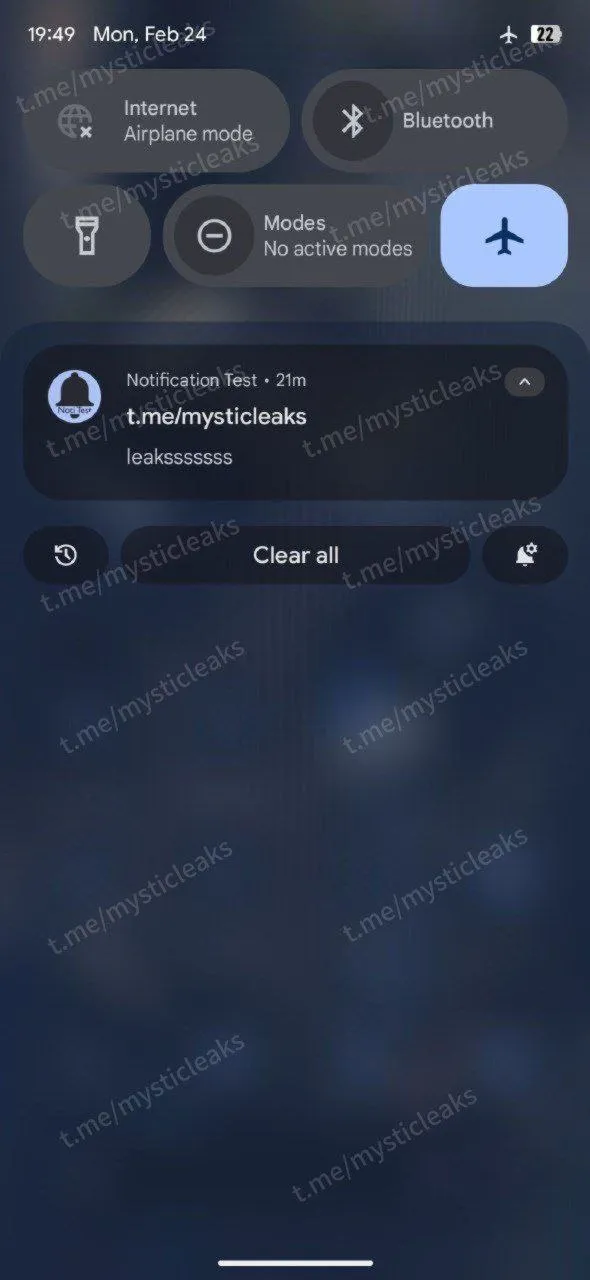
The most significant changes are in the fast settings panel, which now uses shortcuts and widgets in a more vibrant and effervescent manner, along with new animations that Google calls “springy.” Additionally, there are additional customization options for scaling and positioning toggles and icons, which enables users to employ 1×1 icons to fit more elements.
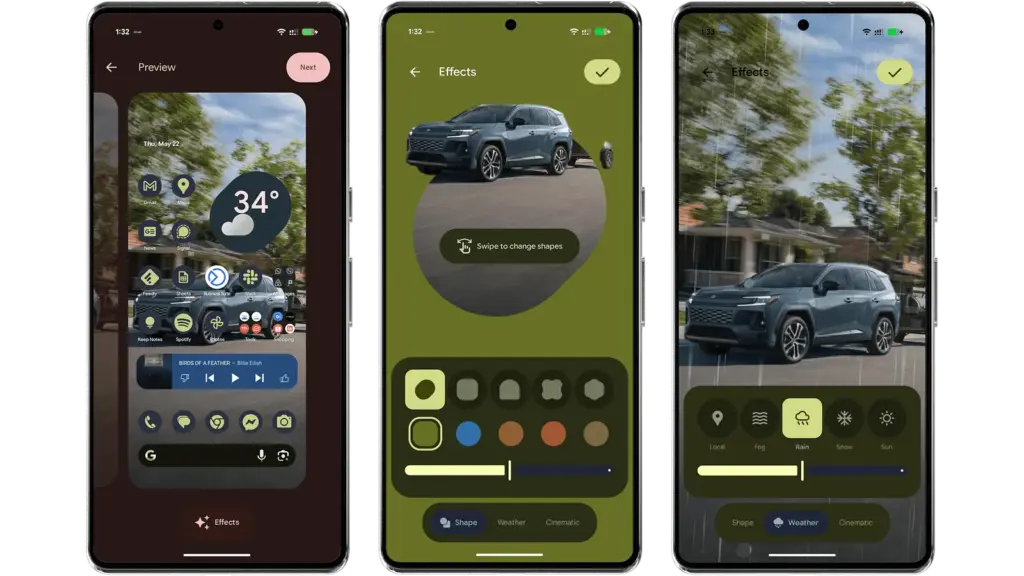
Android 16 provides additional settings and effects for custom images, which will appeal to those who like personalizing their home screen and lock screen. AI-powered weather effects and the ability to overlay colors with shapes are now available. A cinematic effect is an additional choice, but my device was still unable to use it after trying.
More apps will come with Material 3 Expressive
It is anticipated that Google would add more M3 Expressive elements to its services and applications, such as Google Photos and Keep.
Manufacturers of skinned Android versions, like Samsung’s One UI, are now primarily responsible for implementing the Material 3 Expressive design. Many of these changes and new features should be maintained for those that provide stock and near-stock Android experiences.
All of these updates, along with perhaps other improvements and optimizations not included in the first Android 16 QPR version, will be included in the June Pixel Feature Drop if you’re patient enough.
The Android 16 QPR1 Beta update is available via the beta program for Pixel 6 all the way to Pixel 9 series.
Pixel 6, Pixel 6 Pro, and Pixel 6a
Pixel 7, Pixel 7 Pro, and Pixel 7a
Pixel 8, Pixel 8 Pro, and Pixel 8a
Pixel 9, Pixel 9 Pro, Pixel 9 Pro XL, Pixel 9 Pro Fold, and Pixel 9a
Google recently unintentionally unveiled Material 3 Expressive, their upcoming major Android overhaul. The business calls the upgrade the “most researched” one to yet, aiming to make its UI more aesthetically pleasing and user-friendly, in a since-deleted blog post that 9to5Google saw.
An archival copy of the removed webpage is available on the Wayback Machine and 9to5.Some of the photographs that Google did not save have been made public.
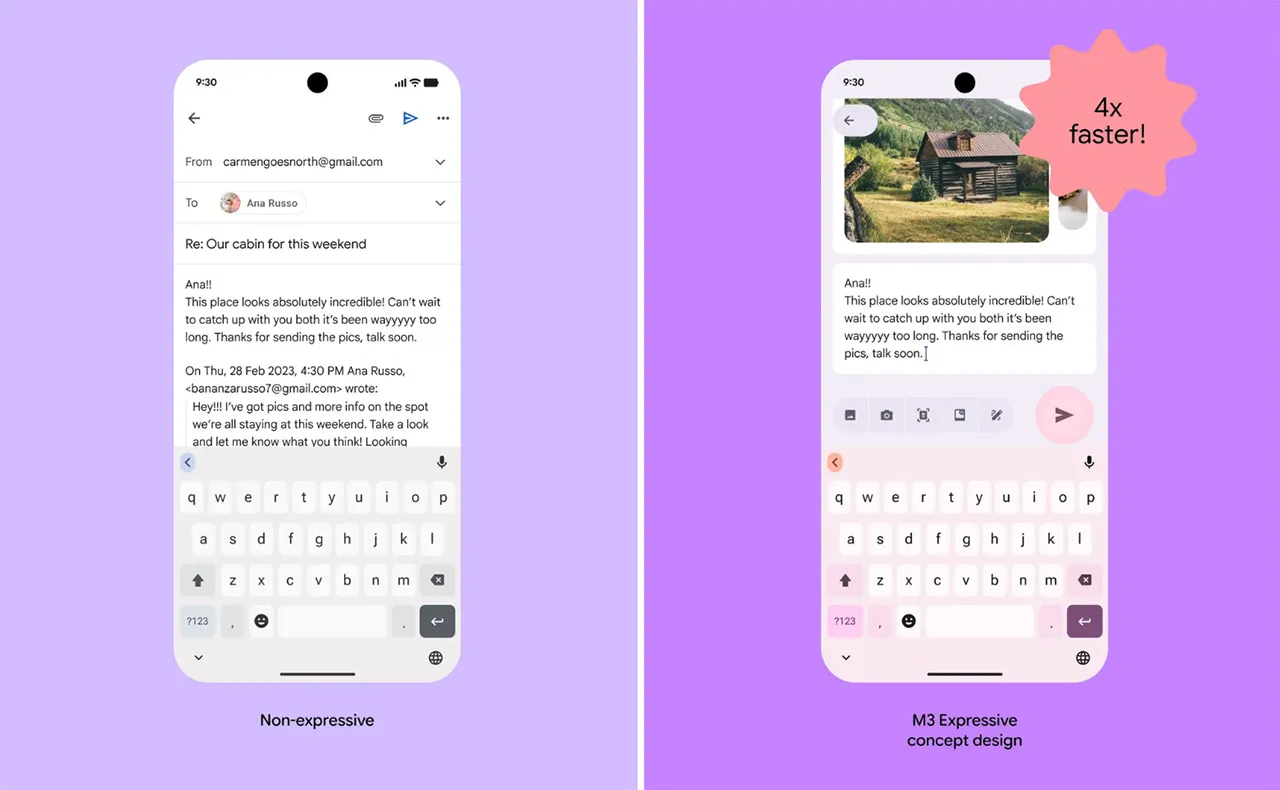
Google claims to have created Material 3 Expressive following 46 design and research iterations with more than 18,000 participants, as detailed in the post.The design makes a product “more useable” by utilizing color, shape, size, and motion. Later this month, it will also have a separate session at Google I/O.
Google’s research included examining how participants responded to various looks, where they concentrated their attention within a design, and how quickly they grasped an interface. For example, “which progress indicator made the waiting time feel faster” and “how big a button may be for good gains in tap time without overwhelming other objects” were examined by the company as separate components.
When compared to the previous Material 3 design, Google claims that its Material 3 Expressive design made it up to four times faster for users to locate important items inside the interface. Material 3 Expressive “seems to level the playing field for users of all ages,” according to the report, since the design made it easier for individuals over 45 to recognize interface elements just as quickly as younger users.
Reports over the last few days indicate that Google intends to implement improvements to Android’s user interface, such as updated fast settings menu, a new clock font, and revised status bar icons (such the battery icon). Changes to the Google Clock app have also been revealed by other leaks.
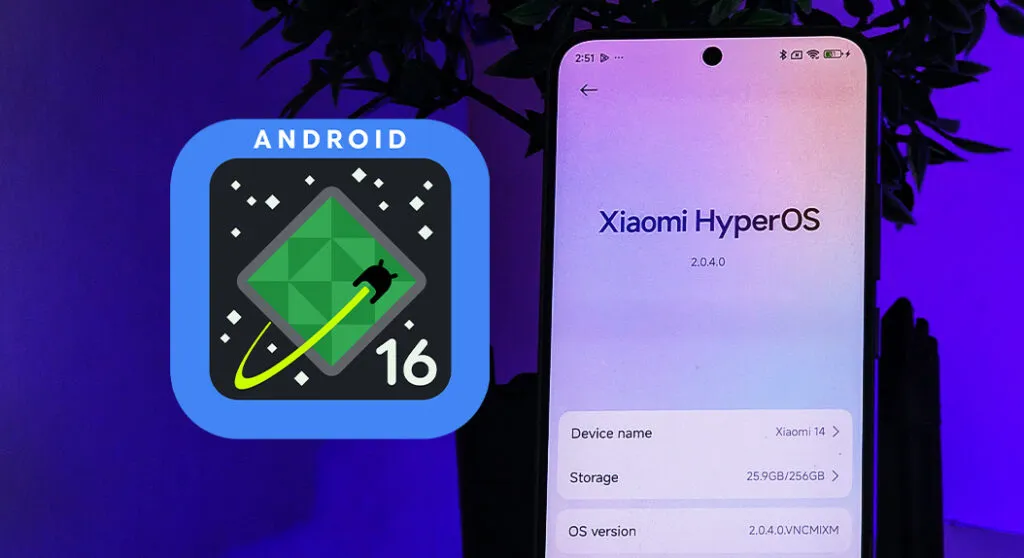
Xiaomi’s impending HyperOS 3 could challenge Apple’s decade-long interface dominance, following extraordinary stability improvements in HyperOS 2 and subsequent updates. After addressing stability issues in MIUI and HyperOS 1, Xiaomi improved the user experience with HyperOS 2.1 and 2.2, paving the way for a significant competitive advantage with its next-generation interface.
Android 16 foundation and release calendar
HyperOS 3 will primarily be based on Android 16, with select devices receiving an Android 15 version. By doing so, Xiaomi hopes to standardize the software experience across its wide portfolio of devices while ensuring that everyone receives the most recent UI innovations.
According to industry sources, Android 16 is scheduled to be released in the second quarter of 2025, which coincides nicely with Xiaomi’s usual October software release timetable. The schedule would allow Xiaomi’s development team plenty of time to implement Android 16’s core features while also adding their own tweaks and improvements.
What is particularly noteworthy about HyperOS 3 is how Google’s proposed design philosophy for Android 16 corresponds to visual signals traditionally associated with Apple’s iOS. Google is apparently working on a major interface makeover that will make extensive use of blur effects throughout the system UI – a visual approach that has been a hallmark of Apple’s design language for many generations.
This convergence offers a unique opportunity for Xiaomi since HyperOS 3 can potentially offer:
Greater visual depth with sophisticated blur effects
Intuitive layering of interface elements more
Improved visual hierarchy that aids usability
Smoother animations that are more natural and responsive
Greater visual consistency across the entire system
The fact that HyperOS 3 is being released at a time when the iOS interface is quite stable presents a chance for Xiaomi to overcome the perception gap between Android-based devices and Apple’s ecosystem. By combining Google’s core interface enhancements with Xiaomi’s performance optimizations and design sensibilities, HyperOS 3 has the potential to become the new benchmark for Android interfaces.
To Xiaomi users, this evolution represents the continuation of a favorable trend that began with HyperOS 2’s emphasis on stability and performance. The progressive modifications in successive releases have laid a firm foundation for HyperOS 3, allowing it to give both aesthetic polish and functionality advancements without sacrificing the stability to which customers have grown used.
The last several years have seen significant transformation at OnePlus. It has been trying to get into the mass market and has moved away from its image of an enthusiast. In the process, it expanded the number of entry-level and mid-range devices in its inventory and reduced the number of flagship models in its lineup to just one, with the OnePlus 10 Pro taking the top spot in 2022. But that state won’t last forever. In an event that was streamed from New York, the company declared that the OnePlus 10T would be the following premium phone it will deliver this year, with a debut date of August 3.
The decision by OnePlus to produce the T model is a return to a tried-and-true tactic that the company abandoned a few years ago. Up until 2020, OnePlus released two flagship lineups each year, with the T series typically the second, significantly more advanced release. Though there is still a slight quirk, the OnePlus 10T might be a good example of that. There is now only a OnePlus 10 Pro available, thus there isn’t a basic OnePlus 10 to compare the 10T against. Furthermore, it doesn’t appear like the 10T will be a more advanced model of the 10 Pro. Here is everything that is currently known about the OnePlus 10T.
OnePlus 10T design
The Verge has received official pictures from OnePlus, giving us a sneak peek at the device’s appearance before its August 3 launch. With a camera array that gracefully curls into the edge of the phone, it has a very similar form to the OnePlus 10 Pro. Additionally, it appears to have the same sandstone-like back that is as silky smooth as the 10 Pro’s. For better or worse, the 10T does appear to lose the curved screen.
The absence of OnePlus’ iconic tactile alert slider, which has always been a part of the company’s flagship experience, is more intriguing than the alteration in the display. The slider that allows you to switch your ringer from silence to vibration to sound is present on the 10 Pro and earlier models but not on the 10T. It does seem to take up a lot of space, as stated by OnePlus, and also appears to contribute to the structural rigidity of the phone, which is why the company wanted to get rid of it. But for OnePlus, this feels like the end of an era.
Hardware
The details of the specifications are currently unknown. According to the most recent report, the phone should have a 32MP front camera and 6.7-inch 120Hz FHD+ OLED display. Two other cameras—a 2MP macro and a 16MP ultrawide—join the 50MP primary camera on the back. The 10T no longer sports the Hasselblad logo, unlike the 10 Pro. Similar to the removal of the alert slider, OnePlus views this as another cost-cutting strategy to enable other features.
The cutting-edge Snapdragon 8+ Gen 1, the quickest Qualcomm processor currently on the market, should be inside. Given that the business earlier seemed to be experimenting with the MediaTek Dimensity 9000, this would seem to be a last-minute modification.
For RAM and storage, the phone is supposed to be equipped with standard 8 and 12GB RAM with 128 and 256GB storage variants, but there could also be a more advanced 16GB RAM version in some markets.
It is almost certain that the alleged 4,800mAh battery can charge at a rate of up to 150W. The OnePlus 10T is believed to lack wireless charging, making it slower than the OnePlus 10 Pro’s 80W charging speed. Additionally, dual speakers and an in-display fingerprint scanner are believed to be included with the OnePlus 10T. Software-wise, OxygenOS 12 for Android is anticipated to run on it. Then, after the official release of Android 13, we would anticipate seeing this phone receive OxygenOS 13 at a later time.
Release date and availability
On August 3, 2022, the OnePlus 10T will be unveiled in New York. If you’re interested in seeing what OnePlus has to offer, tune in to the event because OnePlus will be livestreaming it. It’s safe to presume that the 10T will be sold in the US given that the company has moved its launch event to New York. Comparing this to the OnePlus 10 Pro, which the company initially solely released in China, is likewise a change in approach. Much later, it was made available on overseas markets.
Pricing
In terms of cost, we anticipate the OnePlus 10T to be a little less expensive than the OnePlus 10 Pro. It would be strange if OnePlus charged more for the new member of the series than the top-of-the-line alternative because the company is presenting it as a non-Pro phone. Given the 10 Pro’s $900 asking price, a pricing in the $600–$800 range would seem realistic.