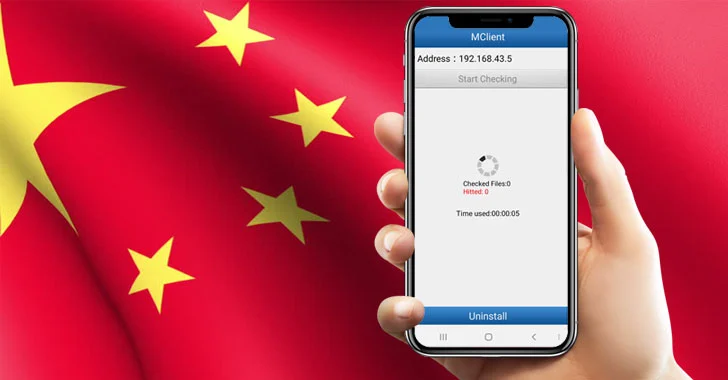
The Intelligence Bureau (IB), India’s domestic spy agency, issued a warning to soldiers not to use certain Chinese eavesdropping Android apps as a matter of national security.
42 Chinese Android apps, including some well-known ones like We Chat, True Caller, UC Browser, and UC News, have been listed by the IB as purportedly gathering crucial data about the Indian security installations.
According to the report, the Intelligence Bureau in a November 24th advisory directed the soldiers assigned on Line of Actual Control (LAC) to uninstall these Chinese spying Android apps from their smartphones and also format the device after uninstallation as it may compromise national security.
However, China has a history of snooping on people using Android apps. Many complaints were made in the past concerning UC Browser’s dubious methods for gathering user data and sending it back to China. Now that the issue has received considerable attention, the administration has advised the troops to delete these risky apps in order to prevent eavesdropping by Chinese eyes.
Just keep in mind that by using these apps, you might unwittingly turn against your country because you never know what information these terrible Chinese espionage applications are sending to China.
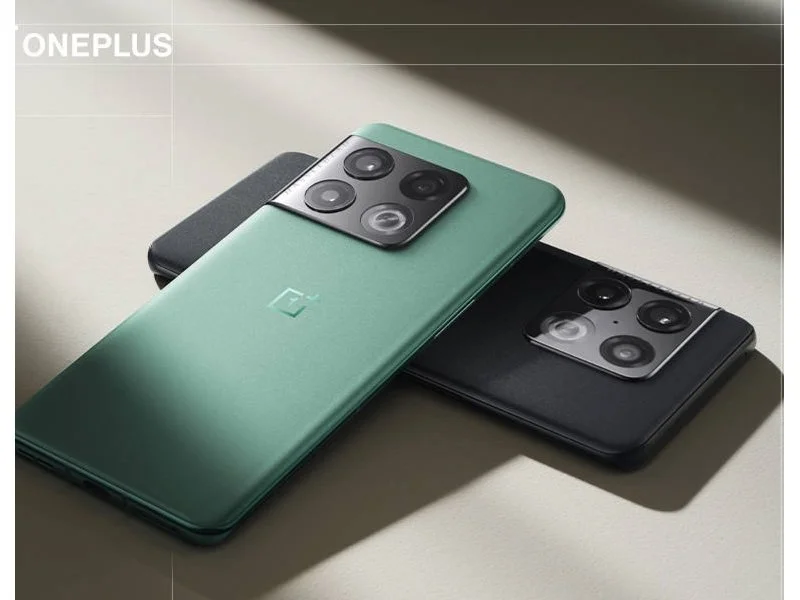
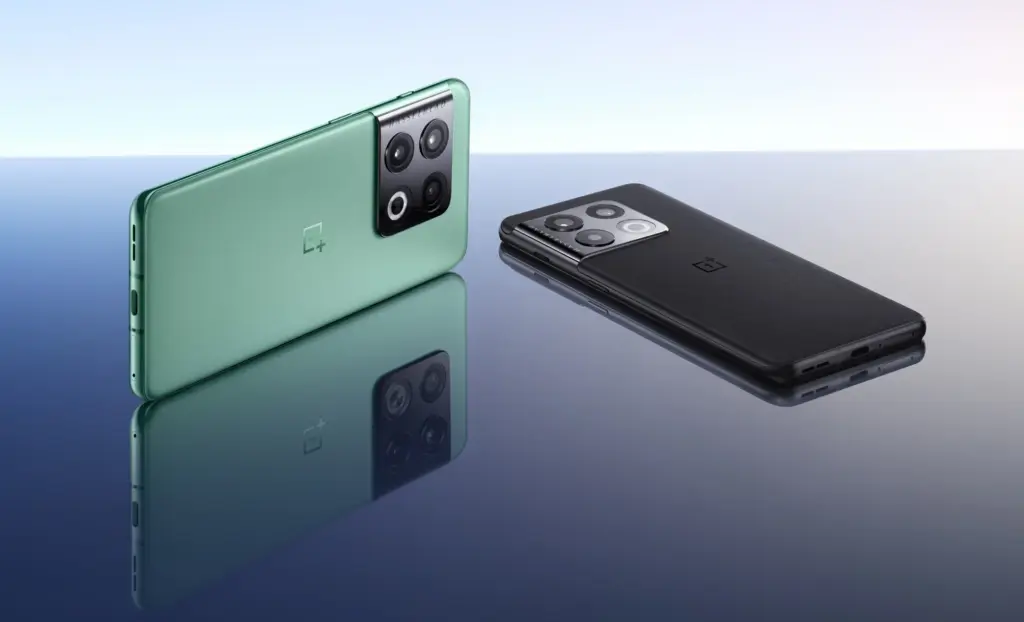
To give early customers a chance to test the future software release before the stable deployment, OnePlus released the first Android 13 beta update for the OnePlus 10 Pro last month. The previous build, however, had a number of flaws, thus OnePlus is currently distributing a new Android 13 beta release for the OnePlus 10 Pro. Although OnePlus asserts that the new build is more stable than the previous one, we still don’t advise installing it if you use your OnePlus 10 Pro every day.
The new Android 13 beta release is rolling out as part of OnePlus’ Android 13 Developer Preview Program. It gives developers and advanced users a chance to experience the upcoming version of OnePlus’ custom Android skin ahead of the stable rollout. If you wish to try it out on your OnePlus 10 Pro, check out the full changelog and known issues in the section below.
Android 13 beta changelog:
System
[Fixed] the issue that Data usage cannot display
[Fixed] the issue of crash when turning off/on 5G network
[Fixed] the issue that unable to close all background programs
[Fixed] the issue that the lock screen password was required to enter the launcher after restoring factory settings
[Updated] Android security patch to 2022.05
Camera
[Optimized] the overall shooting effect of the camera, improved the user experience
Known issues:
UI display sometimes might be abnormal
Music playing cannot be paused normally via wired headphones
Occasional abnormal response for gesture operation when the screen was off
No response when tapping the video call button
Auto brightness sometimes works abnormally
Crash issue when setting the Fingerprint animation in Personalizations
Lagging issue caused by switching screen refresh rate
Some applications might be lost after upgrading
ownload: Android 13 beta build for the OnePlus 10 Pro
You can download the region-specific update packages for the latest Android 13 beta build from the links provided below. Make sure you take a full backup of your data before flashing the build.
Kotlin 1.7.0, an update to the JVM, web, and mobile programming language from JetBrains, includes an alpha version of the ground-breaking K2 compiler.
K2 is designed to accelerate the creation of new language features, unify the platforms that Kotlin supports, and offer an API for compiler modifications in addition to enhancing performance. However, the alpha version is restricted to JVM projects. And only the kept plugin for annotation processors currently works with it.
Kotlin 1.7.0, an update to the JVM, web, and mobile programming language from JetBrains, includes an alpha version of the ground-breaking K2 compiler.
K2 is designed to accelerate the creation of new language features, unify the platforms that Kotlin supports, and offer an API for compiler modifications in addition to enhancing performance. However, the alpha version is restricted to JVM projects. And only the kept plugin for annotation processors currently works with it.
Definitely non-nullable types have been promoted to stable. These provide better interoperability when extending generic Java classes and interfaces.
Builder inference, a type inference that is useful when calling generic builder functions, is automatically activated if a regular type inference cannot get enough information about a type without specifying the -Xenable-builder-inference compiler option introduced in Kotlin 1.6.0 last November.
Opt-in requirements are now stable and do not require additional compiler configuration.
An underscore operator for type args can be used to automatically infer a type of argument when other types are specified.
Implementation by delegation to an inlined value of an inline class is enabled. Developers now can create lightweight wrappers that do not allocate memory in most cases.
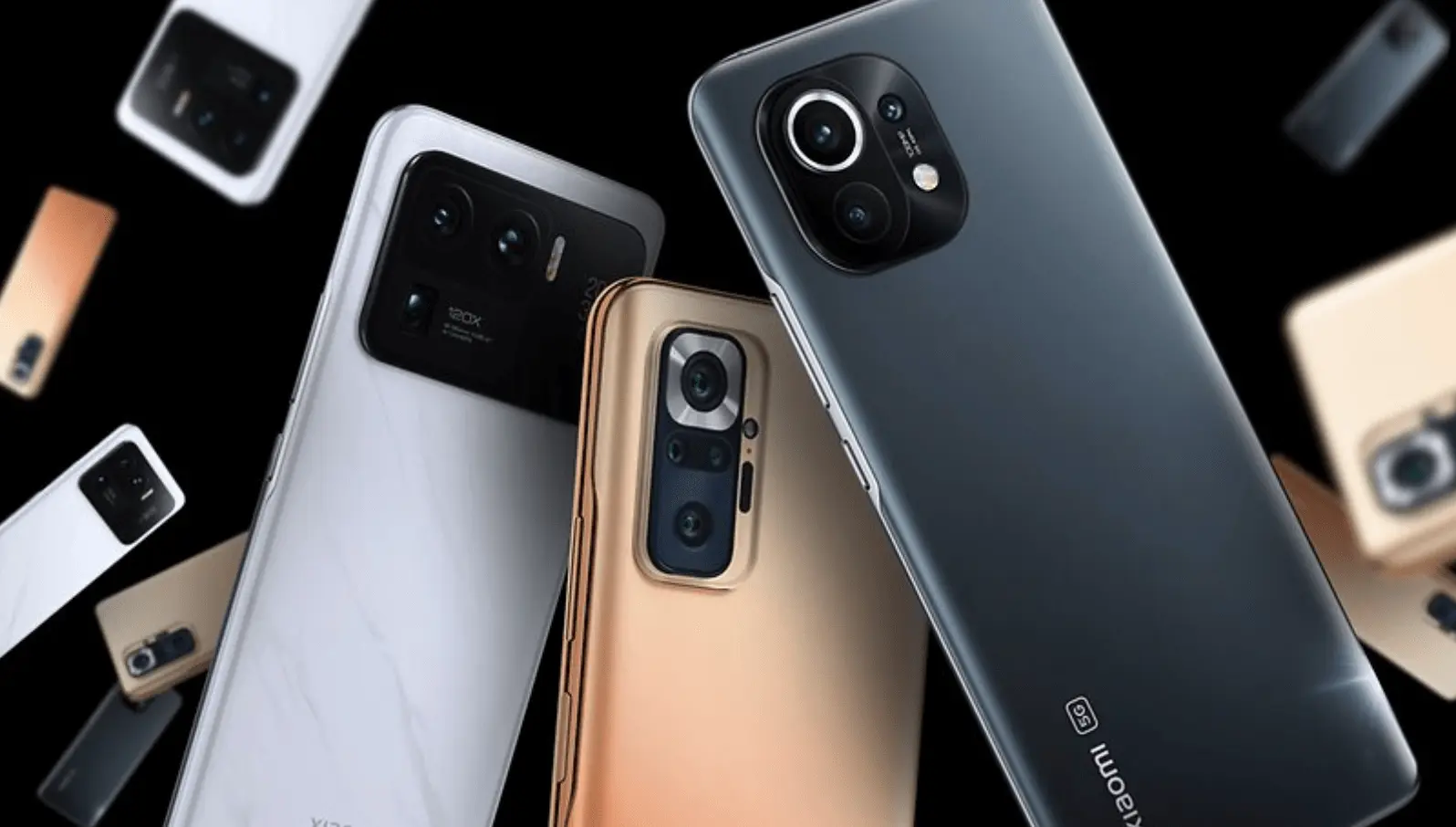
There are much more entry-level cellphones than flagships on the market. Because of the low-end specifications of these cellphones, it is highly typical for them to have poor speeds. Even tiny apps can cause the smartphone to hang on low-end hardware. Furthermore, many web pages may take a long time to load. If you have a Xiaomi entry-level smartphone, though, you’re in luck. There are a few basic things you can do to boost the speed of your smartphone. Xiaomi’s most popular smartphones are entry-level models. As a result, they come with insufficient hardware, which may cause them to slow while under strain. You can make the MIUI UI run faster and prevent these smartphones from hanging or freezing.
Boost MIUI speed
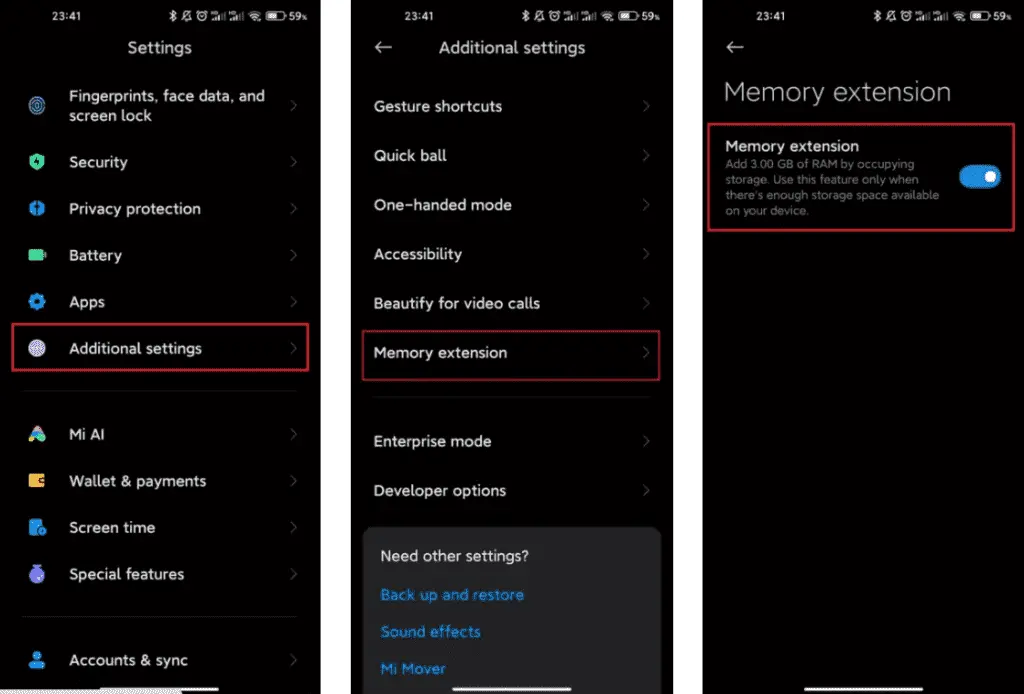
1. Extend your memory
Xiaomi, a Chinese company, has added a feature to its devices that may be of assistance. This is where the RAM expansion feature comes in. This capability has been available for the company’s smartphones since last year. This feature frees up RAM by using internal storage to create SWAP storage space. If you can activate this option, you’ll be able to boost the MIUI system’s speed. Although it is not as fast as physical RAM, it is a significant improvement.
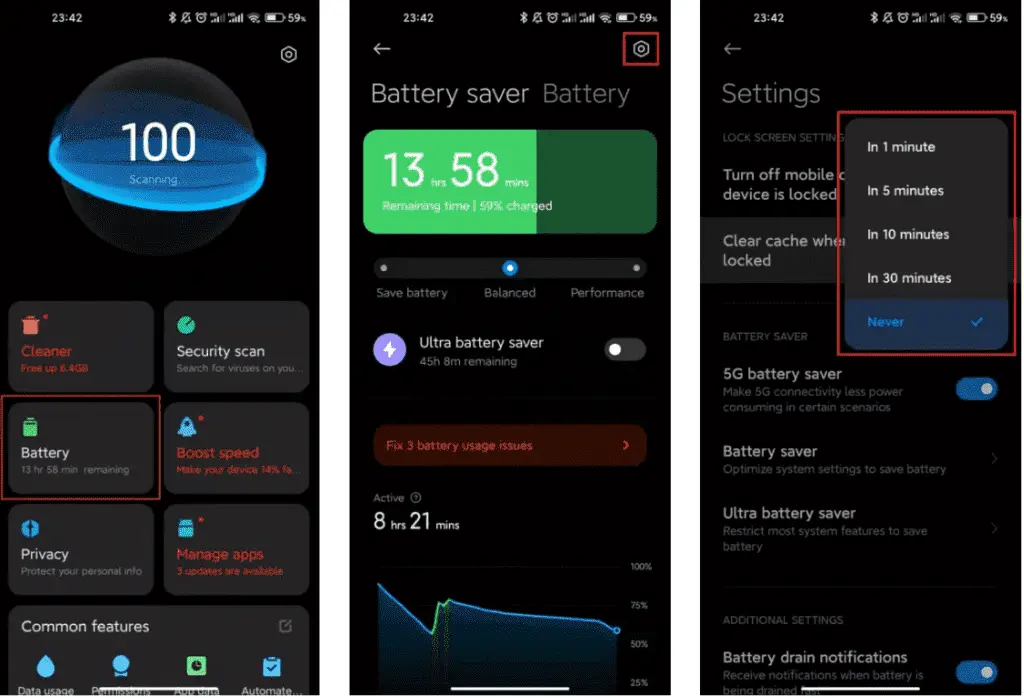
2. Clean cache
Whethere its a smartphone, tablet or even a desktop, clearing cache is very good for operation. When the cache storage is too heavy, it could cause the device to lag. The rate at which your cache storage fills up depends on how you use your device. With the automatic cache clearing feature, it is now very easy to clear cache. You no longer need to clear the cache via recovery mode.
Xiaomi MIUI automatic cache cleaning feature ensures that your cache is always clear. Whenever you lock your smartphone screen, this feature clears the cache. Furthermore, you can manually set this feature to clear the cache at intervals. Thus, whether your hardware is insufficient, clearing the cache will ensure that all its limited resources are spent on relevant operations.
3. Disable system apps and ads
You may have noticed that the MIUI system app has in-built advertisements when you run it. It’s vital to realize that these adverts consume some hardware resources. This means that it has the potential to slow down the smartphone. They can create delays in the opening of some functionalities since they require system resources. Xiaomi makes it optional to see these advertising because they might be quite unpleasant.
You may quickly disable advertising that you don’t want to see, and they won’t appear again. All you need to do is set up a private DNS server. In the private DNS provider, type “dns.adguard.com.” Then, just to be sure, look to see if these adverts are still visible. This will free up some hardware resources while also speeding up the MIUI system.
4. Disable system animations
This solution is compatible with any smartphone operating system. For entry-level cellphones, some functions are a great luxury. One of these features is system animation. Deactivating this feature is a common technique for making the operating system run faster. Make certain that the animation scales are set to 0 or 0.5. These animations will be faster than before, and MIUI itself will speed up.
5. Keep the storage clean
Obviously, filling your storage with “crap” is a recipe for disaster. This is because the storage capacity of your smartphone has a big impact on its use. This is also not unique to MIUI devices, but rather to all gadgets.
The pace of the smartphone slows down when the internal storage is full. You may notice minor latency and the device freezing at this stage. This can be avoided by keeping storage as basic as possible.
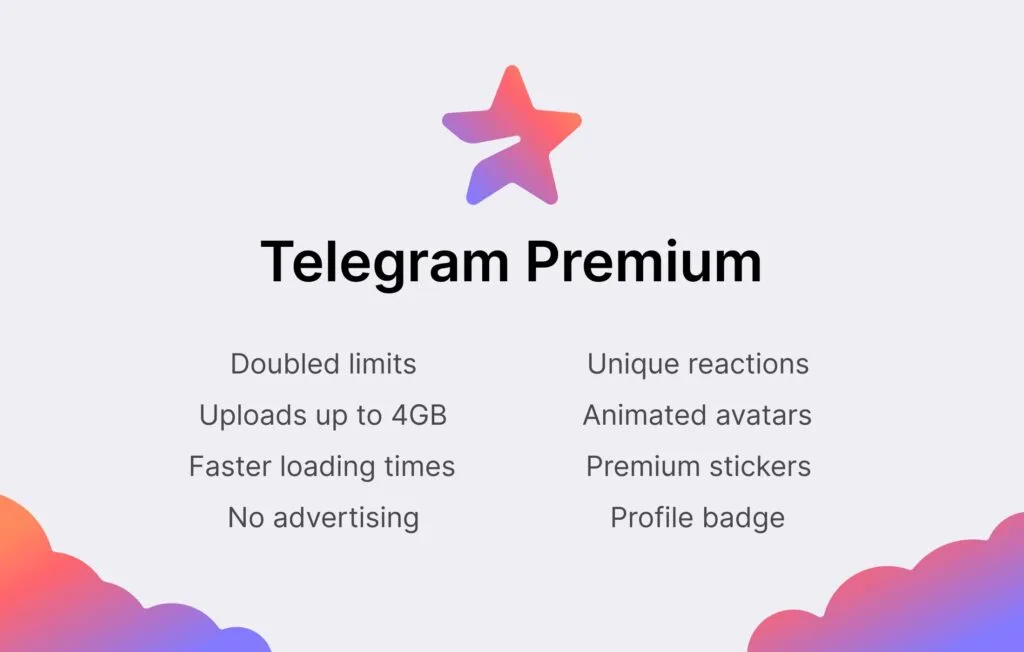
Telegram‘s founder Pavel Durov has disclosed that the company plans to add a premium membership service to its already remarkable feature set.
Telegram is a popular chat app that prioritizes privacy and security. It competes with WhatsApp and Signal in the same market, but it stands out for the sheer variety of functions it offers and its generous usage restrictions. According to Durov, the corporation intends to increase its capabilities and limitations even more, but at a cost.
The most difficult part of adding new services and increasing use limits, according to Durov, is figuring out how to do so without driving up infrastructure costs. With a paid subscription service, the revenues collected will assist the company cover its costs while also limiting the demand for enhanced usage restrictions to only those consumers who are ready to pay for the premium service.
The app’s existing functions will stay free, and the business expects to continue adding new capabilities to the free service, which is good news for customers. Some of the work that goes into the subscription edition will help all users.
“Moreover, even users who don’t subscribe to Telegram Premium will be able to enjoy some of its benefits: for example, they will be able to view extra-large documents, media, and stickers sent by Premium users, or tap to add Premium reactions already pinned to a message to react in the same way” Durov explains.
Durov says Telegram Premium will arrive in June 2022. Pricing was not divulged.
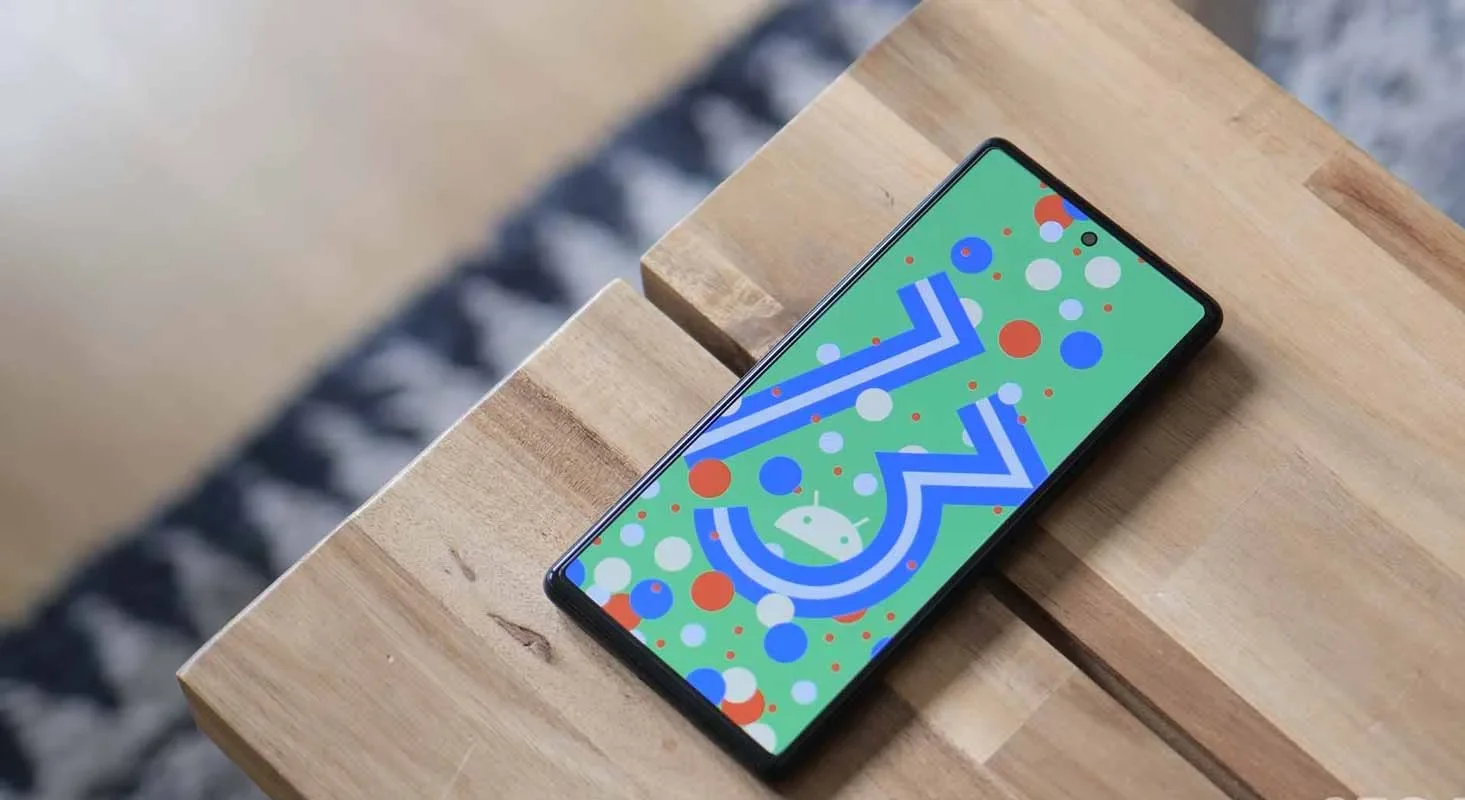
For your Google Pixel phone with Android 13, today is a huge day: we’ve reached the platform stability stage of the development cycle. The third beta of Android 13 is now available, and things are looking fantastic.
All app-facing behaviors and APIs are final in this Beta 3 build, which is available on the Pixel 4, Pixel 4a, Pixel 5, Pixel 5a, and Pixel 6 lines. For developers, this means creating apps ready for release while also knowing that nothing will change in the future. For you, the non-developer, this simply implies that we won’t see much changes in terms of features or UI in the future.
Do you want to try out Android 13 Beta 3 on your phone or tablet? Let’s get started.
How to download Android 13 Beta 3 on your Pixel
Android 13 Beta 3 is available on the following devices:
Pixel 4 and 4 XL
Pixel 4a and 4a (5G)
Pixel 5 and 5a
Pixel 6 and 6 Pro
Easiest way: If you own one of those devices, the easiest way to get Android 13 Beta 3 on device is to sign-up for the Android Beta Program (here). You’ll simply click the “Opt In” button on that page to join and then sit back and wait for Google to push an update as Android 13 over-the-air.
Once you have enrolled, you’ll head into Settings>System>Advanced>System update to check for it. Google may not push it immediately and could instead roll it out slowly throughout the day. Either way, feel free to check through there to tell Google you want it after enrolling in the program.
UPDATE 6/8 11:20AM: Google pulled all of the Beta 2 image and OTA files and replaced them with a message that reads, “Available soon.” We don’t know if soon means later today or in a couple of days. We’ll update this once the new files go live.
UPDATE 6/8 12:47PM: Google still hasn’t posted the files, but the build number for Beta 3 appears to be TPB3.220513.017.
UPDATE 6/8 12:56PM: All the files are now live!
Manual way: Want to get updated faster or would rather flash a factory image or OTA file through adb to feel more techie and important and smart? That’s still an option! I’ll be going the OTA route, but factory images are available too. You’ll find Android 13 Beta 3 factory images here and the OTA files here. For instructions on how to flash a factory image, here you go. For instructions on how to flash an OTA .zip file, here you go.
Already on an Android 13 Beta 2 build: If you are already on an Android 13 Beta build, Google says that you will receive the Beta 2 update over-the-air. Of course, you can manually flash a factory image or OTA file as well, since the over-the-air process often takes forever to process.
What’s new in Android 13 Beta 3?
Release date: June 8, 2022 Build: TPB3.220513.017 Emulator support: x86 (64-bit), ARM (v8-A) Security patch level: June 2022 Google Play services: 22.18.19
We’re diving in now to see what’s new, but Google describes new goodies as follows:
“There’s a lot to explore in Android 13, from privacy features like the new notification permission and photo picker, to productivity features like themed app icons and per-app language support, as well as modern standards like HDR video, Bluetooth LE Audio, and MIDI 2.0 over USB.”
Honest, there may not be much else new going forward. Once we hit Beta builds (and this is our third), Google doesn’t change much. It’s looking like Android 13 is a solid bug fixer from the big changes that were introduced in Android 12, and that’s completely fine. We love polish and stability. Let’s hope Android 13 gives that to us.
Should we see enough stuff to highlight, we’ll work on a separate post. Stay tuned.
The launch of Samsung’s One UI in 2018 was undeniably a watershed moment for phone user interfaces. While the initial iPhone had shortcomings, it was clear that it had won the hearts and minds of the globe when everyone from OnePlus to Google copied much of its design. We’ve been fans since the beginning, but there’s one area where it’s always been difficult to look at, and that’s animations.
Samsung’s One UI is a mix of openness and closeness. Things are continually speeding, flowing, expanding, and contracting to an extreme degree. In fact, the animation bloat was so awful that Samsung included a feature named “Reduce Animations” at one time, almost as if they realized it was excessive.
It’s difficult to quantify how much that feature lowered everything, but we always advised you to enable it. Then Samsung took it down one day! If you wish to lessen animations, you must first activate developer options and alter the phone’s animation scales. That’s not tough, but we don’t like the fact that Samsung removed our earlier straightforward option.
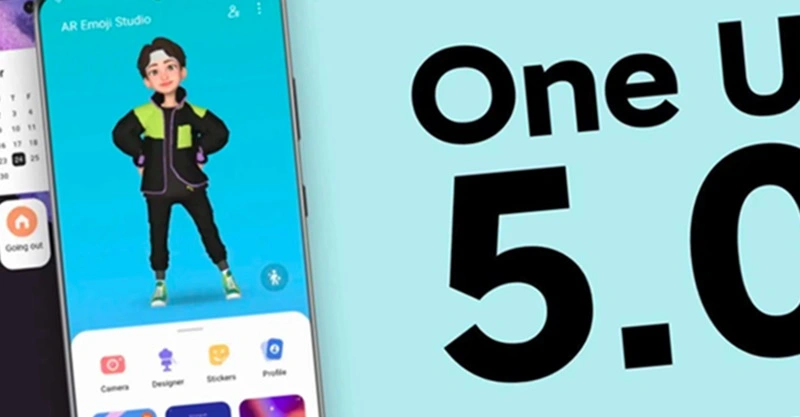
Anyway, SamMobile believes that Samsung is set to dramatically increase the UI speed in One UI 5.0, which is positive and relevant news. One of the primary issues on the One UI 5 agenda, according to their sources, will be to improve UI navigation speeds and animations so that they are smoother.
We don’t have an official debut date for One UI 5, however Samsung usually releases new One UI updates alongside the latest Android version. For example, we were able to test One UI 4 with Android 12 before it was rolled out to all of Samsung’s finest phones by the end of 2021. If Samsung holds another developer conference in the fall, it could be a nice opportunity to preview the new One UI.
Finally, while we have someone in Samsung’s orbit’s attention, can we get a vertical app drawer already? For us, Samsung, it’s long past time to make the switch.
Realme is still providing the security patch for its handful of smartphones, but it’s not the latest one. The May 2022 security patch is rolling out for Realme Q5 Pro, Realme Q2, and Realme V5 5G in China.
The latest update for Realme Q5 Pro, Q2, and V5 seeding with build numbers C.07, C.17, and C.17, respectively. The update Optimizes system stability and improves user experience.
However, the changelog of Realme Q5 Pro is large and mentions camera and changing improvements – Optimize the blurred effect of the front portrait, the green and blue effects of video imaging, the clarity of night scene imaging.
Changelog:
Realme Q5 Pro 5G
System
Optimize system stability and improve user experience
Camera
Optimize the blurred effect of the front portrait
Optimize camera performance in some scenarios
Optimize the green and blue effects of video imaging
Optimize the clarity of night scene imaging
Charging
Optimize charging protection and charging icon display logic for individual scenarios
Download Google Camera (GCam) Mod For All Android Smartphones [v8.4.6] – Google Camera (Gcam), also called Pixel Camera, is a camera phone application developed by Google for Android. In comparison with the normal camera, it becomes clear that GCAM produces pictures that are true to the source and has a better dynamic range. It is chiefly known for its awesome features that allow the user to create a ‘Photo Sphere’, a 360-degree panorama photo, etc.
Today we have very good news: the GCam version 8.4.6 is now available with a MOD compatible with a large part of Android phones. We’ll tell you everything you need to know and how to install it!
You only need two requirements: run Android 10 or higher and have the Camera2 API. The main requirement for using the mod is that the device supports the Camera2 API. You can check this using a special application.
If you meet both requirements, you have almost everything done. Installing the GCam 8.4.6 is something extremely easy that you can do in a few steps:
Once the APK has been downloaded, you can install it.
Open the GCam app installed on your smartphone and you’re done
The process is as simple as downloading the APK and installing it. You shouldn’t do anything else. Of course, depending on the device you have, you will be able to access some functions or others of the GCam. Not all sections are compatible with all smartphones.
There is no universal way for backing up and restoring Android phones that works for everyone. To keep things simple but effective, many users may choose a cloud-based system with automatic backups. Others, on the other hand, may want to store them offline and manually create backups for safekeeping. There is no right or wrong way to approach things here; depending on what you’re searching for, both options may have trade-offs. In this post, we’ll go over some of the most common techniques for backing up and restoring your Android phone.
Google One Backup
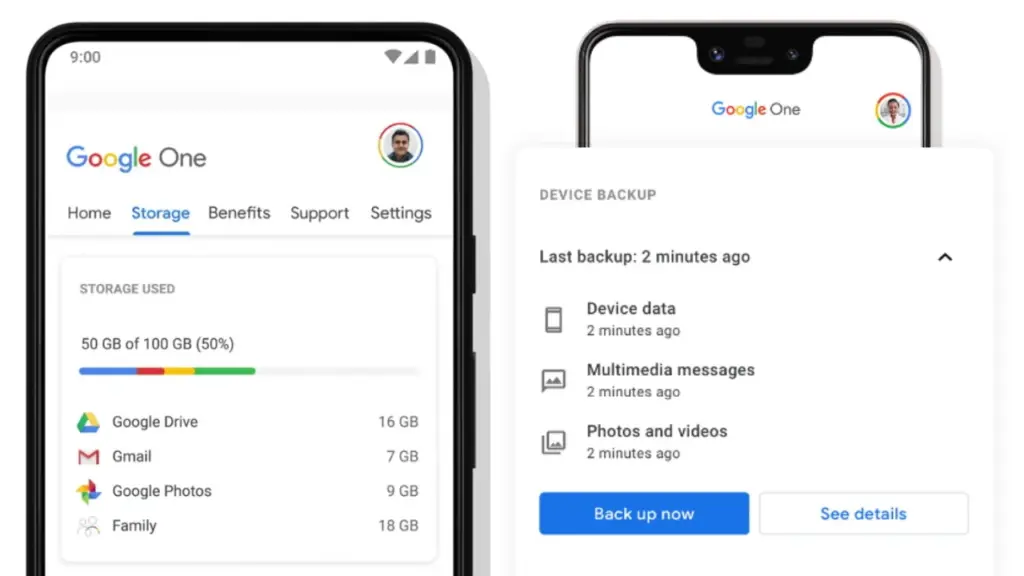
Google One is here to help you keep your life easy if you’re seeking for a fantastic, all-around backup solution for Android. Because Google is the official Android maintainer, it makes reasonable to utilize a first-party mechanism that can be accessed by almost any Android phone. To say the least, backing up your device with Google One allows you to save your images, messages, and a list of loaded apps. After your smartphone has been charging and idle for 2 hours over Wi-Fi, you’ll get automatic cloud backups.
Access Google One using the app
If you have a Pixel phone, Google One comes pre-installed as part of the operating system for quick access. Go to System Backup in the Settings app after opening it. All Google accounts come with 15 GB of free cloud storage for things like photographs, movies, and device backups. Increased storage capacity is available for a few bucks per month if needed. You may install Google One on your Pixel or any other Android phone by following these steps:
Download the Google One app if needed, then open it to continue.
Press the Set up device backup button to begin the process.
Tap Turn on to enable Google One backups for your device.
Hit Continue to grant the proper Google Photos permission as needed for your photos and videos.
You can always press Cancel if you don’t plan on using Google Photos to save your photos and videos.
Tap the Back up now button to begin backing up your device data to Google One.
Once the backup has been completed, you can view more info under the Backup details section.
Although Google One includes this feature during the setup process, it does not imply that you intend to use it. If you just want to back up your photographs and videos, you could always utilize Google Photos as a stand-alone alternative. You can use the Google Photos cloud storage capability by following these steps:
Download the Google Photos app if needed, then open it to continue.
Press the Turn on Backup button to enable the cloud storage feature.
Pick Original quality or Storage saver depending on your needs, then press Confirm.
Swipe through the intro page as needed, then press Done to get to the main screen.
You can also tap Skip to quickly move past the intro and onto the main app.
If you have any photos or videos waiting to be backed up, they should have started uploading now.
Tap your profile icon in the upper right to view the status of your uploads.
You’ll be good to go once it shows the Backup complete message.
After that, all the content that just backed up should appear on the main screen for you to view.
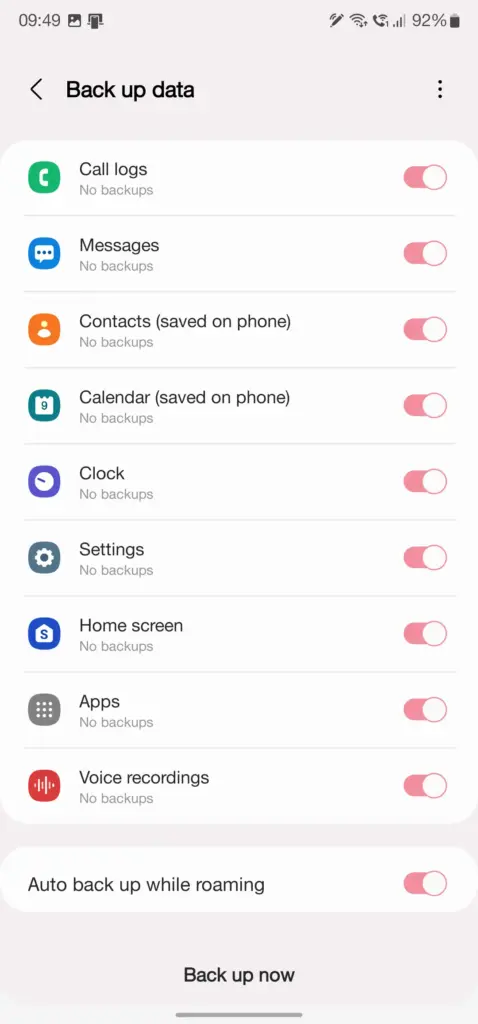
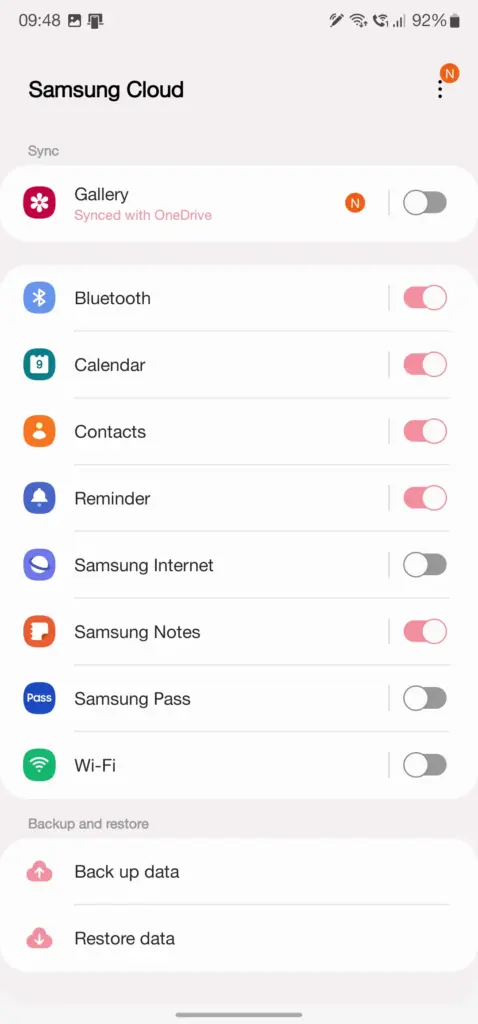
Users who have invested in the Samsung ecosystem can use Samsung Cloud, a dedicated service for their phone. This allows you to back up and restore your Samsung device in the event that it is lost, broken, or reset. System settings, Wi-Fi networks, and the layout of your home screen are just a few of the things you may back up and store in the cloud. The Samsung Cloud Backup app for Android is quick and simple to use, and it works across all of your devices.
When it comes to backing up your Android device, this is one of the most useful third-party apps available right now. With only a few short touches, Swift Backup allows you to perform batch activities. You may choose which apps you wish to store, hit a button, and it will handle the rest. It has a slight learning curve because it works with the Shizuku service, which grants you higher-level system rights. The good news is that many of its better features can be accessed without root access.
You’ll also be able to back up your messages, phone call logs, and device wallpapers in one go. And once the app is set up to your liking, you can create an automatic schedule to keep everything constantly backed up. We’ve personally tested Swift Backup and highly recommend it for offline and cloud-based solutions. If you want to learn more about Swift Backup, we have a guide here that gives you an in-depth view of how to use it.
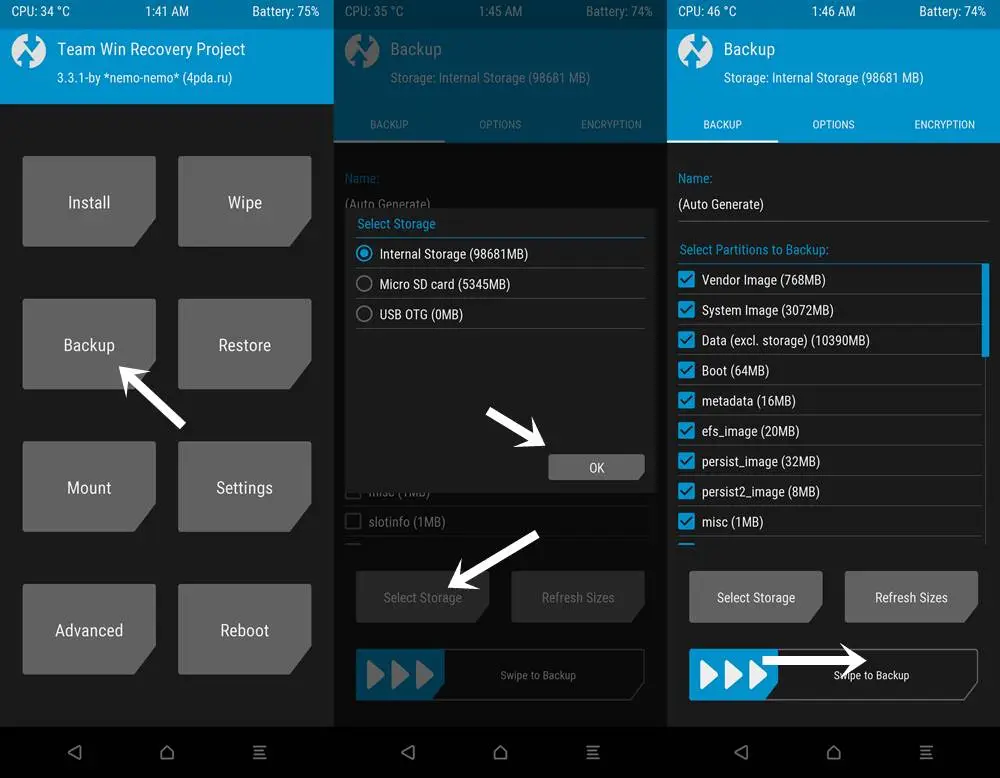
When it comes to backing up and restoring Android devices, sophisticated users have a handy trick under their sleeves. You can take full system image backups of your smartphone using a custom recovery environment like TWRP. A NANDroid backup in this situation allows you to practically clone your system and restore it exactly as you left it, including all app data. It doesn’t require root access, but it does require an unlocked bootloader, a device that supports TWRP, and some knowledge.
If you can get beyond the learning curve and qualifications, NANDroid backups can make your life easier. Once you’ve done that, all you have to do now is manually save your downloaded media files, images, and videos. Many Pixel, OnePlus, and Exynos variant Samsung phones should be on the list of Android devices that gain TWRP support. Because of the committed developer community, the Pixel 5, OnePlus 9 Pro, and Galaxy S22 Exynos edition all have access to TWRP.
Backing everything up
There are a slew of different proprietary backup alternatives available from Android device manufacturers, as well as a slew of third-party apps on the Play Store. In the above list, we’ve merely highlighted a handful of the more common and effective approaches. Which one you choose is entirely dependent on your personal preferences and requirements for your individual device. And now that you’ve had a good starting point, you should be able to identify the one that works best for you.







![Google Camera (GCam) Mod for all Devices [v8.4.6]](https://api.droid.tools/wp-content/uploads/2022/06/GCam-8.4-download-featured.webp "Google Camera (GCam) Mod for all Devices [v8.4.6] 20")