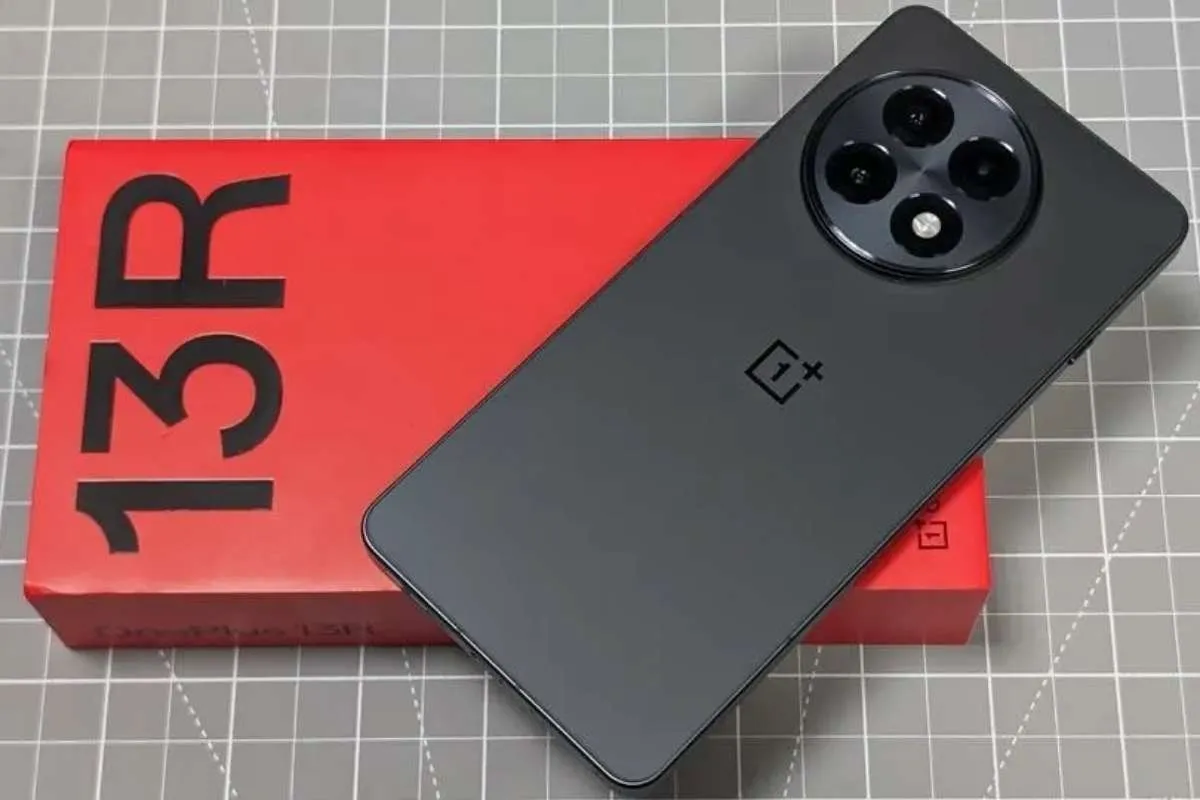
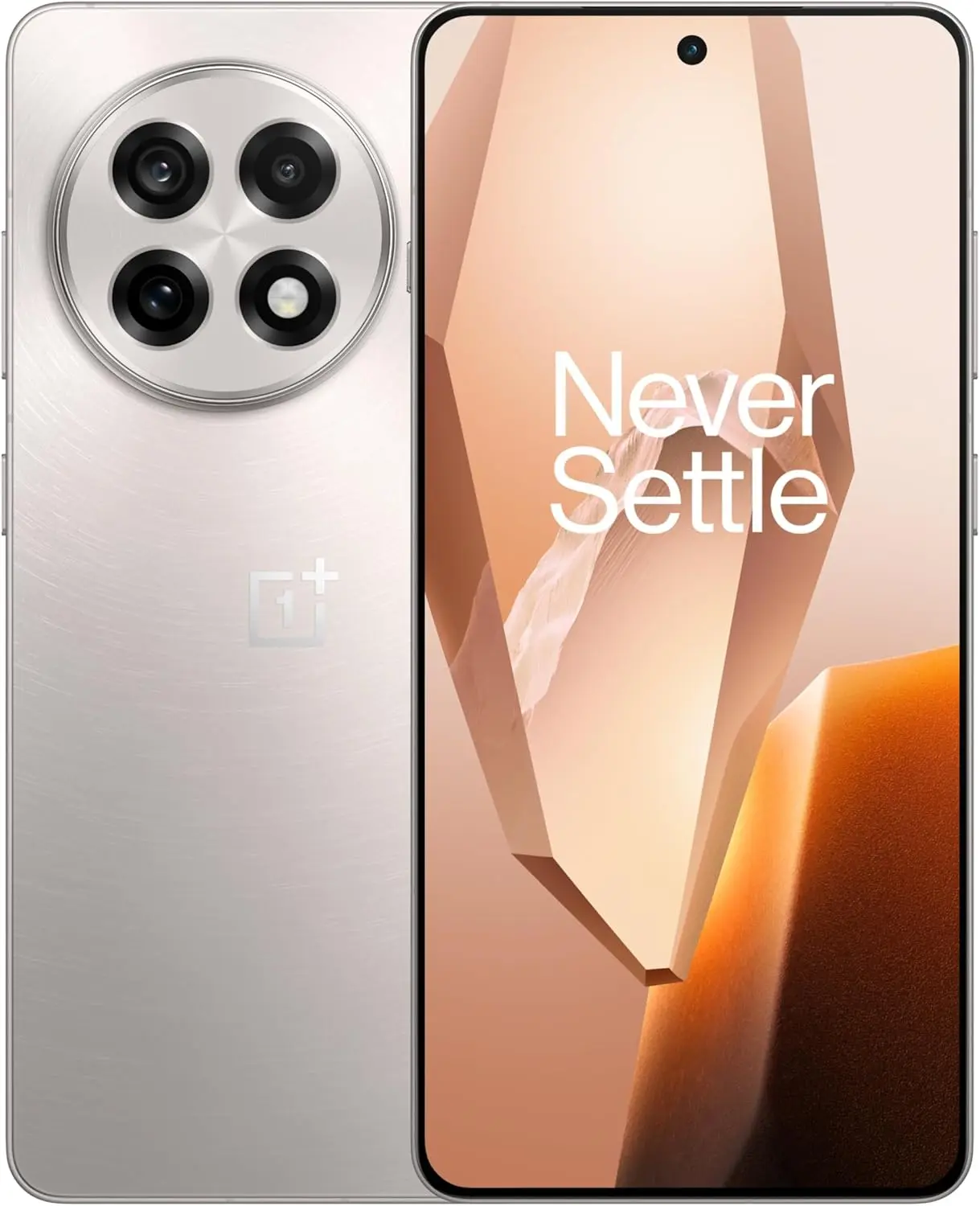
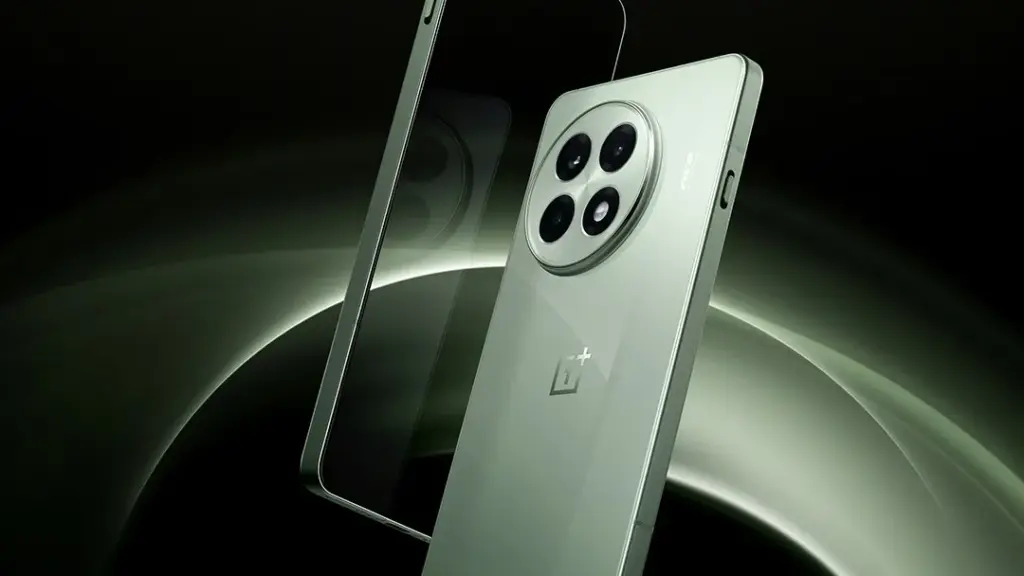
Even though Amazon Prime Day is officially over, there are still some amazing offers available. The OnePlus 13R has maintained a significant discount on the merchant in the smartphone category. The current price is $490, which is roughly $109 (18%) less than the typical $599.
The offer includes the Astral Trail and Nebula Black unlocked OnePlus 13R 5G model with 12 GB of RAM and 256 GB of on-board storage.
OnePlus 13R
Performance with Snapdragon 8 Gen 3: Experience the cutting-edge power of the Snapdragon 8 Gen 3 chipset, offering blazing-fast speeds, enhanced gaming performance, and seamless multitasking for an ultra-smooth mobile experience.
A less expensive flagship device than the OnePlus 13 is the OnePlus 13R. Early this year, it was introduced alongside the normal model and has streamlined specifications to drastically reduce its price. The 13R is still a good high-end choice, though, and it offers great value.
In no way are the trade-offs negative downgrades. For instance, the gadget has a 6.78-inch AMOLED screen that is just as dazzling as the more expensive OnePlus 13. But it has Corning Gorilla Glass 7i protection and a flat panel. With an IP65 classification, it also has less resistance to dust and water. This is sufficient to withstand beach visits and water splashes.
The flagship Snapdragon 8 Gen 3 SoC from last year powers the OnePlus 13R’s internal components. This processor still offers enough of power and is incredibly capable and dependable. In daily work, the OnePlus 13’s difference from the more recent Snapdragon 8 Elite is negligible or barely perceptible.
The OnePlus 13R is very good at several things, like battery life. Its battery lasts longer between charges than that of the OnePlus 13. Even though it doesn’t have wireless charging, it charges quickly at 80 W. Therefore, such trade-offs should be disregarded for a $300 difference, particularly because the reduction is providing you with further savings.
There are already a number of interesting and helpful apps available for free. However, as the offer is only valid for a short period of time, you need act quickly if you don’t want to spend any money on them.
There are countless apps available in both Google’s and Apple’s app stores, the Play Store and the App Store. While some of these apps are free, some need a fee. However, many users are unaware that many paid apps can also be temporarily made free as part of a special deal. We have compiled a list of some of the most intriguing free apps accessible right now.
Free Pro apps (Android)
Unit converter ($0.79) – With the right app at the right time, the smartphone can bring a lot of added value. Especially when it comes to units and their conversion, there is hardly a better tool than this one. Whether temperature, length, volume, energy, fuel or density – all of these can be converted effortlessly
Fake call screen – Prank call ($0,69) – Have you ever found yourself in an awkward conversation with no hope of escape? With this app, you can take your fate into your own hands and create a distraction with a fake call. Unfortunately, the application no longer works fully on newer Android versions
Color wheel ($2.09) – A very special app that is very popular with its target group. It allows you to precisely determine any color using a color wheel, color palettes, and the smartphone camera, and make fine adjustments at the same time.
Scan Text From Image English ($0,89) – With this app, you can automatically extract any English text from images. Numbers and units are also reliably recognized. The minimalist and user-friendly design of the application is particularly practical
Free premium apps (iOS)
Space Clutter ($0.99) – This game is a minimalist arcade game from 2012 that takes place in outer space. It is now also available for iOS. Anyone who develops nostalgic feelings when they hear the word “arcade” should definitely give this retro-inspired game a chance
Music Quiz: Know Your Library? ($0.99) – This game is a quiz based on your own music library. Anyone who thinks they know their favorite songs inside out can put their knowledge to the test here. The graphic design of the game adapts to the song currently playing
Blindfold Chess ($7.99) – This chess app takes an unusual approach, as the actual game almost takes a back seat here. Instead, the focus is on training for blindfold chess – in other words, playing chess without eye contact with the board. Anyone who learns this skill is guaranteed to be greeted with amazement at their next match
Dog Guide 2 PRO ($1.99) – If you want to find the ideal dog or expand your knowledge of these faithful four-legged friends, you should take a look at this app. It offers a large number of free pictures, clearly presented information, and a practical filter function – all in one application.
At the time this post was published, all of the apps we are showcasing here were free to download. Regretfully, developers frequently fail to indicate the duration of these offers. Don’t hesitate to download an app if you enjoy it.
However, you should always check the app page in the store before downloading a free program. Because there are occasionally unnoticed obstacles that you should be mindful of.
Apps permissions
Many apps gather user information and frequently sell it. Make sure you only give the program the rights it actually needs if you want to be safe. For instance, a flashlight shouldn’t be interested in your location information, and an alarm clock doesn’t require access to your contacts or cameras.
Android smartphones nowadays are available in a wide variety of sizes, styles, and form factors. There is a large market with many possibilities for foldable phones in addition to the traditional slab flagship smartphones and all-around mid-range smartphones.
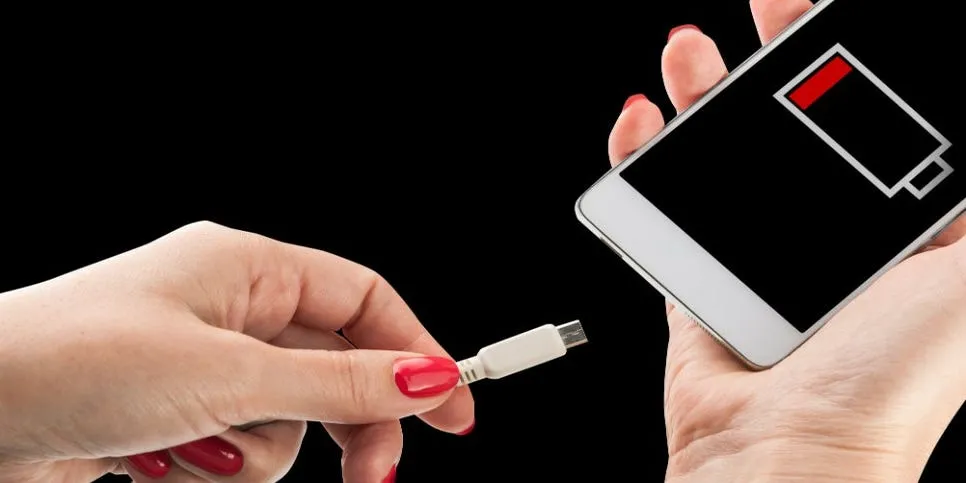
However, battery life has always been a problem for all Android users, regardless of the device they use. The majority of Android users are concerned about how long their phone will last between charges. Many people adopt practices based more on misconceptions than facts in an effort to maintain battery health.
Although many old pieces of advise still exist, Android phones have become much more intelligent. Here are some typical fallacies about charging that people still hold onto, along with the actual facts.
Only the original charger for your phone brand should be used.
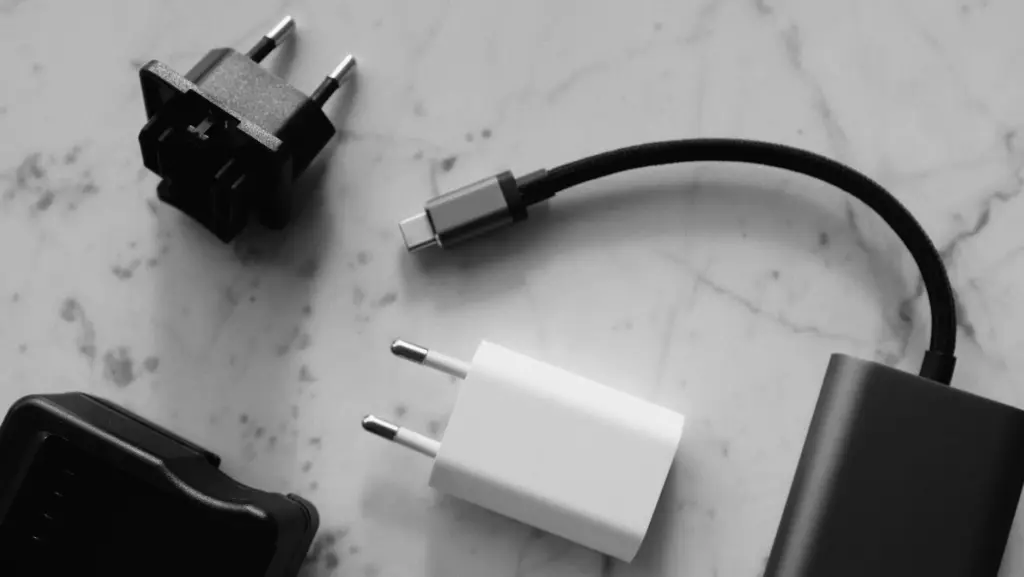
The majority of smartphone manufacturers have followed Apple’s example and ceased included a charger in the box since the release of the iPhone 12 in 2020. Additionally, they frequently encourage you to purchase their official charger, which is typically more expensive than alternatives found on Amazon or Best Buy. However, that isn’t the complete story.
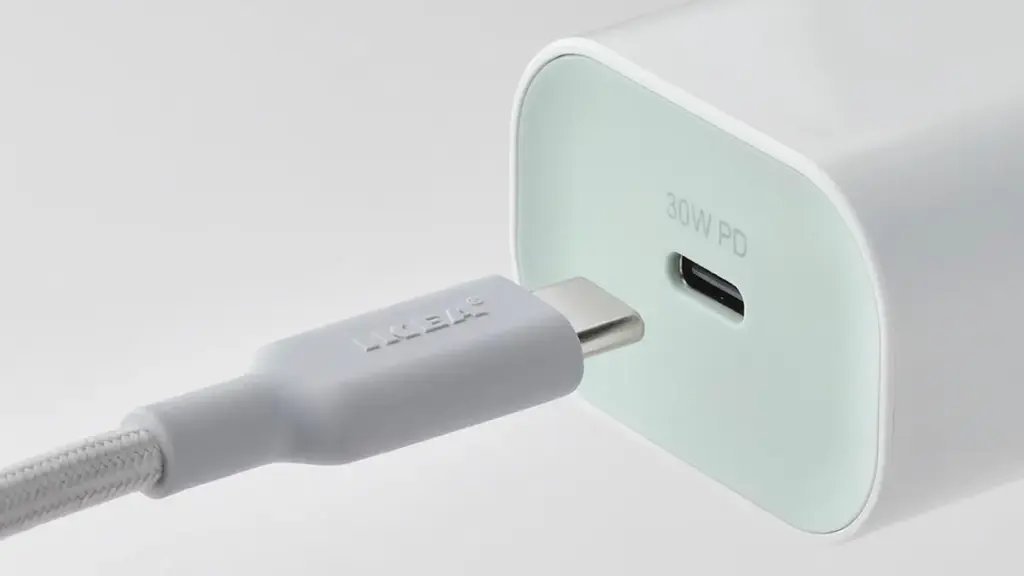
For a quick and safe charge, you don’t have to use the same brand of charger. In addition to meeting all safety and charging requirements, certified third-party chargers from companies like Anker, Belkin, Spigen, and UGreen are less expensive than those offered by phone OEMs.
Additionally, the majority of these brands’ chargers support the majority of fast charging protocols, including USB-PD, PPS, and Quick Charge. It’s likely that a decent third-party charger will function perfectly unless your handset uses extremely specialized proprietary charging technology, like as Xiaomi’s HyperCharge or OnePlus’ SuperVOOC.
Wireless charging is incredibly effective and safe.
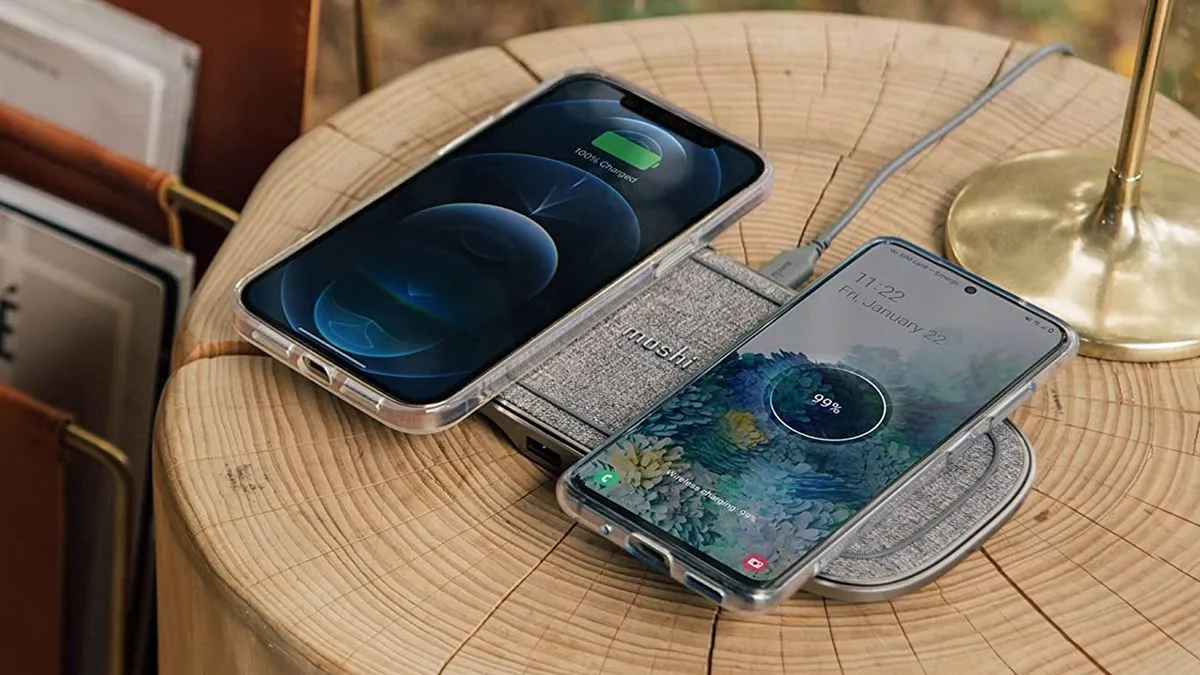
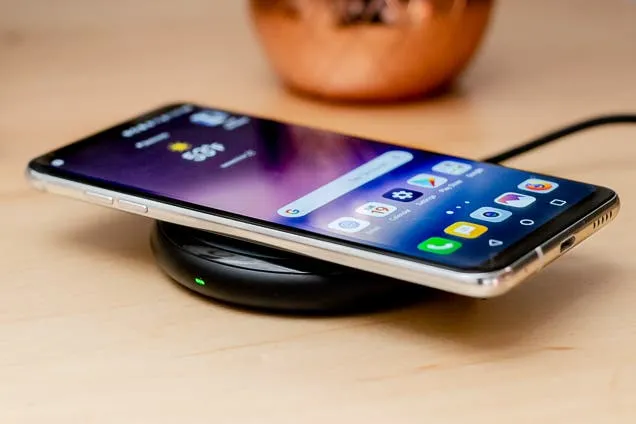
Wireless charging is now supported by the majority of Android flagship handsets, and although it’s a handy feature, it’s not necessarily the best option for battery health. Compared to wired charging, wireless charging produces more heat. Your battery may lose some of its original charge over time due to the accelerated degradation caused by excessive heat.
Therefore, try to avoid using wireless charging on a regular basis. Although it’s acceptable on occasion, if you would rather use a Qi-certified charger on a regular basis, take into account wireless chargers with integrated fans or temperature control, as these features aid in lowering heat production. Despite this, cable charging is still one of the greatest choices (and it’s typically faster, too).
Your phone’s battery will die if you leave it plugged in all night.
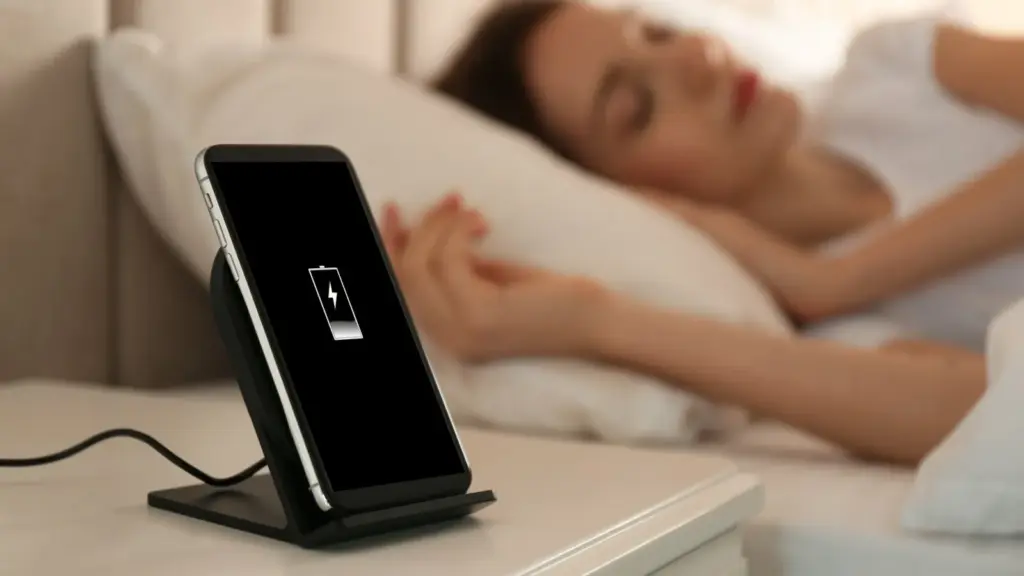
The idea that leaving cellphones plugged in overnight will “overcharge” the battery, damage it, and accelerate its depletion is one of the most widespread misconceptions regarding charging. However, that is untrue. These days, Android devices are intelligent enough to charge overnight without causing battery damage.
Nowadays, the majority of phones have intelligent battery optimizations that learn your usage and cut off charging when the battery reaches 80%. These optimizations are frequently AI-enabled. To reduce battery stress, the last 20% is charged right before you usually disconnect your phone.
However, charging to 100% on a regular basis is also not recommended. When left fully charged for extended periods of time, lithium-ion batteries—found in phones like the Google Pixel 9 Pro and Samsung Galaxy S25 Ultra—degrade more quickly. Setting a charge restriction, such as stopping at 80%, is a better long-term habit if your phone allows it.
It’s not good to charge your phone several times a day.
Another widespread misconception is that you should only charge your phone when battery reaches 0% and that charging it more than once a day is detrimental. However, that is untrue. Frequently charging lithium-ion batteries is not a problem for them. Actually, tapping 0% repeatedly may cause more damage than good to these cells.
For the optimum battery health, you should try to keep your phone within the 20% to 80% range, as this is where lithium-ion batteries are meant to operate. Charging your phone in short bursts throughout the day is less stressful on the battery than completely draining it to nothing.
Every phone is compatible with every fast charger.
Fast charging is supported by almost all Android devices nowadays, although it is unrealistic to expect all fast chargers to function in the same manner. The charger you’re using might not function as intended because the majority of Android OEMs utilize different fast charging protocols. There are numerous rapid charging protocols, such as USB-PD, PPS, and OnePlus’s proprietary SuperVOOC.
An incompatible fast charger won’t harm your phone’s port, but it probably won’t provide rapid charging. Using the correct charger will charge your phone as intended. You won’t receive the speed you’re hoping for if you don’t check your phone’s supported charging protocol before purchasing a new charger.
Did you knew all these?
Overall, we still hold onto several widespread myths about charging gadgets, many of which date back to the 2000s. However, cellphones have advanced significantly over time, and thanks to a number of clever features, they can now control charging more effectively.
Beyond being aware of these facts, you can really extend the battery life of your phone by incorporating a few simple tips into your daily routine.
Stay connected with the latest from Droid Tools—follow us on X @droid_tools, like our page on Facebook, check out our updates on Instagram, and follow us on Google News for real-time news, device tips, and mobile tech insights.
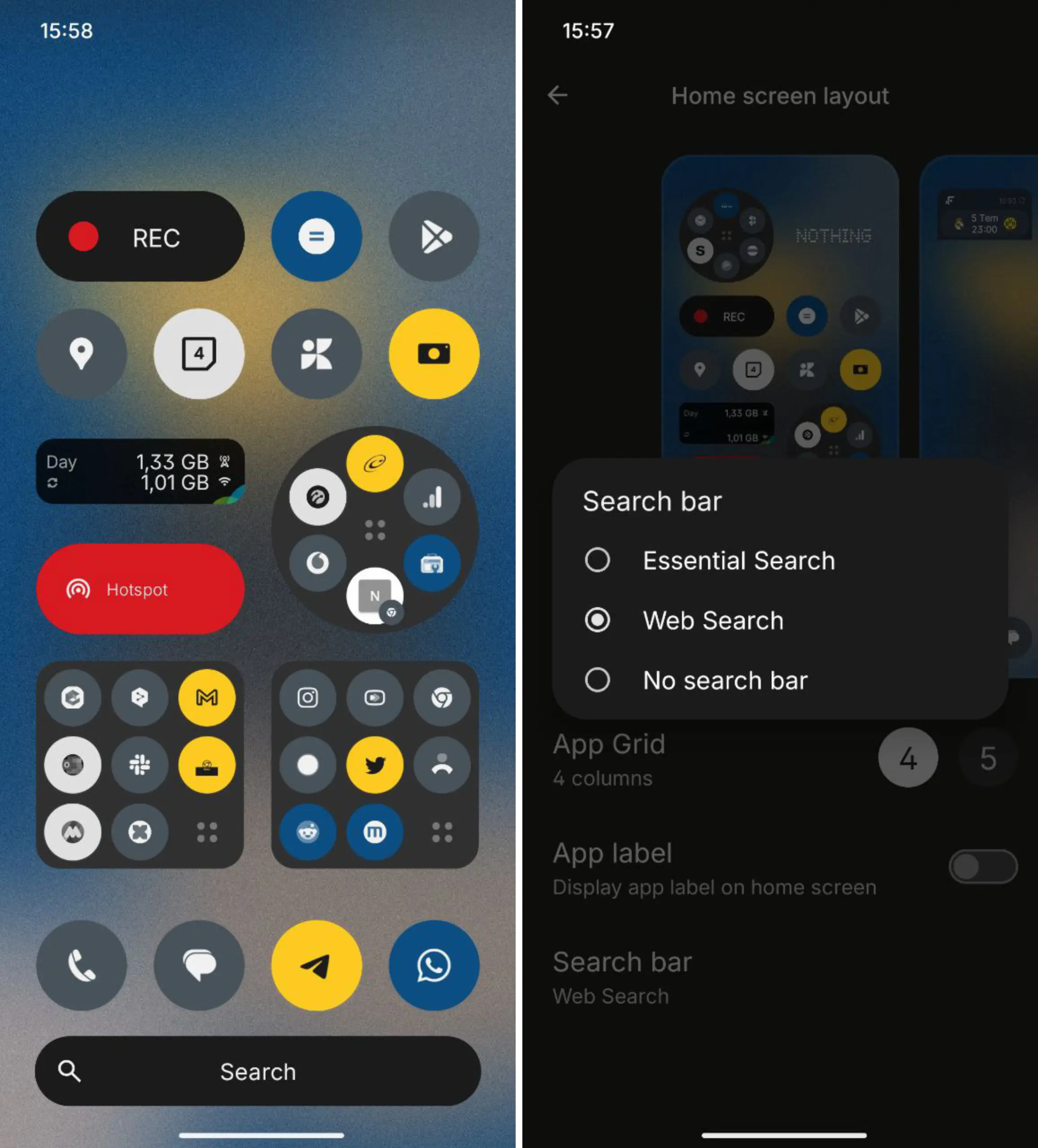
Nothing has published its Android launcher version 3.3.4, which has significant enhancements centered on visual design, usability, and speed. The update is compatible with the majority of Android devices running Android 10 or later and is currently accessible through the Google Play Store.
The updated app drawer is the most significant change. It now adopts the future Nothing Phone 3’s look. Users can access apps more easily thanks to the layout’s improved cleanliness and ease of use, which also maintains the Nothing interface’s overall aesthetic.
Additionally, a new Essential Search function has been implemented. Users can locate contacts, programs, files, and settings all in one location using this search bar. It helps people find what they need more quickly by eliminating the need to launch several menus or apps.
Nothing Launcher update
The system’s animations have also been enhanced. Screen transitions, folder opens, and app starts are now more seamless. During regular use, the launcher seems faster and more polished thanks to these modifications.
Additionally, Nothing Launcher 3.3.4 improves its compatibility with the rest of the Nothing ecosystem. It is intended to provide a better experience for users of other Android devices that like a straightforward and uncluttered interface, in addition to Nothing phones.
Nothing’s emphasis on creating a unified user experience across hardware and software is evident in the upgrade. This launcher upgrade helps consumers get ready for the upcoming Nothing Phone 3 edition of the company’s goods.
Now available are the new features. The launcher is available for users to update or download from the Play Store.
Stay connected with the latest from Droid Tools—follow us on X @droid_tools, like our page on Facebook, check out our updates on Instagram, and follow us on Google News for real-time news, device tips, and mobile tech insights.
Even though the Google Pixel 10 series is only a month away, leaks of the Pixel 10a, a phone that is probably going to come much later than the Pixel 10 lineup, are already appearing. We may have just seen Google’s upcoming midrange phone for the first time thanks to a recent leak.
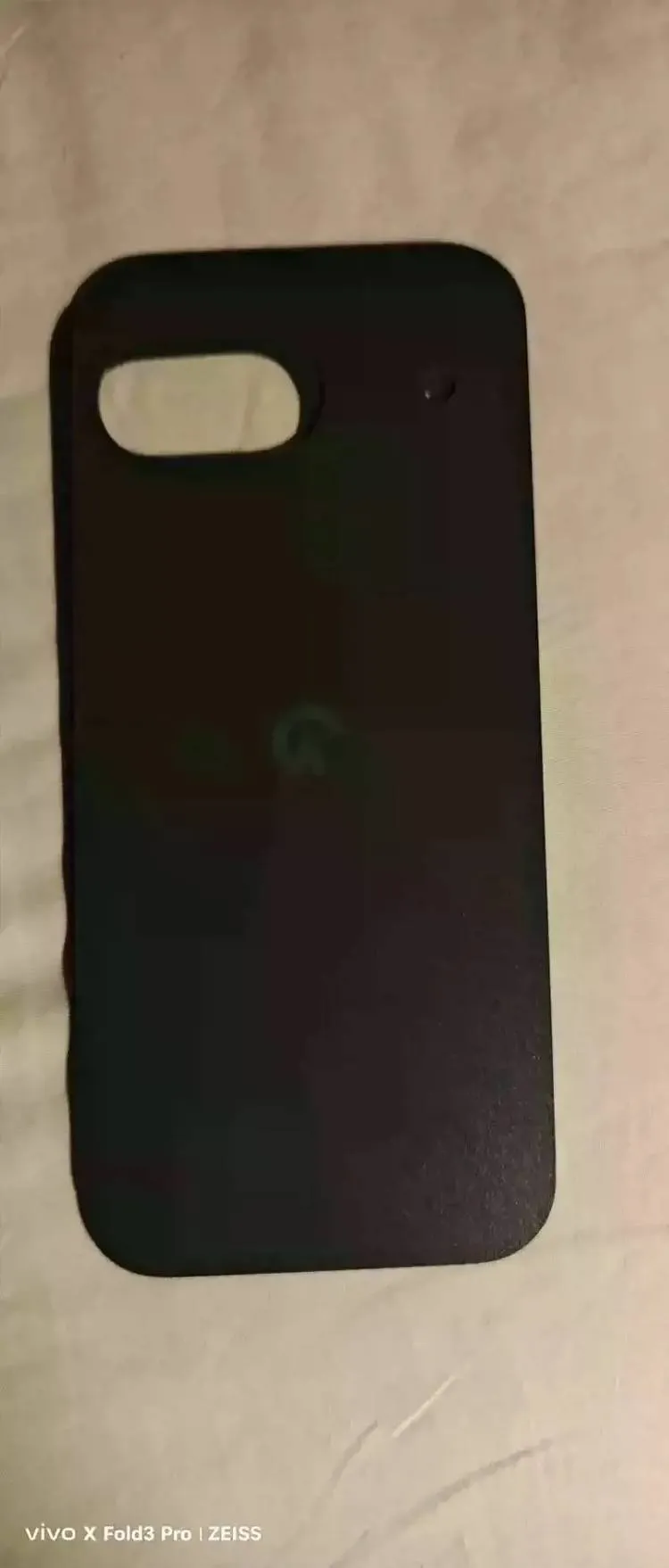
The “Google Pixel 10A engineering back cover” has already been sold by a seller on the Chinese auction site Goofish, as Android Authority first noticed. Even though the item is now listed as “sold out” and the image quality is not very good, it does provide an early peek at the Pixel 10a’s back panel and potential design.
We get our first look at the Pixel 10a design thanks to a leaked back panel.
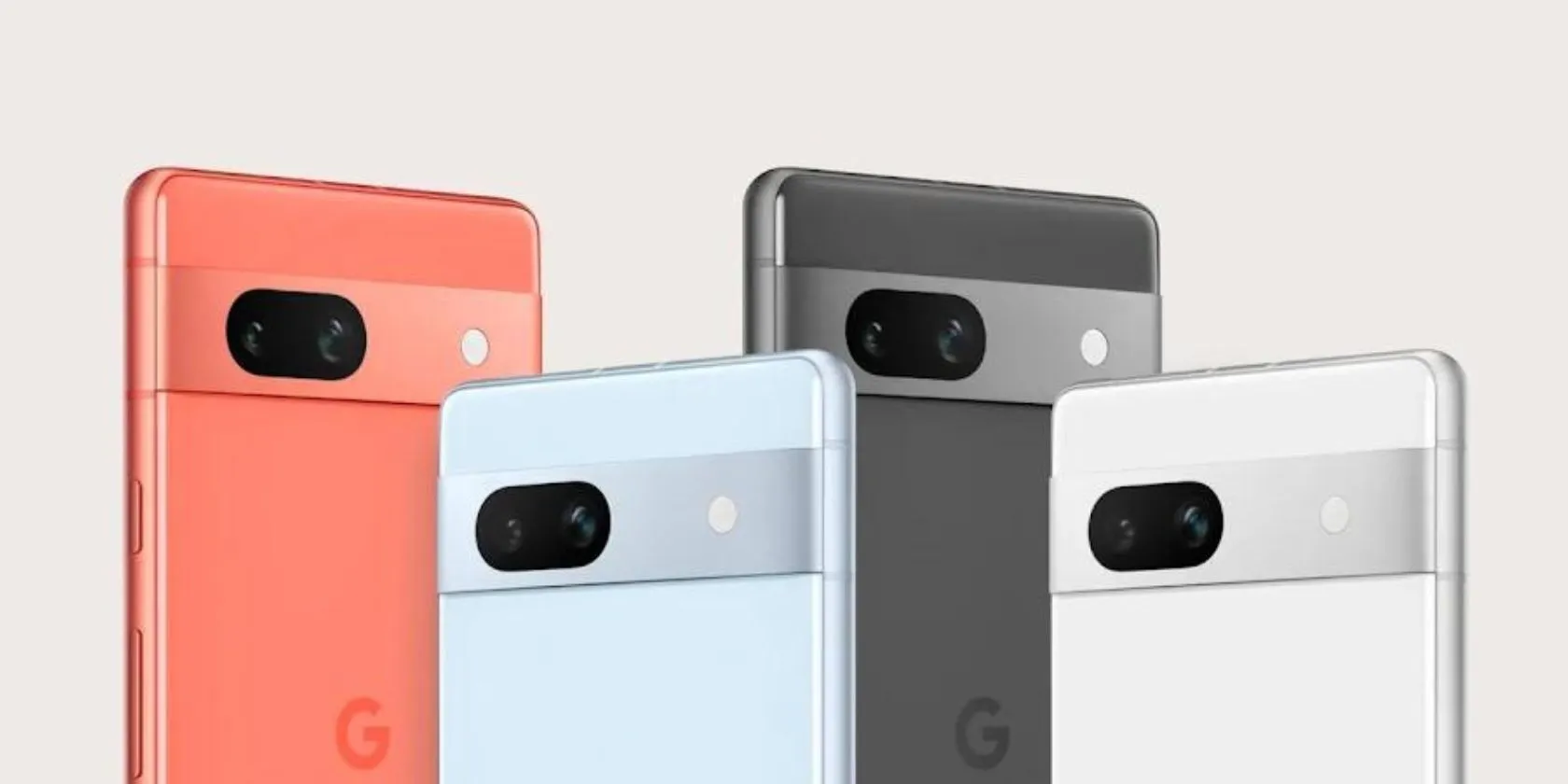
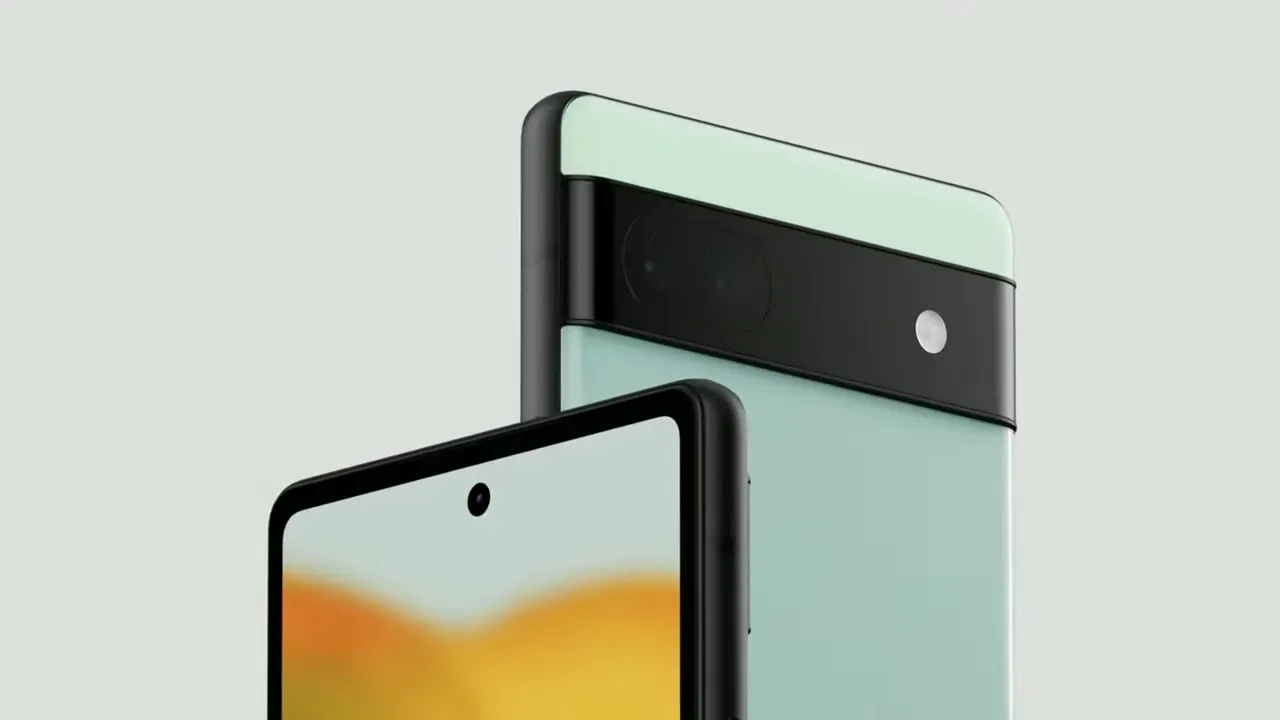
Based on the picture, it should come as no surprise that the Pixel 10a and Pixel 9a share a lot of design similarities. With the Pixel 9a, Google abandoned the recognizable camera visor design in favor of a more flat, minimalistic style, and it looks like the Pixel 10a will continue that trend.
The dual-camera cutout in the picture is identical to that of the Pixel 9a. There isn’t a significant difference to be seen here, save from the flash being a little bit farther to the right of the camera module than it was on the Pixel 9a.
Despite my distaste for the Pixel 9a’s appearance, it appears that Google is continuing to use its more straightforward design for a second year. Even the Pixel 10 series hasn’t arrived yet, so keep in mind that the Pixel 10a is still months away, so don’t be too surprised by these rumors.
Stay connected with the latest from Droid Tools—follow us on X @droid_tools, like our page on Facebook, check out our updates on Instagram, and follow us on Google News for real-time news, device tips, and mobile tech insights.
Installing the most recent Android 16 update is crucial if you possess a Google Pixel 6a.
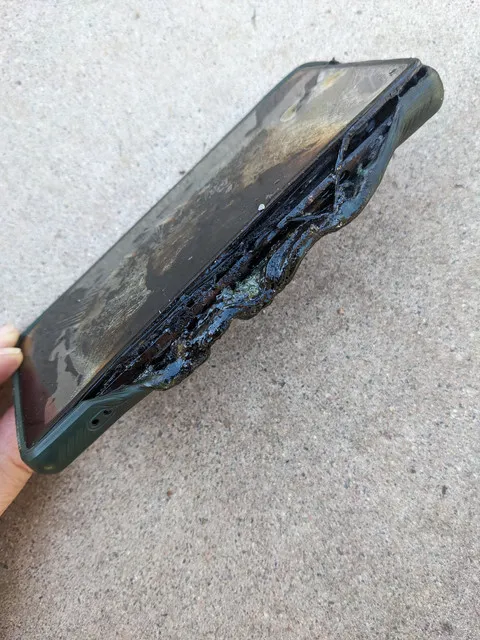
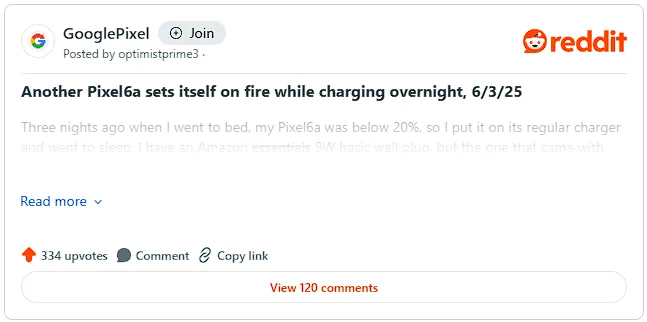
After some Pixel 6a owners reported their devices catching fire, this required software update, which goes live globally today (July 8), will reduce the chance of the dangerous battery overheating. On the social news site Reddit, several Pixel 6a owners have shared their terrifying experiences.
“Just in the middle of the night, my Pixel 6a caught fire. I had it charging on my bedside table. Fortunately, I don’t sleep too deeply, and I was awakened by the sound of hot gas erupting from the battery. One Reddit user posted in a community devoted to the beloved Google Pixel brand, “There was a fireball on my nightstand about two seconds later.”
“I was startled awake at 4am by the sound of my phone screaming its overheating noise at the volume I’d set for my alarm, along with the odd sound of the phone’s internal components blasting out the right side, along with the horrifying smell of burning chemicals and electronics,” says another post that is similar.
“I was initially perplexed by everything, but I easily located the phone in the dark. I threw it away from me into the tile floor, and it was so hot that I’m not sure how I didn’t get burned.
That moved it closer to my smoke detector and away from combustible objects, causing it to go off a moment later. I switched on a light, reached for the non-melting part of the phone, and threw the still-smoking, sizzling Pixelbomb into my concrete patio. Before I could remove the phone from the charger and put it on the floor, I found out that it had actually caused a little fire on some of my garments.
“I would have been battling a nasty house fire if I hadn’t been a few feet away from the phone to respond as fast as I did. It will be disastrous if someone is unable to swiftly take their burning phone and place it to a non-flammable surface.
Google has taken action since there have been enough of these reports. Google’s latest software update will lower the device’s total battery capacity after 400 charging cycles in order to prevent this overheating issue.
Google clarifies in an online support post regarding the problem that “you will not experience the battery-related changes and the new features will stay dormant, even though the update is installed, until your battery reaches this point.”
A “charge cycle” is the process of consuming and recharging 100% of the battery’s capacity, though not necessarily all at once, for those who are unaware. It would only be considered one full charge cycle, for instance, if you used 50% of your battery one day, recharged it, and then used 50% again the next day before charging.
Google claims that Pixel 6a owners will be alerted when their device has completed 375 cycles of charging, alerting them to the impending activation of its new battery management capabilities. You may experience slightly slower charging speeds and a shorter battery life when these safety precautions are in place.
According to Google, you may also experience “short-term changes to how the battery-level indicator on your phone shows your battery capacity as your phone learns its revised battery capacity.” For this reason, you should not rely solely on the percentage of your phone’s battery that appears in the corner when determining whether you need to top it up.
After 400 charge cycles, the new limitations won’t apply to all Pixel 6as. According to Google, the new restriction would only be applied to “impacted devices” that over the 400 recharge level.
The specifics of what else qualifies a Pixel 6a as a “impacted device” have not been provided.
Google is providing a free battery replacement if the required Android 16 update determines that your Pixel 6a is affected by battery problems. To find out whether your Pixel 6a qualifies, follow the instructions in this support guide.
By changing the battery, the overheating and swelling problems should be resolved, and your Pixel 6a’s battery life won’t be artificially restricted. Beginning July 21, walk-in or mail-in repair centers in the US, UK, Canada, Germany, Singapore, Japan, and India will offer free battery replacement.
Your Google Pixel 6a could get a new free battery
Google might not offer a free battery replacement if your Pixel 6a displays any of the following traits:
If your Pixel 6a device exhibits other forms of damage, like liquid damage, exposure to sharp objects, or excessive force, it may not qualify for a battery replacement at no charge under this program
If your phone has out-of-warranty damage, such as display or cover glass cracks, then there may be a fee to repair your phone. Before we start any repairs, we’ll provide a cost estimate. You then have the option to proceed with the repair or have your device returned to you
Reports of battery bloating and even the documented occurrence of a Google-designed device catching fire first surfaced in May, marking the beginning of the Pixel 6a’s battery issues.
Google has already experienced battery issues with its Pixel range. To prevent similar problems with the lithium-ion cell, Google released an Android update earlier this year that reduced the battery life of its low-cost Pixel 4a.
In that instance, Google provided a choice between an £80 store credit to be used towards the purchase of a new Pixel phone from the Google Store, a £40 one-time cash payment, or a free battery replacement service for the Pixel 4a.
And Google Pixel owners’ battery problems don’t stop there. The California-based business has started a comprehensive repair program to address the Pixel 7A’s battery swelling problems. The United States, India, Canada, Germany, Japan, Singapore, and the United Kingdom all have walk-in centers to address battery issues.
Stay connected with the latest from Droid Tools—follow us on X @droid_tools, like our page on Facebook, check out our updates on Instagram, and follow us on Google News for real-time news, device tips, and mobile tech insights.
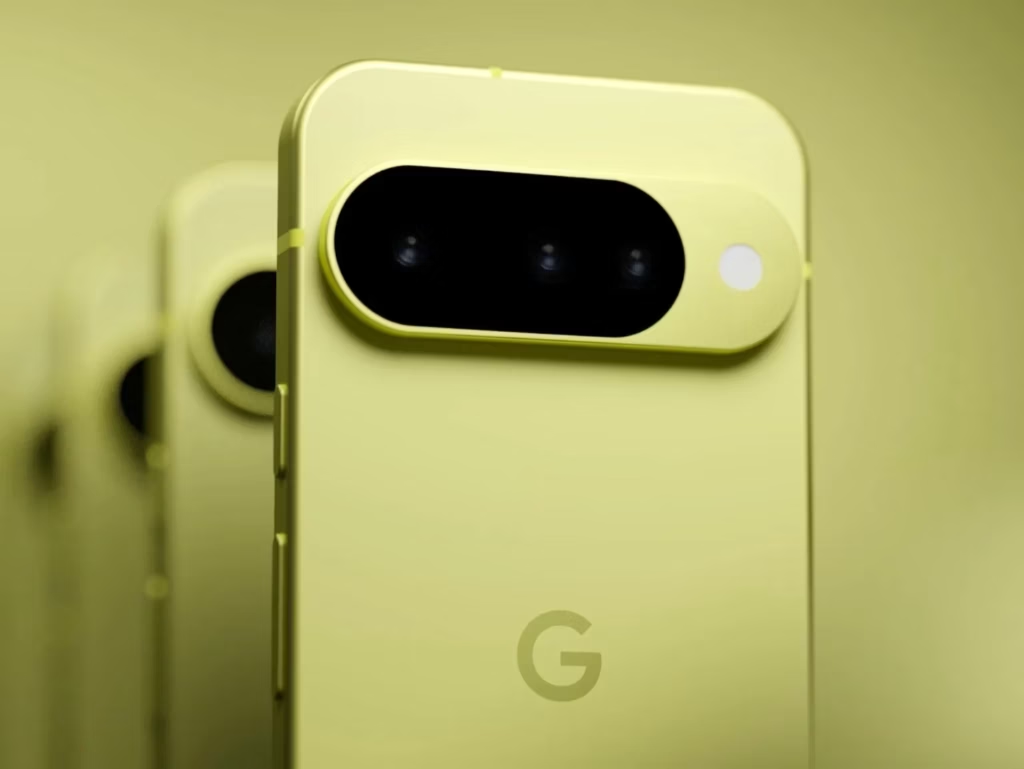
In August 2025, Google is anticipated to introduce the Pixel 10 Series along with more accessories. Arsène Lupin (@MysteryLupin) recently leaked information on X (previously Twitter) about the storage options, colors, and accessories that will be available for the Pixel 10 range and Pixel Watch 4.
Pixel 10 Series: Storage Capacities and Color Options
Pixel 10
Storage: 128GB, 256GB
Comes in four colors: Obsidian, Frost, Lemongrass, and Indigo — representing black, blue, yellow, and purple.
Pixel 10 Pro
Storage: 128GB, 256GB, 512GB, 1TB
Comes in four colors: Obsidian, Porcelain, Moonstone, and Jade — representing black, white, gray, and green.
Pixel 10 Pro XL
Storage: 256GB, 512GB, 1TB
Same colors as Pixel 10 Pro.
Pixel 10 Pro Fold
Storage: 256GB, 512GB, 1TB
Comes in two colors: Moonstone and Jade — representing gray and green.
The foldable Pixel 10 Pro Fold may include a 1TB storage option and is expected in Moonstone and Jade finishes.
Pixel Watch 4: Sizes, Connectivity, and Colors
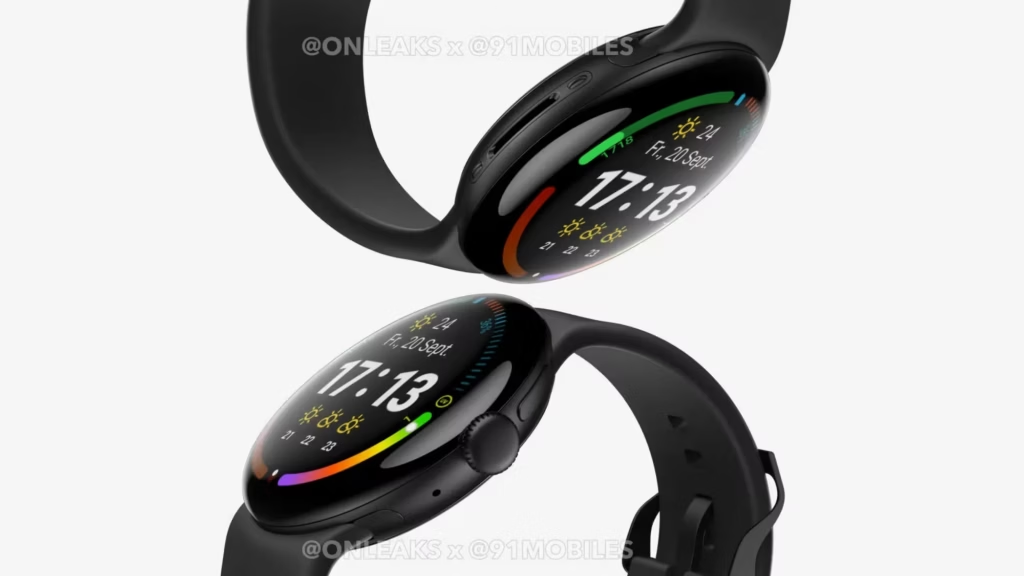
The Pixel Watch 4 will be available in Wi-Fi and LTE versions; wearable 5G connectivity is still not accessible. There are two sizes available: 41mm and 45mm. There will be four case colors and matching bands on the watch:
Case Colors:
Black (Obsidian)
Gold (Lemon)
Silver (Iris and Porcelain)
Moonstone (Gray)
Band Colors and Styles:
2-Tone Leather Band: Jade
Active Band: Iris, Lemongrass, Moonstone
Active Sport Band: Indigo, Lemongrass, Moonstone, Peony
Crafted Leather Band: Moonstone
Metal Mesh Band: Matte Black, Polished Silver
Performance Loop Band: Moonstone
Woven Band: Indigo
Gradient Stretch Bands are sized 1 to 5 and come in the following colors: Lemongrass/Frost, Moonstone, Obsidian/Hazel, and Peony/Iris.
This year’s lineup shows a full color refresh, including multi-color gradient stretch bands.
Pixel Buds: New Color Variants
Pixel Buds 2a: Available in Hazel, Strawberry, Iris, and Fog Light, representing green, red, purple, and light blue, respectively.
Pixel Buds Pro 2: Sterling (Gray)
While the Buds Pro 2 add a new Sterling color that matches the Pixel 10 Pro design, Google appears to be sticking with the Pixel Buds 2a as the more economical A-Series alternative starting in 2021.
Charging Accessories
Google Pixel Charger available in “Rock Candy” (White), likely a charging puck similar to Apple’s MagSafe.
Google Pixel Wireless Charger, expected as the successor to Pixel Stand (3).
According to recent leaks, the once speculated “Pixelsnap Charger with Stand” has been replaced or rebranded.
Pixel 10 launch date
Pre-orders for the Pixel are scheduled to begin on August 20, 2025. It is anticipated that shipping will start on August 28, 2025.
Since these data are based on leaks, they are not official and could change as the launch date draws near.
Stay connected with the latest from Droid Tools—follow us on X @droid_tools, like our page on Facebook, check out our updates on Instagram, and follow us on Google News for real-time news, device tips, and mobile tech insights.
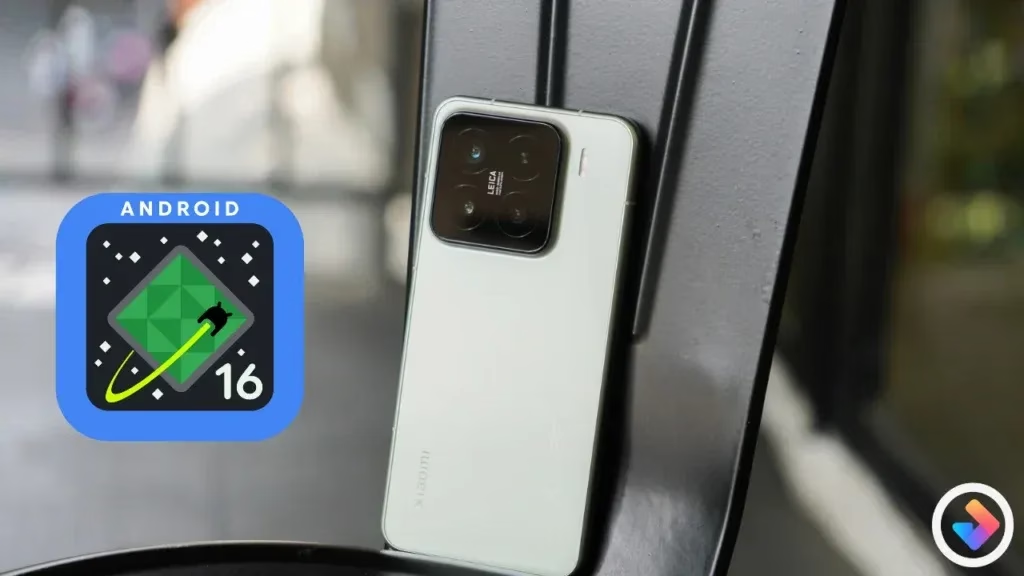
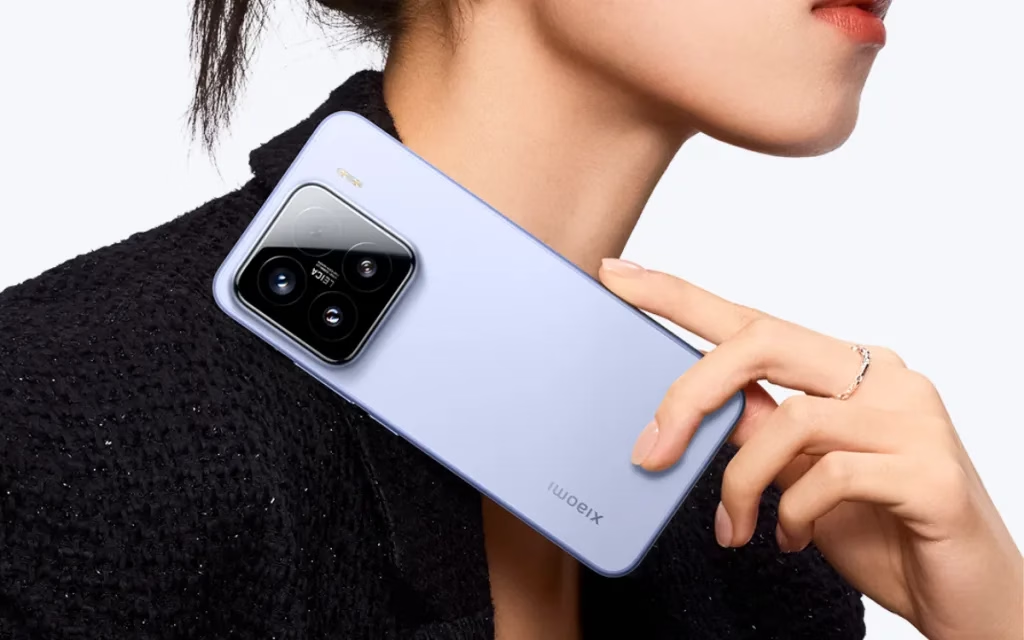
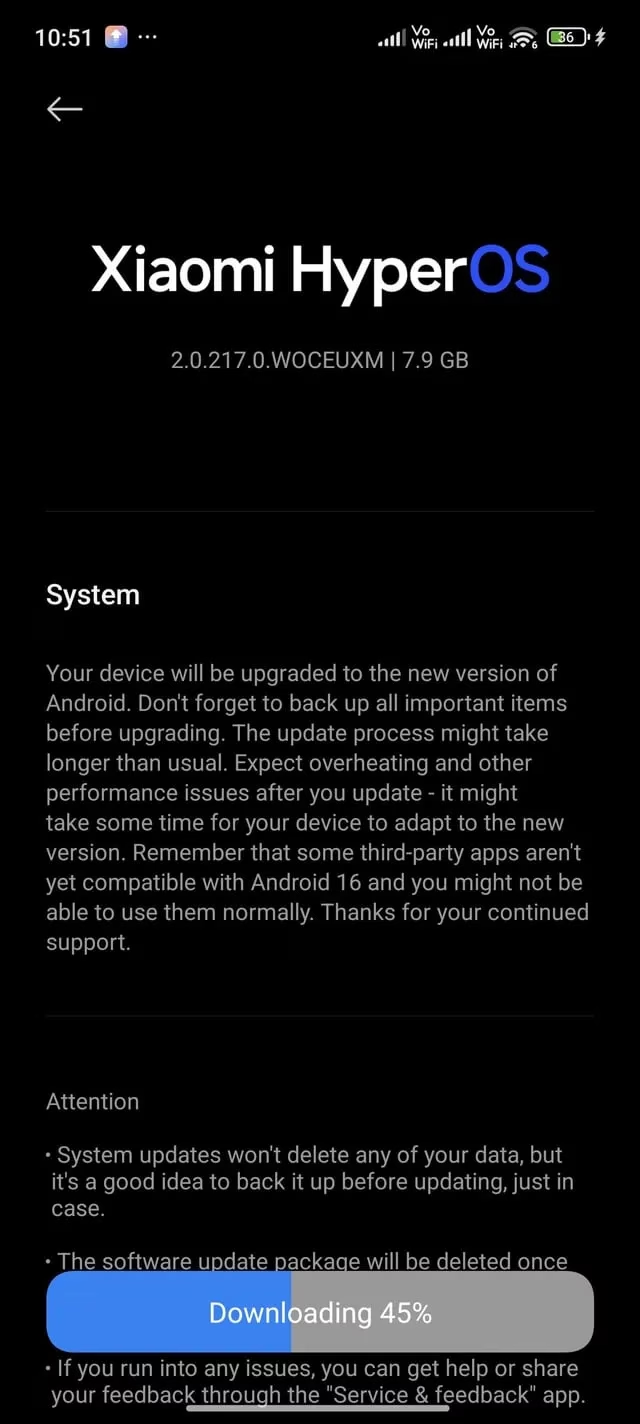
A pilot version of the Android 16 update is currently available to Xiaomi 15 owners. The Xiaomi 15’s Android 16 upgrade still uses HyperOS 2.0 as its foundation. For a limited number of users, the pilot release functions similarly to the final beta build. The Android 16 pilot update has apparently been made available to Xiaomi 15 customers in the US and other countries.
Google formally unveiled Android 16 last month, and as of right now, only Pixel smartphones can run its stable build. Whether the Xiaomi 15 will be the first non-Pixel handset to receive stable Android 16 or if customers will have to wait a little while longer would be interesting to observe. As an alternative, Samsung might lead since the stable Android 16 build is anticipated for the Galaxy S25 later this month.
Xiaomi 15 to be the first who receive HyperOS 2.3 with Android 16
The build number for the Xiaomi 15’s Android 16 upgrade is 2.0.217.0.WOCMIXM. The 7.8GB size of the upgrade was anticipated given its importance. So, if you have the update, be sure to download it over WiFi.
We do not currently have access to the changelog or information regarding the features of the Android 16 pilot release. Android 16 may bring some minor modifications, but HyperOS 3’s release is probably when the main features will be available.
This is a pilot release that is being made available to beta users, as was previously stated. The same version will be made available to users in batches if the build appears to be flawless for the general audience. The stable Android 16 upgrade might not be available to everyone for a few weeks.
Once stable Android 16 is out, you can check Settings for the update if you have a Xiaomi 15. Before installing the update, take cautious to backup any important data.
Stay connected with the latest from Droid Tools—follow us on X @droid_tools, like our page on Facebook, check out our updates on Instagram, and follow us on Google News for real-time news, device tips, and mobile tech insights.
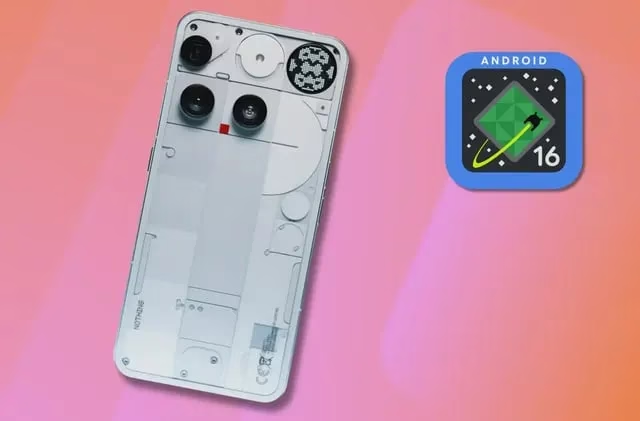
Android 16 for Pixel devices was launched about a month ago, while non-Pixel devices have not yet received the update. Since Google released Android 16 around three months ahead of schedule this year, other businesses could need some time to adapt to the new schedule.
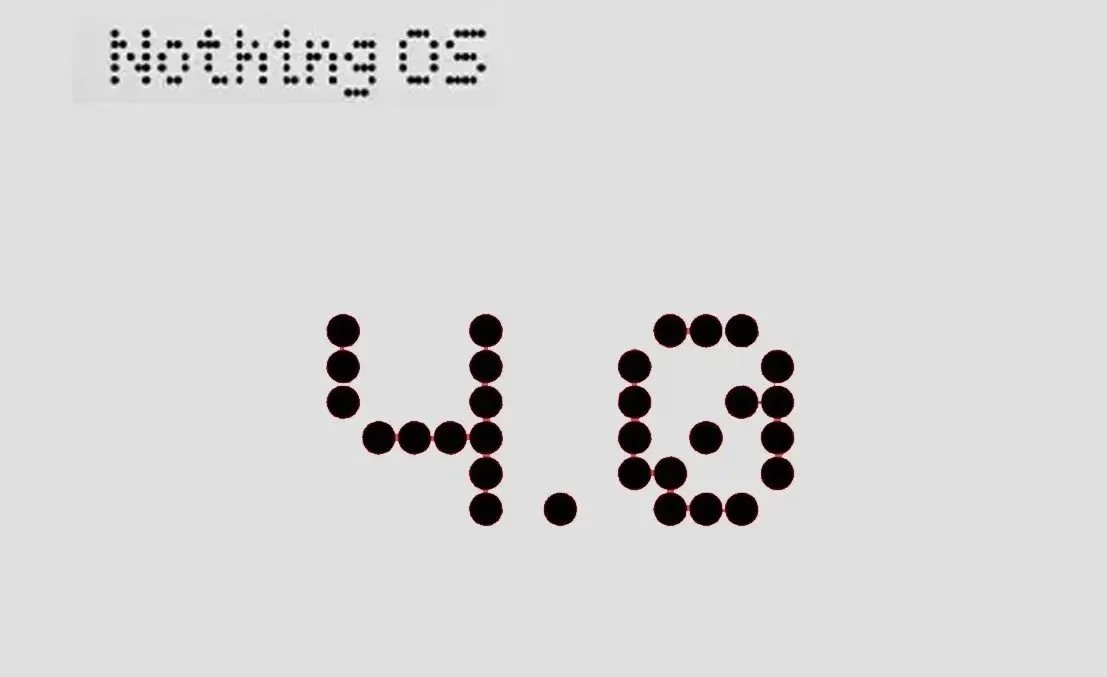
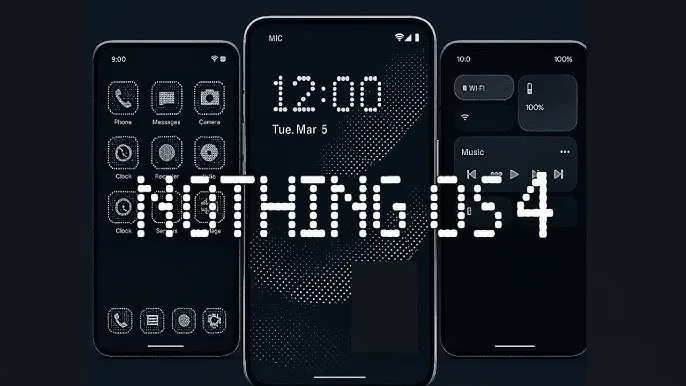
The recently revealed Nothing OS 4.0, which is based on Android 16, will soon be accessible for Nothing phones. Here is everything you need to know about Nothing OS 4.0, including its features, release date, and compatible devices, in case you’re excitedly awaiting Android 16 on your Nothing Phone.
Nothing also alluded to its upcoming operating system release, Nothing OS 4.0, with the unveiling of its first full flagship phone, Nothing Phone 3. During the event, no additional information was revealed beyond the tease and hint at the release date. Nevertheless, we have compiled a number of leaks and anticipated features, which we will go over in this post. First, let’s talk about the release date.
Nothing OS 4.0 Release Date
Carl Pei, the inventor of Nothing, stated at the unveiling that Nothing OS 4.0 will be available by the end of Q3 and this autumn, however the precise release date has not yet been revealed. This suggests that September may see the release of the stable Nothing OS 4.0, which is based on Android 16.
The Nothing Phone 3 will be the first to get the Nothing OS 3 update in September since it is the company’s first and most recent true flagship phone. Later, other Android 16-eligible Nothing phones will receive the update.
What about the beta release? This was about the stable release. Through the closed beta and open beta programs, Nothing phone owners will have the opportunity to test out Nothing OS 4.0 later this month or next month. It’s crucial to remember that early builds could have little or even serious issues. Therefore, when the Nothing OS 4.0 beta is released, be sure to wait for feedback before downloading it.
Eligible Devices
There is currently no official list of phones that support Android 16. However, we can quickly determine which devices are guaranteed to receive Nothing OS 4.0 because of the open update policy. The full list of Android 16 compatible Nothing phones is as follows:
Nothing Phone (3)
Nothing Phone (2)
Nothing Phone (2a)
Nothing Phone (2a) Plus
Nothing Phone (3a)
Nothing Phone (3a) Pro
CMF Phone 1
CMF Phone 2 Pro
The Android 16 upgrade is not compatible with the original Nothing Phone. With the exception of the most recent Nothing Phone 3, which is eligible for five years of OS upgrades, the majority of Nothing Phones are eligible for three years of updates.
Nothing OS 4.0 expected features
Very little information is available regarding the characteristics of Nothing OS 4.0. But as it will be built on top of Android 16, it will also have some of the most recent Android features.
Changes to stock apps
You can expect changes and even new features to stock apps available on Nothing OS. This could include icon modification, performance boost, smoother animations, and more.
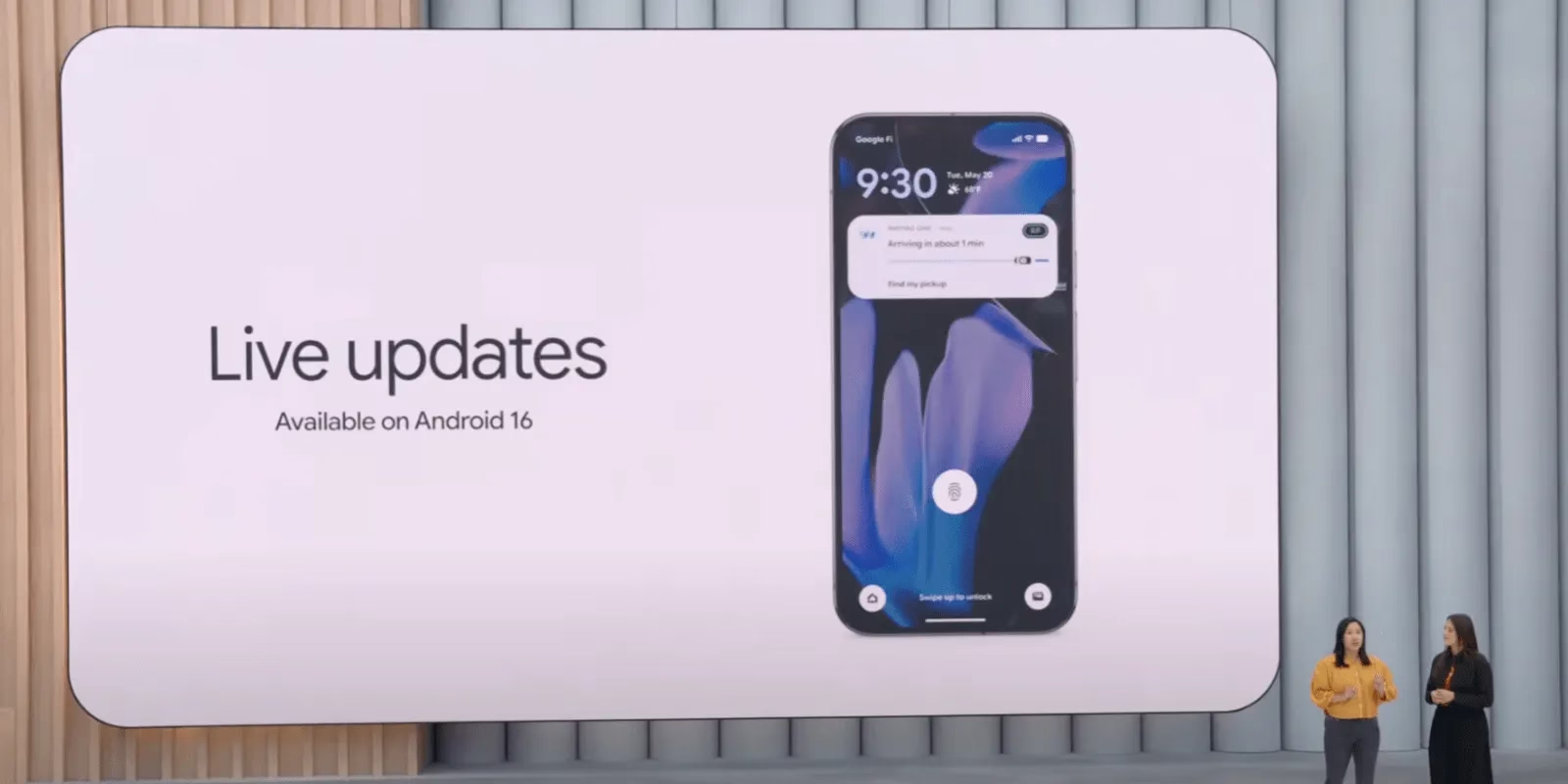
Live updates
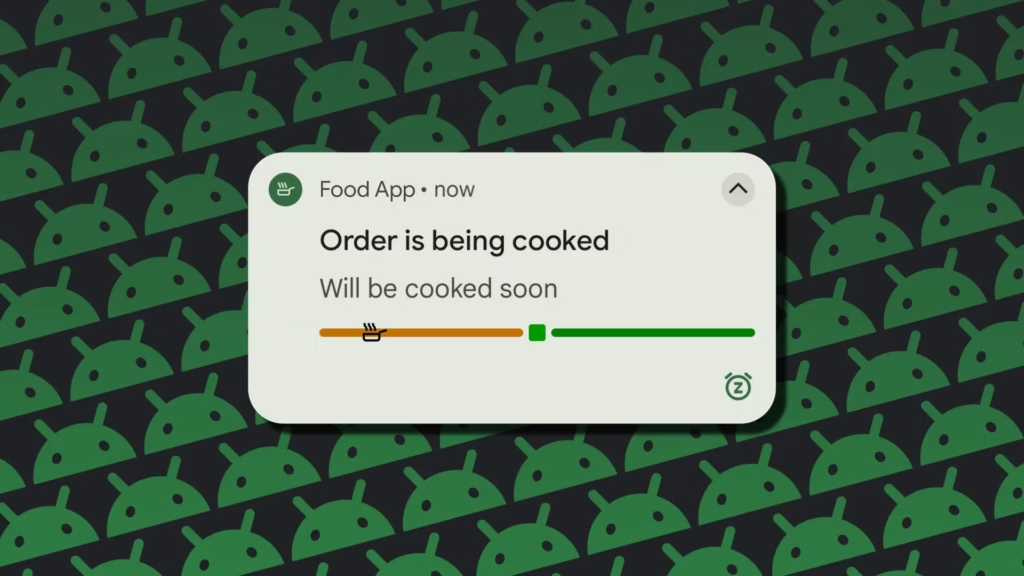
Notification management to get interesting. Android 16 adds support for live, up to date notifications in real time. This feature could be particularly useful for apps like Uber Eats, delivery services, as it allows users to track their deliveries and receive real-time updates on their arrival time.
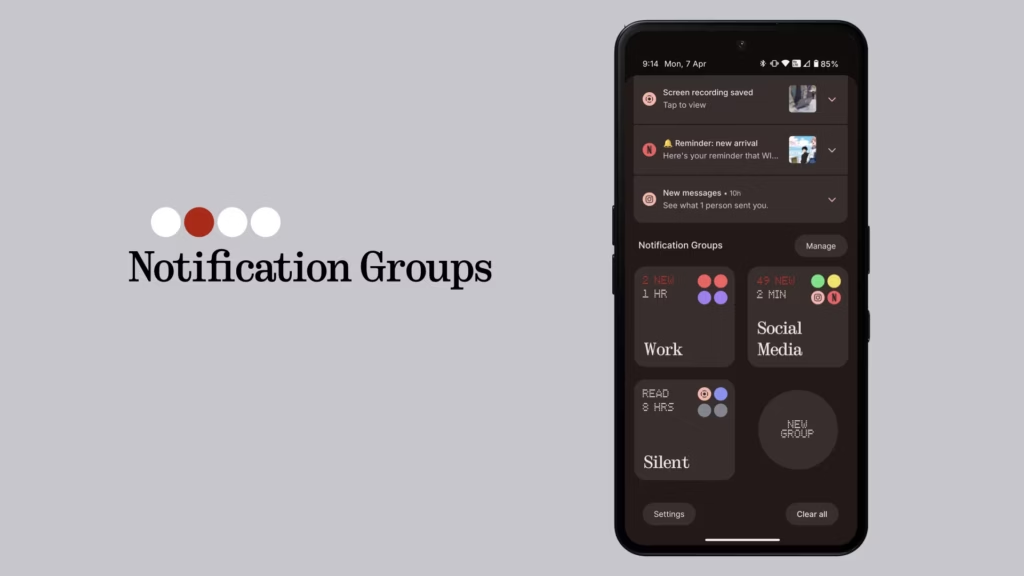
Grouped Notification
If there are multiple notifications from the same app, they’ll be grouped together under a single notification. This will help deal with the clutter that comes with daily life.
Security Enhancements
Just like every Android release, you can expect Android 16 and Nothing OS 4.0 to either bring new security features or overall improvements in security and privacy.
New Customization Options
You can expect more customization options in the home screen and lock screen. This includes options like new widgets, new clock style, and more.
We must wait until the information is released because Nothing OS 4.0 features are now being leaked. The features listed above are from Android 16 and may also appear in Nothing OS 4.0.
This concludes the information that is currently available for the Nothing OS 4.0, including its features, compatible devices, and release date. Please leave a remark if you would like to add anything.
Stay connected with the latest from Droid Tools—follow us on X @droid_tools, like our page on Facebook, check out our updates on Instagram, and follow us on Google News for real-time news, device tips, and mobile tech insights.
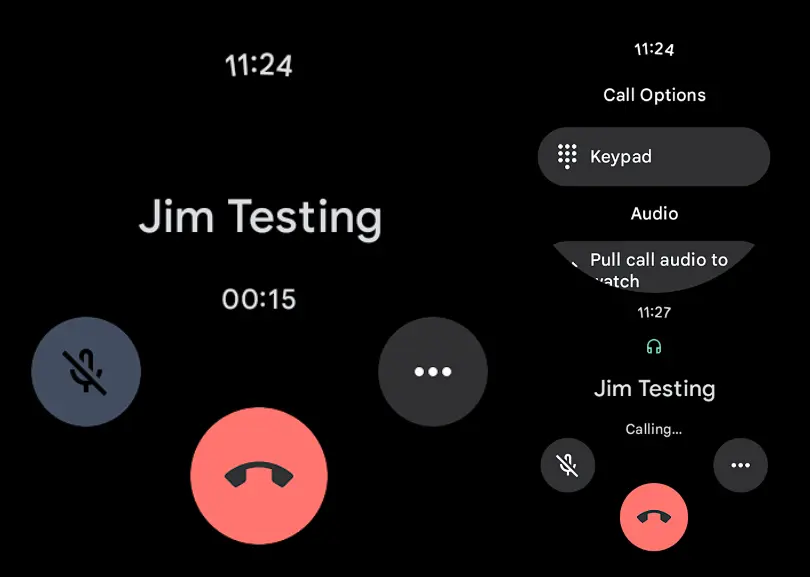
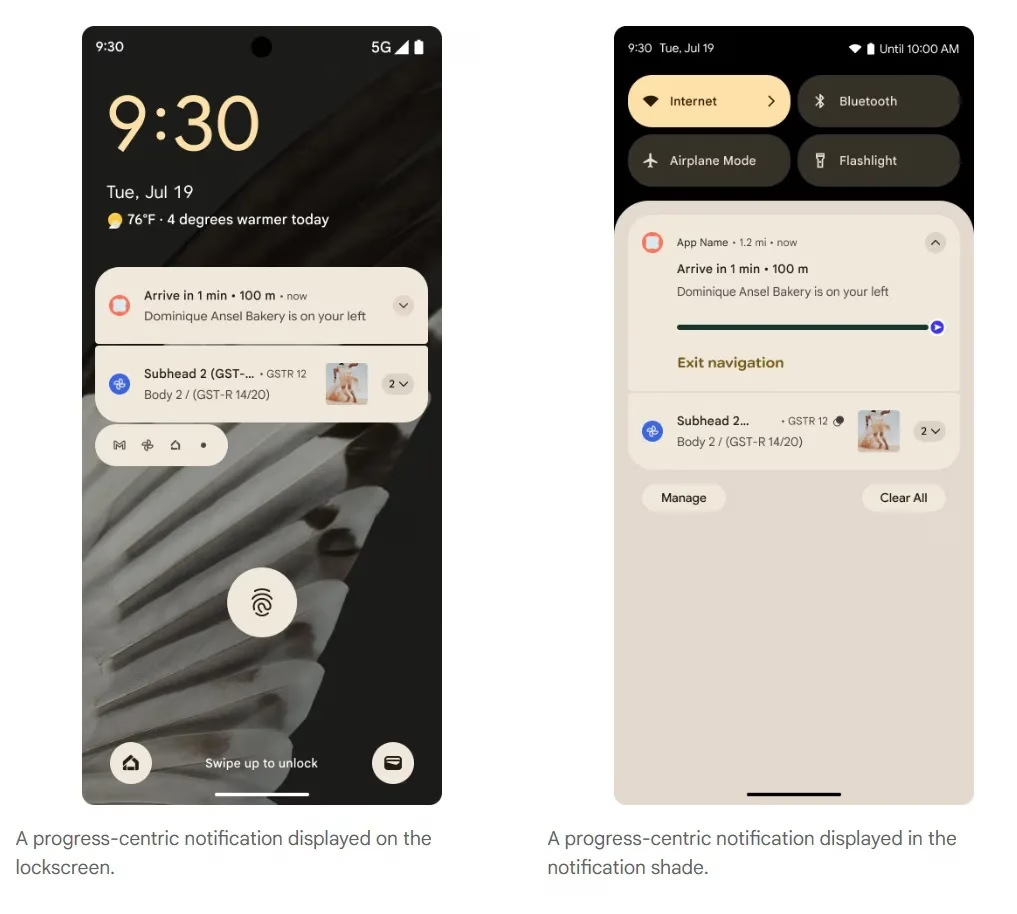
Last month, Google unveiled the first stable version of Android 16, which included a number of new features. One of these is Live Updates, which shows real-time activity notifications on the lock screen of an Android phone. More details concerning this feature have now been released by the tech giant. In Android 16, live updates can be added to apps that provide services like food delivery, ride sharing, and phone calls, but not for marketing or promotions.
Live Updates in Android 16
Live Updates is modeled after the iPhone’s Live Activities feature. It gives notifications for an activity that has a clear start and end time and is currently underway. Google clarified on its developer page that the feature’s primary goal is to provide time-sensitive notifications rather than historical events.
Active navigation, continuous phone calls, tracking food deliveries, and tracking ride-sharing via their corresponding Android apps are a few of its use cases. These alerts, which provide information like tracking or ETA (estimated time of arrival), will appear on the lock screen of the Android handset.
According to the tech giant, it does away with the necessity of unlocking the phone in order to check the status. For instance, Google Maps will display directions in the home screen’s status chip when navigation is active, while Live Update on the lock screen will provide the trip’s current status and additional directions.
However, developers need to make sure that Live Updates only show actions that the user has deliberately triggered and should only show up if the activity requires the user’s attention for the duration of the update.
The company also described the Live Updates feature’s improper usage cases. Ads, promotions, chat messages, future calendar events, and alerts are all incompatible with it. Developers can leverage other OS components, like conventional notifications, for these. If they want to give users faster access to their app’s features, they can use the Quick Settings tile and app widgets.
However, there are several exceptions. Live updates may be triggered if a user signs up for an activity that has a time limit or buys concert or airplane tickets in advance, but only when the scheduled event is about to happen.
Stay connected with the latest from Droid Tools—follow us on X @droid_tools, like our page on Facebook, check out our updates on Instagram, and follow us on Google News for real-time news, device tips, and mobile tech insights.