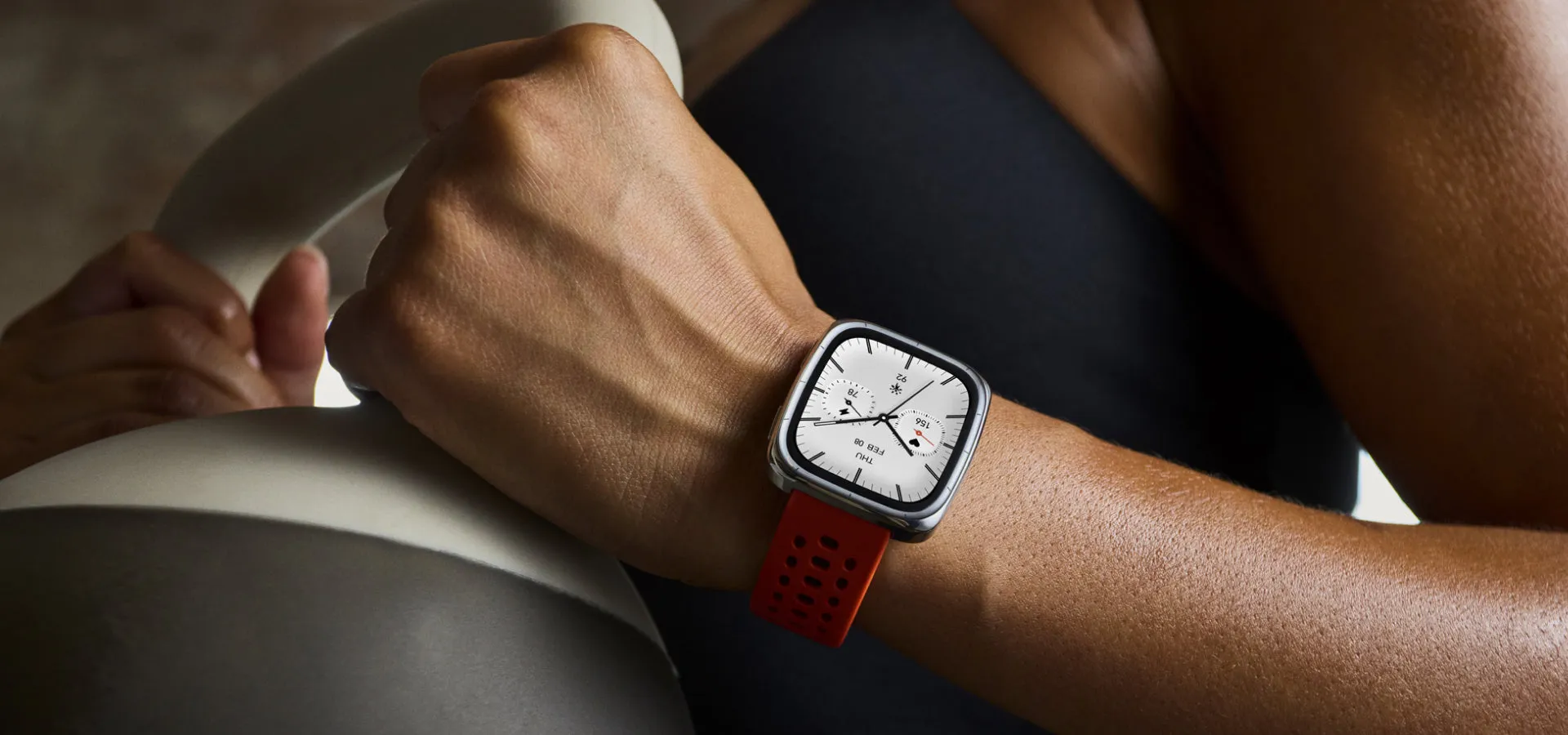
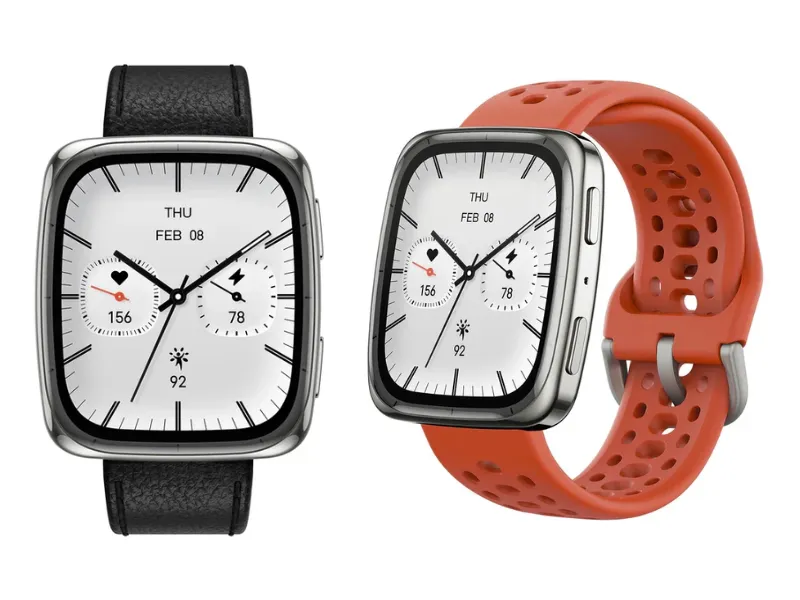
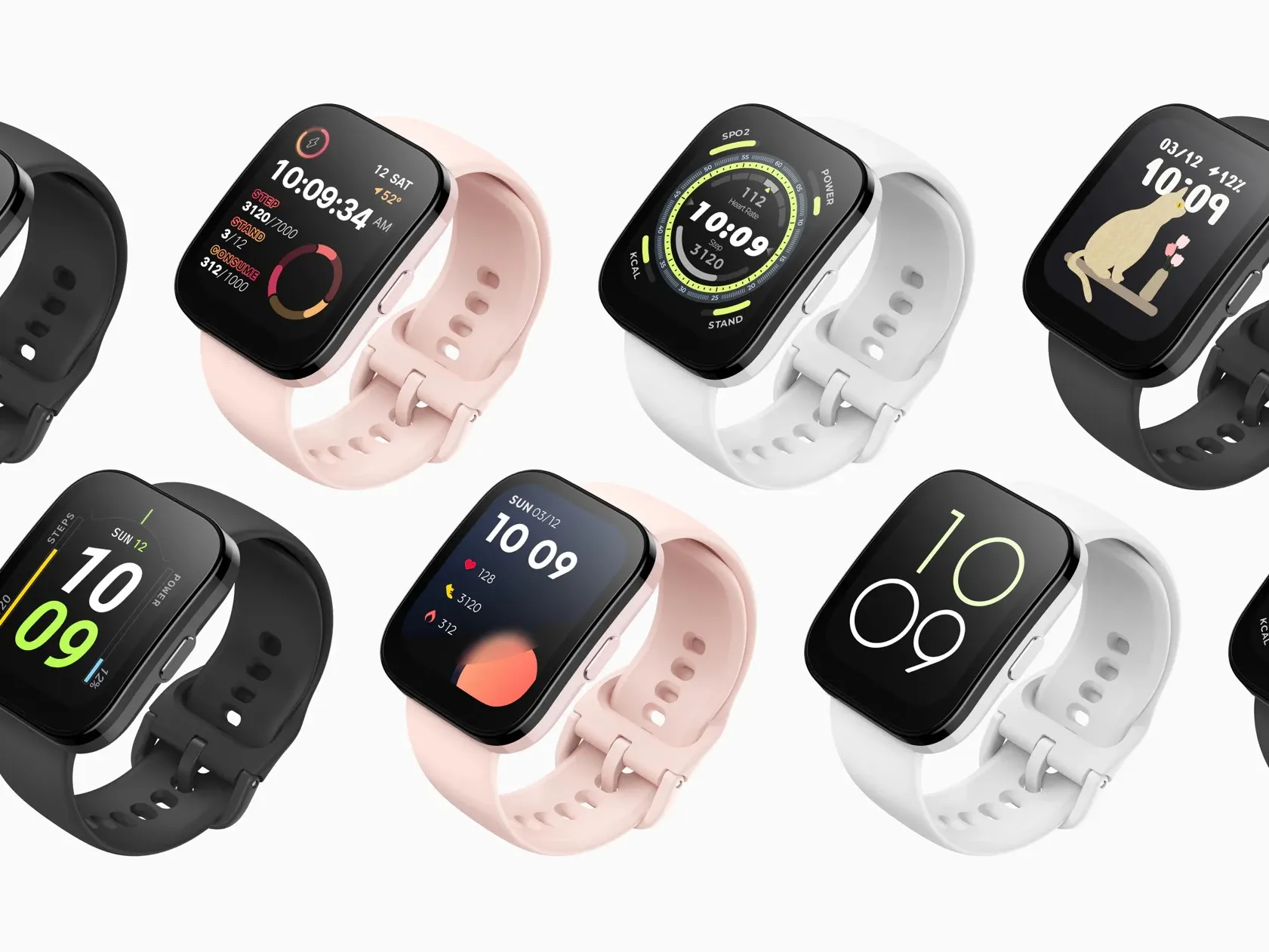
The new Active 2 Square smartwatch from Amazfit is now available in markets all around the world. With its AMOLED display and high-end materials, it joins two other Active 2 wearables. HRV tracking, voice command capabilities, and sports like skiing and HYROX Race are among the features.
Around the world, the Amazfit Active 2 Square smartwatch—also referred to as the Active 2S smartwatch—has been made available. Retailers’ leaked product lists have previously included this new wearable, which was the subject of rumors earlier this year. It comes after the Active 2 Round smartwatch, which debuted in early 2025.
Amazfit Active 2 Premium
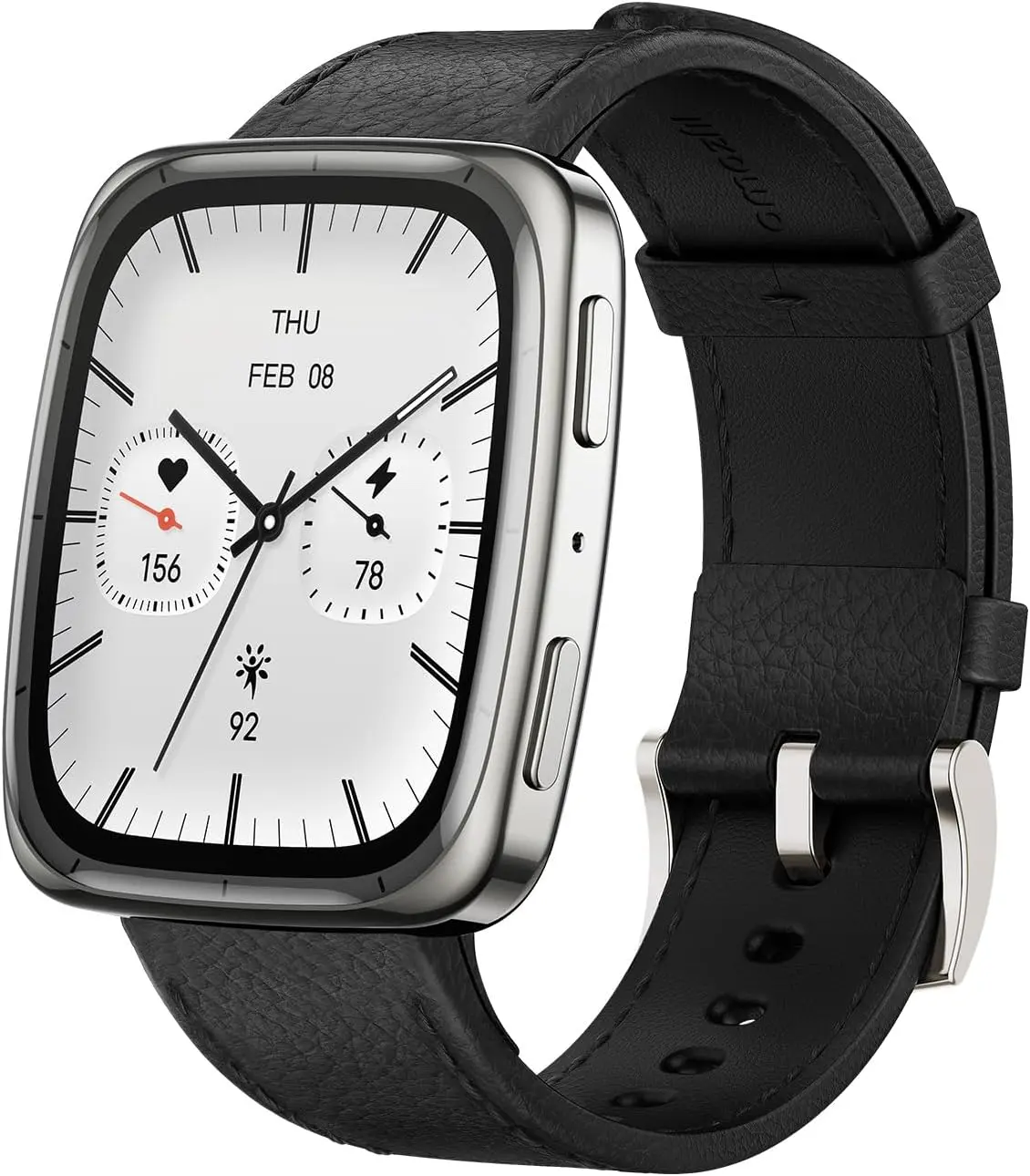
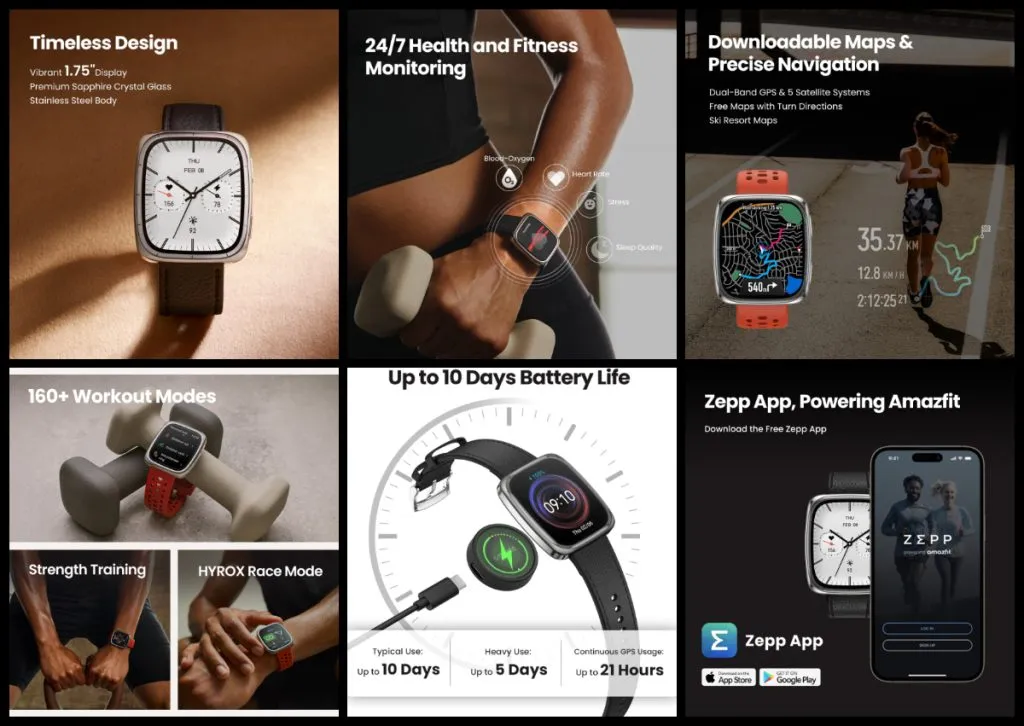
Resilient Watch Body & Sapphire Glass Screen: This smartwatch pairs a polished stainless steel body with a scratch-resistant sapphire crystal screen. The vibrant 1.75″ AMOLED display (2,000 nits brightness), ensures sharp, clear viewing in any environment.
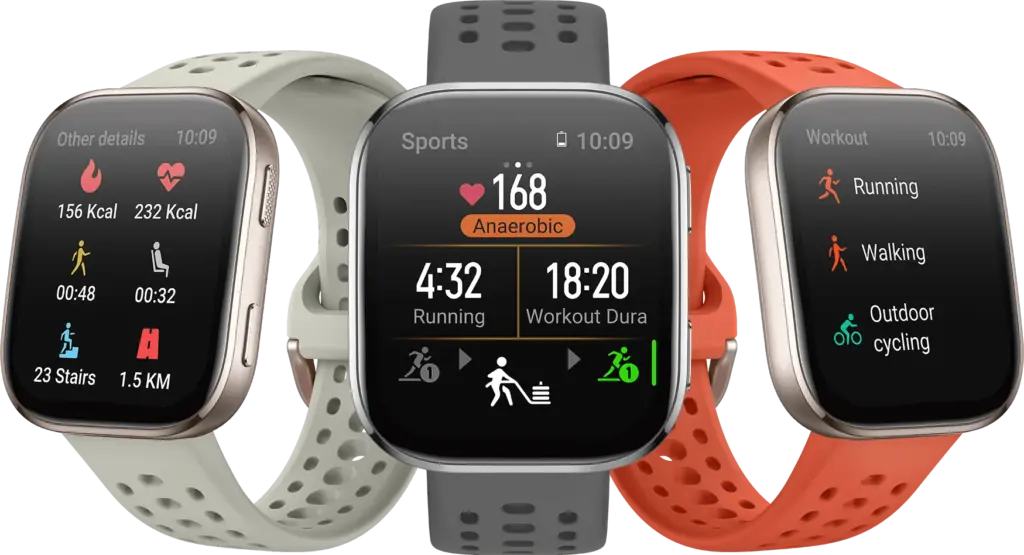
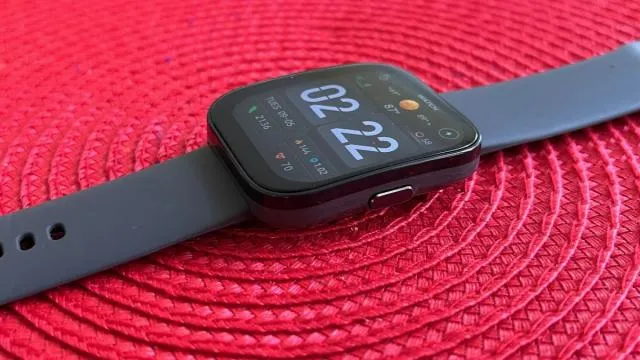
With a brightness of up to 2,000 nits, the 1.75-inch AMOLED display on the Active 2 Square is shielded by sapphire crystal glass. The watch, which measures 43.3 x 36.9 x 9 mm (~1.7 x 1.5 x 0.4 inches), is encircled by a stainless steel frame. It has two straps: a red silicone band for working out and a black leather alternative.
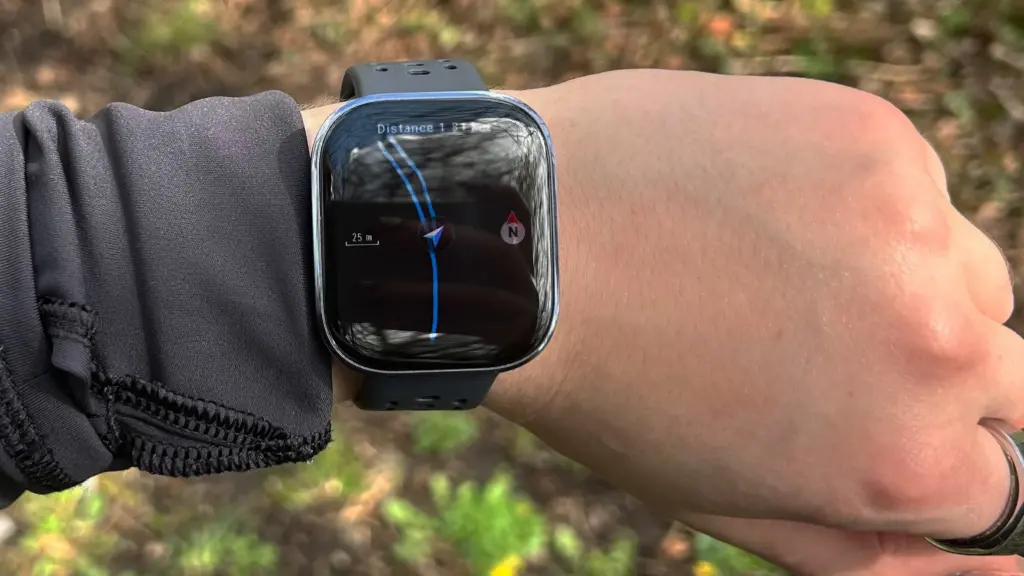
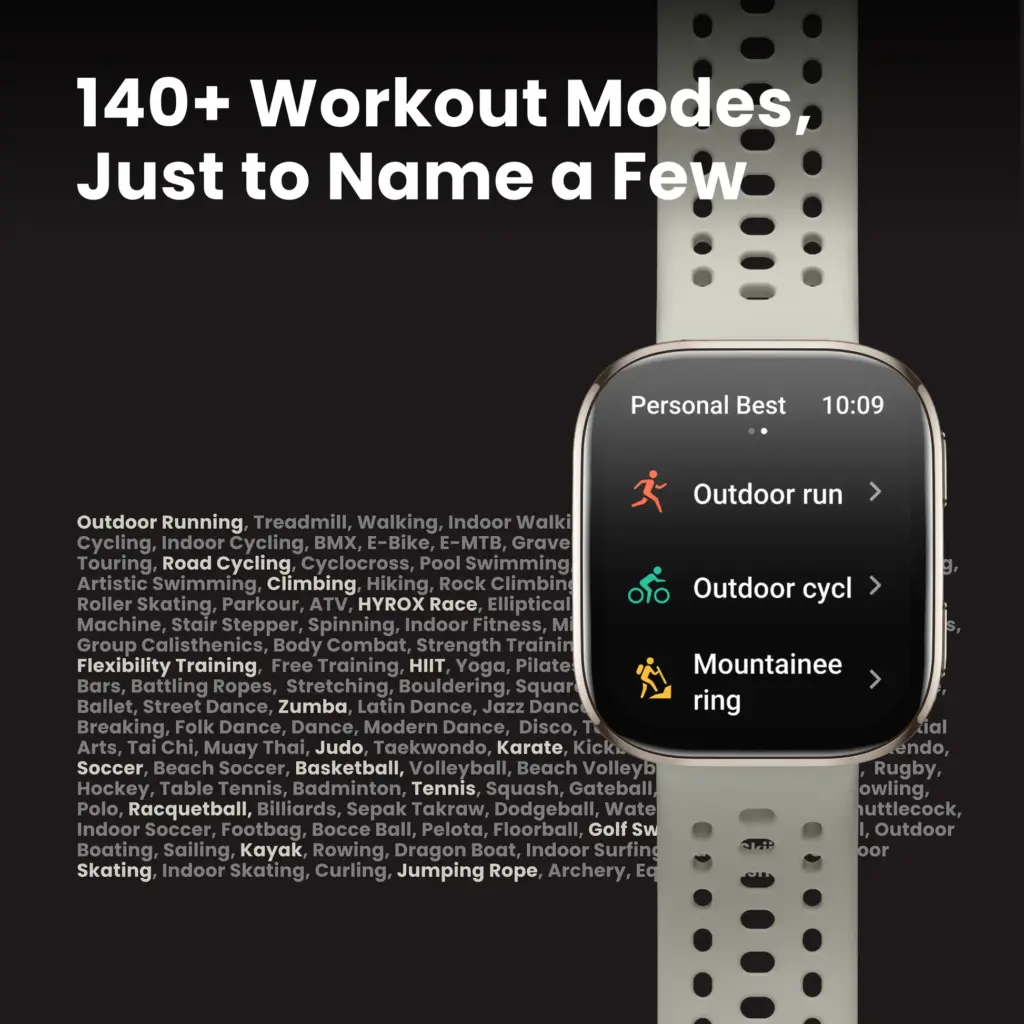
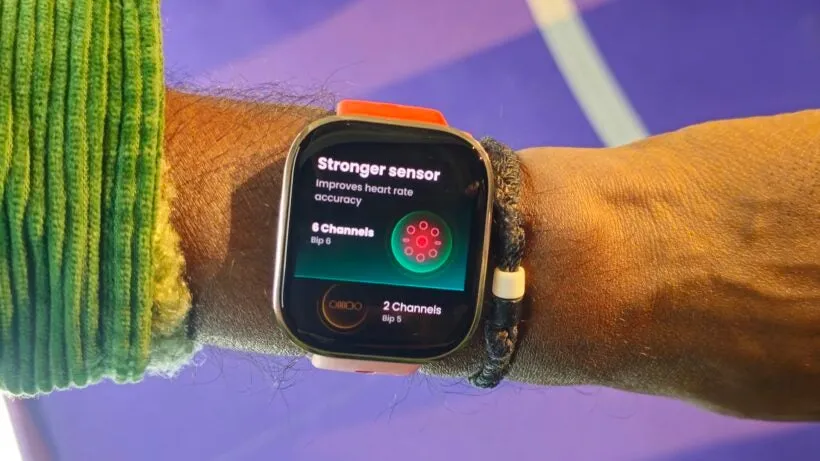
Many of Amazfit’s fitness and health tracking functions are available on the company’s new Active 2 Square smartwatch. With an improved heart rate tracking algorithm, the wearable’s BioTracker 6.0 matches the accuracy of the more costly T-Rex 3 watch. Users can measure sports like skiing using a barometer, and they can track their sleep with a gyroscope. More than 160 activities are supported, such as the smart Strength Training and HYROX Race modes. It provides offline map support and GPS with turn-by-turn navigation. Additionally, the Readiness score allows users to monitor their heart rate variability (HRV) and recovery.
Amazfit Active 2 Premium
Resilient Watch Body & Sapphire Glass Screen: This smartwatch pairs a polished stainless steel body with a scratch-resistant sapphire crystal screen. The vibrant 1.75″ AMOLED display (2,000 nits brightness), ensures sharp, clear viewing in any environment.
Those who have Android smartphones can reply to messages using the speech-to-text tool or an on-watch keyboard thanks to the brand’s Zepp Flow AI assistant, which also supports voice commands. Additionally, like with the Active 2 Round Premium, users in Europe can use Zepp Pay to pay with their watches without using their hands. With normal use, the watch can last up to 10 days between charges, claims Amazfit.
Admittedly, I made a snap judgment about the Amazfit Bip 6 based on its affordable price. I didn’t think it would compete with more expensive smartwatch rivals, much less hold its own at $80. I can tell, however, that it’s more than simply a terrific deal after a couple days of testing.
The Bip 6 is unique in a time when the majority of smartwatches cost hundreds of dollars since it does more than just the basics. During my testing of the Amazfit Bip 6, I discovered that the battery life lasted more than a week on a single charge, the fitness monitoring was reliable, and the advanced health indicators were accurate. One of the few smartwatches under $100 that is truly worth your time is this one, especially when you consider that it is compatible with both Android and iPhone.
It’s hardly the most sophisticated timepiece available. Compared to more expensive models, the Amazfit Bip 6’s design and navigation feel clumsy, but overall, it seems like a minor price to pay for everything else it offers.
The watch isn’t the most sophisticated one available. Comparing the Amazfit Bip 6 to more expensive models, the design and navigation feel clumsy, but this seems like a minor price to pay for all the other features it offers.
For those who prioritize functionality above style, the Amazfit Bip 6 offers a simple and cost-effective way to get started with smartwatches. It’s perfect for first-time smartwatch purchasers who want to experiment with fitness and health tracking without breaking the bank. iPhone users who are interested in smartwatches but aren’t ready to commit to an Apple Watch will find it especially enticing.
Design
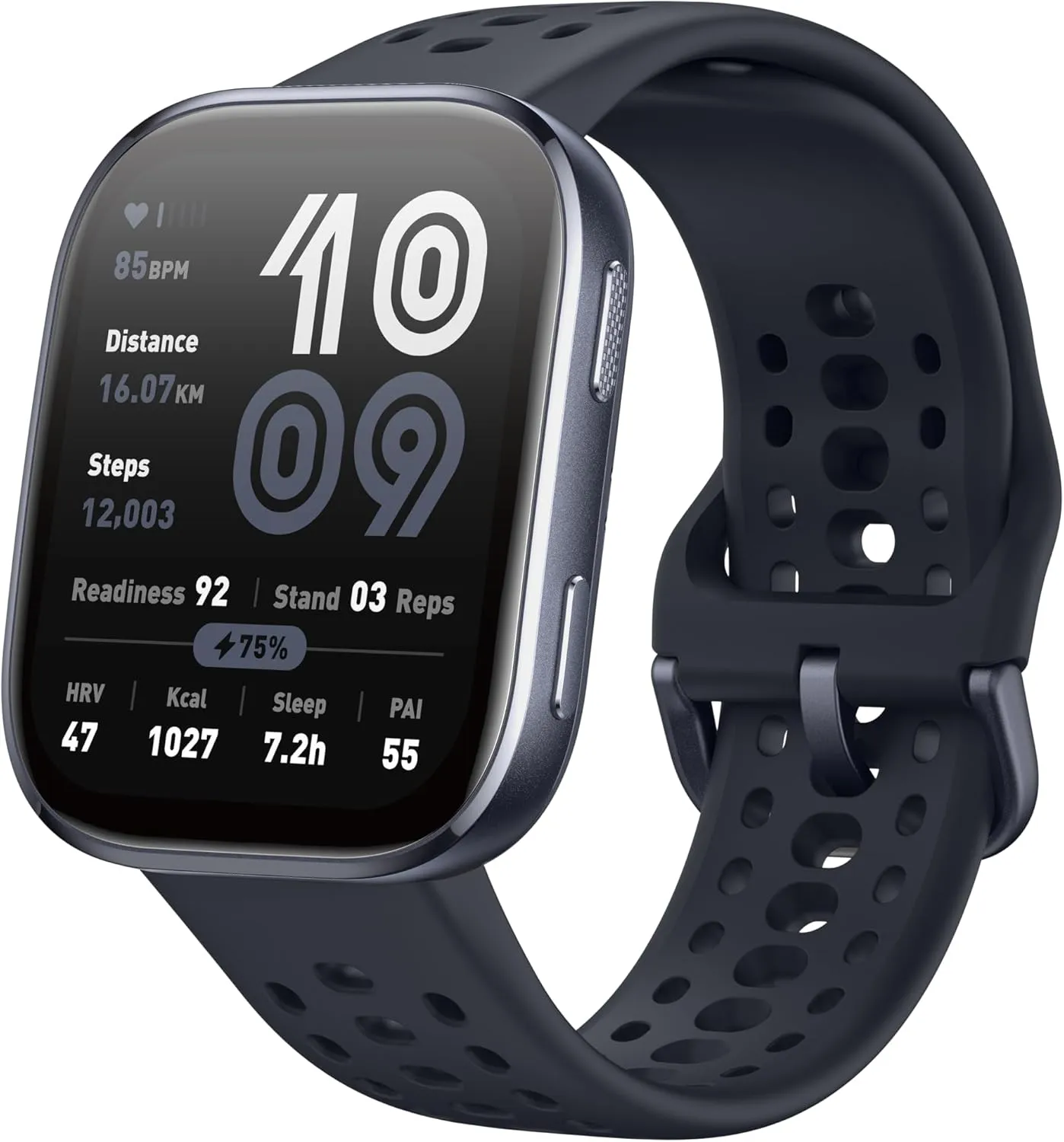
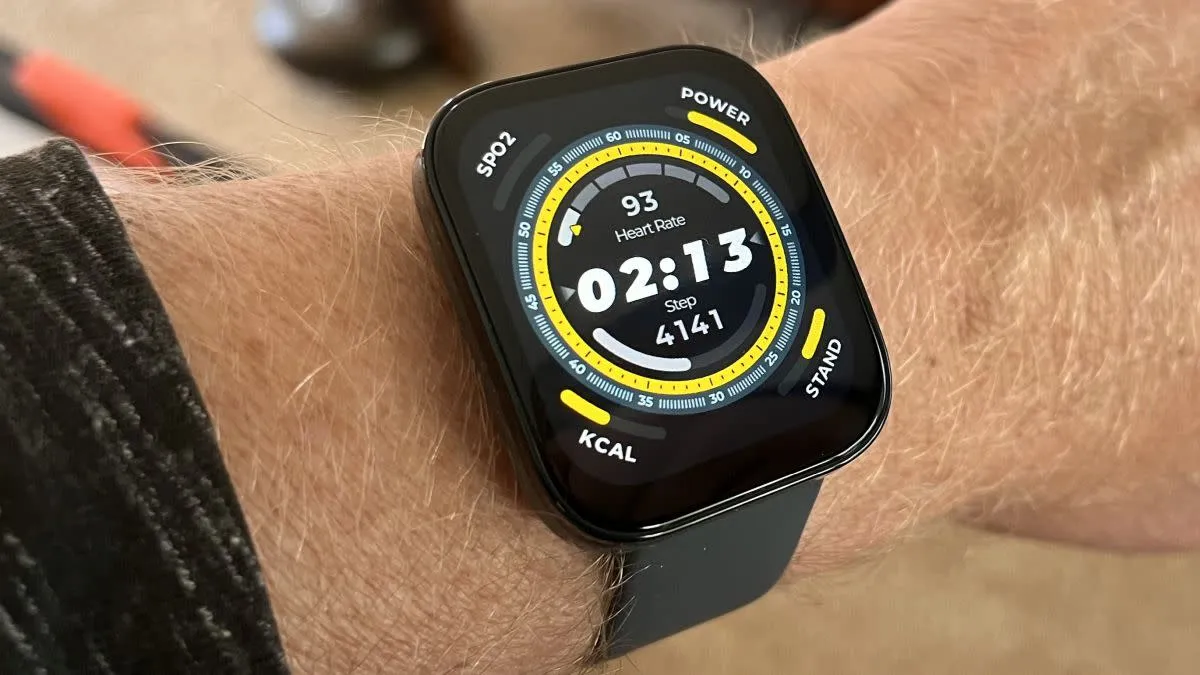
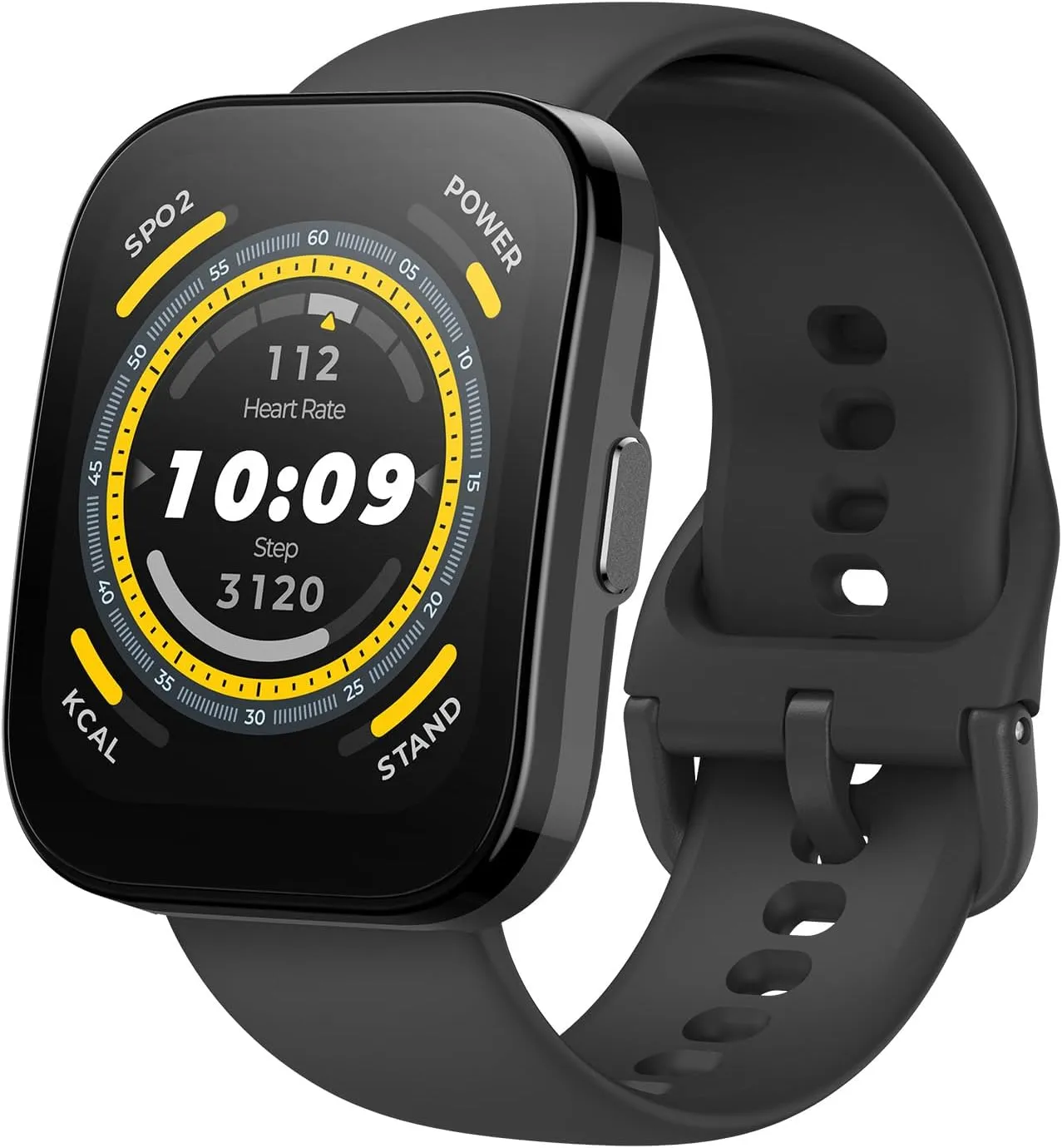
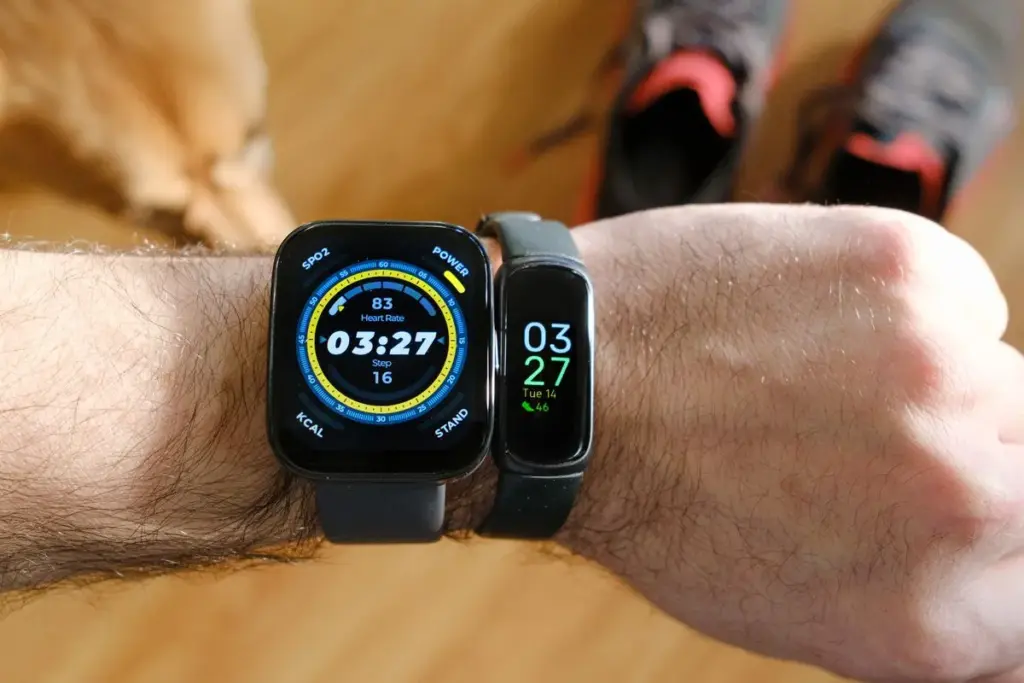
Although it feels light, the 44mm watch looks bulky on my medium-sized wrist (6.5 inches), and it doesn’t come in any other size. The Amazfit Bip 6’s design is straightforward and practical; it has the boxy, flat appearance of an old Pebble Watch, with a slight curve to the screen and a metal trim that gives it a bit of polish. The 1.97-inch AMOLED display (390×450 pixels) looks bright and crisp indoors, but I have trouble seeing what’s on screen in direct sunlight.
All of the bands tend toward the sporty side of the design spectrum, and unless you choose an alternate band from Amazon, there isn’t really any way to dress it up. The black sport band that came with my review device is also available in charcoal, stone, and red (which I might have preferred).
Software and UI
The Amazfit Bip 6 doesn’t provide the most seamless onboarding experience right out of the box, and I had to do some tweaking to get the watch configured the way I wanted it. There isn’t a real always-on display, so I changed the watch face that came with it, changed the battery settings to keep the screen on when working out, and changed which fitness metrics I wanted to see while running. Determining the true functions of the physical button and other swiping movements also required some trial and error.
Although it’s not as user-friendly as other smartwatches like the Apple Watch or Galaxy, you should be able to figure it out if you delve deeply enough into the settings.
It’s not as user-friendly as other smartwatches like the Apple Watch or Galaxy, but if you dig deep enough into the settings, you should be able to figure it out. The Amazfit Bip 6 doesn’t offer the most seamless onboarding experience right out of the box, and I had to do some tweaking to get the watch configured the way I wanted it. There isn’t a real always-on display, so I changed the watch face that came with it, changed the battery settings to keep the screen on while working out, and changed which fitness metrics I wanted to see while running.
Thankfully, Android phone users can respond to texts using a keypad or voice recognition, but iPhone consumers are stuck without a remedy unless they use a third-party app. The fact that Flow functionality is dependent on the phone and that the Bluetooth range is excruciatingly limited (at least with an iPhone) doesn’t help either. When my phone was only a room away, I frequently lost connectivity. If you rely on Find My Phone as a lifeline to find your phone, this renders the feature essentially worthless.
Amazfit Bip 6
Stylish Design, Vibrant Display: The lightweight aluminum build blends effortless style with workout durability, while the vivid 1.97″ AMOLED display keeps your data easy to read, even under bright sunlight.
One of the best things about the Amazfit Bip 6 is undoubtedly its battery life. I tested it with several GPS workouts, heart rate monitoring, and running with the always-on display, and it still lasted more than a week—eight days, to be precise—between charges.
The manufacturer claims a two-week guarantee, which I probably would have achieved if I had been more cautious with the settings. After a day and a half, more expensive competitors like the Apple Watch, Galaxy Watch, and Pixel Watch require charging. The battery life of even the more costly Apple Watch Ultras with bigger batteries is only three days.
However, there isn’t a fast-charging option that I’m aware of, and it will take roughly two hours to go from zero to full when you eventually need to return for a charge. I’d rather leave it charging overnight once a week than have to find a time throughout the day to recharge it again, even though I’ll pick longer lasting battery life over faster charging any day.
Additionally, as the box only comes with a magnetic charging puck that must be plugged in, you will need to provide your own USB-C charging cable (and brick). The charging brick is no longer included with the majority of modern watches, such as the Apple Watch and Pixel Watch, although the charging cable is still included.
Fitness features
It would be an understatement to claim that the watch covers the fundamentals of fitness tracking. Along with detailed analytics for runners and other popular sports, it offers every workout you could possibly need. Since running is my major method of exercise, I primarily tested the running exercises.
At first, using the Amazfit Bip 6 to track a run feels unsteady because it takes around ten seconds to lock onto a GPS signal, which can be a deal-breaker when you’re ready to go. It’s off to the races after it locks in, though. Even without my phone, the GPS functioned consistently across several runs. Surprisingly, heart rate monitoring, including zone breakdowns, held up well. I utilized the Polar chest strap HR monitor, the industry standard for consumer heart rate tracking, to test smartwatches, and the results was comparable.
Amazfit Bip 6
Stylish Design, Vibrant Display: The lightweight aluminum build blends effortless style with workout durability, while the vivid 1.97″ AMOLED display keeps your data easy to read, even under bright sunlight.
It monitors strength training during indoor exercises and even makes an effort to determine which muscle groups are being used. Accuracy is still unknown because I didn’t perform a conventional strength training session, but during a Pilates practice that I had designated as strength training for testing purposes, it accurately identified arm muscles.
Health and wellness
Amazfit Bip 6 awarded me around an hour’s worth of sleep “bonus credit” on weekend nights when I was fully awake since it had trouble detecting the difference between when I was sleeping and when I was watching White Lotus. Notably, the Apple Watch has previously made the same error, which raises doubts about my level of consciousness at the end of the day while I’m dozing off on the couch.
However, the actual measurements are quite useful because they monitor breathing quality, sleep stages, and changes in temperature and heart rate. Like the vitals check on other wearables like the Apple Watch and Oura ring, this might help indicate the onset of diseases.
Zepp Aura add-on, which includes sophisticated sleep analysis, AI-powered coaching, and tools to help identify issues like sleep apnea and insomnia, is also available if you really want to go into your health and sleep data. It generally costs $150 a year, but right now it’s only $60.
Additionally, I had some issues turning off notifications while I slept, and I had to manually configure the “do not disturb” option because it didn’t match what I had configured on my phone.
Zepp App for Amazfit Bip 6
All of this health data has the flaw of having little to no context. There is no instruction on what the statistics imply, what is deemed normal, or how to act based on them, whether you’re looking at the watch’s instant results or the Zepp app’s long-term health trends. I didn’t test the Aura premium option for this evaluation, but perhaps it helps make sense of everything.
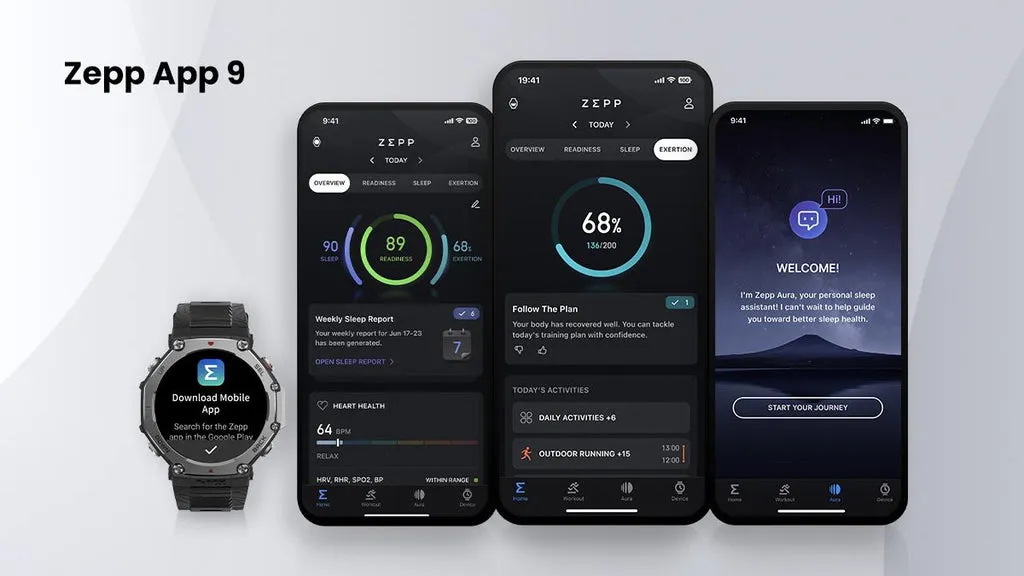
Amazfit’s own Zepp OS powers the watch, and the Zepp app on your phone controls all of your data and settings. It manages the app and watch face stores in addition to system settings and health metrics. The Zepp app’s layout is confusing and has multiple tabs, so good luck locating what you need.
The data itself is frequently difficult to grasp, even if you are able to locate the necessary tab. I consider myself well-versed in fitness jargon, having reviewed smartwatches and fitness trackers for over ten years, yet even I had doubts about the meaning of several of these numbers.
An AI-powered food journal that automatically enters nutritional data and calories from a barcode or photo is an additional bonus function. I used a homemade cheese sandwich to test it, and I was surprised by how accurately it calculated the number of calories. I then compared the results with the real nutritional data for each ingredient. I can see this as a useful tool for those who prefer to monitor their intake in order to manage their weight, but have not kept long-term logs for a thorough examination of this feature.
Amazfit Bip 6
Stylish Design, Vibrant Display: The lightweight aluminum build blends effortless style with workout durability, while the vivid 1.97″ AMOLED display keeps your data easy to read, even under bright sunlight.
Although it won’t impress you right away, the Amazfit Bip 6 is a powerful, discreet tracker that constantly goes above and beyond where it matters most. Easily the greatest option we’ve tested in its price category, it’s the kind of uncommon find you don’t expect to find in the world of smartwatches under $100.
Amazfit BIP 5 is a low-cost smartwatch that uses the Zepp app to provide a wealth of health data in a crowded market of pricey models. The pricing range of Amazfit is smartwatches spans from the Balance to the newly launched T-Rex 3, with the BIP 5 being the most affordable model.
What does a $75 smartwatch bring you, then? A portion of what you might anticipate from an inexpensive gadget, but with some pleasant surprises as well. Based on the Amazfit range, the Amazfit BIP 5 is powered by Zepp, the all-inclusive software that functions nearly identically on all of the company’s smartwatches.
I used the BIP for two weeks straight, wearing it to the gym on a regular basis and on a trip to Europe. I found this watch to be a reliable companion for my workouts. The Zepp app offers a plenty of metrics and customization, making up for the watch’s lackluster hardware.
Amazfit Bip 5
Amazfit Bip 5 Smart Watch 46mm, GPS, Alexa Built-in, Bluetooth Calling, 10-Day Battery, Heart-Rate & VO2 Max, Sleep Health Monitoring, AI Fitness App, 120+ Sports Modes, for Android & iPhone, Black
I will start by saying that this watch has an excellent battery. When I went to Europe for six days, I did not even think to bring the charger, and I did not need to. I have been able to charge it once a week or so without any problems.
The second obvious feature that makes this watch stand out is its physical form. It does not necessarily look bad for a smartwatch that costs less than $100. The bracelet is simple and the 1.9-inch face is chunky, but at least it can be customized. While it is not as good as the expensive AMOLED screens on rival smartwatches, the display is nonetheless dependable and stutter-free.
In the end, it is a discreet-looking watch that does not draw attention to itself, and given that other smartwatches are determined to market themselves as fashion accessories, that feature deserves some consideration.
This is not a watch you want to wear in the shower or in the pool due to its lack of durability. It is not waterproof, however, it is splashproof thanks to its IP68 rating. I enjoy the outdoors, but I am not someone you will find running in the rain because I reside in New York. Rather, I want a smartwatch with accurate fitness metrics for the gym and reliable sleep monitoring.
Regarding the Amazfit BIP 5’s fitness tracking, I got mixed results. I discovered that the “exercise mode” on the watch is not actually functional for me when I took it to the gym. In this mode, the app will notify you to continue moving when your heart rate falls too low and will encourage you to maintain it elevated within a specific range.
My experience has shown that the heart rate monitor’s accuracy is not perfect. I was in the middle of a stride on the treadmill or a mid-squat on the rack, but the device kept telling me that my heart rate was too low and that I should “keep moving.”
If you do not change the parameters, it might be too intrusive for athletes who are accustomed to working out at the gym, but I can see this being helpful for someone who is focused on high-intensity interval circuit training.
Besides, it is not always clear to the device whether I am standing or sitting. I spend at least half of the day standing because I use a standing desk both at work and at home, but the BIP does not always pick it up.
I could not possibly attempt every one of the more than 120 sport measurement modes available on the BIP, but the ones I did try, like rowing, were beneficial but not particularly game-changing.
Nevertheless, the watch uses Zepp’s PAI score to measure a variety of variables. With the aim of reaching a weekly total of 100, the “personal activity indicator” is a statistic that gives you points each day based on cardiorespiratory measures from all sources (not just specified workouts).
Amazfit Bip 5
Amazfit Bip 5 Smart Watch 46mm, GPS, Alexa Built-in, Bluetooth Calling, 10-Day Battery, Heart-Rate & VO2 Max, Sleep Health Monitoring, AI Fitness App, 120+ Sports Modes, for Android & iPhone, Black
Personally, I think Zepp’s PAI method is great and it makes sense to assess your fitness and health via a variety of lenses rather to just ad hoc measures. The integrated GPS is another feature that runners will adore.
It can provide maps of your routes and a variety of stats related to your training, including statistics, achievement projections to track your progress, and workout templates.
There are not many unique connectivity features on the Amazfit BIP 5 because its primary functions are health-related, but the ones that are present are at least helpful. For instance, you can use the watch to control music playback when it is on your phone.
It also supports Alexa, so if you have a smart home setup, you can use the watch to provide orders. When it comes to its sleep-tracking features, the Zepp app—which is extensive and data-rich—carries the BIP 5. Because of this, it is a fantastic low-cost choice for those who wish to track their sleep but do not really need a fitness watch.
Zepp generates a progress report with a grade every morning, along with longer narrative reports created by AI that provide further meaning for your sleeping patterns. The measurements are not entirely correct, though.
Zepp frequently assumes that I am asleep when I am not, and on occasion, he even claims that my sleep was worse than it was. Zepp places a strong emphasis on regular sleep and wake hours, and even if you get a restful night’s sleep, it can still be very critical of deviations from this pattern.
On certain evenings, even when it was the weekend or I felt like I had gotten enough sleep, it would give me a 75–80 score rating and admonish me for deviating from my sleep routine.
Even if you are not aware of it, the gadget performs a decent job of identifying objects that interfere with your sleep.
For instance, after having a late-night cocktail, I was asked, “Hey, I observed your heart rate took a while to decrease last night,” when I woke up. “Did you consume booze before bed or eat late?” Cracked. Since it did interfere with my sleep in this instance, this level of insight—an overall theme to the watch’s capabilities—was unexpected and clever.