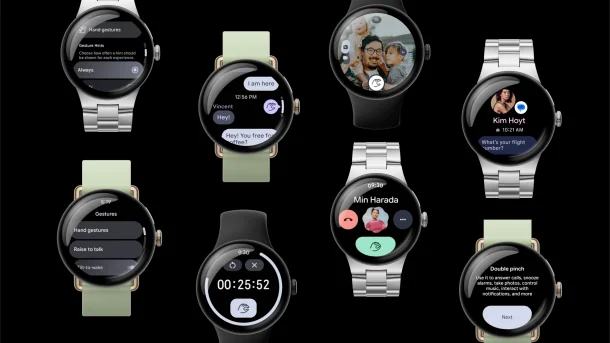
Google has launched Wear OS 6.1, based on Android 16’s second Quarterly Platform Release (QPR2) — specifically API level 36.1 — which first dropped in December as a minor SDK update. The last comparable release was Wear OS 5.1 in November 2024, which brought a significant jump from Android 14 to 15.
Google has confirmed that this update introduces no behavior changes for app developers, making it a relatively smooth transition on the development side.
What’s new for users in the new Wear OS
The headline addition is automatic time zone adjustment based on physical location. The feature keeps device time accurate as users move between regions, and it works even without a network connection. Users can manage the setting under Settings > Date & Time > Use Location (or on Pixel Watch: Settings > System > Date & Time > Use Location).
Improvements for kids and supervised accounts
Wear OS 6.1 also brings a handful of refinements aimed at younger users and family setups:
Kids graduation: When a supervised user reaches the age of consent, they can transition their device to a standard Wear OS experience. This removes parental controls and unlocks full access to device settings — no factory reset required.
Improved reauthentication: If a user’s credentials are invalidated — say, after a password change — they can now re-verify their Google Account directly on the watch or via the companion app, again without needing a factory reset.
Developer availability
Build BP4A.250916.026.E2 is now available through the Android Studio emulator.
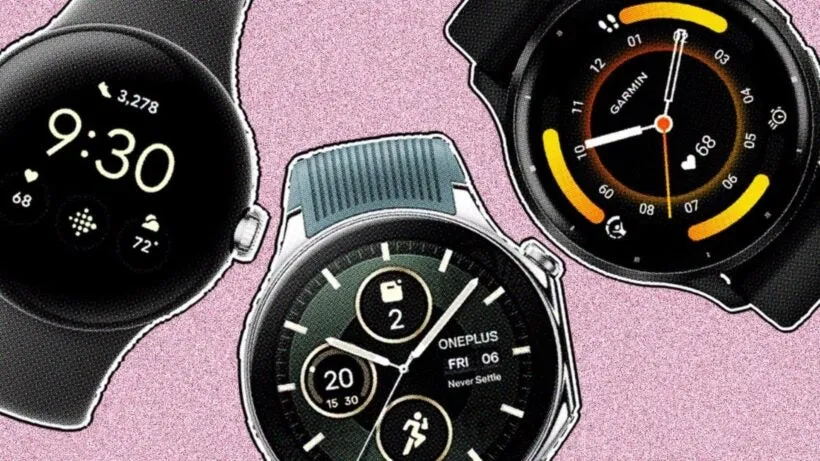
For several months now, there have been rumors that OnePlus will be releasing a smaller smartwatch. Naturally, when OPPO unveiled its Watch X2 Mini on April 10, those rumors intensified. And this morning, OnePlus officially announced the arrival of a smaller watch with the name OnePlus Watch 3 43mm.
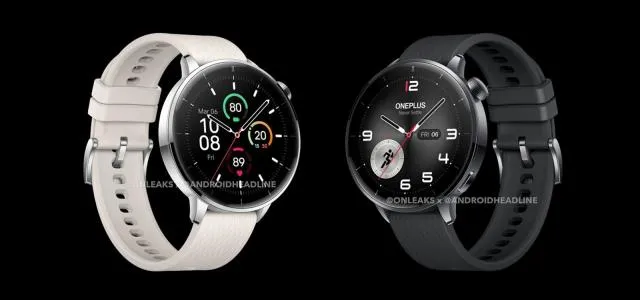
Exclusive CAD renders of the OnePlus Watch 3 43mm have now been made available to us by Onleaks, and they reveal some design modifications from the larger OnePlus Watch 3. However, as anticipated, it still has the same appearance as the OPPO Watch X2 Mini.
In terms of specifications, the OnePlus Watch 3 43mm ought to have a 1.32-inch AMOLED 2.5D screen with 466 x 466 resolution. The 43mm body, which is significantly smaller than the 47mm Watch 3, will house that. Surprisingly, though, it is only somewhat smaller than the “bigger” sizes of the Pixel Watch 3 and Galaxy Watch 7.
Wear OS and RTOS will continue to be the two operating systems that the OnePlus Watch 3 43mm will support, as anticipated. Additionally, it will share the Qualcomm Snapdragon W5 Gen 1 processor with its bigger sibling. containing 32GB of storage and 2GB of RAM. Additionally, it will come in two colors: black and white.
Shorter battery life for OnePlus Watch 3 43mm
The battery life will be one of the drawbacks of this smaller smartwatch form. The 345mAh battery that OnePlus has included this time around is supposed to last up to 72 hours. In contrast, it can be used for 100 hours, or slightly more than five days. With RTOS, you could probably extend it to about a week, even though this figure probably refers to Wear OS usage.
OnePlus did preserve a lot of the other specs from the bigger broather, such 5 ATM water resistance, IP68 sensors and tracking, WiFi, and Bluetooth 5.2. A variety of sensors are also included, such as a barometer, gyroscope, accelerometer, geomagnetic sensor, optical pulse oximeter, gyroscope, ambient light sensor, and optical heart rate sensor.
Due to limits in its actual “always-on” functioning, the always-on display (AOD) mode on Android smartwatches hasn’t always been the smoothest feature. This seems to be fixed in Wear OS 6, which would allow for more usage even when the watch’s display is off.
Wear OS’s always-on display mode hasn’t changed much. At the moment, the majority of apps only show the clock; only Spotify and Maps completely adjust to the mode. This is a major reduction in productivity, particularly when you want to control or modify something on your watch without waking the screen completely.
Control more from directly from AOD in Wear OS 6
In Wear OS 5.1, Google is already developing a feature dubbed “Force Global AOD” that, as the name implies, attempts to compel active app displays to switch to an always-on display state. Although it is presently undergoing developer testing, the firm has started to share updates regarding the feature, so we can now anticipate its arrival with Wear OS 6.
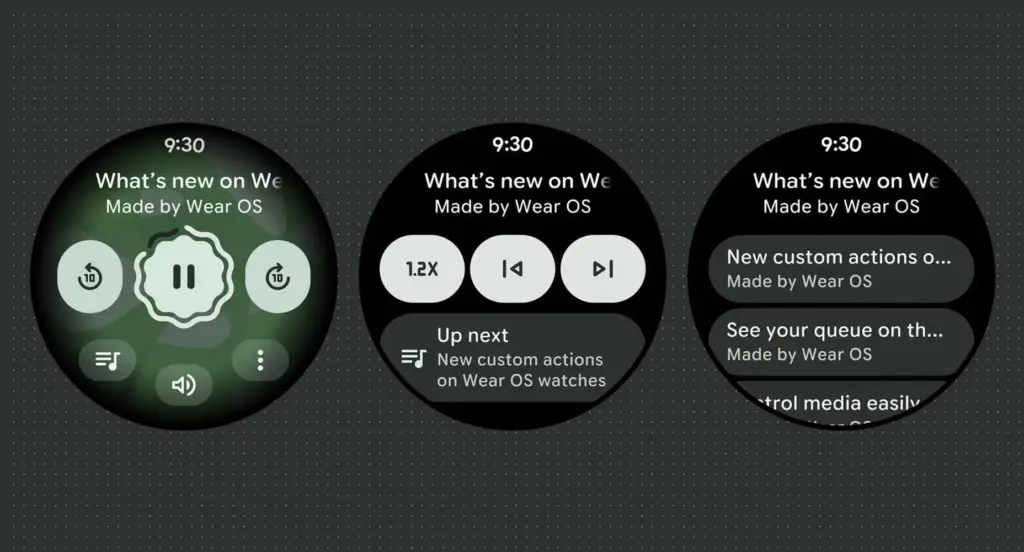
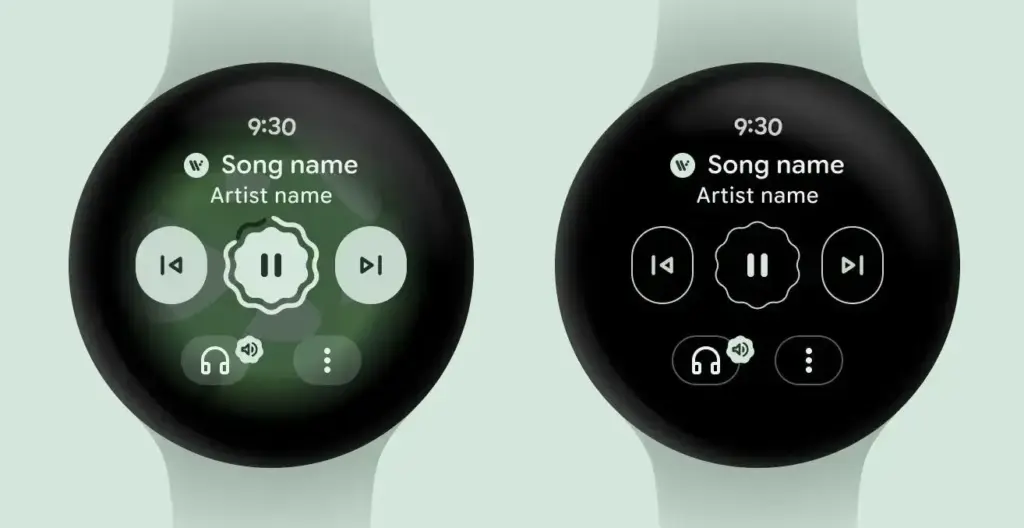
Google claims to be offering a complete solution with seamless cross-device integration of this capability as part of Wear OS 6. Google gave an example of the existing music control interface, which will change to a black-and-white user interface in AOD mode when utilizing the Material 3 Expressive design. Importantly, the rich and whimsical shapes of many elements, including text and navigational buttons, will be preserved in this AOD version.
How this will seem in other apps that eventually make use of Google’s Material 3 Expressive’s “glanceable UI” is yet unknown. For apps that don’t support always-on display natively, there might be a default screen.
Google Pixel Watches and Samsung Galaxy Watches stand to gain the most from this improved always-on display, which will significantly improve Wear OS user experience. With this enhancement, Wear OS smartwatches may even surpass Apple’s watchOS, which does not yet have a real always-on display mode.
Later this year, Wear OS 6 is anticipated to be made available to compatible Android smartwatches. Improved battery life and performance are two of the improvements in the upcoming main Android wristwatch OS, in addition to the actual AOD. In keeping with Google’s long-term strategy, Gemini will also become more deeply integrated into the system.
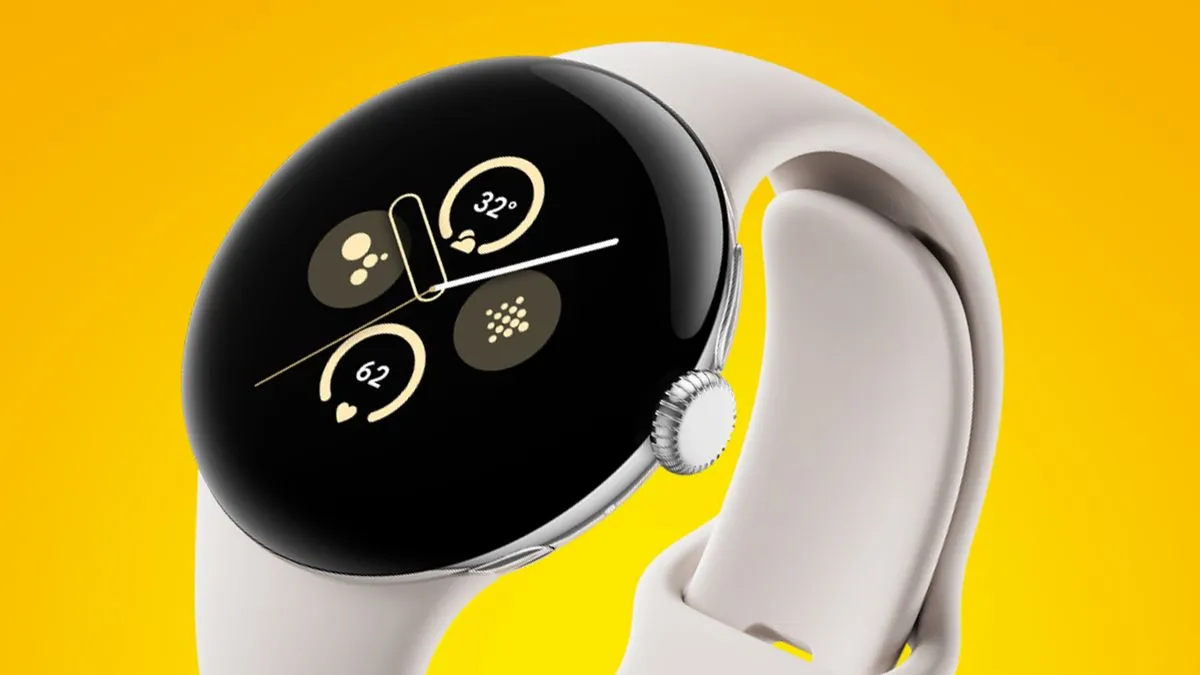
Google Pixel Watch 3
The Google Pixel Watch 3 is designed for performance, with advanced fitness from Fitbit[1,2]; the 41mm screen is twice as bright and 10% larger than before, making it easier to see your stats and info
Stay connected with the latest from Droid Tools—follow us on X @droid_tools, like our page on Facebook, check out our updates on Instagram, and follow us on Google News for real-time news, device tips, and mobile tech insights.
Your phone allows you to answer calls, make and receive texts, and give commands to a voice-activated assistant. But sometimes it is more convenient to perform those things on your wrist, which is where a smartwatch comes in.
The Apple Watch is the gold standard for smartwatches, but it is only compatible with Apple iPhones. If you own an Android phone, you have a lot more smartwatch alternatives, but there is also a lot more opportunity for misunderstanding. Most of the watches we have seen are too slow, cumbersome, or lacking in functionality to be worthwhile purchases. After testing hundreds of smartwatches for Android phones, including the most recent versions, we determined that the Samsung Galaxy Watch7 is the best option for the majority of Android phone users.
Looking for a great way to bring out your personal best every day? Challenge yourself to excel on your next run or bike ride using tracking with Galaxy AI that lets you compare your current performance to your last one
The Samsung Galaxy Watch7‘s robust shell comes in two sizes and is one of the most comfortable watches we have tested. The Watch7 runs the most recent Wear OS software and includes additional health and fitness capabilities such as sleep apnea detection, metabolic health monitoring, and an AI-based Energy Score that combines workout and sleep information. You can also use your fingers to engage with some watch features without touching the screen. Unfortunately, like its predecessor, the battery only lasts one day and requires hours to fully recharge.
The Google Pixel Watch 3 is designed for performance, with advanced fitness from Fitbit; the 45mm screen is twice as bright and 40% larger than before, making it easier to see your stats and info
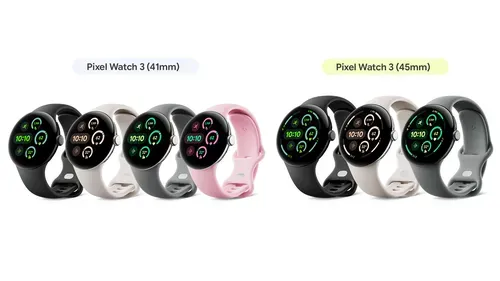
The Google Pixel Watch 3 looks similar to the original Pixel Watch, but with slimmer bezels. The 41 mm and 44 mm variants have equal features, but the 44 mm watch has a longer-lasting battery. The Pixel Watch 3 has a new OLED display that can reach up to 2,000 nits of peak brightness. It also runs the most recent version of Google’s Wear OS 5, which includes additional health-related functions and improved connection with Google’s ecosystem. It retains the previous version’s unique band connector, which is only compatible with the bands provided by Google.
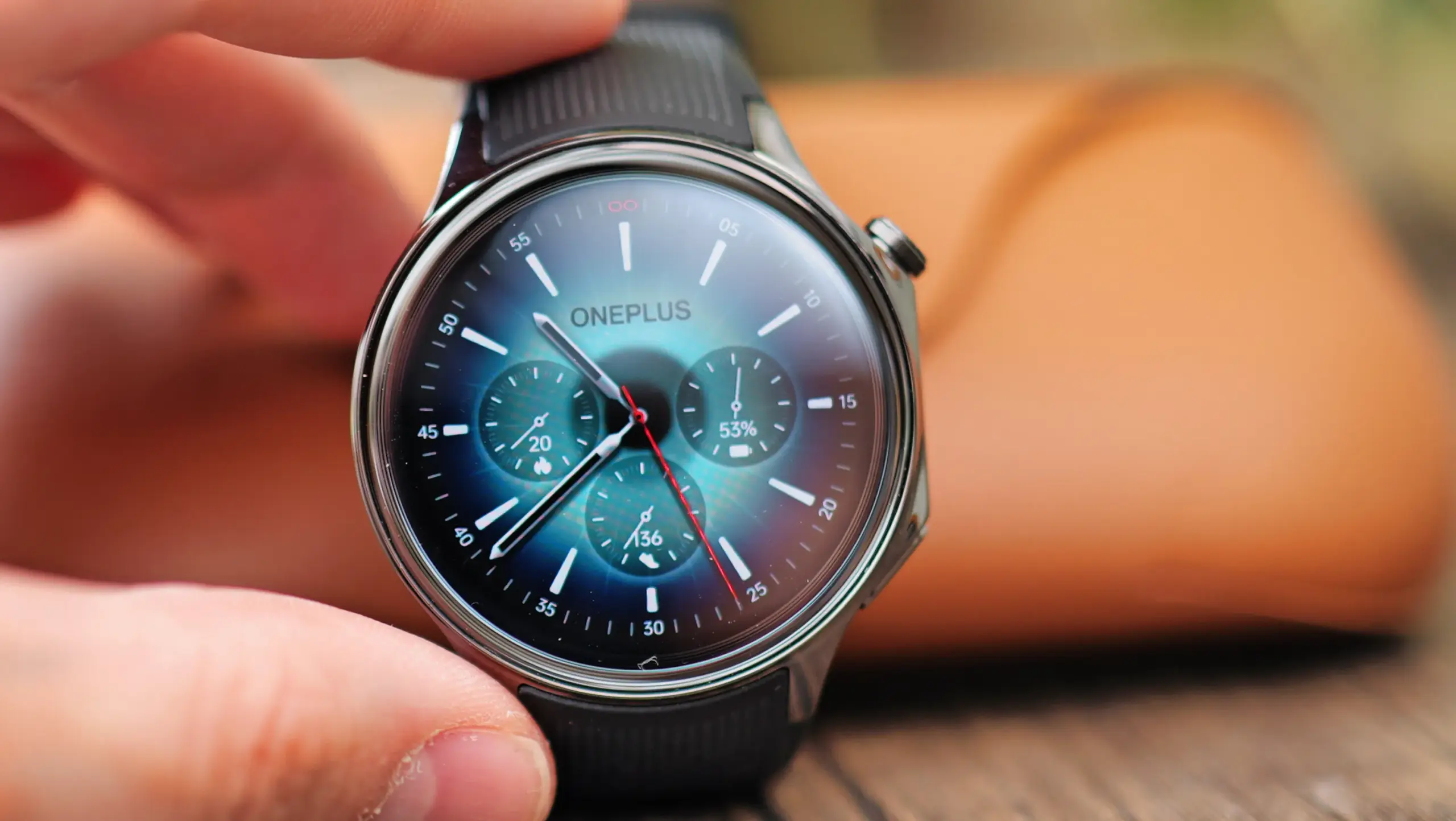
The OnePlus Watch 2 fuses a stainless-steel chassis with a robust 2.5D sapphire crystal face, delivering a sophisticated design that withstands daily wear and tear with a 5ATM and IP68 rating, and military-grade standard for durability.
The OnePlus Watch 2R may last many days on a single charge while also providing important health tracking—all at an inexpensive price. Its 46 mm shell houses a big 1.43-inch OLED display with a maximum brightness of 1,000 nits, and it runs a hybrid system made up of two chips and two software setups, including Google’s Wear OS 4 and Google Assistant.
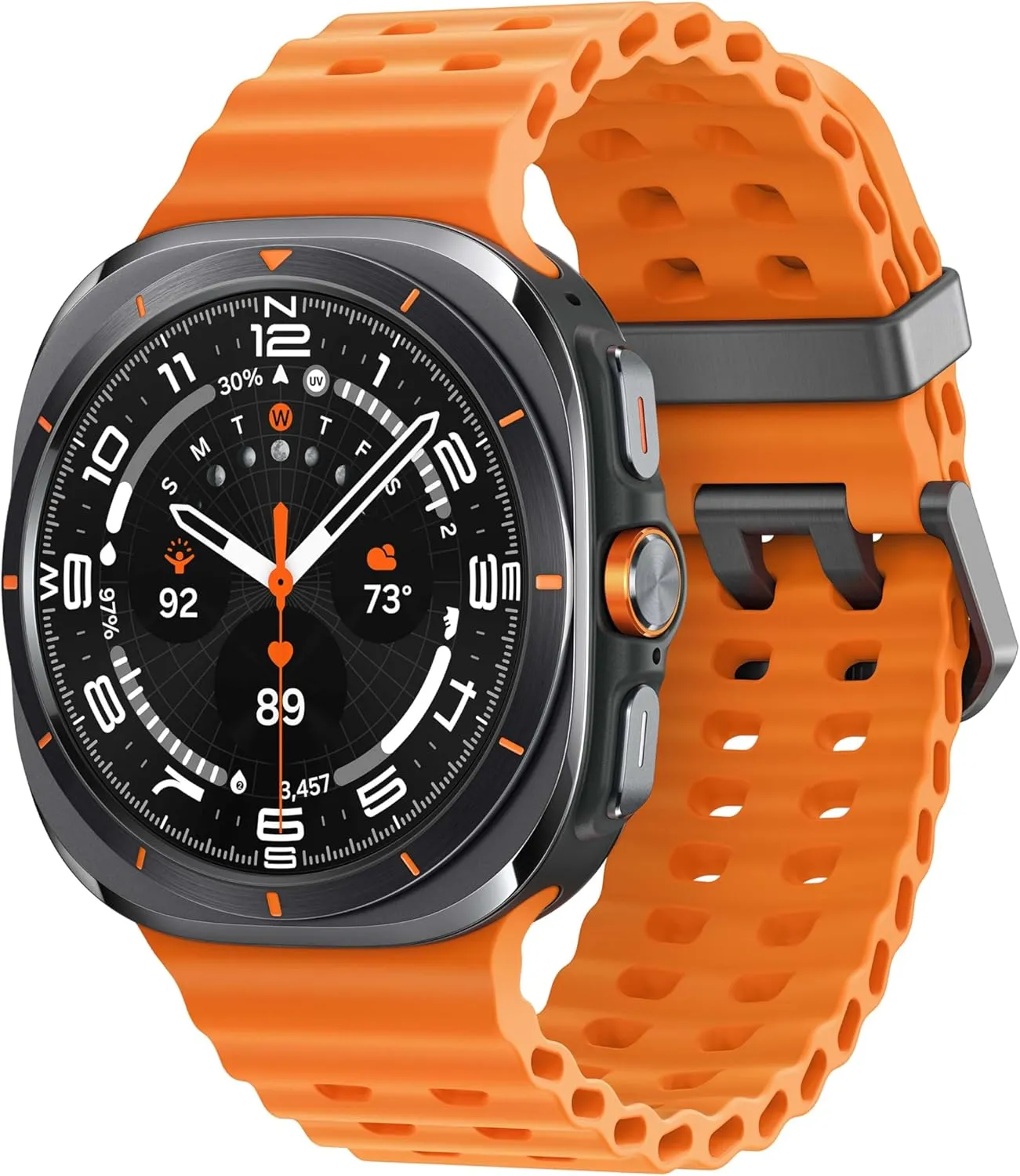
The Watch Ultra sports a huge 47 mm titanium body with a display that can reach up to 3,000 nits of peak brightness, making it easier to see your screen even in the darkest of nights and brightest of days.
The Samsung Galaxy Watch Ultra incorporates a few extra capabilities than the Watch7 into a larger, more robust smartwatch. It offers fitness monitoring for triathletes, bikers, swimmers, and strong endurance users, with twice the battery life of the Watch 7. Many people are put off by its large size, heavy weight, and high price, but the features and battery life may be worth the premium.
The market for Wear OS smartwatches has been around for a while. We are eager to see what 2025 has in store for fans of smartwatches, given the most recent advancements in the field, such as Google Gemini, Snapdragon processor updates, and new watch faces and designs. This list will assist you in selecting the finest Android Wear OS smartwatch if you are also looking for one.
Google Pixel Watch 3
We begin our list with the incredibly powerful Google Pixel Watch 3. You can definitely rely on this watch if you are searching for one that tracks your health and do not want to worry about performance. Four traditional colors are available.
Features:
good battery life
powered by Snapdragon W5 gen 1 chip
bright and vibrant display
Google Pixel Watch 3
Feature-Packed Smartwatch: The Google Pixel Watch 3 boasts a 45mm vibrant display, powered by a robust processor and ample storage, running on the Android Wear OS.
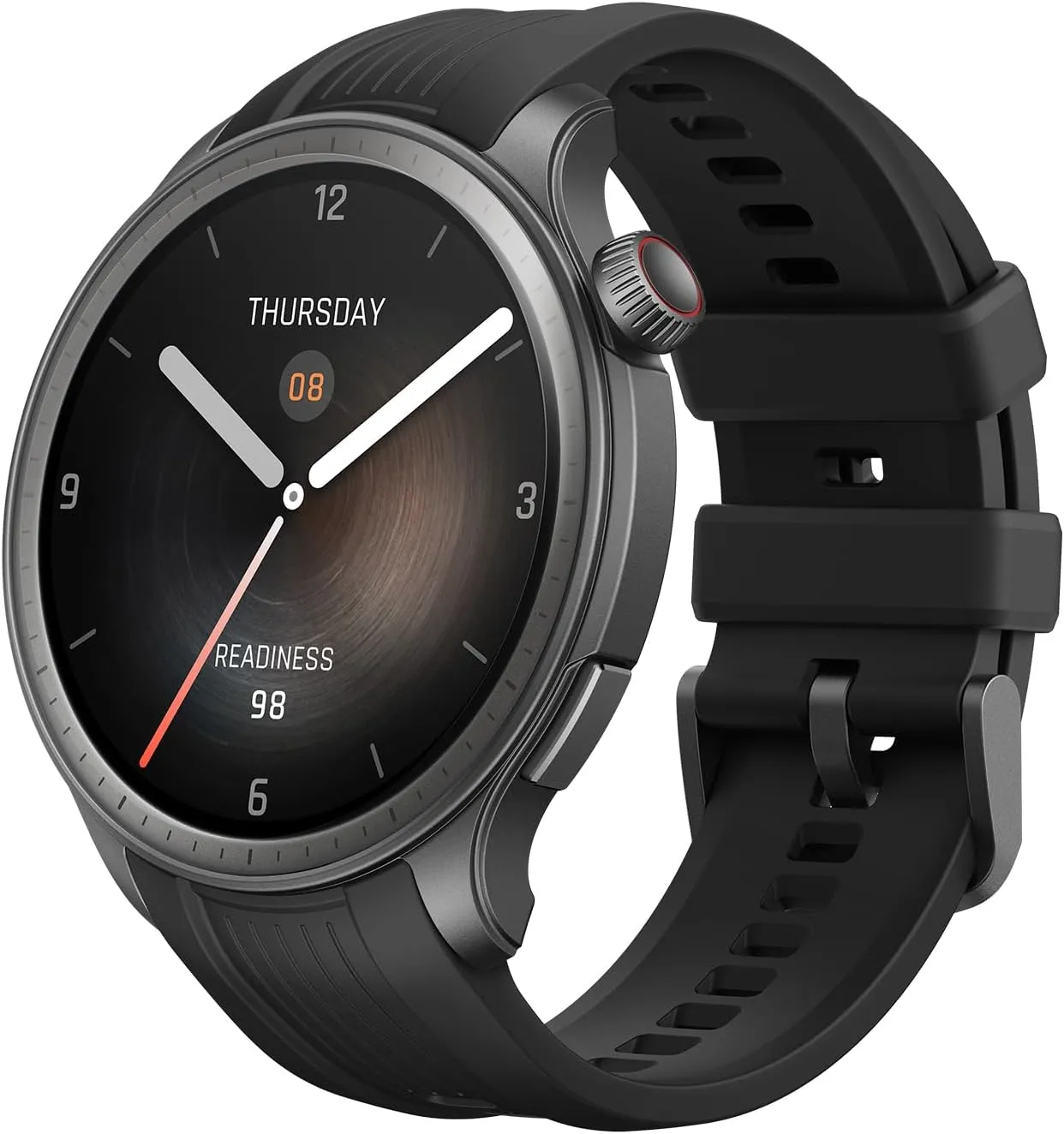
The Amazfit Balance is a state-of-the-art smartwatch that combines performance, style, and health-focused features to improve your everyday routine.
With its brilliant AMOLED display, sophisticated fitness tracking, and sleep monitoring features, this wearable is the perfect partner for helping you remain on top of your objectives. The Amazfit Balance provides seamless integration with your lifestyle, whether you are using it to check your wellness, take calls while on the go, or work out.
Features
offline maps.
great display
good for fitness tracking
Amazfit Balance
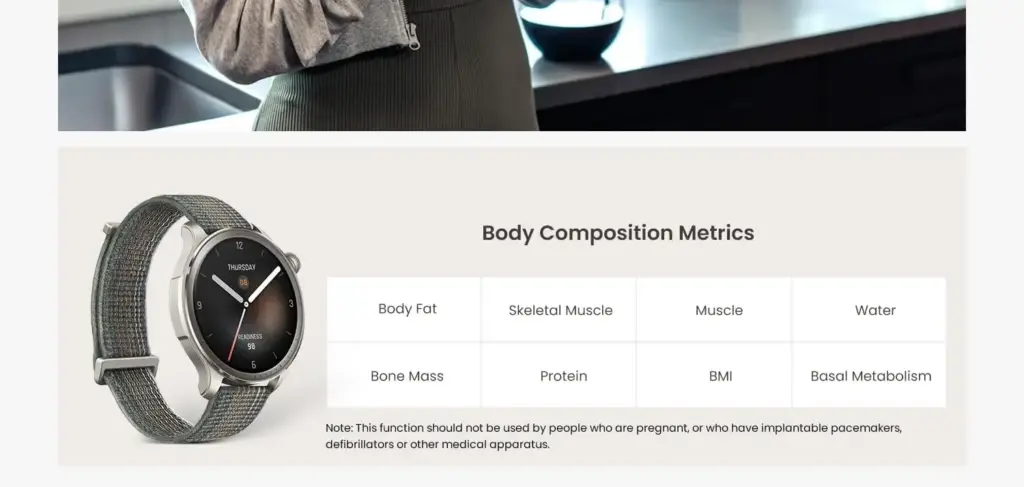
Comprehensive Health Tracking: Monitor your body’s key health metrics, including heart rate, blood oxygen, stress levels, breathing rate, sleep quality, and body composition (fat, muscle, water, bone mass, and more) with advanced sensors and AI analysis.
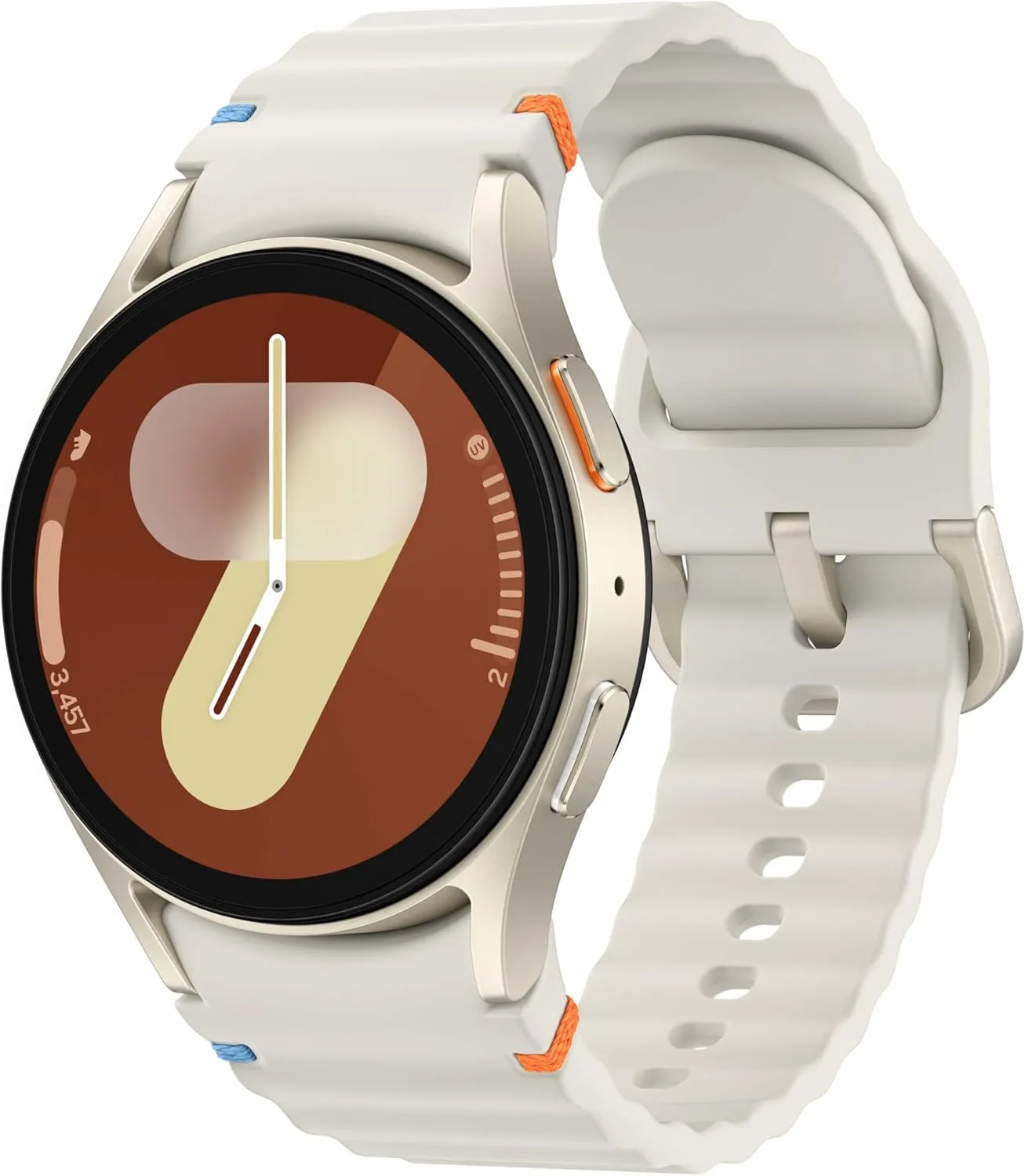
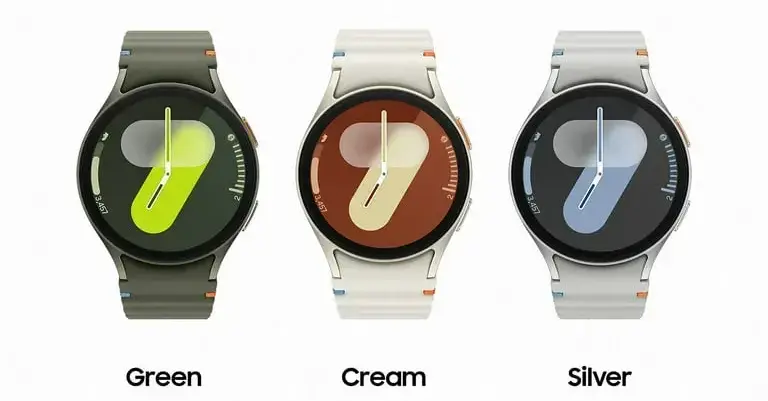
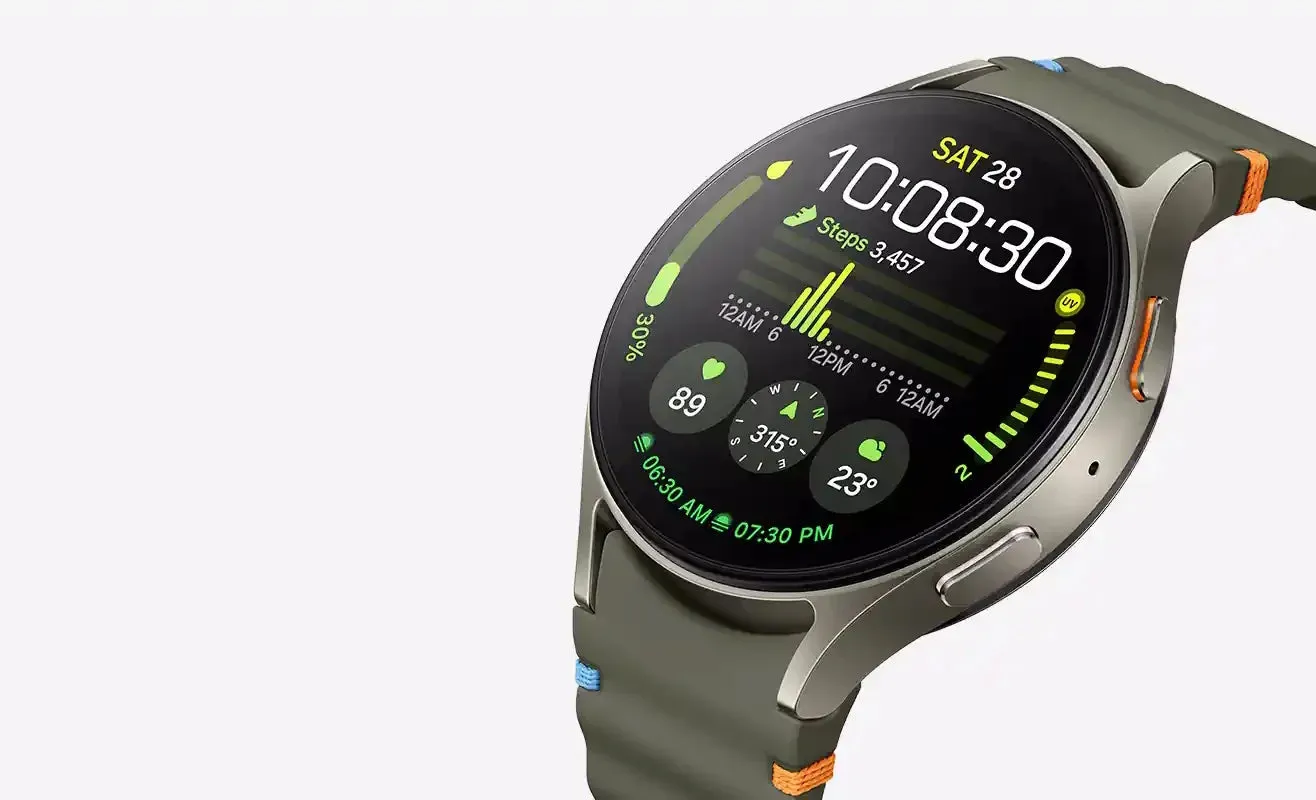
The Samsung Galaxy Watch 7 comes in at number three on our list. When compared to the Galaxy Watch 6, this watch has a few minor improvements. Nonetheless, it is a feature-rich watch with smooth Wear OS 5 performance.
Features:
+1 day battery life
fast charging
advanced health tracking
Samsung Galaxy Watch 7
Looking for a great way to bring out your personal best every day? Challenge yourself to excel on your next run or bike ride using tracking with Galaxy AI that lets you compare your current performance to your last one
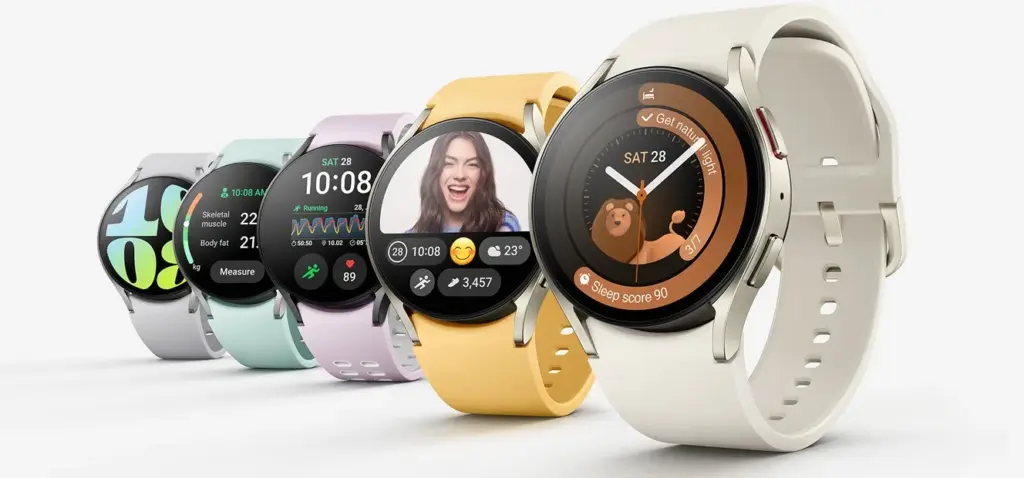
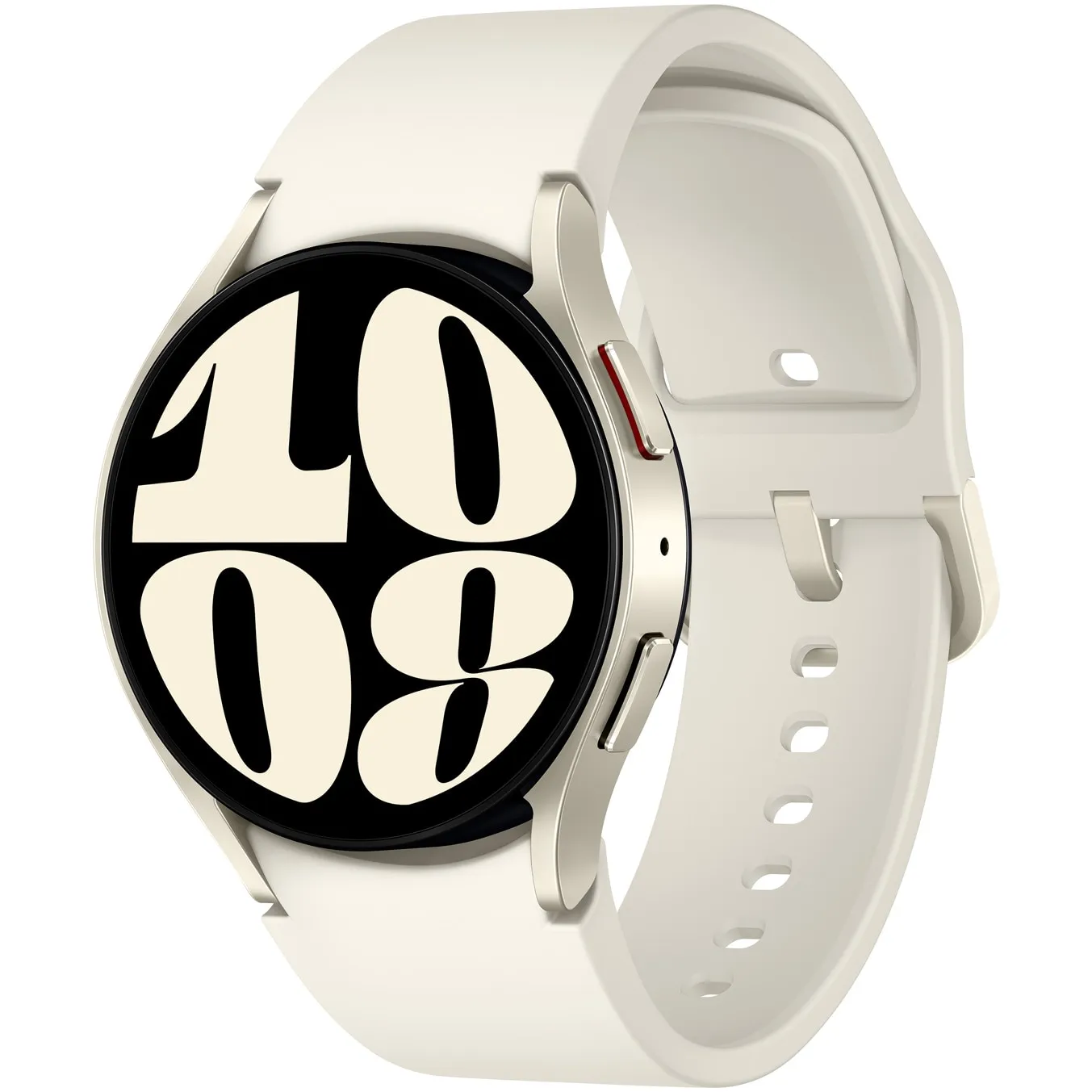
The Samsung Galaxy Watch 6 is another Samsung device that made our list of the top Android Wear OS smartwatches. All things considered, it is a high-end smartwatch, affordable, with all-around functionality.
Features:
over 24 hours per charge battery.
irregular heart rhythm notification
advanced fitness and sleep tracking.
Samsung Galaxy Watch 6
Track over 90 exercises, monitor heart rate zones, get insights on workout duration, distance, calories burned, and more to achieve your fitness goals.
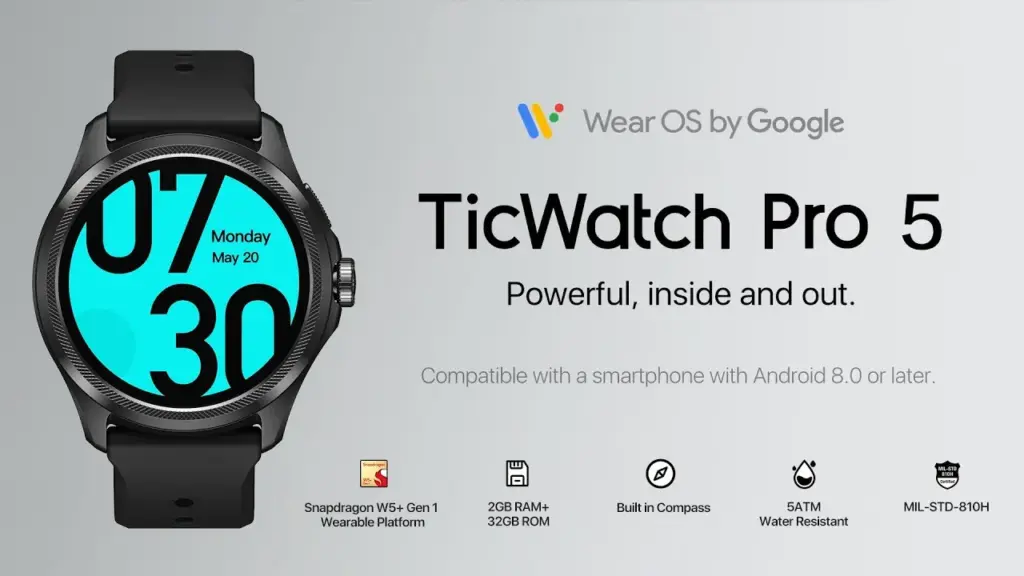
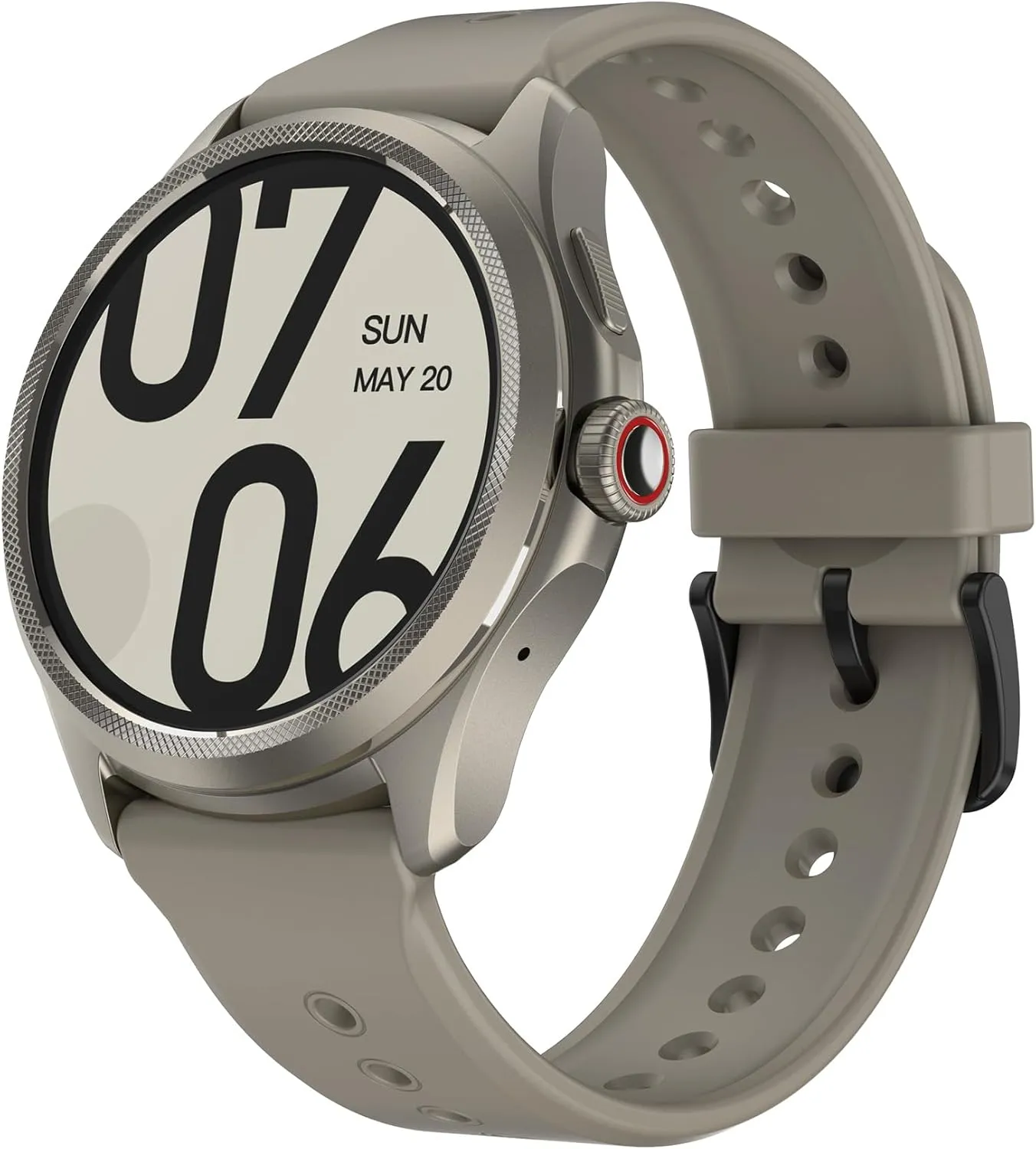
Despite being less well-known, this the watch is among the most feature rich Wear OS devices in 2025. Fitness enthusiasts are the target market for the Mobvoi TicWatch Pro 5. Like the Google Pixel Watch on our list, it has a potent Snapdragon W5+ chip, which makes the pricing far lower and more reasonable.
Features
great battery life, around 80 hours.
great fitness tracking
dual-screen design for better usability.
Mobvoi TicWatch Pro 5
Powered by the latest Snapdragon W5+ Gen 1 Wearable Platform and Wear OS by Google, the TicWatch Pro 5 delivers faster and smoother performance with 2GB RAM and 32GB storage, enabling seamless multitasking and app usage.
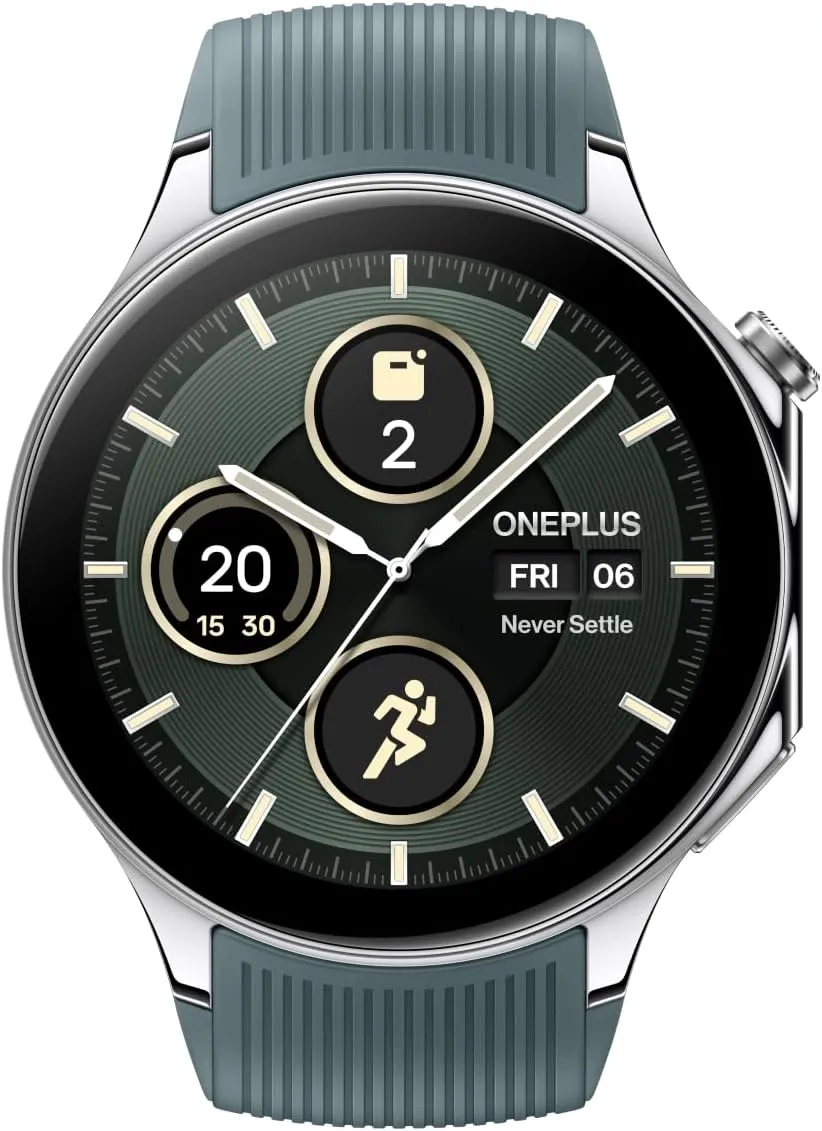
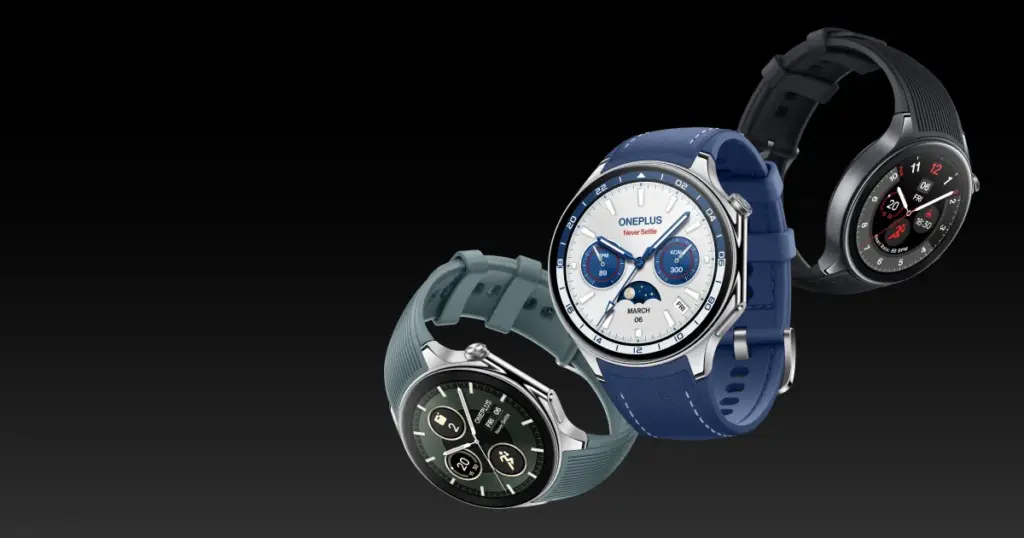
The OnePlus Watch 2, which has a dual-chip system for efficiency and seamless Wear OS + RTOS integration, combines performance and style. Its stylish design fits most wrists, even though it does not have an LTE version. The AMOLED screen is excellent.
Key Features
Snapdragon W5 + BES2700
great battery life
accurate fitness tracking,
dual operating system
OnePlus Watch 2
The OnePlus Watch 2 boasts a durable stainless-steel chassis and a robust 2.5D sapphire crystal face, offering a sophisticated design with 5ATM and IP68 water resistance ratings, ensuring protection against water and dust.
The 3nm fast CPU powers this high-end, long-lasting smartwatch. Simple pinch movements can be used to control tasks like answering calls. The Samsung Galaxy Watch Ultra elevates health tracking with its intelligent Galaxy AI technology. If you do not want to sacrifice user experience, do not skimp on this one.
Features
battery life is 36-48 hours per charge.
2nd gen BioActive Sensor
10ATM & IP68 Rating
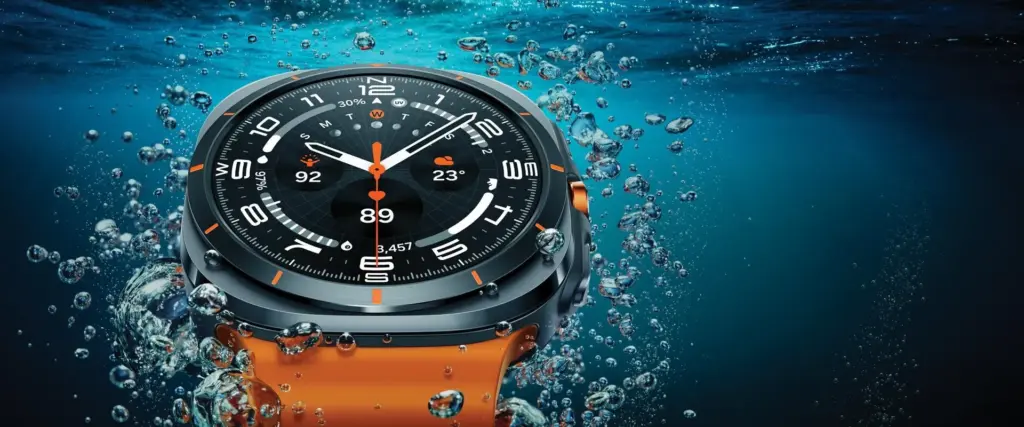
Samsung Galaxy Watch Ultra
Climb the highest peak; Bike the long way home; The durable titanium design is our toughest yet, able to stand up to the rigors of your workout, including rainy or dusty conditions — even ocean swimming
Wear OS is still concentrating on enhancing the user interface, allowing dual-band GPS, and polishing health-tracking features this year. You are aware that now is the ideal moment to purchase the newest smartwatches running Android Wear OS.
Fitness monitoring, battery life, and high-end design are just a few of the features that the smartwatches on our list provide to meet various needs. In 2025, take advantage of an improved Wear OS experience by selecting the one that most closely matches your lifestyle!