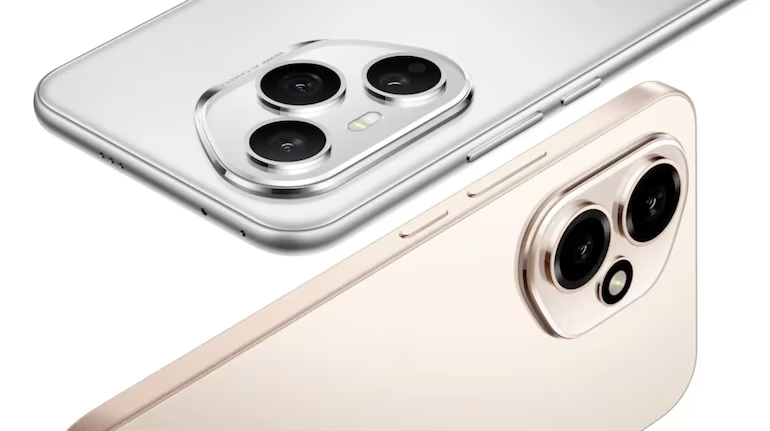
The majority of the important features of the Honor 500 series have been made public by numerous leaks and rumors, but the most recent unofficial specs sheet provides additional insight into the future handsets. The startling details of the new-generation digital lineup are also hinted at.
The new document provides further information about the display panel, chipset, and battery metrics, even if we already know most of the specifications of the Honor 500 series.
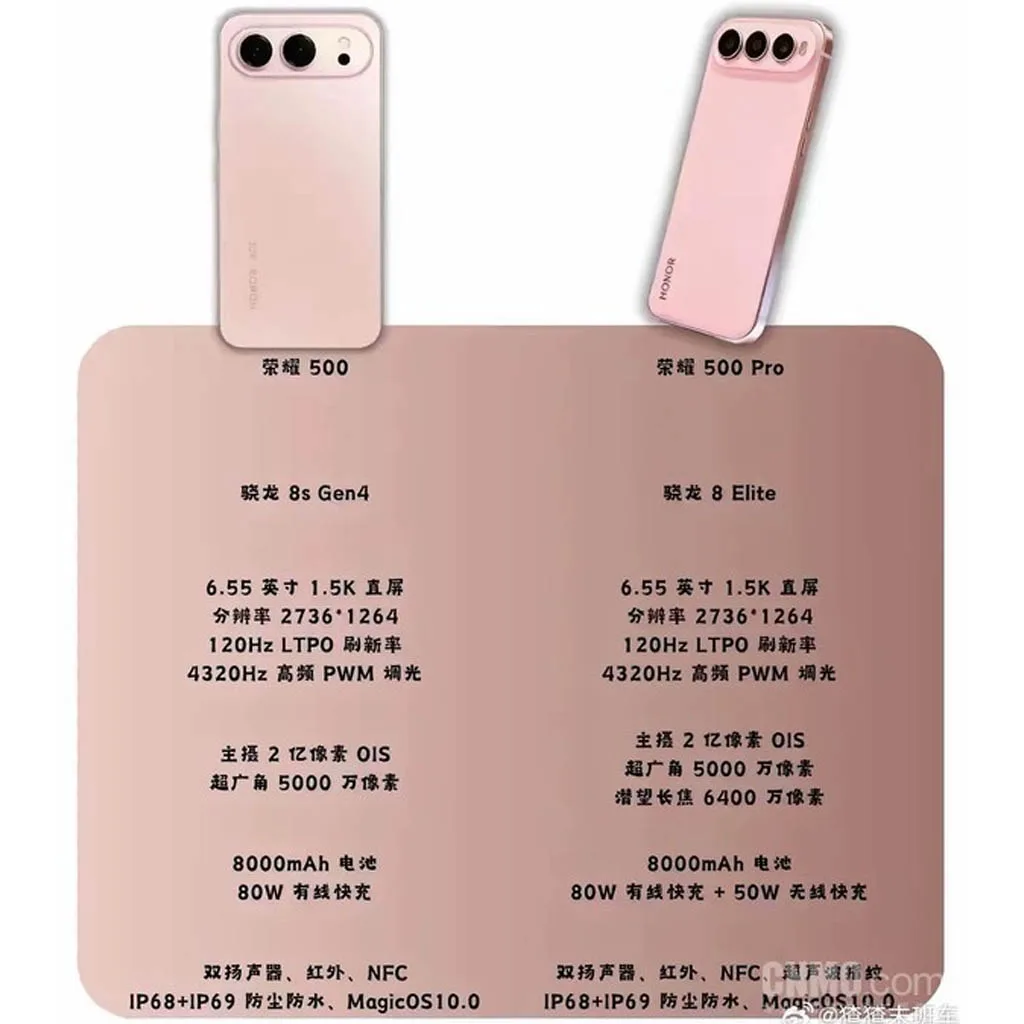
First of all, it notes that the Snapdragon 8 Elite chip rather than the Gen 5 version may be installed in the Honor 500 Pro. Conversely, the Snapdragon 8s Gen 4 SoC will be used in the regular model. The two chips’ core configurations are shown below.
Snapdragon 8s Gen 4: 1 core x Cortex-X4 + 7 cores x Cortex-A720
Snapdragon 8 Elite: 2 cores x Oryon (Phoenix L) + 6 cores x Oryon (Phoenix M)
Regarding the display, a 6.55-inch LTPO OLED flat screen with a resolution of 2736 x 1264 pixels and a refresh rate of 120 Hz is anticipated for both Honor 500 versions. It might also enable high-frequency PWM dimming at 4320 Hz.
The Honor 500 vanilla model is probably going to have two cameras: a 200MP primary camera and a 50MP ultrawide-angle lens. Three imaging sensors—a 200MP primary, a 50MP ultrawide-angle, and a 64MP periscope lens—will be included in the Pro One.
An 8000mAh battery with 80W wired fast charging may be compatible with both devices. The Pro model may have 50W wireless charging capability, which the regular Honor 500 may not have.
Dual speakers, infrared, NFC, IP68+IP69 dust and water resistant ratings, and the Android 16-based MagicOS 10.0 operating system are possible additional features of the Honor 500 series.
The Honor 500 series is expected to make its debut in December or before the end of current month. The debut date has not yet been disclosed by the corporation. However, we might soon get into specifics on this topic. Keep an eye out.
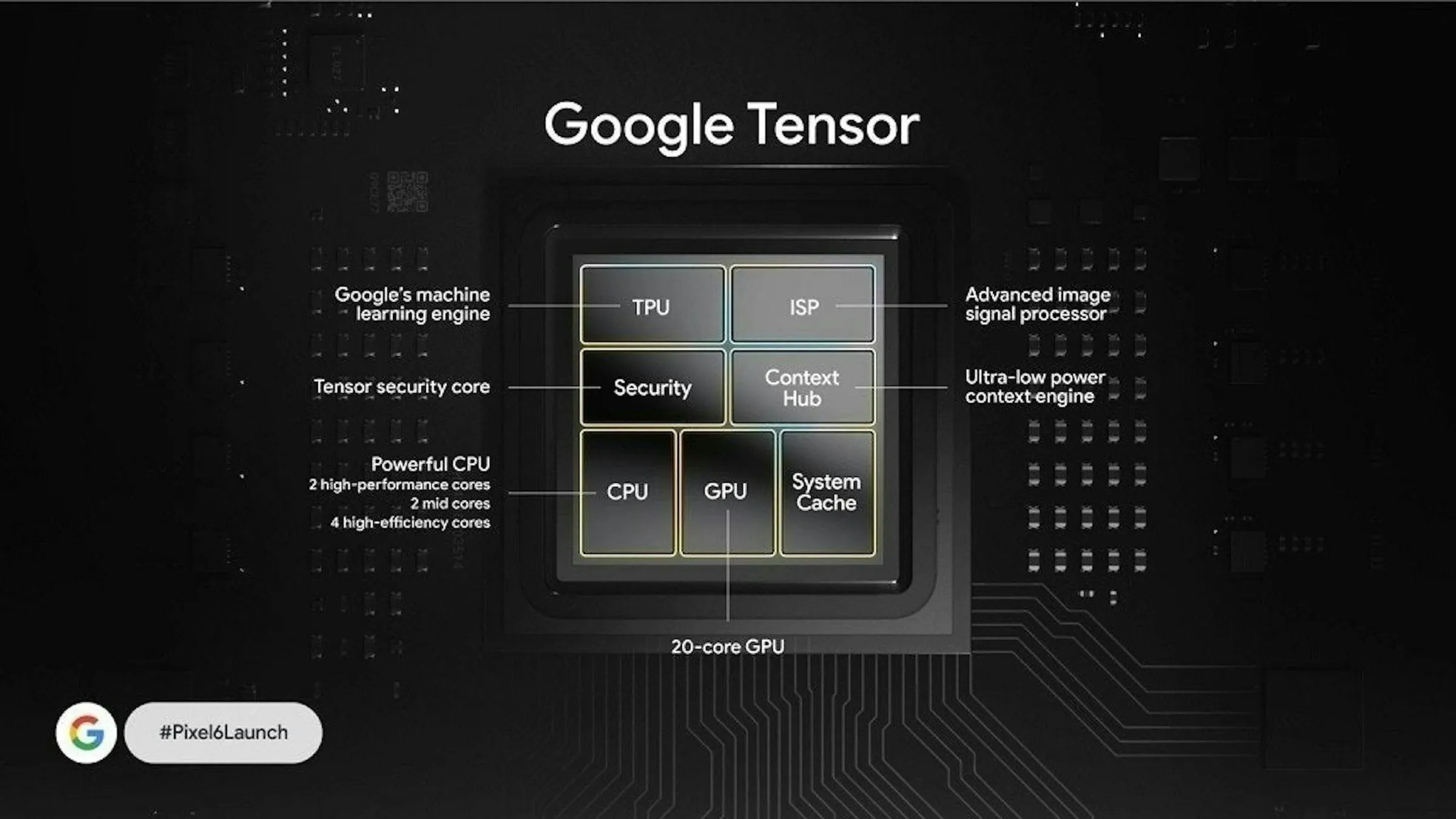
Over the years, Google’s proprietary Tensor chips have progressively advanced to become a dependable everyday driver with strong energy economy. However, performance has frequently been a source of contention. Previous Tensor chips performed well on routine tasks, but not so well on intensive workloads like gaming. That might change with the upcoming Tensor G5, which promises notable performance improvements.
“Tensor G5 is our greatest upgrade yet and gives a huge performance gain,” the tech giant claims. The newest Tensor chip, which launched with the Pixel 10 series last month, is said to feature a 30% faster average CPU and a 60% more potent TPU. Additionally, this is Google’s first mobile chipset produced at TSMC’s facility; Samsung previously produced Tensor chips. Better performance and increased battery economy are promised by the Tensor G5’s use of a more sophisticated 3nm manufacturing node.
Will the Tensor G5’s major improvements, as promised by Google, significantly improve benchmark scores where earlier Tensor chips have underperformed? We’ll examine the benchmark numbers. Here is the specification document to view the differences on paper before that:
Samsung Exynos 5400 5G modem Wi-Fi 7, Wi-Fi 6E Bluetooth 6.0
Samsung Exynos 5400 5G modem Wi-Fi 7 Bluetooth 6.0
AnTuTu
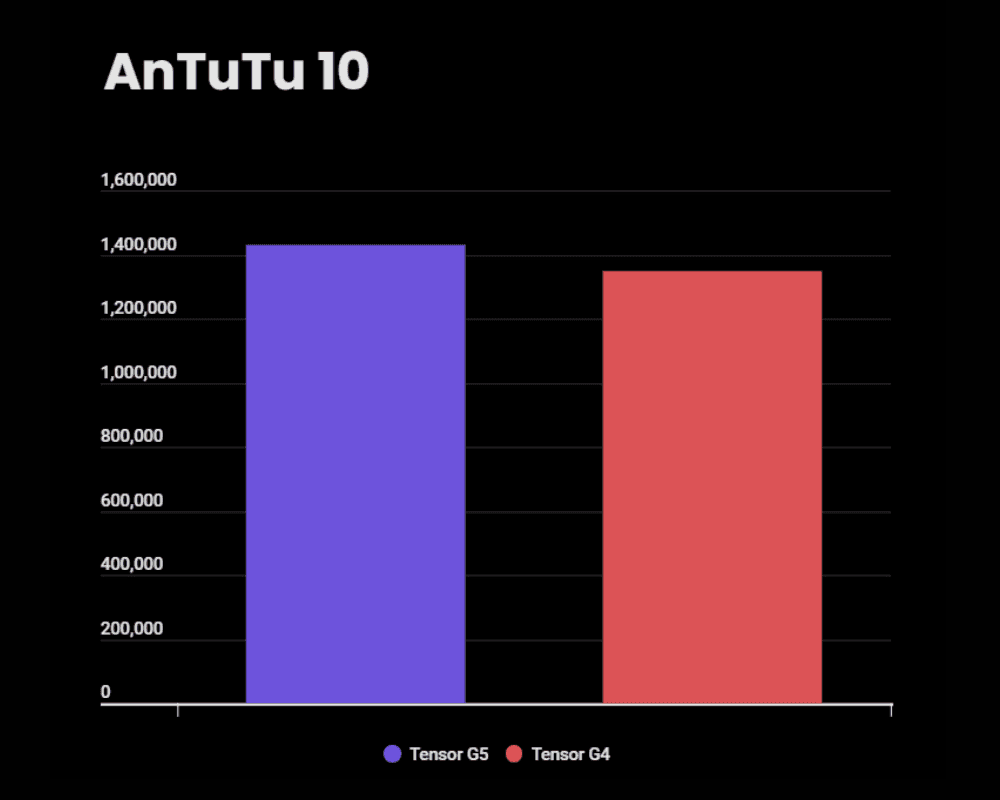
According to the AnTuTu (version 10) benchmark, the new Tensor G5 chip has a little overall improvement of 6%, scoring 1,429,557 as opposed to 1,348,226 for the Tensor G4. However, there is a pleasant 20% rise in the CPU (483,989 vs. 401,746). The RAM and UX scores also favor the newer chip with an improvement of roughly 10%.
The most unexpected of all is the GPU score, which is actually 10% lower than the G4 from the previous year. This implies that rather than promoting sheer graphics performance, Google might have placed greater emphasis on efficiency.
Tensor G5
Tensor G4
AnTuTu score
1,429,557
1,348,226
CPU
483,989
401,746
GPU
416,313
462,415
Memory
293,467
266,535
UX
235,788
217,530
Geekbench
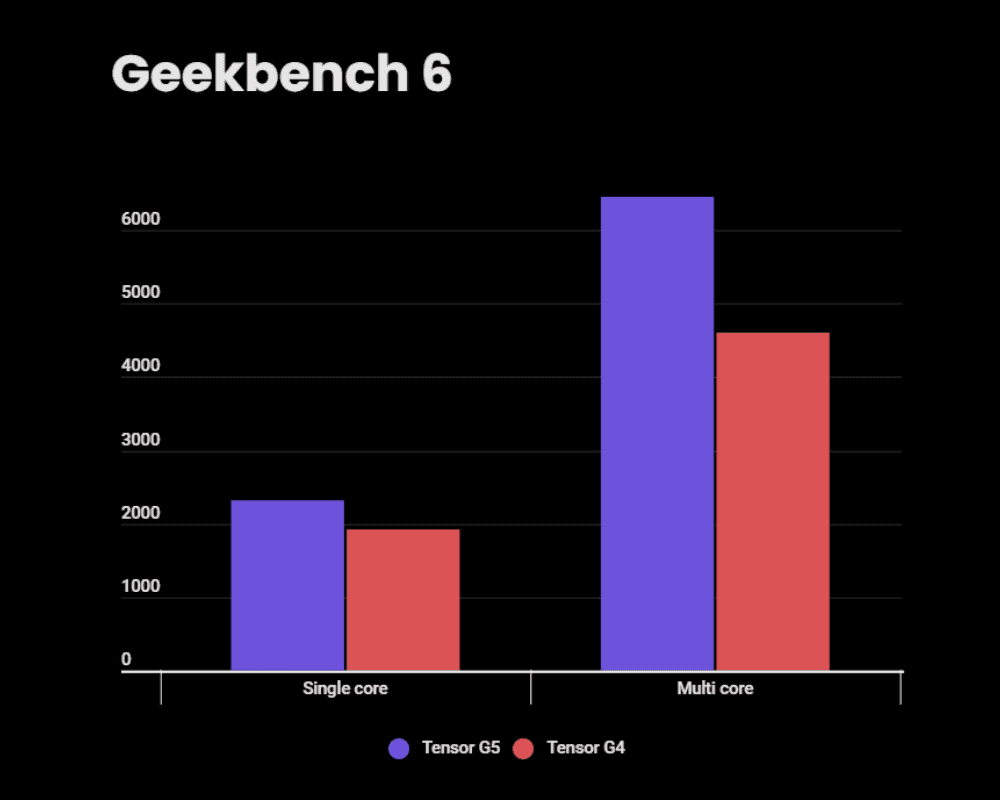
The Tensor G5 clearly outperforms the Tensor G4 in Geekbench 6. Its 2,316 single-core test score is around 20% higher than the G4’s 1,923, indicating faster responsiveness for daily tasks like UI navigation and app launches.
Stronger performance in multitasking, productivity apps, and heavier workloads is highlighted by the multi-core score, which soars to 6,452, a staggering 40% increase over the G4’s 4,602.
Overall, the results from Geekbench point to encouraging gains in Tensor G5’s raw CPU performance, particularly in multi-core efficiency, which could result in considerably more fluid performance.
G5
G4
Single core
2,316
1,923
Multi core
6,452
4,602
3DMark score
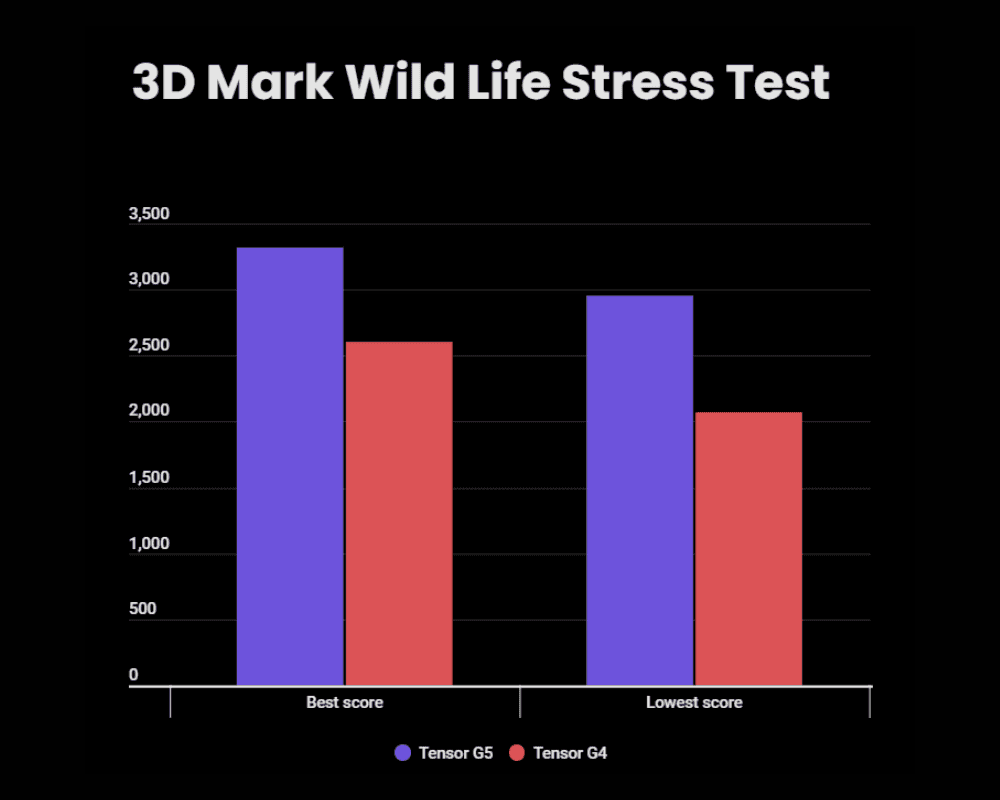
In the 3DMark Wild Life Extreme Stress Test, which gauges sustained GPU performance under high load, the Tensor G5 clearly outperforms the Tensor G4. With a highest loop score of 3,319 as opposed to 2,603 for the G4, the G5 scores an astounding 27% improvement in peak graphics performance.
More significantly, the G5 offers improved consistency as well. The G4 descends to 2,071, and its lowest loop score is 2,954. 89% vs. 79.6% is not only better performance, but also significantly more stability. As a result, the Tensor G5 is far less likely to experience thermal throttling and ought to offer more consistent, fluid gaming over extended periods.
Tensor G5
Tensor G4
Best loop score
3,319
2,603
Lowest loop score
2,954
2,071
Stability
89%
79.6%
Tensor G5 vs Tensor G4
Thanks to enhanced CPU cores and more sophisticated TSMC manufacturing, the Tensor G5 exhibits encouraging improvements in CPU performance. GPU performance and consistency have also significantly improved, according to the 3DMark test. A better gaming experience and faster daily performance should follow from this. The majority of the heating and throttling problems users had with earlier Tensor chips are likewise fixed by the new chip.
Even while the latest Tensor chip offers significant improvements, Google still needs to catch up in order to compete with Qualcomm and MediaTek’s top offerings. We have contrasted the Snapdragon 8 Elite and Snapdragon 8 Gen 3 with the Tensor G5. To see how Google’s most recent chip compares to the finest in the business, you can look through those comparisons.
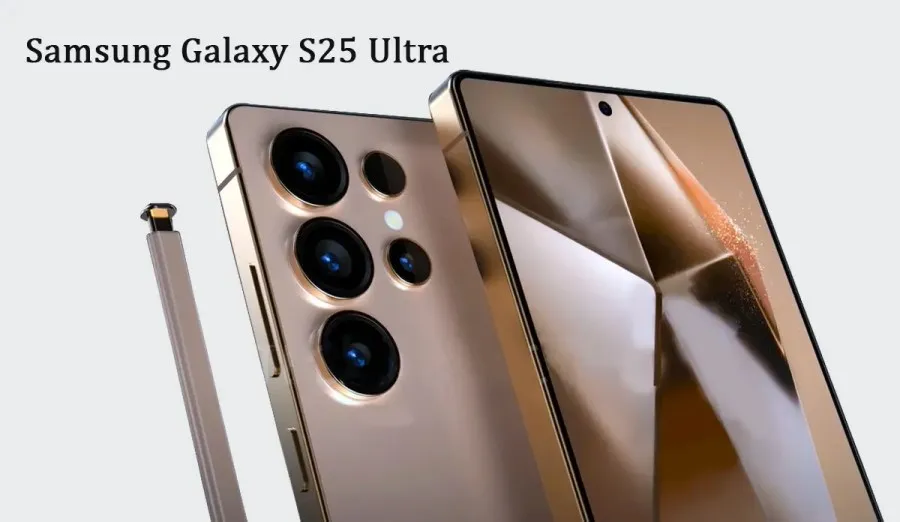
The Samsung Galaxy S25 Ultra will raise the bar for performance and mobile cameras. While the boxy Note design is being phased out, the business has made significant design revisions. According to recent reports, the next Ultra flagship would feature remarkable camera capabilities and performance enhancements.
Based on the leaks and rumors that have surfaced over the past few months, you can investigate the Samsung Galaxy S25 Ultra characteristics.
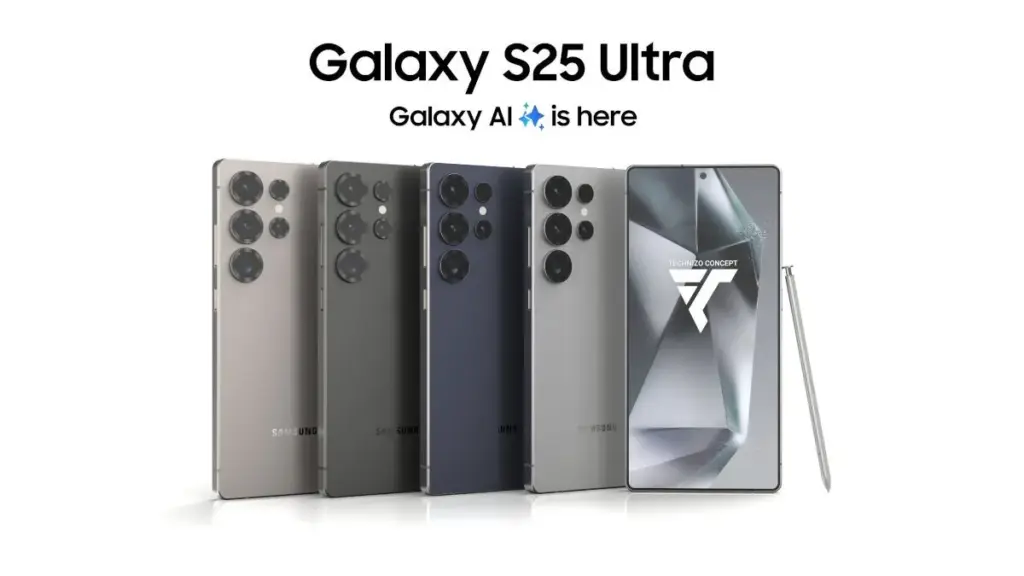
Titanium Black, Titanium Blue, Titanium Gray, and Titanium Silver
Price and release date
According to Samsung’s official Unpacked teaser, the Galaxy S25 series will go on sale on January 22, 2025. The next Galaxy S25 Ultra will come with three memory configurations with UFS 4.0 technology and 12GB or 16GB of RAM (depending on the market).
In the US, a smartphone with 12GB RAM and 256GB of storage might cost $1299, while a 1TB model could cost an incredible $1659. According to a reliable source, some European countries will not raise prices.
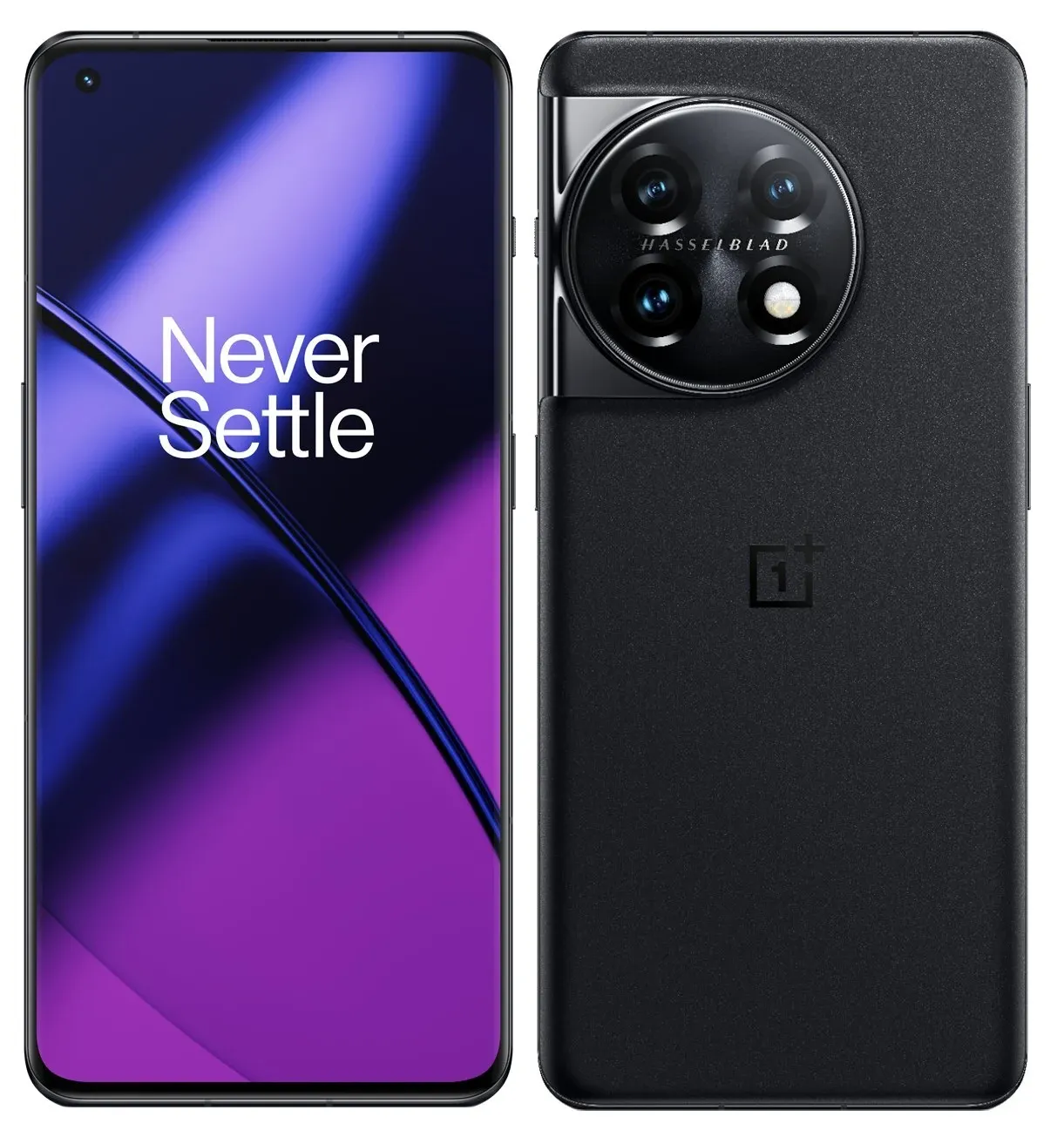
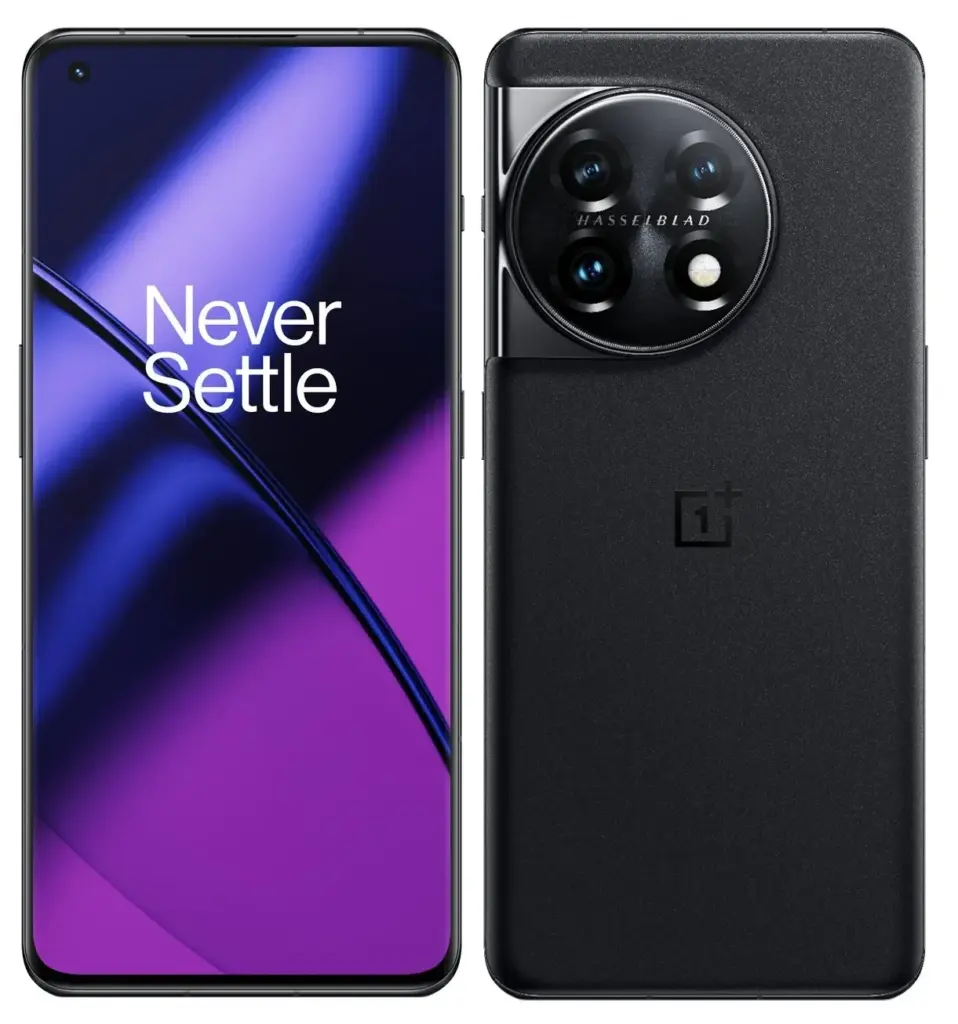
The OnePlus 11 is scheduled to be revealed in China on January 4 before going global on February 7 in India. Despite the fact that we have already seen images of the phone, the one and only Evan Blass has added some new shots and information to his Twitter page. Before many of today’s tipsters even knew what a smartphone was, Blass has been providing trustworthy photographs and information about impending products.
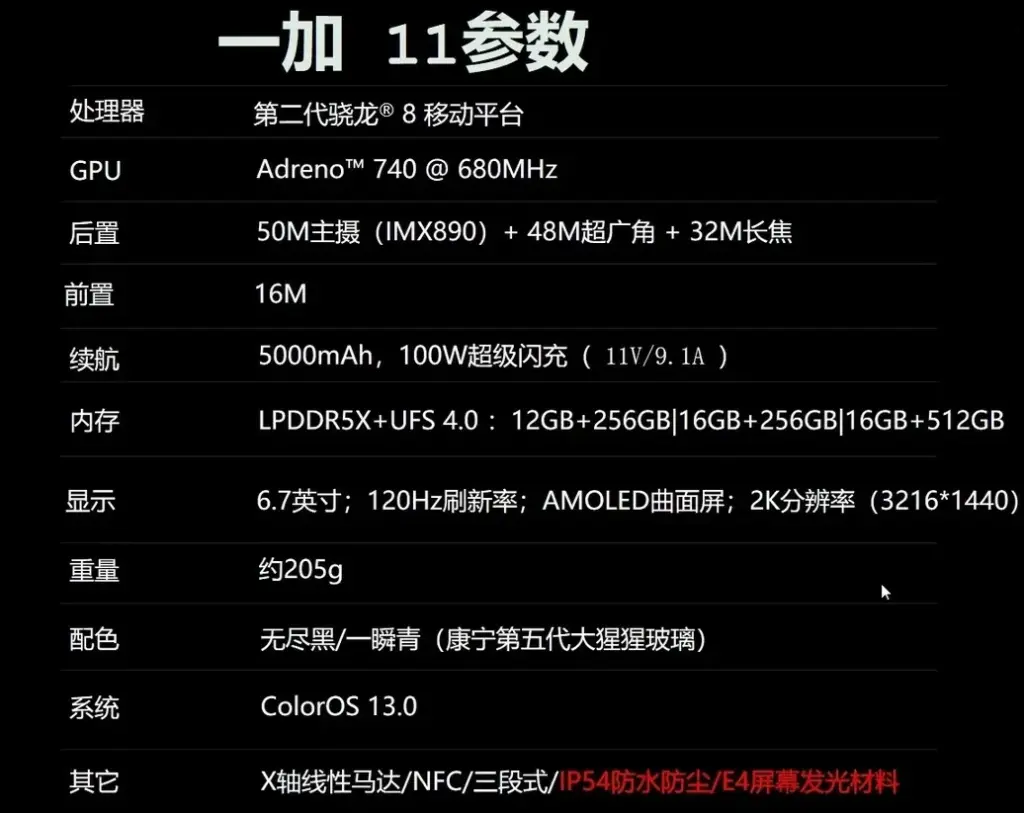
According to the tweet, the OnePlus 11 will feature a 6.7-inch AMOLED curved display with a QHD+ resolution of 1440 x 3216. The Snapdragon 8 Gen 2 SoC will be under the hood with the following configurations offered: 12GB of RAM with 256GB of storage, 16GB of RAM with 256GB of storage, and 16GB of RAM with 512GB of storage. The phones will employ the fastest LPDDR5X RAM chips with UFS 4.0 storage. OnePlus has spared no expense as far as this aspect of the phone is concerned.
The primary camera on the back of the phone will be powered by a 50MP Sony IMX890 sensor. A 48MP ultra-wide camera and a 32MP telephoto lens with a 2x optical zoom are also included in the array. The 16MP front-facing camera is used for selfies and video calls. A 5000mAh battery with a 100W quick charging capacity keeps the lights on. The phone will have an IP54 rating, which will protect it from sporadic sprays of water and dust. Don’t intentionally immerse the phone.
ColorOS 13.0 will be pre-installed on the OnePlus 11 when it is unveiled in China. Its foundation is Android 13. The phone weights 205 grams and is available in Green and Black
Blass’ leak also includes an image showing what will be inside the OnePlus 11 box. Besides the phone, there is a protective cover, a SIM tray pin, a manual, a charger (!), and a USB-C charging cable.
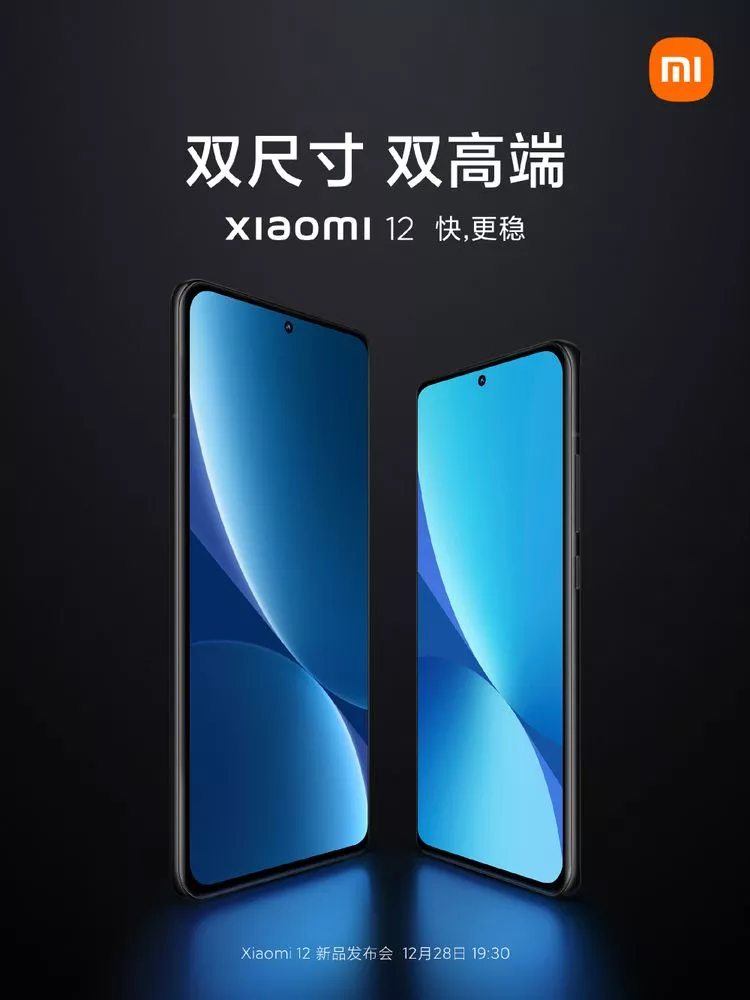
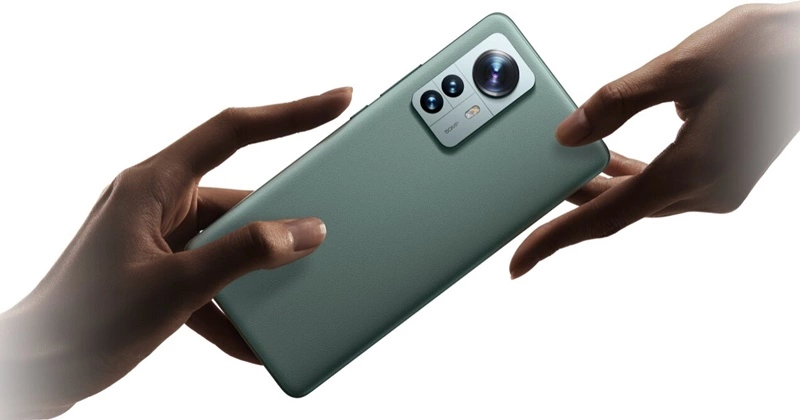
It’s no secret that Xiaomi is about to announce a new flagship phone series – like, “in a matter of hours” soon. Prior to their introduction this week, the Xiaomi 12 and Xiaomi 12 Pro have been leaked in great detail – we know how they’ll appear and what specs they’ll have. We got a look at a few videos and press renders of the Xiaomi 12 a few days ago. As the phone’s entire spec sheet becomes public, we’re now focusing on the larger Pro model.
The information first leaked on Chinese microblogging site Weibo, before leaker SnoopyTech posted the device’s specifications on Twitter. There are a few distinctions between the Xiaomi Mi 11 Pro and its lower-end brother, and they are immediately evident. The Mi 11 and Mi 11 Pro both featured identically sized panels, but the Xiaomi 12 breaks the mold: the Pro will have a 6.73-inch display, while the normal model will have a 6.28-inch panel, as we already discovered.
Other specifications are consistent with earlier reports, leaks, and Xiaomi’s official statements. Instead of a 108MP rear triple camera arrangement, we’ll get a Snapdragon 8 Gen 1 SoC and a 50MP triple camera setup on the back. The battery will be 4,600mAh, down from 5,000mAh in the 11 series, but we’ll have significantly faster charging speeds this time around, with 120W cable charging and 50W wireless charging capabilities.
The pricing, which is indicated in the spec sheet as 9,999 yuan, may or may not be correct (and it would be a shame if it were). Since that works up to nearly $1,500, it’s been suggested that this could be a placeholder.
Pricing will presumably closer to what the 11 series went for, and we’ll hopefully have more details soon, with plans to announce the phone on December 28.
Samsung is one of the biggest smartphone manufacturers worldwide. The South Korean tech giant is known for its mid-range and premium products with innovative features. The Samsung Galaxy S21 was released last year and has gotten rave reviews. The next device, Samsung Galaxy S22, is scheduled to be released sometime in 2022.
If reports about the phones’ screen sizes are to be believed, the Galaxy S22 series will be a three-phone lineup featuring a regular, Plus, and Ultra variant.
Expected Price
No reliable reports about the pricing of the Galaxy S22 range have been reported, but we expect Samsung to maintain prices comparable with last year’s flagship. Samsung cut the price of its Galaxy S21 device by $200 compared to the previous year’s flagship, the Galaxy S20, and we’d be shocked if the company raised the price significantly this year. Depending on the model, the Galaxy S21 costs anywhere from $799 to $1379 dollars.
Design
The Galaxy S22 range could be a tad smaller and lighter than the S21. The Samsung Galaxy S22 is expected to be available in three different sizes: 6.06, 6.55, and 6.81 inches. The regular Galaxy S21 is 6.2 inches, the S21 Plus measures 6.7 inches, and the S21 Ultra measures 6.8 inches.
The Galaxy S22’s battery may be smaller because to the slimmer design, according to rumors. A 4,000 to 4,500 mAh battery powers the Galaxy S21. When compared to Samsung’s prior phone models, the Galaxy S22’s expected shrinking is unusual.
Camera
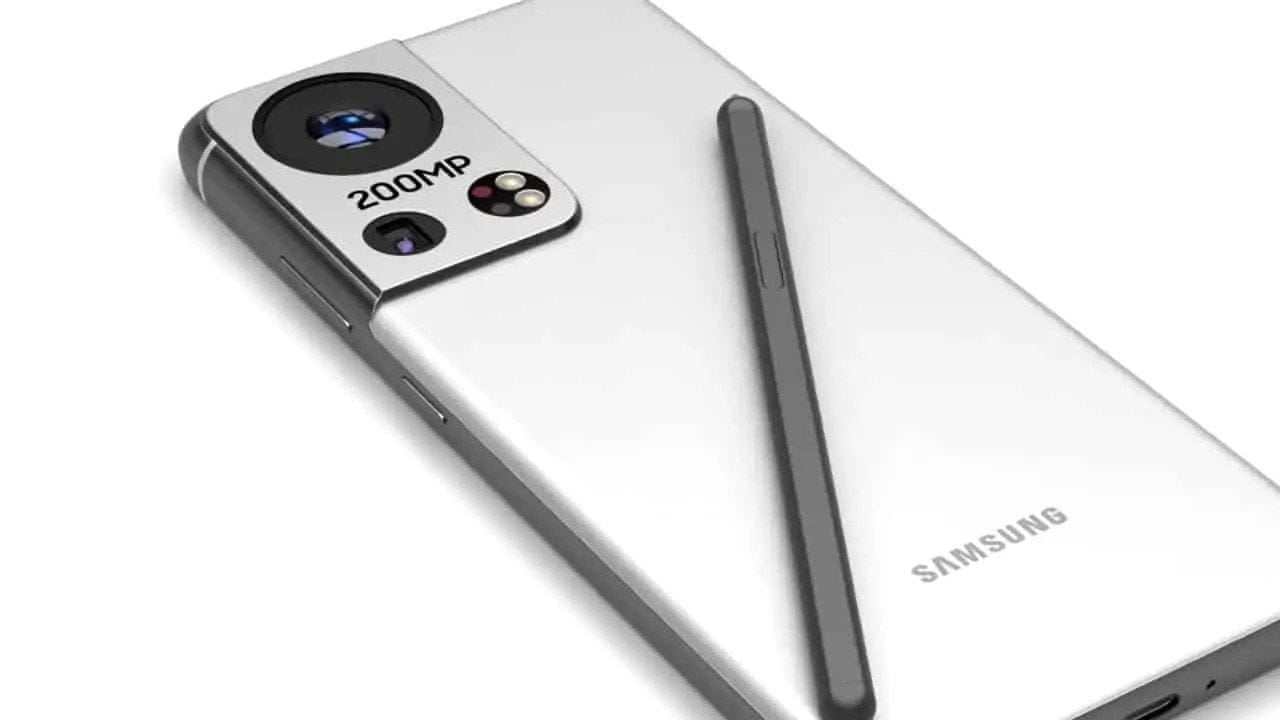
Samsung may improve the Galaxy S22’s camera options. The primary camera of the Galaxy S22 Ultra is expected to be 200MP. This would be the greatest pixel count possible for a Samsung phone if the rumors are accurate. In comparison, the Galaxy S21 Ultra features a 108MP wide-angle camera.
The news about the camera comes after a teaser tweet from Samsung Exynos, the company’s chipmaking subsidiary, in March that showed a 200MP phone camera. The update might be the outcome of a possible collaboration with Olympus.
Samsung’s reported 200MP primary camera would surpass Apple’s iPhone 12, which has a 12MP wide-angle and ultrawide camera. With a 12.2MP standard and 16MP ultrawide camera, Google’s Pixel 5 outperforms Apple slightly, but it still falls short of Samsung’s rumored 200MPs.
The Galaxy S22 Ultra might possibly include an under-display selfie camera, however, speculations about this feature are presently contradictory. Some think that Samsung has submitted a patent for a punch-hole camera with a sub-display, while others suggest that the Galaxy S22 won’t have a concealed front camera since the camera quality isn’t good enough.
Specifications
It’s possible that the Galaxy S22 may get a speed increase. According to CNET, the new flagship phone could be powered by Qualcomm’s Snapdragon 895 processor. The Galaxy S21, on the other hand, has a Snapdragon 888 processor. The increase in processing power is expected to be accompanied by an improvement in graphics. As a consequence of cooperation between Samsung and AMD, the Galaxy S22 might include an AMD GPU.
According to Dutch site LetsGoDigital, the Galaxy S22 may also include an active fan mode to keep the phone cool while gaming or during other periods of high usage.
The Charger Controversy
Although the battery life of the forthcoming Galaxy S22 line is unknown, Samsung announced earlier this year that future smartphones will not include chargers or headphones in the package, beginning with the Galaxy S21 line.
Verdict Samsung smartphones rarely disappoint and carry out tasks such asphone share with ease. The Samsung Galaxy S22 seems quite promising, we’ll have to wait for a bit longer to see if this device surpasses its predecessor in design and overall performance or if it is just another monotonous hyped-up smartphone.