Tag: harmony

  • Huawei Mate 80 Pro Max debuts with impressive new innovations – review

    Huawei Mate 80 Pro Max debuts with impressive new innovations – review

    Thanks to some of its most cutting-edge features, the Huawei Mate 80 Pro Max is one of the greatest flagship smartphones of 2025. No, we’re talking about the unique features that are worth your consideration rather than the ultimate specs!

    With the Mate 80 Pro Max and its state-of-the-art features, Huawei has addressed every issue, including performance and photography. Let’s examine each of these attributes of the new flagship in greater detail.

    Design: the best look!
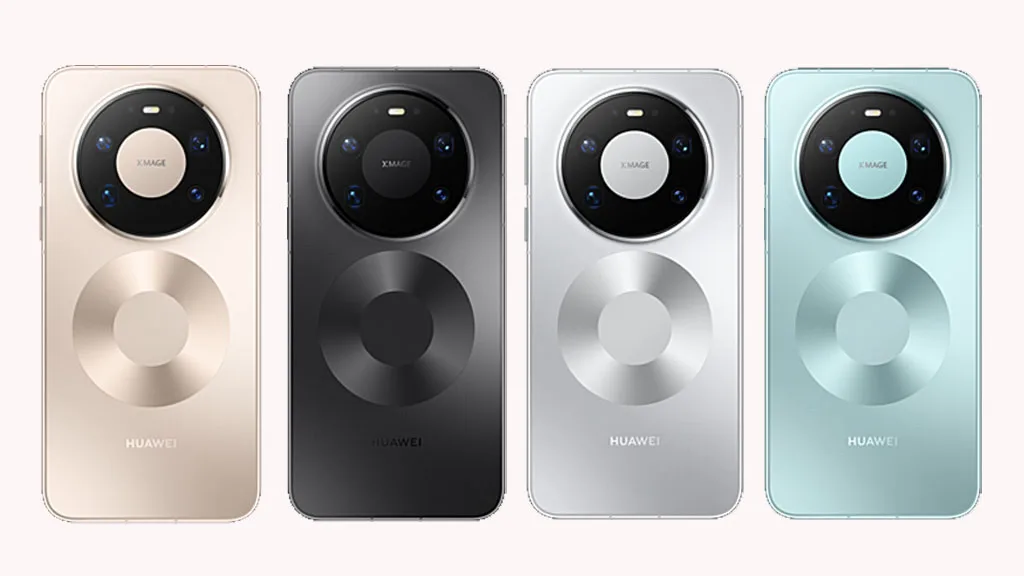
    Mate 80 Pro Max colors and design

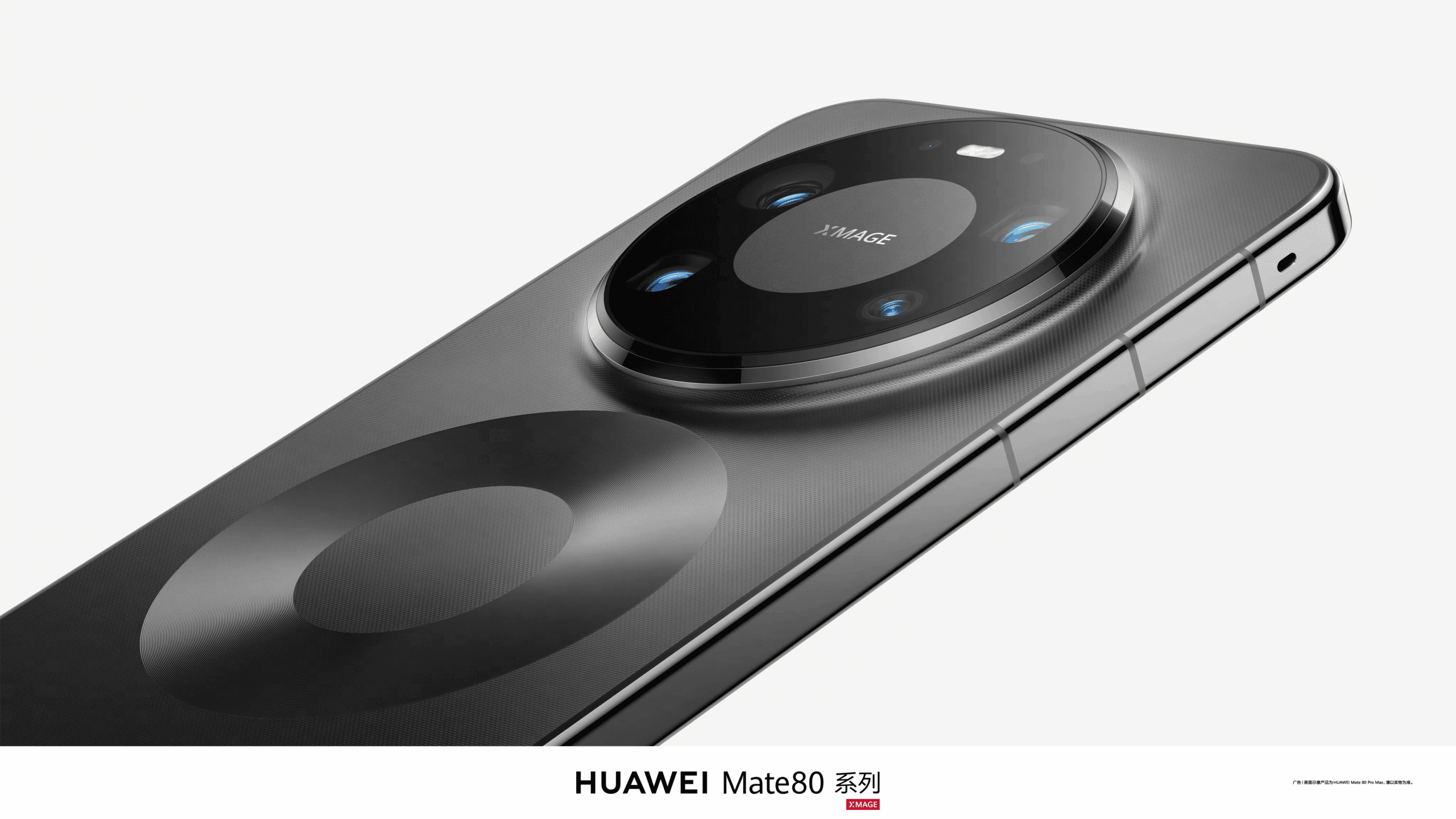
    Are you tired of the same old circle camera design on the back? The Mate 80 Pro Max has an infinite appearance because the manufacturer recognizes your feelings.

    This specific design strategy alludes to the new smartphone’s limitless, remarkable features. In order to highlight the device’s name and make it seem more auspicious, it also reflects the number “8.” It’s amazing how MATE is integrated into the lens architecture.

    In the meantime, your smartphone’s all-metal body guarantees that it will be safe and secure throughout its life, regardless of any drops, water falls, or scratches.

    Screen: Brightness like never before
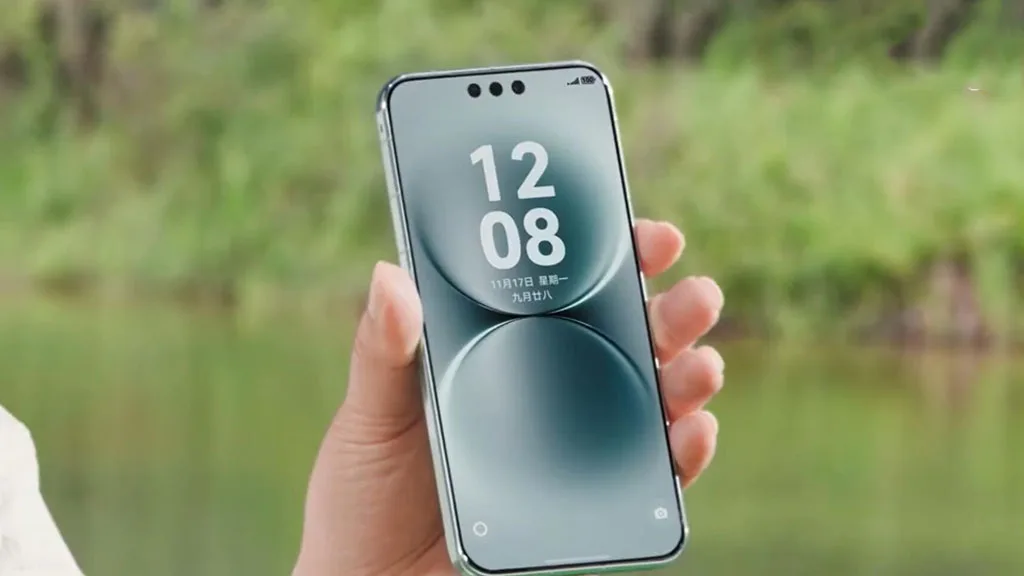
    Huawei Mate 80 Pro Max screen

    The screen of the Mate 80 Pro Max is the result of some unique work by Huawei. In contrast to previous Mate phones, the 2025 model has a dual-layer OLED panel that lowers battery usage while also increasing brightness.

    What’s unique, though? This time, it’s the maximum brightness, which is 8000 nits. The Mate 80 Pro Max is the first phone with this level of brightness, outperforming the iPhone 17 Pro Max and Galaxy S25 Ultra and establishing a new standard for premium models in 2026.

    When watching videos or playing games, the screen eventually stays clear even in direct sunshine, and the content’s colors are crisp and vibrant.

    Celia AI – the AI assistant
    celia ai

    Huawei joined the smartphone market with its Celia AI assistant, competing with Gemini and Siri. It is now a human friend with certain dynamic capabilities rather than an artificial intelligence model.

    With just a single utterance, you can now use Celia’s AI assistant to order new products, place restaurant orders, book flights, and perform a number of other tasks.

    Tell Celia, for example, if you want to order an outfit or something to eat while playing your favorite game. Additionally, it will take you straight to the payment stage. You can complete the transaction without exiting the game, so don’t worry. Additionally, the app will use your voice to verify the payment.

    Connectivity: weak signals become a thing of the past
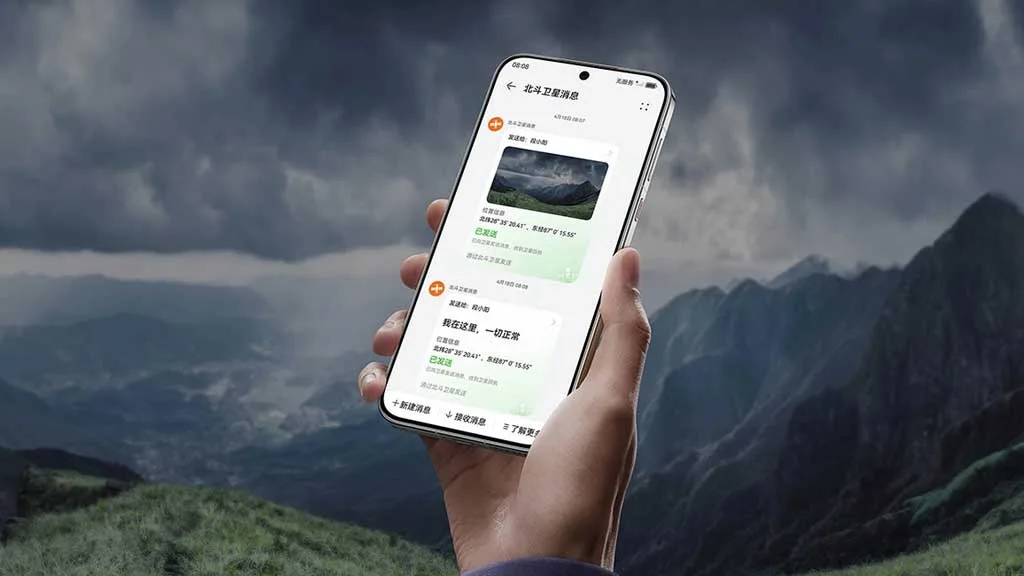
    Pura 70 Satellite

    With antenna breaks on all four sides of the frame (the phone’s rear panel), this would likely be the first gadget. What does that signify? The device will provide seamless communication regardless of how you handle it.

    Apps like Beijing Metro Line 10, which gained popularity because to its poor signal, now offer lag-free, uninterrupted video playback. Users may even monitor the weather without internet access thanks to dual-satellite connectivity.

    Three barriers can be penetrated and 13 kilometers can be covered via 700MHz wireless communication. As a result, you can communicate with other users even in places where there is absolutely no service.

    With its outdoor mode, the Huawei Mate 80 Pro Max’s battery lasts for 14 days. Hiking tracks for some well-known routes can be recorded, imported, or even downloaded with its assistance. Additionally, you identify the rising trend and indicate risk appropriately.

    Camera – top tier
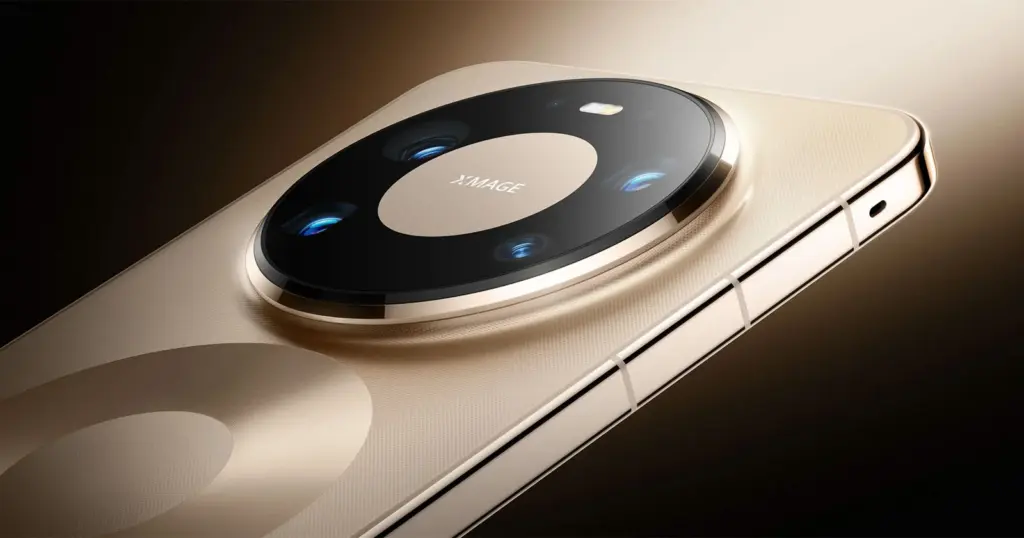
    Huawei Mate 80 Pro Max camera

    Mate phones are not so much imaging devices as they are performance-based ones. However, Huawei has perverted this theory this time. With five potent sensors, including the second-generation multispectral lens, the Mate 80 Pro Max boasts an amazing camera package.

    The gadget features a 50MP ultra-high dynamic primary camera, a 40MP ultrawide angle camera, a 50MP super-focus macro telephoto lens, a 50MP super telephoto sensor, and an improved multispectral lens for legendary image and video capture.

    The new multispectral camera increases color reproduction accuracy by 43% when paired with the 9th-generation ISP. They are more colorful than ever, regardless of whether the photo needs to be taken underwater, in strong light, or in a gloomy environment.

    Thus, these are the incredible qualities of the Huawei Mate 80 Pro Max that truly need your consideration. To improve the overall user experience, additional features include 5A Speed and smart grip.
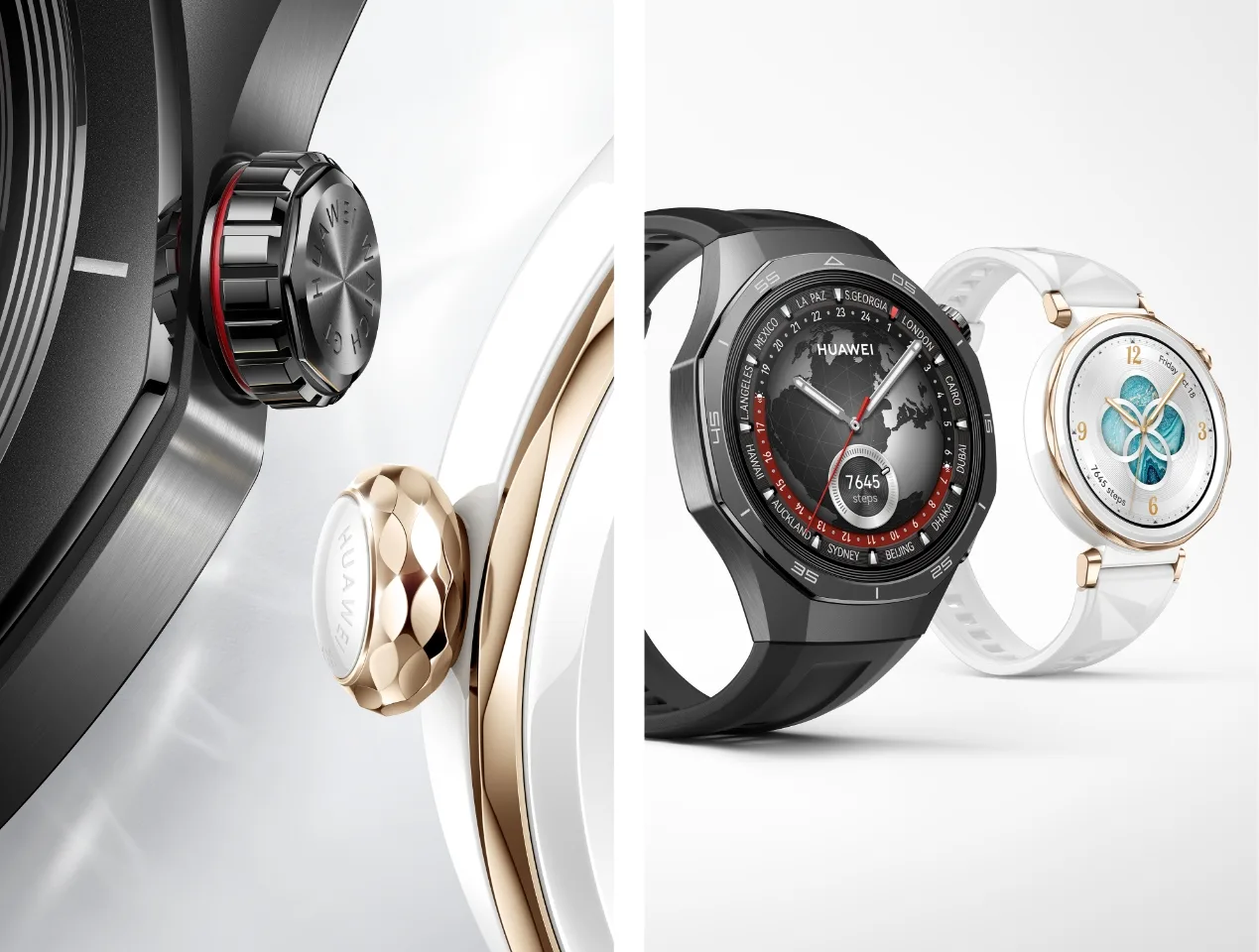
  • HarmonyOS 6 update brings tap-to-pay feature to Huawei Watch GT 5 Pro

    HarmonyOS 6 update brings tap-to-pay feature to Huawei Watch GT 5 Pro

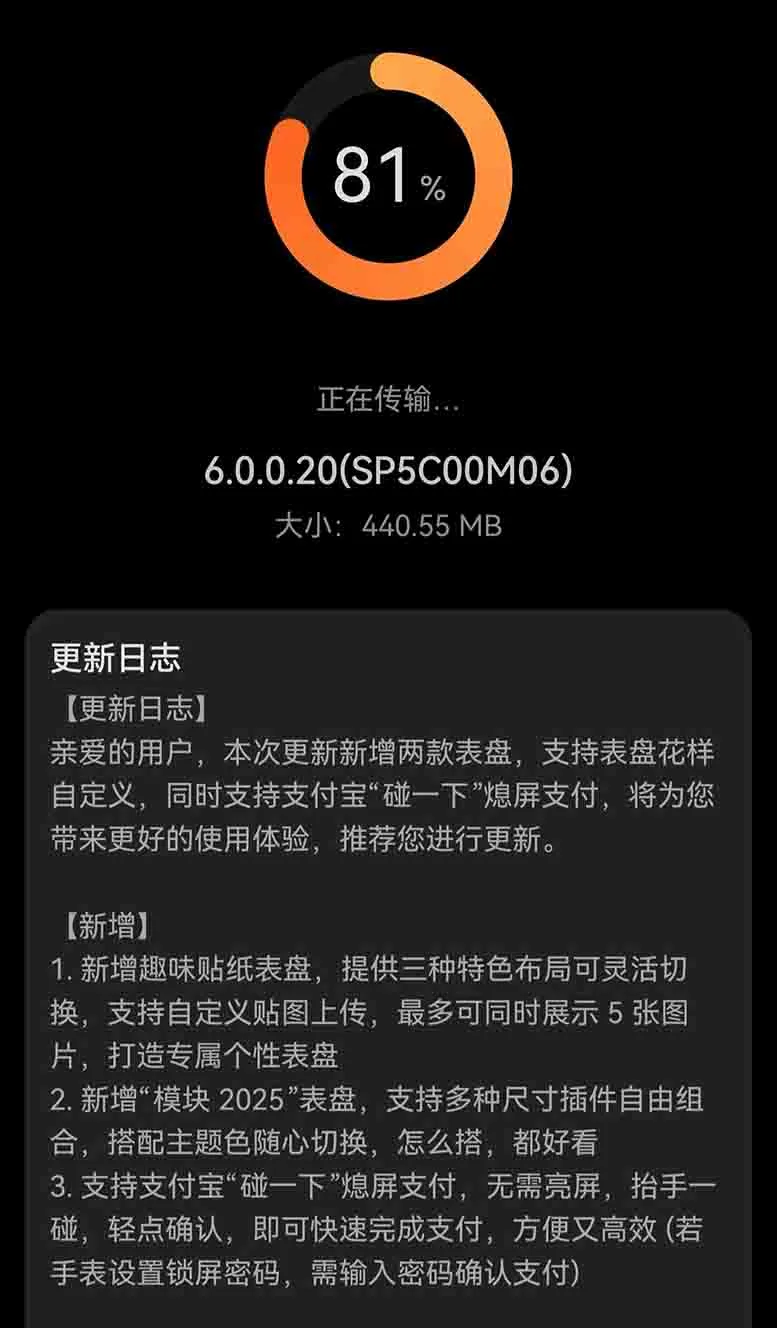
    With build version 6.0.0.20, the Huawei Watch GT 5 Pro wristwatch is now receiving a new HarmonyOS 6 update that enables users to tap to pay. The notice states that users who took part in the early testing program are currently receiving this update.

    The Huawei Watch GT 5 series, which debuted in September 2024, comes in two models: basic and Pro. Titanium Silver, Obsidian Black, Glacier White, and Ceramic White are just a few of its vivid color choices. It provides a long-lasting backup with a battery life of 14 days.

    The most recent HarmonyOS 6 beta update adds a number of new features to the Huawei Watch GT 5 Pro in addition to the tap-to-pay feature. These include the following.

    Three distinct layouts that are interchangeable have been added to the fun sticker watch faces. You may create your own distinctive watch face by uploading custom stickers, which can display up to five photos at once.

    HarmonyOS 6 beta update

    HarmonyOS 6 Huawei Watch GT 5 Pro update

    The new “Module 2025” watch face boasts that “it looks excellent no matter how you customize it” and supports a free combination of different-sized widgets and simple theme color switching.

    Supports Alipay’s “Tap to Pay” feature, which lets you swiftly finish payments without turning it on by just raising your wrist and pressing the screen. In order to verify the payment, you must input the lock screen password if your watch has one.

    You should be aware that this feature upgrade is only available to Chinese users; Huawei has not yet made it available to customers worldwide.

  • Huawei’s HarmonyOS leads over iOS in China for 6th quarter running

    Huawei’s HarmonyOS leads over iOS in China for 6th quarter running

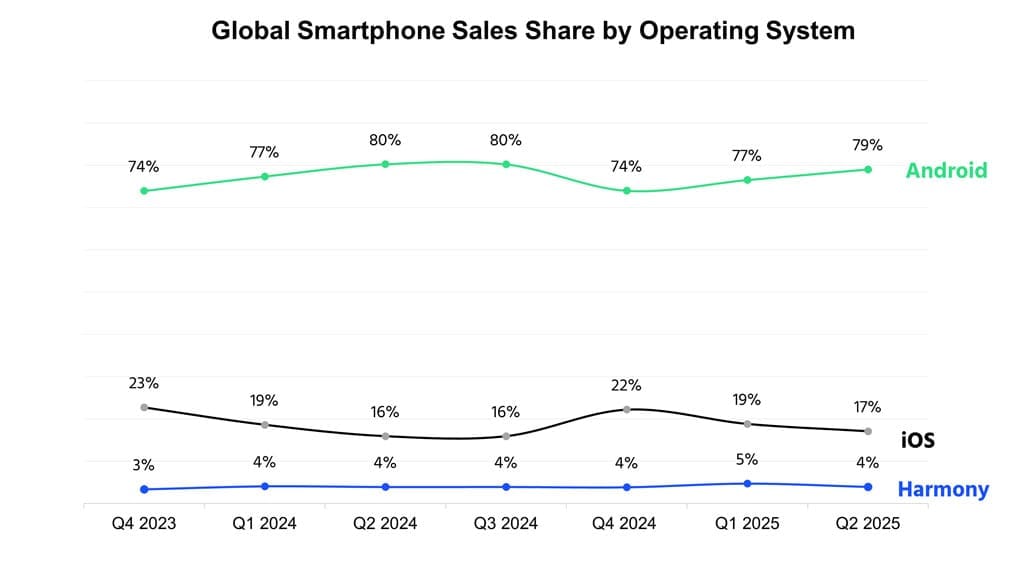
    With its proprietary HarmonyOS, Huawei is gaining ground in the mobile operating system market and has overtaken iOS in China for the sixth consecutive quarter. It now seeks to displace Android as the market leader for mobile operating systems.

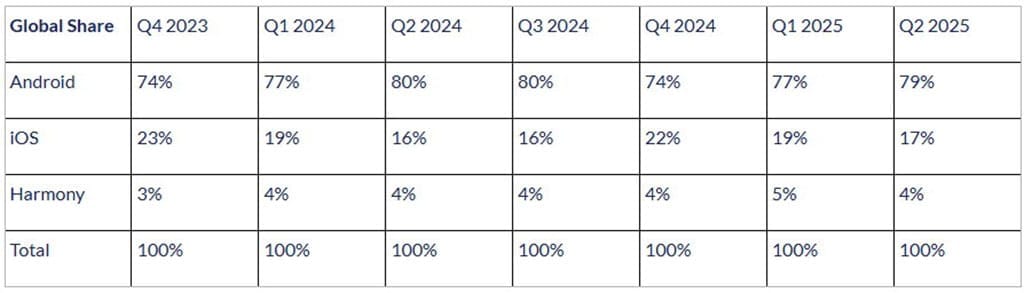
    At the moment, Android dominates the worldwide smartphone operating system market. Globally, it holds 79% of the shares. Huawei, however, intends to outperform this US-based competitor with its “NEXT” offering.

    According to the operating system report for Q2 2025, Counterpoint holds a share of the worldwide smartphone sales market. Despite gaining a sizable portion of the market, Android is losing ground in China as a result of HarmonyOS‘s quick ascent there.

    According to the research organization, Android is mostly restricted in China because of the escalating rivalry, and in India because of premiumization. However, the OS has been supported by companies like Vivo, Samsung, Motorola, and Honor during the quarter.

    For the 6th quarter, Huawei HarmonyOS stays ahead

    OS

    However, iOS also saw a 1% growth in its market share worldwide. It has performed admirably in a number of markets, including Brazil, the Middle East, and India.

    Because of the affordable iPhones and the recently released iOS 26 build version, iOS has also had the highest upgrade rate in the second quarter of this year.

    However, for the sixth straight quarter, Huawei’s HarmonyOS has pushed iOS further back in China. The legendary Pura X foldable and the latest Nova 14 versions deserve a lot of praise. Both models have attracted a lot of interest.

    The first device to release the stable HarmonyOS NEXT was the Pura X. Eye-tracking and a super Celia AI assistant were among the intriguing technologies it brought in.

    In order to provide a more dependable user experience, the Nova 14 series was the first conventional phone device to be pre-installed with the stable HarmonyOS 5.0.

    “HarmonyOS continues to grow in China and remains the second largest smartphone OS in the country for the sixth consecutive quarter. Huawei’s Nova series smartphones contributed heavily, and the foldable Pura X was also received well, keeping the brand competitive.” – said Counterpoint.

    Following this, Huawei plans to provide HarmonyOS 5.0 to the global market, initially with wearables and then with tablets. It would be interesting to observe when the operating system would overtake Android as the dominant player in the global smartphone market.

    global share1
  • ArkUI and other improvements available in Huawei HarmonyOS 5.0.3 Beta 2

    ArkUI and other improvements available in Huawei HarmonyOS 5.0.3 Beta 2

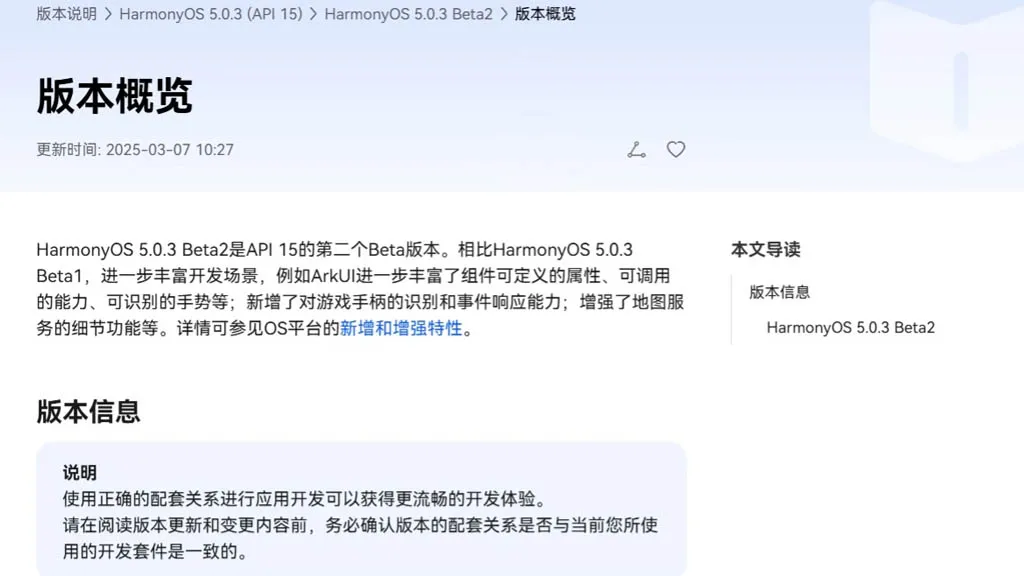
    With an extensive list of new features and improvements, Huawei has made the HarmonyOS 5.0.3 beta 2 rollout available to developers. Numerous areas have been enhanced by the company, such as ArkData, ArkUI, AppGallery Kit, Camera Kit, Core File Kit, and more.

    Also, it has expanded these segments’ capabilities to improve internal management and developers’ overall experience. The new HarmonyOS 5.0.3 Beta 2 was created by the Chinese phone manufacturer using API 15. In comparison to the previous edition, it significantly redesigns the development scenarios.

    harmonyos with arkui framework

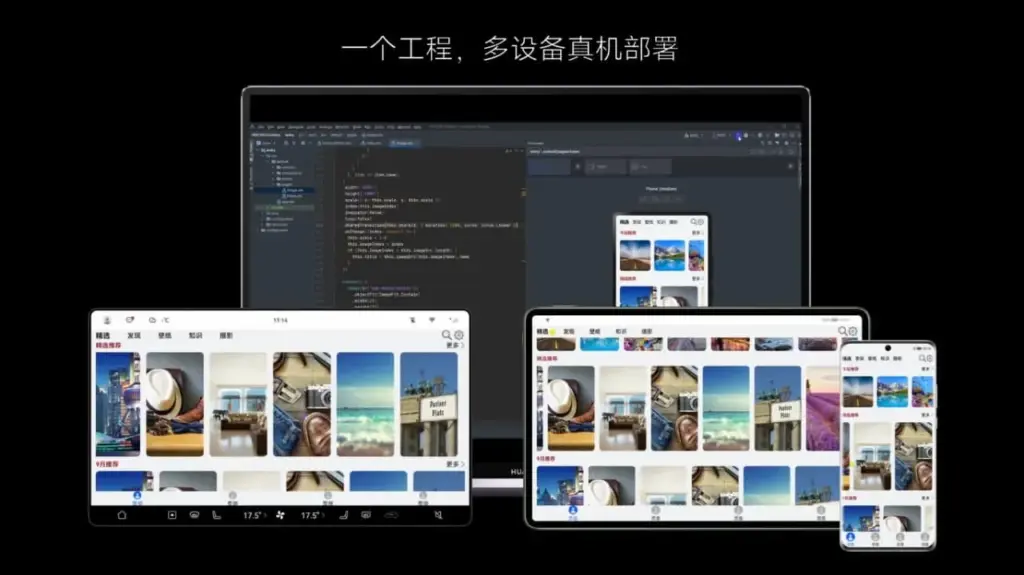
    Mainly ArkUI improves the responsiveness, callable capabilities, and customizable attributes for map services and game controllers. Only because of its graphical repercussions for the development of HarmonyOS 5.0.3 have we brought up the ArkUI in the vast changelog. The complete changelog is available at the source link below.

    harmonyos 5.0.3 Beta2

    HarmonyOS 5.0.3 Beta 2: ArkUI Changes

    • The basic component now supports the ability to insert text at a specified location in the edited text and delete the content in a specified area.
    • The focus axis event has been added to the general events to support responses to game controller axis events. The C API also supports obtaining the value of the operation type of the current axis event.
    • The pattern password lock component now supports setting whether unselected grid dots are automatically selected when the password path passes through them.
    • Window Management A new C API for window management is defined, which is mainly used to set and get the properties of a specified window, as well as to set the status bar style and navigation bar style of a specified window.
    • The Image component now supports color filling that can overwrite the original color. This feature is only available for image sources in SVG format.
    • The Image component now supports automatic transformation based on the image matrix, providing automatic transformation optimization when presenting grid-type thumbnails in scenes similar to galleries.
    • The Tabs component and Swiper component now support setting the mouse wheel page turning mode.
    • NavDestination adds support for callbacks when events return, which is used to pass parameters when events return.
    • The TextPicker component now supports configuring the text style of each selection item.
    • The Progress component adds a new C API to support the setting of the linear progress bar style.
    • The folding screen state enumeration in the screen property module adds multiple state definitions for the folding axis 2.
    • The Node attribute style of the C API adds the background blur effect attribute NODE_BACKDROP_BLUR.
    • FrameNode now supports cross-language capabilities.
    • FrameNode now supports the expansion mode of child nodes when traversing nodes.
    • Size settings now support setting width and height to adapt to the parent component layout.
    • Text components now support shortcut key tips (labelInfo) in TextMenuItem.
    • The three types of pop-up components now support setting the pop-up display level and related properties and effects (levelMode, levelUniqueId, immersiveMode).
    • BindSheet adds support for the radius property, which is used to set the radius of the semi-modal page corners, and adds support for the detentSelection property, which is used to set the non-gesture switching position.
    • Added a new navigation point component, providing two navigation point styles: dot navigation point and digital navigation point.
    • The Swiper and Tabs components now support animated transitions.
    • The Swiper component now supports sliding behavior interception events, which can determine whether sliding behavior is allowed. The C API controls this through a property named NODE_SWIPER_EVENT_ON_CONTENT_WILL_SCROLL.
    • Third-party platforms have added support for finding the previous or next focus (ARKUI_ACCESSIBILITY_NATIVE_ACTION_TYPE_NEXT_HTML_ITEM, ARKUI_ACCESSIBILITY_NATIVE_ACTION_TYPE_PREVIOUS_HTML_ITEM) when they are connected to the ArkUI accessibility framework.
    • The third-party platform is connected to the ArkUI accessibility framework to add support for multi-instance scenarios.
    • The NavDestination component information of the ohos.arkui.observer module adds the NavDestination type and uniqueId.
    • Added support for C API screenshot capability.
    • UIContext now supports getting screenshots of loaded components by unique Id.
    • UIContext now supports the ability to obtain the layout information of the meta-service menu bar relative to the window.
    • New C API for common events supports obtaining the ID of the current touch event trigger.
    • A new interface with the same name has been added to the window for 2-in-1 devices to set application window size limits.
    • A new interface of the same name is added to the window for specifying the position of the mouse within the window and moving the window.
    • The window adds an asynchronous callback for the window close event monitoring of 2-in-1 devices.
    • The window now supports enabling the monitoring of picture-in-picture window size change events.
    • The window now supports dynamically setting the title of the window title bar.
    • The window now supports setting the main window’s support modes (full screen, floating window, split screen, etc.).
    • NavDestination now supports setting whether to hide the back button in the title bar.
    • Added C API support for controlling focus and handling focus events.
    • Added C API to support forwarding of clone events.
    • The Popup component adds the keyboardAvoidMode property to set whether the Popup bubble avoids the soft keyboard.
    • The pop-up window now supports setting the distance to avoid the keyboard. The ArkTS API is provided as attributes. You can search for the keyword keyboardAvoidDistance in the table pointed to by the link.
    • The attribute string now supports the settings of ResourceStr type images.
    • The attributed string image object now supports obtaining the attributed string image color filter effect (colorFilter).
    • The drag capability now supports obtaining the drag data of the drag progress bar.
    • The component screenshot capability now supports defining component screenshot areas.
    • The Tabs component adds component parameters to support setting the tab position of the Tabs.
    • Text components now support triggering callbacks when the text content is about to change.
    • Added support for obtaining whether touch-related events come from the left or right hand, involving multiple modules: the event module added relevant C API, the gesture binding method added a hand attribute to the FingerInfo object, the touch event TouchObject object added a hand attribute, and the click event clickevent object added a hand attribute.
    • Added support for checking the number of fingers touching the screen, involving multiple modules: NDK added related C APIs, and components added the property isFingerCountLimited to set whether to check the number of fingers touching the screen. This property can be viewed in the reference page of each component.
    • Added support for setting the priority of key event processing and the ability to redistribute. Involved: NDK added a C API for setting the priority of key event processing, NDK added NODE_DISPATCH_KEY_EVENT to the ArkUI_NodeEventType enumeration, indicating the component key event redispatching event (C API), UIContext added an ArkTS API for setting the priority of key event processing, and UIContext added an ArkTS API for distributing key events to specified components.
    • The C API adds support for NODE_CHECKBOX_GROUP-related capabilities. You can search for this keyword in the API reference.
  • Huawei will speed up the public beta launch of HarmonyOS NEXT.

    Huawei will speed up the public beta launch of HarmonyOS NEXT.

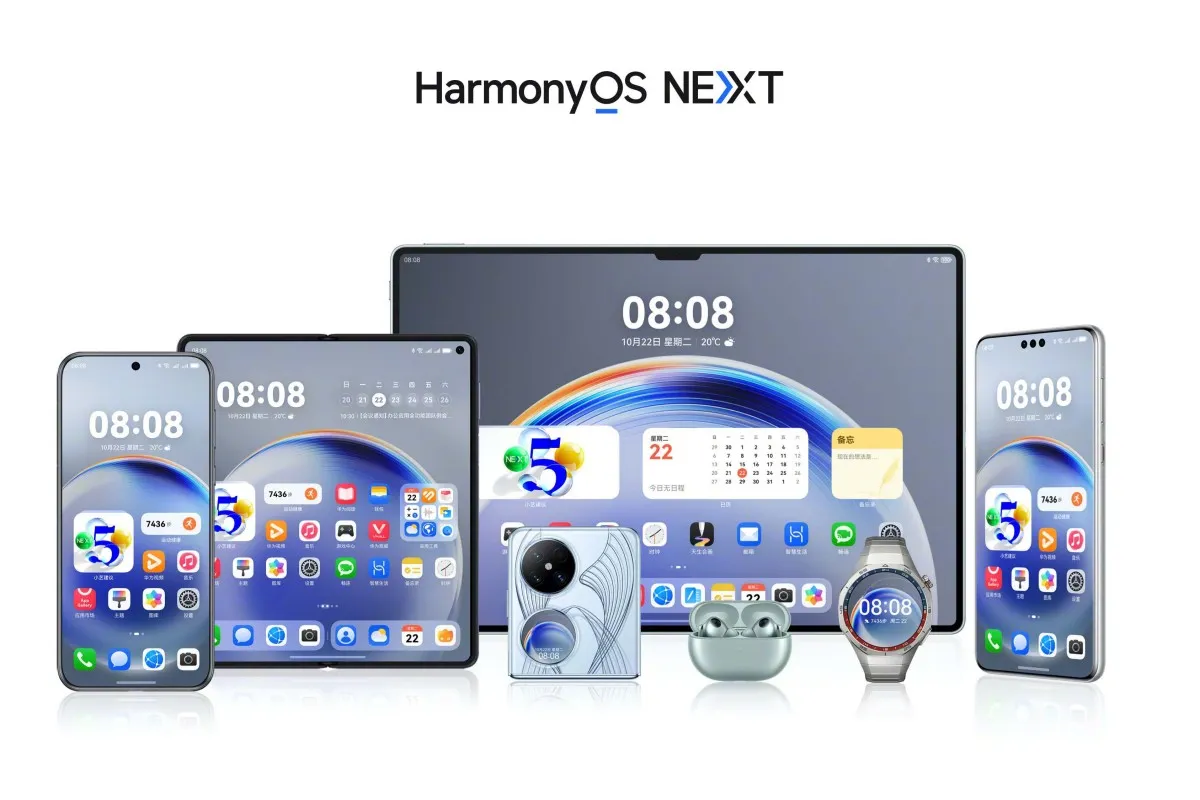
    In March, Huawei is probably going to speed up the HarmonyOS NEXT public beta release. For a few mid-range phones and flagship tablets, the business is presently concentrating on closed beta testing. However, it might soon expedite software testing for the general public.

    The HarmonyOS NEXT public beta program will begin operating on the fast track in March, according to FixedFocus. The new update will soon be available to users who have been waiting for it.

    According to official information, the HarmonyOS NEXT closed beta second wave for the MatePad Pro 12.2, Nova 13 series, and Nova 12/Pro has begun. Next month, these models might go into public beta testing. Owners of the corresponding devices can get ready for installation and take advantage of certain stable software.

    Harmonyos Next scaled 1

    According to the tipster, NEXT will be pre-installed on the Pocket 3 foldable, which is anticipated to make its debut next month. In the meantime, work on the HarmonyOS PC version might also start in earnest in March.

    The estimated weight of the public beta firmware is 2.0GB. The size of the software package may differ depending on the model. We advise having 8 to 10GB of storage available so that the update may be installed without any problems.

    Since HarmonyOS NEXT has the ability to erase all data for improved optimization, make a backup of your device’s data in beforehand. For a smooth installation process, make sure you have a reliable internet or Wi-Fi connection. The battery needs to be charged, which you can do quickly!

    Public beta journey for HarmonyOS NEXT

    In October of last year, the business started the HarmonyOS NEXT public beta test. The Mate 60 series, Mate X5, and MatePad Pro 13.2 2024 tablet were among the flagship products for which it was first made available. It then made its way to Pocket 2 and Pura 70.

    The HarmonyOS NEXT public beta pool now includes devices such as the MatePad Pro 11 2024 tablet and the Nova 12 Ultra/Star Edition. Compared to the closed beta versions, it provides a little more stable software experience. Huawei plans to expand this batch of smartphones in the near future.

  • EMUI 11 release schedule published – 37 Huawei and Honor devices eligible

    EMUI 11 release schedule published – 37 Huawei and Honor devices eligible

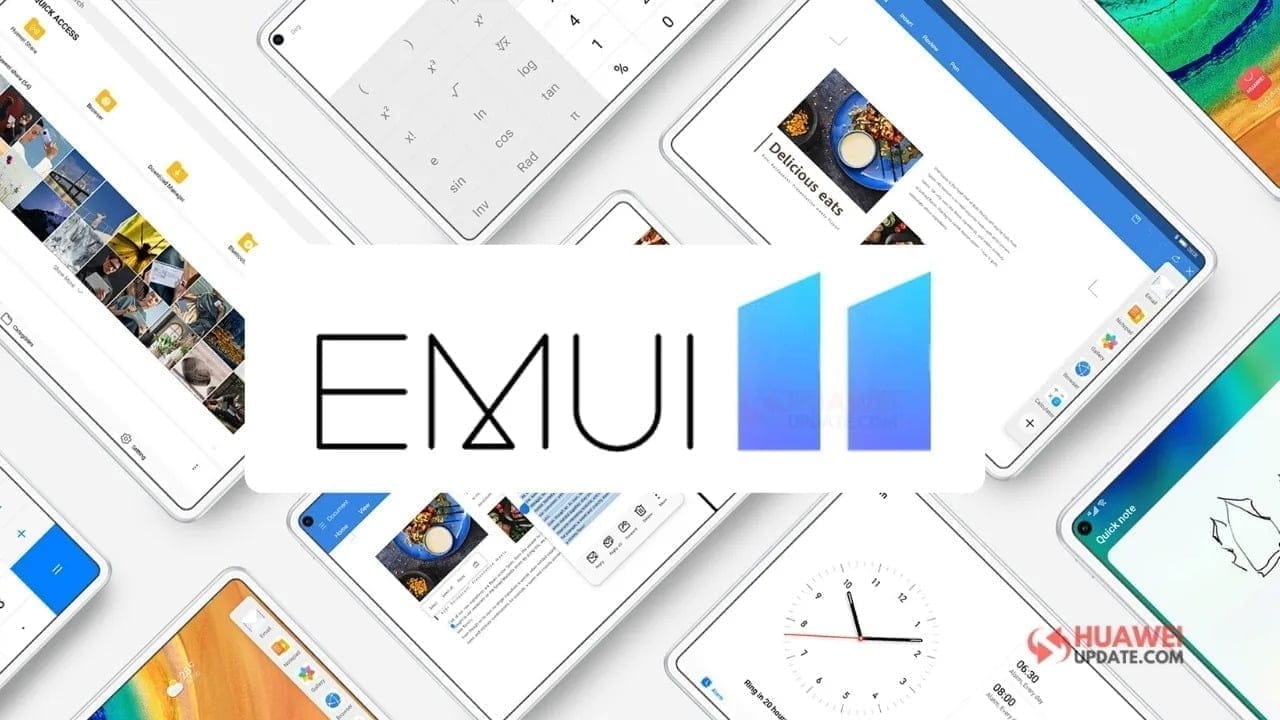
    EMUI 11 to be released

    emui 11

    Recently, one of Huawei ‘s officials confirmed in an interview that the company is planning for the EMUI 11 user interface to become the last in the firmware sequence of the manufacturer’s firmware before transitioning to its own operating system. So, it’s interesting to see which devices from Huawei are going to update to EMUI 11.

    The company has published a list of those models that will soon receive the new version of their user interface. It includes 37 devices from Huawei and Honor. Already in November, owners of flagship series Huawei P40, Honor 20, Huawei Mate 30 and Mate 20 will be able to upgrade to EMUI 11, and for Huawei Nova 7, Nova 7 Pro 5G, Nova 6, Nova 6 5G, Huawei P30 / P30 Pro, Honor V30 / V30 Pro, Honor 30/30 Pro / 30 Pro + and Huawei MatePad 10.8, they will have a beta version of the new firmware.

    The full list of models that will receive the update can be found on the company’s official timeline. And note that this is the Chinese edition of EMUI 11.

    All of these devices are the first devices to get the patented HongMeng OS (Harmony OS) operating system, with a high degree of likelihood. Note that Huawei aims to move its devices to operating systems that are proprietary. EMUI 11 is, in reality, a transitional firmware version. It will mark the change to their own OS for the company’s gadgets.

    HongMengOS 2.0 beta is already ready for different devices at the moment, including TVs and smartwatches. We expect that on mobile devices, this specific firmware update should arrive. On this matter, we are waiting for official comments from the organization.

    emui 11

    A new report from MyDrivers cites an interview with Wang Chenglu, head of software development at Huawei Consumer Business Group. The interview raised the question of how the company plans to replace EMUI 11 with the Harmony (or HongMeng in China) operating system. To this, Chenglu replied that EMUI 11 already uses the same framework as HongMeng; the same system scheduler, and other similar elements.

    It can be understood from these terms that the new version of EMUI, based on Android 11, was developed specifically as a transitional version, which prepares the devices for the adoption of the first public HarmonyOS update.

    The new version of the firmware, HongMengOS 2.0 beta, is currently ready for different smart devices: TVs, watches, etc. It is suspected that smartphones would have to come with this unique version of the firmware. We’re going to wait for formal statements.